BGA Rework Soldering Station Suppliers and Manufacturers
Source 15 verified BGA Rework Soldering Station suppliers from China. Compare lead times, MOQs, and certifications to find the right partner. Contact suppliers directly to request quotes and verify production capabilities; review the available evidence before requesting comparable quotations from suitable candidates.
Updated
Suppliers List

Dongguan Mingrui Technology Co., Ltd.
- Verified by SGS
- Trading Company
- China Guangdong
- Lead time30 days
- Avg. response≤ 1h
Main productsSMT Line, DIP Line, SMT Printer, X-ray, PCB Conveyor, Laser Marking, Wave Soldering Machine, Pick and Place, Reflow Oven, Coating Machine
Main marketsOthers(foreignTradeCapacity.exportBusinessCapacityMarketOther)

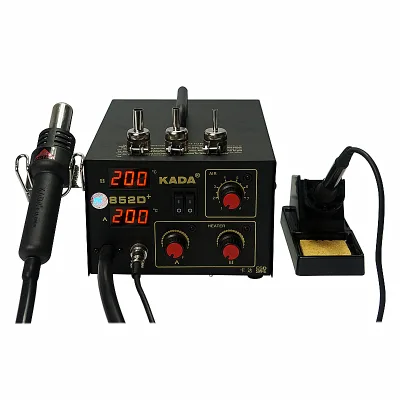
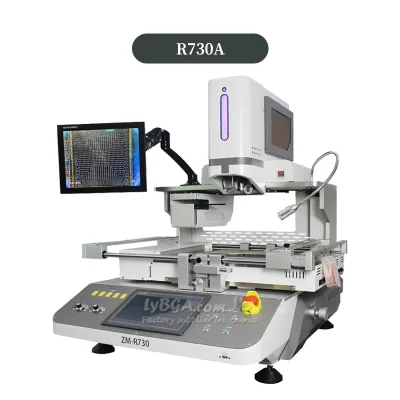
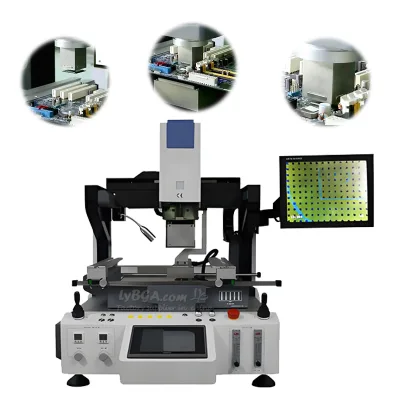
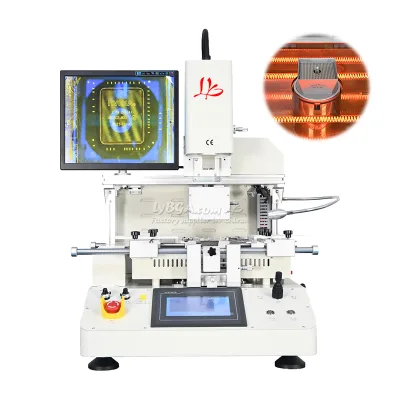
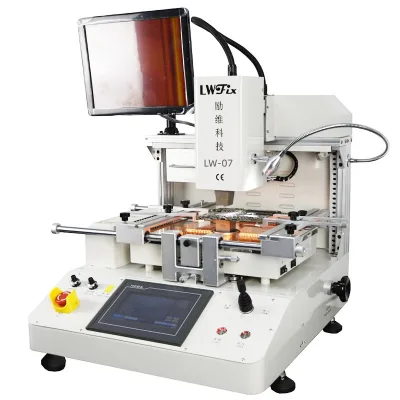
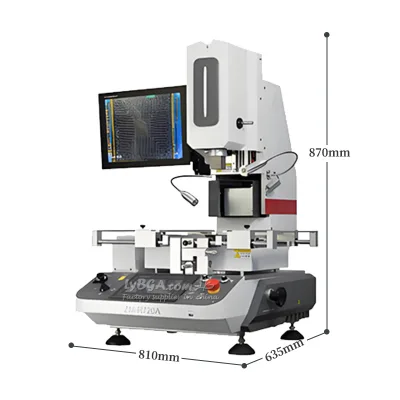
PCB BGA Rework Station Factory Hot Sale BGA Soldering Rework Station
$5000.00 - $7000.00
MOQ: 1 Pieces

$5000.00 - $7000.00
MOQ: 1 Pieces

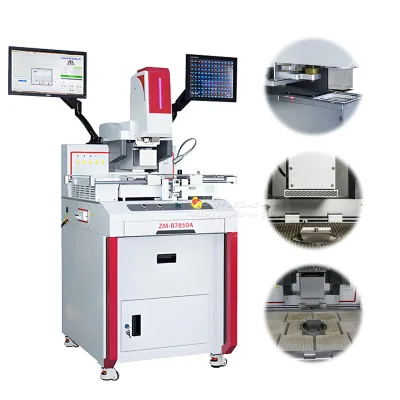
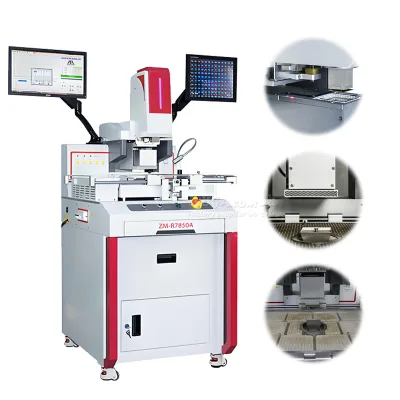
Professional ECU Repair BGA Rework Station with Infrared Hot Air Soldering Machine
$5000.00 - $7000.00
MOQ: 1 Pieces


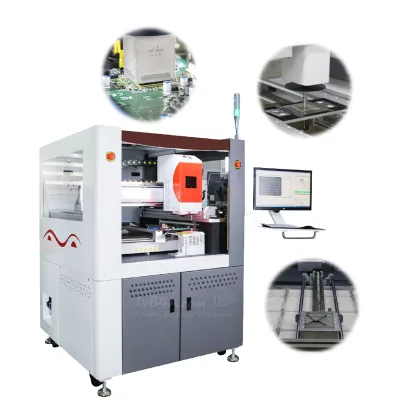
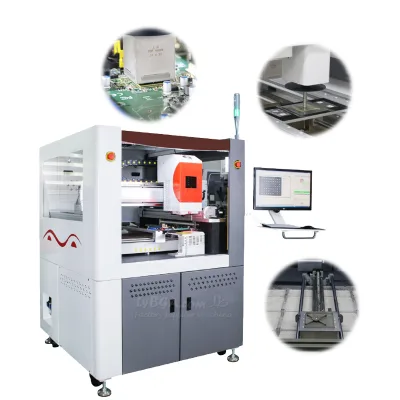
BGA Rework Station for SMT Testing with Good Service for PCB Production
$25000.00 - $27000.00
MOQ: 1 Pieces

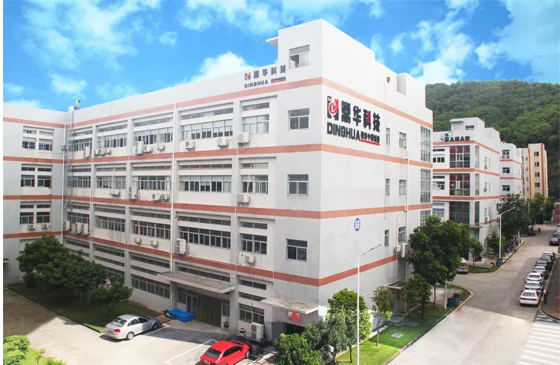
Shenzhen Dinghua Kechuang Technology Co., Ltd.
- Manufacturer
- Guangdong, China
- Lead time2 days
- Avg. response≤ 2h
Main productsAutomatic BGA Rework Station,Xray Inspection Machine,Xray Component Counter Machine,PCB X-ray NDT Machine,Automated Equipment
Main marketsAfrica(15.00%), Western Europe(15.00%), South America(15.00%), North America(15.00%), South Asia(10.00%), Southeast Asia(10.00%), Eastern Asia(10.00%), Mid East(10.00%)
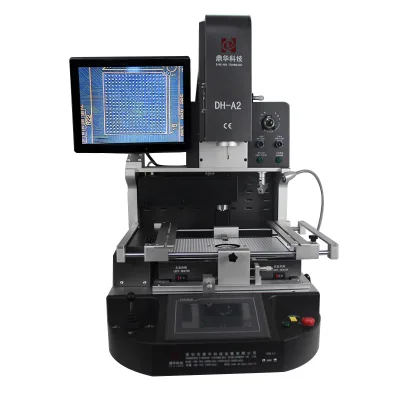
Cell Phone Repair Work Station Infrared Bga Rework Soldering Tool
$4800.00 - $6000.00
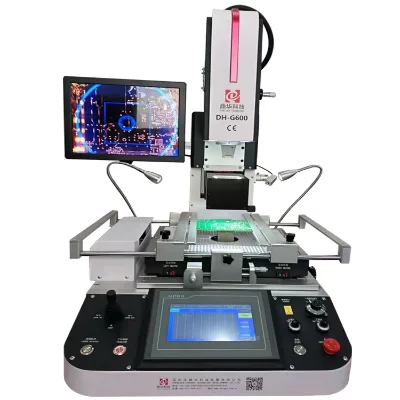
$4299.00 - $5599.00
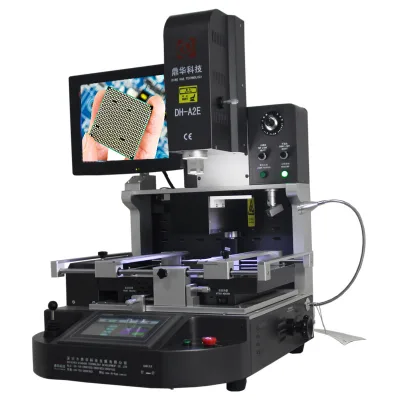
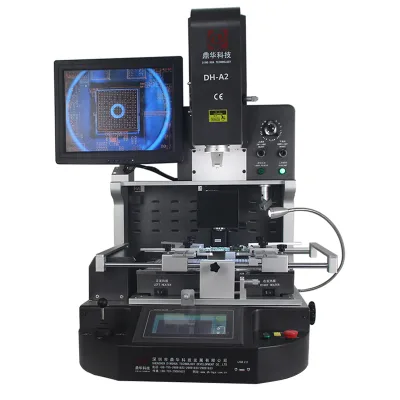
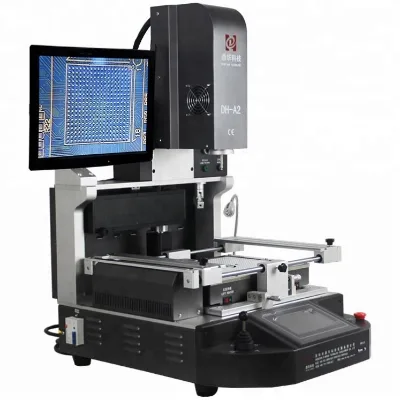
Manual & Automatic Mode Optional DH-A2E Bga Soldering Station with LED Light
$1999.00 - $9000.00

Shenzhen Shengdian Electronic Equipment Co., Ltd.
- Combined
- China Guangdong
- Lead time15 days
- Avg. response≤ 9h
Main productsSMT Machine, Reflow Soldering Oven, Ng /Okfully Automatic Loading Machine., Conveyor, Pick and Place Machine, Wave Soldering, Solder Paste Printing Machine, SMT Loader/ Unloader, Semi-Automatic Printing Press, Shuttle
Main marketsSouth America,Africa,Southeast Asia/ Mideast,East Asia(Japan/ South Korea),Domestic,Europe,Australia,North America

BGA Rework Station Wholesale Automatic Soldering PCB BGA Chip Rework SMD Rework Stations
$5600.00 - $11850.00
MOQ: 1 Set

BGA Rework Station Machine Automatic BGA Soldering Rework for PCB BGA Chip Board
$1700.00 - $2700.00
MOQ: 1 Set

Shenzhen Factory Automatic BGA Rework Station for Mainboard Repairing/Soldering Station
$5600.00 - $7200.00
MOQ: 1 Set

Rework Station Automatic Soldering/Welding PCB BGA Chip Rework SMD Rework Stations
$3660.00 - $3800.00
MOQ: 1 Set

$3700.00 - $4800.00
MOQ: 1 Pieces

BGA Rework Station SMD Rework Desktop Machine Automatic BGA Soldering Rework for PCB BGA Chip Board
$1700.00 - $2700.00
MOQ: 1 Set

Shenzhen City Yixin Technology Co., Ltd.
- Manufacturer, Agent, Distributor/Wholesaler
- Guangdong, China
- Lead time5 days
- Avg. response≤ 3h
Main productsCellphone Repair,Tablet fix,Cellphone Accessories Retail,Cellphone accessories wholesale,Phone refurbish
Main marketsNorth America(55.00%), Western Europe(25.00%), Eastern Europe(5.00%), South America(2.50%), Northern Europe(2.50%), Southern Europe(2.50%), Southeast Asia(1.75%), Oceania(1.50%), Domestic Market(1.50%), Eastern Asia(1.00%), Mid East(1.00%), Africa(0.25%), South Asia(0.25%), Central America(0.25%)
Shenzhen Liyang Welding Equipment Co., Ltd.
- Trading Company
- Lead time旺季: "1 - 12":12,"> 12":"To be negotiated", 淡季: "1 - 12":12,"> 12":"To be negotiated"
- Avg. response≤ 4h
Main productsBGA rework station,BGA reballing kit,CNC Router,Laser engraving machine,Fiber marking machine
Shenzhen Liwei Electronic Co., Ltd.
- Manufacturer, Trading Company, Buying Office
- Guangdong, China
- Lead time7 days
- Avg. response≤ 3h
Main productsbga repair machine,xray inspection machine,bga reballing kit,solder ball,solder paste
Main marketsSouth America(30.00%), Southern Europe(20.00%), Western Europe(20.00%), Eastern Europe(20.00%), Eastern Asia(5.00%), Africa(5.00%), Northern Europe(2.00%)

SHANDONG PUHUI ELECTRIC TECHNOLOGY CO., LTD
- Combined
- China Shandong
- Lead time15 days
- Avg. response≤ 10h
Main productsBGA Rework Station, Reflow Oven, Infrared IC Heater, Wave Soldering Machine, IR-Preheating Plate, Reflow Soldering Station, Infrared Soldering Station, SMD Rework Station, Reflow Solder Oven, SMT Soldering Machine
Main marketsSoutheast Asia/ Mideast,East Asia(Japan/ South Korea),Domestic,Europe,Australia,North America
Shenzhen Liyang Engraving Equipment Co., Ltd.
- Manufacturer, Trading Company, Distributor/Wholesaler
- Guangdong, China
- Lead time15 days
- Avg. response≤ 4h
Main productsCNC Engraving Machine,Laser Welding Machine,Laser Engraving Machine,Laser Marking Machine,Laser Cleaning Machine
Main marketsWestern Europe(10.00%), Africa(10.00%), Southeast Asia(10.00%), Eastern Europe(10.00%), South America(10.00%), North America(10.00%), Domestic Market(5.00%), South Asia(5.00%), Southern Europe(5.00%), Northern Europe(5.00%), Central America(5.00%), Oceania(5.00%), Eastern Asia(5.00%), Mid East(5.00%)

Jumicro Intelligent Equipment (Jiangsu) Co., Ltd
- Verified by CTI
- Combined
- China Jiangsu
- Lead time23 days
- Avg. response≤ 2h
Main productsSmart Sensing Rack, Smart Sensing Mobile Cart, Smart Stencil Storage Cabinet, Smart Solder Paste Storage Cabinet, First Article Inspection (Fai) Station, Stencil Inspection Machine, X-ray Inspection System, Smart X-ray Component Counter, Dry Storage Cabinet, SMT Auto Splice Machine
Main marketsSoutheast Asia/ Mideast,Domestic

Versatile BGA Rework Station for Professionals Handling Various PCB Sizes
$3380.00 - $3980.00
MOQ: 1 Pieces

Compact BGA Rework Station Designed for Professionals and Enthusiasts
$3380.00 - $3980.00
MOQ: 1 Pieces


- Trading Company
- Anhui, China
- Lead time5 days
- Avg. response≤ 10h
Main productsLED LCD Panel Repair Machines,LCD Refurbishment Machine,LCD Repair Tools,LCD Spare Parts,Electronics Repair Spare Parts and Accessory
Main marketsSouth America(12.00%), Mid East(11.00%), Africa(10.00%), Southeast Asia(10.00%), North America(10.00%), Eastern Europe(10.00%), Northern Europe(8.00%), South Asia(8.00%), Southern Europe(8.00%), Oceania(5.00%), Western Europe(4.00%), Central America(2.00%), Eastern Asia(2.00%)
Shenzhen Jueyue Technology Co., Limited
- Manufacturer, Trading Company
- Guangdong, China
- Lead time3 days
- Avg. response≤ 10h
Main productsMobile refurbish machines,mobile repairing tools,Parts for Mobile Phone,UV LED Light,Accessory for mobile
Main marketsNorth America(50.00%), Southern Europe(10.00%), Northern Europe(10.00%), Western Europe(10.00%), Eastern Europe(10.00%), South America(10.00%)
Shenzhen Dinggong Electronic Tool Instrument Co., Ltd.
- Manufacturer
- Guangdong, China
- Lead time0 days
- Avg. response≤ 7h
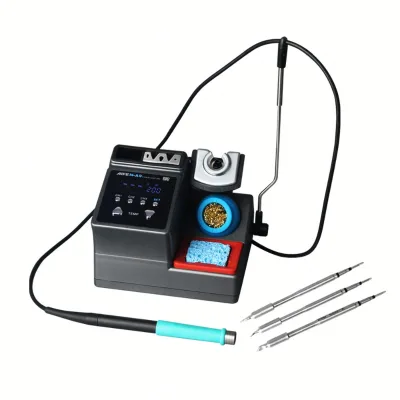
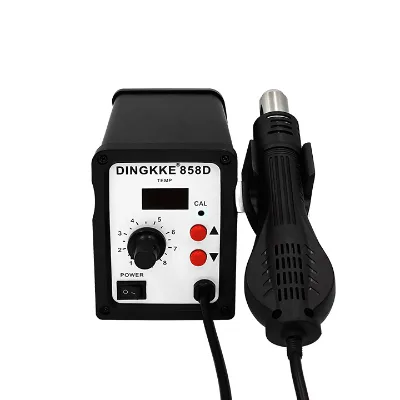
Main productsCharger,Soldering station,Hot air gun,Repair pad,Maintenance power supply
Main marketsDomestic Market(30.00%), Southeast Asia(25.00%), Eastern Asia(10.00%), North America(9.00%), South Asia(9.00%), South America(8.00%), Africa(8.00%)

Shenzhen Liyang Welding Equipment Co., Ltd.
- Manufacturer, Trading Company, Agent
- Guangdong, China
- Lead time15 days
- Avg. response≤ 4h
Main productsCNC,CNC Router,Engraver machine,Laser,milling machine
Main marketsNorth America(20.00%), Northern Europe(10.00%), Western Europe(10.00%), Domestic Market(10.00%), Southern Europe(10.00%), Southeast Asia(10.00%), Eastern Europe(10.00%), South America(10.00%), Eastern Asia(5.00%), Mid East(5.00%)
Shenzhen Fundar Technology Limited
- Manufacturer, Distributor/Wholesaler
- Guangdong, China
- Lead time3 days
- Avg. response≤ 7h
Main productsSpot Welding machine,BGA Rework Station,cnc engraving machine,laser engraving machine,Battery equalizer
Main marketsEastern Europe(19.00%), North America(14.00%), South America(13.00%), Southeast Asia(11.00%), Northern Europe(7.00%), Mid East(6.00%), Oceania(6.00%), Western Europe(5.00%), Eastern Asia(5.00%), Central America(4.00%), Southern Europe(3.00%), South Asia(3.00%), Domestic Market(2.00%), Africa(2.00%)
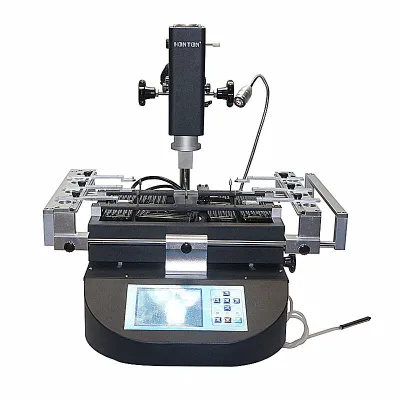
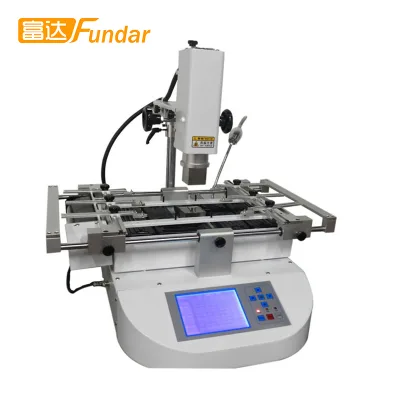
Automatic BGA Rework Station Hot Air BGA Rework Station Honton HT-R490 Motherboard Repair Machine
$825.00 - $845.00
MOQ: 1 Minimum
Shenzhen Jinliyang Technology Co., Ltd.
- Manufacturer, Trading Company
- Guangdong, China
- Lead time8 days
- Avg. response≤ 5h
Main productsSoldering Station/Hot Air Rework Station/DC Power Supply/Test Leads/Screwdriver Set
Main marketsNorth America(15.00%), Western Europe(15.00%), South America(10.00%), Eastern Asia(8.00%), Domestic Market(8.00%), Eastern Europe(7.00%), Mid East(7.00%), Southeast Asia(6.00%), South Asia(5.00%), Southern Europe(5.00%), Central America(5.00%), Northern Europe(5.00%), Oceania(2.00%), Africa(2.00%)


Comprehensive Sourcing Guide
BGA Rework Soldering Station Supplier Concentration and Factory Types
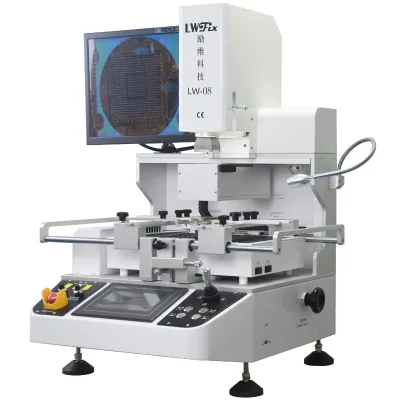
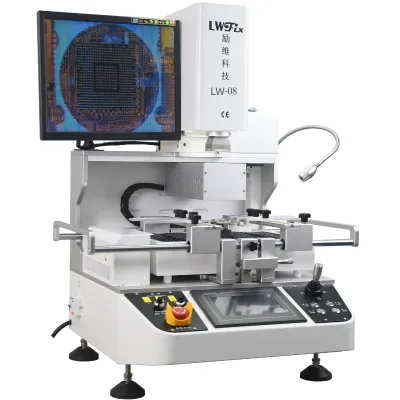
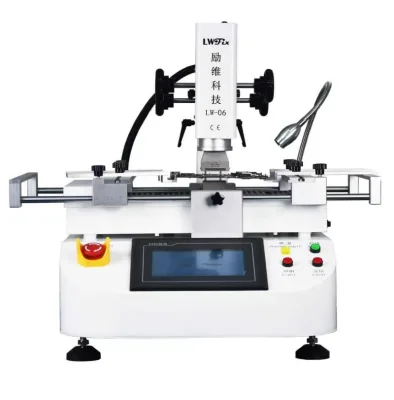
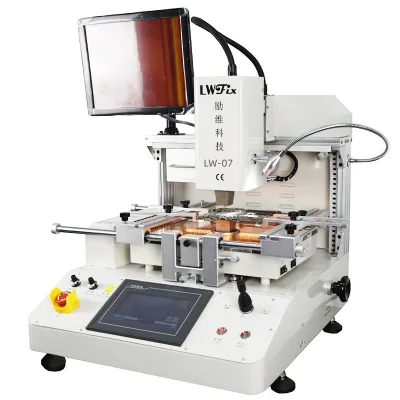
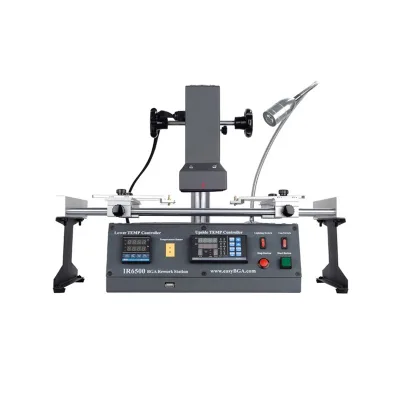
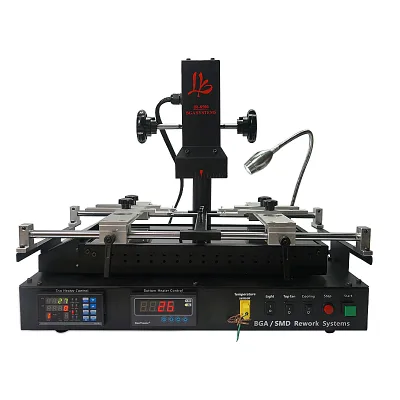
The current supplier landscape for BGA rework soldering stations reveals a distinct split between trading companies and direct manufacturers, primarily concentrated in China’s Guangdong province. This regional clustering is significant because Guangdong serves as a major hub for electronics manufacturing equipment, offering a dense ecosystem of component suppliers and assembly expertise. Buyers evaluating these results will notice that some entities identify as trading companies, which may offer a broader catalog of related items such as SMT lines, DIP lines, and X-ray inspection machines. These trading entities often act as aggregators, providing one-stop solutions for facilities looking to equip entire production lines rather than just a single rework station. Conversely, other suppliers in the results explicitly state they are manufacturers, focusing their main products on specialized equipment like automatic BGA rework stations, X-ray component counters, and PCB NDT machines. This distinction is crucial for buyers who need to determine whether they are dealing with a reseller or the original factory, as it impacts pricing structures, technical support depth, and customization capabilities.
Understanding the company type helps buyers align their sourcing strategy with their operational needs. A trading company might be preferable for buyers seeking diverse product ranges or those who need assistance with logistics and consolidated shipping from multiple sources. However, for buyers requiring deep technical customization, specific firmware modifications, or direct engineering support for complex BGA rework processes, a manufacturer may offer more direct access to R&D teams. The presence of both types in the same search results indicates that the market is mature enough to support various business models. Buyers should carefully review the "main_products" field to gauge the supplier's core competency. If a supplier lists BGA rework stations alongside unrelated heavy machinery, it may signal a trading operation. If their catalog is tightly focused on soldering, rework, and inspection equipment, it suggests a specialized manufacturing capability. This initial classification allows buyers to filter their shortlist effectively before diving into detailed technical comparisons.
How to Verify BGA Rework Soldering Station Suppliers
Verification is a critical step in mitigating risk when sourcing industrial equipment like BGA rework stations. Buyers should prioritize suppliers who have undergone third-party verification processes, such as SGS, which provides an additional layer of confidence regarding the supplier's business legitimacy and operational capabilities. In the current results, at least one supplier displays SGS verification, indicating that an independent audit has confirmed certain aspects of their business structure. Beyond basic verification, buyers must scrutinize the technical specifications provided in the product attributes to ensure they match their specific repair requirements. For instance, checking the "Applicable BGA chip" size range, such as 1x1mm to 80x80mm, is essential for ensuring the machine can handle the components in your inventory. Similarly, verifying the "Temperature accuracy" and "Temperature control" methods, such as K-type thermocouple closed loop systems, ensures precision in delicate soldering operations. These technical details are not just marketing fluff; they are direct indicators of the machine's performance reliability and suitability for high-precision chip-level repairs.
Another vital aspect of verification is assessing the after-sales service and warranty provisions explicitly stated in the product data. Buyers should look for clear indications of support, such as "Video Technical Support," "Online Support," or specific warranty periods like "1 year." The absence of clear after-sales information is a red flag, as BGA rework stations are complex devices that may require calibration, software updates, or part replacements over time. Additionally, buyers should verify the "Condition" of the equipment, ensuring it is listed as "New" rather than refurbished, unless specifically sought. The "Place of origin" should also be confirmed, with Guangdong, China, being a common and reputable source for this type of electronics manufacturing equipment. By cross-referencing these verification markers—third-party audits, detailed technical specs, and explicit support terms—buyers can build a more accurate profile of each supplier's reliability. This due diligence helps separate reputable suppliers from those who may lack the infrastructure to support long-term equipment usage.
What to Compare Across BGA Rework Soldering Station Suppliers
When comparing suppliers, buyers should focus on key operational metrics such as lead time, response time, and minimum order quantity (MOQ) to assess supply chain efficiency. The current results show a wide variance in these metrics, with some suppliers offering a lead time of just 2 days, while others indicate a 30-day production cycle. This difference can significantly impact project timelines, especially for urgent repair needs or new production line setups. Response time is another critical factor; a supplier with a response time of 0.04 hours offers near-instant communication, which is invaluable for resolving technical queries quickly. In contrast, a response time of 2 hours, while still reasonable, may delay critical decision-making. Buyers should also compare the MOQ, noting that some suppliers accept orders as low as 1 unit, which is ideal for small workshops or testing purposes, while others may have higher thresholds. These operational differences directly affect the flexibility and speed of procurement, allowing buyers to match suppliers to their specific volume and urgency requirements.
Technical specifications and pricing structures also require careful comparison across different suppliers. The price range for BGA rework stations in the current results varies significantly, from approximately $5,000 to over $27,000, reflecting differences in automation levels, brand reputation, and included features. Buyers should analyze what drives these price differences, such as the inclusion of infrared heating, CCD camera alignment, or advanced software interfaces. For example, some models are described as "Highly Automated" or "Professional ECU Repair" stations, which likely command higher prices due to enhanced precision and versatility. Additionally, comparing the power consumption, such as a max input power of 5500W, and physical dimensions helps buyers assess compatibility with their existing workshop infrastructure. The "Customization" availability is another key differentiator; some suppliers offer ODM and OEM services, allowing for tailored solutions, while others provide standard off-the-shelf models. By systematically comparing these technical and commercial attributes, buyers can identify the best value proposition that aligns with their technical needs and budget constraints.
Common BGA Rework Soldering Station Sourcing Risks
One of the primary risks in sourcing BGA rework stations is the potential mismatch between advertised specifications and actual performance. Buyers must be cautious of vague descriptions regarding temperature control and heating methods. For instance, while some suppliers specify "K-type thermocouple closed loop" control, others may only mention "infrared hot air" without detailing the precision or stability of the temperature regulation. Inconsistent temperature control can lead to damaged PCBs, cold solder joints, or component failure, resulting in costly rework and wasted materials. Another risk is the ambiguity surrounding the "Applicable PCB size" and "Applicable Chips" ranges. If a supplier's machine supports a maximum PCB size of 370x410mm but a buyer needs to process larger boards, the equipment will be unsuitable. Similarly, if the chip size range does not cover the smallest or largest components in the buyer's inventory, the machine's utility is severely limited. Buyers should demand detailed technical datasheets and, if possible, video demonstrations of the machine in operation to verify these claims before committing to a purchase.
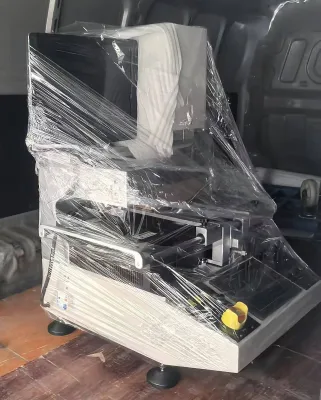
Another significant risk is the lack of clear after-sales support and warranty enforcement. While some suppliers explicitly state "Video Technical Support" and a "1 year warranty," others may offer only "Online Support" with no defined response guarantees or warranty terms. BGA rework stations are complex electromechanical devices that require regular maintenance and occasional part replacements. If a supplier disappears or fails to provide timely support, the buyer may be left with a non-functional asset. Additionally, the risk of receiving non-compliant electrical equipment is present, especially when importing from regions with different voltage standards. Buyers must verify that the machine's voltage rating, such as AC100~220V±10%, matches their local power supply to prevent damage or safety hazards. The "Single gross weight" and "Packing" details also pose logistical risks; improper packaging can lead to transit damage, especially for machines with delicate optical components like CCD cameras. Buyers should insist on robust packaging standards, such as "Vacuum + Wooden Box," and verify insurance coverage during shipping to mitigate these physical and operational risks.
BGA Rework Soldering Station Regional Sourcing and Logistics
Sourcing BGA rework stations from Guangdong, China, offers logistical advantages due to the region's established export infrastructure and proximity to major shipping ports. This concentration of manufacturers and trading companies facilitates efficient consolidation of goods, allowing buyers to potentially combine multiple orders into a single shipment to reduce freight costs. However, buyers must carefully plan for the logistical complexities associated with heavy industrial equipment. The "Single gross weight" of these machines can range from 65kg to 100kg, requiring robust packaging and specialized handling during transit. The "Packing" method, often described as "Vacuum + Wooden Box," is essential for protecting sensitive components like optical alignment systems and precision heating elements from moisture and physical shock. Buyers should work with suppliers who have experience in international shipping to ensure that the packaging meets export standards and that all necessary documentation, such as commercial invoices and packing lists, is accurately prepared. Understanding the lead time, which can vary from 2 to 30 days, is also crucial for planning inventory and production schedules, as delays in manufacturing can ripple through the entire supply chain.
Customs clearance and import regulations are another critical aspect of regional sourcing. Buyers must ensure that the equipment complies with local safety and electromagnetic compatibility standards, which may require additional certifications not always listed in the initial product data. The "Voltage" specification, such as 110V/220V, must be matched to the local power grid to avoid the need for expensive transformers or electrical modifications. Additionally, buyers should consider the total landed cost, which includes not only the product price but also shipping, insurance, duties, and taxes. Suppliers with a "Trading Company" type may offer more flexible shipping terms, such as FOB or CIF, which can simplify logistics for buyers unfamiliar with international trade. However, buyers should verify that the supplier has a proven track record of on-time delivery and accurate documentation to avoid customs delays. By proactively addressing these logistical and regulatory challenges, buyers can ensure a smooth import process and minimize unexpected costs or delays associated with sourcing BGA rework stations from overseas.
BGA Rework Soldering Station Commercial Terms and Order Planning
Effective order planning for BGA rework stations requires a thorough understanding of commercial terms, including pricing tiers, payment methods, and customization options. The price range observed, from $5,000 to $27,000, suggests that buyers should negotiate based on volume or specific feature requirements. For buyers seeking customization, such as ODM or OEM services, it is essential to clarify the additional costs and lead times associated with these modifications. Some suppliers explicitly state that "Customization" is available, which can be a significant advantage for businesses with unique repair workflows or branding needs. However, buyers should also be aware that customized orders may have higher MOQs or longer lead times compared to standard models. Payment terms should be clearly defined, with options like escrow services providing security for both parties. Buyers should verify if the supplier accepts secure payment methods that protect their funds until the goods are received and verified. This financial protection is particularly important for high-value industrial equipment.
Beyond the initial purchase, buyers must plan for the total cost of ownership, including maintenance, spare parts, and
FAQs
What is the price range for BGA rework stations?
Prices typically range from $5,000 to $27,000 depending on automation and features. Basic models start around $5,000, while highly automated units for precision repair can cost up to $27,000. Buyers should verify specific model pricing with suppliers to ensure accurate budgeting for their production needs.
What is the minimum order quantity for these stations?
The minimum order quantity is generally one unit. This allows buyers to purchase single machines for testing or small-scale operations without committing to bulk orders. It is advisable to confirm the MOQ directly with the supplier, as policies may vary slightly between different manufacturers and trading companies.
How long does delivery take for BGA rework equipment?
Lead times vary significantly, ranging from two days to thirty days. Some suppliers offer rapid turnaround times of just two days, while others may require up to thirty days for production and shipping. Buyers should always check the specific lead time with the supplier before placing an order.
Where are these BGA rework stations manufactured?
These stations are primarily manufactured in Guangdong, China. This region is a major hub for electronics manufacturing equipment, offering a wide variety of options from both trading companies and direct manufacturers. Buyers can expect a high concentration of suppliers located in this specific geographic area.
What power specifications do these machines typically use?
Most machines operate on AC 100-220V with a maximum input power of around 5,500W. Some models specify 5.3kW, while others list 5,300W as their rated capacity. Buyers should ensure their facility power supply matches these voltage and wattage requirements to avoid operational issues.
What PCB sizes can these rework stations handle?
Applicable PCB sizes generally range from small dimensions like 22x22mm up to 470x380mm. Specific models may support up to 370x410mm or 600x660mm. Buyers should verify the maximum dimensions for their specific board sizes to ensure compatibility with the chosen rework station model.