Magnetic Handheld LED Work Light Suppliers and Manufacturers
Compare 28 verified suppliers offering Magnetic Handheld LED Work Light from Zhejiang and Tianjin. Review response times, lead times, and product specs like LED wattage and IP ratings before requesting quotes; review the available evidence before requesting comparable quotations from suitable candidates.
Updated
Suppliers List
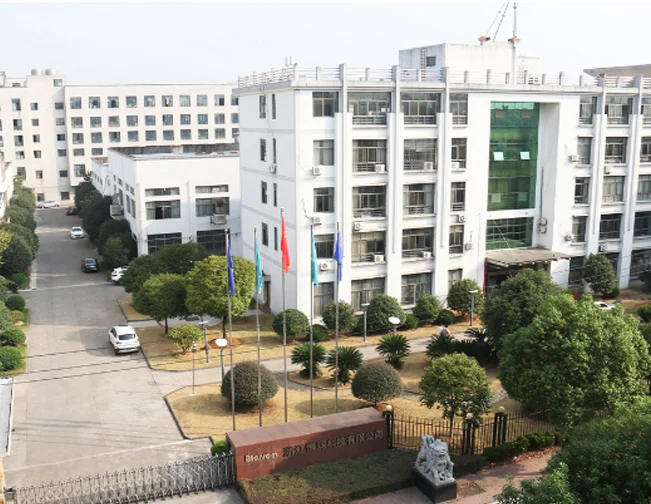
Ningbo Hoomee Daily Necessities Co., Ltd.
- Trading Company
- Zhejiang, China
- Lead time15 days
- Avg. response≤ 3h
Main productskitchen tools,bar tools,led flashlight,eco friendly products,home tools
Main marketsNorth America(32.00%), Eastern Europe(22.00%), South America(12.00%), Southeast Asia(10.00%), Western Europe(5.00%), Africa(5.00%), Northern Europe(4.00%), South Asia(3.00%), Southern Europe(3.00%), Oceania(1.00%), Eastern Asia(1.00%), Mid East(1.00%), Central America(1.00%)
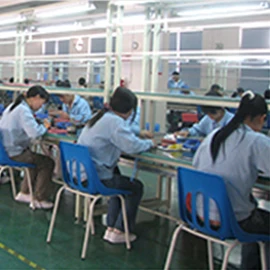
Tianjin Honest Tech. Co., Ltd.
- Manufacturer, Trading Company
- Tianjin, China
- Lead time2 days
- Avg. response≤ 2h
Main productsCar wash towel,Bath towel,flashlight,Garden light,Car Towels
Main marketsWestern Europe(40.00%), North America(40.00%), Eastern Europe(10.00%), South America(5.00%), Southeast Asia(5.00%)

Hangzhou Tonny Electric & Tools Co., Ltd.
- Verified by TUVRHEINLAND
- Combined
- China Zhejiang
- Lead time30 days
- Avg. response≤ 5h
Main productsBattery Charger, Power Inverter, Fan, Work Light, Forklift Lamp, Emergency Beacon Lights, Tail & Trailer Light Kits Roger, Testing Tools, Trailer Connectors, Vacuum Cleaner
Main marketsSouth America,Africa,East Asia(Japan/ South Korea),Europe,Australia,North America

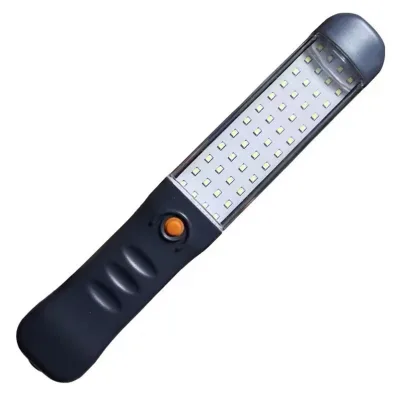
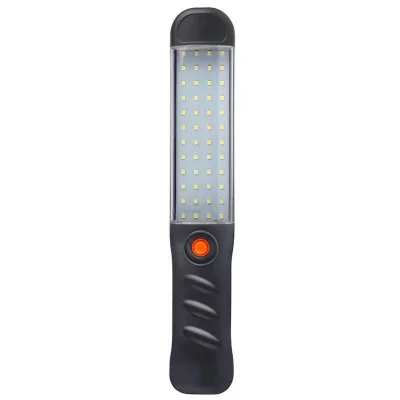
60LED Rechargeable LED Handheld Magnetic Work Light, Portable LED Car Work Light
$11.00
MOQ: 1000 Pieces


Xi'an Abiram Import & Export Trading Co., Ltd.
- Trading Company
- Shaanxi, China
- Lead time25 days
- Avg. response≤ 3h
Main productsCar tools, Car accessories, Car cleaning products, Traffic safety product, Car light
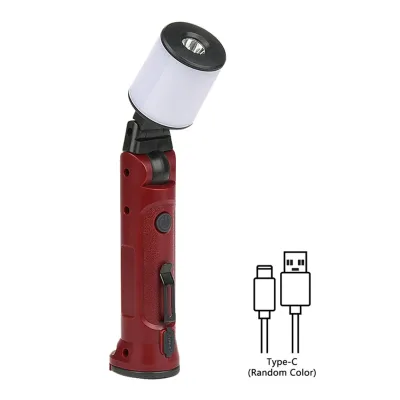
$2.60 - $3.00
MOQ: 500 pieces
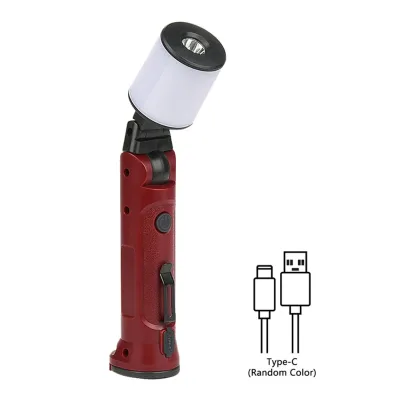
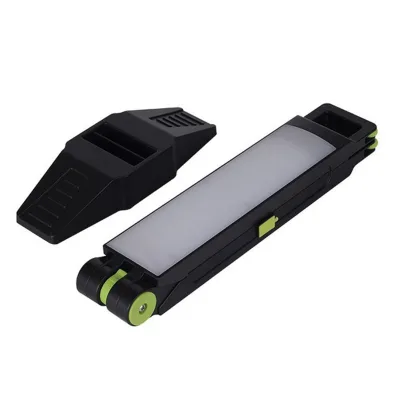
Portable Work Light Foldable Handheld Worklight Torch Outdoor Rechargeable Work Light
$2.60 - $3.00
MOQ: 500 pieces

Ningbo Brilliant Dragon Electronic Technology Co., Ltd.
- Verified by TUVRHEINLAND
- Manufacturer/Factory
- China Zhejiang
- Lead time105 days
- Avg. response≤ 14h
Main productsLED Light for Indoor, LED Light for Ourside, Auto / Bicycle Accessories, Security Items, Work Light, Electric Appliance, Personal Items
Main marketsSouth America,Eastern Europe,Mid East,North America,Southeast Asia,Eastern Asia,Oceania,Western Europe,Africa
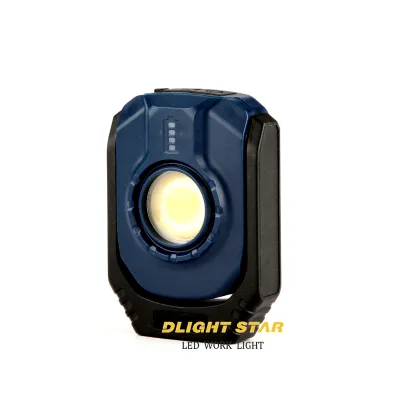
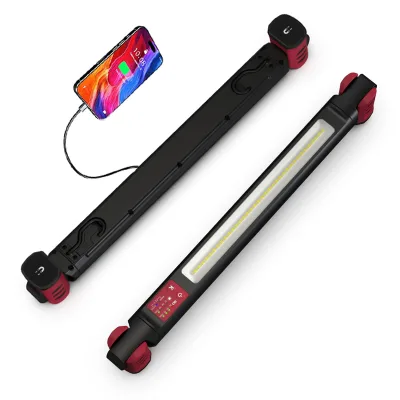
Xiamen Dlight Star Technology Co., Ltd.
- Verified by SGS Group
- Manufacturer, Trading Company
- Lead time25 days
- Avg. response≤ 2h
Main productsLED Work Light, LED Flashlight, LED Headlamp, LED Floodlight
Main marketsNorth America(80%), Western Europe(15%), Oceania(5%)
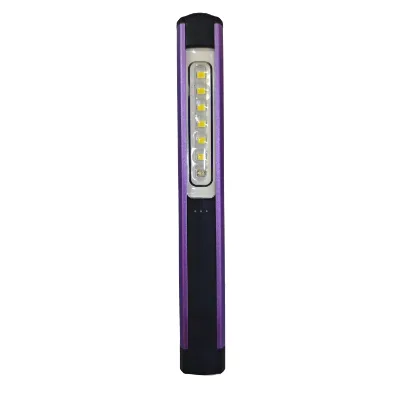
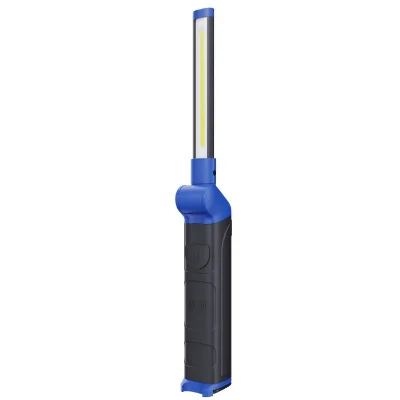
$9.2352 - $11.2874
MOQ: 200 Minimum
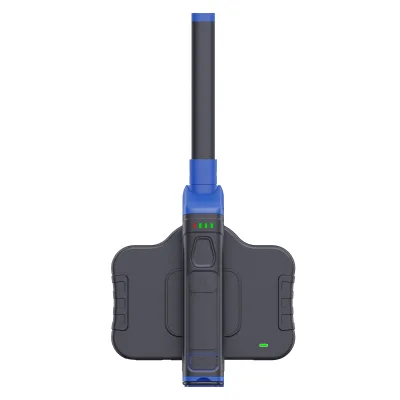
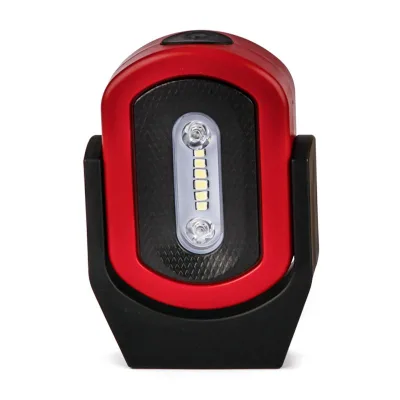
Ningbo Magic Cube Optoelectronics Co., Limited
- Verified by Intertek
- Trading Company
- Lead time25 days
- Avg. response≤ 11h
Main productsWork Light, Headlamp, Warning Light, Camping Light, Portable Light
Main marketsNorth America(32%), Eastern Europe(29%), Western Europe(19%)

Foshan Kaicheng Lighting Co., Ltd.
- Verified by SGS
- Combined
- China Guangdong
- Lead time30 days
- Avg. response≤ 10h
Main productsSolar Light, LED Light, LED Solar Flood Light, Solar LED Street Light, LED Flood Light, LED High Bay Light, LED Work Light, LED Street Light, Solar Garden Light, LED Solar Street Light
Main marketsSoutheast Asia/ Mideast,Europe

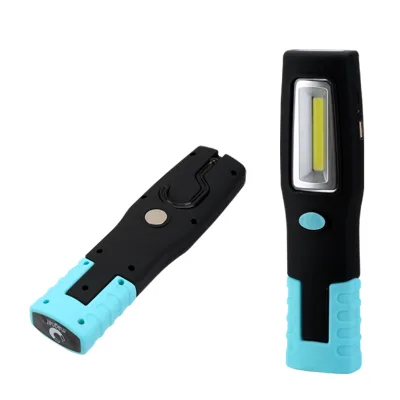
Emergency Magnetic Rechargeable Foldable Battery Powered LED Temporary Work Light
$9.27 - $11.13
MOQ: 1000 Pieces


USB Recharge Portable Multi Function Outdoor LED Work Light with Handle
$21.54 - $25.46
MOQ: 500 Pieces


Multi Function High Intensity Rechargeable 30W Portable LED Work Light
$11.93 - $14.09
MOQ: 1000 Pieces
Weihai Boto Lighting Co., Ltd.
- Manufacturer, Trading Company
- Shandong, China
- Lead time20 days
- Avg. response≤ 1h
Main productsLED BULB,LED PANEL LIGHT,LED WORKING LIGHT,LED SOLAR LIGHT,LED FISHING LIGHT
Main marketsWestern Europe(20.00%), Central America(20.00%), North America(10.00%), Mid East(10.00%), Oceania(10.00%), Africa(10.00%), Eastern Europe(10.00%), South America(5.00%), Eastern Asia(3.00%), South Asia(2.00%)

Ningbo Haishu Forcar Imp. & Exp. Co., Ltd.
- Verified by BV
- Trading Company,Manufacturer/Factory
- China Zhejiang
- Lead time45 days
- Avg. response≤ 9h
Main productsCar Wheel Rims, Custom Forged Wheel, Alloy Wheel, Forged Wheel, Offroad Wheel, Beadlock Wheel
Main marketsSouth America,Eastern Europe,Mid East,North America,Southeast Asia,Eastern Asia,Oceania,Western Europe,Africa

NINGBO HAISHU HOPE-U INTERNATIONAL TRADING CO., LTD.
- Manufacturer/Factory
- China Zhejiang
- Lead time45 days
- Avg. response≤ 25h
Main productsGift, Beauty Device, Bluetooth Speaker, Skin Care, Cosmetics, Promotional Products, Camping Lamp, Fan, Keyboard and Mouse, Humidifier
Main marketsSouth America,Eastern Europe,North America,Southeast Asia,Western Europe

Ningbo Lu Wei Electronic Technology Co., Ltd.
- Trading Company
- Zhengjiang, China
- Lead time30 days
- Avg. response≤ 3h
Main productsFlashlight,Camping Lantern,Headlamp,Work Light,mirror light
Main marketsEastern Europe(40.00%), Southeast Asia(15.00%), North America(10.00%), Mid East(5.00%), Eastern Asia(5.00%), South America(3.00%)
Yiwu Bolotop Electronic Technology Co., Ltd.
- Verified by SGS Group
- Trading Company
- Lead time0 days
- Avg. response≤ 5h
Main productsFlashlights, Camping Lamps, HeadLamps, Indoorlights, Working Light
Main marketsSouth America(25%), Mid East(25%), Eastern Asia(15%)

Ninghai Sohot Electrical Appliances Co., Ltd.
- Verified by TUVRHEINLAND
- Combined
- China Zhejiang
- Lead time30 days
- Avg. response≤ 6h
Main productsFlashlight, Headlamp
Main marketsEast Asia(Japan/ South Korea),Europe


Working Lamp Rechargeable Magnetic Work Lights USB Charging LED Working Light
$11.50 - $12.50
MOQ: 500 Pieces

Work Light Mini Portable Magnet Flashlight Workshop Outdoor Camping Light
$3.99 - $4.20
MOQ: 100 Pieces

Shenzhen Hongrun Vehicle Parts Co., Ltd.
- Verified by SGS
- Trading Company
- China Guangdong
- Lead time30 days
- Avg. response≤ 25h
Main productsLED Trailer Light, Trailer LED Lamp, Excavator Part, Trailer Spare Part, Air Bag and Air Spring, Volvo Truck Part, Scania Truck Part, Daf Truck Part, Excavator Undercarriage Part, Bulldozer Part
Main marketsSoutheast Asia/ Mideast,Australia

Ningbo Light International Trade Co., Ltd
- Trading Company,Manufacturer/Factory
- China Zhejiang
- Lead time45 days
- Avg. response≤ 3h
Main productsAC LED Work Light, Rechargeable LED Work Light, Halogen Work Light, Emergency Light, Exit Sign, Flashlight, Shop Light, Bicycle Light, LED Camping Light, Solar LED Light
Main marketsSouth America,Eastern Europe,Mid East,North America,Southeast Asia,Eastern Asia,Oceania,Western Europe,Africa


Waterproof Super Bright Portable LED Work Light 180 Degree Adjustable Handle Work Light
$8.50 - $9.50
MOQ: 200 Pieces

NINGBO SELLWELL LIGHTING APPLIANCE CO., LTD.
- Trading Company,Manufacturer/Factory
- China Zhejiang
- Lead time30 days
- Avg. response≤ 7h
Main productsSmart LED Light, LED Bulb, LED Filament Lamp Bulb, LED Flood Light, LED Panel Light, LED T5 T8 Tube, LED Wall Light, LED Decorative Bulb, LED Street Light, LED ceiling Light
Main marketsEastern Europe,Western Europe


LED Work Lights Rechargeable Magnetic Mechanic Light Portable Worklight 1000lm 2000lm 3000lm Bright
$2.00 - $8.00
MOQ: 100 Pieces

NINGBO YICHEN ELECTRIC CO., LTD.
- Trading Company,Manufacturer/Factory
- China Zhejiang
- Lead time0 days
- Avg. response≤ 6h
Main productsLED Flashlight, Head Lamp, Camping Lantern, Solar Flashlight, Rechargeable Flashlight, High Power Flashlight, Keychain Flashlight, LED Tweezer, Xenon Flashlight, Shopping Trolley

Ningbo Weixin Houseware Co., Ltd.
- Trading Company
- China Zhejiang
- Lead time30 days
- Avg. response≤ 6h
Main productsLED Garlands, LED Flood Lights, LED Decoration Lights, LED Night Lights
Main marketsSouth America,Africa,Southeast Asia/ Mideast,Europe,North America

Ningbo Chain-Home Machinery Co., Ltd.
- Trading Company
- China Zhejiang
- Lead time30 days
- Avg. response≤ 15h
Main productsFlashlight, Headlamp, Working Lamp, Sensor Light, Camping Lantern, Keychain Light, Solar Lamp, Bicycle Light, CREE Light, Crank Lamp
Main marketsEast Asia(Japan/ South Korea),Europe,North America
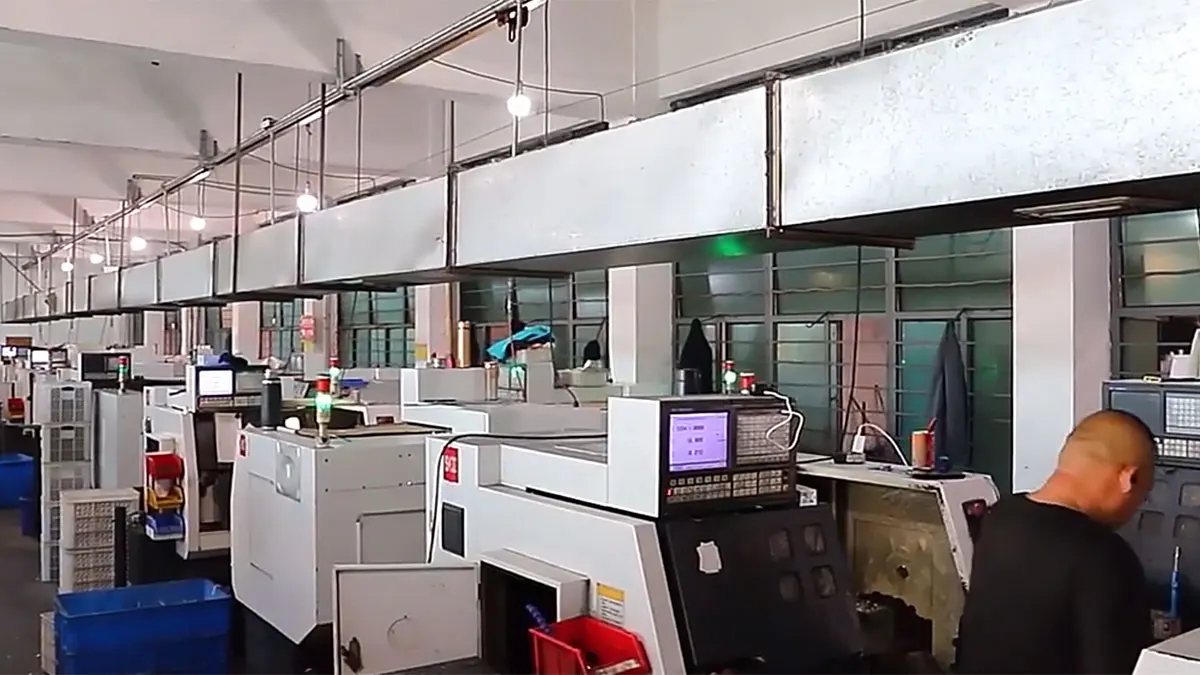
Shenzhen Baoxi Technology Co., Ltd.
- Trading Company
- Guangdong, China
- Lead time0 days
- Avg. response≤ 7h
Main productsFlashlight,Searchlight,Headlamps,Working Light
Main marketsNorth America(30.00%), Western Europe(20.00%), Mid East(15.00%), South America(5.00%), Eastern Europe(5.00%), Eastern Asia(5.00%), Domestic Market(3.00%), Oceania(3.00%), Africa(3.00%), Southern Europe(3.00%), Central America(2.00%), South Asia(2.00%), Southeast Asia(2.00%), Northern Europe(2.00%)
NINGBO BEIMING LIGHTING AND ELECTRONICS TECHNOLOGY CO., LTD.
- Verified by Intertek
- Manufacturer, Trading Company
- Zhejiang, China
- Lead time35 days
- Avg. response≤ 3h
Main productsSolar Light, Sensor Light, Working Light, Flash Light
Main marketsNorth America(70%), Western Europe(20%), Mid East(5%)

Ningbo Brightenlux Electric Appliance Co., Ltd
- Combined
- China Zhejiang
- Lead time30 days
- Avg. response≤ 4h
Main productsLED Flashlight, LED Headlamp, Work Light, Camping Light, Solar Light, Bike Light, Ring Light, Night Light
Main marketsSouth America,Africa,Southeast Asia/ Mideast,East Asia(Japan/ South Korea),Domestic,Europe,Australia,North America
Lu'an Baona Import And Export Trade Co., Ltd.
- Trading Company
- Anhui, China
- Lead time7 days
- Avg. response≤ 1h
Main productsSports Flooring,Gym Flooring,Interlocking Floor Tiles,Sport facility,Drop Pad for Gym
Main marketsNorth America(55.00%), Africa(17.00%), Western Europe(11.00%), Southeast Asia(9.00%), Mid East(3.00%), Oceania(3.00%), Eastern Europe(2.00%)
Ningbo Bright Bird Electronics Co., Ltd.
- Verified by SGS Group
- Trading Company
- Lead time0 days
- Avg. response≤ 1h
Main productsLED Work Light, LED Flashlight, LED Headlight, LED Camping Latern, LED Night Light
Main marketsWestern Europe(45%), North America(30%), Southern Europe(10%)

Hangzhou Shengyuan Machinery Co., Ltd.
- Verified by SGS
- Trading Company
- China Zhejiang
- Lead time15 days
- Avg. response≤ 5h
Main productsNeodymium Magnets, SmCo Magnets, AlNiCo Magnets, Ferrite Magnets, Pot Magnets, Magnetic Hooks, Neodymium Fishing Magnets, Magnetic Rods, Magnetic Grates, Magnetic Trays
Main marketsDomestic,Europe,North America
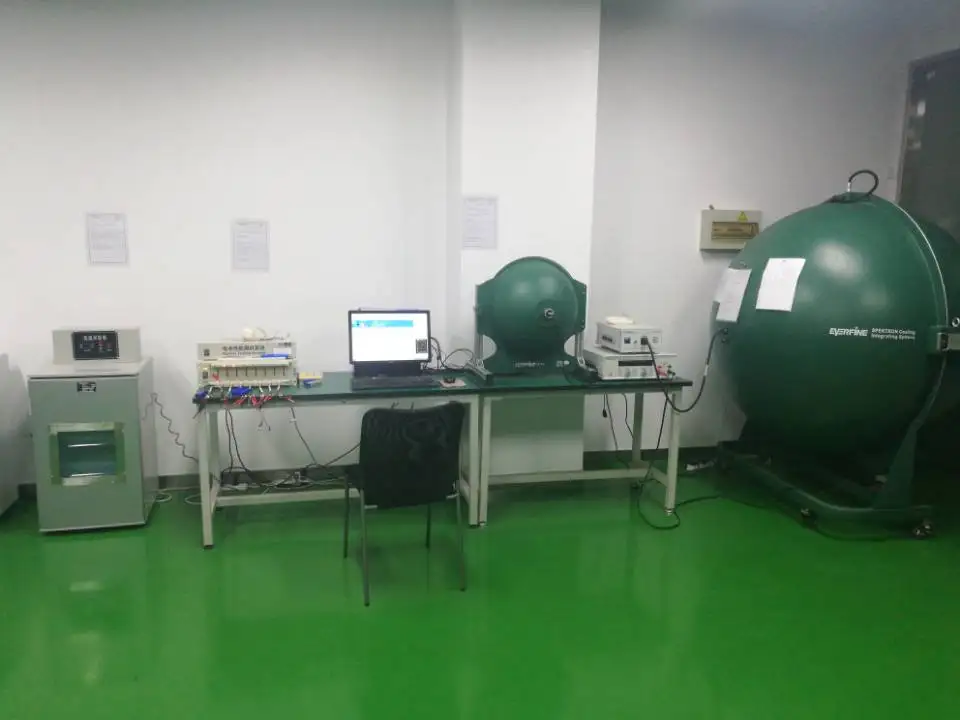
(Hangzhou) Tiger Auto Accessories Co., Ltd.
- Trading Company
- Zhejiang, China
- Lead time45 days
- Avg. response≤ 3h
Main productsWork Light
Main marketsWestern Europe(50.00%), North America(30.00%), Eastern Europe(10.00%), Southeast Asia(5.00%), Oceania(5.00%)
Dailymag Magnetic Technology (Ningbo) Limited
- Verified by TüVRheinland
- Manufacturer, Trading Company
- Lead time15 days
- Avg. response≤ 6h
Main productsMagnetic Tools, Linear Actuator, Sharps Container, Neodymium Magnets, Magnetic Assembles
Main marketsNorth America(35%), Western Europe(24%), South America(8%)
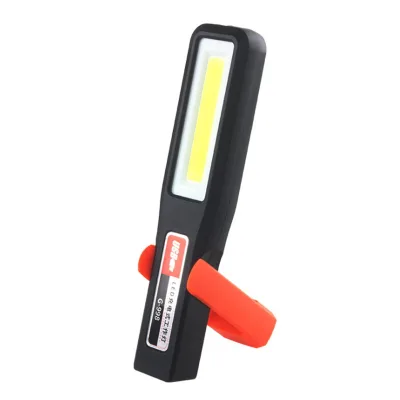
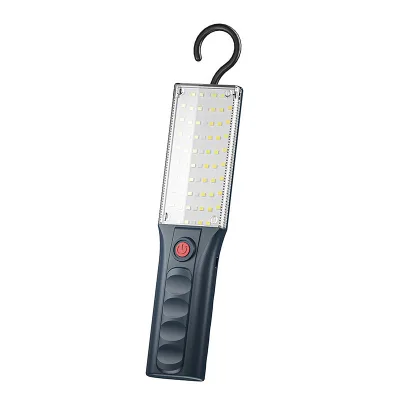
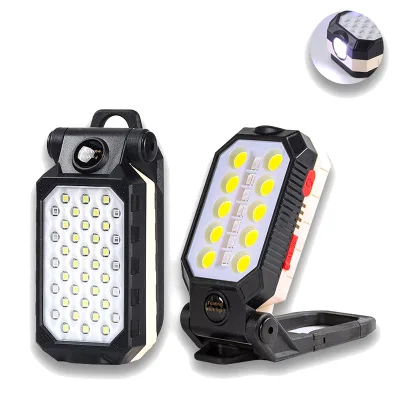
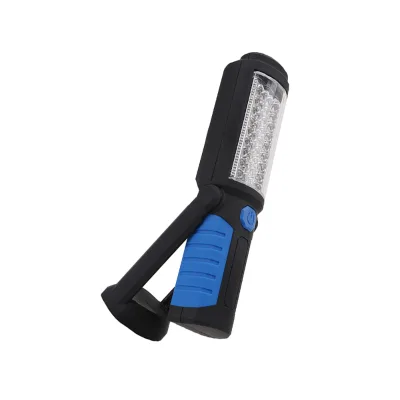




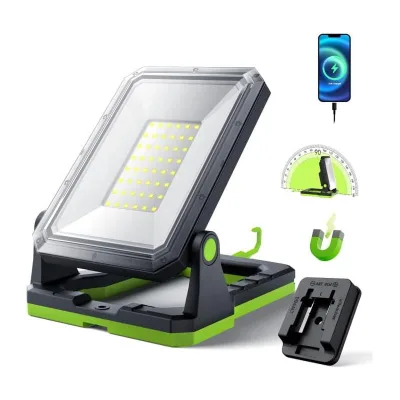
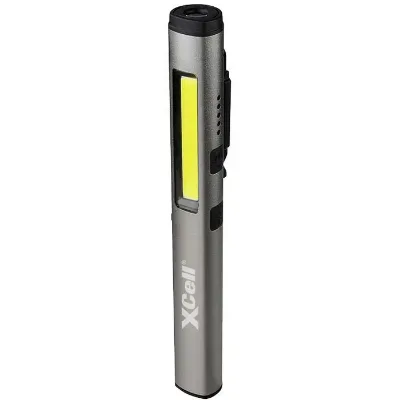
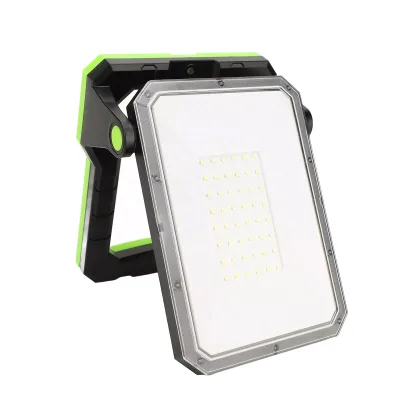
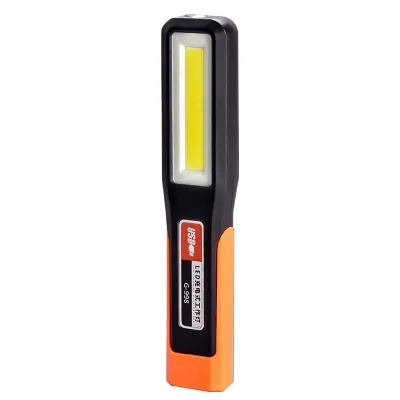
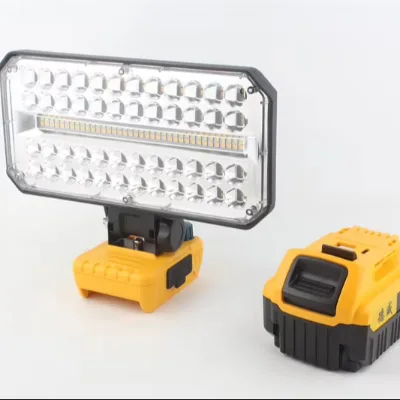


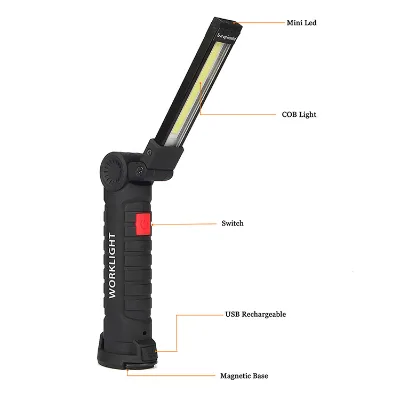
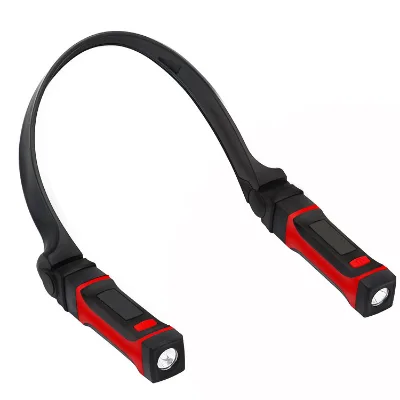
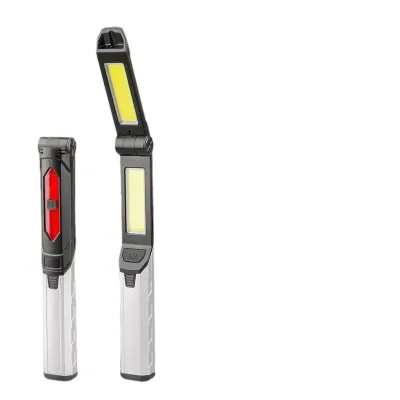
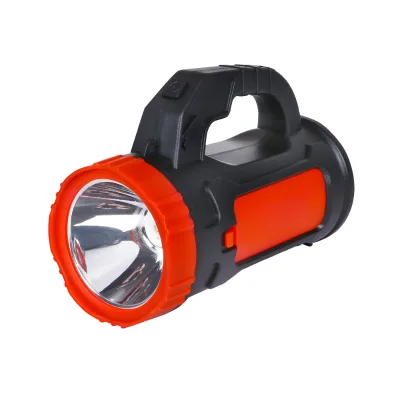


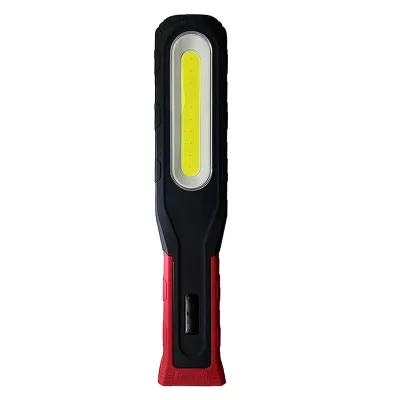
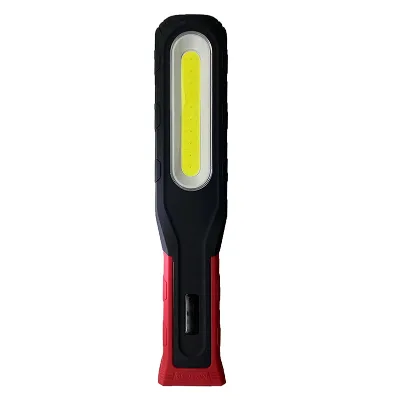
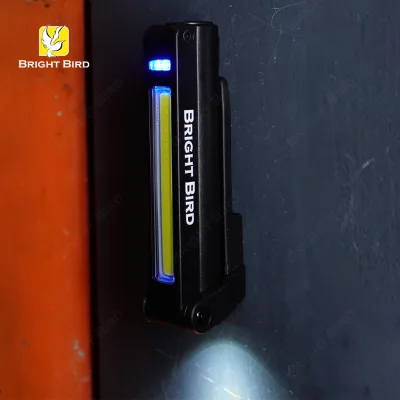
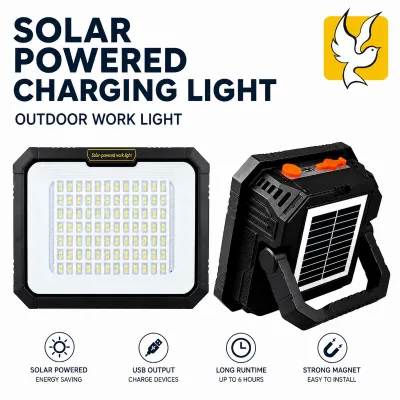
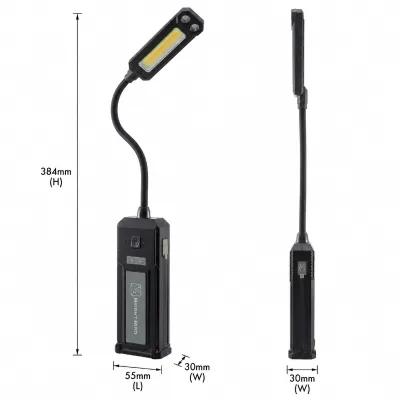


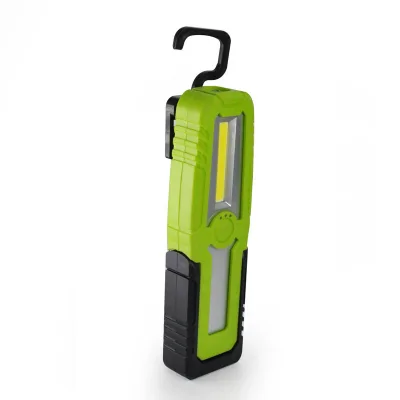
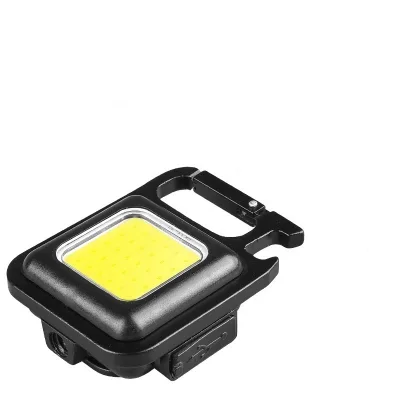
Comprehensive Sourcing Guide
Magnetic Handheld LED Work Light Supplier Concentration and Factory Types
The current supplier landscape for magnetic handheld LED work lights reveals a distinct concentration of manufacturing and trading entities within specific industrial hubs in China. Data indicates that suppliers are primarily located in Zhejiang, with additional presence in Tianjin, suggesting these regions serve as key nodes for lighting component assembly and distribution. In Zhejiang, the supplier base is predominantly composed of trading companies, which often act as intermediaries connecting buyers with a broader array of product variations. These trading entities typically curate catalogs that include kitchen tools, bar tools, and eco-friendly products alongside professional lighting, indicating a diversified operational model rather than a specialized single-product factory focus. This structure allows for flexible sourcing but requires buyers to verify the actual manufacturing capabilities behind the trading facade. The presence of trading companies in this cluster implies that while product variety is high, the direct control over production quality and customization may be mediated through third-party relationships, necessitating careful due diligence to ensure consistency in the final delivered goods.
In contrast, suppliers located in Tianjin present a mixed operational profile, identifying as both manufacturers and trading companies. This dual classification suggests a more integrated supply chain where some entities may have direct access to production lines while others leverage their location for logistical advantages. The main products listed for these Tianjin-based suppliers include car wash towels, bath towels, and flashlights, which indicates a broader consumer goods focus rather than a strict specialization in industrial lighting. This diversification can be advantageous for buyers seeking bundled orders or complementary items, but it also raises questions about the depth of expertise in professional lighting applications. The coexistence of manufacturer and trading company types in this region highlights the complexity of the sourcing environment, where buyers must distinguish between true manufacturing capacity and mere reselling activities. Understanding this distinction is crucial for assessing the reliability of supply chains, as manufacturers may offer better customization options and quality control, whereas trading companies might provide faster access to existing stock and a wider range of aesthetic variations.
How to Verify Magnetic Handheld LED Work Light Suppliers
Verifying the authenticity and capability of suppliers requires a systematic approach to cross-referencing provided facts with independent evidence. Buyers should start by examining the company type declaration, distinguishing between pure trading companies and those claiming manufacturing capabilities. For suppliers in Zhejiang identified as trading companies, it is essential to request proof of factory ownership or long-term partnership agreements to ensure supply chain stability. In Tianjin, where suppliers list both manufacturer and trading company statuses, buyers must ask for specific details about their production facilities, such as factory photos, video tours, or third-party audit reports. This verification step is critical because the dual classification can sometimes be used to obscure the true nature of the business, potentially leading to misunderstandings about lead times and quality control responsibilities. By demanding concrete evidence of manufacturing processes, buyers can mitigate the risk of dealing with intermediaries who may not have direct oversight over production quality or inventory levels.
Beyond company structure, verifying product specifications and certifications is paramount for ensuring the magnetic handheld LED work lights meet operational requirements. Buyers should scrutinize product attributes such as IP rating, color temperature, and working lifetime, comparing them against industry standards for professional lighting. For instance, some products list an IP rating of 80, which is unusual and may indicate a data entry error or a non-standard rating system, requiring clarification from the supplier. Additionally, checking the warranty terms, such as the one-year warranty offered by some suppliers, provides insight into the manufacturer's confidence in their product durability. Buyers should also verify the light source type, such as LED or COB, and the power source, whether USB rechargeable or battery-operated, to ensure compatibility with their intended use cases. Requesting sample units for testing is a practical verification method, allowing buyers to assess the actual magnetic strength, light output, and build quality before committing to larger orders. This hands-on approach helps validate the supplier's claims and ensures that the products align with the buyer's specific performance expectations.
What to Compare Across Magnetic Handheld LED Work Light Suppliers
When evaluating multiple suppliers, buyers must compare key operational metrics such as response time, lead time, and pricing to determine the most suitable partner. Response times vary, with some suppliers indicating a response time of two days, while others report three days, which can impact the speed of negotiation and order processing. Lead times are another critical factor, with some suppliers offering a lead time of two days, suggesting rapid production or ready stock availability, while others indicate a lead time of fifteen days, which may reflect a more traditional manufacturing cycle. These differences in operational efficiency can significantly affect project timelines, especially for buyers with urgent delivery requirements. By comparing these metrics, buyers can identify suppliers that align with their logistical needs, balancing speed against cost and quality considerations. It is important to note that lead times may vary based on order volume and customization requirements, so buyers should clarify these variables during the initial inquiry phase to avoid misunderstandings.
Pricing and product specifications also play a crucial role in supplier comparison, as they directly impact the total cost of ownership and product performance. Prices for magnetic handheld LED work lights range from approximately $1.60 to $2.75 per unit, depending on the model and features. Buyers should compare the price points against the product attributes, such as lamp power, luminous flux, and material quality, to assess value for money. For example, a supplier offering a 10W LED work light with a 30,000-hour working lifetime at a lower price point may offer better value than one with similar specifications at a higher price. Additionally, comparing packaging details, such as color box or blister pack options, can help buyers determine the suitability of the product for retail or industrial distribution. By systematically comparing these factors, buyers can make informed decisions that balance cost, quality, and operational efficiency, ensuring they select suppliers that offer the best overall value for their specific sourcing needs.
Common Magnetic Handheld LED Work Light Sourcing Risks
One of the primary risks in sourcing magnetic handheld LED work lights is the potential discrepancy between advertised specifications and actual product performance. Suppliers may list attributes such as IP ratings, color temperature, or working lifetime that do not align with industry standards or buyer expectations. For instance, an IP rating of 80 is non-standard and may indicate a lack of rigorous testing or quality control, raising concerns about the product's durability in harsh environments. Buyers must be vigilant in verifying these specifications through independent testing or sample evaluation to avoid receiving products that fail to meet operational requirements. Additionally, the use of generic product names and keywords can obscure the true nature of the product, making it difficult for buyers to assess its suitability for specific applications. This lack of transparency can lead to mismatches between buyer expectations and supplier deliveries, resulting in wasted resources and delayed projects.
Another significant risk is the variability in supplier reliability and communication, which can impact the overall sourcing experience. Suppliers with longer response times or ambiguous lead times may struggle to meet delivery deadlines, especially during peak seasons or when facing supply chain disruptions. The presence of trading companies in the supplier base adds another layer of complexity, as they may not have direct control over production schedules or quality assurance processes. This can lead to inconsistencies in product quality and delivery times, making it challenging for buyers to maintain a stable supply chain. Furthermore, the lack of standardized certifications or compliance documentation can expose buyers to regulatory risks, particularly if the products are intended for use in regulated industries. Buyers must conduct thorough due diligence to mitigate these risks, including verifying supplier credentials, requesting product samples, and establishing clear communication channels to ensure alignment throughout the sourcing process.
Magnetic Handheld LED Work Light Regional Sourcing and Logistics
Sourcing magnetic handheld LED work lights from specific regions in China offers distinct logistical advantages and challenges that buyers must consider. Suppliers located in Zhejiang benefit from a well-established manufacturing ecosystem, with access to raw materials, component suppliers, and skilled labor. This concentration of industry can lead to competitive pricing and faster production cycles, but it also requires buyers to navigate a crowded market with numerous trading companies. The presence of trading companies in Zhejiang may facilitate easier communication and order processing, but it can also introduce additional layers of cost and potential miscommunication. Buyers must carefully evaluate the supplier's role in the supply chain to ensure they are getting direct access to manufacturing capabilities or reliable intermediary services. Understanding the regional dynamics in Zhejiang can help buyers make informed decisions about supplier selection and logistics planning, balancing cost efficiency with supply chain reliability.
In contrast, suppliers in Tianjin offer a different logistical profile, with potential advantages in terms of transportation infrastructure and access to northern markets. The mixed manufacturer and trading company status in Tianjin suggests a diverse supply chain that may offer greater flexibility in terms of product customization and order volume. However, buyers must verify the actual manufacturing capabilities of these suppliers to ensure they can meet quality and delivery requirements. The logistical considerations for sourcing from Tianjin may include different shipping routes and port options, such as Ningbo, Shenzhen, or Shanghai, which can impact transit times and costs. Buyers should evaluate these logistical factors in conjunction with supplier capabilities to determine the most efficient sourcing strategy. By understanding the regional differences in manufacturing and logistics, buyers can optimize their supply chain to reduce costs, improve delivery times, and enhance overall sourcing efficiency.
Magnetic Handheld LED Work Light Commercial Terms and Order Planning
Commercial terms and order planning are critical components of successful sourcing for magnetic handheld LED work lights, requiring careful attention to pricing structures, payment terms, and order volumes. Suppliers may offer different pricing tiers based on order quantity, with prices ranging from $1.60 to $2.75 per unit. Buyers should negotiate these terms to secure the best possible price while ensuring that quality standards are maintained. Payment terms, such as the use of escrow services, can provide an additional layer of security for buyers, protecting their funds until the goods are received and verified. It is essential to clarify these commercial terms early in the sourcing process to avoid misunderstandings and ensure a smooth transaction. By establishing clear commercial agreements, buyers can mitigate financial risks and build a strong foundation for a long-term supplier relationship.
Order planning involves determining the appropriate order volume, delivery schedules, and inventory management strategies to meet market demand. Buyers should consider factors such as lead times, response speeds, and seasonal fluctuations when planning their orders. Suppliers with shorter lead times, such as two days, may be preferable for urgent orders or just-in-time inventory strategies, while those with longer lead times may require more advanced planning. Additionally, buyers should evaluate the supplier's capacity to handle large orders and their ability to maintain consistent quality across batches. By developing a comprehensive order plan that accounts for these variables, buyers can optimize their inventory levels, reduce stockouts, and ensure timely delivery to customers. Effective order planning is essential for maximizing the value of the sourcing relationship and achieving business objectives in the competitive lighting market.
FAQs
What is the price range for magnetic handheld LED work lights?
Prices typically range from $1.60 to $2.75 per unit depending on specifications. Buyers should verify exact costs based on order volume and specific model requirements. These figures represent standard wholesale pricing for common variants found in current supplier listings.
How long does production and shipping take for these lights?
Lead times vary between 2 and 15 days depending on the supplier. Some manufacturers offer rapid turnaround times of just two days, while others require up to two weeks. Buyers should confirm specific delivery schedules with their chosen supplier before placing orders.
What are the key features of these portable work lights?
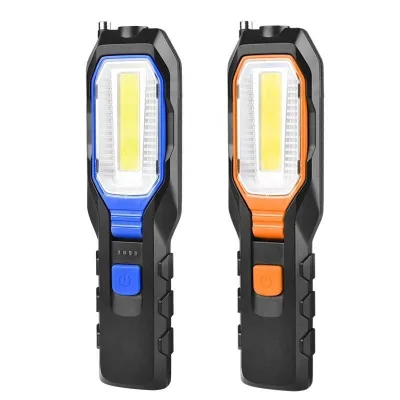
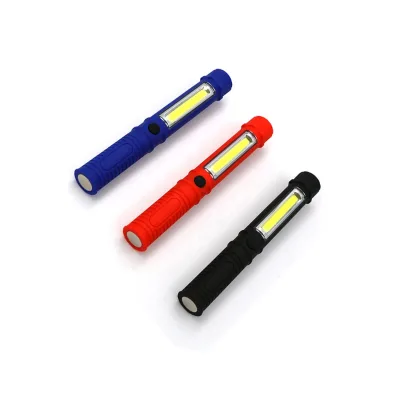
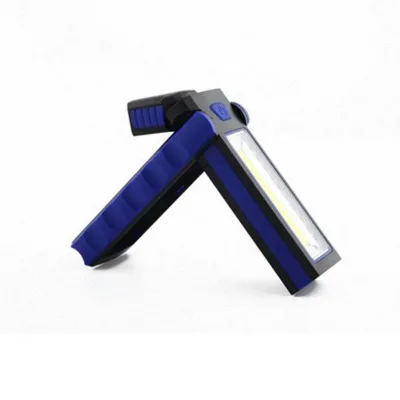
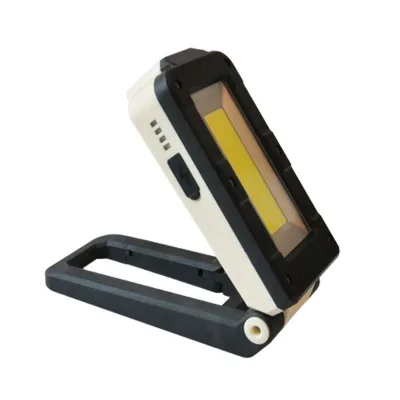
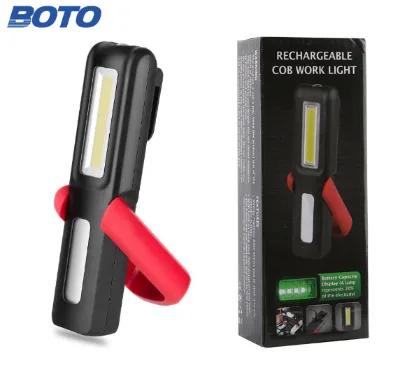
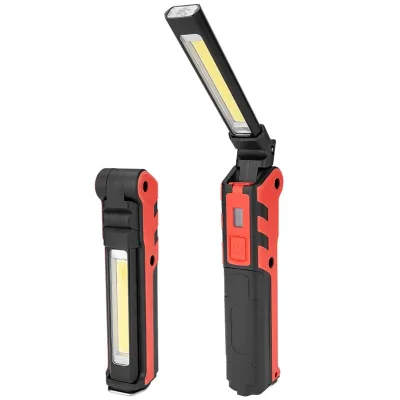
Key features include USB rechargeability, strong magnetic bases, and COB or LED light sources. Many models offer 360-degree foldable designs with hooks for versatile positioning. Buyers should check specific lumens, battery life, and IP ratings for their intended industrial or automotive use cases.
Where are these work lights manufactured?
These products are primarily manufactured in Zhejiang and Tianjin, China. Suppliers in these regions specialize in lighting and automotive tools. Buyers should verify the exact place of origin for each product to ensure compliance with their sourcing requirements and quality standards.
What is the typical response time from suppliers?
Supplier response times are generally fast, often within two to three days. This ensures quick communication regarding quotes, samples, and order status. Buyers should expect prompt replies when inquiring about bulk orders or custom specifications for magnetic handheld LED work lights.
What warranty is provided for these LED work lights?
Most suppliers offer a one-year warranty for their LED work lights. This covers defects in materials and workmanship under normal use. Buyers should review the specific warranty terms provided by each supplier to understand coverage details and claim procedures.