Blue Car Panel Removal Tool Suppliers and Manufacturers
Explore 17 verified options for Blue Car Panel Removal Tool suppliers in China. Compare response times, lead times, certifications, and locations to find the right partner. Contact suppliers directly to request quotes and verify product specifications; review the available evidence before requesting comparable quotations from suitable candidates.
Updated
Suppliers List
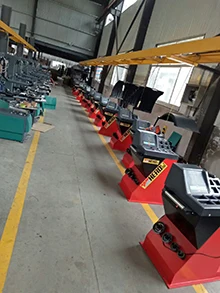
Hebei Zhonghaolian Import And Export Trade Co., Ltd.
- Trading Company
- Hebei, China
- Lead time20 days
- Avg. response≤ 5h
Main productstire repair material and tool,tire valve and valve caps,car jack,tire vulcanizer,wheel weight
Main marketsAfrica(30.00%), South America(20.00%), South Asia(10.00%), Northern Europe(10.00%), Mid East(10.00%), North America(10.00%), Eastern Europe(10.00%)
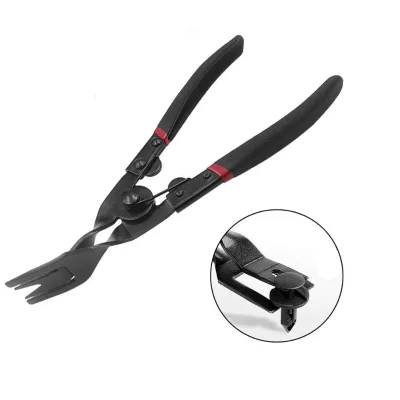
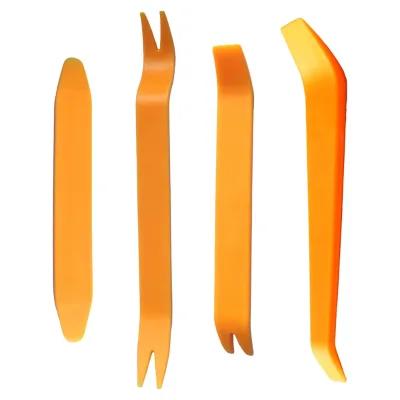
Car Inner Removal Tool Car Retainer Clips Auto Door Panel Removal Tools
$0.1871 - $0.3099
MOQ: 10 pieces

Xingtai Hongmao Auto Part Co., Ltd.
- Verified by SGS
- Trading Company
- China Hebei
- Lead time30 days
- Avg. response≤ 7h
Main productsHydraulic Oil Seal, Auto Seal, Customized Rubber Gasket, Agricultural Machinery Oil Seal, Excavator Oil Seal, Bonded Seal, Tc Oil Seal, Un Oil Seal, PU Oil Seal, O Ring
Main marketsSouth America,Europe,North America


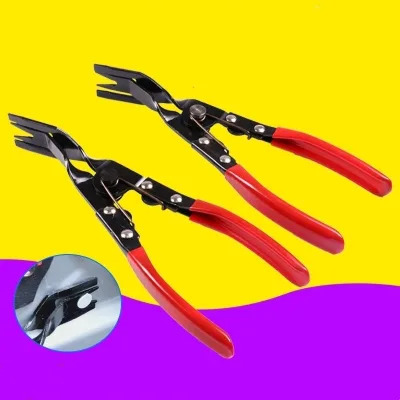
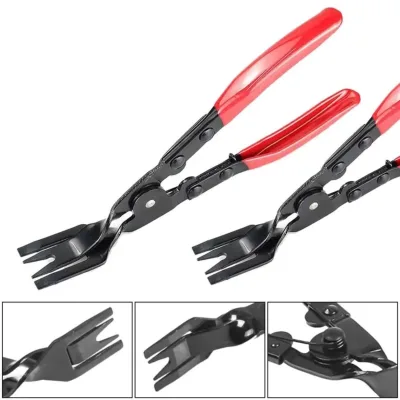
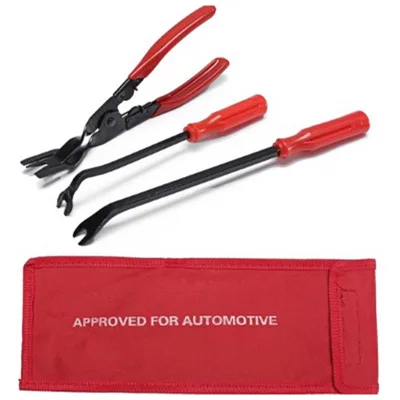
Car Trim Removal Tool Set Upholstery Removal Clip Pliers Tool Car Door Clip Panel Trim Removal Kits
$3.20 - $4.70
MOQ: 10 Pieces


Qingdao Merid Machinery Co., Ltd
- Verified by CTI
- Combined
- China Shandong
- Lead time15 days
- Avg. response≤ 2h
Main productsMachining Part, Sheet Metal Fabrication, Mounting Bracket, Precast Lifting Parts, Metal Hardware, CNC Maching Part, Stamping Parts, Welding Parts, CNC Maching Parts
Main marketsDomestic,Europe,Australia,North America

Jinhua Cowin Import & Export Co., Ltd.
- Verified by TUVRHEINLAND
- Trading Company
- China Zhejiang
- Lead time30 days
- Avg. response≤ 6h
Main productsHand Tool, LED Lighting, Car Tool, Hardware, Trailer Light, Trailer Hitch Mount, Power Tool, Garden Tools, Air Tools, Tie Down
Main marketsEurope


12PC Car Auto Pry Bar Moulding Door Trim Clip Remover Panel Removal Tools
$1.00 - $10.00
MOQ: 1000 Pieces

5PC Car Auto Body Moulding Door Clip Trim Remover Dashboard Panel Removal Tools
$1.00 - $10.00
MOQ: 1000 Pieces

7PC Car Automotive Body Moulding Door Clip Trim Remover Dashboard Panel Removal Tools
$1.00 - $10.00
MOQ: 1000 Pieces

27PC Car Auto Body Moulding Door Panel Trim Clip Removal Pry Bar Tool Remover
$1.00 - $10.00
MOQ: 1000 Pieces

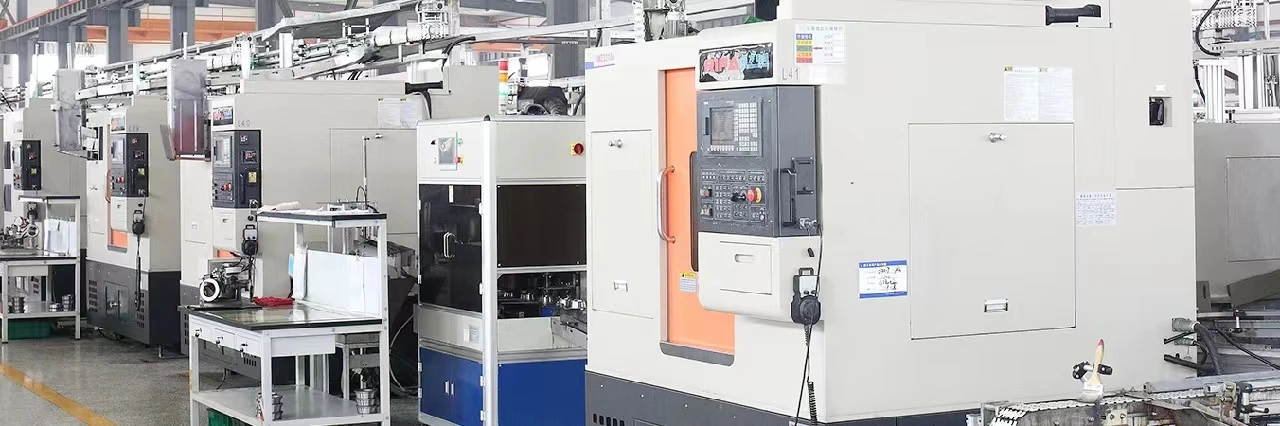
- Trading Company
- Liaoning, China
- Lead time0 days
- Avg. response≤ 1h
Main productswheel balance block
Main marketsDomestic Market(45.00%), Northern Europe(7.00%), Western Europe(5.00%), Eastern Asia(5.00%), Southern Europe(5.00%), Oceania(5.00%), North America(5.00%), Southeast Asia(5.00%), Eastern Europe(5.00%), Mid East(3.00%), South America(3.00%), South Asia(3.00%), Africa(2.00%), Central America(2.00%)
Ningbo Zhenhai Toptool Co., Ltd.
- Manufacturer
- Zhejiang, China
- Lead time30 days
- Avg. response≤ 14h
Main productsAutomotive tools
Main marketsWestern Europe(40.00%), Eastern Europe(15.00%), North America(10.00%), South America(10.00%), Southern Europe(5.00%), Eastern Asia(5.00%), South Asia(3.00%), Southeast Asia(3.00%), Oceania(2.00%), Mid East(2.00%)
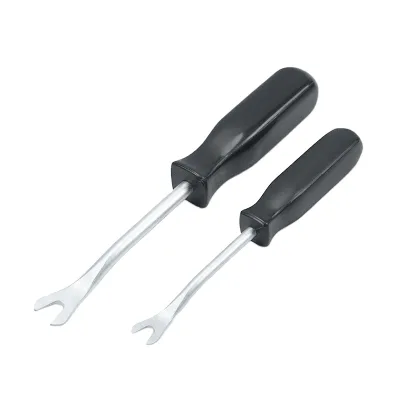
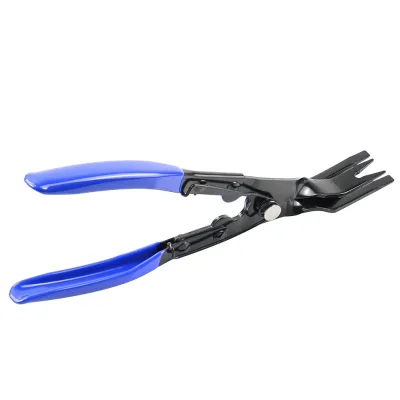
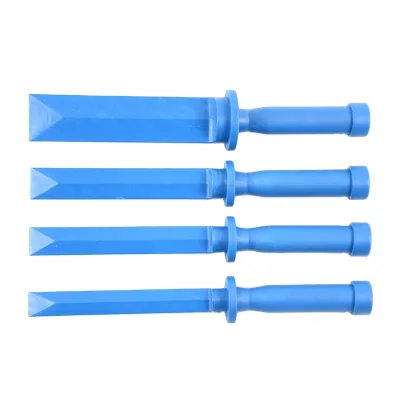
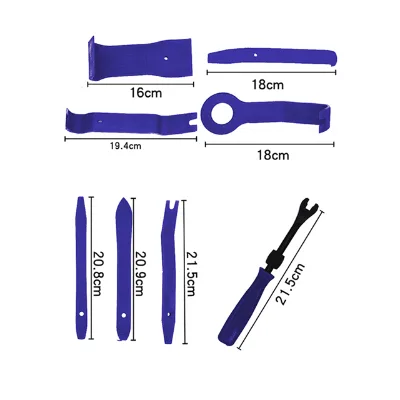
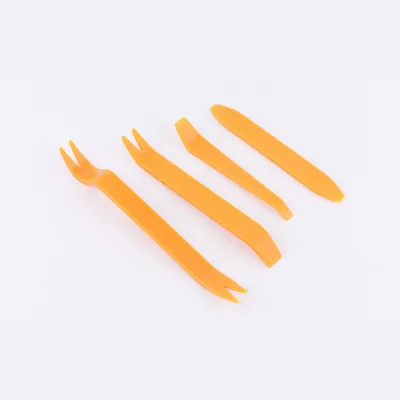
Hot Sale 4pcs Plastic Scraper Set Nylon Auto Trim Removal Chisel Scraper Tool Set
$2.20 - $3.00
MOQ: 1 pieces
Xiamen Dawoo Industry And Trade Co., Ltd.
- Manufacturer, Trading Company
- Lead time旺季: "1 - 2":7,"3 - 50":15,"51 - 100":35,"> 100":"To be negotiated", 淡季: "1 - 2":7,"3 - 50":15,"51 - 100":35,"> 100":"To be negotiated"
- Avg. response≤ 5h
Main productsCar Clips, Auto Clips Tools, Car Mat Clips

Shijiazhuang Yilushun Import and Export Trade Co., Ltd.
- Verified by BV
- Trading Company
- China Hebei
- Lead time15 days
- Avg. response≤ 13h
Main productsCar Clip, Sealing Strip, Mats Clips, Metal Screws, Cable Tie Tape, The Car Accessories, Automotive Service Set, Auto Clip, Plastic Rivet, Plastic Washer
Main marketsSouth America,Africa,Southeast Asia/ Mideast,East Asia(Japan/ South Korea),Domestic,Europe,Australia,North America

Ningbo Magma Tooling Co., Ltd.
- Trading Company,Manufacturer/Factory,Other
- China Zhejiang
- Lead time45 days
- Avg. response≤ 13h
Main productsAutomotive Tools, Socket Sets, Auto Repair Tools, Ratchet Handle, Garage Equipment, Car Repair Tools, Car Tools Set, Car Maintenance, Injection Moulding, Plastic Injection Mould
Main marketsSouth America,Eastern Europe,North America,Western Europe

Sy International Trade Co., Ltd.
- Verified by TUVRHEINLAND
- Trading Company
- China Shanghai
- Lead time45 days
- Avg. response≤ 4h
Main productsWorkwear, Woodworking Tools, Pipe Tools, School Bus Stop, Garden Tools, Dent Puller Tool, Measuring Tools, Tool Set, Generator, Caulking Gun
Main marketsAfrica,Southeast Asia/ Mideast,East Asia(Japan/ South Korea),Europe,North America
Ningbo Yinzhou Fengjie Tools Co., Ltd.
- Verified by TüVRheinland
- Manufacturer, Trading Company
- Lead time30 days
- Avg. response≤ 7h
Main productsAuto Tools, Telescoping Products
Main marketsDomestic Market(33%), North America(25%), Western Europe(10%)
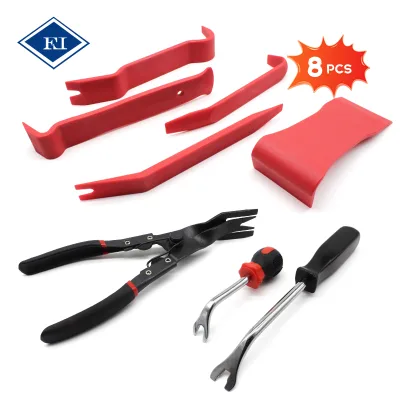
$5.6512 - $9.6077
MOQ: 500 sets
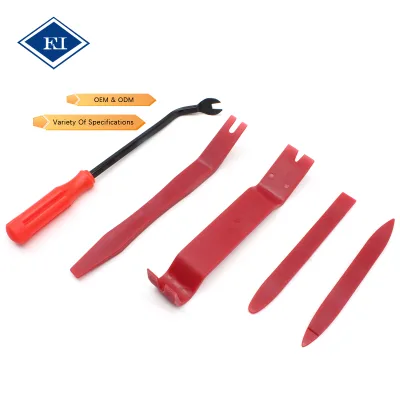
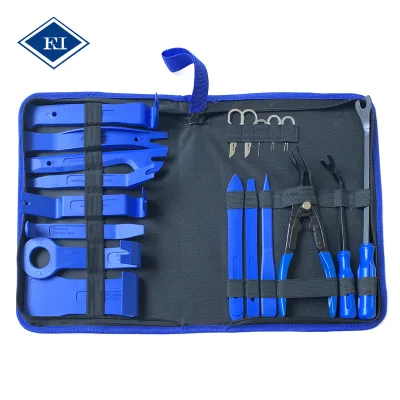
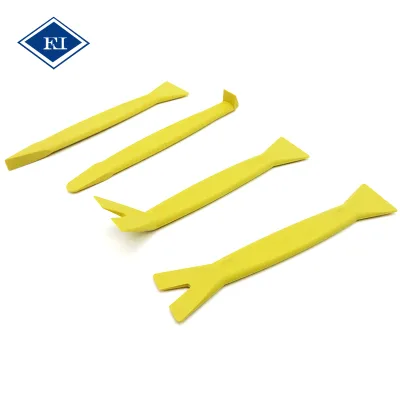
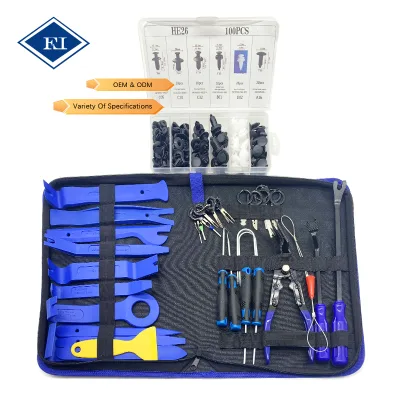
Hefei Chegongshe Hardware Technology Co., Ltd.
- Verified by Intertek
- Manufacturer, Trading Company
- Lead time7 days
- Avg. response≤ 2h
Main productsJack, Grease Gun, Tool Sets, Dent Repairing Machine, Snow Chain
Main marketsNorth America(20%), South America(20%), Eastern Asia(20%)
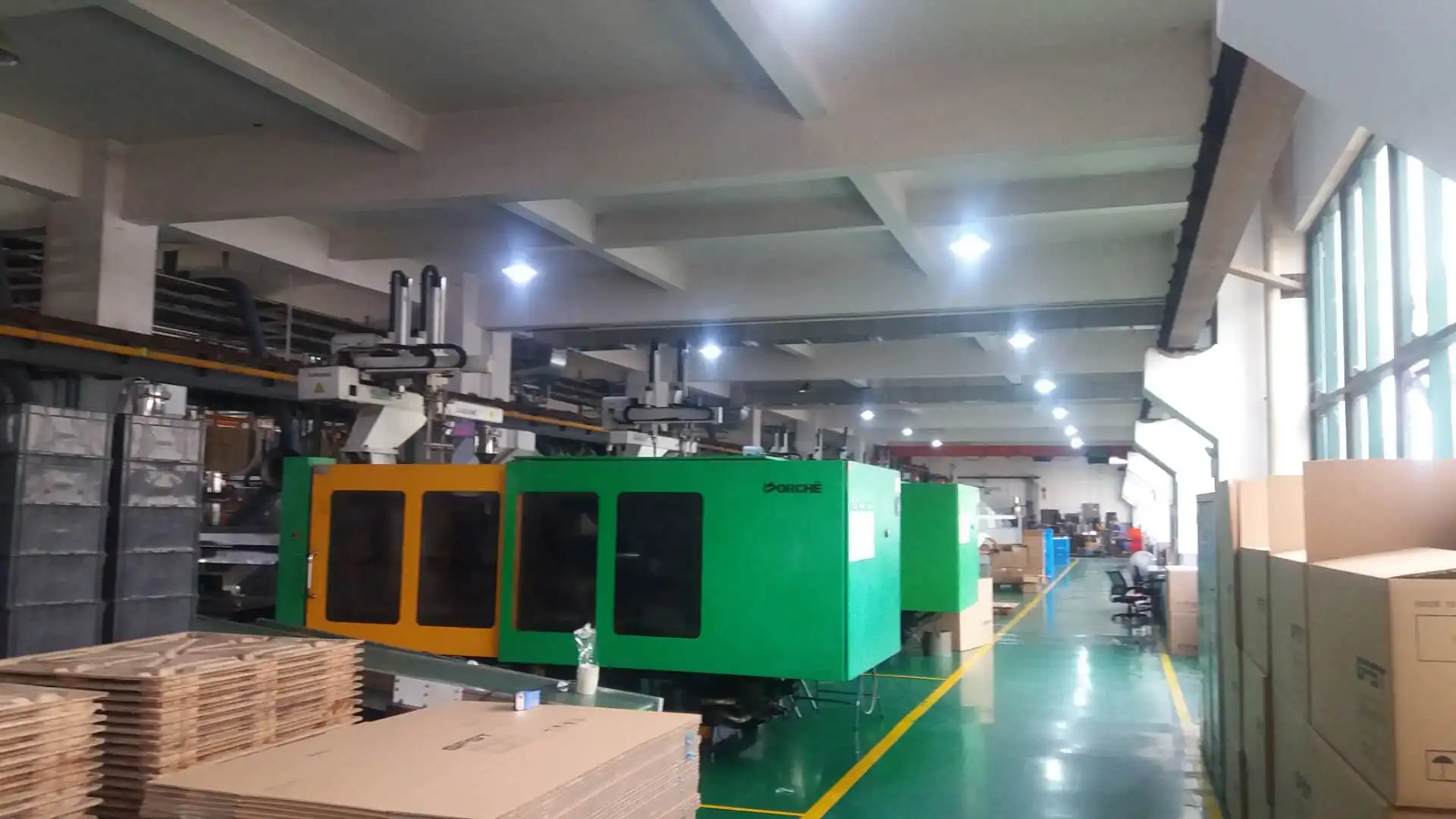
Hangzhou Kaka Le Trading Co., Ltd.
- Trading Company
- Zhejiang, China
- Lead time15 days
- Avg. response≤ 2h
Main productsHand Tools,Kitchen supplies,Plastic sealed jar,Vegetable Cutting Artifact,Garden tools
Main marketsSouth America(15.00%), North America(15.00%), Eastern Europe(13.00%), Southern Europe(10.00%), Western Europe(10.00%), South Asia(5.00%), Northern Europe(5.00%), Central America(5.00%), Southeast Asia(5.00%), Eastern Asia(5.00%), Mid East(5.00%), Oceania(5.00%), Africa(2.00%)
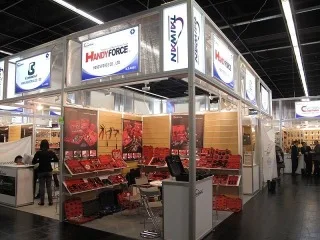
- Trading Company
- Taiwan, China
- Lead time0 days
- Avg. response≤ 16h
Main productsAuto Repair Tool,Hand Tool,Engine Repair Tool,Under Car Repair Tool,Body Service Tool
Main marketsNorthern Europe(20.00%), Eastern Europe(20.00%), Southern Europe(10.00%), Western Europe(10.00%), North America(10.00%), South Asia(5.00%), South America(5.00%), Africa(5.00%), Central America(5.00%), Southeast Asia(5.00%), Oceania(5.00%)
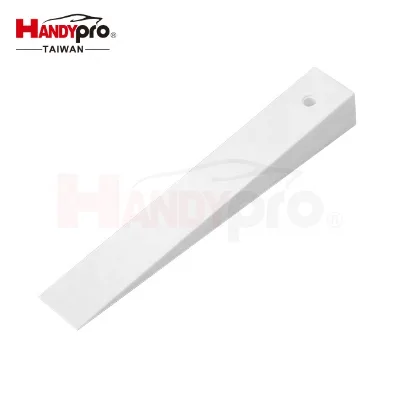
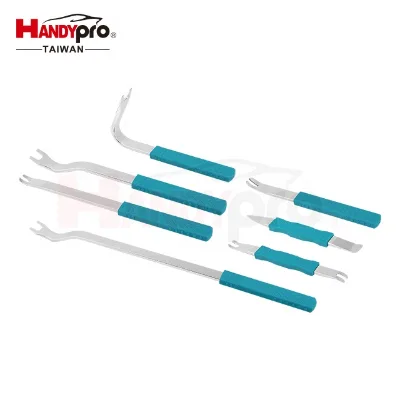
Trim and Clip Lifter Tool Set, Interior and Trim Clip Tools, Vehicle Tools Auto Repair
$4.3383 - $81.4128
MOQ: 200 Minimum

SHANGHAI TECHWAY INDUSTRIAL CO., LTD.
- Verified by BV
- Trading Company
- China Shanghai
- Lead time15 days
- Avg. response≤ 4h
Main productsSanders, Polishers, Vacuum Cleaner, Car Films, Sandpaper, Pdr Tools, Tile Cutter, Tile Vibrator, Hot Glue Gun, Suction Cup
Main marketsSouth America,Europe,North America
Hefei Xilaide Trading Co., Ltd.
- Trading Company
- Anhui, China
- Lead time0 days
- Avg. response≤ 4h
Main productsAutomotive spare parts
Main marketsEastern Asia(50.00%), Eastern Europe(20.00%), Western Europe(10.00%), Mid East(10.00%), Domestic Market(1.00%), South Asia(1.00%), Southern Europe(1.00%), Northern Europe(1.00%), Central America(1.00%), South America(1.00%), Southeast Asia(1.00%), North America(1.00%), Oceania(1.00%), Africa(1.00%)

SHANGHAI JUST BETTER TOOLS CO., LTD.
- Trading Company,Manufacturer/Factory
- China Shanghai
- Lead time0 days
- Avg. response≤ 14h
Main productsPdr Tools, Auto Tools, Paintless Dent Repair Tools, Car Dent Repair Tools, Dent Tool Kit, Dent Puller Kit, Pdr Car Body Repair Tool, Pdr Kit


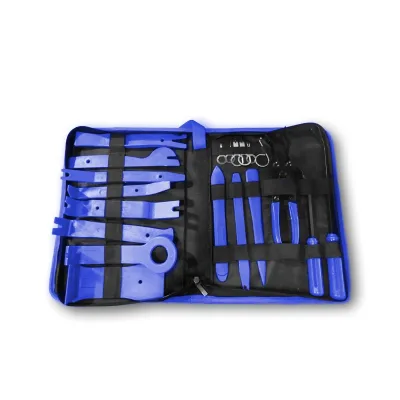
11PCS Trim Tools Car Trim Molding Removal Tools Door Panels Window Clip Removal Tool Set
Negotiable
MOQ: 300 Sets




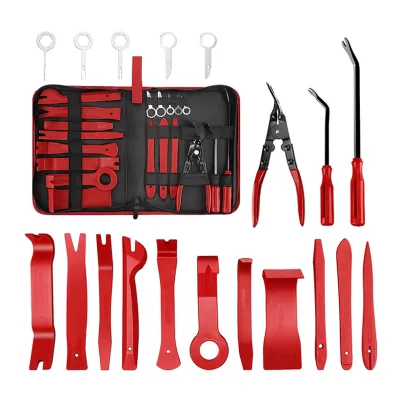
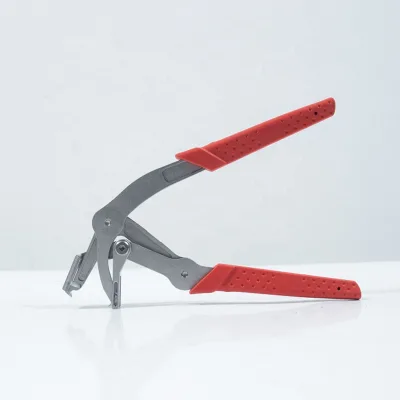
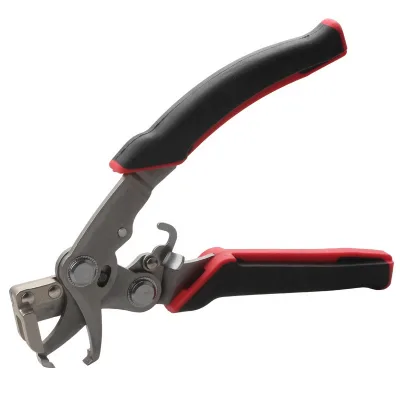


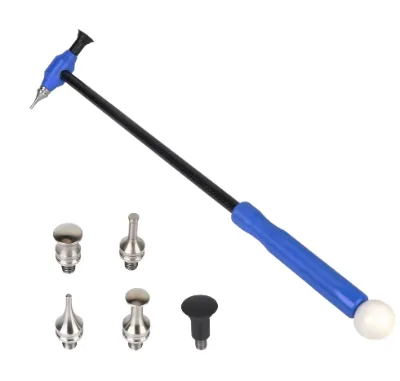
Comprehensive Sourcing Guide
Blue Car Panel Removal Tool Supplier Concentration and Factory Types
The current supplier landscape for blue car panel removal tools shows a distinct concentration of manufacturers and trading companies within Hebei, China. This region appears frequently in the location data associated with suppliers offering trim removal kits, door panel tools, and automotive fastener extractors. Some suppliers in this cluster also list broader capabilities such as tire repair materials, hydraulic seals, and custom rubber gaskets, indicating a diverse industrial base that supports automotive accessory production. The presence of multiple entities in Hebei suggests a localized supply chain for plastic and metal automotive tools, though buyers must verify if specific factories produce the blue variants or if these are distributed by trading firms.
Factory types vary significantly across the available results, ranging from pure trading companies to combined entities with in-house manufacturing capabilities. One supplier is identified as a trading company, while another operates as a combined entity with ODM and OEM capacities, suggesting they can handle custom specifications for tool sets. The main products listed for these facilities include everything from simple plastic clip removers to heavy-duty stainless steel pry bars and hydraulic seals. Buyers should note that while some suppliers focus on vehicle accessories and tools, others may have primary operations in metal stamping or machining, which could influence their ability to deliver specialized blue-colored tools with specific tolerances or surface finishes.
How to Verify Blue Car Panel Removal Tool Suppliers
Verification of suppliers offering blue car panel removal tools requires checking specific credential markers and third-party audit results found in the supplier profiles. Several suppliers in the current results display verification badges from recognized agencies such as SGS and CTI, which serve as initial indicators of operational legitimacy. Additionally, system certifications like ISO9001:2015 are explicitly mentioned for certain manufacturers, providing evidence of a structured quality management system. Buyers should prioritize suppliers who have these visible certifications rather than relying on general claims, as these documents confirm that the facility has undergone external assessment for quality and process control.
Beyond certifications, buyers must assess the response time and communication reliability of potential partners to ensure they can handle inquiries and order changes efficiently. The data indicates response times ranging from approximately 1.8 hours to over 6 hours, with some suppliers showing a response time of 5 hours. A faster response time often correlates with better customer service and more active account management, which is critical when sourcing specific tool colors or custom packaging. Buyers should also look for suppliers who explicitly state their ability to provide OEM or ODM services, as this confirms they have the flexibility to produce the blue tools according to specific design requirements rather than just selling standard inventory.
What to Compare Across Blue Car Panel Removal Tool Suppliers
When evaluating suppliers, the lead time is a critical dimension that varies significantly between different manufacturers and trading companies. Current data shows lead times ranging from 15 days to 30 days, with some specific product listings indicating a 25-day production window. This variation impacts inventory planning and delivery schedules, so buyers must confirm the exact lead time for their specific order volume and customization needs. Comparing these timelines helps identify suppliers who can meet urgent deadlines versus those who require longer production cycles, allowing for better alignment with project schedules and market launch dates.
Minimum Order Quantity (MOQ) and pricing structures also differ widely across the supplier base, influencing the total cost of ownership for blue car panel removal tools. Some suppliers list an MOQ of 10 pieces, while others, particularly those focusing on metal stamping or custom machining, may require orders of 1000 pieces or more. Price ranges observed in the product evidence span from under $0.20 to nearly $5.00 per unit, depending on the material, such as plastic versus stainless steel, and the complexity of the tool set. Buyers should compare these metrics to determine which suppliers offer the most favorable terms for their specific order size and budget constraints, ensuring they do not overpay for standard items or face prohibitive MOQs for custom runs.
Common Blue Car Panel Removal Tool Sourcing Risks
One significant risk in sourcing blue car panel removal tools is the potential mismatch between the supplier's primary product focus and the specific tool requirements. Many suppliers in the current results list diverse main products, including tire repair materials, hydraulic seals, and agricultural machinery parts, which may indicate that automotive tools are a secondary line rather than a core specialty. This diversification can lead to inconsistencies in quality control or a lack of deep expertise in automotive trim removal tools. Buyers should verify that the supplier has dedicated production lines or specific experience with vehicle accessories to ensure the tools meet the necessary durability and performance standards for professional use.
Another risk involves the variability in material specifications and certification claims, which can affect the longevity and safety of the tools. While some products are described as being made from rubber and alloy steel or stainless steel, others are listed as plastic, and the surface processing methods like electroplating may vary. If a supplier claims ISO certification but the specific product batch lacks traceability or fails to meet the stated material standards, the buyer could receive substandard goods. Additionally, the absence of detailed test results or specific material certifications for the blue colorant used in the tools poses a risk of color fading or material degradation, making it essential to request sample verification before placing large orders.
Blue Car Panel Removal Tool Regional Sourcing and Logistics
The regional sourcing landscape for blue car panel removal tools is heavily centered in Hebei, China, with some activity also noted in Shandong. Suppliers in Hebei are frequently associated with vehicle accessories and tools, while those in Shandong often focus on machining parts and metal fabrication. This geographic concentration suggests that logistics and shipping routes may be optimized for these regions, potentially offering competitive freight rates for bulk orders. However, buyers must confirm the specific port of loading, as some suppliers list Qingdao, Ningbo, or Shanghai as their load ports, which can impact transit times and shipping costs depending on the destination market.
Logistics planning must also account for the packaging specifications provided by the suppliers, which vary from single-piece OPP bags to carton packing for larger sets. The single package sizes and weights, such as 25x5x5 cm for certain tools or 40x40x20 cm for kits, directly influence container loading efficiency and freight charges. Buyers should calculate the total volume and weight based on the specific packaging details to avoid unexpected shipping costs or space issues in transit. Furthermore, verifying the origin of the goods is crucial, as some products list Hebei as the place of origin while others may have different manufacturing locations, affecting customs documentation and potential trade tariffs.
Blue Car Panel Removal Tool Commercial Terms and Order Planning
Commercial terms for blue car panel removal tools often include customization options such as OEM and ODM services, which allow buyers to tailor the tools to their brand requirements. Suppliers in the current results explicitly state that customization is available, enabling the addition of specific branding, colors, or packaging designs. However, buyers must clarify the minimum order quantities for these custom services, as they may differ from standard product MOQs. Understanding the customization lead time is equally important, as adding branding or specific color requirements can extend the production schedule beyond the standard 15 to 30-day window observed for generic items.
Order planning should also consider the payment terms and the availability of escrow services to protect the buyer's financial interests. While specific payment terms are not detailed in the current facts, the presence of verification badges and certifications suggests that many suppliers are willing to engage in secure transactions. Buyers should ensure that the supplier offers a secure payment method, such as an escrow service, to mitigate the risk of non-delivery or quality disputes. Additionally, planning for the lead time and potential delays is essential, especially when dealing with suppliers who have longer response times or complex production processes involving metal spinning or electroplating, which may require additional quality checks before shipment.
FAQs
What is the price range for blue car panel removal tools?
Prices for these tools typically range from $0.19 to $4.70 per unit depending on the set composition and material quality. Basic plastic clip removers are available at the lower end, while comprehensive nylon kits with storage bags cost more. Buyers should verify specific pricing tiers based on order volume and customization requirements.
What materials are used in these removal tools?
Manufacturers primarily use durable nylon, plastic, rubber, and alloy steel for these tools. Nylon is common for trim removal kits due to its flexibility and resistance to damaging vehicle surfaces. Metal variants offer heavy-duty prying capabilities. Material selection depends on the specific application, such as door panel removal versus general auto body repair tasks.
What is the typical lead time for orders?
Standard lead times generally range from 15 to 30 days for production and shipping. Some suppliers offer faster turnaround times around 15 days, while others may require up to 30 days depending on order complexity and stock availability. Buyers should confirm specific delivery schedules with suppliers before finalizing purchase agreements to ensure timely project completion.
What is the minimum order quantity for these tools?
Minimum order quantities vary significantly by supplier and product type. Some sellers accept orders as low as 10 pieces for standard kits, while others require a minimum of 1000 pieces for customized metal stamping parts. Buyers should check individual supplier listings to determine the specific MOQ applicable to their desired tool specifications and packaging requirements.
Are these tools customizable for branding?
Yes, many suppliers offer OEM and ODM services to customize tools with specific branding or packaging. Customization options include adding logos, changing colors, or modifying tool sets to meet specific industry standards. Buyers should verify customization availability and associated costs directly with manufacturers, as these services often require meeting specific minimum order quantities.
Where are these tools typically manufactured?
These tools are primarily manufactured in China, with significant production hubs located in Hebei and Shandong provinces. Suppliers in these regions specialize in automotive repair tools, metal fabrication, and plastic molding. Buyers can source directly from these locations to benefit from established supply chains and competitive manufacturing capabilities for various automotive accessory products.
What certifications do these suppliers hold?
Reputable suppliers often hold ISO9001:2015 certification for quality management systems and may possess SGS or CTI verification. Some products specifically list ISO certification for compliance with industry standards. Buyers should request valid certification documents to ensure the supplier meets international quality and safety requirements for automotive repair tools and related accessories.