Bodycon Mini Dress with Slit Suppliers and Manufacturers
Explore 26 verified options for Bodycon Mini Dress with Slit from Guangdong and Zhejiang factories. Compare response times, lead times, MOQs, and certifications like TUVRHEINLAND to select a supplier. Contact suppliers directly to request samples; review the available evidence before requesting comparable quotations from suitable candidates.
Updated
Suppliers List

Guangzhou Dongzhou Garment Co., Ltd.
- Verified by TUVRHEINLAND
- Combined
- China Guangdong
- Lead time15 days
- Avg. response≤ 6h
Main productsDress, Blazer / Suit Jacket, Trousers / Dress Pants, Vest / Waistcoat, Chanel Style / Tweed Style, Skirt
Main marketsDomestic,Europe

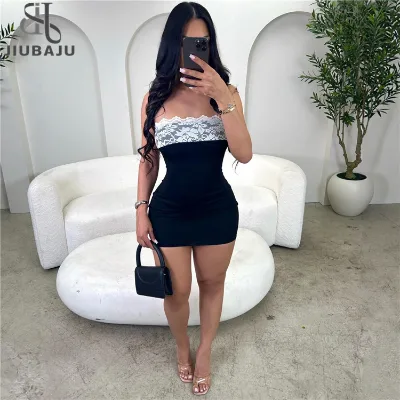
Women's Black Halter Neck Bodycon Mini Dress - Sexy Clubwear with High Slit
$5.00 - $25.00
MOQ: 100 Pieces

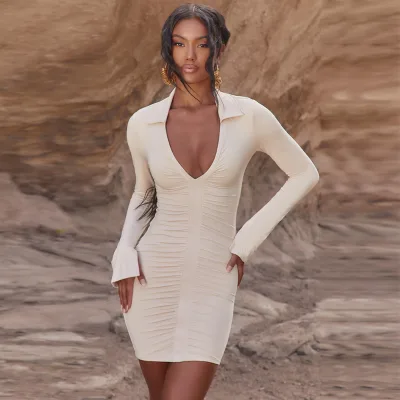
Women's Solid White Long Sleeve Ribbed Bodycon Mini Dress - Chic Party Outfit
$5.00 - $25.00
MOQ: 100 Pieces

Women's Yellow & White Floral V-Neck Short Sleeve Bodycon Mini Dress - Chic Summer Day Outfit
$5.00 - $25.00
MOQ: 100 Pieces

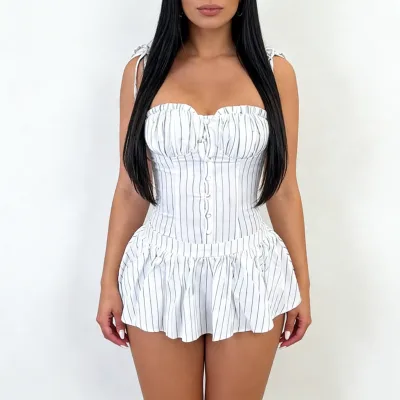
Sexy Backless Halter Mini Dress Elegant Solid Color Asymmetrical Ruffle Hem Dress
$5.00 - $25.00
MOQ: 100 Pieces
Hangzhou Iris Apparel Co., Ltd.
- Manufacturer, Trading Company
- Zhejiang, China
- Lead time15 days
- Avg. response≤ 3h
Main productsHOODIE,SHIRTS,DRESS,PANTS,JACKET
Main marketsSouth America(50.00%), North America(30.00%), Southern Europe(10.00%), Mid East(10.00%)
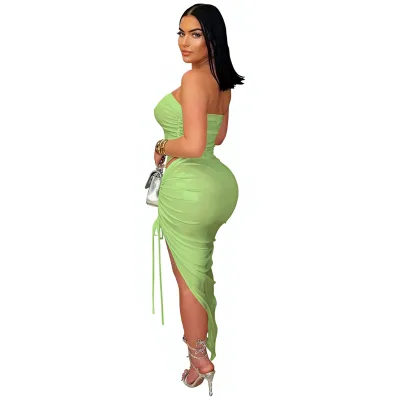
Women's Casual Mini Dress - Summer Sleeveless Bodycon with Spaghetti Straps & Side Slit
$4.1287 - $4.9326
MOQ: 2 pieces
Dongguan Chengwang Trading Co., Ltd.
- Verified by Intertek
- Manufacturer, Trading Company
- Lead time19 days
- Avg. response≤ 3h
Main productsDresses, Tops, Pants, Hoodies, Skirts
Main marketsNorth America(30%), Eastern Europe(15%), Southeast Asia(15%)
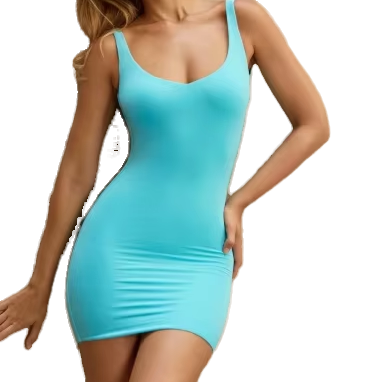
V-Neck Bodycon Mini Dress Casual Sexy Mini Dress
$8.30 - $9.90
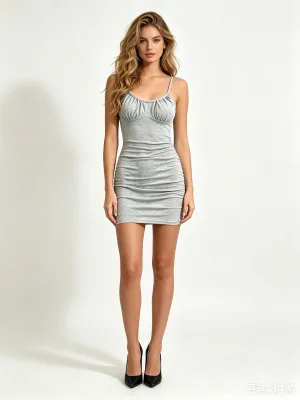
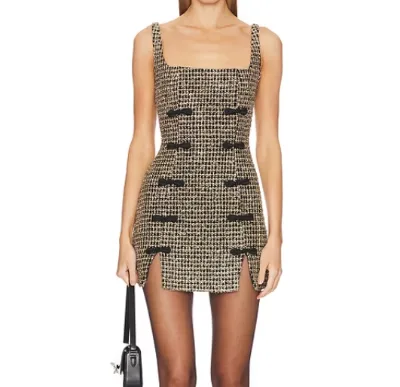
$21.1796 - $22.729
MOQ: 100 pieces
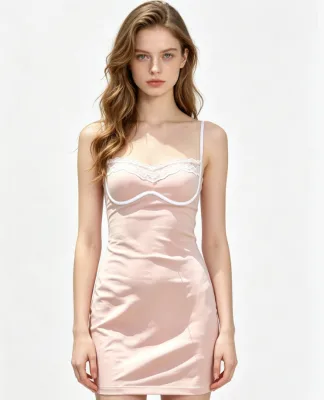
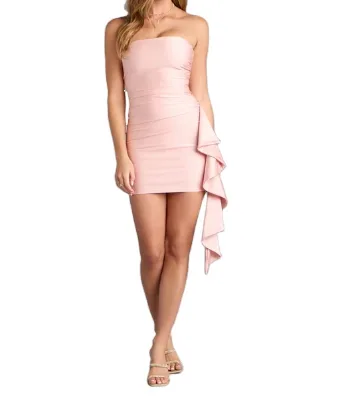
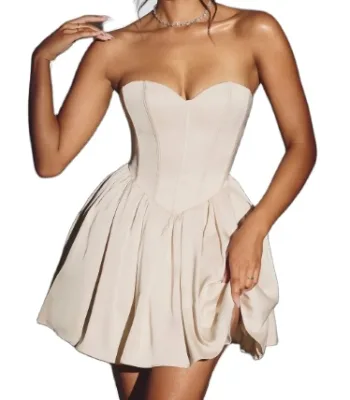
Solid Pattern Bodycon Mini Dress with Ruffles Eco-Friendly Sweet Style Digital Printing
$12.90 - $13.70
MOQ: 100 pieces

Jinan Nanfei Information Technology Co., Ltd.
- Verified by CTI
- Trading Company
- China Shandong
- Lead time15 days
- Avg. response≤ 3h
Main productsWomen/Men Activewear, Women Tops Blouses & Tee, Women Dresses, Women Bottoms, Women Sweatshirts, Women Outerwear, Women Beachwear, Men Co-Ords, Men Hoodies & Sweatshirts, Men Bottoms
Main marketsDomestic
Jiangsu Huayi Knitting Co., Ltd.
- Verified by TüVRheinland
- Manufacturer, Trading Company
- Lead time15 days
- Avg. response≤ 5h
Main productsFishnet Stockings, Disposable Fishnet Pants, Fishnet Clothes, Fishnet Pants, Women's Skirts
Main marketsDomestic Market(60%), North America(8%), Africa(6%)
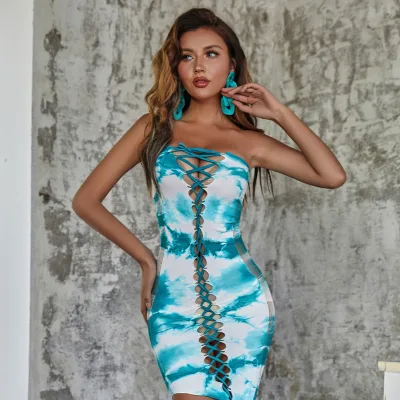
Sexy Women Club Mini Seamless Bodycon Dress for Party
$10.45 - $12.10
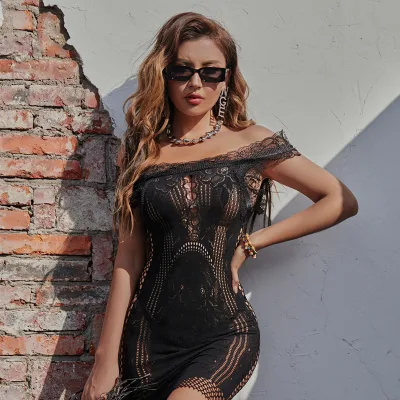
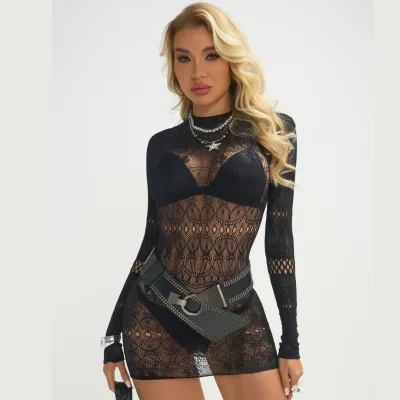
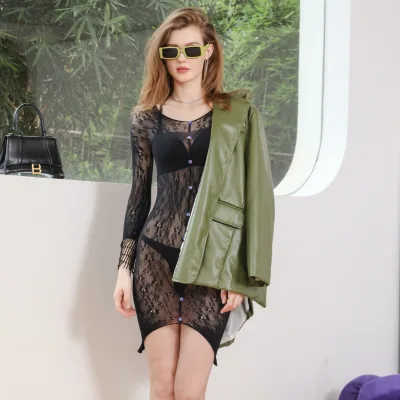
New Design Knitted Mesh Pattern Casual Transparent Light Bodycon Dress for Sale
$6.1721 - $7.2605
MOQ: 100 pieces

Shenzhen Zhaohua Apparel Co., Ltd.
- Verified by SGS
- Manufacturer
- China Guangdong
- Lead time15 days
- Avg. response≤ 12h
Main productsWomen's Clothing, Women's Dresses, Women's Shirt, Women's Hoodie/Sweatshirt, Women's Pants, Man's Clothing, Man's Pants, Man's

shanghai jspeed industry co.,ltd
- Trading Company
- China Shanghai
- Lead time60 days
- Avg. response≤ 4h
Main productsSwimwear, Underwear, Sportswear, Socks, Dress, Skirt, Pants, Shorts, Textile
Main marketsSouth America,Southeast Asia/ Mideast,Domestic,Europe,Australia,North America
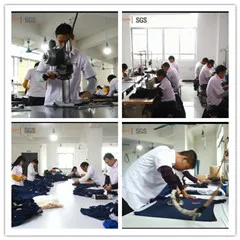
Guangzhou Jenny Textile Co., Ltd.
- Manufacturer, Trading Company
- Guangdong, China
- Lead time20 days
- Avg. response≤ 2h
Main productstracksuits,t shirts,pants,jackets,hoodies
Main marketsNorth America(30.00%), Western Europe(13.00%), Oceania(10.00%), Mid East(10.00%), Southeast Asia(8.00%), Africa(8.00%), Eastern Asia(5.00%), Eastern Europe(5.00%), Central America(3.00%), Domestic Market(2.00%), Northern Europe(2.00%), South America(2.00%), Southern Europe(1.00%), South Asia(1.00%)
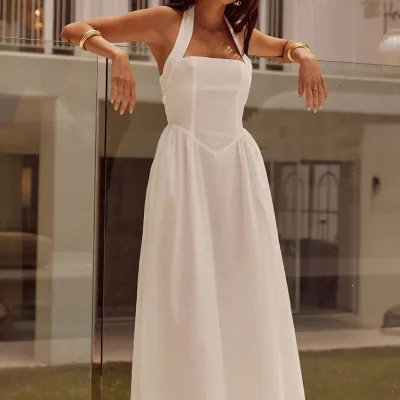
$7.0105 - $11.0374
MOQ: 50 pieces
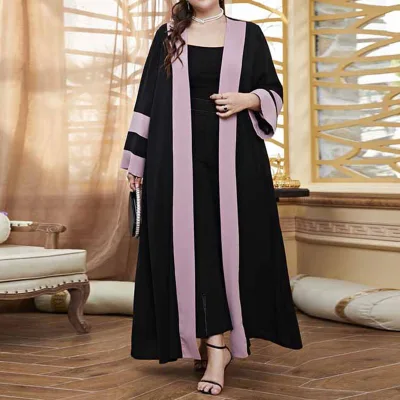
Summer Fashion Long Sleeves Bodycon, Party Dresses For Women Sexy Mesh See Through Mini Short Dress/
$3.59 - $9.99
MOQ: 100 pieces
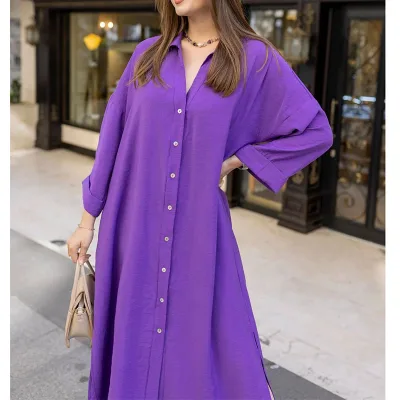
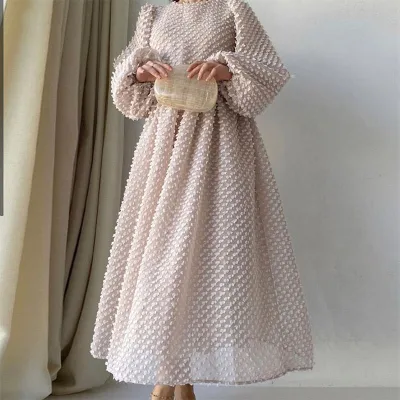
Custom Mini New Woman Summer, Short Sleeve Dresses Sexy Fashion Elegant For Ladies/
$3.59 - $9.99
MOQ: 100 pieces
Dongguan Humen Yihao Clothing Co., Ltd.
- Manufacturer, Trading Company
- Lead time旺季: "1 - 100":15,"101 - 500":25,"501 - 1000":35,"> 1000":"To be negotiated", 淡季: "1 - 100":15,"101 - 500":25,"501 - 1000":35,"> 1000":"To be negotiated"
- Avg. response≤ 5h
Main productsSilk Dress, Crop Top, Women Oversized T Shirts, Bodysuit, Mini Dress

Dongguan Xiuyu Fashion Garment Co., Ltd.
- Verified by TUVRHEINLAND
- Combined
- China Guangdong
- Lead time15 days
- Avg. response≤ 5h
Main productsSuit, Dress, Hoodie, T-Shirt, Jeans, Trousers, Skirt, Top, Shorts, Blazer
Main marketsEurope,Australia,North America


2024 Summer Casual Mini Dress with Bow Square Collar Design Casual Dress Elegant
$10.40 - $12.80
MOQ: 100 pieces

Guangzhou Lianmeng Clothing Co., Ltd.
- Manufacturer
- Gaungdong, China
- Lead time15 days
- Avg. response≤ 3h
Main productswomen dress,Beachwear,Evening dress,Women's high heels,Men's
Main marketsNorth America(40.00%), Northern Europe(30.00%), South America(10.00%), Central America(10.00%), Eastern Europe(10.00%)
Dongguan Haohoo Clothing Co., Ltd
- Verified by Intertek
- Manufacturer, Trading Company
- Lead time20 days
- Avg. response≤ 2h
Main productsWomen's Dress, Women's Tops And Blouse, Women's Skirt, Women's Shorts, Women's Jumpsuit
Main marketsNorth America(60%), Oceania(20%), Western Europe(17%)

Guangzhou Vincenia Trading Co., Ltd.
- Trading Company
- China Guangdong
- Lead time23 days
- Avg. response≤ 6h
Main productsUnderwear, Lingerie, Shapewear, Legging, Lace, Bra, Briefs, Yoga, Fabrics
Main marketsSouth America,Southeast Asia/ Mideast,East Asia(Japan/ South Korea),Europe,North America


New Design Women Sexy Bodycon Mini Dress Floral Slip Dress Summer Night
$12.50 - $12.70
MOQ: 100 Pieces


Guangzhou Panyu district south village Jinluoxuan clothing factory
- Verified by CTI
- Combined
- China Guangdong
- Lead time15 days
- Avg. response≤ 16h
Main productsOutfit, Sequin Evening Gown
Main marketsDomestic


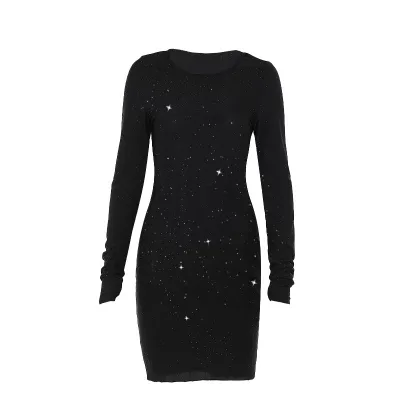
Bodycon Mini Sequin Dress with Built-in Stretch That Moves as You Dance
$25.00 - $26.00
MOQ: 50 Pieces


Sexy V-Neck Mini Dress with Adjustable Straps for The Perfect Customizable Fit
$25.00 - $26.00
MOQ: 50 Pieces

All-Occasion Mini Dress That Pairs Easily with Accessories for a Personalized Look
$25.00 - $26.00
MOQ: 50 Pieces

Dongguan Feitong Garment Co., Ltd.
- Verified by Intertek
- Manufacturer, Trading Company
- Lead time15 days
- Avg. response≤ 2h
Main productsWomen's Dresses, Women's Sets, Women's Suit, Women's Jumpsuit, Women's Top
Main marketsNorth America(45%), Western Europe(30%), South America(5%)
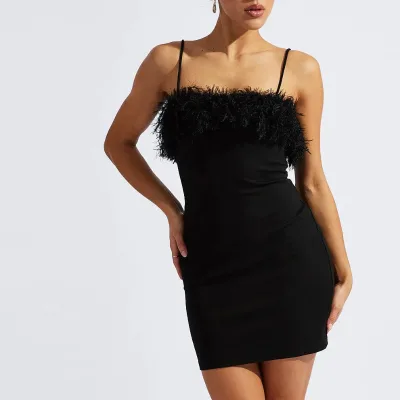
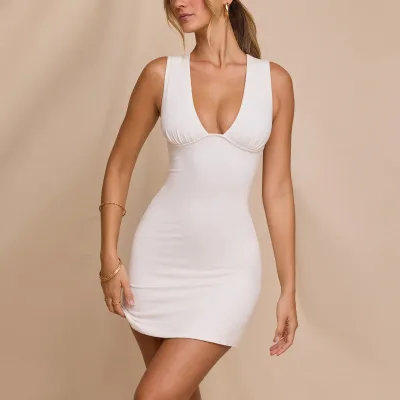
Summer Women Party Bodycon Bandage Sexy Deep V Neck Mini Backless Dresses
$10.0583 - $12.482
MOQ: 50 pieces
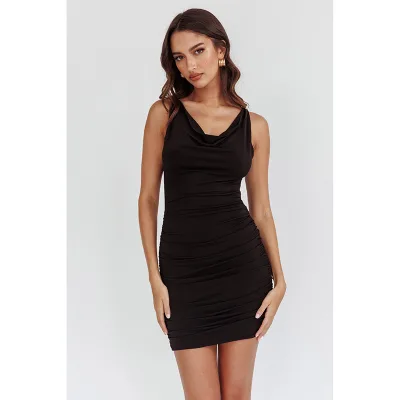
$9.29 - $14.29
MOQ: 50 pieces

- Verified by CTI
- Trading Company
- China Anhui
- Lead time23 days
- Avg. response≤ 1h
Main productsFurniture, Home Furniture
Main marketsSoutheast Asia/ Mideast
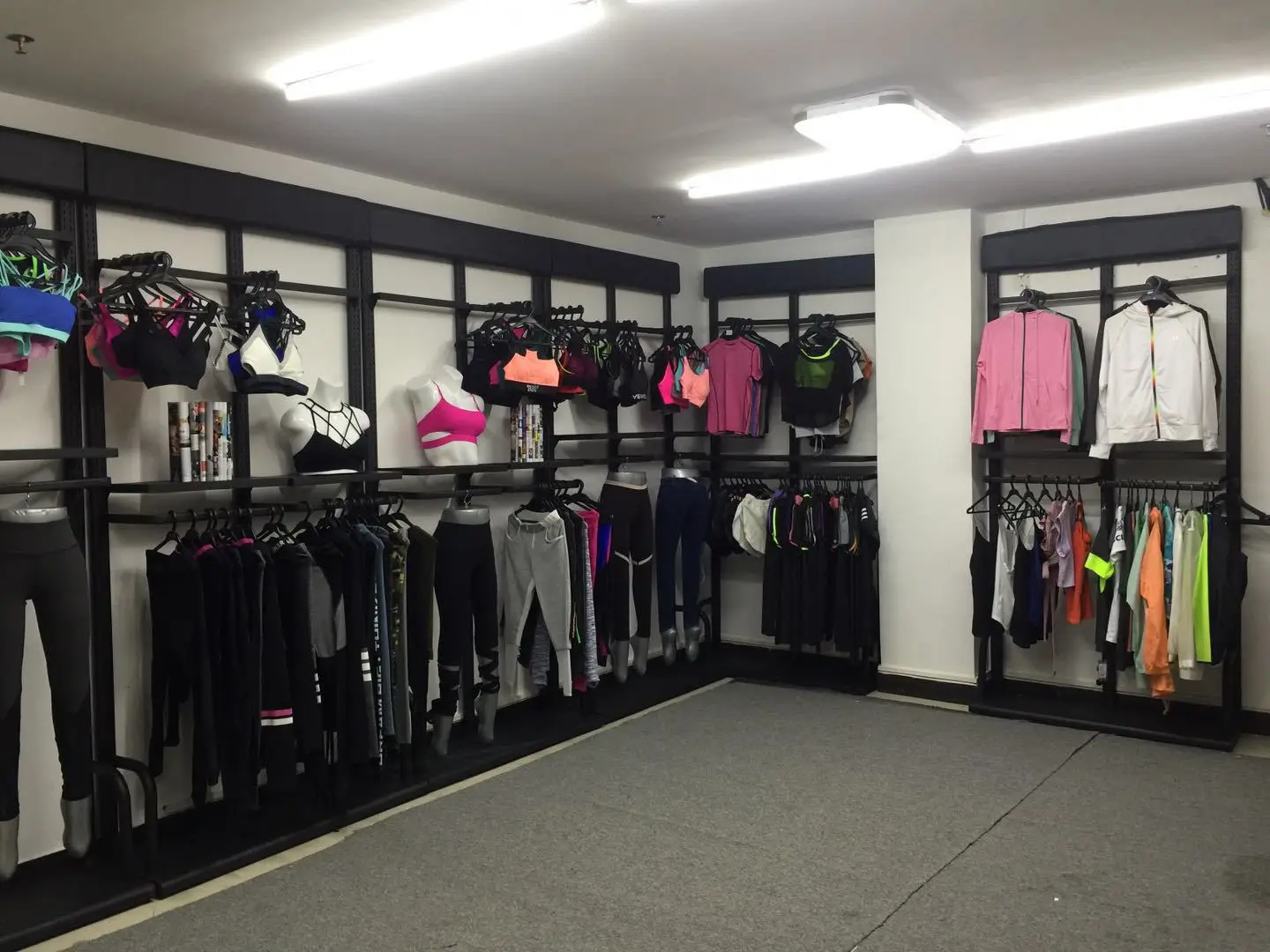
Shenzhen Chiangqin Technology Co., Ltd.
- Manufacturer, Trading Company
- Guangdong, China
- Lead time5 days
- Avg. response≤ 5h
Main productswomen outfits,men outfits,children outfits,Sports wear,bags
Main marketsNorth America(30.00%), Eastern Europe(19.00%), Western Europe(16.00%), South America(8.00%), Eastern Asia(8.00%), Domestic Market(8.00%), Oceania(5.00%), Northern Europe(3.00%), Southern Europe(3.00%)
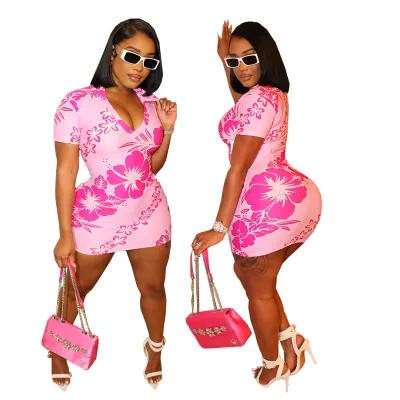
2024 Fashionable Summer Mini Bodycon Dress Pink Print Floral Slip Halter Club Dress
$5.5494 - $6.3712
MOQ: 2 pieces
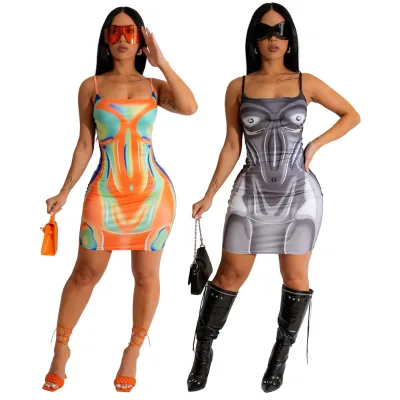
Custom Logo Label Bodycon Outfits Sling Bodycon Mini Dress Body Skin Printed Mini Sundress Women
$3.0838 - $4.6242
MOQ: 2 pieces
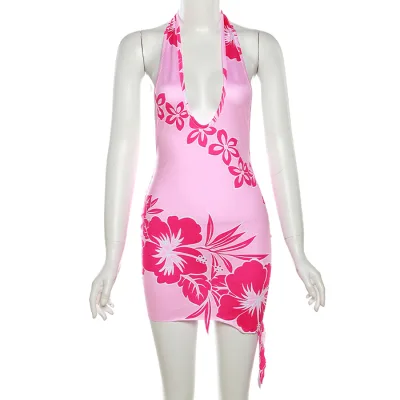
Dongguan Bafinasa Garments Co., Ltd.
- Verified by TüVRheinland
- Manufacturer, Trading Company
- Lead time30 days
- Avg. response≤ 2h
Main productsDresses, Coats, Jackets, Pants, Base Shirt
Main marketsEastern Europe(40%), North America(30%), Oceania(10%)

Hangzhou Shangyou Apparel Co., Ltd.
- Verified by TUVRHEINLAND
- Combined
- China Zhejiang
- Lead time30 days
- Avg. response≤ 6h
Main productsSport Bra, Yoga Leggings, Sports Jackets, Active Wear, Underwear Lingerie, Gym Wear, Athletic Wear, Fitness Wear
Main marketsEurope,North America

Guangzhou Sunyoung Garment Co., Ltd.
- Verified by SGS
- Combined
- China Guangdong
- Lead time15 days
- Avg. response≤ 6h
Main productsPolo-Shirt, Shirt, Suit, Coat, Uifrom
Main marketsDomestic

Xiamen Ido Space Electronic Business Co., Ltd.
- Trading Company
- Fujian, China
- Lead time0 days
- Avg. response≤ 3h
Main productsSlippers,Boots,Hangbags,Women's Sets,Women's Dresses
Main marketsNorth America(85.00%), Western Europe(5.00%), Oceania(5.00%), Southeast Asia(5.00%)
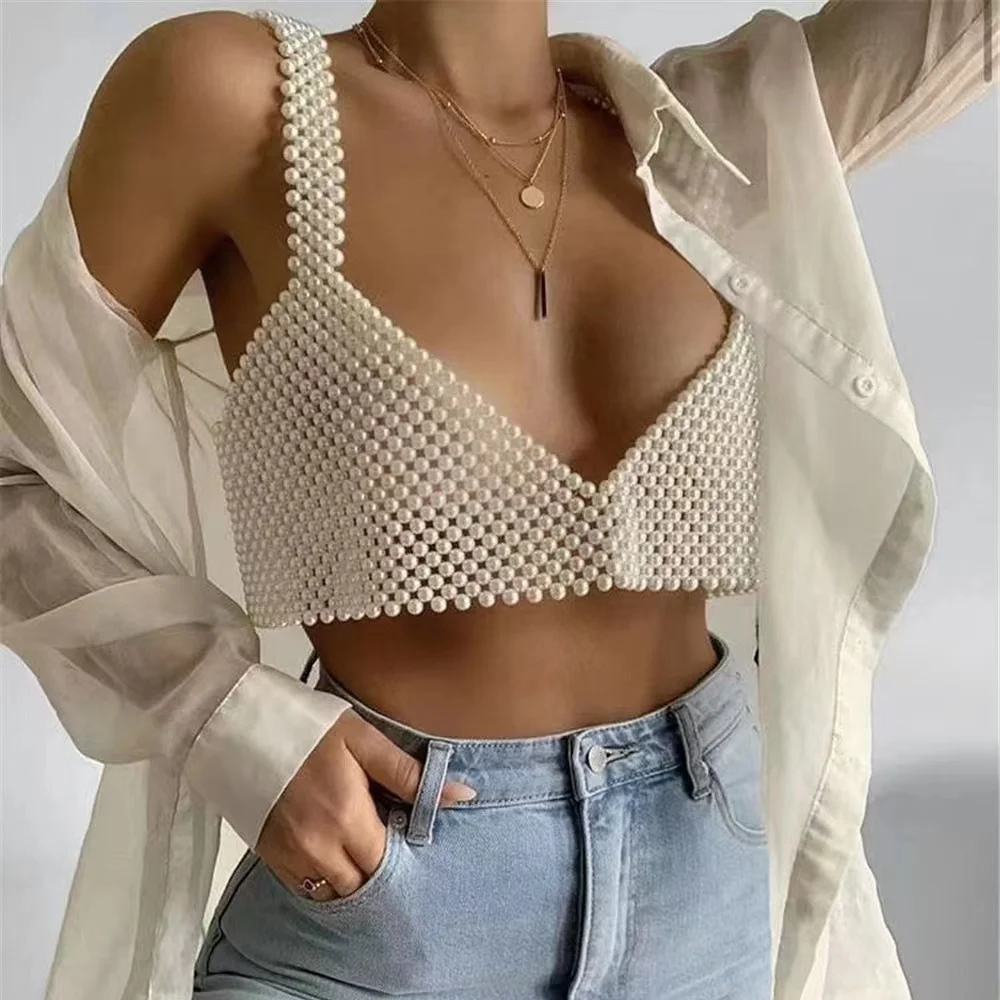
Guangzhou Laiqiong Clothing Trading Co., Ltd.
- Manufacturer
- Guangdong, China
- Lead time15 days
- Avg. response≤ 3h
Main productsBody chain,Women Top,Sexy Dress,Rhinestone Accessories,Women Bags
Main marketsNorth America(60.00%), Domestic Market(15.00%), Southeast Asia(15.00%), Western Europe(10.00%)
Yiwu Fangxin Trading Co., Ltd.
- Trading Company
- Zhejiang, China
- Lead time5 days
- Avg. response≤ 5h
Main productswomen clothing,men clothing,shoes
Main marketsNorth America(50.00%), Northern Europe(10.00%), South America(10.00%), Africa(8.00%), Eastern Europe(5.00%), Southeast Asia(5.00%), South Asia(2.00%), Southern Europe(2.00%), Mid East(2.00%), Central America(2.00%), Western Europe(2.00%), Eastern Asia(2.00%)

Guangzhou Fengrong Clothing Co., Ltd.
- Verified by SGS
- Combined
- China Guangdong
- Lead time15 days
- Avg. response≤ 2h
Main productsT-Shirt, Hoodie, Jacket, Trousers, Shorts
Main marketsDomestic

Custom Design Women High Neck MID Sleeve Bodycon Fashion Party Mini Dress
$6.96 - $7.38
MOQ: 50 Pieces

Small Run Custom Women Turtleneck Elbow Sleeve Bodycon Party Club Mini Dress
$6.96 - $7.38
MOQ: 50 Pieces

Custom Sleeve Length Women Turtleneck Flare Sleeve Bodycon Elegant Work Mini Dress
$6.96 - $7.38
MOQ: 50 Pieces


Custom Logo Women Turtleneck Three Quarter Sleeve Bodycon Casual Work Mini Dress
$6.96 - $7.38
MOQ: 50 Pieces
Xinxiang Baiyin Clothing Co., Ltd.
- Trading Company
- Henan, China
- Lead time15 days
- Avg. response≤ 3h
Main productsGarment making,Costume printing,Clothing sales
Main marketsSouth America(35.00%), Domestic Market(5.00%), North America(5.00%), South Asia(5.00%), Southern Europe(5.00%), Northern Europe(5.00%), Central America(5.00%), Western Europe(5.00%), Eastern Asia(5.00%), Mid East(5.00%), Oceania(5.00%), Africa(5.00%), Southeast Asia(5.00%), Eastern Europe(5.00%)
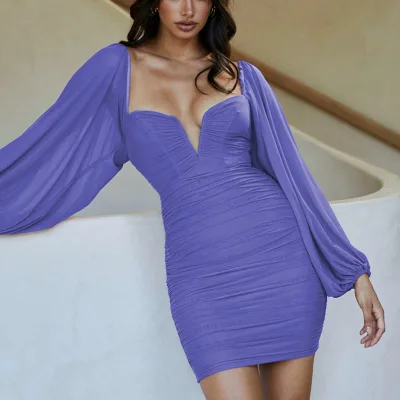
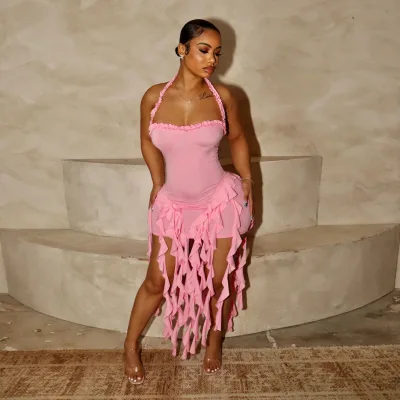
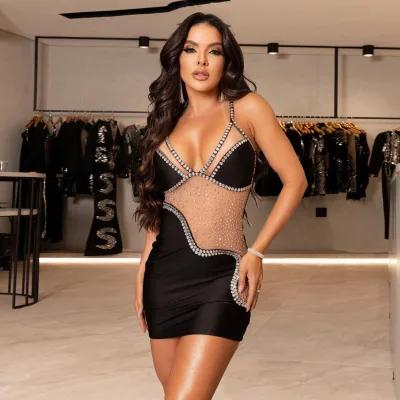
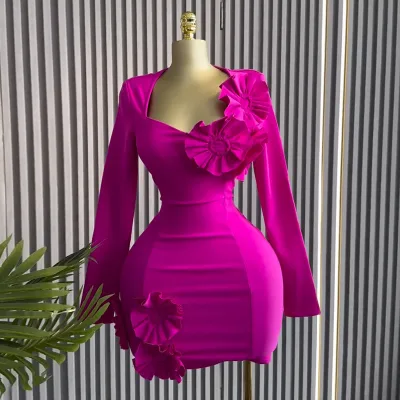
Personality Style Dress Black Translucent Strappy Mini Dress Club Party Dresses Women
$9.50 - $10.31
MOQ: 2 pieces
Guangzhou Migu Garment Company Limited
- Trading Company
- Guangdong, China
- Lead time0 days
- Avg. response≤ 5h
Main productsWomen's Dress,women suit,women accessory,women pant,bandage dress
Main marketsNorth America(25.00%), Oceania(20.00%), Mid East(20.00%), Northern Europe(10.00%), Western Europe(10.00%), Central America(6.00%), Eastern Europe(5.00%), Southeast Asia(2.00%), Africa(2.00%)


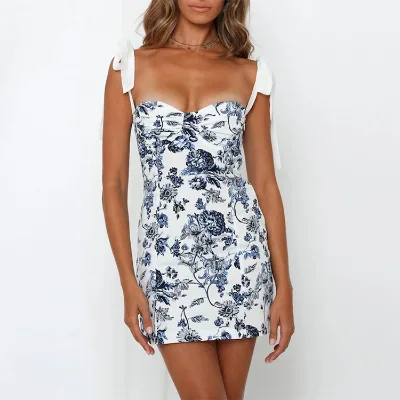
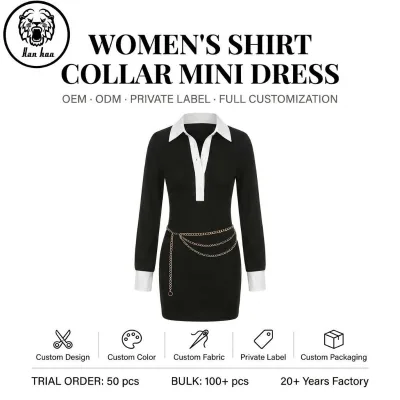


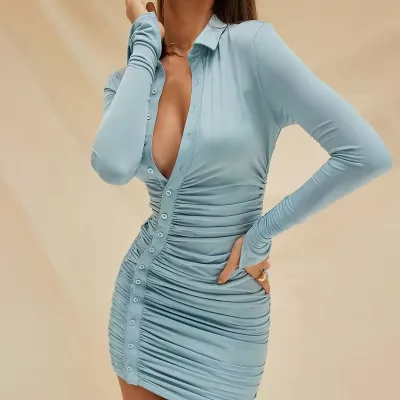
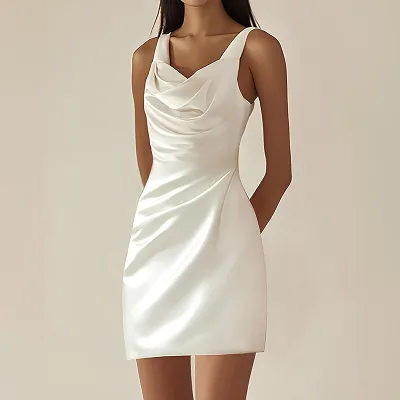




Comprehensive Sourcing Guide
Bodycon Mini Dress with Slit Supplier Concentration and Factory Types
When you search for a Bodycon Mini Dress with Slit, most visible results come from suppliers based in Guangdong and Zhejiang, China. These two provinces dominate the listing pool for this category, which reflects genuine apparel manufacturing activity rather than random distribution. Guangdong suppliers in the results list women's dresses, blazers, trousers, vests, and skirts among their main products, and some operate as combined manufacturers and trading companies. Zhejiang entries show a mix of manufacturer-and-trading-company structures producing hoodies, shirts, dresses, pants, and jackets. Understanding this mix matters: a combined or manufacturer-trading entity may handle sampling in-house while subcontracting peak-season sewing, so ask which operations are truly on-site.
Factory types in this category fall into a few practical groups. Some suppliers advertise ODM, OEM, and own-brand capability, which signals they can develop your Bodycon Mini Dress with Slit patterns or produce to your tech packs, not just resell stock. Others list in-stock items with small order quantities, useful for testing market demand before committing to bulk. Product evidence shows both stock and made-to-order paths in this category, including listed items with customization available and others flagged as in-stock supply. Map each candidate to one of these groups early, because a stock-focused seller and a pattern-development factory will answer your questions, quote differently, and set minimums in completely different ways.
How to Verify Bodycon Mini Dress with Slit Suppliers
Verification starts with the badges and attributes that suppliers themselves display, then moves to checks you commission. In the current results, at least one supplier carries a TUV Rheinland verification label, which is a third-party verified status you can weigh alongside other signals. Do not assume every supplier holds an equivalent credential; absence of a displayed verification is common and simply means you need to request documentation directly. Ask for the business license, confirm the registered name matches the entity on your invoice, and check whether the company type listed — manufacturer, trading company, or combined — matches what your contact claims on calls. Mismatches here are an early warning.
Product-level evidence is your second verification layer. Listings in this category include concrete attributes worth cross-checking: a Guangdong-listed halter bodycon mini dress with high slit showing a model number, a box packing specification, a dyed polyester fabric declaration, and a stated 100-piece minimum; a Zhejiang-listed ribbed long-sleeve version declaring spandex-polyester composition, a 170-gram fabric weight, needle detection, and full sleeve construction. When you request samples, compare the received garment against these declared attributes — fabric weight, fiber content, and construction. A supplier whose sample does not match its own listing data will not improve with a larger order. Finally, ask each candidate to confirm its declared response time in writing, since published response figures only hold if the sales team actually staffs your time zone.
What to Compare Across Bodycon Mini Dress with Slit Suppliers
Build a comparison sheet using the dimensions suppliers actually publish, and resist filling gaps with assumptions. Location is the first column: the results concentrate in Guangdong and Zhejiang, but a few entries may list other regions, and location affects freight origin and sample transit time. Response time is second — current entries display figures such as roughly five and a half hours and three hours, but treat these as advertised averages, not commitments. Lead time is third; one entry shows a 15-day figure, while others publish nothing, so you must request production calendars from everyone and compare quoted timelines against the published benchmark. Never treat a missing attribute as a favorable value.
Main products and company type form the next comparison block. A supplier whose core range is dresses, skirts, and suiting separates may handle a Bodycon Mini Dress with Slit differently from one whose flagship products are hoodies and jackets, even if both accept the order. Compare capability labels too: ODM, OEM, and own-brand flags versus in-stock supply declarations. MOQ is a decisive filter — current product evidence ranges from a 2-piece minimum on an in-stock casual mini dress to 100-piece minimums on customizable styles — and unit price bands differ accordingly, with one entry spanning roughly four to five dollars and another five to twenty-five. Add establishment year where displayed, and escrow or platform payment protection where offered, then score every supplier on the same columns before shortlisting.
Common Bodycon Mini Dress with Slit Sourcing Risks
The most frequent risk in this category is attribute drift between listing and production. A listing may declare polyester, dyed pattern, high waist, and A-line styling for one slit dress, and cotton with breathable finish and sleeveless construction for another, yet both appear under similar bodycon mini dress keywords. If you approve a sample cut from one fabric and the bulk run substitutes a cheaper knit, the garment's stretch, recovery, and slit behavior change visibly. Mitigate this by writing fiber content, fabric weight, and stretch percentage into the purchase contract, not just the email thread, and by requiring a golden sample sealed before bulk production.
Supplier-structure risk follows closely. Combined manufacturer-trading companies and pure trading firms may outsource sewing during peak season, which introduces unpredictable quality variation on a fitted style like a Bodycon Mini Dress with Slit, where seam slippage and hemline symmetry are unforgiving. In-stock suppliers offering 2-piece minimums carry a different hazard: inventory may be discontinued between your sample order and repeat purchase, so confirm replenishment availability before launching a style. Communication risk also appears in the data — advertised response times of three to five-plus hours assume staffed coverage, and delays stretch over weekends and Chinese holidays. Finally, verify needle-detection and packing claims independently; one listing promises needle detection and box packing, but these should be confirmed for your specific order, not assumed from a category page.
Bodycon Mini Dress with Slit Regional Sourcing and Logistics
Concentrating your search on Guangdong and Zhejiang gives you two practical logistics profiles. Guangdong, with major export infrastructure in the Pearl River Delta, is well suited when you combine the Bodycon Mini Dress with Slit with other women's categories — the local listings covering dresses, blazers, trousers, vests, and tweed-style separates suggest consolidation opportunities across a single shipment. One Guangdong-origin product even lists its origin city directly, which helps when calculating inland drayage to port. Zhejiang entries, meanwhile, show dresses among hoodie, shirt, pant, and jacket lines, and the province sits near Ningbo-area export infrastructure, though you should confirm each supplier's actual loading port rather than inferring it from the province name.
Because supplier pages may list a registered province while production or stock sits elsewhere, logistics planning should start from confirmed points: the declared place of origin on the product attributes, the factory address on the business license, and the loading port the supplier will actually use. Sample logistics deserve their own lane — one entry states support for a 7-day sample order lead time, which matters if you are racing a season. For bulk, ask whether the 15-day lead time type figures quoted apply from fabric procurement or from order confirmation, since polyester knits and spandex blends are usually bought to order. Confirm carton dimensions and gross weights from listing data — one entry declares a 0.5 kg unit gross weight — to model freight cost per dress before you commit.
Bodycon Mini Dress with Slit Commercial Terms and Order Planning
Order planning for this category should be anchored to the MOQ and price bands visible in current listings. In-stock styles advertise minimums as low as 2 pieces with unit prices near four to five dollars, ideal for validating a Bodycon Mini Dress with Slit design in your market. Customizable styles list 100-piece minimums with price ranges from five to twenty-five dollars depending on fabric, trims, and construction complexity. Structure your first order around this split: place a small stock buy to test fit and sell-through, then move to a 100-plus-piece customized run once a style proves itself. Always request tiered quotations at your realistic volumes rather than negotiating from the listing's headline price.
Payment and lead-time terms close the plan. Ask whether platform escrow or trade protection is available for your transactions, since listing pages may show protection flags that do not automatically apply to every order; verify in writing before paying a deposit. Confirm the production calendar against published lead times — a 15-day benchmark exists in the data, but your customized slit dress with specific fabric will likely quote differently. Agree on milestone payments tied to sample approval, fabric arrival, and pre-shipment inspection, and specify packing (box packing appears in current listings) and labeling positions such as back-neck logo placement shown in product attributes. Finally, align reorders with supplier response behavior: advertised response times of three to five-plus hours set expectations, but your contract should define actual reply obligations.
FAQs
What is the typical MOQ for bodycon mini dresses?
The minimum order quantity is generally 100 pieces for custom orders. Some suppliers offer lower MOQs of just 2 pieces for in-stock items. Buyers should verify specific requirements with the manufacturer before placing an order to ensure alignment with their inventory needs.
How long does production take for these dresses?
Standard lead times are around 15 days for manufacturing. Sample orders can be supported within 7 days. Response times average between 3 to 5.55 hours. Buyers should confirm exact timelines with the supplier to account for customization and shipping logistics.
What materials are used for these dresses?
Common materials include polyester, cotton, and spandex blends. Some dresses feature ribbed fabrics for a bodycon fit. Buyers can choose from single-color or floral patterns. Always check the specific product attributes for fabric weight and care instructions before purchasing.
Are these dresses suitable for summer wear?
Yes, many options are designed for summer and spring seasons. Features like sleeveless cuts, breathable cotton, and mini lengths enhance comfort. Some styles include high slits for ventilation. Buyers should review the season and fabric type to ensure suitability for warm weather.
What is the price range for these dresses?
Prices typically range from $4.13 to $25.00 per piece. The cost depends on material, customization, and order quantity. Lower prices often apply to in-stock items with minimal customization. Buyers should request quotes for specific styles to get accurate pricing details.
Can I customize the design of the dress?
Customization is available for many suppliers, including logo placement and fabric choices. Some offer OEM and ODM services. Buyers can specify details like waist shape, neckline, and hem style. Confirm customization options and any additional costs with the supplier before finalizing the order.