Body Building Seated Cable Row Suppliers and Manufacturers
Compare 20 verified suppliers offering Body Building Seated Cable Row equipment with varying lead times, certifications, and prices. Review response times and customization options to select the right factory for your gym needs; review the available evidence before requesting comparable quotations from suitable candidates.
Suppliers List

DEZHOU HENGQING FITNESS EQUIPMENT CO., LTD.
- Combined
- China Shandong
- Lead time23 days
- Avg. response≤ 8h
Main productsGym Equipment, Fitness Equipment, Strength Equipment, Cardio Equipment
Main marketsSouth America,Southeast Asia/ Mideast,Europe


Commercial Strength Training Pin Loaded Selection Gym Fitness Seated Back Row
$490.00 - $560.00
Moq: 1

Dezhou Eagle Fitness Equipment Co., Ltd.
- Verified by SGS
- Trading Company
- China Shandong
- Lead time15 days
- Avg. response≤ 5h
Main productsFitness Equipment, Gym Equipment, Commercial Treadmill, Spinning Bike, Air Bike Rowing Machine, Hammer Strength, Hydraulic Circuit Training Equipment, Pilates Equipment, Crossfit Equipment, Fitness Accessory
Main marketsAfrica,Europe,Australia


Commercial Muscle Building Single Station Seated Row Weight Adjustment Vertical Row
$300.00 - $460.00
Moq: 1

Seated Cable Rows Body Building Seated Horizontal Pully Low Pulley Rows for Back
$590.00 - $650.00
Moq: 1


Shandong Tianzhan Fitness Equipment Co., Ltd.
- Verified by BV
- Combined
- China Shandong
- Lead time30 days
- Avg. response≤ 7h
Main productsGym Equipment, Fitness Equipment, Strength Machines, Exercise Bike, Body Building Machines, Commercial Fitness Equipment, Motorized Treadmill, Fitness Equipment Gym Machine, Free Weight Accessories, Treadmill
Main marketsSouth America,Southeast Asia/ Mideast,East Asia(Japan/ South Korea),Europe,Australia,North America


Commercial Muscle Building Single Station Seated Row Weight Adjustment Vertical Row
$468.00 - $498.00
Moq: 5

Seated Cable Rows Body Building Seated Horizontal Pully Low Pulley Rows for Back
$516.00 - $566.00
Moq: 2


Qingdao Juyuan Fitness Technology Co., Ltd.
- Verified by TUVRHEINLAND
- Combined
- China Shandong
- Lead time30 days
- Avg. response≤ 7h
Main productsCommercial Fitness Equipment, Stair Climber, Strength Equipment
Main marketsEurope,North America


Light Commercial Fitness Machine Strength Equipment Back Training Seated Row
$930.00 - $1080.00
Moq: 1


Nantong Splendid Sporting Co., Ltd.
- Verified by BV
- Trading Company,Manufacturer/Factory
- China Jiangsu
- Lead time45 days
- Avg. response≤ 7h
Main productsGym Bench, Power Rack, Functional Machine, Dumbbell, Kettlebell, Barbell, Foam Roller, Yoga Mat, Resistance Band, Slam Ball
Main marketsSouth America,Eastern Europe,Mid East,North America,Southeast Asia,Eastern Asia,Oceania,Western Europe,Africa
Dingzhou Hairui Sporting Goods Co., Ltd.
- Manufacturer
- Hebei, China
- Lead time25 days
- Avg. response≤ 4h
Main productsgym equipment,sport goods,gym accessories,Martial arts equipment,Training and fitness equipment
Main marketsMid East(10.0%), Domestic Market(10.0%), Oceania(10.0%), Eastern Europe(10.0%), Southern Europe(10.0%), Northern Europe(10.0%), South Asia(10.0%), Western Europe(10.0%), Africa(5.0%), Southeast Asia(5.0%), North America(5.0%), South America(3.0%), Eastern Asia(2.0%)
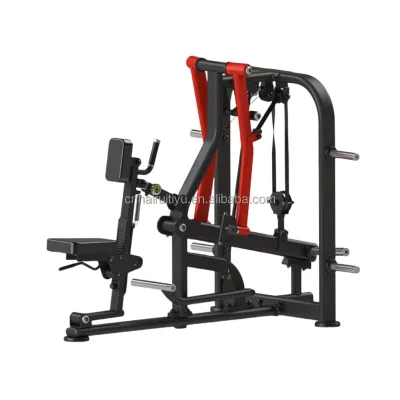
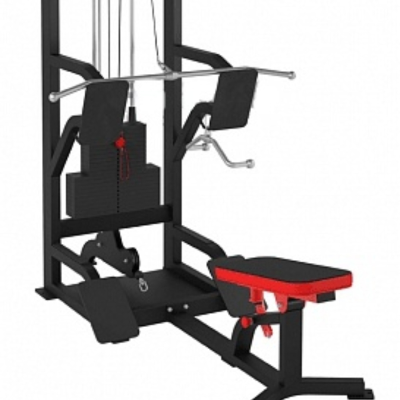
Commercial Gym Center Multi Function Incline Row Body Building Using
$550.00 - $630.00

Hebei Kangnayipin Sports Equipment Co., Ltd.
- Verified by SGS
- Combined
- China Hebei
- Lead time30 days
- Avg. response≤ 2h
Main productsOutdoor Fitness Equipment
Main marketsDomestic

Shandong Minolta Fitness Equipment Co., Ltd
- Verified by TUVRHEINLAND
- Combined
- China Shandong
- Lead time15 days
- Avg. response≤ 3h
Main productsGym Equipment, Fitness Equipment, Cardio Machine, Fitness Accessories, Hammer Strength, Commercial Treadmill, Pin Loaded Machine, Strength Machine, Free Weight, Multi Functional Rack
Main marketsSouth America,East Asia(Japan/ South Korea),Europe


Seated Row Physical Training Muscle Building Single Station Weight Adjustment Vertical Row
$380.00 - $445.00
Moq: 1


- Combined
- China Guangdong
- Lead time23 days
- Avg. response≤ 2h
Main productsGym Equipment, Spinning Bike, Fitness Equipment, Treadmill, Exercise Bike, Commercial Gym Equipment, Gym, Fitness, Strength Equipment
Main marketsDomestic

Seated Cable Rows Body Building Seated Horizontal Pully Low Pulley Rows for Back
$639.00 - $649.00
Moq: 1


Dingzhou Baiyun Trading Co., Ltd.
- Trading Company,Manufacturer/Factory
- China Hebei
- Lead time15 days
- Avg. response≤ 4h
Main productsDumbbell, Weight Plate, Barbell, Squat Rack, Smith Machine, Dumbbell Lbench, Kettlebell, Spinning Bike, Exercise Equipment, Dumbbill Sand
Main marketsSouth America,Eastern Europe,North America,Southeast Asia,Eastern Asia,Africa

Qingdao Sirer Technology Co., Ltd.
- Verified by SGS
- Trading Company
- China Shandong
- Lead time30 days
- Avg. response≤ 5h
Main productsFitness Equipment, Treadmill, Stregth Machine, Cardio Fitness, Commercial Gym Equipment, Gym Equipment, Gym Machine, Shoulder Press, Fitness Machine, Hammer Fitness Machine
Main marketsSouth America,Southeast Asia/ Mideast,North America

Dezhou Runlangde Fitness Equipment Co., Ltd.
- Verified by SGS
- Trading Company
- China Shandong
- Lead time30 days
- Avg. response≤ 3h
Main productsClub Equipment, Fitness Equipment, Gym Equipment, Hammer Strength Machine, Body Building Equipment, Indoor Exercise Machine, Cardio Machines, Dumbbell & Plates, Treadmill, Pin Loaded Machine
Main marketsSouth America,Southeast Asia/ Mideast,Europe,North America

Shandong Realleader Fitness Co., Ltd.
- Trading Company,Manufacturer/Factory
- China Shandong
- Lead time60 days
- Avg. response≤ 8h
Main productsFitness Equipment, Fitness Equipment-Made in China, Gym, Gym Equipment, Fitness, Bodybuilding Equipment, Fitness Equipment-Made-in-China. com, Gym Equipment-Made-in-China, Cardio Equipment-Made-in-China, Home Gym
Main marketsSouth America,Eastern Europe,Mid East,North America,Southeast Asia,Eastern Asia,Oceania,Western Europe,Africa


Pin-Loaded Back Training Machine Seated Cable Low Row with Superior Performance
$1882.00 - $2353.00
Moq: 1
E-Born(tianjin) New Material Technology Co., Ltd.
- Trading Company
- Tianjin, China
- Lead time15 days
- Avg. response≤ 2h
Main productsgym fitnes,dumbbell,barbell,Barbell plate,health and fitness facilities
Main marketsEastern Europe(30.0%), Southern Europe(10.0%), Northern Europe(10.0%), Western Europe(10.0%), Southeast Asia(10.0%), North America(10.0%), South America(10.0%)

Shandong Kangtu Fitness Technology Co., Ltd.
- Trading Company
- China Shandong
- Lead time0 days
- Avg. response≤ 2h

Commercial Pin Loaded Seated Cable Row Machine, Gym Back Training Fitness Equipment
$200.00 - $300.00
Moq: 1

Compact Narrow Cable Crossover Training Rack for Commercial Gym Strength Workout
$420.00 - $560.00
Moq: 2

Shandong Baodelong Fitness Co., Ltd.
- Verified by BV
- Combined
- China Shandong
- Lead time23 days
- Avg. response≤ 6h
Main productsGym Equipment, Fitness Equipment, Fitness Machine, Gym Machine, Treadmill, Spinning Bike, Exercise Bike, Chest Press Machine, Leg Press Machine, Multi Functional Machine
Main marketsSouth America,Africa,Southeast Asia/ Mideast,East Asia(Japan/ South Korea),Domestic,Europe,Australia,North America

Qingdao Modun Industry & Trade Co., Ltd.
- Manufacturer/Factory
- China Shandong
- Lead time30 days
- Avg. response≤ 5h
Main productsGym Equipment, Power Rack, Squat Rack, Barbells, Bumper Plates, Weightplates, Kettlebell, Dumbbell, Multi Function Station, Rubber Flooring Mat
Main marketsSouth America,Eastern Europe,North America,Southeast Asia,Eastern Asia,Western Europe

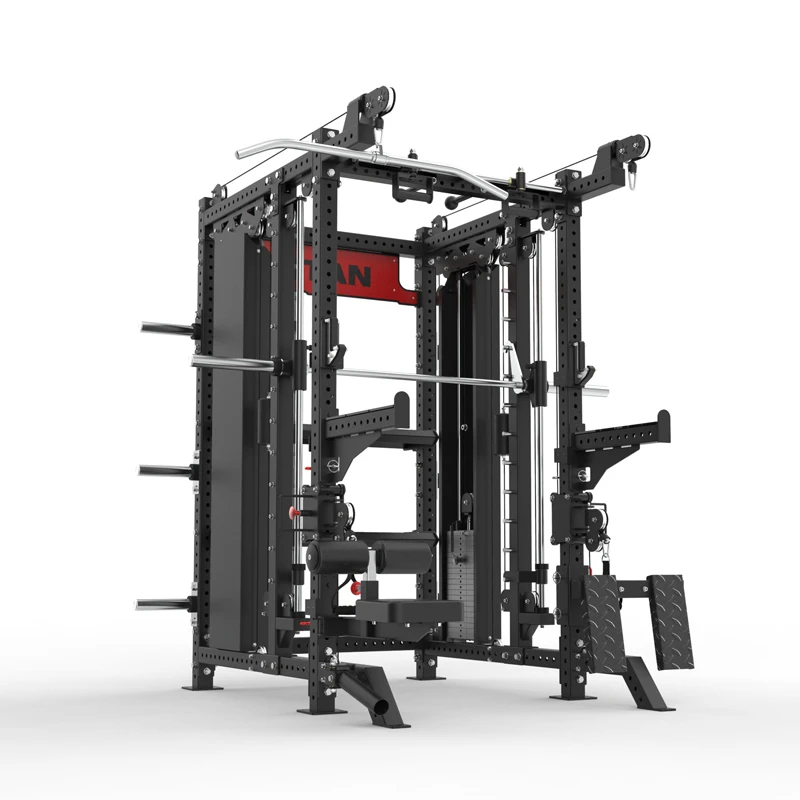
Commercial Bodybuilding Gym Multi-Function Cable Crossover Smith Machine Rack
$2900.00 - $3200.00
Moq: 2


Rizhao Titan Sports Equipment Co., Ltd.
- Manufacturer, Trading Company
- Shandong, China
- Lead time20 days
- Avg. response≤ 16h
Main productsBarbell,Weight plates,Dumbbells,kettlebells,Crossfit Equipment
Main marketsNorth America(20.0%), Domestic Market(10.0%), Southeast Asia(10.0%), Eastern Europe(10.0%), South America(10.0%), Mid East(6.0%), Western Europe(6.0%), Africa(5.0%), Eastern Asia(5.0%), Southern Europe(4.0%), Oceania(4.0%), Central America(4.0%), Northern Europe(3.0%), South Asia(3.0%)

Nantong Ironman Sporting Industrial Co., Ltd.
- Verified by BV
- Trading Company,Manufacturer/Factory
- China Jiangsu
- Lead time60 days
- Avg. response≤ 7h
Main productsDumbbell Set, Yoga Accessories, Barbell Set, Home Equipment, Gym Equipment, Jump Rope, Kettlebells, Plates, Weightlifiting Set, Bars
Main marketsSouth America,Eastern Europe,Mid East,North America,Southeast Asia,Eastern Asia,Oceania,Western Europe,Africa

Shandong Paramount Import & Export Co., Ltd.
- Verified by BV
- Combined
- China Shandong
- Lead time15 days
- Avg. response≤ 6h
Main productsSporting Goods, Weightlifting Gear, Weightlifting Belt, Lifting Straps, Wrist Wraps, Knee Sleeves
Main marketsSouth America,East Asia(Japan/ South Korea),Europe,Australia,North America






Comprehensive Sourcing Guide
Body Building Seated Cable Row Supplier Concentration and Factory Types
The current supplier landscape for Body Building Seated Cable Row equipment shows a distinct concentration in China, specifically within the Shandong province region. This geographic clustering suggests a specialized manufacturing hub where facilities focus on steel-based strength training apparatus. Buyers observing this data should prioritize suppliers listing Shandong as their origin to ensure access to established supply chains for heavy gym machinery. The presence of multiple manufacturers in this area often correlates with shared logistics networks and specialized raw material sourcing for steel components.
Regarding company structures, the market presents a mix of combined entities and trading companies. Some suppliers operate as combined firms offering both manufacturing and trading capabilities, while others function strictly as trading companies. This distinction is critical for buyers seeking direct factory pricing versus those prioritizing a broader product range. Combined suppliers often highlight their own brand capabilities alongside OEM and ODM services, indicating a direct production line. Trading companies may offer a wider variety of fitness accessories but might rely on third-party factories for the core seated row units.
How to Verify Body Building Seated Cable Row Suppliers
Verification begins with checking for recognized system certifications such as ISO9001:2015 and ISO14001:2015, which indicate a commitment to quality management and environmental standards. Some product listings explicitly display CE and ISO certifications, which are essential for market entry in many regions. Buyers must confirm that these certifications apply to the specific seated cable row models being sourced, rather than just general company credentials. The absence of specific certification data in a listing requires immediate clarification from the supplier to ensure compliance with safety regulations.
Beyond certifications, buyers should assess the supplier's verification status and response metrics. A verified status, such as SGS verification, adds a layer of trust regarding the company's legitimacy. Response times vary significantly, with some suppliers showing a response time of approximately 4.76 hours while others take nearly 8 hours. Faster response times often correlate with better communication channels and more active sales teams. Buyers should also look for evidence of factory audits or third-party verification badges to confirm that the claimed manufacturing capabilities match the actual production environment.
What to Compare Across Body Building Seated Cable Row Suppliers
When evaluating potential partners, lead time is a primary differentiator that impacts inventory planning and project timelines. Current data indicates lead times ranging from 15 days to 23 days for production and delivery. A shorter lead time of 15 days suggests a more agile production line or higher inventory levels of standard models. Conversely, a 23-day lead time may reflect a custom order process or a more complex manufacturing schedule. Buyers must align these timelines with their specific launch dates to avoid stockouts or delayed facility openings.
Minimum Order Quantity (MOQ) and pricing structures also require careful comparison across the supplier pool. Some listings show an MOQ of just one unit, which is ideal for testing market demand or small boutique gyms. Pricing for similar steel-based seated row machines varies, with ranges observed between 455 and 659 currency units depending on the specific model and customization level. Buyers should compare the price per unit against the included features, such as weight stack capacity or machine dimensions. It is essential to verify if the quoted price includes packaging materials like plywood cases, which are standard for protecting heavy equipment during transit.
Common Body Building Seated Cable Row Sourcing Risks
One significant risk involves the discrepancy between advertised power sources and actual product specifications. While many seated row machines are manual, some listings indicate electric power sources, which changes the electrical requirements and maintenance needs for the gym. Buyers must verify the power source for every unit to ensure compatibility with their facility's infrastructure. Confusion between manual and electric models can lead to costly installation errors or the need for additional electrical work that was not budgeted.
Another risk relates to the variability in product dimensions and weight capacities. Listings show machine weights ranging from 122.5kg to 340kg, with different standard dimensions for each model. A buyer assuming a specific footprint based on one listing might find the equipment does not fit their allocated space. Additionally, the weight stack capacity varies, with some units supporting 80kg stacks while others have different configurations. Without precise verification of these physical attributes, buyers risk purchasing equipment that is either too heavy for their logistics or insufficient for their target clientele's strength training needs.
Body Building Seated Cable Row Regional Sourcing and Logistics
Sourcing from the Shandong region in China offers logistical advantages due to established export infrastructure for heavy industrial goods. The standard packaging for these machines often includes plywood cases or crates, which are designed to withstand long-distance shipping and protect the steel frames. Buyers should confirm that the packaging method matches the shipping route, as some suppliers offer stretch film as an alternative for specific container types. Understanding the packing standard is crucial for calculating freight costs and ensuring the equipment arrives without damage.
Logistics planning must also account for the specific dimensions of the machinery, which can be substantial. Standard dimensions for seated row units can reach lengths of over 3.8 meters for multi-function stations, requiring careful container loading strategies. Buyers should verify the exact product standard dimensions provided by the supplier to optimize container space. Failure to account for these large dimensions can result in higher shipping costs or the need for multiple containers. Coordinating with a freight forwarder who specializes in oversized gym equipment is often necessary to manage the complex logistics of moving these heavy items from the factory to the destination.
Body Building Seated Cable Row Commercial Terms and Order Planning
Commercial terms regarding customization and branding are vital for buyers looking to establish a unique gym identity. Many suppliers offer logo customization and color options, allowing for a tailored appearance that matches the facility's aesthetic. Buyers should confirm the specific requirements for logo placement and the lead time impact of custom branding. Some listings indicate that customization is available, but the exact process and additional costs must be clarified before placing an order. Ensuring that the customization does not significantly extend the production lead time is essential for maintaining project schedules.
Order planning should also consider the appliance suitability and target user demographics. Listings specify that these machines are suitable for home, gymnasium, and community applications, catering to a wide range of users. Buyers must ensure the selected model matches the intended environment, as commercial-grade equipment differs from home-use variants in durability and load capacity. The age group is consistently listed as adult, which simplifies the selection process for commercial gyms. However, verifying the maximum load capacity and machine weight ensures the equipment can withstand high-frequency use in a commercial setting without premature wear or failure.
FAQs
Where are these gym equipment manufacturers located?
The suppliers offering Body Building Seated Cable Row equipment are located in Shandong, China. This region is a known hub for fitness manufacturing. Buyers should verify specific factory addresses during the inquiry process to ensure accurate logistics planning and shipping costs.
What is the typical lead time for these machines?
Lead times for these strength training machines range from 15 to 23 days based on current supplier data. Some trading companies offer faster turnaround times of 15 days, while combined manufacturers may require up to 23 days. Confirm exact schedules before placing orders.
Do these suppliers offer customization for logos and colors?
Yes, customization is available for logos and colors on most models. Buyers can request custom logos and optional color schemes like black or gray. This service allows for branding alignment with specific gym requirements or commercial facility standards without compromising equipment quality.
What certifications do these fitness machines hold?
Many products carry CE, ISO, and RoHS certifications to meet international safety standards. Some suppliers also hold ISO9001:2015 and ISO14001:2015 system certifications. Verify specific product certificates with the seller to ensure compliance with local regulations and safety requirements for your facility.
What is the minimum order quantity for these items?
The minimum order quantity for these seated row machines is one unit. This low MOQ allows buyers to test product quality before committing to larger bulk orders. It is suitable for small gyms or individual fitness centers looking to start with a single piece of equipment.
How quickly do suppliers typically respond to inquiries?
Response times for these suppliers vary between 4.76 and 7.91 hours. Faster response rates are often associated with trading companies, while combined manufacturers may take slightly longer. Prompt communication helps clarify technical details and negotiate pricing efficiently during the initial sourcing phase.
What materials are used to construct these gym machines?
These machines are primarily constructed from steel to ensure durability and stability. The material choice supports heavy usage in commercial gyms and home settings. Buyers should check specific product attributes for tube thickness and weight capacity to match their intended training intensity and user demographics.
What is the price range for these strength training machines?
Prices for these seated cable row machines range from 455 to 659 units of currency. The cost varies based on specific models, weight stacks, and customization options. Buyers should compare multiple listings to find the best value while ensuring the equipment meets their specific strength training requirements.