Body Shaper Suppliers and Manufacturers in China
Source 28 verified Body Shaper suppliers from China for OEM and ODM needs. Compare key dimensions including ISO9001:2015 certification, response times, and lead times to find the right partner. Review product specifications and pricing to initiate your sourcing process.
Suppliers List

PUYANG SELFAIDING INDUSTRIAL CO., LTD.
- Verified by SGS
- Manufacturer
- China Henan
- Lead time15 days
- Avg. response≤ 2h
Main productsAdult Bib, Pet Pad, Underpad, Baby Bib, Protective Panties, Washable Sanitary Pad, Compression Stockings, Patient Care Clothing, Pet Nest, Pet Toy

Shantou Trendy Wind Garment Manufacture Co., Ltd.
- Combined
- China Guangdong
- Lead time60 days
- Avg. response≤ 1h
Main productsUnderwear, Bra, Shape Wear, Panties, Briefs, Nightwear, Babydoll, Pajamas, Swimwear, Camisole
Main marketsSouth America,Domestic,Europe,North America


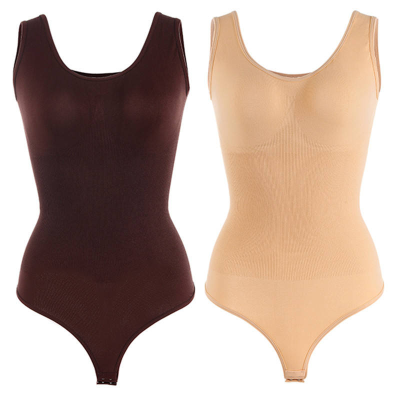
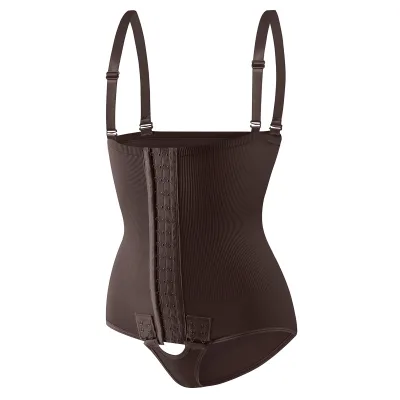
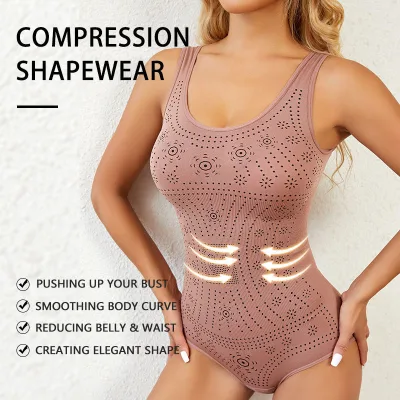
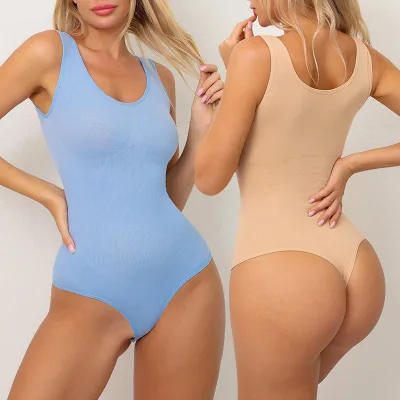
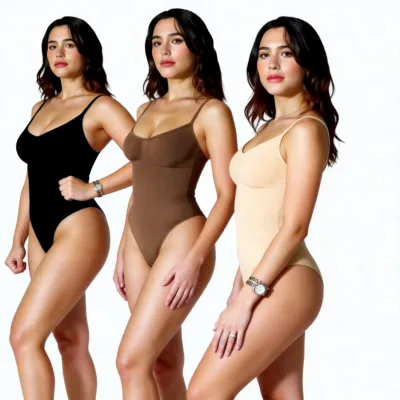
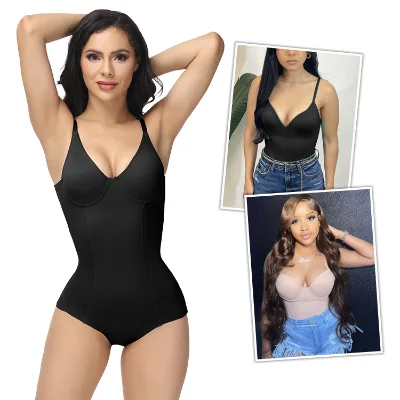
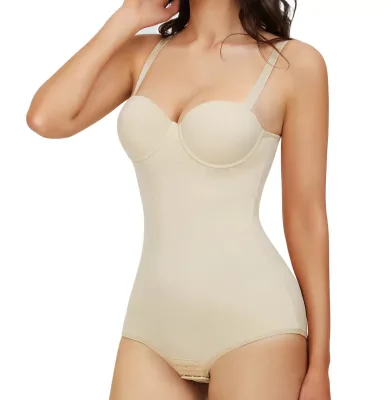
OEM Seamless Bodysuit for Ladies Bonded Stretch Body Shaper Pull-in Abdomen
$3.50 - $4.00
MOQ: 2800 Pieces


Guangzhou Chaorong Clothing Co., Ltd.
- Manufacturer, Trading Company, Distributor/Wholesaler
- Guangdong, China
- Lead time3 days
- Avg. response≤ 2h
Main productsfajas,waist trainer,corset,yoga,underwear
Main marketsNorth America(50.0%), Eastern Europe(30.0%), Western Europe(5.0%), Domestic Market(5.0%), South America(5.0%), Oceania(3.0%), Southeast Asia(2.0%)
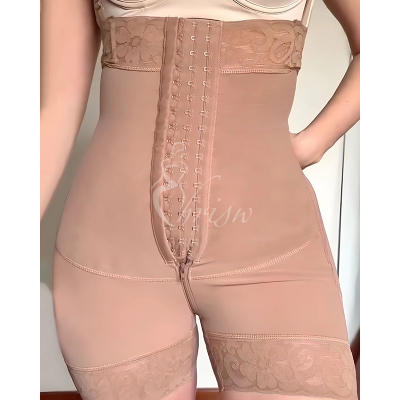
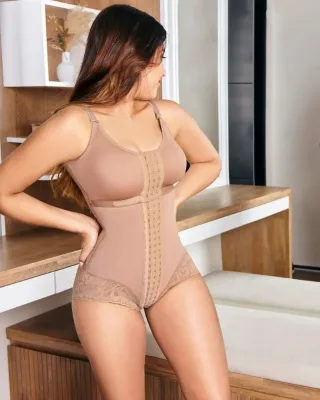
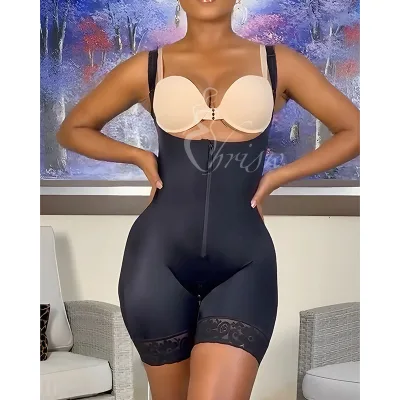
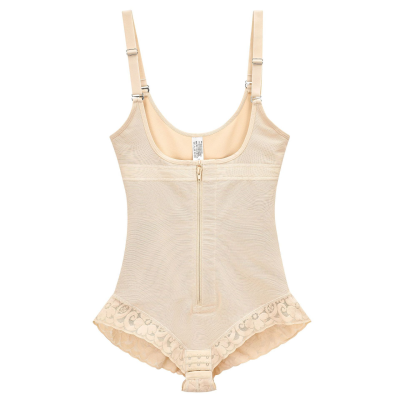
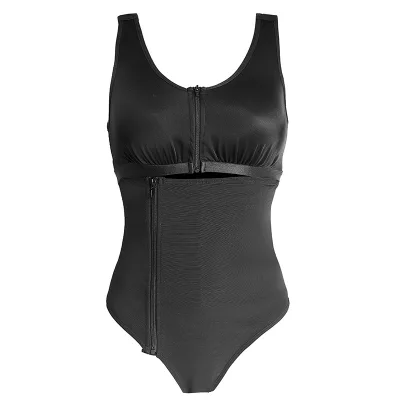
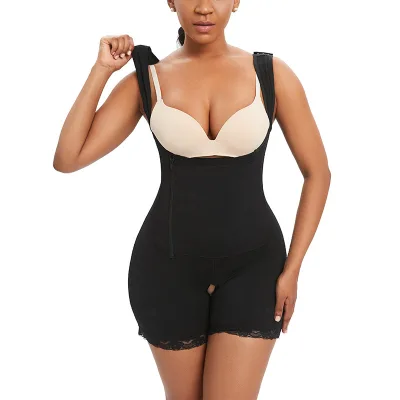
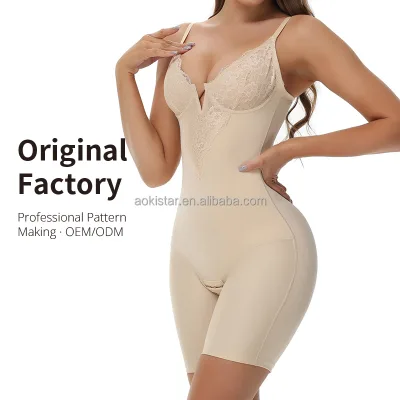
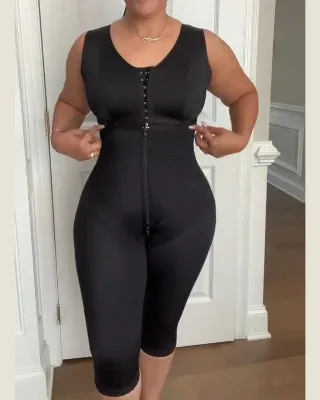
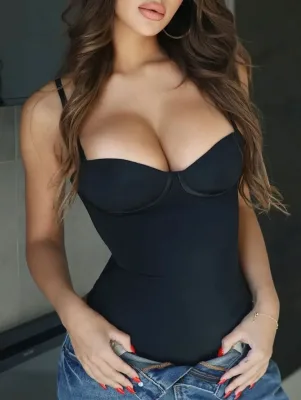
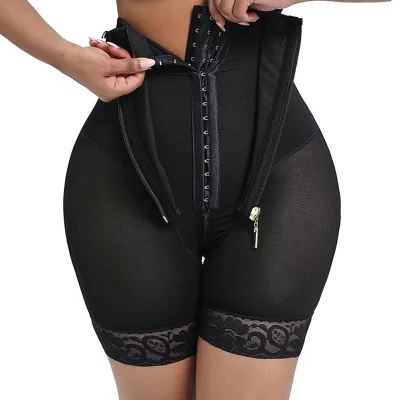
OEM Shaper Front Zipper Open Chest Butt Sculpting Shapewer
$12.99 - $14.99
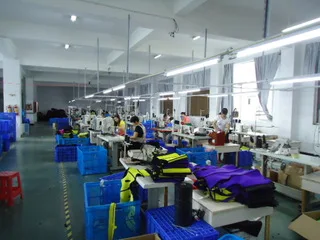
Yiwu Yinpeng Healthy&Sport Article Co., Ltd.
- Trading Company
- Zhejiang, China
- Lead time7 days
- Avg. response≤ 10h
Main productsSports Goods,Yoga Wear,Waist Shaper,Leggings,Corset
Main marketsNorth America(45.0%), Western Europe(15.0%), Southeast Asia(10.0%), Eastern Asia(8.0%), Africa(8.0%), Eastern Europe(7.000000000000001%), South Asia(4.0%), Southern Europe(3.0%)
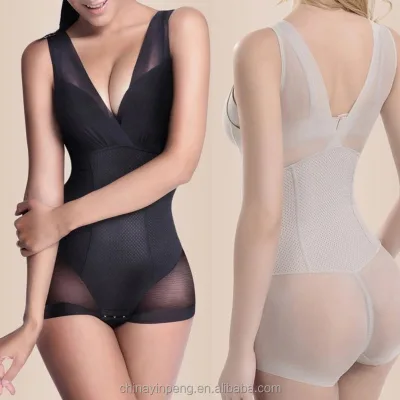
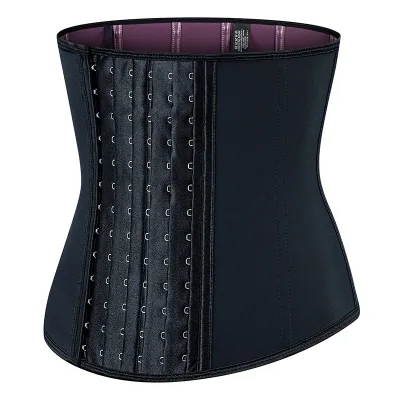
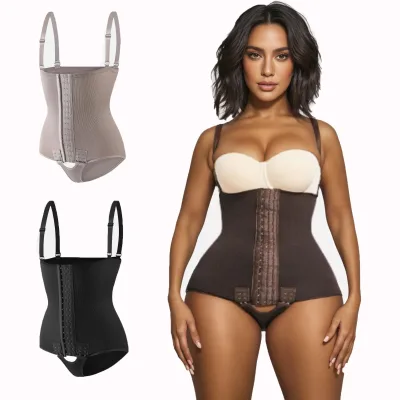
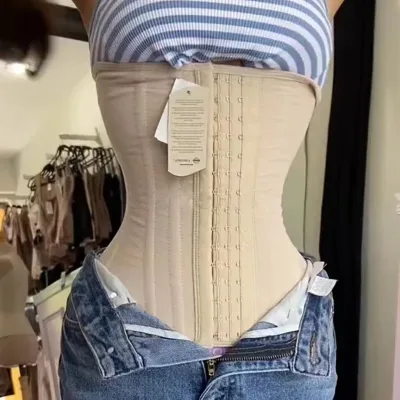
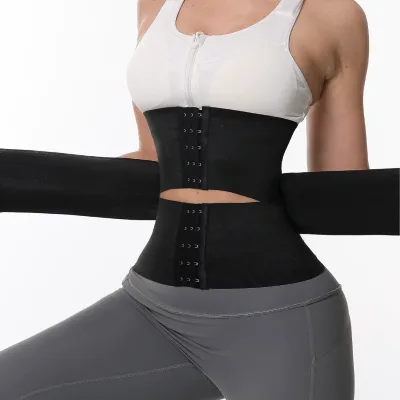
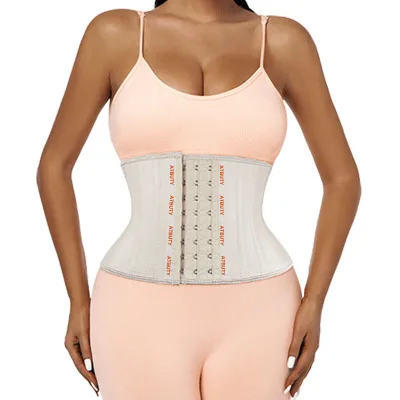
9 Steel Boned Latex Tummy Control Waist Training Shapers 6 Hooks Corset Shapewear
$9.22 - $10.91
MOQ: 1 pieces

Xiamen Pop Gloria International Trade Co., Ltd.
- Verified by BV
- Combined
- China Fujian
- Lead time15 days
- Avg. response≤ 12h
Main productsUnderwear, Sexy Lingerier, Period Underwear, Pregnancy Underwear, Comfortable Bra, Fashion Underwear, Fashion Bra Set, Sexy String, Nursing Bra, Sexy Bra
Main marketsSoutheast Asia/ Mideast,Europe


2021 New Women Slimming Waist Trainer Corset Shapewear Belly Body Shapers
$10.79 - $10.99
MOQ: 10 Sets

2021 China New Women Slimming Waist Trainer Corset Shapewear Belly Body Shapers
$10.79 - $10.99
MOQ: 10 Sets

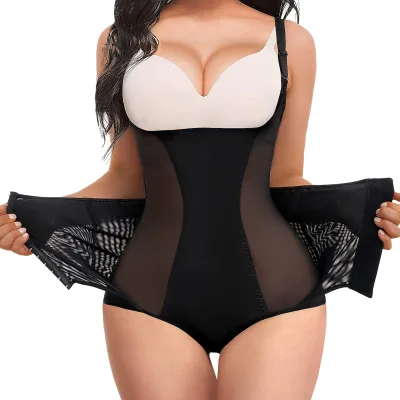
High Quality and Plus Sizeshapewear Bodysuit Tummy Control Shaper Shapewear Full Body Shapewear
$10.79 - $10.99
MOQ: 10 Sets


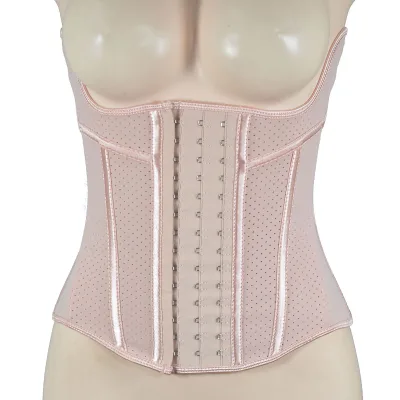
Best Women's Boned Waist Trainer Underbust Corset Short Torso Mesh Body Shaper
$10.79 - $10.99
MOQ: 10 Sets
Hebei Dazzle Health Technology Co., Ltd.
- Trading Company
- Hebei, China
- Lead time10 days
- Avg. response≤ 2h
Main productswomen body shaper,women slimming corset,Motorcycle Armor Jacket,Motorcycle Riding Knee Pad,sport protect gloves
Main marketsNorth America(42.6%), Eastern Europe(18.5%), Southeast Asia(15.6%), Western Europe(5.6%), Southern Europe(4.5%), Eastern Asia(3.8%), South Asia(3.4000000000000004%), Central America(3.3000000000000003%), South America(1.5%), Africa(1.2%)

- Verified by CTI
- Trading Company
- China Anhui
- Lead time23 days
- Avg. response≤ 1h
Main productsFurniture, Home Furniture
Main marketsSoutheast Asia/ Mideast

SHENZHEN BELXIN TECHNOLOGY CO., LTD
- Trading Company,Manufacturer/Factory
- China Guangdong
- Lead time23 days
- Avg. response≤ 10h
Main productsLED Strip Light, Shapewear, Consumer Electornics, Pet Products, Smart Glasses, Backpack Bag, Solar Product, Table Lamp, Bluetooth Headphone, Speaker
Main marketsSouth America,Eastern Europe,Mid East,North America,Southeast Asia,Eastern Asia,Oceania,Western Europe,Africa

Plus Size Shapewear Side Zipper Abdominal Compression Full Body Shaper Butt Lifter
$8.91 - $10.16
MOQ: 10 Pieces


Women Body Shaper Slimmer Waist Trainer Vest Cincher Underbust Corset Shapewear
$4.43 - $5.67
MOQ: 1 Pieces

Shantou Chaorong Clothing Co., Ltd.
- Trading Company
- Guangdong, China
- Lead time5 days
- Avg. response≤ 1h
Main productsbra,undertake,vest,panties,bodysuit
Main marketsNorth America(35.0%), South America(10.0%), Eastern Europe(10.0%), Mid East(10.0%), Eastern Asia(10.0%), South Asia(10.0%), Southeast Asia(5.0%), Africa(5.0%), Northern Europe(5.0%)
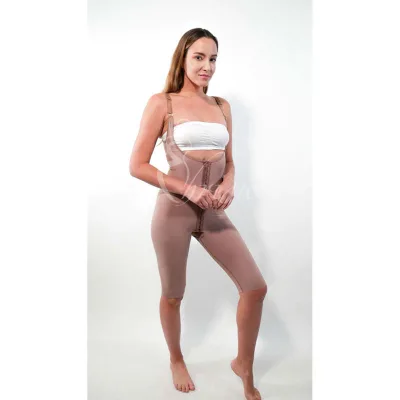
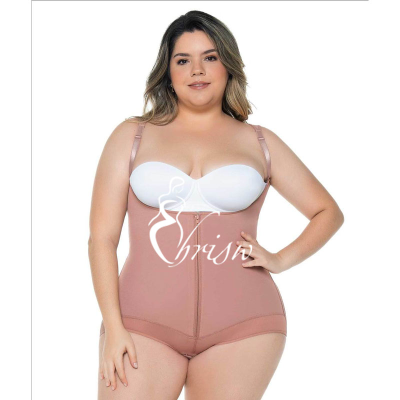
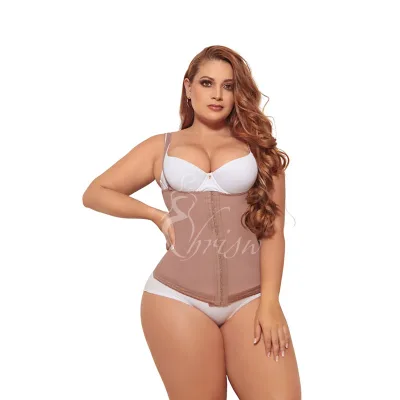
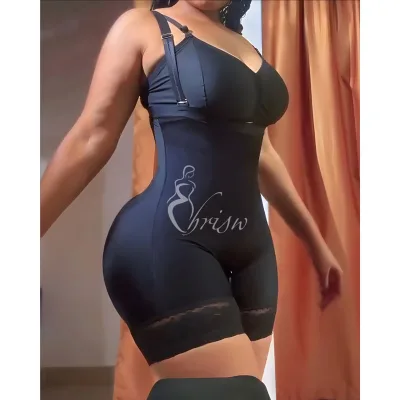
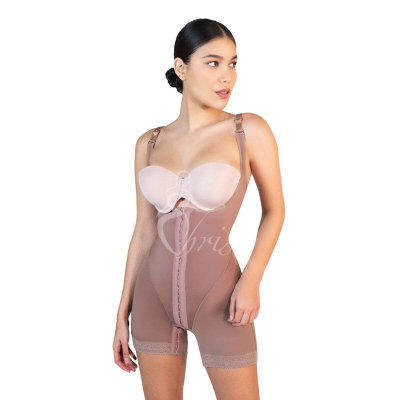
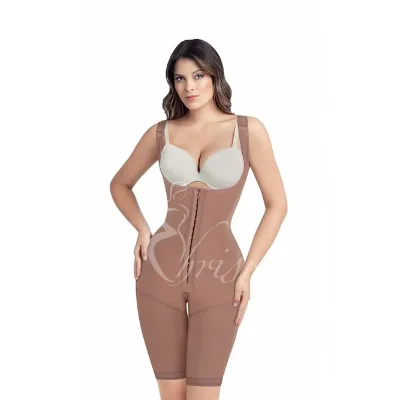
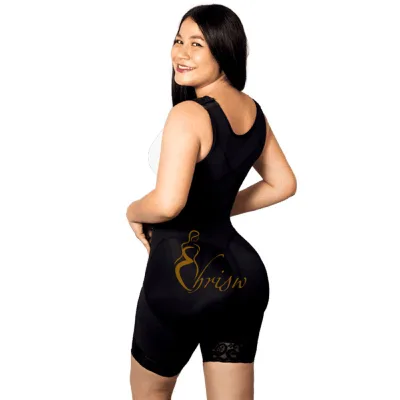
Sleeveless Body Control Wholesale LOGO Custom Body Shapewear Waist Trainer Shaper Women's Shapers
$15.31 - $16.33
MOQ: 1 pieces

HANGZHOU WEIZE IMP & EXP CO., LTD.
- Verified by TUVRHEINLAND
- Trading Company
- China Zhejiang
- Lead time30 days
- Avg. response≤ 4h
Main productsProtective Mask
Main marketsAfrica,Southeast Asia/ Mideast,Europe,North America

High Quality Body Shaper Slimming Plus Size Buttocks Shapers Shapewear Bodysuit
$9.85 - $13.20
MOQ: 100 Pieces

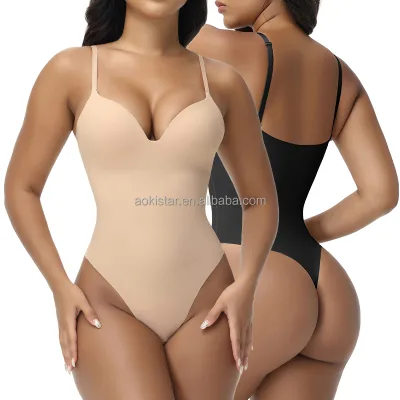
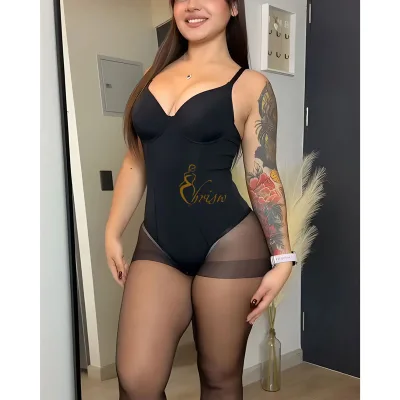
Deep V Design Gather Breast Full Body Shaper Slimming Female Lift Buttocks Bodysuits
$10.56 - $16.58
MOQ: 100 Pieces

Shenzhen Yilairuika Medical Technology Co., Ltd.
- Verified by TUVRHEINLAND
- Combined
- China Guangdong
- Lead time15 days
- Avg. response≤ 2h
Main productsWomen Compression Faja, Post Surgery Shapewear, Men Shapewear
Main marketsAfrica,North America

Women Underwear Full Body Shapewear Bodysuit Waist Shaper and Butt Lifter
$16.45 - $18.50
MOQ: 1 pieces

Women Seamless Tummy Control Body Butt Lifter Shaper Shapewear Waist Trainer Shaper
$16.45 - $18.50
MOQ: 1 pieces

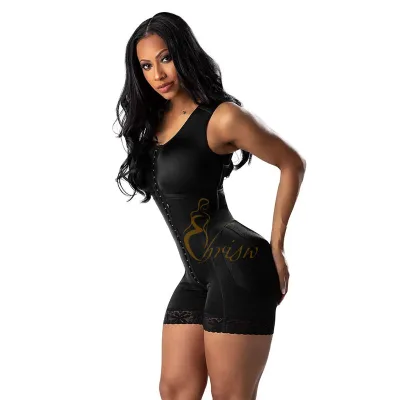
Side Zipper Woman Tummy Tucker Body Butt Lifter Shaper Bodysuit Slim One Piece Shapewear for Sale
$12.37 - $13.81
MOQ: 2 pieces


$6.50 - $7.26
MOQ: 1 pieces
Shijiazhuang Fancy Technology Co., Ltd.
- Verified by TüVRheinland
- Trading Company
- Lead time7 days
- Avg. response≤ 4h
Main productsFajas Shapewear, Seamless Body Shaper, BBL Shorts, Waist Trainer, Corset
Main marketsNorth America(30%), Africa(30%), Western Europe(15%)
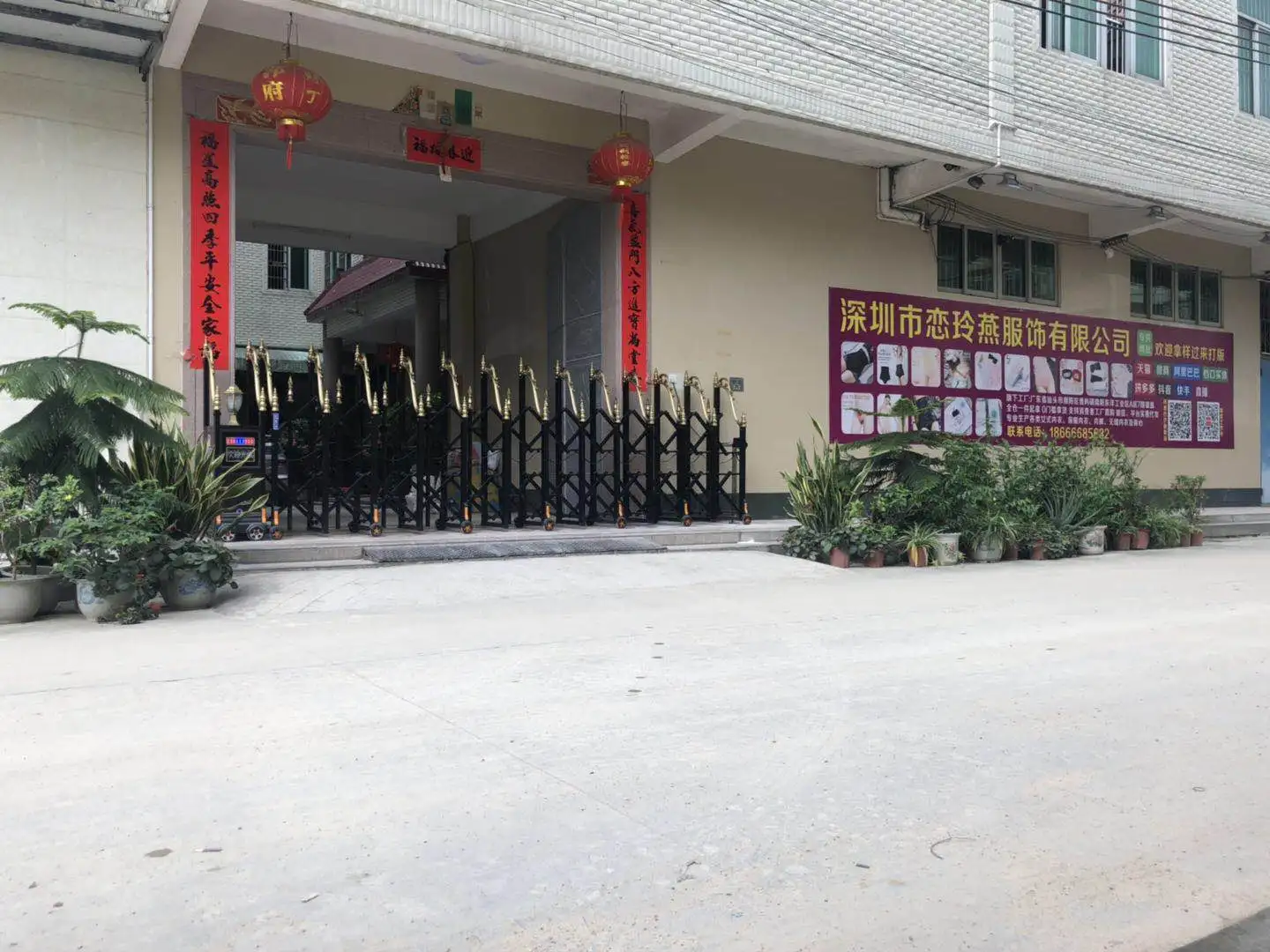
Shantou Chaoyang Guiyu Chuangwei Knitted Underwear Factory
- Manufacturer, Trading Company
- Guangdong, China
- Lead time3 days
- Avg. response≤ 21h
Main productsCamisole,Shaper,Plus size bra,Panties,Underwear
Main marketsSoutheast Asia(19.0%), Domestic Market(12.0%), Central America(8.0%), North America(8.0%), Mid East(8.0%), Northern Europe(6.0%), Africa(6.0%), South America(6.0%), Eastern Asia(6.0%), Eastern Europe(6.0%), South Asia(6.0%), Western Europe(3.0%), Oceania(3.0%), Southern Europe(3.0%)

Jiangmen Neiyishe Garment Co., Ltd
- Verified by CTI
- Combined
- China Guangdong
- Lead time15 days
- Avg. response≤ 25h
Main productsUnderwear, Women Underwaer, Panty, Lace Underwear, Thong, Period Underwear, Plush Underwear
Main marketsDomestic

GUANGXI BEILIU MORNING TEXTILE CO.,LTD
- Verified by TUVRHEINLAND
- Manufacturer
- China Guangxi
- Lead time15 days
- Avg. response≤ 5h
Main productsShapewear, Underwear, Body Wear, Women's Underwear, Kid's Underwear, Pajamas, Bra, Bras


$2.20 - $2.50
MOQ: 3000 Pieces

$2.44 - $2.50
MOQ: 3000 Pieces
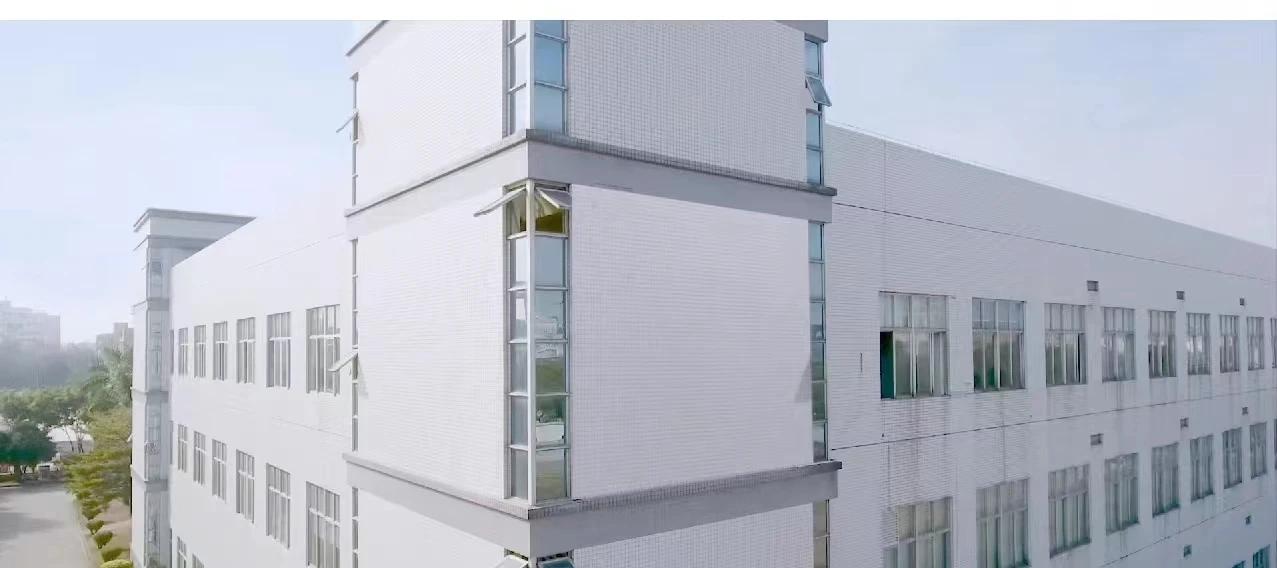
- Trading Company
- Jiangxi, China
- Lead time15 days
- Avg. response≤ 1h
Main productsunderwear,shapewear
Main marketsNorth America(50.0%), Eastern Europe(20.0%), South Asia(10.0%), Western Europe(10.0%), Southeast Asia(10.0%)
Hengshui Liou Import And Export Trade Co., Ltd.
- Verified by SGS Group
- Trading Company
- Lead time15 days
- Avg. response≤ 3h
Main productsClothing, Camping Cart, Wallet and bags, Watch, Sport Brace
Main marketsNorth America(50%), South America(10%), Oceania(10%)
Guangzhou Dolly Clothing Co., Ltd.
- Manufacturer, Trading Company
- Guangdong, China
- Lead time7 days
- Avg. response≤ 7h
Main productsshapewear,waist trainer,bra,corset,women pants
Main marketsMid East(20.0%), South America(20.0%), North America(20.0%), Africa(10.0%), Eastern Europe(10.0%), Southern Europe(5.0%), Central America(5.0%), Western Europe(5.0%), Southeast Asia(5.0%)

Xiamen Richtex Garments Co., Ltd
- Manufacturer/Factory
- China Fujian
- Lead time45 days
- Avg. response≤ 8h
Main productsSports Wear, Gym Wear, Swimwear, Hoodie, Underwear, Baby Wear, Pajamas, Lingerie, Shape Wear, Outdoor Jacket
Main marketsSouth America,Mid East,North America,Southeast Asia,Eastern Asia,Oceania,Western Europe,Africa
Dongguan Xinle Apparel Co., Ltd.
- Verified by TüVRheinland
- Manufacturer, Trading Company
- Lead time15 days
- Avg. response≤ 2h
Main productsSilicon Bra And Accessories, Underwear, Bra Pad, Nipple Cover, Shapewear Bodysuit
Main marketsNorth America(30%), Domestic Market(10%), South America(5%)
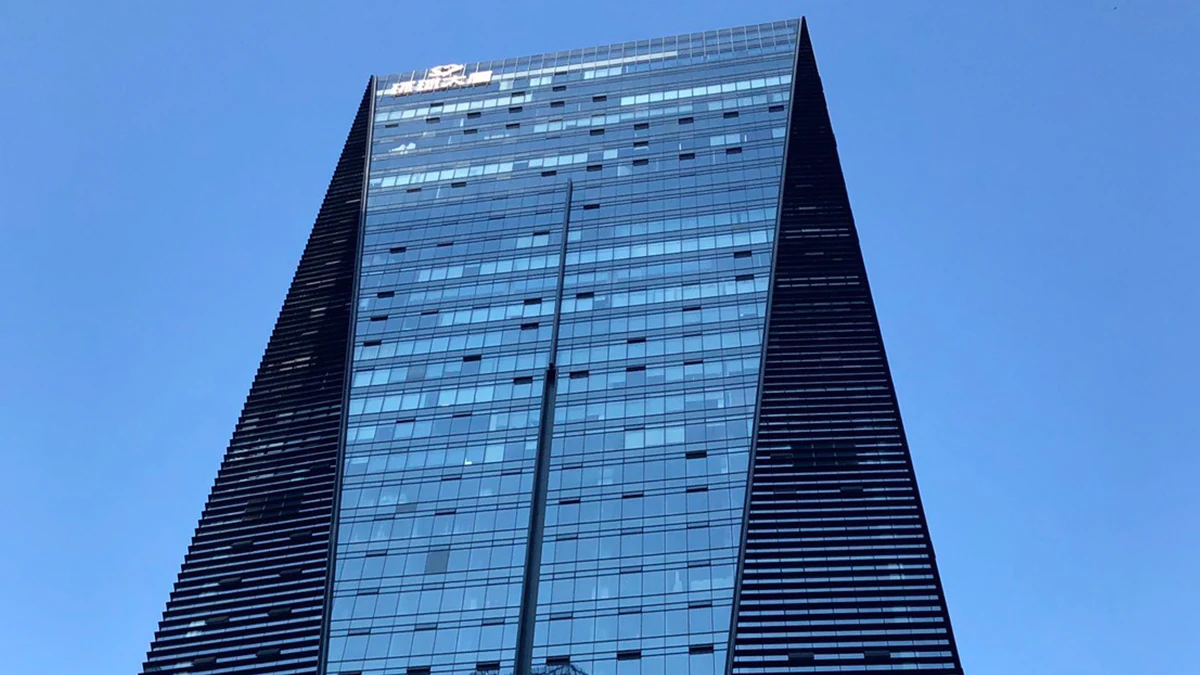
Yiwu Oucheng Clothing Co., Ltd.
- Trading Company
- Zhejiang, China
- Lead time3 days
- Avg. response≤ 2h
Main productsnipple pad,Shapewear,Shapers,Bras,nipple cover
Main marketsSouth America(16.0%), North America(15.0%), Western Europe(10.0%), Oceania(8.0%), Mid East(8.0%), Eastern Europe(8.0%), Domestic Market(6.0%), Southern Europe(5.0%), Northern Europe(5.0%), Central America(5.0%), Southeast Asia(5.0%), Eastern Asia(5.0%), Africa(2.0%), South Asia(2.0%)

Hangzhou Longwin Industry Limited
- Verified by SGS
- Trading Company,Manufacturer/Factory
- China Zhejiang
- Lead time15 days
- Avg. response≤ 6h
Main productsHome Cleaning, Domestic Appliances, Auto and Motorcycle and Bicycle, Fiberglass Products, Battery, Clothing, Furniture, Tools, Machine, Building
Main marketsSouth America,Eastern Europe,Mid East,North America,Southeast Asia,Eastern Asia,Oceania,Western Europe,Africa
Guangzhou Chaorong Technology Co., Ltd.
- Verified by SGS Group
- Trading Company
- Lead time7 days
Main productsFajas, Shapers, Shapewear, Yoga, Bra Underwear

Dongguan Senfeng Trading Co., Ltd.
- Verified by TUVRHEINLAND
- Trading Company
- China Guangdong
- Lead time15 days
- Avg. response≤ 1h
Main productsWomen's Underwear, Women's Shapewear, Women's Bra, Women's Panties, Women's Belt, Women's Clothes, Men's Briefs, Women's Bodysuit
Main marketsOthers(foreignTradeCapacity.exportBusinessCapacityMarketOther)

Handan Wuxin Medical Devices Co., Ltd.
- Verified by TUVRHEINLAND
- Trading Company
- China Fujian
- Lead time15 days
- Avg. response≤ 2h
Main productsKnee Brace, Back Brace, Neck Brace, Waist Trainer, Body Shaper, Sportswear, Posture Corrector, Sexy Lingerie, Orthopedic Products, Gym Equipment
Main marketsEurope


$4.00 - $4.30
MOQ: 100 Pieces
Foshan Nanhai Aimi Clothing Co., Ltd.
- Manufacturer, Trading Company
- Guangdong, China
- Lead time0 days
- Avg. response≤ 2h
Main productsShapewear,Waist Trainer Belt,Waist Trainer Vest,Casual Wear,Sport Wear
Main marketsNorth America(40.0%), Africa(10.0%), Southeast Asia(10.0%), Eastern Europe(10.0%), South America(10.0%), Western Europe(8.0%), Mid East(5.0%), Southern Europe(2.0%), Northern Europe(2.0%), Central America(2.0%), Eastern Asia(1.0%)

Shantou Hengchu Knitting Industry Co., Ltd.
- Verified by CTI
- Combined
- China Guangdong
- Lead time30 days
- Avg. response≤ 24h
Main marketsDomestic,Europe
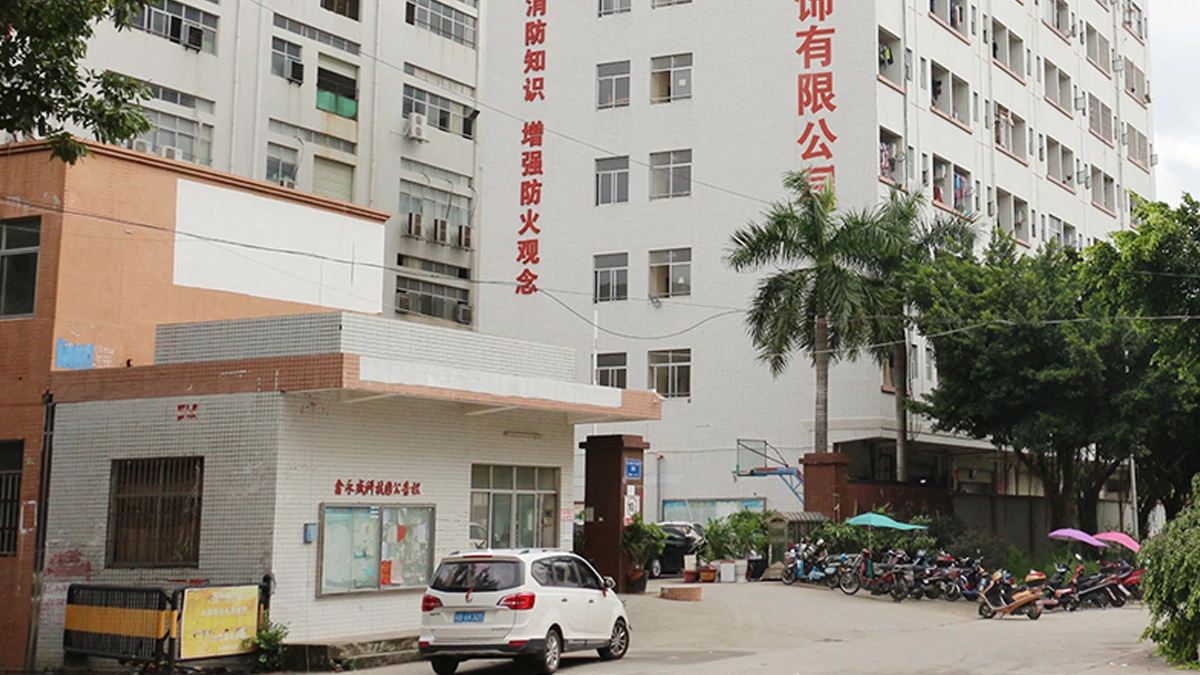
Shenzhen Agilemind E-Commerce Co., Ltd.
- Manufacturer, Trading Company
- Guangdong, China
- Lead time7 days
- Avg. response≤ 7h
Main productsShapewear Bodysuit,Waist Trainer,Bodycon Dress,Corset,Sportswear
Main marketsNorth America(45.0%), Northern Europe(25.0%), Southern Europe(20.0%), Eastern Asia(10.0%)






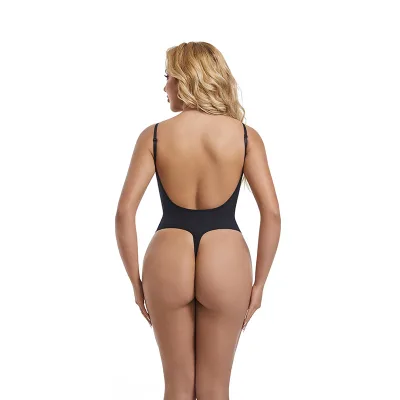
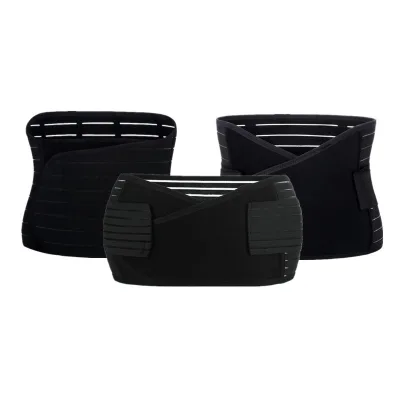
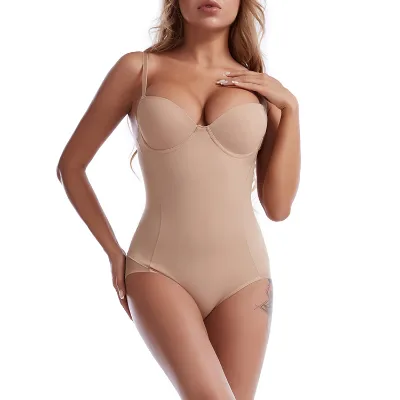
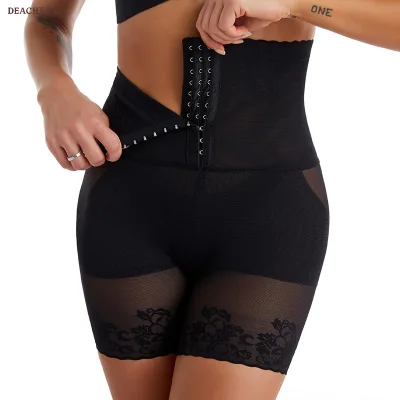
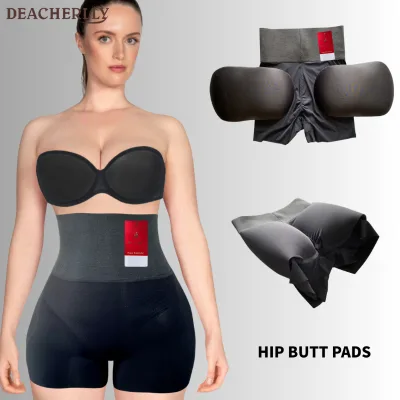
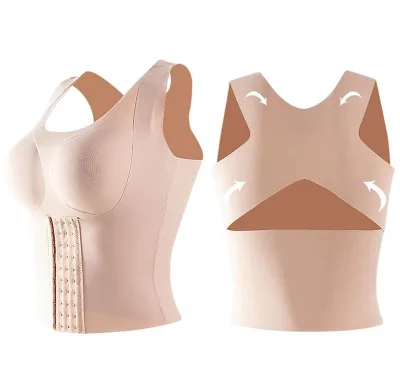
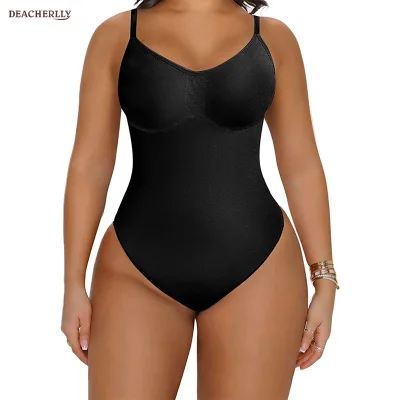
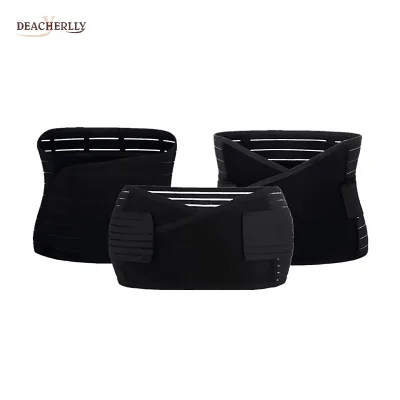








Comprehensive Sourcing Guide
Body Shaper Supplier Concentration and Factory Types
Current data indicates manufacturing activity concentrated in specific Chinese provinces, with verified results showing facilities located in Henan and Guangdong. These regions host a mix of company types, including dedicated manufacturers and combined entities that may blend production with trading functions. The observed supplier base includes factories capable of handling ODM and OEM requests, suggesting a mature industrial ecosystem for apparel and undergarment production. Buyers should note that while some suppliers list main products like protective clothing and pet pads, others focus specifically on underwear, bras, and shapewear, indicating specialized production lines within these clusters.
When evaluating the concentration of suppliers, it is essential to distinguish between pure manufacturers and combined entities based on their declared company type. A manufacturer typically controls the entire production process, whereas a combined entity might manage sourcing and logistics alongside limited manufacturing capabilities. The presence of ISO9001:2015 certification among verified suppliers suggests a baseline of quality management systems in these regions. However, buyers must verify if the specific factory assigned to their order possesses the necessary machinery for complex shapewear construction, such as seamless knitting or bonded technology, rather than relying solely on the general regional reputation.
How to Verify Body Shaper Suppliers
Verification of supplier credibility relies on checking specific third-party audit results and certification documents rather than assuming quality based on location alone. In the current dataset, some suppliers display SGS verification status, which serves as a tangible indicator of external assessment. Buyers should request to see the actual ISO9001:2015 certificate and confirm its validity with the issuing body before proceeding. It is critical to ensure that the certification covers the specific manufacturing site where the body shapers will be produced, as corporate-level certifications do not always guarantee factory-floor compliance for every product line.
Beyond certifications, buyers must assess the responsiveness and operational stability of the supplier through direct communication metrics. The observed response times vary, with some suppliers showing rapid engagement while others may take longer to reply. A response time metric of under two hours can indicate a dedicated sales team, but this should be cross-referenced with the supplier's ability to provide detailed product specifications and samples. Buyers should also verify the origin of the products listed, ensuring that the stated location matches the factory address provided in the contract, as discrepancies can signal trading companies misrepresenting their manufacturing capabilities.
What to Compare Across Body Shaper Suppliers
Comparing suppliers requires a systematic analysis of key operational metrics such as lead time, minimum order quantity, and pricing structures. The data shows lead times ranging from 15 days to 60 days, which significantly impacts inventory planning and market launch schedules. Buyers must align their order volume with the supplier's MOQ, which varies from 1,000 to 4,500 pieces depending on the specific product model and customization requirements. A lower MOQ might be preferable for testing new designs, while higher volumes often secure better unit pricing, though the price range observed spans from approximately $1.50 to $4.00 per unit.
Material composition and customization options are equally critical factors in the comparison process. Most observed products utilize Spandex blends, such as Spandex/Polyester or Spandex/Nylon, which dictate the stretch, durability, and comfort of the final garment. Buyers should compare the specific attributes listed, such as "Pull-in Stomach" effects or "Seamless" technology, to ensure they match the intended market positioning. Additionally, the availability of customization services, including private labeling or specific design modifications, varies by supplier. A supplier offering ODM capabilities may provide more flexibility for unique product development compared to one limited to standard OEM production.
Common Body Shaper Sourcing Risks
One significant risk in sourcing body shapers involves the discrepancy between product descriptions and actual manufacturing capabilities. While some listings claim advanced features like "Bonded" technology or "Seamless" construction, the actual production process may differ if the supplier lacks the specific machinery. Buyers must verify that the supplier's main product list aligns with the specific shapewear type they intend to purchase, as some factories primarily produce pet pads or protective clothing and may outsource the core shapewear production. This misalignment can lead to quality inconsistencies and delays that are difficult to rectify once the order is placed.
Another critical risk is the variability in packaging and shipping standards, which can affect product presentation and damage rates. The observed data includes diverse packing methods, ranging from simple polybags to export standard cartons, with some suppliers offering custom packing upon request. Inconsistent packing standards can result in crushed garments or damaged elastic components, particularly for items requiring high compression. Buyers should explicitly define packing requirements in the purchase order and request pre-shipment photos to ensure the packaging meets the agreed-upon specifications. Failure to address these logistical details can lead to increased costs and customer dissatisfaction upon delivery.
Body Shaper Regional Sourcing and Logistics
Logistics planning must account for the specific geographic origins of the suppliers, as shipping routes and transit times differ based on whether the factory is in Henan, Guangdong, or other regions. The current data confirms locations in China, with specific mentions of Zhejiang and Shantou as product origins for certain models. Buyers should calculate the total landed cost by including freight charges from these specific ports, as inland transportation from Henan to a coastal port may add extra time and expense compared to direct shipments from Guangdong. Understanding the precise origin is vital for accurate customs declaration and duty calculation in the destination country.
Regional differences also influence the availability of specialized logistics partners and the efficiency of the supply chain. Suppliers in established manufacturing hubs like Guangdong often have more experience with international shipping and may offer more flexible freight options. However, buyers should not assume all suppliers in a region have the same logistical capabilities. It is advisable to ask suppliers for their preferred shipping methods and to verify if they have experience handling orders to the buyer's specific destination. Confirming the shipping terms, such as FOB or EXW, ensures that the buyer understands their responsibilities for freight and insurance from the point of origin.
Body Shaper Commercial Terms and Order Planning
Commercial terms for Body Shaper orders must be clearly defined to avoid disputes regarding payment, delivery, and quality acceptance. The observed data indicates that customization is available for many products, which often requires a separate deposit or a modified payment schedule. Buyers should negotiate terms that protect their interests, such as escrow services or milestone-based payments, especially when dealing with new suppliers or large order volumes. The minimum order quantities observed range widely, so buyers must plan their cash flow to accommodate the upfront costs associated with the lowest MOQs while ensuring they can meet the volume requirements for bulk pricing.
Order planning should also consider the production lead time and the potential for delays due to material shortages or capacity constraints. With lead times ranging from 15 to 60 days, buyers need to build a buffer into their production schedule to account for any unforeseen delays. It is crucial to confirm the production capacity of the supplier, particularly if they are handling multiple orders simultaneously. Buyers should request a detailed production timeline that includes material sourcing, cutting, sewing, and quality control phases. This transparency allows for better coordination with marketing and sales teams, ensuring that the products are ready for launch when the market demand is highest.
FAQs
What is the typical lead time for Body Shaper orders?
Lead times vary by supplier, with some offering 15 days and others up to 60 days. Buyers should verify specific timelines based on order volume and customization needs before confirming production schedules.
Are body shapers available with customization options?
Yes, many listed products support customization for materials, sizes, and designs. Buyers can request specific features like plus size options or unique packaging to match their brand requirements effectively.
What is the minimum order quantity for body shapers?
Minimum order quantities range from 1000 to 4500 pieces depending on the supplier and product type. Buyers must check specific listings to ensure their order meets the required threshold for production.
Which materials are commonly used for body shapers?
Common materials include Spandex, Polyester, and Nylon blends for stretch and durability. Some products also feature bonded or seamless technologies to enhance comfort and fit for various body types.
Do suppliers offer ISO certification for body shapers?
Some manufacturers hold ISO9001:2015 certification to ensure quality management standards. Buyers should verify this credential directly with the supplier to confirm compliance with international quality protocols.
What is the price range for wholesale body shapers?
Prices typically range from 1.50 to 4.00 USD per piece based on material and features. Buyers should compare specific listings to find the best value within their budget constraints.
Where are the Body Shaper manufacturers located?
Manufacturers are primarily located in China, specifically in Henan, Guangdong, and Zhejiang provinces. Buyers can filter results by these regions to find suppliers with specific logistical advantages.