Body Sculpting Skin Tightening Machine Suppliers and Manufacturers
Explore 22 verified suppliers offering body sculpting skin tightening machines with diverse certifications like CE and ISO13485. Compare lead times, MOQs, and product specifications to find the right fit for your business needs today; review the available evidence before requesting comparable quotations from suitable candidates.
Suppliers List

Beijing Globalipl Development Co., Ltd.
- Verified by TUVRHEINLAND
- Combined
- China Beijing
- Lead time15 days
Main productsIPL Shr, Hair Removal IPL, Hair Removal Laser, IPL RF Elight YAG Laser Beauty Machine, 808nm Diode Laser Hair Removal Machine, Shr IPL +Diode Laser, Fat Freeze Cryolipolysis Slimming Machine, Ultrasonic Cavitation Slimming Machine, Q Switch ND YAG Laser Tattoo Removal Machine, Fractional CO2 Laser for Scar Removal
Main marketsOthers(foreignTradeCapacity.exportBusinessCapacityMarketOther),Europe,Australia,North America

Changsha GOMECY Electronics Limited
- Verified by SGS
- Manufacturer/Factory,Group Corporation
- China Beijing
- Lead time15 days
Main productsPhysiotherapy & Rehabilitation, Diode Laser Hair Removal, Laser & Light-Based Treatments, 980nm &1470nm Diode Laser, Body Sculpting & Slimming, Pmst & Tecar & Shockwave Physical Therapy, CO2 Fractional Laser Beauty Machine, Salon & SPA Essentials, Facial & Body Treatment, Multi-Functional Salon Systems
Main marketsSouth America,Mid East,North America,Southeast Asia,Eastern Asia,Oceania,Western Europe,Africa

360° Body Sculpting Machine RF Skin Tightening & Fat Reduction for Face & Body
$999.00 - $1699.00
MOQ: 1 Sets

2-in-1 Aesthetic Machine: RF Skin Tightening & Body Sculpting for Face and Body
$999.00 - $1699.00
MOQ: 1 Sets
Guangzhou Huang Kai Electronic Technology Company Limited
- Verified by TüVRheinland
- Trading Company
- Lead time3 days
- Avg. response≤ 2h
Main products9 In 1 Hot And Cold Plasma Machine, Pressotherapy Cavitation RF Lipo Laser Cryotherapy Machine, EMS Tecar Shockwave Therapy Machine, EMS Muscle Building Slimming Machine, 3 Wave 755/808/1064 Nm Diode Laser Hair Removal Machine
Main marketsNorth America(31%), Western Europe(24%), Eastern Europe(13%)
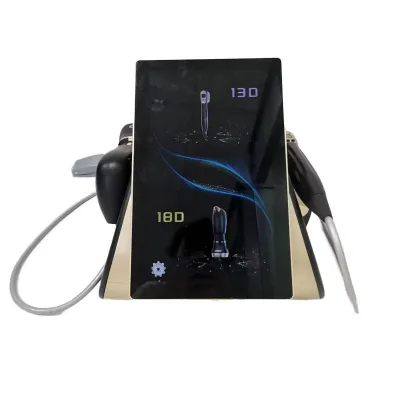
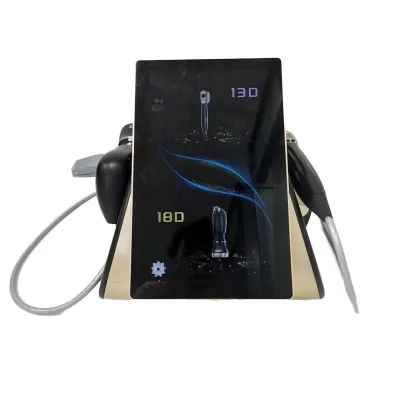
Wrinkle Removal fat Reduce Slimming Weight Loss Skin Tightening 12d max Body Shaping Machine
$899.00 - $1199.00
MOQ: 1 sets

Shijiazhuang Ruiqi Technology Co., Ltd.
- Verified by TUVRHEINLAND
- Trading Company
- China Hebei
- Lead time15 days
Main productsPdo Thread, Dermal Filler, Blunt Cannula, Meso Needle, Botulax Filler, Hyaluronic Acid Pen, Hyaluronidase, Fat Dissolve, Numb Cream, Glutathione Injection
Main marketsSouth America,Southeast Asia/ Mideast,East Asia(Japan/ South Korea),Europe,Australia,North America

Guangzhou Beir Electronic Technology Co., Ltd.
- Verified by BV
- Trading Company
- China Guangdong
- Lead time15 days
Main productsLipolaser, Coolsculpting, Diode Lipolaser, Cryo Lipolaser System, Lipo Laser, Cryolipolysis, E-Light and IPL Beauty Equipment, RF Fractional Skin Tighten, Pressotherapy Lymphatic Drainage, Dermaroller and Micro Needles
Main marketsSoutheast Asia/ Mideast,East Asia(Japan/ South Korea),Europe,Australia,North America


Lipolaser Body Shaping Machine Lipolaser Weight Loss and Skin Rejuvenation Equipment
$3200.00 - $4900.00
MOQ: 1 set


Beauty Equipment Slimming Machine Body Contouring Weight Loss Beauty Instrument
$3899.00 - $6899.00
MOQ: 1 Pieces

Guangzhou Qili Technology Co., Ltd.
- Verified by SGS
- Trading Company
- China Guangdong
- Lead time23 days
Main productsSkin Analyzer Machine, Hifu Machine, EMS Pelvic Floor Chair, Microneedle Machine, Diode Laser Hair Removal Machine, Solarium Tanning Machine, Tattoo Removal Machine, RF Equipment, Cryo Slimming Machine, CO2 Fractional Laser Machine
Main marketsSouth America,Eastern Europe,North America,Southeast Asia


Salon Use Body Shaping RF Skin Tightening Face Lifting Machine RF Anti Wrinkle Machine
$1200.00 - $1500.00
MOQ: 1

Beauty Equipment Microwave Body Contouring Therapy Machine Skin Tightening Body Slimming Machine
$2450.00 - $2900.00
MOQ: 1

Beauty Machine 25D 360max with 3 Handles Skin Tightening Anti-Aging Body Shaping Skin Care Machine
$1250.00 - $1450.00
MOQ: 1

Anti Aging Device 2 in 1 22D Liposonic Body Slimming Face Lifting Skin Tightening Machine
$900.00 - $1300.00
MOQ: 1
Guangzhou Kya Electronic Co., Ltd.
- Verified by BV
- Combined
- China Guangdong
- Lead time15 days
Main marketsSouth America,Africa,Southeast Asia/ Mideast,Domestic,Europe,Australia,North America

Desktop Skin Tightening Body Contouring Machine Face & Body Shaping Beauty Equipment
$2400.00 - $2500.00
MOQ: 1 Pieces

Professional Face & Body Skin Tightening Beauty Machine with 3 Handles
$1350.00 - $1450.00
MOQ: 1 Pieces

$1350.00 - $1450.00
MOQ: 1 Pieces

Multifunctional Skin Tightening Body Shaping Machine Face & Body Contouring Beauty Equipment
$2400.00 - $2500.00
MOQ: 1 Pieces

Professional Skin Tightening Body Contouring Machine Face & Body Shaping Beauty Equipment
$2400.00 - $2500.00
MOQ: 1 Pieces

Professional Body Contouring Machine Skin Firming Face & Body Shaping Beauty Equipment
$2400.00 - $2500.00
MOQ: 1 Pieces
Amy Beauty Equipment Manufacture
- Verified by SGS
- Trading Company
- China Shaanxi
- Lead time15 days
Main productsHifu, Cryolipolysis, Hair Removal Machine, CO2 Fractional Laser Machine, Shockwave, Injection, Body Slimming Machine, Body Facial Analyzer, PDT Machine
Main marketsSouth America

$510.00 - $690.00
MOQ: 1 Pieces

Body Sculpting Fat Loss Machine Lipo Anti Cellulite Skin Tighten Firm Slim Hifu Machine
$499.00 - $599.00
MOQ: 1 Pieces


Professional Beauty Machine Beauty Device Hydrating and Resurfacing Skin Machine
$374.00 - $419.00
MOQ: 1 Pieces

Guangzhou Zhongke Medical Beauty Instrument Co., Ltd.
- Manufacturer, Trading Company
- Guangdong, China
- Lead time0 days
- Avg. response≤ 1h
Main productsPelvic Floor Chair, Hydra Facial Machine, Ems Body Slim Machine, Ultrasound Machine, Hair Removal Machine
Main marketsDomestic Market(25.00%), North America(10.00%), Western Europe(10.00%), Southeast Asia(10.00%), South Asia(5.00%), Eastern Asia(5.00%), South America(5.00%), Southern Europe(5.00%), Central America(5.00%), Northern Europe(5.00%), Africa(5.00%), Eastern Europe(5.00%), Mid East(5.00%)
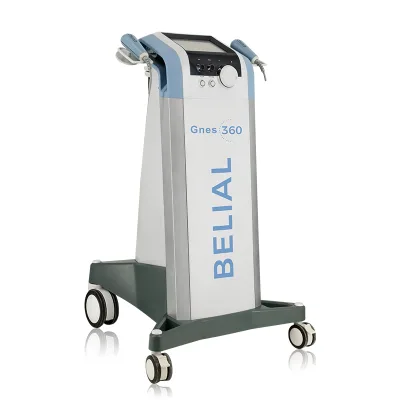
$1522.55 - $1747.02
MOQ: 1 packs
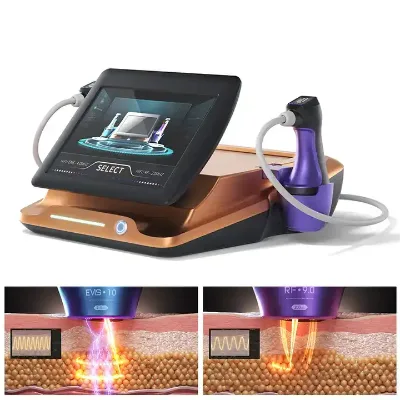
High Quality Anti Wrinkle Skin Tightening Beauty 10D 12D Face Lift Machine
$819.39 - $1261.40
MOQ: 1 packs
Beijing OM Beauty Technology Co., Ltd
- Verified by TUVRHEINLAND
- Trading Company
- China Beijing
- Lead time15 days
Main productsfractional co2 laser
Main marketsEast Asia(Japan/ South Korea)

Fat Removal Machine Professional Body Sculpting Weight Loss Skin Tightening Device
$2500.00 - $4500.00
MOQ: 1 set

Body Contouring Beauty Equipment Skin Tightening Fat Burning Weight Loss Machine
$2500.00 - $4500.00
MOQ: 1 set

Sculpt Neo Body Contouring Machine for Fat Reduction and Muscle Building
$1500.00 - $3200.00
MOQ: 1 set

Professional Body Contouring Machine Advanced Slimming Body Shaping Machine with Muscle Stimulation
$1500.00 - $3200.00
MOQ: 1 set


$1500.00 - $3200.00
MOQ: 1 set

Guangzhou Everplus Beauty Appliance Ltd.
- Verified by BV
- Combined
- China Guangdong
- Lead time30 days
Main productsBeauty Equipment, Beauty Instrument, Slimming Machine, Body Slimming, Facial Care, Beauty Machine, Skin Care, RF Machine, Salon Equipment, Peeling Machine
Main marketsEurope


Portable RF Machine for Skin Tightening
MOQ: 1 Pieces


Guangzhou Zhongke Medical Cosmetic Instrument Co., Ltd.
- Verified by BV
- Combined
- China Guangdong
- Lead time15 days
Main productsEMS Chair, EMS Body Sculpting Machine, Laser Machine, Hifu Machine, Hair Removal Machine, Skin Analysis Machine, Fat Freezing Machine, Tattoo Machine, Pelvic Floor Chair, Medical Beauty Equipment
Main marketsSouth America,Africa,Southeast Asia/ Mideast,East Asia(Japan/ South Korea),Europe,North America

Factory Price Anti Wrinkle Skin Tightening Slimming Machine for Facial Sculpting
$1950.00 - $2250.00
MOQ: 1 packs

Casmb Wrinkle Machines Skin Tightening Machine Anti-Aging Machine Body Slimming Machine
$1787.00 - $1882.00
MOQ: 1 Pieces

Hebei Tuosite Import & Export Trade Co., Ltd.
- Verified by CTI
- Trading Company
- China Hebei
- Lead time15 days
Main productsBeauty Equipment, Medical Equipment, Skin Care Equipment, Diode Laser Equipment, Hair Removal Equipment, Muscle Building Equipment, Cryolipolysis Equipment, Cavitation Vacuum Equipment, Roller Infrared Massage Cellulite Equipment
Main marketsEurope

Advanced RF Face Lift Machine for Skin Tightening and Body Contouring
$1800.00 - $3350.00
MOQ: 1 Pieces

Body Composition Analysis Body Fat Analysis Skin Body Composition Analysis Machine
$1000.00 - $1199.00
MOQ: 1 Pieces

Beijing ADSS Development Co., Ltd.
- Verified by TUVRHEINLAND
- Combined
- China Beijing
- Lead time15 days
Main productsHifu, Laser Vaginal Tightening, Digital Syringe Injector, 808nm Diode Laser Hair Remvoal, Fractional RF & Thermal RF, Vacuum Shape, 20MHz RF Thermal, Cryolipolysis Slimming Machine, Cavitation Slimming Machine, Fractional CO2 Laser
Main marketsSouth America,East Asia(Japan/ South Korea),Europe,Australia,North America

Foshan City DaiNi Electronic Technology Co., Ltd.
- Verified by SGS
- Combined
- China Guangdong
- Lead time15 days
Main productsBeauty Machine, Beauty Equipment, Dermabrasion Machine, Breast &Butt Enlargement, Oxygen Machine, Haire &Tattoo Removal, Skin Care, Slimming Machine, PDT & LED, Hifu
Main marketsSoutheast Asia/ Mideast

RF Skin Tightening Equipment Anti-Wrinkle Skin Care Weight Loss Beauty Machine
$2100.00 - $2200.00
MOQ: 1 Pieces


Beijing DALI Beauty Technology CO., Ltd.
- Manufacturer/Factory
- China Beijing
- Lead time15 days
Main productsLaser Beauty Machine, Cosmetic Equipment, Skin Management Machine, Body Fitness Equipment
Main marketsSouth America,Eastern Europe,Mid East,North America,Southeast Asia,Eastern Asia,Oceania,Western Europe,Africa

Guangzhou Yingcai Beauty Instrument Co., Ltd.
- Verified by SGS
- Combined
- China Guangdong
- Lead time15 days
Main productsHifu Machine, Hair Removal Machine, Pico Laser Machine, PDT Machine, Franctional Laser Machine, Electrolysis Hair Removal, Hydra Dermabrasion Facial Machine, Cavitation Machine, Cryolipolysis Machine
Main marketsSouth America,Africa,Southeast Asia/ Mideast,East Asia(Japan/ South Korea),Europe,Australia,North America


2023 Newest Muscle Stimulator Body Sculpting Slimming Body Contouring Machine
$540.00 - $880.00
MOQ: 1 Pieces


GUANGZHOU KONMISON TECHNOLOGY CO., LIMITED
- Verified by BV
- Trading Company
- China Guangdong
- Lead time30 days
Main productsBeauty Machine, Beauty Equipment, Slimming Machine, Cavitation Weight Loss Beauty Machine, Skin Care Machine, RF Skin Lifting Rejuvenation Machine, IPL Hair Removal Machine, Laser Hair Removal Machine, LED Facial Mask Beauty Device
Main marketsEurope,Australia


Radio Frequency Fat Rremoval Skin Tightening Fast Body Slimming Machine
$199.00 - $299.00
MOQ: 1 Pieces

Guangzhou RenLang electronic technology Co., LTD
- Verified by CTI
- Combined
- China Guangdong
- Lead time15 days
Main productsBeauty Machine, Hair Removal Machine, Tattoo Removal Machine
Main marketsEurope

HEBEI KEYLASER SCI-TECH CO., LTD.
- Verified by CTI
- Manufacturer/Factory
- China Beijing
- Lead time15 days
Main productsIPL, Diode Laser Hair Removal, ND YAG Laser, Hifu, CO2 Fractional Laser, Picosecond Laser, Body Slimming, Cryolipolysis Fat Freezing, 980nm Diode Laser, Emscuplt Muscle Building
Main marketsSouth America,Eastern Europe,Mid East,North America,Southeast Asia,Eastern Asia,Oceania,Western Europe,Africa

Face Lifting Machine Beauty Device Facial Machine Skin Tightening EMS RF Face Lift
$3400.00 - $3600.00
MOQ: 1 Pieces


Body Contouring Weight Loss Beauty Equipment Vela Slim Machine Vela Body Shaping
$1000.00 - $4000.00
MOQ: 1 Pieces

Shanghai Lumsail Industrial Inc.
- Manufacturer
- China Shanghai
- Lead time15 days
Main productsShockwave Therapy System, Body Composition Analyzer, LED PDT Phototherapy System, Facial Skin Analyzer, Liposuction System, Laser Hair Regrowth System, IPL Elight Beauty Machine, CO2 Surgical Fractional Laser, Cryolipolysis Body Slimming System
Main marketsSouth America,Africa,Southeast Asia/ Mideast,East Asia(Japan/ South Korea),Domestic,Europe,Australia,North America


Body Slimmer and Contouring System Device
MOQ: 1 Pieces

Weifang Huamei Electronics Co., Ltd.
- Manufacturer/Factory
- China Shandong
- Lead time15 days
Main products808nm Diode Laser, 980nm Diode Laser, RF Beauty Machine, Elight Machine, ND YAG Laser, Multifunction Beauty Salon Equipment, Fractiona CO2 Laser, Ultrasonic RF Cavitation, Microdermabration, Diode Laser
Main marketsSouth America,Eastern Europe,Mid East,North America,Southeast Asia,Eastern Asia,Oceania,Western Europe,Africa


Body Slimming Machine Fat Freezing Machine Cryolipolysis Body Contouring
$3400.00 - $3700.00
MOQ: 1 Pieces


Comprehensive Sourcing Guide
Body Sculpting Skin Tightening Machine Supplier Concentration and Factory Types
Suppliers of body sculpting skin tightening machines on this page cluster in China, with at least one verified manufacturer based in Beijing. Beijing suppliers in these results position themselves as combined manufacturers and traders, listing main products that span IPL hair removal systems, 808nm diode laser platforms, fat freeze cryolipolysis machines, ultrasonic cavitation slimming units, Q-switched Nd:YAG tattoo removal lasers, and fractional CO2 devices. This breadth matters to buyers: a supplier whose catalog covers the full aesthetic-device spectrum is typically an assembly-scale factory rather than a specialist maker of one handpiece technology. When the specific body sculpting and RF tightening models you need sit alongside unrelated laser categories, probe how much of the production is in-house.
The other listed factory type is a manufacturer and group corporation holding ISO 13485 and ISO 9001 system certifications, verified by SGS, with its own brand alongside OEM and ODM capability. Its main products include diode laser hair removal, 980nm and 1470nm diode laser platforms, PMST, Tecar and shockwave physical therapy, CO2 fractional lasers, body sculpting and slimming equipment, and multi-functional salon systems. For buyers, this signals a factory able to support both aesthetic and physiotherapy product lines. Where location is not stated in the results, do not assume a cluster; instead, ask each supplier for its registered address, factory address, and whether they differ, then confirm through business registration records.
How to Verify Body Sculpting Skin Tightening Machine Suppliers
Start with third-party verification status. In the current results, one supplier carries TUV Rheinland verification and another is SGS-verified, and one lists ISO 13485 and ISO 9001 system certifications. These are meaningful screening signals, but they are not a substitute for your own diligence. Ask for copies of the certificates referenced on product pages, such as CE, ISO 13485, SFDA, and TUV marks that appear in the product attribute data, and check the issuing body and validity dates. Note that product-level certification claims and company-level system certifications are different things; verify both independently rather than assuming one proves the other.
Next, verify the company's real nature. Suppliers in these results describe themselves as combined manufacturer-traders or as manufacturer/factory group corporations, so ask directly which models are produced in their own facility and which are sourced from partner factories. Request a live video factory tour focused on the specific body sculpting and RF tightening production line, the aging-test area, and the packing station. Product pages in these results state that factory visits are welcome on weekdays, so an in-person or delegated audit is a realistic option. Finally, confirm business scope against your target market's regulatory requirements, since aesthetic devices often fall under medical or electrical safety rules. If a supplier cannot document a claimed certification, treat the claim as unverified and weight your shortlist accordingly.
What to Compare Across Body Sculpting Skin Tightening Machine Suppliers
Build a comparison table using the attributes actually displayed, since not every supplier shows every field. Location is visible for some suppliers, such as Beijing, so factor regional logistics into your scoring. Lead time appears in the results for at least one supplier at 15 days, but do not generalize that figure; request written lead times per model and per order quantity. MOQ is displayed on some products, including one RF skin tightening machine at a MOQ of 1, which suits pilot testing, while other items may carry different requirements. Ask every supplier to state MOQ, sample policy, and unit pricing bands in writing.
Beyond transactional fields, compare technical and service dimensions drawn from the product data: customizable versus fixed configurations, portable versus non-portable platforms, controller types such as a 5.6-inch color touch LCD, power ranges, system technologies like cavitation with tripolar RF or HIFU, handpiece counts, warranty terms, and after-sales support such as the one-year warranty with lifetime technical support offered on one listed body sculpting model. Also compare main product breadth, company type, and R&D capacity, since ODM and OEM capability determines whether you can obtain private labeling and custom software. Weigh verification marks, response speed, and completeness of answers equally with price, because inconsistent documentation usually predicts inconsistent delivery.
Common Body Sculpting Skin Tightening Machine Sourcing Risks
The most common risk is certification ambiguity. Product pages in these results cite CE, ISO 13485, SFDA, TUV, and SGS marks, sometimes as certification and sometimes as product standards, and one system listing shows "Others" under system certification. A buyer who accepts these strings at face value may import equipment that lacks the exact approvals their customs authority requires. Mitigate this by requesting certificate numbers, issuing bodies, and scope statements, and by checking whether the certified model number matches the unit you are ordering rather than a sibling product.
A second risk is product-definition drift. Listings in these results include a cavitation plus tripolar RF system, HIFU lifting machines with 3D treatment spacing and length specifications, a 360-degree RF body sculpting unit, and multi-function platforms; the same supplier may sell all of them under similar names. Miscommunication about which configuration you bought leads to disputes over handpieces, frequencies, screens, and consumables. Third, beware price-band confusion: listed price ranges in the results span from roughly 1,000 to 3,000 US dollars on one model and much wider bands on another, so confirm what configuration sits at which price point. Finally, packing and transit damage is a real risk for heavy machines; several listings specify aluminum alloy cases with thick sponge, so confirm the packing spec for your model and consider independent pre-shipment inspection before balance payment.
Body Sculpting Skin Tightening Machine Regional Sourcing and Logistics
For suppliers with a stated location such as Beijing, plan logistics around the practical realities of heavy aesthetic equipment. Machines in these results weigh around 11 kilograms net for one portable RF model and ship in aluminum alloy cases with sponge lining, while a non-portable HIFU body unit is listed at roughly 50 by 50 by 100 centimeters. These dimensions push most orders into air freight for samples and sea freight or consolidated air cargo for volume orders. Ask each supplier to quote gross weight, packed dimensions per carton, and whether wooden crates are heat-treated for export compliance.
Where a supplier's location is not displayed, do not guess a region; instead, request the registered and factory addresses and check proximity to major export airports and seaports, since inland shipments add domestic trucking cost and time. The 15-day lead time shown for one supplier is a useful benchmark for asking other suppliers how quickly they can produce after deposit, but lead time alone is not delivery time: add production, quality inspection, export documentation, and transit. Confirm which Incoterms the supplier supports and who arranges freight insurance. Machines combining electrical systems, RF emitters, and ultrasound sources may trigger specific customs classifications in your market, so agree on HS codes and documentation responsibilities before booking freight rather than after goods are packed.
Body Sculpting Skin Tightening Machine Commercial Terms and Order Planning
Plan your first order around the low entry barriers visible in these results. A MOQ of 1 on a radio frequency skin tightening machine priced between 1,000 and 3,000 US dollars makes a sample-and-validate sequence affordable: buy one unit, run hands-on treatment testing, inspect internal build quality, and only then scale. HIFU-based models list higher starting prices, so budget accordingly when comparing technologies. Always negotiate payment terms that keep a meaningful balance until after pre-shipment inspection, and confirm whether escrow or platform-protected payment is available for your transaction, since not every listing displays that option.
For scale-up planning, lock down the commercial details in writing: final unit price by configuration, lead time from deposit, warranty coverage, spare handpieces and consumables pricing, software update policy, and technical support commitments. One listed supplier advertises a one-year warranty with lifetime technical support and free marketing support, which sets a useful baseline for negotiating equivalent terms elsewhere. Confirm customization scope in the contract, since several listings state customization is available, covering branding, language interfaces, and housing. Finally, schedule orders against regulatory lead times in your own market; approval processes for aesthetic devices can take longer than the 15-day production window, so sequence certification paperwork in parallel with manufacturing rather than after delivery.
FAQs
What is the typical minimum order quantity for a Body Sculpting Skin Tightening Machine?
Many listed machines have a minimum order quantity of one unit, which allows salons and startups to test a device before committing to larger orders. Low MOQs are common for higher-priced models, while bulk orders may unlock better pricing. Always confirm the exact MOQ per model, since portable and stationary units can carry different order requirements.
How long does production and delivery usually take?
One listed supplier states a lead time of about 15 days, which is typical for assembled beauty machines in stock configurations. Customization, OEM or ODM requests, shipping method, and destination country can extend that window. Ask each supplier to confirm current production schedules and whether express freight or sea freight best fits your timeline and budget.
Which certifications should these machines carry for professional use?
Listed products reference CE, ISO 13485, TUV, SFDA, and SGS documentation, and one supplier holds ISO 13485 and ISO 9001 system certification. Certification requirements vary by market, so confirm which certificates apply to your country and request copies of the actual documents. Some certifications cover the management system while others apply to individual products.
How much does a Body Sculpting Skin Tightening Machine cost?
Listed prices range roughly from 1,000 to 3,000 US dollars for RF and slimming models, with HIFU units listed higher. Price depends on technology, handpiece count, screen type, and customization level. Treat listed figures as starting points and request a formal quotation that includes configuration, shipping terms, warranty, and any optional accessories before comparing offers.
Can suppliers provide OEM or ODM customization?
Yes, listed suppliers state ODM and OEM capability, and product pages mark customization as available. Common customization covers branding, casing, interface language, and packaging such as aluminum cases with protective sponge. Provide clear specifications and branding files early, because customized orders usually need longer production time than standard models and may affect the quoted price and MOQ.
Where are these suppliers located?
The listed suppliers are based in Beijing, China, which is a recognized hub for aesthetic and beauty equipment manufacturing. Sourcing from a concentrated industrial region makes it easier to arrange factory visits, compare several makers on one trip, and consolidate shipments. Product pages also list the origin, such as Beijing, for individual machines you evaluate.
What functions do these machines typically combine?
Listed models combine technologies such as cavitation with tripolar radio frequency, or HIFU systems for skin lifting and tightening. Common stated functions include body shaping and slimming, wrinkle removal, face lifting, cellulite reduction, and skin elasticity improvement. Check the specific system, frequency, spot sizes, and handpiece count of each model, because a multi-function machine may not replace dedicated devices for every treatment.