Eco-Friendly Collapsible PP Colander Suppliers and Manufacturers
Source 33 verified suppliers for Eco-Friendly Collapsible PP Colander products. Compare key dimensions including Zhejiang and Henan locations, response times, lead times, and MOQs. Review pricing and customization options to identify suitable partners for your procurement needs; review the available evidence before requesting comparable quotations from suitable candidates.
Suppliers List

Ningbo Happy Valley Household Co., Ltd.
- Verified by SGS
- Trading Company
- China Zhejiang
- Lead time30 days
- Avg. response≤ 14h
Main productsPot Lid, Glass Pot Lid, Kitchen Utensil Set, Kitchen Tool, Bento Box, Lunch Box, Plastic Lunch Box, Silicone Lunch Box, Collapsible Bucket, Plastic Bucket
Main marketsEurope
Henan Dibangni Industrial Development Co., Ltd.
- Manufacturer, Trading Company
- Henan, China
- Lead time3 days
- Avg. response≤ 7h
Main productsHome Storage & Organization,Kitchen & Tabletop
Main marketsNorth America(30.00%), Southeast Asia(10.00%), Northern Europe(10.00%), Western Europe(10.00%), Eastern Europe(5.00%), Central America(5.00%), South America(5.00%), South Asia(5.00%), Southern Europe(5.00%), Oceania(5.00%), Domestic Market(5.00%), Eastern Asia(2.00%), Mid East(2.00%), Africa(1.00%)

YONGKANG HOMESHINE SILICONE PRODUCTS CO., LTD.
- Combined
- China Zhejiang
- Lead time23 days
- Avg. response≤ 24h
Main productsGlass Lid
Main marketsSouth America,East Asia(Japan/ South Korea),Domestic,Europe,North America

Colanders&Strainers Type Kitchen Tool Silicone Collapsible Basket Colander
$0.95 - $3.18
MOQ: 1500 Pieces

Ningbo Haishu Garron Houseware Co., Ltd.
- Verified by SGS Group
- Manufacturer, Trading Company
- Lead time30 days
- Avg. response≤ 2h
Main productsKitchen Tools, Home Houseware
Main marketsNorth America(40%), Eastern Europe(20%), Southeast Asia(20%)
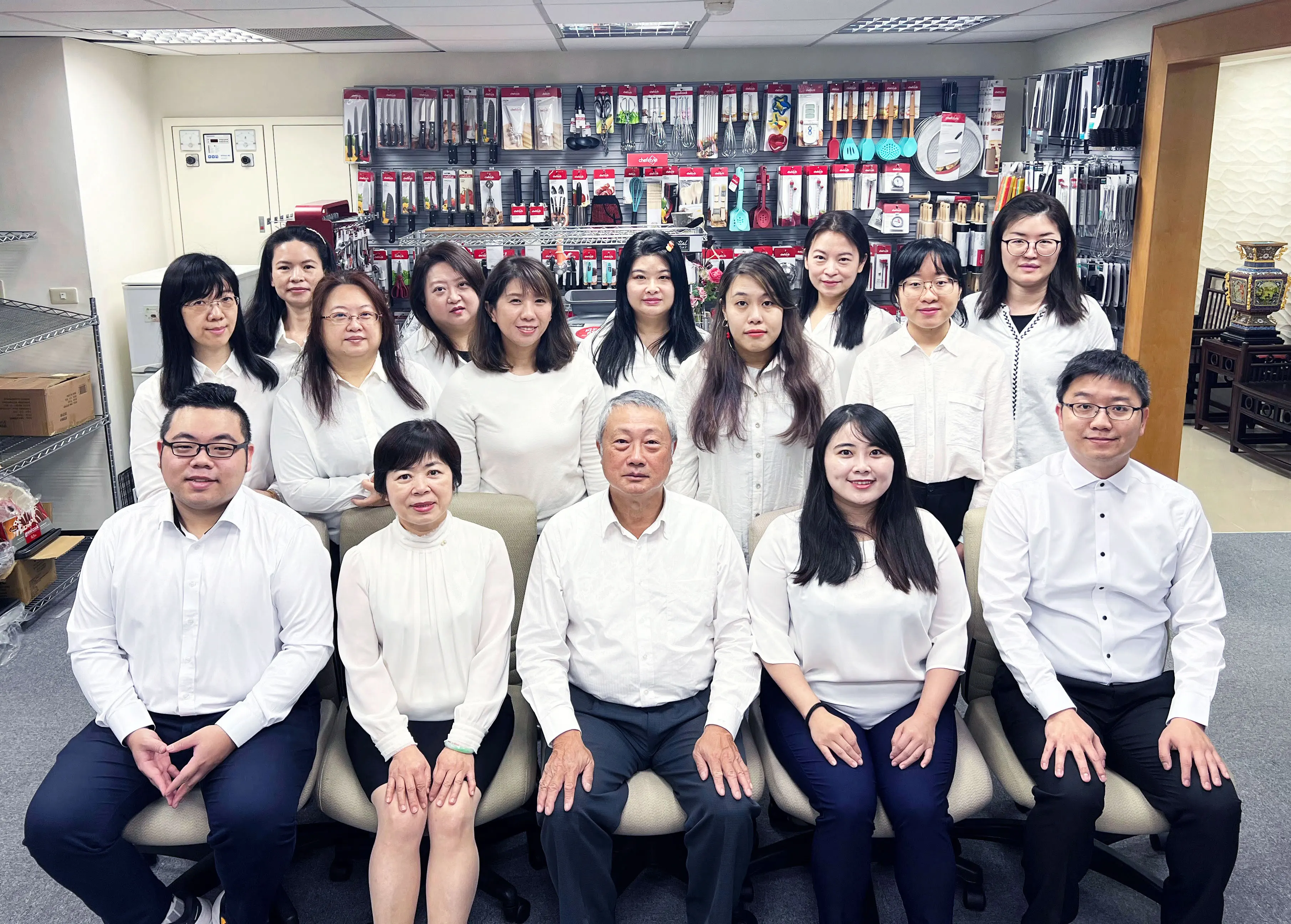
INTERCONTINENTAL MARKETING SERVICES FAR EAST CO., LTD.
- Trading Company
- Taiwan, China
- Lead time40 days
- Avg. response≤ 9h
Main productsCooking Tools & Gadgets,Knives & Cutting Board,Fruit Tools & Vegetable Tools,Baking Tools & Bakeware,Kitchen Organization
Main marketsNorth America(40.50%), Southern Europe(15.50%), Western Europe(15.50%), Mid East(6.50%), South America(6.00%), Eastern Europe(5.50%), Eastern Asia(5.50%), Southeast Asia(5.00%)

Zhong Xing Da (Hangzhou) Import & Export Co., Ltd.
- Verified by SGS
- Manufacturer/Factory
- China Zhejiang
- Lead time45 days
- Avg. response≤ 6h
Main productsCooking, Cookware, Waterfun, Fishing, Camping, RV
Main marketsSouth America,Eastern Europe,North America,Western Europe

Foldable Silicone Colander for Vegetables - Stainless Steel Base, Collapsible Design
$5.90 - $6.80
MOQ: 200 Pieces

Collapsible Silicone Kitchen Colander - Foldable Drain Basket for Washing Veggies & Pasta
$0.65 - $0.85
MOQ: 200 Pieces

Foldable Kitchen Strainer Basket - Collapsible Silicone Colander for Easy Storage & Drainage
$0.65 - $0.85
MOQ: 200 Pieces

Collapsible Sink Strainer Basket with Extendable Handle - Dishwasher Safe Vegetable Colander
$1.95 - $2.15
MOQ: 200 Pieces

Foldable Kitchen Colander with Stainless Steel Base - Collapsible Silicone Strainer Basket
$5.90 - $6.80
MOQ: 200 Pieces

Collapsible Silicon Colander Foldable Colander Sink Colanders and Strainers Basket with Handle
$1.99 - $2.49
MOQ: 500 Pieces

Taizhou Shangyi Plastic Co., Ltd.
- Verified by TUVRHEINLAND
- Trading Company
- China Zhejiang
- Lead time23 days
- Avg. response≤ 17h
Main productsFood Container, Storage Container, Lunch Box, Bento Box, Plastic Laundry Basket, Plastic Storage Container, Plastic Cutting Board
Main marketsSouth America,Southeast Asia/ Mideast

Wash Colander Fruit Vegetable Washing Basket Kitchen Collapsible Strainer
$0.31 - $0.34
MOQ: 5000 Pieces

Multi Functional Double Layer Detachable Draining Basket Kitchen Storage Colanders
$0.45 - $0.48
MOQ: 5000 Pieces

Plastic Strainer Colander with Handle for Pasta, Noodles, Spaghetti, Vegetables and More
$0.31 - $0.34
MOQ: 5000 Pieces



YANGJIANG GILLY METAL PLASTIC PRODUCTS LTD
- Trading Company
- GUANGDONG, China
- Lead time30 days
- Avg. response≤ 2h
Main productsknife sharpener,knife set,cookware,kitchen gadgets,kitchenware
Main marketsCentral America(15.00%), North America(15.00%), Mid East(10.00%), Northern Europe(10.00%), Africa(10.00%), South America(10.00%), Domestic Market(5.00%), South Asia(5.00%), Southern Europe(5.00%), Oceania(5.00%), Eastern Europe(5.00%), Western Europe(5.00%)

Guangzhou Chenquan Technology Co., Ltd.
- Verified by SGS
- Trading Company
- China Guangdong
- Lead time15 days
- Avg. response≤ 4h
Main productsDailynecessities
Main marketsDomestic
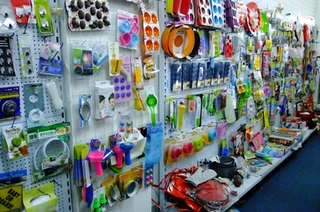
Ningbo Gemark Trading Co., Ltd.
- Trading Company
- Zhejiang, China
- Lead time30 days
- Avg. response≤ 3h
Main productsKitchen Tool,Cookie Cutter,Silicone Mold,Plastic lunch box,Measuring Spoon/Cup
Main marketsNorth America(50.00%), Western Europe(10.00%), Northern Europe(5.00%), Central America(5.00%), South America(5.00%), Eastern Asia(5.00%), Oceania(5.00%), Southern Europe(5.00%), Eastern Europe(5.00%), Southeast Asia(3.00%), South Asia(2.00%)
Yangjiang Guowall Industrial Co., Ltd.
- Manufacturer, Trading Company
- Guangdong, China
- Lead time7 days
- Avg. response≤ 4h
Main productsKitchen Utensil,Kitchen Gadget,Baking tools,Barbecue tools,Serving tray
Main marketsNorthern Europe(30.00%), North America(20.00%), Western Europe(20.00%), Domestic Market(15.00%), South America(10.00%), Southeast Asia(2.00%), Oceania(2.00%), Mid East(1.00%)
Qingdao Junrui Environmental Protection Materials Co., Ltd.
- Verified by TUVRHEINLAND
- Combined
- China Shandong
- Lead time15 days
- Avg. response≤ 3h
Main marketsSoutheast Asia/ Mideast,Europe
Xiamen Boming Industrial & Trading Co.,ltd.
- Verified by SGS Group
- Manufacturer, Trading Company
- Lead time25 days
- Avg. response≤ 2h
Main productsPlastic Injection Parts, Metal Stamping Parts, Folding Mop, Disposable Plastic Flatware, Plastic Food Colander
Main marketsSouthern Europe(56%), North America(13%), Mid East(10%)

New Foldable Plastic Colander with Bottom Hollow Design Collapsible Drain Basket or Bucket
$1.75 - $2.16
MOQ: 510 pieces

Ningbo Haoshiji Plastic Industry Co., Ltd.
- Verified by SGS Group
- Manufacturer, Trading Company
- Lead time20 days
- Avg. response≤ 8h
Main productsFilter
Main marketsNorth America(69%), Africa(6%), Oceania(6%)
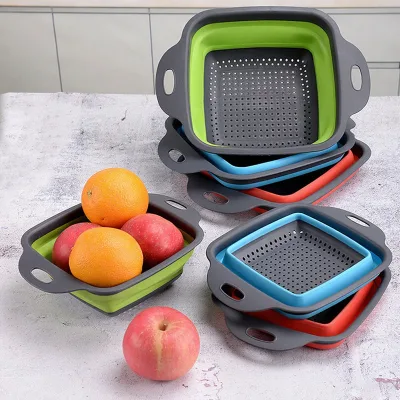
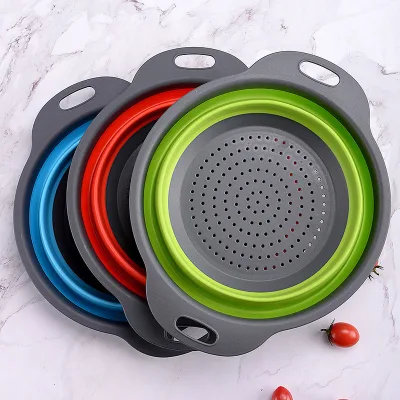
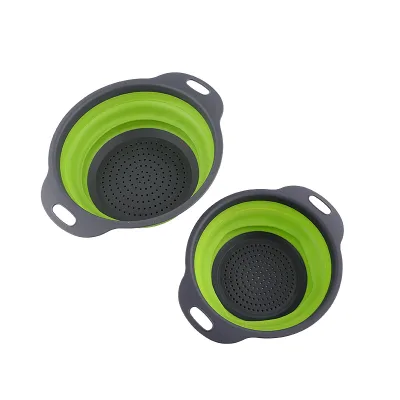
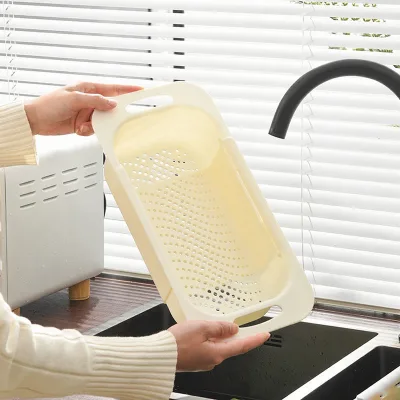
$0.80 - $0.90
MOQ: 500 bags

Yangjiang C&B Consumer Product Limited
- Verified by CTI
- Trading Company
- China Guangdong
- Lead time15 days
- Avg. response≤ 8h
Main productsBarbecue Tongs, Grilling Brushes, Outdoor Shovel, Grilling Tools, Kitchen Ware, Outdoor Products, Pizza Tools, Knife Set
Main marketsSouth America,Africa,Southeast Asia/ Mideast,Europe,Australia,North America
Yangjiang Echoes Industrial Co., Ltd.
- Trading Company
- Guangdong, China
- Lead time25 days
- Avg. response≤ 4h
Main productsKitchen Utensils,Nylon Kitchen utensils,Silicone Kitchen Utensils,Silicone Kitchen Gadgets,Nylon Kitchen Gadgets
Main marketsNorth America(30.00%), Northern Europe(12.00%), Southern Europe(9.00%), Southeast Asia(9.00%), Western Europe(8.00%), Africa(8.00%), Oceania(6.00%), Eastern Europe(6.00%), Mid East(5.00%), South America(3.00%), Eastern Asia(2.00%), South Asia(1.00%), Central America(1.00%)

Jiangmen Xinhaohui Kitchenware Manufacturing Co., Ltd
- Verified by BV
- Combined
- China Guangdong
- Lead time15 days
- Avg. response≤ 3h
Main productsPot
Main marketsSoutheast Asia/ Mideast,Europe
Guangdong Haixing Plastic & Rubber Co., Ltd.
- Manufacturer, Trading Company
- Lead time旺季: "1 - 5000":45,"> 5000":"To be negotiated", 淡季: "1 - 5000":45,"> 5000":"To be negotiated"
- Avg. response≤ 6h
Main productsPlastic Bathroom Items, Plastic Garden Items, Plastic Kitchen Items, Plastic Pet Items, Plastic Storage Items
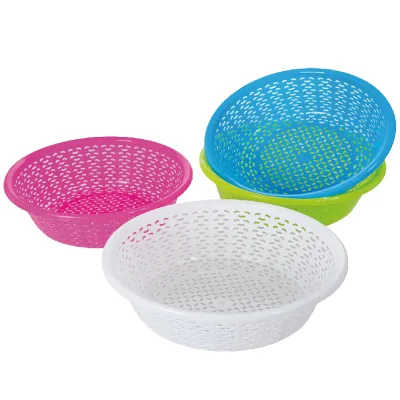
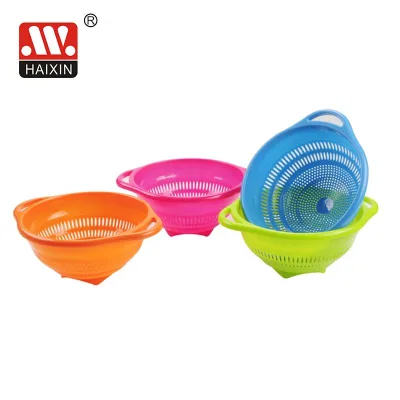
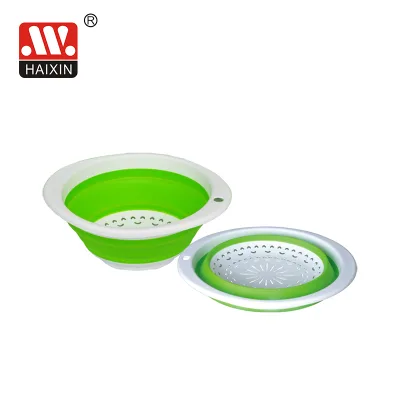
Factory Custom Mould Plastic Collapsible Strainer Silicone Folding Sifter Pasta Sink Colander
$0.98 - $1.10
MOQ: 2000 pieces
Jiangmen Tops Silicone & Plastic Products Co., Ltd.
- Verified by TüVRheinland
- Manufacturer, Trading Company
- Lead time15 days
- Avg. response≤ 9h
Main productsSilicone Kitchenware, Silicone Household Products, Silicone Baking Products, Silicone Storage Products, Silicone Baby Products
Main marketsNorth America(60%), Western Europe(10%), Domestic Market(10%)
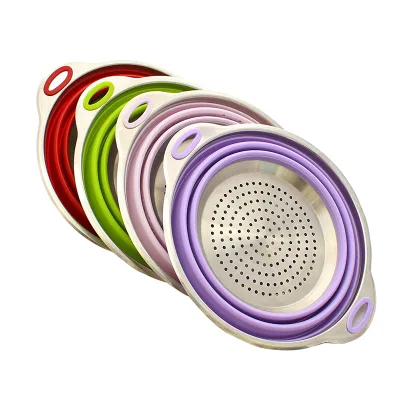
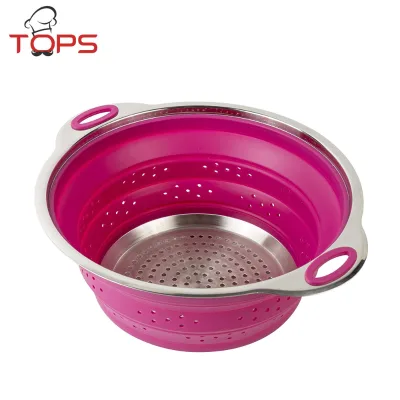
BPA Free 100% Food Grade Silicone Collapsible Colander Stainless Steel Base
$6.40 - $6.80
MOQ: 100 pieces
ZHONGCHENG (QINGDAO) NEW MATERIAL CO., LTD.
- Verified by CTI
- Combined
- China Shandong
- Lead time15 days
- Avg. response≤ 4h
Main productsPP Honeycomb Board, Pallet Sleeve Box, Foldable Large Container, Corrugated Plastic Sheet, PP Honeycomb Panel, PP Bubble Guard Board, Coaming Box, Plastic Gaylord Box, Sleeve Pack, PP Corrugated Box
Main marketsSouth America,Africa,Southeast Asia/ Mideast,Domestic,Europe,Australia,North America

Sustainable Recycled Material Eco Grocery PP Hollow Vegetable Container
$1.00 - $3.00
MOQ: 1000 Pieces

Adjustable Collapsible Ventilated Foldable Bulk Storage Large Container
$40.00 - $80.00
MOQ: 50 Pieces

- Verified by SGS
- Trading Company,Manufacturer/Factory
- China Guangdong
- Lead time45 days
- Avg. response≤ 2h
Main productsStainless Steel Cookware, Stainless Steel Untensil, Stainless Steel Kitchenware, Stainless Steel Colander Bowl, Stainless Steel G. N Pan, Stainless Steel Pressure Cooker, Stainless Steel Buckets, Stainless Steel Dishes Rack, Stainless Steel Chafing Dishes, Stainless Steel Fittings
Main marketsSouth America,Eastern Europe,Mid East,North America,Southeast Asia,Eastern Asia,Oceania,Western Europe,Africa

3 Piece Stainless Steel Basin Multi Functional Colander for Fruit Salad
$5.00 - $10.00
MOQ: 200 Pieces

360 Degree Rotational Colander Stainless Steel Collapsible Self-Draining Strainer
$2.10 - $2.80
MOQ: 200 Pieces

3 Piece Stainless Steel Basin Multi Functional Colander for From Factory Directly
$5.00 - $8.00
MOQ: 200 Pieces

Stainless Steel Colander Plastic Cover Kitchenware Rotary Colander Set Washing Vegetable Fruit
$1.50 - $2.00
MOQ: 100 Pieces


Stainless Steel Kitchenware Fruit Basket Colander with Double Sides Handle
$1.00 - $2.60
MOQ: 200 Pieces

Jinjiang Jiaxing Import and Export Co., Ltd.
- Verified by CTI
- Manufacturer/Factory
- China Fujian
- Lead time120 days
- Avg. response≤ 1h
Main productsShoes, Slipper, Clothes, Promotion Gifts, Silicone Products, Outdoor Sports Products, Bags, Fashion Accessories, Consumer Electronics
Main marketsSouth America,Eastern Europe,Mid East,North America,Southeast Asia,Eastern Asia,Oceania,Western Europe,Africa
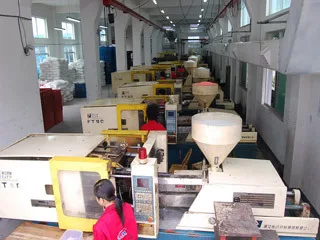
Zhejiang Guoyingmei Plastic Crafts Co., Ltd.
- Manufacturer, Trading Company
- Zhejiang, China
- Lead time20 days
- Avg. response≤ 7h
Main products3D lenticular cups,3D bucket,3D bottle,Lunch box,3D container
Main marketsNorth America(60.00%), South America(6.00%), Southeast Asia(5.00%), Western Europe(5.00%), Eastern Europe(5.00%), Eastern Asia(4.00%), Mid East(3.00%), South Asia(2.00%), Southern Europe(2.00%), Northern Europe(2.00%), Central America(2.00%), Africa(2.00%), Oceania(2.00%)
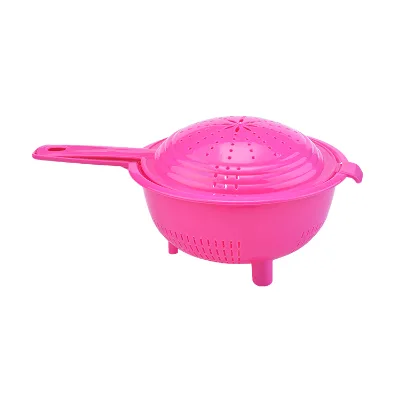
PP Wash Drain Basket Round Colander With Handle Cleaning Filter Basket Kitchen Strainer
$0.30 - $0.50
MOQ: 5 pieces
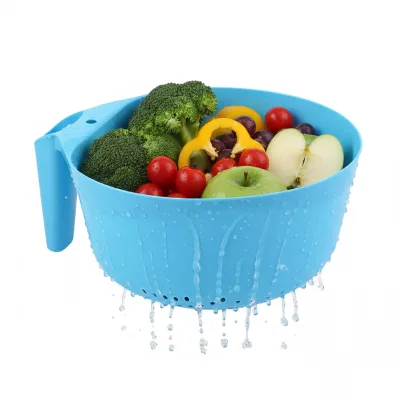
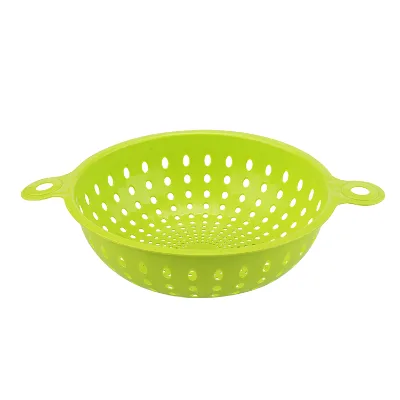
New Design Plastic Eco-Friendly Hot Sale Cheap& Household Product Low Factory Price Plastic Colande
$0.50 - $0.60
MOQ: 5 pieces
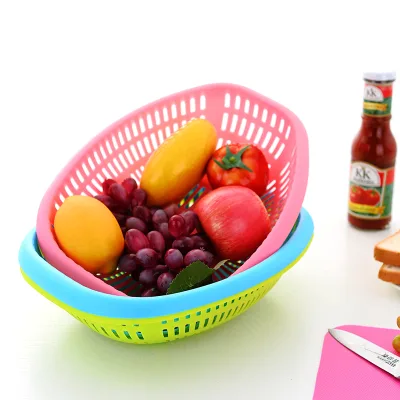
Multi-function Kitchen Colander Plastic Fruit Washing Strainer Basket Plastic Storage Basket
$0.30 - $0.50
MOQ: 5 pieces
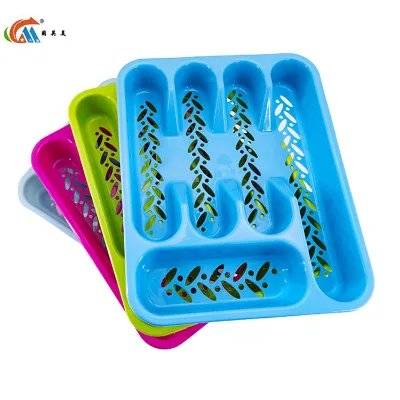
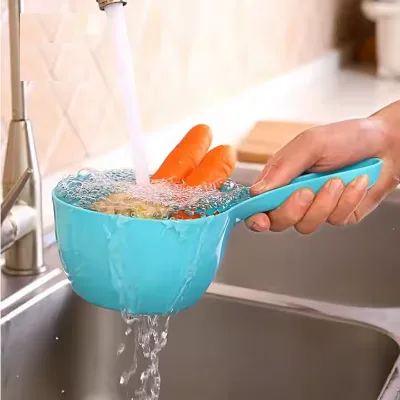
Xinxiang Hongqi District Huafeiwu Import And Export Trade Co., Ltd.
- Trading Company
- Henan, China
- Lead time0 days
- Avg. response≤ 3h
Main productsHome decor,Kitchenware,Garden Supplies
Main marketsSoutheast Asia(20.00%), Mid East(20.00%), South Asia(20.00%), Africa(10.00%), Eastern Asia(10.00%), Northern Europe(10.00%), Domestic Market(10.00%)

Wenzhou Cathylin International Trade Co., Ltd.
- Verified by TUVRHEINLAND
- Trading Company
- China Zhejiang
- Lead time15 days
- Avg. response≤ 13h
Main productsFlatware, Cutlery, Kitchen Tools, Tableware, Cookware, Bakeware, Drinkware
Main marketsNorth America

Plastic Collapsible Colander Strainer Basket Adjustable Drain Basket Convenient Food Sink Filter
$1.07 - $1.71
MOQ: 50 Pieces


Collapsible Silicone Colander Set Pasta Basket Strainers with Plastic Handles
$0.61 - $2.72
MOQ: 20 Pieces

Ningbo Bright Commodity Co., Ltd.
- Trading Company
- Zhejiang, China
- Lead time20 days
- Avg. response≤ 9h
Main productscollapsible bbq prep tub,milk frother,collapsible bucket,Plastic Food Container,Plastic Storage Organizer
Main marketsNorth America(50.00%), Mid East(10.00%), Oceania(10.00%), Northern Europe(10.00%), Western Europe(10.00%), Eastern Europe(5.00%), South America(5.00%)
Guangzhou Canzo Household Products Co., Ltd.
- Manufacturer, Trading Company
- Guangdong, China
- Lead time20 days
- Avg. response≤ 6h
Main productsKitchen Utensils,Baking Tools,Kitchen Knives,Glass Food Containers,Kitchen Gadgets
Main marketsMid East(30.00%), North America(30.00%), Western Europe(15.00%), Central America(7.00%), Eastern Europe(4.00%), Domestic Market(4.00%), Oceania(4.00%), Africa(3.00%), South America(3.00%)
Yangjiang Feeton Home Products Co., Ltd.
- Verified by SGS Group
- Manufacturer, Trading Company
- Lead time30 days
- Avg. response≤ 3h
Main productsKitchen Gadgets, BBQ Tools, Kitchen Knife
Main marketsWestern Europe(40%), North America(30%), South America(30%)
Atrih Ningbo Import & Export Co., Ltd.
- Verified by SGS Group
- Trading Company
- Lead time30 days
- Avg. response≤ 2h
Main productsGifts & Promotion, Home and Garden Products, Personal Care and Household Cleaning Products, Package Printing Products
Main marketsNorth America(40%), South America(30%), Eastern Europe(5%)

Shanghai Lian Industrial Co., Ltd.
- Verified by SGS
- Trading Company
- China Shanghai
- Lead time23 days
- Avg. response≤ 6h
Main productsMolded Pulp Packaging, Pulp Tray, Paper Box, Paper Pulp Box, Fiber Packaging, Molded Fiber Box, Pulp Molded Fiber, Molded Fiber Bottle
Main marketsAustralia

Anhui Jumei Biological Technology Co., Ltd.
- Verified by SGS
- Combined
- China Anhui
- Lead time15 days
- Avg. response≤ 12h
Main productsCompostable Cling Film, PLA Straw, Cpla Lid, Compostable Bags, Compostable Raw Material, Paper Cutlery, PLA Gloves
Main marketsSouth America,Africa,Southeast Asia/ Mideast,East Asia(Japan/ South Korea),Europe,Australia,North America


Customized Eco-Friendly Compostable Cling Film 100% Biodegradable Cling Film
$1.00 - $1.20
MOQ: 5000 Rolls

Nantong Jingsen Packing Material Co., Ltd.
- Verified by SGS
- Trading Company
- China Jiangsu
- Lead time45 days
- Avg. response≤ 8h
Main productsCling Film, PVC/PE Cling Film
Main marketsSoutheast Asia/ Mideast

Cost-Effective and Breathable and Eco-Friendly PE Cling Film with Food Grade
$3.09 - $3.31
MOQ: 200 Pieces


ZHOUKOU BEST KITCHENWARE CO., LTD.
- Verified by TUVRHEINLAND
- Trading Company
- China Henan
- Lead time15 days
- Avg. response≤ 11h
Main productsEnamelware, Enamel Mug, Enamel Casserole, Enamel Storage Bowl, Enamel Kettle, Enamel Basin, Round Tray, Cup, Enamel Pot, Enamel Plate
Main marketsAfrica,Europe


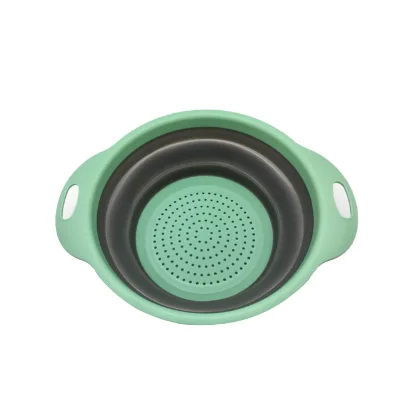
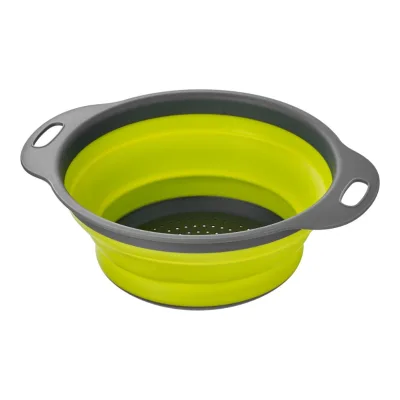
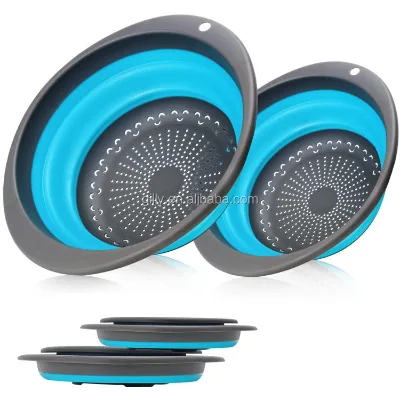
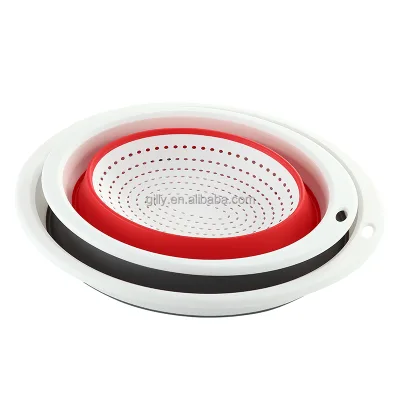




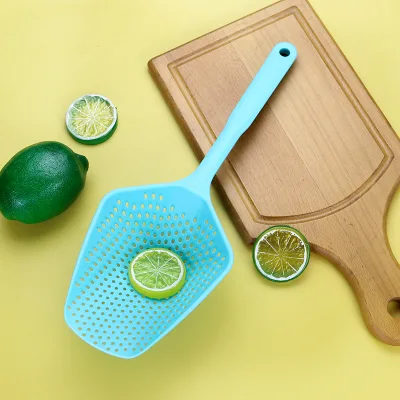
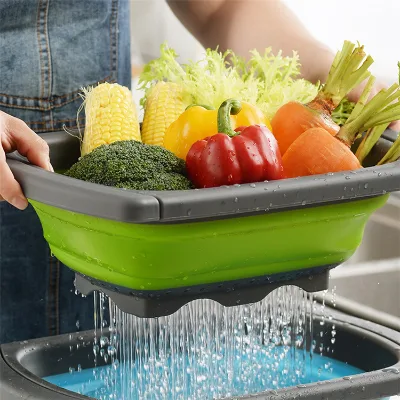


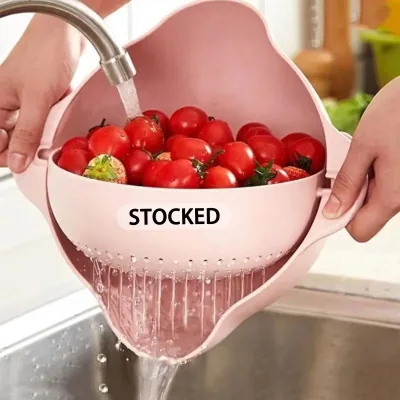
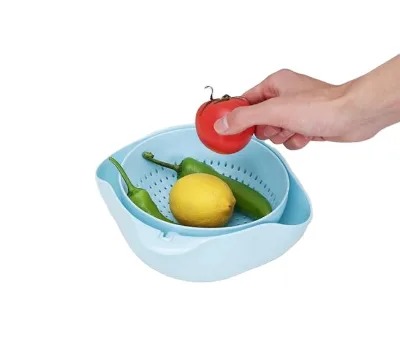

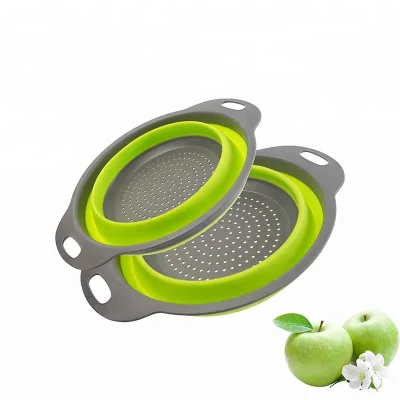
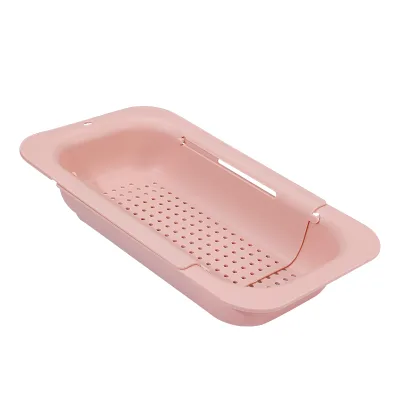
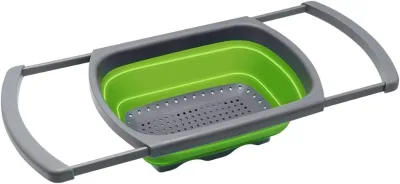
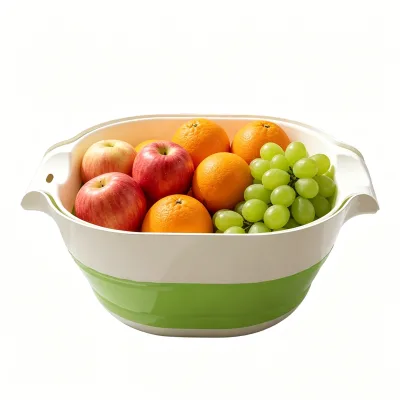
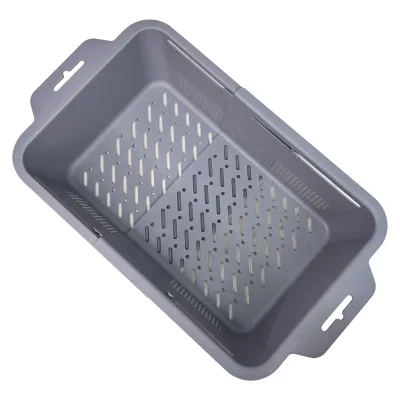


Comprehensive Sourcing Guide
Eco-Friendly Collapsible PP Colander Supplier Concentration and Factory Types
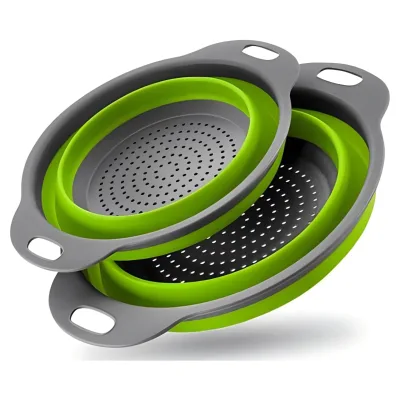
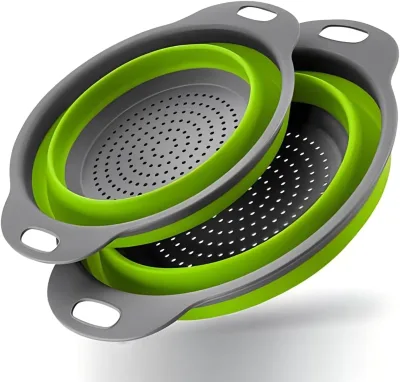
Current supplier data indicates a concentration of manufacturing and trading entities within China, specifically in the Zhejiang province, with additional presence noted in Henan. These regions serve as primary hubs for the production of kitchenware items such as collapsible colanders, plastic buckets, and various kitchen utensil sets. The supplier base includes both trading companies and manufacturers, offering buyers a mix of direct factory access and broader product sourcing capabilities. When evaluating potential partners, it is essential to distinguish between these company types, as manufacturers often control the production process while trading companies may aggregate goods from multiple sources.
Buyers should verify the specific location of the factory to ensure it aligns with their logistical preferences and quality expectations. The observed data points to Zhejiang as a significant origin for products like the adjustable collapsible colander and various plastic strainers. If a supplier claims a location outside these verified clusters, the buyer must request proof of the facility's address and operational status. Understanding the geographic distribution helps in assessing the supply chain's resilience and the potential for localized quality control measures. Always confirm the stated origin against the product specifications provided in the listing to avoid discrepancies in material sourcing or manufacturing standards.
How to Verify Eco-Friendly Collapsible PP Colander Suppliers
Verification is a critical step when engaging with suppliers in the kitchenware sector, particularly for products requiring specific material standards like eco-friendly plastics. The available data confirms that some suppliers hold SGS verification status, which serves as a tangible indicator of third-party assessment. Buyers should prioritize suppliers with such verified credentials to ensure that the company has undergone external scrutiny regarding their business practices and product capabilities. However, the absence of a visible verification badge does not automatically disqualify a supplier; it simply necessitates a more rigorous manual review of their documentation and past performance history.
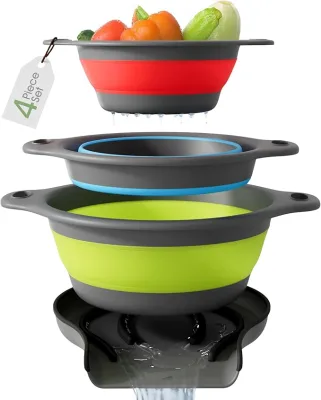
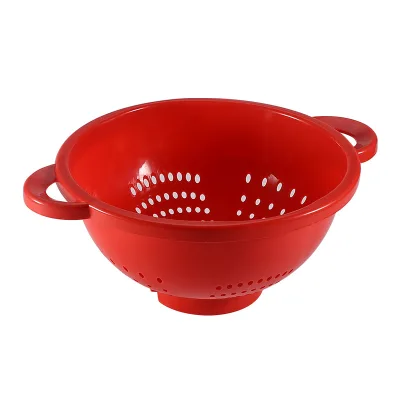
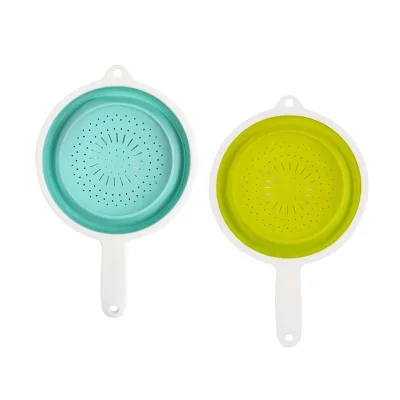
Beyond verification badges, buyers must scrutinize the specific product attributes listed to confirm material composition and safety standards. For instance, product evidence shows materials ranging from silicone to plastic, with specific models like the HV-FB-006 and HV-FB-014 detailing their construction. It is vital to cross-reference the claimed material, such as TPR+PP or specific plastic types, with the supplier's technical data sheets. Do not rely solely on marketing keywords like "Eco-Friendly" without requesting supporting test reports or certification documents that validate these claims. Ensuring the supplier can provide concrete evidence for their material assertions is the most effective way to mitigate the risk of receiving substandard or mislabeled goods.
What to Compare Across Eco-Friendly Collapsible PP Colander Suppliers
When comparing potential partners, buyers should focus on quantifiable metrics such as lead times, minimum order quantities (MOQ), and response speeds to gauge operational efficiency. The data reveals a wide variance in these parameters; for example, lead times range from as low as three days to thirty days, while response times vary significantly between suppliers. Some listings indicate a response time of 13.69 hours, whereas others claim a seven-hour turnaround. These differences can drastically impact project timelines and inventory planning. Buyers must align their specific urgency requirements with the supplier's stated capabilities, ensuring that the selected partner can meet the delivery schedule without compromising on quality or communication.
Minimum order quantities and pricing structures also require careful comparison to determine the financial viability of the partnership. Product evidence shows MOQs ranging from as few as five units to as high as 200 units, with prices fluctuating between $0.79 and $3.35 depending on the model and customization level. A supplier offering a low MOQ of five units might be suitable for testing the market, while a supplier requiring 200 units may be better for bulk procurement. Additionally, the presence of customization options, such as logo printing and specific packing requirements, should be evaluated against the cost implications. Buyers should create a comparison matrix that weighs these factors to identify the supplier that offers the best balance of cost, flexibility, and speed for their specific business needs.
Common Eco-Friendly Collapsible PP Colander Sourcing Risks
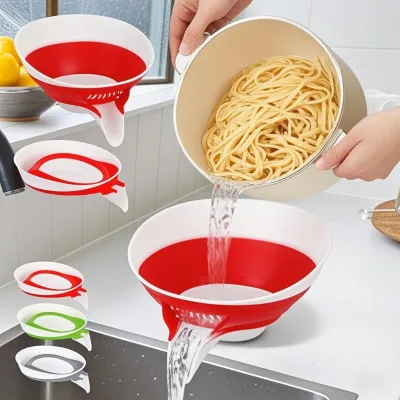
One significant risk in sourcing these products involves the discrepancy between claimed material properties and actual product specifications. The product evidence highlights various materials, including silicone, plastic, and TPR+PP, with some items described as having built-in filters or wall-mounted features. If a supplier claims a product is eco-friendly but the specifications list generic plastic without further detail, there is a risk of receiving non-compliant goods. Buyers must demand clear definitions of what constitutes "eco-friendly" in the context of the specific product, such as the use of recycled materials or specific biodegradable certifications, to avoid receiving standard plastic items mislabeled for marketing purposes.
Another critical risk is the inconsistency in product dimensions and packaging standards across different suppliers. The data shows varying product standards, such as 28*7.5cm or 29x22x8.7CM, and different packing methods ranging from polybags to color boxes. If a buyer orders based on a specific dimension or packaging requirement without verifying the exact model number and standard, they may receive items that do not fit their intended use or retail requirements. Furthermore, the variation in product weight, from 98g to 300g, can affect shipping costs and customer satisfaction. To mitigate this, buyers should request physical samples or detailed technical drawings that explicitly confirm the dimensions, weight, and packaging specifications before placing a large order.
Eco-Friendly Collapsible PP Colander Regional Sourcing and Logistics
Regional sourcing decisions should be heavily influenced by the verified locations of the suppliers, which currently include Zhejiang and Henan in China. These regions offer established logistics networks for exporting kitchenware, but the specific location impacts shipping times and costs. Suppliers in Zhejiang may have different port access and freight rates compared to those in Henan. Buyers should calculate the total landed cost by factoring in the distance from the factory to the nearest port and the subsequent shipping duration to their destination. Understanding the geographic location allows for more accurate estimation of lead times and helps in planning inventory levels to prevent stockouts during transit.
Logistics planning also involves considering the supplier's ability to handle customized packing and labeling requirements. The product evidence indicates that many suppliers offer customized packing options, including polybags, color boxes, or specific branded packaging. However, the efficiency of this customization depends on the supplier's location and their relationship with local logistics providers. A supplier in a major industrial hub like Zhejiang might have more streamlined processes for handling complex packaging orders compared to a smaller facility. Buyers should verify the supplier's experience with international shipping and their ability to manage the specific packaging needs of their target market to ensure a smooth delivery process from the factory floor to the final destination.
Eco-Friendly Collapsible PP Colander Commercial Terms and Order Planning
Commercial terms, particularly regarding pricing and payment structures, vary widely among suppliers and must be carefully negotiated to protect the buyer's interests. The observed price ranges, from $0.80 to $3.35, suggest that unit costs are highly dependent on order volume, material choice, and customization levels. Buyers should clarify whether the quoted prices include all taxes, duties, and shipping costs or if these are additional expenses. It is also crucial to understand the payment terms, such as the use of escrow services, which can provide a layer of security for the transaction. Ensuring that the payment terms align with the supplier's verification status and the buyer's risk tolerance is essential for a secure commercial agreement.
Order planning must account for the diverse minimum order quantities and production lead times observed in the supplier data. With MOQs ranging from 5 to 200 units and lead times spanning from 3 to 30 days, buyers need to develop a flexible procurement strategy that accommodates these variations. For new product launches, starting with a lower MOQ supplier allows for market testing without significant capital commitment. As demand grows, transitioning to suppliers with higher capacity and longer lead times may be necessary to secure volume discounts. Buyers should also plan for potential delays by maintaining a buffer stock and maintaining open communication with the supplier regarding production schedules to ensure timely delivery and avoid disruptions in the supply chain.
FAQs
What is the typical lead time for orders?
Lead times vary by supplier and product specifications. Some suppliers offer a 3-day lead time, while others require up to 30 days. Buyers should confirm specific timelines with the manufacturer before placing an order to ensure timely delivery.
Are these colanders available for customization?
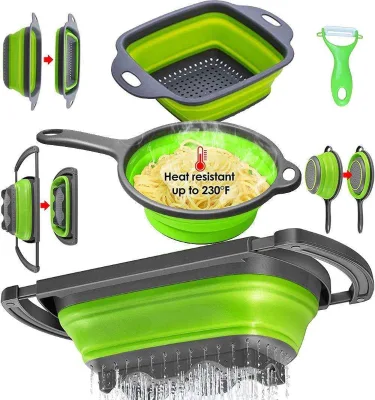
Yes, customization is available for many models. Suppliers accept custom logos and offer various packing options like polybags or color boxes. Buyers can request specific features such as wall-mounted designs or built-in filters depending on the product model selected.
What materials are used for these colanders?
Materials include silicone, plastic, and TPR combined with PP. Some products feature ultrahigh purity strainers with built-in filters. Buyers should check specific product attributes to confirm the material composition matches their safety and durability requirements for kitchen use.
What is the minimum order quantity required?
Minimum order quantities range from 5 to 200 units depending on the supplier and product model. Some items require only 5 units, while others need 50 or 200 units. Buyers must verify the MOQ for each specific product before initiating a purchase.
Where are these suppliers located?
Suppliers are primarily located in Zhejiang and Henan, China. These regions are known for manufacturing kitchenware and home storage solutions. Buyers can filter results by these locations to find manufacturers with specific regional capabilities or logistics advantages for their orders.
Do suppliers have verification certifications?
Some suppliers hold SGS verification status, indicating a level of quality assurance. Buyers should look for verified badges on supplier profiles to ensure reliability. Verification helps confirm that the supplier meets certain standards for production and business practices before engagement.
What is the price range for these items?
Prices typically range from 0.79 to 3.35 per unit based on material and features. Specific models like silicone strainers may cost more than basic plastic versions. Buyers should compare price ranges across different suppliers to find the best value for their budget.
How quickly do suppliers respond to inquiries?
Response times vary, with some suppliers replying within 7 hours and others taking up to 13.69 hours. Faster response times often indicate better customer service availability. Buyers should prioritize suppliers with shorter response times for quicker order processing and communication.