Bus Universal Air Spring Suppliers and Manufacturers in China
Compare 23 verified suppliers of Bus Universal Air Spring from Zhejiang, Shandong, and Liaoning. Review response times, lead times, certifications, and pricing to source reliable manufacturers or trading companies for your needs; review the available evidence before requesting comparable quotations from suitable candidates.
Updated
Suppliers List

Ningbo Alita Pneumatic Co., Ltd.
- Verified by TUVRHEINLAND
- Manufacturer/Factory
- China Zhejiang
- Lead time15 days
- Avg. response≤ 21h
Main productsPneumatic Cylinder, Solenoid Valve, Air Suspension Valve, Directional Valve, Air Preparation Unit, Pneumatic Fittings, PU PA PE Hose, Air Suspension Compressor, Pressure Gauge, Air Tank
Main marketsSouth America,Eastern Europe,Mid East,North America,Southeast Asia,Eastern Asia,Oceania,Western Europe,Africa
Liangshan Hengxiang Automobile Technology Co., Ltd.
- Manufacturer, Trading Company
- Shandong, China
- Lead time0 days
- Avg. response≤ 5h
Main productsABS gear ring
Main marketsNorth America(50.00%), Eastern Europe(20.00%), South America(20.00%), South Asia(10.00%)

- Trading Company
- China Liaoning
- Lead time15 days
- Avg. response≤ 4h
Main productsRubber Plug, Flexible Pipe Coupling, Rubber Sealing Strip, Slewing Ring Bearing Seal, Rubber Valve Seal, Rubber Damper, Bridge Bearing, Rubber Airbag, Rubber Seal, Rubber Products
Main marketsSouth America,Africa,Southeast Asia/ Mideast,East Asia(Japan/ South Korea),Domestic,Europe,Australia,North America

Universal Fitment for Bus Coach Robust High Performance Suspension Cushion Air Spring
$22.00 - $28.00
MOQ: 50 Pieces

$22.00 - $28.00
MOQ: 50 Pieces

$22.00 - $28.00
MOQ: 50 Pieces


$22.00 - $28.00
MOQ: 50 Pieces

Qingdao Greatwon Industrial Co., Ltd.
- Verified by BV
- Trading Company,Manufacturer/Factory
- China Shandong
- Lead time15 days
- Avg. response≤ 7h
Main productsBrake Parts, Bareke Drum, Brake Shoe, Brake Pads, Brake Caliper, Brake Disc, Auto Parts, Truck Brake Parts
Main marketsSouth America,Eastern Europe,Mid East,North America,Southeast Asia,Eastern Asia,Oceania,Western Europe,Africa

Qingdao Century Hengyuan Machine Co., Ltd.
- Verified by TUVRHEINLAND
- Trading Company,Manufacturer/Factory
- China Shandong
- Lead time15 days
- Avg. response≤ 3h
Main productsWelded Parts, CNC Machining Parts, Forging Part, Mask Machine and Accessories, OEM Fasteners, CNC Parts, OEM Casting, OEM Industrial Parts, Aluminum Alloy Wheels, Capsule Shell Equipment Production Line
Main marketsSouth America,Eastern Europe,Mid East,North America,Southeast Asia,Eastern Asia,Oceania,Western Europe,Africa
Guangzhou Hangji Trading Co., Ltd.
- Trading Company
- Lead time旺季: "1 - 1000":15,"> 1000":"To be negotiated", 淡季: "1 - 1000":15,"> 1000":"To be negotiated"
- Avg. response≤ 4h
Main productsChinese Bus Parts, Bus Spare Parts, Bus Accessories, Bus Brake System Parts, Bus Chassis Components
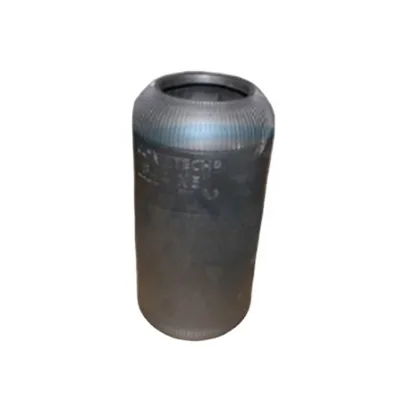
High Quality Continental air Spring 644 N5 Rubber air Spring Auto Suspension Systems
$1.0381 - $62.2449
MOQ: 1 Minimum
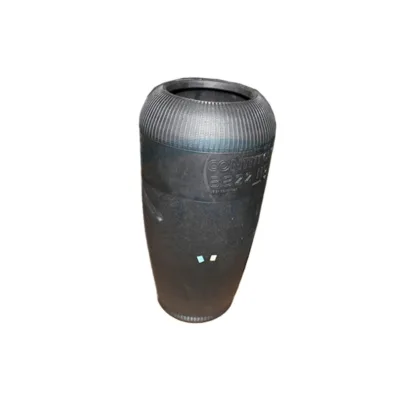
Original Bus Spare Parts Suspension System Accessories Rubber air Spring
$30.8873 - $51.4788
MOQ: 2 Minimum
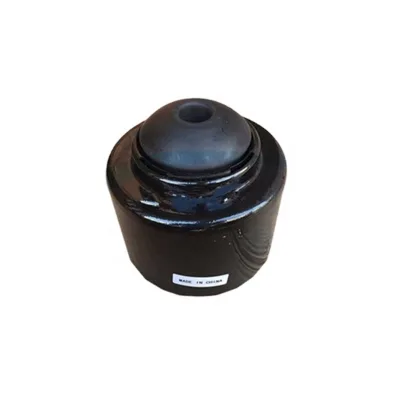
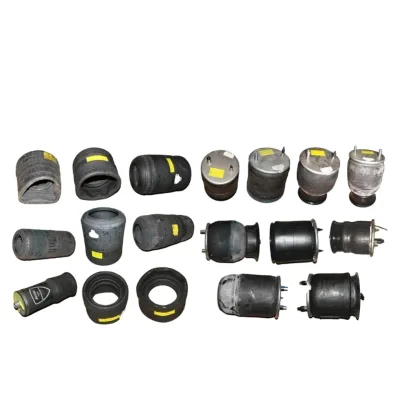
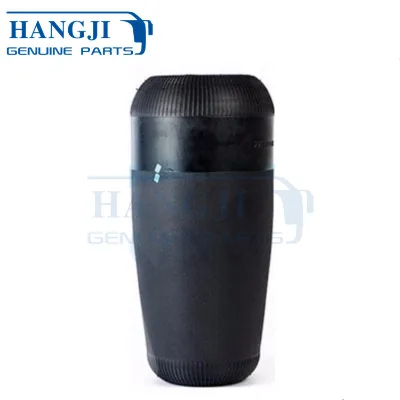
Top Quality Bus Accessories OEM Suspension air Spring Use for Chinese Bus
$57.5771 - $88.2142
MOQ: 1 Minimum

Qingdao Guardx Industry Co., Ltd
- Verified by TUVRHEINLAND
- Trading Company
- China Shandong
- Lead time30 days
- Avg. response≤ 2h
Main productsTruck Spare Part, Auto Spare Parts, Brake Parts, Suspension Parts, Railway Parts, Cast Forge Part, Machined Parts, Crankshaft, Steel Chanel, Engine Spare Part
Main marketsAfrica,Southeast Asia/ Mideast,Europe,North America


High Quality Performance Air Spring for Yutnog Higer Daowo Bus and Truck
$1.00 - $50.00
MOQ: 50 Pieces

Auto Rubber Air Spring for Yutnog Zk6147h Zk6119 Bus 2931-00448 2931-00447 2901-00395 2901-00415
$1.00 - $50.00
MOQ: 50 Pieces

Shandong Shun Anda Automobile Technology Co., Ltd.
- Verified by CTI
- Combined
- China Shandong
- Lead time30 days
- Avg. response≤ 3h
Main productsAnti-Lock Baking System
Main marketsDomestic

Xiamen Wondee Autoparts Co., Ltd.
- Verified by CTI
- Trading Company
- China Fujian
- Lead time23 days
- Avg. response≤ 7h
Main productsLeaf Spring, Semi Trailer Axle, Casting Turntable, Steel Wheel Rim, Mechanical Suspension, Landing Gear, Brake Drum, Air Suspension, Semi Trailers, Fifth Wheel
Main marketsSouth America,North America
Shiyan Longert Industral Co., Ltd.
- Verified by Intertek
- Trading Company
- Lead time15 days
- Avg. response≤ 2h
Main productsBus Parts, Air Filter, Brake Pad, Aluminum Alloy Wheels, Alternator
Main marketsDomestic Market(20%), Southeast Asia(10%), Africa(10%)
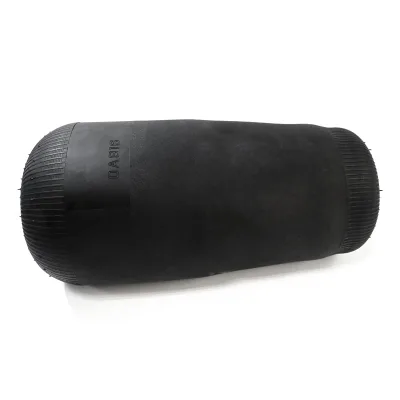
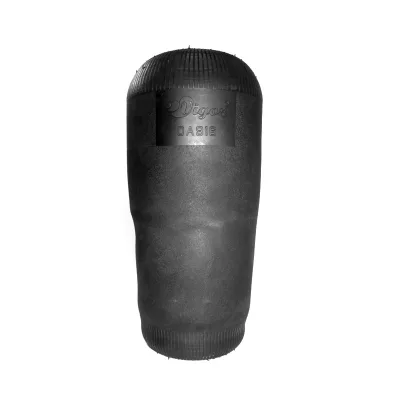
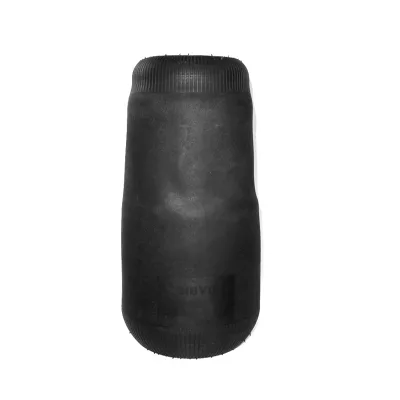
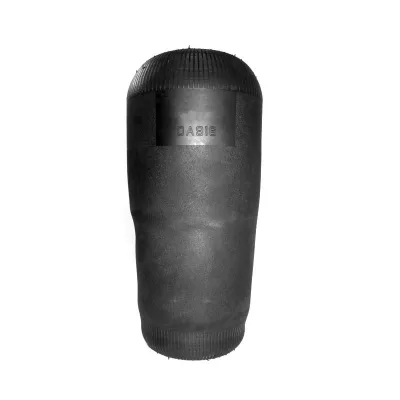
Bus accessories 0A916 air spring Safety rubber spring for King Long Bus
$32.00 - $40.00
MOQ: 10 pieces

Hangzhou Hengjing Trading Co., Ltd.
- Verified by TUVRHEINLAND
- Trading Company
- China Zhejiang
- Lead time15 days
- Avg. response≤ 2h
Main productsDaewoo Bus Parts, Doosan Engine Parts, Aktas Air Spring, Tongil Transmission Assy, Piston, Piston Pin, Oil Seal, Cylinder Liner, Doosan Alternator, Filter Element
Main marketsSouth America,Africa,Southeast Asia/ Mideast,East Asia(Japan/ South Korea),Europe,Australia,North America


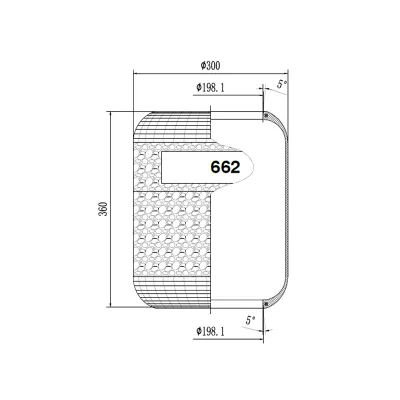
Air Spring Cushion 662 Air Spring Assy 96819712 Air Spring Assy of Daewoo Bus
$1.00 - $10000000.00
MOQ: 1 Pieces


Guangxi Beichen Hengye Import And Export Trade Co., Ltd.
- Trading Company
- Guangxi, China
- Lead time20 days
- Avg. response≤ 3h
Main productsAir spring,Air suspension,oil seal,V-belt,bus parts
Main marketsSoutheast Asia(30.00%), South America(1.00%)
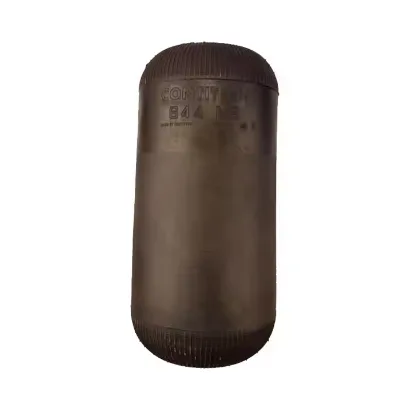
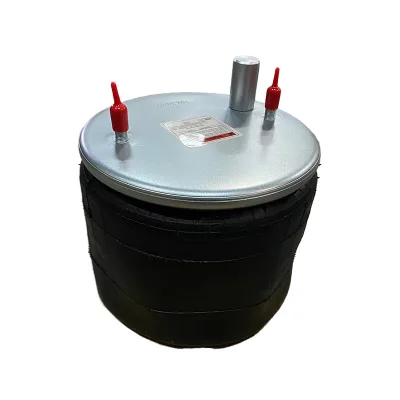
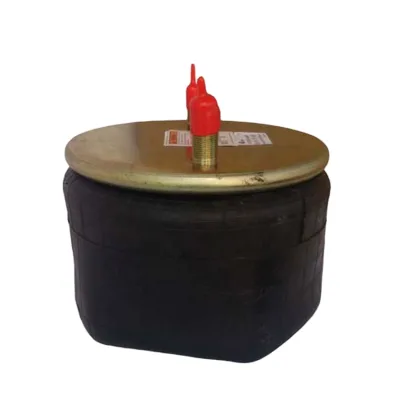
Continental 644N Contitech air Spring 1R1A390295 Bus air Suspension Bag W01 095 0118
$46.00 - $50.00
MOQ: 2 pieces
Zhengzhou Cooper Industry Co., Ltd.
- Trading Company
- Henan, China
- Lead time30 days
- Avg. response≤ 2h
Main productsVehicle Parts & Accessories,Construction Machinery Attachments,Bus Spare Parts,Truck Spare Parts,Engine Parts
Main marketsAfrica(43.00%), Western Europe(14.00%), North America(14.00%), Mid East(10.00%), Southeast Asia(7.00%), Oceania(6.00%), South America(6.00%)
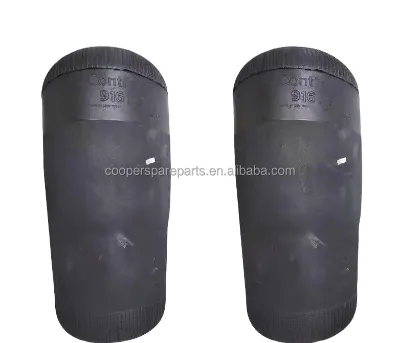
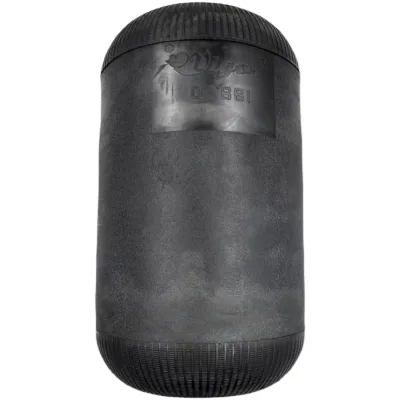
Factory Price Low MOQ Stock Bus Truck 661N Air Suspension Air Spring Rolling
$41.2684 - $46.426
MOQ: 1 sets
Guangzhou Suifang Auto Parts Co., Ltd.
- Verified by TüVRheinland
- Manufacturer, Trading Company
- Lead time15 days
- Avg. response≤ 2h
Main productsEngine And Related Accessories, Chassis Components, Vehicle Exterior Accessories, Brake System Accessories, New Energy Charging Accessories
Main marketsSoutheast Asia(30%), Africa(20%), South America(18%)
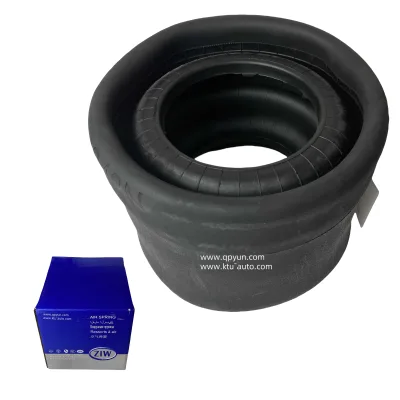
$17.0817 - $18.6351
MOQ: 2 pieces
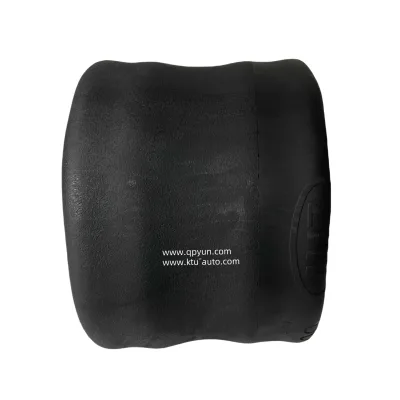
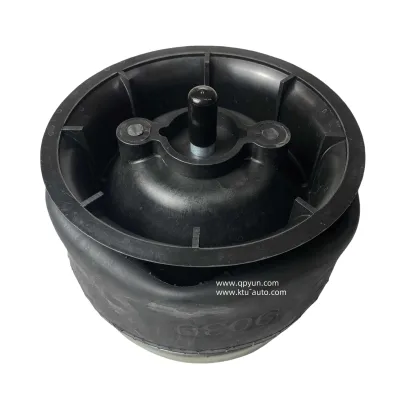
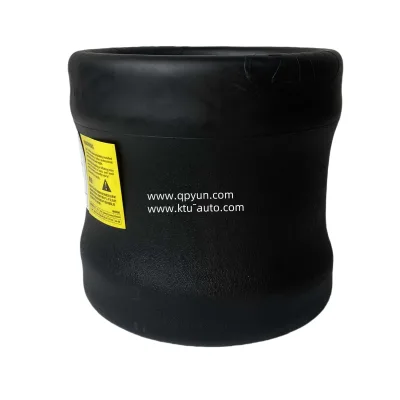
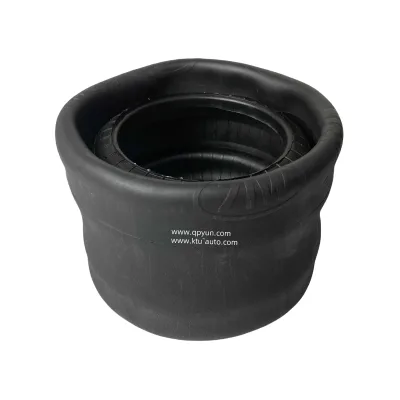
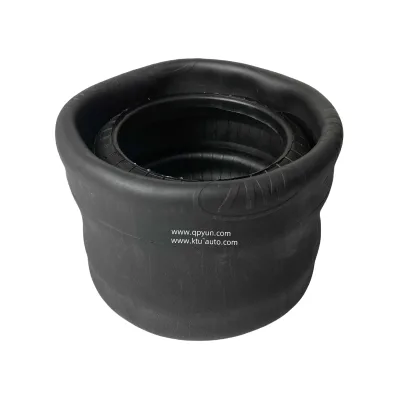
New Higer 29V47-35010 Cab Air Spring Assembly Bus Parts Pneumatic Springs Condition New
$38.00 - $42.00
MOQ: 2 pieces

Qingdao GKT Shock Absorption Technology Co., Ltd.
- Verified by CTI
- Combined
- China Shandong
- Lead time15 days
- Avg. response≤ 8h
Main productsAir Spring Suspension, Pickup Air Spring Suspension, Rubber Air Spring, Modified Car Air Shock Absorber, Modified Car Air Suspension, Industrial Equipment Air Spring, Trailer Air Suspension, SA Air Spring Suspension, Ca Air Spring Suspension
Main marketsDomestic,Europe,Australia

Henan HTD Industrial Co., Ltd.
- Verified by SGS
- Trading Company,Manufacturer/Factory
- China Henan
- Lead time45 days
- Avg. response≤ 8h
Main productsFuel Filter, Oil Filter, Air Filter, Hydraulic Oil Filter, Engine Parts, Diesel Filter, Brake Valve, Brake Disc
Main marketsSouth America,Eastern Europe,Mid East,North America,Southeast Asia,Eastern Asia,Oceania,Western Europe,Africa


High Quality Airmatic 662 N6 Suspension Systemrubber 662n Air Spring for Bus
$10.00 - $12.00
MOQ: 5 Pieces


Guangzhou Aurora Auto Parts Co., Ltd.
- Trading Company, Buying Office, Distributor/Wholesaler
- Guangdong, China
- Lead time7 days
- Avg. response≤ 4h
Main productsChassis Parts,Suspension Parts,Engine Parts,Brake Parts,Body Parts
Main marketsNorth America(30.00%), South America(30.00%), Africa(20.00%), Central America(10.00%), Eastern Europe(1.00%), Southeast Asia(1.00%), Oceania(1.00%), Mid East(1.00%), Eastern Asia(1.00%), Western Europe(1.00%), Northern Europe(1.00%), Southern Europe(1.00%), South Asia(1.00%), Domestic Market(1.00%)
Guangzhou Grand Auto Parts Co., Ltd.
- Trading Company, Agent, Government ministry/Bureau/Commission
- Guangdong, China
- Lead time15 days
- Avg. response≤ 8h
Main productsbus parts,yutong bus parts,higer bus spare parts,kinglong bus spare parts,zhongtong bus parts
Main marketsSouth Asia(14.00%), Eastern Asia(14.00%), Mid East(14.00%), Africa(14.00%), Southeast Asia(14.00%), South America(14.00%), North America(14.00%), Northern Europe(1.00%), Southern Europe(0.50%)
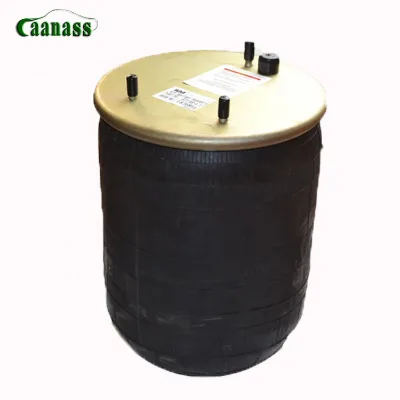
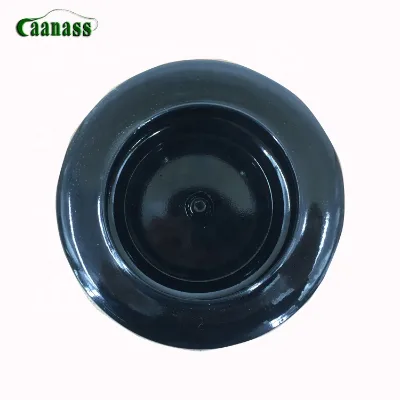
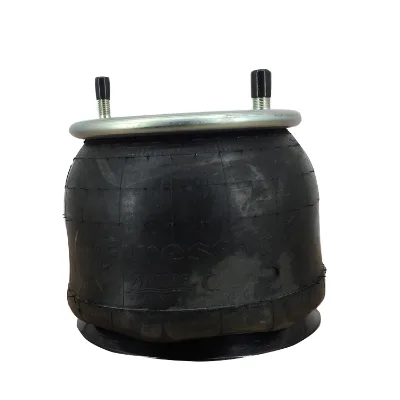
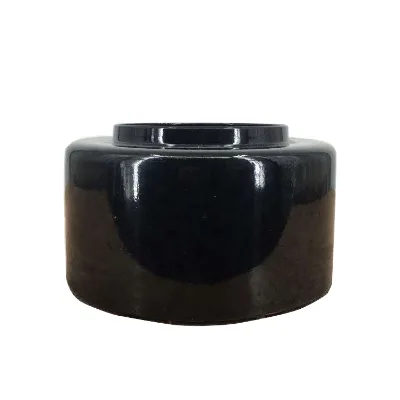
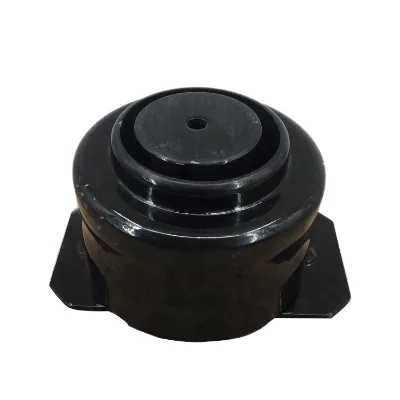
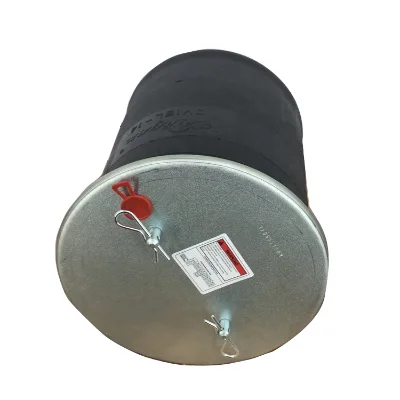
China Guangzhou Caanass Bus Spare Parts 661 air Springs Seat for Bus air Suspension System
$30.9936
MOQ: 100 Minimum
Darong (shandong) International Trade Co., Ltd.
- Verified by SGS Group
- Manufacturer, Trading Company
- Lead time15 days
- Avg. response≤ 3h
Main productsAxles, Suspension Systems, Fifth Wheel Couplings, Landing Gear, Leaf Spring
Main marketsEastern Europe(40%), Mid East(20%), North America(20%)

Henan Ener Auto Parts Co., Ltd.
- Verified by TUVRHEINLAND
- Combined
- China Henan
- Lead time15 days
- Avg. response≤ 1h
Main productsAir Spring, Air Shock Absorber, Air Spring Shock Absorber, Air Spring Absorber, Suspension Parts, Truck Shock Absorber, Airbag Shock Absorber, Cabin Shock Absorber, Truck Parts, Auto Parts
Main marketsSoutheast Asia/ Mideast,East Asia(Japan/ South Korea)

Premium High-Performance Air Spring for Auto and Truck Suspension Systems
$17.00 - $19.00
MOQ: 50 Pieces


Ningbo Eastiger Products Co., Limited
- Verified by BV
- Trading Company
- China Zhejiang
- Lead time30 days
- Avg. response≤ 16h
Main productsTruck Parts, Truck Spare Parts, Trailer Parts, Auto Parts, Engine Parts, Loader Parts, Car Parts, Bus Parts
Main marketsSouth America,Southeast Asia/ Mideast,Australia,North America


Bus Spare W01-358-8211 Air Spring Suspension Systems for Kinglong, Higer Bus
$15.50 - $25.50
MOQ: 500 Pieces


Airbags (Nanjing) Automotive Co., Ltd.
- Verified by SGS
- Manufacturer/Factory
- China Jiangsu
- Lead time60 days
- Avg. response≤ 2h
Main productsAutomotive Spare Parts, Air Suspension, Air Shock Absorber, Air Suspension Compressor, Valve Block, Air Spring, motorcycle Air Suspension Parts, motorcycle Air Shock Absorber
Main marketsSouth America,North America
Qingdao Jiaxiangxian Auto Parts Co., Ltd.
- Verified by TüVRheinland
- Trading Company
- Lead time20 days
- Avg. response≤ 2h
Main productsHeavy Trailer Axle Parts, Heavy Trailer Suspension Parts, Heavy Trailer Landing Gear, Heavy Trailer Rim, Heavy Trailer Tyre
Main marketsSoutheast Asia(45%), Eastern Asia(45%), Mid East(2%)
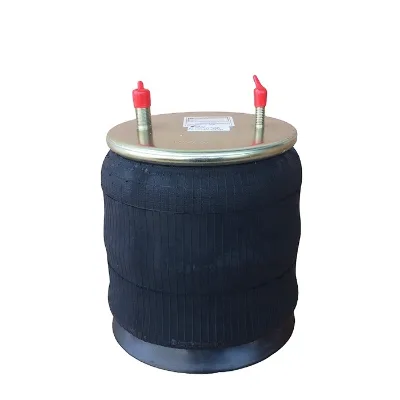
New Freight Liner Suspension Air Spring for Trucks-ISO9001 Certified Replacement Part
$36.00 - $38.00
MOQ: 10






Comprehensive Sourcing Guide
Bus Universal Air Spring Supplier Concentration and Factory Types
The current supplier landscape for bus universal air springs reveals a distinct geographic and operational stratification that buyers must navigate carefully. Evidence indicates that manufacturing and trading entities are concentrated in specific Chinese provinces, with Zhejiang and Shandong emerging as notable hubs for these components. Suppliers in Zhejiang often operate as manufacturers or factories, offering a broader range of pneumatic products including solenoid valves, air preparation units, and complete air suspension compressors alongside air springs. This vertical integration suggests that buyers sourcing from this region may benefit from suppliers with comprehensive technical capabilities in pneumatic systems. In contrast, suppliers located in Shandong and Liaoning present a mixed profile, with some operating as trading companies that may source from various factories, while others combine manufacturing with trading functions. The presence of trading companies in Liaoning, for instance, indicates a market segment focused on distribution and logistics rather than direct production, which can impact lead times and customization flexibility. Understanding whether a supplier is a direct manufacturer or a trading company is crucial, as it influences pricing structures, communication efficiency, and the ability to handle complex OEM requests. Buyers should prioritize suppliers with clear factory credentials when seeking long-term partnerships for high-volume orders, while trading companies might offer advantages in consolidating shipments from multiple product lines.
Beyond geography, the type of company significantly affects the scope of services and product customization available. Manufacturers in Zhejiang often highlight their capacity for OEM, ODM, and own-brand production, indicating a robust infrastructure for custom engineering and private labeling. This is particularly relevant for bus manufacturers or fleet operators requiring specific air spring dimensions, pressure ratings, or branding. The main products listed by these suppliers frequently include related components like rubber plugs, flexible pipe couplings, and sealing strips, suggesting a holistic approach to suspension system supply. Conversely, suppliers identified primarily as trading companies may focus on a narrower range of items, such as ABS gear rings or specific brake parts, which could indicate a specialization in complementary components rather than core suspension systems. This distinction is vital for buyers who need a single-source solution for their bus suspension needs. The verification status of suppliers also varies, with some undergoing rigorous third-party inspections like TÜV Rheinland, which adds a layer of trust regarding their operational legitimacy and quality control processes. Buyers should assess these company types not just by location, but by their declared capabilities and the breadth of their product portfolios to ensure alignment with their specific procurement goals.
How to Verify Bus Universal Air Spring Suppliers
Verifying the legitimacy and capability of Bus Universal Air Spring suppliers requires a multi-layered approach that goes beyond simple profile reviews. One of the most critical steps is to check for third-party verification badges, such as those from TÜV Rheinland, which indicate that the supplier has undergone independent audits of their business operations and facilities. This verification provides a baseline assurance that the company exists and operates as claimed, reducing the risk of engaging with fraudulent entities. Additionally, buyers should scrutinize the system certifications displayed by suppliers, such as ISO 9001, which demonstrates a commitment to quality management systems. While some suppliers may list multiple certifications like ISO 14001 or OHSAS 18001, the presence of ISO 9001 is a fundamental indicator of standardized production processes. It is important to note that not all suppliers will have displayed certifications, and the absence of a visible badge does not necessarily imply a lack of quality, but it does require further due diligence. Buyers should request copies of these certificates and verify their validity through the issuing bodies to ensure they are current and applicable to the specific products being sourced. This step is particularly important for bus air springs, which are safety-critical components that must meet stringent regulatory standards in various markets.
Another essential verification step involves assessing the supplier's response time and communication efficiency, which can serve as a proxy for their operational maturity. Suppliers with faster response times, such as those under five hours, often indicate a more agile and customer-centric organization that is likely to provide better support throughout the procurement process. This is especially valuable when dealing with complex technical queries regarding air spring specifications, OE number compatibility, or customization requirements. Buyers should also examine the product evidence provided, including detailed attributes like material composition, pressure ratings, and warranty terms. For instance, some suppliers specify that their air springs are made from rubber and iron, with a warranty of 12 months, which provides concrete information about product durability and after-sales support. Additionally, checking the origin of the products listed, such as Guangdong or Zhejiang, can help verify consistency with the supplier's declared location. Buyers should be cautious of discrepancies between the supplier's profile location and the product origin, as this may indicate a trading company model or potential sourcing issues. By combining verification of credentials, assessment of communication metrics, and scrutiny of product details, buyers can build a comprehensive picture of a supplier's reliability and suitability for their needs.
What to Compare Across Bus Universal Air Spring Suppliers
When evaluating multiple suppliers for bus universal air springs, buyers must systematically compare key operational and commercial metrics to identify the most suitable partner. One of the primary dimensions for comparison is the minimum order quantity (MOQ), which can vary significantly across suppliers. Some suppliers offer an MOQ of just one unit, which is ideal for testing samples or small-scale replacements, while others may require a minimum of 50 units, catering to larger fleet operations or bulk procurement needs. This difference in MOQ flexibility can influence the buyer's ability to manage inventory and cash flow, particularly for smaller operators or those testing new suppliers. Alongside MOQ, the lead time is a critical factor that affects supply chain reliability. Suppliers with a lead time of 15 days offer a predictable production schedule, whereas those with a lead time of zero days may indicate ready-stock availability or a different operational model that requires further clarification. Buyers should also compare the price ranges, which can span from approximately $22 to $70 per unit depending on the specific product type, such as universal car rubber air springs versus heavy-duty bus air suspension bags. This price variance reflects differences in material quality, load capacity, and customization options, so buyers must align their budget with their performance requirements.
In addition to quantitative metrics, buyers should compare the qualitative aspects of supplier offerings, such as customization capabilities and product specifications. Suppliers that explicitly state "Customization: Available" and offer OEM/ODM services provide greater flexibility for buyers with unique bus models or specific suspension requirements. The availability of model-specific OE references, such as W01-358-8646 or 644n, is another crucial comparison point, as it ensures compatibility with existing bus fleets. Buyers should also assess the range of main products offered by each supplier; those providing a comprehensive suite of pneumatic components, including air preparation units and directional valves, may offer better value through bundled purchasing. Furthermore, the response time of suppliers, ranging from approximately 3 to 20 hours, can impact the speed of issue resolution and order processing. A faster response time often correlates with better customer service and more efficient communication, which is vital for managing urgent replacement needs. By systematically comparing these dimensions, buyers can create a weighted scoring matrix to objectively rank suppliers based on their specific priorities, whether they be cost, speed, customization, or product breadth. This structured approach ensures that the final selection is based on comprehensive data rather than isolated impressions.
Common Bus Universal Air Spring Sourcing Risks
Sourcing bus universal air springs from international suppliers introduces several risks that buyers must proactively manage to ensure supply chain integrity. One significant risk is the potential mismatch between supplier claims and actual product quality, particularly when dealing with trading companies that may not have direct control over manufacturing processes. Without rigorous verification, buyers might receive products that do not meet the specified pressure ratings or durability standards, leading to premature failures in bus suspension systems. This risk is exacerbated by the lack of standardized testing protocols across different suppliers, as evidenced by the varying certification statuses and the absence of displayed certifications for some entities. Buyers must therefore implement strict quality control measures, such as requesting pre-shipment inspections or third-party testing reports, to mitigate the risk of receiving substandard components. Additionally, the complexity of bus air suspension systems means that even minor deviations in dimensions or material composition can lead to compatibility issues, making it essential to verify OE number matches with extreme precision. The reliance on model-specific references requires buyers to cross-check multiple sources to ensure accuracy, as errors in this area can result in costly installation delays and operational downtime.
Another critical risk is the variability in lead times and logistics reliability, which can disrupt fleet maintenance schedules. Suppliers with ambiguous lead times or those operating as trading companies may face delays in sourcing components from their own factories, leading to missed delivery deadlines. This is particularly problematic for bus operators who rely on timely replacements to keep their fleets running. The geographic dispersion of suppliers across different Chinese provinces, such as Zhejiang, Shandong, and Liaoning, adds another layer of logistical complexity, as shipping times and customs clearance procedures can vary significantly. Buyers must also be aware of the risk associated with warranty claims, as international suppliers may have limited after-sales support infrastructure. While some suppliers offer a 12-month warranty, the process for claiming this warranty can be cumbersome and costly, involving return shipping and potential disputes over defect liability. Furthermore, the risk of intellectual property infringement exists when sourcing OEM-compatible parts, as some suppliers may produce unlicensed copies of proprietary designs. Buyers should ensure that their contracts clearly define quality standards, delivery terms, and warranty obligations to protect their interests. By identifying and addressing these risks early in the sourcing process, buyers can establish a more resilient and predictable supply chain for their bus air spring needs.
Bus Universal Air Spring Regional Sourcing and Logistics
The regional distribution of Bus Universal Air Spring suppliers in China presents both opportunities and challenges for international buyers. Suppliers located in Zhejiang often benefit from established industrial clusters that provide access to a wide range of raw materials and specialized manufacturing services. This concentration can lead to competitive pricing and faster production cycles, as suppliers can easily source components like rubber, iron, and pneumatic fittings locally. However, buyers must also consider the logistical implications of sourcing from this region, including port accessibility and shipping routes. Zhejiang's proximity to major ports like Ningbo-Shanghai can facilitate efficient export logistics, reducing transit times and costs for overseas shipments. In contrast, suppliers in Shandong and Liaoning may have different logistical advantages, such as access to northern Chinese ports or rail networks that connect to European markets. Buyers should evaluate the specific logistics capabilities of each supplier, including their experience with international shipping and their ability to handle customs documentation. The presence of trading companies in Liaoning, for instance, may offer consolidated shipping options that can reduce costs for buyers sourcing multiple product types. Understanding these regional nuances allows buyers to optimize their supply chain by selecting suppliers that align with their preferred shipping routes and delivery timelines.
Logistics planning must also account for the packaging and handling requirements of bus air springs, which are delicate components that require careful protection during transit. Suppliers typically use carton packaging, but the robustness of this packaging can vary, impacting the risk of damage during shipping. Buyers should inquire about specific packaging standards and request photos or videos of the packing process to ensure that air springs are adequately protected. Additionally, the weight and dimensions of the products, such as the gross weight of 7.186 kg per batch for some air springs, influence shipping costs and container utilization. Buyers should calculate the total landed cost, including freight, insurance, and duties, to make informed sourcing decisions. The choice of shipping method, whether by sea or air, will depend on the urgency of the order and the volume of goods. For large bulk orders, sea freight is often more cost-effective, while air freight may be necessary for urgent replacements. Buyers should also
FAQs
What is the price range for universal bus air springs?
Prices for universal bus air springs typically range from $22 to $69.99 per unit. Costs vary based on specifications, load capacity, and material quality. Buyers should check specific product listings for exact pricing tiers and bulk discounts available from verified manufacturers.
What is the minimum order quantity for these parts?
Minimum order quantities vary by supplier, with some accepting orders as low as one unit. Others may require a minimum of 50 units for specific models. Buyers should verify the MOQ directly with the supplier to ensure it aligns with their procurement needs.
How long does delivery usually take?
Lead times generally range from zero to 15 days depending on stock availability and customization requirements. Some suppliers offer immediate dispatch for standard items, while others may require up to 15 days for production. Confirm the exact timeline with the seller before ordering.
Are these air springs compatible with OE parts?
Many universal air springs are designed as direct replacements for OE parts, ensuring compatibility with various bus and coach models. They often match specific OE numbers for seamless installation. Buyers should verify the OE reference numbers against their vehicle specifications to confirm fitment.
What certifications do these suppliers hold?
Suppliers often hold ISO 9001 certification, ensuring quality management standards are met. Some may also have ISO 14001 or OHSAS 18001 certifications. Buyers should request valid certification documents to verify compliance with international quality and safety standards before finalizing any purchase agreements.
Where are these manufacturers located?
Manufacturers are primarily located in China, including regions like Zhejiang, Shandong, Liaoning, and Guangdong. These areas are known for automotive parts production. Buyers can filter suppliers by location to reduce shipping costs or meet specific regional sourcing requirements for their logistics network.
Do suppliers offer OEM or customization services?
Many suppliers offer OEM and ODM services, allowing for custom branding and specifications. Customization options include logos, dimensions, and packaging. Buyers seeking branded parts or specific technical adjustments should confirm customization availability and any associated costs or minimum order requirements with the supplier.