High and Low Temperature Resistant Front Stabilizer Link Suppliers and Manufacturers
Compare 25 verified suppliers offering High and Low Temperature Resistant Front Stabilizer Link products with ISO certifications and OEM capabilities. Review response times, lead times, and pricing to select a factory in China Anhui or Shandong for your vehicle parts needs.
Updated
Suppliers List

Anhui Heshun Automobile Parts Co., Ltd.
- Verified by SGS
- Combined
- China Anhui
- Lead time30 days
- Avg. response≤ 4h
Main productsBall Joint
Main marketsDomestic

Qingdao Haito Rigging Hardware Co., Ltd.
- Verified by BV
- Combined
- China Shandong
- Lead time30 days
- Avg. response≤ 4h
Main productsRigging, Shackle, Wire Rope Clips, Thimble, Turnbuckle, Link Chain, Wire Rope, Hook, Swivel, Ring
Main marketsSoutheast Asia/ Mideast,Europe

Ningbo Mecoo Trading Co., Ltd.
- Verified by TUVRHEINLAND
- Manufacturer
- China Zhejiang
- Lead time23 days
- Avg. response≤ 9h
Yuhuan Mingyan Technology Co., Ltd
- Verified by SGS Group
- Manufacturer, Trading Company
- Lead time25 days
- Avg. response≤ 7h
Main productsCV Joint Boot, Steering Boot, Drive Shaft, Control Arm, Auto Rubber Parts
Main marketsWestern Europe(50%), Mid East(30%), Southeast Asia(20%)

Ningbo Tsy Auto Parts Co., Ltd.
- Manufacturer/Factory
- China Zhejiang
- Lead time45 days
- Avg. response≤ 8h
Main productsSuspension Parts, Tie Rod End, Stabilizer Link, Rack End, Ball Joint, Control Arm, Shock Absorber, Drive Shaft, Bushing, Strut Mounting
Main marketsSouth America,Eastern Europe,North America,Western Europe,Africa
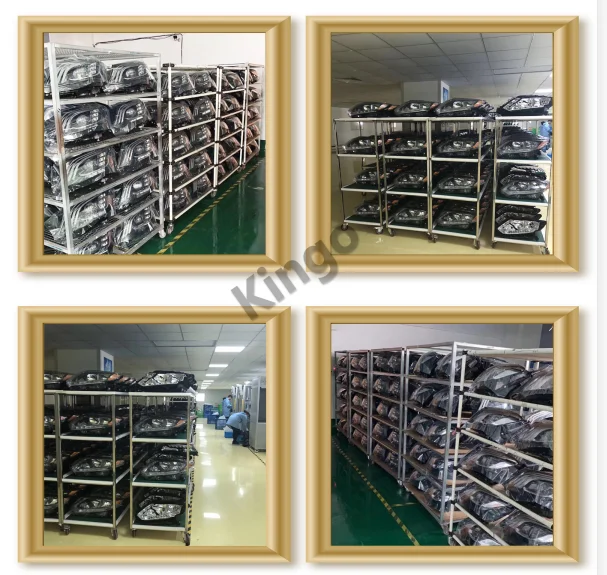
Guangzhou Kingo Auto Parts Co., Ltd.
- Manufacturer, Trading Company, Distributor/Wholesaler, Business Service (Transportation, finance, travel, Ads, etc)
- Guangdong, China
- Lead time10 days
- Avg. response≤ 14h
Main productsAutomotive spare parts,Car Accessory,Automotive electronics,Chassis parts,Engine Parts
Main marketsAfrica(40.00%), South America(30.00%), Mid East(10.00%), Domestic Market(5.00%), Northern Europe(5.00%), Eastern Europe(5.00%), North America(5.00%)

Deqing Lizheng Metal Works Co., Ltd.
- Verified by SGS
- Combined
- China Zhejiang
- Lead time15 days
- Avg. response≤ 6h
Main productsWelding, Sheet Metal Fabrication, Medical Equipment Parts, Metal Casting, Fasteners
Main marketsDomestic
Xingtai Jiuyou Auto Parts Information Service Co., Ltd.
- Verified by SGS Group
- Trading Company
- Lead time7 days
- Avg. response≤ 7h
Main productsShock Absorber, Lower Control Arm, Tie rod ends, Hub Bearing, CV Joint Repair Kit
Main marketsSoutheast Asia(20%), Mid East(20%), South America(10%)
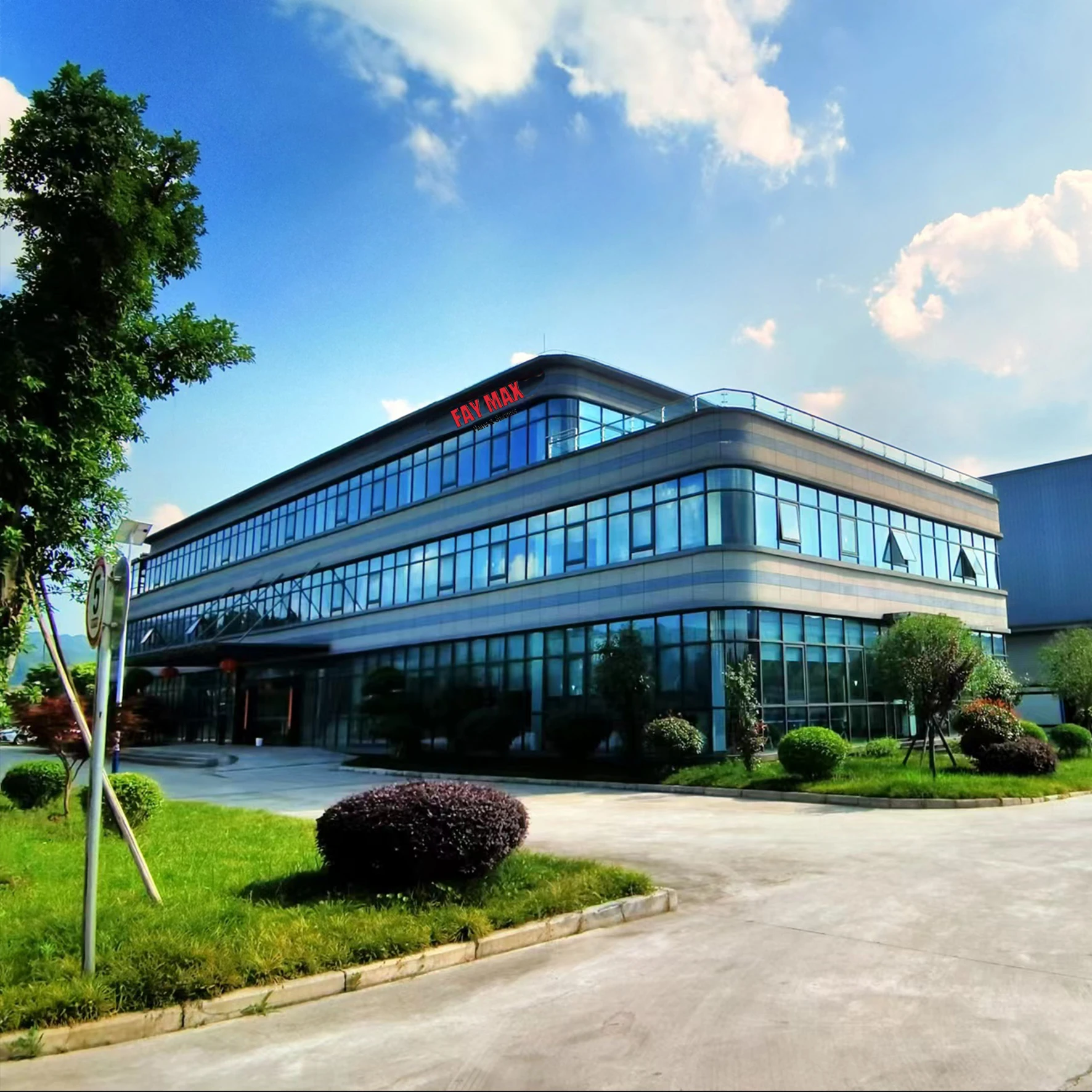
Guangzhou Fay-Max Auto Parts Co., Ltd.
- Manufacturer
- Guangdong, China
- Lead time30 days
- Avg. response≤ 3h
Main productsAuto Parts,Auto Parts Accessories,Auto Parts Honda,Auto Parts Toyota,Auto Parts Nissan
Main marketsMid East(30.00%), North America(30.00%), Southeast Asia(10.00%), South America(10.00%), Central America(5.00%), Eastern Asia(5.00%), Eastern Europe(5.00%), Africa(5.00%)
Wenzhou Evergreen Auto Parts Co., Ltd.
- Trading Company
- Zhejiang, China
- Lead time30 days
- Avg. response≤ 7h
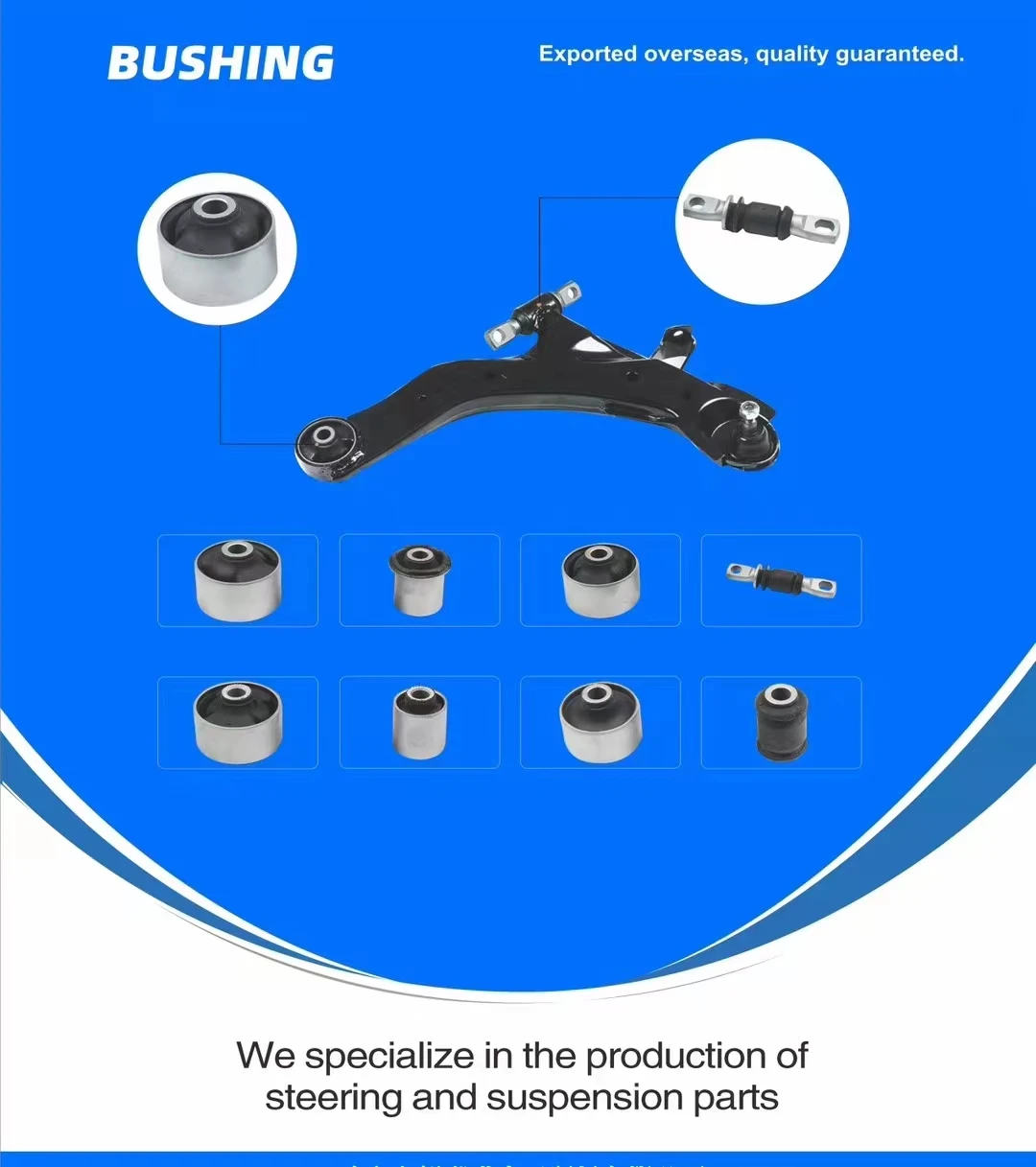
Main productsCONTROL ARM,ARM BUSHING,STABILIZER LINKS,TIE ROD END,BALL JOINT
Main marketsSouth America(30.00%), Mid East(28.00%), Africa(10.00%), Domestic Market(10.00%), North America(10.00%), Eastern Asia(2.00%), South Asia(2.00%), Central America(2.00%), Southeast Asia(1.00%), Southern Europe(1.00%), Eastern Europe(1.00%), Northern Europe(1.00%), Oceania(1.00%), Western Europe(1.00%)
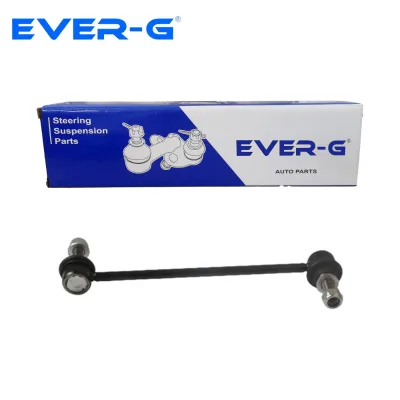
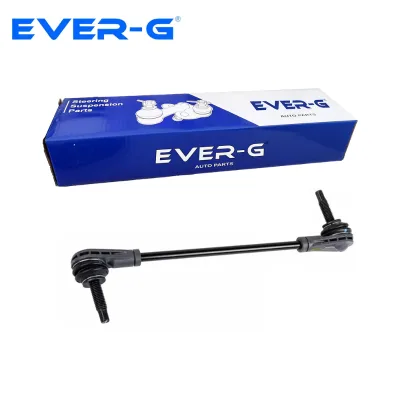
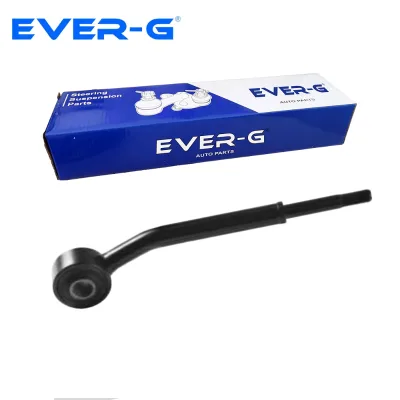
SSANGYONG REXTON Front Stabilizer Link 44750-08001 44755-08000 Product Category Stabilizer Links
$1.30 - $1.45
MOQ: 100 pieces
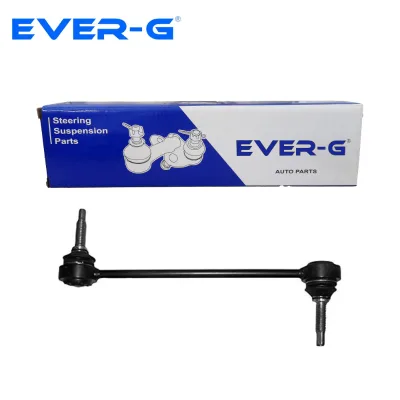
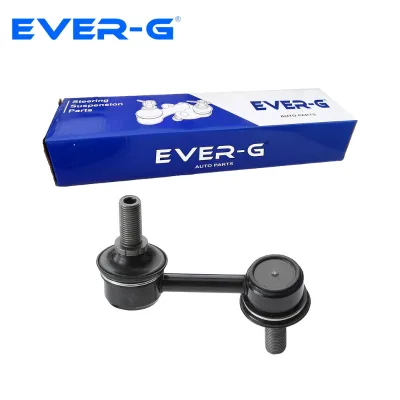
51321-SEP-A01 51320-SEP-A01 CLHO-39 CLHO-38 Front Stabilizer Link for ACURA TL
$1.3632 - $1.519
MOQ: 100 pieces
Benzhibao (guangzhou) Automotive Parts Co., Ltd.
- Manufacturer, Trading Company, Distributor/Wholesaler
- Guangdong, China
- Lead time0 days
- Avg. response≤ 5h
Main productsbody parts,brake parts,engine parts,suspension parts,steering systems
Main marketsDomestic Market(50.00%), Southeast Asia(11.00%), Africa(9.00%), North America(8.00%), Northern Europe(5.50%), South Asia(5.00%), Eastern Asia(4.50%), Central America(3.00%), South America(2.00%), Mid East(1.00%), Eastern Europe(0.70%)
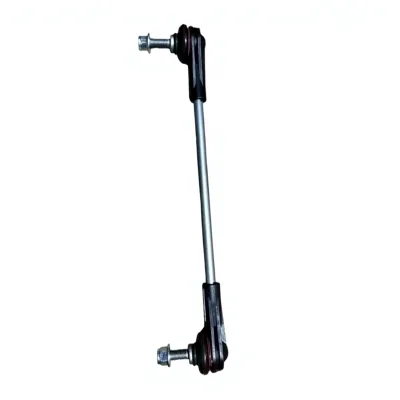
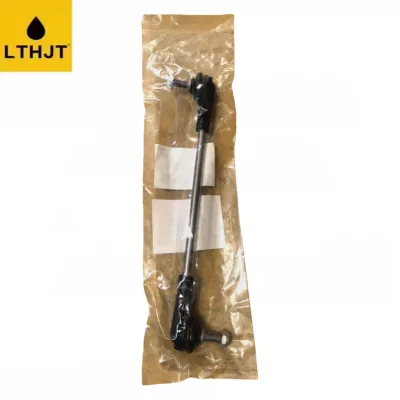
3130 6862 864 Front Stabilizer Link Ball Joint-Left/Right Compatible for 5 Series F48/F49
$3.5922 - $6.1568
MOQ: 5 bags
Ruian Changsheng Electric Appliance Co., Ltd.
- Verified by Intertek
- Manufacturer, Trading Company
- Lead time30 days
- Avg. response≤ 9h
Main productsStator, Starter Motor, Rectifier
Main marketsNorth America(60%), Western Europe(20%), Southeast Asia(20%)
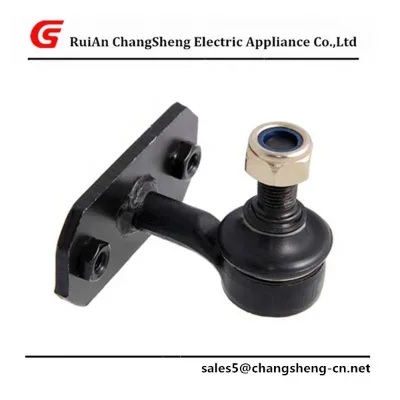
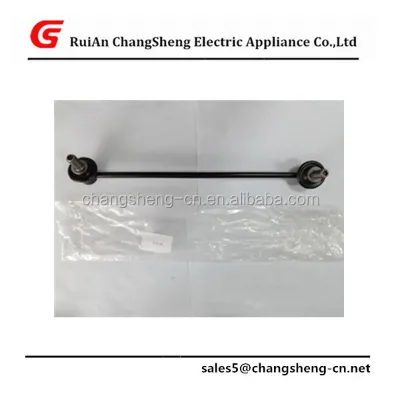
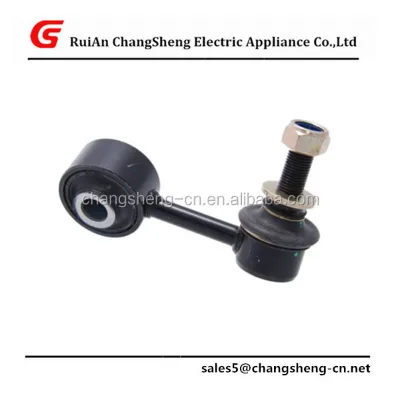
New FRONT LEFT STABILIZER LINK - for Land CRUISER 200 2007- OEM 48810-60051
$1.00 - $12.00
MOQ: 20 Minimum
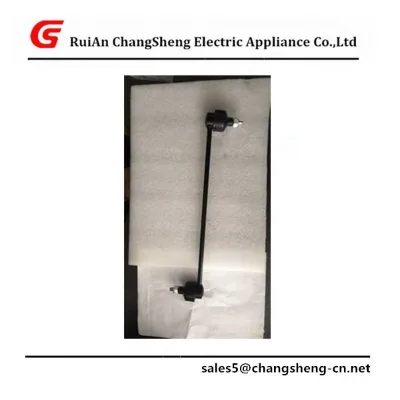
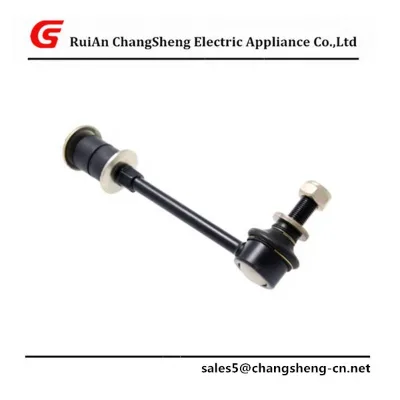
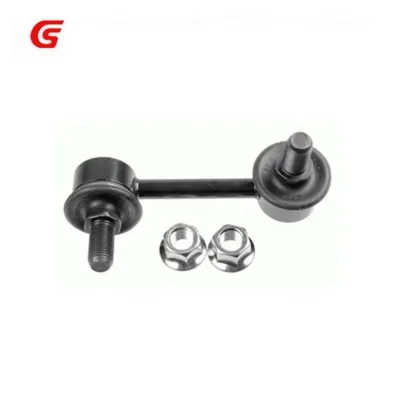
New Front Right Stabilizer Bar Link Rod Strut Fits for Hiace 48820-26020
$1.00 - $12.00
MOQ: 20 Minimum
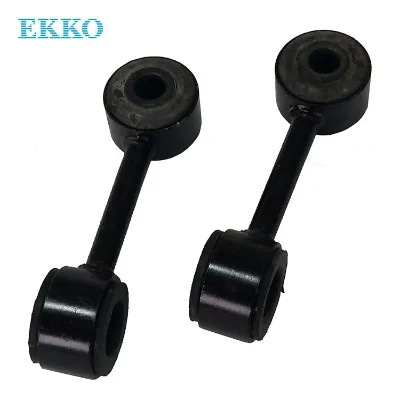
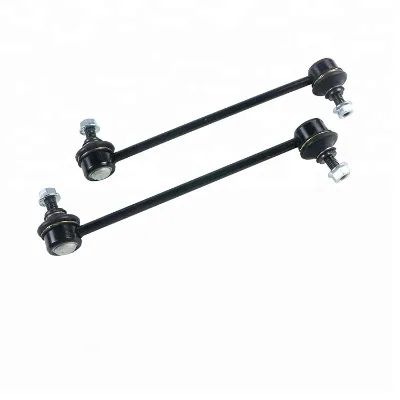
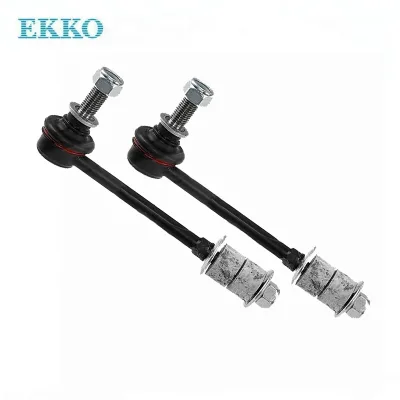
Hangzhou Ekko Auto Parts Co., Ltd.
- Trading Company
- Lead time旺季: "1 - 1000":45,"> 1000":"To be negotiated", 淡季: "1 - 1000":45,"> 1000":"To be negotiated"
- Avg. response≤ 9h
Main productsEnd Link,Bushing,Strut Mount,Engine Mounting
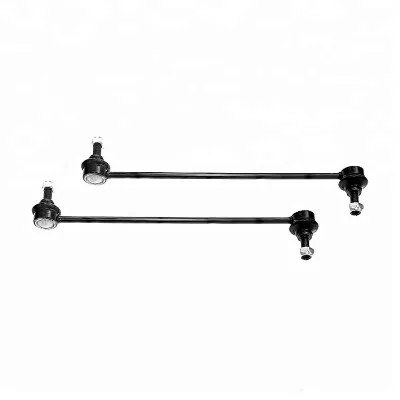
Quality Guarantee Front Stabilizer Link for MINI Mini 31356778831 31356759537
$2.25 - $2.50
MOQ: 10 pieces
Ningbo Jolite Imp. & Exp. Co., Ltd.
- Verified by TüVRheinland
- Manufacturer, Trading Company
- Lead time35 days
- Avg. response≤ 8h
Main productsAuto Parts, LED Lights
Main marketsNorth America(22%), Central America(15%), Northern Europe(13%)
Guangzhou Brace Auto Parts Co., Ltd.
- Verified by SGS Group
- Trading Company
- Lead time10 days
- Avg. response≤ 6h
Main productsExterior Parts, Engine Parts, Chassis Parts, Gearbox Parts, Cooling System
Main marketsMid East(20%), South America(15%), Africa(15%)
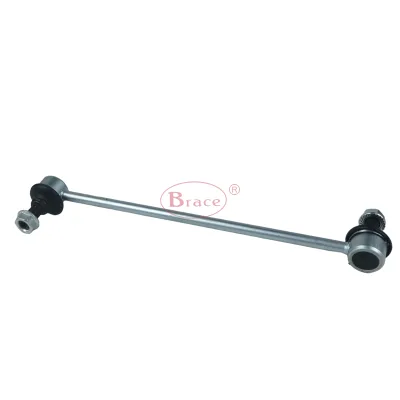
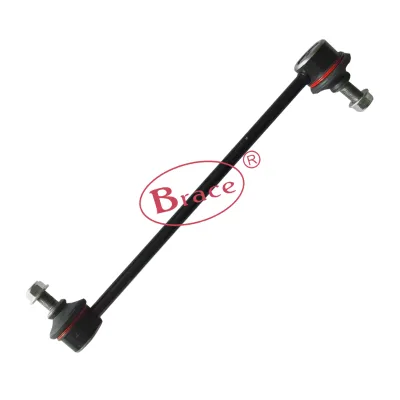
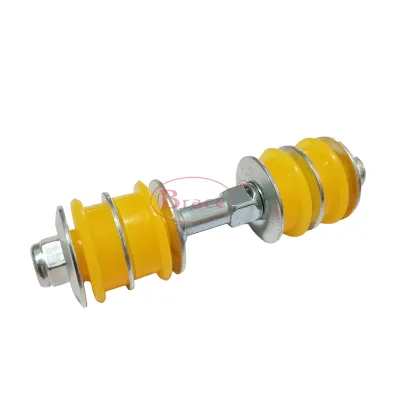
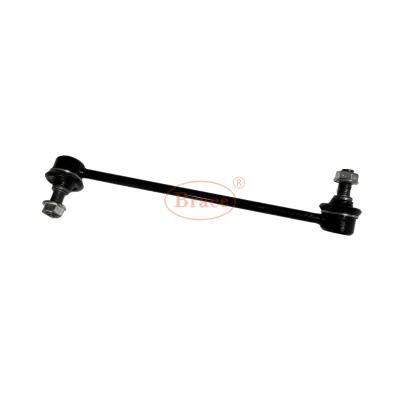
Stabilizer Bar Assy Front Stabilizer Link Suitable for Great Wall Florid 89331
$1.50 - $3.00
MOQ: 2 pieces
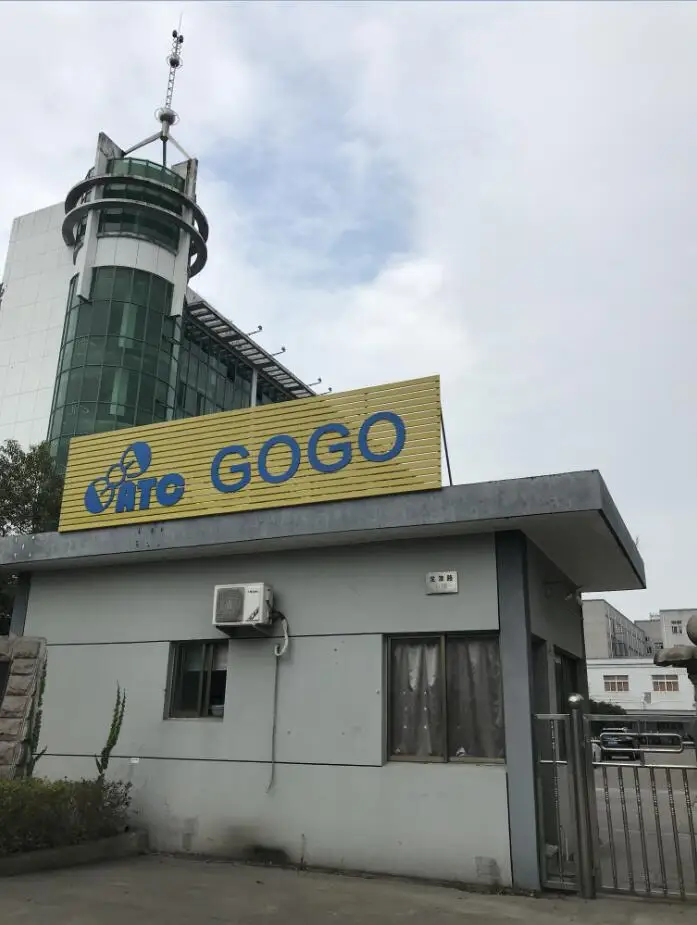
Ningbo Fenghua Gogo Automatic Trading Company Limited
- Trading Company
- Zhejiang, China
- Lead time30 days
- Avg. response≤ 9h
Main productsWater Pump,auto sensor,auto switch,Idle Air Control Valve For RENAULT OEM 7700859134 6NW009141-111 4.02003.59.0 AESP20912 70859134 556071 Idle Air Control Valve,Thermostat Housing
Main marketsMid East(10.00%), Eastern Asia(10.00%), Africa(10.00%), Southeast Asia(10.00%), Eastern Europe(10.00%), South America(10.00%), North America(10.00%), Northern Europe(5.00%), Central America(5.00%), Domestic Market(5.00%), South Asia(5.00%), Oceania(4.00%), Western Europe(3.00%), Southern Europe(3.00%)
Hunan Lvtu Auto Parts Co., Ltd.
- Manufacturer, Trading Company
- Hunan, China
- Lead time5 days
- Avg. response≤ 3h
Main productsSway Bar&Anti-roll Bar,Control Arm&Camber Kit,Strut Bar,Bushing,Stabilizer Link
Main marketsDomestic Market(40.00%), North America(30.00%), Southeast Asia(10.00%), Eastern Europe(5.00%), Western Europe(5.00%), Eastern Asia(5.00%), Mid East(5.00%)

Wenzhou Naqin Auto Parts Co., Ltd
- Verified by SGS
- Trading Company,Manufacturer/Factory
- China Zhejiang
- Lead time45 days
- Avg. response≤ 4h
Main productsBrake Pad, Brake Shoes, Brake Disc, Clutch Plate, Radiator, Universal Joint, Release Bearing, Shock Absorber, Fuel Pump, Ball Joint
Main marketsSouth America,Mid East,Africa
Hangzhou Aelwen Auto Parts Co., Ltd.
- Verified by Intertek
- Trading Company
- Lead time30 days
- Avg. response≤ 3h
Main productsSteering Rack, Door Lock Actuator, Gear Shift Knob, Auto Switch, Car Door Handle
Main marketsEastern Europe(40%), North America(20%), Africa(10%)
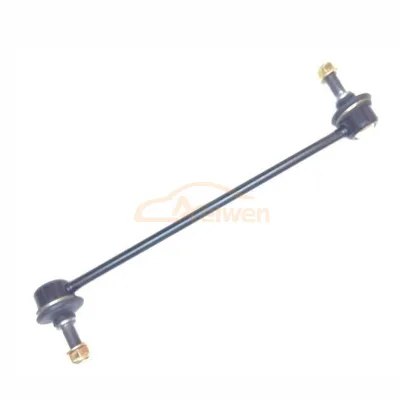
Superb Quality Car Stabilizer Links Used for Chrysler SEBRING (JS) OE No. 05174185AB
$3.3016 - $3.6012
MOQ: 300 pieces
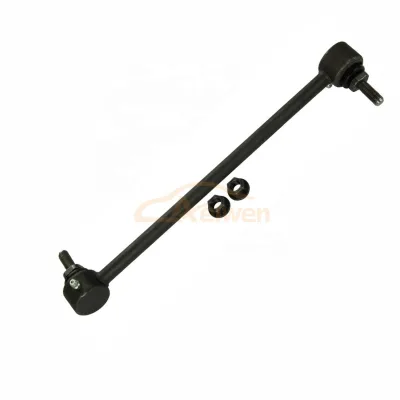
Superb Quality Car Stabilizer Links Used for TOYOTA SIENNA OE No. Left 4881008010 Right 4882008010
$2.16 - $2.36
MOQ: 300 pieces
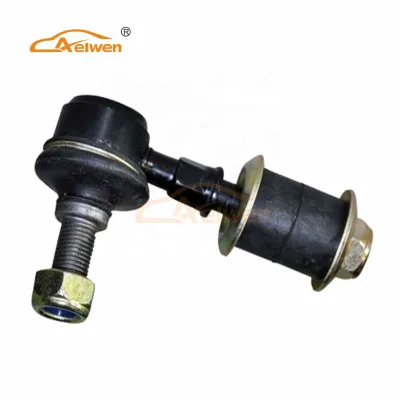
Aelwen Car Auto Stabilizer Link Used for Ford Nissan 54618-0F000 54618-MB40A 546180F000 54618MB40A
$1.4096 - $1.534
MOQ: 300 pieces
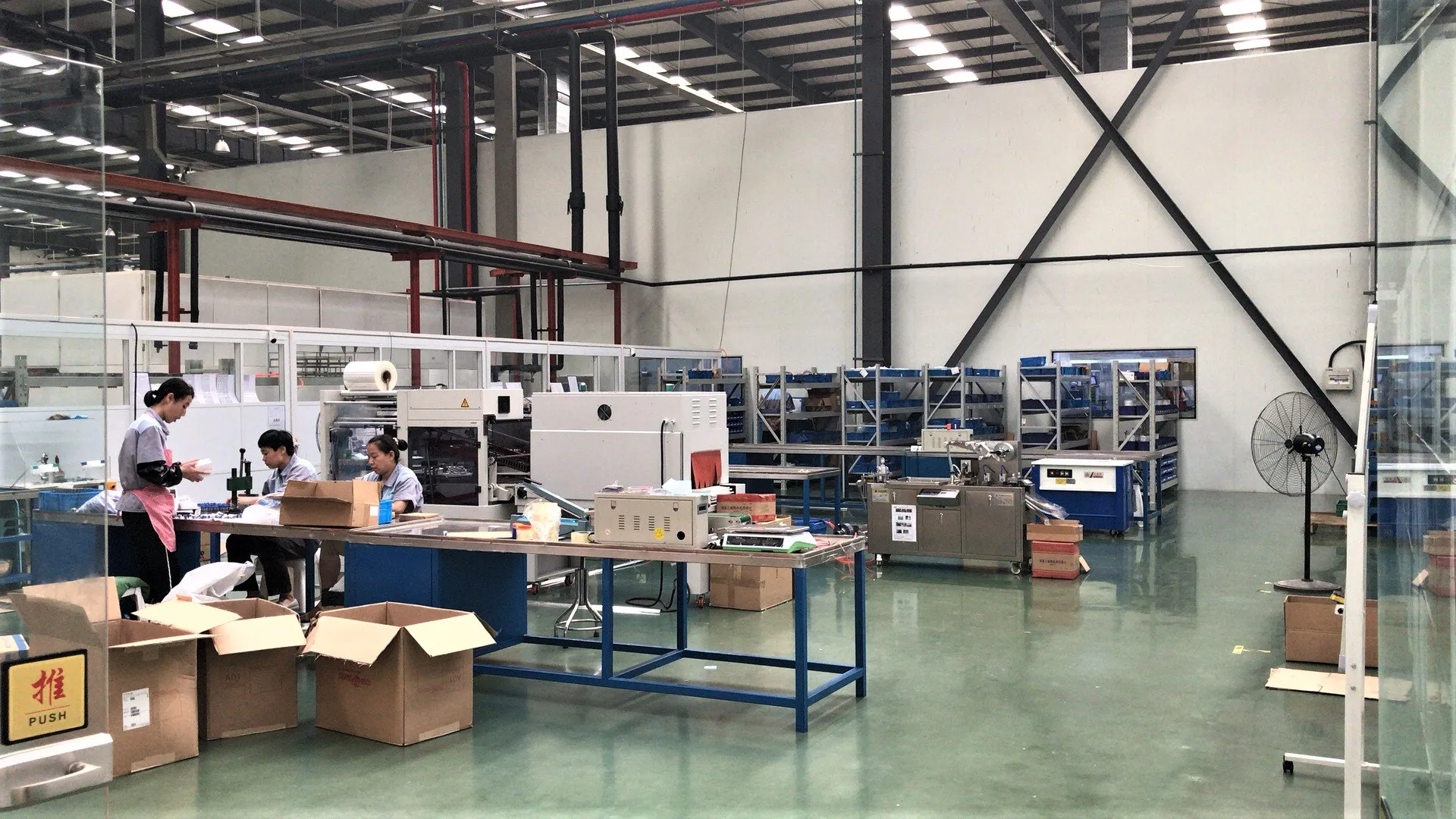
Guangzhou Jinhaisi Auto Parts Co., Ltd.
- Manufacturer, Trading Company, Distributor/Wholesaler
- Guangdong, China
- Lead time3 days
- Avg. response≤ 6h
Main productsfuel injector,ALTERNATOR,Turbocharger,starter,Gearbox
Main marketsSouth Asia(8.00%), Northern Europe(8.00%), Mid East(8.00%), Domestic Market(8.00%), Africa(8.00%), Southeast Asia(8.00%), Central America(8.00%), South America(8.00%), North America(8.00%), Western Europe(6.00%), Southern Europe(6.00%), Eastern Asia(6.00%), Eastern Europe(6.00%), Oceania(4.00%)

Guangzhou Fengming Auto Parts Co., Ltd.
- Verified by SGS
- Trading Company
- China Guangdong
- Lead time15 days
- Avg. response≤ 8h
Main productsAuto Part, Spark Plug, Filters, Clock Spring, Water Pump, Timing Chain Kit, Engine Mount, Gasket Kit, Control Arm, Steering Rack
Main marketsSoutheast Asia/ Mideast,Europe,North America

Best Selling Chinese Manufacturers Car Front Stabilizer Link Ab31-3053-Ca
$4.00 - $5.00
MOQ: 10 Pieces


Guangzhou Hengxin Auto Parts Trading Co., Ltd.
- Verified by SGS
- Manufacturer/Factory
- China Guangdong
- Lead time23 days
- Avg. response≤ 13h
Main productsFilter, Ball Joint, Water Pump, Break Pads, Rubber Sleeve, Coil Ignition, Spark Plug, Gasket
Main marketsSouth America,Eastern Europe,Mid East,North America,Southeast Asia,Eastern Asia,Oceania,Western Europe,Africa
Wenzhou Naqin Auto Parts Co., Ltd.
- Trading Company
- Zhejiang, China
- Lead time45 days
- Avg. response≤ 2h
Main productsBrake Pad/Brake Shoes/Brake Disc, Ball Joint/Linkage/Rack End/Tie Rod/Suspension Bushing, Universal Joint
Main marketsAfrica(40.00%), Mid East(23.00%), South America(20.00%), South Asia(5.00%), Eastern Europe(5.00%), Southeast Asia(5.00%), North America(2.00%)
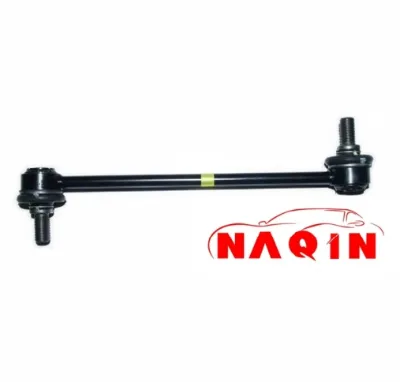
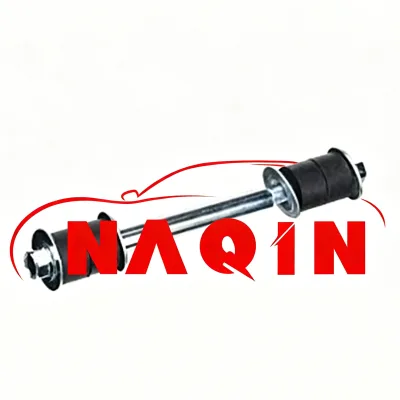
54719-43000 New Suspension Parts for STABILIZER LINK for 5471943000-1 Year Warranty
$0.67 - $0.73
MOQ: 300
Guangzhou Fengming Auto Parts Co., Ltd.
- Trading Company
- Guangdong, China
- Lead time5 days
- Avg. response≤ 2h
Main productsSpark Plug, Timing Chain Kits, ABS Wheel Speed Sensor, Wheel Hub Bearing, Power Steering Gear
Main marketsNorth America(20.00%), Eastern Europe(20.00%), Southeast Asia(20.00%), Africa(15.00%), South America(5.00%), Eastern Asia(5.00%), Domestic Market(5.00%), South Asia(3.00%), Mid East(3.00%), Oceania(2.00%), Southern Europe(2.00%)
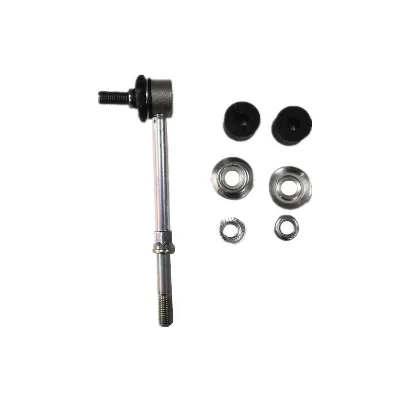
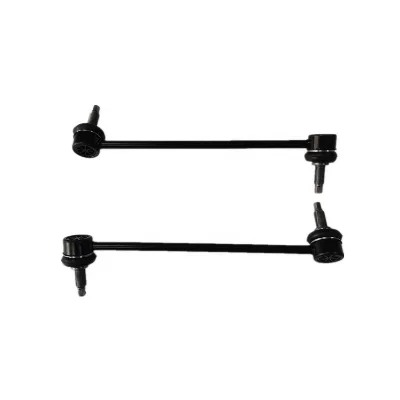
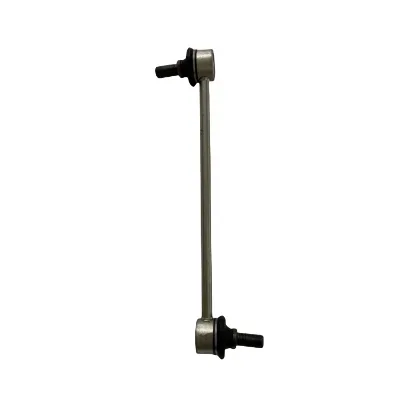
4882028050 1MZ 2AZ 2GR 3MZ ES300 RX330 ACR30 Engine LH Front Stabilizer Link 48820-28050
$2.70 - $3.50
MOQ: 2 pieces

Hangzhou Yuqi Industrial Technology Co., Ltd.
- Verified by CTI
- Trading Company
- China Zhejiang
- Lead time15 days
- Avg. response≤ 10h


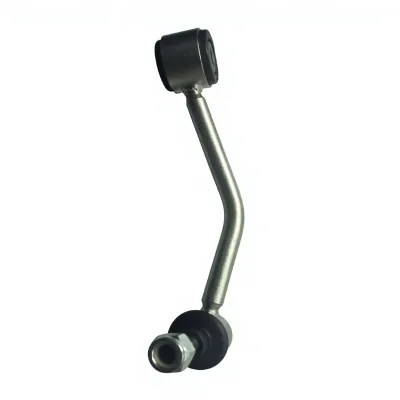
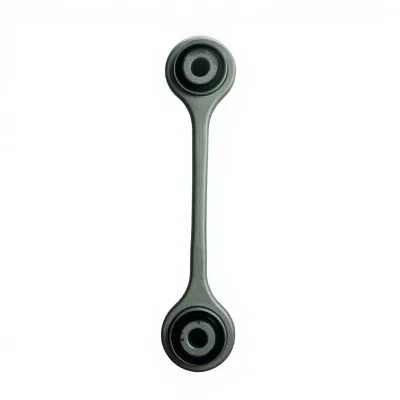


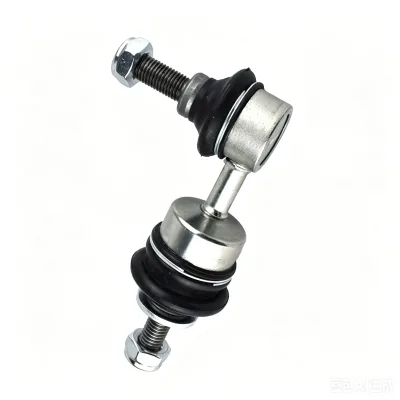
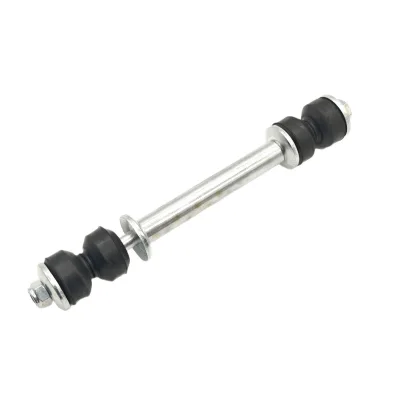
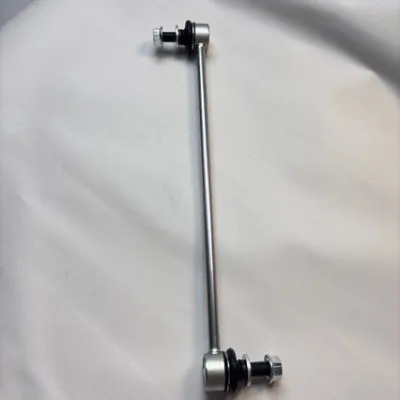


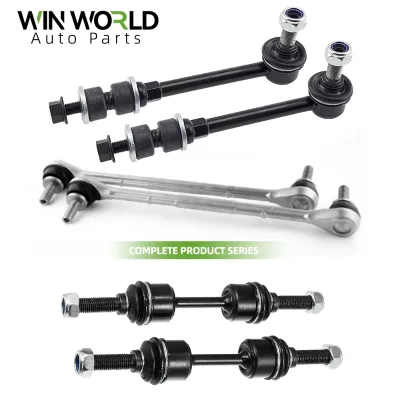
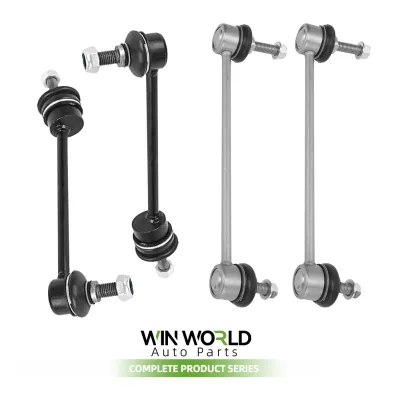
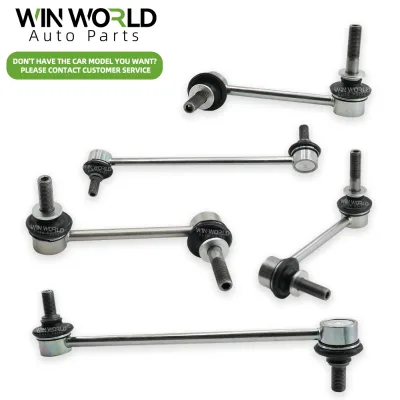
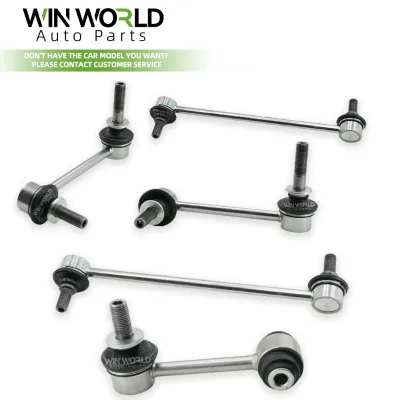
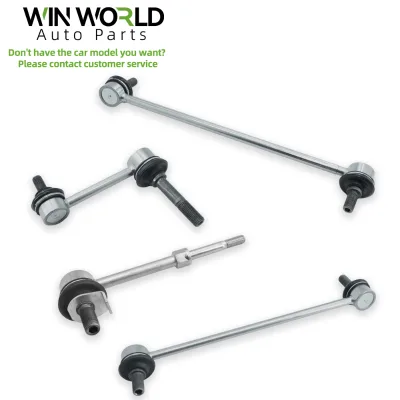
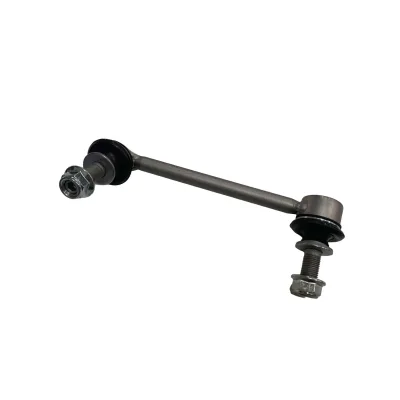
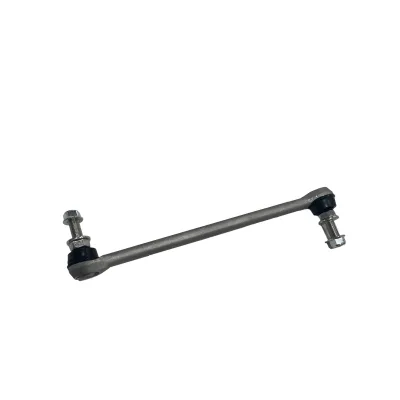
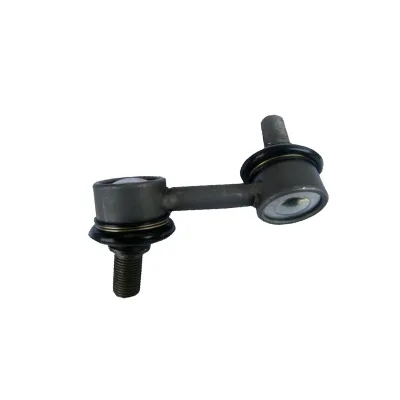
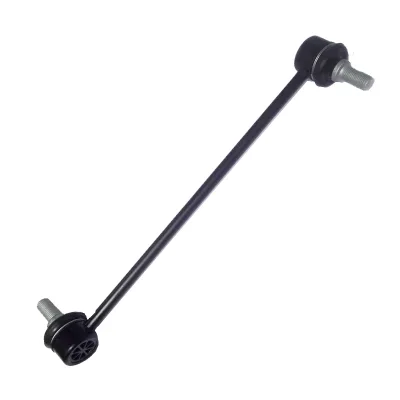
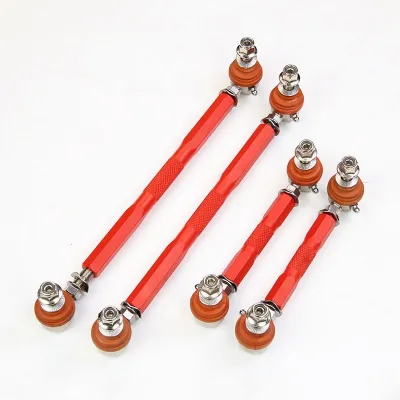
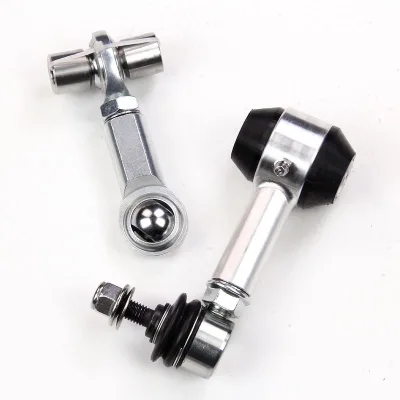


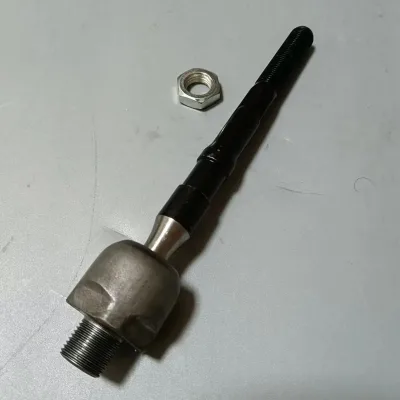


Comprehensive Sourcing Guide
High and Low Temperature Resistant Front Stabilizer Link Supplier Concentration and Factory Types
Current data indicates a concentration of suppliers in China Anhui and China Shandong, though specific factory clusters for this exact component require further verification. The Anhui region features combined company types offering ball joints and stabilizer links, while Shandong suppliers focus on rigging and chain components. Buyers should verify if these locations host dedicated automotive suspension factories or if they are general trading hubs. The presence of ISO certification on specific product attributes suggests some manufacturers adhere to international quality standards, but this does not confirm a regional cluster for high-temperature resistant links.
Factory types vary between combined entities and specialized manufacturers. Some suppliers list ODM and OEM capabilities, indicating they can customize designs for specific vehicle models. However, the main products for some listed suppliers include rigging and wire rope clips rather than automotive suspension parts. This suggests a need to distinguish between general hardware manufacturers and those specializing in vehicle suspension systems. Buyers must confirm that the supplier's primary production line focuses on automotive stabilizer links rather than industrial chains to ensure technical expertise matches the product requirements.
How to Verify High and Low Temperature Resistant Front Stabilizer Link Suppliers
Verification processes should prioritize third-party audit results and specific product certifications. Some suppliers in the current results display SGS verification status, while others show BV verification. These external audits provide a baseline for assessing operational reliability and factory compliance. Buyers must request current audit reports to confirm that the supplier's quality management systems are active and valid. Relying solely on platform badges without reviewing the underlying audit scope can lead to sourcing from facilities that do not meet specific automotive safety standards.
Product-specific certifications are equally critical for high-performance components. The observed data lists ISO certification for certain stabilizer link products, which indicates adherence to management system standards. However, buyers should verify if this certification covers the specific manufacturing processes for high and low-temperature resistance. Material composition, such as steel or stainless steel, must be validated against the supplier's test reports. A supplier claiming ISO certification should provide evidence that their testing protocols include thermal cycling and durability checks relevant to the specific operating conditions of the stabilizer link.
What to Compare Across High and Low Temperature Resistant Front Stabilizer Link Suppliers
Key comparison metrics include lead times, minimum order quantities, and response speeds. Current data shows lead times ranging from 30 days for some automotive parts to 5 days for industrial chain components. Response times vary, with some suppliers averaging around 3.35 to 3.77 hours. Buyers should compare these figures to determine which suppliers can meet urgent production schedules. A shorter lead time does not always guarantee better quality, so it must be weighed against the supplier's capacity to maintain consistent output during peak demand periods.
Minimum order quantities and pricing structures also require careful evaluation. Observed MOQs start at 100 units for specific stabilizer links, with prices ranging from approximately $0.90 to $1.82 per unit depending on the model and specifications. Some suppliers offer customization, which may affect the final price and lead time. Buyers should compare the cost per unit against the total order value to identify the most economical option. Additionally, payment terms like T/T should be compared to understand cash flow implications. Ensuring that the price includes all necessary testing and packaging is essential for accurate cost comparison.
Common High and Low Temperature Resistant Front Stabilizer Link Sourcing Risks
One significant risk involves the mismatch between product descriptions and actual material capabilities. While some listings mention steel or stainless steel, the specific alloy grades required for extreme temperature resistance are not always detailed. Buyers must verify the material composition to ensure the link can withstand the intended thermal range without degradation. Relying on generic terms like "High-Quality" without specific metallurgical data can lead to premature failure in harsh environments. This risk is particularly high when sourcing from suppliers whose main products are not automotive suspension components.
Another risk is the inconsistency in quality assurance processes across different suppliers. Although some products are marked as "100% Tested," the specific tests performed are not always disclosed. Buyers should inquire about the nature of these tests, such as tensile strength, fatigue life, and thermal shock resistance. Without standardized testing protocols, a supplier might claim high quality while delivering substandard components. The absence of detailed test results in the initial product data necessitates a rigorous pre-shipment inspection to mitigate the risk of receiving parts that do not meet performance expectations.
High and Low Temperature Resistant Front Stabilizer Link Regional Sourcing and Logistics
Regional sourcing impacts logistics costs and delivery reliability. Suppliers in China Anhui and China Shandong offer different logistical advantages based on their proximity to major ports and transportation hubs. Buyers should assess the shipping routes from these regions to their destination to estimate transit times accurately. The location of the factory also influences the ability to conduct on-site inspections. Proximity to a port may reduce handling costs, but inland locations might offer lower labor costs. Understanding the specific geographic advantages of each supplier helps in optimizing the overall supply chain efficiency.
Packaging and handling standards vary by region and supplier type. Some products are packed in neutral bags, while others use plastic bags, cartons, and pallets. Proper packaging is crucial for protecting stabilizer links during transit, especially when shipping heavy or precision-engineered components. Buyers should verify that the packaging meets international shipping standards to prevent damage. Additionally, the origin of the product, such as China or specific provinces, affects customs clearance procedures. Ensuring that the supplier provides accurate documentation for the specific origin is essential for smooth logistics and timely delivery.
High and Low Temperature Resistant Front Stabilizer Link Commercial Terms and Order Planning
Commercial terms significantly influence the total cost of ownership and order flexibility. Payment methods like T/T are common, but buyers should negotiate terms that align with their cash flow needs. Some suppliers offer customization, which may require a deposit or specific payment milestones. Understanding the payment structure helps in planning the financial aspects of the order. Buyers should also consider the implications of currency fluctuations and any potential tariffs that might apply to imports from the supplier's region.
Order planning must account for lead times and production capacity. With lead times ranging from 5 to 30 days, buyers need to schedule orders well in advance to avoid production delays. The minimum order quantity of 100 units suggests that small orders may not be feasible without incurring higher per-unit costs. Buyers should plan their inventory levels to match the supplier's production cycles. Additionally, the availability of customization options allows for tailored solutions but may extend the lead time. Effective order planning ensures that the supply chain remains resilient and responsive to market demands.
FAQs
What is the price range for stabilizer links?
Prices for stabilizer links typically range from $0.15 to $1.82 per unit depending on the specific model and material specifications. Buyers should expect costs to vary based on customization needs and order volume. Always verify the final price with the supplier before placing an order to ensure accuracy.
What is the minimum order quantity for these parts?
The minimum order quantity for stabilizer links is generally set at 100 units. This threshold allows suppliers to cover production and packaging costs efficiently. Buyers seeking smaller quantities may need to negotiate directly or look for suppliers offering lower MOQs for sample orders or initial testing phases.
How long does delivery take for these components?
Standard lead times for stabilizer links are approximately 30 days. Some specific items, such as connecting links, may have faster delivery times of around 5 days. Buyers should confirm the exact lead time with the supplier, as production schedules and shipping methods can affect the final delivery date.
Are these stabilizer links certified for quality assurance?
Many stabilizer links are certified with ISO standards and undergo 100% testing before shipment. Suppliers often provide verification through SGS or BV audits. Buyers should request specific certification documents and test reports to ensure the parts meet the required quality standards for their specific vehicle applications.
What materials are used in manufacturing these links?
Stabilizer links are primarily manufactured using steel, with some specialized components made from stainless steel. The materials are selected for durability and resistance to environmental factors. Buyers should specify their material requirements, such as corrosion resistance or strength, to ensure the parts meet their performance expectations.
Can suppliers provide customization for these stabilizer links?
Customization is available for stabilizer links, including OEM and ODM services. Suppliers can adjust dimensions, materials, and packaging to meet specific buyer requirements. Buyers should provide detailed specifications and drawings to ensure the customized parts fit their intended application and meet their quality standards.