Kia Picanto Tie Rod End Suppliers and Manufacturers
Source 27 Kia Picanto Tie Rod End suppliers from China Anhui and Beijing. Compare lead times, MOQs, and certifications like TS 16949. Review product details and contact verified factories directly; review the available evidence before requesting comparable quotations from suitable candidates.
Updated
Suppliers List

Bengbu Smk Auto Parts Co., Ltd.
- Verified by BV
- Trading Company,Manufacturer/Factory
- China Anhui
- Lead time45 days
- Avg. response≤ 21h
Main productsTesla Parts, Control Arm, Suspension Parts, Steering Parts, Tie Rod End, Sway Bar Link, Steering Knuckle, BMW Parts
Main marketsSouth America,Eastern Europe,North America
Beijing Jiapin Ruitong Auto Parts Co., Ltd.
- Trading Company
- Beijing, China
- Lead time25 days
- Avg. response≤ 8h
Main productsHYUNDAI and kia auto parts,GENESIS auto parts,Korean auto parts,Ssangyong auto parts,Engine assembly and overhaul parts
Main marketsAfrica(8.00%), Southeast Asia(8.00%), Northern Europe(5.00%), Western Europe(5.00%), North America(5.00%), Mid East(5.00%), Domestic Market(3.00%), South America(3.00%), Eastern Asia(3.00%), Eastern Europe(3.00%), South Asia(2.00%), Central America(2.00%), Oceania(2.00%), Southern Europe(1.00%)

Changzhou JLD Auto Parts Co., Ltd.
- Combined
- China Jiangsu
- Lead time60 days
- Avg. response≤ 11h
Main productsBall Joint, Inner Arm Shaft Kit, Tie Rod End, Side Rod Assy, Rack End, Drag Link, Cross Rod, Center Link, Idler Arm, Pitman Arm
Main marketsSouth America,Africa,Southeast Asia/ Mideast,Domestic


KIA Picanto Car Steering Part Replace Tie Rod End 56820-1y500 56820-1y501
$2.49 - $2.85
MOQ: 50 Pieces


Wenzhou Naqin Auto Parts Co., Ltd.
- Trading Company
- Zhejiang, China
- Lead time45 days
- Avg. response≤ 2h
Main productsBrake Pad/Brake Shoes/Brake Disc, Ball Joint/Linkage/Rack End/Tie Rod/Suspension Bushing, Universal Joint
Main marketsAfrica(40.00%), Mid East(23.00%), South America(20.00%), South Asia(5.00%), Eastern Europe(5.00%), Southeast Asia(5.00%), North America(2.00%)
Ruian Shengyuan Auto Parts Co., Ltd.
- Manufacturer
- Zhejiang, China
- Lead time30 days
- Avg. response≤ 5h
Main productsDoor Lock Actuator
Main marketsEastern Europe(50.00%), South America(10.00%), Western Europe(10.00%), Eastern Asia(10.00%), Mid East(10.00%), North America(5.00%), Africa(5.00%)
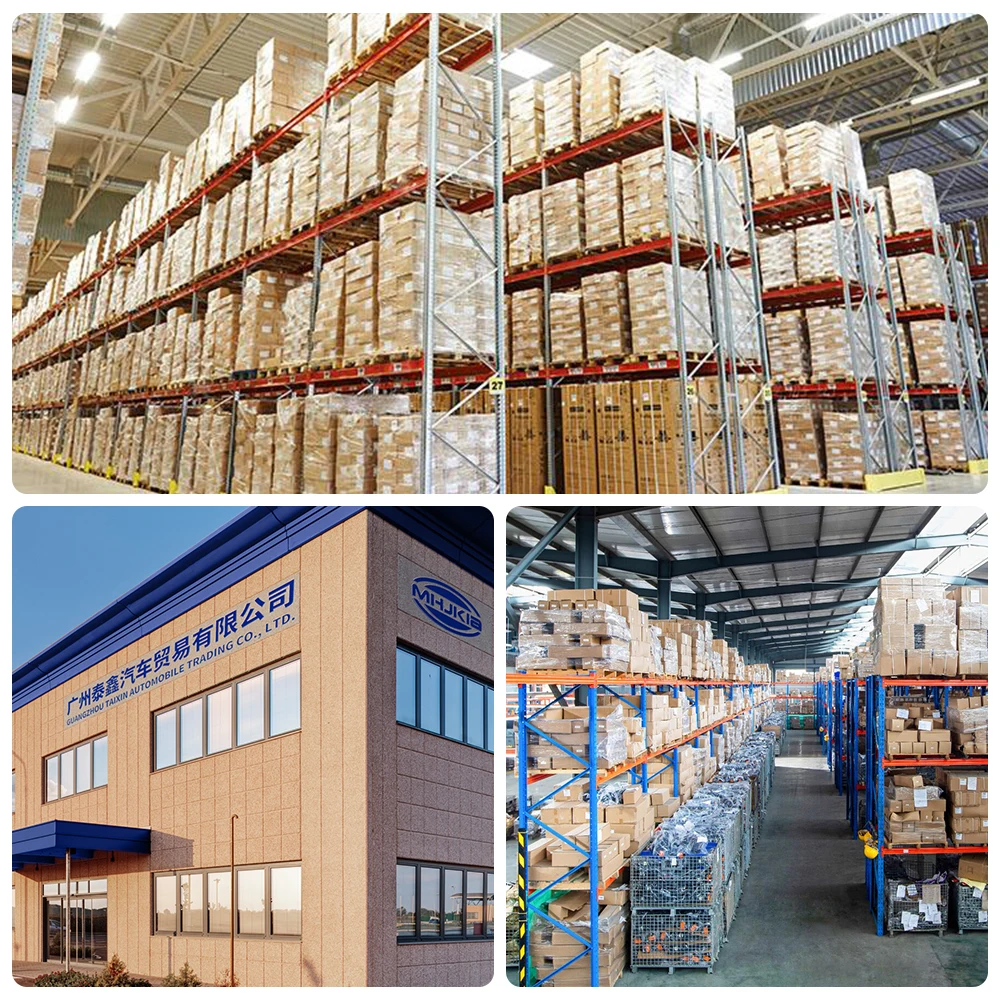
Guangzhou Taixin Automobile Trading Co., Ltd.
- Manufacturer, Trading Company
- Guangdong, China
- Lead time30 days
- Avg. response≤ 2h
Main productsEngine parts,Engine Assemblysystem,Chassis parts,Shock absorber,body part
Main marketsMid East(20.00%), Eastern Europe(15.00%), North America(10.00%), South America(10.00%), Domestic Market(10.00%), Southeast Asia(7.00%), Central America(7.00%), Eastern Asia(5.00%), Southern Europe(3.00%), Northern Europe(3.00%), Africa(3.00%), Oceania(3.00%), South Asia(2.00%), Western Europe(2.00%)
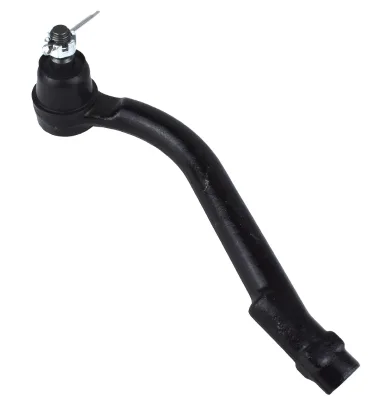
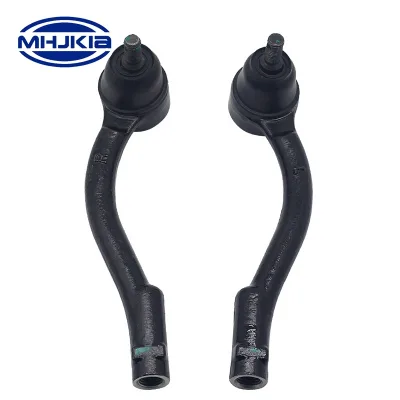
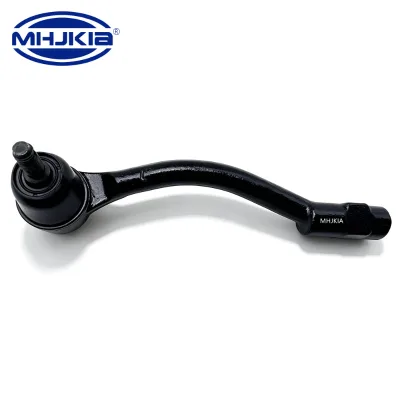
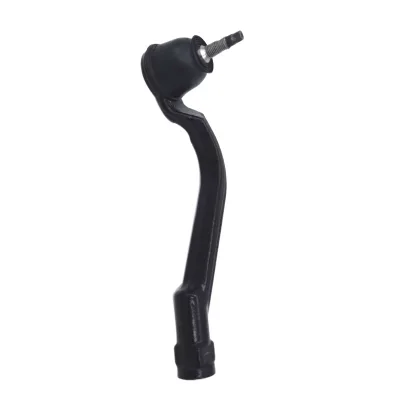
Professional Auto Parts 56820-G8000 Tie Rod End for Hyundai Sonata Kia GRANDEUR
$1.0248 - $10.2476
MOQ: 10 Minimum
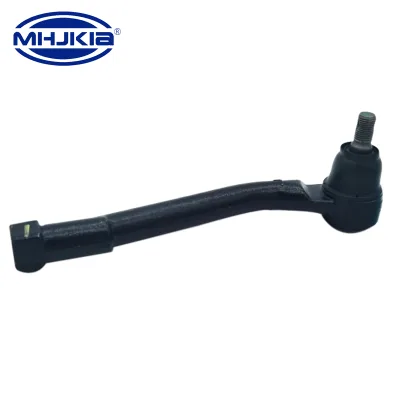
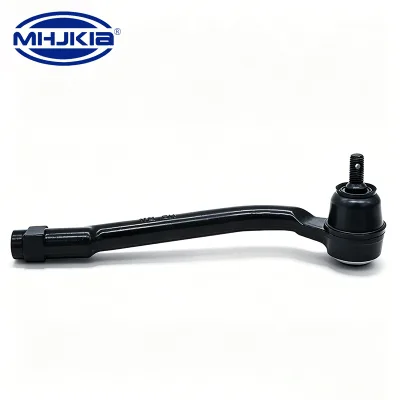

Guangzhou Yuexiu District Jinyouda Auto Parts Firm
- Trading Company
- Guangdong, China
- Lead time0 days
- Avg. response≤ 4h
Main productsELECTRICAL P,ENGINE PARTS,CHASSIS PARTS,BODY PARTS,Other Auto Parts
Main marketsSoutheast Asia(70.00%), North America(60.00%), South America(50.00%), Eastern Europe(50.00%), South Asia(40.00%), Mid East(35.00%), Central America(35.00%)
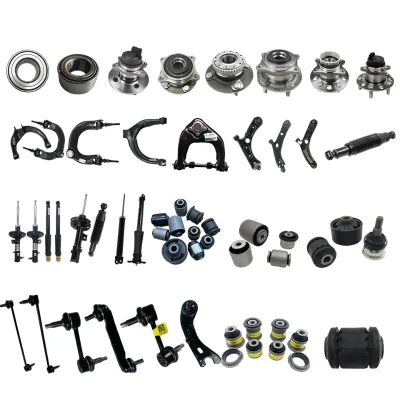
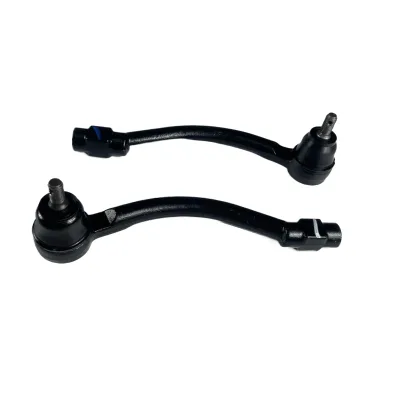
Top Quality Auto Parts Tie Rod End 56820-1Y500 for Korean Car Kia MORNING/PICANTO
$82.7108 - $103.3871
MOQ: 20 Minimum
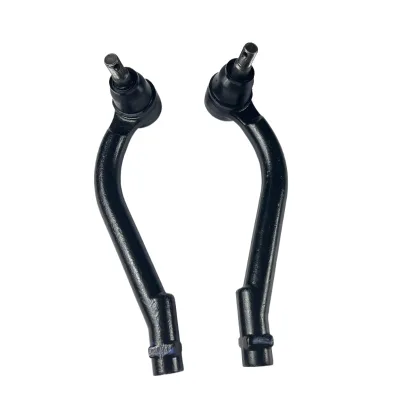
Auto Parts Steering Ball Joint 56820-3E000 56820-3E900 Tie Rod End for Kia Sorento
$81.9165 - $102.3952
MOQ: 20 Minimum

Anhui Heshun Automobile Parts Co., Ltd.
- Verified by SGS
- Combined
- China Anhui
- Lead time30 days
- Avg. response≤ 4h
Main productsBall Joint
Main marketsDomestic


Premium Quality Tie Rod End for Hyundai Models 4504669235 and 4504669236
$2.42 - $2.76
MOQ: 100 Pieces


Guangzhou Yuexiu District Hongbo Auto Parts Firm
- Trading Company
- Guangdong, China
- Lead time0 days
- Avg. response≤ 7h
Main productsELECTRICAL PARTS,ENGINE PARTS,CHASSIS PARTS,BODY PARTS,Other auto parts
Main marketsSouthern Europe(70.00%), Southeast Asia(70.00%), North America(60.00%), Eastern Europe(50.00%), South America(50.00%), South Asia(40.00%)
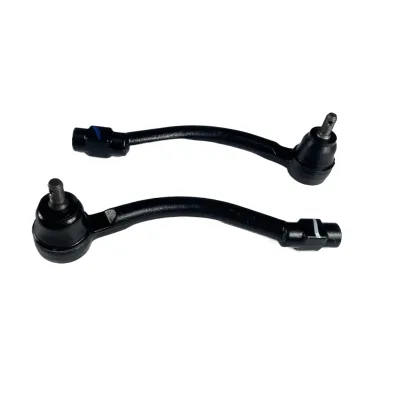
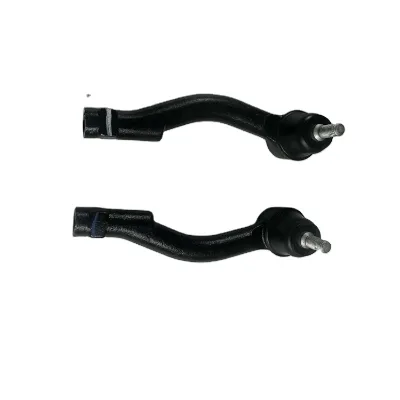
$1.00 - $5.00
MOQ: 10 pieces
Wenzhou Wandai Automobile Components Co., Ltd.
- Trading Company
- Zhejiang, China
- Lead time0 days
- Avg. response≤ 16h
Main productsCONTROL ARM,BUSHING,STRUT MOUNT,SUSPENSION PARTS,RUBBER PARTS
Main marketsNorth America(30.00%), South America(15.00%), Central America(10.00%), Mid East(10.00%), Eastern Europe(10.00%), Northern Europe(10.00%), Western Europe(5.00%), Domestic Market(5.00%), Southern Europe(5.00%)
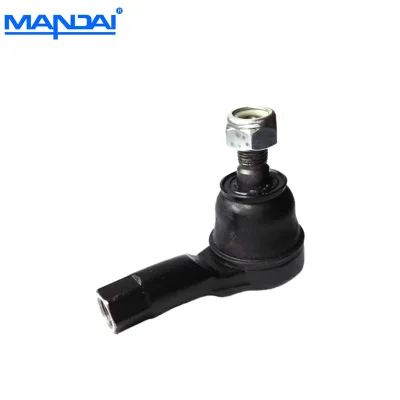
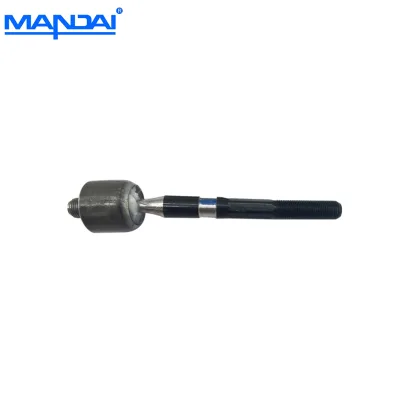
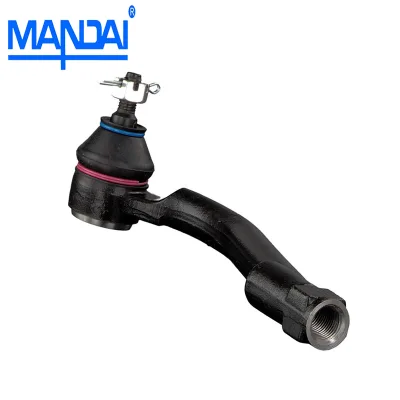
Wholesale Auto Parts 56820-07000 Suspension END ASSY-TIE ROD for KIA PICANTO for KIA RIO Estate
$0.6149 - $1.2297
MOQ: 100 pieces
Guangzhou Yuanyuan Auto Parts Co., Ltd.
- Trading Company, Distributor/Wholesaler
- Guangdong, China
- Lead time20 days
- Avg. response≤ 9h
Main productsControl Arm,Bushing,Tie Rod End,Stabilizer Link,Engine Mount
Main marketsSouth America(40.00%), Western Europe(15.00%), North America(15.00%), Africa(10.00%), Southeast Asia(10.00%), Eastern Europe(5.00%), Oceania(5.00%)

Guangzhou Goson Autopart Co., Ltd
- Verified by BV
- Trading Company
- China Guangdong
- Lead time15 days
- Avg. response≤ 14h
Main productsIgnition Coil, Fuel Pump, Oil Nozzle, Fuel Oil Pump Assembly, Computer Board, Oxygen Sensor, Water Temperature Sensor, Idle Speed Motor
Main marketsDomestic

GUANGZHOU JINYU AUTO PARTS CO., LTD.
- Verified by TUVRHEINLAND
- Trading Company
- China Guangdong
- Lead time15 days
- Avg. response≤ 5h
Main productsSteering Rack, Power Steering Pump, Control Arm, Shock Absorber, Ball Joints, CV Joints, Drive Shaft, Tie Rod End, Engine Mounts, Wheel Hub Bearing
Main marketsSoutheast Asia/ Mideast,North America

$6.00 - $10.00
MOQ: 10 Pieces


Shanghai Spb Industry Co., Ltd.
- Verified by SGS
- Trading Company
- China Shanghai
- Lead time30 days
- Avg. response≤ 4h
Main productsShock Absorber, Ball Joint, C. V Joint, Car Filters, Clutch Disc, Radiator, Brake Pad, Ignition Coil, Cylinder Head, Water Pump
Main marketsSouth America,Africa,Southeast Asia/ Mideast,Europe,North America

K9992-11-201 Auto Steering Parts Factory Wholesale Rack End Tie Rod Ends for KIA
$1.20 - $2.00
MOQ: 200 Pieces

K670-32-240 Auto Steering Parts Factory Wholesale Rack End Tie Rod Ends for Hyundai
$1.20 - $2.00
MOQ: 200 Pieces

Ok011-32-292A Auto Steering Parts Factory Wholesale Rack End Tie Rod Ends for KIA
$1.20 - $2.00
MOQ: 200 Pieces

Suspension Systems Tie Rod End OEM Ok710-32-240 Ok71032240 for KIA Bongo 3
$1.20 - $2.00
MOQ: 200 Pieces

Ok201-32-280 Auto Steering Parts Factory Wholesale Rack End Tie Rod Ends for KIA
$1.20 - $2.00
MOQ: 200 Pieces

0K011-32-250A Auto Steering Parts Factory Wholesale Rack End Tie Rod Ends for KIA
$1.20 - $2.00
MOQ: 200 Pieces
Beijing Yiming Zhongxing Automotive Parts Co., Ltd.
- Trading Company
- Beijing, China
- Lead time0 days
- Avg. response≤ 4h
Main productsModification and upgrade,Automotive Engine Transmission System,Cooling system,electronic control system,Suspension system
Main marketsSoutheast Asia(30.00%), Central America(10.00%), Eastern Asia(10.00%), Mid East(10.00%), Southern Europe(10.00%), North America(10.00%), Northern Europe(10.00%), Oceania(5.00%), Eastern Europe(5.00%)

TAIZHOU TUOBA MACHINERY CO., LTD.
- Verified by SGS
- Trading Company
- China Zhejiang
- Lead time30 days
- Avg. response≤ 7h
Main productsBall Joints, Tie Rod Ends, Shock Absorber, Rack End, Control Arm, Brake Pads, Idler Arm/Pitman Arm, Stabilizer Link, Engine Mounts, Strut Mount
Main marketsEurope

Automobile Accessories Tie Rod Ends for Hyundai Santafe KIA Sorento 568202b900
$1.00 - $7.00
MOQ: 50 Pieces

$2.30 - $4.60
MOQ: 50 Pieces

Guangzhou Lianyou Auto Parts Co., Ltd.
- Trading Company
- Guangdong, China
- Lead time0 days
- Avg. response≤ 3h
Main productsAuto sensor,Iginition System,Fuel System,Engines Parts,Cooling System
Main marketsSouthern Europe(30.00%), Central America(20.00%), Eastern Asia(20.00%), North America(10.00%), Eastern Europe(10.00%), South America(10.00%)

Shanghai Spb Industry Co., Ltd.
- Verified by SGS
- Trading Company,Manufacturer/Factory,Group Corporation
- China Shanghai
- Lead time30 days
- Avg. response≤ 5h
Main productsCar Spare Part, Suspension Parts, Ball Joint, Shock Absorber, C. V Joint, Brake Pad, Radiator, Stabilizer Bar, Oil Filter, Steering Rack
Main marketsSouth America,Eastern Europe,Mid East,North America,Southeast Asia,Eastern Asia,Oceania,Western Europe,Africa


Ok011-32-292A Factory Wholesale High Performance Tie Rod End for Hyundai KIA
$1.00 - $3.00
MOQ: 200 Pieces


for KIA Ceres K670/K672/K675/K676 Tie Rod End 0K670-32-280, 0K67032280, Jte864
$1.00 - $3.00
MOQ: 200 Pieces

Guangzhou Fengming Auto Parts Co., Ltd.
- Verified by SGS
- Trading Company
- China Guangdong
- Lead time15 days
- Avg. response≤ 8h
Main productsAuto Part, Spark Plug, Filters, Clock Spring, Water Pump, Timing Chain Kit, Engine Mount, Gasket Kit, Control Arm, Steering Rack
Main marketsSoutheast Asia/ Mideast,Europe,North America
Guangzhou Xm Auto Parts Co., Ltd.
- Verified by SGS Group
- Trading Company
- Lead time0 days
- Avg. response≤ 2h
Main productsControl Arm, Ball Joint, Tie Rod End, Clutch Cover, Clutch Disc
Main marketsSouth America(50%), Southeast Asia(20%), South Asia(10%)
Guangzhou Taixin Automobile Trading Co., Ltd.
- Trading Company
- Lead time旺季: "1 - 5000":31,"> 5000":"To be negotiated", 淡季: "1 - 5000":31,"> 5000":"To be negotiated"
- Avg. response≤ 2h
Main productsEngine Parts, Electrical Parts, Chassis Parts, Transmission System, Cooling System
Guangzhou Jinshangxin Auto Parts Co., Ltd.
- Verified by SGS Group
- Trading Company
- Lead time0 days
- Avg. response≤ 2h
Main productsControl Arm/ Bushing/ Tie Rod End/ Stabilizer Link/ Shock Absorber
Main marketsDomestic Market(30%), Eastern Asia(20%), Eastern Europe(15%)
Guangzhou Jinyu Auto Parts Co., Ltd.
- Verified by SGS Group
- Trading Company
- Lead time15 days
- Avg. response≤ 2h
Main productsPower Steering Rack, Steering Pump, Brake Pad, Oil Filter, Drive Shaft
Main marketsSouth America(20%), Southeast Asia(15%), Mid East(10%)

Aipsi (Huzhou) Auto Parts Co., Ltd.
- Verified by SGS
- Trading Company
- China Zhejiang
- Lead time15 days
- Avg. response≤ 2h
Main productsAuto Spare Parts, Auto Parts, Spare Parts
Main marketsAfrica,Southeast Asia/ Mideast,North America

$2.30 - $3.20
MOQ: 20 Pieces

$1.80 - $2.60
MOQ: 20 Pieces

AIPSI Factory Price OEM High Quality Outer Tie Rod End for KIA Rio/2012-2015 56820-0u500 56820-0u590
$1.90 - $2.70
MOQ: 20 Pieces
Guangzhou Yuexiu District Chuangyi Auto Parts Business Department
- Verified by Intertek
- Trading Company
- Lead time15 days
- Avg. response≤ 1h
Main productsSpark Plug, Fuel Pump, Power Steering Pump, Steering Gear, Brake Pads
Main marketsDomestic Market(50%), North America(6%), South America(6%)
Xianghe Huobuquan Trading Co., Ltd.
- Trading Company
- Hebei, China
- Lead time40 days
- Avg. response≤ 2h
Main productsEngine Accessories, Chassis Accessories, Exterior Parts Of Whole Car, Whole Vehicle Electrical Components
Main marketsMid East(50.00%), Africa(30.00%), Southeast Asia(20.00%)

TAIZHOU DONGNA MECHANICAL&ELECTRICAL CO., LTD
- Combined
- China Zhejiang
- Lead time30 days
- Avg. response≤ 4h
Main productsBall Joint, Tie Rod End, Axial Joint Rack End, Stabilizer Link Sway Bar Link, Control Arm, Steering Rack, Shock Absorber
Main marketsAfrica,Southeast Asia/ Mideast,Domestic,Europe,Australia,North America

OEM Auto Tie Rod End for Hyundai I10 KIA Rio/Picanto 56820-0X900, 568200X900
Negotiable
MOQ: 300 Pieces


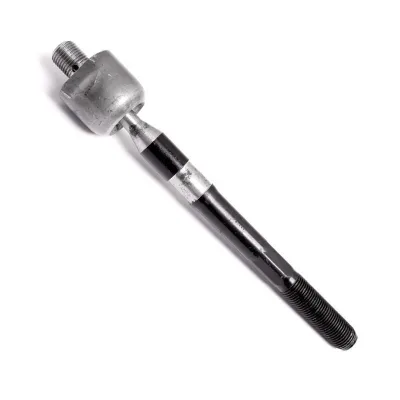
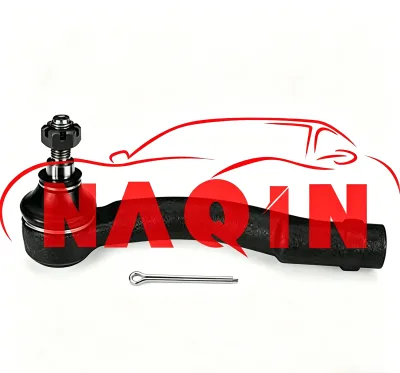
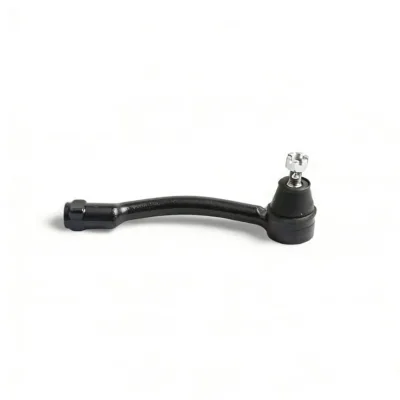
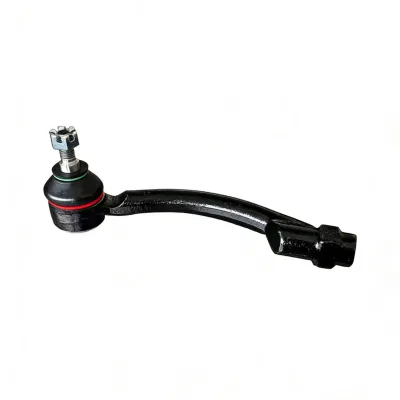
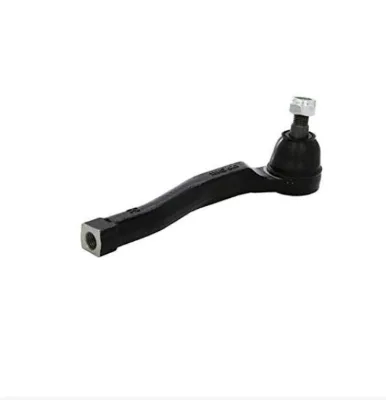
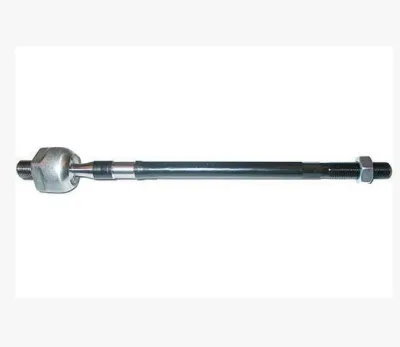


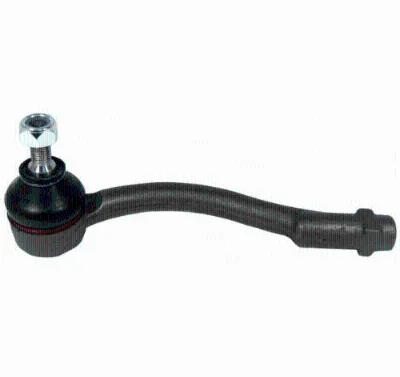
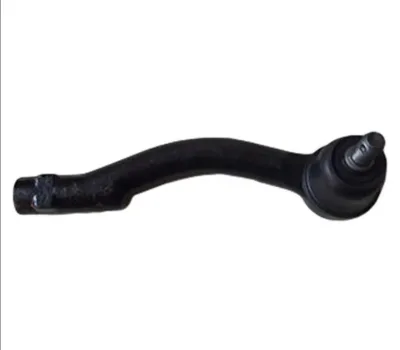


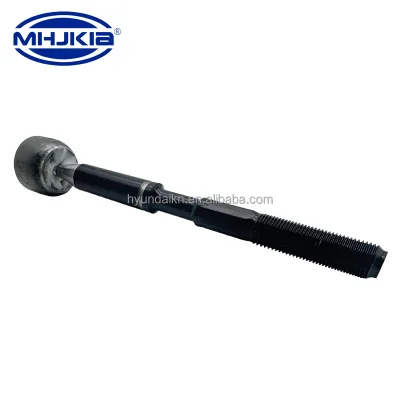
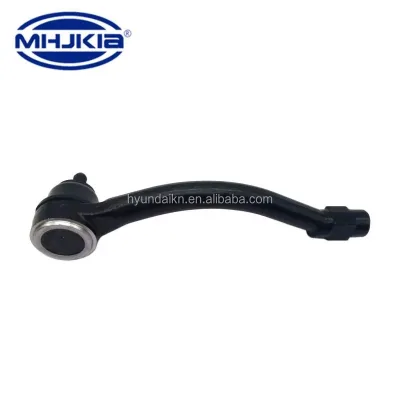
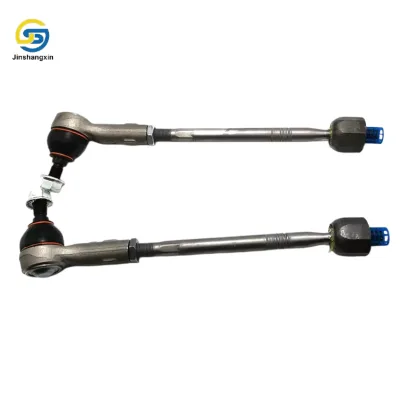
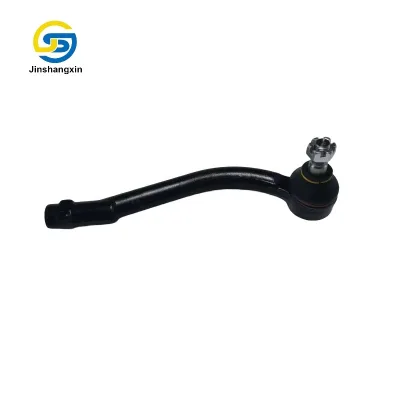
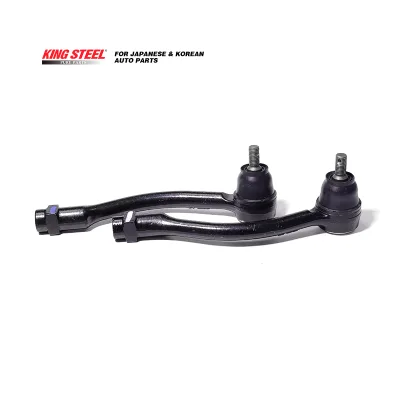
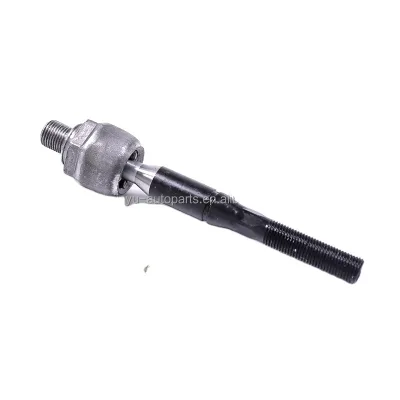
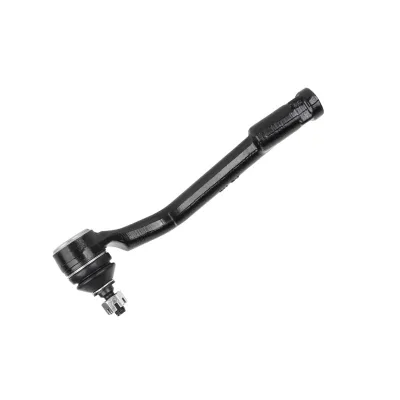
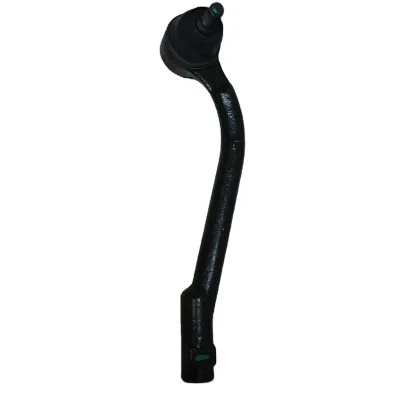
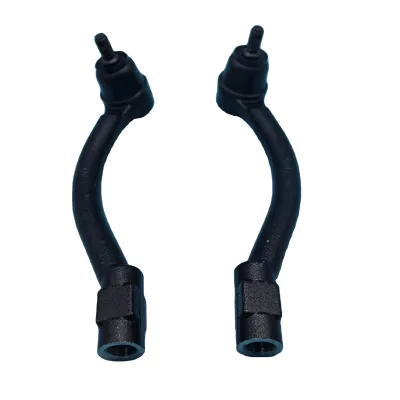
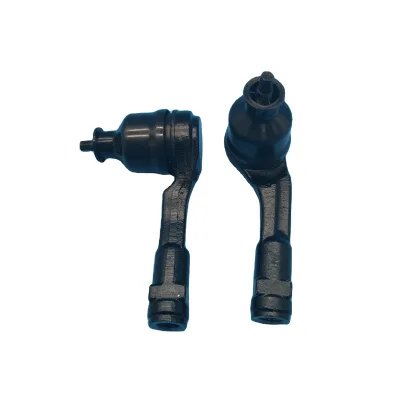
Comprehensive Sourcing Guide
Kia Picanto Tie Rod End Supplier Concentration and Factory Types
Buyers searching this category will find the strongest concentration of suppliers in China, and the current supplier results confirm two meaningful sourcing bases. One is Anhui province, where a supplier describes itself as both a trading company and a manufacturer/factory, lists TS 16949 system certification, holds BV verification, and supplies a product line spanning Tesla parts, control arms, suspension components, steering parts, tie rod ends, sway bar links, steering knuckles and BMW parts. The product evidence from this base is heavily weighted toward Hyundai and Kia tie rod ends, with multiple Picanto-relevant OE numbers listed, and the stated product origin is Anhui, China. This makes Anhui a practical starting point when mapping the cluster for Kia Picanto Tie Rod End programs.
The second identifiable base is Beijing, where a trading company focuses specifically on Hyundai and Kia auto parts, Genesis parts, Korean auto parts generally, Ssangyong parts, and engine assembly and overhaul components. Its catalog centers on tie rods and tie rod ends for Korean vehicles, including a long list of OE numbers. Beyond these two locations, treat concentration claims cautiously: instead of assuming a fixed number of factories, sort supplier results by location, supplier type and main products, then verify whether each candidate manufactures tie rod ends itself or resells from a nearby plant. Confirm the actual production site early, because a trading label paired with factory capability can still mean outsourced machining or assembly.
How to Verify Kia Picanto Tie Rod End Suppliers
Verification should start with credentials that are actually displayed and then move to what only direct contact can confirm. In the current results, one Anhui supplier shows TS 16949 system certification and BV verification, which are meaningful signals for an automotive steering component, but you should still request the certificate numbers and confirm they are current. Ask whether the OE numbers you need, such as the Picanto tie rod end references listed in product records, are produced in-house or sourced. The Anhui supplier also lists OEM capability under R&D capacity, so request evidence of previous OE-number tooling or custom projects rather than accepting the label at face value.
Second, verify operational reliability through measurable behaviors. Response times differ sharply between the two bases in the results: one supplier shows a response time of roughly twenty hours, while the Beijing trading company shows around eight hours, so test each candidate with a technical question about a specific OE number and log how long a substantive answer takes. Ask for sample parts before committing, check that packaging is neutral as several listings state, and confirm which party performed any testing, since one Beijing listing claims 100% tested quality without naming a lab. Finally, request business registration details, a factory address, and photos or a video walkthrough of the production line so the claimed supplier type in Anhui or Beijing matches the physical operation.
What to Compare Across Kia Picanto Tie Rod End Suppliers
Build a comparison grid from the dimensions the listings actually expose. Lead time is a clear differentiator: the Beijing trading company shows a stated lead time of 25 days, and one of its listings advertises delivery within 7 to 15 days for shipped orders, while the Anhui supplier shows a 45-day lead time. For replenishment-sensitive programs, that gap matters, but confirm lead times against your specific OE number, since fast quoted delivery may apply only to stocked references. Minimum order quantities also diverge: the Beijing listings state a MOQ of 1 piece, while the Anhui tie rod end listings state 100 pieces per item, which changes whether you can trial a part or must commit to a batch.
Response speed is the second behavioral metric, with the Beijing company at roughly 8 hours and the Anhui supplier at roughly 20 hours on average. Location and supplier type belong in the grid too, because an Anhui manufacturer with OEM capability serves different needs than a Beijing trading company that consolidates Korean-car parts. Main products matter for consolidation: the Beijing catalog spans Hyundai, Kia, Genesis and Ssangyong lines, while the Anhui supplier also covers Tesla parts and BMW parts, which is relevant only if you need mixed-brand sourcing. Finally, compare customization availability, packing format, and stated quality claims side by side, and weight them by evidence strength rather than by how confidently each listing is worded.
Common Kia Picanto Tie Rod End Sourcing Risks
The most frequent risk in this category is OE-number mismatch. Several listings show inconsistencies worth flagging: one product titled as a front right tie rod end for Kia Picanto 56820-1y550 lists an OE number of 56872-43010 in its attributes, which does not match the title reference. Another outer tie rod end listing for Hyundai Tucson and Kia Sportage shows a product model of 568202T000 while the stated OE number is 56820-2s000. These may be cataloging artifacts, but ordering against a mismatched number can leave you with parts that do not fit Picanto applications, so always cross-check the OE number against your vehicle application list before payment.
Other risks cluster around verification gaps and inconsistent data. Quality claims such as "high performance" or "100% tested" appear in listings without named test standards or laboratories, so ask who tested the parts and to what method. Warranty terms vary as well: one Beijing listing states a 1-year warranty while the Anhui listings do not state one, so warranty coverage must be negotiated explicitly. Size and position fields can be ambiguous too, with some listings marking fitting position as front left while others list right and left positions together; confirm hand-side orientation for every reference. Finally, be cautious about origin claims: one Beijing listing states the place of origin as China or Korea, which is too vague for customs documentation, and vague origins complicate traceability if a batch later fails in service.
Kia Picanto Tie Rod End Regional Sourcing and Logistics
Regional strategy should reflect what the two bases in the results actually offer. The Beijing trading company suits mixed Korean-car procurement: its catalog spans Hyundai, Kia, Genesis and Ssangyong components, its stated lead time of 25 days with some listings at 7 to 15 days supports faster replenishment, and its shipping line explicitly covers express carriers including FedEx, DHL, EMS, UPS and air freight, alongside sea options implied by express-plus-sea wording in another listing. With a MOQ of 1 piece on some listings, Beijing is practical for urgent, small-quantity or sample-stage orders where air freight cost per unit is acceptable.
The Anhui base favors consolidated, volume-oriented programs. Its 45-day lead time requires earlier planning, but its listings state MOQ of 100 pieces per item with unit prices listed per reference, neutral packing as standard, and customization availability, which aligns with container-level ordering. Shipping attributes in several Anhui listings mention air, sea and express options, so confirm which mode fits your order size and required arrival window. When mapping regions beyond these two bases, do not assume clusters exist without evidence: search by province-level location fields, filter by supplier type, and request factory addresses to see whether suppliers cluster near component machining or heat-treatment capacity. Also factor in domestic transit from Anhui or Beijing to the departure port, since it adds days that listings rarely include in quoted lead times.
Kia Picanto Tie Rod End Commercial Terms and Order Planning
Commercial terms across the results are consistent in some respects and varied in others. Both bases state T/T as the payment term, so plan for deposit-and-balance structures and negotiate the deposit percentage directly. Packing is stated as neutral packing across the Anhui tie rod end listings and the Beijing tie rod listing, which supports reselling under your own brand, but confirm carton marking requirements and whether neutral packing affects price. Pricing in the Anhui listings is shown per reference with stated unit prices and 100-piece minimums, so request quotations per OE number rather than assuming a shared price tier across the catalog.
Order planning should reconcile the lead-time difference directly: with a stated 45-day lead time from the Anhui supplier versus 25 days from Beijing, you need different reorder points for each source. For trial or sample orders, the Beijing listings with a 1-piece MOQ and 7-to-15-day delivery are the natural first step; for production batches, use the Anhui 100-piece MOQ structure and confirm tooling or customization lead times separately, since customization is listed as available without a stated duration. Before the first order, confirm in writing the warranty term where one is claimed, the exact OE numbers per carton, and who bears freight risk under the chosen shipping mode. Document every agreed term against the listing, because attribute tables can change between quotation and production confirmation.
Word count check: I need 1350-1450 total. Six sections, each 225-235 including heading. Let me count section by section.
S1 heading: "## Kia Picanto Tie Rod End Supplier Concentration and Factory Types" — words: Kia(1)Picanto(2)Tie(3)Rod(4)End(5)Supplier(6)Concentration(7)and(8)Factory(9)Types(10) = 10.
S1 para1: count: "Buyers1 searching2 this3 category4 will5 find6 the7 strongest8 concentration9 of10 suppliers11 in12 China,13 and14 the15 current16 supplier17 results18 confirm19 two20 meaningful21 sourcing22 bases.23 One24 is25 Anhui26 province,27 where28 a29 supplier30 describes31 itself32 as33 both34 a35 trading36 company37 and38 a39 manufacturer/factory,40 lists41 TS42 1694943 system44 certification,45 and46 holds47 BV48 verification,49 and50 supplies51 a52 product53 line54 spanning55 Tesla56 parts,57 control58 arms,59 suspension60 components,61 steering62 parts,63 tie64 rod65 ends,66 sway67 bar68 links,69 steering70 knuckles71 and72 BMW73 parts.74 The75 product76 evidence77 from78 this79 base80 is81 heavily82 weighted83 toward84 Hyundai85 and86 Kia87 tie88 rod89
FAQs
What is the MOQ for Kia Picanto tie rod ends?
The minimum order quantity is typically 100 pieces for standard OEM replacements. Some suppliers offer a lower MOQ of just 1 piece for testing or small repairs. Buyers should verify the specific requirement with the manufacturer before placing an order to ensure it meets their volume needs.
How long does delivery take for these parts?
Standard lead times range from 25 to 45 days depending on the supplier and location. Some Beijing-based traders offer faster delivery within 7 to 15 days. Buyers should confirm the exact timeline with the supplier to plan their inventory and avoid production delays.
What certifications do these suppliers hold?
Many manufacturers in Anhui hold TS 16949 system certification for quality management. Suppliers are also verified by Bureau Veritas to ensure reliability. Buyers should request current certification documents to confirm compliance with international automotive standards before finalizing any purchase agreement.
What is the price range for these tie rod ends?
Prices generally range from $2.00 to $4.85 per piece based on the specific model and OE number. Some items are listed at $3.00 or $3.42. Buyers should request a formal quote to get the exact price for their required quantity and shipping terms.
Where are these suppliers located?
Manufacturers are primarily located in Anhui, China, while trading companies operate in Beijing. Buyers can choose based on their preference for direct factory pricing or trading company convenience. Location affects shipping costs and lead times, so verify the origin before ordering.
What payment terms are accepted?
Most suppliers accept T/T (Telegraphic Transfer) as the standard payment method. Buyers should confirm the payment schedule, such as deposit and balance, with the supplier. Always use secure payment methods or escrow services if available to protect your transaction.