Steel and Rubber Stabilizer Link Suppliers and Manufacturers
Compare 20 verified suppliers of steel and rubber stabilizer links by location, response time, and lead time. Review ISO certifications and product specifications to source durable stabilizer links for vehicle suspension systems; review the available evidence before requesting comparable quotations from suitable candidates.
Updated
Suppliers List

Anhui Heshun Automobile Parts Co., Ltd.
- Verified by SGS
- Combined
- China Anhui
- Lead time30 days
- Avg. response≤ 4h
Main productsBall Joint
Main marketsDomestic

Ningbo Tsy Auto Parts Co., Ltd.
- Manufacturer/Factory
- China Zhejiang
- Lead time45 days
- Avg. response≤ 8h
Main productsSuspension Parts, Tie Rod End, Stabilizer Link, Rack End, Ball Joint, Control Arm, Shock Absorber, Drive Shaft, Bushing, Strut Mounting
Main marketsSouth America,Eastern Europe,North America,Western Europe,Africa

Deqing Lizheng Metal Works Co., Ltd.
- Verified by SGS
- Combined
- China Zhejiang
- Lead time15 days
- Avg. response≤ 6h
Main productsWelding, Sheet Metal Fabrication, Medical Equipment Parts, Metal Casting, Fasteners
Main marketsDomestic
Wenzhou Naqin Auto Parts Co., Ltd.
- Trading Company
- Zhejiang, China
- Lead time45 days
- Avg. response≤ 2h
Main productsBrake Pad/Brake Shoes/Brake Disc, Ball Joint/Linkage/Rack End/Tie Rod/Suspension Bushing, Universal Joint
Main marketsAfrica(40.00%), Mid East(23.00%), South America(20.00%), South Asia(5.00%), Eastern Europe(5.00%), Southeast Asia(5.00%), North America(2.00%)
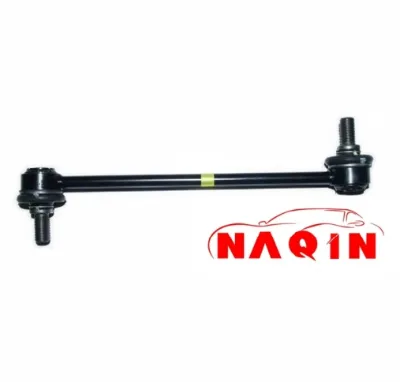
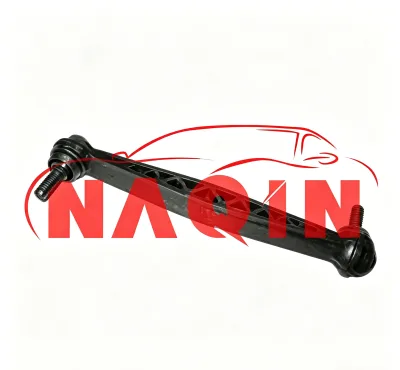
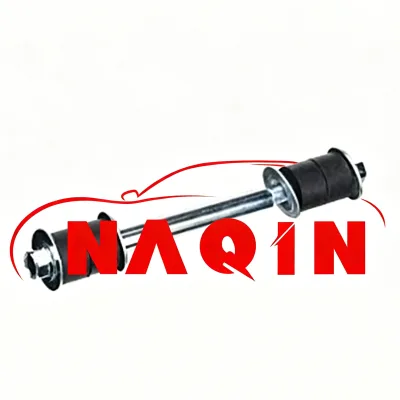
54719-43000 New Suspension Parts for STABILIZER LINK for 5471943000-1 Year Warranty
$0.67 - $0.73
MOQ: 300
Xingtai Jiuyou Auto Parts Information Service Co., Ltd.
- Verified by SGS Group
- Trading Company
- Lead time7 days
- Avg. response≤ 7h
Main productsShock Absorber, Lower Control Arm, Tie rod ends, Hub Bearing, CV Joint Repair Kit
Main marketsSoutheast Asia(20%), Mid East(20%), South America(10%)
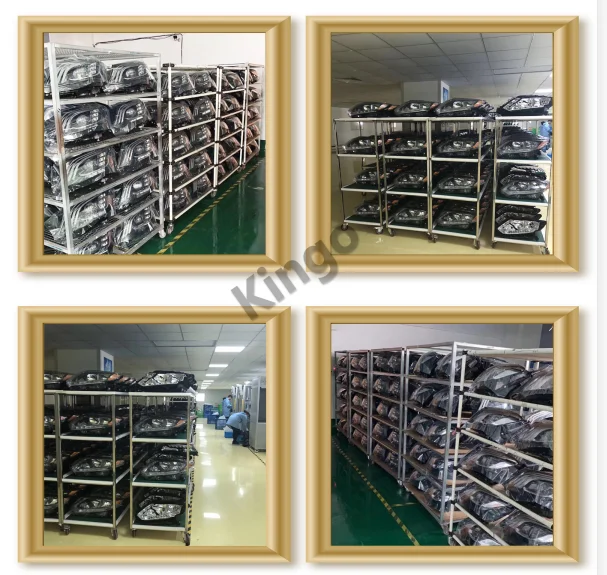
Guangzhou Kingo Auto Parts Co., Ltd.
- Manufacturer, Trading Company, Distributor/Wholesaler, Business Service (Transportation, finance, travel, Ads, etc)
- Guangdong, China
- Lead time10 days
- Avg. response≤ 14h
Main productsAutomotive spare parts,Car Accessory,Automotive electronics,Chassis parts,Engine Parts
Main marketsAfrica(40.00%), South America(30.00%), Mid East(10.00%), Domestic Market(5.00%), Northern Europe(5.00%), Eastern Europe(5.00%), North America(5.00%)

Changzhou JLD Auto Parts Co., Ltd.
- Combined
- China Jiangsu
- Lead time60 days
- Avg. response≤ 11h
Main productsBall Joint, Inner Arm Shaft Kit, Tie Rod End, Side Rod Assy, Rack End, Drag Link, Cross Rod, Center Link, Idler Arm, Pitman Arm
Main marketsSouth America,Africa,Southeast Asia/ Mideast,Domestic
Guangzhou Xingyue Auto Parts Distributor
- Trading Company
- Guangdong, China
- Lead time10 days
- Avg. response≤ 7h
Main productsChassis Parts:,Ball Joint,Tie Rod End,Rack End,Control Arm
Main marketsSoutheast Asia(20.00%), Africa(15.00%), Mid East(15.00%), Oceania(10.00%), South Asia(10.00%), Eastern Asia(10.00%), Western Europe(5.00%), Eastern Europe(5.00%), North America(5.00%), South America(5.00%)
Hangzhou Ekko Auto Parts Co., Ltd.
- Trading Company
- Lead time旺季: "1 - 1000":30,"> 1000":"To be negotiated", 淡季: "1 - 1000":30,"> 1000":"To be negotiated"
- Avg. response≤ 9h
Main productsEnd Link,Bushing,Strut Mount,Engine Mounting
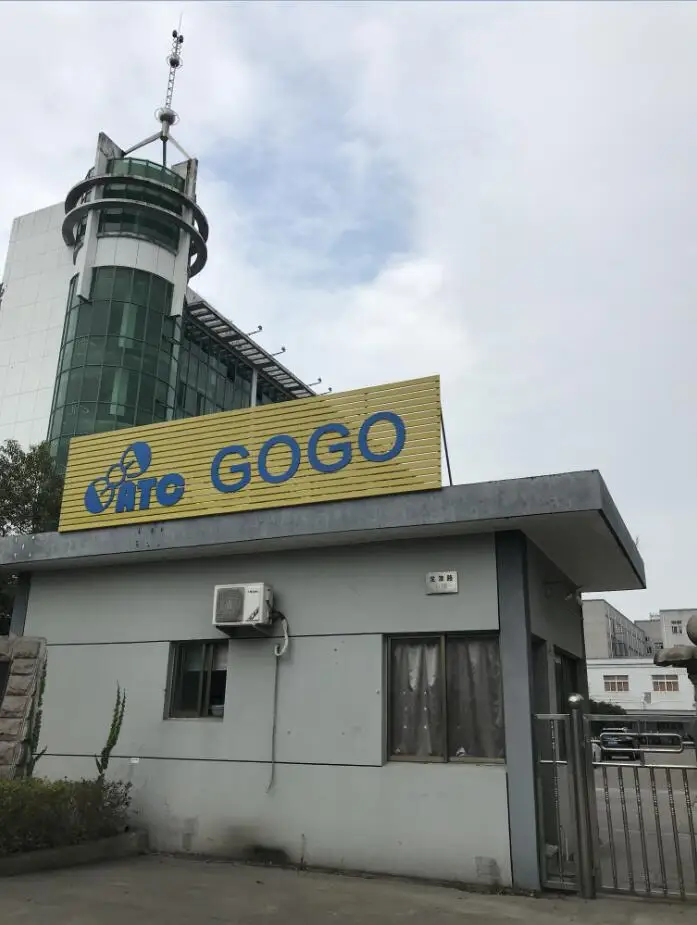
Ningbo Fenghua Gogo Automatic Trading Company Limited
- Trading Company
- Zhejiang, China
- Lead time30 days
- Avg. response≤ 9h
Main productsWater Pump,auto sensor,auto switch,Idle Air Control Valve For RENAULT OEM 7700859134 6NW009141-111 4.02003.59.0 AESP20912 70859134 556071 Idle Air Control Valve,Thermostat Housing
Main marketsMid East(10.00%), Eastern Asia(10.00%), Africa(10.00%), Southeast Asia(10.00%), Eastern Europe(10.00%), South America(10.00%), North America(10.00%), Northern Europe(5.00%), Central America(5.00%), Domestic Market(5.00%), South Asia(5.00%), Oceania(4.00%), Western Europe(3.00%), Southern Europe(3.00%)
Ningbo Long Wind Auto Parts Co., Ltd.
- Trading Company
- Lead time旺季: "1 - 20":120,"21 - 100":180,"> 100":"To be negotiated", 淡季: "1 - 20":120,"21 - 100":180,"> 100":"To be negotiated"
- Avg. response≤ 2h
Main productsShock Absorber, Ball Joint, CV Joint, Rubber, Clutch Kit
Ningbo Jolite Imp. & Exp. Co., Ltd.
- Verified by TüVRheinland
- Manufacturer, Trading Company
- Lead time35 days
- Avg. response≤ 8h
Main productsAuto Parts, LED Lights
Main marketsNorth America(22%), Central America(15%), Northern Europe(13%)

TAIZHOU TUOBA MACHINERY CO., LTD.
- Verified by SGS
- Trading Company
- China Zhejiang
- Lead time30 days
- Avg. response≤ 8h
Main productsBall Joints, Tie Rod Ends, Shock Absorber, Rack End, Control Arm, Brake Pads, Idler Arm/Pitman Arm, Stabilizer Link, Engine Mounts, Strut Mount
Main marketsEurope

Guangzhou Hengxin Auto Parts Trading Co., Ltd.
- Verified by SGS
- Manufacturer/Factory
- China Guangdong
- Lead time23 days
- Avg. response≤ 13h
Main productsFilter, Ball Joint, Water Pump, Break Pads, Rubber Sleeve, Coil Ignition, Spark Plug, Gasket
Main marketsSouth America,Eastern Europe,Mid East,North America,Southeast Asia,Eastern Asia,Oceania,Western Europe,Africa
Hunan Lvtu Auto Parts Co., Ltd.
- Manufacturer, Trading Company
- Hunan, China
- Lead time5 days
- Avg. response≤ 3h
Main productsSway Bar&Anti-roll Bar,Control Arm&Camber Kit,Strut Bar,Bushing,Stabilizer Link
Main marketsDomestic Market(40.00%), North America(30.00%), Southeast Asia(10.00%), Eastern Europe(5.00%), Western Europe(5.00%), Eastern Asia(5.00%), Mid East(5.00%)

Wenzhou Naqin Auto Parts Co., Ltd
- Verified by SGS
- Trading Company,Manufacturer/Factory
- China Zhejiang
- Lead time45 days
- Avg. response≤ 4h
Main productsBrake Pad, Brake Shoes, Brake Disc, Clutch Plate, Radiator, Universal Joint, Release Bearing, Shock Absorber, Fuel Pump, Ball Joint
Main marketsSouth America,Mid East,Africa
Guangzhou Brace Auto Parts Co., Ltd.
- Verified by SGS Group
- Trading Company
- Lead time10 days
- Avg. response≤ 6h
Main productsExterior Parts, Engine Parts, Chassis Parts, Gearbox Parts, Cooling System
Main marketsMid East(20%), South America(15%), Africa(15%)
Hangzhou Aelwen Auto Parts Co., Ltd.
- Verified by Intertek
- Trading Company
- Lead time30 days
- Avg. response≤ 3h
Main productsSteering Rack, Door Lock Actuator, Gear Shift Knob, Auto Switch, Car Door Handle
Main marketsEastern Europe(40%), North America(20%), Africa(10%)
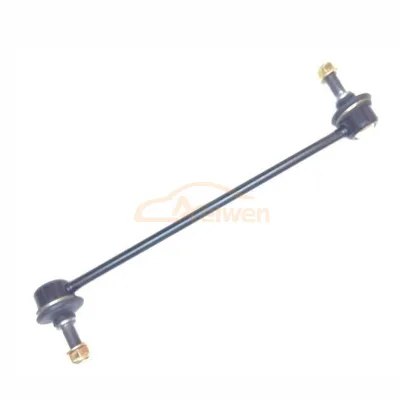
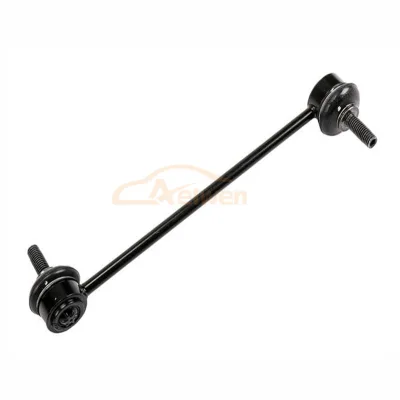
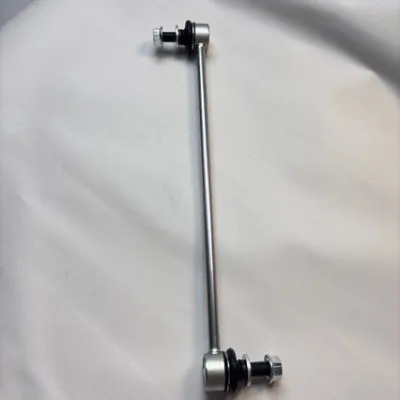
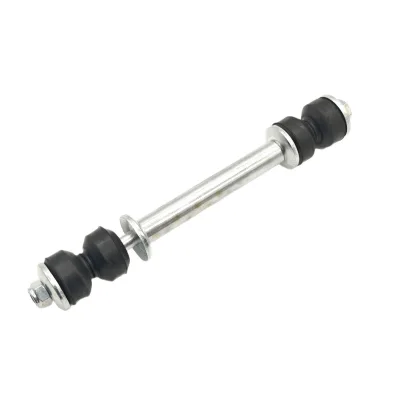
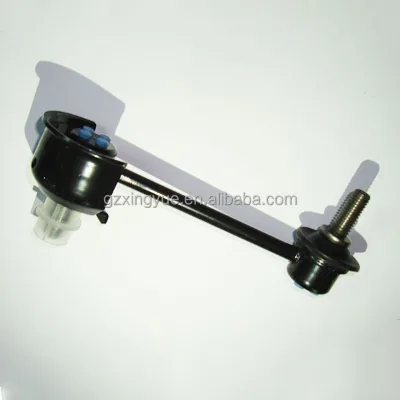
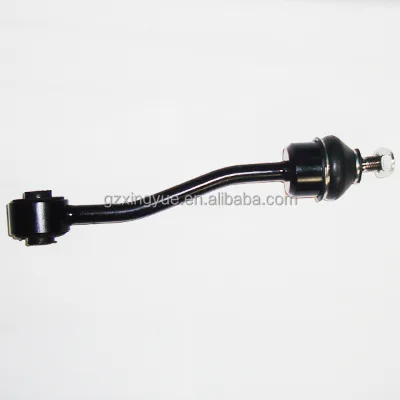
Superb Quality Car Stabilizer Links Used for Chrysler SEBRING (JS) OE No. 05174185AB
$3.3016 - $3.6012
MOQ: 300 pieces
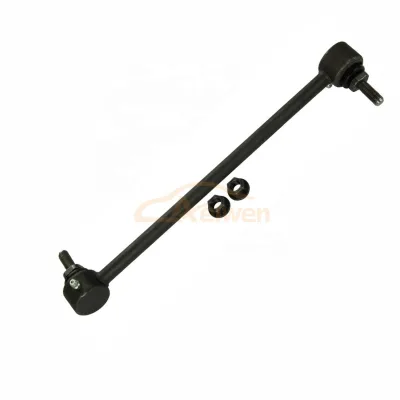
High Quality Stabilizer Link Used for CHEVROLET OE NO.2103059 95167261 350239
$1.48 - $1.80
MOQ: 300 pieces
Superb Quality Car Stabilizer Links Used for TOYOTA SIENNA OE No. Left 4881008010 Right 4882008010
$2.16 - $2.36
MOQ: 300 pieces

Ningbo Hongzhuo Import & Export Co., Ltd.
- Verified by SGS
- Trading Company,Manufacturer/Factory
- China Zhejiang
- Lead time23 days
- Avg. response≤ 9h
Main productsAutomobile Part, Shock Absorber Ball Joint Brake Parts Brake D, Brake Pad, Air Filter, Auto Part, Oil Filter, Cabin Air Filter, Fuel Filter, Brake Shoes, Clutch Set
Main marketsSouth America,Eastern Europe,Mid East,North America,Southeast Asia,Eastern Asia,Oceania,Western Europe,Africa
Guangzhou Guanyuan Zhiyou Auto Parts City Adis Auto Parts Firm
- Trading Company
- Guangdong, China
- Lead time15 days
- Avg. response≤ 6h
Main productsSpark Plug/Ball Joint/Shock Absorber/Oil Filter/Brake Pads
Main marketsAfrica(16.00%), Eastern Europe(16.00%), Southeast Asia(10.00%), Mid East(9.00%), North America(9.00%), Central America(8.00%), Western Europe(7.00%), Northern Europe(5.00%), Oceania(5.00%), South America(5.00%), Domestic Market(5.00%), South Asia(2.00%), Southern Europe(2.00%), Eastern Asia(1.00%)


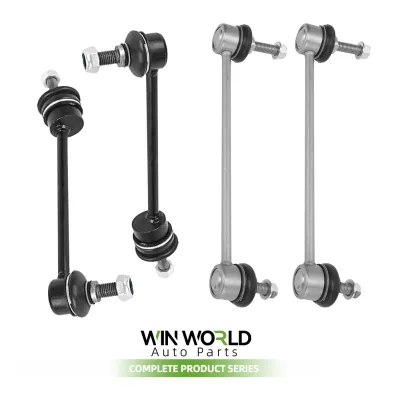
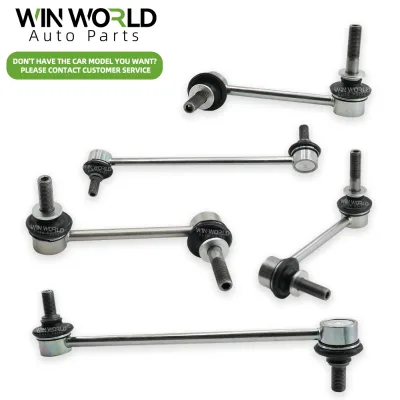
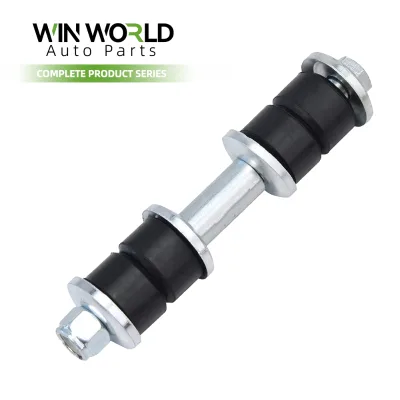
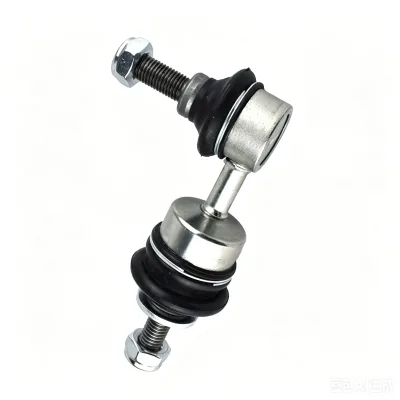








Comprehensive Sourcing Guide
Steel and Rubber Stabilizer Link Supplier Concentration and Factory Types
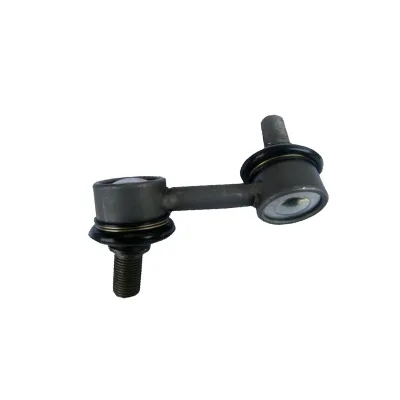
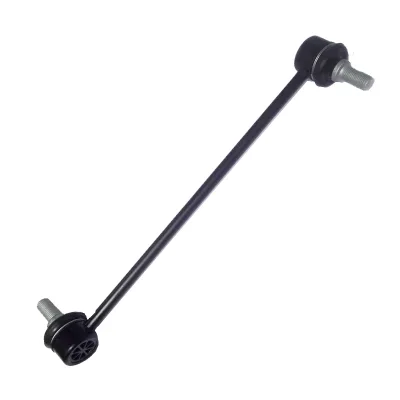
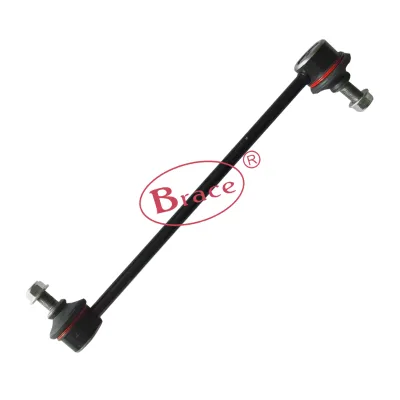
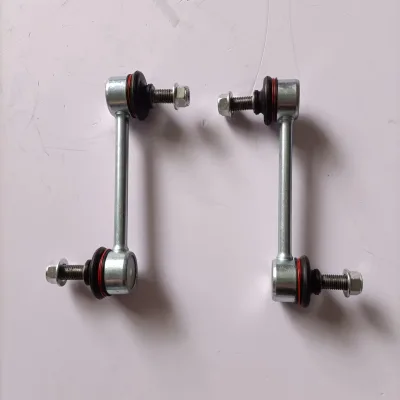
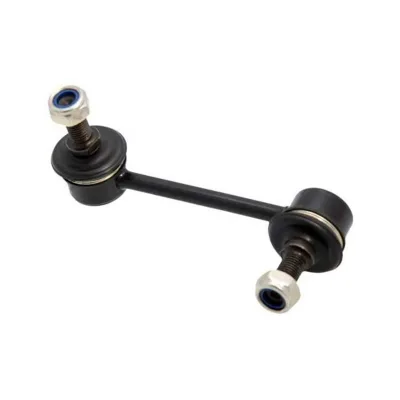
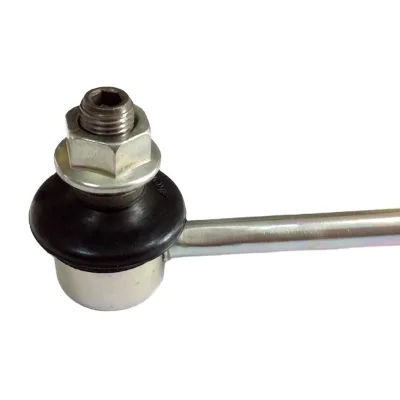
The current supplier landscape for stabilizer links reveals a distinct concentration of manufacturing activity within specific Chinese provinces, particularly Anhui and Zhejiang. These regions serve as critical hubs for automotive suspension components, offering buyers access to established industrial ecosystems that support high-volume production. Suppliers in these areas often specialize in a narrow range of products, such as ball joints, tie rod ends, and stabilizer links, allowing them to optimize their production lines for efficiency and consistency. This specialization is evident in the main product listings, which frequently highlight stabilizer links alongside other suspension parts like control arms and shock absorbers. Buyers evaluating these suppliers should recognize that this geographic clustering often correlates with mature supply chains for raw materials, including steel and rubber, which are essential for manufacturing durable stabilizer links. The presence of these clusters suggests that buyers can expect a high degree of logistical efficiency and competitive pricing due to the density of related industries. However, it is crucial to verify that the specific factory you are engaging has the actual capacity to produce the exact specifications required for your vehicle models, as specialization can sometimes limit flexibility in custom designs.
Factory types in this sector vary significantly, ranging from pure manufacturers to combined entities that may include trading operations. The data indicates a mix of company types, with some suppliers identified strictly as manufacturers or factories, while others are classified as combined entities. This distinction is vital for buyers because it impacts how orders are managed and how communication flows between the buyer and the production floor. Manufacturer-focused suppliers often provide more direct control over quality assurance processes and production schedules, which can be beneficial for large orders requiring strict adherence to technical specifications. In contrast, combined entities might offer broader product ranges or more flexible service options, potentially acting as intermediaries that consolidate orders from multiple factories. Buyers should carefully review the supplier’s declared company type to understand the nature of their operation. If a supplier claims to be a manufacturer, verifying their physical production capabilities through video audits or third-party inspections can confirm their actual role in the supply chain. Understanding this dynamic helps buyers align their sourcing strategy with their need for direct factory access versus the convenience of a consolidated supplier.
How to Verify Steel and Rubber Stabilizer Link Suppliers
Verifying the authenticity and reliability of stabilizer link suppliers requires a multi-layered approach that goes beyond simple profile reviews. One of the most critical steps is to check for third-party verification badges, such as SGS, which indicate that an independent agency has assessed the supplier’s business legitimacy and operational capabilities. In the current results, some suppliers display SGS verification, providing a baseline level of trust regarding their corporate structure and financial stability. However, verification badges alone do not guarantee product quality or production consistency. Buyers must also scrutinize the supplier’s system certifications, such as ISO 9001 or TS 16949, which are standard requirements for automotive parts manufacturers. These certifications demonstrate that the supplier has implemented a quality management system that meets international standards for automotive production. It is important to note that not all suppliers will display these certifications prominently, so buyers should actively request copies of valid certificates and verify their expiration dates and scope. Additionally, checking the supplier’s response time can offer insights into their operational efficiency and customer service commitment. A supplier with a rapid response time, such as under four hours, may indicate a well-staffed and responsive team, whereas slower responses could signal potential bottlenecks in communication or order processing.
Beyond certifications and response metrics, buyers should evaluate the supplier’s product evidence and technical documentation to ensure alignment with their specific needs. Detailed product attributes, such as OE numbers, material specifications, and testing results, provide concrete evidence of the supplier’s technical competence. For instance, suppliers listing specific OE numbers like 54822h1000 or 2033202889 demonstrate their ability to produce exact replacements for established vehicle models. Buyers should cross-reference these OE numbers with their own vehicle requirements to ensure compatibility. Furthermore, examining the supplier’s production capacity, such as their ability to handle OEM or ODM orders, can reveal their flexibility and scalability. Suppliers that offer both OEM and ODM services may have more advanced engineering capabilities, allowing them to customize stabilizer links for unique applications. Buyers should also inquire about the supplier’s quality control processes, including whether they perform 100% testing on finished products. Requesting sample units for independent testing is a crucial step in verifying product durability and performance. By combining verification of business credentials with technical due diligence, buyers can significantly reduce the risk of partnering with unreliable suppliers.
What to Compare Across Steel and Rubber Stabilizer Link Suppliers
When evaluating multiple suppliers for stabilizer links, buyers must systematically compare key operational metrics to identify the most suitable partner for their specific requirements. One of the primary dimensions for comparison is lead time, which directly impacts inventory management and order fulfillment speed. In the current results, lead times vary, with some suppliers offering a 30-day turnaround while others indicate a 45-day production cycle. Buyers should align their order planning with these lead times to avoid stockouts or excess inventory. Additionally, comparing the minimum order quantity (MOQ) is essential, as it determines the financial commitment required to initiate a purchase. Some suppliers may have an MOQ of 100 units, which is suitable for smaller buyers or trial orders, while others might require higher volumes. Buyers should also assess the price range for comparable products, noting that prices can fluctuate based on material costs and order volume. For example, stabilizer links may range from approximately $0.95 to $2.00 per unit, depending on the specific model and customization options. By comparing these financial and logistical metrics, buyers can determine which supplier offers the best value proposition for their budget and volume needs.
Another critical aspect of comparison is the supplier’s customization capabilities and product variety. Buyers should examine whether the supplier offers customization options, such as specific colors, packaging, or material compositions, to meet their branding or technical requirements. The current data shows that many suppliers offer customization, which can be a significant advantage for buyers seeking unique product features. Additionally, comparing the range of main products offered by each supplier can reveal their breadth of expertise. Suppliers that specialize exclusively in stabilizer links may offer deeper technical knowledge and higher quality control for that specific component, while those with a broader range of suspension parts might provide more comprehensive sourcing solutions. Buyers should also consider the supplier’s response time as a measure of their customer service quality. A supplier with a faster response time, such as under four hours, may be more responsive to inquiries and issue resolution. By systematically comparing lead times, MOQs, prices, customization options, and response speeds, buyers can make informed decisions that balance cost, quality, and service efficiency. This comparative analysis helps buyers identify suppliers that not only meet their technical specifications but also align with their operational workflows and strategic goals.
Common Steel and Rubber Stabilizer Link Sourcing Risks
Sourcing stabilizer links from international suppliers introduces several risks that buyers must proactively manage to ensure a smooth procurement process. One significant risk is the potential for quality inconsistencies, particularly when dealing with suppliers that lack robust quality control systems. Stabilizer links are critical safety components, and any defect can compromise vehicle stability and driver safety. Buyers should be wary of suppliers that do not provide detailed product testing results or certifications, as this may indicate a lack of rigorous quality assurance. Additionally, the risk of counterfeit or substandard materials, such as inferior steel or rubber, is a concern in the automotive parts industry. Buyers must verify that the materials used in the stabilizer links meet the specified standards, such as ISO certifications, to ensure durability and performance. Another risk is the potential for communication barriers, which can lead to misunderstandings regarding product specifications, delivery schedules, or payment terms. Buyers should establish clear communication channels and confirm all details in writing to mitigate this risk. Furthermore, the risk of supply chain disruptions, such as raw material shortages or production delays, can impact order fulfillment. Buyers should assess the supplier’s production capacity and backup plans to ensure they can meet demand even during peak seasons or unexpected disruptions.
Payment and financial risks are also prevalent in international sourcing, particularly when dealing with new or unverified suppliers. Buyers should be cautious of suppliers that request full payment upfront or offer terms that do not align with industry standards, such as T/T without escrow protection. The lack of escrow services can leave buyers vulnerable to fraud or non-delivery of goods. Additionally, the risk of hidden costs, such as unexpected shipping fees or customs duties, can impact the total cost of ownership. Buyers should clarify all costs, including packaging, shipping, and taxes, before finalizing the order. Another risk is the potential for intellectual property infringement, particularly if the supplier produces unauthorized copies of branded stabilizer links. Buyers should ensure that the supplier has the necessary rights to produce and sell the products they are ordering. To mitigate these risks, buyers should conduct thorough due diligence, including verifying supplier credentials, requesting samples, and using secure payment methods. By identifying and addressing these common risks early in the sourcing process, buyers can protect their interests and ensure a successful procurement experience. Proactive risk management is essential for maintaining product quality, ensuring timely delivery, and safeguarding financial investments in the stabilizer link supply chain.
Steel and Rubber Stabilizer Link Regional Sourcing and Logistics
Regional sourcing strategies play a crucial role in optimizing the logistics and cost-efficiency of stabilizer link procurement. The current supplier results highlight a concentration of manufacturers in China, specifically in provinces like Anhui and Zhejiang, which are known for their automotive parts industries. Sourcing from these regions can offer buyers access to a mature supply chain with established infrastructure for manufacturing and export. However, buyers must consider the logistical implications of sourcing from these locations, including shipping times, freight costs, and customs procedures. The distance between the supplier’s location and the buyer’s destination can significantly impact delivery times and overall costs. Buyers should evaluate the supplier’s experience in international shipping and their ability to handle export documentation efficiently. Additionally, the regional concentration of suppliers may offer opportunities for consolidation, allowing buyers to combine orders from multiple suppliers in the same region to reduce shipping costs. However, buyers must also be aware of potential regional risks, such as local regulatory changes or infrastructure disruptions, that could affect production and delivery. By understanding the logistical landscape of the supplier’s region, buyers can make informed decisions about their sourcing strategy and optimize their supply chain for efficiency and reliability.
Logistics planning also involves selecting the appropriate shipping method and incoterms to balance cost and speed. Buyers should compare options such as sea freight, air freight, and express courier services, considering the weight and volume of the stabilizer links. Sea freight is often more cost-effective for large orders, while air freight may be necessary for urgent shipments. Buyers should also consider the supplier’s packaging standards, as improper packaging can lead to damage during transit. The current data indicates that some suppliers use neutral packaging or natural packing, which may require additional protection for international shipping. Buyers should clarify packaging requirements with the supplier to ensure the products arrive in good condition. Additionally, buyers should be aware of customs regulations in their destination country, including any tariffs or restrictions on automotive parts. Working with a reliable freight forwarder can help navigate these complexities and ensure smooth clearance. By carefully planning the logistics of stabilizer link sourcing, buyers can minimize delays, reduce costs, and ensure that their supply chain operates efficiently. Effective logistics management is a key component of successful international sourcing, enabling buyers to maintain consistent inventory levels and meet customer demands.
Steel and Rubber Stabilizer Link Commercial Terms and Order Planning
Commercial terms and order planning are critical components of a successful stabilizer link sourcing strategy, requiring careful negotiation and foresight. Buyers should
FAQs
What is the price range for steel stabilizer links?
Steel stabilizer links typically range from $0.95 to $2.00 per unit. Prices vary based on specific OE numbers, material grades, and customization requirements. Buyers should verify exact costs for their target models, as premium stainless steel options may cost slightly more than standard steel variants.
What is the minimum order quantity for these parts?
The minimum order quantity is generally 100 units. This standard MOQ allows for efficient production runs while keeping initial investment manageable for small to medium buyers. Larger orders may qualify for better pricing tiers, so checking specific supplier terms is recommended for bulk purchases.
How long does production take for stabilizer links?
Production lead times typically range from 30 to 45 days. Some suppliers offer faster turnaround times of 20 to 30 days for specific models. Buyers should confirm exact delivery schedules with their chosen supplier, as peak seasons or custom requirements can extend these timelines.
Are these stabilizer links certified for quality assurance?
Yes, many suppliers hold ISO and TS 16949 certifications. Products are often 100% tested before shipment to ensure durability and performance. Buyers should verify specific certification documents with suppliers to confirm compliance with international automotive standards and ensure consistent quality across large orders.
Can suppliers provide OEM or custom stabilizer links?
Yes, customization is available for most suppliers. Many offer OEM and ODM services to meet specific vehicle requirements. Buyers can request custom packaging, branding, or specific material grades. It is advisable to discuss technical specifications and minimum order quantities for custom orders directly with the supplier.
Where are these stabilizer links manufactured?
These parts are primarily manufactured in China, specifically in Anhui and Zhejiang provinces. These regions are known for their robust automotive parts manufacturing infrastructure. Buyers can expect competitive pricing and reliable supply chains from these locations, though shipping times should be factored into the overall procurement plan.