Arch Support TPE Shoe Insole Suppliers and Manufacturers
Source 21 verified suppliers for Arch Support TPE Shoe Insole products. Compare key dimensions including location, response time, lead time, and MOQ to identify suitable partners. Review product specifications and pricing details to streamline your sourcing process effectively; review the available evidence before requesting comparable quotations from suitable candidates.
Suppliers List

Yangzhou Runtong International Trading Co., Ltd.
- Verified by TUVRHEINLAND
- Trading Company
- China Jiangsu
- Lead time30 days
- Avg. response≤ 2h
Main productsShoe Insole, Shoe Polish, Shoe Brush, Shoe Tree, Shoe Cleaner, Shoe Lace, Shoe Deodorizer, Shoe Freshener, Shoe Horn
Main marketsSouth America,Southeast Asia/ Mideast,Europe,Australia,North America

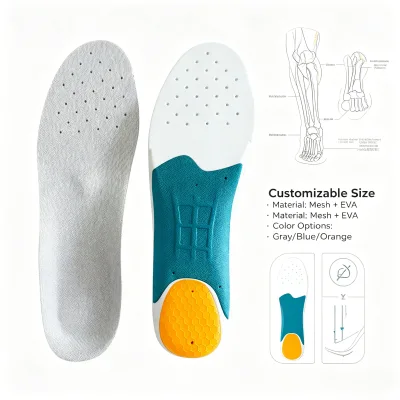
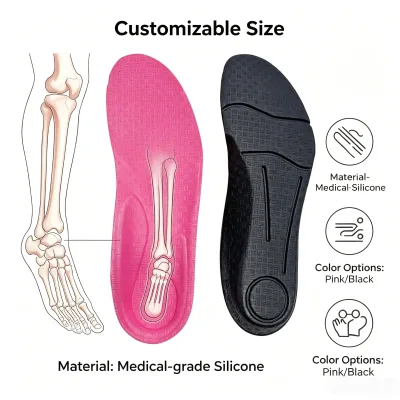
Arch Support Sports Insole Orthopedic Orthotic Insole for Flat Foot Shoe Insoles
$1.91 - $2.51
Moq: 3000


Comfortable & Washable EVA Sports Shoe Insoles Arch Support Shock Absorbing Insole
$0.57 - $0.59
Moq: 1000


Ningbo Yiyuankang International Trade Co., Ltd.
- Combined
- China Zhejiang
- Lead time30 days
- Avg. response≤ 25h
Main productsMedical Bandage, Tape, Medical First Aid, Alcohol Pad, Face Mask, Adhesive Bandage, Bandage
Main marketsSouth America,Africa,Southeast Asia/ Mideast,East Asia(Japan/ South Korea),Europe,Australia,North America

Xiamen Kon Technology Co., Ltd.
- Manufacturer, Trading Company
- Fujian, China
- Lead time20 days
- Avg. response≤ 4h
Main productsOrthotics Insole,Insole,custom made orthotics,plantar fasciitis insoles,arch support inserts
Main marketsNorth America(50.0%), Western Europe(25.0%), Domestic Market(10.0%), South America(8.0%), Eastern Europe(5.0%), Oceania(2.0%)

Ningbo Multi Channel Co., Ltd.
- Trading Company
- China Zhejiang
- Lead time23 days
- Avg. response≤ 15h
Main productsFirst Aid Kit, Wound Dressing, Bandage, Outdoor Emergency Supplies, Hot/Cold Therapy, Surgery Supplies, Laboratory Supplies, Medical Devices, Anethesia Breathing Supplies, Daily Care
Main marketsSouth America,Southeast Asia/ Mideast,East Asia(Japan/ South Korea),Europe,North America

- Verified by TUVRHEINLAND
- Trading Company
- China Fujian
- Lead time23 days
- Avg. response≤ 7h
Main productsYoga Wear, Underwear, Swimwear, Jacket, Workwear, Uniform, Soccer Jerseys, Sneakers, 3D Printing Filament, Electric Piano
Main marketsAustralia
Henan Bangni Biological Engineering Co., Ltd.
- Verified by SGS Group
- Manufacturer, Trading Company
- Lead time15 days
- Avg. response≤ 4h
Main productsWarm Insoles, Height Increase Insoles, Orthotic Insoles, Sport Insoles, Work Insoles
Main marketsDomestic Market(45%), North America(35%), Eastern Europe(5%)
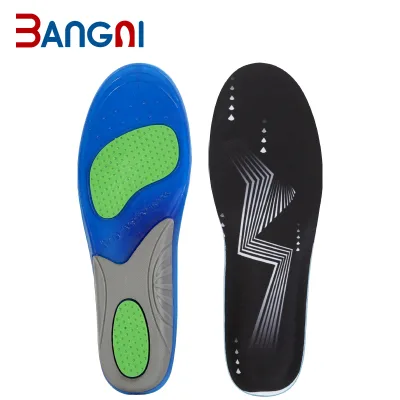
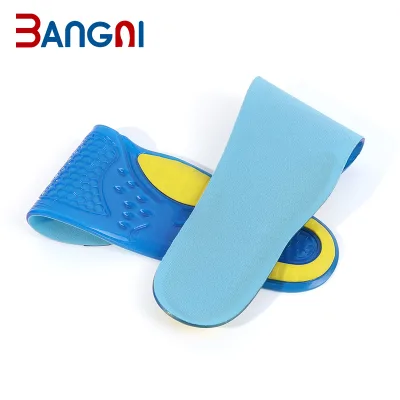
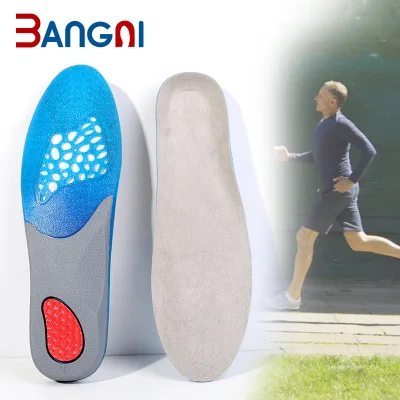
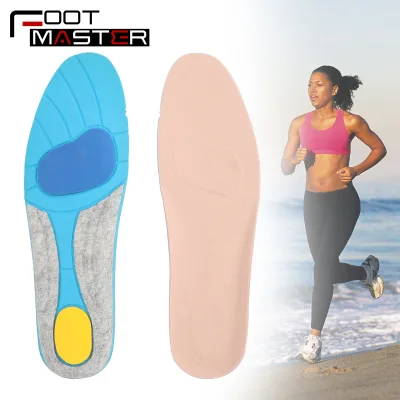
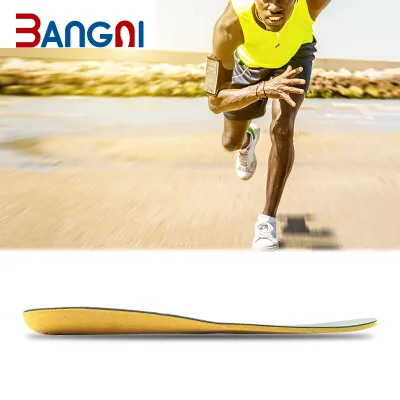
New Arrival Comfortable Waterproof Inner Sole PU Foam Leather Insoles for Shoes
$3.20 - $3.90
Moq: 3000
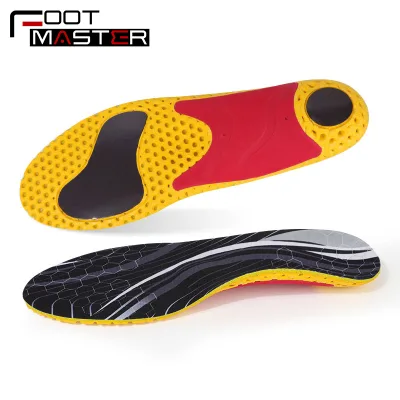
EVA insole High elastic breathable running basketball shoe-pad man women sport insoles
$1.65 - $2.00
Moq: 3000

Wenzhou Future Shoe Material Co, . Ltd
- Verified by CTI
- Combined
- China Zhejiang
- Lead time30 days
- Avg. response≤ 13h
Main marketsDomestic

Ningbo Beiduoen Health Tech. Co., Ltd.
- Verified by CTI
- Combined
- China Zhejiang
- Lead time23 days
- Avg. response≤ 10h
Main productsKnee Support, Ankle Brace, Compression Arthritis Glove, Wrist Support, Waist Belt, Foot Care, Insoles, Toe Separator, Compresson Sock Glove Knee Brace, Copper Supports
Main marketsSouth America,Southeast Asia/ Mideast,Europe,Australia,North America


Orthotic Arch Cushion Support Shoe Insoles / Shoe Insole with Orthotic Inserts Parts
$1.40 - $1.80
Moq: 500


- Trading Company
- Lead time旺季: "1 - 500":19,"501 - 1000":30,"1001 - 3000":45,"> 3000":"To be negotiated", 淡季: "1 - 500":19,"501 - 1000":30,"1001 - 3000":45,"> 3000":"To be negotiated"
- Avg. response≤ 6h
Main productsInsoles,Slippers,Activewear,Shoes Boots and Accessories,Apparel and Accessories

Chongqing Xiaoai Technology Co., Ltd.
- Verified by CTI
- Combined
- China Chongqing
- Lead time23 days
- Avg. response≤ 1h
Main productsFoot Scanner, Foot Pressure Detection and Insoles Customizatio, Gait Analysis Treadmill, Foot Pressure Plate, Spine Scanner, Orthopedic Insole, Heat Moldable Orthotic Insole
Main marketsDomestic


Flat Foot Orthotic Insoles Custom Heat Moldable Insoles Arch Support Shoe Inserts
$7.50 - $8.50
Moq: 100


Foshan Shichuang Technology Co., Ltd.
- Verified by TUVRHEINLAND
- Trading Company
- China Guangdong
- Lead time15 days
- Avg. response≤ 3h
Main productsStretch Bandages, Hallux Valgus Corrector, Foot Pads, Metatarsal Pad, Wrap Elastic Bandage, Bunion Corrector, Leg & Foot Supports, Toe Separators, Bunion Pads
Main marketsDomestic
Dongguan Since Household Care Co., Ltd.
- Verified by TüVRheinland
- Manufacturer, Trading Company
- Lead time15 days
Main productsPU Gel / Silicone Insoles, TPE Gel Insoles, SEBS Gel Footcare Products, PU Foam Insoles, EVA Insoles
Main marketsNorth America(32%), Eastern Asia(22%), Domestic Market(18%)
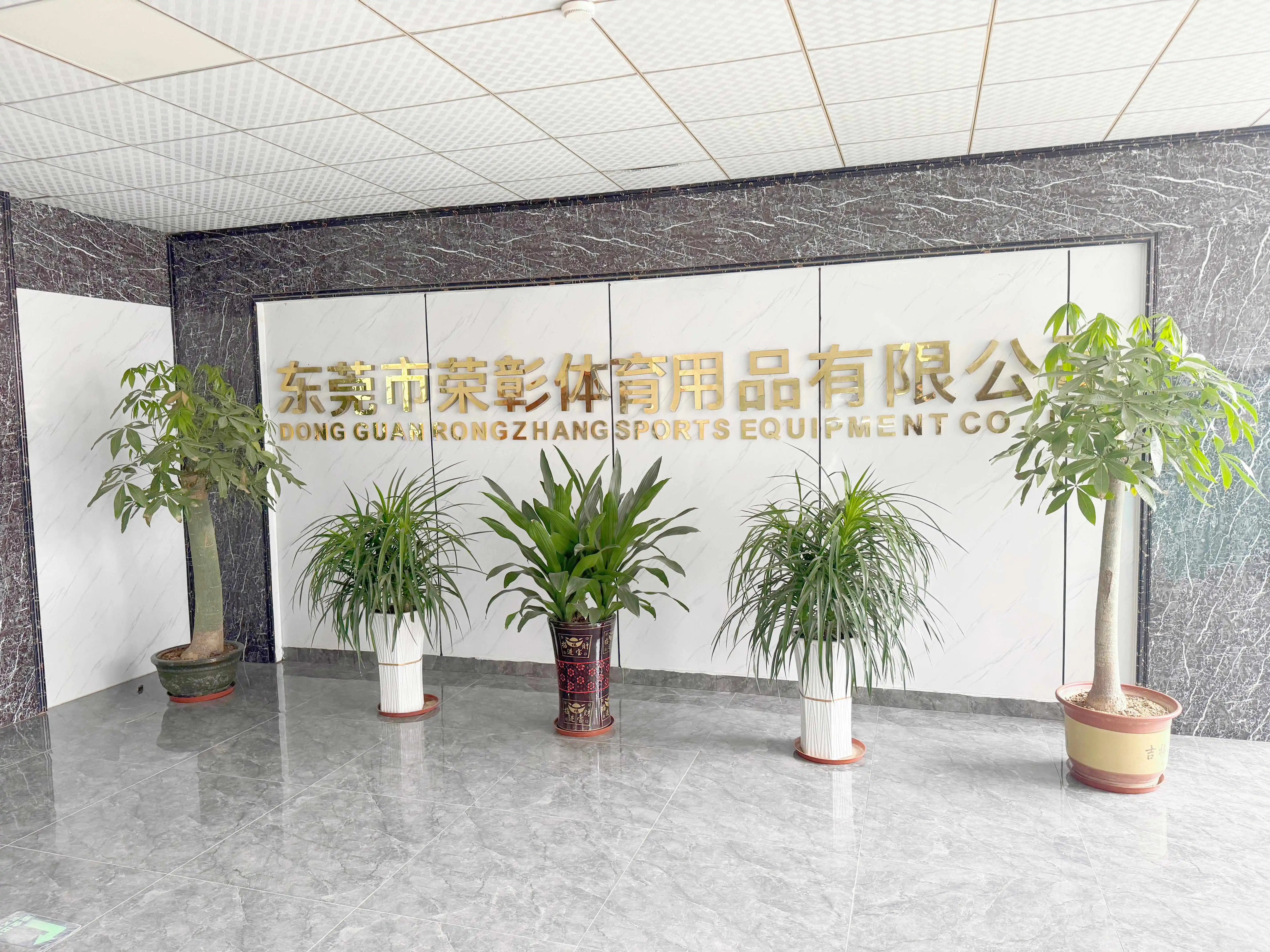
Dongguan Rongzhang Sports Goods Co., Ltd.
- Manufacturer, Trading Company
- Guangdong, China
- Lead time7 days
- Avg. response≤ 4h
Main productsinsole,SANDALS,shoe,kneepad,sneakers
Main marketsSouthern Europe(50.0%), Northern Europe(50.0%), Eastern Europe(50.0%), Central America(50.0%), Western Europe(50.0%), Oceania(30.0%), South America(30.0%), North America(30.0%), Africa(20.0%), Domestic Market(20.0%), South Asia(20.0%), Southeast Asia(20.0%), Eastern Asia(10.0%), Mid East(10.0%)
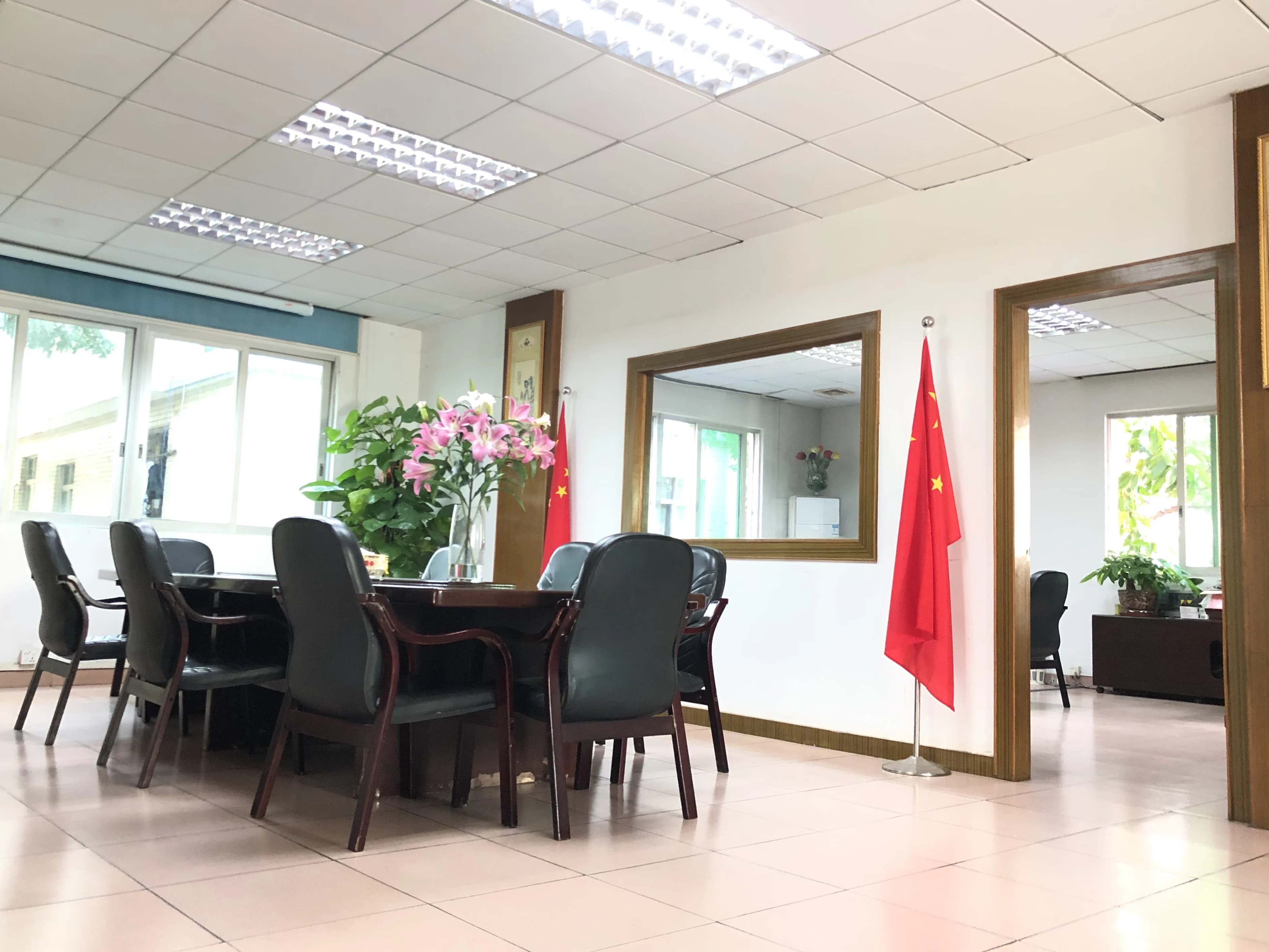
Dongguan Houjie Jinsheng Shoes Material Manufactory
- Manufacturer
- Guangdong, China
- Lead time20 days
- Avg. response≤ 4h
Main productsInsoles,Footcare Products
Main marketsWestern Europe(30.0%), North America(30.0%), Eastern Asia(20.0%), South Asia(5.0%), Oceania(5.0%), Domestic Market(3.0%), South America(3.0%), Southeast Asia(3.0%), Mid East(1.0%)

Shijiazhuang Wonderfu Rehabilitation Device Technology Co., Ltd.
- Verified by CTI
- Combined
- China Hebei
- Lead time15 days
- Avg. response≤ 7h
Main productsKnee Joint
Main marketsSouth America,Africa,Southeast Asia/ Mideast,East Asia(Japan/ South Korea),Europe,Australia,North America

Quanzhou Sanxinda Trading Co., Ltd.
- Verified by SGS
- Combined
- China Fujian
- Lead time23 days
- Avg. response≤ 25h
Main productsShoe Sole, Shoe Last, Shoelace, PU, Insole, Hot Melt Adhesive, Shoe Material
Main marketsDomestic
Fujian Jiali Shoes Industry Co., Ltd.
- Trading Company
- Fujian, China
- Lead time0 days
- Avg. response≤ 3h
Main productsSport Shoes,Casual Shoes,Kids Shoes,Other Shoes,Insoles
Main marketsNorth America(70.0%), Mid East(20.0%), Africa(10.0%)

Ningbo Youkiunite Imp &Exp Co., Ltd
- Verified by CTI
- Trading Company
- China Zhejiang
- Lead time15 days
- Avg. response≤ 4h
Main productsSocks, Hat/Cap, Slippers, Shoelaces, Scarf, Gloves, Pet Products, Shoes Accessories, Garment Accessories, Shoes
Main marketsSouth America,Europe,North America

Ningbo Kangbeien Heatlh Tech. Co., Ltd.
- Verified by SGS
- Combined
- China Zhejiang
- Lead time30 days
- Avg. response≤ 8h
Main marketsDomestic

Hangzhou Kebo Orthopedic Rehabilitation Equipment Co.,Ltd
- Verified by SGS
- Combined
- China Zhejiang
- Lead time30 days
- Avg. response≤ 8h
Main productsSpine Orthosis, Orthosis Accessories, Upper Limb Orthosis, Lower Limbs Orthosis
Main marketsSoutheast Asia/ Mideast,Europe

Yangzhou Holly International Co., Ltd.
- Verified by BV
- Combined
- China Jiangsu
- Lead time15 days
- Avg. response≤ 15h
Main marketsSoutheast Asia/ Mideast,East Asia(Japan/ South Korea),Domestic,Europe


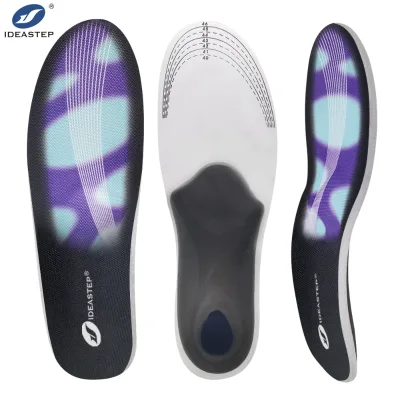
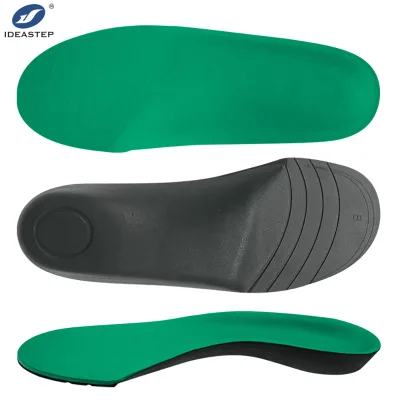
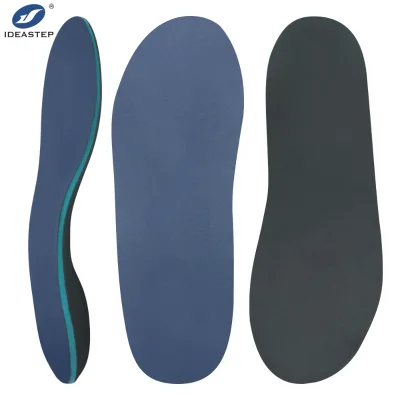
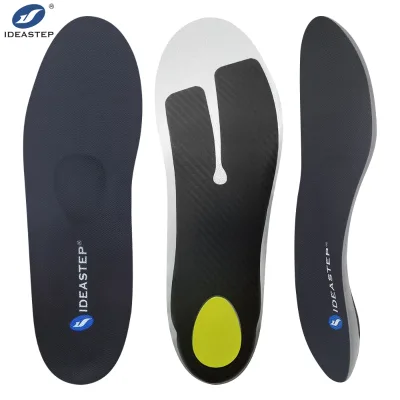


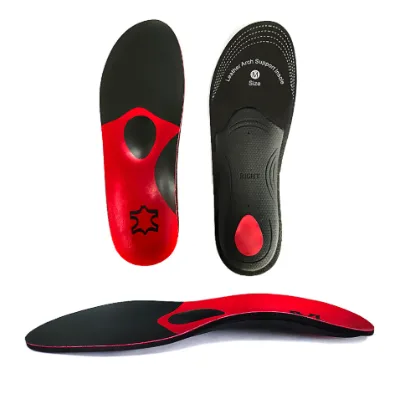
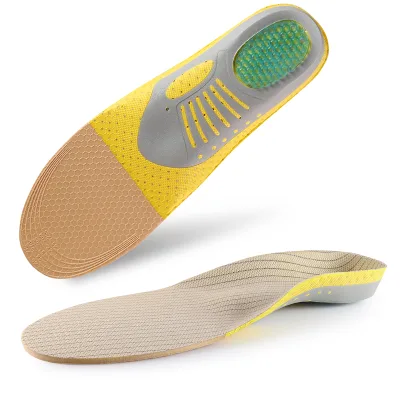
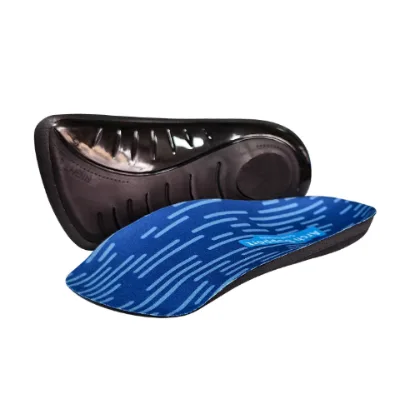
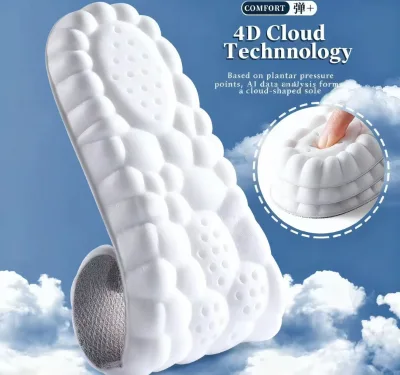






Comprehensive Sourcing Guide
Arch Support TPE Shoe Insole Supplier Concentration and Factory Types
Current data indicates a concentration of suppliers in China Jiangsu, where specific manufacturers offer orthotic and sports insoles with arch support features. These entities are primarily identified as trading companies, though some possess own-brand capabilities and specific product lines like polyurethane or EVA insoles. The presence of these suppliers in Jiangsu suggests a regional cluster for footwear accessories, yet the data also shows a separate entity in China Zhejiang focusing on medical bandages and first aid supplies. This distinction is critical because a supplier in Zhejiang may have different core competencies compared to the Jiangsu-based specialists in shoe parts. Buyers must verify if a supplier's main product list explicitly includes arch support insoles rather than assuming all footwear accessory suppliers in a region offer the same depth of inventory.
When evaluating factory types, the distinction between trading companies and manufacturers with ODM or OEM capacity is vital for sourcing strategy. Some suppliers in the results list themselves as trading companies, which may imply they source from multiple factories, while others explicitly state ODM and OEM capabilities for customization. The presence of "Own brand" capacity in some Jiangsu suppliers suggests they may have direct control over production lines for specific models like the IN-0409 or IN-1094. However, without explicit confirmation of a factory floor visit or detailed manufacturing certificates, buyers should treat the "Trading Company" label as a signal to request deeper supply chain transparency. Understanding whether the supplier is a direct manufacturer or a middleman affects the ability to negotiate custom molds for TPE materials and ensures the buyer knows who holds the actual production responsibility.
How to Verify Arch Support TPE Shoe Insole Suppliers
Verification processes should begin by checking for recognized third-party certifications such as TUVRHEINLAND, which appears in the current supplier data as a verification status for specific entities. This certification serves as a concrete indicator of quality management systems, but buyers must confirm that the certification covers the specific production of arch support insoles and not just general company registration. The presence of a verification badge does not automatically guarantee that every product SKU meets the same standard, so cross-referencing the certification scope with the specific product model, such as IN-1297 or IN-1337, is necessary. Buyers should request the full certification document to ensure it is current and explicitly mentions the manufacturing of footwear accessories or orthotic devices.
Response time and communication speed are also critical verification metrics that indicate supplier reliability and operational efficiency. The data shows response times ranging from 1.43 to 24.69, which suggests a significant variance in how quickly different suppliers engage with potential buyers. A supplier with a response time of 1.43 likely has a dedicated sales team ready to handle inquiries, whereas a time of 24.69 might indicate a smaller operation or a different time zone alignment. Buyers should test communication channels before placing orders to ensure that technical questions regarding TPE material properties or arch support geometry receive timely and accurate answers. Additionally, verifying the "Customization" availability listed in product attributes confirms whether the supplier can adapt designs to specific buyer requirements, which is a key indicator of a capable partner for custom arch support solutions.
What to Compare Across Arch Support TPE Shoe Insole Suppliers
Comparing suppliers requires a detailed analysis of minimum order quantities (MOQ) and pricing structures, as these vary significantly across the available product listings. Some suppliers offer an MOQ of 500 pairs for specific EVA models, while others require 3000 pairs for orthopedic insoles, directly impacting the initial investment and inventory risk for the buyer. Price ranges also fluctuate, with some products listed between 0.57 and 0.59 per unit, while others range from 1.91 to 2.51, reflecting differences in material quality, packaging, and brand positioning. Buyers must align these MOQ and price points with their own sales volume projections to avoid overstocking or facing prohibitive entry costs. It is essential to compare the total landed cost, including packaging types like PVC boxes or OPP bags, as these add to the final unit price and affect retail margins.
Lead times and delivery capabilities are another critical dimension for comparison, especially when planning seasonal inventory or urgent restocking needs. The data indicates delivery times of 15 working days for certain breathable honeycomb insoles, while other listings show a general lead time of 30 days. These variations can significantly impact supply chain planning, particularly if the buyer requires just-in-time delivery or has strict launch dates. Buyers should also compare the sample policies, as some suppliers offer free samples while others may charge for them, which affects the cost of the initial evaluation phase. Furthermore, the availability of customized logo printing and packaging options should be weighed against the supplier's ability to meet these requests within the stated lead time, ensuring that branding requirements do not delay the overall production schedule.
Common Arch Support TPE Shoe Insole Sourcing Risks
One significant risk involves the discrepancy between the supplier's stated main products and the actual availability of specialized arch support insoles. While some suppliers list a broad range of shoe accessories, others focus on medical bandages or general footwear parts, which may indicate a lack of specialized expertise in orthotic design. Buyers risk receiving products that do not meet specific arch support requirements if the supplier's core competency lies elsewhere, such as in general shoe polish or laces. It is crucial to verify that the specific product model, such as the IN-0905 or IN-1109, is a core offering rather than a peripheral item, as this affects the supplier's ability to provide technical support and consistent quality control for TPE materials.
Another risk is the potential for inconsistent quality standards across different product lines within the same supplier's catalog. The data shows a mix of materials including polyurethane, EVA, and TPE, each with different performance characteristics for shock absorption and durability. A supplier might excel in producing EVA insoles but lack the specific tooling or expertise for TPE variants, leading to potential quality issues if the buyer assumes uniform capability. Additionally, the variation in packaging standards, from simple OPP bags to customized PVC boxes, can indicate differences in quality control rigor. Buyers must ensure that the specific packaging and material specifications for their order are clearly defined in the contract to avoid receiving substandard goods that do not match the intended market positioning or functional requirements.
Arch Support TPE Shoe Insole Regional Sourcing and Logistics
Sourcing from China Jiangsu offers logistical advantages due to the established cluster of footwear accessory manufacturers in the region. The concentration of suppliers in this area suggests a mature supply chain with ready access to raw materials and specialized labor for producing orthotic insoles. However, buyers must verify the specific port of loading and shipping terms, as logistics costs can vary based on the supplier's exact location within the province. The presence of suppliers in China Zhejiang introduces a different logistical profile, potentially requiring different shipping routes or consolidation strategies if sourcing from multiple regions. Understanding the geographic distribution of suppliers helps in optimizing freight costs and minimizing transit times, especially for time-sensitive orders.
Logistics planning must also account for the specific packaging requirements and dimensions of the insoles, which affect container loading efficiency. The data indicates various packing methods, including cartons, blister cards, and OPP bags, each with different volume-to-weight ratios. Buyers should calculate the cubic meter usage for their specific order to ensure they are maximizing container space and minimizing shipping costs. Additionally, the lead time of 15 to 30 days must be factored into the total delivery timeline, including customs clearance and inland transportation. Buyers should confirm whether the supplier handles export documentation and insurance, as this can simplify the logistics process and reduce the risk of delays or lost shipments during transit to the final destination.
Arch Support TPE Shoe Insole Commercial Terms and Order Planning
Commercial terms regarding payment and escrow services are fundamental to securing a safe transaction, especially when dealing with new suppliers. While the current data does not explicitly list escrow availability for every supplier, buyers should prioritize those who offer secure payment methods to protect their capital. The variation in response times and verification statuses suggests that some suppliers may be more established and reliable than others, making it prudent to use escrow services for initial orders. Buyers should also clarify the payment schedule, such as deposit percentages and balance due dates, to ensure cash flow alignment with production milestones. Understanding these terms helps in mitigating financial risk and ensures that the supplier has the necessary capital to source materials and manufacture the order.
Order planning must be synchronized with the supplier's production capacity and customization capabilities to avoid bottlenecks. The data shows that some suppliers offer customized logo printing and packaging, which requires additional time and coordination during the production phase. Buyers should confirm the lead time for customized orders, as these often exceed the standard 15 to 30-day window. Additionally, the availability of free samples for certain models can aid in the planning phase by allowing for quality testing before committing to a large order. Buyers should also consider the scalability of the supplier, ensuring they can handle increased volumes if the product gains market traction. Clear communication of order specifications and timelines is essential to ensure that the final delivery meets the buyer's expectations and business goals.
FAQs
What is the price range for arch support insoles?
Prices for arch support insoles typically range from $0.57 to $2.78 per pair. Specific models like breathable honeycomb inserts start at $0.57, while orthotic EVA options cost between $1.91 and $2.78. Buyers should verify exact costs based on material selection and order volume.
What are the minimum order quantities for these insoles?
Minimum order quantities vary by product type. Some orthotic insoles require 3,000 pairs, while others accept 500 pairs. Breathable honeycomb styles typically have a 1,000-pair minimum. Buyers must check specific product listings to confirm the exact MOQ applicable to their chosen design and packaging.
How long does delivery take for bulk orders?
Standard lead times are generally around 30 days for production. Certain specific models, such as breathable honeycomb insoles, offer a faster delivery time of 15 working days. Buyers should confirm the exact timeline with the supplier, as production schedules depend on order size and customization requirements.
Are custom logos and packaging available for insoles?
Yes, many suppliers offer customized logo printing and packaging options. Products often support PVC box blister cards, color boxes, or OPP bags with insert cards. Buyers can request specific branding to match their retail needs, ensuring the final product aligns with their brand identity and market positioning.
What materials are used for arch support insoles?
Common materials include Polyurethane and EVA. Polyurethane options provide comfort and durability, while EVA insoles offer shock absorption and breathability. Some designs feature honeycomb structures for enhanced airflow. Buyers should select materials based on their target market's needs for comfort, support, and moisture management.
Where are these insoles manufactured?
These insoles are primarily manufactured in China, specifically in Jiangsu and Zhejiang provinces. Jiangsu suppliers specialize in shoe accessories, while Zhejiang suppliers often combine medical and footwear products. Buyers can verify the exact origin on product listings to ensure alignment with their sourcing preferences and logistics planning.