Warm Kids Wool Felt Insole Suppliers and Manufacturers
Source Warm Kids Wool Felt Insole from 28 verified suppliers in China. Compare response times, lead times, and MOQs to find the right partner. Contact suppliers directly to request quotes and samples for your footwear needs; review the available evidence before requesting comparable quotations from suitable candidates.
Suppliers List

- Verified by TUVRHEINLAND
- Combined
- China Zhejiang
- Lead time23 days
- Avg. response≤ 4h
Main productsShoe Sole, Shoe Mold, Rubber Shoe Sole, PU Shoe Sole, TPR Shoe Sole, EVA Shoe Sole, PVC Shoe Sole, Etpu Shoe Sole
Main marketsAfrica

Shijiazhuang Janefan Import and Export Trade Co., Ltd.
- Verified by CTI
- Trading Company
- China Hebei
- Lead time0 days
- Avg. response≤ 4h
Main productsSheepskin Glove, Leather Glove, Sheepskin Hat, Wool Glove, Sheepskin Earmuff, Wool Felt Hat

Foshan Nanhai Yahang Shoes Co., Ltd.
- Verified by SGS
- Combined
- China Guangdong
- Lead time23 days
- Avg. response≤ 5h
Main productsShoe Soles, Shoe Lasts, Shoe Heels, Shoe Lace, Shoe Upper, Shoe Buckle, Shoe Eyelets, Complete Shoes
Main marketsSoutheast Asia/ Mideast

Ningbo Beiduoen Health Tech. Co., Ltd.
- Verified by CTI
- Combined
- China Zhejiang
- Lead time23 days
- Avg. response≤ 11h
Main productsKnee Support, Ankle Brace, Compression Arthritis Glove, Wrist Support, Waist Belt, Foot Care, Insoles, Toe Separator, Compresson Sock Glove Knee Brace, Copper Supports
Main marketsSouth America,Southeast Asia/ Mideast,Europe,Australia,North America

Comfortable Height Increase Winter Ultra Thick Warming Woolen Insole with Shock Absorption
$1.40 - $1.80
MOQ: 500 Pairs


Yangzhou Runtong International Trading Co., Ltd.
- Verified by TUVRHEINLAND
- Trading Company
- China Jiangsu
- Lead time30 days
- Avg. response≤ 2h
Main productsShoe Insole, Shoe Polish, Shoe Brush, Shoe Tree, Shoe Cleaner, Shoe Lace, Shoe Deodorizer, Shoe Freshener, Shoe Horn
Main marketsSouth America,Southeast Asia/ Mideast,Europe,Australia,North America


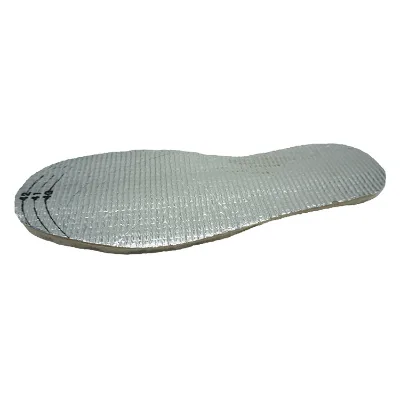
Hot Selling Wholesale Gray White Foot Warmer Inserts Winter Warm Felt Insoles
$0.32 - $0.39
MOQ: 1000 Pairs


Dongguan Rebo Footcare Co., Ltd.
- Trading Company
- Guangdong, China
- Lead time20 days
- Avg. response≤ 12h
Main productsinsoles,Sport insoles,Orthopedic insole,EVA insole,GEL insole
Main marketsSouthern Europe(25.00%), North America(25.00%), Oceania(10.00%), Western Europe(10.00%), Domestic Market(10.00%), Eastern Asia(9.00%), South Asia(8.00%)

Fu Jian Yue Te Advanced Material Technology Co., Ltd.
- Verified by SGS
- Combined
- China Fujian
- Lead time15 days
- Avg. response≤ 1h
Main marketsDomestic


Thick Pain Relieving High Rebound Insoles Memory Foam Insole for All Shoes
$2.00 - $3.50
MOQ: 1000 Pairs


Ningbo Kangbeien Heatlh Tech. Co., Ltd.
- Verified by SGS
- Combined
- China Zhejiang
- Lead time30 days
- Avg. response≤ 9h
Main marketsDomestic

- Combined
- China Guangdong
- Lead time30 days
- Avg. response≤ 5h
Main productsOrthopedic Shoes, Diabetic Shoes, Post Op Shoe, Night Splint, Knee Immobilizer, Orthotic Insole, Diabetic Insole, Cast Shoe, Orthopedic Soft Products
Main marketsSouth America,Africa,Southeast Asia/ Mideast,East Asia(Japan/ South Korea),Europe,Australia,North America
Yiwu Chengding E-Commerce Co., Ltd.
- Trading Company
- Zhejiang, China
- Lead time0 days
- Avg. response≤ 2h
Main productsHome & Garden,Home Storage & Organization,Festive & Party Supplies,Home Textile,Household Cleaning
Main marketsNorth America(30.00%), Mid East(20.00%), Eastern Asia(11.00%), Southeast Asia(10.00%), Northern Europe(5.00%), Central America(5.00%), Eastern Europe(5.00%), South Asia(5.00%), Africa(5.00%), South America(4.00%)

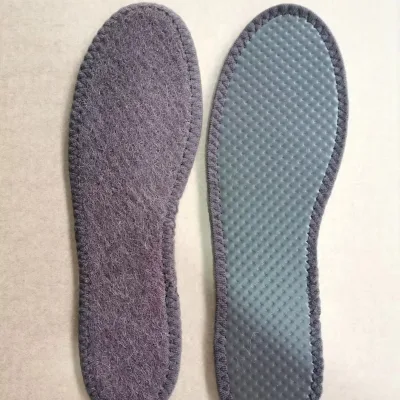
Wool Felt Warm Insoles Natural Wool Insoles Warm Lambs Wool Insoles for Men and Woman
$0.26 - $0.33
MOQ: 100 pairs

Low Price Sale of Winter Warm Fleece Insoles Soft Comfortable Breathable Felt Heated Insoles
$0.26 - $0.33
MOQ: 100 pairs


Dongguan Since Household Care Co., Ltd.
- Verified by TüVRheinland
- Manufacturer, Trading Company
- Lead time15 days
Main productsPU Gel / Silicone Insoles, TPE Gel Insoles, SEBS Gel Footcare Products, PU Foam Insoles, EVA Insoles
Main marketsNorth America(32%), Eastern Asia(22%), Domestic Market(18%)
Dongguan Hengda Shoes Material Co., Ltd.
- Trading Company
- Guangdong, China
- Lead time30 days
- Avg. response≤ 3h
Main productsorthotic insole,orthotic sandal,foot care products,sport gear protective,heated products
Main marketsNorth America(40.00%), Western Europe(20.00%), Northern Europe(10.00%), Southern Europe(5.00%), Oceania(5.00%), Eastern Asia(4.00%), Southeast Asia(4.00%), Eastern Europe(3.00%), Mid East(2.00%), Central America(2.00%), South America(2.00%), Domestic Market(1.00%), South Asia(1.00%), Africa(1.00%)
Dongguan Rongzhang Sports Goods Co., Ltd.
- Manufacturer, Trading Company
- Guangdong, China
- Lead time7 days
- Avg. response≤ 6h
Main productsinsole,SANDALS,shoe,kneepad,sneakers
Main marketsSouthern Europe(50.00%), Northern Europe(50.00%), Eastern Europe(50.00%), Central America(50.00%), Western Europe(50.00%), Oceania(30.00%), South America(30.00%), North America(30.00%), Africa(20.00%), Domestic Market(20.00%), South Asia(20.00%), Southeast Asia(20.00%), Eastern Asia(10.00%), Mid East(10.00%)

Dongguan Topinsole Commodity Limited
- Verified by BV
- Trading Company
- China Guangdong
- Lead time15 days
- Avg. response≤ 10h
Main productsInsoles, Footcare
Main marketsSouth America,Africa,Southeast Asia/ Mideast,East Asia(Japan/ South Korea),Europe,Australia,North America

Zhongshan Yulan Garment Accessories Co., Ltd
- Verified by BV
- Trading Company
- China Guangdong
- Lead time15 days
- Avg. response≤ 1h
Main productsSilicone Patch/Rubber Badge, Elastic Band/Webbing, Embroidery Patch/Badge, Woven Label/Tag, Woven Patch/Badge, Metal Label/Metal Badge, Leather Patch/Leather Label, Printing Label/Tag, Hang Tag/Swing Ticket, Shoes Outsole
Main marketsOthers(foreignTradeCapacity.exportBusinessCapacityMarketOther)

Non-Slip TPR Soft Comfortable&Durable Children's Sports Outsoles for Boys'&Girls' Footwear
$0.10 - $1.65
MOQ: 500 Pairs

Wholesale Cheap Price TPR Children Cotton Shoes Soles Warm Kids Shoes Outsoles
$0.10 - $1.21
MOQ: 500 Pairs


Wholesale Children's TPR Outsoles Customized Anti-Slip Wear-Resistant Kids Boots Outsoles
$0.10 - $1.32
MOQ: 500 Pairs


Child TPR-Sole Kids Anti-Slip&Anti-Wear Shoes Soles Boots Outsole for Children
$0.10 - $1.93
MOQ: 500 Pairs
- Verified by Intertek
- Manufacturer, Trading Company
- Lead time30 days
Main productsinsole, Shoe, shoe accessories, shoe material, shoe tree
Main marketsWestern Europe(34%), North America(33%), Eastern Europe(24%)
Chongqing Xiaoai Technology Co., Ltd.
- Verified by CTI
- Combined
- China Chongqing
- Lead time23 days
- Avg. response≤ 2h
Main productsFoot Scanner, Foot Pressure Detection and Insoles Customizatio, Gait Analysis Treadmill, Foot Pressure Plate, Spine Scanner, Orthopedic Insole, Heat Moldable Orthotic Insole
Main marketsDomestic
Quanzhou Kezhi International Supply Chain Co., Ltd.
- Trading Company
- Lead time旺季: "1 - 1000":30,"> 1000":"To be negotiated", 淡季: "1 - 1000":30,"> 1000":"To be negotiated"
- Avg. response≤ 1h
Main productsOutdoor sports shoes,Casual sports shoes,Military boots,Hiking boots,Shoe accessonaries

Quanzhou Sanxinda Trading Co., Ltd.
- Verified by SGS
- Combined
- China Fujian
- Lead time23 days
- Avg. response≤ 25h
Main productsShoe Sole, Shoe Last, Shoelace, PU, Insole, Hot Melt Adhesive, Shoe Material
Main marketsDomestic
- Trading Company
- Beijing, China
- Lead time20 days
- Avg. response≤ 6h
Main productsInsoles,Slippers,Activewear,Shoes Boots and Accessories,Apparel and Accessories
Main marketsNorthern Europe(15.00%), North America(15.00%), Western Europe(10.00%), Oceania(10.00%), Southeast Asia(10.00%), Eastern Europe(10.00%), South Asia(5.00%), Southern Europe(5.00%), South America(5.00%), Central America(5.00%), Mid East(5.00%), Eastern Asia(5.00%)


2024 New Hot-selling Children's Cowhide Insoles, Breathable and Sweat-absorbent
$1.10 - $1.30
MOQ: 50 pairs

Children's Inline Splayed Adjustment Insoles Foot Inside and Out Correction Insole
$0.95 - $1.24
MOQ: 200

$0.30 - $0.34
MOQ: 50 pairs

Shijiazhuang Wonderfu Rehabilitation Device Technology Co., Ltd.
- Verified by CTI
- Combined
- China Hebei
- Lead time15 days
- Avg. response≤ 7h
Main productsKnee Joint
Main marketsSouth America,Africa,Southeast Asia/ Mideast,East Asia(Japan/ South Korea),Europe,Australia,North America
Dongguan Jiuhui Industrial Limited
- Manufacturer, Trading Company
- Lead time旺季: "1 - 1000":8,"1001 - 10000":15,"> 10000":"To be negotiated", 淡季: "1 - 1000":8,"1001 - 10000":15,"> 10000":"To be negotiated"
Main productsSport Insoles, Orthotic Insoles, Height Increase Insoles, Kids Insoles, Footcare Series
- Verified by SGS
- Manufacturer/Factory
- China Zhejiang
- Lead time15 days
- Avg. response≤ 7h
Main productsPVC Raw Material, PVC Granules, PVC Compound, PU Insole, Pet Items
Main marketsSouth America,Eastern Europe,Mid East,North America,Southeast Asia,Eastern Asia,Oceania,Western Europe,Africa

Soft PU Insole Comfortable Wide-Toe Shoes Insole for Women Shoes Custom Insoles
$0.50 - $0.68
MOQ: 2000 Pieces

Soft Breathable Foam Sports Insoles for Kids Sweat-Absorbent Trimmable for Children's Shoes
$0.29 - $0.39
MOQ: 100 Pieces

Cuttable Kids PU Shoes Insoles Soft Shock Absorption Breathable Sweat Absorbent Anti-Odor
$0.29 - $0.39
MOQ: 100 Pieces
Fujian Jiali Shoes Industry Co., Ltd.
- Trading Company
- Fujian, China
- Lead time0 days
- Avg. response≤ 3h
Main productsSport Shoes,Casual Shoes,Kids Shoes,Other Shoes,Insoles
Main marketsNorth America(70.00%), Mid East(20.00%), Africa(10.00%)

Shanghai Bentensh Environmental Protection Material Co., Ltd.
- Verified by BV
- Combined
- China Shanghai
- Lead time30 days
- Avg. response≤ 3h
Main productsPolyester Fabric, Stitch Bonded Fabric, Non-Woven Fabric, Polyester Cloth
Main marketsAfrica,Europe
Henan Jingyu Network Technology Co., Ltd.
- Verified by TüVRheinland
- Trading Company
- Lead time15 days
Main productsHome Gardening Products, Sports And Entertainment Products, Mother And Baby Toys, Consumer Electronics Products
Main marketsNorth America(42%), Western Europe(15%), Mid East(10%)
Hebei Warner Felt Technology Co., Ltd.
- Manufacturer, Trading Company
- Hebei, China
- Lead time5 days
- Avg. response≤ 2h
Main productsFelt,Wool Felt,Felt Bag,wool dryer ball,Industrial Felt
Main marketsEastern Europe(35.00%), Oceania(15.00%), Western Europe(10.00%), Northern Europe(5.00%), Mid East(5.00%), North America(5.00%), Southern Europe(5.00%), Southeast Asia(5.00%), Eastern Asia(3.00%), Domestic Market(3.00%), South Asia(3.00%), Central America(2.00%), South America(2.00%), Africa(2.00%)

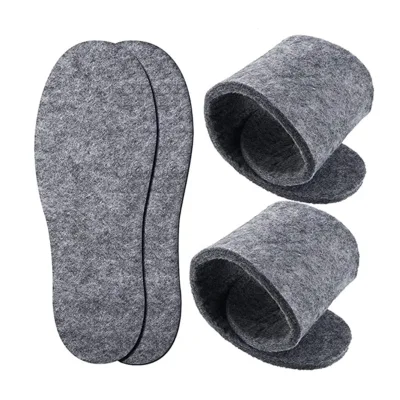
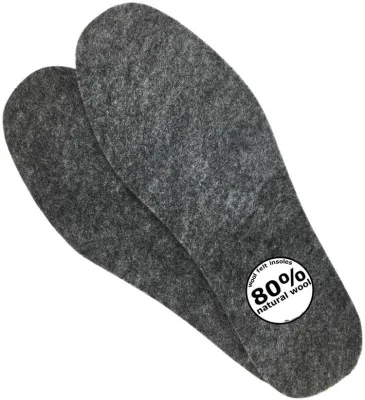
Warm Lambs Natural Wool Insoles Winter Heated Shoe Insoles Wool Felt Warm Insoles for Men and Women
$3.00 - $3.90
MOQ: 1000 pairs
Wujiang City Lida Lustre Finished Products Co., Ltd.
- Manufacturer, Trading Company
- Jiangsu, China
- Lead time0 days
- Avg. response≤ 10h
Main productsShoe Polish,Shoe Brush,Shoe Cushion
Main marketsNorth America(20.00%), Eastern Europe(20.00%), Africa(20.00%), Mid East(20.00%), Western Europe(20.00%)








Comprehensive Sourcing Guide
Warm Kids Wool Felt Insole Supplier Concentration and Factory Types
Identifying the right manufacturing cluster is the first step in narrowing your search for Warm Kids Wool Felt Insole suppliers. While specific geographic concentrations can vary, buyers should look for regions with established textile and footwear accessory industries. In the current supplier results, locations such as Zhejiang, Hebei, and Guangdong appear, indicating a spread across different Chinese provinces. Each region may specialize in different aspects of production; for instance, some areas might focus on raw material processing like wool felting, while others handle final assembly and packaging. You should verify the specific location of each potential partner to understand their logistical advantages and local industry support.
Factory types also vary significantly, impacting your sourcing strategy. Some suppliers operate as combined entities that handle both manufacturing and trading, offering a one-stop solution. Others are pure trading companies that source from multiple factories, which can provide flexibility but may reduce direct control over production quality. When evaluating a supplier, check their company type to understand their operational model. A manufacturer might offer better cost control and customization options, whereas a trading company might provide easier communication and broader product ranges. Understanding these distinctions helps you align the supplier’s capabilities with your specific needs for Warm Kids Wool Felt Insole products.
How to Verify Warm Kids Wool Felt Insole Suppliers
Verification is critical when sourcing Warm Kids Wool Felt Insole products to ensure quality and reliability. Start by checking third-party verification badges, such as those from TUV Rheinland, CTI, or SGS, which indicate that the supplier has undergone independent audits. These certifications can provide confidence in the supplier’s operational standards and product quality. However, do not rely solely on these badges; request detailed audit reports or factory inspection records to gain deeper insights into their production processes. This step helps you confirm that the supplier meets international standards for safety and quality, which is especially important for children’s products.
Additionally, verify the supplier’s product-specific credentials. Look for evidence of material testing, such as wool content verification and safety tests for harmful substances. Request samples to assess the feel, durability, and warmth of the insoles. Check if the supplier provides documentation for their materials, including origin certificates for the wool. This thorough verification process helps you mitigate risks associated with substandard materials or non-compliant products. By combining third-party audits with direct sample testing, you can build a robust assessment of the supplier’s reliability and capability to deliver high-quality Warm Kids Wool Felt Insole products.
What to Compare Across Warm Kids Wool Felt Insole Suppliers
When comparing suppliers for Warm Kids Wool Felt Insole products, focus on key operational metrics that impact your supply chain efficiency. Lead time is a crucial factor; some suppliers may offer shorter production times, while others might require longer periods due to complex manufacturing processes. Check the stated lead times in the supplier profiles and ask for detailed production schedules to understand potential bottlenecks. Response time is another important metric; suppliers with faster response times often indicate better communication and operational efficiency. Compare the average response times of different suppliers to gauge their responsiveness to your inquiries and order updates.
Minimum Order Quantity (MOQ) is another critical comparison point. Some suppliers may have lower MOQs, making them suitable for smaller test orders, while others might require larger quantities, which can be beneficial for bulk purchases. Evaluate the MOQs in relation to your inventory needs and cash flow constraints. Additionally, consider the supplier’s main products and their specialization in Warm Kids Wool Felt Insole items. Suppliers with a focused product range may offer deeper expertise and better quality control. By comparing these dimensions, you can identify suppliers that align with your specific requirements and operational capabilities.
Common Warm Kids Wool Felt Insole Sourcing Risks
Sourcing Warm Kids Wool Felt Insole products comes with several risks that buyers must carefully manage. One significant risk is material inconsistency, where the wool content or quality may vary between batches. This can affect the warmth and comfort of the insoles, leading to customer dissatisfaction. To mitigate this risk, request detailed material specifications and conduct regular quality checks on incoming shipments. Another risk is supply chain disruption, which can occur due to raw material shortages or logistical issues. Diversifying your supplier base can help reduce this risk, ensuring that you have alternative sources if one supplier faces difficulties.
Quality control is another area where risks can arise. Inconsistent manufacturing processes can lead to defects in the insoles, such as uneven felting or poor stitching. Implementing a robust quality control protocol, including pre-shipment inspections, can help identify and address these issues before they reach your customers. Additionally, consider the risk of non-compliance with safety standards, which can result in product recalls or legal issues. Ensure that your suppliers adhere to relevant safety regulations and provide necessary documentation. By proactively managing these risks, you can safeguard your supply chain and maintain the quality of your Warm Kids Wool Felt Insole products.
Warm Kids Wool Felt Insole Regional Sourcing and Logistics
Regional sourcing plays a significant role in the logistics and cost efficiency of Warm Kids Wool Felt Insole products. Suppliers located in different regions may offer varying logistical advantages. For example, suppliers in Zhejiang might have better access to certain raw materials or manufacturing facilities, while those in Hebei or Guangdong may offer different logistical benefits. Evaluate the proximity of suppliers to your distribution centers or target markets to minimize shipping costs and transit times. Consider the availability of port access and transportation infrastructure in the supplier’s region, as these factors can impact the overall logistics cost and reliability.
Logistics planning should also account for seasonal demand fluctuations. Warm Kids Wool Felt Insole products often see higher demand during colder months, which can strain supply chains. Work with suppliers who can handle increased production volumes during peak seasons and have contingency plans for potential disruptions. Additionally, consider the impact of international shipping regulations and customs procedures on your logistics. Ensure that your suppliers are familiar with export requirements and can provide necessary documentation for smooth customs clearance. By carefully planning your regional sourcing and logistics, you can optimize your supply chain and ensure timely delivery of Warm Kids Wool Felt Insole products.
Warm Kids Wool Felt Insole Commercial Terms and Order Planning
Negotiating commercial terms is a critical step in establishing a successful partnership with Warm Kids Wool Felt Insole suppliers. Payment terms, such as T/T (Telegraphic Transfer), are commonly used, but you should discuss options that align with your cash flow and risk tolerance. Consider requesting a portion of the payment upon order confirmation and the remainder upon shipment or delivery. This approach can help mitigate financial risks while maintaining a positive relationship with the supplier. Additionally, clarify the pricing structure, including any potential discounts for bulk orders or long-term contracts. Understanding the cost breakdown, including material, labor, and shipping costs, helps you make informed decisions and negotiate favorable terms.
Order planning should be aligned with your inventory management strategy. Determine the optimal order quantity based on your sales forecasts and storage capacity. Avoid overstocking, which can tie up capital and increase storage costs, or understocking, which can lead to stockouts and lost sales. Work with your suppliers to establish a regular ordering schedule that ensures a steady supply of Warm Kids Wool Felt Insole products. Communicate your production timelines and any special requirements, such as custom packaging or branding, to ensure that your orders are processed efficiently. By carefully planning your commercial terms and orders, you can build a sustainable and profitable sourcing relationship.
FAQs
What is the minimum order quantity for wool insoles?
Minimum order quantities vary by supplier and material type. For rubber cork insoles, the MOQ is typically 1000 pairs. For sheepskin wool insoles, the MOQ is often 200 pieces per color. Buyers should verify specific requirements with the supplier before placing an order to ensure alignment with their production needs.
How long does delivery take for custom insoles?
Lead times depend on the supplier and product type. Some suppliers offer a lead time of 23 days for standard items. For sheepskin wool insoles, delivery typically takes 30-60 days after the order is confirmed. Buyers should confirm the exact timeline with the supplier to plan their inventory effectively.
Are custom logos and branding available for insoles?
Yes, customization is widely available for many insole products. Suppliers often welcome OEM and ODM requests, allowing for custom logos and branding. For example, some insoles support authorized logo printing. Buyers should discuss their specific branding requirements with the supplier to ensure the customization meets their quality and design standards.
What materials are used for warm kids insoles?
Warm kids insoles are commonly made from materials like sheepskin, wool felt, EVA, and rubber cork. Sheepskin wool insoles are specifically designed for winter warmth and comfort. EVA and rubber cork options provide cushioning and support. Buyers should select the material that best suits their child's comfort and seasonal needs.
What is the price range for kids wool insoles?
Prices vary based on material and customization. Sheepskin wool insoles typically range from $1.90 to $2.20 per pair. Other materials like EVA or rubber cork may have different price points, ranging from $0.84 to $3.00. Buyers should request quotes from multiple suppliers to compare prices and find the best value for their budget.
Where are these insole suppliers located?
Suppliers for these insoles are primarily located in China. Key manufacturing regions include Zhejiang, Hebei, and Guangdong provinces. Zhejiang is known for rubber and EVA soles, while Hebei specializes in sheepskin products. Buyers can filter suppliers by location to reduce shipping costs and improve communication efficiency.
How quickly do suppliers respond to inquiries?
Response times vary among suppliers. Some suppliers respond within 3.30 hours, while others may take up to 4.39 hours. Faster response times indicate a more active and responsive sales team. Buyers should prioritize suppliers with quicker response times to ensure timely communication and order processing.