Flexible Arch Support Massage Insole Suppliers and Manufacturers
Explore 27 verified options for Flexible Arch Support Massage Insole from Beijing and Guangdong factories. Compare response times, lead times, MOQs, and certifications like CE and ISO9001 to find the right partner. Contact suppliers directly to request samples and pricing details.
Suppliers List
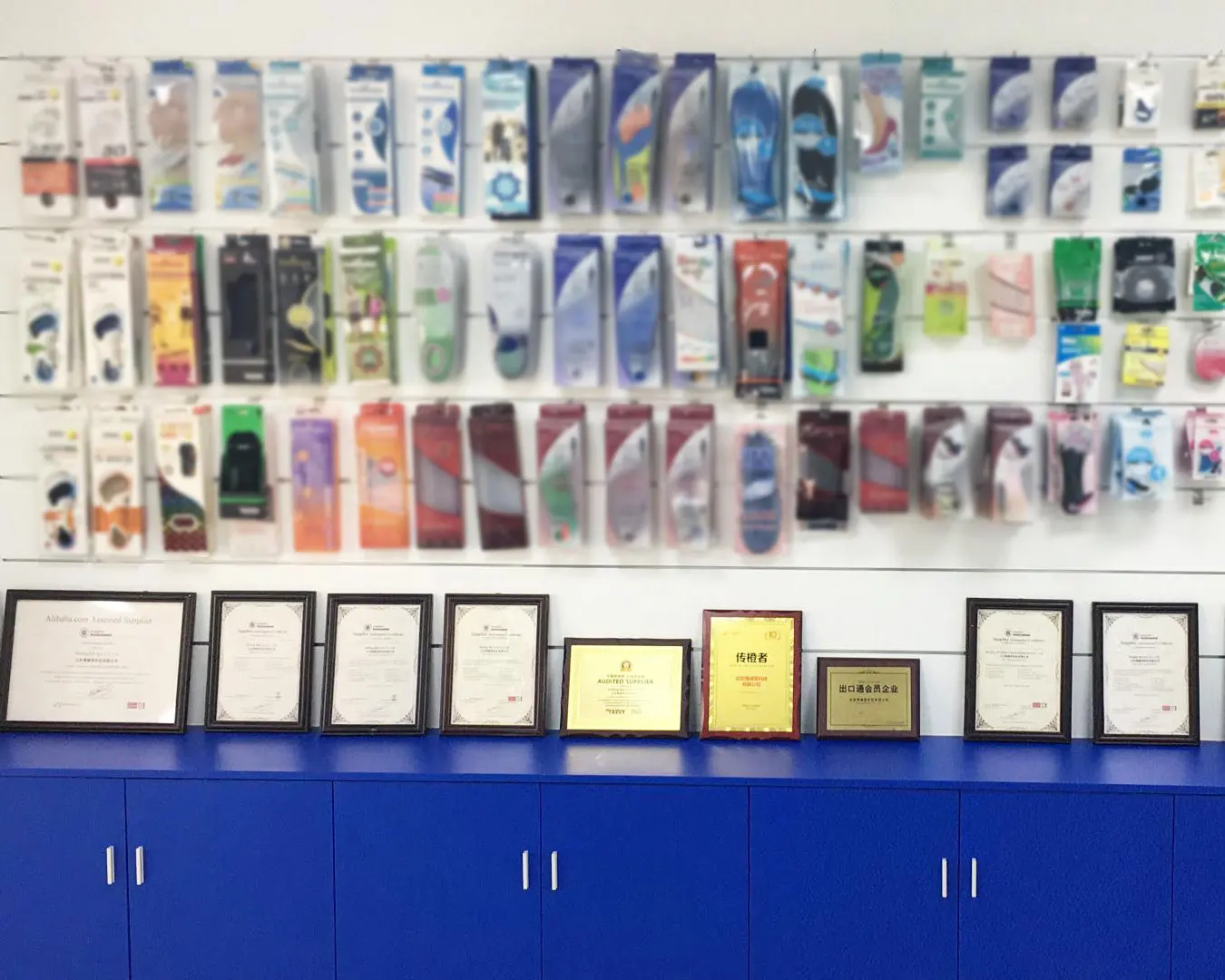
- Trading Company
- Beijing, China
- Lead time20 days
- Avg. response≤ 5h
Main productsInsoles,Slippers,Activewear,Shoes Boots and Accessories,Apparel and Accessories
Main marketsNorthern Europe(15.00%), North America(15.00%), Western Europe(10.00%), Oceania(10.00%), Southeast Asia(10.00%), Eastern Europe(10.00%), South Asia(5.00%), Southern Europe(5.00%), South America(5.00%), Central America(5.00%), Mid East(5.00%), Eastern Asia(5.00%)
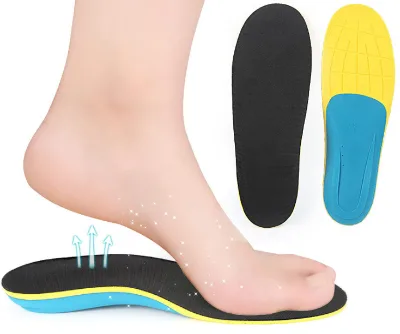
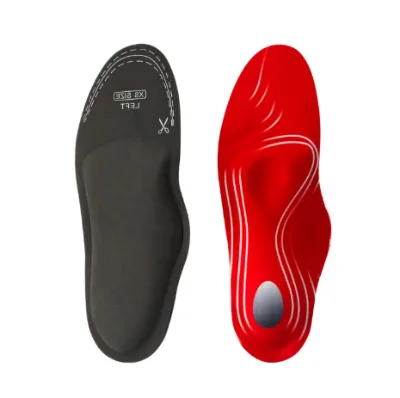
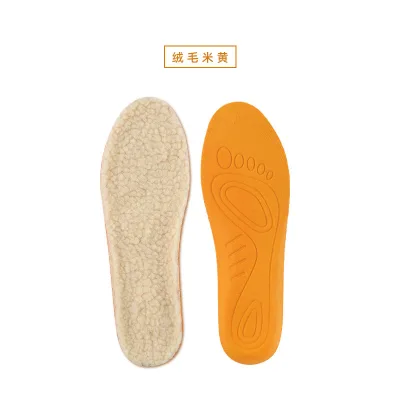
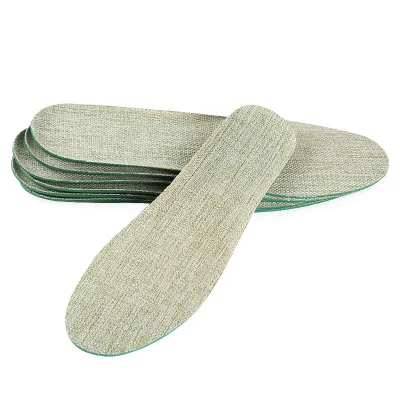
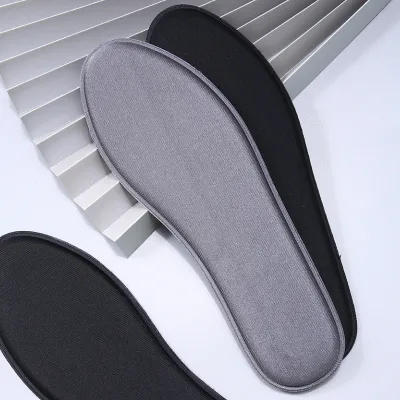
Lambswool Warm Insoles Massage Shock Absorption Autumn and Winter Sports Casual Insoles
$0.80 - $1.00
MOQ: 100 pairs
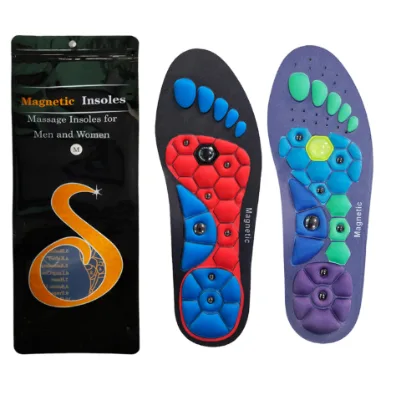
$0.90 - $0.98
MOQ: 100 pairs
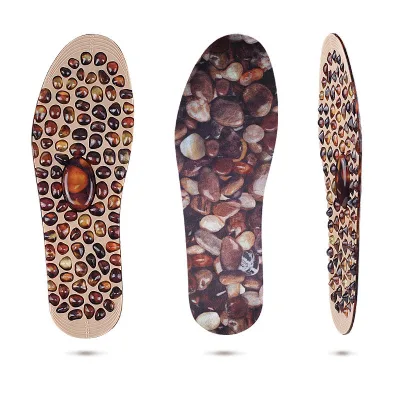
$2.00 - $2.10
MOQ: 50 pairs

Ningbo Yiyuankang International Trade Co., Ltd.
- Combined
- China Zhejiang
- Lead time30 days
- Avg. response≤ 25h
Main productsMedical Bandage, Tape, Medical First Aid, Alcohol Pad, Face Mask, Adhesive Bandage, Bandage
Main marketsSouth America,Africa,Southeast Asia/ Mideast,East Asia(Japan/ South Korea),Europe,Australia,North America

Yangzhou Runtong International Trading Co., Ltd.
- Verified by TUVRHEINLAND
- Trading Company
- China Jiangsu
- Lead time30 days
- Avg. response≤ 2h
Main productsShoe Insole, Shoe Polish, Shoe Brush, Shoe Tree, Shoe Cleaner, Shoe Lace, Shoe Deodorizer, Shoe Freshener, Shoe Horn
Main marketsSouth America,Southeast Asia/ Mideast,Europe,Australia,North America

3D Full-Length Massage Foot Insole with Arch Support Comfortable Memory Foam Insole
$0.45 - $0.52
MOQ: 1000 Pairs

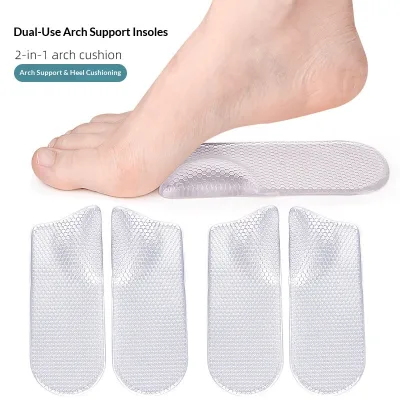
Custom Moulded PU Foam Insoles Flexible Arch Supports Breathable Arch Support Insoles
$1.77 - $2.17
MOQ: 3000 Pairs

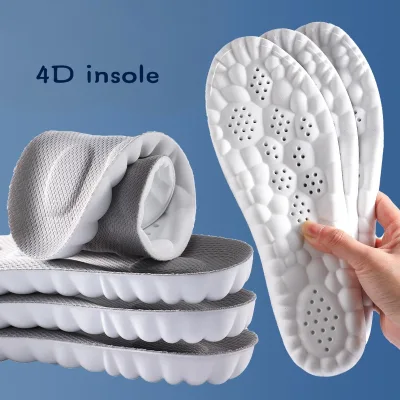
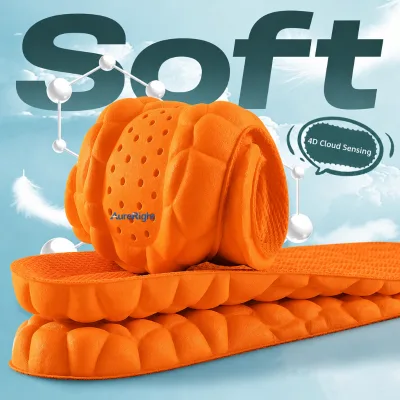
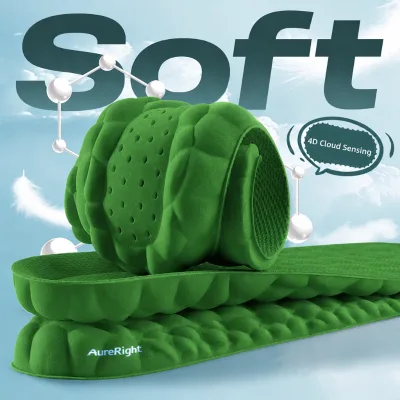
Soft 4D Massage Sports Insoles PU Memory Foam EVA Orthopedic Sole Arch Support Insoles
$0.51 - $0.60
MOQ: 500 Pairs


Ningbo Kangbeien Heatlh Tech. Co., Ltd.
- Verified by SGS
- Combined
- China Zhejiang
- Lead time30 days
- Avg. response≤ 7h
Main marketsDomestic


Arch Cushion Support Shoe Insoles with Inserts Premium Comfortable Orthotic Insole Inserts
$0.99 - $1.30
MOQ: 1000 Pairs

Flat Foot Orthotic Foot Arch Support Insole of Breathable Pressure Relief
$0.55 - $0.90
MOQ: 1000 Pairs
Dongguan Baifangyi Technology Co., Ltd.
- Verified by TüVRheinland
- Manufacturer, Trading Company
- Lead time7 days
- Avg. response≤ 2h
Main productsBunion Corrector, Toe Separator, Insoles, Posture Corrector, Forefoot Pads
Main marketsNorth America(20%), Western Europe(15%), Southeast Asia(10%)

Jinjiang Chendai Yilai Craft Company
- Verified by TUVRHEINLAND
- Trading Company
- China Fujian
- Lead time23 days
- Avg. response≤ 4h
Main productsT Shirt, Safety Vest, Backpack, Plush Toy, Water Bottle, Drawstring Bag, Notebook, Ballpoint Pen, Glass Bottle, Buckle
Main marketsSoutheast Asia/ Mideast

Dongguan Topinsole Commodity Limited
- Verified by BV
- Trading Company
- China Guangdong
- Lead time15 days
- Avg. response≤ 9h
Main productsInsoles, Footcare
Main marketsSouth America,Africa,Southeast Asia/ Mideast,East Asia(Japan/ South Korea),Europe,Australia,North America


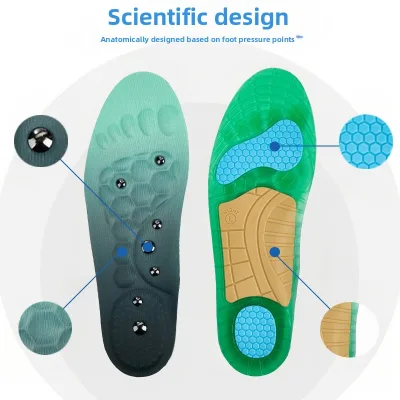
Wholesale Customized Comfortable Anti-Fatigue Arch Support Gel Magnet Massage Insoles
$5.25 - $5.85
MOQ: 200 pairs

Wholesale Gel Magnet Arch Support with Massage Custom Anti-Fatigue Insoles
$5.25 - $5.85
MOQ: 200 pairs


16-Point Massage & Breathable Design for Flat Feet Magnetic Arch Support Insoles
$2.15 - $2.35
MOQ: 100 pairs

Dongguan Lee-Mat Sports Technology Co., Ltd.
- Manufacturer, Trading Company
- Guangdong, China
- Lead time20 days
- Avg. response≤ 1h
Main productsOrthotic Insole,Oven Insole,Heated Gloves,Heated Socks,Orthotic Sandals
Main marketsDomestic Market(43.00%), North America(25.00%), Oceania(25.00%), Western Europe(7.00%)
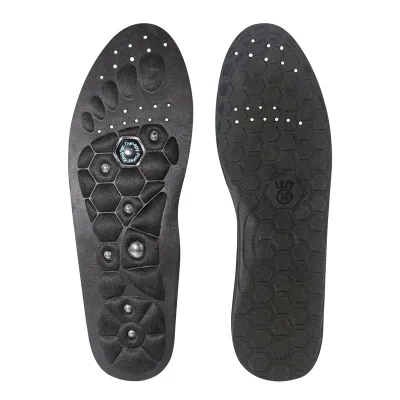
Full Length Orthopedic Massage Insoles Arch Support Insoles Magnetic Acupressure Insole
$2.15 - $2.25
MOQ: 10 pairs
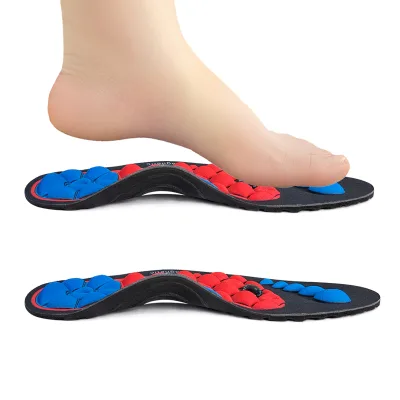
Customizable Gel Massage Insoles for All-Day Foot Comfort for Sports & Leisure
$2.40 - $2.55
MOQ: 10 pairs
Dongguan S-King Insoles Limited
- Verified by SGS Group
- Manufacturer, Trading Company
- Lead time15 days
- Avg. response≤ 2h
Main productsHeated Insoles/Orthotic & Sports Insoles/Foot Care Products/High Heel products, Heated Gloves
Main marketsNorth America(40%), Eastern Europe(15%), Northern Europe(15%)

Chongqing Xiaoai Technology Co., Ltd.
- Verified by CTI
- Combined
- China Chongqing
- Lead time23 days
- Avg. response≤ 1h
Main productsFoot Scanner, Foot Pressure Detection and Insoles Customizatio, Gait Analysis Treadmill, Foot Pressure Plate, Spine Scanner, Orthopedic Insole, Heat Moldable Orthotic Insole
Main marketsDomestic


Rehabilitation Gym Foot Arch Support Plate and Flat Foot Orthotic Insole
$2000.00 - $2500.00
MOQ: 1 Sets


Ningbo Beiduoen Health Tech. Co., Ltd.
- Verified by CTI
- Combined
- China Zhejiang
- Lead time23 days
- Avg. response≤ 9h
Main productsKnee Support, Ankle Brace, Compression Arthritis Glove, Wrist Support, Waist Belt, Foot Care, Insoles, Toe Separator, Compresson Sock Glove Knee Brace, Copper Supports
Main marketsSouth America,Southeast Asia/ Mideast,Europe,Australia,North America

Arch Support Comfortable EVA Insole for Sport and Outdoor Activities, Recovery
$2.25 - $2.39
MOQ: 200 Pairs


$2.20 - $2.80
MOQ: 500 Pairs

PLANET (ANHUI) INTERNATIONAL CO., LTD.
- Verified by BV
- Combined
- China Jiangsu
- Lead time60 days
- Avg. response≤ 2h
Main productsBandage, First Aid Kits, Band Aid, Wound Dressing, Foot Patch, Knee Brace, Knee Support, Knee Pad, Adhesive Tape, Compression Stocks
Main marketsNorth America
Dongguan Jiuhui Industrial Limited
- Manufacturer, Trading Company
- Lead time旺季: "1 - 2000":15,"2001 - 5000":20,"> 5000":"To be negotiated", 淡季: "1 - 2000":15,"2001 - 5000":20,"> 5000":"To be negotiated"
- Avg. response≤ 4h
Main productsSport Insoles, Orthotic Insoles, Height Increase Insoles, Kids Insoles, Footcare Series
Dongguan Since Household Care Co., Ltd.
- Verified by TüVRheinland
- Manufacturer, Trading Company
- Lead time15 days
- Avg. response≤ 2h
Main productsPU Gel / Silicone Insoles, TPE Gel Insoles, SEBS Gel Footcare Products, PU Foam Insoles, EVA Insoles
Main marketsNorth America(32%), Eastern Asia(22%), Domestic Market(18%)
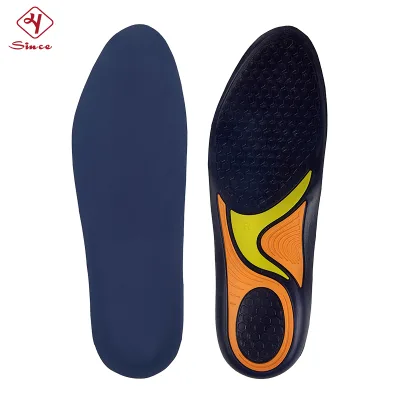
Triple Gel Design Shock Absorbing Arch Support Shoe Insole Massaging Energizing Comfort Gel Insoles
$1.07 - $1.28
MOQ: 1 pairs
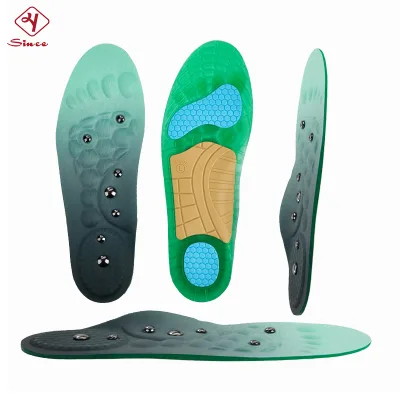
$1.57 - $1.83
MOQ: 500 pairs
- Verified by Intertek
- Manufacturer, Trading Company
- Lead time30 days
- Avg. response≤ 3h
Main productsinsole, Shoe, shoe accessories, shoe material, shoe tree
Main marketsWestern Europe(34%), North America(33%), Eastern Europe(24%)
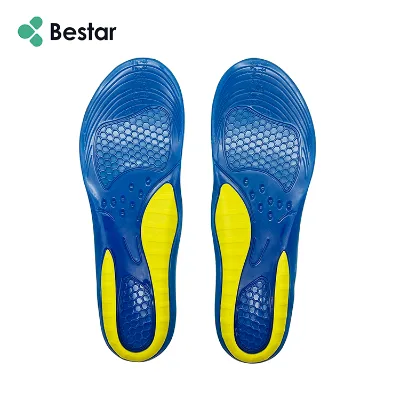
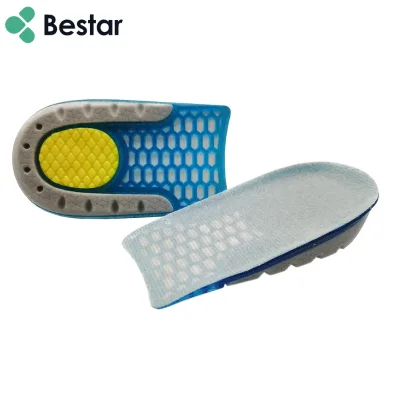
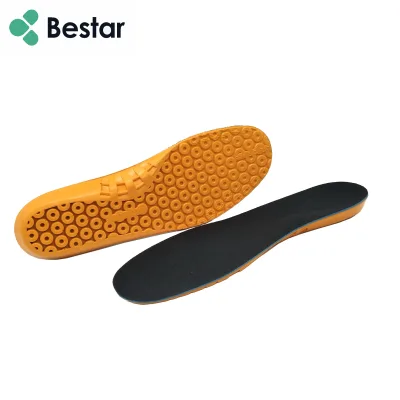
Multi-functional Gel Insoles Pads Orthotic Arch Support Shoe Pad Sports Soft Insole
$1.02 - $1.28
MOQ: 500 pairs
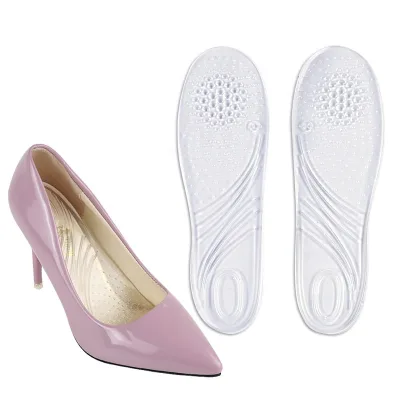
Healthy-designed Massaging Therapy Insole for Working Shoes PU Shoe Padded Insoles
$2.15 - $2.35
MOQ: 1000
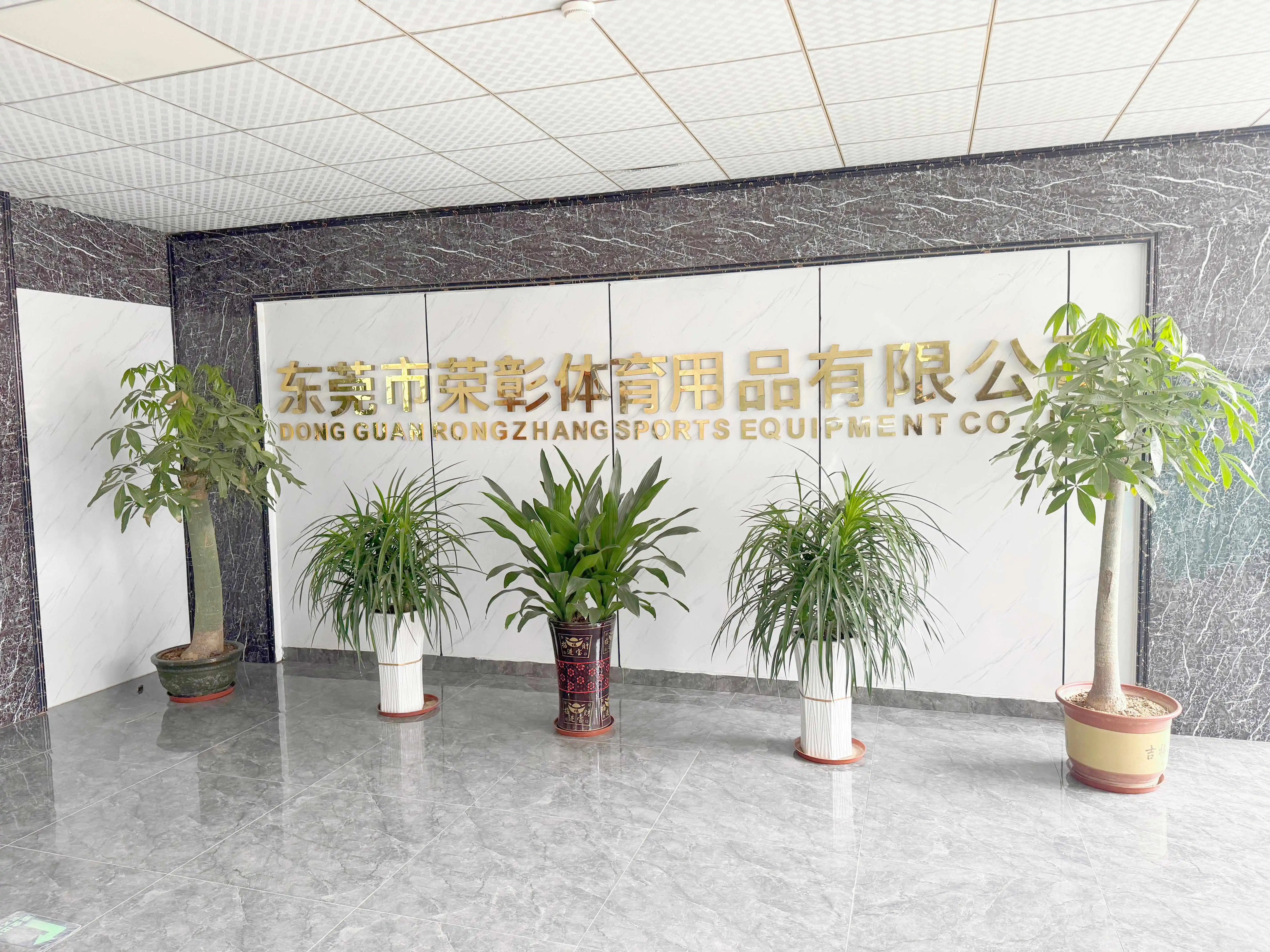
Dongguan Rongzhang Sports Goods Co., Ltd.
- Manufacturer, Trading Company
- Guangdong, China
- Lead time7 days
- Avg. response≤ 4h
Main productsinsole,SANDALS,shoe,kneepad,sneakers
Main marketsSouthern Europe(50.00%), Northern Europe(50.00%), Eastern Europe(50.00%), Central America(50.00%), Western Europe(50.00%), Oceania(30.00%), South America(30.00%), North America(30.00%), Africa(20.00%), Domestic Market(20.00%), South Asia(20.00%), Southeast Asia(20.00%), Eastern Asia(10.00%), Mid East(10.00%)
Dongguan Feifan Silicone Products Co., Ltd.
- Verified by Intertek
- Trading Company
- Lead time7 days
- Avg. response≤ 4h
Main productsInsoles, Toe Separators, Heel Pad, Forefoot Pad, Invisible Bra
Main marketsDomestic Market(80%), North America(5%), Southeast Asia(5%)
Dongguan Gaoyuan Shoes Materials Co., Ltd.
- Verified by TüVRheinland
- Manufacturer, Trading Company
- Lead time15 days
- Avg. response≤ 2h
Main productsPU Foam, Insole, Protective Gear
Main marketsSouth America(21%), Domestic Market(20%), Southeast Asia(18%)

Wenzhou Future Shoe Material Co, . Ltd
- Verified by CTI
- Combined
- China Zhejiang
- Lead time30 days
- Avg. response≤ 14h
Main marketsDomestic
Dongguan Danhua Technology Co., Ltd.
- Trading Company
- Guangdong, China
- Lead time15 days
- Avg. response≤ 8h
Main productsinsole,shoes,footcare products,heated socks,sandals
Main marketsNorth America(20.00%), Southeast Asia(10.00%), Eastern Europe(10.00%), Western Europe(10.00%), South Asia(5.00%), Southern Europe(5.00%), Northern Europe(5.00%), Central America(5.00%), South America(5.00%), Eastern Asia(5.00%), Mid East(5.00%), Africa(5.00%)
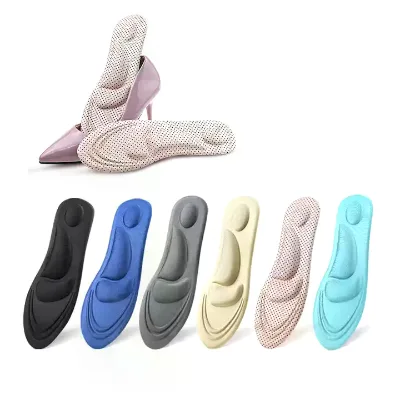
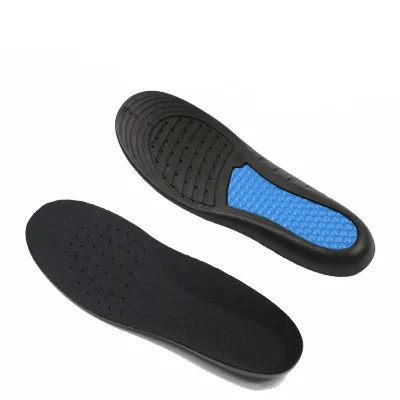
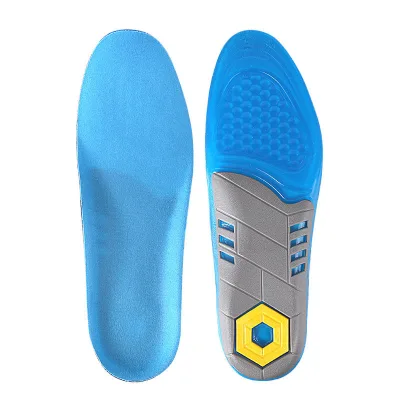
Insole Manufacturer Work Massaging Gel Insoles with Arch Support for Shoe Inserts for Men
$1.30 - $1.70
MOQ: 10 pairs
Dongguan Zhonghan Daily Necessities Co., Ltd.
- Verified by TüVRheinland
- Trading Company
- Lead time30 days
- Avg. response≤ 2h
Main productsFoot Care Products, Sports Protection Products
Main marketsDomestic Market(40%), North America(20%), Southeast Asia(10%)

Foshan Shichuang Technology Co., Ltd.
- Verified by TUVRHEINLAND
- Trading Company
- China Guangdong
- Lead time15 days
- Avg. response≤ 4h
Main productsStretch Bandages, Hallux Valgus Corrector, Foot Pads, Metatarsal Pad, Wrap Elastic Bandage, Bunion Corrector, Leg & Foot Supports, Toe Separators, Bunion Pads
Main marketsDomestic

PU Foam Shock Absorption Orthopedic Plantar Fasciitis Arch Support Insole
$2.89 - $3.23
MOQ: 500 Pairs

Factory Hot Sale Reusable Breathable Pain Relief Foot Arch Support Insole
$3.50 - $4.50
MOQ: 500 Pairs
Fujian Jiali Shoes Industry Co., Ltd.
- Trading Company
- Fujian, China
- Lead time0 days
- Avg. response≤ 3h
Main productsSport Shoes,Casual Shoes,Kids Shoes,Other Shoes,Insoles
Main marketsNorth America(70.00%), Mid East(20.00%), Africa(10.00%)

Wenzhou Holdapple Technology Co., Ltd.
- Trading Company
- Zhejiang, China
- Lead time15 days
- Avg. response≤ 2h
Main productsSilicone Insoles,Gel Insole,TPE Insoles,PU Insoles,EVA Insoles
Main marketsNorth America(25.00%), Western Europe(18.00%), Eastern Europe(17.00%), Eastern Asia(5.00%), Southern Europe(5.00%), Oceania(5.00%), Northern Europe(5.00%), Domestic Market(5.00%), Mid East(3.00%), South Asia(3.00%), Southeast Asia(3.00%), South America(3.00%), Africa(2.50%), Central America(0.50%)

XIAMEN DORRELLA HEALTH TECHNOLOGY CO.,LTD
- Verified by SGS
- Trading Company,Manufacturer/Factory,Group Corporation
- China Fujian
- Lead time23 days
- Avg. response≤ 8h
Main productsOrthotic Brace, Ankle Brace, Arm Brace, Back Brace, Cervical Collar, Finger Splint, Hip Abduction Braces, Hand and Wrist Brace, Post-Op Shoes, Orthopedic Waiking Boot
Main marketsSouth America,Eastern Europe,Mid East,North America,Southeast Asia,Eastern Asia,Oceania,Western Europe,Africa

Xiamen Kon Technology Co., Ltd.
- Manufacturer, Trading Company
- Fujian, China
- Lead time20 days
- Avg. response≤ 4h
Main productsOrthotics Insole,Insole,custom made orthotics,plantar fasciitis insoles,arch support inserts
Main marketsNorth America(50.00%), Western Europe(25.00%), Domestic Market(10.00%), South America(8.00%), Eastern Europe(5.00%), Oceania(2.00%)

Yangzhou Holly International Co., Ltd.
- Verified by BV
- Combined
- China Jiangsu
- Lead time15 days
- Avg. response≤ 15h
Main marketsSoutheast Asia/ Mideast,East Asia(Japan/ South Korea),Domestic,Europe

Arch Support Sport Insoles Shock Sweat Absorbing Pain Relief Massage Ball of Foot Cushions
$2.08 - $2.58
MOQ: 50 Pairs

Full Healthy Arch Support Comfort Unisex Sport Insoles with Antibacterial Material
$0.98 - $1.48
MOQ: 50 Pairs






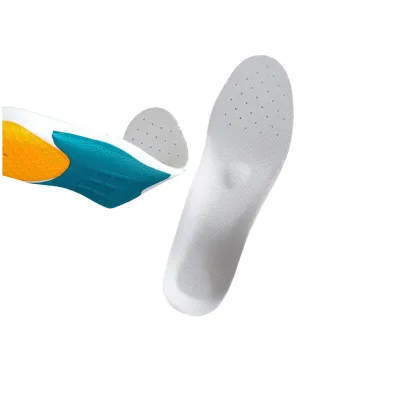
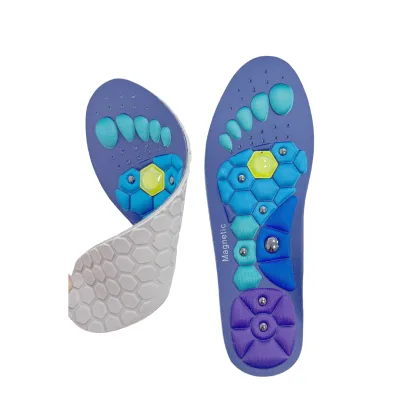

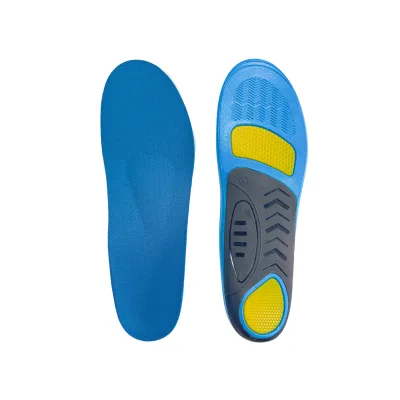
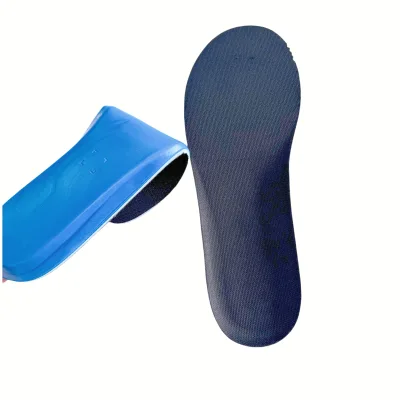


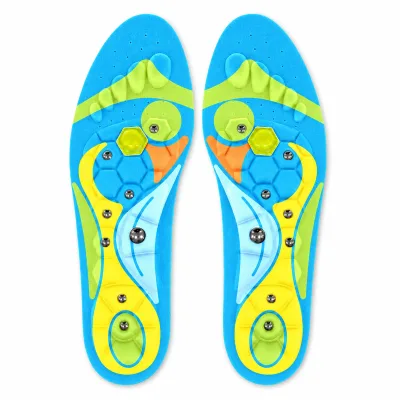
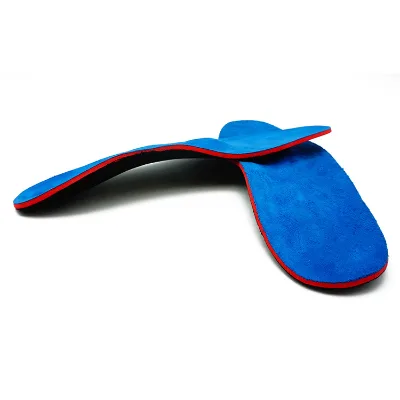
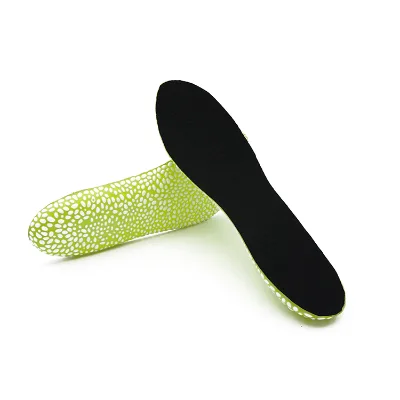
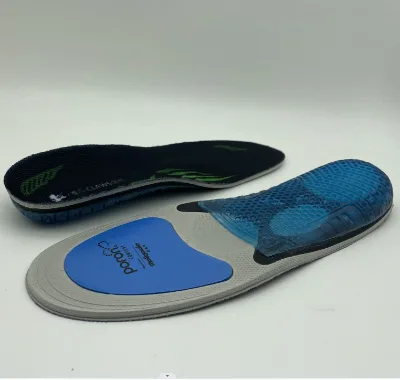
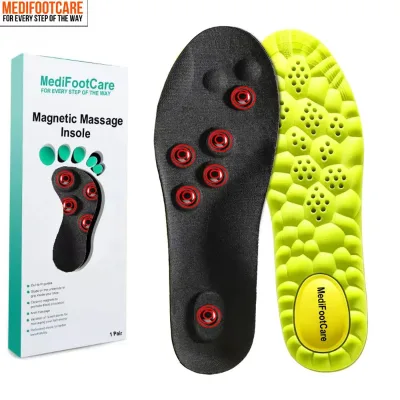
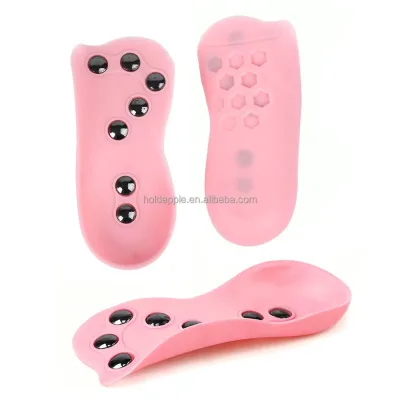


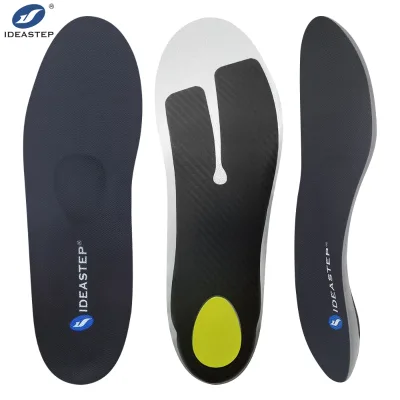
Comprehensive Sourcing Guide
Flexible Arch Support Massage Insole Supplier Concentration and Factory Types
Current data indicates a concentration of suppliers operating from Beijing, China, with specific product origins noted in Guangdong, China. These locations serve as primary hubs for the manufacturing and trading of flexible arch support massage insoles, though the exact distribution of factories versus trading companies varies by vendor. The observed supplier types include Trading Companies that aggregate products from various manufacturers, offering a broader range of items such as insoles, slippers, activewear, and shoes. This structure allows buyers to access diverse product lines, including orthotic insoles and sports comfort insoles, from a single point of contact.
When evaluating the factory types, buyers should note that some suppliers list main products spanning multiple categories like apparel and accessories, while others focus specifically on shoe parts. The presence of Trading Companies suggests a model where the supplier manages logistics and quality control without necessarily owning the production facility. Buyers must verify if the supplier is a direct manufacturer or an intermediary by checking their company type designation. Understanding this distinction is crucial for negotiating prices and ensuring direct communication regarding production capabilities and customization options for flexible arch support massage insoles.
How to Verify Flexible Arch Support Massage Insole Suppliers
Verification begins with examining the response time and communication efficiency of potential suppliers. Data shows response times can vary, with some suppliers indicating a five-day window for initial contact. Buyers should prioritize suppliers who demonstrate faster response capabilities to ensure timely project management. Additionally, checking the establishment year and company history helps assess stability, though specific founding dates are not universally provided in current listings. Buyers must request proof of business registration and verify the physical address against the listed location, such as Beijing or Guangdong, to confirm operational legitimacy.
Product evidence serves as a critical verification tool, requiring buyers to match claimed specifications with actual product attributes. For instance, material composition like PU, EVA, Wool, Flax, or TPR must align with the buyer's requirements for flexibility and massage functionality. Certifications such as CE and ISO9001 are explicitly mentioned for certain products, providing a baseline for quality assurance. Buyers should request current certification documents and cross-reference them with the product details provided. Furthermore, verifying the supply ability, such as 3000 pairs per month, ensures the supplier can meet volume demands without compromising quality or delivery schedules for flexible arch support massage insoles.
What to Compare Across Flexible Arch Support Massage Insole Suppliers
Comparing suppliers requires a detailed analysis of lead times, minimum order quantities, and pricing structures. Lead times observed in the data range up to twenty days, which impacts inventory planning and delivery schedules. Buyers must compare these durations against their own production cycles to avoid stockouts. Minimum order quantities vary significantly, with some suppliers requiring 50 pairs while others demand 100 or 500 pairs. Understanding these thresholds is essential for managing cash flow and storage costs, especially when testing new product lines or launching small-batch collections of flexible arch support massage insoles.
Pricing and product attributes offer another layer for comparison, with unit prices ranging from approximately $0.80 to $7.64 depending on material and complexity. Buyers should evaluate the cost per unit against the specified features, such as arch support type, color options, and packaging details. Some products offer customized logos and colors, while others come in standard configurations. The single package size and gross weight also influence shipping costs, which can vary based on the supplier's packaging efficiency. By systematically comparing these variables, buyers can identify suppliers that offer the best value proposition while meeting specific quality and logistical requirements for their Flexible Arch Support Massage Insole orders.
Common Flexible Arch Support Massage Insole Sourcing Risks
One significant risk involves the discrepancy between claimed product attributes and actual delivery. While data lists materials like EVA or Wool, inconsistencies can arise if the supplier sources from different sub-suppliers without maintaining strict quality control. Buyers face the risk of receiving products that do not match the specified function, such as foot orthotic support or shock absorption, if the manufacturing process is not closely monitored. Additionally, the variation in single gross weights and package sizes can lead to unexpected shipping costs if the supplier does not optimize packaging for the specific order volume.
Another risk pertains to the reliability of sample delivery and customization capabilities. Some suppliers offer free samples with a three-day delivery promise, but this may not reflect the lead time for bulk production. Customization requests, such as specific logos or colors, may incur additional costs or delays if the supplier's production line is not equipped for small-batch customization. The absence of standardized testing results for every product batch further complicates risk assessment. Buyers must mitigate these risks by establishing clear communication channels and requesting detailed production timelines before committing to large orders of flexible arch support massage insoles.
Flexible Arch Support Massage Insole Regional Sourcing and Logistics
Regional sourcing from China, specifically Beijing and Guangdong, offers logistical advantages due to established manufacturing clusters and export infrastructure. However, buyers must account for the specific place of origin listed on product attributes, as this affects shipping routes and customs clearance procedures. Guangdong, being a major manufacturing hub, often provides faster access to raw materials and finished goods, potentially reducing lead times. Buyers should verify the exact port of loading and the supplier's experience with international shipping to ensure smooth logistics for flexible arch support massage insoles.
Logistics planning also involves understanding the packaging details and single package dimensions provided by suppliers. Variations in package sizes, such as 30x8x5 cm versus 40x17x0.5 cm, directly impact container utilization and freight costs. Buyers should calculate the total volume and weight of their order to optimize shipping methods, whether by sea or air. Additionally, the supply ability, such as 3000 pairs per month, influences the frequency of shipments and the need for consolidated logistics. Proper regional planning ensures that the supply chain remains resilient against potential disruptions and that delivery schedules are met consistently for Flexible Arch Support Massage Insole orders.
Flexible Arch Support Massage Insole Commercial Terms and Order Planning
Commercial terms regarding payment, escrow, and order planning are vital for securing a successful transaction. While specific escrow details are not universally detailed in the current data, buyers should insist on using secure payment methods to protect their funds until product delivery is confirmed. Order planning must account for the minimum order quantities and lead times to align with sales forecasts. For instance, an MOQ of 500 pairs requires a larger upfront investment compared to an MOQ of 50 pairs, affecting cash flow and inventory management strategies for flexible arch support massage insoles.
Planning also involves coordinating with the supplier on sample availability and customization timelines. Some suppliers offer available samples, while others may require a specific request process. Buyers should clarify the sample delivery time, such as the three-day promise noted for certain products, and ensure it aligns with their product development schedule. Additionally, understanding the selling units, whether single items or pairs, is crucial for accurate pricing and inventory tracking. By carefully planning commercial terms and order logistics, buyers can minimize risks and ensure a streamlined procurement process for their Flexible Arch Support Massage Insole sourcing needs.
FAQs
What materials are commonly used for flexible arch support massage insoles?
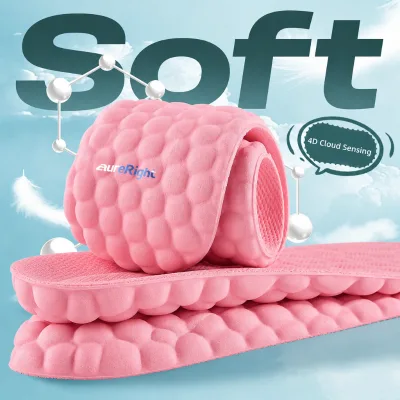
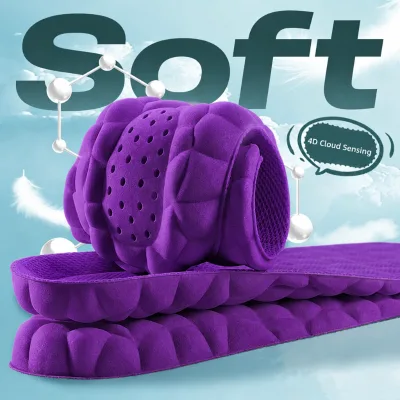
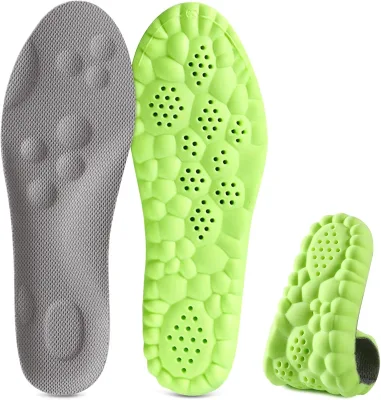
Common materials include PU, EVA, TPR, flax, and wool, each offering a different balance of cushioning, flexibility, and breathability. PU and EVA provide firm arch support with shock absorption, while TPR imitated-pebble designs add a massaging texture. Wool and flax variants suit warm or sweat-absorbing needs. Ask suppliers to confirm material composition and density before ordering samples.
What is the typical minimum order quantity for massage insoles?
Minimum order quantities vary widely by style and material. Some insoles can be ordered in quantities as low as 50 pairs, while orthotic correction models may require 500 units per order. Basic comfort styles often sit around 100 pairs. Confirm the exact MOQ per model and whether mixed sizes or colors count toward the minimum before placing a trial order.
How much do flexible arch support massage insoles cost per pair?
Prices generally range from under one dollar to several dollars per pair depending on material and function. Simple linen or wool massage insoles often fall near one dollar, while structured orthotic arch support models can exceed seven dollars per pair. Request quotations for your specific size range, logo customization, and packaging, since these factors affect the final unit price.
Can suppliers provide customized logos and packaging on insole orders?
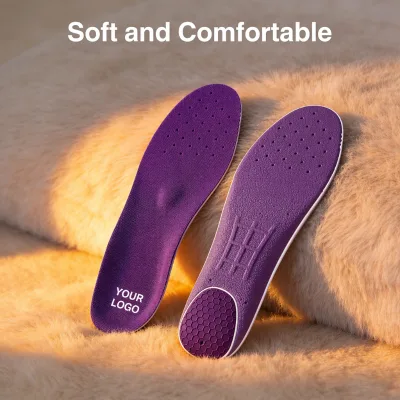
Many suppliers accept customized logos and packaging on massage insole orders, often starting at modest quantities. Some listings explicitly state that customized logo requests are accepted and packaging can follow buyer requirements. Confirm artwork formats, printing methods, placement areas, and any extra tooling charges. Also ask whether logo customization changes the MOQ or affects the quoted unit price.
Are samples available before committing to a bulk order?
Yes, samples are commonly available, and some suppliers advertise free samples with delivery in around three days. Sampling lets you evaluate arch height, flexibility, cushioning, and massage texture before committing to volume. Ask about sample costs, shipping fees, and lead times upfront, and confirm whether sample fees are credited against a subsequent bulk order.
What sizes are typically offered for arch support massage insoles?
Sizes usually cover common adult ranges, with some styles offered in S, M, and L options and others in specific shoe size runs such as 36 to 40. Adjustable or trim-to-fit designs reduce the number of SKUs you need to stock. Verify the exact size chart, whether insoles are sold as single pieces or pairs, and cut options for your target market.
How long is the typical lead time for insole orders?
Lead times around 20 days are common for insole production, though the exact schedule depends on order volume, customization, and the supplier's current capacity. Some listings state supply ability figures such as 3,000 pairs per month, which can constrain large orders. Confirm production time, quality inspection, and shipping duration so the total timeline fits your launch or replenishment dates.
Do suppliers offer certifications for massage insole products?
Some suppliers list certifications such as CE and ISO9001 on their warm insole products, indicating attention to quality management and product safety. Certification coverage varies by product line, so do not assume it applies across a catalog. Ask for current certificate copies, confirm the certifying body, and check whether the certificate covers your specific model, material, and destination market.