Child Resistant Plastic Pill Container Suppliers and Manufacturers
Source 21 verified suppliers for Child Resistant Plastic Pill Container packaging. Compare locations in China, certifications like ISO 9001, lead times, and MOQs. Contact suppliers directly to request free samples and custom OEM services; review the available evidence before requesting comparable quotations from suitable candidates.
Suppliers List

Hubei Mingda Plastics Products Co., Ltd.
- Verified by BV
- Manufacturer/Factory
- China Hubei
- Lead time23 days
- Avg. response≤ 10h
Main productsHDPE Bottle, Pet Bottle, Plastic Bottle/Container/Packaging, Pills Bottle, Tablets Bottle, Capsules Bottle, Powder Protein Jar, Food Bottle, Food Container, PCR Plastic Container
Main marketsSouth America,Eastern Europe,Mid East,North America,Southeast Asia,Eastern Asia,Oceania,Western Europe,Africa

Qingdao Kush Packaging Co., Ltd.
- Verified by SGS
- Trading Company,Manufacturer/Factory
- China Shandong
- Lead time23 days
- Avg. response≤ 4h
Main productsPlastic Packaging Bag, Child Resistant Jar, Concentrate Jar, Glass Syringe, Tin Box, Paper Box, Dropper Bottle, Cartridge Packaging, Preroll Packaging, Rolling Paper
Main marketsSouth America,Eastern Europe,North America,Oceania,Western Europe,Africa


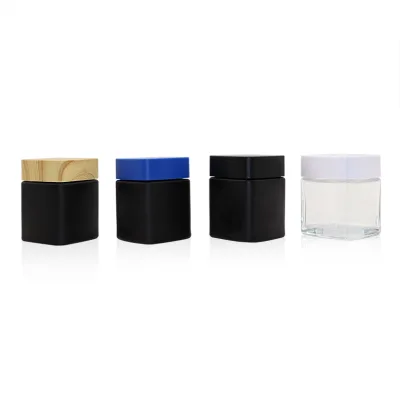
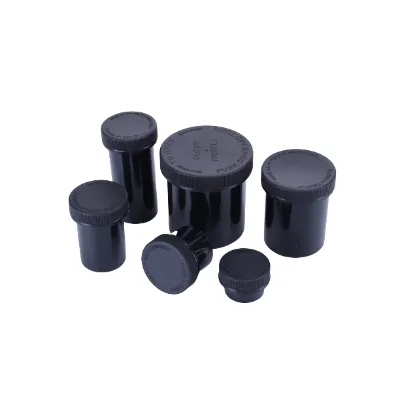
8oz 240ml Glossy Black Pills Storage Child-Resistant Pet Plastic Wide Mouth Jar
$0.15 - $0.45
Moq: 5000
Wuhan Sinicline Enterprise Co., Ltd.
- Verified by BV
- Combined
- China Hubei
- Lead time23 days
- Avg. response≤ 8h
Main productsPlastic Bottle, Lipstick Tube, Lotion Bottle, Spray Bottle
Main marketsSouth America,Southeast Asia/ Mideast,North America

Pill Box Medicine Organizer Clear Plastic Pill Storage Container with Three Sizes
$0.75 - $1.15
Moq: 500


YUYAO YUHUI COMMODITY CO., LTD.
- Verified by BV
- Combined
- China Zhejiang
- Lead time30 days
- Avg. response≤ 2h
Main productsTrigger Sprayer, Lotion Pump, Cosmetic Jar, Plastic Bottle, Plastic Case, Plastic Cap, Fine Mist Sprayer, Foam Pump, Treatment Pump, Plastic Travel Bottle Set
Main marketsSouth America,Africa,Southeast Asia/ Mideast,East Asia(Japan/ South Korea),Europe,Australia,North America

21 Checks Case Organizing Plastic Storage Container Pill Transparent Container
$0.06 - $3.48
Moq: 10000

32 Checks Case Compact Plastic Pill Storage Container Household Storage Container
$0.06 - $3.48
Moq: 10000

7 Checks Case Plastic Pill Organizer Container Daily Medication Storage Pill Case
$0.06 - $3.48
Moq: 10000


Qingdao Chenghaoda Science and Technology Co., Ltd.
- Verified by BV
- Manufacturer/Factory
- China Shandong
- Lead time15 days
- Avg. response≤ 14h
Main productsCustom Packaging Paper Bag, Custom Packaging Paper Box, Corrugated Carton/Gift Box, Custom Notebook, Decorative Books, Book/Booklet/Brochure/Catalog/Magazine Printing, Disposable Dishware
Main marketsNorth America,Eastern Asia,Western Europe
Taizhou Huangyan Chengyue Commodity Co., Ltd.
- Verified by SGS Group
- Manufacturer, Trading Company
- Lead time30 days
Main productsPlastic Bottle And Vials
Main marketsNorth America(95%), Domestic Market(3%), Mid East(2%)

Anhui Avantis Packaging Technology Co., Ltd.
- Verified by CTI
- Trading Company
- China Anhui
- Lead time23 days
- Avg. response≤ 4h
Main productsGlass Bottle, Glass Container, Rolling Tray, Mylar Bag, Rolling Cone Tube, Plastic Joint Tubes, Glass Tube, Hinged Cap Vials, Child-Resistant Packaging, Sitz Bath
Main marketsSouth America,Africa,Southeast Asia/ Mideast,Europe,Australia,North America

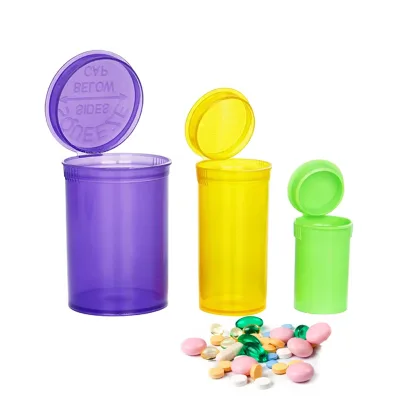
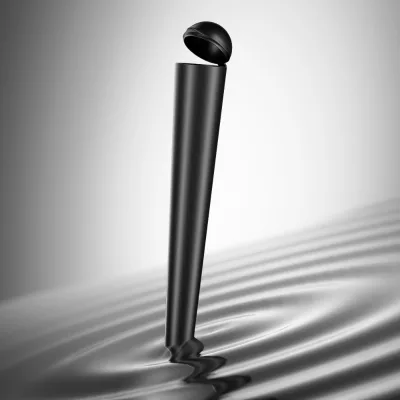
Plastic Child-Resistant Pop-Top Packaging Containers for Tablet Pill Powder PP Tube
$0.03 - $0.05
Moq: 10000


Yuyao Jiahao Plastic Industry Co., Ltd.
- Combined
- China Zhejiang
- Lead time23 days
- Avg. response≤ 7h
Main productsPlastic Mould Plastic Molding
Main marketsSouth America,Africa,Southeast Asia/ Mideast,East Asia(Japan/ South Korea),Domestic,Europe,Australia,North America

- Combined
- China Guangdong
- Lead time30 days
- Avg. response≤ 7h
Main productsPharmaceutical Gifts Item, Anatomical Models, First Aid Kits, Medical Plastic Rulers, Medical Disposable Tourniquets, Customized Tissue Boxes, Plastic Pill Boxes Series, Medical Clipboards, Tongue Depressors Series, Medical Penlight
Main marketsSoutheast Asia/ Mideast,Europe,North America

Jinhua Allies Import and Export Co., Ltd.
- Verified by SGS
- Manufacturer/Factory
- China Zhejiang
- Lead time23 days
- Avg. response≤ 5h
Main productsCanister, Container, Bottle, Cosmetic, Make up, Plastic Packaging, Eyeshadow, Palette, Box, Compact Case
Main marketsSouth America,Mid East


Wholesale 400ml Plastic Packaging 13oz Tablet Container with Plastic Screw Cap
$0.10 - $0.85
Moq: 10000


Guangzhou Best Packaging Products Co., Ltd
- Verified by SGS
- Trading Company
- China Guangdong
- Lead time30 days
- Avg. response≤ 12h
Main productsChild Proof Jar, Glass Bottle, Glass Jar, Cosmetic Jar, Cosmetic Bottle, Serum Bottle, Glass Vial
Main marketsNorth America

Yuyao Xianghao Mold Technology Company Limited
- Verified by BV
- Trading Company
- China Zhejiang
- Lead time30 days
- Avg. response≤ 10h
Main productsInjection Mold, Plastic Mold, Injection Molding, Rapid Prototyping, 3D Pritting, Manhole Cover Mold, Silicone Rubber Mould, Wire Rack, Car Air Compressor, LED Light
Main marketsNorth America

Shanghai Goldenwell Medical Technology Co., Ltd.
- Verified by CTI
- Trading Company
- China Shanghai
- Lead time15 days
- Avg. response≤ 5h
Main productsMedical Devices, Sports Support, Medical Dressings
Main marketsSoutheast Asia/ Mideast,Europe
Shenzhen Betterlife Technology Co., Ltd.
- Verified by Intertek
- Trading Company
- Lead time5 days
Main productsPackaging, Accessories, Plastic Tube, Mylar Bag
Main marketsWestern Europe(45%), North America(15%), Eastern Europe(10%)

Ningbo Sintrue Medical Instruments Co., Ltd.
- Trading Company
- China Zhejiang
- Lead time30 days
- Avg. response≤ 9h
Main productsMedical Device, Diagnostic Products, Medical Tubes, Wound Dressing, Surgical Instruments, Hospital Uniform, Laboratory Instruments
Main marketsSouth America,Africa,Southeast Asia/ Mideast,East Asia(Japan/ South Korea),Europe,Australia,North America

SHANTOU DAFU PLASTIC PRODUCTS FACTORY CO., LTD.
- Combined
- China Guangdong
- Lead time15 days
- Avg. response≤ 8h
Main productsPlastic Container, Plastic Container for Pharmaceuticals, Plastic Bottle, Plastic Bottle for Healthcare Products, Plastic Bottle for Pharmaceuticals, Plastic Container for Healthcare Products, Plastic Caps, Plastic Lids, Plastic Medicinal Conainer, Plastic Medicinal Bottle
Main marketsSoutheast Asia/ Mideast,Europe,North America

OEM Plastic Products 300ml Pill Tablet Candy Plastic Container Capsule Bottle
$0.18 - $0.20
Moq: 10000


Ningbo July Packaging Co., Ltd.
- Verified by BV
- Trading Company
- China Zhejiang
- Lead time23 days
- Avg. response≤ 5h
Main productsSkincare Packaging, Airless Bottle, Cosmetic Packaging, Trigger Sprayer, Cream Jar, Lotion Pump, Plastic Bottle, Plastic Goblet, Plastic Cup, Wine Glass
Main marketsSoutheast Asia/ Mideast,Europe
Guangzhou Best Packaging Products Co., Ltd.
- Manufacturer, Trading Company
- Guangdong, China
- Lead time0 days
- Avg. response≤ 6h
Main productsglass bottle,glass jar,plastic bottle,plastic jar,child proof packaging
Main marketsNorth America(20.0%), South America(15.0%), Central America(10.0%), Eastern Europe(10.0%), Domestic Market(5.0%), South Asia(5.0%), Southern Europe(5.0%), Northern Europe(5.0%), Southeast Asia(5.0%), Western Europe(5.0%), Eastern Asia(5.0%), Mid East(5.0%), Africa(5.0%)
Zhejiang Huangyan Dewei Plastic Factory
- Manufacturer, Trading Company
- Zhejiang, China
- Lead time10 days
- Avg. response≤ 2h
Main productsPlastic Bottle, Plastic Container, Plastic Jar, Child Resistant Bottle, Child Resistant Tube
Main marketsNorth America(75.0%), Western Europe(20.0%), Mid East(5.0%)

Hangzhou Wehere Medical Technology Co., Ltd.
- Verified by BV
- Trading Company
- China Zhejiang
- Lead time30 days
- Avg. response≤ 2h
Main productsProtective Gown, Face Mask, Thermometer, Dust Mask, Respirator, Pulse Oximeter, Forehead Thermometer, Cadaver Bag, Isolation Gown, Surgical Drape
Main marketsSouth America,Africa,East Asia(Japan/ South Korea),Europe

Zhejiang Ori-Power Medtech Co., Ltd.
- Verified by SGS
- Combined
- China Zhejiang
- Lead time30 days
- Avg. response≤ 15h
Main productsFirst Aid Kit, Elastic Bandage, Adhesive Plaster, Gauze Pad, Non Woven Pad, Emergency Blanket, Wound Dressings, Emergency Kit
Main marketsDomestic








Comprehensive Sourcing Guide
Child Resistant Plastic Pill Container Supplier Concentration and Factory Types
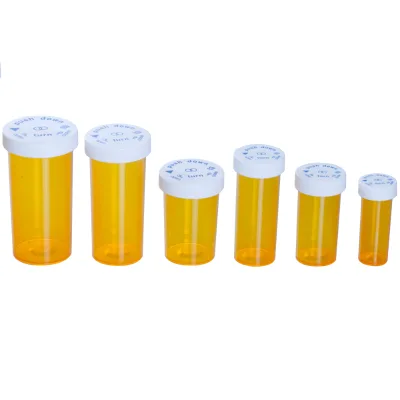
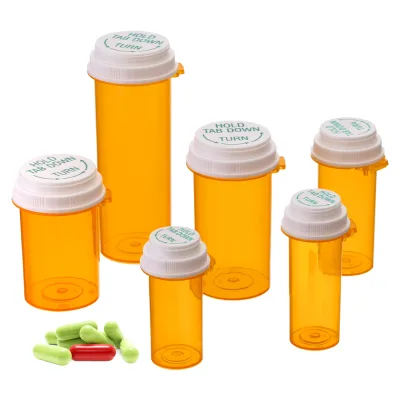
Suppliers of the Child Resistant Plastic Pill Container on this page cluster in two Chinese provinces with distinct profiles. One Hubei-based manufacturer operates as a factory with a product line of HDPE pill and medicine bottles in multiple weights, several models carrying child resistant caps, and system certifications spanning quality, environmental and occupational safety standards. A Shandong-based company combines trading and manufacturing roles and focuses on child resistant jars, vials and prescription-style packaging alongside broader dispensary packaging products. These two profiles—pure factory versus hybrid trader-manufacturer—shape what a buyer can expect on customization depth, sampling and communication structure.
Beyond this page, buyers should identify clusters independently by running narrow category searches, filtering for verified manufacturers, and noting where repeated supplier locations overlap. Provincial concentration matters because molders, cap makers and printing shops often sit near each other, which shortens tooling revisions and component sourcing. When shortlisting, classify each candidate as manufacturer, trading company, or both, since hybrid suppliers can broker output from partner factories during peak season. Ask whether the child resistant closure is produced in-house or purchased, because cap mechanism consistency is the core quality attribute in this category. A factory that also holds its own brand and offers OEM and ODM work, as some listings indicate, generally signals deeper molding capability than an assembly-only operation.
How to Verify Child Resistant Plastic Pill Container Suppliers
Verification begins with third-party badges. On this page, one supplier is BV-verified and another is SGS-verified, both meaningful third-party audits but covering different scopes, so request the actual audit report rather than relying on the badge. The Hubei listing shows system certifications including ISO 9001, ISO 14001 and HACCP, while the Shandong company lists ISO 9000 and product-level certification claims of ISO, CE and FSC on one listing. Confirm certificate numbers directly with issuing bodies, because certificate text in a listing is a claim, not proof. Also verify the legal entity name matches the bank account before any deposit.
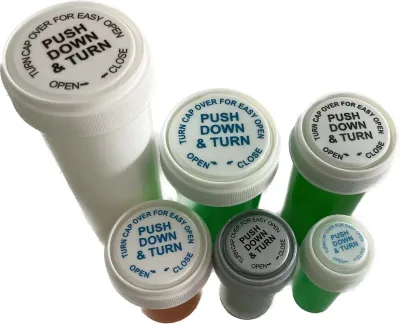
Functional verification matters more in this category than paperwork. Child resistant closures must pass cyclic opening tests with specific adult and child panels under applicable standards, so ask for recent third-party test reports on the exact cap model, not just the bottle. Order samples—the listings indicate free samples are available—and test the push-and-turn or reversible cap mechanism across dozens of open-close cycles. Check that the molded threads mate cleanly with the cap and that liner fit is consistent. For manufacturers claiming OEM and ODM capability, request evidence such as mold photographs or customization case studies. Finally, validate responsiveness against displayed figures: this page shows quoted response times of roughly nine to ten hours versus under four, which should be treated as a baseline to test, not a guarantee.
What to Compare Across Child Resistant Plastic Pill Container Suppliers
Build a comparison sheet using the attributes displayed on supplier listings, without assuming every supplier publishes every field. The two principal profiles here differ on nearly every comparable dimension: lead time (one listing shows about 23 days), response time (roughly 9.8 hours versus 3.9 hours), supplier type (manufacturer versus trading-plus-manufacturing), verification body, and main product breadth. A trading-hybrid may respond faster and offer wider packaging options—glass syringes, tins, dropper bottles—while a dedicated bottle factory may offer tighter process control on HDPE molding.
Compare product-level data, which is often richer than company-level data. Published MOQs on this page range from 5,000 to 20,000 pieces, a fourfold difference that directly affects your pilot order budget. Quoted unit prices range from about $0.09 to $0.45 across listings, reflecting size, cap type and volume tiers—always request a tiered quote at your actual quantity. Compare material (HDPE versus PET), bottle weights (20g to 45g in these listings), mouth diameters, cap options (child resistant, normal screw, double cap), and customization scope including custom logos and colors. Also weigh secondary signals: whether samples are free, accepted payment methods such as T/T, packing format, and whether the supplier lists its own brand. Rank suppliers against your priority—price, speed, or customization—rather than averaging scores.
Common Child Resistant Plastic Pill Container Sourcing Risks
The most frequent risk is cap mechanism failure at scale. A closure that feels secure on ten samples may show inconsistent torque or cracking when molding parameters drift across a 20,000-piece run. Mitigate by defining an acceptable-quality-limit specifically for closure function and requiring the supplier to test in-process, not only at final inspection. A second risk is confusing "screw cap" with genuinely child resistant: some listings include both cap types on the same bottle body, so specify the cap model explicitly in the contract and approve a golden sample of the closure itself.
Material and compliance risks follow closely. A container for pharmaceuticals, vitamins or herbal supplements may need food-grade or medical-grade resin certification, and suppliers may substitute regrind material to protect margin on low quoted prices—prices around $0.09 to $0.20 leave little room, so ask what the price assumes. Trading-hybrid suppliers add a disclosure risk: you may not know which factory actually molds your bottles, weakening traceability if a batch fails. Low quoted response times can evaporate once an order is placed, so agree on defined reply windows in writing. Finally, beware of MOQ bait—some listings advertise one MOQ for stock items and a higher effective minimum once custom colors or logos are added.
Child Resistant Plastic Pill Container Regional Sourcing and Logistics
Both supplier provinces represented here sit within China's established packaging-manufacturing belt, with different logistics implications. The Hubei factory listing shows a lead time of about 23 days, which is useful for planning but should be confirmed for your specific customization level, since custom molds or colors typically extend the baseline. Shandong's coastal position near Qingdao offers advantages for ocean freight consolidation, particularly for buyers combining multiple packaging formats—jars, vials, tins, boxes—from one supplier, as the Shandong company's product range suggests.
For logistics planning, press suppliers on concrete packing and loading details. Listings here indicate carton packing, with one specifying standard export cartons and another carton or pallet options; palletized export packing reduces damage risk for plastic containers stacked in mixed containers. Confirm carton dimensions, pieces per carton, gross weight, and whether the cap and bottle are packed assembled or nested—nested packing saves freight but adds labor at destination. Calculate freight cost per unit before comparing supplier prices, because a $0.15 container that packs densely can beat a nominally cheaper one. Clarify Incoterms early, since the displayed lead time almost certainly counts from deposit to ex-factory, not to your door. If you source from both a coastal and an inland supplier, expect different transit times to the same port and plan consolidation accordingly rather than assuming uniform shipping windows.
Child Resistant Plastic Pill Container Commercial Terms and Order Planning
Commercial terms should be settled in writing before sampling concludes. The listings show T/T as a stated payment method; typical practice is a deposit with balance before shipment, but negotiate terms proportionate to supplier verification—BV or SGS verification and documented system certifications justify more favorable terms than an unverified counterpart. Treat listed prices as anchors, not commitments: the published range of roughly $0.09 to $0.45 reflects different sizes and cap types, so request written tiered quotations at your volumes, including tooling charges for custom molds and per-color printing costs.
Order planning should reflect the MOQ spread visible here—5,000 versus 20,000 pieces—and the roughly 23-day baseline lead time. Structure a first order to test both product and supplier: use the lower-MOQ supplier for a pilot run of your most standard configuration, reserving fully custom work until the mechanism and print quality pass review. Free samples are offered in these listings, so obtain samples from all finalists before paying any deposit, and keep signed golden samples for both bottle and cap. Agree on a defect-classification schedule covering closure function, weight, color and print. Finally, lock re-order terms—price validity period, lead time for repeat orders, and who owns the mold—since repeat business is where the real unit-cost savings in this category accumulate, and mold ownership determines your freedom to switch factories later.
(word counts: each section ~230; total ~1385)
FAQs
What is the price range for child resistant plastic pill containers?
Prices typically range from $0.09 to $0.45 per unit depending on specifications. Specific models like the MD-497 are priced between $0.09 and $0.30, while custom vials range from $0.15 to $0.45. Buyers should verify exact costs based on volume and customization needs.
What is the minimum order quantity for these containers?
Minimum order quantities vary by supplier and product type. One manufacturer requires a minimum of 20,000 units for standard plastic bottles. Another supplier offers a lower threshold of 5,000 units for custom logo child-resistant vials. Buyers must confirm the specific MOQ with their chosen supplier.
How long does production take for these containers?
Lead times depend on the supplier and order volume. One manufacturer in Hubei reports a lead time of 23 days. Response times for inquiries vary, with some suppliers responding within approximately 4 hours. Buyers should confirm production schedules directly with the supplier before placing orders.
What certifications do these plastic pill containers have?
Manufacturers hold various system certifications including ISO 9001, ISO 14001, HACCP, and OHSAS 18001. Product-specific certifications may include SGS, ISO, CE, and FSC. Verification services like BV and SGS are also used. Buyers should request current certificates to ensure compliance with their market regulations.
Are free samples available for these containers?
Free samples are commonly available from manufacturers. One supplier explicitly states that samples are free for specific models like the MD-900. Another supplier confirms that samples are available for custom vials. Buyers should contact suppliers to arrange sample shipments and confirm any shipping cost responsibilities.
What materials are used for child resistant pill bottles?
Common materials include HDPE and PET plastic. HDPE is frequently used for medicine bottles, jars, and containers with screw caps. PET is also utilized for various packaging needs. Some suppliers offer recyclable plastic options. Buyers should specify their material preference to ensure suitability for their product contents.