Children Football Shooting Target Suppliers and Manufacturers
Compare 34 verified suppliers offering Children Football Shooting Target products from Guangdong and Fujian. Review lead times, certifications, and pricing to source reliable options. Contact suppliers directly to request quotes; review the available evidence before requesting comparable quotations from suitable candidates.
Suppliers List
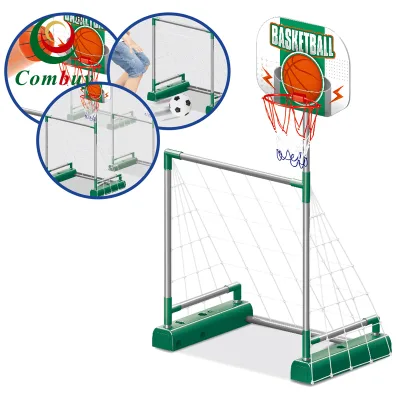
Shantou Combuy Toys&gifts Co., Ltd.
- Trading Company
- Guangdong, China
- Lead time30 days
- Avg. response≤ 4h
Main productsBaby Toys,Summer Toys,Pretend play toys,Educational Toys,RC TOYS
Main marketsNorth America(30.0%), Eastern Europe(20.0%), South America(20.0%), Western Europe(10.0%), Eastern Asia(10.0%), Mid East(10.0%)

Fuzhou Glory Sports Products Co., Ltd.
- Trading Company
- Fujian, China
- Lead time50 days
- Avg. response≤ 10h
Main productsBaseball Net,Volleyball Net,Rebound Net,Pickleball Net,Weighted Baseballs
Main marketsNorth America(73.0%), Eastern Asia(18.0%), Western Europe(5.0%), Domestic Market(3.0%), Southeast Asia(1.0%)

Qingdao Pafic Hardware Co., Ltd.
- Verified by TUVRHEINLAND
- Combined
- China Shandong
- Lead time30 days
- Avg. response≤ 9h
Main productsSwing Set, Outdoor Playground, Kid Swing, Kid Slide, Swing Set Accessories, Outdoor Fitness
Main marketsSouth America,Australia,North America
- Verified by BV
- Combined
- China Shandong
- Lead time30 days
- Avg. response≤ 12h
Main productsCargo Net, Safety Net, Industrial Net, Agriculture Net, Fishing Net, Twine, Rope, Trailer Net, Sports Net, Elastic Net
Main marketsSouth America,Africa,Southeast Asia/ Mideast,East Asia(Japan/ South Korea),Europe,Australia,North America
- Verified by SGS Group
- Trading Company
- Lead time30 days
- Avg. response≤ 5h
Main productsSoccer Ball, Basketball, Volleyball, Football, Playball
Main marketsNorth America(30%), South America(20%), Southeast Asia(10%)

Quanzhou Ruiqi Crafts Co., Ltd.
- Verified by TUVRHEINLAND
- Trading Company,Manufacturer/Factory
- China Fujian
- Lead time45 days
- Avg. response≤ 2h
Main productsBaseball Glove, Baseball, Gymnastic Air Tracks, Football, Tennis Ball, Football Net, Sport Shoes, Pitching Machine, Toys
Main marketsSouth America,Eastern Asia,Western Europe
Jamma Amusement Technology Co., Ltd
- Combined
- China Guangdong
- Lead time23 days
- Avg. response≤ 8h
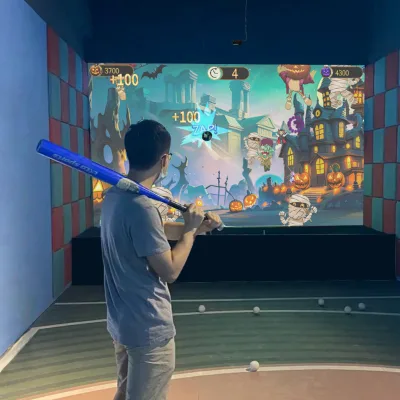
Main productsVr Simulator
Main marketsAfrica,Southeast Asia/ Mideast,North America
Shantou Shengxinda Toy Co., Ltd.
- Verified by SGS
- Trading Company,Manufacturer/Factory,Other
- China Guangdong
- Lead time23 days
- Avg. response≤ 21h
Main productsPlastic Toys, Education Toys, Outdoor Sport Toys, Pet Toys, Pretend Play Toys, RC Toys
Main marketsSouth America,Eastern Europe,North America,Western Europe
Hebei Hongkang Sports Technology Co., Ltd.
- Manufacturer, Trading Company
- Hebei, China
- Lead time30 days
- Avg. response≤ 3h
Main productsFitness Equipment, Gym Equipment, Treadmill, Chest Press, Outdoor Fitness Equipment
Main marketsSouth Asia(30.0%), North America(20.0%), Western Europe(15.0%), Oceania(10.0%), Africa(10.0%), Mid East(10.0%), Northern Europe(5.0%)
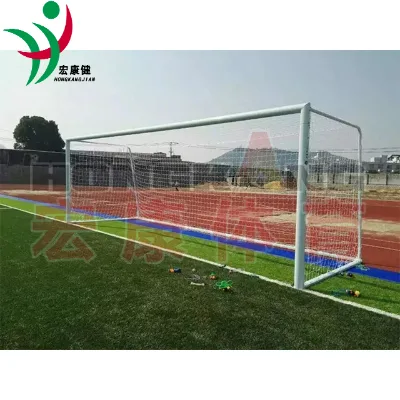
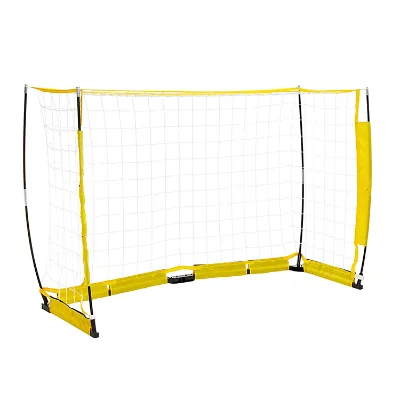
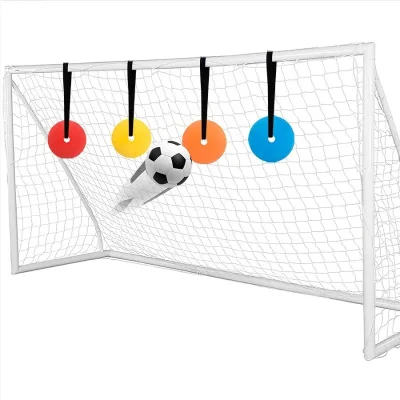
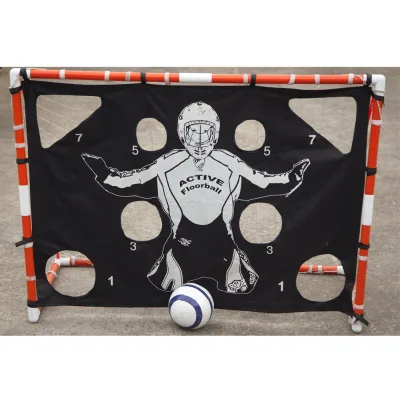
Soccer Football Target Goal for Shooting Training Steel Movable 7 Player Football goal
$466.59 - $518.43
Moq: 5
- Verified by BV
- Trading Company,Manufacturer/Factory
- China Zhejiang
- Lead time0 days
- Avg. response≤ 9h
Main productsWooden Game, Toy, Outdoor Game, Gareden Game, Racket, Tent, Soccer Ball, Sports
Ningbo High-Sunway Imp. & Exp. Co., Ltd.
- Verified by SGS
- Trading Company
- China Zhejiang
- Lead time30 days
- Avg. response≤ 21h
Main marketsSoutheast Asia/ Mideast,Europe,North America


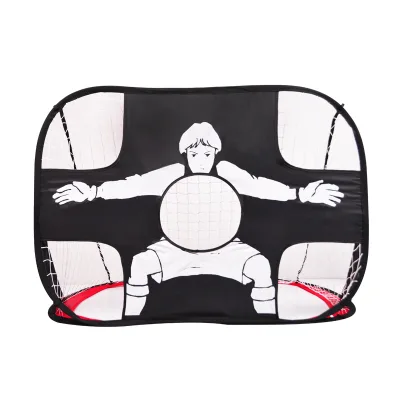
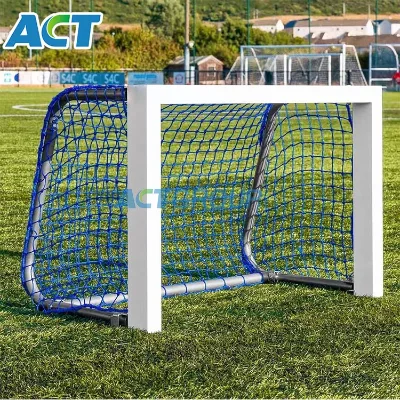
Children Large Pop up Soccer Goal, Soccer Practice Netkid Fold Away Football Goal
$3.50 - $4.50
Moq: 500


- Verified by BV
- Combined
- China Guangdong
- Lead time15 days
- Avg. response≤ 13h
Main productsInflatables, Inflatable Jumping, Inflatable Bouncer, Inflatable Slide, Inflatable Toys, Water Balls, Zorbs, Inflatable Water Toys, Inflatable Games
Main marketsSouth America,Africa,Southeast Asia/ Mideast,East Asia(Japan/ South Korea),Europe,Australia,North America
Hebei Kangnayipin Sports Equipment Co., Ltd.
- Verified by SGS
- Combined
- China Hebei
- Lead time30 days
- Avg. response≤ 2h
Main productsOutdoor Fitness Equipment
Main marketsDomestic
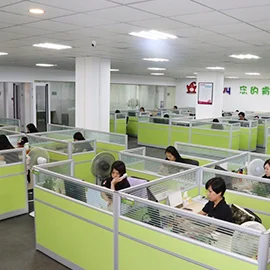
Guangzhou Combuy Toys Co., Ltd.
- Trading Company
- Guangdong, China
- Lead time30 days
- Avg. response≤ 4h
Main productsEducational Toy,Building blocks,Baby Toy,Summer Toy,RC Toys
Main marketsMid East(20.0%), Eastern Europe(20.0%), South America(20.0%), North America(20.0%), Western Europe(10.0%), Eastern Asia(10.0%)

Shenzhen LDK Industrial Co., Ltd.
- Trading Company
- China Guangdong
- Lead time30 days
- Avg. response≤ 6h
Main productsFootball Equipment, Basketball Equipment, Gymnastics Equipment, Gymnastics Mat, Indoor Fitness Equipment, Outdoor Fitness Equipment, Padel Court, Paddle Tennis Court, Spinning Bike, Treadmill
Main marketsSouth America,Southeast Asia/ Mideast,Europe,Australia,North America

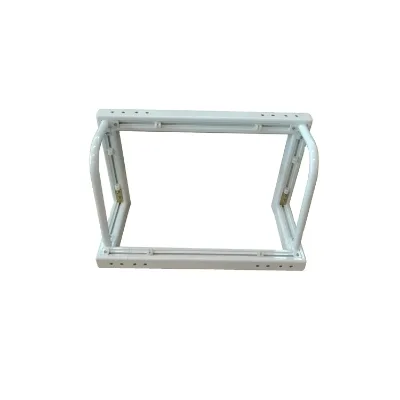
Five Player Mobile Football Net Football Goal Competition Training Football Goal
Contact supplier
Moq: 2


Shenzhen Coinus Trading Co.,Ltd
- Verified by BV
- Trading Company
- China Guangdong
- Lead time30 days
- Avg. response≤ 6h
Main productsSoccer Ball, Basketball, Volleyball, Football, Baseball&Softball, Pickleball, Padel, Sports Game, Ball Accessories, Exercise & Fitness
Main marketsSouth America,Southeast Asia/ Mideast,Europe,North America
Jinhua Dks Sports Goods Co., Ltd.
- Verified by Intertek
- Manufacturer, Trading Company
- Lead time30 days
- Avg. response≤ 5h
Main productsSoccer Goals, Badminton Net, Baseball Net, Basketball Stand, Pickleball Net
Main marketsNorth America(30%), Western Europe(30%), Northern Europe(20%)
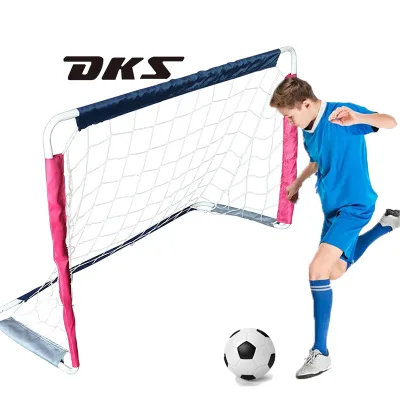
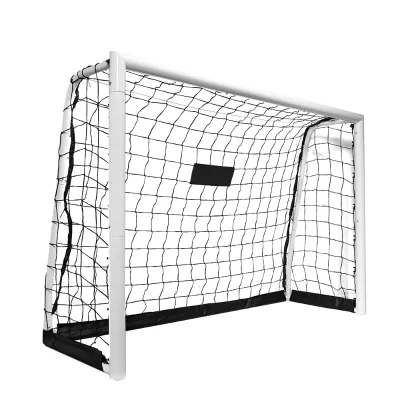
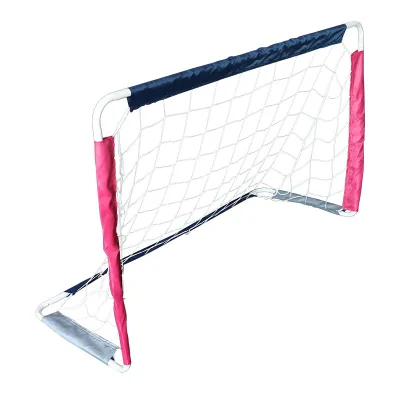
Mini Soccer goal Toys with Colorful Sleeve for Kids
$5.50 - $6.00

Jiangxi Lingji Outdoor Products Development Co., Ltd.
- Verified by SGS
- Trading Company
- China Jiangxi
- Lead time30 days
- Avg. response≤ 2h
Main productsBaseball Cap, Bucket Hat, Mesh Cap, Beanie Hat, T Shirt, Polo Shirt, Hoody, Football Jersey, Basketball Jersey, Soccer Ball/Basketball
Main marketsNorth America
Nantong Get Power Fitness Equipment Co., Ltd.
- Verified by TüVRheinland
- Trading Company
- Lead time30 days
Main productsDumbbell, Barbell, Weight Plate, Power Rack, Bench
Main marketsNorthern Europe(40%), North America(20%), Southeast Asia(20%)
Telamon Sports Goods (Shanghai) Co., Ltd.
- Verified by BV
- Trading Company
- China Shanghai
- Lead time15 days
- Avg. response≤ 9h
Main marketsNorth America

Shantou Chenghai Xaqi Toys Industrial Co., Limited
- Verified by BV
- Combined
- China Guangdong
- Lead time23 days
- Avg. response≤ 4h
Main productsRemote Control Car, Educational Toy, Sport Toy, Pretend Play Toys, Remote Contro Toy, Baby Toy, Summer Toy, B/O Toy
Main marketsSoutheast Asia/ Mideast,Domestic,Europe
Shenzhen Coinus Trading Co., ltd
- Verified by TüVRheinland
- Trading Company
- Lead time45 days
- Avg. response≤ 2h
Main productsSoccer Ball, Basketball, Volleyball, Football, Training Accessories
Main marketsNorth America(55%), South America(20%), Western Europe(6%)
Yiwu Li Lan Import And Export Co., Ltd.
- Trading Company
- Zhejiang, China
- Lead time15 days
- Avg. response≤ 2h
Main productsSoccer items,yoga items,gym items,Water sports items,Outdoor cycling items
Main marketsNorthern Europe(50.0%), Southern Europe(10.0%), Eastern Europe(10.0%), Western Europe(10.0%), North America(5.0%), Domestic Market(5.0%), Central America(5.0%), South America(3.0%), Southeast Asia(2.0%)
Hengshui Guardian Sports Goods Trading Co., Ltd.
- Trading Company
- Hebei, China
- Lead time7 days
- Avg. response≤ 1h
Main productsBall sports equipment,Sports protective gear and rehabilitation equipment
Main marketsWestern Europe(10.0%), Eastern Asia(10.0%), Mid East(10.0%), Oceania(10.0%), Africa(10.0%), Southeast Asia(10.0%), Eastern Europe(10.0%), South America(10.0%), North America(10.0%), Northern Europe(5.0%), Central America(5.0%)
Cixi Tengya Sports Products Co., Ltd.
- Manufacturer
- Zhejiang, China
- Lead time30 days
- Avg. response≤ 5h
Main productsRoundnet,bean bag toss,cornhole set,spikeball,Kids table tennis
Main marketsNorth America(50.0%), Western Europe(15.0%), Northern Europe(10.0%), Eastern Europe(10.0%), Oceania(10.0%), Domestic Market(5.0%)
Guangzhou Jiang Yue Entertainment Equipment Co., Ltd.
- Verified by Intertek
- Manufacturer, Trading Company
- Lead time7 days
- Avg. response≤ 4h
Main productsAir Track, Inflatalbe Water Slide, Inflatable Bouncer, Inflatable Water Park, Inflatable Sport Game
Main marketsNorthern Europe(25%), Western Europe(20%), North America(15%)
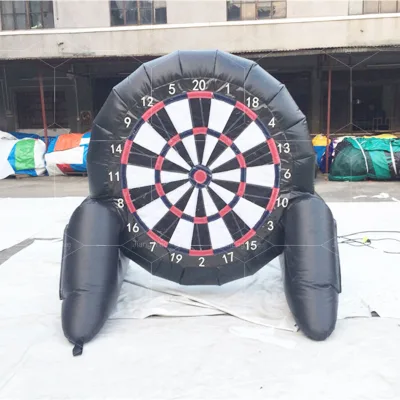
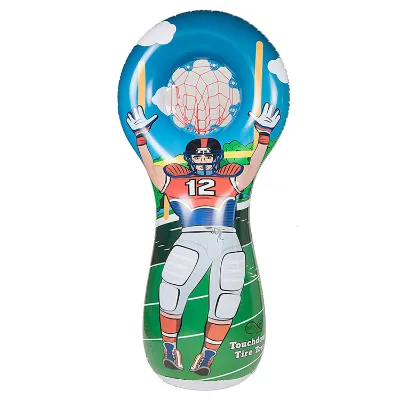
Outdoor Event Inflatable Soccer Dart Board Football Dart Target for Children and Adults
$366.62 - $540.23
Moq: 1

Dmantis Sports Goods Co., Ltd.
- Verified by SGS
- Combined
- China Hunan
- Lead time60 days
- Avg. response≤ 2h
Main productsBadminton Shuttlecock, Badminton Racket, Tennis Racket, Tennis Ball, Pickleball Paddle, Table Tennis Ball, Table Tennis Racket, Jump Rope
Main marketsSoutheast Asia/ Mideast,East Asia(Japan/ South Korea),Europe,Australia,North America
- Verified by TüVRheinland
- Manufacturer, Trading Company
- Lead time15 days
- Avg. response≤ 5h
Main productsArtificial Grass, Stadium Seats, Padel Court, Sports Floor, Flat Drainage Pipe
Main marketsNorth America(21%), Domestic Market(18%), South America(13%)
Ningbo Yinzhou Shigao Sports Goods Co., Ltd.
- Verified by SGS
- Trading Company
- China Zhejiang
- Lead time30 days
- Avg. response≤ 10h
Main productsSoccer Ball, Volleyball, Basketball, Foot Ball, American Football
Main marketsDomestic
- Verified by SGS Group
- Trading Company
- Lead time0 days
- Avg. response≤ 2h
Main productsSoccer net series, Baseball net series, Golf net series, Tennis net series, Badminton net series
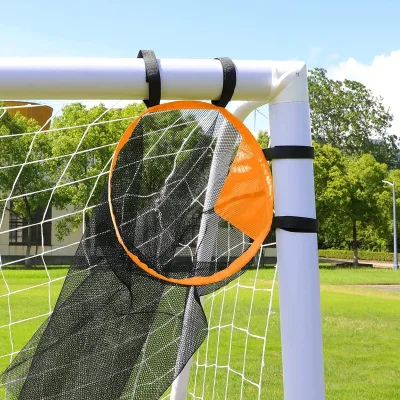
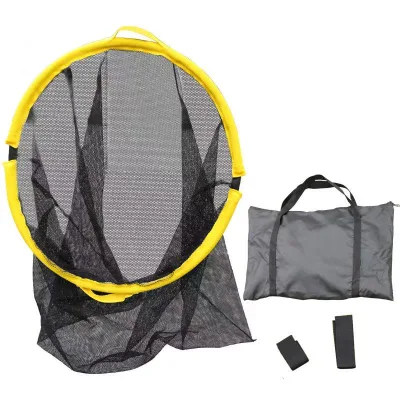
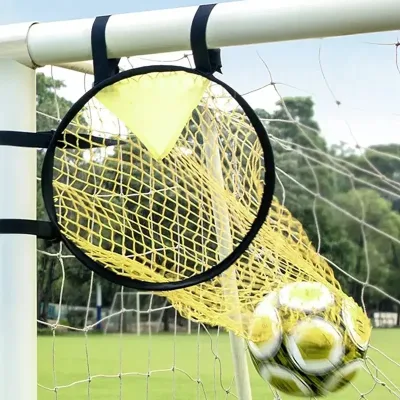
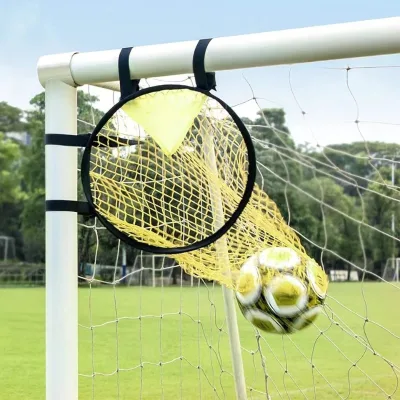
Easy Setup Soccer Target Goal with Top Bins for Accurate Shooting Training Equipment
$16.85 - $17.57
Moq: 300
- Verified by TüVRheinland
- Manufacturer, Trading Company
- Lead time7 days
- Avg. response≤ 2h
Main productsPortable Interactive Whiteboards, Interactive Wall And Floor, Interactive Projector, Interactive Projector Module, Interactive IR Pens
Main marketsSouthern Europe(13%), North America(12%), Eastern Europe(11%)

Ningbo Victeam Sporting Goods Co., Ltd.
- Verified by BV
- Trading Company
- China Zhejiang
- Lead time30 days
- Avg. response≤ 11h
Main productsLeather Soccer Ball, Official Soccer Ball, Custom Soccer Ball, Laminated Soccer Ball, Machine Stitched Soccer Ball, Leather Basketball, Custom Basketball Ball, Volleyball, Basketball, Others
Main marketsSouth America,Africa,Southeast Asia/ Mideast,Europe,Australia,North America
Shantou Chenghai Eli Toy Factory
- Verified by Intertek
- Manufacturer, Trading Company
- Guangdong, China
- Lead time20 days
- Avg. response≤ 2h
Main productsPlastic Toys
Main marketsNorth America(55%), Western Europe(14%), South America(8%)

Yiwu Sifan Import & Export Co., Ltd.
- Verified by BV
- Trading Company
- China Zhejiang
- Lead time30 days
- Avg. response≤ 10h
Main productsSoccer Ball Football PU Ball, Football PVC Football PU Football, Promotional Football Cheap Sosccer Ball, Soccer Jersey T-Shirts Football Jersey, Volleyball Rubber Ball Rubber Volleyball, Football Jersey Soccer Jersey Tshirts, Sports Goods Sporting Goods, T-Shirts Soccer T-Shirts Football T-Shirts, Soccer Uniform Football Uniform, Basketball Rubber Ball Rubber Basketball
Main marketsEurope,North America
















Comprehensive Sourcing Guide
Children Football Shooting Target Supplier Concentration and Factory Types
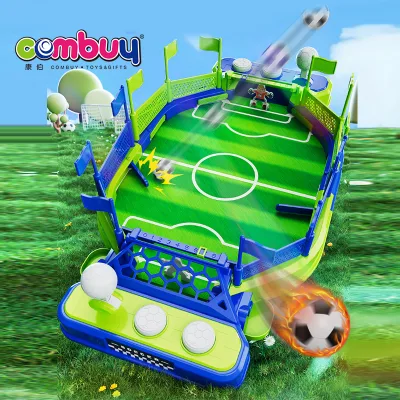
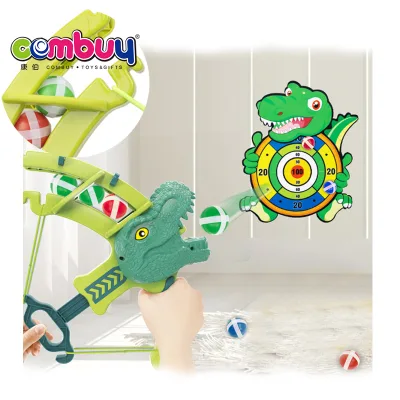
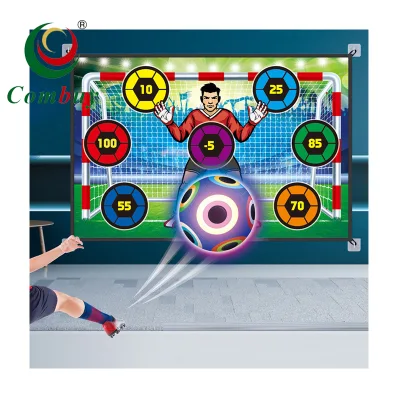
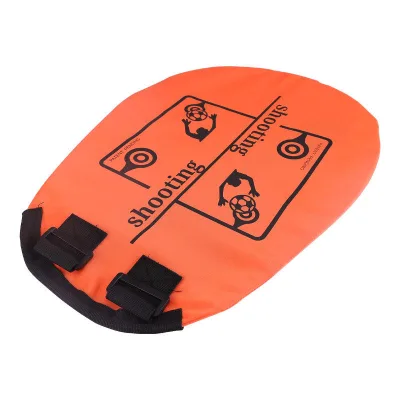
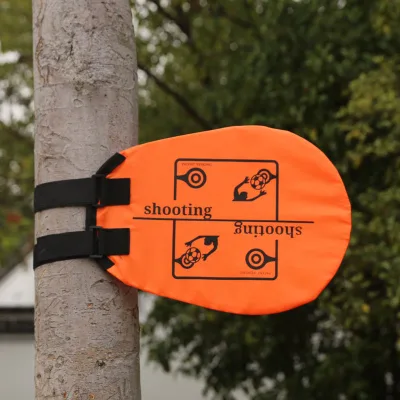
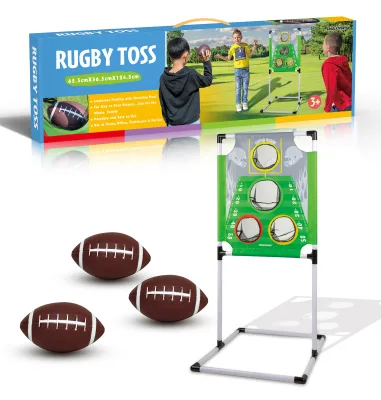
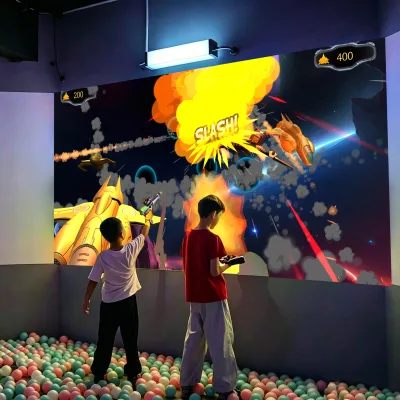
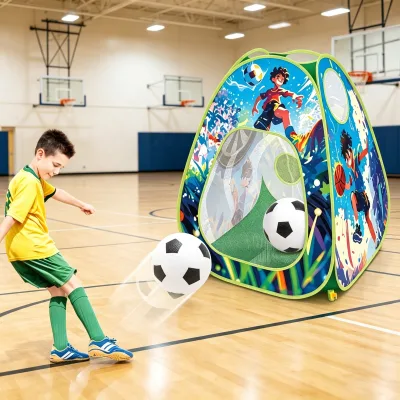
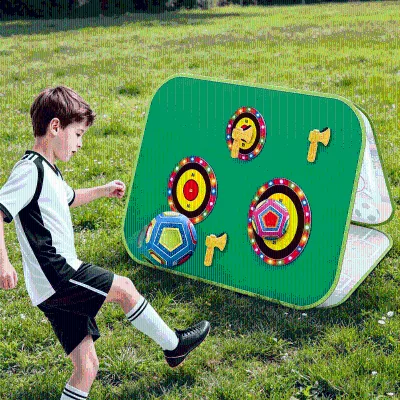
When sourcing children football shooting targets, buyers encounter two broad production profiles. In Guangdong, China, the visible supplier base skews toward trading companies whose main products span baby toys, summer toys, pretend play toys, educational toys and RC toys. These firms list compact fabric-and-plastic shooting targets — for example a sport interactive football toss fabric toy with a shooting game target — alongside desktop battle ejection football machines and sticky-ball bow-and-arrow sets. Such products are typically packed in color boxes, sold in multiples per carton, and quoted per unit with carton-level minimums. A Guangdong trading company in these results displays CE system certification, a four-hour response time and a 30-day lead time, which is a useful benchmark when you screen others.
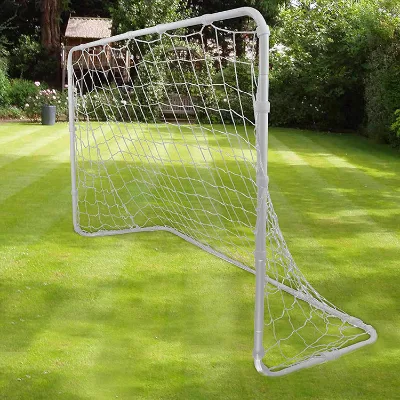
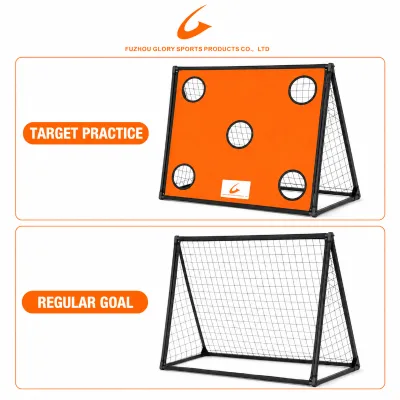
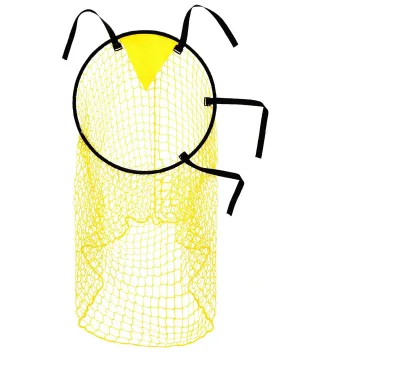
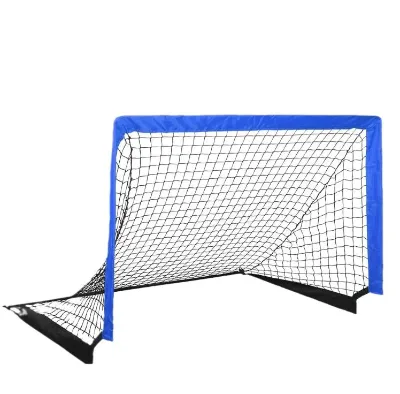
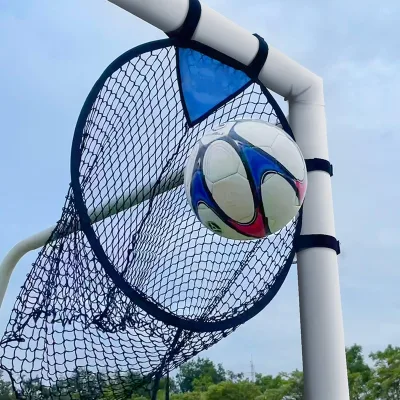
In Fujian, China, the profile changes: suppliers there list main products such as baseball nets, volleyball nets, rebound nets, pickleball nets and weighted baseballs, and extend into football equipment like outdoor youth door targets and five-hole soccer accuracy training nets with foldable steel frames. These are net-and-frame manufacturers rather than toy assemblers, quoting per single item rather than per carton. When no cluster information is displayed for a candidate supplier, identify concentration yourself by grouping search results by province, checking whether product categories cluster around toys or around sports nets, and asking each candidate directly whether it manufactures in-house or trades, since the two types carry different quality-control implications.
How to Verify Children Football Shooting Target Suppliers
Verification starts with matching the supplier type to what you actually need. If you want polyethylene net and iron tube targets or steel-frame training goals, confirm the supplier genuinely produces sporting goods; a Fujian supplier in these results lists net products as its core catalog, which is consistent with that capability. If you want fabric target panels, plastic frames, ejection machines or sticky-ball sets aimed at younger children, a Guangdong trading company listing baby toys, educational toys and interactive games as main products is a plausible fit, but you must verify whether it holds tooling or merely consolidates from workshops. Ask for the factory address, photographs of production lines, and video calls at packing time.
Then verify documentation against the evidence a supplier displays. One listed trading company shows CE as its system certification, and one toy product carries an EN71 certificate attribute, but displayed labels are not proof for your shipment — request the certificate number, issuing body, scope and validity, and confirm they cover the exact model numbers you order, such as the KB- or CB-prefixed codes shown in listings. Check response behavior as a reliability proxy: the observed suppliers respond within roughly four and ten hours respectively, so time several pre-sales questions and note consistency. Finally, verify transaction history and whether the platform offers escrow protection for your order, confirm the place of origin stated on quotations, and cross-check that packing sizes, carton dimensions and gross weights in the listing match what the supplier states in writing.
What to Compare Across Children Football Shooting Target Suppliers
Build a comparison table using the dimensions suppliers actually display. Lead time is a strong differentiator: the Guangdong toy supplier shows 30 days while the Fujian net-equipment supplier shows 50 days, so a toy-class target may reach you nearly three weeks faster than a steel-frame goal. Response time matters just as much during development and claim handling; compare the four-hour and ten-hour figures you can observe and treat anything slower as a service risk. MOQ structures differ sharply — the toy listings state five cartons with selling units in multiples of 48, 24 or 18 items, whereas the football door target is sold as a single item — so normalize comparisons by order value rather than unit count.
Also compare location, main products and company type. A Guangdong trading company focused on toys will handle color-box retail packaging, age grading (for example age 3+ or age 6+ listings) and unisex toy assortments differently from a Fujian sports-equipment maker serving children through seniors. Price ranges in the results run from under three dollars for sticky-ball bow-and-arrow sets, through six to seven dollars for fabric toss targets and ejection machines, to roughly 28 to 35 dollars for a net door target — but treat displayed prices as negotiation starting points only. Establishment year, escrow availability and certification labels may appear on some supplier cards and not others; where absent, ask the supplier directly rather than assuming a value, and record every attribute as verified or unverified.
Common Children Football Shooting Target Sourcing Risks
The most frequent risk is mismatch between supplier type and product. A trading company in Guangdong listing toys, educational games and RC products may broker your fabric shooting target from an unnamed workshop, which weakens your control over material consistency, stitching strength and colorfastness. Conversely, a Fujian net specialist may quote a toy-style product outside its core competence, producing unstable frame welding or unsuitable net mesh. Counter this by requiring the actual manufacturing site and by ordering pre-production samples against a signed specification that fixes material, dimensions (a listed fabric target packs at 28.5×13×23.5 cm; a desktop ejection machine measures 30×30×10 cm) and packing.
Second, compliance risk concentrates in age-appropriate toys. Listings show age ranges from 2 to 4 years up to 8 to 13 years, and small parts, cord lengths and projectile force on sticky-ball or bow-and-arrow sets need documented testing for your destination market; do not rely on a CE label or a single EN71 attribute without seeing certificates scoped to your model numbers. Third, logistics risk: cartons are heavy and voluminous — one toy carton is 79×60×81 cm at 26 kg gross with 0.384 CBM, while a steel-frame goal ships at 125×25×15 cm per package — so dimensional-weight charges and container planning can erode margins. Finally, beware displayed prices that exclude packaging upgrades, sample fees or testing costs; get an all-in quotation in writing before committing, and confirm whether quoted lead times of 30 or 50 days are stable across seasons.
Children Football Shooting Target Regional Sourcing and Logistics
Regional choice follows product construction. For toy-grade targets — fabric toss panels, plastic frames, ejection machines, sticky-ball sets — the Guangdong, China cluster visible in these results aligns with its toy trading ecosystem, and the observed supplier there quotes a 30-day lead time with four-hour responses, which suits replenishment programs and fast seasonal timelines. For net-and-frame targets such as PE-net-and-iron-tube door targets or five-hole accuracy nets with foldable steel frames, Fujian, China appears as the relevant cluster, consistent with its main products in baseball, volleyball, rebound and pickleball nets; the observed Fujian supplier shows a 50-day lead time and ten-hour responses, so plan development calendars accordingly.
Logistically, the two product classes pack very differently. Toy targets ship in master cartons with declared CBM — 0.384 for a fabric target batch, 0.183 for a desktop ejection game — and gross weights from 11 to 26 kg, making them straightforward for LCL consolidation or mixed containers, with color-box packing suited to direct-to-retail distribution. Steel-frame targets ship in long, flat packages (125×25×15 cm in one listing), which stack efficiently but may exceed courier limits and favor sea freight even at moderate volumes. Confirm carton sizes in writing (one listing shows a 79×60×81 cm carton versus an 80×61×82 cm batch size), ask about export documentation for sporting goods versus toys, and verify whether the supplier supports customized sizes, as one net listing indicates.
Children Football Shooting Target Commercial Terms and Order Planning
Commercial terms should be negotiated around the MOQ structures evident in this category. Toy-class suppliers quote five-carton minimums with selling units in multiples — 48 items for a fabric toss target, 18 for a desktop ejection machine, 24 for a bow-and-arrow set — so your first order arithmetic should map trial quantities to full cartons rather than loose units. Net-and-frame suppliers may sell single items, letting you test a football door target listed at roughly 28.30 to 35.20 dollars, or a five-hole training net in steel, before scaling. Always ask what the displayed price includes: ex-works versus FOB point, packaging, and whether customized sizes or branding change the tier.
Plan payments around supplier risk. Prefer platform escrow or letter-of-credit style protection where available; where escrow status is not displayed, ask explicitly and verify. Stage payments — a modest deposit with balance against inspection — and commission a third-party inspection before shipment, checking model numbers, color codes, carton dimensions and gross weights against listings such as the 26.00/24.00 kg G.W./N.W. declared for one fabric target. Build the observed lead times — 30 days for a Guangdong toy supplier, 50 days for a Fujian net supplier — into your calendar, then add buffer for peak season and retesting. Finally, agree on reorder pricing windows, defect allowances, and who bears freight for claims, recording all terms in a purchase agreement before any deposit changes hands.
(word counts: sections approximately 228, 231, 233, 232, 230, 230; total ≈ 1384)
FAQs
What is the typical MOQ for Children Football Shooting Target orders?
Many listings for Children Football Shooting Target products set a minimum order of 5 cartons, with cartons often containing 18 to 48 units depending on the model. Confirm the exact selling-unit multiple before ordering, since smaller desktop games and larger fabric target sets pack differently. Always verify whether mixed models can share one carton allocation.
How long does production and delivery usually take?
Lead times observed among suppliers in these results range from 30 days to 50 days after order confirmation. Trading companies in Guangdong tend to quote the shorter window, while sports equipment makers in Fujian quote longer periods for net and steel-frame products. Confirm current capacity early, as peak season can extend quoted timelines.
Which certifications should I check before importing these toys?
Look for EN71 certification on plastic shooting toys and CE marking on the supplier's system certification. Some product listings state EN71 compliance and CE-certified operations, but you should request the actual certificate documents and verify scope covers the specific model numbers. Importers into the EU and UK should also confirm labeling requirements separately.
What materials are commonly used in these shooting targets?
Common constructions include plastic frames with fabric components for toss-style games, and PE net with iron tube or steel frames for outdoor goal-style targets. Product listings list plastic, fabric, and steel as main materials. Ask for material safety documentation, especially for items intended for children aged three and under.
Where are the main production regions for these products?
Suppliers in these results are located in Guangdong and Fujian, China. Guangdong trading companies typically offer toy-style shooting targets with fabric and plastic parts, while Fujian suppliers focus on football nets and steel-frame training equipment. Both regions ship internationally, so compare freight costs based on carton dimensions and gross weights.
What price ranges can buyers expect per unit?
Listed prices range from roughly USD 2.49 to 2.56 for sticky ball bow and arrow target sets, around USD 6.00 to 6.93 for desktop and toss football games, and USD 28.30 to 35.20 for outdoor net targets. Prices vary by model, order quantity, and specification, so request quotes against your exact requirements.
How quickly do suppliers typically respond to inquiries?
Response times in the current results range from 4 hours to 10 hours. Suppliers advertising shorter response windows are generally better for time-sensitive sampling and reorders, but actual reply quality matters more than speed. Send a detailed inquiry covering models, quantities, and certification needs to gauge both responsiveness and competence.
Are these products suitable for different age groups?
Toy-style shooting targets commonly list age ranges from 2 to 4 years, 5 to 7 years, and 8 to 13 years, with some items marked age 3+ or 6+. Outdoor net targets cover children through adults. Check each model's stated age grading and small-parts warnings, since younger children require stricter safety design.