Children Button Suppliers and Manufacturers in China
Explore 11 verified suppliers offering Children Button options with varying lead times, response speeds, and customization capabilities. Buyers can compare locations, MOQs, and product attributes like material and style before contacting vendors directly; review the available evidence before requesting comparable quotations from suitable candidates.
Suppliers List

Ningbo Yinzhou Xindew Textile Co., Ltd.
- Trading Company
- China Zhejiang
- Lead time15 days
- Avg. response≤ 12h
Main productsKnitting Needles, Knitting Looms, Knitting Crochet Hook Set, Acrylic Yarn, Elastic Tape, Zipper, Thread, Hook and Loop, Baby Blankets, Baby Bibs
Main marketsSouth America,Africa,Southeast Asia/ Mideast,East Asia(Japan/ South Korea),Domestic,Europe,Australia,North America

NINGBO NCJN IMPORT AND EXPORT CO., LTD.
- Verified by TUVRHEINLAND
- Trading Company
- China Zhejiang
- Lead time15 days
- Avg. response≤ 14h
Main productsGarment Accessories, Zipper, Button, Lace, Tape, Velcro Tape, Hook and Eye Tape, Ring and Slider, Bra Cup
Main marketsSouth America,Africa,Southeast Asia/ Mideast,East Asia(Japan/ South Korea),Europe,Australia,North America

- Verified by TUVRHEINLAND
- Trading Company,Manufacturer/Factory
- China Zhejiang
- Lead time23 days
- Avg. response≤ 7h
Main productsGarment Accessories, Zipper, Button, Lace Trim, Metal Zipper, Nylon Zipper, Plastic Zipper, Metal Button, Snap Button, Cotton Lace
Main marketsNorth America,Africa

GUANGZHOU SAKES GARMENTS ACCESSORIES CO., LTD.
- Verified by TUVRHEINLAND
- Trading Company
- China Guangdong
- Lead time15 days
- Avg. response≤ 9h
Main productsMetal Button, Rivet, Belt, Zipper, Lace, Leather Patch, Metal Buckle, Plastic Button, Metal Eyelet, Keychain
Main marketsSouth America

Lovely Style Various Design Natural Button Wooden Button for Children Clothing
$0.02 - $0.04
Moq: 10000


- Verified by BV
- Combined
- China Guangdong
- Lead time15 days
- Avg. response≤ 11h
Main productsTouch Screen, LCD Panel, Ideck Monitor, Gaming Button, PCB Board, Touch Controller Board, 3m Gaming Capacitive Touch Screen, Other
Main marketsSouth America,Southeast Asia/ Mideast,East Asia(Japan/ South Korea),Europe,Australia,North America

Ningbo DH Textile Industry&Trade Co., Ltd.
- Verified by TUVRHEINLAND
- Trading Company
- China Zhejiang
- Lead time15 days
- Avg. response≤ 13h
Main productsLace, Interlining, Embroidery Thread, Poplin, Hook and Loop, Satin Ribbon, Sewing Thread, Button, Zipper, Lace Fabric
Main marketsAfrica,Southeast Asia/ Mideast,North America


20L Resin Two-Hole Button From Stock Supply Two Hole Color Cartoon Children Button
$0.00 - $0.01
Moq: 1000


Cartoon Buttons Fashion DIY Handmade Button Children's Resin Four Hole Buttons 20L
$0.01 - $0.02
Moq: 1000
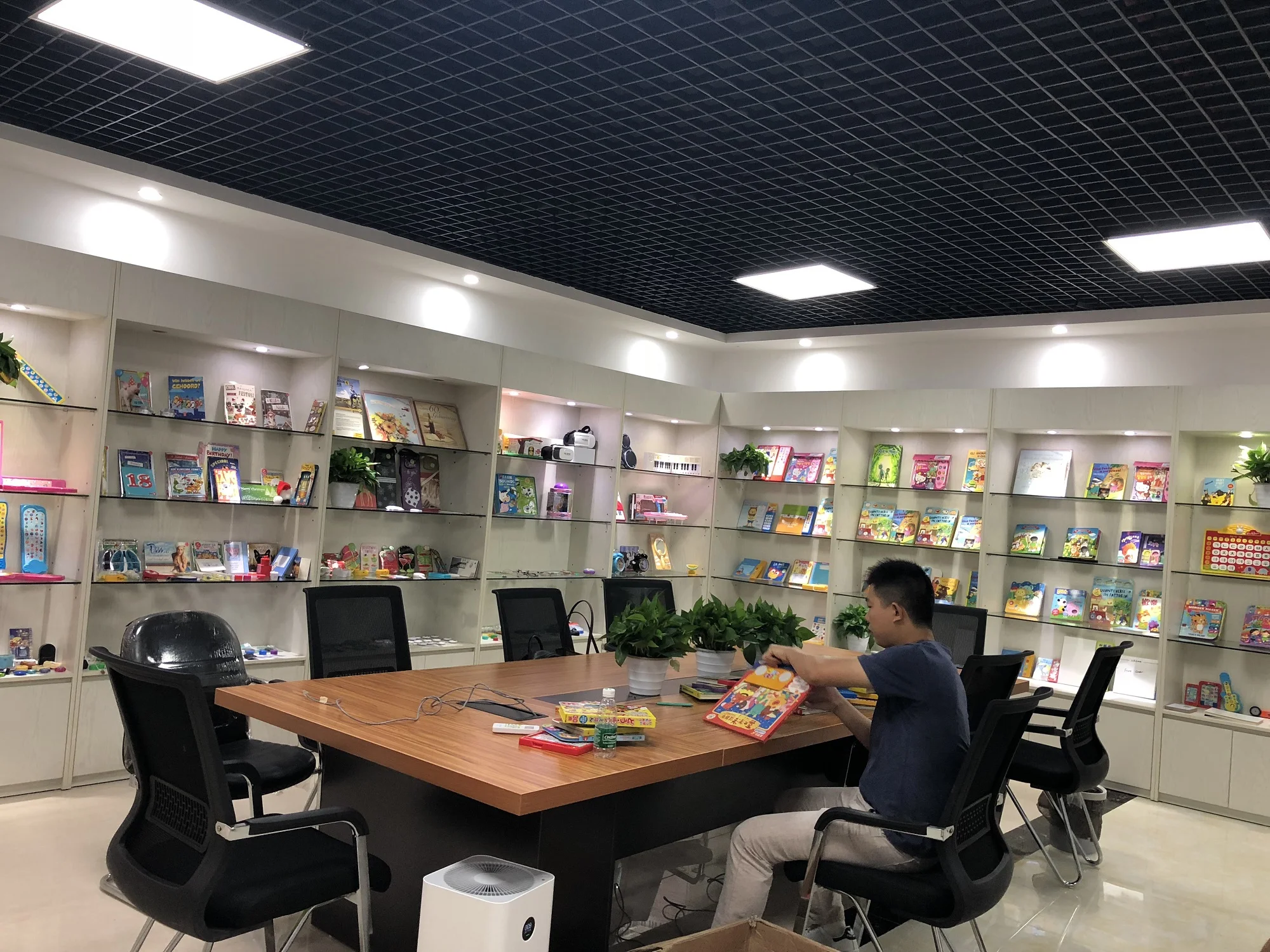
Shenzhen Joyfun Technology Co., Limited
- Manufacturer, Trading Company
- Guangdong, China
- Lead time30 days
- Avg. response≤ 3h
Main productsDigital Piggy Bank,Electronic Money bank,Sound Module Box,Sound button,Customize Gifts &Toy
Main marketsNorth America(30.0%), Northern Europe(20.0%), Southern Europe(10.0%), South America(10.0%), Domestic Market(5.0%), Southeast Asia(5.0%), Eastern Europe(5.0%), Western Europe(5.0%), Mid East(5.0%), Oceania(5.0%)

Wenzhou Yigou Trading Co., Ltd
- Verified by CTI
- Trading Company
- China Zhejiang
- Lead time30 days
- Avg. response≤ 5h
Main productsClothing Accessories, Label Printing Material, Polyester Satin, Seal Tag, Rubber Label, Plastic Seal Tag, Woven Label, Label Ribbon TTR Ribbon, Cotton Tape, Woven Edge Satin Ribbon
Main marketsSoutheast Asia/ Mideast,Europe

- Trading Company,Manufacturer/Factory
- China Zhejiang
- Lead time30 days
- Avg. response≤ 13h
Main productsFabric, Trimming, Lace, Tape, Zipper, Sewing Thread, Button, Scissors, Garments Accessories, Sewing Machine Parts
Main marketsSouth America,Eastern Europe,Mid East,North America,Southeast Asia,Eastern Asia,Oceania,Western Europe,Africa
Yongjia Bolai Clothing Accessories Co., Ltd.
- Verified by Intertek
- Trading Company
- Lead time0 days
Main productsButtons, Stoppers, Hook & Loop Tapes, Webbing, Zippers Accessories
Main marketsNorth America(30%), Southeast Asia(30%), Western Europe(20%)

Suzhou Honychem Specialties Manufacture Co., Ltd.
- Verified by BV
- Trading Company,Manufacturer/Factory
- China Jiangsu
- Lead time15 days
- Avg. response≤ 4h
Main productsSilicone Seal, Rubber Seal, Silicone Parts, Silicone Tube, Rubber O Ring, Silicone Keyboard, Silicone Rubber Keyboard Button, Rubber Gasket, Silicone Rubber, Rubber Parts
Main marketsSouth America,Eastern Europe,Mid East,North America,Southeast Asia,Eastern Asia,Oceania,Western Europe,Africa






Comprehensive Sourcing Guide
Children Button Supplier Concentration and Factory Types
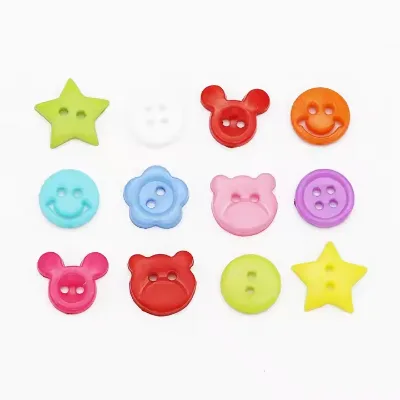
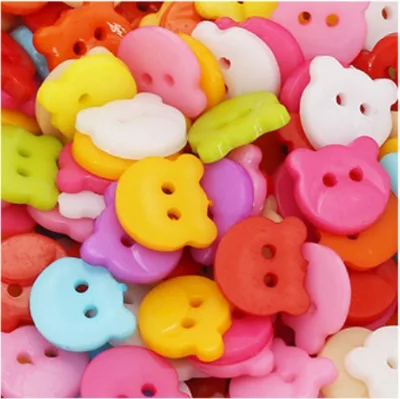
The current search results indicate a specific concentration of suppliers located in Zhejiang, China, which serves as a primary manufacturing hub for garment accessories. This region hosts a mix of trading companies and factories specializing in children's buttons, ranging from plastic and resin options to natural materials like wood and shell. The data shows that many entities in this cluster operate as trading companies, which often aggregate products from various workshops to offer a broader catalog including knitting needles, zippers, and elastic tapes alongside buttons. Buyers should recognize that while the location is confirmed as Zhejiang, the specific factory floor capabilities vary, with some focusing on mass-produced plastic items and others on custom wooden or shell-based designs.
When evaluating the factory types within this concentration, it is crucial to distinguish between pure manufacturers and trading entities based on their stated company type and product evidence. The available facts reveal that some suppliers list main products as a wide array of garment accessories, suggesting a trading model that sources from multiple production lines. Conversely, specific product attributes like "Customization: Available" and detailed model numbers such as XDJZ-116 or W-001 indicate direct manufacturing capabilities for specific button styles. Buyers must verify if the supplier is the actual producer or an intermediary by checking their response time and the depth of their product specifications, as trading companies may offer faster communication but less direct control over the production process compared to dedicated factories.
How to Verify Children Button Suppliers
Verification of supplier credibility begins with examining system certifications and verification badges provided in the search results. One observed fact confirms a TUVRHEINLAND verification status for a specific supplier, which serves as a tangible indicator of third-party assessment regarding business legitimacy or quality management systems. However, other entries in the results list system certification as NIL, meaning buyers cannot assume all suppliers in the list hold equivalent credentials. It is essential to request proof of these certifications directly, as the absence of a listed badge does not necessarily imply a lack of quality but rather a lack of displayed verification in the current dataset. Buyers should treat the presence of a verification badge as a strong initial signal but must still validate the scope of that certification to ensure it covers children's safety standards.
Beyond certifications, buyers should assess the responsiveness and operational stability of potential partners through their response times and stock availability. The data shows response times ranging from approximately 11 to 13 hours, which provides a baseline for expected communication speed in this category. Suppliers with "Stock: Stock" listed for items like plastic orange children buttons offer immediate shipment capabilities, whereas those with "Stock: Not Stock" for natural wooden or coconut buttons may require longer lead times for production. To verify reliability, buyers should initiate contact to confirm if the stated response time is consistent and if the supplier can provide samples of the specific button models, such as the 2-hole or 4-hole variants, to ensure the product matches the described attributes like material, shape, and customization options before committing to a larger order.
What to Compare Across Children Button Suppliers
Comparing suppliers requires a detailed analysis of key operational metrics such as minimum order quantities, lead times, and pricing structures found in the product evidence. The data reveals significant variation in MOQs, with some plastic buttons requiring 5,000 units while natural wooden or shell buttons may have a lower threshold of 1,000 units. Lead times also differ, with some entries indicating a standard 15-day production window, while others with "Not Stock" items may require additional time for manufacturing. Buyers must compare these figures against their own inventory needs and budget constraints, noting that lower prices per unit, such as 0.001000 for plastic buttons, often correlate with higher volume requirements, whereas premium natural materials like wood or shell command higher prices around 0.020000 with potentially more flexible order sizes.
In addition to cost and volume, the comparison should extend to product customization capabilities and material specifications. The search results highlight that customization is available across various button types, including plastic, wood, and shell, with specific attributes like "Element: Cute" or "Style: Fashion" indicating design flexibility. Buyers should compare the specific model numbers and attributes, such as the difference between a 2-hole plastic button and a 4-hole wooden button, to ensure the supplier can meet the technical requirements of their garment designs. Furthermore, the main products listed by each supplier, which may include zippers or laces, can indicate their capacity to provide a one-stop solution for garment accessories, potentially simplifying the sourcing process if the buyer requires multiple components for a single production run.
Common Children Button Sourcing Risks
One significant risk in sourcing children buttons involves the discrepancy between advertised stock levels and actual production readiness. The data shows a mix of "Stock: Stock" and "Stock: Not Stock" entries, particularly for natural materials like wood and shell. Relying on a "Stock" label without immediate confirmation can lead to delays if the inventory is reserved or if the supplier misrepresents availability. Buyers must verify current stock levels directly before placing orders, especially for time-sensitive projects, as the "Not Stock" status for items like natural wooden buttons implies a production cycle that could extend beyond standard lead times. This risk is compounded if the supplier is a trading company that does not hold the physical inventory but relies on upstream manufacturers who may face their own capacity constraints.
Another critical risk pertains to material safety and compliance, particularly given the target demographic of children. While some product attributes mention "high quality" standards, the search results do not universally list specific safety certifications like Oeko-Tex or ASTM for all button types. The presence of a "Certificate: Okeo" for a specific Chinese knot button suggests that such certifications exist but are not guaranteed for every item in the catalog. Buyers must explicitly request test reports for materials like plastic, wood, and shell to ensure they are free from harmful substances, as children's products are subject to stricter regulations. Failing to verify these safety standards can result in rejected shipments or legal liabilities, making it imperative to treat the absence of a listed certification as a gap that requires immediate supplier clarification.
Children Button Regional Sourcing and Logistics
The primary sourcing region identified in the results is Zhejiang, China, specifically noting origins in Ningbo and general Zhejiang locations. This concentration offers logistical advantages due to the region's established infrastructure for exporting garment accessories, with many suppliers listing their origin as Zhejiang Ningbo. Buyers sourcing from this cluster can expect efficient shipping routes to major ports, which facilitates the export of bulk orders. However, the specific origin details vary, with some products explicitly stating "Zhejiang Ningbo, China" while others simply list "China" or "Zhejiang." This variation requires buyers to confirm the exact port of loading to accurately calculate freight costs and transit times, as shipping from different cities within the same province can impact logistics planning and delivery schedules.
Logistics planning must also account for the packaging standards and shipping units provided in the product evidence. The data indicates that packing methods vary, with some items shipped in bags containing 144 pieces per gross, while others use cartons or polybags. For natural buttons like wood or shell, the packing might differ from plastic variants, potentially affecting the total volume and weight of the shipment. Buyers should verify the packing specifications to ensure they align with their storage and handling capabilities, as improper packaging can lead to damage during transit. Additionally, the "prod_packing" details, such as "1gross/Bag, as Customer Like," suggest flexibility in packaging, which buyers should leverage to optimize shipping costs while ensuring the buttons remain secure and undamaged throughout the supply chain.
Children Button Commercial Terms and Order Planning
Commercial terms for children buttons vary significantly based on the material and customization requirements, with prices ranging from as low as 0.001000 for basic plastic buttons to 0.020000 for natural shell or wooden options. These price points are often tied to specific MOQs, such as 5,000 units for plastic items and 1,000 units for natural buttons, requiring buyers to plan their order volumes carefully to balance cost efficiency with inventory needs. The availability of customization, noted as "Available" across most entries, allows for tailored designs but may introduce additional costs or longer lead times that must be factored into the budget and timeline. Buyers should request detailed quotations that break down unit costs, tooling fees, and any surcharges for custom elements to avoid unexpected expenses during the order planning phase.
Order planning must also consider the response times and lead times to ensure timely delivery. With response times observed between 11 and 13 hours, communication is generally prompt, but lead times can extend to 15 days or more for non-stock items. Buyers should align their production schedules with these timelines, especially for items marked as "Not Stock," which may require a full production run. The flexibility in packing, such as "as Customer Like," offers an opportunity to optimize logistics but requires clear communication of requirements to the supplier. By understanding the interplay between price, MOQ, lead time, and customization, buyers can create a robust order plan that mitigates risks and ensures the timely arrival of high-quality children buttons for their garment production lines.
FAQs
What is the minimum order quantity for children buttons?
The minimum order quantity is typically 5000 pieces for plastic options and 1000 pieces for natural wooden or coconut shell varieties. Buyers should verify specific MOQs with suppliers as stock availability and customization needs may alter these baseline requirements for bulk garment accessories.
What materials are used for children buttons?
Suppliers offer buttons made from plastic, wood, and coconut shell. Plastic options include monocolor or color-matching styles, while natural materials feature round wooden beads or coconut shells. These materials are selected for durability and safety in children's garment applications.
What is the price range for children buttons?
Prices range from $0.001 to $0.50 per piece depending on material and design. Plastic buttons often start at $0.001, while wooden or coconut shell buttons may cost around $0.01 to $0.02. Final pricing depends on order volume and customization.
Where are these children buttons manufactured?
Manufacturing locations are primarily in Zhejiang, China, with specific origins noted in Ningbo. Suppliers operate as trading companies sourcing from these regions. Buyers should confirm exact factory locations and shipping terms to ensure alignment with their supply chain logistics.
How long does production take?
Lead times are approximately 15 days for standard orders. Response times from suppliers average around 11 to 13 hours. Buyers should confirm exact production schedules with suppliers, as customization and stock availability can impact the final delivery timeline.
Are children buttons customizable?
Customization is available for most button types, including plastic and natural materials. Buyers can request specific shapes, colors, and hole configurations. Suppliers offer stock items and custom designs, allowing for tailored solutions for different garment styles and branding requirements.