China Bar Tables Suppliers and Manufacturers for Sourcing
Explore 21 verified suppliers offering China Bar Tables with varying lead times, MOQs, and certifications. Compare dimensions, materials, and response rates to find the right partner. Request samples to verify quality before placing orders; review the available evidence before requesting comparable quotations from suitable candidates.
Suppliers List

Zhongshan Uptop Furnishings Co., Ltd.
- Verified by BV
- Combined
- China Guangdong
- Lead time15 days
- Avg. response≤ 2h
Main productsRestaurant Furniture, Restaurant Table and Chair, Hotel Table and Chair, Cafeteria Table and Chair, Bar Table and Chair, Canteen Furniture, Plastic Chair, Cafe Furniture, Contract Furniture, Commercial Furniture
Main marketsSouth America,Africa,Southeast Asia/ Mideast,East Asia(Japan/ South Korea),Europe,Australia,North America


Factory Price New Product Modern Design Portable Bar Tables with Metal Legs
$30.00 - $90.00
MOQ: 15 Sets


Wholesale Bar Furniture Metal Vintage High Bar Table for Sale, Vintage High
$30.00 - $90.00
MOQ: 15 Sets

- Verified by TUVRHEINLAND
- Trading Company,Manufacturer/Factory
- China Shandong
- Lead time23 days
- Avg. response≤ 9h
Main productsFolding Table, Chiavari Chair, Beer Table, Louis Chair, Bentwood Chair, Cross Back Chair, Stainless Steel Chair, Bamboo Folding Table and Chair
Main marketsSouth America,Eastern Europe,Mid East,North America,Southeast Asia,Eastern Asia,Oceania,Western Europe,Africa

Guangzhou Sgaier Truss Co., Ltd
- Verified by BV
- Manufacturer/Factory
- China Guangdong
- Lead time15 days
- Avg. response≤ 3h
Main productsTruss, Stage, Barrier, Flight Case, Bleachers, Aluminum Truss, Lighting Truss, Tent, Steel Structure, Portable Bar
Main marketsSouth America,Eastern Europe,Mid East,North America,Southeast Asia,Eastern Asia,Oceania,Western Europe,Africa


Fashion Modern Outdoor Folded Bar, LED Bar Table, Interactive Bar Table
$490.00 - $666.00
MOQ: 1 Pieces
Foshan Shuaige Furniture Co., Ltd.
- Verified by TUVRHEINLAND
- Combined
- China Guangdong
- Lead time23 days
- Avg. response≤ 4h
Main productsWedding Chair, Wedding Table, Dining Furniture, Dining Chair, Dining Table Set, Stainless Steel Chair, Wedding Furniture, Wedding Backdrop, Banquet Furniture, Hotel Chair and Table
Main marketsDomestic


Modern Customized White Bar Furniture Cocktail Table for Party and Bar
$185.00 - $255.00
MOQ: 5 Pieces


Zhangzhou More Star Furniture Co., Ltd.
- Verified by TUVRHEINLAND
- Manufacturer/Factory
- China Fujian
- Lead time60 days
- Avg. response≤ 10h
Main productsCoffee Table, Bunk Bed, Bookshelf, TV Stand, Computer Desk, Kitchen Cabinet, Wardrobe, Display Rack, Dining Table, Kitchen Cart
Main marketsMid East,North America,Southeast Asia,Western Europe
Hebei Ximu Furniture Sales Co., Ltd.
- Trading Company,Manufacturer/Factory
- China Guangdong
- Lead time45 days
- Avg. response≤ 4h
Main productsFurniture, Home Furniture, Living Room Furniture., Ding Room Furniture, Bed Room Furniture, Coffee Table, TV Stand, Dining Table, Chairs, Bath Room Furniture
Main marketsSouth America,Eastern Europe,North America,Southeast Asia,Western Europe

Tianjin Runduo Import and Export Co., Ltd
- Verified by TUVRHEINLAND
- Trading Company
- China Tianjin
- Lead time15 days
- Avg. response≤ 24h
Main productsDining Chair, Outdoor Furniture, Outdoor Table, Upholstered Chair, UV-Resistant Chair, Dining Table, Outdoor Chair, Outdoor PP Chair, Sofa, Bar Chair
Main marketsEurope

Shanghai Pumei furniture Co., Ltd.
- Verified by BV
- Combined
- China Shanghai
- Lead time60 days
- Avg. response≤ 19h
Main productsOffice Desk, Panel Furniture, Chairs and Sofa, Laboraty Furniture, Conference Table, Safety Cabinet, Staff Workstation, Office Partition, Training Chair, Laboratory Fume
Main marketsSouth America,Africa,Others(foreignTradeCapacity.exportBusinessCapacityMarketOther)

Zhengzhou Beiao Network Technology Co., Ltd.
- Trading Company
- Henan, China
- Lead time0 days
- Avg. response≤ 4h
Main productsLiving Room Furniture,Bedroom Furniture,Dining Room Furniture,Kitchen Furniture,Bathroom Furniture
Main marketsNorth America(51.00%), Northern Europe(18.00%), Western Europe(10.00%), Southern Europe(8.00%), Eastern Europe(8.00%), Domestic Market(5.00%)
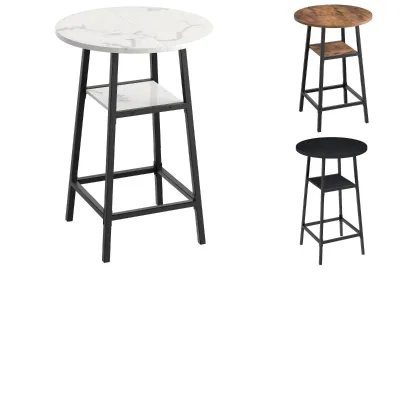
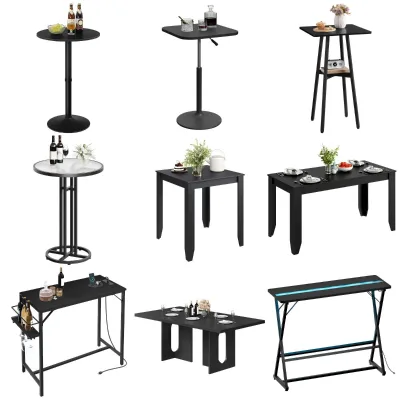
$15.20 - $50.89
MOQ: 30 Minimum
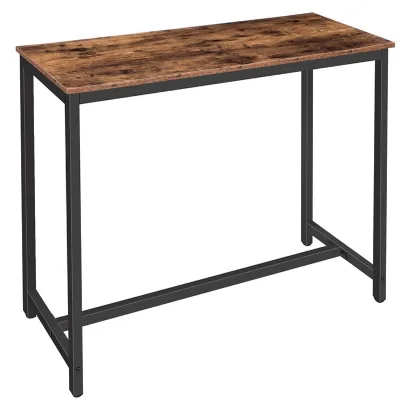

Foshan Dream Gate Furniture Co., Ltd.
- Verified by SGS
- Trading Company,Manufacturer/Factory
- China Guangdong
- Lead time30 days
- Avg. response≤ 5h
Main productsGarden Furniture, Outdoor Furniture, Rattan Furniture, Dining Furniture, Restaurant Furniture, Bar Furniture, Beach Chair, Table Leg, Garden Chair, Steel Chair
Main marketsSouth America,Eastern Europe,Mid East,North America,Southeast Asia,Eastern Asia,Oceania,Western Europe
Shenzhen Prima Industry Co., Ltd.
- Verified by TUVRHEINLAND
- Trading Company
- China Guangdong
- Lead time30 days
- Avg. response≤ 6h
Main marketsNorth America

- Verified by SGS
- Trading Company
- China Guangdong
- Lead time60 days
- Avg. response≤ 12h
Main productsOutdoor Furniture, Garden Furniture, Rattan Furniture, Patio Furniture, Outdoor Chair, Egg Swing Chair, Sun Lounger, Table Base, Table Top, Hotel Furniture
Main marketsSouth America,Southeast Asia/ Mideast,Europe,Australia,North America
- Trading Company
- China Fujian
- Lead time0 days
- Avg. response≤ 10h
Main productsFurniture, Table, Chair, Rack, Shelf, Folding Table, Folding Chair, Dinning Table and Chair Set, Table and Chair Set, Ladder
Foshan Xinda Furniture Co., Ltd.
- Verified by SGS
- Manufacturer/Factory
- China Guangdong
- Lead time30 days
- Avg. response≤ 2h
Main productsRestaurant Furniture, Bar Furniture, Hotel Bedroom Furniture
Main marketsSouth America,Eastern Europe,Mid East,North America,Southeast Asia,Eastern Asia,Oceania,Western Europe,Africa


New Modern Design Steel Mobile Portable Night Club High Metal Bar Table for Sale
$220.00 - $250.00
MOQ: 10 pieces
Foshan Ron Hospitality Supplies Co., Ltd.
- Manufacturer/Factory,Group Corporation
- China Guangdong
- Lead time23 days
- Avg. response≤ 4h
Main productsRestaurant Furniture, Customized Restaurant Product, Restaurant Table, Restaurant Chair, Restaurant Booth, Cafe Furniture, Bar Furniture, Coffee Shop Furniture, Dinnerware, Glassware
Main marketsSouth America,Eastern Europe,Mid East,North America,Southeast Asia,Eastern Asia,Oceania,Western Europe,Africa

High Quality Metal High Table Custom Color Restaurant Furniture Bar Table
$130.00 - $145.00
MOQ: 100 pieces

Modern Pub Round Bar Table Leather High Bar Chair Stool for Restaurant Nightclub Furniture
$65.00 - $125.00
MOQ: 2 pieces

Tianjin Kingnod Furniture Co., Ltd.
- Verified by BV
- Manufacturer/Factory
- China Tianjin
- Lead time23 days
- Avg. response≤ 3h
Main productsDining Chair, Restaurant Chair, Office Chair, Bar Stool, Game Chair, Plastic Chair, Metal Chair, Dining Table, Gaming Table, Barstool
Main marketsSouth America,Eastern Europe,Mid East,North America,Southeast Asia,Eastern Asia,Oceania,Western Europe,Africa

China Best Price Home Club Ajustable Chromed Base Round Plastic Top Bar Table
$30.99 - $35.99
MOQ: 200 Pieces


Langfang Airun Imp. & Exp. Co., Ltd.
- Verified by BV
- Trading Company
- China Hebei
- Lead time15 days
- Avg. response≤ 10h
Main productsDining Table, Coffee Table, Dining Chair, Hotel Chair, Leisure Chair, Plastic Chair, Metal Chair, Fabric Covered Chair, TV Stand, Sideboard
Main marketsSouth America,Africa,Southeast Asia/ Mideast,Europe,North America

Beijing Tianyuan Rongli Technology Co., Ltd.
- Verified by SGS
- Trading Company
- China Beijing
- Lead time15 days
- Avg. response≤ 2h
Main productsMelamine Board, Chipboard, MDF, Solid Wood Pellet Board, Custom-Made Furniture, Dining Room Furniture, Living Room Furniture, Steel-Wood Furniture
Main marketsSoutheast Asia/ Mideast


Modern Round Side Table with Compact Design for Bar and Restaurant Use
$15.00 - $16.43
MOQ: 500 Pieces
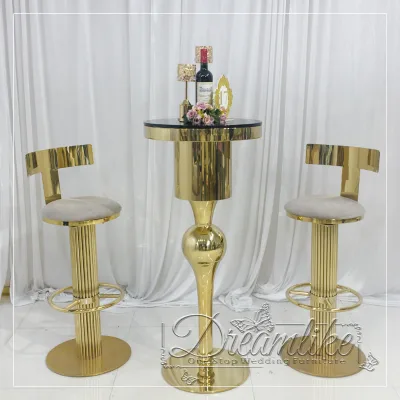
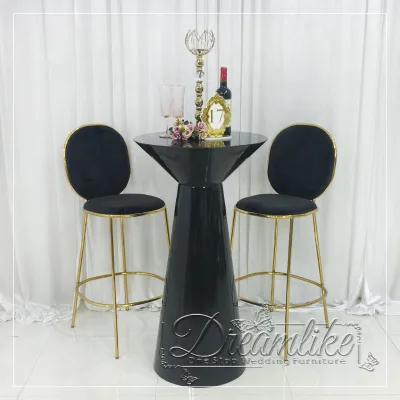
Foshan Dreamlike Furniture Co., Ltd.
- Verified by TüVRheinland
- Trading Company
- Lead time25 days
- Avg. response≤ 3h
Main productsTable, Chair, Sofa, Backdrop, Wine Shelf
Main marketsNorth America(50%), Mid East(20%), Africa(15%)

Langfang Ruiyi Furniture Co., Ltd.
- Verified by TUVRHEINLAND
- Trading Company,Manufacturer/Factory
- China Hebei
- Lead time60 days
- Avg. response≤ 2h
Main productsDining Chair, Dining Table, Accent Chair, Sofa Chair, Coffee Table, Lounge Chair, Cabinet, Glass TV Stand, Side Table, Tea Table
Main marketsSouth America,Eastern Europe,Mid East,North America,Southeast Asia,Eastern Asia,Oceania,Western Europe,Africa

Foshan Kingwell Industry Co., Ltd.
- Verified by TUVRHEINLAND
- Trading Company
- China Guangdong
- Lead time30 days
- Avg. response≤ 3h
Main productsOutdoor Furniture, Garden Furniture, Garden Chair, Outdoor Sofa, Patio Furniture, Sun Lounger, Outdoor Daybed, Outdoor Dining Table Set, Outdoor Sofa Set, Outdoor Furniture Set
Main marketsNorth America




Comprehensive Sourcing Guide
China Bar Tables Supplier Concentration and Factory Types
Buyers searching for China Bar Tables will typically encounter suppliers based in a small number of provinces, and the listings in this category already point to two of them: Guangdong and Shandong. The Guangdong-based suppliers in these results position themselves around restaurant, cafeteria, hotel, and cafe furniture as their main product lines, with bar tables appearing alongside chairs, dining tables, and contract furniture. This suggests a commercial-furniture orientation rather than a pure household focus. The Shandong-based suppliers in the results list folding tables, chiavari chairs, beer tables, and bentwood or cross-back chairs, which places bar tables within an event and hospitality furniture context. Buyers should therefore treat cluster identity as a signal of adjacency: suppliers surrounded by related restaurant and event furniture lines are more likely to have stable tooling, material sources, and finishing capacity for bar tables.
Supplier type also varies within this category. Some companies operate as combined manufacturer-and-trading entities, while others are structured as trading companies paired with factory relationships. Both models can work, but they imply different verification paths: a factory profile invites production-site checks, whereas a trading company profile invites questions about which factory actually produces the bar tables, who owns the tooling, and whether the trading layer adds margin without adding quality control. Buyers should classify each candidate into one of these structures early, because the structure determines which documents, audits, and references will actually be meaningful during assessment.
How to Verify China Bar Tables Suppliers
Verification should begin with the credentials a platform displays and end with evidence the buyer collects independently. In the current results, one supplier holds BV verification and another holds TÜV Rheinland verification; these are third-party verification labels rather than product certifications, so they say something about company-level vetting but not about whether a specific bar table meets a buyer's target market requirements. Product listings separately claim standards such as SGS and ISO9001, and one listing claims CE and ISO9001 certification for a wood bar table set. Buyers should request the actual certificate documents, check the certifying body's registry, and confirm that the certificate scope covers the product type and materials they intend to order, since a certificate attached to a listing does not automatically cover custom variants.
Structural verification matters just as much. For the combined-type suppliers, ask for a business license, workshop photos or a video walk-through, and evidence of in-house processes such as welding, powder coating, or woodworking. For trading-company profiles, ask which factory produces the bar tables and whether direct factory visits or third-party inspections are permitted. Customization capability is another verifiable claim: several listings in this category state that customization is available and that samples are available, and ODM/OEM capacity appears in supplier attributes. A practical test is to request a sample against a specification change—different finish, height, or base material—and evaluate whether the supplier responds with a feasible quotation, a realistic timeline, and a sample that matches the drawing.
What to Compare Across China Bar Tables Suppliers
Build a comparison sheet across the dimensions displayed on supplier profiles, without assuming every supplier shows every field. Lead time is one of the clearest differentiators here: the profile-level lead times in these results range from 15 days to 23 days, and individual product listings quote between 15-20 and 20 days, so buyers can compare both the headline figure and the product-specific figure. Response time is equally revealing—profile values in this category range from roughly 1.2 hours to about 8.5 hours—and a supplier that answers a pre-sale question in hours rather than days is more likely to communicate promptly when a production problem arises. MOQ varies by product rather than uniformly: listings here show minimums of 15 pieces, 20 pieces, and 30 sets, so compare MOQs at the product level, not the company level.
Beyond logistics, compare main product lines and company structure. A supplier whose main products center on restaurant, cafeteria, and hotel furniture has a different specialization profile from one built around folding tables and event chairs, and the better fit depends on whether the buyer's bar tables are for a permanent venue, a rental fleet, or resale. Also compare R&D capability labels such as ODM/OEM, verification bodies, and whether the supplier offers samples, customization, and a stated warranty—some listings here state a 12-month warranty while others do not mention one. Record which attributes are missing from each profile, then ask targeted questions to fill those gaps rather than treating absence of a displayed field as a disqualifier or an assurance.
Common China Bar Tables Sourcing Risks
The most frequent risk in this category is a mismatch between listing claims and delivered product. Listings display materials as different as metal and wood, styles labeled modern or vintage, and stated sizes; a buyer who orders from images alone risks receiving a table whose coating, thickness, or tabletop material differs from expectations. Because several listings state customization is available, buyers may assume any modification is feasible at the listed price—but the price ranges shown in these results are wide, from under thirty dollars to several hundred dollars per unit, suggesting that price scales significantly with material, size, and finish. A written specification sheet with drawings, material callouts, and finish samples is the primary defense.
A second cluster of risks involves certification and compliance gaps. Product listings claim standards such as ISO9001, SGS, and CE, but system-level certification fields for at least one supplier show NIL, meaning no system certification is displayed at the company level. Buyers should not read a product-page label as a company-wide quality system, nor assume a claimed certification covers the destination market's actual requirements for furniture—especially for commercial use where structural load and fire behavior may be regulated. Other recurring risks include long response lags discovered only after the deposit is paid, MOQ changes between quotation and order, lead times quoted at the profile level that do not match product-level lead times, and sample approval that does not carry through to mass production. Mitigate each risk with pre-shipment inspection rights written into the contract.
China Bar Tables Regional Sourcing and Logistics
The regional signal in this category is real but narrow: the suppliers represented here are located in Guangdong and Shandong, and both provinces are established furniture-producing regions in China. Guangdong's profile in these results is anchored in restaurant and commercial furniture, which aligns directly with bar tables for cafes, bars, and hospitality venues. Shandong's profile leans toward folding tables, beer tables, and event chairs, which aligns with bar tables used in weddings, rentals, and outdoor events. Buyers can use this fit to decide where to concentrate outreach, but they should independently identify additional clusters by filtering supplier searches by province and main products, since any given results page is only a sample of the market.
Logistics planning should start from the product's physical profile. Bar tables are tall, relatively light for their volume, and often ship with detachable or fixed legs; listings here specify carton packing, which is standard but warrants drop-test discussion for export. Lead times of roughly 15 to 23 days appear at the profile and product level, but buyers must add sampling time, production queue, and inland transport to port when building a schedule. Confirm the shipping origin port relative to the supplier's province, ask who arranges freight, and clarify the payment structure—some listings here state T/T with 30 percent in advance. For global export, several listings state exported markets as global, but buyers should still confirm the supplier's experience with their specific destination documentation.
China Bar Tables Commercial Terms and Order Planning
Commercial terms in this category show enough variation that buyers should standardize their own checklist before comparing quotes. Price ranges on the listings here span from roughly 17 dollars to 290 dollars per unit depending on model, material, and specification, so a fair comparison requires quoting the same specification to every supplier. MOQs differ by product—15 pieces, 20 pieces, and 30 sets appear in these results—and sample availability is stated on several listings, so plan a two-step order: a paid sample, then a trial order at or slightly above MOQ before committing to volume. Confirm whether the quoted price includes packing, and which Incoterm applies.
Order planning should tie every commercial commitment to a verifiable milestone. Translate the stated lead time—15 to 23 days in this category—into a dated production schedule with a deposit date, a mid-production photo checkpoint, and a pre-shipment inspection window. Put the claimed warranty, where stated (some listings here say 12 months), into the contract with a defined claims process, since an unstated warranty is nearly impossible to enforce. Agree on customization terms in writing: several listings state customization is available, but the contract should specify who owns tooling and artwork, and whether reorders lock the same specification and price. Finally, record the payment structure—T/T 30 percent in advance appears in these results—and consider balance terms tied to passed inspection rather than shipment date alone.
FAQs
Where are these bar tables manufactured?
Most listed bar tables originate from China Guangdong, with some units produced in China Shandong. Buyers should verify the specific factory location for each order to ensure accurate shipping estimates and compliance with regional trade regulations.
What is the typical lead time for orders?
Standard lead times range from 15 to 23 days depending on the supplier and product model. Some specific items like the SP-BT676 require 15 to 20 days, while others may take up to 23 days for production and packaging completion.
What are the minimum order quantities required?
Minimum order quantities vary by product, typically starting at 15 pieces or 20 pieces for metal tables. Certain wood or custom sets may require a higher threshold of 30 sets, so buyers must check specific product attributes before placing an order.
Are customization options available for these tables?
Yes, customization is available for many models including metal and wood bar tables. Buyers can request specific styles, colors, and dimensions, though they should confirm sample availability and any additional costs associated with custom manufacturing requests.
What certifications do the suppliers hold?
Some suppliers hold BV verification, while others are verified by TÜV Rheinland. Product certifications like CE and ISO9001 are listed for specific items, but general system certifications may vary, so buyers should request current certificates for each supplier.
What materials are used for bar tables?
Bar tables are commonly made from metal or wood, with some featuring stainless steel legs. Buyers can find options ranging from modern metal designs to vintage styles, ensuring material selection matches the intended usage environment like hotels or outdoor cafes.
How quickly do suppliers respond to inquiries?
Response times vary significantly, with some suppliers replying within 1.22 hours and others taking up to 8.46 hours. Buyers seeking urgent quotes should prioritize suppliers with faster response metrics to ensure timely communication regarding order details.
What is the price range for these tables?
Prices generally range from 17 to 290 dollars per unit depending on material and design. Basic metal tables start around 17 dollars, while complex custom sets or high-end models can reach up to 290 dollars, requiring budget verification per item.