China Canned Bamboo Shoot Suppliers and Manufacturers
Explore 14 verified options for China Canned Bamboo Shoot from Fujian and Jiangsu. Compare response times, lead times, certifications like HACCP and ISO, and pricing ranges to find suitable factories or trading companies for your needs; review the available evidence before requesting comparable quotations from suitable candidates.
Updated
Suppliers List

- Trading Company
- China Fujian
- Lead time30 days
- Avg. response≤ 25h
Main productsCanned Mushrooms, Canned Bamboo Shoots, Canned Lychees, Canned Sweet Corn, Canned Water Chestnuts, Canned Fruits, Duck Egg Products, Rice Cake, Canned Mackerel, Canned Sardines
Main marketsSoutheast Asia/ Mideast,East Asia(Japan/ South Korea)

Hongfunwell Industrial Development (Nanjing) Co., Ltd
- Trading Company,Manufacturer/Factory
- China Jiangsu
- Lead time15 days
- Avg. response≤ 7h
Main productsCanned Food Canned Tomato Canned Vegetables
Main marketsSouth America,Eastern Europe,Mid East,North America,Southeast Asia

Xiamen Green Farm Imp. & Exp. Co., Ltd.
- Verified by SGS
- Trading Company
- China Fujian
- Lead time15 days
- Avg. response≤ 3h
Main productsCanned Food, Canned Champignon, Canned Green Peas, Canned Yellow Peach, Canned Mixed Vegetables, Canned Sweet Corn, Canned Bamboo Shoot, Canned Bean Sprout, Canned Mandarin Orange, Canned Lychee
Main marketsSouth America,Southeast Asia/ Mideast,Europe

Zhangzhou Greencan Food Co., Ltd.
- Verified by SGS
- Trading Company,Manufacturer/Factory
- China Fujian
- Lead time23 days
- Avg. response≤ 10h
Main productsCanned Mushrooms, Canned Champignons, Canned Fruits, Canned Vegetables, Canned Beans, Canned Fishes, Canned Tomato, Canned Tomato Paste, Condiments, Dry Fungus
Main marketsSouth America,Eastern Europe,Mid East,North America,Southeast Asia,Eastern Asia,Africa

Tianjin Kunyu International Co., Ltd.
- Trading Company
- China Tianjin
- Lead time30 days
- Avg. response≤ 8h
Main productsTomato Paste, Canned Fruit, Fruit Juice Concentrate, Fruit Puree Concentrate, Canned Vegetables, Frozen Food, Dehydrated Vegetable, Canned Fruits, Nuts & Kernels
Main marketsSouth America,Africa,Southeast Asia/ Mideast,East Asia(Japan/ South Korea),Domestic,Europe,Australia,North America
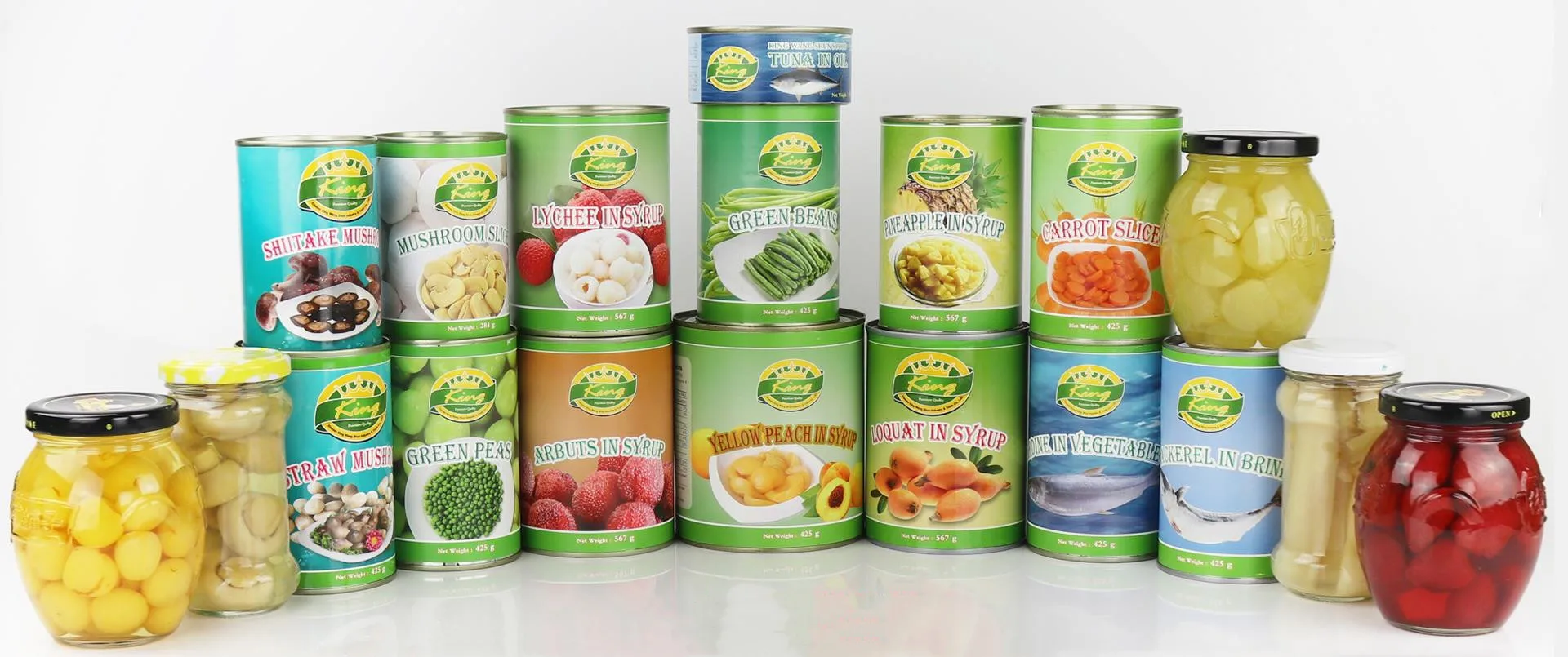
Xiamen King Wang Shun Industry & Trade Co., Ltd.
- Trading Company
- Fujian, China
- Lead time10 days
- Avg. response≤ 13h
Main productsCanned Food/Canned Mushrooms/Canned Sea Food,Frozen Food,Fresh Food/Dry Food
Main marketsSouth America(30.00%), Mid East(15.00%), Western Europe(10.00%), South Asia(10.00%), Southeast Asia(10.00%), Southern Europe(10.00%), Eastern Europe(6.00%), Eastern Asia(3.00%), North America(2.00%), Oceania(1.00%), Africa(1.00%), Northern Europe(1.00%), Central America(1.00%)
Beijing Dongmaishi Food Co., Ltd.
- Verified by Intertek
- Trading Company
- Lead time20 days
- Avg. response≤ 8h
Main productsNoodle, Tomato Product, Canned Foods, Sauce, Sushi Products
Main marketsOceania(30%), South America(18%), Eastern Asia(18%)
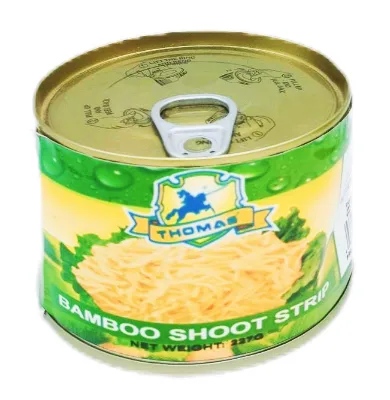
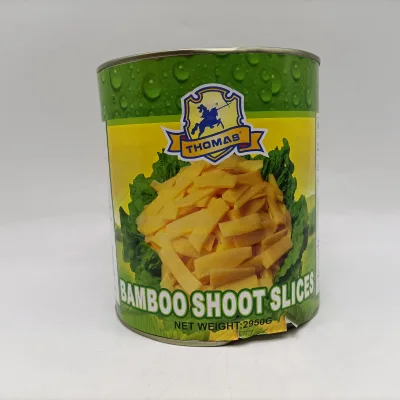
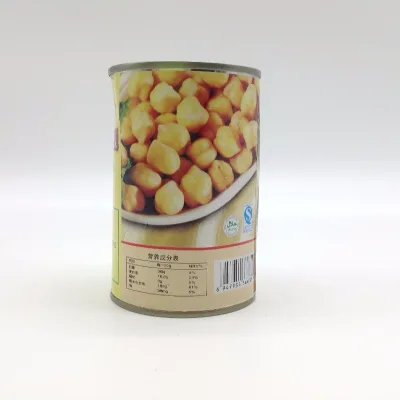
$9.00 - $11.00
MOQ: 500 cartons

XIAMEN ENLIGHTEN TRADING CO., LTD.
- Verified by TUVRHEINLAND
- Trading Company
- China Fujian
- Lead time30 days
- Avg. response≤ 6h
Main productsCanned Food, Canned Mushroom, Canned Fish, Canned Corn, Canned Fruit, Vermicelli, Noddle, Abalone, Dry Goods
Main marketsSouth America,Eastern Europe,Mid East,North America,Southeast Asia,Eastern Asia,Oceania,Western Europe,Africa
Tianjin Heng Jun Long Commercial Co., Ltd.
- Verified by Intertek
- Trading Company
- Lead time15 days
- Avg. response≤ 7h
Main productsDrum Package Tomato Paste, Canned Sardine, Canned Mushroom
Main marketsAfrica(45%), Southeast Asia(20%), Eastern Europe(15%)

Zhangzhou Great Land Foods Co., Ltd.
- Verified by BV
- Trading Company
- China Fujian
- Lead time23 days
- Avg. response≤ 25h
Main productsCanned Healthy Food, Canned Mushroom, Canned Fruit, Canned Vegetables, Canned Beans, Canned Sardine and Mackerel Fish, Canned Lychee Fruits, Canned Fresh Yellow Peach Fruit, Healthy Food, Canned Foods
Main marketsSouth America,Southeast Asia/ Mideast,Australia


$8.80 - $9.20
MOQ: 500 Boxes

- Manufacturer
- Fujian, China
- Lead time20 days
- Avg. response≤ 13h
Main productsCanned Sweet Corn,Canned mushrooms,Canned Red kidney Beans,Canned Peaches,Canned Chick Peas
Main marketsAfrica(30.00%), North America(10.00%), Mid East(10.00%), Domestic Market(10.00%), South America(10.00%), Eastern Asia(5.00%), South Asia(5.00%), Eastern Europe(5.00%), Western Europe(4.00%), Southeast Asia(3.00%), Central America(3.00%), Northern Europe(2.00%), Southern Europe(2.00%), Oceania(1.00%)

Xiamen Long Xian Trade Co., Ltd.
- Trading Company,Manufacturer/Factory
- China Fujian
- Lead time23 days
- Avg. response≤ 6h
Main productsCanned Mushrooms, Canned Water Chestnuts, Canned Yellow Peaches, Canned Sardine, Canned Sweet Corn
Main marketsSouth America,Eastern Europe,Mid East,North America,Southeast Asia,Eastern Asia,Oceania,Western Europe,Africa

ZHANGZHOU SUNSHINE FOODS CO., LTD
- Verified by BV
- Manufacturer/Factory
- China Fujian
- Lead time23 days
- Avg. response≤ 7h
Main productsCanned Food, Hard Capsules, Canned Mushrooms, Canned Fruits, Canned Seafood, Canned Vegetable, Food Additives, Toilet Paper, Paper Tissue, Dried Foods
Main marketsSouth America,Eastern Europe,Mid East,North America,Southeast Asia,Eastern Asia,Oceania,Western Europe,Africa

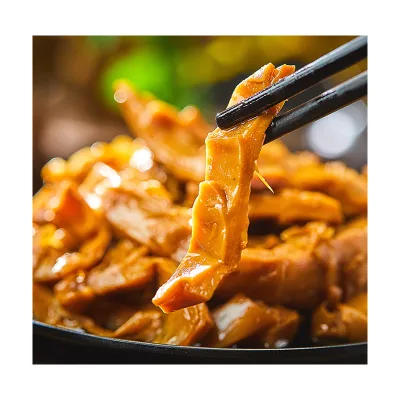
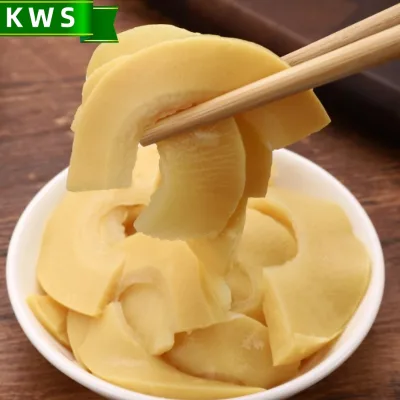
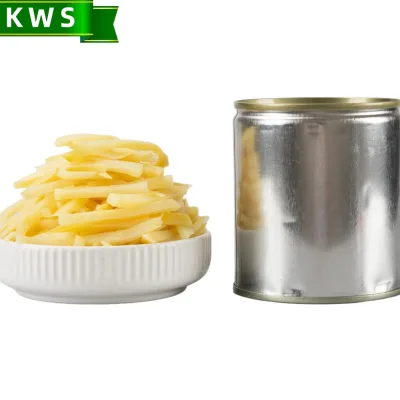
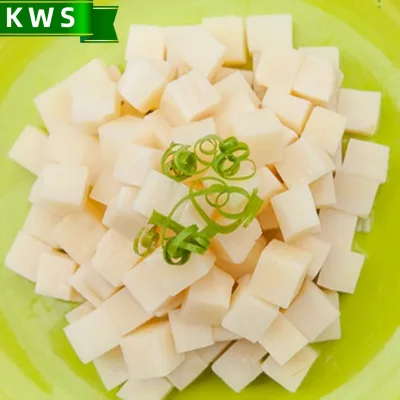
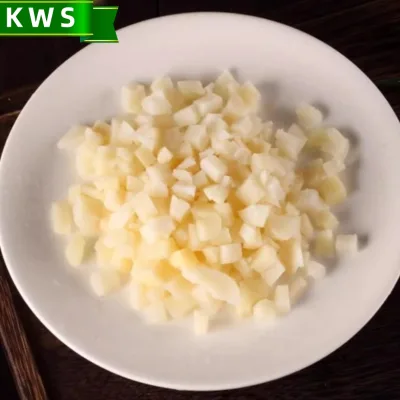
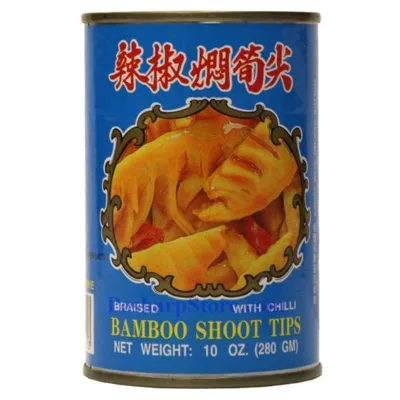
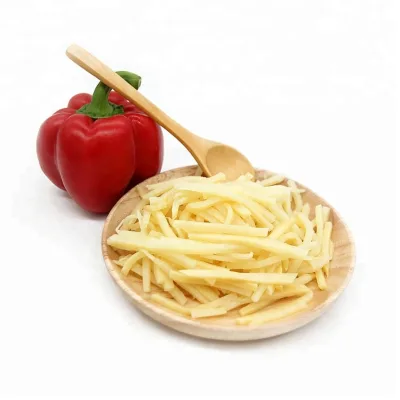
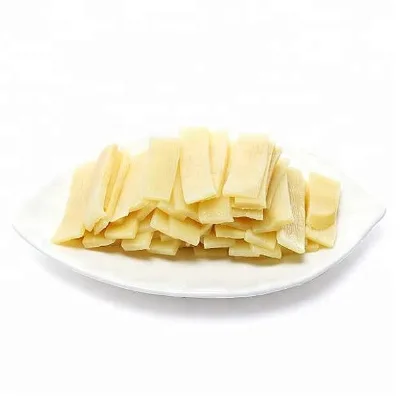
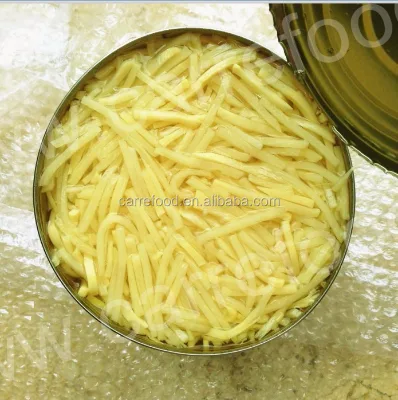
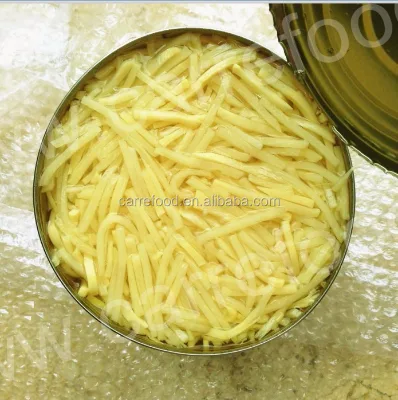
Hot Selling Canned Vegetable Canned Bamboo Shoots Sliced with Certificates
$0.40 - $0.50
MOQ: 1000 Pieces


Jiangsu e.Funs Import & Export Co., Ltd.
- Verified by SGS
- Trading Company
- China Jiangsu
- Lead time23 days
- Avg. response≤ 6h
Main productsFruit, Vegetable, FUJI Apple, Dolo Apple, Red Star Apple, Huaniu Apple, Gala Apple, Qinguan Apple, Red Global Grape, Shandong Crown Pear
Main marketsAfrica,Southeast Asia/ Mideast






Comprehensive Sourcing Guide
China Canned Bamboo Shoot Supplier Concentration and Factory Types
The current supplier landscape for canned bamboo shoots in China reveals a distinct mix of manufacturing capabilities and trading structures, primarily concentrated in specific provincial regions. Data indicates that suppliers are located in China Fujian and China Jiangsu, suggesting these areas serve as key hubs for this specific food category. Within these locations, the company types vary significantly, with some entities operating strictly as Trading Companies while others function as Manufacturer/Factory. This distinction is critical for buyers because it dictates the level of direct control over production quality and the flexibility of customization options. Trading companies often aggregate products from multiple factories, which can streamline the sourcing process for buyers who need a diverse range of canned goods, such as canned mushrooms, canned lychees, or canned sweet corn, alongside bamboo shoots. In contrast, manufacturers may offer more specialized production lines dedicated solely to vegetables or specific canned items, potentially allowing for deeper customization of the processing methods and packaging standards.
Understanding the primary product focus of these suppliers helps buyers assess their expertise and reliability. Many suppliers list canned bamboo shoots as a core item within a broader portfolio that includes canned tomatoes, canned green peas, and canned mixed vegetables. This diversification suggests that these facilities are equipped to handle various acidic and neutral canned foods, which may imply robust sterilization and sealing technologies. However, buyers must verify whether a supplier’s main products align with their specific needs, as a trading company might source bamboo shoots from a third-party factory rather than producing them in-house. The presence of OEM and ODM capabilities among some suppliers indicates that they can accommodate private labeling and custom specifications, which is essential for brands looking to establish a unique market presence. Buyers should carefully review the main products listed to ensure the supplier has sufficient experience and volume in canned bamboo shoots specifically, rather than treating it as a minor accessory to their primary offerings.
How to Verify China Canned Bamboo Shoot Suppliers
Verifying the legitimacy and quality standards of Chinese canned bamboo shoot suppliers requires a multi-layered approach that goes beyond basic company profiles. One of the most effective methods is to check for third-party verification badges, such as SGS, which provide an independent assessment of the supplier’s business operations and product quality. Additionally, buyers should scrutinize the system certifications displayed by the supplier, such as ISO 9001, which indicates a standardized quality management system. For food products, specific food safety certifications are paramount; evidence shows that many suppliers hold HACCP, FDA, ISO, and BRC certifications. These credentials are not merely decorative but represent adherence to international food safety management systems that are crucial for exporting to regulated markets. Buyers must confirm that these certifications are current and applicable to the specific product lines they intend to purchase, as some certifications may cover only a subset of a supplier’s total output.
Beyond certifications, buyers should evaluate the supplier’s response time and communication efficiency as indicators of their operational maturity. A rapid response time, such as under ten hours, often correlates with a dedicated sales team and efficient internal processes, which can be vital during the negotiation and order placement phases. Conversely, slower response times may indicate a lack of dedicated resources or a high volume of inquiries that could delay critical communications. Buyers should also look for evidence of customization capabilities, such as the availability of OEM services or specific processing methods like "In Water" or "Concentrate" processing. The ability to provide detailed product attributes, including ingredient lists and storage methods, demonstrates transparency and technical knowledge. Furthermore, verifying the supplier’s capacity for R&D, such as their ability to develop own brands or handle complex ODM requests, can provide insight into their long-term viability and commitment to innovation in the canned food sector.
What to Compare Across China Canned Bamboo Shoot Suppliers
When evaluating multiple suppliers, buyers must systematically compare key operational metrics to identify the best fit for their specific business needs. One of the most critical factors is the minimum order quantity (MOQ), which can vary significantly across the market. Some suppliers offer an MOQ of just one unit, which is ideal for sampling or small-scale testing, while others require a minimum of 100 cartons or 1000 units, which is more suitable for large-scale distribution. Understanding these thresholds helps buyers align their inventory strategy with supplier capabilities. Additionally, the lead time for production is a vital comparison point, with some suppliers offering a lead time of 15 days and others requiring up to 30 days. This difference can impact supply chain planning, especially for buyers with tight delivery schedules or seasonal demand fluctuations. Buyers should also compare the response times, as faster communication can facilitate quicker resolution of issues and more efficient order processing.
Price and packaging standards are another crucial area for comparison, although buyers must be cautious of wide price ranges that may not reflect actual transaction values. Prices for canned bamboo shoots can range from as low as $4.00 to as high as $25.00 per unit, depending on the product form, such as whole shoots, strips, or slices, and the packaging size. Buyers should request detailed quotations that specify the price per carton or per can, along with any additional costs for customization or expedited shipping. Packaging materials also vary, with metal tins being the most common, but buyers should verify the specific packaging standards, such as 2950g, 850g, or 425g cans, to ensure they match their retail or food service requirements. Furthermore, comparing the shelf life and storage methods is essential, as most suppliers offer a shelf life of over 12 months, but some may specify a three-year expiration date. Buyers should also assess the supplier’s ability to provide custom packaging solutions, such as private labeling or specific carton configurations, to meet their branding needs.
Common China Canned Bamboo Shoot Sourcing Risks
Sourcing canned bamboo shoots from China involves several inherent risks that buyers must proactively manage to ensure product quality and supply chain stability. One significant risk is the variability in product specifications, particularly regarding the form of the bamboo shoots, such as whole, sliced, or stripped. Buyers must ensure that the product they receive matches the exact specifications agreed upon in the contract, as discrepancies in size, texture, or cut can affect the final dish or product application. Another risk is the potential for inconsistent quality control, especially if the supplier relies on multiple subcontractors or if the raw material quality varies by season. Although many suppliers claim a shelf life of over 12 months, buyers should verify the actual expiration dates and storage conditions to prevent spoilage or quality degradation during transit and storage. Additionally, the risk of delayed shipments is a concern, as lead times can extend beyond the quoted period due to production bottlenecks or logistical issues.
Regulatory compliance is another major risk area, particularly when exporting to markets with strict food safety standards. Buyers must ensure that the supplier’s certifications, such as HACCP, FDA, and BRC, are valid and cover the specific products being purchased. Failure to verify these certifications can result in customs delays, product seizures, or legal liabilities in the destination market. Furthermore, buyers should be aware of the potential for mislabeling or inaccurate ingredient declarations, which can lead to consumer complaints or regulatory penalties. The use of additives, such as citric acid, must be clearly disclosed and compliant with local regulations. Another risk is the financial security of the transaction, as buyers should use secure payment methods and consider using escrow services to protect their funds until the goods are received and inspected. Finally, buyers should be cautious of suppliers who offer unusually low prices, as this may indicate compromised quality or hidden costs that could arise later in the supply chain.
China Canned Bamboo Shoot Regional Sourcing and Logistics
The geographical location of suppliers plays a crucial role in determining logistics costs, transit times, and overall supply chain efficiency. Current data indicates that suppliers are primarily located in China Fujian and China Jiangsu, two regions with established infrastructure for food processing and export. Fujian, being a coastal province, offers convenient access to major ports, which can facilitate faster and more cost-effective sea freight shipments. This location advantage is particularly beneficial for buyers who require large volumes of canned goods, as it reduces the complexity and cost of international logistics. Jiangsu, another key manufacturing hub, also provides robust logistical support, with well-developed transportation networks that connect factories to major shipping centers. Buyers should consider the proximity of the supplier to their preferred port of entry, as this can significantly impact the total landed cost of the product.
Logistics planning must also account for the specific requirements of canned food products, which are generally robust but still require careful handling to prevent damage during transit. Most suppliers offer transportation by sea, which is the most economical option for bulk shipments of canned goods. Buyers should work with their suppliers to determine the optimal shipping method, considering factors such as volume, weight, and delivery urgency. Additionally, buyers should verify the supplier’s ability to handle export documentation and customs clearance, as errors in this area can lead to significant delays and additional costs. The use of standardized packaging, such as cartons and metal tins, helps protect the products during transit, but buyers should still request appropriate packaging instructions to ensure the goods arrive in pristine condition. Finally, buyers should consider the impact of seasonal variations on logistics, as peak production periods may lead to container shortages or increased freight rates, requiring advance planning and booking.
China Canned Bamboo Shoot Commercial Terms and Order Planning
Effective order planning for canned bamboo shoots requires a thorough understanding of the commercial terms offered by suppliers, including payment methods, delivery schedules, and customization options. Many suppliers accept payment via Letter of Credit (LC), which provides a secure transaction mechanism for both buyers and sellers, particularly for large orders. Buyers should clarify the specific payment terms, such as the percentage of advance payment and the balance due upon shipment, to ensure they align with their cash flow management strategies. Additionally, buyers should negotiate clear delivery timelines, as some suppliers offer prompt shipment within two weeks of order confirmation, while others may have longer lead times. Understanding these timelines is crucial for maintaining inventory levels and meeting customer demand, especially for products with specific seasonal availability, such as bamboo shoots that are valid from June to September.
Customization is another key aspect of commercial terms, with many suppliers offering OEM and ODM services to meet specific brand requirements. Buyers should discuss their customization needs early in the sourcing process, including packaging design, labeling, and product specifications, to ensure the supplier can accommodate these requests. Some suppliers also offer flexible packaging options, such as different can sizes or carton configurations, which can help optimize storage and distribution. Buyers should also consider the supplier’s capacity for handling large orders, as some may have limited production capacity during peak seasons. Finally, buyers should establish a clear communication channel with the supplier to address any issues that may arise during production or shipping, ensuring a smooth and efficient procurement process. By carefully planning these commercial terms, buyers can mitigate risks and build a reliable supply chain for canned bamboo shoots.
FAQs
What certifications do canned bamboo shoot suppliers hold?
Suppliers typically hold HACCP, FDA, ISO, and BRC certifications to ensure food safety and quality standards. These credentials verify that processing methods meet international regulatory requirements for export. Buyers should verify specific certificates for their target market to ensure compliance with local import regulations and safety protocols.
What is the typical shelf life of canned bamboo shoots?
The shelf life generally exceeds 12 months, with many products listing an expiration period of up to three years. This long duration allows for stable inventory management and global distribution. Proper storage in normal conditions maintains quality until the printed expiration date, ensuring freshness for end consumers.
What are the common packaging sizes for canned bamboo shoots?
Standard packaging sizes include 2950g, 850g, 425g, and 370ml variants. These options cater to different market needs, from bulk food factory use to retail family consumption. Metal cans are the primary packaging material, providing durability and protection during shipping and long-term storage in normal conditions.
What is the minimum order quantity for canned bamboo shoots?
Minimum order quantities vary significantly, ranging from one unit for some trading companies to 100 cartons for others. Some suppliers require a minimum of 1000 units for specific OEM orders. Buyers should check individual product listings to confirm the exact MOQ, as it depends on the supplier type and product model.
Where are canned bamboo shoot suppliers located in China?
Suppliers are primarily located in Fujian and Jiangsu provinces within China. These regions are known for their food processing capabilities and export infrastructure. Buyers can source from both trading companies and manufacturers in these areas, ensuring access to a wide variety of canned vegetable products and competitive pricing structures.
How fast do suppliers respond to inquiries for bamboo shoots?
Response times vary, with some suppliers responding within 2.20 hours and others taking up to 25 hours. Faster response times often indicate higher availability and dedicated sales teams. Buyers seeking quick quotes should prioritize suppliers with lower response metrics to ensure efficient communication throughout the sourcing and negotiation process.
What is the typical lead time for canned bamboo shoot orders?
Lead times typically range from 15 to 30 days after order confirmation. Some suppliers offer prompt shipment options, while others require about two weeks for production. The exact timeline depends on the order volume, customization requirements, and current production schedules. Buyers should confirm delivery times to align with their inventory needs.