China Crystal Beads Suppliers and Manufacturers
SourcingX connects you with 21 suppliers offering China Crystal Beads, so you can compare location, company type, response time, lead time, MOQ, product sizes, materials, colors, and customization support in one place. Shortlist candidates and request quotes with your size and packaging requirements.
Suppliers List

Jiangyin Jinhui Arts & Crafts Co., Ltd.
- Combined
- China Jiangsu
- Lead time30 days
- Avg. response≤ 13h
Main productsGlass Bead
Main marketsSoutheast Asia/ Mideast
BLUFOREST INTERNATIONAL LIMITED
- Trading Company
- Hong Kong S.A.R.
- Lead time20 days
- Avg. response≤ 19h
Main productsScented Candle,Festive & Party Supplies,Home Accessory,Home Decor,Pet Product
Main marketsEastern Europe(15.00%), South America(15.00%), North America(15.00%), Northern Europe(10.00%), Western Europe(8.00%), Southern Europe(8.00%), Central America(5.00%), Mid East(5.00%), Southeast Asia(5.00%), Oceania(4.00%), Domestic Market(3.00%), Eastern Asia(3.00%), South Asia(3.00%), Africa(1.00%)
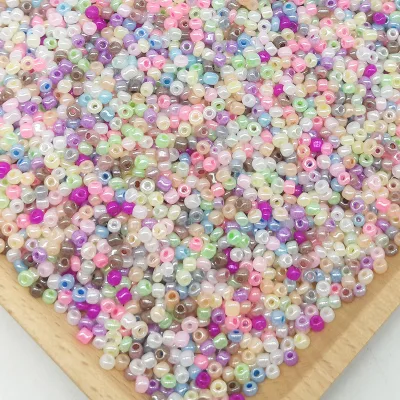
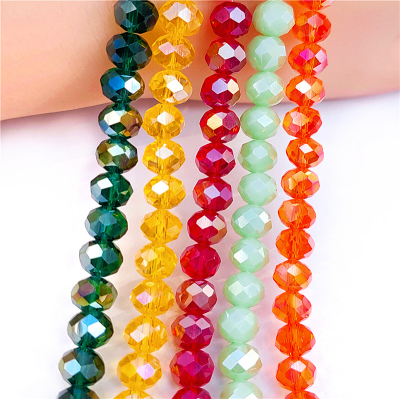
Loose Seed Beads Crystal Beads in Guangzhou City
Contact supplier

Hebei Jinheng New Material Technology Co., Ltd.
- Verified by TUVRHEINLAND
- Manufacturer/Factory
- China Hebei
- Lead time23 days
- Avg. response≤ 2h
Main productsCenosphere, Melt Blown Fabric for Filter/Air Filter, Hollow Microsphere, Graphitized Petroleum Coke/GPC, Perlite Cenosphere, Hollow Glass Microsphere, Ceramic Fiber, Cellulose Fiber, Volcanic Stone, Mineral Fiber
Main marketsSouth America,Eastern Europe,Mid East,North America,Southeast Asia,Eastern Asia,Oceania,Western Europe,Africa

East Sunrise Jewelry Co., Limited
- Verified by SGS
- Manufacturer/Factory
- China Guangdong
- Lead time23 days
- Avg. response≤ 15h
Main productsPendant, Necklace, Bracelet, Ring, Earring, Carving, Ornament, Loose Bead, Jewelry, Semi-Precious Stones
Main marketsSouth America,Eastern Europe,Mid East,North America,Southeast Asia,Eastern Asia,Oceania,Western Europe,Africa


Nature Semi Precious Stone Round Beads 8mm No Hole Gemstone Crystal Beads
Contact supplier
MOQ: 100 str


Crystal Bead. fashion Jewelry Stone Beads, Semi Precious Stone Beads (ESB01717)
Contact supplier
MOQ: 100 Pieces

Manufacturers Directly for Square Shape 4-6mm Cube Jade Rose Crystal Beads
Contact supplier
MOQ: 100 Pieces

Zhongshan Sap Technology Co., Ltd
- Verified by CTI
- Combined
- China Guangdong
- Lead time30 days
- Avg. response≤ 5h
Main productsSap, Water Crystals, Water Retaining Agent, Super Absorbent Polymer, Colorful Crytal Soil, Artificial Snow, Instant Snow, Water Storage Crystal, Water Storing Crystals
Main marketsEast Asia(Japan/ South Korea),Domestic,Australia
Beijing Daning Jewelry Co., Ltd.
- Trading Company
- Beijing, China
- Lead time7 days
- Avg. response≤ 5h
Main productsglass beads,jewelry findings,jewelry supplies,Jewelry Beads,Gemstone Beads
Main marketsNorth America(40.00%), Western Europe(30.00%), Eastern Europe(12.00%), South America(5.00%), Northern Europe(3.00%), Southern Europe(2.00%), Domestic Market(1.00%), South Asia(1.00%), Oceania(1.00%), Africa(1.00%), Central America(1.00%), Southeast Asia(1.00%), Eastern Asia(1.00%), Mid East(1.00%)

Ningbo Yuena Import & Export Co., Ltd.
- Verified by TUVRHEINLAND
- Trading Company
- China Zhejiang
- Lead time23 days
- Avg. response≤ 3h
Main productsLace, Thread, Button, Ribbon, Zipper, Tailors Materials, Fabric, Reflective Materials, Sewing Machine Part, Bra Parts
Main marketsSouth America,Africa,Southeast Asia/ Mideast,Europe,North America
Yiwu Xiaoya Import And Export Co., Ltd.
- Trading Company
- Zhejiang, China
- Lead time15 days
- Avg. response≤ 6h
Main productsGlass beads,Stone beads,Jewelry accessories,Water sports,Pool & accessory
Main marketsDomestic Market(20.00%), North America(20.00%), South America(12.00%), Mid East(8.00%), Southeast Asia(8.00%), Western Europe(6.00%), Eastern Asia(5.00%), Northern Europe(4.00%), Central America(4.00%), Southern Europe(3.00%), Oceania(3.00%), Eastern Europe(3.00%), Africa(2.00%), South Asia(2.00%)
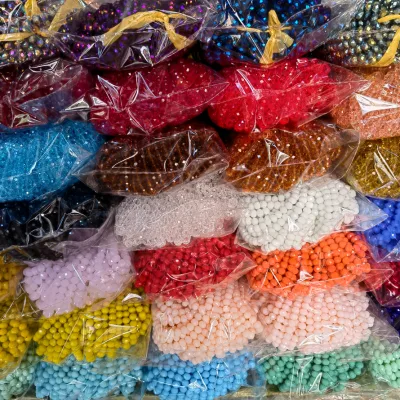
3mm Rondelle Crystal Beads Loose Glass Beads Crystal Beads for Jewelry Making
$0.07 - $0.29
MOQ: 10 Minimum

NINGBO HOBA INTERNATIONAL TRADING CO., LTD.
- Verified by BV
- Trading Company
- China Zhejiang
- Lead time30 days
- Avg. response≤ 5h
Main productsThread, Button, Lace Tape, Zipper, Hot Fix Stone, Crystal, Rope, Jewelry Accessory, Ribbon, Reflecting Material
Main marketsSouth America,Africa,Southeast Asia/ Mideast,East Asia(Japan/ South Korea),Europe,Australia,North America


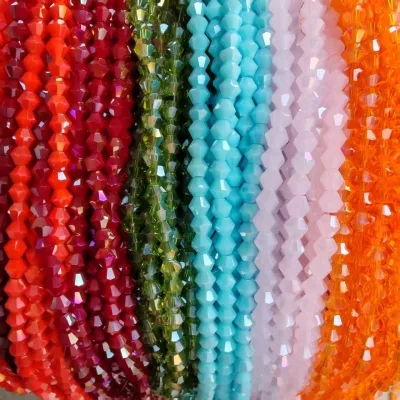
Beads 2/3/4/5/6/8mm Colorful Glass Bicone Crystal Beads for Jewelry Making
$0.06 - $0.11
MOQ: 3000 bunch


Hunan Jingshengda Ceramic Technology Co., Ltd.
- Verified by BV
- Trading Company,Manufacturer/Factory
- China Hunan
- Lead time15 days
- Avg. response≤ 2h
Main productsLab Ball Mill, Planetary Ball Mill, Jar Mill, Ball Mill Jar, Grinding Jar Comfort with Retsch, Grinding Jar Comfort with Fritsch, Rotary Ball Mill, Zirconia Beads, Planetary Ball Mill for Laboratory, Grinding Jar
Tongshan Dashun Crystal Crafts Co., Ltd.
- Verified by TüVRheinland
- Manufacturer, Trading Company
- Lead time0 days
- Avg. response≤ 6h
Main productsPlastic Rhinestone Trimming, Fashion Bracelets, Fashion Necklaces
Main marketsCentral America(23%), North America(22%), South America(15%)
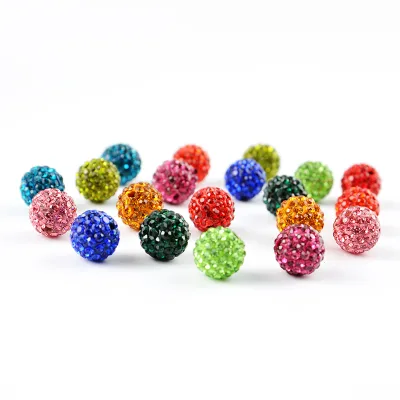
$0.06 - $0.10
MOQ: 500 Minimum
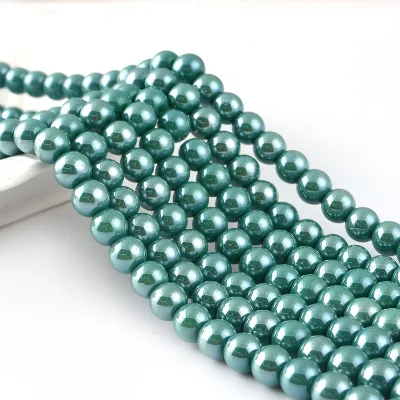
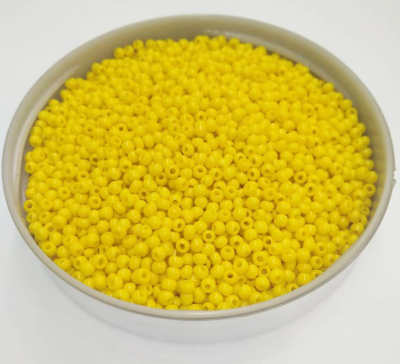
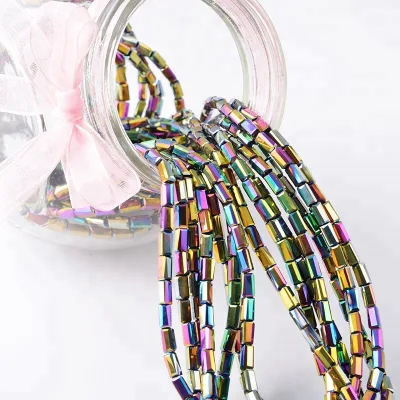
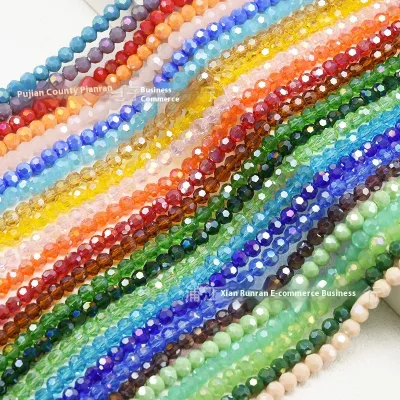

Dalian BestOn Industries Co., Ltd.
- Verified by TUVRHEINLAND
- Trading Company
- China Liaoning
- Lead time15 days
- Avg. response≤ 7h
Main productsGlass Beads, Stainless Steel IBC Tank, Strut Channel, EMT Conduit Connector IMC Conduit, Channel Fittings, Ground Rod, Flange, Seismic Bracket, Carbon Steel Fittings, Strut Clamp
Main marketsSouth America,Eastern Europe,Mid East,North America,Southeast Asia,Eastern Asia,Oceania,Western Europe,Africa

Guangxi Wuzhou Starsgem Co., Limited
- Manufacturer/Factory
- China Guangxi
- Lead time15 days
- Avg. response≤ 23h
Main productsCubic Zirconia, Star Cut, Synthetic Gemstone, Synthetic Ruby, Synthetic Sapphire, Glass Bead, CZ, Zircon, Semi-Precious Stone, Gemstone
Main marketsSouth America,Eastern Europe,Mid East,North America,Southeast Asia,Eastern Asia,Oceania,Western Europe,Africa

Beijing Hong Yun Xi International Trade Company Limited
- Verified by SGS
- Trading Company
- China Beijing
- Lead time23 days
- Avg. response≤ 17h
Main productsFRP Tank, FRP Vessel, FRP Pipe, FRP Tower, FRP Clarifier, FRP Wet Electrostatic Precipitator Tube, FRP Environment Protection Equipment, Fiberglass Mat, Fiberglass Roving, Glass Beads
Main marketsOthers(foreignTradeCapacity.exportBusinessCapacityMarketOther),Southeast Asia/ Mideast
Pujiang Qiaoqiao Crystal Co., Ltd.
- Verified by Intertek
- Manufacturer, Trading Company
- Lead time5 days
- Avg. response≤ 3h
Main productsRhinestone, Nail Art Decoration, Garment Accessories, Jewelry Accessories, Glass Beads
Main marketsNorth America(65%), Western Europe(11%), South Asia(7%)

Qinyuan Fuda New Material Technology Co., Ltd.
- Verified by TUVRHEINLAND
- Trading Company
- China Shanxi
- Lead time15 days
- Avg. response≤ 1h
Main productsgrinding ball
Main marketsSoutheast Asia/ Mideast,Domestic

Jiangxi Zhongli Superhard Materials Tools Co., Ltd.
- Combined
- China Jiangxi
- Lead time15 days
- Avg. response≤ 10h
Main productsDiamond Tool
Main marketsSouth America,Africa,Southeast Asia/ Mideast,East Asia(Japan/ South Korea),Domestic,Europe,Australia,North America
Guangzhou Hong Zhuo Jewelry Co., Ltd.
- Manufacturer, Trading Company, Agent
- Guangdong, China
- Lead time3 days
- Avg. response≤ 15h
Main productssemi precious gemstone beads,freshwater pearls,shell beads,finished jewelries,gold jewelry findings
Main marketsSouth America(26.00%), Northern Europe(10.00%), Western Europe(10.00%), Southern Europe(10.00%), Eastern Europe(10.00%), North America(6.50%), Africa(5.00%), Central America(5.00%), Southeast Asia(5.00%), Mid East(5.00%), Oceania(5.00%), South Asia(1.00%), Eastern Asia(1.00%), Domestic Market(0.50%)
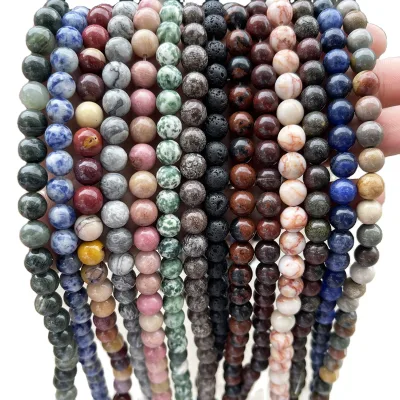
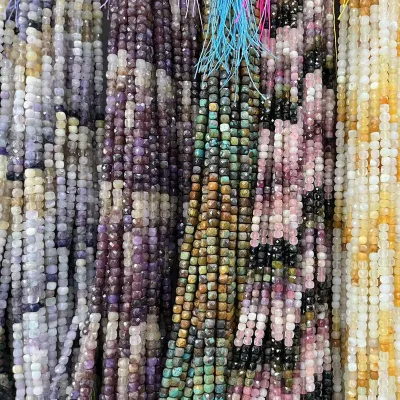
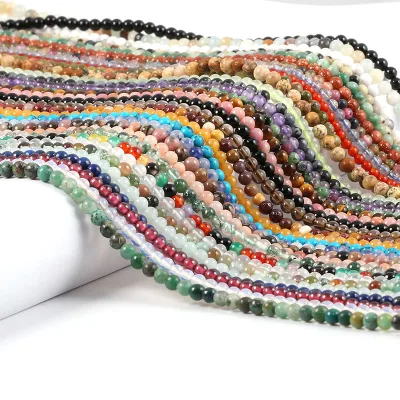
Wholesale Small Natural Stone Beads Round 3mm
Contact supplier

Pujiang E-Thing Craft Co., Ltd.
- Manufacturer/Factory
- China Zhejiang
- Lead time0 days
- Avg. response≤ 6h
Main productsAward, Trophy, Gifts, Award Crafts, Business Gifts, Giveaways, Rewards, Recognition Rewards, Trophies Rewards, Decoration
Main marketsSouth America,Eastern Europe,North America,Western Europe
Zhejiang Chenyi Manufacturing Co., Ltd.
- Verified by SGS Group
- Trading Company
- Lead time3 days
- Avg. response≤ 8h
Main productsCrystal Craft, Water Fountain, Crystal Drinkware, Crystal Decoration, Packaging & Printing
Main marketsNorth America(40%), Oceania(15%), South America(10%)

NINGBO NCJN IMPORT AND EXPORT CO., LTD.
- Verified by TUVRHEINLAND
- Trading Company
- China Zhejiang
- Lead time15 days
- Avg. response≤ 11h
Main productsGarment Accessories, Zipper, Button, Lace, Tape, Velcro Tape, Hook and Eye Tape, Ring and Slider, Bra Cup
Main marketsSouth America,Africa,Southeast Asia/ Mideast,East Asia(Japan/ South Korea),Europe,Australia,North America


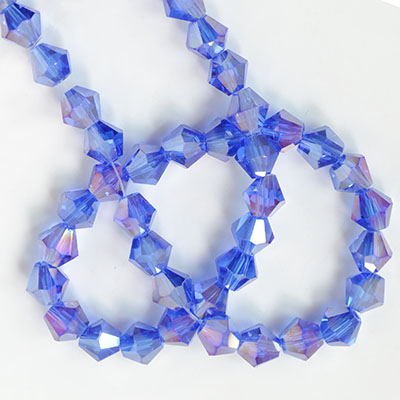
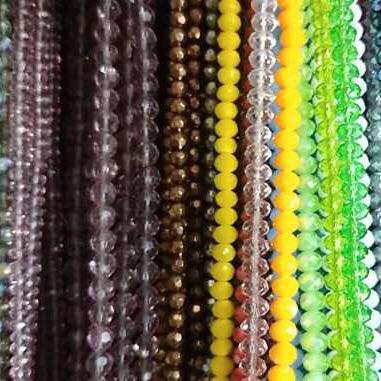


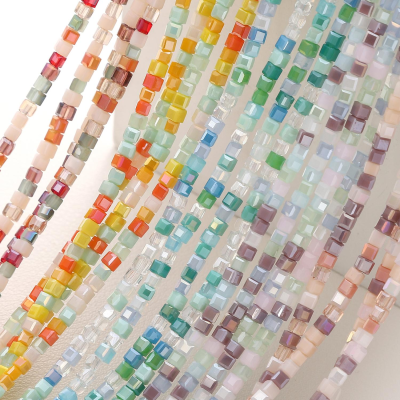
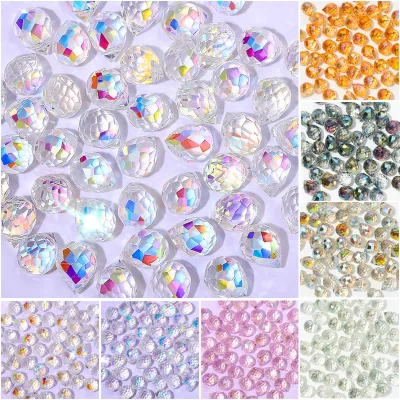
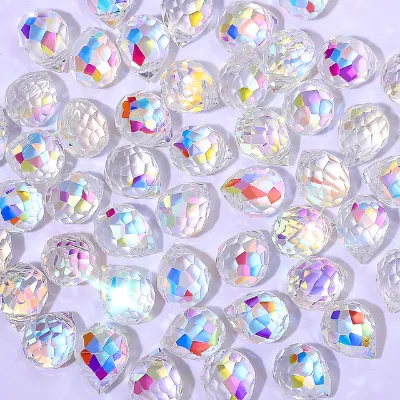


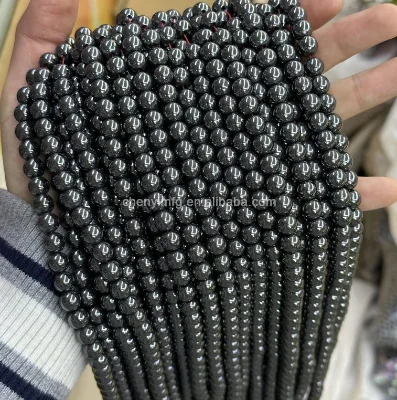
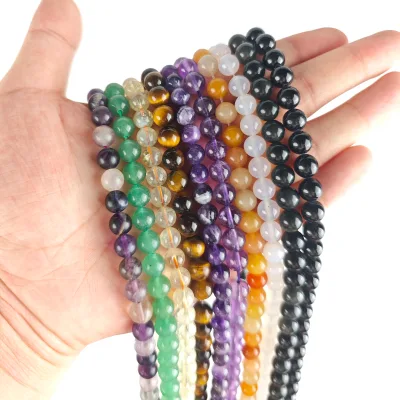


Comprehensive Sourcing Guide
China Crystal Beads Supplier Concentration and Factory Types
China Crystal Beads are listed by suppliers across several provinces, and the current results point to Jiangsu as a documented manufacturing base. Listings from that province describe glass and crystal glass seed beads, faceted rondelle and bicone styles, and round beads in sizes ranging from 2mm and 3mm faceted cuts up to 15/0, 12/0, 13/0, 8/0 and 6/0 seed bead standards. Product records tied to Jiangsu also show combined company types, meaning the entity functions as both manufacturer and trader, and some advertise ODM and OEM capability. Separately, product listings on this page show a place of origin in Zhejiang even when the listing account itself sits elsewhere, which is a useful reminder that the registered company location and the actual production origin are not always the same.
Beyond Jiangsu, this category includes trading companies, with one documented example registered in Hong Kong S.A.R. that lists scented candles, festive and party supplies, home decor and pet products alongside loose beads. Such breadth signals a trader sourcing from multiple factories rather than an in-house bead line. When you cannot verify a cluster from supplier data, identify concentration yourself by filtering search results by province, checking the place-of-origin field inside product attributes rather than the company profile, and noting which regions repeatedly appear across multiple listings. Keep asking for the factory address and business license so you can distinguish a genuine bead manufacturer from an intermediary repackaging others' output.
How to Verify China Crystal Beads Suppliers
Verification should start with the company type shown in the profile. Combined companies listing glass beads as main products, with ODM and OEM capacity stated, are the closest match to a factory; trading companies with unrelated main products such as candles or party supplies require extra diligence because they may hold no bead inventory. Next, confirm that the products you are evaluating actually come from the claimed origin. In the current results, one Hong Kong-registered trader sells loose seed beads whose product attributes state Zhejiang origin, and Jiangsu-origin listings carry province names directly in their attributes. Cross-checking these fields tells you where production happens regardless of where the seller account sits.
Then verify claims through documents and behavior. Ask for a business license and, if the supplier claims manufacturing status, evidence of the production site. Test responsiveness: response-time figures in this category range from under thirteen hours to about nineteen hours, so record how long a real inquiry takes compared with the advertised number. Request samples of the exact specification you need—seed beads, faceted crystal rondelles or oval beads—since a catalogue image does not prove the size, color or coating matches. Confirm which certifications the supplier actually holds; one supplier's system certification is listed only as "Others," which tells you nothing specific, so ask for the exact certificate name, number and scope before assuming any standard is met. Never accept a credential at face value when the listing itself is vague.
What to Compare Across China Crystal Beads Suppliers
Build a comparison sheet around the attributes actually displayed on supplier and product pages, and remember that not every supplier shows every attribute. Useful dimensions include location, company type, main products, lead time, MOQ, response speed, system certification and establishment year. In this category, documented lead times run from twenty to thirty days, which is a meaningful spread when planning retail seasons. MOQs vary sharply by product: a faceted olive glass bead listing shows an MOQ of one, round machine beads start at twenty-five, and 4mm seed beads from the Hong Kong trader require one hundred. A low MOQ is attractive for sampling but may carry a higher unit price, so compare price per bead rather than order value alone.
Also compare product-level evidence, not just company labels. One supplier covers a full seed bead range from 15/0 to 6/0 with inside-color options, another focuses on 2mm and 3mm faceted crystal beads in 36cm strands, and another offers 2.5mm and 3.8mm round and bugle cuts in 450g or 500g bags. Response times below thirteen hours versus roughly nineteen hours matter during urgent quotation rounds. Establishment year, escrow availability and certification details may not appear on every profile—treat missing fields as questions to ask, not assumptions. Weight the comparison by what matters to your order: a trader with fast replies and low MOQ may suit small jewelry-making businesses, while a combined manufacturer with OEM capability suits private-label programs.
Common China Crystal Beads Sourcing Risks
The most frequent risk in this category is mismatch between the account and the factory. A trading company registered in Hong Kong S.A.R. may sell beads originating from Zhejiang, and its main products span candles, home decor and pet goods. That structure is not inherently bad, but it adds a layer between you and production, so quality feedback and custom-color requests travel through a middleman. Another risk is specification drift: seed beads use size codes such as 15/0, 12/0, 13/0, 8/0 and 6/0, while faceted styles are quoted in millimeters like 2mm and 3mm, and listing images rarely show true scale. Confirm the code-to-millimeter mapping in writing before ordering.
Color and coating consistency is a second major risk. Several listings advertise "choose colors" or inside-color finishes, which means your production batch must match an approved sample, not just a color name. Without a sealed sample and a written tolerance, reorders can arrive visibly different. Packaging is a third area: documented packing ranges from polybags to carton-plus-polybag to 450g, 500g or 25kg loose formats, and weak packing causes bead scratching and breakage in transit. Finally, watch for unverifiable credentials—one supplier's system certification reads only "Others"—and for short lead times quoted before capacity is confirmed. Documented lead times of twenty to thirty days can slip in peak season, so build buffer time and a written production schedule into any agreement.
China Crystal Beads Regional Sourcing and Logistics
The evidence on this page anchors the category in two regions. Jiangsu appears both as a supplier location and as the stated origin on multiple glass bead products, including faceted olive beads and 10/0 round machine beads, making it a documented cluster for this category. Zhejiang appears as the place of origin inside product attributes for 3mm and 4mm seed bead listings, even though the seller account is registered in Hong Kong S.A.R. This distinction matters for logistics: goods may ship from a mainland factory to a consolidator or trading hub before export, adding handling steps and transit days that do not show in the headline lead time.
Plan logistics around the documented numbers. Lead times of twenty to thirty days are consistent across the current listings, but confirm whether that clock starts at order placement, sample approval or deposit receipt. Ask which port the supplier ships from, whether the origin province and export port are the same, and who arranges freight. Packing format directly affects cost and safety: 450g and 500g bags, carton-plus-polybag cartons, and 25kg loose packages each carry different freight weights and breakage risks, so request the packing spec in writing. When you encounter suppliers from provinces not documented here, do not assume they sit in a cluster; instead, verify the origin through product attributes, ask for factory photos or an audit report, and compare quoted shipping days from their actual loading point before committing.
China Crystal Beads Commercial Terms and Order Planning
Order planning should be built from the commercial data suppliers actually display. In this category, MOQs range from a single unit on a 2mm–3mm faceted crystal bead listing, to twenty-five on round machine beads in 450g/500g bags, to one hundred on 4mm multicolor seed beads—so match the MOQ to your use case: single-unit or low-MOQ listings are suited to sampling and small jewelry-making runs, while higher-MOQ bulk formats suit garment and handbag production. Documented price ranges show how format changes cost: USD 0.25–0.35 per unit for faceted crystal beads, roughly USD 2.00–3.00 for toothed-wheel seed beads in 12/0, 8/0 and 6/0, USD 1.85–2.00 for inside-color seed beads, USD 3.55 flat for round machine beads, and about USD 1.25 for 4mm seed beads. Always normalize to a per-piece or per-gram figure before comparing.
Customization is confirmed as available on several listings, so quote ODM/OEM work separately from stock colors, since tooling and color-matching change both price and lead time. Payment terms, escrow protection and establishment year may not appear on every profile; where escrow or certification details are missing, ask directly and treat silence as unresolved. With lead times of twenty to thirty days, schedule reorders against that window plus freight, and set a reorder trigger before stock runs out. Confirm packing, carton dimensions and gross weight per carton in writing—listings here show single-package sizes as small as 5×5×5 cm and bag formats up to 25kg, which drives your landed-cost calculation.
FAQs
Where are the glass bead suppliers located?
Most suppliers are located in Jiangsu, China, with some operations in Hong Kong. Products originate from Jiangsu, China, and Zhejiang, China. Buyers should verify specific factory addresses to ensure accurate logistics planning and shipping costs for their orders.
What is the minimum order quantity for glass beads?
Minimum order quantities vary by product type. Some faceted glass beads require only one piece, while seed beads often need 25 pieces or 100 pieces. Buyers must check specific product pages to confirm the exact MOQ before placing an order.
How long does it take to receive the glass beads?
Lead times range from 20 to 30 days depending on the supplier and product. Some suppliers offer a 30-day lead time, while others may deliver within 20 days. Buyers should confirm the specific delivery schedule with the supplier before finalizing the purchase.
What is the price range for crystal glass beads?
Prices vary significantly based on size and style. Faceted beads range from 0.25 to 0.35 per unit, while seed beads can cost between 1.25 and 3.55 per unit. Buyers should compare specific product listings to find the best price for their needs.
Do suppliers offer customization for glass beads?
Yes, customization is available for many glass bead products. Buyers can choose colors, sizes, and shapes to match their specific design requirements. This flexibility allows for tailored solutions for jewelry making, garment accessories, and decorative craft projects.
What materials are used for the glass beads?
The primary materials include glass, crystal glass, and combinations of crystal and glass. Some products are made from crystal glass specifically for decorative purposes. Buyers should verify the material composition to ensure it meets their quality and aesthetic standards.
How quickly do suppliers respond to inquiries?
Response times vary among suppliers, with some taking around 12.69 hours and others up to 19 hours. Buyers should expect a response within this timeframe and may need to follow up if a quicker reply is required for urgent orders.