Class I Dental Orthodontic Mould Suppliers and Manufacturers
Explore 23 verified suppliers offering Class I Dental Orthodontic Mould products with varying lead times, certifications, and response speeds. Compare dimensions like location, MOQ, and price ranges to identify suitable partners for your sourcing needs today; review the available evidence before requesting comparable quotations from suitable candidates.
Suppliers List

Guangzhou Med Equipment Limited
- Combined
- China Guangdong
- Lead time15 days
- Avg. response≤ 3h
Main productsMedical Equipment, Lab Equipment, Hospital Bed, Hospital Equipment, Autoclave, Operation Table, X-ray Machine, Endoscope, Refractometer, Dental Chair
Main marketsDomestic
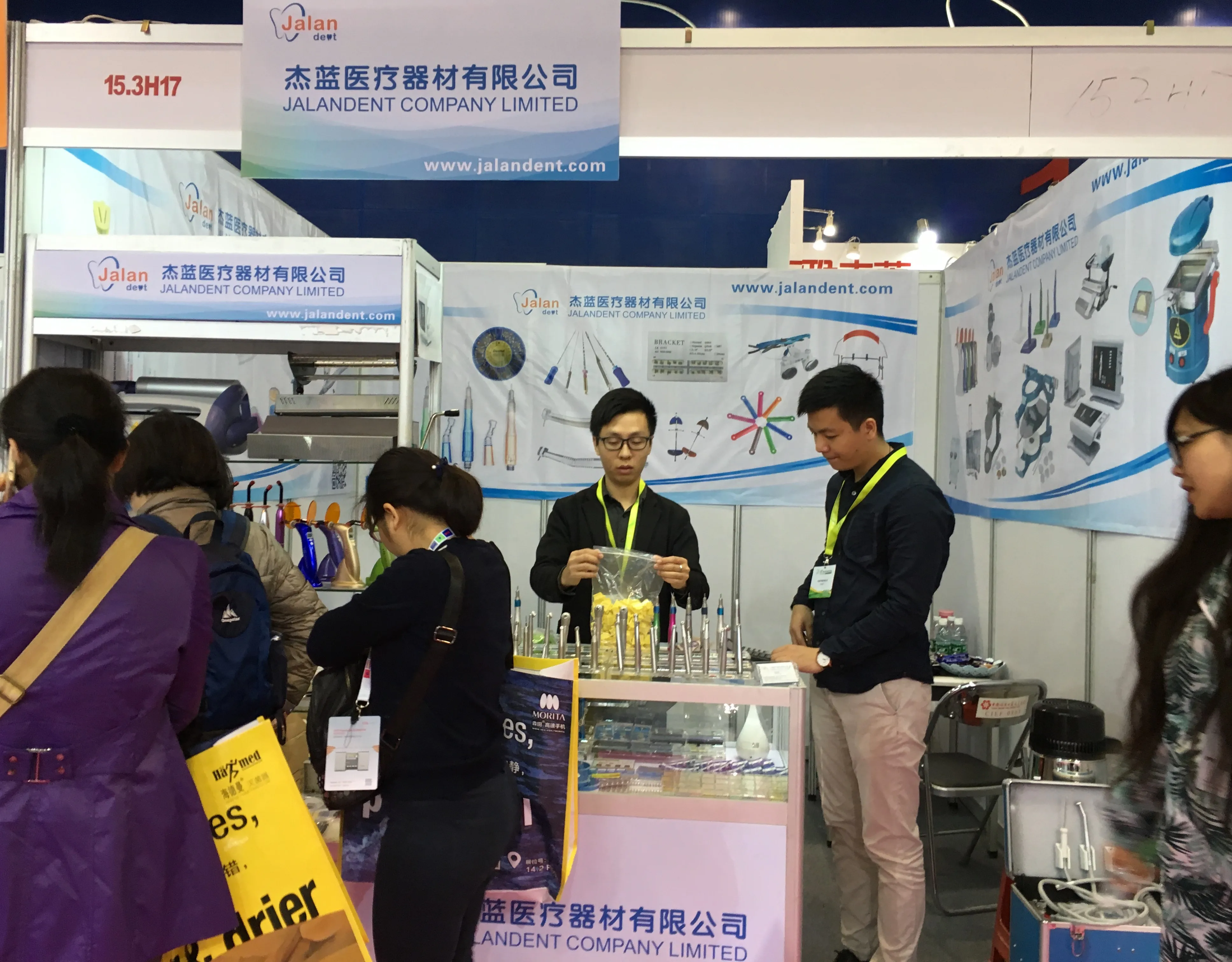
Guangzhou Jielan Medical Equipment Company Limited
- Manufacturer, Trading Company, Distributor/Wholesaler
- Guangdong, China
- Lead time5 days
- Avg. response≤ 5h
Main productsDental Handpiece,Dental Apex Locator,Dental Orthodontic,Dental Endo Files,Dental Endo Motor
Main marketsCentral America(10.0%), Mid East(10.0%), Western Europe(10.0%), Africa(10.0%), Southeast Asia(10.0%), Eastern Europe(10.0%), South America(10.0%), North America(10.0%), South Asia(5.0%), Northern Europe(5.0%), Eastern Asia(5.0%), Oceania(5.0%)
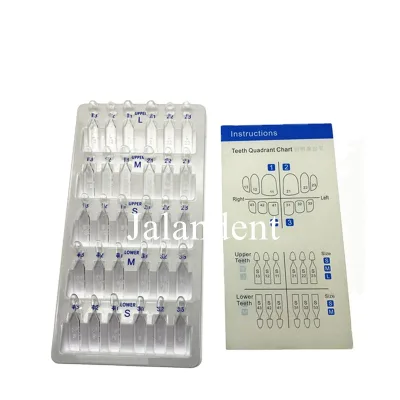
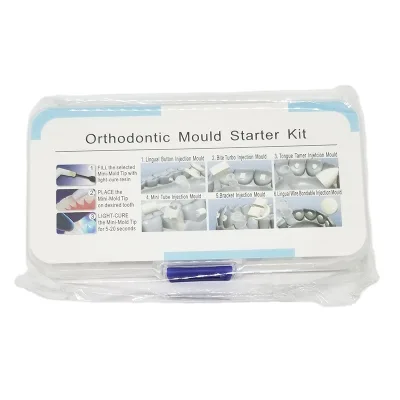
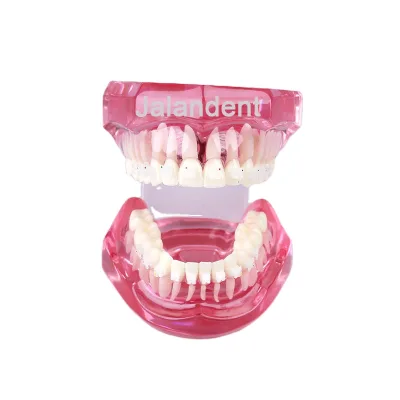
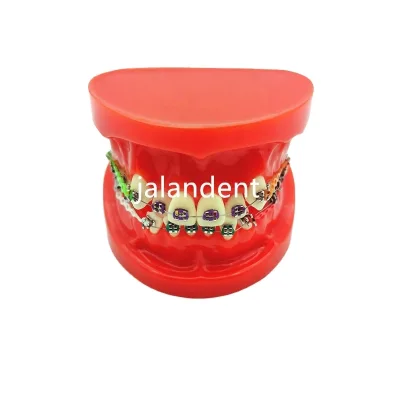
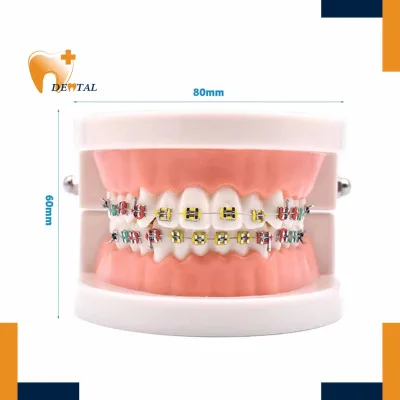
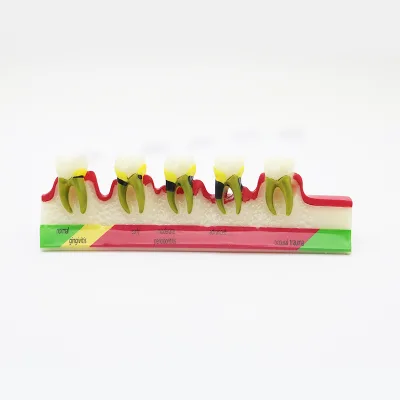
Factory Price Dental Orthodontic Treatment Tooth Model With Bracket Dental Equipment
$18.38 - $20.43
Moq: 5

HENAN BAISTRA INDUSTRIES CORP.
- Verified by TUVRHEINLAND
- Trading Company
- China Henan
- Lead time15 days
- Avg. response≤ 3h
Main productsDental Equipment, Medical Equipment, Dental Uinit, Water Distiller, Dental Materials, Orthodontic Bracket, Dental Handpiece, LED Curing Light, Dental Resin, Dental Instrument
Main marketsSouth America,Eastern Europe,North America,Eastern Asia,Africa
- Trading Company
- Hong Kong S.A.R.
- Lead time0 days
- Avg. response≤ 6h
Main productsdental equipment,dental instrument,dental material,dental chair,resin teeth
Main marketsNorthern Europe(10.0%), Central America(10.0%), Western Europe(10.0%), Mid East(10.0%), Oceania(10.0%), Africa(10.0%), Southeast Asia(10.0%), Eastern Europe(10.0%), South America(10.0%), North America(10.0%)
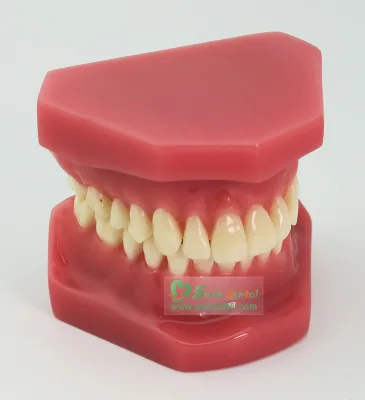
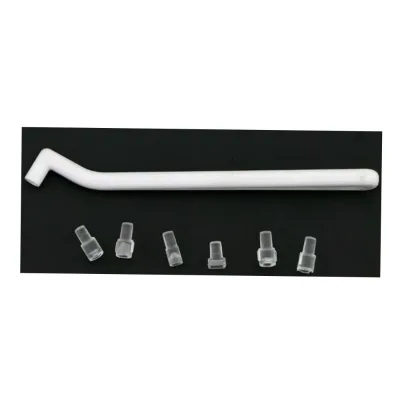
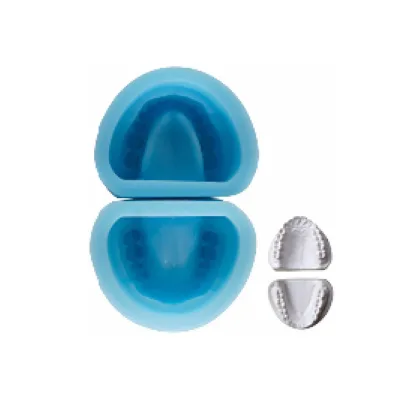
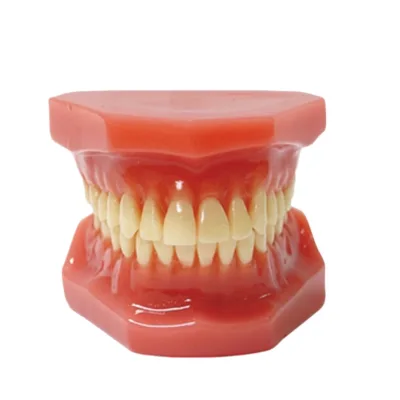
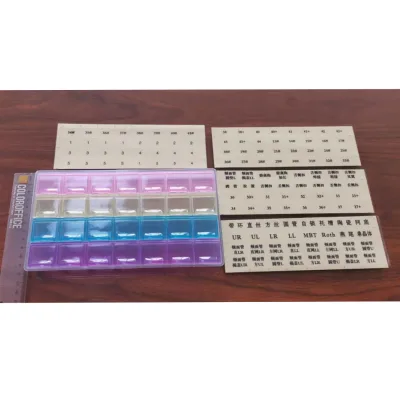
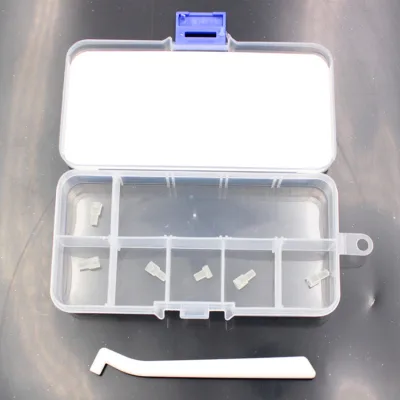
Dental Orthodontic Products Storage Box Braces Brackets Buccal Tubes Organizer Box
$0.93 - $1.20
Moq: 300

Tangshan UMG Medical Instrument Co., Ltd.
- Verified by BV
- Combined
- China Hebei
- Lead time23 days
- Avg. response≤ 2h
Main productsDental Handpiece, Dental Material, Dental Equipment, Dental Disposable Instrument, Dental Orthodontic, Dental Teach Simulation, Dental Prophy Angles, Latex Free Disposable Prophy Cups, Disposable Prophy Brush, Dental Unit
Main marketsSouth America,Africa,Southeast Asia/ Mideast,East Asia(Japan/ South Korea),Domestic,Europe,Australia,North America

Foshan SCS Medical Instrument Co., Ltd.
- Verified by BV
- Manufacturer/Factory
- China Guangdong
- Lead time15 days
- Avg. response≤ 6h
Main productsDental Unit / Dental Chair, Ent Unit, Dental Handpiece, Curing Light, Autoclave, Air Compressor, Scaler, Oral Camera / Monitor, X-ray Equipment, Diamond Burs / Files
Main marketsSouth America,Eastern Europe,Mid East,North America,Southeast Asia,Eastern Asia,Oceania,Western Europe,Africa


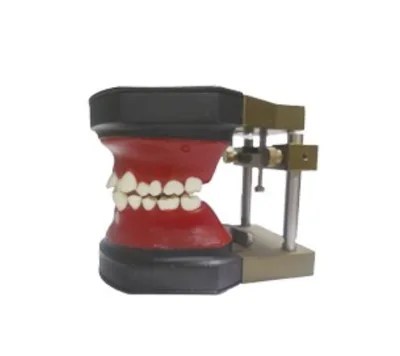
Standard Orthodontic Study Dentist Anatomical Dental Typodont Models Teeth Model
$13.00 - $20.00
Moq: 1


Stardent Equipment Co., Limited
- Verified by SGS
- Trading Company
- China Guangdong
- Lead time15 days
- Avg. response≤ 8h
Main productsDental Equipment/Medical Equipment, Dental Instrument/Lab Equipment, Hospital Equipment/Surgical Instrument, Dental Unit/Medical Supply/Diagnostic Equipment, Dental Handpiece/Dental Supply, Dental Chair/Dental Chair Unit/Medical Supply, Dental Material/Medical Products, Dental Product/Ultrasonic Cleaner, Dental Burs/Diamond Burs/Lab Equipment, Teeth Whitening Machine/Surgical Equipment
Main marketsSoutheast Asia/ Mideast,Europe,North America

Dental Teeth Orthodontic Model with Bracket for Demonstrating Orthodontic Treatment
$16.00 - $18.00
Moq: 10


Tianjin Spider Impex Co., Ltd.
- Manufacturer/Factory
- China Tianjin
- Lead time23 days
- Avg. response≤ 2h
Main productsDental Materials, Dental Lab Materials, Dental Consumbles, Dental Laboratory Equipment, Orthodontic Consumbles, Orthodontic Brush Kits, Dental Retainer Case, Dental Equipment, Screws, Fasteners
Main marketsSouth America,Eastern Europe,Mid East,North America,Southeast Asia,Eastern Asia,Oceania,Western Europe,Africa


New Square Dental Orthodontic Retainer Aligners Mouth Guard Denture Container Case
$1.90 - $2.50
Moq: 100

Mouth Guard Case Orthodontic Dental Retainer Case with Vent Holes Mouth Guard Case
$0.15 - $0.50
Moq: 200


Foshan Vokodak Medical Equipment Co., Ltd.
- Verified by TUVRHEINLAND
- Trading Company,Manufacturer/Factory
- China Guangdong
- Lead time23 days
- Avg. response≤ 10h
Main productsDental Equipment, Dental Chair, Dental Handpiece, Dental Products, Dental Cameral, Dental Compressor, Dental Dimond Burs, Dental File, Utrasonic Scaler, Dental Unit
Main marketsSouth America,Eastern Europe,Mid East,North America,Southeast Asia,Eastern Asia,Oceania,Western Europe,Africa

Zhengzhou Dengteer Trade Co., Ltd.
- Trading Company
- Henan, China
- Lead time5 days
- Avg. response≤ 5h
Main productsdental handpiece,ultrasonic scalers,dental unit,endo motor,apex locator
Main marketsSouth America(33.0%), Northern Europe(18.0%), North America(15.0%), Mid East(14.000000000000002%), Western Europe(10.0%), Southern Europe(4.0%), Domestic Market(1.0%), South Asia(1.0%), Southeast Asia(1.0%), Eastern Europe(1.0%), Africa(1.0%), Eastern Asia(1.0%)
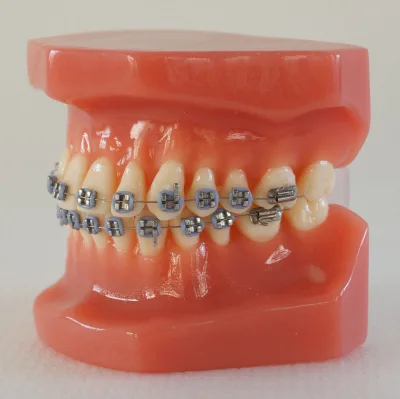
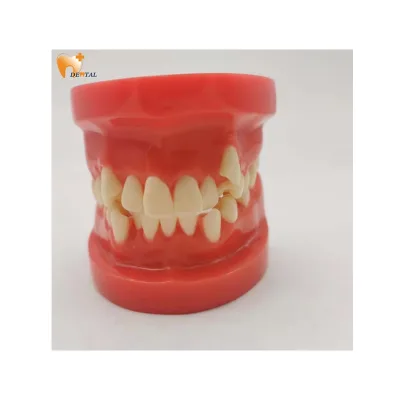
Dental Teeth Orth Orthodontic Models with Brackets
Contact supplier
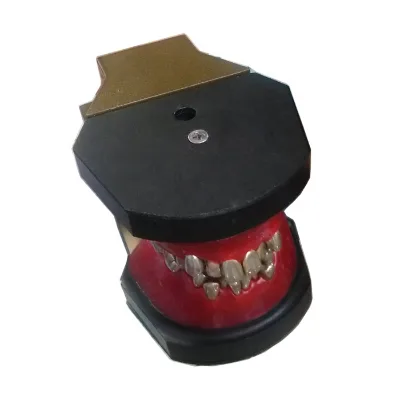
Dental Teeth Orthodontic Training Typodont Model
Contact supplier

Zhengzhou Ulike Dental Equipment Co., Ltd.
- Verified by BV
- Manufacturer/Factory
- China Henan
- Lead time15 days
- Avg. response≤ 2h
Main productsDental Bracket, Acrylic Resin Teeth, Dental Chair, Dental Air Compressor, Dental X Ray Machine, Dental Sterilization, Teeth Whitening Machine, Dental Apex Locator, Dental Endo Motor, Dental Handpiece
Main marketsNorth America,Southeast Asia,Western Europe,Africa

- Verified by SGS
- Trading Company
- China Guangdong
- Lead time15 days
- Avg. response≤ 8h
Main productsDental Equipment, Dental Materials, Dental Intrument, Dental Files/Burs, Dental Unit, Dental Camera, Dental Disposable Products, Auticlace System
Main marketsOthers(foreignTradeCapacity.exportBusinessCapacityMarketOther),Southeast Asia/ Mideast,North America
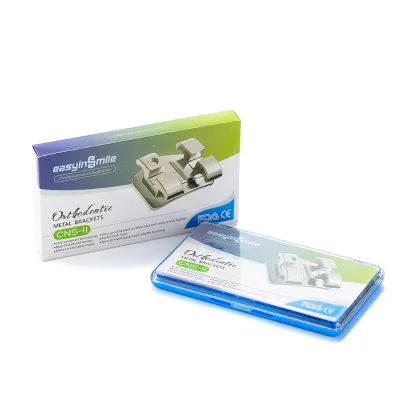
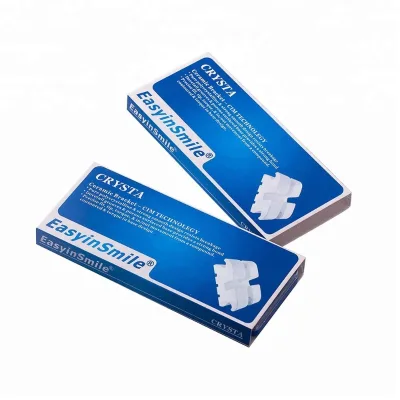
Changsha Easyinsmile Medical Instrument Co., Ltd.
- Manufacturer, Trading Company
- Hunan, China
- Lead time45 days
- Avg. response≤ 6h
Main productsDental Orthodontic Bracket,Ultrasonic Scaler,Dental Handpiece,Portable X-ray,Dental disposable product
Main marketsNorth America(35.0%), South America(30.0%), South Asia(12.0%), Eastern Europe(10.0%), Western Europe(9.0%), Southeast Asia(4.0%)
Hangzhou Als Dental Appliance Co., Ltd.
- Manufacturer, Trading Company
- Zhejiang, China
- Lead time5 days
- Avg. response≤ 3h
Main productsBracket,Molar Band,Buccal Tube,Ligature Tie,Ligature Wire
Main marketsSouth America(38.0%), North America(27.0%), Eastern Europe(8.0%), Southern Europe(5.0%), Northern Europe(5.0%), Southeast Asia(5.0%), Africa(4.0%), Western Europe(3.0%), Eastern Asia(2.0%), Oceania(1.0%), Mid East(1.0%), Central America(1.0%)
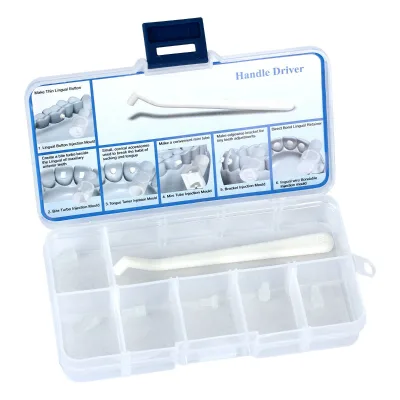
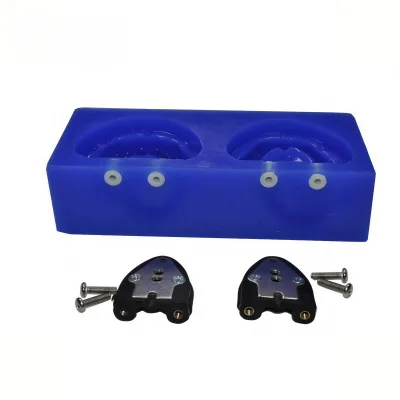
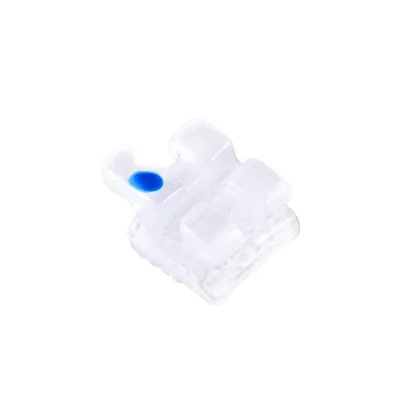
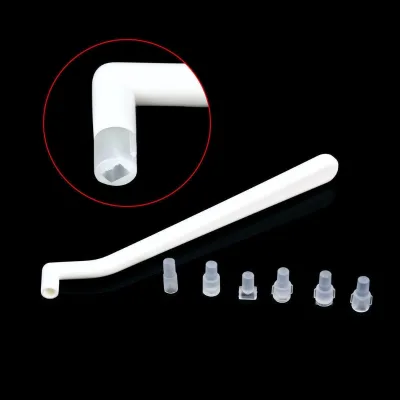
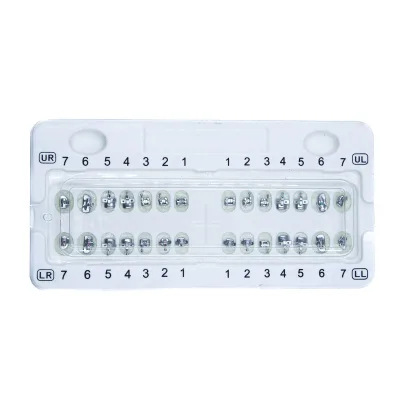
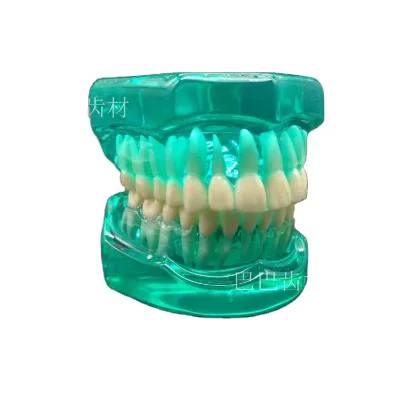
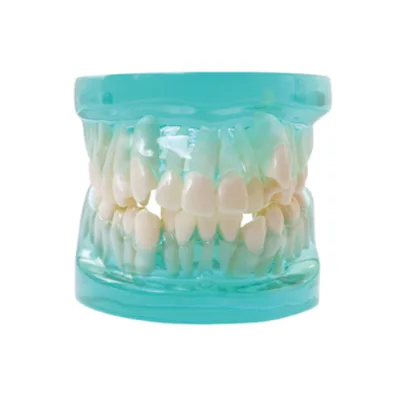
Green Standard Teeth Mould for Dental Lab & Training High Precision Resin Model
$15.36 - $20.48
Moq: 20
Foshan Meite Medical Equipment Co., Ltd.
- Manufacturer, Trading Company
- Guangdong, China
- Lead time7 days
- Avg. response≤ 2h
Main productsDental air turbine handpiece,Dental files/burs,Dental unit spare parts,Dental eqipment,Dental material
Main marketsDomestic Market(43.0%), Mid East(15.0%), South Asia(10.0%), South America(5.0%), Northern Europe(5.0%), Southeast Asia(5.0%), North America(3.0%), Eastern Europe(3.0%), Africa(3.0%), Central America(2.0%), Western Europe(2.0%), Southern Europe(2.0%), Eastern Asia(2.0%)

NINGBO CAREST MEDICAL INSTRUMENT CO., LTD.
- Trading Company,Manufacturer/Factory
- China Zhejiang
- Lead time15 days
- Avg. response≤ 24h
Main productsMicro Applicator, Dental Bib, Saliva Ejector, Prophy Brush, Barrier Film, Dental Burs, Gutta Percha Points, Dental Irrigation Needle, Dental Needle, Dental Impression Material
Main marketsSouth America,Eastern Europe,Mid East,North America,Southeast Asia,Eastern Asia,Oceania,Western Europe,Africa
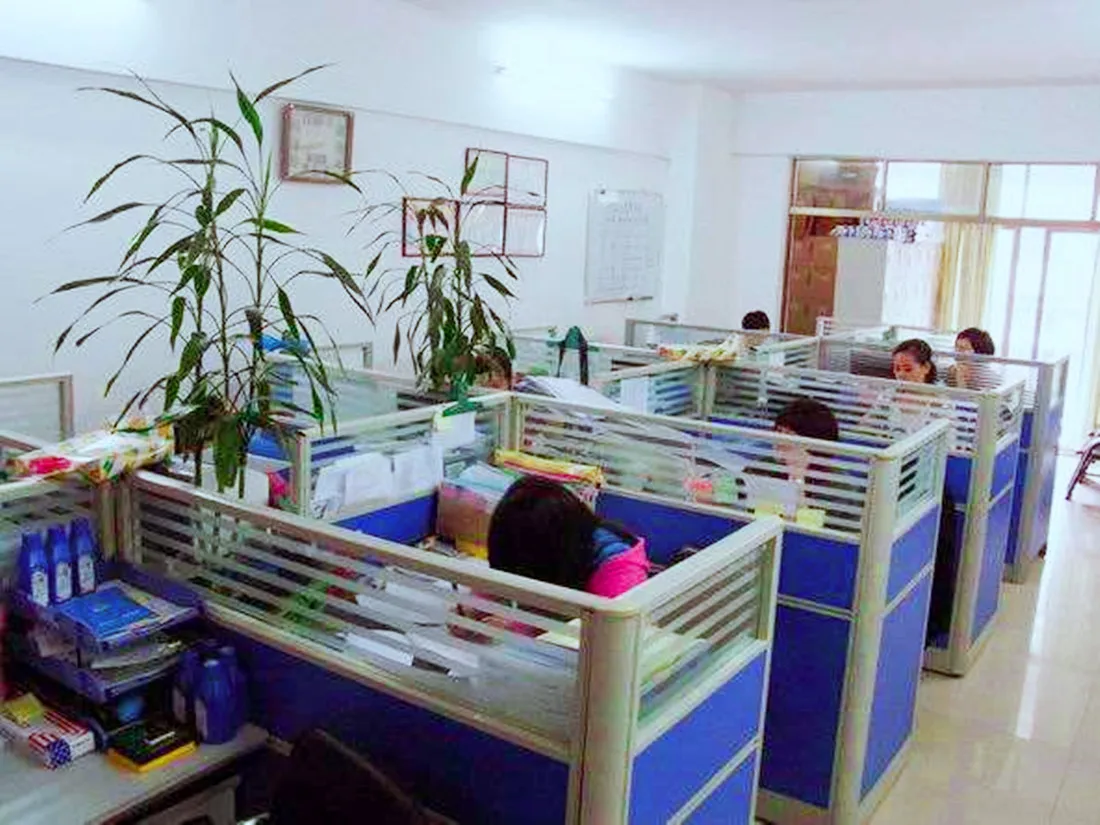
Elidental Technology Co., Ltd.
- Trading Company, Distributor/Wholesaler, Other
- Guangdong, China
- Lead time0 days
- Avg. response≤ 3h
Main productsteeth whitening unit,dental handpiece,intraoral camera,curing light,dental x-ray unit
Main marketsSouth America(25.0%), Mid East(25.0%), North America(10.0%), Africa(10.0%), Eastern Asia(5.0%), Southeast Asia(5.0%), South Asia(5.0%), Southern Europe(5.0%), Eastern Europe(2.0%), Northern Europe(2.0%), Central America(2.0%), Western Europe(2.0%), Domestic Market(1.0%), Oceania(1.0%)

Anyang Yingpai Dental Materials Co., Ltd.
- Verified by CTI
- Combined
- China Henan
- Lead time15 days
- Avg. response≤ 7h
Main productsAcrylic Resin Teeth, Dental Zirconia Block, Dental Milling Machine, Dental X Ray Unit, Intraoral Scanner, Dental Lab Equipment, Dental Base Powder, Dental Equipment, Dental Lab Materials, Dental Materials
Main marketsSouth America,Others(foreignTradeCapacity.exportBusinessCapacityMarketOther),Southeast Asia/ Mideast
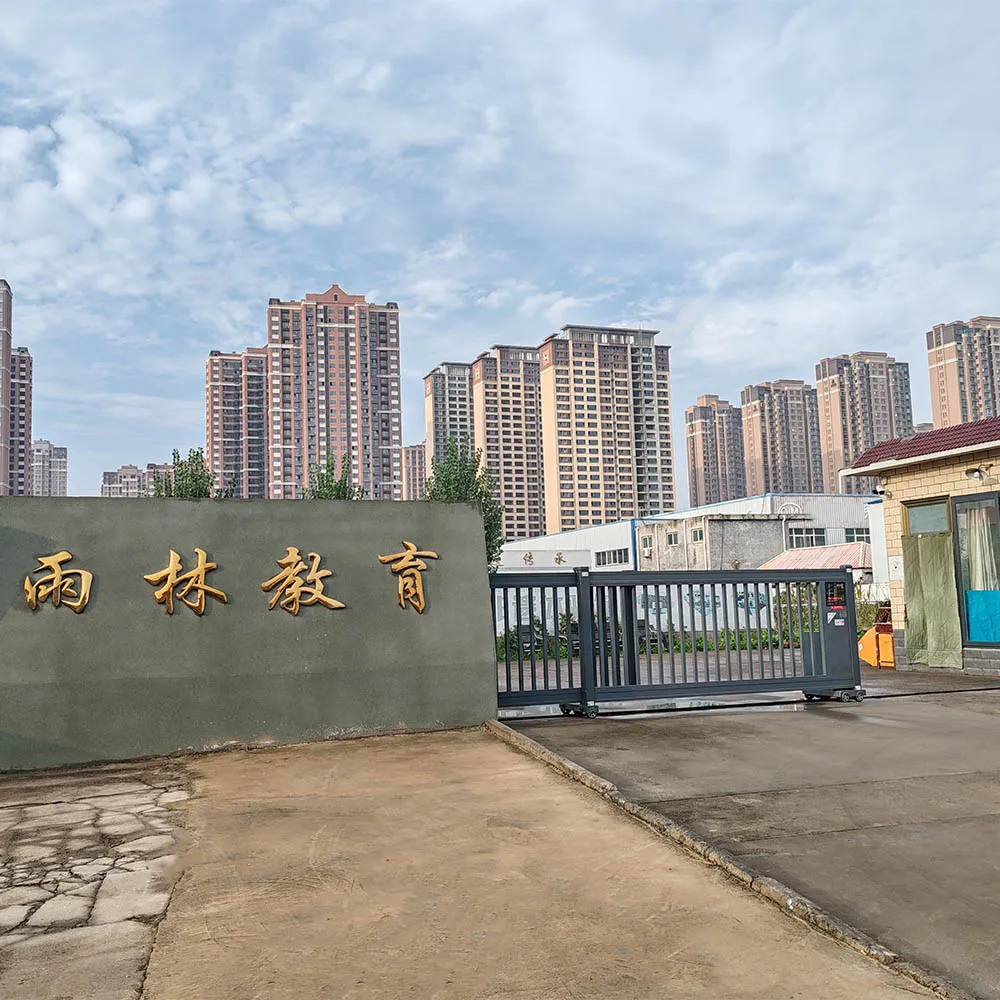
Henan Yulin Edu. Project Co., Ltd.
- Manufacturer, Trading Company
- Henan, China
- Lead time7 days
- Avg. response≤ 1h
Main productsTongue coating brush,Dental consumables,Personal care,Dental model,Whitening braces
Main marketsSouth America(15.0%), Mid East(15.0%), Africa(10.0%), Eastern Europe(10.0%), Domestic Market(5.0%), South Asia(5.0%), Southern Europe(5.0%), Northern Europe(5.0%), Central America(5.0%), Western Europe(5.0%), Eastern Asia(5.0%), North America(5.0%), Oceania(5.0%), Southeast Asia(5.0%)

- Verified by TUVRHEINLAND
- Combined
- China Hebei
- Lead time15 days
- Avg. response≤ 7h
Main productsEndodontic Instruments, Orthodontic, Dental Photography, Denture Box, Dental Micro Applicator, Dental Instrument Container, Hygiene and Protection, Cheek Retractor Mouth Prop, Dental Impressions, Acrylic
Main marketsNorth America
Guangzhou E-Luck Medical Technology Co., Ltd.
- Trading Company
- Guangdong, China
- Lead time10 days
- Avg. response≤ 9h
Main productsDental unit,Dental High Speed Handpiece,Dental Orthodontic,Dental Endomotor,Diamond Burs
Main marketsSoutheast Asia(40.0%), Mid East(30.0%), Domestic Market(5.0%), South America(5.0%), Africa(5.0%), North America(5.0%)
Wuhan Jinguang Medical Technology Co., Ltd. Sales Branch
- Verified by Intertek
- Manufacturer, Trading Company
- Lead time15 days
- Avg. response≤ 4h
Main productsDental Lab Equipment, Dental Scanner, Sterilization Machine, Dental Burs, Dental Box
Main marketsDomestic Market(48%), North America(10%), Mid East(10%)
Chengdu Hongfeng Borui Technology Co., Ltd.
- Verified by TüVRheinland
- Trading Company
- Sichuan, China
- Lead time15 days
- Avg. response≤ 3h
Main productsDental Chair, Hydraulic DentalChair, Electric Dental Chair, Dental Chair Package, \tDental Unit
Main marketsNorth America(30%), Southeast Asia(20%), Western Europe(18%)








Comprehensive Sourcing Guide
Class I Dental Orthodontic Mould Supplier Concentration and Factory Types
When sourcing Class I dental orthodontic moulds, understanding where suppliers cluster helps you narrow your shortlist efficiently. In the current results, several suppliers are based in Guangdong, China, which appears consistently across product origin attributes, with Guangzhou cited as a production origin on specific dental study and typodont models. This concentration matters because a regional cluster typically means easier factory visits, faster sample consolidation from multiple makers, and access to supporting material suppliers such as PVC and resin processors. However, not every result on the page is Guangdong-based, so you should confirm each supplier's stated location before assuming proximity benefits apply.
Supplier types in this category vary considerably. Some results identify companies as combined manufacturers and trading companies, while others list manufacturer, trading company, and distributor/wholesaler roles simultaneously. A company listing dental handpieces, apex locators, orthodontic materials, and endo files alongside moulds is likely a broader dental distributor, whereas a supplier whose main products include hospital beds, autoclaves, X-ray machines, and dental chairs operates across medical equipment more generally. Neither profile is automatically better, but the type affects pricing depth, customization capability, and technical support. Note that some suppliers advertise ODM and OEM capacity, which is relevant if you need private-label or modified mould designs. Match the factory type to your order profile before requesting quotations.
How to Verify Class I Dental Orthodontic Mould Suppliers
Verification starts with the classification itself. Class I status places these orthodontic moulds in the lowest-risk medical device tier, but you should still confirm the declared instrument classification on each product listing rather than assuming it. In the observed results, several products are explicitly marked Class I, and quality certification claims such as CE and CCC appear on specific items. Treat these as claims to verify: ask the supplier for the certificate documents covering the exact model number you intend to buy, since certification claimed for one SKU does not automatically extend to another model in the same catalogue.
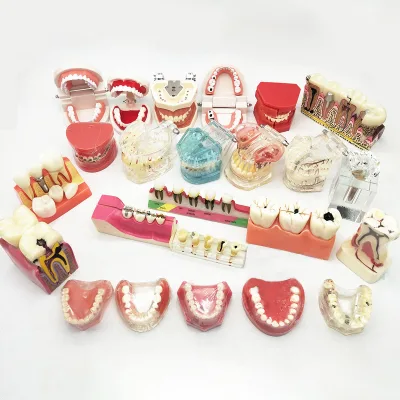
Beyond paperwork, verify manufacturing substance. Request the actual model numbers — such as the JA-OR942-1 resin composite or the MC-B6 and MCE0863/MCE0864 study models shown in results — and confirm the supplier can produce specification sheets matching them. Check where production occurs; Guangzhou and Guangdong origins are stated on multiple products, so confirm the goods will ship from the claimed origin rather than being resold from a third party. Ask about customization: several listings state customization is available, but confirm whether that covers material changes (PVC versus resin), tooth count variations, or packaging. Finally, clarify after-sales terms — one result mentions online technical support — and ask what happens if a shipment arrives with defective moulds. A supplier that answers these questions specifically, with documents, is materially more credible than one that responds with general assurances.
What to Compare Across Class I Dental Orthodontic Mould Suppliers
Build a comparison table using the attributes actually displayed on supplier listings. Lead time is a useful first filter: observed values in this category range from 5 days to 15 days, a meaningful difference when you are restocking between academic terms or clinic cycles. Response time is another comparable metric — results show figures like 2.84 and 5 on different suppliers — and faster responders usually accelerate sampling and dispute resolution too. Do not assume every supplier displays these values; where a field is blank, contact the supplier directly and record the answer yourself.
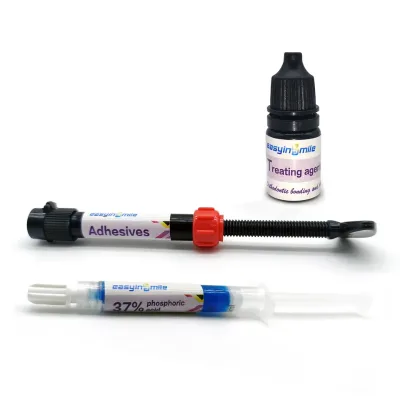
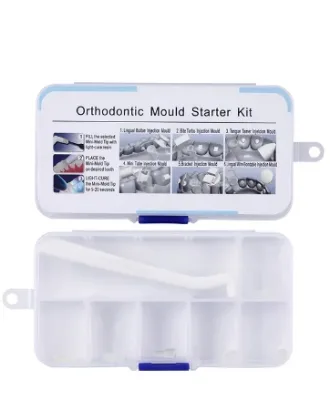
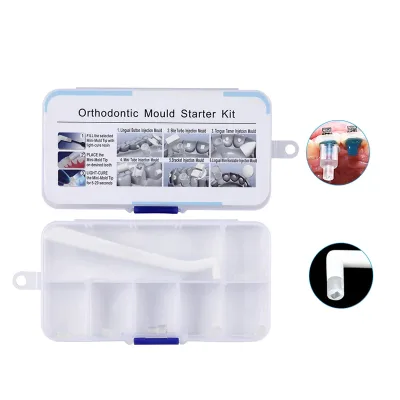
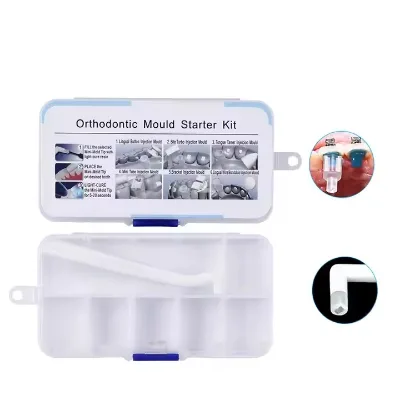
MOQ and price ranges deserve equal scrutiny because they vary widely across product types within this category. Observed MOQs range from 1 piece on certain study models to 10 boxes on composite resin materials and 20 pieces on orthodontic mould starter kits, while prices span from single-digit unit costs up to a stated 1000–5000 range on one listing. Compare like with like: a typodont demonstration model and a consumable resin are different products with different economics. Also compare supplier breadth — main products listing full dental lines versus dedicated orthodontic specialists — and establishment evidence, capacity claims such as ODM/OEM support, and whether the supplier is marked as a manufacturer, trading company, or both. Finally, compare stated supply ability, such as a claimed 10,000 pieces per month on one resin product, against your projected annual volume to confirm headroom.
Common Class I Dental Orthodontic Mould Sourcing Risks
The most common risk in this category is certification ambiguity. Listings may display CE, ISO, RoHS, or CCC claims, but these are stated attributes, not verified documents, and a certification attached to one product family does not cover every model a supplier sells. For Class I devices, import requirements in your destination market are typically lighter than for higher classes, yet customs authorities can still challenge shipments whose documentation does not match the declared classification. Always obtain the certificate file, check its expiry, and confirm the certificate holder's name matches the exporting entity on your invoice.
Quality and consistency risks follow closely. Orthodontic moulds are teaching consumables; buyers commonly report issues with tooth fit, bracket alignment on demonstration models, material brittleness in PVC items, and colour inconsistency between batches. Mitigate this by approving a physical sample against the stated specifications — tooth count, material, model number — before mass production, and by specifying that production must match the approved sample. Another risk is supplier type confusion: a distributor may quote aggressive prices on moulds they do not manufacture, then fail when production or spare parts are needed. Also watch shelf life claims, such as the one-year shelf life stated on some resin products, and confirm stock age at dispatch. Finally, payment risk exists when dealing with trading companies claiming manufacturer status; verify the business licence and, where possible, the production site.
Class I Dental Orthodontic Mould Regional Sourcing and Logistics
The evidence in this category points clearly toward Guangdong, China, as the dominant sourcing region, with Guangzhou specifically cited as product origin on multiple dental study models and typodont kits. This is useful because Guangdong combines dense dental manufacturing with mature export logistics: observed shipment methods on these products include international express services such as DHL, EMS, FedEx, and UPS, and dispatch ports named in the listings include Shenzhen and Guangzhou. Sourcing within one province lets you consolidate samples from several suppliers into a single shipment, reducing freight cost and comparison time.
Logistics planning should match product characteristics to shipping mode. Orthodontic moulds and demonstration models are compact and non-perishable, making express courier viable for samples and small trial orders, while carton-packed bulk quantities usually move more economically by sea from the Pearl River Delta ports. Confirm packing standards — listings reference standard export packaging and carton standard packaging — and ask for carton dimensions and gross weights so you can calculate freight accurately. Some products list a supply capability of 10,000 pieces per month, which affects how quickly a large order can ship after production. Also clarify Incoterms early: whether the quoted price includes delivery to the port, and who clears export customs. If you source from suppliers outside a confirmed cluster, add time for independent verification of the factory address and longer inland transport to the export port.
Class I Dental Orthodontic Mould Commercial Terms and Order Planning
Commercial terms in this category are negotiable but show recognizable patterns in the observed data. Payment terms on at least one resin product listing are stated as TT (telegraphic transfer), so expect deposit-plus-balance structures and negotiate the deposit percentage, particularly with suppliers you have not ordered from before. Where a marketplace offers escrow or trade assurance arrangements, prefer them for first orders, since these products are low-unit-cost but order volumes can scale quickly. MOQs vary sharply by product type — from 1 piece to 10 boxes to 20 pieces in the observed listings — so confirm the MOQ for the specific model number, not the supplier generally, and ask whether mixed-model orders can satisfy the threshold.
Order planning should account for the lead times shown in results, which range from 5 to 15 days, plus production queue time for customized items. Several listings state customization is available, but customized moulds typically require sample approval cycles before mass production, so build two to four additional weeks into a first-order timeline. Specify everything in writing: model number, material (PVC or resin), tooth count, certification documents, carton packaging, and destination port such as Shenzhen or Guangzhou if the supplier quotes it. Plan reorders around shelf life claims — one year on certain resin items — so stock does not age out in your warehouse. Finally, request online technical support terms in the contract, since after-sales commitments in this category are usually service-based rather than warranty-based.
FAQs
What certifications do Class I dental orthodontic moulds have?
Suppliers offer products with CE, ISO, and RoHS certifications. Some items also carry CCC quality certification. These marks indicate compliance with international safety and manufacturing standards. Buyers should verify specific certificates for their target market before placing orders to ensure regulatory acceptance.
What is the typical lead time for these moulds?
Lead times vary between 5 and 15 days depending on the supplier. Some manufacturers provide faster turnaround for standard items. Buyers should confirm exact delivery schedules during negotiation. Faster lead times are often available for smaller quantities or stock items.
What is the minimum order quantity for these products?
MOQs range from 1 piece to 20 boxes. Some suppliers accept single unit orders for samples. Others require bulk purchases starting at 10 boxes. Buyers should check specific product listings to determine the applicable minimum order quantity for their needs.
Where are these dental moulds manufactured?
Products originate from Guangdong, China, specifically Guangzhou. This region is a known hub for medical and dental equipment manufacturing. Buyers can expect consistent supply chain logistics from this location. Origin details are usually listed in product specifications.
What materials are used in these orthodontic moulds?
Common materials include PVC, resin, and plastic. These materials are chosen for durability and anatomical accuracy. Some models feature ceramic brackets for demonstration purposes. Buyers should select materials based on intended use, whether for teaching or clinical practice.
What is the price range for these moulds?
Prices range from $4 to $5000 depending on complexity. Simple demonstration models cost between $4 and $120. Complex educational typodonts may reach higher price points. Buyers should compare features and certifications to evaluate value within this broad range.