Titanium Sheets and Plates Suppliers and Manufacturers
Find 25 verified suppliers offering Titanium Sheets and Plates with varying lead times, response rates, and certifications. Compare dimensions, grades, and MOQs to select the right partner for industrial or medical needs. Contact suppliers directly to request quotes; review the available evidence before requesting comparable quotations from suitable candidates.
Updated
Suppliers List

SHAANXI RUIYANG IMPORT EXPORT CO., LTD.
- Verified by TUVRHEINLAND
- Trading Company,Manufacturer/Factory
- China Shaanxi
- Lead time23 days
- Avg. response≤ 5h
Main productsSteel Pipe, Stainless Steel, Steel Wire Rope, Stainless Steel Bar, Aluminium, Anchor Bolt, Marine Hardware, Reformer Tube, Bolts and Nuts, Centrifugal Cast Tube
Main marketsSouth America,Eastern Europe,Mid East,North America,Southeast Asia,Eastern Asia,Oceania,Western Europe,Africa


Titanium Alloy Sheet Plate for Orthopedic Surgical Implants and Industrial Usage
$15.00 - $50.00
MOQ: 100 kg


Tianjin Tiangang Weiye Steel Tube Co., Ltd.
- Verified by SGS
- Manufacturer/Factory
- China Tianjin
- Lead time15 days
- Avg. response≤ 13h
Main productsStainless Steel Pipe, Stainless Steel Plate, Stainless Steel Bar, Alloy Steel Pipe, Stainless Steel Coil, Low Temperature Pipe, Seamless Steel Pipe, Steel Plate, Copper Products, Nickel and Titanium Products
Main marketsSouth America,Eastern Europe,Mid East,North America,Southeast Asia,Eastern Asia,Oceania,Western Europe,Africa

Jiangsu Shengpo New Materials Technology Co., Ltd.
- Verified by TUVRHEINLAND
- Combined
- China Jiangsu
- Lead time15 days
- Avg. response≤ 8h
Main productsNickel Alloy Tube, Titanium Tube, Titanium Strip, Nickel Alloy Strip, Stainless Steel Tube, Stainless Steel Strip, Superalloy Foil and Strip, Fe-Ni Alloy Foil and Strip
Main marketsSouth America,East Asia(Japan/ South Korea),Domestic,North America
Xi'an Junlin Chicheng Metal Products Co., Ltd.
- Verified by TüVRheinland
- Manufacturer, Trading Company
- Lead time30 days
- Avg. response≤ 1h
Main productsCarbon Steel, Stainless Steel, Aluminum
Main marketsSouth America(30%), Mid East(30%), Southeast Asia(20%)
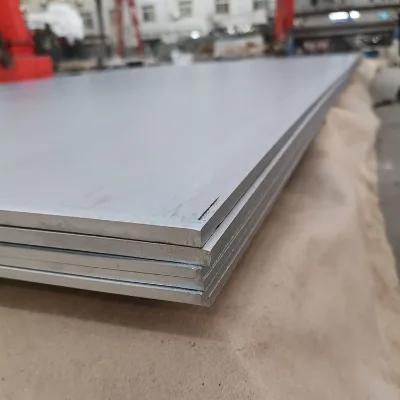
Titanium Plate Lightweight and Durable Titanium Plate for Precision Engineering Projects
$10.3044 - $15.4552
MOQ: 50 kilograms
0.1-5mm Medical Titanium Alloy Plate Surgical Titanium Sheet for Orthopedic Implants
$10.3329 - $15.4986
MOQ: 50 kilograms
J.M.S. ENGINEERING (H.K.) LIMITED
- Trading Company
- Hong Kong S.A.R.
- Lead time0 days
- Avg. response≤ 1h
Main productsTitanium Bars,Titanium plate,Titanium Wire
Main marketsEastern Asia(65.00%), Southeast Asia(10.00%), North America(5.00%), Eastern Europe(5.00%), Mid East(5.00%), Western Europe(5.00%), Southern Europe(5.00%)
$15.00 - $30.00
MOQ: 5 kilograms
3mm Thick Titanium Plate Ta2 Titanium Alloy Sheet for Electrolysis Product Category Titanium Sheets
$27.00 - $30.00
MOQ: 5 kilograms
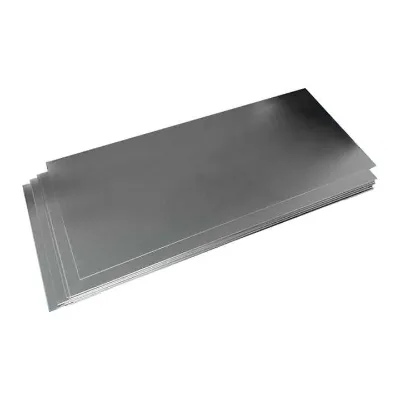
$15.4133 - $20.5506
MOQ: 5 kilograms
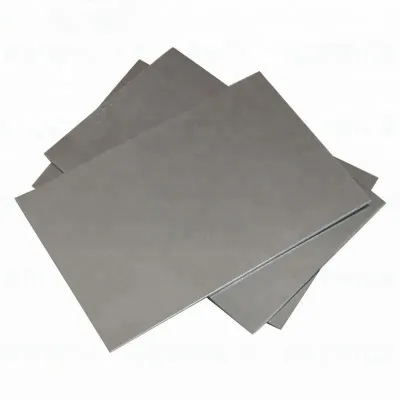
Manufacturer Titanium Plate Titanium Thin Sheet Ti Plate Titanium Rectangle Sheet for Industry
$26.60 - $32.60
MOQ: 5 kilograms
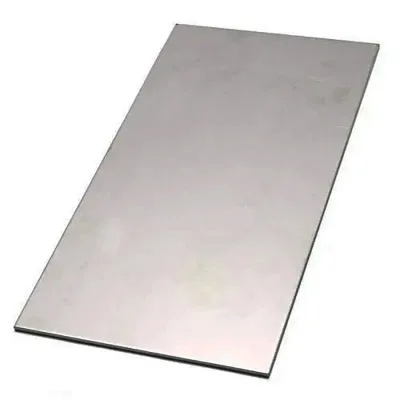
Hot Rolled Pure Titanium Plate Grade 5 Titanium Alloy Sheet Tc4 Titanium Plata Stock Gr1 G2
$12.00 - $15.00
MOQ: 5 kilograms
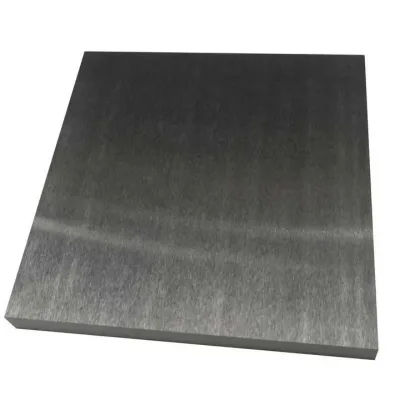
Gr 1 Gr 2 Gr 3 Gr 5 Gr 7 Titanium Plate Titanium Plate/Factory Wholesale Titanium Plate Price Per Kg
$10.00 - $18.00
MOQ: 5 kilograms
Baoji Qiyuexin Metal Material Co., Ltd.
- Manufacturer, Trading Company
- Shaanxi, China
- Lead time30 days
- Avg. response≤ 3h
Main productstitanium vavle,titanium flange,titanium pipe fittings,titanium machined parts,titanium materials
Main marketsEastern Europe(35.00%), Southern Europe(30.00%), Western Europe(20.00%), Northern Europe(10.00%), North America(5.00%)
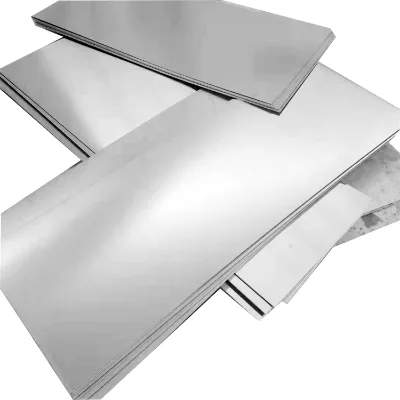
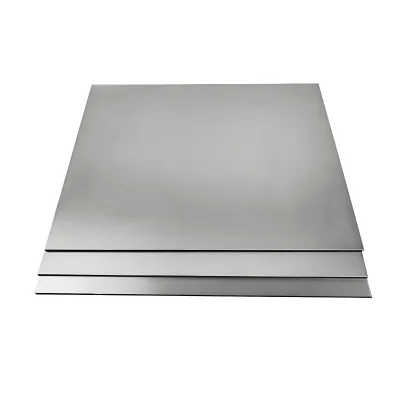
High Quality Manufacturer Direct Deal Gr1 Gr2 Gr3 Gr5 Gr7 TA1 Titanium Plate
$46.5884 - $49.6941
MOQ: 50 kilograms
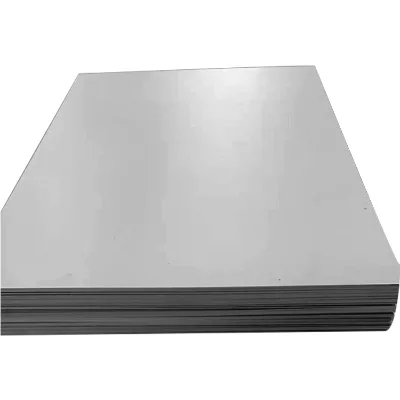
Baoji Dynamic Trading Co., Ltd.
- Manufacturer, Trading Company
- Shaanxi, China
- Lead time5 days
- Avg. response≤ 2h
Main productsTitanium anode,Titanium plate,Titanium bar,Titanium electrode,Titanium diaphragm
Main marketsEastern Europe(30.00%), South Asia(15.00%), South America(5.00%), Southern Europe(5.00%), Northern Europe(5.00%), Central America(5.00%), Western Europe(5.00%), Eastern Asia(5.00%), Mid East(5.00%), Oceania(5.00%), Africa(5.00%), Southeast Asia(5.00%), North America(5.00%)
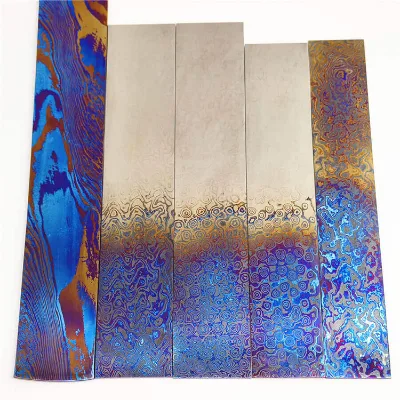
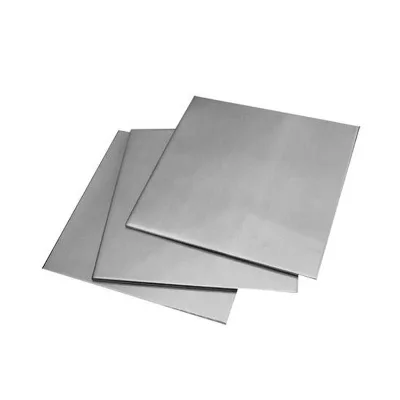
Customized Many Sizes Manufacturer Asme Sb 265 Grade 1 Titanium Sheet Plate
$19.4689 - $23.568
MOQ: 1 kilograms
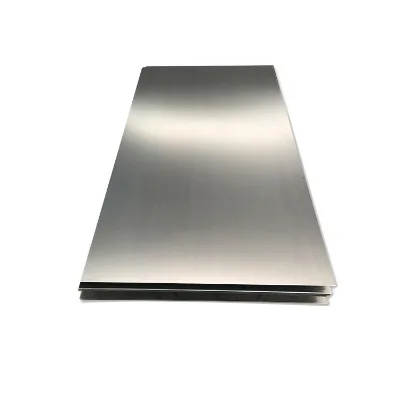
$17.4194 - $21.5185
MOQ: 1 kilograms

Xi'an Joinxin New Material Technology Co., Ltd.
- Manufacturer, Trading Company
- Shaanxi, China
- Lead time0 days
- Avg. response≤ 9h
Main productsTitanium Mill Products/Titanium Wares/Tungsten Mill Products/Molybdenum Mill Products/Tantalum Mill Products,Titanium cilivian goods,Titanium industrial products,Titanium outdoor ware
Main marketsSoutheast Asia(30.00%), Southern Europe(20.00%), Western Europe(20.00%), Domestic Market(20.00%), North America(10.00%)
Jiangsu Hengshuntai Steel Co., Ltd.
- Verified by SGS Group
- Trading Company
- Lead time10 days
- Avg. response≤ 2h
Main productsStainless Steel Sheet, Stainless Steel Bar, Stainless Steel Coil, Stainless Steel Pipe, Carbon Steel Products
Main marketsNorth America(18%), Eastern Europe(12%), Western Europe(12%)

Achemetal Tungsten & Molybdenum Co., Ltd.
- Manufacturer, Trading Company
- Henan, China
- Lead time20 days
- Avg. response≤ 19h
Main productsTungsten Sheet Rod Foil Bar and Tungsten Alloy/Molybdenum Sheet Rod Foil Bar and Molybdenum Alloy/Tungsten Wire/Molybdenum Wire
Main marketsEastern Europe(55.00%), North America(15.00%), Western Europe(10.00%), Eastern Asia(10.00%), Southeast Asia(10.00%)
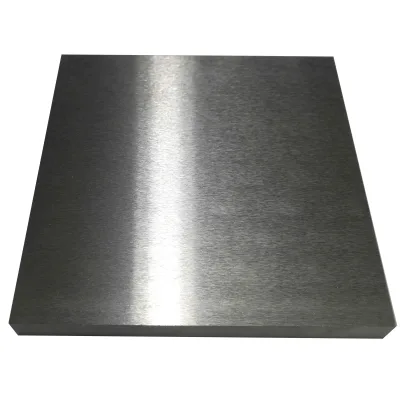
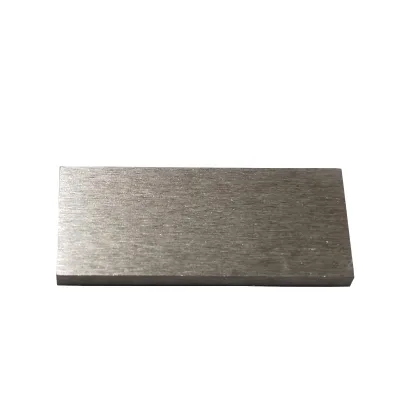
Best Price Titanium Sheet 1mm Titanium Grade 1 Plate Titanium Plate Price Per kg
$10.00 - $30.00
MOQ: 1
Baoji Taihengte Metal Co., Ltd.
- Manufacturer, Trading Company
- Shaanxi, China
- Lead time15 days
- Avg. response≤ 2h
Main productsMMO Titanium Anode,Platinum Titanium Electrode,Lead Dioxide Titanium Anode,CNC Titanium Parts,Titanium Material
Main marketsNorth America(30.00%), Southeast Asia(20.00%), South America(20.00%), Eastern Europe(10.00%), Mid East(5.00%), Western Europe(4.00%), Southern Europe(3.00%), Eastern Asia(2.00%), Domestic Market(1.00%), South Asia(1.00%), Africa(1.00%), Northern Europe(1.00%), Central America(1.00%), Oceania(1.00%)
$16.90 - $21.90
MOQ: 2 kilograms
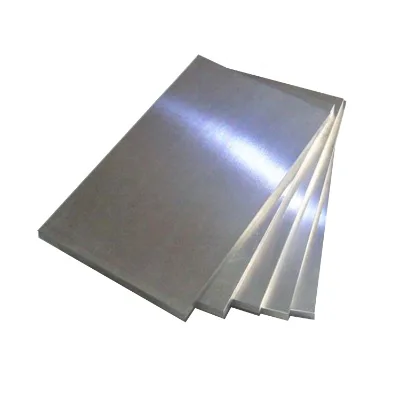
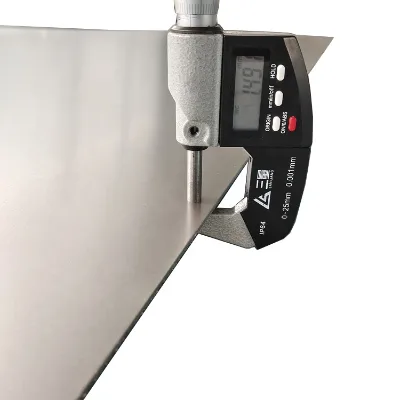
OEM Factory Customized Titanium Grade 5 Plate Premium Titanium Sheet Metal Process
$25.50 - $29.50
MOQ: 2 kilograms
Luoyang Combat Tungsten & Molybdenum Material Co., Ltd.
- Verified by TüVRheinland
- Manufacturer, Trading Company
- Lead time15 days
- Avg. response≤ 4h
Main productsTungsten Product, Molybdenum Product, Titanium Product, Tantalum Product, Niobium Product
Main marketsDomestic Market(95%), North America(1%), Eastern Europe(1%)
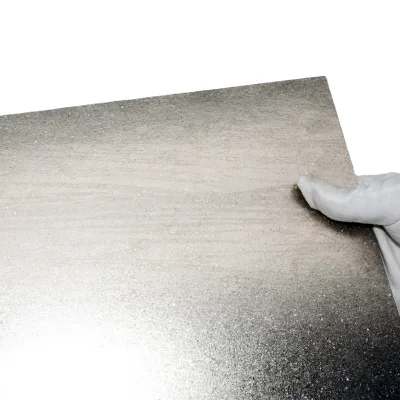
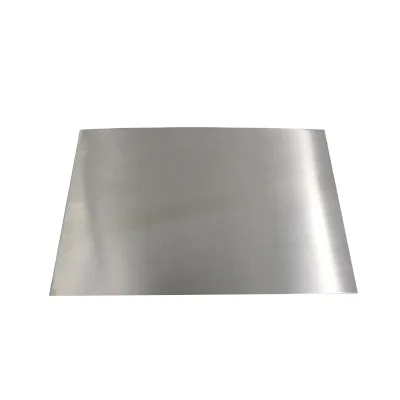
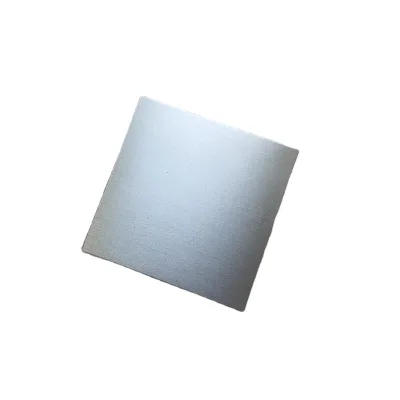
Price Per Kg Grade 1 Grade 2 Grade 5 Flat Titanium Plate and Sheet From Combat
$33.00 - $35.00
MOQ: 1 kilograms
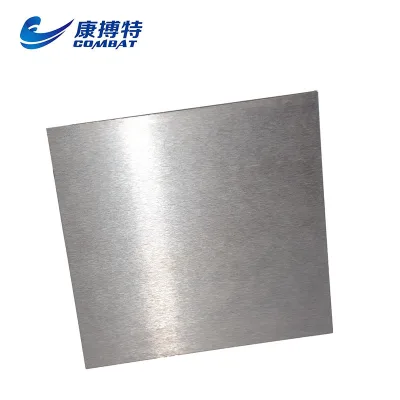
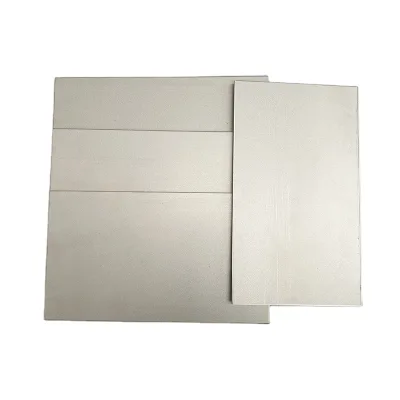
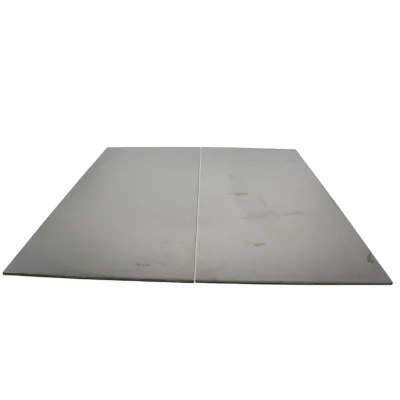
High purity 99.95% titanium sheet customized titanium plate price factory outlet
$33.00 - $35.00
MOQ: 1 kilograms
Best Price Professional Acid Washing Surface Gr1 Gr2 Titanium Plate Titanium Sheet Price
$26.00 - $28.00
MOQ: 1 kilograms

Baoji Toptech Industrial Co., Ltd.
- Verified by BV
- Trading Company
- China Shaanxi
- Lead time15 days
- Avg. response≤ 3h
Main productsMetal Detector, Needle Detector, Titanium Tube, X Ray Inspection Machine, Walk Through Metal Detector Door, Food Metal Detector, Check Weigher Machines, Conveyor Metal Detector, Titanium Bar, Metal Detection Machine
Main marketsSouth America,Africa,Southeast Asia/ Mideast,East Asia(Japan/ South Korea),Domestic,Europe,Australia,North America
Baoji City Changsheng Titanium Co., Ltd.
- Manufacturer, Trading Company
- Shaanxi, China
- Lead time15 days
- Avg. response≤ 13h
Main productsTitanium and titaniun alloy tube,TiNi alloy product,Titanium Anode,Titanium porous filter,Titanium CNC
Main marketsWestern Europe(20.00%), Domestic Market(15.00%), North America(15.00%), Eastern Asia(10.00%), Eastern Europe(10.00%), Northern Europe(10.00%), Southeast Asia(7.00%), South Asia(5.00%), Mid East(5.00%), Oceania(3.00%)
Haihong (jiangsu) Steel International Trade Co., Ltd.
- Trading Company
- Jiangsu, China
- Lead time10 days
- Avg. response≤ 3h
Main productsRoofing Sheet Color Coated,Color Steel Plates,Galvanized Steel Coil,Prepainted Galvanized Steel Coil,Steel Plates
Main marketsSoutheast Asia(30.00%), Eastern Europe(20.00%), North America(10.00%), Central America(10.00%), Eastern Asia(9.00%), South America(5.00%), Western Europe(4.00%), South Asia(3.00%), Mid East(3.00%), Northern Europe(3.00%), Oceania(1.00%), Southern Europe(1.00%), Africa(1.00%)
$1.20 - $1.39
MOQ: 1000 pieces
Baoji Hanz Metal Material Co., Ltd.
- Verified by TüVRheinland
- Manufacturer, Trading Company
- Lead time20 days
- Avg. response≤ 3h
Main productsTungsten And Alloys, Molybdenum And Alloys, Tantalum And Alloys, Nickel And Alloys, Titanium And Alloys
Main marketsNorth America(25%), Western Europe(20%), Eastern Asia(15%)
- Trading Company
- Lead time旺季: "1 - 10":3,"11 - 500":7,"501 - 1000":10,"> 1000":"To be negotiated", 淡季: "1 - 10":3,"11 - 500":7,"501 - 1000":10,"> 1000":"To be negotiated"
- Avg. response≤ 4h
Main productsStainless Steel Sheet Plate, Stainless Steel Seamless Welded Pipe Tube , Stainless Steel Bars Rod , Stainless Steel Wire Wire Rod, Copper Aluminium Raw Materials
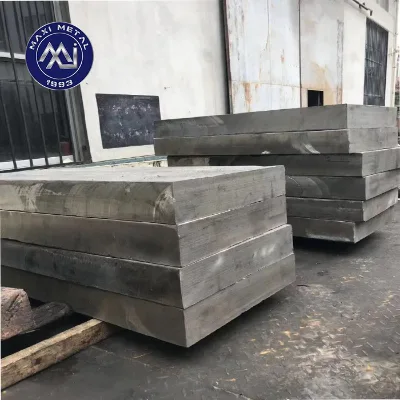
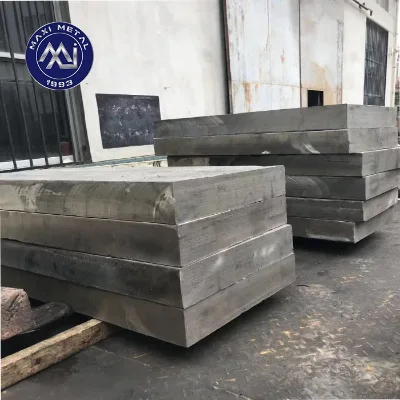
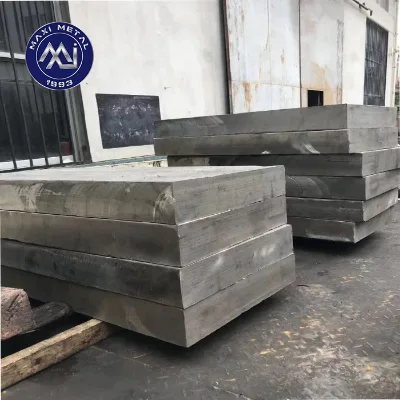
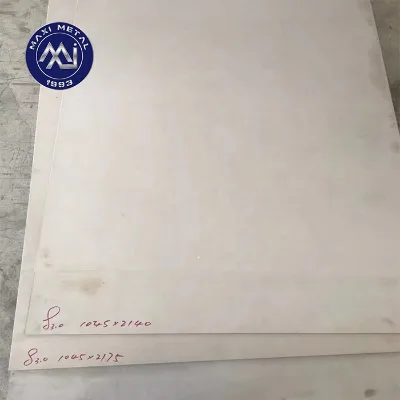
$10.00 - $20.00
MOQ: 1 kilograms
Baoji Future Titanium Co., Ltd.
- Manufacturer, Trading Company
- Shanxi, China
- Lead time15 days
- Avg. response≤ 17h
Main productstitanium bar,titanium wire,titanium bolt /screw,titanium block,dental titanium
Main marketsNorth America(30.00%), South America(20.00%), Western Europe(10.00%), Southern Europe(10.00%), Eastern Europe(10.00%), Domestic Market(8.00%), Northern Europe(5.00%), Mid East(5.00%), South Asia(1.00%), Oceania(0.50%), Central America(0.20%), Africa(0.20%), Eastern Asia(0.10%)
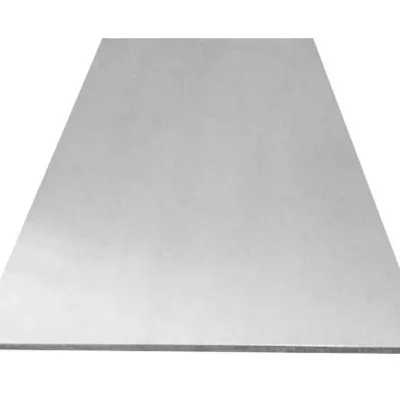
High Quality Titanium Sheet Customized TiTANIUM PLATE PRICE for TITANIUM PLATE
$20.00 - $50.00
MOQ: 1 Minimum
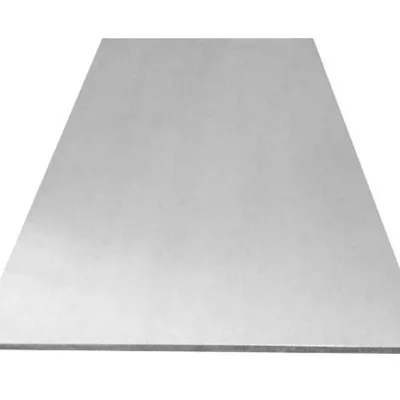
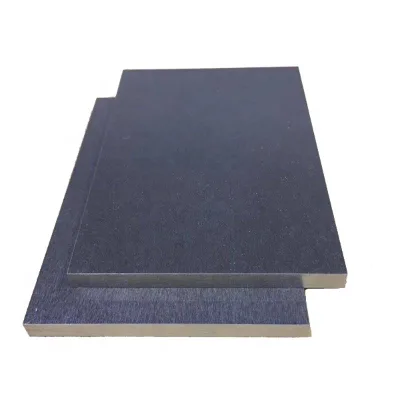
Manufacturer Grade 1 Titanium Sheet 0.3mm Thick Ams 4914 Titanium Alloy Sheet Titanium Plate Price
$20.00 - $50.00
MOQ: 1 Minimum

Wuxi Dingyu Xinda Special Steel Co., Ltd
- Verified by TUVRHEINLAND
- Trading Company
- China Jiangsu
- Lead time15 days
- Avg. response≤ 3h
Main productsSteel Tube, Flange/Pipe Fitting, Welded Tube/Seamless Pipe, Steel Plate/Coil, Nickel Alloy, Titanium Alloy Plate, Elbow/Tee, Metal Pipe, Steel Rod/Bar, Metal Plate
Main marketsDomestic,Europe

Zhengzhou Shibo Nonferrous Metals Products Co., Ltd.
- Verified by BV
- Combined
- China Henan
- Lead time15 days
- Avg. response≤ 15h
Main productsLab Furnace, Sic Heating Elements, Molybdenum Sheets, Molybdenum Foil, Tungsten Products, Molybdenum Products, Molybdenum Rod, Molybdenum Electrode, Mosi2 Heating Element, Sic Heater
Main marketsOthers(foreignTradeCapacity.exportBusinessCapacityMarketOther)

LUOYANG COMBAT TUNGSTEN & MOLYBDENUM MATERIAL CO., LTD.
- Verified by TUVRHEINLAND
- Combined
- China Henan
- Lead time30 days
- Avg. response≤ 9h
Main productsTungsten Wire, Molybdenum Wire, Tungsten Plate, Tantalum Sheet, Molybdenum Bar, Nickel Wire, Tungsten Heavy Alloy, W-Cu Alloy, Tzm, Tungsten Copper Alloy
Main marketsSouth America,Southeast Asia/ Mideast,East Asia(Japan/ South Korea),Domestic,Europe,North America

Suzhou Youbetter Medical Apparatus Co., Ltd.
- Verified by BV
- Trading Company,Manufacturer/Factory
- China Jiangsu
- Lead time15 days
- Avg. response≤ 21h
Main productsOrthopedic Implants, Orthopedic Instruments, External Fixators, Orthopedic Power Tools, General Instruments, Trauma Implants, Metal Bone Plate and Screw, Spine Implants, Interlocking Nail, Cannulated Screw
Main marketsSouth America,Eastern Europe,Mid East,North America,Southeast Asia,Eastern Asia,Oceania,Western Europe,Africa
Jiangsu Zhijia Steel Industries Co., Ltd.
- Verified by SGS Group
- Trading Company
- Lead time10 days
Main productsStainless Steel Sheet, Stainless Steel Coil
Main marketsSoutheast Asia(15%), North America(10%), Africa(10%)
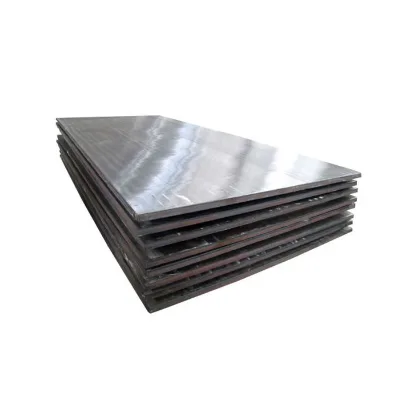
1mm 2mm 3mm High Purity Titanium Plate Corrosion-resistant Titanium Alloy Plate
$16.00 - $19.00
MOQ: 1 kilograms
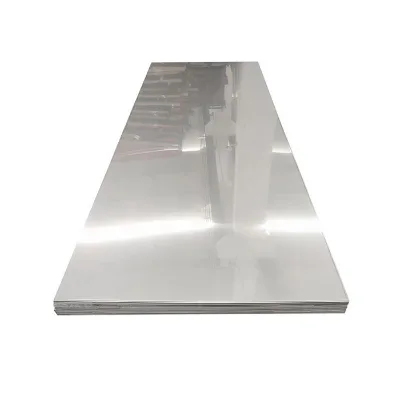
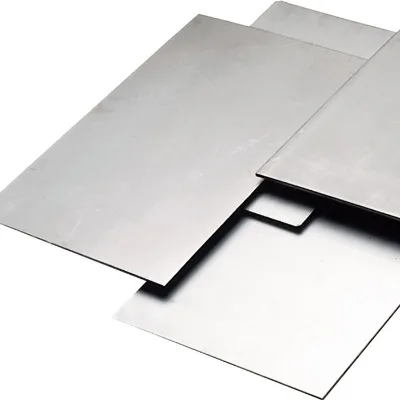
Grade 2 (UNS R50400) Titanium Plate ASTM B256 Gr2 Gr5 Titanium Sheet
$16.4515 - $19.5363
MOQ: 1 kilograms
Baoji Boze Metal Products Co., Ltd.
- Verified by Intertek
- Manufacturer, Trading Company
- Lead time5 days
- Avg. response≤ 2h
Main productsTitanium Motorcycle Parts, Titanium Fasteners, Titanium Sports And Entertainment Accessories, Titanium Customized Parts, Titanium Materials
Main marketsNorth America(30%), Western Europe(30%), Oceania(20%)
Shaanxi Ruifuxiang Industry And Trade Co., Ltd.
- Manufacturer, Trading Company
- Shaanxi Province, China
- Lead time30 days
- Avg. response≤ 1h
Main productstitanium fastener,titanium plate,titanium wire,titanium anode,titanium bar
Main marketsNorth America(20.00%), South America(15.00%), Mid East(10.00%), South Asia(10.00%), Southeast Asia(10.00%), Central America(10.00%), Domestic Market(5.00%), Africa(5.00%), Northern Europe(5.00%), Eastern Europe(5.00%), Eastern Asia(5.00%)






Comprehensive Sourcing Guide
Titanium Sheets and Plates Supplier Concentration and Factory Types
The current supplier landscape for Titanium Sheets and Plates reveals a distinct geographic concentration in China, with specific hubs identified in Shaanxi, Tianjin, and Jiangsu provinces. These regions host a mix of company types, primarily categorized as Trading Companies, Manufacturer/Factories, and Combined entities. Buyers should note that the presence of a Trading Company does not necessarily imply a lack of manufacturing capability, as some listed entities operate as Combined firms that may integrate production with direct sales. The diversity in company type suggests that sourcing strategies must account for whether the buyer requires direct factory engagement for custom OEM/ODM work or prefers the logistical flexibility often provided by trading arms. In Shaanxi, for instance, suppliers are noted to offer both OEM and ODM services alongside their own brand, RUIYANG, indicating a robust local manufacturing ecosystem capable of handling complex specifications. Meanwhile, Tianjin-based suppliers are predominantly listed as Manufacturer/Factory entities, suggesting a strong industrial base focused on production volume and standard compliance. Jiangsu suppliers appear as Combined types, potentially offering a hybrid approach to nickel and titanium alloy products. Understanding this distribution helps buyers narrow their search to regions with the specific operational models they require, whether that be high-volume standard production or specialized custom alloy fabrication.
Beyond geography, the classification of suppliers into Trading Companies, Manufacturer/Factories, and Combined types dictates the nature of the engagement. Manufacturer/Factory entities, such as those in Tianjin, often provide direct access to production lines, which can be critical for verifying quality control processes and ensuring consistency in large orders. These suppliers frequently list extensive main products, including stainless steel pipes and nickel products, indicating a broad material handling capability that can be advantageous for buyers needing multiple metal types from a single source. Conversely, Trading Companies may offer a wider variety of niche titanium grades or smaller batch sizes that might not be economically viable for large factories to produce. The Combined type suppliers in Jiangsu represent a middle ground, potentially offering the technical support of a trader with the production assurance of a factory. Buyers must carefully review the company type listed for each supplier to align with their supply chain strategy. If custom branding or specific technical modifications are required, suppliers explicitly listing OEM and ODM capabilities, such as those in Shaanxi, should be prioritized. This distinction is vital for ensuring that the supplier’s operational structure matches the buyer’s need for either pure manufacturing output or integrated supply chain services.
How to Verify Titanium Sheets and Plates Suppliers
Verification is a critical step in mitigating risk when sourcing Titanium Sheets and Plates, as the market includes various entity types with differing levels of transparency. Buyers should prioritize suppliers who have undergone third-party verification processes, as indicated by labels such as TUVRHEINLAND or SGS. These verification badges provide an additional layer of confidence regarding the supplier’s business legitimacy and operational stability. For example, suppliers in Shaanxi are noted with TUVRHEINLAND verification, while those in Tianjin carry SGS verification. This external validation helps confirm that the company exists as stated and has met certain baseline standards for business operations. However, verification alone is not a guarantee of product quality or financial health. Buyers must look beyond the verification badge to examine the specific certifications held by the supplier. System certifications such as ISO 9001, ISO 14001, and ISO 9000 are commonly listed, indicating adherence to quality and environmental management standards. Some suppliers may also hold industry-specific certifications like ISO 13483 for medical devices, which is crucial if the titanium sheets are intended for orthopedic implants or medical applications.
In addition to certifications, buyers should scrutinize the supplier’s response time and communication efficiency as indicators of their operational maturity. A supplier with a rapid response time, such as the 4.66-hour average noted for some entities, demonstrates a high level of engagement and readiness to handle inquiries promptly. This metric is particularly important for complex sourcing projects where technical clarifications are frequent. Buyers should also verify the supplier’s ability to provide detailed product evidence, including specific grades, thicknesses, and standards. For instance, suppliers listing ASTM, JIS, DIN, and GB standards show a capability to meet international regulatory requirements. It is essential to cross-reference the claimed certifications with the supplier’s actual product listings to ensure consistency. A supplier claiming ISO 9001 certification should have product specifications that align with quality management principles, such as consistent thickness tolerances and clear grading systems. Buyers should request copies of valid certification documents and verify their authenticity through the issuing bodies. Furthermore, checking the supplier’s main products list can reveal their core competencies; a supplier specializing in titanium sheets should have a robust inventory of relevant grades like GR1, GR2, and GR5, rather than a scattered list of unrelated metals.
What to Compare Across Titanium Sheets and Plates Suppliers
When evaluating multiple suppliers for Titanium Sheets and Plates, buyers must systematically compare key operational metrics to identify the most suitable partner for their specific needs. One of the most critical factors is the lead time, which varies significantly across the supplier base. For example, some suppliers in Shaanxi report a lead time of 23 days, while those in Tianjin may offer a faster turnaround of 15 days. This difference can impact production schedules and inventory management, making it essential for buyers to align lead times with their project deadlines. Additionally, the Minimum Order Quantity (MOQ) is a decisive factor, with some suppliers requiring as low as 50kg or 100 units, while others may mandate higher volumes, such as 500 units. Buyers with smaller initial orders should prioritize suppliers with lower MOQs to reduce inventory holding costs and financial risk. The response time is another comparative metric that reflects the supplier’s customer service quality. A supplier with a response time of 4.66 hours is likely more responsive than one with a 12.61-hour average, which can be crucial for resolving technical issues quickly.
Beyond operational metrics, buyers should compare the technical specifications and customization options offered by each supplier. Titanium sheets are available in various grades, including GR1, GR2, GR3, GR5, and TC4, each suited for different applications ranging from industrial to medical use. Buyers must ensure that the supplier can provide the specific grade required for their application. Thickness ranges also vary, with some suppliers offering cold-rolled sheets from 0.3mm to 4.1mm and hot-rolled sheets from 4.1mm to 100mm. It is important to verify if the supplier can accommodate custom lengths and widths, as some list options for custom cutting to length or specific dimensions up to 3000mm in width. Pricing is another variable, with ranges observed from $10.00 to $50.00 per unit, depending on the grade, thickness, and order volume. Buyers should request detailed quotes that break down costs by specification to ensure accurate comparison. Additionally, the availability of OEM and ODM services should be compared, as some suppliers may offer more flexible customization options than others. By systematically comparing these factors, buyers can make an informed decision that balances cost, speed, and technical capability.
Common Titanium Sheets and Plates Sourcing Risks
Sourcing Titanium Sheets and Plates involves several inherent risks that buyers must actively manage to ensure a successful procurement process. One significant risk is the potential mismatch between claimed certifications and actual product quality. While suppliers may list extensive certifications such as ISO 9001 or ISO 14001, these do not automatically guarantee that every batch of titanium sheets meets the required mechanical properties or chemical composition standards. Buyers must verify that the specific grades, such as GR2 or TC4, are produced in accordance with the relevant international standards like ASTM or JIS. Another risk is the variability in lead times, which can disrupt supply chains if not properly managed. Suppliers may quote optimistic lead times, such as 15 days, but actual production delays can occur due to raw material shortages or production bottlenecks. Buyers should include penalty clauses in contracts for late deliveries to mitigate this risk. Additionally, the complexity of titanium processing, including cold rolling and hot rolling techniques, can lead to quality inconsistencies if the supplier lacks adequate quality control measures.
Another common risk is the ambiguity in product specifications, particularly regarding thickness, width, and length tolerances. Some suppliers may list a wide range of thicknesses, such as 0.2mm to 80mm, but fail to specify the tolerance levels for each range. This can result in receiving sheets that are outside the acceptable dimensional limits for the buyer’s application. Buyers must request detailed technical data sheets that specify tolerances for all dimensions. Furthermore, the risk of receiving non-conforming materials is heightened when sourcing from suppliers with mixed product lines. A supplier listing both titanium sheets and stainless steel pipes may not have specialized equipment for titanium processing, potentially affecting the surface finish or mechanical properties of the sheets. Buyers should prioritize suppliers with a focused product range or those that explicitly state their titanium processing capabilities. Packaging is another area of risk, as improper packaging can lead to damage during transit. Suppliers should use standard export seaworthy packages or wooden boxes to protect the sheets. Buyers must verify the packaging method in the contract and inspect the goods upon arrival to ensure they are free from damage.
Titanium Sheets and Plates Regional Sourcing and Logistics
The geographic location of suppliers plays a crucial role in determining logistics costs, lead times, and overall supply chain efficiency. In China, titanium sheet and plate suppliers are concentrated in specific provinces, each offering distinct logistical advantages. Shaanxi-based suppliers, for instance, are located in a region known for its industrial output, with some offering OEM and ODM services. The logistics from Shaanxi may involve inland transportation to major ports, which can impact transit times and costs. Buyers sourcing from this region should consider the additional inland freight charges and the potential for longer transit times compared to coastal suppliers. Tianjin, on the other hand, is a major port city, and suppliers located here benefit from direct access to maritime shipping routes. This proximity to a major port can result in faster export times and potentially lower logistics costs for international buyers. Suppliers in Tianjin often list standard export seaworthy packaging, which is optimized for container shipping, further streamlining the logistics process.
Jiangsu province is another key sourcing region, with suppliers often categorized as Combined entities. This region is known for its advanced manufacturing capabilities and proximity to major industrial hubs in eastern China. Logistics from Jiangsu can be efficient due to the region’s well-developed infrastructure and access to multiple ports. Buyers sourcing from Jiangsu should evaluate the supplier’s experience with international shipping and their ability to handle customs documentation efficiently. Additionally, the choice of region can impact the availability of specific titanium grades. For example, suppliers in different regions may specialize in different grades or thicknesses based on local demand and raw material availability. Buyers should align their sourcing region with their specific product requirements to ensure availability and competitive pricing. It is also important to consider the supplier’s ability to handle export documentation and compliance with international trade regulations. Suppliers with experience in exporting to specific markets may have established relationships with freight forwarders, which can simplify the logistics process. Buyers should verify the supplier’s export history and ask for references from previous international clients to assess their logistical reliability.
Titanium Sheets and Plates Commercial Terms and Order Planning
Effective order planning for Titanium Sheets and Plates requires a thorough understanding of commercial terms, including pricing structures, payment conditions, and customization options. Pricing for titanium sheets can vary significantly based on the grade, thickness, and order volume. For example, prices may range from $10.00 to $5
FAQs
What are the typical thickness ranges for titanium sheets?
Titanium sheets are available in cold rolled thicknesses from 0.3 to 4.1mm and hot rolled thicknesses from 4.1 to 100mm. Some suppliers also offer thinner options starting at 0.2mm up to 80mm. These ranges accommodate diverse industrial and medical applications requiring specific material gauges.
Which titanium grades are commonly supplied for sheets and plates?
Commonly supplied grades include GR1, GR2, GR3, GR5, GR6, GR9, and GR12. Specific product listings also mention TA1, TA2, TC1, TC2, and TC4. These grades cater to various corrosion resistance and strength requirements for industrial and medical device manufacturing.
What are the minimum order quantities for titanium sheets?
Minimum order quantities vary by supplier. Some suppliers require a minimum of 100 units, while others specify 500 units. Certain providers accept orders starting from 50kg. Buyers should verify specific MOQ requirements directly with suppliers to ensure alignment with their procurement volume needs.
What certifications do titanium sheet suppliers typically hold?
Suppliers often hold ISO 9001, ISO 14001, and ISO 9000 certifications. Some also possess BSCI, ISO 14000, or specific product certifications like SGS, BV, and TUV. These certifications indicate adherence to quality management and environmental standards for reliable material sourcing.
Where are titanium sheet manufacturers primarily located?
Manufacturers and trading companies are primarily located in China, specifically in Shaanxi, Tianjin, and Jiangsu provinces. These regions host factories offering OEM and ODM services for titanium products, ensuring proximity to supply chains for industrial and medical grade materials.
What is the typical lead time for titanium sheet orders?
Typical lead times range from 15 to 23 days. Some suppliers report response times around 4.66 to 12.61 hours. Buyers should confirm exact delivery schedules with suppliers, as lead times may vary based on order volume and specific customization requirements.
What standards apply to titanium sheet production?
Titanium sheets are produced according to ASTM, JIS, DIN, EN, GB, and ISO standards. Specific product listings reference ASTM B265 for Gr2 titanium sheets. These standards ensure material consistency and compliance with international industrial and medical device manufacturing requirements.