Class III Hospital Patient Wristband Suppliers and Manufacturers
Explore 27 verified options for Class III Hospital Patient Wristband from China Zhejiang, Hubei, and Shandong. Compare response times, lead times, certifications like ISO 13485, and MOQs to find the right partner. Contact suppliers directly to request samples or quotes.
Suppliers List

Ningbo Multi Channel Co., Ltd.
- Trading Company
- China Zhejiang
- Lead time23 days
- Avg. response≤ 14h
Main productsFirst Aid Kit, Wound Dressing, Bandage, Outdoor Emergency Supplies, Hot/Cold Therapy, Surgery Supplies, Laboratory Supplies, Medical Devices, Anethesia Breathing Supplies, Daily Care
Main marketsSouth America,Southeast Asia/ Mideast,East Asia(Japan/ South Korea),Europe,North America

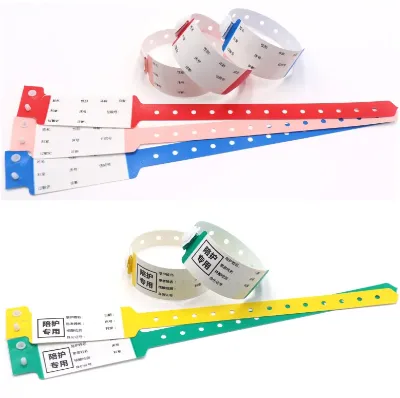
Medical Grade Soft PVC Identification ID Wristband Hospital Patient Wristband
$0.03 - $0.07
MOQ: 1000 Pieces

$0.01 - $0.04
MOQ: 1000 Pieces

WUHAN YAOQIWEI MACHINERY TECHNOLOGY CO., LTD.
- Verified by TUVRHEINLAND
- Combined
- China Hubei
- Lead time30 days
- Avg. response≤ 13h
Main productsCard Laminator, Card Punching Machine, Smart Card, Inkjet/Laser PVC Printing Sheet, Steel Plate, RFID Chip, Neck Strap Lanyards/Badge Reel, Hologram PVC Sheet, Hot Stamping Machine, Card Embosser
Main marketsDomestic


Patient ID Bracelet One Time Use Disposable RFID Plastic Soft PVC Wristband for Hospital
$0.90 - $3.00
MOQ: 1 Pieces
Qingdao Hiprove Medical Technologies Co., Ltd.
- Verified by TüVRheinland
- Trading Company
- Lead time15 days
- Avg. response≤ 3h
Main productsMedical Dressing And Bandage, Injection And Infusion Products, Breathing And Anaesthesia, Medical Protection Products, Laboratory Products
Main marketsAfrica(20%), Mid East(20%), South America(10%)

- Verified by CTI
- Trading Company
- China Zhejiang
- Lead time30 days
- Avg. response≤ 5h
Main productsPipette Tip, Nasal Swab, Oral Swab, PCR Plate, Cryo Vial, Face Mask, Virus Transport Medium, Centrifuge Tube, Robotic Tip, PCR Tube
Main marketsEurope

Shanghai Even Medical Instruments Co., Ltd.
- Verified by BV
- Manufacturer/Factory
- China Shanghai
- Lead time45 days
- Avg. response≤ 4h
Main productsSurgical Suture, Alcohol Pad, Blood Lancet, Spinal Needle, Medicine Envelope, Urine Container, Surgical Blade, Face Mask 3ply, Isolation Gown, Sterile Swab Stick
Main marketsSouth America,Mid East,North America,Western Europe,Africa


Hospital Patient Medical Adult Baby Wristband PVC Plastic ID Band Identification Bracelet
$0.02 - $0.05
MOQ: 50000 Pieces

Mother / Baby RFID Wristband Custom Hospital Wristbands for Patient ID Track
$0.01 - $0.10
MOQ: 50000 Pieces

Shandong Harmowell Trade Co., Ltd.
- Verified by SGS
- Trading Company
- China Shandong
- Lead time38 days
- Avg. response≤ 2h
Main productsMedical Equipment, Medical Supply, Hospital Furniture, Blood Collection Tube, Rapid Test Kit, Laboratory Supplies, Medical Catheter, Anesthesia Machine, Laboratory Analyzer, Laboratory Centrifuge
Main marketsSouth America,Eastern Europe,Mid East,North America,Southeast Asia,Eastern Asia,Oceania,Western Europe,Africa

Bracelet Barcode Wristband Hospital Patient ID Wristbands Promotional Wrist Band
$0.01 - $0.02
MOQ: 10000 Pieces


Yangzhou Lianda Medical Technology&Development Co., Ltd.
- Combined
- China Jiangsu
- Lead time15 days
- Avg. response≤ 21h
Main productsEndoscope Brush, Standard Endoscope Brush, Tiny
Main marketsDomestic

Medical Elastic Insert Wristband PVC Hospital Patient ID Wristbands Bracelets
$0.02 - $0.02
MOQ: 50000 Pieces

Patient Insert Card Hospital PVC ID Bracelet Wristband Identification Bracelet Wrist Band
$0.02 - $0.26
MOQ: 50000 Pieces

Medical Patient Wristbands Hospital Write on Bands PVC Identification ID Bands Bracelets
$0.02 - $0.02
MOQ: 50000 Pieces


PUTIAN IDENTTAG IMP&EXP CO., LTD.
- Verified by BV
- Combined
- China Fujian
- Lead time15 days
- Avg. response≤ 5h
Main productsRFID Wristband, Entertainment Wristband, RFID Card, Card Inlay, RFID NFC Tag, RFID Label, RFID Bracelet, NFC Cashless Event Ticket, RFID Access Control Card, Fabric Wristband
Main marketsSouth America,Africa,Southeast Asia/ Mideast,Domestic,Europe,Australia,North America

Hangzhou Wehere Medical Technology Co., Ltd.
- Verified by BV
- Trading Company
- China Zhejiang
- Lead time30 days
- Avg. response≤ 2h
Main productsProtective Gown, Face Mask, Thermometer, Dust Mask, Respirator, Pulse Oximeter, Forehead Thermometer, Cadaver Bag, Isolation Gown, Surgical Drape
Main marketsSouth America,Africa,East Asia(Japan/ South Korea),Europe

Hospital Patient Medical Adult Baby Wristband ID Band Identification Bracelet
$0.02 - $0.05
MOQ: 50000 Pieces

Medical PVC Vinyl Wristband ID Band Baby Identification Hospital Bracelet
$0.02 - $0.05
MOQ: 50000 Pieces

Medical Identification Wrist Strap Patient Bracelet ID Wristbands ID Bracelet
$0.01 - $0.08
MOQ: 1000 Pieces

Hangzhou Yimai Biotech Co., Ltd.
- Verified by TUVRHEINLAND
- Trading Company
- China Zhejiang
- Lead time0 days
- Avg. response≤ 12h
Main productsGluthatione Injection, Cosmetic Vitamin C Injection, Thioctic Acid Injection, Vitamin B12 Injection, Vitamin B Complex Injection, Vitamin B Complex Powder, Cannula, Gluthatione Capsule, Syringe, Multi Vitamin Injection
Main marketsSouth America,Eastern Europe,Mid East,North America,Southeast Asia,Eastern Asia,Oceania,Western Europe,Africa

Hospital Patient Medical Adult Baby Wristband ID Band Identification Bracelet
$0.03
MOQ: 1000000 Pieces


Hospital Patient Kid Medical Baby Wristband ID Band Patient Identification Bracelet
$0.03
MOQ: 1000000 Pieces


Shanghai Goldenwell Medical Technology Co., Ltd.
- Verified by CTI
- Trading Company
- China Shanghai
- Lead time15 days
- Avg. response≤ 6h
Main productsMedical Devices, Sports Support, Medical Dressings
Main marketsSoutheast Asia/ Mideast,Europe

Hospital Patient Medical Adult Baby Wristband ID Band Identification Bracelet
$0.02 - $0.08
MOQ: 1 Pieces


Anhui Xiaoshan Hope Medical Devices Co., Ltd.
- Verified by TUVRHEINLAND
- Manufacturer
- China Anhui
- Lead time30 days
- Avg. response≤ 17h
Main productsSurgical Dressings, Non-Woven Item

Hospital Patient Medical Adult Baby Wristband ID Band Identification Bracelet
$0.05 - $0.20
MOQ: 10000 Pieces

Hospital Patient Medical Adult Baby Wristband ID Band Identification Bracelet
$0.05 - $0.20
MOQ: 10000 Pieces


Superior Quality Hospital Patient ID Band Wrist Strap Identification Band
$0.05 - $0.20
MOQ: 10000 Pieces
Guangzhou Aide Medical Technology Co., Ltd.
- Verified by TüVRheinland
- Manufacturer, Trading Company
- Lead time7 days
- Avg. response≤ 2h
Main productsTyvek Wristbands, Thermal Wristband, Fabric Wristband, Number Bibs, PVC Wristbands
Main marketsMid East(21%), North America(19%), Southeast Asia(14%)
Jiangsu Goju Identification Technology Co., Ltd.
- Verified by TüVRheinland
- Manufacturer, Trading Company
- Lead time15 days
- Avg. response≤ 1h
Main productsMedical ID Wristbands, ID Wristbands, Labels, Bibs Numbers
Main marketsNorth America(38%), Domestic Market(35%), Oceania(5%)
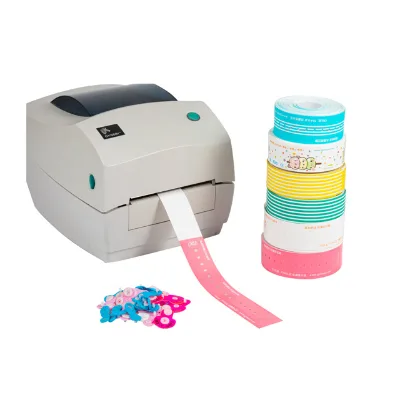
$0.05 - $0.06
MOQ: 5000 pieces
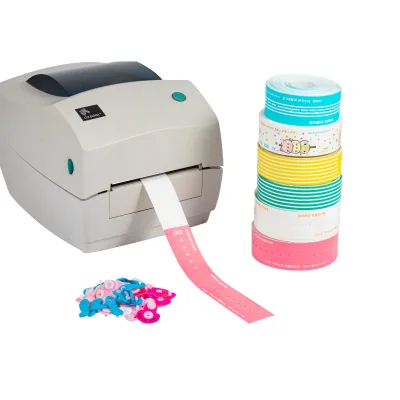
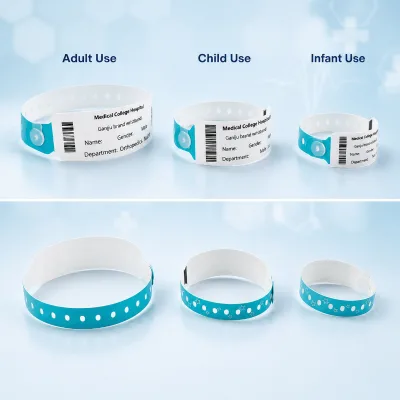
2021 Hot Selling Printable Thermal Medical Wristband for Patient in Hospital
$0.07 - $0.10
MOQ: 5000 pieces

Shanghai Honsung Medical Instruments Co., Ltd.
- Verified by TUVRHEINLAND
- Trading Company
- China Shanghai
- Lead time15 days
- Avg. response≤ 6h
Main productsBlood Collection Tube, Isolation Gown, Blood Collection Needle, Infusion Set, Foley Catheter, Cautery Pencil, Alcohol Prep Pad, Surgical Suture, Surgical Tape
Main marketsAfrica,Southeast Asia/ Mideast,Europe,North America


Plastic PVC Vinyl Wrist Band ID Bracelet Medical Wristband for Hospital
$0.02 - $0.04
MOQ: 100000 Pieces

Medical Adult Baby Wristband PVC Plastic ID Band Identification Bracelet for Hospital Patient
$0.02 - $0.04
MOQ: 100000 Pieces

Adult Baby Wristband PVC Plastic ID Band Identification Bracelet for Hospital Patient
$0.02 - $0.04
MOQ: 100000 Pieces


Disposable Medical Hospital Adult Child Wristband ID Band Identification ID Bracelet
$0.02 - $0.04
MOQ: 100000 Pieces

Henan Yuenai Trading Co., Ltd.
- Trading Company
- Henan, China
- Lead time5 days
- Avg. response≤ 2h
Main productsMedical consumables,safety butterfly needle,Vacuum blood collection,wheelchair,Medical equipment
Main marketsEastern Asia(30.00%), Southeast Asia(20.00%), Western Europe(20.00%), Africa(20.00%), Mid East(10.00%)

Chongqing New World Trading Co., Ltd.
- Trading Company
- China Chongqing
- Lead time15 days
- Avg. response≤ 3h
Main productsFlocked Swab, Pipette Filter Tips, Vtm Kits, Blood Collection Tubes, Face Mask, Pipette Tips, Microscope Slides, Centrifuge Tube, Cryotube, Petri Dish
Main marketsSouth America,Africa,Southeast Asia/ Mideast,East Asia(Japan/ South Korea),Europe,Australia,North America


$0.02 - $0.03
MOQ: 10000 Pieces

$0.02 - $0.03
MOQ: 10000 Pieces

Yangzhou Easier Way Import and Export Co., Ltd
- Verified by TUVRHEINLAND
- Trading Company,Manufacturer/Factory
- China Jiangsu
- Lead time38 days
- Avg. response≤ 3h
Main productsMedical Consumables, Syringes and Needles, Infusion Giving Set, Gauze Roll Dressings, Blood Collection Series, Catheters and Tubes, Surgical Tapes, Medical Wound Dressings
Main marketsSouth America,Eastern Europe,Mid East,Southeast Asia,Africa

Jiangsu Baitai Medical Equipment Co., Ltd.
- Combined
- China Jiangsu
- Lead time23 days
- Avg. response≤ 15h
Main productsECG Electrode, Electrosurgical Pencil, Electrosurgical Generator, Electrosurgical Grounding Pad, Tens Electrode, Three Way Stopcock, Heparin Cap, Needle Free Connector, IV Flow Regulator, Esu Pencil
Main marketsSouth America,East Asia(Japan/ South Korea)

Surgical ID Bracelet / Wristband Identification Band for Adult Patient
Contact supplier
MOQ: 50000 Pieces


- Verified by BV
- Manufacturer/Factory
- China Jiangsu
- Lead time38 days
- Avg. response≤ 13h
Main productsGauze Swab, Surgical Towel, Shoe Cover, Face Mask, Gauze Bandage, Urine Bag, Feeding Bag, Vinyl Gloves, Hot Water Bag, Spinal Needle
Main marketsSouth America,Eastern Europe,Mid East,North America,Southeast Asia,Eastern Asia,Oceania,Western Europe,Africa

Sainty International Group Jiangsu Yangzhou Sumex Imp. & Exp. Co., Ltd.
- Trading Company
- China Jiangsu
- Lead time30 days
- Avg. response≤ 12h
Main productsSyringe, Suction Catheter, Endotracheal Tube, Drainage Bag, Bandage, Dental Instrument, Surgical Gown, Vaginal Speculum, Vacutainer, Suture
Main marketsSouth America,Africa,Southeast Asia/ Mideast,East Asia(Japan/ South Korea),Europe,Australia,North America

Shenzhen Jianhe Smartcard Technology Co., Ltd
- Verified by SGS
- Combined
- China Guangdong
- Lead time15 days
- Avg. response≤ 3h
Main productsSmart Card, RFID Card/Tags, Card Reader
Main marketsSoutheast Asia/ Mideast,East Asia(Japan/ South Korea),North America

Medical Wristband PVC Soft Bracelet Baby/Children/Adult Patient Identification Wristband
$0.05 - $0.10
MOQ: 500 Pieces

Guangzhou Ftgo Information Technology Co., Ltd.
- Manufacturer, Trading Company
- Guangdong, China
- Lead time5 days
- Avg. response≤ 7h
Main productsDirect Thermal Wristband,Event Wristband,Medical Wristband,RFID Wristband,Self-adhesive Wristband
Main marketsDomestic Market(33.00%), South Asia(25.00%), North America(10.00%), Southeast Asia(10.00%), Africa(5.00%), Eastern Asia(5.00%), Mid East(5.00%), Western Europe(2.00%), Central America(2.00%), Northern Europe(1.00%), South America(1.00%), Southern Europe(1.00%)
$0.07 - $0.09
MOQ: 3001 pieces
Jiangsu Changfeng Medical Industry Co., Ltd.
- Verified by TüVRheinland
- Manufacturer, Trading Company
- Lead time30 days
- Avg. response≤ 6h
Main productsMedical Consumables, In Vitro Diagnostic Products, Microscopic Blood Collection Tubes, Swabs, Animal Medical Consumables
Main marketsAfrica(20%), Mid East(15%), Eastern Asia(12%)
Baobiwanxiang Technologies Co., Limited
- Manufacturer
- Guangdong, China
- Lead time20 days
- Avg. response≤ 6h
Main productsB&B Thermal Printable wristbands,B&B Vinyl wristbands,B&B Plastic Wristbands,B&B Holographic wristbands,B&B Paper wristbands
Main marketsNorth America(30.00%), Mid East(20.00%), Western Europe(15.00%), South Asia(5.00%), Southern Europe(5.00%), Northern Europe(5.00%), Eastern Europe(5.00%), South America(5.00%), Oceania(5.00%), Africa(5.00%)
Yangzhou Huaxi Medical Teconology Co., Ltd.
- Trading Company
- Jiangsu, China
- Lead time60 days
- Avg. response≤ 7h
Main productsSilicone Foley Catheter,Sengstaken-Blakemore tube,Drainage bag
Main marketsNorth America(25.00%), Southeast Asia(20.00%), Africa(10.00%), South America(10.00%), Eastern Europe(10.00%), Northern Europe(5.00%), Western Europe(5.00%), Mid East(5.00%), Domestic Market(3.00%), Eastern Asia(2.00%), Southern Europe(2.00%), South Asia(1.00%), Central America(1.00%), Oceania(1.00%)

Quanzhou Hecere Electronic Co., Ltd.
- Verified by TUVRHEINLAND
- Manufacturer/Factory
- China Fujian
- Lead time0 days
- Avg. response≤ 9h
Main productsPlastic Business/Gift/Membership Card, Membership Cards Promotional Cards, VIP Cards Photo Cards, Promotional/VIP/Photo/Discount Cards, Sle4428(Blank Card)/Sle4428/Sle4442, MIFARE/Ti High(Low) Frequency IC / I-Cod, MIFARE/I-Code Sli IC Cards, Contactless ID /RFID/RFID Smart Card Co, Contactless ID /RFID/RFID Smart Card, Die Cut/Metal Card Card Reader
Main marketsSouth America,Eastern Europe,Mid East,North America,Southeast Asia,Eastern Asia,Oceania,Africa
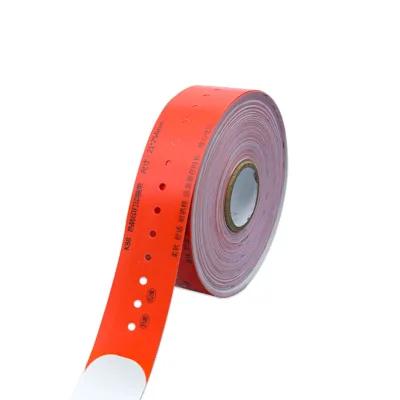


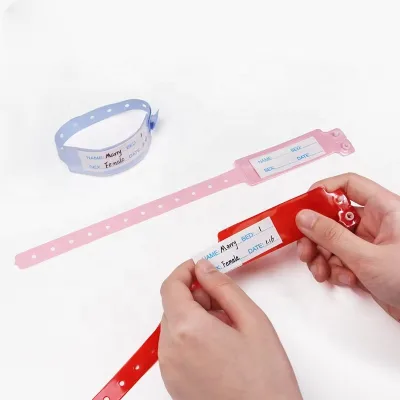
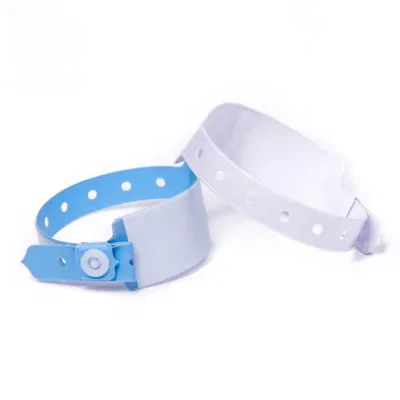
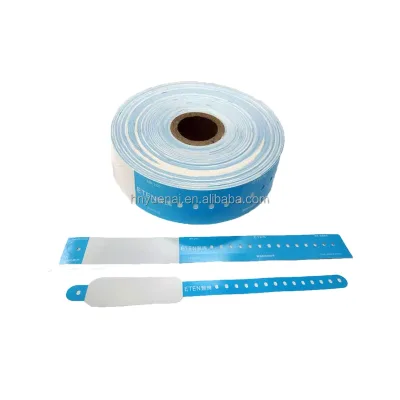
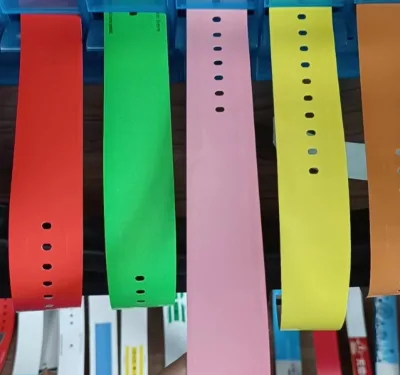


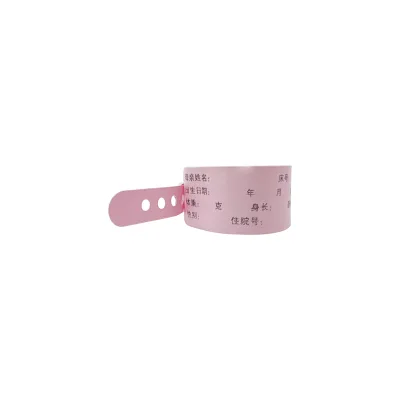
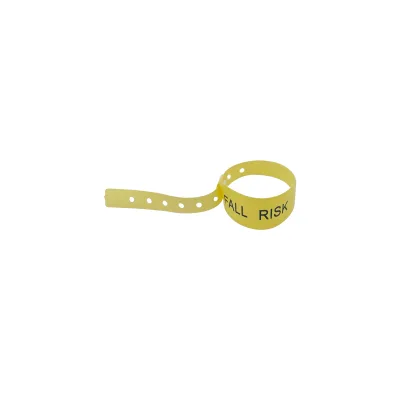
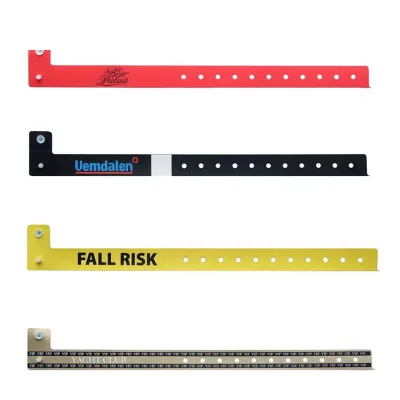


Comprehensive Sourcing Guide
Class III Hospital Patient Wristband Supplier Concentration and Factory Types
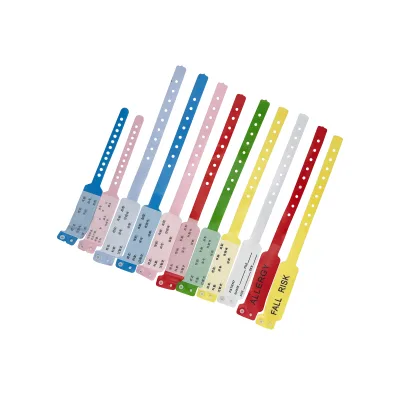
The current supplier landscape for medical identification products shows a concentration of manufacturing and trading entities primarily located in China, with specific clusters identified in Zhejiang and Hubei provinces. While the core keyword implies Class III devices, the available product evidence predominantly lists Class I instruments, such as disposable PVC wristbands and thermal printable paper bands, which are categorized under medical consumables rather than high-risk implants. Buyers must carefully distinguish between the regulatory classification of the product and the supplier's actual output, as many listed entities operate as trading companies or combined firms offering a mix of medical dressings, laboratory supplies, and identification accessories. The presence of suppliers in Shandong and Wuhan further indicates a distributed manufacturing base rather than a single industrial hub, requiring buyers to verify the specific factory location for each order to ensure compliance with local production standards.
Factory types vary significantly across the results, ranging from pure trading companies to combined entities offering ODM and OEM capabilities with their own brands. Some suppliers demonstrate robust research and development capacities, including sample processing and graphic customization, which suggests an ability to tailor products for specific hospital branding needs. However, the distinction between a trading company and a manufacturer is critical for Class III compliance, as direct factory oversight often ensures stricter quality control over materials like medical-grade PVC or TPE. Buyers should not assume that all listed suppliers possess in-house manufacturing for high-risk devices; instead, they must request proof of facility ownership or long-term manufacturing partnerships to validate the supply chain integrity required for critical patient safety equipment.
How to Verify Class III Hospital Patient Wristband Suppliers
Verification of suppliers requires a rigorous check of their certification status and product attributes against the specific regulatory requirements for Class III devices. The available data indicates that some suppliers hold ISO 9001, ISO 13485, and EN ISO 13485 certifications, along with MDR and MDD compliance, which are essential for medical device manufacturing. However, the product evidence frequently cites Class I classification for wristbands, meaning buyers must explicitly confirm if the supplier can produce or source Class III compliant items, as the current listings may not fully cover the higher risk category. Verification should also include checking for third-party audit reports from bodies like TÜV Rheinland, which appears in the results, to ensure the supplier's quality management systems are independently validated and not merely self-declared.
Beyond certifications, buyers must scrutinize the specific product attributes listed, such as sterilization methods and material composition, to ensure they meet the intended use for high-risk applications. The data shows options for ethylene oxide sterilization, though some products are listed as non-sterile, which is a critical differentiator for Class III devices that often require terminal sterilization. Buyers should request detailed test reports for biocompatibility and material safety, as the presence of "Medical Grade PVC" or "TPE" in the description does not automatically guarantee compliance with the stringent standards required for Class III classification. It is imperative to verify that the supplier's quality guarantee period and shelf life claims are backed by validated stability testing data specific to the device class being procured.
What to Compare Across Class III Hospital Patient Wristband Suppliers
When evaluating potential partners, buyers should prioritize comparing lead times, minimum order quantities, and response speeds to determine operational fit. The observed data reveals a wide variance in lead times, ranging from 15 days to 30 days, and response times varying from 3 hours to over 13 hours, which directly impacts project timelines and emergency procurement needs. Minimum order quantities also differ significantly, with some suppliers requiring 1,000 units while others demand 10,000 or 5,000 units, necessitating a clear assessment of inventory capacity and budget constraints before engagement. Buyers must align these logistical metrics with their specific demand forecasts, as a supplier with a low MOQ but a long lead time may be unsuitable for urgent hospital replenishment cycles.
Price structures and customization capabilities form another critical comparison dimension, with unit costs ranging from $0.01 to $3.00 depending on the material and complexity of the product. While some suppliers offer standard pricing for basic identification bands, others provide custom printing and logo services, which may incur additional costs or higher minimums. Buyers should compare the total cost of ownership, including shipping and potential customs duties, rather than focusing solely on the unit price, as the lowest price often correlates with lower quality materials or limited customization options. Additionally, the availability of specific dimensions, colors, and reading ranges for RFID-enabled wristbands should be compared to ensure the selected supplier can meet the technical specifications required for the hospital's existing patient management systems.
Common Class III Hospital Patient Wristband Sourcing Risks
A primary risk in sourcing medical wristbands is the potential mismatch between the regulatory classification of the product and the supplier's actual capabilities. The current market data shows a prevalence of Class I devices, which are low-risk consumables, whereas Class III devices involve higher scrutiny and stricter manufacturing controls. Buyers face the risk of inadvertently procuring non-compliant products if they do not explicitly verify the device classification and regulatory status of the specific item, as suppliers may list general medical supplies without distinguishing between risk classes. This discrepancy can lead to regulatory non-compliance, product recalls, or legal liabilities if the wristbands are used in critical patient identification scenarios where higher safety standards are mandated.
Another significant risk involves the variability in sterilization and material safety claims, which are critical for patient safety. The evidence shows some products are non-sterile while others offer ethylene oxide sterilization, creating confusion about the final product state. Buyers must ensure that the sterilization method used is validated for the specific material and intended use, as improper sterilization can compromise the integrity of the wristband or pose infection risks. Furthermore, the reliance on third-party certifications without direct factory audits can mask quality inconsistencies, making it essential for buyers to conduct on-site inspections or request comprehensive quality assurance documentation to mitigate the risk of receiving substandard medical supplies.
Class III Hospital Patient Wristband Regional Sourcing and Logistics
Sourcing from China, specifically from provinces like Zhejiang, Hubei, and Shandong, offers access to a mature manufacturing ecosystem for medical consumables, but it introduces specific logistical considerations. The concentration of suppliers in these regions means that buyers can often find a wide variety of options, yet the distance from international markets necessitates careful planning for shipping and customs clearance. Buyers should evaluate the proximity of the factory to major ports to minimize transit times and reduce the risk of delays, as lead times of 15 to 30 days can be extended by logistical bottlenecks. Understanding the regional infrastructure is crucial for ensuring that the supply chain remains resilient and that products arrive in the condition required for immediate hospital use.
Logistics planning must also account for the specific packaging and handling requirements of medical devices, which often differ from general consumer goods. The data indicates standard export paper box packaging, but buyers should verify if additional protective measures are needed for sensitive materials like RFID chips or sterile components. Temperature control during transit may be necessary for certain products, and buyers should confirm that the supplier has experience with international shipping regulations for medical devices. Establishing a clear logistics protocol with the supplier, including Incoterms and insurance coverage, is essential to manage the risks associated with cross-border trade and to ensure that the wristbands reach the destination hospital safely and on schedule.
Class III Hospital Patient Wristband Commercial Terms and Order Planning
Commercial terms for medical wristbands often include specific requirements for payment security, such as the use of escrow services, to protect both buyers and suppliers during the transaction. While the current data does not explicitly confirm escrow availability for all suppliers, buyers should prioritize vendors who offer secure payment mechanisms to mitigate the risk of fraud or non-delivery. Negotiating clear terms regarding quality guarantees, such as the two-year warranty period observed in some listings, is also vital to ensure long-term product reliability. Buyers must clarify the scope of the warranty, including what constitutes a defect and the process for claims, to avoid disputes that could disrupt hospital operations.
Order planning should be aligned with the supplier's production capacity and lead times to prevent stockouts or overstocking. With minimum order quantities ranging from 1,000 to 10,000 units, buyers need to forecast demand accurately to optimize inventory levels and cash flow. It is also important to consider the customization lead time, as adding logos or specific dimensions may extend the production schedule. Buyers should establish a buffer stock strategy to account for potential delays and ensure a continuous supply of critical patient identification tools. Regular communication with the supplier regarding production status and potential disruptions will help maintain a stable supply chain and support the hospital's operational continuity.
FAQs
What certifications do hospital wristband suppliers hold?
Suppliers offer ISO 9001, ISO 13485, EN ISO 13485, MDR, MDD, and IVDR certifications. Some vendors also hold TÜV Rheinland verification. These standards ensure medical device compliance and quality management systems are in place for patient safety.
What are the typical lead times for orders?
Lead times range from 15 to 30 days depending on the supplier and order volume. Some vendors in Zhejiang and Hubei provide faster turnaround options. Buyers should confirm specific delivery schedules before placing large orders to ensure timely arrival.
What is the minimum order quantity for wristbands?
Minimum order quantities vary significantly, starting from 1 unit up to 10,000 pieces. Some suppliers require 5,000 or 10,000 units for custom medical grade items. Smaller orders are available for standard disposable wristbands without extensive customization requirements.
Are the wristbands sterilized before shipping?
Options include products with and without Ethylene Oxide sterilization. Some items are marked as non-sterile, while others undergo sterilization processes. Buyers must verify the specific sterilization status required for their intended medical use or hospital protocols.
What materials are used for patient identification wristbands?
Common materials include Medical Grade Soft PVC, TPE, and thermal printable paper. Some products feature RFID capabilities for electronic tracking. The material choice depends on durability needs, customization options, and specific hospital identification system requirements.
How fast do suppliers typically respond to inquiries?
Response times vary between 3 and 13.30 hours for most listed suppliers. Faster response rates are often associated with established trading companies. Buyers can expect quicker communication from vendors with verified status and higher response speed metrics.
What customization options are available for wristbands?
Customization includes logo printing, specific colors, and tailored dimensions. Suppliers offer various sizes like 250x25mm or 45mm to 74mm widths. Customized branding and specific color requests are generally available to meet unique hospital or event identification needs.