Classic Colored Glass Wine Cup Suppliers and Manufacturers
Explore 27 verified suppliers offering classic colored glass wine cups with customizable logos and certifications like LFGB and FDA. Compare response times, lead times, and MOQs to find the right factory for your needs. Contact suppliers directly to request samples.
Suppliers List

Wuhan Xinhuahang Household Goods Co., Ltd.
- Verified by BV
- Combined
- China Hubei
- Lead time15 days
- Avg. response≤ 4h
Main productsWine Glasses, Beer Glass, Drinking Glass, Decanter, Shot Glass, Coffee Glass, Cocktail Glass, Champagne Glass, Wine Accessories
Main marketsEurope,Australia,North America


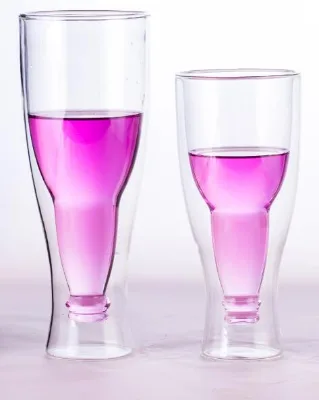
High Quality Creative Clear Red Wine Glass Cup Custom Color Wine Glasses with Logo
$0.68 - $1.22
MOQ: 480 Pieces

Premium Colored Crystal Wine Glass Brandy Champagne Mug Wine Glass Cup Set
$0.56 - $1.00
MOQ: 480 Pieces


Foshan Ron Hospitality Supplies Co., Ltd.
- Verified by BV
- Manufacturer/Factory,Group Corporation
- China Guangdong
- Lead time45 days
- Avg. response≤ 3h
Main productsRestaurant Furniture, Restaurant Booth, Restaurant Chair, Restaurant Table, Bar Stools, Wedding Chairs, Flatware Sets, Dinnerware Sets, Garden Chairs, Disposable Dinnerware & Tableware
Main marketsSouth America,Eastern Europe,Mid East,North America,Southeast Asia,Eastern Asia,Oceania,Western Europe,Africa
JINAN FLAME GLASSWARE COMPANY LIMITED
- Verified by SGS
- Trading Company
- China Shandong
- Lead time23 days
- Avg. response≤ 20h
Main marketsDomestic

Qingdao Jianhai International Trade Co., Ltd.
- Verified by BV
- Trading Company,Manufacturer/Factory
- China Shandong
- Lead time23 days
- Avg. response≤ 4h
Main productsGlassware, Cosmetic Bottle, Mason Jar, Storage Bottle, Vase, Wine Bottle, High Borosilicate Glass, Glass Bottle, Cup, Glass Craft
Main marketsSouth America,Eastern Europe,Mid East,North America,Southeast Asia,Eastern Asia,Oceania,Western Europe,Africa


Wine Glass Cup, Coffee Glass Cup, Milk Glass Cup, Beverage Glass Cup Manufacturer
$0.25 - $5.00
MOQ: 1000 Pieces


Foshan Nanhai Hua Yue Glass Co., Ltd.
- Verified by BV
- Combined
- China Guangdong
- Lead time30 days
- Avg. response≤ 1h
Main productsGlassware, Glass Bottle, Glass Cups, Glass Mugs, Wine Glass, Glass Plates, Glass Jars, Glass Bowls
Main marketsSoutheast Asia/ Mideast,Europe,Australia,North America
- Verified by SGS
- Trading Company
- China Yunnan
- Lead time15 days
- Avg. response≤ 5h
Main marketsSoutheast Asia/ Mideast

Guangzhou Garbo International Trading Co., Ltd.
- Verified by TUVRHEINLAND
- Trading Company,Manufacturer/Factory
- China Guangdong
- Lead time45 days
- Avg. response≤ 6h
Main productsGlassware, Glass Cup, Glass Mug, Glass Bowl, Glass Candy Jar, Glass Pitcher, Glass Ice Cream Cup and Ice Bucket, Opal Glassware, Stainless Steel Cutlery, Ceramic Dinnerware
Main marketsSouth America,Eastern Europe,Mid East,North America,Southeast Asia,Eastern Asia,Oceania,Western Europe,Africa

High White Material Vintage Style Elegant Engraved Glass Cup with Classic Design
$0.16 - $0.29
MOQ: 3000 Pieces

8oz High Quality Classic Design Engraved Wine Glass Cup Whiskey Glass Cup
$0.18 - $0.51
MOQ: 3000 Pieces

Hand Painted Color Bar Whisky Cup Engraved Glasses Cup Wine Glass Tumbler
$1.51 - $2.14
MOQ: 3000 Pieces


Shanxi Liangpin Glassware Co., Ltd.
- Manufacturer
- Shanxi, China
- Lead time7 days
- Avg. response≤ 1h
Main productsglass cup,tea set,Water cup,Decanter,Dining plate
Main marketsSouthern Europe(10.00%), Northern Europe(10.00%), Western Europe(10.00%), Eastern Europe(10.00%), South America(10.00%), North America(10.00%), Domestic Market(5.00%), South Asia(5.00%), Central America(5.00%), Oceania(5.00%), Africa(5.00%), Southeast Asia(5.00%), Eastern Asia(5.00%), Mid East(5.00%)

Guangzhou Nantian Sources Co., Ltd.
- Manufacturer/Factory
- China Guangdong
- Lead time15 days
- Avg. response≤ 6h
Main productsKitchen Equipment, Kitchenware, Food Machine, Kitchen Appliance, Glassware, Food Machinery, Bakery Equipment, Dinnerware, Kitchen Utensils, Food Processor
Main marketsSouth America,Mid East,Southeast Asia,Eastern Asia,Oceania,Africa


Best Sealing Drinking Beer Glass Wine Glass Cup for Hotel
MOQ: 100 Pieces

- Verified by TUVRHEINLAND
- Manufacturer/Factory
- China Zhejiang
- Lead time45 days
- Avg. response≤ 3h
Main productsIce Bucket, Toys, Kitchen Products, Hip Flask, Shaker, Bar Caddy, Menu Board, Bottle Opener, Barwares, Wine Glasses
Main marketsSouth America,Eastern Europe,Mid East,North America,Southeast Asia,Eastern Asia,Oceania,Western Europe,Africa
Qixian Xin Sen Glass Products Co., Ltd.
- Verified by Intertek
- Manufacturer, Trading Company
- Lead time35 days
- Avg. response≤ 3h
Main productsDrinking Glassware, Glass Jar, Glass Plate, Glass Vase
Main marketsNorth America(40%), Oceania(20%), Northern Europe(20%)
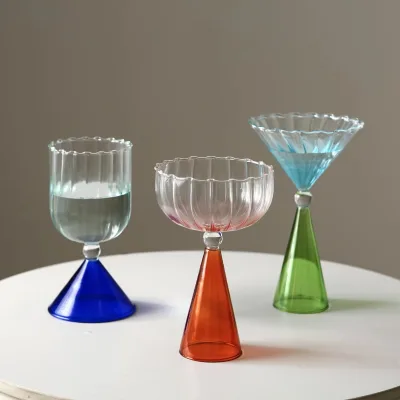
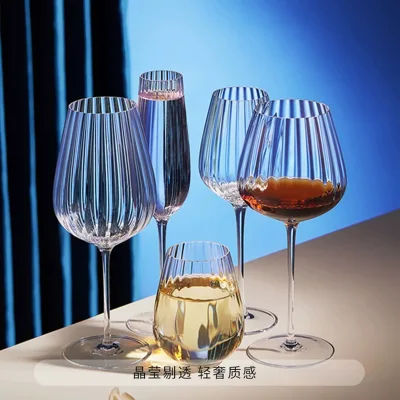
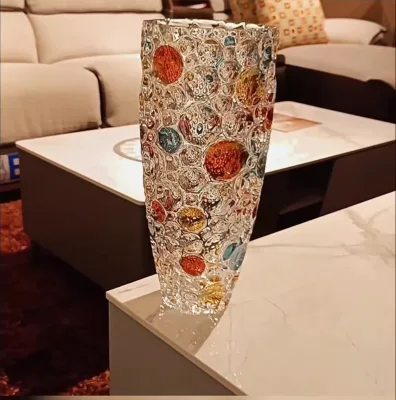
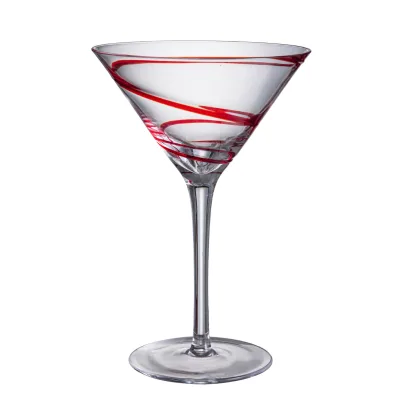
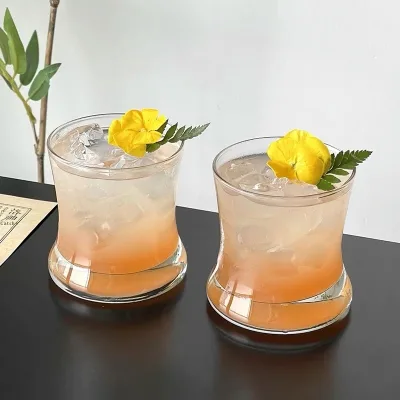
$1.00 - $7.50
MOQ: 100 Minimum

Danyang Liou Kitchenware Co., Ltd.
- Verified by CTI
- Combined
- China Jiangsu
- Lead time23 days
- Avg. response≤ 8h
Main productsCutlery, Flatware, Charger Plate, Wine Glass, Bone China Plate, Glass Plate
Main marketsDomestic,North America

Hebei Zhuozhongxi Glass Products Co., Ltd.
- Verified by BV
- Manufacturer/Factory
- China Hebei
- Lead time15 days
- Avg. response≤ 5h
Main productsGlass Cup, Glass Teapot, Coffee Appliance, Tea Set, Glass Crafts, Glass Jug, Glass Food Storage Jar, Wine Glass, Candle Holders, Double Wall Glass
Main marketsSouth America,Eastern Europe,Mid East,North America,Southeast Asia,Eastern Asia,Oceania,Western Europe,Africa

Yancheng Xinboyuan Glass Co., Ltd.
- Verified by BV
- Trading Company,Manufacturer/Factory
- China Jiangsu
- Lead time23 days
- Avg. response≤ 11h
Main productsGlass Table Lamp, Glass Perfume Bottles, Glass Lampshade, Glass Labware, Glass Bottles & Jars, Glass Candlesticks, Borosilicate Mug & Cups, Glass Vases & Terrariums, Glass Beakers, Glass Reagent Bottles
Main marketsEastern Europe,Mid East,North America,Western Europe

Anhui Dream-China Technology Co., Ltd.
- Verified by SGS
- Combined
- China Anhui
- Lead time23 days
- Avg. response≤ 5h
Main productsUHF/VHF/Yagi/TV Antenna, LNB, MMDS Downconverter, Power Supply/Adapter, Cables, Diseqc Swithes/Spliter/Sat-Finder, Travel Mug, Fishing Net, Security Seal, SPD/Thermostat
Main marketsDomestic,Europe

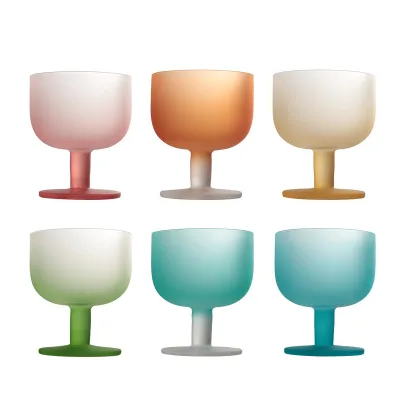
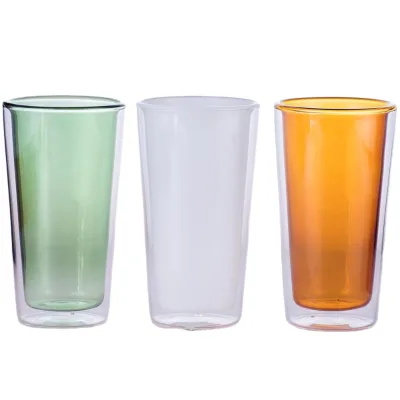
Manufacturer Wholesale Colored Glass Cup for Drinking Wine Cup Frosted Glass Cups
$3.00 - $3.80
MOQ: 100 Pieces


Yantai Changyou Glass Co., Ltd.
- Verified by BV
- Manufacturer/Factory,Group Corporation
- China Shandong
- Lead time38 days
- Avg. response≤ 2h
Main productsSpirits Bottle, Wine Bottle, Cosmetic Bottle, Non-Alcoholic Beverages, Pharmaceutical Bottle, Glass Jar, Olive Oil Bottle, Aluminum Cap, Cork Stopper
Main marketsSouth America,Eastern Europe,North America,Southeast Asia,Eastern Asia,Western Europe,Africa
Linyi Jingjiu Glass Products Co., Ltd.
- Manufacturer, Trading Company
- Shandong, China
- Lead time0 days
- Avg. response≤ 5h
Main productsGlass bottle,Glass jar,1 to 20 liter glass bottles with plastic handles,Glass crystal vase,Glass vase
Main marketsMid East(11.00%), Southeast Asia(11.00%), Central America(11.00%), South Asia(11.00%), North America(11.00%), Domestic Market(8.00%), Eastern Asia(8.00%), Africa(8.00%), South America(8.00%), Northern Europe(6.00%), Eastern Europe(3.00%), Southern Europe(2.00%), Western Europe(1.00%), Oceania(1.00%)

- Verified by TUVRHEINLAND
- Trading Company
- China Hunan
- Lead time45 days
- Avg. response≤ 1h
Main productsCeramic Mug, Vacuum Flask, Dinner Set, Cup, Mug, Thermal Bottle, Ceramic Dinner Set, Glass Jar, Glass Cup, Wine Cup
Main marketsSoutheast Asia/ Mideast

Drinking Whiskey Glass Glass Tumbler Drinking Water Cup Whiskey Wine Glass Cup
$0.30 - $0.49
MOQ: 1000 Pieces


Jinan Glass International Trade Co., Ltd.
- Manufacturer/Factory
- China Shandong
- Lead time15 days
- Avg. response≤ 6h
Main productsGlass Smoking Pipe, Glass Pipe, Printing and Package, Laboratory Glassware, Home Glassware, Machine, Sticker, Wall Decal
Main marketsSouth America,Eastern Europe,North America,Southeast Asia,Eastern Asia,Oceania,Western Europe,Africa


Foreign Wine Whisky Glass Cigar Wine Cup Glass Cup
MOQ: 200 Pieces
Qingdao D&o Houseware Co., Ltd.
- Trading Company
- Shandong, China
- Lead time40 days
- Avg. response≤ 5h
Main productsDouble Wall Glass,Glass Teapot,Glass Vase,Single Wall Glass Cup,Storage Jars
Main marketsWestern Europe(50.00%), North America(10.00%), Southern Europe(5.00%), Eastern Asia(5.00%), Northern Europe(5.00%), Southeast Asia(5.00%), Eastern Europe(5.00%), Mid East(3.00%), Oceania(3.00%), South Asia(2.00%), South America(2.00%), Central America(2.00%), Africa(2.00%), Domestic Market(1.00%)

Wuhan Newray Packaging Solutions Co., Ltd.
- Verified by TUVRHEINLAND
- Manufacturer/Factory
- China Hubei
- Lead time23 days
- Avg. response≤ 3h
Main productsGlass Honey Jars, Glass Spice Jars, Glass Candy Jars, Glass Jam Jars, Glass Bird-Nest Jars, Glass Spirit and Wine Bottles, Glass Beverage Bottles, Glass Perfume and Diffuser Bottles, Glass Roll on Bottle, Glass Storage Bottles
Main marketsSouth America,Eastern Europe,Mid East,North America,Southeast Asia,Eastern Asia,Oceania,Western Europe,Africa

Foshan Greafor Import and Export Co., Ltd.
- Verified by BV
- Trading Company
- China Guangdong
- Lead time30 days
- Avg. response≤ 8h
Main productsBlender Glass Jar, Blender Blade, Glass Lampshade, Blender Lid and Base, Blender Spare Parts, Plastic Jar, Stainless Steel Blade, Blender Lip, Blender Machine, Blender Motor
Main marketsSouth America,Africa,Australia,North America

Zibo Melory Import & Export Trade Co., Ltd.
- Trading Company,Manufacturer/Factory
- China Shandong
- Lead time45 days
- Avg. response≤ 18h
Main productsGlass Candle Holder, Glass Jar, Glass Votive, Glass Diffuser, Glass Bottle, Glass Vase, Matches, Ceramic Candle Holder, Ceramic Holder for Incense, Glass Candle Jar
Main marketsSouth America,Eastern Europe,North America,Western Europe

Yancheng Leading Homeware Corporation Ltd.
- Verified by CTI
- Manufacturer/Factory
- China Jiangsu
- Lead time30 days
- Avg. response≤ 7h
Main productsGlass Teapot, Double Wall Glass Cup, Borosilicate Glass Jug, Glass Coffee Dripper, Borosilicate Glass Cup, Glass Sealed Jars
Main marketsEastern Europe,Mid East,North America,Western Europe,Africa

Jinjiang Jiaxing Import and Export Co., Ltd.
- Verified by CTI
- Manufacturer/Factory
- China Fujian
- Lead time120 days
- Avg. response≤ 1h
Main productsShoes, Slipper, Clothes, Promotion Gifts, Silicone Products, Outdoor Sports Products, Bags, Fashion Accessories, Consumer Electronics
Main marketsSouth America,Eastern Europe,Mid East,North America,Southeast Asia,Eastern Asia,Oceania,Western Europe,Africa

Longyan Zhanling Industry and Trade Co., Ltd.
- Manufacturer/Factory
- China Fujian
- Lead time150 days
- Avg. response≤ 4h
Main productsStainless Steel Cup, Customized Cup, Stainless Steel Cup & Mug, Double Wall Stainless Steel Cup, Customized Stainless Steel Cup, Water Bottle, Tumbler, Stainless Steel Water Bottle, Stainless Steel Bottle, Whiskey Glass
Main marketsSouth America,Eastern Europe,Mid East,North America,Southeast Asia,Eastern Asia,Oceania,Western Europe,Africa
Changsha Aikeyi Homeware Co., Ltd.
- Trading Company
- Hunan, China
- Lead time25 days
- Avg. response≤ 2h
Main productsCustomized Glassware,Glass Tableware,Wine Glass,Glass Bottle,Glass Jar
Main marketsNorth America(33.00%), Oceania(15.00%), South America(12.00%), Western Europe(9.00%), Mid East(8.00%), Central America(4.00%), Northern Europe(4.00%), Africa(3.00%), Eastern Europe(3.00%), Southern Europe(3.00%), South Asia(2.00%), Southeast Asia(2.00%), Eastern Asia(2.00%)






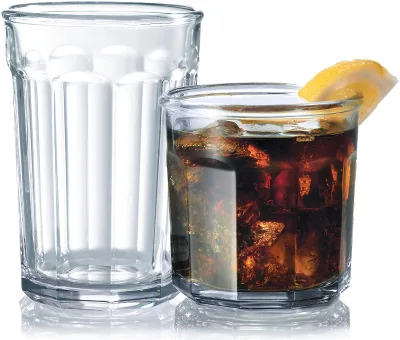
Comprehensive Sourcing Guide
Classic Colored Glass Wine Cup Supplier Concentration and Factory Types
Current data indicates a concentration of manufacturing activity in China, specifically within the Hubei and Guangdong provinces. Suppliers in Hubei are identified as combined entities offering a broad range of glassware, including wine glasses, beer glasses, and decanters, while Guangdong-based operations often function as manufacturers or group corporations with diverse portfolios extending to restaurant furniture and flatware sets. These regional clusters suggest specialized production capabilities where Hubei focuses heavily on glass tableware and Guangdong integrates glass products with broader hospitality furniture solutions. Buyers should verify if a specific factory's primary output aligns with their volume needs, as some entities list ODM and OEM capabilities alongside their own brands, indicating flexibility in production models.
When assessing factory types, the distinction between combined suppliers and pure manufacturers is critical for understanding supply chain dynamics. The observed supplier profiles include companies that operate as combined entities, potentially blending trading and manufacturing functions, alongside those explicitly labeled as manufacturers or group corporations. This structural difference impacts how customization requests are handled and how quickly design changes can be implemented. A supplier listing ODM and OEM capacity alongside an own brand suggests an established production line capable of handling private label orders, whereas a combined entity might rely on a network of partner factories. Buyers must confirm the specific nature of the facility to ensure it matches their requirement for direct factory interaction versus a trading intermediary.
How to Verify Classic Colored Glass Wine Cup Suppliers
Verification processes should prioritize checking for third-party validation and specific product certifications rather than relying solely on general company descriptions. Several product listings in the current results display certifications such as RoHS, REACH, LFGB, FDA, and EEC, which are essential for glassware intended for food and beverage contact. These certifications confirm that the materials used meet international safety standards for heavy metals and chemical leaching. Buyers must request current certification documents directly from the supplier to ensure they are valid and applicable to the specific product model, as the presence of a certification label on a listing does not guarantee the entire production batch is compliant.
Beyond certifications, the verification of supplier responsiveness and operational history provides insight into reliability. Response times observed in the data range from approximately 2.26 to 3.76 hours, indicating a generally active communication environment, but this metric should be tested directly before placing an order. Additionally, the presence of BV verification on some supplier profiles adds a layer of trust regarding their business legitimacy. Buyers should also examine the sample availability, as multiple listings indicate that samples are provided freely or available upon request. Confirming the sample lead time, which can range from 3 to 7 days, helps establish the supplier's ability to deliver prototypes quickly for quality assessment before committing to a larger production run.
What to Compare Across Classic Colored Glass Wine Cup Suppliers
Comparative analysis should focus on key operational metrics such as minimum order quantities, lead times, and pricing structures to determine the best fit for specific procurement needs. Minimum order quantities vary significantly across the observed product range, with some listings requiring as few as 100 sets while others mandate 480 or 500 pieces. This variation allows buyers to select suppliers that align with their inventory strategy, whether they require small batch testing or large volume stocking. Lead times also differ, with some suppliers indicating a 15-day production window while others suggest up to 45 days, a factor that directly impacts inventory planning and delivery schedules for time-sensitive orders.
Pricing and customization options form another critical dimension for comparison. Unit prices for similar glassware items can range from under one dollar to over three dollars, depending on the complexity of the design, the type of glass, and the customization level. Some suppliers offer laser engraving, spray painting, or decal application, while others focus on standard molded designs. Buyers should compare the cost implications of these customization services against the base price to understand the total landed cost. Additionally, the packaging standards, such as carton box configurations or wooden boxes, should be evaluated for their impact on shipping costs and product protection during transit, ensuring that the chosen supplier offers a balance of cost efficiency and product safety.
Common Classic Colored Glass Wine Cup Sourcing Risks
One significant risk in sourcing glassware involves the potential for breakage during transit, which can be exacerbated by inconsistent packaging standards. While some suppliers specify detailed packing standards like 48 pieces per carton with specific dimensions, others may offer less rigorous protection. The weight and fragility of glass products mean that even minor deviations in packaging density or cushioning can lead to substantial losses. Buyers must verify the specific packaging details for each order, ensuring that the supplier uses robust materials like carton boxes or wooden crates that meet the weight and volume requirements of the specific glass type, such as stemmed wine glasses or tumblers.
Another risk relates to the accuracy of product specifications and the consistency of quality across large production runs. Discrepancies between the product sample and the final bulk order can occur if the supplier does not strictly adhere to the agreed-upon design parameters, such as color, shape, or logo placement. The observed product attributes include specific details like glass type, shape, and certification, but these must be rigorously checked against the physical product. Buyers should insist on pre-shipment inspections to verify that the final goods match the approved sample in terms of dimensions, weight, and visual quality, particularly for customized items where logo application methods like laser or spray painting must be precise and durable.
Classic Colored Glass Wine Cup Regional Sourcing and Logistics
Regional sourcing strategies should account for the specific logistical advantages offered by manufacturing hubs in China, particularly in Hubei and Guangdong. Suppliers in these regions often have established infrastructure for exporting glassware, with options for shipping by sea, air, or train. The choice of logistics method depends on the urgency of the order and the volume being shipped, as sea freight is typically more cost-effective for large orders while air freight suits urgent, smaller shipments. Buyers should confirm the specific shipping capabilities of the supplier, ensuring they can handle the required volume and provide tracking information throughout the transit process.
Logistics planning must also consider the impact of regional production clusters on lead times and shipping costs. Suppliers located in Hubei and Guangdong may have different proximity to major ports, affecting the time required to move goods from the factory to the shipping point. While some suppliers list a lead time of 15 days, others may require 45 days, which includes both production and initial logistics preparation. Buyers should factor in these regional differences when planning their supply chain, ensuring that the total time from order placement to delivery aligns with their business needs. Additionally, understanding the specific packaging dimensions and weight, such as 16kg per carton or specific box sizes, is crucial for calculating accurate freight costs and optimizing container utilization.
Classic Colored Glass Wine Cup Commercial Terms and Order Planning
Commercial terms regarding payment, samples, and customization must be clearly defined to avoid misunderstandings during the procurement process. Many suppliers indicate that samples are provided freely or available upon request, which is a favorable term for buyers assessing product quality. However, the cost of shipping samples and the time required for their delivery, often cited as 3 to 7 days, should be clarified in advance. Buyers should also confirm the specific customization options available, such as logo application methods like laser, spray, or decal, and ensure these are included in the final commercial agreement to prevent unexpected charges or delays.
Order planning should incorporate the minimum order quantities and pricing tiers to optimize budget and inventory management. With MOQs ranging from 100 sets to 500 pieces, buyers need to calculate the most cost-effective order size that meets their demand without overstocking. Pricing structures vary, with some suppliers offering competitive rates for larger volumes, while others maintain fixed pricing regardless of quantity. Buyers should negotiate based on the total order value and the specific customization requirements, ensuring that the final price reflects the agreed-upon specifications. Additionally, understanding the supplier's capacity for ODM and OEM services helps in planning for long-term partnerships, allowing for scalable production as business needs grow.
FAQs
What certifications are available for colored glass wine cups?
Suppliers offer various safety certifications including LFGB, FDA, RoHS, REACH, EEC, CIQ, and CE EU standards. These ensure the glassware meets international food contact regulations. Buyers should verify specific certificates for their target market to guarantee compliance and product safety during daily use in restaurants or bars.
What is the typical minimum order quantity for custom wine glasses?
Minimum order quantities generally range from 360 to 500 pieces depending on the specific design and customization level. Some suppliers accept orders as low as 100 sets for whiskey glass sets. Buyers should confirm the exact MOQ with the supplier before placing an order to ensure it aligns with their inventory needs.
How long does production take for custom glassware orders?
Production lead times typically range from 15 to 45 days based on the supplier and order complexity. Some manufacturers in Hubei offer faster turnaround times around 15 days, while others in Guangdong may require up to 45 days. Buyers should discuss specific timelines with suppliers to plan their inventory and shipping schedules effectively.
Can suppliers provide free samples for colored wine glasses?
Yes, many suppliers provide free samples to help buyers evaluate quality before placing bulk orders. Samples are typically available for various glass types including red wine, whiskey, and cocktail glasses. Buyers should confirm sample availability and shipping costs with the supplier to ensure they can assess the product quality and customization options.
What is the price range for wholesale colored glass wine cups?
Prices for wholesale colored glass wine cups generally range from $0.26 to $3.50 per piece depending on the design and material. Basic shot glasses start around $0.26, while premium crystal sets can reach $3.50. Buyers should request detailed quotes based on their specific quantity and customization requirements to get accurate pricing.
Where are these glassware suppliers located in China?
Suppliers are primarily located in Hubei and Guangdong provinces in China. Hubei suppliers often specialize in glass tableware with specific lead times, while Guangdong suppliers may offer broader product ranges including restaurant furniture. Buyers can filter suppliers by location to reduce shipping costs and improve communication with local manufacturing teams.