CNC Precision Desktop Sanding Machine Suppliers and Manufacturers
Source 30 verified suppliers for CNC Precision Desktop Sanding Machine units. Compare grounded dimensions including ISO9001:2015 certification, CE standards, lead times, and pricing. Review product specifications and initiate direct contact with manufacturers to secure competitive quotes; review the available evidence before requesting comparable quotations from suitable candidates.
Updated
Suppliers List

Qingdao Zhongding Machinery Co., Ltd.
- Combined
- China Shandong
- Lead time30 days
- Avg. response≤ 8h
Main productsCNC Machinery, Panel Saw, Edge Bander, Press Machine, Sanding Machine, Drilling Machine
Main marketsSouth America,Africa,Southeast Asia/ Mideast,East Asia(Japan/ South Korea),Europe,Australia,North America


Woodworking Machinery Disc Brush Polishing Machine Disc Brush Sanding Machine
$6000.00 - $14000.00
MOQ: 1 set


Guangzhou Karjoys Auto Equipment Co., Ltd.
- Verified by Intertek
- Manufacturer, Trading Company
- Lead time35 days
- Avg. response≤ 2h
Main productsSpray Paint Booth, Dust- free Sanding Machine, Shortwave Infrared Curing Lamp, Car Lift, Tire Changer
Main marketsDomestic Market(20%), North America(15%), Southeast Asia(15%)
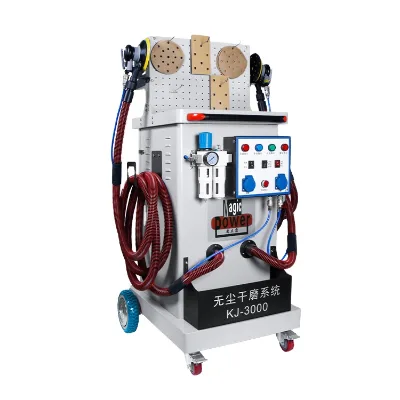
Dust Free Car Sanding Machine for Cars/sanding Machine Woodworking
$1127.1208 - $1229.5863
MOQ: 1 Minimum
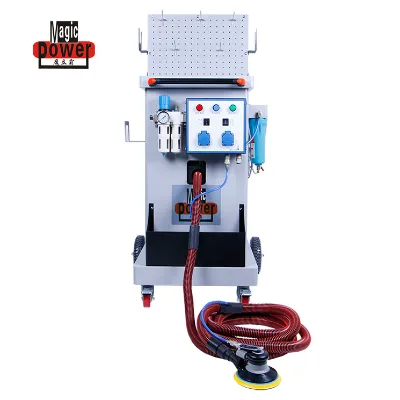
NEW Car Painting Tools Car Sanding Machine
$550.00 - $650.00

Qingdao Haozhonghao Woodworking Machinery Co., Ltd.
- Manufacturer
- China Shandong
- Lead time30 days
- Avg. response≤ 6h
Main productsVeneer Slicer, Sanding Machine, Guillotine, Knife Grinder, Panel Saw, Edge Banding Machine
Main marketsSouth America,Africa,Southeast Asia/ Mideast,East Asia(Japan/ South Korea),Europe,Australia

Samet Intelligent Manufacturing Co., Ltd.
- Verified by SGS
- Combined
- China Shandong
- Lead time15 days
- Avg. response≤ 6h
Main productsMatel Cutting Machine, Metal Bending Machine, Metal Plate Rolling Machine, Fiber Laser Machine, Laser Welding & Cleaning Machine
Main marketsEurope


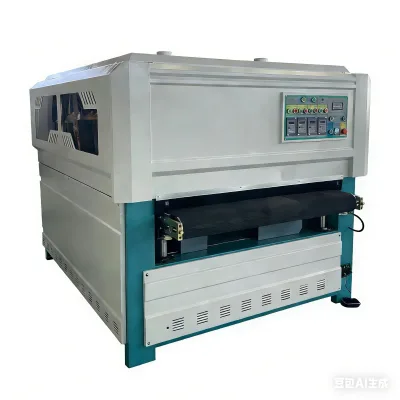
1300mm Width Metal Sanding Polish Brush Sander CNC Wide Belt Metal Sander Machine Price
$4800.00 - $5200.00
MOQ: 1 Sets
Zhengzhou Share Machinery Co., Ltd.
- Trading Company
- Henan, China
- Lead time7 days
- Avg. response≤ 3h
Main productsConstruction Machinery/Industrial Machinery/Printing Machinery
Main marketsSouth America(20.00%), North America(20.00%), Africa(10.00%), Southeast Asia(10.00%), Eastern Europe(10.00%), Oceania(7.00%), South Asia(5.00%), Southern Europe(5.00%), Central America(5.00%), Western Europe(2.00%), Eastern Asia(2.00%), Northern Europe(2.00%), Mid East(2.00%)
Guangdong Shunde Belino Machinery Co., Ltd.
- Verified by SGS Group
- Manufacturer, Trading Company
- Lead time5 days
- Avg. response≤ 3h
Main productsVacuum Lifter, Stone Workshop Equipment, Heavy Duty Profile Shaped Sanding Machine, Piano Segmented Pad Sanding Machine, High Glossy Polishing Machine
Main marketsSoutheast Asia(25%), North America(15%), Eastern Europe(14%)

Jinan Sr-Tech Machinery Co., Ltd
- Verified by SGS
- Manufacturer/Factory
- China Shandong
- Lead time23 days
- Avg. response≤ 1h
Main productsMetal Deburring Machine, Fiber Laser Cleaning Machine, Manual Grinder, Fiber Laser Marking Machine, Metal Polishing Machine, Busbar Processing Machine, Metal Sanding Machine, Fiber Laser Welding Machine, Edge Rounding Machine
Main marketsSouth America,Eastern Europe,Mid East,North America,Southeast Asia,Eastern Asia,Oceania,Western Europe,Africa

Powerful Automatic Sanding Machine for Precision Metal Finishing Tasks
$8000.00 - $25000.00
MOQ: 1 Sets

Professional Deburring Machine CNC Sanding Machine for Stainless Steel
$8000.00 - $25000.00
MOQ: 1 Sets


Heavy Duty Automatic Metal Deburring Sanding Machine for Precision Parts
$8000.00 - $25000.00
MOQ: 1 Sets

Speed Sander Metal Surface Deburring Sanding Machine with Good Quality
$8000.00 - $25000.00
MOQ: 1 Sets

Compact Grinding Machine for Metal Deburring Sanding with High Precision
$8000.00 - $25000.00
MOQ: 1 Sets

QINGDAO SOSN MACHINERY CO., LTD.
- Verified by CTI
- Combined
- China Shandong
- Lead time23 days
- Avg. response≤ 4h
Main productsCNC Router, Panel Saw, Edging Banding Machines, Boring Machines, Woodworking Machines Series, Dust Collectors, Sliding Table Saw
Main marketsSouth America,Africa,Southeast Asia/ Mideast,Domestic,Europe,Australia,North America
Zhengzhou Chryso Machinery Equipment Co., Ltd.
- Verified by SGS Group
- Trading Company
- Lead time10 days
- Avg. response≤ 1h
Main productsWoodworking Machinery
Main marketsCentral America(19%), Southeast Asia(15%), Southern Europe(15%)
Jinan Grandio CNC Equipment Co., Ltd.
- Verified by SGS Group
- Manufacturer, Trading Company
- Lead time15 days
- Avg. response≤ 2h
Main productsCNC Router, Vacuum Press Machine, Polishing Machine, 3D Scanner, Fiber Laser Cutting Machine
Main marketsSouth America(20%), North America(10%), Eastern Europe(10%)

Jinan Knoppo Automation Equipment Co., Ltd.
- Verified by BV
- Combined
- China Shandong
- Lead time15 days
- Avg. response≤ 3h
Main productsFiber Laser Cutting Machine, Fiber Laser Welding Machine, Fiber Laser Cleaning Machine, Fiber Laser Marking Machine, CO2 Laser Cutting Machine, CO2 Laser Engraving Machine, Plasma Cutting Machine, H Beam CNC Cutting Machine, Laser Welder, Laser Cutter
Main marketsSouth America,Others(foreignTradeCapacity.exportBusinessCapacityMarketOther),Southeast Asia/ Mideast,East Asia(Japan/ South Korea),Europe,North America

Dust Free Precision Automatic Precision Metal Deburring Polishing Machine Sanding Machine
$7900.00 - $12000.00
MOQ: 1 Sets

Sanding Grinding Polishing Machine Sheet Metal Sanding Deburring Machine
$7900.00 - $12000.00
MOQ: 1 Sets

High Precision Metal Sander Deburring Machine for Edge High Precision
$7900.00 - $12000.00
MOQ: 1 Sets

Mingding D Tech (Shandong) Machinery Equipment Co., Ltd.
- Verified by TUVRHEINLAND
- Manufacturer/Factory
- China Shandong
- Lead time23 days
- Avg. response≤ 7h
Main productsPlywood Machine, Peeling Machine, Hot Press Machine, Sanding Machine, MDF Line, Edge Trimming Saw, Dd Saw, Edge Banding Machine, Laminating Machine, Particle Board Line
Main marketsSouth America,Eastern Europe,Mid East,North America,Southeast Asia,Eastern Asia,Oceania,Western Europe,Africa

Qingdao Qili Machinery Co., Ltd.
- Manufacturer/Factory
- China Shandong
- Lead time30 days
- Avg. response≤ 2h
Main productsPUR Laminating Machine, Profile Wrapping Machine, Vacuum Membrane Press Machine, CNC Router
Main marketsSouth America,Mid East,North America,Southeast Asia,Africa
Qingdao Huanhao Machinery Co., Ltd.
- Verified by TüVRheinland
- Manufacturer, Trading Company
- Lead time30 days
- Avg. response≤ 1h
Main productsMetal Polishing Machine, Polishing Machine, Deburring Machine, Chamfering Machine, Metal Sander
Main marketsDomestic Market(50%), Africa(15%), North America(10%)
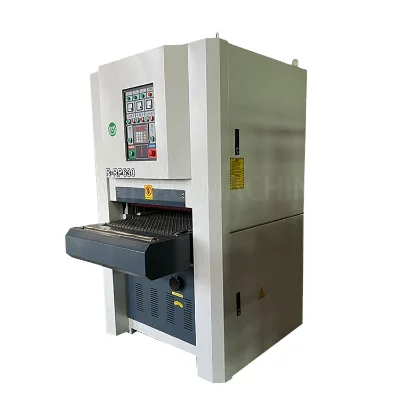
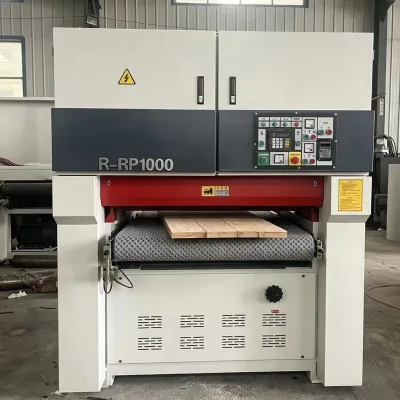
Chine Factory Wood Wide Belt Sanding Machine Drum Sander Machine
$4300.00 - $4500.00
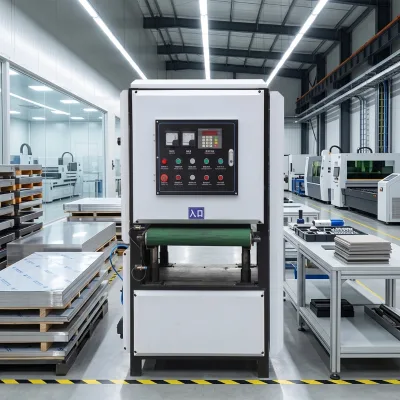
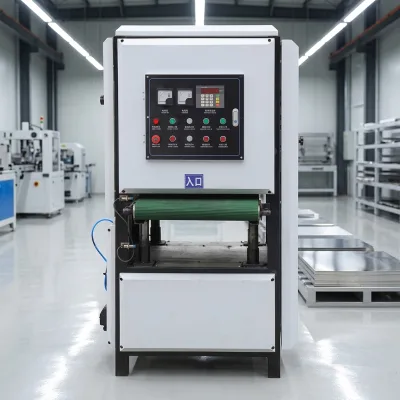
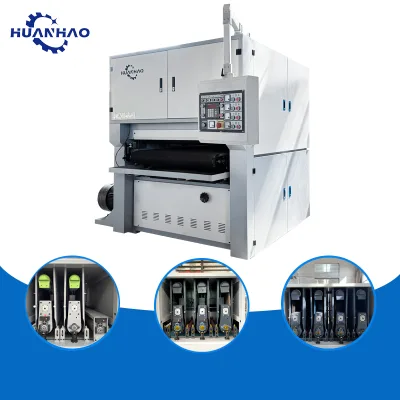
Burrs Sanding Machine Burrs Buffing Machine Metal Burrs Sanding Polishing Buffing Machine
$3500.00 - $8500.00
MOQ: 1 Minimum
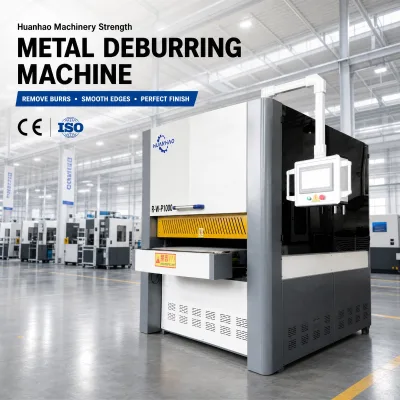
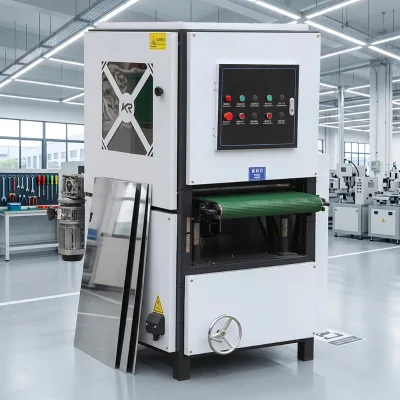
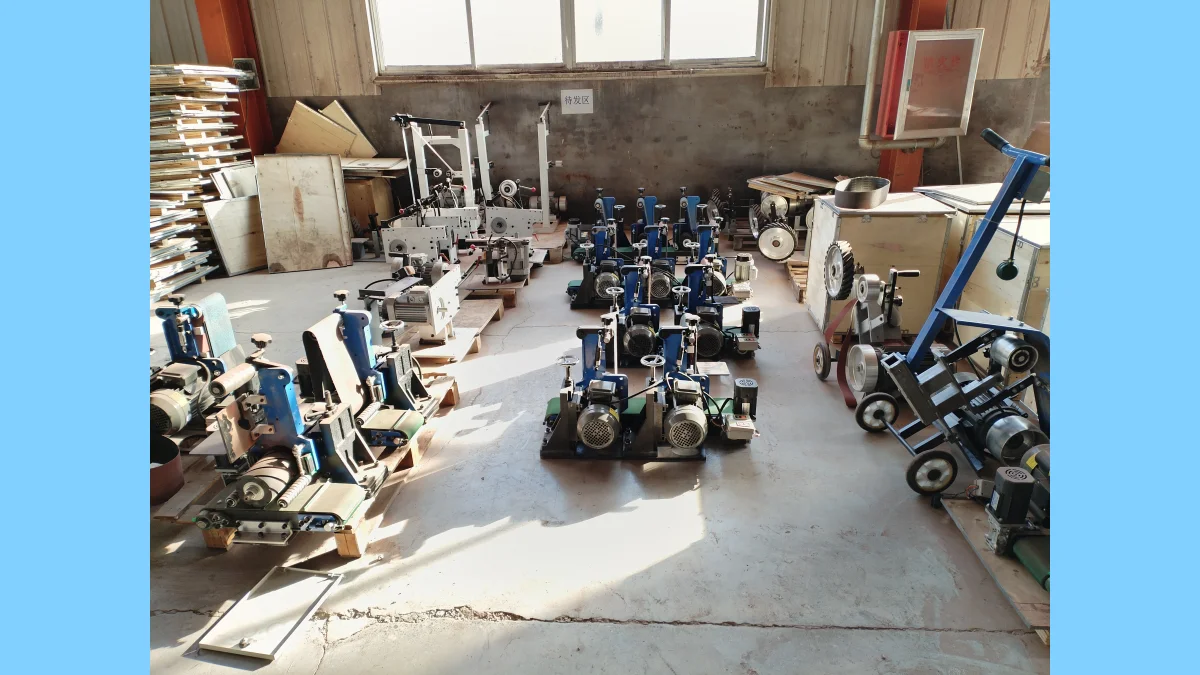
Dezhou Kaileitike Auto Parts Technology Co., Ltd.
- Manufacturer, Trading Company
- Shandong, China
- Lead time7 days
- Avg. response≤ 4h
Main productsflat polishing machine,Pipe polishing machine,Multi functionalbelt grinding machine,2Hand-pushed belt sander,Shaped belt sander
Main marketsEastern Europe(20.00%), Mid East(20.00%), South Asia(20.00%), Southeast Asia(10.00%), North America(10.00%), South America(5.00%), Southern Europe(5.00%), Central America(5.00%), Western Europe(5.00%)
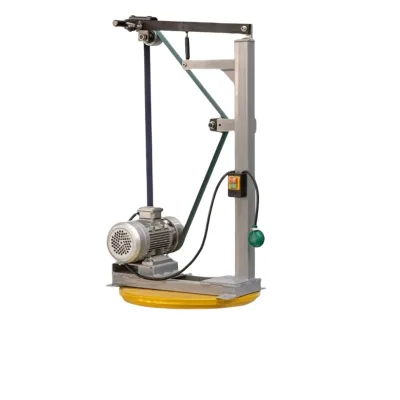
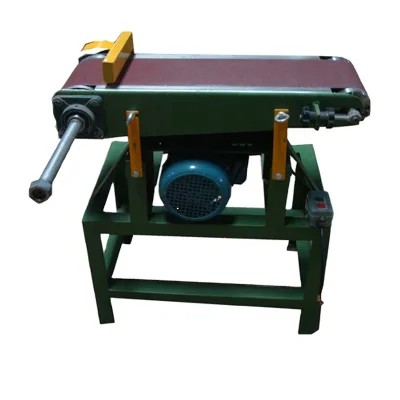
Efficient Sanding Belt Machine Flat Belt Machine Metal Soft Sanding Belt Machine
$522.5752 - $563.5612
MOQ: 1 sets
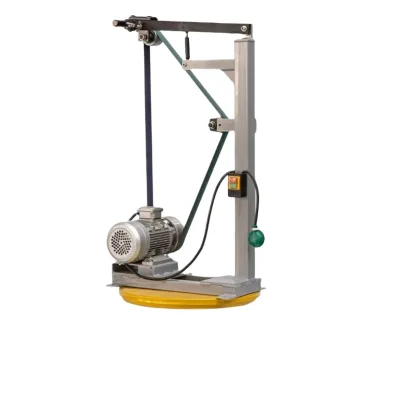
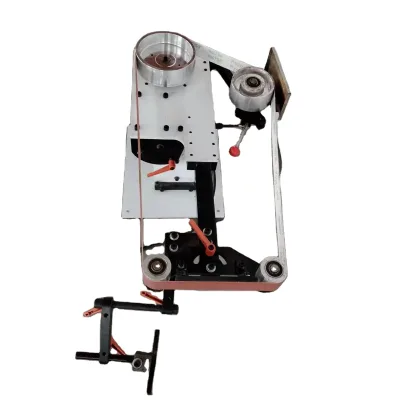
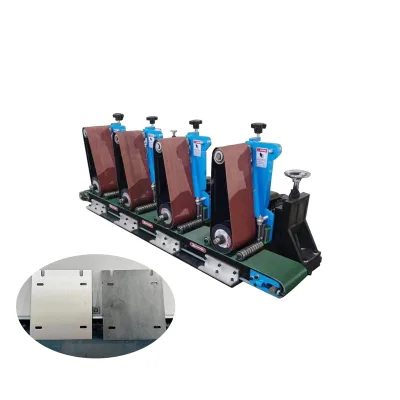
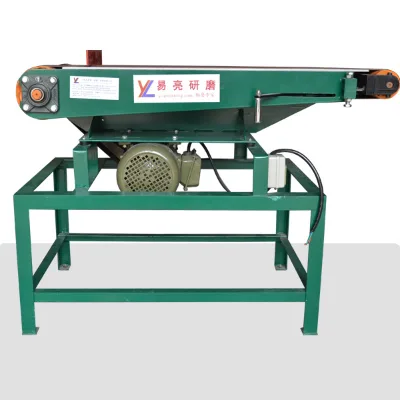
Desktop Sanding Machine with Polishing Tape Used to Remove Flash Burrs on Die-casting Parts
$510.00 - $550.00
MOQ: 1
Anhui Jotun Import & Export Co., Ltd.
- Trading Company
- Anhui, China
- Lead time20 days
- Avg. response≤ 1h
Main productsDeburring Machine,Laser Machine,Polishing Machine,Robot Grinding Machine,CNC Grinding Machine
Main marketsSoutheast Asia(40.00%), Eastern Asia(10.00%), Oceania(10.00%), Central America(5.00%), Western Europe(5.00%), Eastern Europe(5.00%), South Asia(5.00%), South America(5.00%), Southern Europe(5.00%), North America(5.00%), Africa(2.00%), Northern Europe(2.00%), Mid East(1.00%)
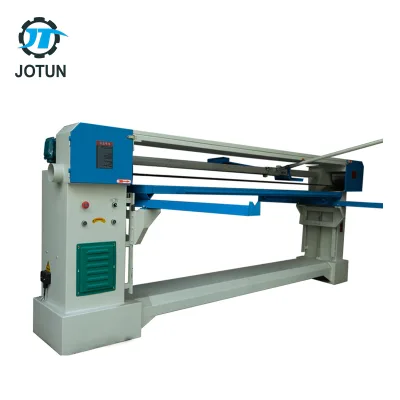
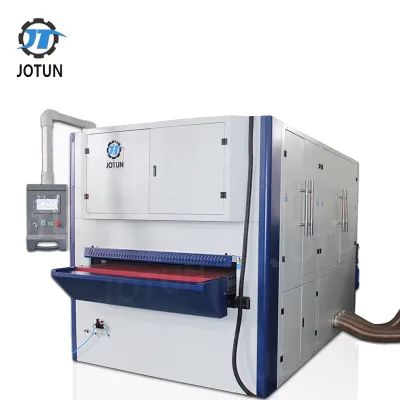
Widely used stainless aluminum sanding cnc deburring machine for aluminum profile
$9000.00 - $9500.00
MOQ: 1 sets
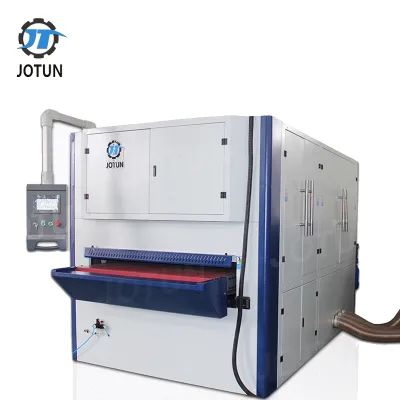
Semi automatic rubber stainless steal sanding and deburring machine with brush roller
$9000.00 - $9500.00
MOQ: 1 sets
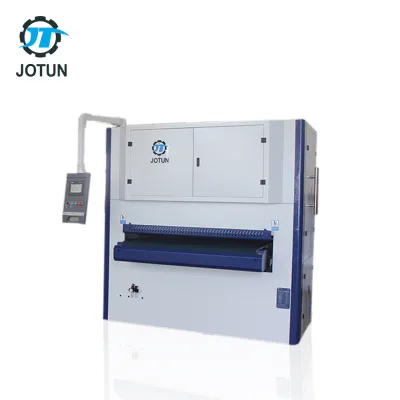
Brush roller 65kw stainless steel wet two-sided polishing sanding and deburring machine
$9000.00 - $9500.00
MOQ: 1 sets
Zhengzhou Kovi Machinery Co., Ltd.
- Verified by SGS Group
- Trading Company
- Lead time6 days
- Avg. response≤ 4h
Main productsFiber Opening Pillow Filling Machine, Quilting Machine, Fabric Rolling Machine, Paper Tube Cutting Machine, Fabric Pleating Machine
Main marketsNorth America(20%), South America(20%), Eastern Europe(15%)

Shandong Antopv Machinery Co., Ltd.
- Manufacturer, Trading Company
- Shandong Province, China
- Lead time10 days
- Avg. response≤ 3h
Main productsPolishing Machine,Recycling Machine,Filling Machine
Main marketsDomestic Market(15.00%), South America(10.00%), Western Europe(10.00%), Eastern Europe(8.00%), Northern Europe(8.00%), Southeast Asia(8.00%), North America(8.00%), Mid East(5.00%), Oceania(5.00%), South Asia(5.00%), Southern Europe(5.00%), Central America(5.00%), Eastern Asia(5.00%), Africa(3.00%)
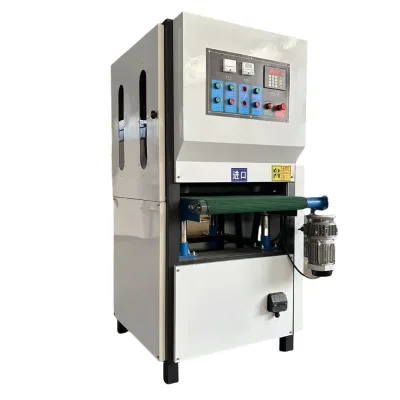
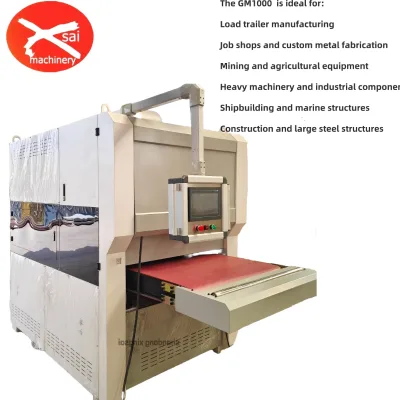
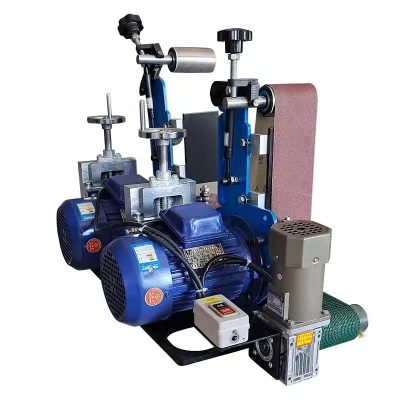
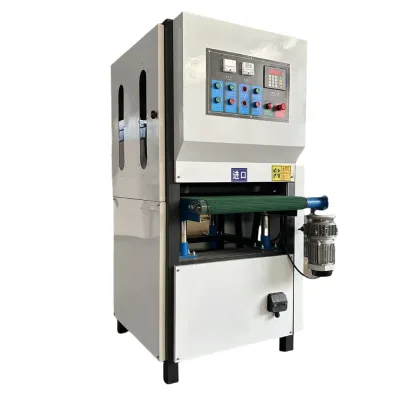
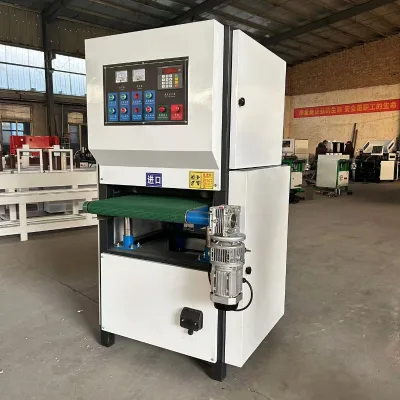
factory Hot Selling Metal Sanding Machine for Flat Sheet Finishing Machine for Carbon Steel
$1258.7135
MOQ: 1 Minimum
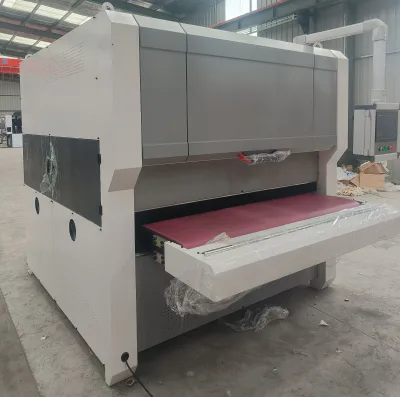
cheap Stainless steel flat grinding machine satin finishing polishing machine sanding machine
$5666.7059
MOQ: 1 Minimum
Jining Qingke Machinery Co., Ltd.
- Manufacturer, Trading Company
- Lead time旺季: "1 - 1":5,"> 1":"To be negotiated", 淡季: "1 - 1":5,"> 1":"To be negotiated"
- Avg. response≤ 4h
Main productsExcavator, Forklift, Skid Steer Loader, Tricycle, Road Roller
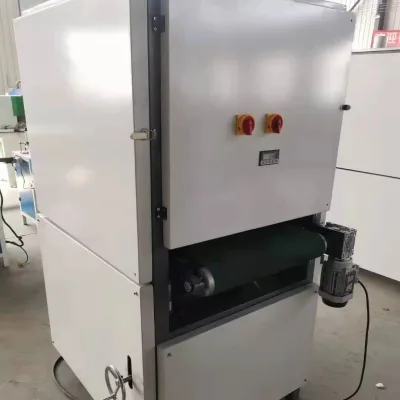
High Quality Sanding Machine Woodworking Double-roller Wood Sanding Machine Plate Sander
$1426.00 - $1469.00
MOQ: 1 sets
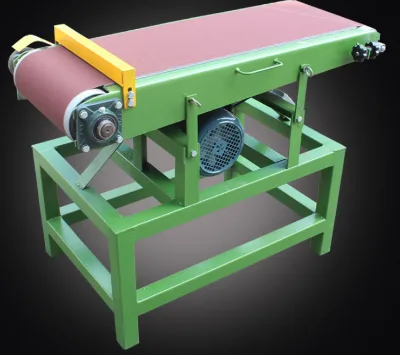
High Quality Machinery Manufacturing Bench Heavy Duty Belt Sander Flat Belt Sander Bench Belt Sander
$418.0602 - $438.5539
MOQ: 1 sets

LINYI METRO MACHINERY CO.,LIMITED
- Verified by SGS
- Manufacturer
- China Shandong
- Lead time30 days
- Avg. response≤ 15h
Main productsPlywood Machinery, Particleboard Line, MDF Line, LVL Line, Boiler, Veneer Making Machinery, OSB Line, Wood-Based Panel Machinery, Blockboard Machinery, Woodworking Machinery
Main marketsDomestic

Shijiazhuang Chancsmac Machine Technology Co., Ltd.
- Verified by TUVRHEINLAND
- Trading Company,Manufacturer/Factory
- China Hebei
- Lead time30 days
- Avg. response≤ 3h
Main productsPress Machine, Hot Press, High Frequency Press, Hydraulic Press, CNC Machine, Glue Spreader, Planer, Sawing Machine, Sanding Machine, High Frequency Hot Press
Main marketsSouth America,Eastern Europe,Mid East,North America,Southeast Asia,Africa
Guangzhou Yiliang Trading Co., Ltd.
- Trading Company
- Guangdong, China
- Lead time30 days
- Avg. response≤ 3h
Main productsAbrasive Belt,Abrasive Paper,Buffing Wheel,Nylon Wheel,Polishing Machine
Main marketsEastern Asia(14.29%), Eastern Europe(14.29%), South America(14.29%), South Asia(14.29%), North America(12.80%), Africa(11.00%), Domestic Market(10.00%), Mid East(9.00%)

Shandong Pinjia Machinery Technology Co., Ltd.
- Manufacturer, Trading Company
- Shandong, China
- Lead time3 days
- Avg. response≤ 4h
Main productsForklift,excavator,seed planting,spayer machine,construction machine
Main marketsSoutheast Asia(25.00%), Africa(21.00%), Eastern Europe(14.00%), North America(12.00%), Domestic Market(8.00%), South America(8.00%), Mid East(6.00%), Oceania(3.00%), Northern Europe(3.00%)
Qingdao Delilai Machinery Co., Ltd
- Verified by TüVRheinland
- Manufacturer, Trading Company
- Lead time7 days
- Avg. response≤ 2h
Main productsPrecise Panel Saw, Polishing Machine, Edge Banding Machine, Sanding Machine, Press Machine
Main marketsNorth America(50%), South America(10%), Eastern Europe(10%)
Weifang Jinxin Industrial Equipment Co., Ltd
- Trading Company
- Shandong, China
- Lead time0 days
- Avg. response≤ 2h
Main productsAutomotive sheet metal repair equipment,Hardware Tools,Car Beauty Supplies
Main marketsDomestic Market(100.00%)
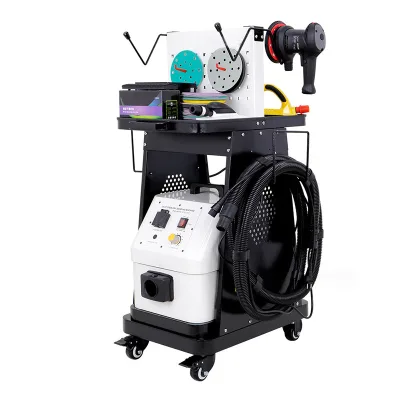
Auto Detailing Equipment Dust Free Dry Sanding Machine for Automotive
$241.1253 - $268.8282
MOQ: 1 pieces
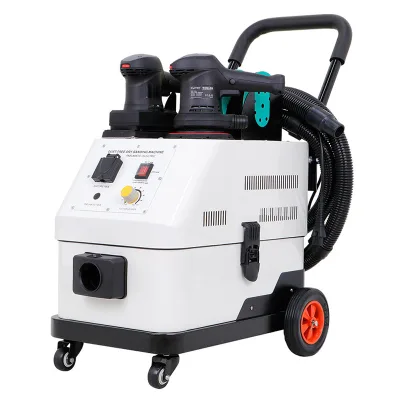
Direct Sales Dust-free Sanding Machine Car Repair Electric Equipment
$266.7772 - $294.4801
MOQ: 1 pieces
Henan Share M&E Equipment Co.,Ltd
- Verified by SGS Group
- Trading Company
- Lead time7 days
- Avg. response≤ 3h
Main productsTextile Machinery, Printing Machinery, Construction Machinery, Wood Machinery
Main marketsNorth America(20%), South America(20%), Eastern Europe(10%)
Henan Shanpu Machinery Equipment Co., Ltd.
- Trading Company
- Henan, China
- Lead time0 days
- Avg. response≤ 2h
Main productsoil press machine,package machine,juicer machine,Woodworking machinery,Rubber and plastic machinery
Main marketsNorth America(15.00%), Mid East(10.00%), Northern Europe(10.00%), Western Europe(10.00%), Southeast Asia(10.00%), Eastern Europe(10.00%), Southern Europe(10.00%), Oceania(5.00%), South Asia(5.00%), Africa(5.00%), South America(5.00%), Central America(2.00%), Eastern Asia(2.00%), Domestic Market(1.00%)
Shandong keruide Heavy Machinery co.,ltd
- Verified by TüVRheinland
- Manufacturer, Trading Company
- Lead time3 days
- Avg. response≤ 4h
Main productsExcavator, Forklift, Skid Steer Loader, Tricycle, Road Roller
Main marketsDomestic Market(25%), North America(20%), Eastern Europe(20%)
Anhui Advanced Grinding Tools Co., Ltd.
- Verified by Intertek
- Manufacturer, Trading Company
- Lead time15 days
- Avg. response≤ 4h
Main productsMetal Deburring Machine, LBS Grinding Machine, Belt Grinder, Centerless Grinding Machine
Main marketsNorth America(30%), South America(10%), Eastern Europe(10%)
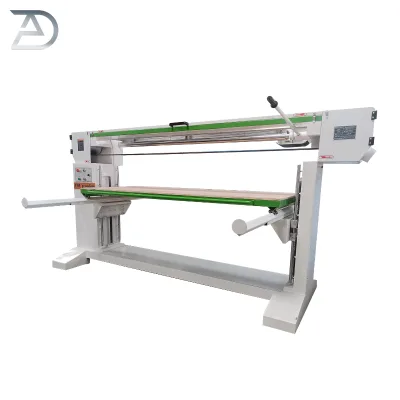
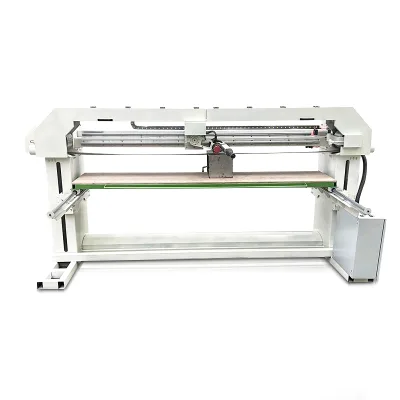
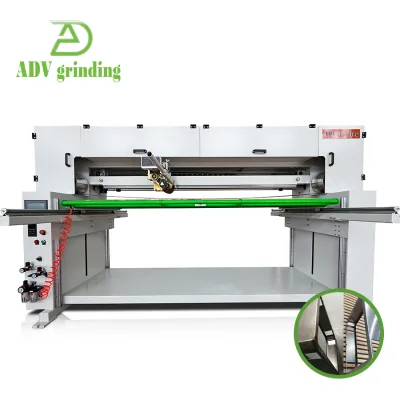
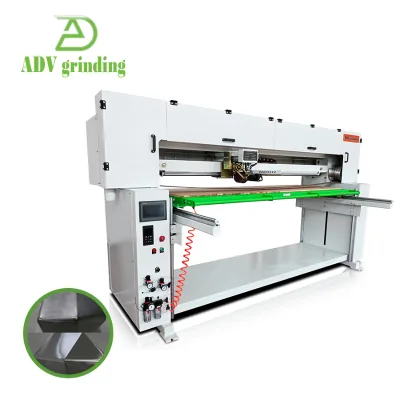
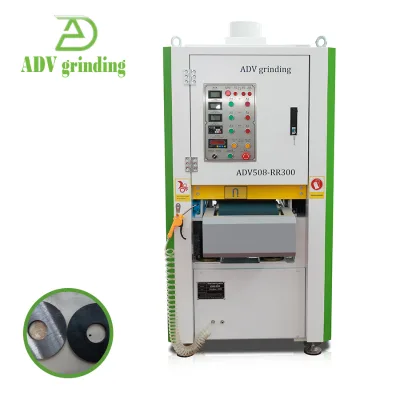
Manual Long Belt Surface Sanding Machine with Wide Workbench
$1500.00 - $2500.00
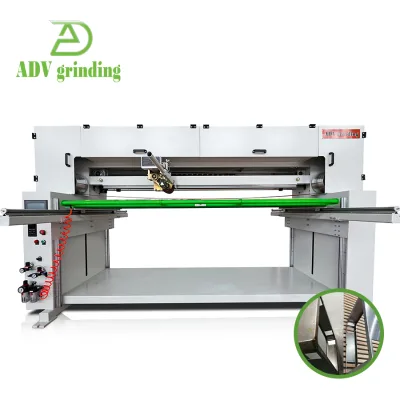

Nanjing Dyyrent Machine Technology Co., LTD
- Verified by SGS
- Combined
- China Jiangsu
- Lead time23 days
- Avg. response≤ 2h
Main productsSanding Machine, Deburring Machine, Grinding Machine, Polishing Machine, Automatic Deburring Machine, Oxide Removal, Edgers Rounded, Deslagging
Main marketsSoutheast Asia/ Mideast,Domestic,Europe,North America

High-Performance Metal Deburring and Sanding Machine for Precision Finishing
$5000.00 - $8000.00
MOQ: 1 Pieces

Professional Sanding Machine for Reliable Metal Deburring and Finishing
$8000.00 - $20000.00
MOQ: 1 Pieces









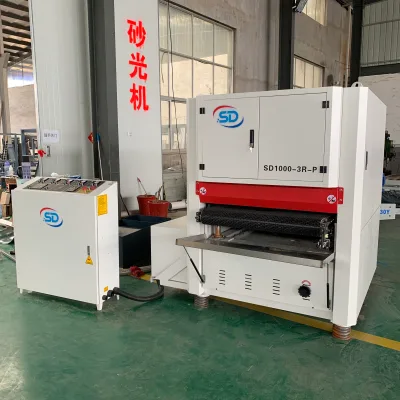
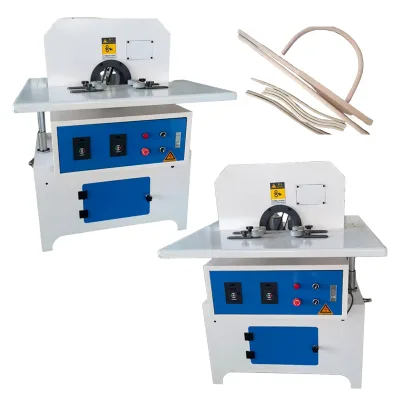
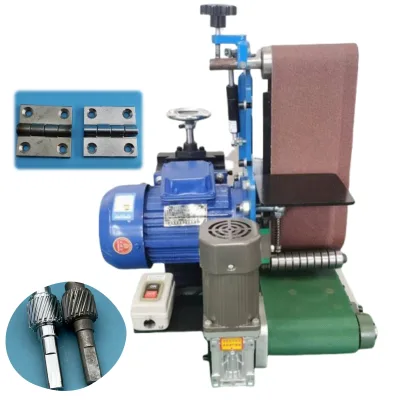
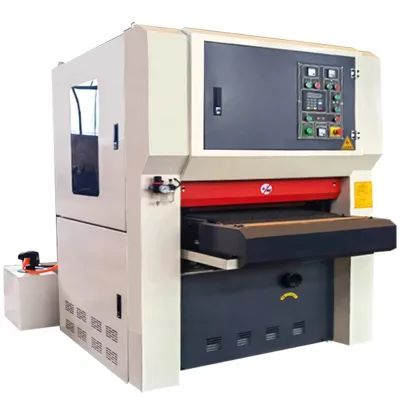
Comprehensive Sourcing Guide
CNC Precision Desktop Sanding Machine Supplier Concentration and Factory Types
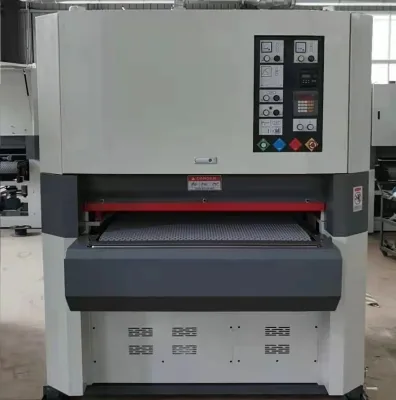
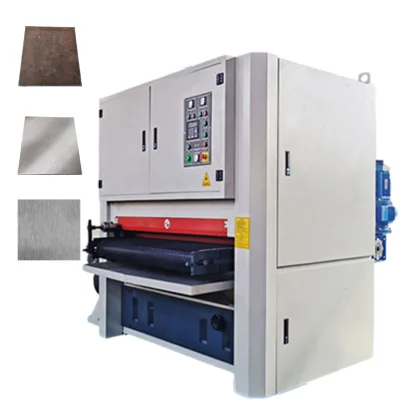
The current supplier landscape for precision sanding equipment reveals a distinct concentration of manufacturing capabilities within specific industrial regions, most notably China Shandong. This geographic clustering suggests a mature supply chain ecosystem where specialized machinery components and assembly expertise are readily available. Buyers evaluating potential partners should recognize that this region hosts a mix of combined company types, including entities that operate as both manufacturers and trading companies. This dual nature can offer flexibility in sourcing, allowing for direct factory engagement alongside the logistical support of trading operations. The presence of such combined entities often indicates a broader capacity to handle diverse order sizes and customization requests, which is critical for buyers seeking CNC precision desktop sanding machines that require specific technical adjustments.
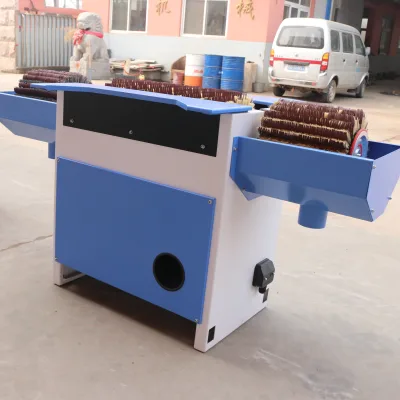
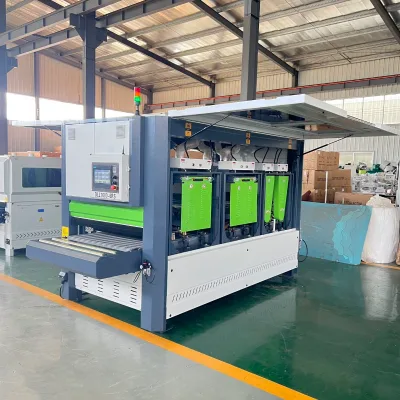
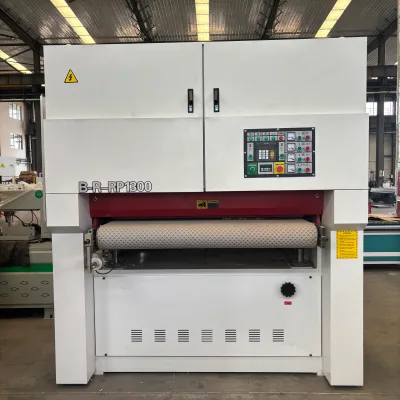
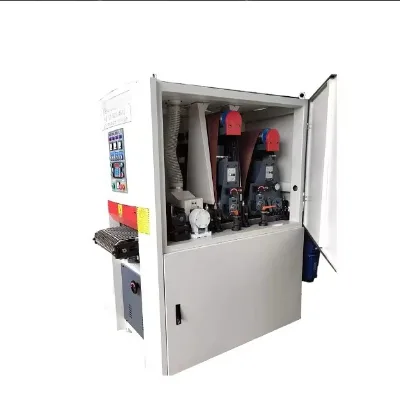
Furthermore, the types of companies operating in this space vary significantly in their operational focus. Some suppliers are primarily engaged in producing a wide array of woodworking machinery, such as panel saws, edge banders, and press machines, while others specialize in niche areas like spray paint booths or car care tools. This diversity means that a single supplier might offer a comprehensive range of sanding solutions, from wide belt sanders to disc brush polishing machines. Buyers must carefully assess whether the supplier’s primary product line aligns with their specific need for a desktop CNC unit. Understanding the company type is essential, as it influences the level of technical support, after-sales service, and the ability to provide OEM or ODM services. The distinction between a pure manufacturer and a trading company can impact lead times and communication efficiency, making it a key factor in supplier selection.
How to Verify CNC Precision Desktop Sanding Machine Suppliers
Verification of suppliers requires a multi-layered approach that goes beyond basic company profiles. Buyers should prioritize suppliers who hold recognized system certifications, such as ISO9001:2015, which indicates a standardized quality management system. Additionally, product-specific certifications like CE and ISO are crucial for ensuring compliance with international safety and performance standards. The presence of verification badges from third-party inspection agencies, such as Intertek, provides an additional layer of confidence regarding the supplier’s operational legitimacy and product quality. These credentials serve as objective evidence of a supplier’s commitment to maintaining high standards in manufacturing and quality control processes. Buyers should request copies of these certificates and verify their validity through the issuing bodies to ensure they are current and applicable to the specific products being sourced.
Beyond certifications, buyers should evaluate the supplier’s response time and communication efficiency. A rapid response time, such as those observed in the range of two to seven hours, often correlates with a more responsive and organized sales team. This metric is particularly important for resolving technical queries and negotiating contract terms efficiently. Furthermore, examining the supplier’s verification status and company type can provide insights into their reliability. Suppliers that are verified by reputable agencies and clearly state their company type as either manufacturer or trading company tend to have more transparent operations. Buyers should also look for evidence of past performance, such as detailed product attributes and specifications, to gauge the supplier’s technical competence. Ensuring that the supplier can provide accurate and detailed information about their products is a strong indicator of their professionalism and capability to meet specific sourcing requirements.
What to Compare Across CNC Precision Desktop Sanding Machine Suppliers
When comparing suppliers, buyers should focus on key operational metrics such as lead time, minimum order quantity (MOQ), and pricing structures. Lead times can vary significantly, with some suppliers offering production cycles of thirty days, while others may require thirty-five days or more. Understanding these timelines is critical for inventory planning and meeting project deadlines. The MOQ is another vital factor, as it determines the financial commitment required to initiate an order. Some suppliers may have a low MOQ of one unit, making them suitable for small-scale testing or niche applications, while others might require higher volumes. Buyers should align these requirements with their production needs and budget constraints to avoid unnecessary capital tie-up or supply chain disruptions.
In addition to operational metrics, buyers should compare the technical specifications and customization options offered by different suppliers. Attributes such as automatic grade, variable speed capabilities, and certification details provide insight into the machine’s performance and versatility. For instance, some sanding machines are semiautomatic with variable speed controls, while others are fully automatic with fixed parameters. The availability of customization services, including OEM and ODM options, can be a decisive factor for buyers seeking unique features or branding opportunities. Pricing should also be analyzed in conjunction with these features, as higher prices may reflect advanced automation or superior build quality. By systematically comparing these dimensions, buyers can identify the supplier that offers the best balance of cost, capability, and service for their specific CNC Precision Desktop Sanding Machine requirements.
Common CNC Precision Desktop Sanding Machine Sourcing Risks
One of the primary risks in sourcing CNC precision desktop sanding machines is the potential mismatch between advertised specifications and actual product performance. Buyers may encounter discrepancies in critical attributes such as automatic grade, voltage requirements, or certification compliance. For example, a machine advertised as automatic might only be semiautomatic in practice, leading to operational inefficiencies. Additionally, the condition of the machine, whether new or refurbished, must be clearly verified to avoid receiving outdated or worn equipment. These discrepancies can result in significant delays and additional costs for modifications or replacements. Buyers should insist on detailed product data sheets and, if possible, request video demonstrations or third-party inspection reports to validate the supplier’s claims before finalizing any purchase.
Another significant risk involves the reliability of after-sales support and warranty coverage. While some suppliers offer warranties, the extent and duration of these warranties can vary widely. Buyers must ensure that the warranty terms are clearly defined and legally binding, covering parts, labor, and technical support. The absence of a robust warranty or unclear support channels can leave buyers vulnerable to costly repairs and downtime. Furthermore, the risk of communication barriers cannot be overlooked, especially when dealing with suppliers in different time zones or language environments. Misunderstandings regarding technical requirements or delivery terms can lead to errors in production or shipping. To mitigate these risks, buyers should establish clear communication protocols and seek suppliers with proven track records in international trade and customer service.
CNC Precision Desktop Sanding Machine Regional Sourcing and Logistics
Sourcing from regions like China Shandong offers access to a dense network of machinery manufacturers, but it also introduces specific logistical considerations. The proximity of suppliers to major ports can facilitate faster shipping times, but buyers must account for customs clearance and international freight costs. The origin of the products, often listed as Qingdao or other specific cities within the province, can influence the choice of shipping routes and associated fees. Buyers should work with suppliers who have experience in exporting to their target market to ensure that all documentation, such as certificates of origin and commercial invoices, is prepared correctly. This expertise can streamline the customs process and reduce the risk of delays or additional duties.
Packaging and handling are also critical aspects of regional sourcing. The way machines are packed, whether in plywood cases, wooden boxes, or other protective materials, directly impacts their safety during transit. Buyers should verify that the packaging meets international shipping standards to prevent damage during long-haul transport. Additionally, the weight and dimensions of the packaged goods, such as net weights of 2200kg for larger sanders or 130kg for smaller units, will affect shipping costs and handling requirements. Buyers need to plan for appropriate freight solutions, including container loading and on-site unloading, to ensure smooth delivery. Understanding these logistical nuances is essential for accurate cost estimation and risk management in the sourcing process.
CNC Precision Desktop Sanding Machine Commercial Terms and Order Planning
Commercial terms such as payment methods, escrow services, and return policies play a crucial role in securing a safe transaction. Buyers should prioritize suppliers who offer secure payment options, including escrow services, which protect both parties until the goods are received and verified. This financial safeguard is particularly important for high-value machinery purchases. Additionally, understanding the supplier’s return and refund policies is essential for managing potential disputes. Buyers should negotiate clear terms regarding quality inspections and acceptance criteria before placing an order. These terms should be explicitly stated in the contract to avoid ambiguity and ensure that both parties have a shared understanding of the transaction conditions.
Order planning also involves coordinating with the supplier on production schedules and delivery timelines. Given the lead times observed, which can range from thirty to thirty-five days, buyers must plan their procurement cycles accordingly to avoid stockouts or production delays. It is advisable to place orders well in advance, especially for customized or OEM products, which may require additional time for design and manufacturing. Buyers should also consider the supplier’s capacity for handling multiple orders simultaneously, as this can impact their ability to meet tight deadlines. By aligning their order planning with the supplier’s operational capabilities, buyers can ensure a smooth and efficient procurement process, minimizing disruptions and maximizing the value of their investment in CNC precision desktop sanding machines.
FAQs
What is the price range for desktop sanding machines?
Prices for these machines typically range from $500 to $14,000 depending on the model and automation level. Basic disc sanders start around $500, while wide belt and automatic polishing units cost significantly more. Buyers should verify specific pricing for their required capacity and customization needs.
What certifications do these sanding machines have?
Most available models hold CE and ISO certifications, ensuring compliance with international safety and quality standards. Some specific units also meet RoHS and 2006/42/EC directives. Buyers should request valid certificates to confirm that the machinery meets the regulatory requirements for their specific destination market.
What is the typical lead time for these machines?
Standard lead times generally range from 30 to 35 days after order confirmation. This duration allows for manufacturing, quality control, and packaging preparation. Buyers requiring urgent delivery should confirm specific production schedules with suppliers, as lead times may vary based on order volume and customization requirements.
What is the minimum order quantity for these machines?
The minimum order quantity is typically one unit for most standard models. Some specific configurations may require a minimum of two units. This low MOQ allows buyers to test equipment quality before committing to larger industrial orders, making it suitable for small workshops or initial procurement phases.
What is the supplier response time like?
Supplier response times vary, with some providers responding within two hours and others taking up to 7.66 hours on average. Faster response times indicate higher availability and readiness to assist with technical queries. Buyers should prioritize suppliers with quicker response rates for efficient communication during the sourcing process.
Where are these sanding machines manufactured?
These machines are primarily manufactured in China, with specific origins noted in Qingdao and Shandong provinces. This regional concentration offers access to established industrial supply chains and manufacturing expertise. Buyers should verify the exact place of origin on product listings to ensure alignment with their sourcing preferences and logistics planning.
What customization options are available?
Customization is widely available, including OEM, ODM, and graphic processing services. Buyers can often request specific colors, automatic grades, and variable speed settings. Some suppliers also offer light customization and sample processing. These options allow businesses to tailor machinery to specific production workflows and branding requirements.