Coffee Capsule Storage Basket Suppliers and Manufacturers
Explore 16 verified options for Coffee Capsule Storage Basket products from China. Compare locations, lead times, response times, and certifications to find suitable suppliers. Contact suppliers directly to request samples and confirm pricing details; review the available evidence before requesting comparable quotations from suitable candidates.
Suppliers List

- Verified by TUVRHEINLAND
- Trading Company
- China Anhui
- Lead time30 days
- Avg. response≤ 16h
Main productsCoffee Syphon, Coffee Grinder, Coffee Tampers, Coffee Dripper, Iced Brewer, Coffee Mugs, Coffee Pitcher, Tamper Mat, Coffee Mug, Coffee Maker
Main marketsSoutheast Asia/ Mideast,North America
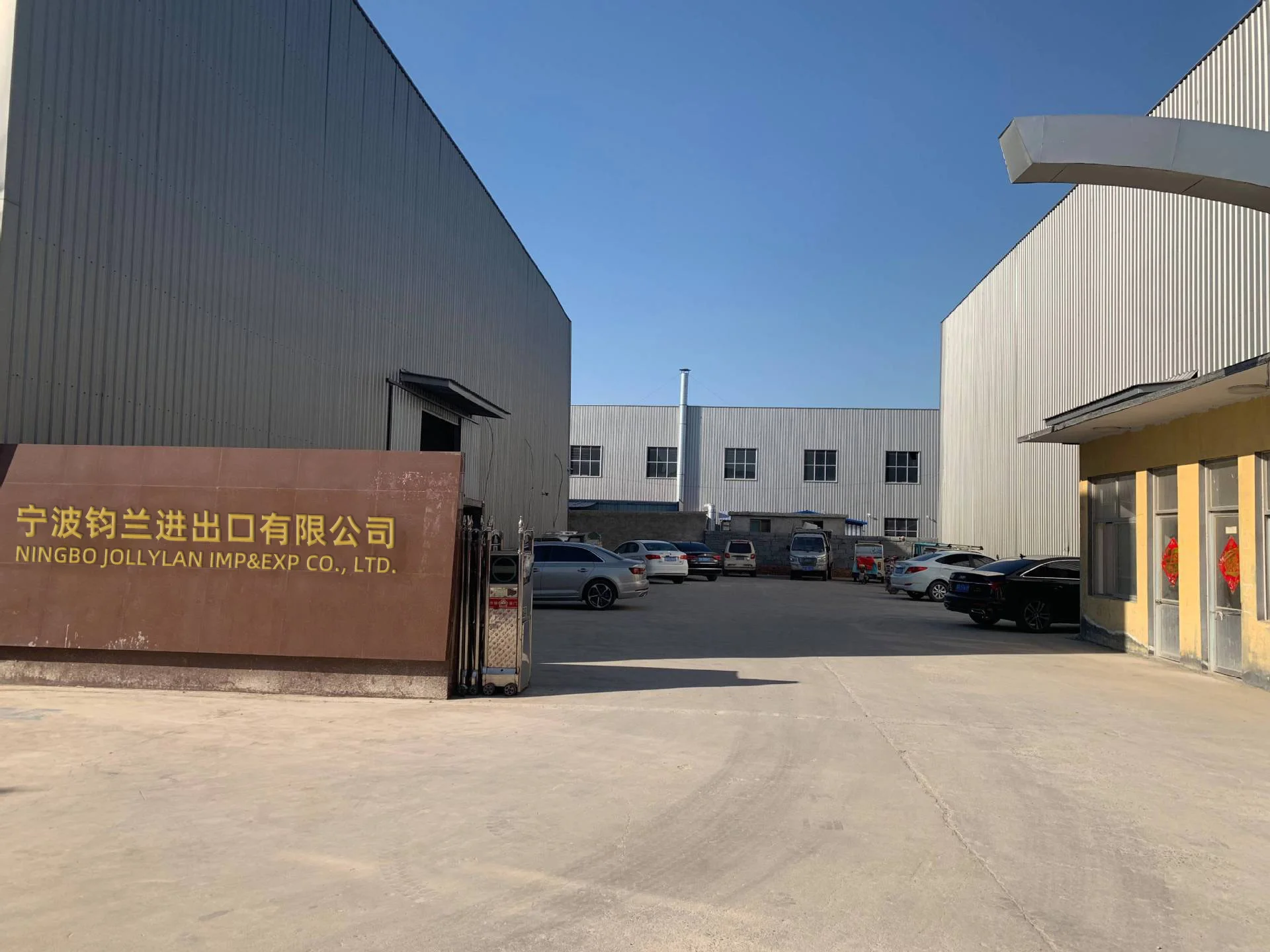
Ningbo Jollylan Imp&Exp Co.,Ltd.
- Trading Company
- Zhejiang, China
- Lead time15 days
- Avg. response≤ 3h
Main productsHome Storage & Organization,Kitchen Storage,Outdoor Storage,Car Organizers,Office Storage
Main marketsNorth America(40.00%), Western Europe(15.00%), Northern Europe(12.00%), South America(10.00%), Eastern Europe(10.00%), Southern Europe(6.00%), Southeast Asia(5.00%), Africa(2.00%)

Xiamen Ebei Import & Export Co., Ltd.
- Verified by CTI
- Trading Company,Manufacturer/Factory
- China Fujian
- Lead time45 days
- Avg. response≤ 2h
Main productsEco-Friendly Products, Bamboo Tableware, Bamboo Furniture, Bamboo Kitchenware, Bamboo Office Supply, Bamboo Fibre Products, Biodegradable Products, Bamboo Towel, Solar Energy Products, Bamboo Garden Products
Main marketsSouth America,Eastern Europe,Mid East,North America,Southeast Asia,Eastern Asia,Oceania,Western Europe,Africa

Qingyuan Xingxiang Hardware Products Co., Ltd
- Verified by SGS
- Combined
- China Guangdong
- Lead time30 days
- Avg. response≤ 5h
Main productsShower Caddy Shelves, Hanging Hook, Coffee Pod Holder, Tissue Paper Towel Holder, Wire Storage Basket, Mutifunction Storage Rack, Cup Holder, Dish Drying Rack, Office Accessories, Watering Can
Main marketsEurope,North America

Multifunctional Coffee Pod Holder Square Wire Espresso Pod Organizer Metal Coffee Pod Storage Basket
$0.90 - $1.24
MOQ: 200 Sets


$3.80 - $4.90
MOQ: 200 Pieces

Large Capacity Wooden Base Black Wire Coffee K Cup Pod Storage Organizer with Lid
$2.90 - $3.80
MOQ: 200 Pieces


Suzhou Shunhong Metallic Products Co., Ltd.
- Trading Company,Manufacturer/Factory
- China Jiangsu
- Lead time23 days
- Avg. response≤ 11h
Main productsShopping Cart, Roll Container, Warehouse Trolley, Storage Cage, Shopping Basket, Shopping Trolley, Supermarket Cart, Hand Push Cart, Wire Mesh Cages, Checkout Counter
Main marketsSouth America,Eastern Europe,Mid East,North America,Southeast Asia,Eastern Asia,Oceania,Western Europe,Africa


Stackabke Plastic Basket for Vegetable & Fruit Rack Plastic Vegetable Storage Basket
$10.00 - $15.00
MOQ: 200 Pieces


Collapsible Mesh Style Plastic Storage Baskets for Fruit and Vegetable Storage
$10.00 - $15.00
MOQ: 200 Pieces

Collapsible Mesh Style Black Color Plastic Storage Baskets for Fruit and Vegetable
$10.00 - $15.00
MOQ: 200 Pieces

Guangdong Victory Industry Limited
- Trading Company
- China Guangdong
- Lead time15 days
- Avg. response≤ 2h
Main productsTrash Can, Dustbin, Waste Bin, Toilet Brush, Paper Holder, Compost Bin, Kitchen Paper Towel Holder, Makeup Mirror, Towel Rack, Bathroom Accessories
Main marketsEurope,North America

Shandong Rope Technology Co., Ltd.
- Combined
- China Shandong
- Lead time30 days
- Avg. response≤ 10h
Main productsRope
Main marketsSoutheast Asia/ Mideast,Europe,North America

Xuzhou Risen Industry and Supply Co., Ltd
- Verified by TUVRHEINLAND
- Trading Company
- China Jiangsu
- Lead time30 days
- Avg. response≤ 3h
Main productsHousehold Adornment, Household Supplies, Home Decoration, Compressed Sofa, Dining Furniture, Bothroom Organizer, Kitchen Storage, Glass Ornaments, Ceramic Tableware, Home Fragrance
Main marketsSouth America

Ningbo General Union Co., Ltd.
- Verified by BV
- Trading Company
- China Zhejiang
- Lead time30 days
- Avg. response≤ 11h
Main productsCleaning Brush, Bottle, Kitchenware, Storage Box, Outdoor, Pet, Fitness Equipment, Digital Devices, Camping, Pet Bottle
Main marketsSouth America,Africa,Southeast Asia/ Mideast,East Asia(Japan/ South Korea),Europe,Australia,North America
- Verified by CTI
- Trading Company,Manufacturer/Factory
- China Jiangsu
- Lead time38 days
- Avg. response≤ 16h
Main productsSafety Product, Safety Coverall, Safety Glasses, Safety Vest, Safety Helmet, Safety Gloves, Safety Shoes, Safety Goggles, Safety Harness, Safety Rain Boots
Main marketsSouth America,Eastern Europe,Mid East,North America,Southeast Asia,Eastern Asia,Oceania,Western Europe,Africa

- Verified by BV
- Trading Company
- China Hebei
- Lead time30 days
- Avg. response≤ 1h
Main productsPrivacy Fence, Steel Wire Mesh, Metal Stamping Parts, Metal Fence Gate, Eurofence PVC Welded Wire Mesh, Welded Wire Mesh, Chain Link Fence, Metal Fabrication, Chicken Mesh, Garden Trellis
Main marketsEurope

Suzhou Yuanda Commercial Products Co., Ltd.
- Verified by SGS
- Combined
- China Jiangsu
- Lead time15 days
- Avg. response≤ 6h
Main productsShelf, Warehouse Duty Rack, Shopping Trolley, Shopping Basket, Logistic Cart, Stacking Storage Cage, Cashier, Locker, Vegetable Rack, Promotion Table
Main marketsNorth America

Taizhou Shangyi Plastic Co., Ltd.
- Verified by TUVRHEINLAND
- Trading Company
- China Zhejiang
- Lead time23 days
- Avg. response≤ 19h
Main productsFood Container, Storage Container, Lunch Box, Bento Box, Plastic Laundry Basket, Plastic Storage Container, Plastic Cutting Board
Main marketsSouth America,Southeast Asia/ Mideast


Space-Saving Plastic Storage Box, Plastic Bin Container/Plastic Storage Basket
$3.80 - $4.00
MOQ: 2000 Pieces


TAIAN TOPPOUND INTERNATIONAL TRADING CO., LTD.
- Verified by TUVRHEINLAND
- Combined
- China Shandong
- Lead time45 days
- Avg. response≤ 4h
Main productsChair, Side Table, Flower Planter Stand, Home Decoration, Candle Holders and Lantern, Shelves, Mirror, Planter Pot, Christmas Decoration, Natural Baskets and Storage
Main marketsSouth America,Europe,North America
Hangzhou Chosen Textile Co., Ltd
- Verified by CTI
- Trading Company
- China Zhejiang
- Lead time45 days
- Avg. response≤ 7h
Main productsOutdoor Products, Textile Products, Home Textile, Weighted Products, Promotional Products, Gift Products
Main marketsAfrica,Southeast Asia/ Mideast,East Asia(Japan/ South Korea),Europe,Australia,North America

Ningbo Better Life Houseware Co., Ltd
- Verified by CTI
- Trading Company
- China Zhejiang
- Lead time30 days
- Avg. response≤ 7h
Main productsHouseware Products.
Main marketsSouth America,Africa,Southeast Asia/ Mideast,Europe,Australia,North America




Comprehensive Sourcing Guide
Coffee Capsule Storage Basket Supplier Concentration and Factory Types
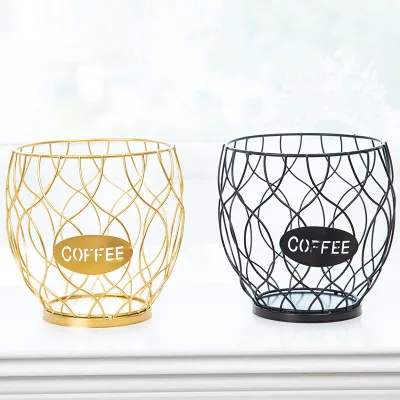
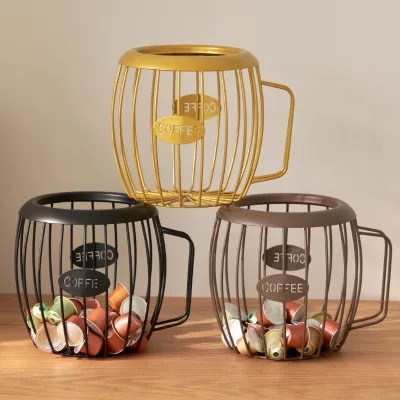
Suppliers of coffee capsule storage baskets on B2B platforms cluster in a few Chinese provinces, and the listings in this category already show that pattern. One verified supplier operates from Zhejiang and specializes broadly in home storage, kitchen storage and organizer products, listing iron wire capsule baskets alongside fruit and snack holders. Another verified supplier is based in Anhui and positions itself as a trading company whose main products span coffee tools more widely, including syphons, grinders, tampers and drippers, with capsule holders as one item in a coffeeware line. A third verified supplier in Fujian combines manufacturer and trading roles around eco-friendly bamboo and biodegradable goods, which matters if you want alternative materials beyond steel and iron wire.
Understanding the factory-type distinction matters more in this category than in many others. Trading companies often aggregate coffee accessories from several workshops, which helps when you want a capsule holder bundled with tampers, pitchers or mugs in one shipment, but adds a margin layer. Manufacturer-traders with their own production lines usually control tooling and finish quality directly, which matters for welded wire geometry and coating consistency. When you search, filter by company type, main-product alignment and verification badges, then confirm whether the profile describes a factory, a hybrid, or a pure trading operation before requesting quotes.
How to Verify Coffee Capsule Storage Basket Suppliers
Verification on these platforms starts with the badges and audit records displayed on the supplier profile, but you should treat those as a starting filter rather than proof of production capability. In the current results, one Zhejiang supplier and one Anhui supplier carry TÜV Rheinland verification, while the Fujian manufacturer-trader is verified through CTI and holds a BSCI system certification, which is relevant if your retail customers require social-compliance audits. None of these credentials tells you who actually welds the wire or powder-coats the baskets, so your next step is to ask the supplier to state whether production is in-house or subcontracted, and to which city and province.
Then verify the operational facts independently. Ask for a business license and check the registered scope covers metal or bamboo household goods. Request recent transaction references for capsule holders or comparable wire storage products, not just coffee machines. Order a sample before committing, which is feasible here because several listed products explicitly mark samples as available, and inspect weld points, drawer sliding action on multi-tier designs, coating adhesion and base stability. Confirm the contact person can answer material-gauge questions without checking with someone else, since slow or evasive technical replies at the sampling stage usually predict slower problem-solving during production. Finally, confirm response behavior matches the profile: response-time figures displayed on profiles range widely in this category, so measure actual reply speed yourself.
What to Compare Across Coffee Capsule Storage Basket Suppliers
Build a comparison table with the attributes these profiles actually display, without assuming every supplier shows every field. Lead time is a strong differentiator: one storage-focused supplier lists a 15-day lead time, while another in this category lists 30 days, and one Zhejiang product page states 30 to 45 days delivery for iron capsule storage. Quoted response times range from under two hours to more than fifteen hours, which affects how quickly sampling questions and pre-shipment issues get resolved. Minimum order quantities on the listed capsule holders span roughly 24, 48, 200 and 300 pieces, so MOQ alignment with your channel size may eliminate suppliers before price does.
Compare product economics and construction side by side. Listed unit price ranges on comparable stainless steel capsule holders fall between roughly 5.29 and 7.78 US dollars, with black and white color variants, five-tier drawer designs and medium sizing, while iron wire baskets are quoted separately, often with OEM and ODM accepted. Match material to your market: stainless steel suits premium kitchen retail, lacquered iron wire suits value ranges, and bamboo suits eco-positioned assortments. Also compare main-product breadth, since a coffee-tools trading company can consolidate an entire accessory program while a storage specialist may offer better unit economics on the basket alone. Weight the displayed verification type, company type and customization availability into the same table so shortlisting stays objective.
Common Coffee Capsule Storage Basket Sourcing Risks
The most frequent risk in this category is spec drift between sample and production. Wire baskets depend on gauge, weld density and coating thickness, and a factory switching to thinner iron wire or a lighter lacquer coat can cut costs invisibly while sagging under a full load of capsules. Drawer-based stainless steel designs add a second risk: slide mechanisms tolerate poor tolerances badly, so units that bind or detach in transit generate returns. Write the dimensional tolerance into the purchase contract; the listings in this category already cite tolerances around ±1mm and weight tolerance below ±1%, which gives you a reference benchmark to demand in writing.
Commercial and compliance risks follow. Low displayed MOQs on some listings can mask higher effective minimums once color, packaging or logo customization is applied, so confirm the MOQ per SKU per color before planning a launch. Packaging matters disproportionately for this product: single-item retail boxes that look fine as photos often crush under stacked carton weight, so specify carton stacking tests. Lead-time risk is real where quotations stretch to 30 to 45 days, since a delayed container can miss a seasonal retail window. Also verify origin claims and material claims independently—listings may say stainless steel when the basket body is plated iron—and reserve the right to test. Finally, avoid paying deposits outside platform escrow, because informal transfers remove your only recovery route if quality disputes arise after shipment.
Coffee Capsule Storage Basket Regional Sourcing and Logistics
The evidence in this category points to two meaningful sourcing regions. Zhejiang suppliers anchor the household metal storage cluster, offering wire and iron capsule baskets with OEM and ODM acceptance, hand-made and eco-friendly finishing options, and black or gold colorways; sourcing here puts you near a dense base of wire-forming, welding and powder-coating subcontractors. Anhui and Fujian suppliers broaden the assortment: the Anhui trading company covers the wider coffee-tool catalog, and the Fujian manufacturer-trader brings bamboo and biodegradable material capability with BSCI certification, useful when your range extends beyond metal holders into matching kitchen accessories.
Logistically, this product is favorable: capsule holders are compact, solid and non-fragile compared with glass or ceramic coffee goods, so you can maximize carton cube fill and negotiate freight on volume rather than on damage allowances. Confirm pack-out details early—single-item boxes versus bulk export cartons, and whether white-box or color-box packing is included at the quoted price, since listings in this category specify white or color box options and brown box packing. Match supplier lead time to your replenishment cadence: a 15-day quoted lead time supports frequent small orders, while 30 to 45-day quotations require firm forecasts. Ask each supplier to quote FOB terms and state the nearest port, then compare consolidated shipments if you source baskets and coffee accessories from different provinces.
Coffee Capsule Storage Basket Commercial Terms and Order Planning
Structure your first order to test the supplier before scaling. Given the MOQ spread in this category—from as low as 24 pieces on stainless steel drawer holders up to 200 to 300 pieces on iron wire baskets—a practical path is a paid sample, then a small first production run at the lowest compliant MOQ, then a larger reorder once sell-through and quality are confirmed. Quote each SKU separately with color and packaging specified, since listed price ranges on comparable holders differ between black and white variants, and customization is marked available on multiple listings, which usually changes both price and MOQ.
On payment terms, use platform escrow or trade assurance for at least the initial orders, splitting payment into a deposit and a balance released after inspection. Set explicit milestones against the quoted lead time—material readiness, first-article approval, pre-shipment inspection—and build the 30-to-45-day worst case into your calendar rather than the shortest quoted figure. Confirm what the price includes: packaging type, labeling, and whether samples are credited against the first order. For repeat business, negotiate a small buffer in the deposit schedule to fund rework of any units failing inspection, and agree in writing who bears freight for replacements. Keep a second qualified supplier per basket style, since trading companies and manufacturer-traders in this category differ in how flexibly they absorb mid-season volume changes.
FAQs
What is the typical lead time for coffee capsule storage baskets?
Lead times vary by supplier location and order volume. Suppliers in Zhejiang, China, often quote 15 to 45 days for production and shipping. Other manufacturers in Anhui may require around 30 days. Buyers should confirm specific delivery windows with the supplier before placing bulk orders to ensure timely inventory replenishment.
What are the common materials used for these storage baskets?
Most coffee capsule storage baskets are crafted from stainless steel or iron. Stainless steel options often feature a drawer design and come in black or white finishes. Iron baskets are typically lacquered or welded, offering a durable, modern aesthetic. Buyers can choose based on desired durability, weight, and visual style for their kitchen or retail display.
What is the minimum order quantity for these products?
Minimum order quantities range significantly depending on the supplier and product type. Some stainless steel models require a minimum of 24 units, while others start at 48. Iron wire baskets often have higher thresholds, such as 200 or 300 pieces. Buyers should check the specific MOQ listed for each product to align with their budget and storage needs.
How quickly do suppliers typically respond to inquiries?
Response times differ among suppliers, with some replying within 1.73 hours and others taking up to 15.47 hours. Faster response rates are often associated with suppliers in Zhejiang or Fujian. Quick communication helps buyers clarify customization options, pricing, and shipping details efficiently. It is advisable to contact multiple suppliers to compare their responsiveness and service quality.
Are customization options available for coffee capsule storage baskets?
Yes, many suppliers offer customization services for these storage baskets. Buyers can often request specific colors, sizes, or packaging options. Some manufacturers also accept OEM and ODM requests for branded products. Customization availability should be verified directly with the supplier, as it may affect lead times and minimum order quantities for the final order.
What certifications do these suppliers typically hold?
Certification status varies by supplier. Some manufacturers hold BSCI certification, indicating compliance with social responsibility standards. Others may have verification from agencies like CTI or TÜV Rheinland. Buyers requiring specific compliance standards should request current certification documents directly from the supplier to ensure the products meet their market regulations and quality expectations.