Commercial Facial Steamer Suppliers and Manufacturers
Compare 25 verified suppliers of Commercial Facial Steamer units based on location, lead times, response times, and certifications. Review product specifications like voltage and capacity, then contact suppliers directly to request quotes for your business needs; review the available evidence before requesting comparable quotations from suitable candidates.
Suppliers List

Guangzhou Yingcai Beauty Instrument Co., Ltd.
- Verified by SGS
- Combined
- China Guangdong
- Lead time15 days
- Avg. response≤ 2h
Main productsHifu Machine, Hair Removal Machine, Pico Laser Machine, PDT Machine, Franctional Laser Machine, Electrolysis Hair Removal, Hydra Dermabrasion Facial Machine, Cavitation Machine, Cryolipolysis Machine
Main marketsSouth America,Africa,Southeast Asia/ Mideast,East Asia(Japan/ South Korea),Europe,Australia,North America

Dongguan Nisheng Health Technology Co., Ltd.
- Verified by BV
- Manufacturer/Factory
- China Guangdong
- Lead time23 days
- Avg. response≤ 3h
Main productsHyperbaric Chamber, Hyperbaric Oxygen Chamber, Oxygen Chamber, Portable Hyperbaric Chamber, Portable Hard Hyperbaric Chamber, Chamber Hyperbaric Oxygen Cabin, Hyperbaric Therapy Chamber, Hyperbaric Chamber Oxygen, Oxygen Hyperbaric Chamber, Luxury Hyperbaric Chamber
Main marketsSouth America,Eastern Europe,Mid East,North America,Southeast Asia,Eastern Asia,Oceania,Western Europe,Africa


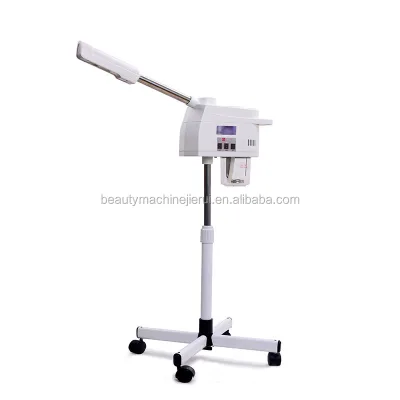
Professional Facial Steamer Hot and Cold Machine for Salon Use with Ozone
$28.00 - $31.00
MOQ: 50 Pieces

Changsha Fusheng Electronic Technology Co., Ltd.
- Trading Company
- China Hunan
- Lead time15 days
- Avg. response≤ 2h
Main productsElectronic Product
Main marketsSoutheast Asia/ Mideast,Europe,North America


Face Facial Steamer SPA Skin Mist Cleaner Pores Steam Sprayer Steaming Machine
$3.40 - $4.90
MOQ: 20 Pieces


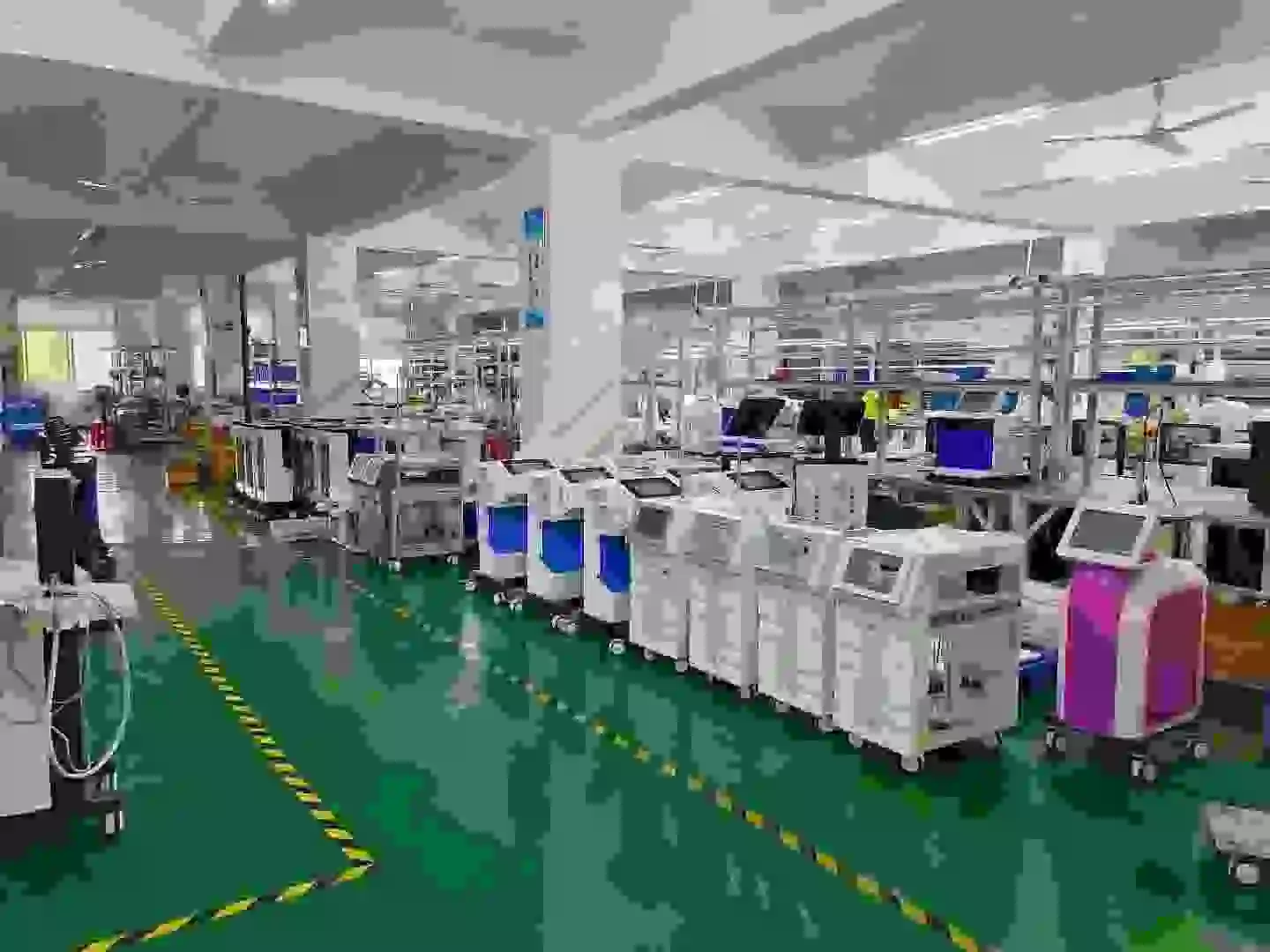
Dongguan Qinchuang Garment Co., Ltd.
- Manufacturer, Trading Company
- Guangdong, China
- Lead time20 days
- Avg. response≤ 2h
Main productsDiode Laser Hair Removal Machine,Fat Freezing Machine,Picosecond Laser Machine,Ems body sculpting Machine,Oxygen Jet Facial Machine
Main marketsOceania(10.00%), Africa(10.00%), Southeast Asia(10.00%), Domestic Market(10.00%), South America(10.00%), North America(10.00%), Eastern Europe(5.00%), South Asia(5.00%), Southern Europe(5.00%), Northern Europe(5.00%), Central America(5.00%), Western Europe(5.00%), Eastern Asia(5.00%), Mid East(5.00%)

Foshan City DaiNi Electronic Technology Co., Ltd.
- Verified by SGS
- Combined
- China Guangdong
- Lead time15 days
- Avg. response≤ 12h
Main productsBeauty Machine, Beauty Equipment, Dermabrasion Machine, Breast &Butt Enlargement, Oxygen Machine, Haire &Tattoo Removal, Skin Care, Slimming Machine, PDT & LED, Hifu
Main marketsSoutheast Asia/ Mideast
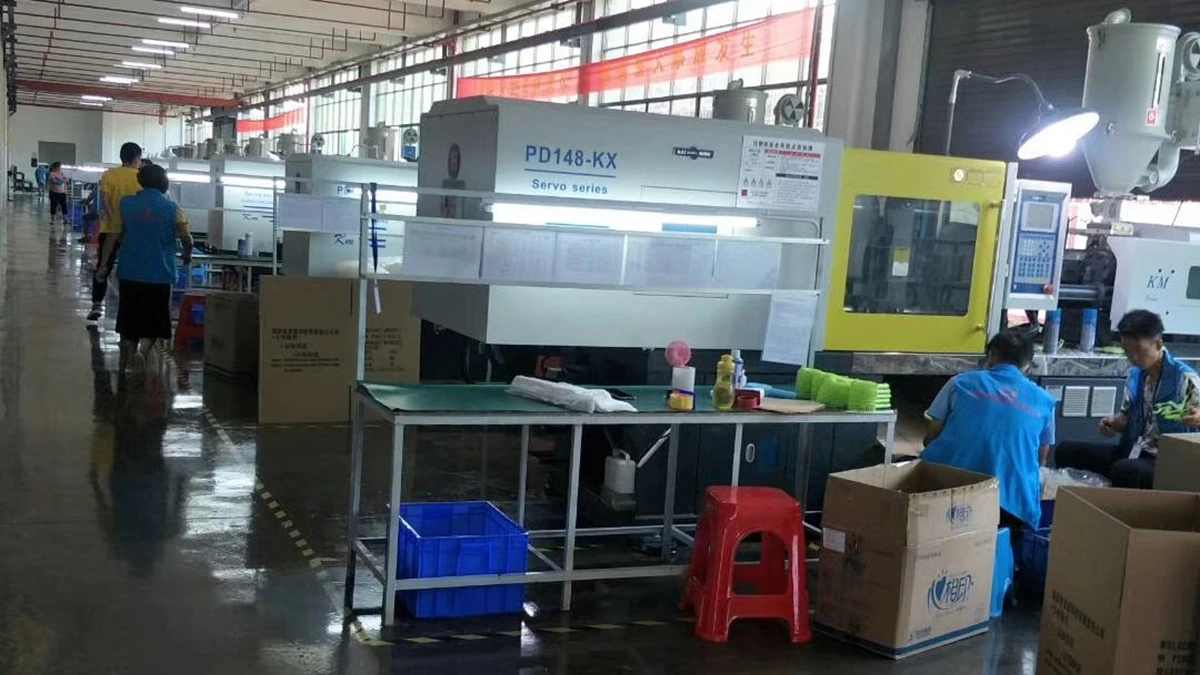
Shangzhi Youzao (Guangzhou) Technology Co., Ltd.
- Manufacturer, Trading Company, Distributor/Wholesaler
- Guangdong, China
- Lead time30 days
- Avg. response≤ 2h
Main productswaxing kits,Airbrush kits,Beauty tools,OEM ODM,Personal care tools
Main marketsNorth America(40.00%), Eastern Europe(30.00%), Western Europe(15.00%), Eastern Asia(10.00%), Northern Europe(5.00%)
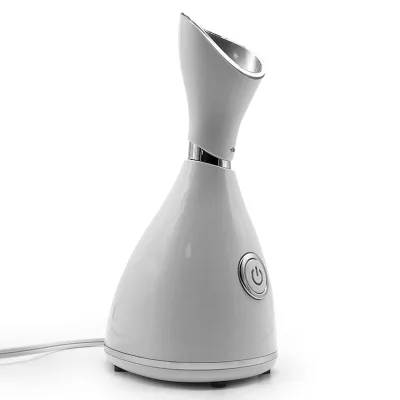
Home Use Skincare Device Face Steam Machine Facial Steamer Face Steamer for Facial
$6.78 - $9.25
MOQ: 1 pieces
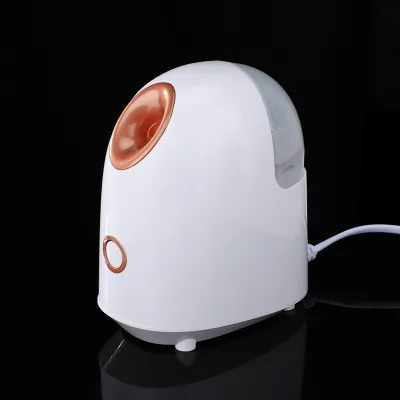
Premium Hot Mist Facial Steamer for SpaQuality Results Home Beauty Regimen
$5.08 - $6.10
MOQ: 2 pieces
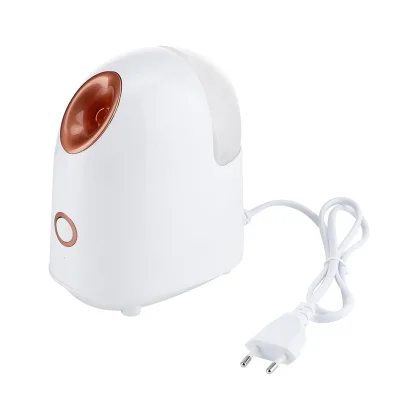
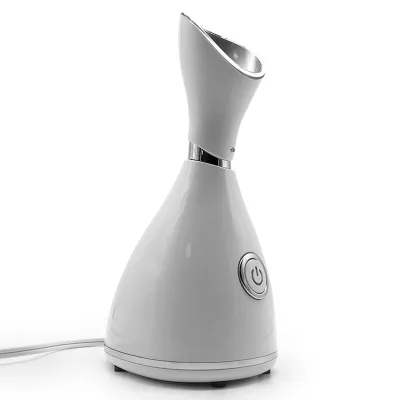
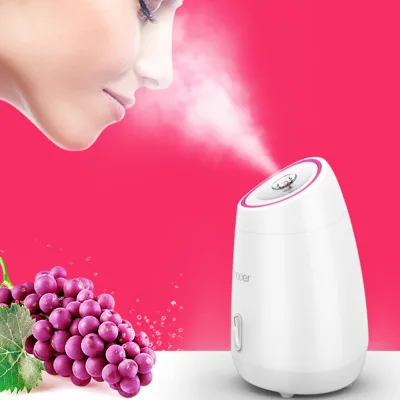
Other Beauty Equipment Pure Pink Face Steamer 2023
$3.99 - $4.99
Zhongshan Bisen Plastic Electronic Products Co., Ltd.
- Manufacturer, Trading Company
- Lead time旺季: "1 - 1000":31,"1001 - 2000":32,"2001 - 3000":33,"> 3000":"To be negotiated", 淡季: "1 - 1000":31,"1001 - 2000":32,"2001 - 3000":33,"> 3000":"To be negotiated"
- Avg. response≤ 2h
Main productsHome Use Beauty Device, LED Device, Heat And Cold Device, Hair Removal Device, Massage Device
Shenzhen JPC Technology Co., Ltd.
- Verified by SGS Group
- Trading Company
- Lead time15 days
- Avg. response≤ 2h
Main productsHair Removal, Nail Lamp, Facial Steamer, Facial Cleansing Brush, Led Mask
Main marketsNorth America(40%), South America(8%), Eastern Europe(8%)
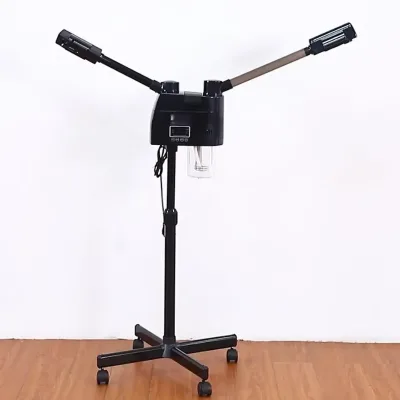
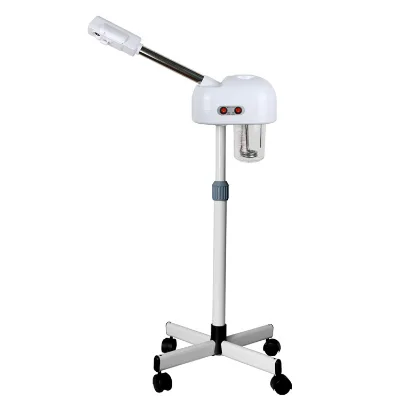
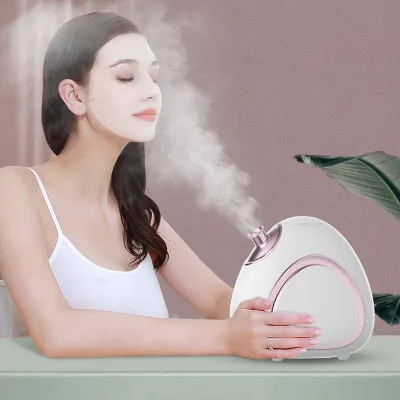
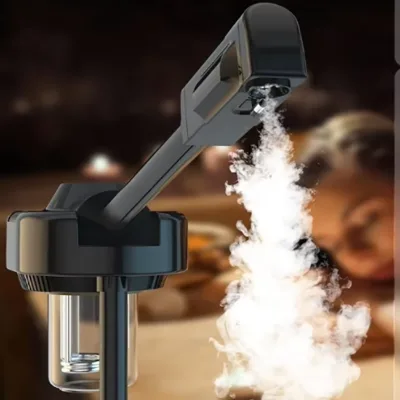
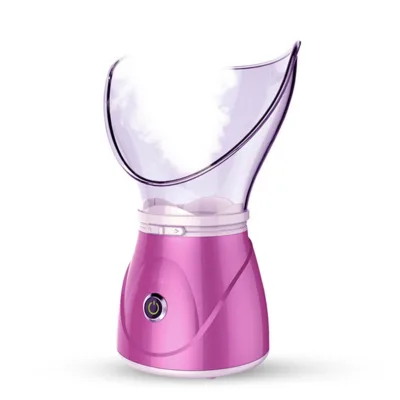
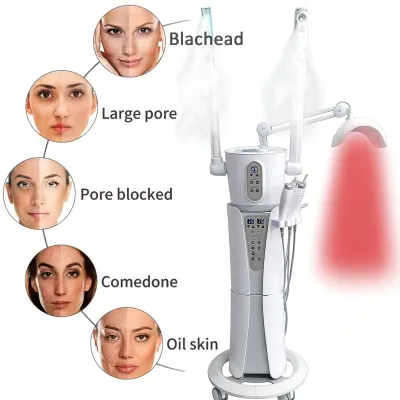
2-in-1 Spa Steamer Facial Steamer Spa Face DIY Steam Sprayer Beauty Machine Skin Care Tool
$5.83 - $7.64
MOQ: 24 pieces
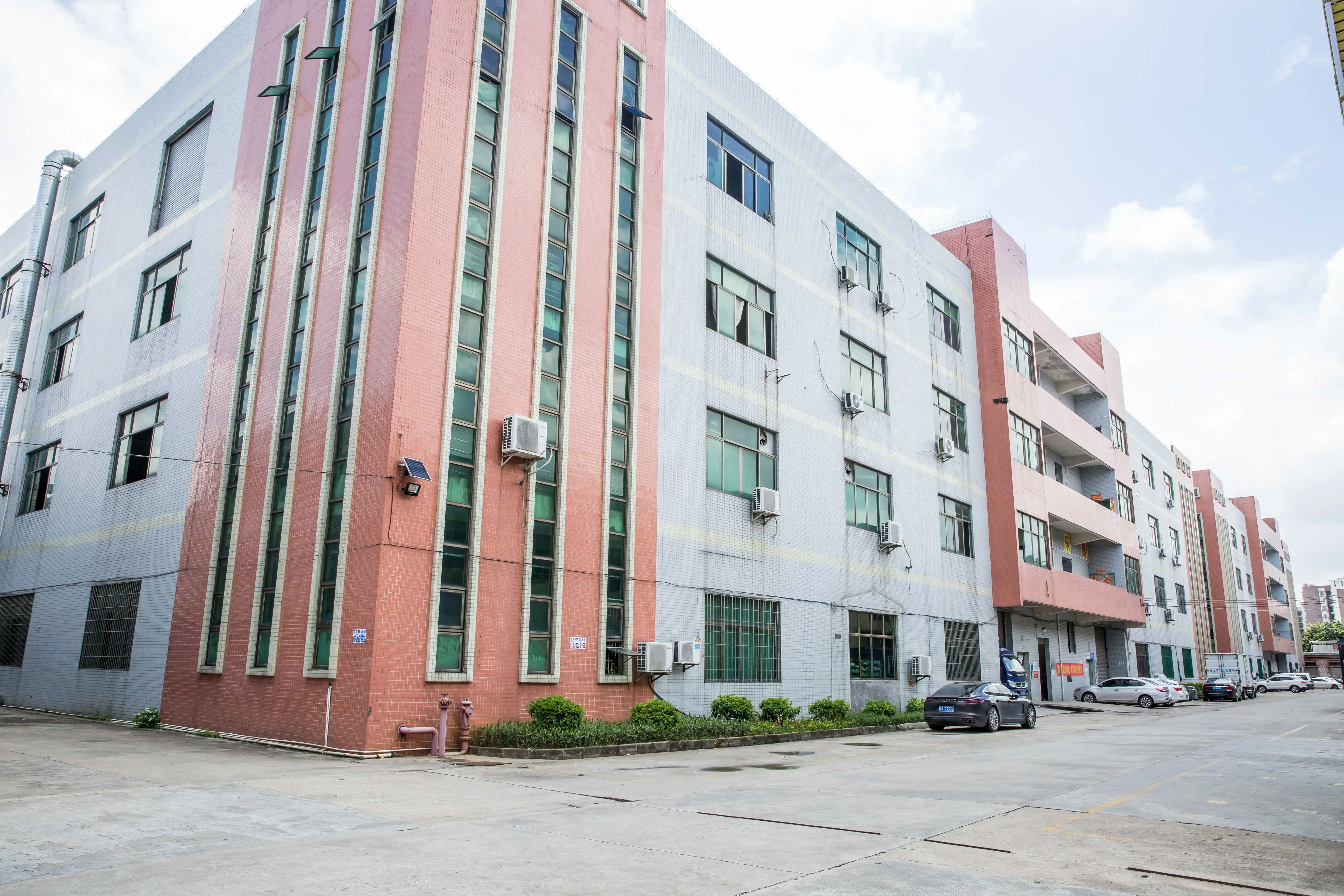
Foshan Eastern Technology Co., Ltd.
- Manufacturer
- Guangdong, China
- Lead time25 days
- Avg. response≤ 8h
Main productsFacial steamer,Magnifying LED lamp,Hair processor,Hair steamer
Main marketsSoutheast Asia(30.00%), Mid East(30.00%), Africa(15.00%), South Asia(15.00%), Domestic Market(5.00%), North America(5.00%)
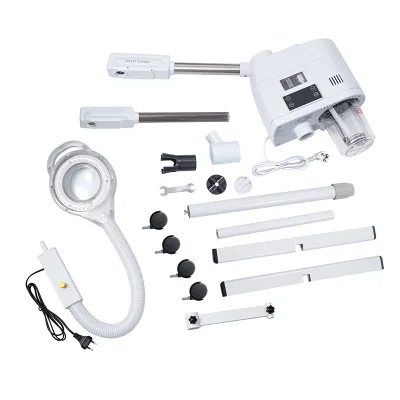
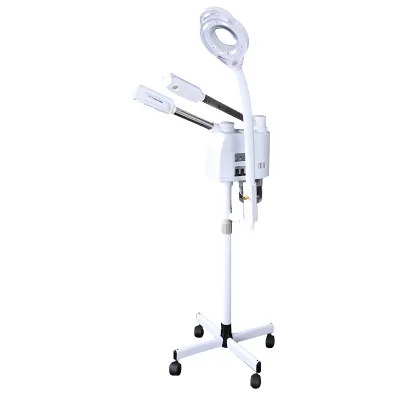
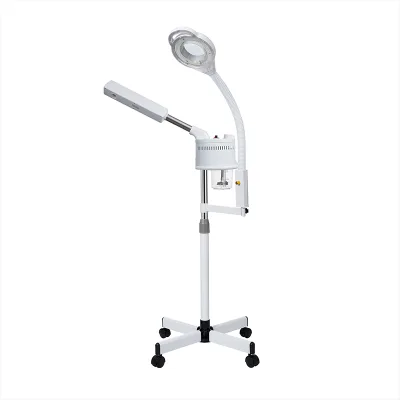
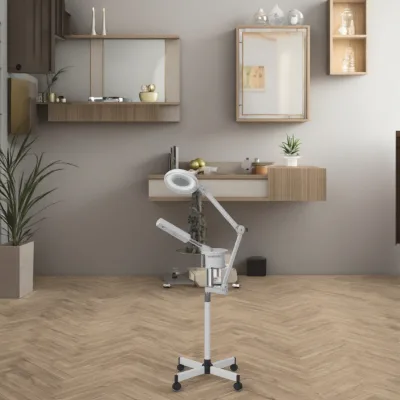
2-in-1 Multifunctional Face Steamer Equipped with Amplified LED Lights for Skin Steam Cleaning
$45.00 - $48.00
MOQ: 100 Minimum
Jiangmen Hengzhuo Salon & Beauty Equipment Co., Ltd.
- Verified by TüVRheinland
- Manufacturer, Trading Company
- Lead time0 days
- Avg. response≤ 3h
Main productsSalon And Beauty Furniture, Beauty Instrument (Mainly For Skin And Nail Care)
Main marketsNorth America(20%), Eastern Europe(20%), Western Europe(20%)
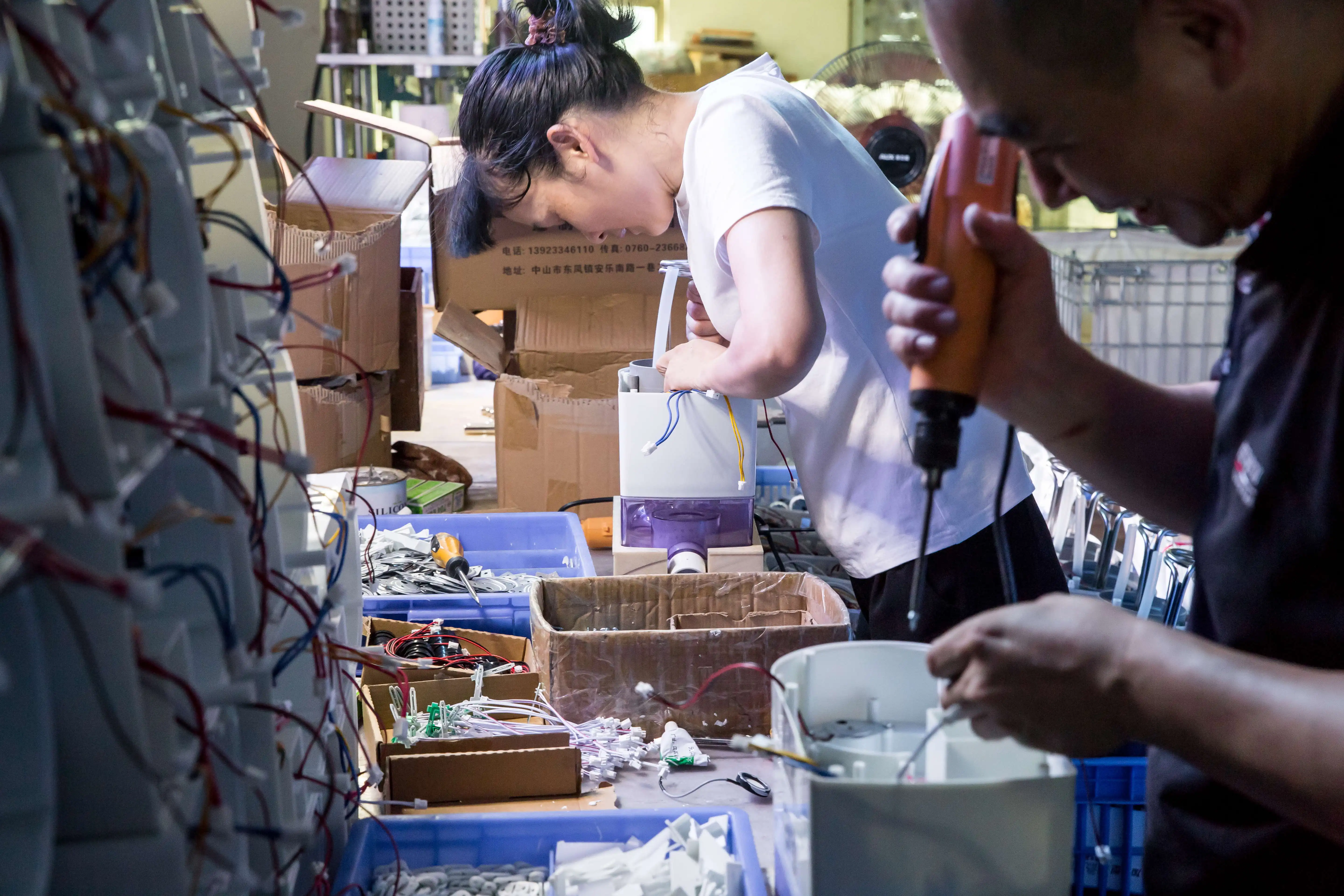
Foshan Lanhu Beauty Salon Equipment Co., Ltd.
- Manufacturer
- Guangdong Province, China
- Lead time0 days
- Avg. response≤ 3h
Main productsHot Cold Facial Steamer,LED magnifying glass,Tattoo lamp,Magnifier,Single heat sprayer
Main marketsDomestic Market(50.00%), Southeast Asia(30.00%), North America(10.00%), Mid East(10.00%)
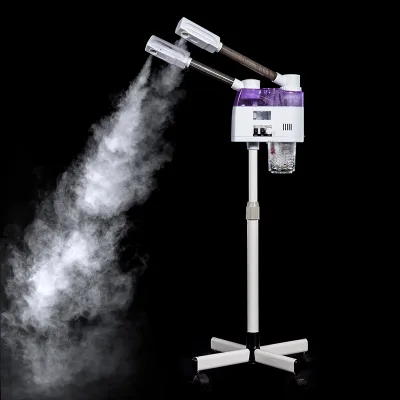
Guangdong Cheap Professional Facial Steamer Machine Spa Face Care Device Portable-facial-steamer
$29.00 - $34.00
MOQ: 10 sets
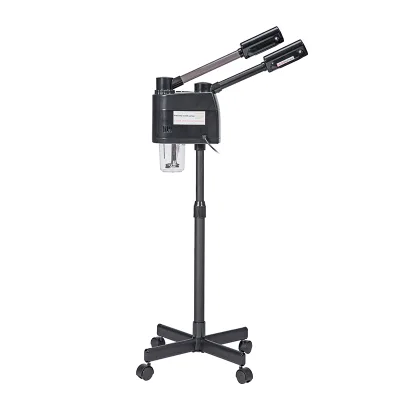
$29.00 - $33.00
MOQ: 10 sets
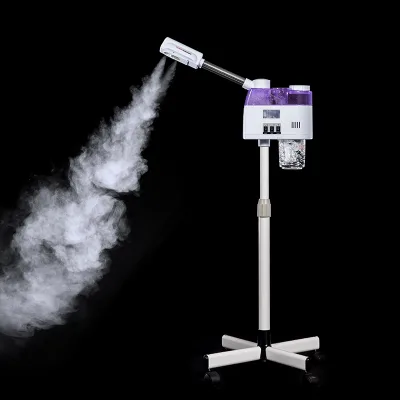
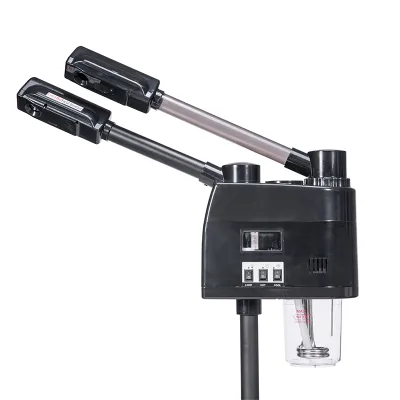
Low Cost Beauty Equipment Facial Steamer with Glass Beaker Black Facial Steamer for Sale
$29.00 - $33.00
MOQ: 10 sets
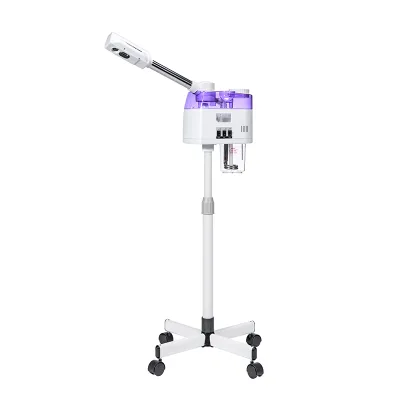
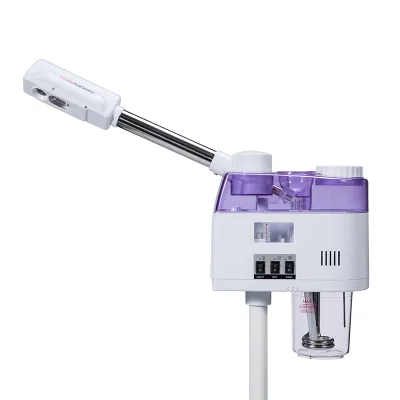

Guangzhou Everplus Beauty Appliance Ltd.
- Verified by BV
- Combined
- China Guangdong
- Lead time30 days
- Avg. response≤ 8h
Main productsBeauty Equipment, Beauty Instrument, Slimming Machine, Body Slimming, Facial Care, Beauty Machine, Skin Care, RF Machine, Salon Equipment, Peeling Machine
Main marketsEurope


Facial Steamer Hot Vapor with Ozone Skin Care Time Control Beauty Machine
$67.00 - $87.00
MOQ: 1 Pieces


Henan Eminent Medical Devices Co., Ltd.
- Verified by TUVRHEINLAND
- Manufacturer/Factory
- China Henan
- Lead time23 days
- Avg. response≤ 4h
Main productsBarber Chair, Shampoo Chair/Bed, Massage Table, Nursing Bed/Hospital Bed, Medical Brace, Mirror Salon Station, Commder Chair, Bath Chair, Nail Table Desk, Wheelchair
Main marketsSouth America,Eastern Europe,Mid East,North America,Southeast Asia,Eastern Asia,Oceania,Western Europe,Africa

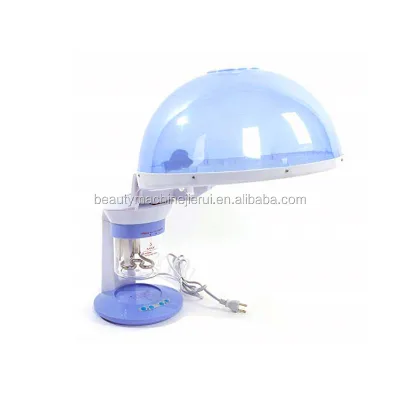
Salon Use Professional Hair Machine Portable Facial Steamer Hair Steamer
$90.00 - $130.00
MOQ: 2 Pieces


New Beauty Salon Equipment Hot Vapour Skin Nourishing Steam Machine Facial Steamer
$38.00 - $50.00
MOQ: 1 Pieces
Shenzhen Belen Electronic Technology Co., Ltd.
- Verified by TüVRheinland
- Manufacturer, Trading Company
- Lead time5 days
- Avg. response≤ 2h
Main productsMassage Scraper, Muscle Scraping Tool, Massage Gun, Beauty Device, Skin Scrubber
Main marketsEastern Asia(60%), North America(30%), South America(3%)

- Verified by SGS
- Trading Company,Manufacturer/Factory
- China Guangdong
- Lead time23 days
- Avg. response≤ 2h
Main productsBeauty Devices, Skin Care Instrument, LED Face Masks, Makeup Tools, Beauty Instrument (OEM/ODM), OEM / ODM Electronics, Beauty Device, Home Air Care Appliances, Furniture, Electric Bakhoor Burners
Main marketsSouth America,Eastern Europe,Mid East,North America,Southeast Asia,Eastern Asia,Oceania,Western Europe,Africa

Wenzhou Boyo Electric Appliance Co., Ltd.
- Verified by BV
- Manufacturer/Factory
- China Zhejiang
- Lead time45 days
- Avg. response≤ 11h
Main productsHair Straightener, Hair Curler, Men's Shaver, Lady Epilator/Rozar, Callus Remover, Hair Dryer, Hair Clipper/Trimmer, Facial Cleansing Brush, Hot Air Brush, Oil Diffuser
Main marketsSouth America,Eastern Europe,Mid East,North America,Southeast Asia,Eastern Asia,Oceania,Western Europe,Africa

Guangzhou allfond electronics co.,ltd
- Verified by SGS
- Trading Company
- China Guangdong
- Lead time15 days
- Avg. response≤ 7h
Main productsSlimming Machine, Beauty Equipment, Derma Roller, Tattoo Equipment, ND YAG Laser Machine, Cavitation RF Vacuum, Hifu, 808nm Diode Laser, EMS Sculpting Machine, Cryolipolysis Machine
Main marketsSoutheast Asia/ Mideast,Europe,North America


Professional Nano Mist Moisture Spray Cold Hot Facial Steamer for Salon Use
$39.00 - $56.00
MOQ: 1 Pieces

Professional Facial Steamer Hot and Cold Machine for Salon Use with Ozone
$37.00 - $47.00
MOQ: 1 Pieces


Water Jet Machine Face and Neck Lifting Massager Anti Wrinkle Face Lifting Machine
$680.00 - $756.00
MOQ: 1 Pieces
Shenzhen Dream True Tech Co., Ltd.
- Manufacturer
- Guangdong, China
- Lead time15 days
- Avg. response≤ 4h
Main productsHair Curler,scalp massager,hair brush,hair comb,Hair steamer
Main marketsNorth America(30.00%), Central America(10.00%), Western Europe(10.00%), South Asia(8.00%), Southern Europe(8.00%), Eastern Europe(5.00%), South America(5.00%), Southeast Asia(5.00%), Mid East(5.00%), Northern Europe(5.00%), Oceania(4.00%), Eastern Asia(3.00%), Domestic Market(1.00%), Africa(1.00%)
- Manufacturer, Trading Company
- Guangdong, China
- Lead time6 days
- Avg. response≤ 9h
Main productsHair trimmer,beard shaver,hair dryer,hair curler,hair straightener
Main marketsNorth America(40.00%), Western Europe(15.00%), Mid East(10.00%), South America(10.00%), Domestic Market(5.00%), Southeast Asia(5.00%), Eastern Europe(5.00%), Africa(5.00%), Oceania(3.00%), Eastern Asia(2.00%)

- Verified by SGS
- Trading Company
- China Zhejiang
- Lead time15 days
- Avg. response≤ 15h
Main productsFan, Heater Fan, Air Fryer, Toaster, Rice Cooker, Vacuum Cleaner, Coffee Machine, Hairdressing Appliance, Electric Toothbrush, Steam Iron
Main marketsEurope,Australia


Compact Top-Rated Budget-Friendly Minimalist Sleek Trend Facial Steamer
$11.78 - $12.90
MOQ: 75 Pieces

New Arrival Humidifying Home Handheld Beauty Moisturizing Spray Hydration Facial Steamer
$2.60 - $3.30
MOQ: 500 Pieces

Micro-Sized Best-Selling Cost-Effective Streamlined Modern Fashionable Facial Steamer
$20.87 - $22.86
MOQ: 45 Pieces

Best Seller Hydration Rechargeable Function Convenient Home Handheld Moisturizer Facial Steamer
$2.60 - $3.30
MOQ: 500 Pieces

Pingyang County Ate Electrical Appliance Co., Ltd.
- Manufacturer, Trading Company
- Zhejiang, China
- Lead time7 days
- Avg. response≤ 2h
Main productsHair Straightener,Hair Dryer,Flat Iron,Eyelash curler
Main marketsDomestic Market(50.00%), North America(15.00%), Southeast Asia(10.00%), Western Europe(10.00%), Eastern Asia(5.00%), Mid East(5.00%), South America(2.00%), South Asia(1.00%), Oceania(1.00%), Eastern Europe(1.00%)
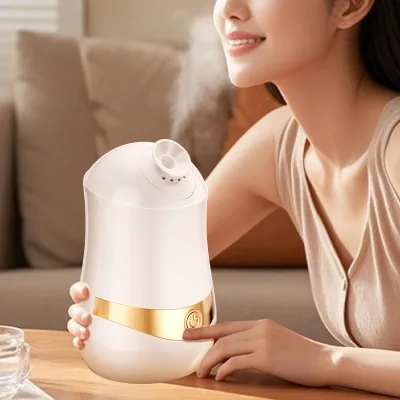
Top Seller Household Appliances Face Care Warm Steam and Deeply Moisture Facial Steamer
$3.77 - $4.34
MOQ: 1 pieces
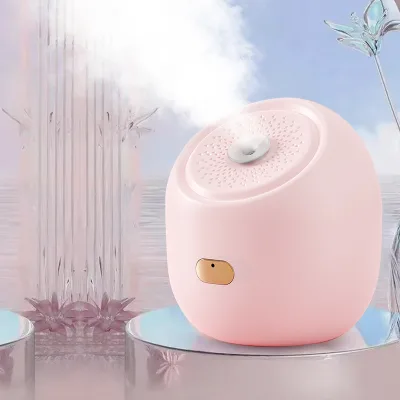


Shandong Moonlight Electronics Tech Co., Ltd.
- Verified by SGS
- Combined
- China Shandong
- Lead time15 days
- Avg. response≤ 3h
Main productsDiode Laser Hair Removal Hifu Endosphere, Hifu Machine, Laser Hair Rewoval, Beauty Equipment, Hair Removal, IPL Machine, Skin Machine
Main marketsEurope,North America
Guangzhou Jierui Electronic Technology Co., Ltd.
- Trading Company
- Guangdong, China
- Lead time5 days
- Avg. response≤ 4h
Main productsSlimming Machines,Multifunctional Facial Machines,Hair Removal,Home Use Beauty Equipment,Spa Use Beauty Equipment
Main marketsDomestic Market(10.00%), Southern Europe(10.00%), Mid East(10.00%), Northern Europe(10.00%), Southeast Asia(10.00%), Eastern Europe(10.00%), South America(10.00%), North America(10.00%), Western Europe(5.00%), Eastern Asia(5.00%), Africa(5.00%), Central America(5.00%)

Sun Medical Products Co., Ltd.
- Verified by BV
- Combined
- China Guangdong
- Lead time30 days
- Avg. response≤ 15h
Main productsRadiotherapy, Occupational Therapy, Medical Consumables, Rehabilitation Products, Surgical Instruments
Main marketsSouth America,Africa,Southeast Asia/ Mideast,Europe,North America
Guangzhou Auro Beauty Equipment Co., Ltd.
- Manufacturer, Trading Company
- Lead time旺季: "1 - 10":7,"> 10":"To be negotiated", 淡季: "1 - 10":7,"> 10":"To be negotiated"
- Avg. response≤ 8h
Main productsvacuum cavitation machine,lipo laser machine,infrared press therapy machine,electro muscle stimulator machine,microdermabrasion machine
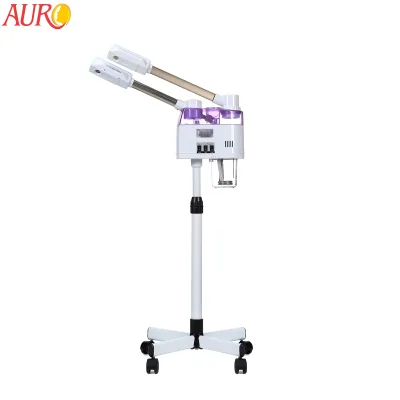
AU-A224 Multi Function Ion Hot Vapour Skin Nourishing Steam Machine Facial Steamer Price
$32.00 - $36.00
MOQ: 1 pieces
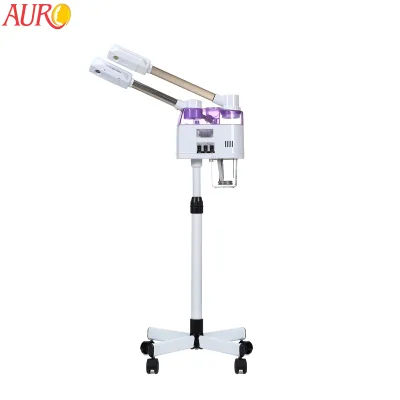
AU-A224 2-in-1 Salon Equipment Hot and Cold Spray Facial Steamer Multi-purpose Tool Mist Steamer
$32.00 - $36.00
MOQ: 1 pieces
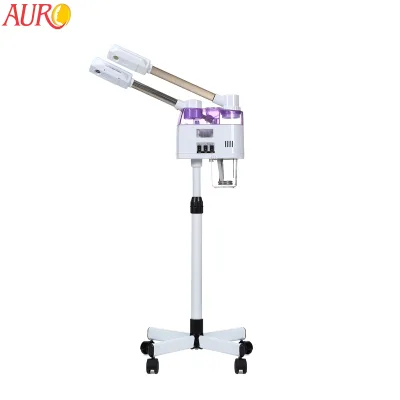
AU-A224 Hot Cold Mist Facial Steamer Quick Spray Ozone Vaporizer Black Facesteamer Digital Machine
$32.00 - $36.00
MOQ: 1 pieces






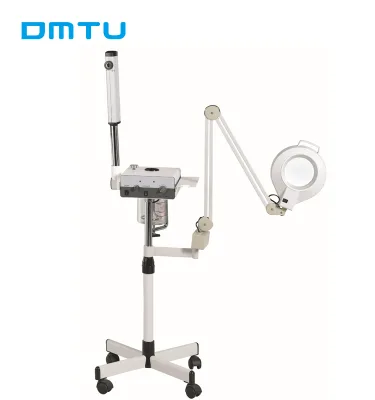
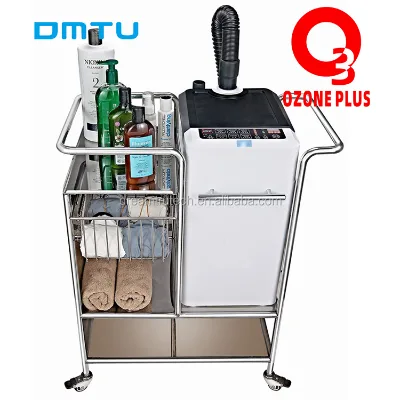
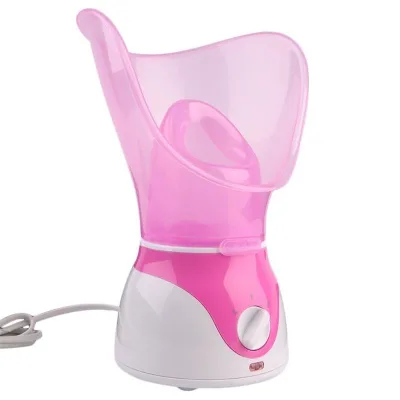
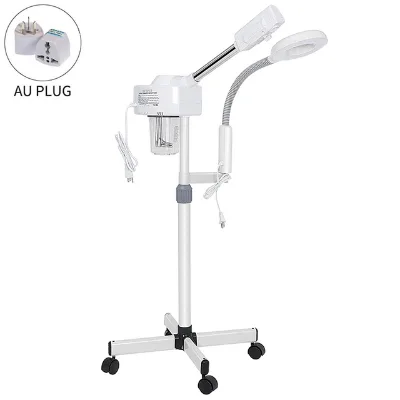




Comprehensive Sourcing Guide
Commercial Facial Steamer Supplier Concentration and Factory Types
Current data indicates a concentration of manufacturing activity in China, specifically within the Guangdong province, where suppliers list facial steamer machines alongside other beauty equipment like Hifu and laser devices. These entities often operate as combined entities or manufacturers, offering ODM and OEM capabilities alongside their own brands. The presence of specific product attributes such as "prod_origin: China" and "prod_origin: Guangzhou" confirms that the primary production hubs for these commercial units are located in these southern regions. Buyers should note that while some suppliers are identified as manufacturers, others may function as trading companies, particularly those sourcing from different provinces like Hunan or Zhejiang, which suggests a fragmented supply chain where the actual factory location might differ from the company registration address.
When evaluating the factory type, it is critical to distinguish between combined companies and pure manufacturers, as this impacts customization flexibility and direct communication. The observed data shows that some suppliers possess ODM and OEM capacities, allowing for private labeling and specific technical modifications, while others may have limited customization options. Buyers must verify if the supplier is a direct factory or a trading intermediary by checking their company type designation and main product lists. A supplier listing "Electronic Product" as a main product alongside facial steamers might indicate a broader trading scope rather than specialized manufacturing. Understanding this distinction helps in assessing whether the supplier can provide the technical support and production control required for commercial-grade equipment.
How to Verify Commercial Facial Steamer Suppliers
Verification of supplier credibility relies heavily on third-party audit results and specific certification standards rather than self-declared claims. The available data highlights that some suppliers hold SGS verification status, while others are verified by BV, indicating different levels of external scrutiny. Additionally, specific manufacturers may hold ISO 9000, ISO 13485, and ISO 9001 certifications, which are crucial for medical or high-standard beauty equipment. Buyers should prioritize suppliers displaying these specific system certifications, as they validate quality management processes. However, the absence of a certification in the provided data does not automatically disqualify a supplier, but it necessitates a direct request for proof of compliance before proceeding with any order.
Response time and verification status serve as immediate indicators of supplier reliability and operational efficiency. The observed response times vary, with some suppliers showing a response time of 1.40, while others are around 1.96 or 2.41. A faster response time often correlates with better communication channels and a more active sales team, which is vital for resolving technical queries regarding commercial steamers. Buyers should compare these metrics across potential partners to gauge responsiveness. Furthermore, the presence of "is_verified" flags from recognized agencies like SGS or BV provides a baseline of trust. It is essential to confirm that the verification is current and covers the specific product lines being sourced, ensuring that the supplier's claims about their Commercial Facial Steamer capabilities are backed by independent validation.
What to Compare Across Commercial Facial Steamer Suppliers
Comparing suppliers requires a detailed analysis of lead times, minimum order quantities, and pricing structures to ensure alignment with business needs. The data reveals significant variation in lead times, ranging from 15 days to 23 days, which directly impacts inventory planning and delivery schedules. Similarly, minimum order quantities (MOQ) differ substantially, with some suppliers requiring as few as 2 units while others mandate orders of 50 or 100 units. Buyers must evaluate these thresholds against their projected sales volume to avoid overstocking or facing unfulfillable orders. Price ranges also fluctuate, with some products listed between $10 and $23, while others range from $28 to $49, reflecting differences in features, materials, and brand positioning.
Beyond basic metrics, the scope of customization and product specifications must be compared to determine the best fit for the target market. Some suppliers offer "Customization: Available" with options for specific models like "steamer" or "NS-FS07-03," while others provide fixed configurations. The ability to customize voltage, such as 110V or 220V, and features like ozone generation or screen touch interfaces is a key differentiator. Buyers should also examine the warranty periods, which vary from one year to three years, and the specific application settings, such as "Salon,Home" usage. A supplier offering a 3-year warranty and multi-functional capabilities may justify a higher price point compared to a basic model with a shorter warranty. These factors collectively define the value proposition and operational flexibility of each supplier.
Common Commercial Facial Steamer Sourcing Risks
One significant risk involves the discrepancy between the stated location and the actual manufacturing origin, which can affect logistics and quality control. While some products list "prod_origin: China" or "Guangzhou," others indicate "Zhejiang," suggesting that a single supplier might source from multiple factories. This fragmentation can lead to inconsistencies in product quality and packaging standards. Buyers must verify the specific factory location for each order to ensure that the production environment meets their requirements. Additionally, the variation in product attributes, such as "Portable: Non Portable" versus "Portable" models, can cause confusion if not clearly specified in the purchase agreement, leading to potential mismatches between expectations and delivered goods.
Another critical risk is the potential for unverified claims regarding certifications and system standards. The data shows that some suppliers have "NIL" for system certification, while others hold ISO standards. Relying solely on a supplier's assertion without independent verification can result in non-compliant products, especially for commercial equipment used in professional settings. Furthermore, the absence of detailed test results or specific safety standards in the provided data means buyers cannot assume compliance with international safety regulations. Buyers should request detailed test reports and certification documents before finalizing any contract. Failure to do so may expose the buyer to liability issues or product recalls if the equipment fails to meet safety requirements in the destination market.
Commercial Facial Steamer Regional Sourcing and Logistics
Sourcing from China, particularly from Guangdong and Hunan, offers access to a robust supply chain but requires careful logistics planning. The concentration of suppliers in these regions means that shipping costs and transit times can be optimized by consolidating orders from a single geographic area. However, the data indicates that some products originate from Zhejiang, which may involve different shipping routes and customs procedures. Buyers should calculate the total landed cost, including freight, insurance, and duties, based on the specific origin of the goods. Understanding the regional distribution of suppliers helps in negotiating better freight rates and minimizing the risk of supply chain disruptions due to regional events or port congestion.
Logistics planning must also account for the packaging specifications and dimensions provided in the product data. Items like the "Thermal Sprayer Facial Steamer" have specific package sizes, such as "74 X 18 X 37cm," which influence container loading efficiency and shipping costs. Buyers should request detailed packing lists and dimensions for all items in their order to optimize container utilization. Additionally, the "prod_packing" details, such as "Carton" or "Air Case," affect the protection level during transit. For commercial equipment, ensuring that the packaging is robust enough to withstand long-distance shipping is essential to prevent damage. Buyers should verify that the supplier uses appropriate packaging materials and methods to maintain product integrity from the factory gate to the final destination.
Commercial Facial Steamer Commercial Terms and Order Planning
Order planning for commercial facial steamers requires a clear understanding of payment terms, escrow options, and delivery schedules to mitigate financial risk. While the data does not explicitly list escrow availability, buyers should confirm if the supplier offers secure payment methods to protect their investment. The variation in lead times, from 15 to 23 days, necessitates precise scheduling to align with marketing campaigns or store openings. Buyers should establish a production timeline that includes buffer time for quality inspections and potential delays. Additionally, the MOQ requirements, ranging from 2 to 100 units, should be factored into the financial planning to ensure that the initial investment aligns with the projected return on investment.
Commercial terms also encompass the warranty and after-sales service provisions, which are critical for maintaining customer satisfaction in the beauty industry. The data shows warranty periods ranging from one to three years, and some suppliers offer "24hours Online Service" for technical support. Buyers should negotiate these terms to ensure they receive adequate support for any product failures or maintenance needs. The availability of customization services, such as private labeling, should also be confirmed in the contract to avoid disputes over branding rights. Clear communication regarding these terms ensures that both parties have a shared understanding of their obligations, reducing the likelihood of conflicts and fostering a long-term, productive business relationship.
FAQs
Where are commercial facial steamers manufactured?
Commercial facial steamers are manufactured in China, specifically in Guangdong and Hunan provinces. Some products originate from Guangzhou, while others come from Zhejiang. Buyers should verify the specific factory location on the product page to ensure it matches their sourcing requirements.
What is the minimum order quantity for these machines?
Minimum order quantities vary by supplier and model. Some portable units require only two pieces, while professional salon models may need fifty or one hundred units. Buyers must check the specific product listing to confirm the exact MOQ before placing an order.
How long does it take to receive the order?
Lead times for commercial facial steamers typically range from fifteen to twenty-three days depending on the supplier. Some manufacturers offer faster response times, while others may require more time for production. Buyers should confirm the specific delivery schedule with the seller.
Are these facial steamers suitable for both home and salon use?
Yes, many commercial facial steamers are designed for both home and salon applications. The product attributes often list dual usage capabilities, allowing flexibility for different business models. Buyers should verify the specific application settings listed on the product details page.
What certifications do the suppliers hold?
Some suppliers hold ISO 9000, ISO 13485, and ISO 9001 certifications for their manufacturing processes. Others may have different verification statuses like SGS or BV. Buyers should check the specific certification section of the supplier profile to confirm compliance with industry standards.
Can buyers customize the facial steamer models?
Customization is available for many Commercial Facial Steamer models, including OEM and ODM services. Suppliers often allow branding and specific feature adjustments. Buyers should inquire about the customization options and any associated costs directly with the supplier before finalizing the order.
What is the price range for these machines?
Prices for commercial facial steamers range from ten to forty dollars per unit depending on features and specifications. Some basic models start at ten dollars, while advanced units with ozone or multi-functional capabilities may cost up to forty dollars. Buyers should compare specific listings for accurate pricing.