Rechargeable LED Facial Massager Suppliers and Manufacturers
Explore 29 verified suppliers offering Rechargeable LED Facial Massager options from China Guangdong and Zhejiang. Compare response times, lead times, certifications, and product specifications to source effectively. Contact suppliers directly to request quotes; review the available evidence before requesting comparable quotations from suitable candidates.
Suppliers List

- Verified by SGS
- Trading Company,Manufacturer/Factory
- China Guangdong
- Lead time23 days
- Avg. response≤ 3h
Main productsBeauty Devices, Skin Care Instrument, LED Face Masks, Makeup Tools, Beauty Instrument (OEM/ODM), OEM / ODM Electronics, Beauty Device, Home Air Care Appliances, Furniture, Electric Bakhoor Burners
Main marketsSouth America,Eastern Europe,Mid East,North America,Southeast Asia,Eastern Asia,Oceania,Western Europe,Africa


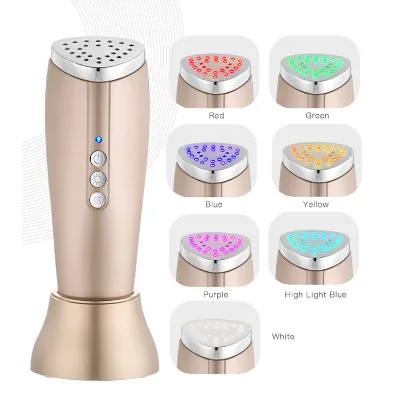
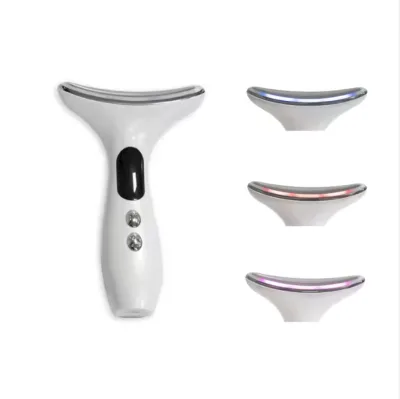
Light Based Face-Neck-Massager - 7 Color Portable Facial Massager for Skin Care
$6.00 - $7.00
MOQ: 20 Pieces

$12.60 - $14.00
MOQ: 20 Pieces

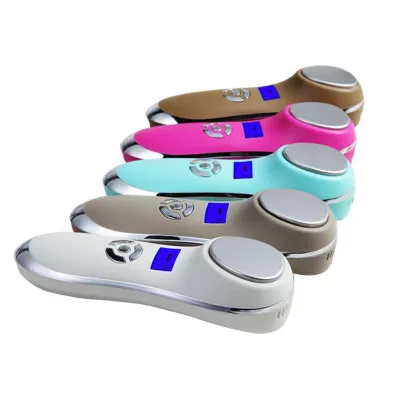
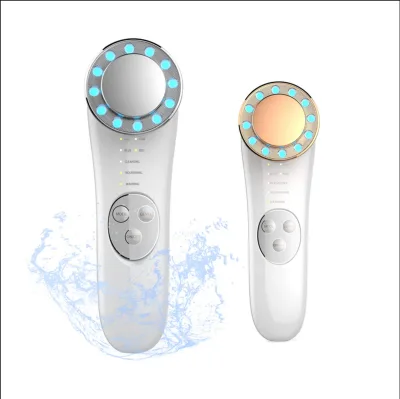
Handheld Rechargeable Facial Massager with Hot and Cold Infusion Function
$19.90 - $25.90
MOQ: 50 Pieces

$12.60 - $14.00
MOQ: 20 Pieces


NINGBO HAISHU HOPE-U INTERNATIONAL TRADING CO., LTD.
- Manufacturer/Factory
- China Zhejiang
- Lead time45 days
- Avg. response≤ 8h
Main productsGift, Beauty Device, Bluetooth Speaker, Skin Care, Cosmetics, Promotional Products, Camping Lamp, Fan, Keyboard and Mouse, Humidifier
Main marketsSouth America,Eastern Europe,North America,Southeast Asia,Western Europe
Guangdong Inkue Technology Co., Ltd.
- Verified by TüVRheinland
- Manufacturer, Trading Company
- Guangdong, China
- Lead time20 days
- Avg. response≤ 2h
Main productsHigh-frequency Beauty Instrument, Radio Frequency Beauty Instrument, Micro-current Beauty Instrument, Ultrasonic Body Beauty Instrument, Photon Body Beauty Instrument
Main marketsNorth America(30%), Eastern Europe(19%), Southeast Asia(16%)

Foshan Taida Electronic Technology Co., Ltd.
- Verified by TUVRHEINLAND
- Combined
- China Guangdong
- Lead time15 days
- Avg. response≤ 21h
Main productsDerma Roller, Derma Pen, Ice Roller, Jade Roller, Beauty Device, Massage Device, Disposable Beauty Consumable, Microneedling Device, OEM OEM Project
Main marketsSoutheast Asia/ Mideast,Europe,North America


Hot Selling LED Light Therapy Face Massager with LCD Screen Beauty Device Facial Massage
$33.00 - $48.00
MOQ: 2 Pieces

$11.00 - $11.50
MOQ: 3 Pieces


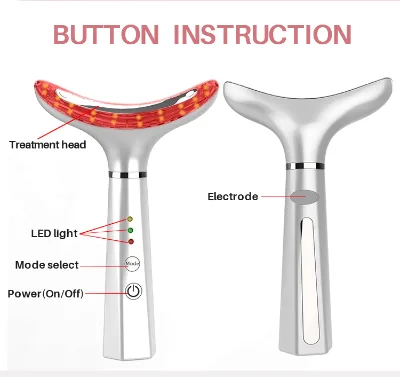
Electronic LED Light Therapy V Shape Face Massage EMS Vibration Neck Wrinkle Face Beauty Device
$8.50 - $9.00
MOQ: 2 Pieces

Help Absorbing Serum USB Vibration Heating Clean Nourish Warm Ion Facial Beauty Massager
$11.00 - $11.50
MOQ: 3 Pieces
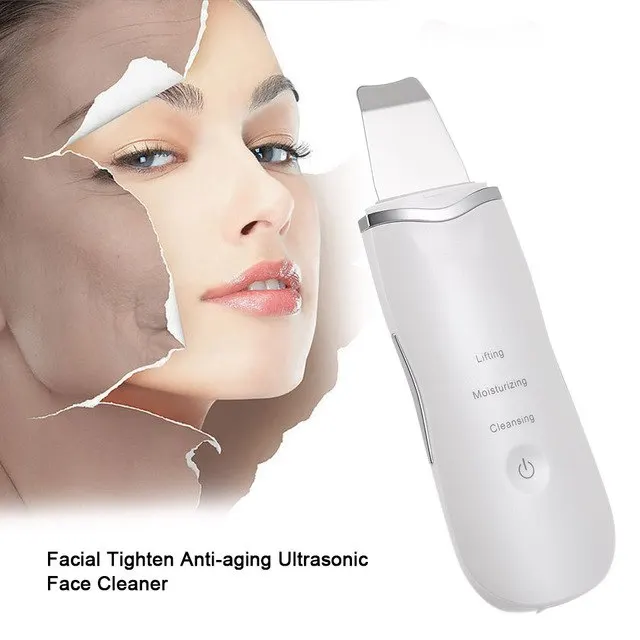
Shenzhen Junbobeauty Technology Co., Ltd.
- Manufacturer, Trading Company, Agent
- Guangdong, China
- Lead time7 days
- Avg. response≤ 3h
Main productsIPL Hair Removal,RF Device,Eyebrow Shaver,Hair straightener,LED Face Mask
Main marketsOceania(20.00%), Western Europe(15.00%), North America(14.00%), Mid East(10.00%), Southern Europe(10.00%), Southeast Asia(10.00%), South Asia(5.00%), Eastern Europe(5.00%), Northern Europe(3.00%), Eastern Asia(3.00%), South America(2.00%), Africa(2.00%), Domestic Market(1.00%)
Ganzhou Pengzhan Trading Co.,LTD
- Verified by BV
- Trading Company
- China Jiangxi
- Lead time15 days
- Avg. response≤ 2h
Main productsLaser Hair Removal Device, Beauty Massager, Facial Roller, Ice Cube Roller, Massage Roller, Ice Globe, Ice Roller, Beauty Device, Skin Care, Beauty Personal
Main marketsOthers(foreignTradeCapacity.exportBusinessCapacityMarketOther),Europe,Australia,North America


Portable Facial Massager for Skin Lifting Tightening Face Roller and Eye Massager
$18.28 - $20.78
MOQ: 10 Pieces


Hot and Cold Face Lifting Beauty Device Skin Tightening Facial Massager
$15.47 - $17.43
MOQ: 50 Pieces

Portable EMS Facial Massager with LED Light Tightening Pore Care Beauty Device
$62.70 - $89.53
MOQ: 40 Pieces
Shenzhen Canvor Technology Co., Ltd.
- Verified by SGS Group
- Trading Company
- Lead time7 days
- Avg. response≤ 2h
Main productsHair Dryer, Hair Straightener, Hair Curler, Facial Massager, Led Facial Mask
Main marketsNorth America(23%), Western Europe(20%), Southeast Asia(10%)
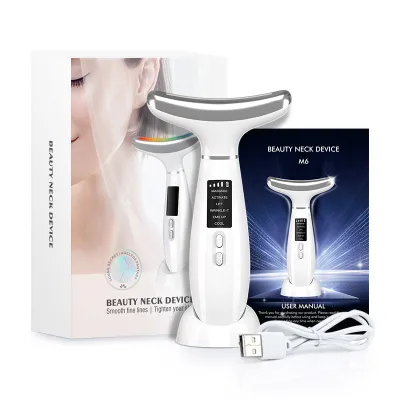
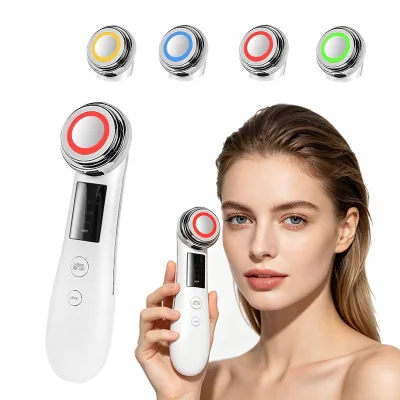
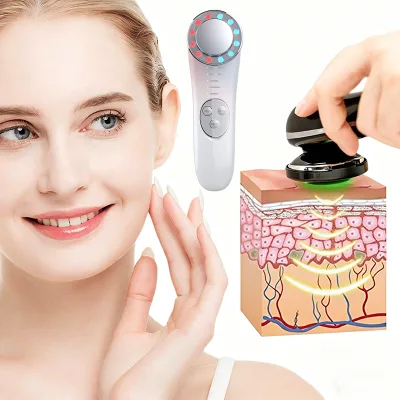
Ems Led Therapy Facial Massager With Base Neck Rejuvenation V-Face Lifting Massager Device EMS
$8.50 - $10.50
MOQ: 5 pieces

Changsha Fusheng Electronic Technology Co., Ltd.
- Trading Company
- China Hunan
- Lead time15 days
- Avg. response≤ 2h
Main productsElectronic Product
Main marketsSoutheast Asia/ Mideast,Europe,North America


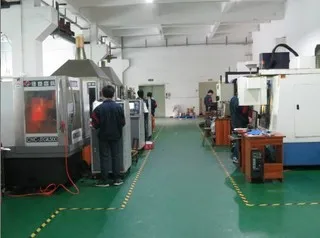
LED Light Therapy Beauty Device V Shape Face Massager Neck Lifting Device
$11.90 - $19.80
MOQ: 10 Pieces

Shenzhen Fulinyun Technology Co., Ltd.
- Trading Company
- Guangdong, China
- Lead time25 days
- Avg. response≤ 10h
Main productsFacial LED Light Therapy Mask, Red Infrared Light Therapy Pannel, Laser LED Light Therapy Helmet, Red Light Therapy Device Blanket, Far Infrared Sauna Blanket
Main marketsNorth America(30.00%), Western Europe(20.00%), Domestic Market(7.00%), South America(5.00%), Oceania(5.00%), Southern Europe(5.00%), Central America(5.00%), Northern Europe(5.00%), Eastern Europe(5.00%), Southeast Asia(5.00%), South Asia(2.00%), Eastern Asia(2.00%), Africa(2.00%), Mid East(2.00%)

Hubei YJT Intelligent Technology Group Co., Ltd.
- Verified by SGS
- Combined
- China Hubei
- Lead time15 days
- Avg. response≤ 1h
Main productsLaser Treatment Instrument, Physiotherapy Rehabilitation, Medical Laser Physical Therapy, Rehabilitation Therapy Equipment, Low Level Laser Therapy, Home Healthcare, Laser Acupuncture, Cold Laser Treatment Instrument, Health Care, Health Care Cold Laser Therapeutic
Main marketsSoutheast Asia/ Mideast,East Asia(Japan/ South Korea),Domestic,Europe,Australia,North America


Professional LED Light Lamp Beauty Care Massager for Wrinkle Removal and Acne Removal
$49.00 - $109.00
MOQ: 1 Pieces

Shenzhen Jimei Technology Development Co., Ltd.
- Verified by SGS Group
- Manufacturer, Trading Company
- Lead time25 days
- Avg. response≤ 3h
Main productsRed light therapy panel, Beauty Device, Facial Cleaning Brush, Body Slim Massager, Hair Regrowth Helmet
Main marketsNorth America(60%), Western Europe(20%), Southeast Asia(10%)
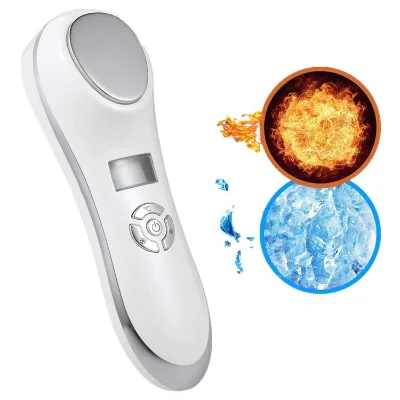
USB Rechargeable Hot & Cool Compress Facial Massager with Sonic Vibration
$11.97 - $13.97
MOQ: 1 pieces
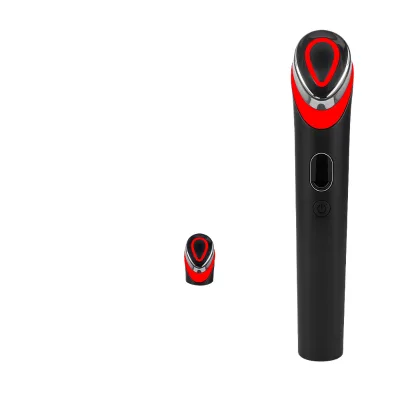
Anti-aging LED Red Light Face Massager with Infrared and Heating Therapy
$26.94 - $34.20
MOQ: 1 pieces
Dual-Temperature Cold Hot Face Massager with Sonic Vibration, OEM/ODM Support
$12.40 - $14.47
MOQ: 1 pieces

- Trading Company
- China Zhejiang
- Lead time30 days
- Avg. response≤ 11h
Main productsHome Appliance, Cookware Set, Thermos, Home Storage, Furniture, Pet Supplies, Garden Tools, Outdoor Supplies, Baby Supplies, Houesehold Items
Main marketsSouth America,Africa,Southeast Asia/ Mideast,East Asia(Japan/ South Korea),Domestic,Europe,Australia,North America
Shenzhen Fittop Health Technology Co., Ltd.
- Verified by TüVRheinland
- Manufacturer, Trading Company
- Lead time45 days
- Avg. response≤ 2h
Main productsLED Mask, Red Light Therapy, Beauty Device, Face Cleansing Brush, Skin Care
Main marketsNorth America(30%), Western Europe(20%), Eastern Europe(5%)
Guangzhou Hotwind Electronics Co., Ltd.
- Verified by TüVRheinland
- Trading Company
- Lead time10 days
- Avg. response≤ 13h
Main productsCold Spray Spectrometer, Infrared LED 7-color Face Mask, Air Straightener, 8 In 1 Hair Speed Hair Dryer, Hair Growth Cap
Main marketsNorth America(40%), South America(10%), Africa(10%)
Shangzhi Youzao (Guangzhou) Technology Co., Ltd.
- Manufacturer, Trading Company, Distributor/Wholesaler
- Guangdong, China
- Lead time30 days
- Avg. response≤ 3h
Main productswaxing kits,Airbrush kits,Beauty tools,OEM ODM,Personal care tools
Main marketsNorth America(40.00%), Eastern Europe(30.00%), Western Europe(15.00%), Eastern Asia(10.00%), Northern Europe(5.00%)
Puyang Degren Medical Instrument Co., Ltd.
- Manufacturer, Trading Company
- Henan, China
- Lead time25 days
- Avg. response≤ 7h
Main productsPhysical Therapy Equipment,Rehab Therapy Supplies,Dental Apparatus,Dental Consumables,Medical Surgical Supplies
Main marketsEastern Europe(30.00%), North America(30.00%), Domestic Market(10.00%), Mid East(10.00%), South America(10.00%), Southern Europe(3.00%), Western Europe(3.00%), Oceania(1.00%), Eastern Asia(1.00%), Northern Europe(1.00%), Africa(1.00%)
Beijing Chipai Medical Technology Co., Ltd.
- Verified by TüVRheinland
- Trading Company
- Lead time10 days
- Avg. response≤ 2h
Main productsInfrared Thermometer, Blood Pressure Monitor, Glucose Meters, Nebulizers, Home Physical Therapy Devices
Main marketsNorth America(50%), Mid East(30%), Africa(10%)

Beijing HYE Technology Co., Ltd.
- Trading Company,Manufacturer/Factory,Other
- China Beijing
- Lead time0 days
- Avg. response≤ 5h
Main productsHair Removal, Diode Laser, Slimming Machine, Teeth Whitening, Derma Roller, Skin Care Products, LED Face Mask, Skin Analyzer, Hifu, Lipo Laser

$15.99 - $19.99
MOQ: 10 Pieces


Foshan City DaiNi Electronic Technology Co., Ltd.
- Verified by SGS
- Combined
- China Guangdong
- Lead time15 days
- Avg. response≤ 12h
Main productsBeauty Machine, Beauty Equipment, Dermabrasion Machine, Breast &Butt Enlargement, Oxygen Machine, Haire &Tattoo Removal, Skin Care, Slimming Machine, PDT & LED, Hifu
Main marketsSoutheast Asia/ Mideast
Guangzhou Zhongke Medical Cosmetic Instrument Co., Ltd.
- Verified by BV
- Combined
- China Guangdong
- Lead time15 days
- Avg. response≤ 2h
Main productsEMS Chair, EMS Body Sculpting Machine, Laser Machine, Hifu Machine, Hair Removal Machine, Skin Analysis Machine, Fat Freezing Machine, Tattoo Machine, Pelvic Floor Chair, Medical Beauty Equipment
Main marketsSouth America,Africa,Southeast Asia/ Mideast,East Asia(Japan/ South Korea),Europe,North America

$230.00 - $299.00
MOQ: 1 packs

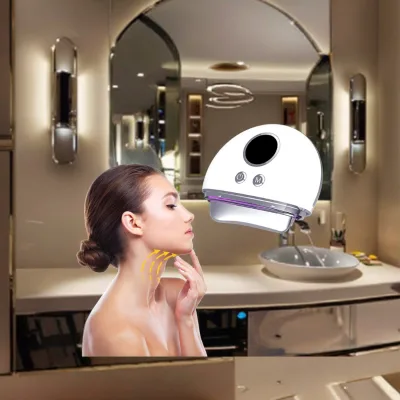
Facial Massager Light Therapy Face Care Rejuvenation for Home Use Machine Neck Massager
$290.00 - $490.00
MOQ: 1 packs

Yueqing Fiy Electric Co., Ltd.
- Verified by TUVRHEINLAND
- Combined
- China Zhejiang
- Lead time23 days
- Avg. response≤ 7h
Main productsIndustry Socket, Industry Plug, Solar String Light, Christmas Decoration, Solar Light, Christmas Lights, Solar LED Light, LED Strip Light, Industry Switch, Tools Switch
Main marketsSoutheast Asia/ Mideast,Domestic,Europe,North America
Dongguan Define Beauty Electronic Technology Co., Ltd.
- Manufacturer, Trading Company
- Guangdong, China
- Lead time15 days
- Avg. response≤ 2h
Main productsneck beauty instrument,Facial Scraping Beauty Device,Blackhead Suction Device,Face Massager,Face Cleaning Brush
Main marketsNorth America(38.00%), Domestic Market(10.00%), Eastern Asia(10.00%), South America(10.00%), South Asia(5.00%), Southern Europe(5.00%), Northern Europe(5.00%), Central America(5.00%), Western Europe(5.00%), Eastern Europe(5.00%), Southeast Asia(2.00%)
Shenzhen Hai Li Xuan Technology Co., Ltd.
- Verified by SGS Group
- Manufacturer, Trading Company
- Lead time15 days
- Avg. response≤ 2h
Main productsFoot Massager, Shoulder Massager, Waist Massager, Red Light Therapy Belt, Heating Pad
Main marketsNorth America(31%), Eastern Europe(17%), Western Europe(12%)
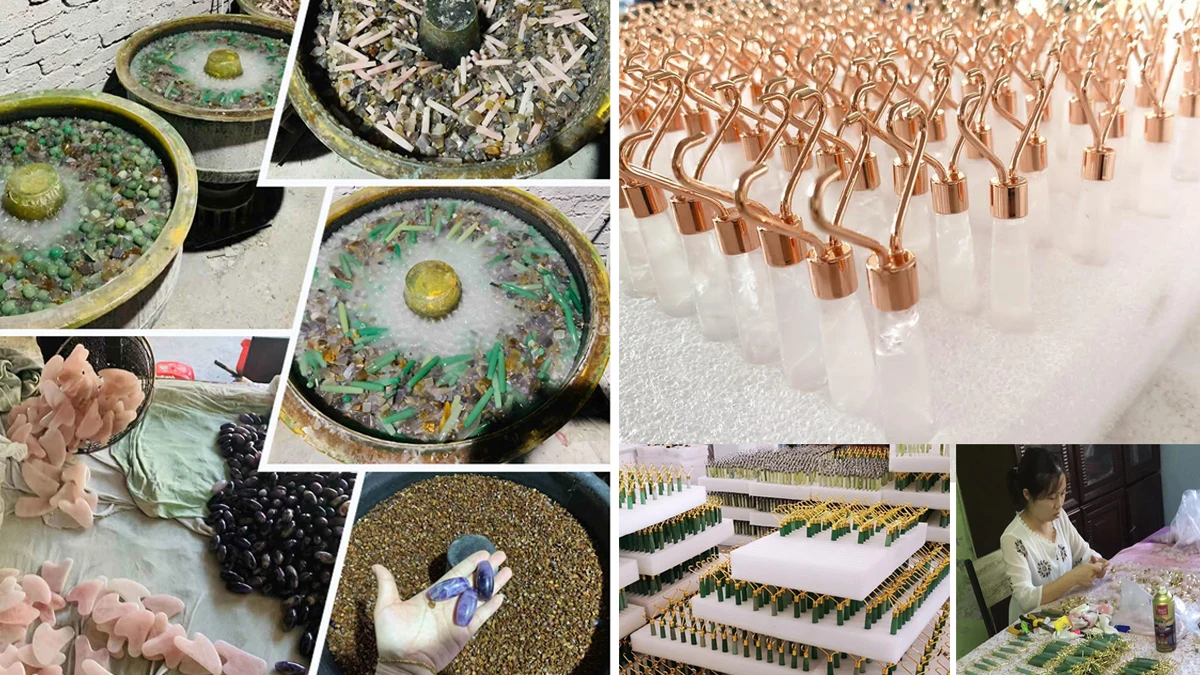
Shenzhen Wayestar Technology Co., Ltd.
- Manufacturer, Trading Company
- Guangdong, China
- Lead time7 days
- Avg. response≤ 2h
Main productsFacial Roller,Gua Sha,red light therapy,led face mask,ice globes
Main marketsNorth America(40.00%), Domestic Market(20.00%), South Asia(10.00%), Western Europe(10.00%), Eastern Europe(5.00%), Africa(5.00%), Southeast Asia(5.00%), Eastern Asia(5.00%)
Xiamen Best Fortune Technology Co., Ltd.
- Verified by TüVRheinland
- Trading Company
- Lead time15 days
- Avg. response≤ 2h
Main productsBeauty Equipment, Facial Brush, Skin Scrubber, High Frequency Facial Machine, Face Roller
Main marketsNorth America(40%), Southeast Asia(25%), Eastern Europe(15%)
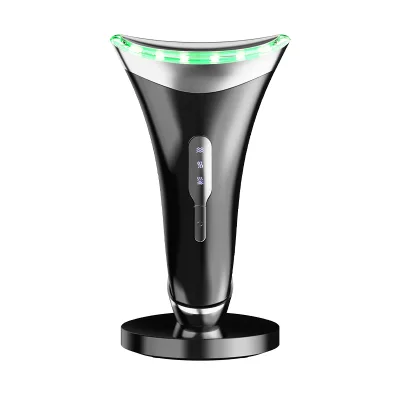
$7.63 - $8.24
MOQ: 100 pieces
Shenzhen Cobowin Technology Co., Ltd.
- Trading Company
- Guangdong, China
- Lead time35 days
- Avg. response≤ 6h
Main productsred light therapy,sauna blanket,sauna tent,red light therapy panel,red light facial mask
Main marketsNorth America(18.00%), South America(15.00%), Central America(14.00%), Eastern Europe(10.00%), Western Europe(10.00%), Southern Europe(7.00%), South Asia(5.00%), Southeast Asia(5.00%), Northern Europe(5.00%), Mid East(5.00%), Africa(2.00%), Oceania(2.00%), Eastern Asia(2.00%)
Shenzhen Home Meiking Electronic Tech&dev Co., Ltd.
- Manufacturer, Trading Company, Distributor/Wholesaler
- guangdong, China
- Lead time6 days
- Avg. response≤ 1h
Main productsHandheld Beauty device,Handheld Garment steamer& Household,Health care massager,IPL hair removal,Rehabilitation Pedal bike
Main marketsNorth America(38.00%), Eastern Europe(20.00%), Western Europe(15.00%), Central America(10.00%), Northern Europe(10.00%), South America(5.00%)
Zhongshan Bisen Plastic Electronic Products Co., Ltd.
- Manufacturer, Trading Company
- Lead time旺季: "1 - 1000":31,"1001 - 3000":35,"> 3000":"To be negotiated", 淡季: "1 - 1000":31,"1001 - 3000":35,"> 3000":"To be negotiated"
- Avg. response≤ 1h
Main productsHome Use Beauty Device, LED Device, Heat And Cold Device, Hair Removal Device, Massage Device
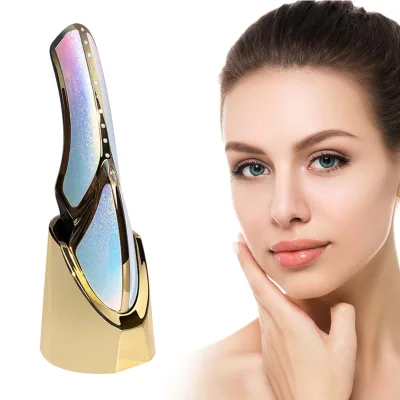
$31.00 - $52.00
MOQ: 2 pieces
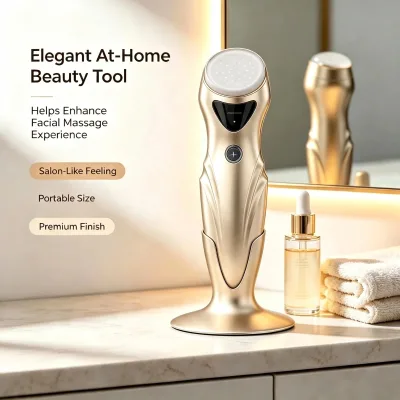
$32.93 - $49.40
MOQ: 1 pieces

- Verified by SGS
- Manufacturer
- China Guangdong
- Lead time15 days
- Avg. response≤ 10h
Main productsMassage Gun, Electronics Guitar and Bass Tuner, Ar Game Gun
Main marketsNorth America


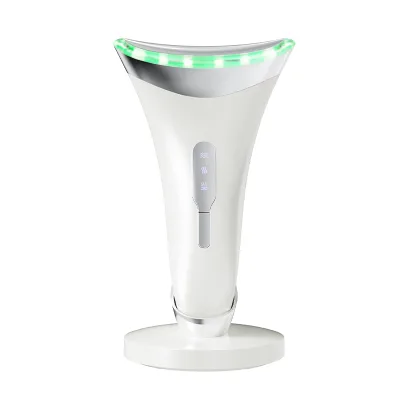
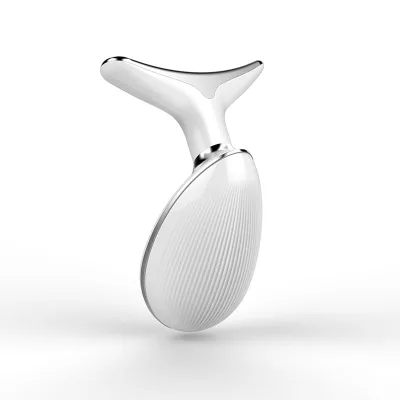
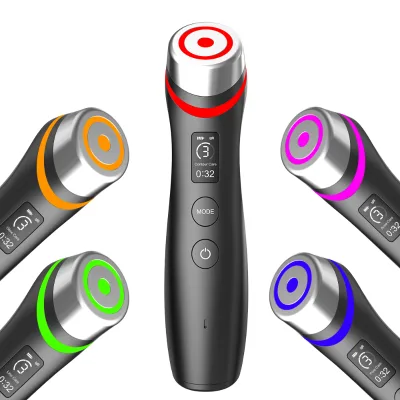
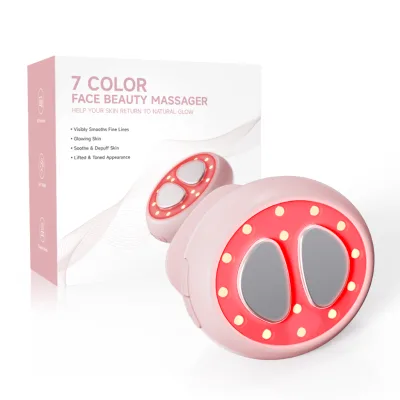


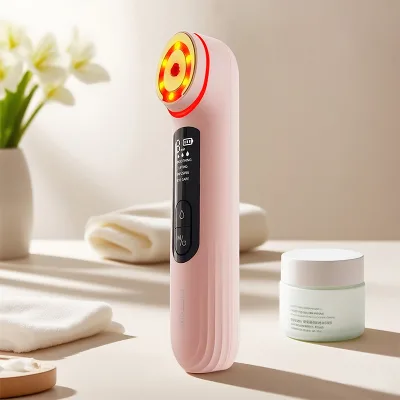
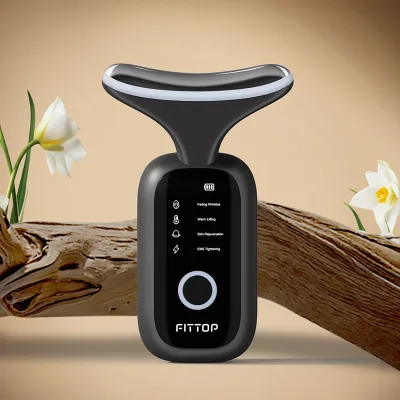
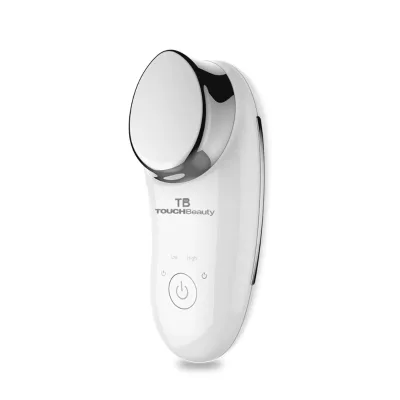
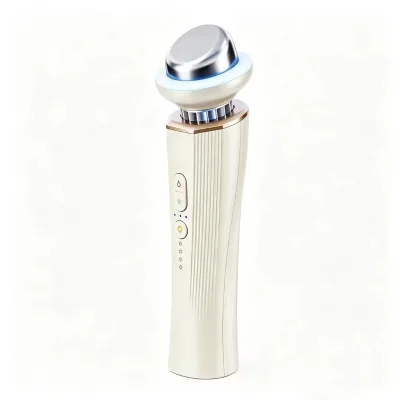


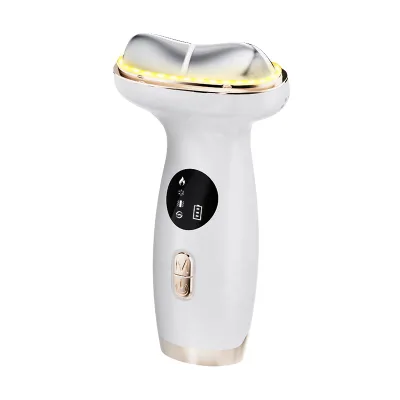
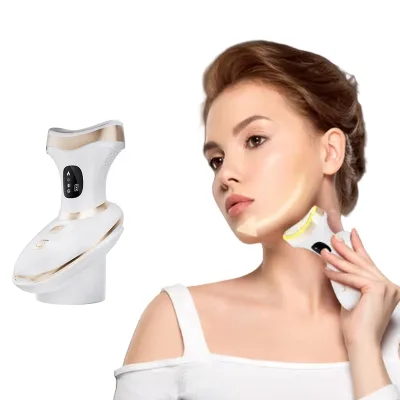
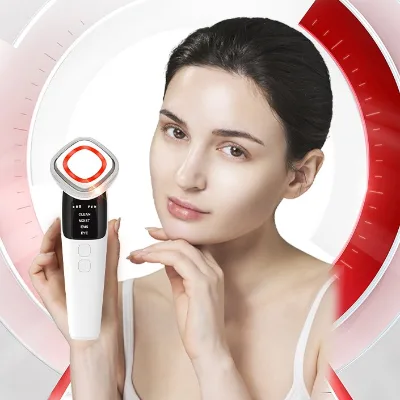
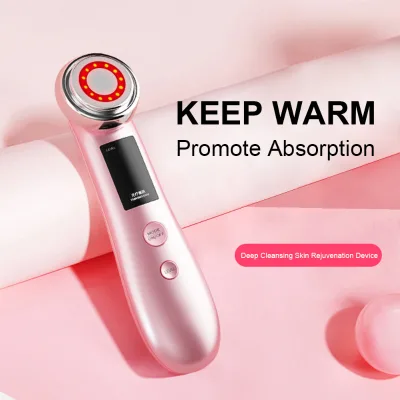
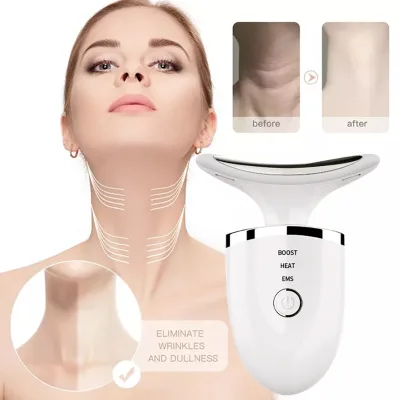
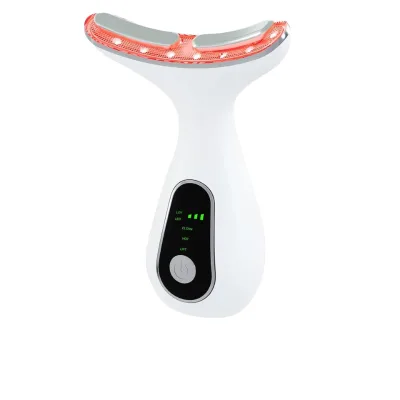
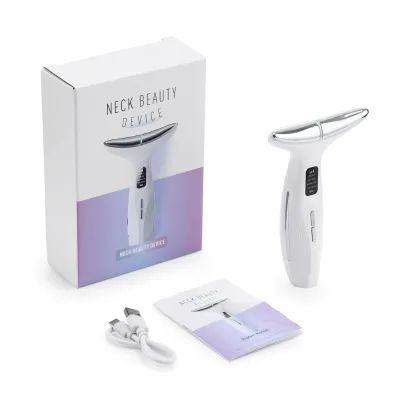


Comprehensive Sourcing Guide
Rechargeable LED Facial Massager Supplier Concentration and Factory Types
When searching for a Rechargeable LED Facial Massager, buyers will notice that many listed suppliers cluster in southern China, with Guangdong Province and the city of Shenzhen appearing repeatedly as production origins in product attributes. Shenzhen in particular shows up as a listed product origin for handheld beauty devices, which reflects the city's broader electronics manufacturing base. Some suppliers also list operations in Zhejiang Province, a region known for diversified consumer goods production. Treat these location labels as starting signals rather than proof of capability: confirm which listed products are actually made in-house and which are sourced from partner factories before assuming a single production site stands behind an entire catalog.
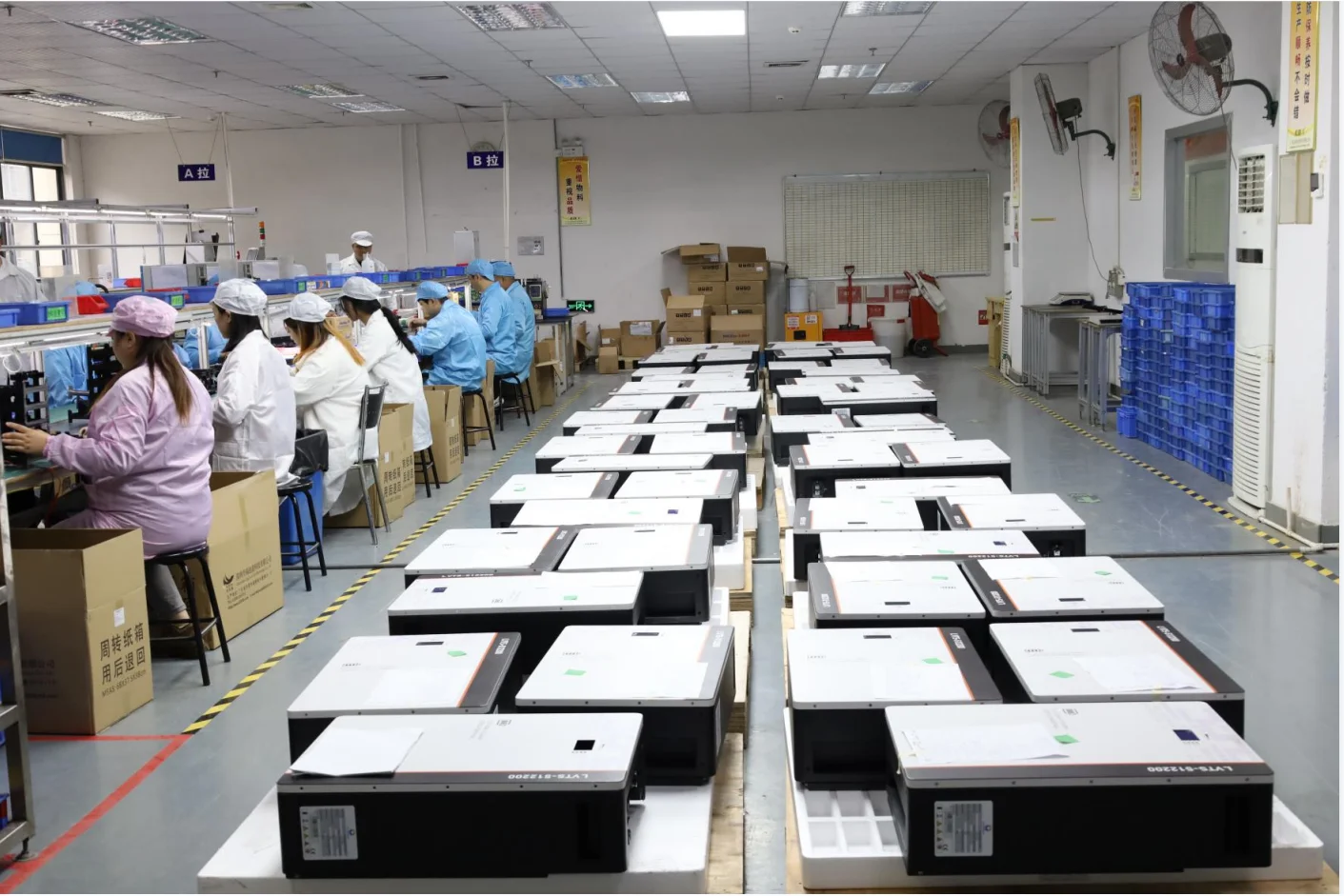
Supplier types in this category split between manufacturers/factories and trading companies, and some listings show both roles or combine device manufacturing with adjacent lines such as makeup tools, home air care appliances, or promotional products. A factory focused on beauty instruments may offer OEM and ODM services alongside its own brand, while a generalist exporter may carry facial massagers as one SKU family among humidifiers, speakers, and gifts. Neither model is inherently better; factories typically control tooling and customization depth, whereas trading companies consolidate multiple device types into one shipment. Ask each candidate to state its role for the specific massager model you intend to order, and request evidence such as factory photos, tooling ownership, and production line videos tied to that model.
How to Verify Rechargeable LED Facial Massager Suppliers
Verification should begin with the platform-displayed credentials, then move to independent confirmation. Some facial massager suppliers carry system certifications such as ISO 9001 or BSCI, and some are verified by third-party inspection bodies such as SGS. Note that these labels belong to individual companies, not to the category, so never assume every listing carries them. Cross-check certificate numbers with the issuing bodies where possible, and ask for scope documents that show what the certification actually covers. For a rechargeable device containing lithium batteries, LED modules, and skin-contact materials, also ask which product-level safety testing the factory can support, since system certifications govern management processes rather than the electrical safety of a specific massager model.
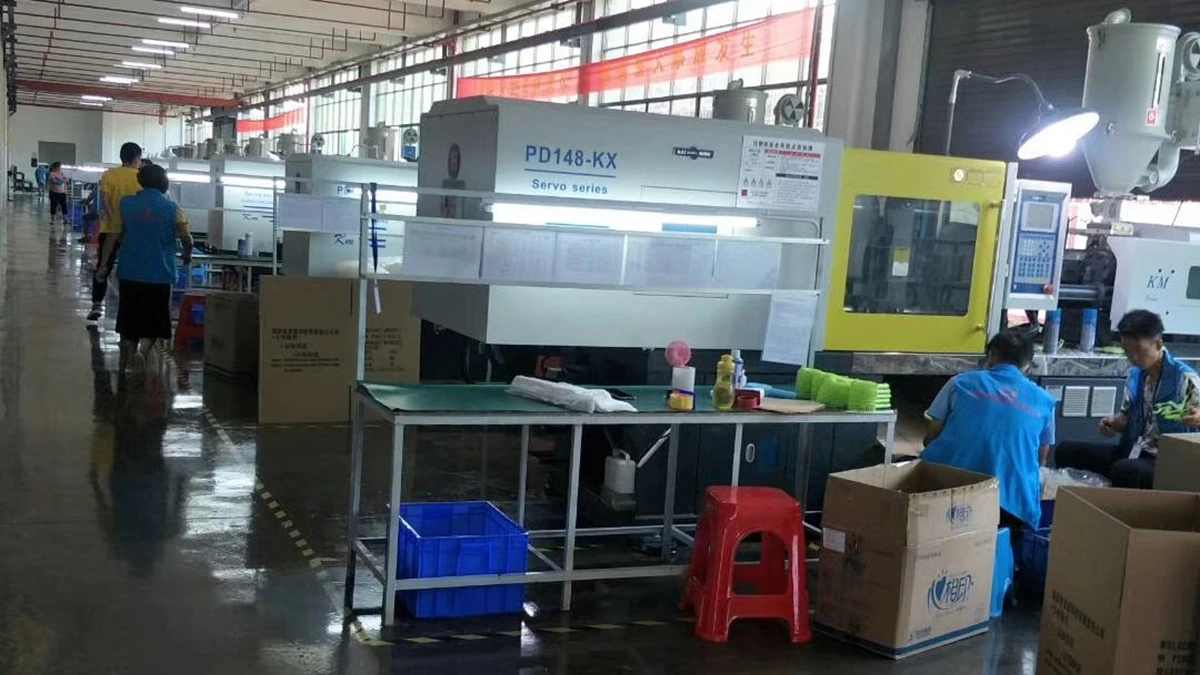
Beyond paperwork, verify operational reality. Request a video call walk-through of the assembly area where massagers are built, and ask whether battery sourcing, PCB assembly, and injection molding happen in-house or through subcontractors. Order a sample from the exact listing model you plan to buy, not a showroom unit, and check that the received unit matches the published attributes such as weight, dimensions, charging mode, and packaging. Test charge cycles, heat or cooling functions, and vibration consistency across several units, since sample-to-sample variation reveals process control quality. Finally, confirm the legal entity name on the invoice matches the certified company name, because mismatches between account names and verified entities are a recurring fraud pattern in cross-border sourcing.
What to Compare Across Rechargeable LED Facial Massager Suppliers
Build a comparison sheet using the attributes suppliers actually display. Listed data points in this category include average response time, lead time, company type, system certifications, third-party verification status, and main product lines. These values vary widely between listings: some suppliers show response times of just a couple of hours while others average several days, and displayed lead times can range from roughly three weeks to well over a month. Record each figure as displayed, note which suppliers leave fields blank, and confirm any blank or stale values directly during inquiry rather than filling gaps with assumptions from other listings.
Then compare commercial and technical depth. Minimum order quantities in current listings range from small trial batches of around twenty units to fifty units for certain models, with unit prices spanning roughly six dollars to twenty-six dollars depending on technology and features. Technical differentiation matters more than price alone: current models use RF (radio frequency), laser theory, EMS infusion, vibration at around 10,000 rpm, and hot-cold therapy with defined heating and cooling temperature ranges. Compare battery capacity, waterproof rating, power draw, working time per charge, material specifications, and customization availability side by side. A supplier whose main products center on beauty devices will usually answer technical questions faster and more accurately than a generalist whose catalog spreads across unrelated categories.
Common Rechargeable LED Facial Massager Sourcing Risks
The most common risk is specification drift between listing and production. Published attributes such as 1000mAh battery capacity, 6W power, specific temperature ranges, or ABS and stainless steel construction describe the listed sample, and unscrupulous suppliers may substitute cheaper cells, weaker LEDs, or thinner housings at mass production. Counter this with a signed specification sheet that lists every attribute, a golden sample retained by both parties, and incoming inspection criteria for the battery, charging circuit, and light output. Battery-related risk deserves special attention because rechargeable massagers shipped by air face transport restrictions if cells are uncertified or damaged, and a single batch failure can strand an entire order at customs.
Second, buyers frequently misjudge who actually controls production. A trading company may present factory photos licensed from a manufacturer, then add a margin and a communication layer that slows engineering changes. A factory may outsource the critical electronic module anyway. There is also a listing-quality risk: keyword-stuffed product names and copied attribute tables can make near-identical devices look like distinct options, hiding differences in waterproof rating, warranty terms, or origin. Finally, watch for inconsistent displayed data, such as a lead time that seems short for a customized order or a response-time figure that does not match actual reply speed during your inquiry phase. Test responsiveness with detailed technical questions before committing any deposit.
Rechargeable LED Facial Massager Regional Sourcing and Logistics
The current supplier results point to two provinces worth understanding. Guangdong suppliers, including those listing Shenzhen as a product origin, benefit from dense access to lithium battery suppliers, LED component vendors, and injection molding services, which supports faster iteration on customized rechargeable devices. Zhejiang suppliers in this category tend to pair beauty devices with broader gift and consumer product lines, which can suit buyers bundling promotional assortments. Some Guangdong-based listings show shorter displayed lead times and faster average response times than their Zhejiang counterparts, though these are per-company figures, not regional guarantees. Match the region to your priority: deep component availability in Guangdong versus diversified consolidation possibilities through Zhejiang exporters.
Logistically, both regions ship through major coastal ports, but the rechargeable battery inside every unit dominates freight planning. Confirm with each supplier whether the cells and the finished device have the documentation required for your chosen mode, since air freight restrictions on lithium batteries are stricter than sea freight rules. Sea freight from either province is routine, but consolidation matters if you are also sourcing accessories, packaging, or complementary devices from other suppliers in the same region; a factory in the same industrial area as your other vendors simplifies combined container loading. Ask each supplier for its nearest port and typical inland transit time to that port, and build buffer time around public holidays that halt factory and freight operations simultaneously.
Rechargeable LED Facial Massager Commercial Terms and Order Planning
Structure commercial terms around the verification work you completed earlier. Current listings in this category show MOQs of roughly twenty units for one ultrasonic LED model and fifty units for a hot-cold infusion model, with price bands from about six to seven dollars for simple vibration devices up to about fourteen to twenty dollars for EMS or multi-function units. Use the listing MOQ as an opening point, not a fixed rule: suppliers often accept trial orders at listed MOQ with customization surcharges, or better unit pricing at several times that quantity. Agree in writing who pays for customization tooling, artwork, and packaging changes, and how those costs amortize across repeat orders.
Order planning should sequence a paid sample, a small pilot batch at or near the listed MOQ, and a first production run scaled to actual sell-through data. Align payment milestones with inspection points, reserving a meaningful balance until post-production inspection passes against your specification sheet. Confirm the lead time figure displayed on each listing applies to your configuration, because customized colors, logos, or packaging typically extend production beyond a supplier's standard displayed timeline. For repeat orders, negotiate a framework agreement covering unit prices at defined volumes, battery and LED component sourcing commitments, warranty handling, and response-time expectations. Keep at least two qualified suppliers warm even after selecting a primary, so a component shortage or quality issue does not halt your entire rechargeable massager program.
(~1,390 words)
FAQs
What is the typical lead time for orders?
Lead times vary by supplier, with observed ranges from 23 to 45 days. Buyers should verify specific timelines based on order volume and customization needs before confirming production schedules.
Do suppliers offer OEM and ODM services?
Yes, many manufacturers provide both OEM and ODM capabilities for custom branding and design. Some suppliers also support own brand development, allowing buyers to tailor products to specific market requirements.
What certifications do the suppliers hold?
Common certifications include BSCI and ISO 9001, with some suppliers also holding ISO 14064. Verification by SGS is available for certain companies, ensuring adherence to quality and safety standards.
Where are the manufacturers located?
Manufacturers are primarily located in China, specifically in Guangdong and Zhejiang provinces. Shenzhen is noted as a key origin point for many of the beauty device products listed in the results.
What is the minimum order quantity required?
Minimum order quantities typically range from 20 to 50 units depending on the specific product model. Buyers must check individual product listings to confirm the exact MOQ before placing an order.
How fast do suppliers respond to inquiries?
Response times vary, with observed averages around 2.10 to 7.73 hours. Faster response rates are common among trading companies, while manufacturers may have slightly longer reply windows depending on workload.
Are the devices suitable for home use?
Yes, most listed devices are designed for home use, though some models also support salon applications. Features like portability and battery capacity make them convenient for personal skincare routines.
What is the price range for these devices?
Prices generally range from 6.00 to 25.90 USD per unit, depending on features and specifications. Factors like power, material, and customization options influence the final cost for each specific model.