LED Black Optical Magnifying Glass Suppliers and Manufacturers
Source 25 verified suppliers for LED Black Optical Magnifying Glass. Compare specs like 25mm 10X lenses, CE and ISO9001 certifications, and MOQs starting at 10 units. Review lead times and response metrics to identify suitable partners for your procurement needs.
Suppliers List
Ningbo Jiali Optoelectronic Co., Ltd.
- Verified by SGS Group
- Manufacturer, Trading Company
- Lead time45 days
- Avg. response≤ 4h
Main productsMagnifier Lamp
Main marketsNorth America(27%), Eastern Asia(20%), Western Europe(20%)
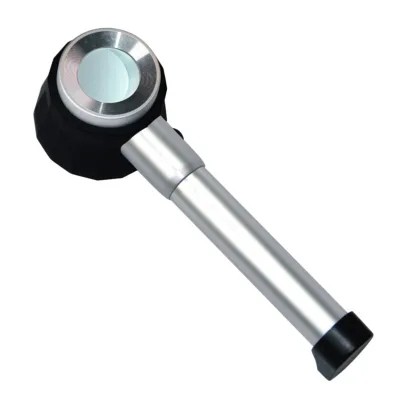
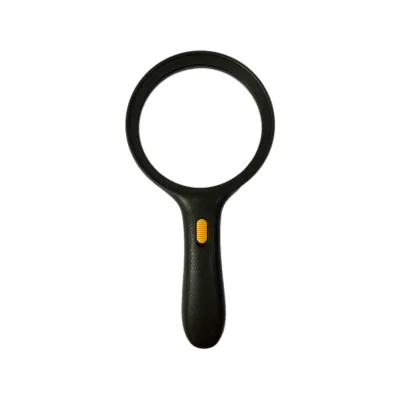
Small 3-LED 2x Magnifier Plastic Hand Held LED Light Magnifying Glasses Glass
$3.06 - $3.57
MOQ: 200 pieces
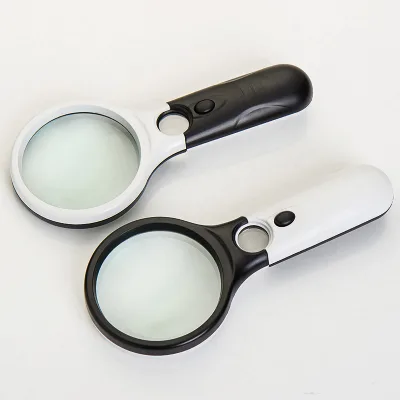
$1.15 - $1.40
MOQ: 10 pieces
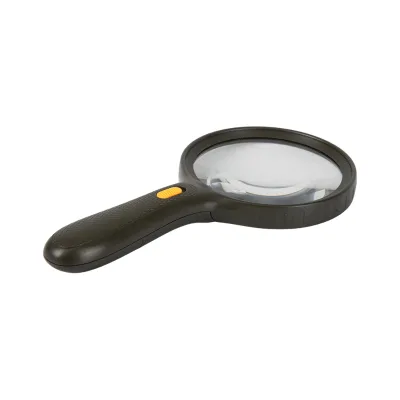
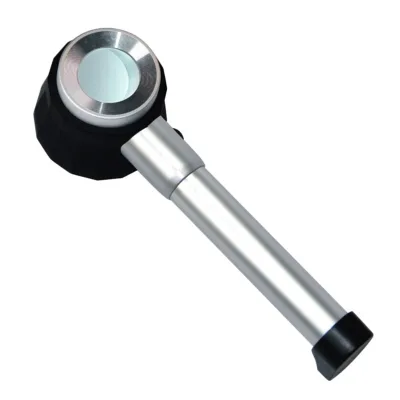
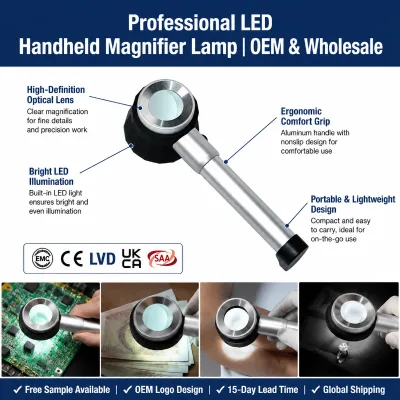

Ningbo Hongbo Optical Instrument Co., Ltd.
- Trading Company,Manufacturer/Factory
- China Zhejiang
- Lead time30 days
Main productsMagnifier, Microscope, Magnifier Lamps, Binoculars, Reading Glass, Compass, Head Magnifier, Pocket Microscope, Jewellers Magnifier, Folding Magnifier
Main marketsSouth America,Eastern Europe,Mid East,North America,Southeast Asia,Eastern Asia,Oceania,Western Europe,Africa


2LED Magnifier Glass Lens Plastic Magnifying Mirror with Light Big Reading Magnifying
$2.48 - $3.69
MOQ: 6 Pieces

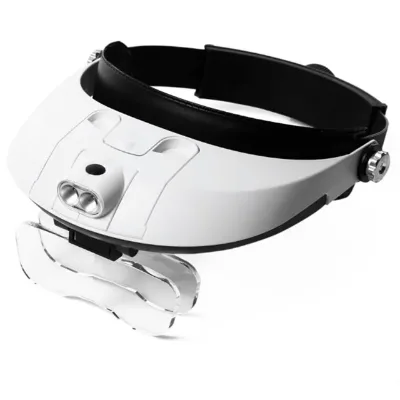
Glasses Type Magnifying Glass with LED Light Maintenance Multi Lens Magnifying Glass Mg82000-Jc
$8.00 - $8.52
MOQ: 1 Pieces

Jaxy Optical Instrument Co., Ltd.
- Manufacturer, Trading Company
- Zhejiang, China
- Lead time30 days
- Avg. response≤ 3h
Main productsbinoculars,telescope,magnifier,campig survival tool,3d glasses
Main marketsNorth America(35.00%), Eastern Europe(30.00%), South America(15.00%), Northern Europe(5.00%), Western Europe(3.00%), Southeast Asia(3.00%), Africa(3.00%), South Asia(2.00%), Southern Europe(2.00%), Mid East(1.00%), Central America(1.00%)
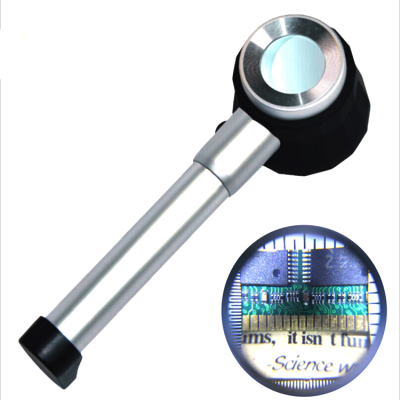
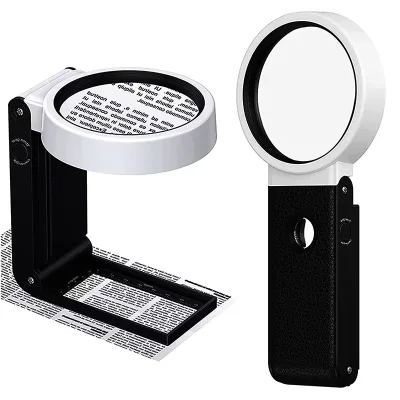
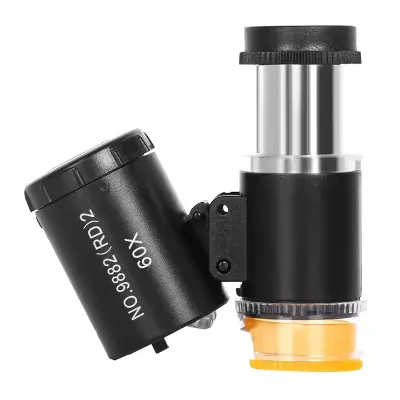
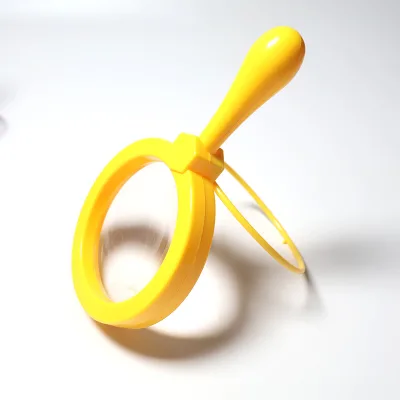
60x LED Warm White Light UV Microscope Portable Magnifying Glass for Banknote Inspection
$1.50 - $2.46
MOQ: 10 pieces

Ningbo Barride Optics Co., Ltd.
- Trading Company,Manufacturer/Factory
- China Zhejiang
- Lead time75 days
Main productsMicroscope, Telescope, Binoculars, Riflescope, Magnifier, Spotting Scope, Range Finer, Astronomical Telescope, Night Vision, Biological Microscope
Main marketsSouth America,Eastern Europe,Mid East,North America,Southeast Asia,Eastern Asia,Oceania,Western Europe,Africa


Interchangeable 2.5X/5X Handheld LED Magnifier Magnifying Glass (BM-BG2012)
$3.00 - $3.50
MOQ: 72 Pieces

Interchangeable LED Magnifying Glass Magnifier 3X/10X Illuminated 2 Lens (BM-BG2003)
$2.00 - $2.50
MOQ: 120 Pieces


Changzhou Eagle International Trade Corp.
- Trading Company
- China Jiangsu
- Lead time30 days
Main productsRemote Control, Speaker, Multimeter, Connector, Megphone, Soldering Iron, CCAM Wire, LED Screen, LED TV Light Bar, TV Stand
Main marketsSouth America,Africa,Southeast Asia/ Mideast

LED Handheld Magnifying Glass 3 LEDs with 2 Glasses 3X/45X Reading Magnifying Glass
$0.96 - $1.10
MOQ: 100 Pieces


Foshan City DaiNi Electronic Technology Co., Ltd.
- Verified by SGS
- Combined
- China Guangdong
- Lead time15 days
Main productsBeauty Machine, Beauty Equipment, Dermabrasion Machine, Breast &Butt Enlargement, Oxygen Machine, Haire &Tattoo Removal, Skin Care, Slimming Machine, PDT & LED, Hifu
Main marketsSoutheast Asia/ Mideast
Ningbo Barride Optics Co., Ltd.
- Verified by Intertek
- Trading Company
- Lead time15 days
- Avg. response≤ 3h
Main productsTelescope, Microscope, Binoculars, Magnifier, Hunting Scope
Main marketsWestern Europe(45%), North America(24%), Eastern Europe(10%)
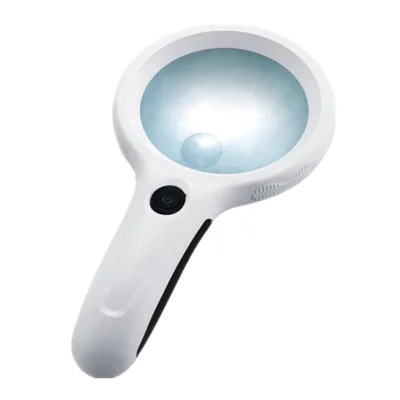
2.5x Plastic Handheld Large Magnifying Glass with LED UV Light (BM-MG4137)
$2.00 - $3.00
MOQ: 360 pieces
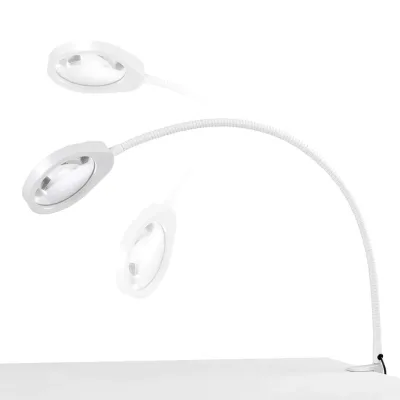
Jinhua Kaiyue Photoelectric Technology Co., Ltd.
- Verified by SGS Group
- Manufacturer, Trading Company
- Lead time20 days
- Avg. response≤ 4h
Main productsInsect View Toys/Magnifier/Telescope And Binoculars/VR Box, Optical PMMA Lenses
Main marketsNorth America(45%), Eastern Europe(20%), Southeast Asia(10%)
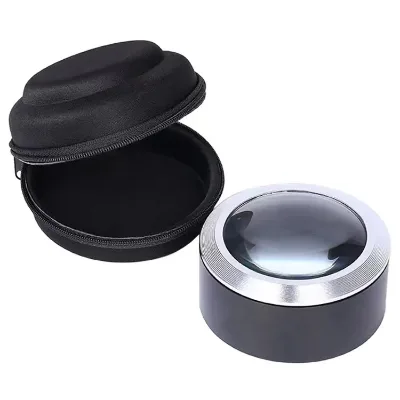
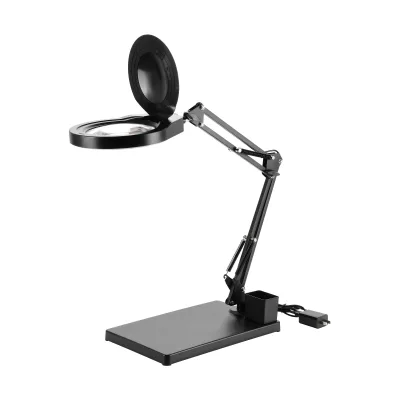
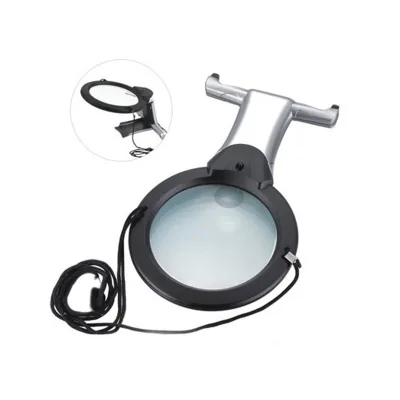
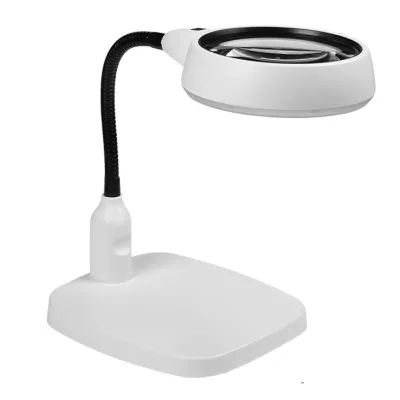
5x HD Reading Cylinder Magnifying Glass 3LED Light K9 Optical Glass Lens Desktop Magnifying Glass
$4.28 - $4.58
MOQ: 60 pieces
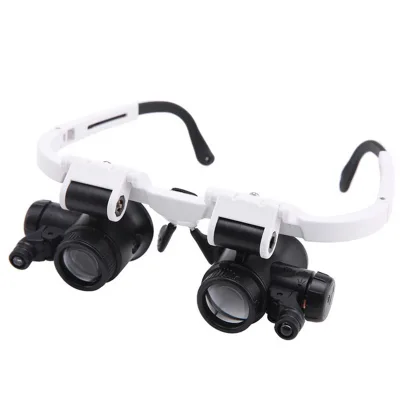
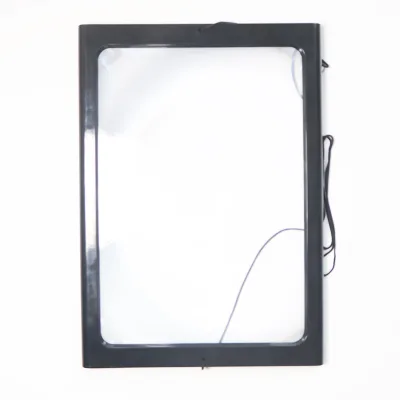
Nanyang Jingliang Photoelectric Co., Ltd.
- Verified by TüVRheinland
- Manufacturer, Trading Company
- Lead time20 days
- Avg. response≤ 1h
Main productsLens, Prisms, Mirros, Filters, Windows
Main marketsNorth America(31%), Western Europe(31%), Eastern Asia(29%)
Ningbo Eleroyal Import & Export Co., Ltd.
- Trading Company
- Zhejiang, China
- Lead time20 days
- Avg. response≤ 8h
Main productsMagnifying Glass,Camping,Binoculars,Bug Viewer,Compass
Main marketsNorth America(30.00%), Eastern Europe(20.00%), Western Europe(20.00%), South America(10.00%), Northern Europe(5.00%), Southeast Asia(5.00%), Oceania(5.00%), Africa(5.00%)
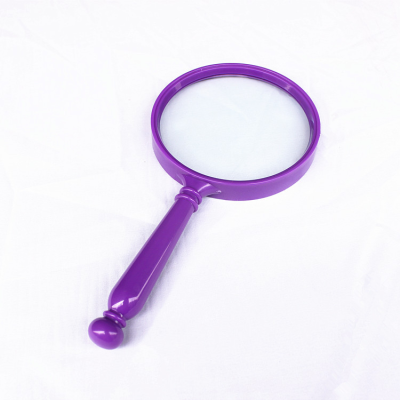
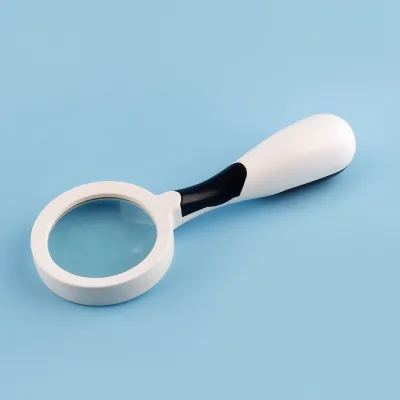
Handheld Optical Lens Round Reading Magnifier 100mm Handle Large Plastic Magnifying Glass
$1.09 - $1.49
MOQ: 240 pieces
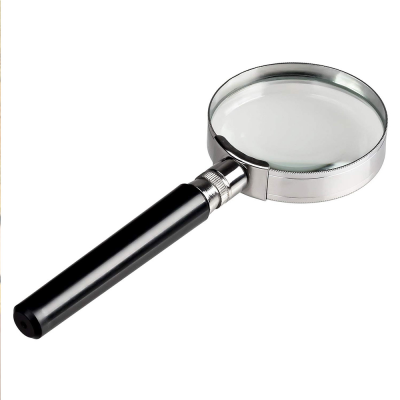
$0.71 - $1.02
MOQ: 500 pieces
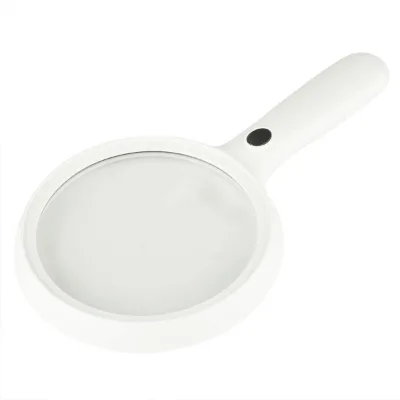
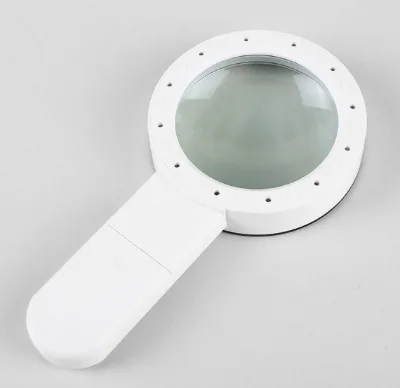
Big Magnifying Glass 6 Inch Low Vision Magnifying Glasses with 14 LED Lights for Reading
$4.54 - $5.16
MOQ: 500 pieces
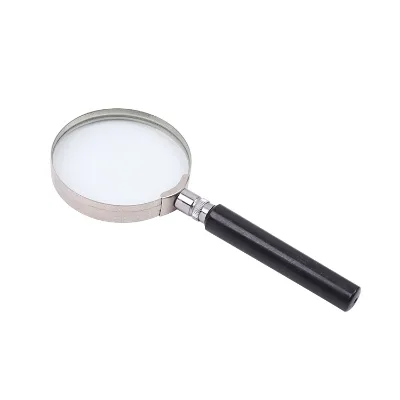
10X 50mm Handheld Magnifier Lupa Metal Frame Reading Magnifying Glass for Low Vision
$0.74 - $0.88
MOQ: 1000 pieces
Hefei Johold Outdoor Products Co., Ltd.
- Trading Company
- Anhui, China
- Lead time15 days
- Avg. response≤ 2h
Main productsSurvival Kits,Flashlight,Emergency Whistle,Camping Tent,Tactical backpack
Main marketsNorth America(30.00%), Western Europe(20.00%), Northern Europe(15.00%), Eastern Europe(15.00%), Southeast Asia(5.00%), South America(5.00%), Eastern Asia(5.00%), Africa(5.00%)
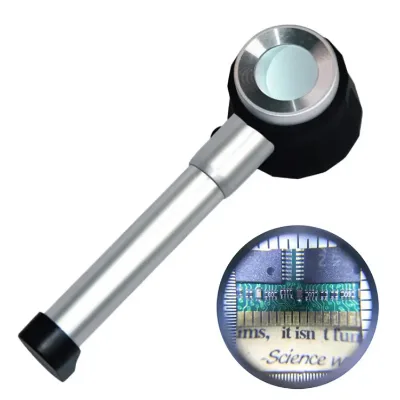
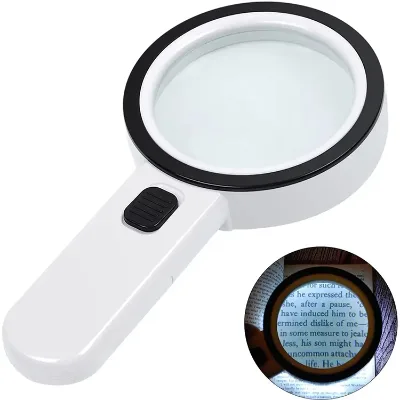
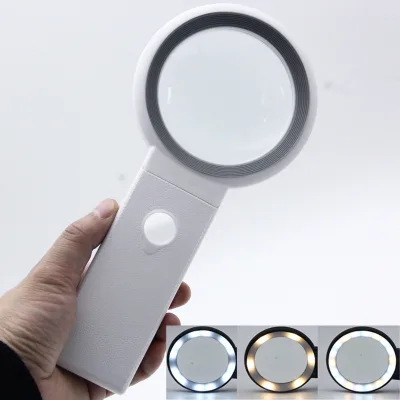
$2.25 - $3.08
MOQ: 48 pieces
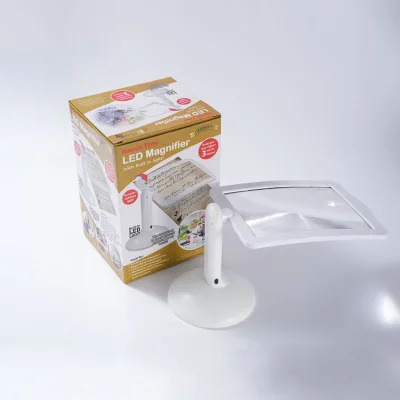
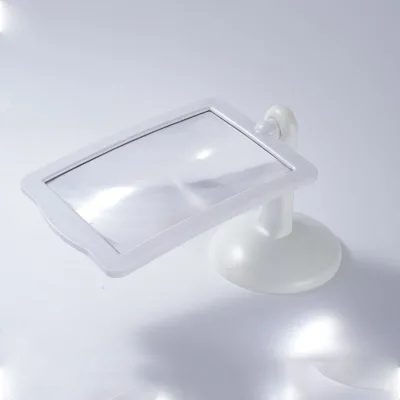
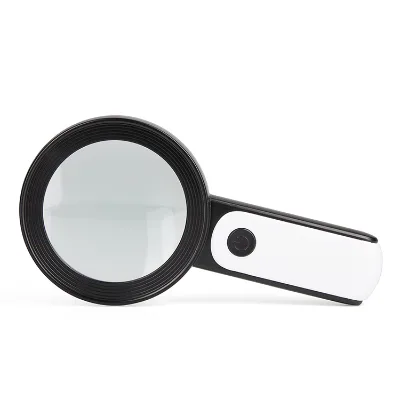
Beijing Golden Eagle Out-Door & Optics Co., Ltd.
- Verified by TüVRheinland
- Manufacturer, Trading Company
- Lead time30 days
- Avg. response≤ 2h
Main productsBinoculars, Magnifier, Astronomical Telescope, Night Vision Device, Compass
Main marketsEastern Europe(50%), North America(40%), Southeast Asia(10%)
Nanyang Imaisen Technology Co., Ltd.
- Manufacturer, Trading Company
- Henan, China
- Lead time30 days
- Avg. response≤ 5h
Main productsBinoculars Telescope,Monocular Telescope,Magnifier,Optical Glass Lens,Astronomical Telescope
Main marketsSouth Asia(10.00%), Southern Europe(10.00%), Africa(10.00%), Southeast Asia(10.00%), Western Europe(10.00%), Domestic Market(10.00%), North America(10.00%), Northern Europe(9.00%), Eastern Asia(5.00%), Eastern Europe(5.00%), Central America(5.00%), South America(5.00%), Mid East(1.00%)
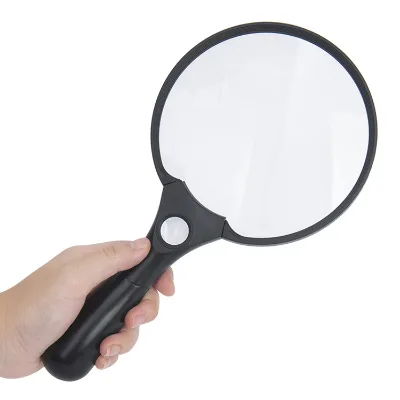
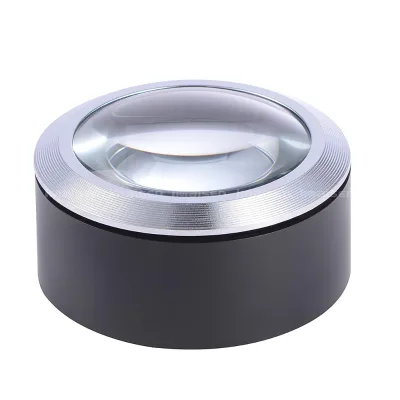
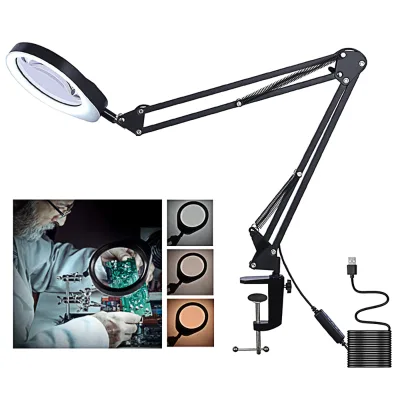
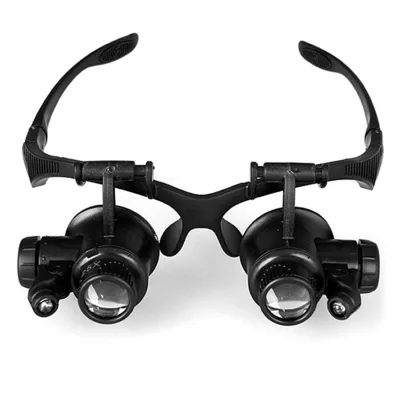
2X 4X 25X ZoomMagnifying Glass with 3 LED Lights Magnifying Glass Lens for Seniors Reading
$2.55 - $2.86
MOQ: 5 pieces

Hebei Hanze International Trade Co., Ltd.
- Verified by TUVRHEINLAND
- Trading Company
- China Hebei
- Lead time15 days
Main productsScreen Printing Products, Rotary Screen Printing Products, Tagging & Labeling Products, Spot Cleaning Products, Hat&Caps, Pet &Digital Printing Film, Acrylic &PVC Products, Diamond Tools for Drilling Cutting Grinding
Main marketsSouth America,Southeast Asia/ Mideast,East Asia(Japan/ South Korea),Europe,Australia,North America
Ningbo Tombo Outdoors Co., Ltd.
- Trading Company
- Zhejiang, China
- Lead time25 days
- Avg. response≤ 6h
Main productsOutdoor Goods,Head Lamp,Optical Binocular,Magnifier,Compass
Main marketsNorth America(30.00%), Western Europe(10.00%), Central America(5.00%), South America(5.00%), Southern Europe(5.00%), Mid East(5.00%), South Asia(5.00%), Northern Europe(5.00%), Eastern Europe(5.00%), Southeast Asia(4.00%), Eastern Asia(2.00%), Domestic Market(1.00%), Africa(1.00%)
Nanyang Srate Optical Instrument Co., Ltd.
- Verified by SGS Group
- Manufacturer, Trading Company
- Lead time20 days
- Avg. response≤ 3h
Main productsMagnifying Glass, Microscope, Telescope
Main marketsNorth America(40%), Western Europe(20%), South America(13%)
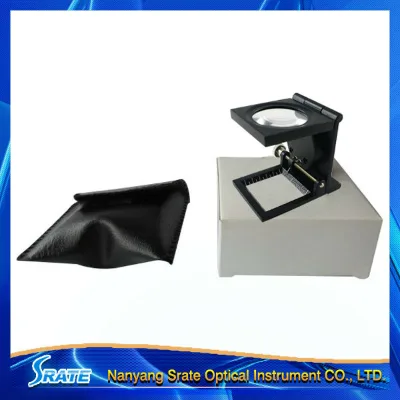
Professional Magnifying Glass Led Light Handle 8X Metal Small Fiber Optic Glasses Magnifier
$2.55 - $4.07
MOQ: 5 pieces
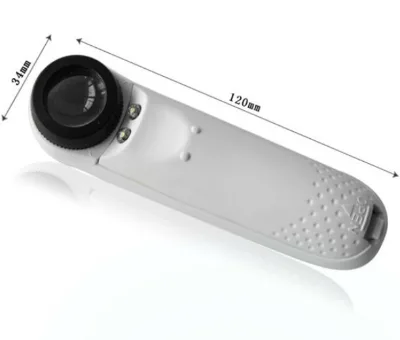
Direct Wholesale of MG6B-1B 20X Plastic-handled Magnifying Glasses From the Manufacturer
$2.04 - $3.05
MOQ: 100 pieces
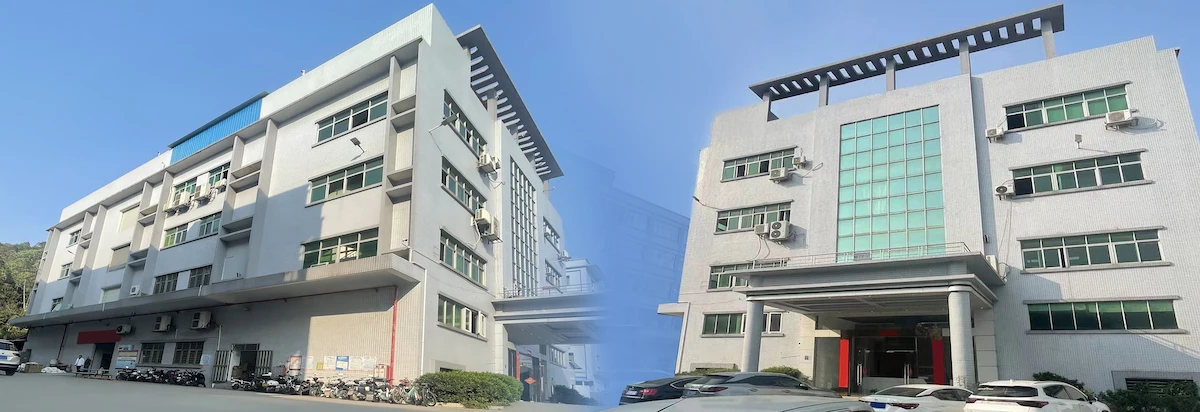
DONGGUAN EC PLASTIC TECHNOLOGY PRODUCTS MANUFACTURER CO., LTD
- Manufacturer, Trading Company
- Guangdong, China
- Lead time30 days
- Avg. response≤ 4h
Main productsinjection molding,plastic injection,OEM plastic,magnifier,customized products
Main marketsNorthern Europe(67.00%), North America(15.00%), Western Europe(10.00%), Eastern Europe(8.00%)
Guangxi Jimei Technology Co., Ltd.
- Trading Company
- Guangxi, China
- Lead time0 days
- Avg. response≤ 3h
Main productsbeaker,Magnetic stirrer,Electronic balances,Water bath,oven
Main marketsDomestic Market(100.00%)

Hebei Enyang Import And Export Trading Co., Ltd.
- Verified by SGS
- Trading Company
- China Hebei
- Lead time15 days
Main productsBaseball Caps, Custom Baseball Caps, Plain Baseball Caps, Embroidered Baseball Caps, Running Cap, Washed Cap, Trucker Hat, Flat Bill Hat
Main marketsSouth America,Southeast Asia/ Mideast,Europe
Yiwu Runson Outdoor Products Co., Ltd.
- Trading Company
- Zhejiang, China
- Lead time15 days
- Avg. response≤ 8h
Main productsOutdoor survival kit,Outdoor whistle,Outdoor compass,Outdoor poncho,Outdoor sleeping bag
Main marketsNorth America(50.00%), Western Europe(10.00%), Eastern Europe(10.00%), South America(10.00%), Central America(5.00%), Southern Europe(5.00%), South Asia(2.00%), Africa(2.00%), Eastern Asia(2.00%), Mid East(2.00%), Oceania(1.00%), Southeast Asia(1.00%)
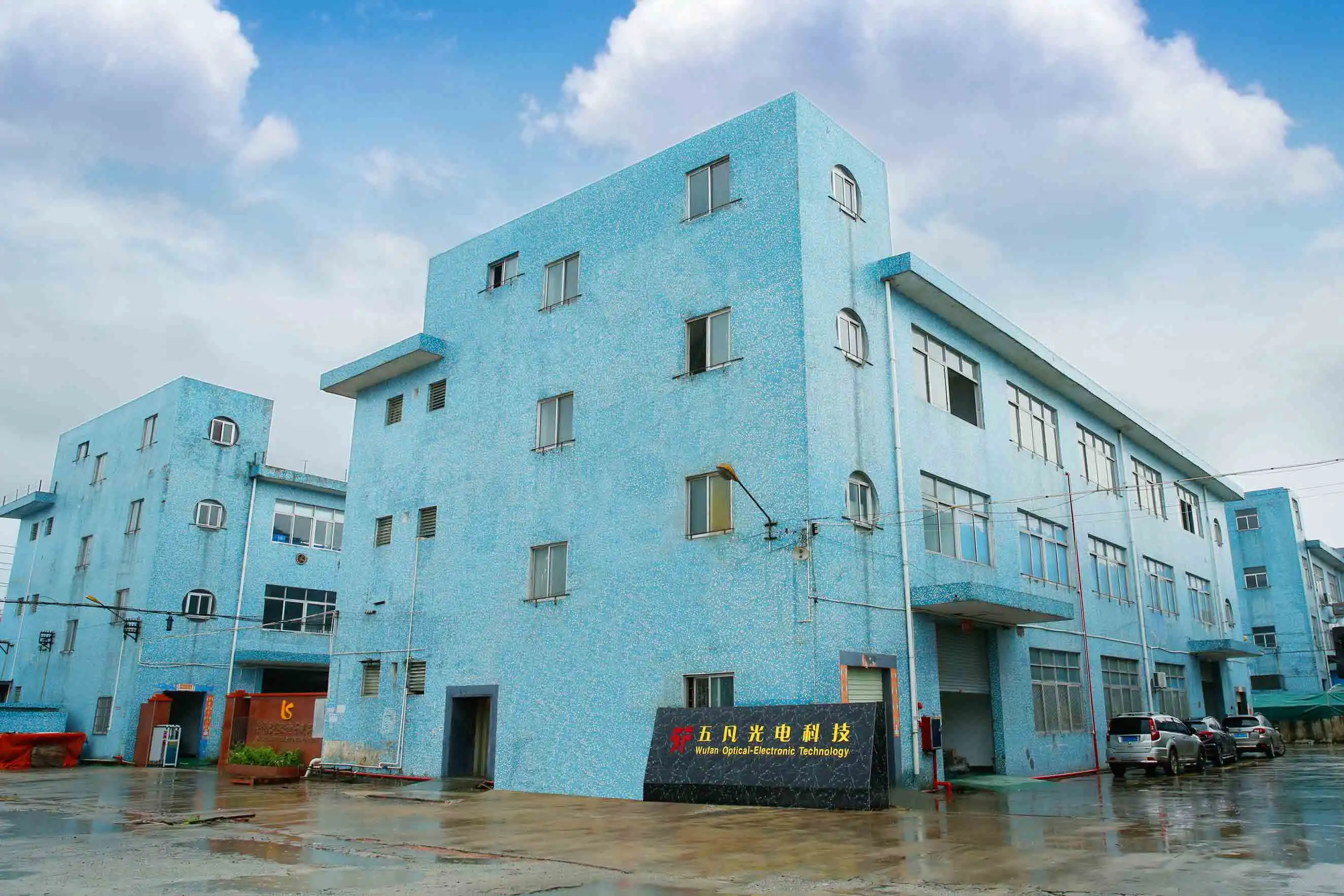
Dongguan Wufan Optical-Electronic Technology Co., Ltd.
- Manufacturer, Trading Company
- Guangdong, China
- Lead time10 days
- Avg. response≤ 4h
Main productsLED magnifier,LED Cosmetic mirror,LED loupe,Makeup Mirror,magnifying glass
Main marketsNorth America(20.00%), Western Europe(10.00%), South Asia(10.00%), Southern Europe(10.00%), Northern Europe(10.00%), Eastern Europe(10.00%), South America(10.00%), Eastern Asia(5.00%), Africa(5.00%), Southeast Asia(5.00%), Central America(5.00%)
$3.82 - $5.35
MOQ: 50 pieces


Nanyang Huasen Optoelectronics Co., Ltd.
- Manufacturer, Trading Company
- Henan, China
- Lead time20 days
- Avg. response≤ 3h
Main productsBinoculars,Prism,Lens,Telescope,Rangefinder
Main marketsDomestic Market(60.00%), South Asia(40.00%)

Chongqing Dontop Optics Co., Ltd.
- Trading Company,Manufacturer/Factory
- China Chongqing
- Lead time38 days
Main productsBinoculars, Rifle Scope, Range Finder, Spotting Scope, Telescope, Lenses, Red DOT, Night Vision, Monoculars, Mount
Main marketsSouth America,Eastern Europe,Mid East,North America,Southeast Asia,Eastern Asia,Oceania,Western Europe,Africa
Jaxy Optical Instrument Co., Ltd.
- Manufacturer, Trading Company
- Lead time旺季: "1 - 100":31,"> 100":"To be negotiated", 淡季: "1 - 100":31,"> 100":"To be negotiated"
- Avg. response≤ 3h
Main productsBinoculars and Telescope, Magnifier, Whistle, Compass, 3D glasses
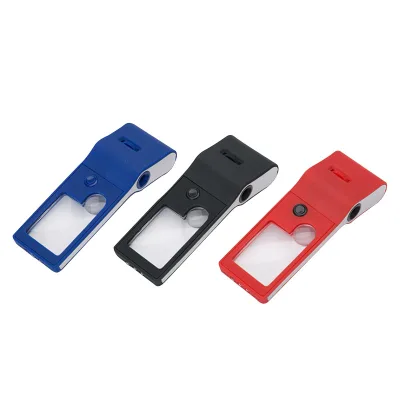
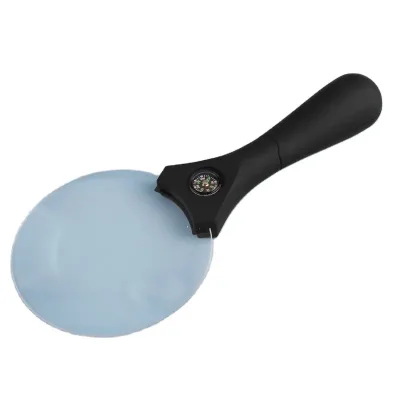
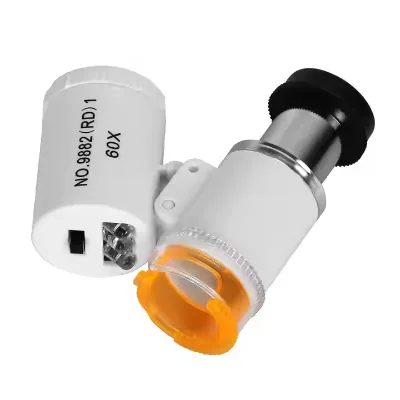
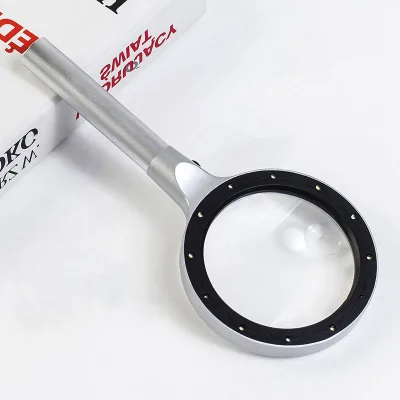
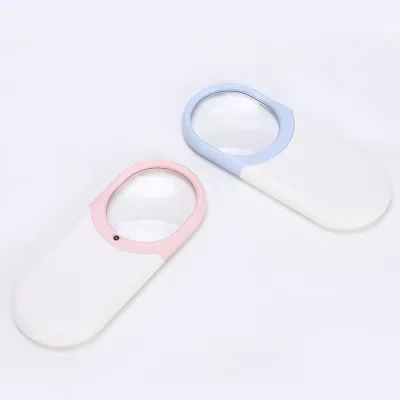
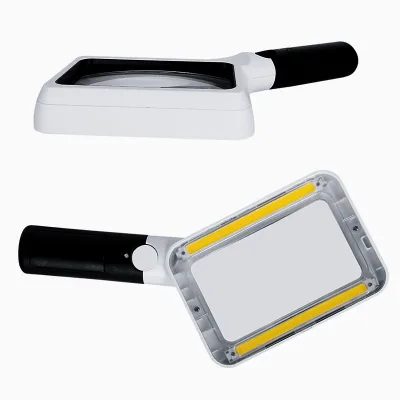
Multi-function 60x LED Warm White Light UV Microscope Portable Magnifying Glass for Inspection
$1.45 - $2.38
MOQ: 10 pieces

Suzhou Quanjuda Purification Technology Co., Ltd
- Trading Company,Manufacturer/Factory
- China Jiangsu
- Lead time0 days
Main productsESD Fabric, ESD Garment, ESD Uniform, Sticky Mat, ESD Shoes, ESD Wrist Strap, ESD Glove, Disposable Facemask, Cleanroom Wipers, ESD Finger Cots


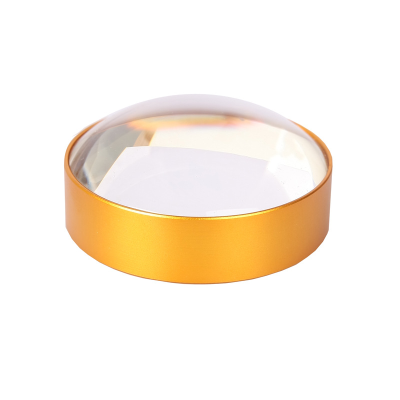
High Quality Ys-702 Metal Clip Optical Lens and Standard Lens LED Magnifier Magnifying Lamp
$20.00 - $22.00
MOQ: 10 Pieces

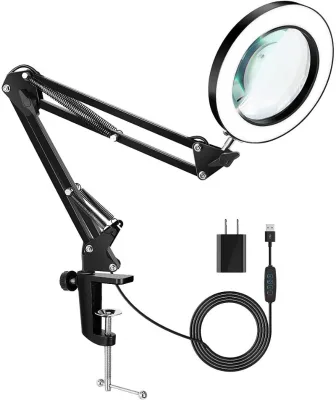
8066h LED Clamp Type Magnifying Lamp
MOQ: 200 Pieces


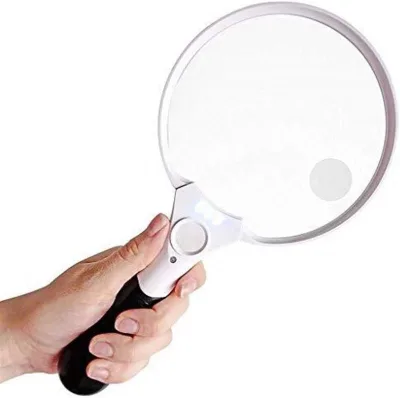
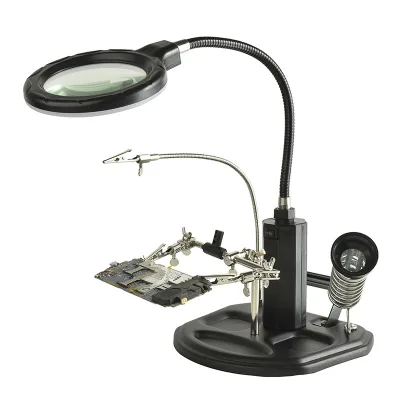
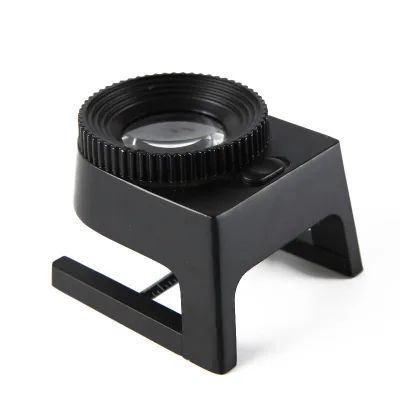
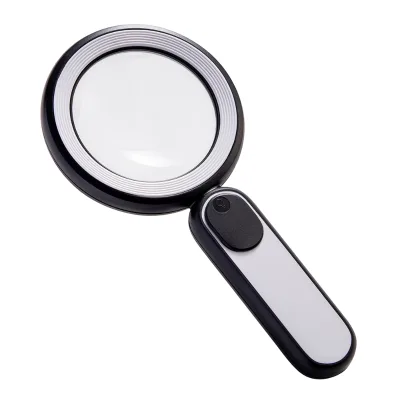







Comprehensive Sourcing Guide
LED Black Optical Magnifying Glass Supplier Concentration and Factory Types
The current supplier landscape for LED Black Optical Magnifying Glass reveals a mix of Manufacturer and Trading Company entities operating within the region. Evidence indicates that production facilities are concentrated in Zhejiang, China, with specific product origins also noted in Ningbo. These locations serve as the primary hubs for the manufacturing of optical instruments, including handheld magnifiers and specialized lighting equipment. Buyers should recognize that while some suppliers are direct manufacturers capable of customized on-demand processing, others function as trading companies facilitating the movement of goods from these production centers. The presence of both entity types suggests a supply chain where factory-direct options exist alongside intermediaries who may offer broader product ranges or different logistical advantages.
When evaluating the concentration of these suppliers, it is critical to distinguish between those offering light customization and those providing full graphic processing capabilities. The observed data shows that suppliers in these regions possess the capacity for sample processing and light customization, which is essential for buyers seeking specific branding or minor design adjustments. However, the exact distribution of these capabilities varies by entity. Buyers must verify the specific factory type for each potential partner to ensure alignment with their volume and customization needs. The concentration in Zhejiang and Ningbo implies a mature ecosystem for optical components, yet the specific factory capabilities must be confirmed through direct inquiry rather than assumed based on regional clustering alone.
How to Verify LED Black Optical Magnifying Glass Suppliers
Verification of suppliers for LED Black Optical Magnifying Glass requires a rigorous check of their system certifications and third-party validation status. The available data highlights that certain suppliers hold IEC 60598, EN 60598, IEC 62321, CE, UKCA, LVD, and EMC certifications, alongside a Declaration of Conformity. These standards are crucial for ensuring that the electrical components, such as the LED lighting systems, meet international safety requirements. Additionally, some suppliers have undergone verification by SGS Group, which serves as a tangible indicator of their operational reliability. Buyers should prioritize partners who can provide these specific documents to mitigate risks associated with non-compliant electrical products entering their markets.
Beyond certifications, the response time and verification status of the supplier are key indicators of their operational readiness. The observed response time of four hours suggests a level of engagement that allows for rapid clarification of technical specifications or order details. However, this metric should be treated as a baseline rather than a guarantee for every interaction. Buyers must confirm that the specific supplier they are engaging with maintains this responsiveness and holds the claimed verification status. It is also necessary to cross-reference the brand names and product attributes listed, such as "jiali" or "BOURYA," against the actual company credentials to ensure the entity is legitimate and authorized to sell these specific branded optical instruments.
What to Compare Across LED Black Optical Magnifying Glass Suppliers
Comparing suppliers requires a detailed analysis of their lead times, minimum order quantities, and pricing structures to determine the best fit for the project. The data indicates a lead time of 45 days for production, which is a significant factor for buyers planning inventory or urgent orders. Minimum Order Quantities (MOQ) vary significantly across the product range, with some items requiring as few as 10 units while others demand 200 or 100 units. This variation means that buyers must align their order volume with the specific supplier's thresholds to avoid unnecessary costs or stockpiling. Price points also fluctuate, ranging from approximately $1.15 to $4.50 per unit depending on the specific model, lens material, and magnification level.
In addition to cost and volume, the customization capabilities and product specifications must be compared to ensure they meet the buyer's technical requirements. Suppliers offer varying levels of support, including OEM and ODM services, which allow for brand customization and design modifications. The lens materials differ, with options ranging from optical glass to plastic or acrylic, directly impacting the clarity and durability of the final product. Buyers should compare the specific attributes such as battery requirements, light source types (e.g., 3 LED or 2 LED + 1 UV), and magnification powers (e.g., 2x, 10x, or 45x) across different suppliers. This granular comparison ensures that the selected supplier can deliver a product that matches the exact functional needs of the end-user.
Common LED Black Optical Magnifying Glass Sourcing Risks
One of the primary risks in sourcing LED Black Optical Magnifying Glass involves the discrepancy between claimed certifications and actual product compliance. While some suppliers list extensive certifications like CE, ISO9001, and Reach GS, buyers must verify that these apply to the specific batch or model being ordered. There is a risk that a supplier may hold general company certifications that do not cover the specific electrical or optical components of the magnifier. Furthermore, the warranty terms vary, with some suppliers offering one-year coverage while others list "Other" or undefined terms. This inconsistency can lead to significant financial loss if a product fails shortly after delivery and the supplier refuses to honor a vague warranty claim.
Another critical risk is the variability in material quality and the potential for misleading product descriptions. The observed data shows materials ranging from metal and optical glass to ABS plastic and acrylic, yet the descriptions sometimes lack clarity on the exact composition of the lens or handle. For instance, some listings specify "Optical glass lens" while others mention "acrylic" for smaller lenses, which affects the optical performance and durability. Buyers face the risk of receiving a product that does not match the visual or functional expectations set by the marketing materials. Additionally, the battery inclusion status is often noted as "not included," which can lead to confusion regarding the final product readiness and the need for immediate battery procurement by the buyer.
LED Black Optical Magnifying Glass Regional Sourcing and Logistics
Sourcing from the identified regions of Zhejiang and Ningbo in China offers access to a dense network of optical manufacturing facilities, but it also introduces specific logistical considerations. The concentration of suppliers in these areas suggests efficient local supply chains for raw materials like glass and plastic, which can streamline production. However, buyers must account for the 45-day lead time observed in the data, which includes both manufacturing and potential shipping preparation. This timeline is critical for planning inventory levels and ensuring that products arrive before peak demand seasons. The distance from these manufacturing hubs to international destinations will also impact shipping costs and transit times, requiring careful calculation of the total landed cost.
Logistics planning must also consider the packaging specifications provided by the suppliers, which vary by product type. For example, some items have a single package size of 20x10x10 cm, while others are larger, such as 18x5.8x4.8 cm. These dimensions directly influence the number of units that can be shipped per container, affecting the overall freight efficiency. Buyers should verify the single gross weight, which ranges from 0.195 kg to 0.225 kg for certain models, to accurately estimate shipping fees. Additionally, the origin location, whether Zhejiang or Ningbo, may affect the specific port of loading and the availability of freight forwarders familiar with the local export procedures. Understanding these regional logistics nuances is essential for optimizing the supply chain and minimizing delays.
LED Black Optical Magnifying Glass Commercial Terms and Order Planning
Commercial terms for LED Black Optical Magnifying Glass orders are heavily influenced by the Minimum Order Quantity (MOQ) and the customization requirements of the buyer. The data shows MOQs ranging from 10 units for specialized items to 200 units for standard models, which dictates the initial investment required. Buyers must plan their order volumes carefully to meet these thresholds while balancing inventory costs. Customization support, including OEM and ODM services, often comes with additional lead times or minimums that must be factored into the order planning. The price range of $1.15 to $4.50 per unit also varies based on the complexity of the design, such as the inclusion of UV lights or specific lens magnifications, requiring a detailed cost analysis before finalizing the purchase.
Order planning must also account for the specific product attributes that affect the final delivery and usability. For instance, the battery requirements, such as "2AA not included" or "3AAA not included," mean that buyers may need to source batteries separately or include them in the shipment, adding complexity to the logistics. The warranty terms, which can range from one year to undefined periods, should be clearly negotiated in the commercial agreement to protect against defects. Furthermore, the response time of four hours observed in the data suggests that communication channels are active, but buyers should establish clear protocols for order tracking and issue resolution. By aligning commercial terms with the specific product attributes and logistical realities, buyers can ensure a smoother procurement process and better manage their supply chain risks.
FAQs
What is the price range for LED magnifying glasses?
Prices for LED magnifying glasses typically range from $1.15 to $4.50 per unit. The final cost depends on the lens material, magnification power, and order quantity. Buyers should check specific product listings for exact pricing tiers based on volume discounts and customization requirements.
What certifications are available for these products?
Common certifications include CE, ISO9001, UKCA, LVD, EMC, and IEC 60598. Some products also carry RoHS or Reach GS compliance. Buyers must verify specific certification documents with suppliers to ensure they meet the regulatory standards required for their target market or industry application.
What is the minimum order quantity for these items?
Minimum order quantities vary significantly by product type. Some handheld models require a minimum of 10 units, while others may require 100 or 200 units. Buyers should review the specific product details to confirm the MOQ that aligns with their initial procurement needs and budget.
How long does production take?
Standard lead times for manufacturing these magnifiers are approximately 45 days. This duration may vary based on order volume, customization complexity, and supplier capacity. Buyers should confirm the exact production schedule with the supplier before placing orders to ensure timely delivery for their projects.
Can I customize the logo or design?
Yes, many suppliers offer OEM and ODM customization services. Buyers can often request custom logos, colors, and packaging designs. It is essential to discuss specific customization requirements and potential additional costs with the supplier to ensure the final product meets your brand specifications and quality standards.
What lens materials are used in these magnifiers?
Lens materials typically include optical glass or plastic. Optical glass lenses offer higher clarity and durability, while plastic lenses are lighter and more cost-effective. Buyers should select the material based on their specific application needs, such as precision inspection or general reading, to ensure optimal performance.