LED Downlights Suppliers and Manufacturers
Source 34 verified LED Downlights suppliers from China. Compare certifications like CE, RoHS, and ISO 9001, response times, and lead times. Contact suppliers directly to request samples and pricing; review the available evidence before requesting comparable quotations from suitable candidates.
Updated
Suppliers List
Guangzhou Blueswift Electric Co., Ltd.
- Verified by SGS Group
- Manufacturer, Trading Company
- Lead time20 days
- Avg. response≤ 8h
Main productsSolar Battery, Solar Inverters, Solar Lighting
Main marketsSouth America(33%), Southeast Asia(15%), Africa(14%)

Shenzhen GISIH Lighting Co., Ltd.
- Manufacturer/Factory
- China Guangdong
- Lead time15 days
- Avg. response≤ 2h
Main productsLED Display Special Lights, LED Ceiling Spotlight, LED Cabinet Spotlight, LED Track Light, LED Ceiling Light, LED Vertical Spotlight, LED Downlight, LED Strip Light, LED Showcase Lights
Main marketsSouth America,Eastern Europe,Mid East,North America,Southeast Asia,Eastern Asia,Oceania,Western Europe,Africa

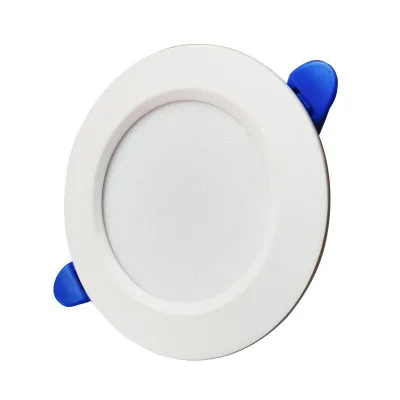
LED Downlight 1W LED Recessed Down Light Round LED Lighting for Indoor Lighting
$4.00 - $7.00
MOQ: 10 Pieces


World-Dawn Lighting Co., Limited
- Manufacturer/Factory
- China Guangdong
- Lead time23 days
- Avg. response≤ 3h
Main productsLED Neon Flex, LED Strip Light, LED Panel Light, LED Tube, LED Floodlight, LED Rope Light, SMD Rope Light, LED Lighting, LED Downlight, LED
Main marketsSouth America,Eastern Europe,Mid East,North America,Southeast Asia,Eastern Asia,Oceania,Western Europe,Africa
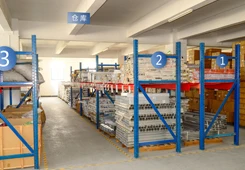
Zhongshan Haofeng Lighting Decoration Factory
- Manufacturer, Trading Company
- Guangdong, China
- Lead time15 days
- Avg. response≤ 4h
Main productsLinear Light,surface downlights,spotlights,Track spotlights,Office panel lights
Main marketsDomestic Market(50.00%), Southeast Asia(10.00%), North America(10.00%), Western Europe(8.00%), Southern Europe(3.00%), Africa(3.00%), Eastern Asia(3.00%), South Asia(2.00%), Mid East(2.00%), Eastern Europe(2.00%), Northern Europe(2.00%), Central America(2.00%), South America(2.00%), Oceania(1.00%)

Anboo (Shenzhen) Technology Co., Ltd
- Verified by TUVRHEINLAND
- Manufacturer/Factory
- China Guangdong
- Lead time23 days
- Avg. response≤ 1h
Main productsLED Linear Light, LED Downlight, LED Tri-Proof Light, LED Tubular Light, LED Spot Light, LED Track Light, LED Solar Light
Main marketsSouth America,Eastern Europe,North America,Southeast Asia,Eastern Asia,Western Europe

Jiangmen Synno Lighting Co., Ltd.
- Verified by TUVRHEINLAND
- Combined
- China Guangdong
- Lead time30 days
- Avg. response≤ 4h
Main productsDownlight, Garden Light, Underground Light, Inground Light, Swimming Pool Light, LED Flood Lights, LED Track Lights, LED Under Water Light, LED Ceiling Light, Landscape Lighting
Main marketsSoutheast Asia/ Mideast

LED Down Lights Manufacturer Anti Glare Downlight Recessed Downlights for Home Office
$6.90 - $12.90
MOQ: 20 Pieces


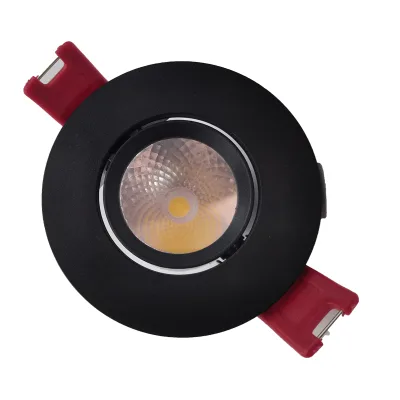
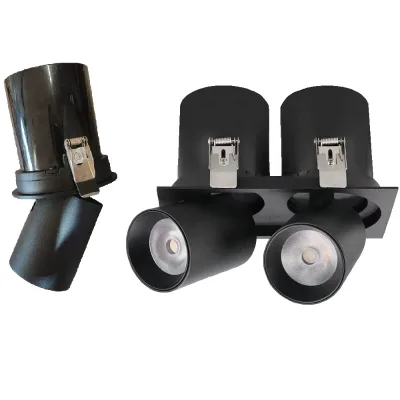
Modern Downlight Recessed Adjustable LED Down Light Anti-Glare LED Spotlight
$6.90 - $7.90
MOQ: 50 Pieces


Shenzhen Maxblue Lighting Co., Ltd.
- Manufacturer/Factory
- China Guangdong
- Lead time15 days
- Avg. response≤ 3h
Main productsLED Track Light, LED Downlight, LED Strip Light, LED Panel Light, LED Linear Light, LED Lighting, LED Ceiling Spotlight, LED High Bay Light, LED Controller, LED Neon Flex
Main marketsSouth America,Eastern Europe,Mid East,North America,Southeast Asia,Eastern Asia,Oceania,Western Europe,Africa


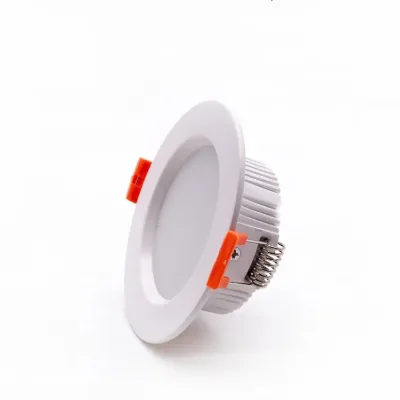
Supplier Best Price Portable LED Downlight with Good Quality Recessed Fixtures LED Down Light
$22.00 - $23.00
MOQ: 1 Pieces


Guangzhou Yi Can Lighting Co.,Ltd
- Verified by TUVRHEINLAND
- Trading Company,Manufacturer/Factory
- China Guangdong
- Lead time15 days
- Avg. response≤ 8h
Main productsSolar Street Light, Solar Flood Light, Solar Ceiling Light, Solar Garden Light, Solar Rubber Light, Solar UFO Light, Solar Hight Bay, LED Track Light, LED Downlight, LED Tube
Main marketsSouth America,Eastern Europe,Mid East,North America,Western Europe
- Verified by SGS Group
- Manufacturer, Trading Company
- Lead time7 days
- Avg. response≤ 2h
Main productsLED Downlight, LED Track Light, LED Linear Light, LED Magnetic Track Light
Main marketsWestern Europe(25%), Northern Europe(16%), North America(10%)
Linyi Zhaohong Photoelectric Technology Co.. Ltd.
- Verified by SGS Group
- Trading Company
- Lead time30 days
- Avg. response≤ 3h
Main productsLED Lighting Products, Home Folding Desk Study Desk, Flower Mud, Outdoor Artificial Lawn, Home Decoration Crafts Artificial Plants
Main marketsEastern Asia(50%), Southeast Asia(20%), North America(8%)
Ningbo Hseng Electrical Co., Ltd.
- Verified by TüVRheinland
- Trading Company
- Lead time25 days
- Avg. response≤ 6h
Main productsSwitch & Socket
Main marketsOceania(52%), Southeast Asia(20%), Mid East(10%)

How Bright Electronics Limited
- Trading Company
- China Guangdong
- Lead time23 days
- Avg. response≤ 3h
Main productsWall Lamp, Ceiling Lamp, Pendant Lamp, Spot Light, Down Light, Track Light
Main marketsSouth America,Africa,Southeast Asia/ Mideast,East Asia(Japan/ South Korea),Europe,Australia,North America

Shenzhen Focus Lighting Co., Ltd.
- Verified by TUVRHEINLAND
- Manufacturer/Factory
- China Guangdong
- Lead time15 days
- Avg. response≤ 4h
Main productsMagnetic LED Track Lighting, LED Light Bulb LED Corn Light, LED Spot Light LED Downlight, LED Spotlight LED Track Light, LED Sensor Light Highbay LED High Bay Light, PAR20 PAR30 PAR38 LED Spotlight, LED Interior/Outdoor Lighting, LED Outdoor Lighting, LED Street Light LED Highmast Light, LED Flood Light
Main marketsSouth America,Eastern Europe,Mid East,North America,Western Europe

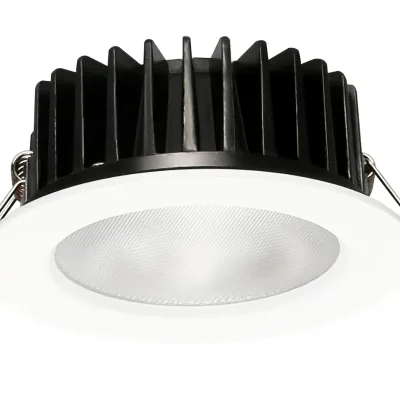
Simplicity Decoration LED Ceiling Downlight LED Lights for Home with Slim Ceiling Downlight
$58.00 - $64.50
MOQ: 10 Pieces

$44.80 - $49.80
MOQ: 10 Pieces

Zhongshan Fansen Lighting CO., LTD.
- Verified by CTI
- Combined
- China Guangdong
- Lead time30 days
- Avg. response≤ 2h
Main productsLED Light, LED Downlight, LED Tracklight, LED Spotlight, LED Linearlight
Main marketsSoutheast Asia/ Mideast,Domestic
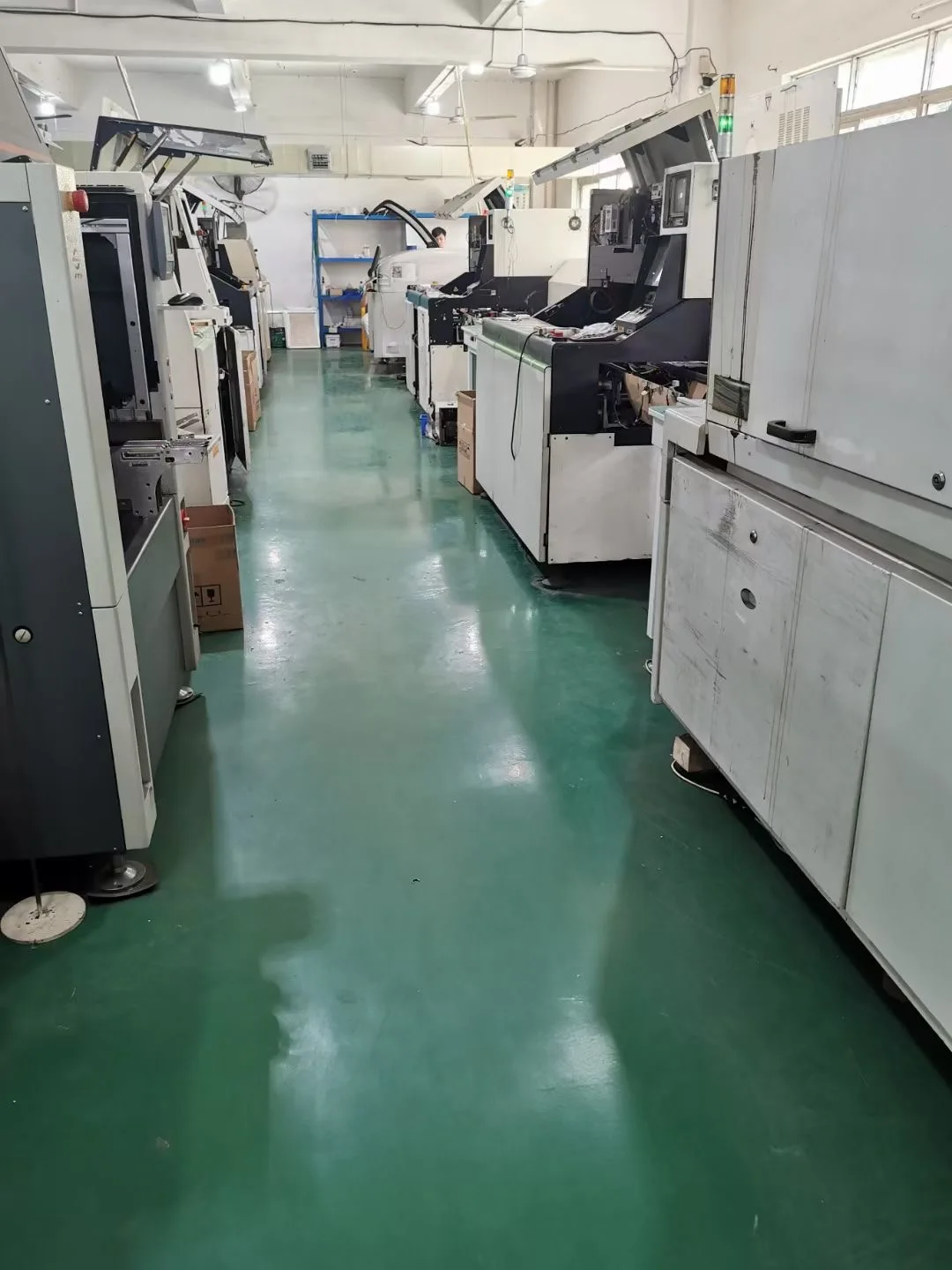
Jiangmen Hezhongyi Technology Co., Ltd
- Manufacturer, Trading Company
- guangdong, China
- Lead time7 days
- Avg. response≤ 8h
Main productsLED STRIP LIGHT,POWER SUPPLY,SOLAR SYSTEM,LED COB STRIP,LED MODULES
Main marketsMid East(20.00%), Southeast Asia(16.00%), South America(15.00%), Eastern Asia(10.00%), South Asia(5.00%), Western Europe(5.00%), Eastern Europe(5.00%), North America(5.00%), Oceania(5.00%), Africa(5.00%), Central America(3.00%), Southern Europe(3.00%), Northern Europe(3.00%)
Guangzhou Oushang Lighting Technogy Co., Ltd.
- Verified by TüVRheinland
- Trading Company
- Lead time15 days
- Avg. response≤ 2h
Main productsMagnetic Track Light, LED Linear Light, LED Track Light, LED Ceiling Light, LED Downlight
Main marketsNorthern Europe(27%), South America(15%), Mid East(15%)

Zhongshan LTSD Lighting Co., Ltd.
- Verified by TUVRHEINLAND
- Combined
- China Guangdong
- Lead time23 days
- Avg. response≤ 4h
Main productslamps and Lanterns
Main marketsSoutheast Asia/ Mideast

Zhongshan HOSD Lighting Co., Ltd.
- Verified by SGS
- Manufacturer/Factory
- China Guangdong
- Lead time30 days
- Avg. response≤ 16h
Main productsLED Down Light, LED Linear Light, LED Track Light, LED Spot Light, LED Strip Light, LED Magnet Track System, LED Panel Light, LED Wall Light, LED Wallwash Light
Main marketsSouth America,Eastern Europe,Mid East,Southeast Asia,Western Europe,Africa
Shenzhen Fredlighting Technology Limited
- Verified by TüVRheinland
- Manufacturer, Trading Company
- Lead time7 days
- Avg. response≤ 3h
Main productsLED Neon Sign, LED Strip Light, LED Down Light Panel Light, Outdoor Solar Lamp
Main marketsNorth America(26%), South America(16%), Northern Europe(16%)
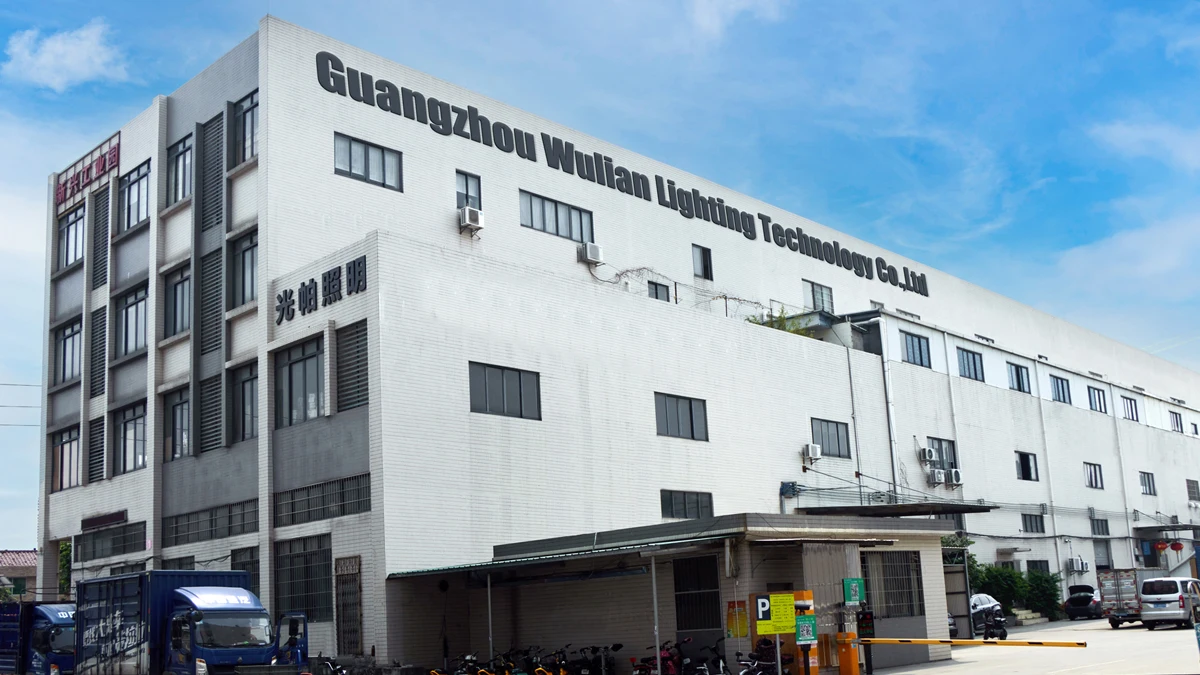
Guangzhou Wulian Lighting Technology Co., Ltd.
- Manufacturer
- Guangdong, China
- Lead time15 days
- Avg. response≤ 2h
Main productsLED down lights,LED spot lights,LED panel lights,LED track lights,led grille lights
Main marketsDomestic Market(40.00%), Eastern Europe(10.00%), Southern Europe(10.00%), Northern Europe(10.00%), Western Europe(10.00%), Eastern Asia(10.00%), Mid East(10.00%)
- Manufacturer, Trading Company
- Hong Kong S.A.R.
- Lead time30 days
- Avg. response≤ 2h
Main productsEmergency Light Emergency,Exit Sign light,Emergency Power Supply,Home Light,camping light
Main marketsSoutheast Asia(30.00%), Domestic Market(20.00%), South America(20.00%), Mid East(10.00%), Eastern Europe(5.00%), Southern Europe(5.00%), Africa(3.00%), North America(3.00%), Oceania(2.00%), Central America(2.00%)

Yangzhou Besturn International Trade Co., Ltd.
- Verified by TUVRHEINLAND
- Trading Company
- China Jiangsu
- Lead time30 days
- Avg. response≤ 24h
Main productsLED Street Light, LED Panel Light, LED Down Light, LED Strip Light, LED Flood Light, LED Bulb, Solar Street Light, LED Grow Light, LED Parking Light, LED Ceiling Light
Main marketsSoutheast Asia/ Mideast

Hubei LiBaiChang Technology Co., Ltd.
- Verified by CTI
- Manufacturer/Factory
- China Hubei
- Lead time15 days
- Avg. response≤ 2h
Main productsSolar Home System, Outdoor Lighting, Emergency Products, Solar Aerator Pump, Solar Panel, Commercial Lighting Light, Solar Inverter, Indoor Light, Solar Fan, Solar Insect Killer Light
Main marketsSouth America,Eastern Europe,Mid East,North America,Southeast Asia,Eastern Asia,Oceania,Western Europe,Africa
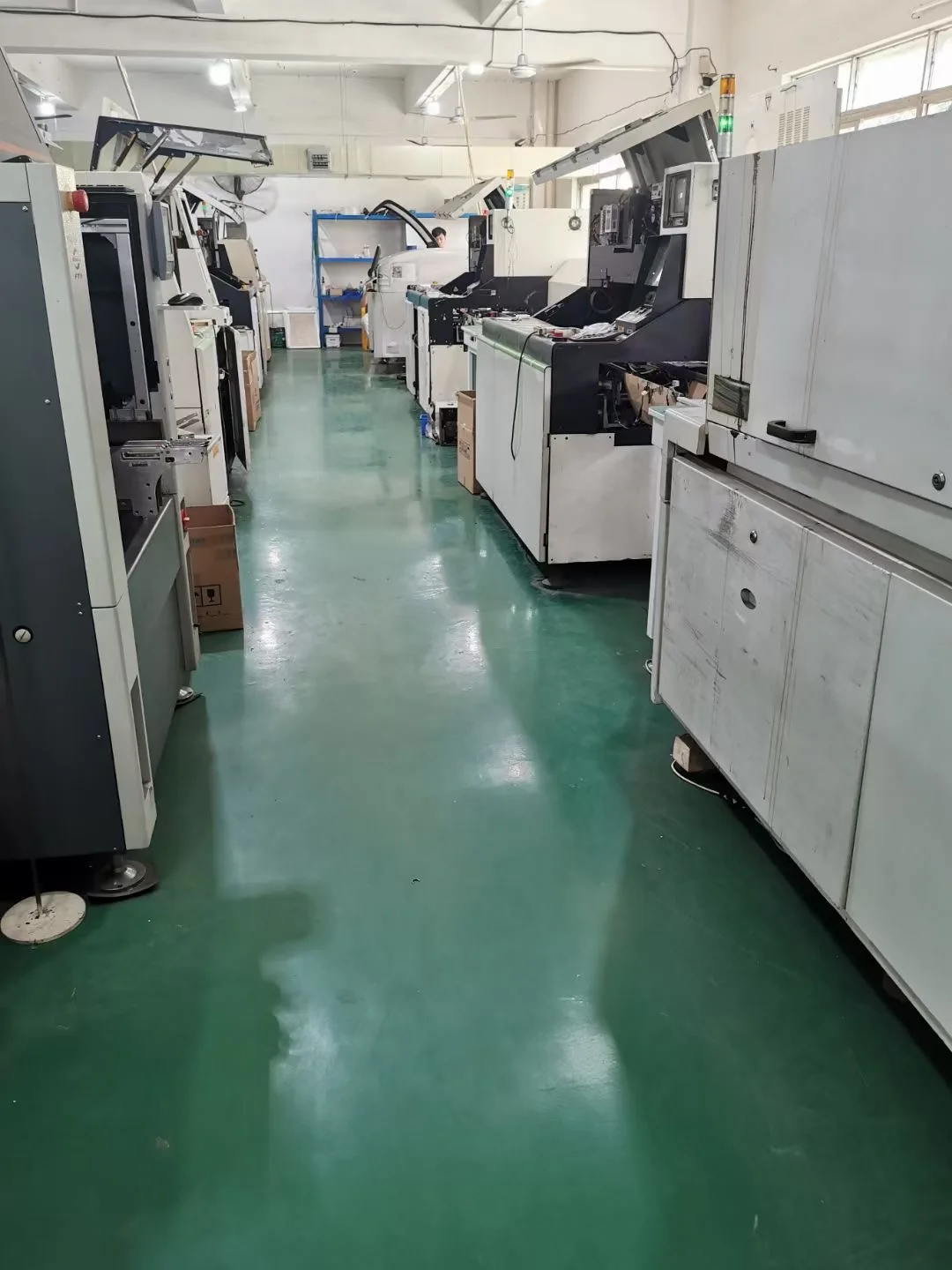
Zhongshan Hedihui Technology Co., Ltd.
- Trading Company
- Guangdong, China
- Lead time5 days
- Avg. response≤ 7h
Main productsneon light,emergency bulb,floodlight,led modules,strip light
Main marketsNorth America(50.00%), Mid East(30.00%), Eastern Asia(20.00%)
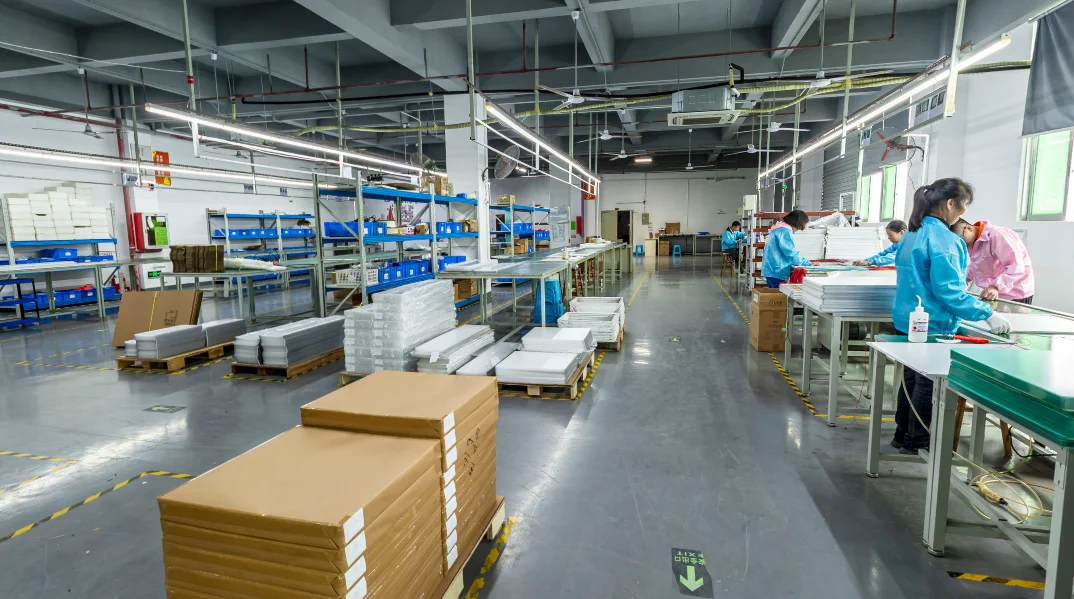
Guangdong Nice Lighting Technology Co., Ltd.
- Manufacturer, Trading Company
- Guangdong, China
- Lead time7 days
- Avg. response≤ 1h
Main productsLED Downlights, LED Spot Lights, LED Track Lights
Main marketsNorth America(30.00%), Mid East(20.00%), Eastern Europe(15.00%), Southern Europe(10.00%), Northern Europe(10.00%), South America(5.00%), Western Europe(5.00%), Southeast Asia(5.00%)

Zhongshan Chaolang Lighting Co., Ltd.
- Verified by SGS
- Combined
- China Guangdong
- Lead time30 days
- Avg. response≤ 1h
Main marketsEurope

Changzhou Forever Lighting Co., Ltd.
- Manufacturer/Factory
- China Jiangsu
- Lead time30 days
- Avg. response≤ 16h
Main productsLED Downlight, LED Track Light, LED Floodlight, LED Panel Light, LED Bulkhead Light, LED Tri-Proof Light, LED Street Lamp, LED Ceiling Light, LED Down Light, LED Linear Light
Main marketsEastern Europe,North America,Western Europe

12W 20W 35W Ceiling Recessed Adjustable Fixed Optional Down Light LED Downlight
$5.00 - $25.00
MOQ: 1000 Pieces

15W Downlight Adjustable Dimmable Ceiling Down Light LED Recessed Interior Spotlight
$8.00 - $10.00
MOQ: 1000 Pieces

Zhejiang Cajoroy Optoelectronic Technology Co., Ltd.
- Verified by SGS Group
- Manufacturer, Trading Company
- Lead time15 days
- Avg. response≤ 3h
Main productsLed Solar Street Light, Led Stage Light, Led Ceiling Light, Led Panel Light, Led Flood Light
Main marketsNorth America(50%), Western Europe(30%), Mid East(10%)

Shenzhen Baledlight Technology Limited
- Manufacturer, Trading Company
- Guangdong, China
- Lead time7 days
- Avg. response≤ 8h
Main productsled street light,led flood light,led high bay light,led linear light,outdoor light
Main marketsCentral America(25.00%), South America(20.00%), Southeast Asia(10.00%), Eastern Asia(10.00%), North America(10.00%), Southern Europe(7.00%), Africa(5.00%), Mid East(5.00%), Western Europe(2.00%), South Asia(2.00%), Northern Europe(2.00%), Eastern Europe(2.00%)
Shenzhen Evolite Lighting Limited
- Manufacturer
- Guangdong, China
- Lead time15 days
- Avg. response≤ 2h
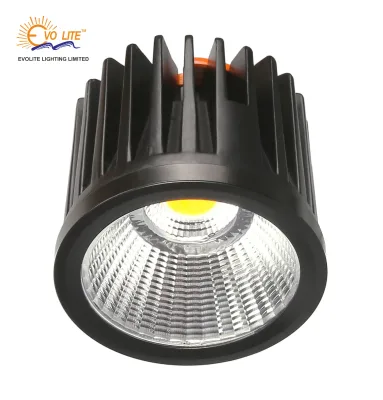
Main productsLED down light,LED MR16 module,LED track light,LED ground light,LED spot light
Main marketsSouth Asia(20.00%), South America(10.00%), Southern Europe(10.00%), Northern Europe(10.00%), Western Europe(10.00%), Eastern Asia(10.00%), Mid East(10.00%), Southeast Asia(10.00%), Eastern Europe(10.00%)
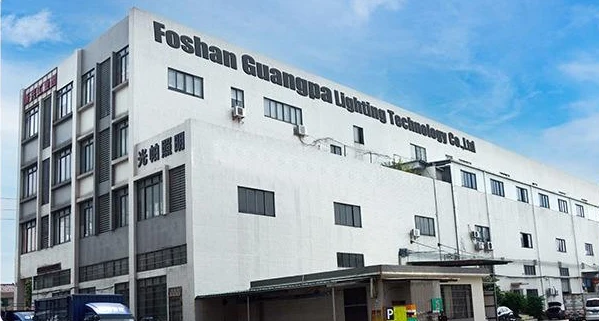
Foshan Guangpa Lighting Technology Co., Ltd.
- Manufacturer, Trading Company
- Gunagdong, China
- Lead time3 days
- Avg. response≤ 1h
Main productsTrack Spotlight Light, Ceiling Light, Showcase Light, Floodlight, Track Rail
Main marketsDomestic Market(60.00%), Southeast Asia(10.00%), South Asia(5.00%), Southern Europe(5.00%), Eastern Asia(5.00%), Central America(5.00%), Northern Europe(5.00%), Eastern Europe(3.00%), South America(2.00%)
Guangdong Alpha Lighting Co., Ltd.
- Verified by SGS Group
- Manufacturer, Trading Company
- Lead time25 days
- Avg. response≤ 2h
Main productsLED Downlight, LED Garden Light, LED Wall Light, LED Underground Light, LED Track Light
Main marketsNorthern Europe(20%), Western Europe(17%), Eastern Europe(10%)
Xiamen Anyhome Optoelectronic Technology Co., Ltd.
- Verified by Intertek
- Manufacturer, Trading Company
- Lead time30 days
- Avg. response≤ 2h
Main productsRecessed Lighting, Recessed Lighting Housing, Mounting Plate, Retrofit Downlights, Surface Downlights

Guangdong Benhao Trading Co., Ltd.
- Verified by SGS
- Combined
- China Guangdong
- Lead time23 days
- Avg. response≤ 3h
Main productsLED Track Light, Ceiling Light, Spot Light, Magnetic Light
Main marketsAfrica,Southeast Asia/ Mideast,Europe

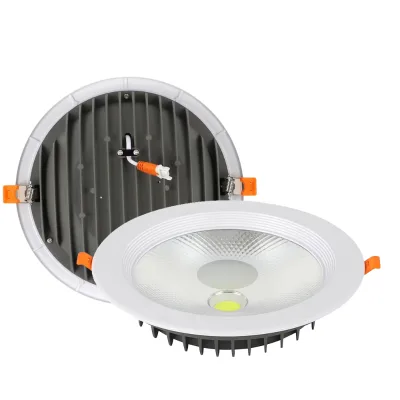
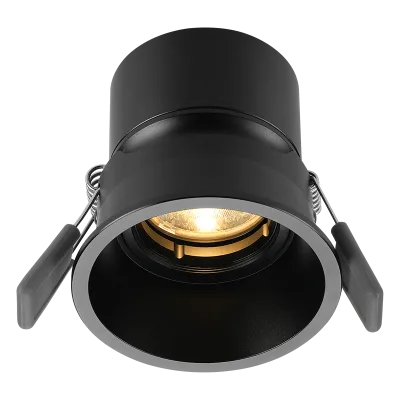
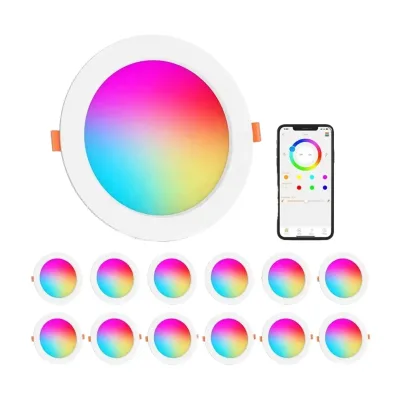
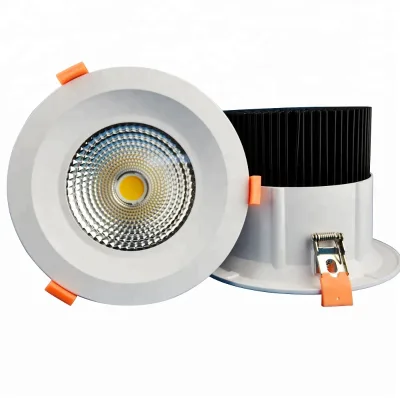
Aluminum Black Recessed LED Energy Saving Down Light LED Interior Lightings
$7.20 - $18.55
MOQ: 100 Pieces



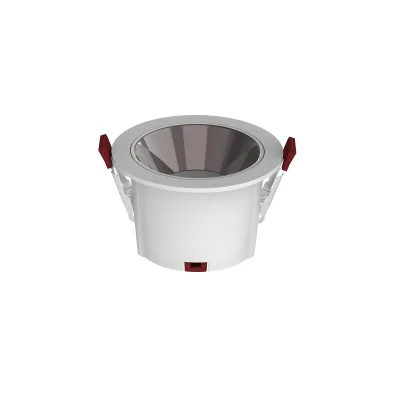
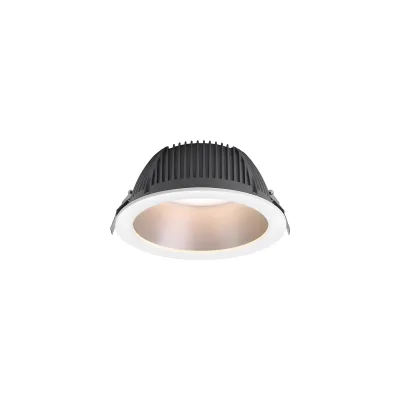
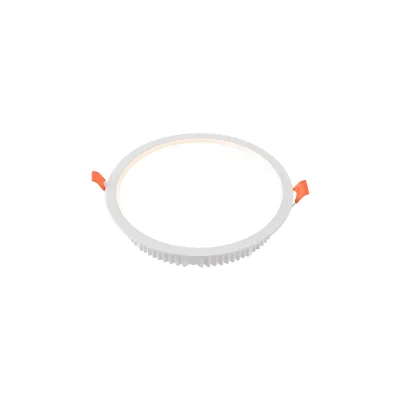
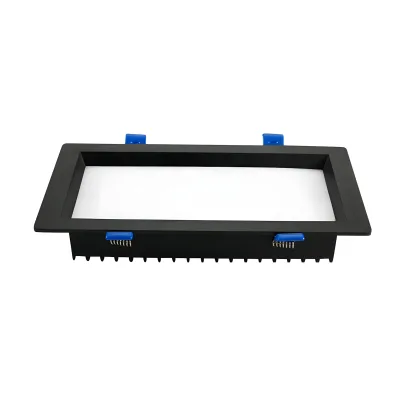




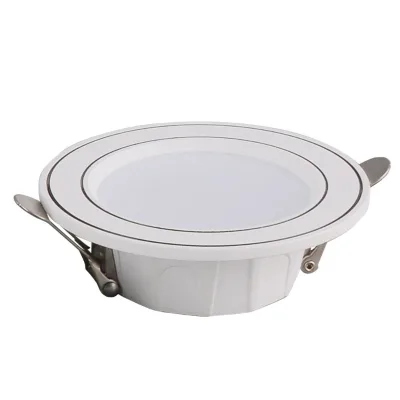
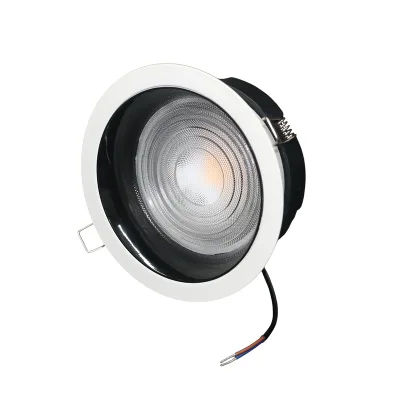
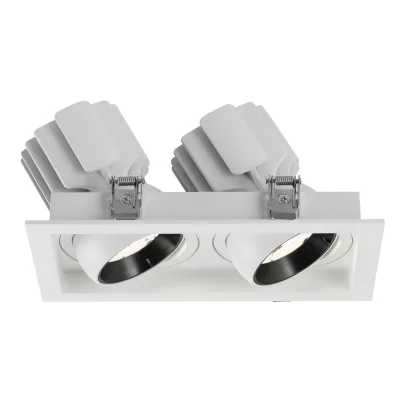
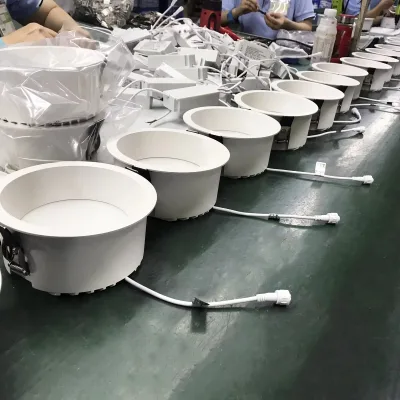
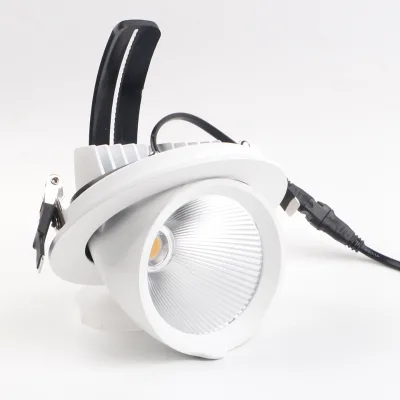


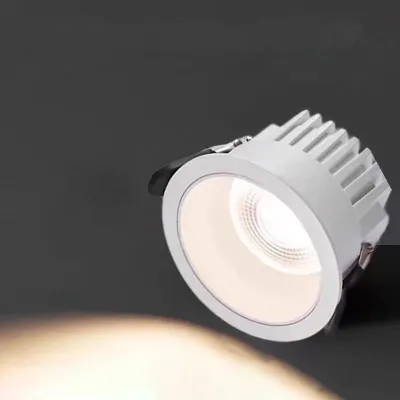
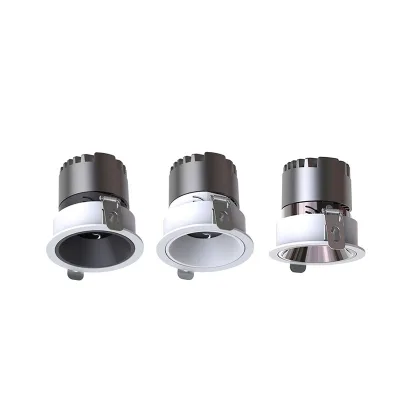
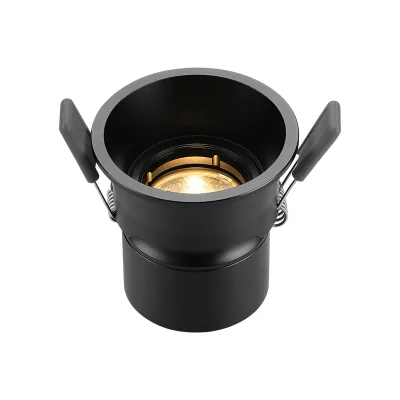




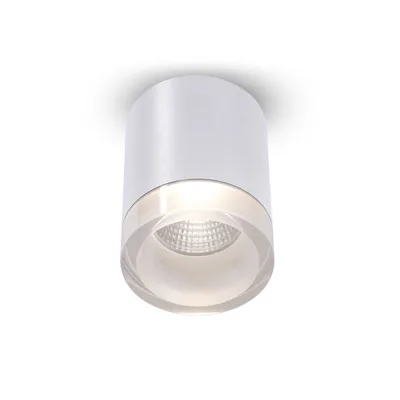
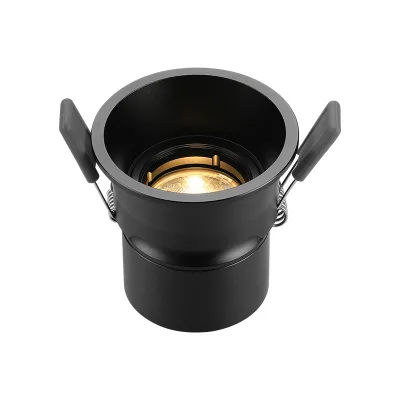
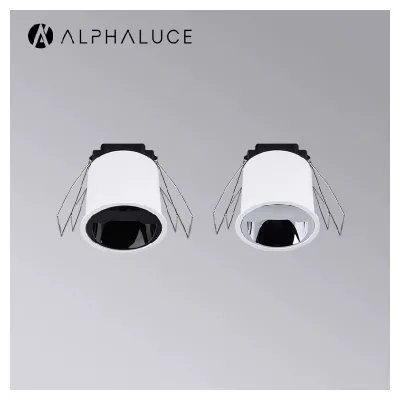
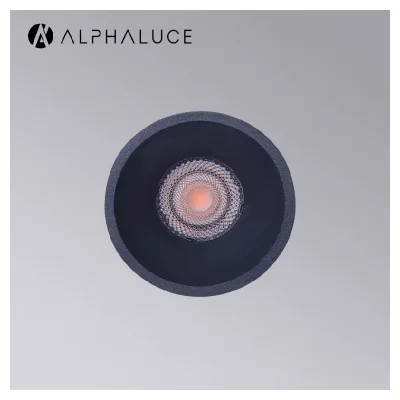
Comprehensive Sourcing Guide
LED Downlights Supplier Concentration and Factory Types
The current supplier landscape for LED Downlights reveals a diverse mix of manufacturing capabilities, primarily categorized as manufacturers, trading companies, and factory entities. This structural diversity is critical for buyers to understand, as it directly impacts pricing flexibility, communication efficiency, and supply chain transparency. Many suppliers identify as manufacturers or factories, indicating they possess the physical infrastructure for production, while others operate as trading companies that may source from multiple factories. This distinction is vital because it influences the degree of control a buyer has over the production process, quality assurance protocols, and the ability to request specific customizations. Buyers must carefully evaluate the company type listed for each potential partner to ensure it aligns with their operational needs, whether they require direct factory access for large-scale OEM projects or the flexibility of a trading company for smaller, mixed-product orders.
In addition to company type, the range of main products offered by suppliers provides insight into their specialization and technical depth. Some suppliers focus exclusively on lighting solutions, offering a broad portfolio that includes LED Downlights, led strip lights, and led ceiling spotlights, which suggests a dedicated expertise in this niche. Others may list broader categories such as solar batteries or solar inverters alongside lighting, indicating a more generalized approach to renewable energy products. This specialization level affects the quality of technical support and the depth of product knowledge available during the sourcing process. Suppliers with a concentrated focus on lighting are more likely to have advanced rd_capacity capabilities, such as graphic processing, sample processing, and customized on-demand services, which are essential for buyers seeking unique designs or specific performance characteristics. Understanding these factory types helps buyers navigate the market more effectively, ensuring they partner with entities that have the appropriate scale and expertise for their specific LED Downlights requirements.
How to Verify LED Downlights Suppliers
Verification is a critical step in mitigating risk when sourcing LED Downlights, as the market contains a wide array of suppliers with varying levels of credibility and operational maturity. Buyers should prioritize suppliers that have undergone third-party verification processes, such as those conducted by SGS Group, which provides an additional layer of confidence regarding the supplier's business legitimacy and operational capabilities. This verification status serves as a foundational check, indicating that the supplier has met certain baseline standards for business operations. However, verification alone is not sufficient; buyers must also scrutinize the specific certifications listed for both the company and the products. System certifications like ISO 9001, EMC, RoHS, LVD, and CE are common indicators of quality management and compliance with international safety and environmental standards. These certifications are particularly important for LED Downlights, which involve electrical components and require strict adherence to safety regulations to ensure reliable performance and user safety.
Beyond certifications, buyers should assess the supplier's responsiveness and track record through available metrics. Response time is a key indicator of operational efficiency and customer service quality, with some suppliers demonstrating response times as low as 1.59 hours, while others may take up to 8 hours. A faster response time often correlates with better communication throughout the sourcing and production process, reducing the likelihood of misunderstandings or delays. Additionally, buyers should look for evidence of product customization capabilities, such as the availability of OEM and ODM services, which indicate a supplier's flexibility and technical proficiency. The presence of specific product attributes, such as the use of Osram LED chips or specific installation modes like recessed in, further demonstrates the supplier's attention to detail and product quality. By combining verification status, certification checks, and responsiveness metrics, buyers can build a comprehensive profile of each supplier, ensuring they select partners who are not only legitimate but also capable of meeting their specific quality and service expectations.
What to Compare Across LED Downlights Suppliers
When evaluating multiple suppliers for LED Downlights, buyers must systematically compare key operational and commercial dimensions to identify the most suitable partner. One of the most critical factors is the lead time, which varies significantly across suppliers, ranging from 15 to 23 days. This variation can impact inventory planning and project timelines, making it essential for buyers to align lead times with their delivery schedules. Alongside lead time, the minimum order quantity (MOQ) is a crucial consideration, with some suppliers requiring MOQs as low as 10 units, while others may demand 500 units or more. This difference affects the feasibility of small-scale trials or large-volume orders, allowing buyers to choose suppliers that match their order volume and budget constraints. Additionally, supply ability, such as 100,000 units per week or 1,000,000 units per year, provides insight into the supplier's production capacity and scalability, ensuring they can handle the buyer's volume requirements without compromising quality or delivery schedules.
Another vital aspect of comparison is the range of product specifications and customization options available. Buyers should examine attributes such as color temperature, IP rating, and lamp power to ensure the LED Downlights meet their technical requirements. For instance, some suppliers offer products with color temperatures ranging from 3000K to 6500K, while others may provide specific options like warm white or natural white. The availability of customization services, including lighting and circuitry design, allows buyers to tailor products to their specific needs, enhancing brand differentiation. Furthermore, warranty periods, typically ranging from 2 years, offer protection against defects and indicate the supplier's confidence in their product quality. By comparing these dimensions—lead time, MOQ, supply ability, product specifications, and warranty—buyers can make informed decisions that balance cost, quality, and operational efficiency, ensuring they select suppliers who best align with their strategic sourcing goals.
Common LED Downlights Sourcing Risks
Sourcing LED Downlights involves several inherent risks that buyers must proactively manage to ensure a successful procurement process. One significant risk is the variability in product quality and performance, which can arise from differences in manufacturing standards and component sourcing. While some suppliers use high-quality components like Osram LED chips, others may use less reputable sources, leading to inconsistencies in luminous efficiency, lifespan, and color consistency. This variability can result in customer dissatisfaction and increased return rates, particularly if the products do not meet the specified technical attributes such as IP rating or color rendering index. Additionally, the risk of non-compliance with safety and environmental standards is a concern, especially if suppliers lack proper certifications like CE, RoHS, or FCC. Buyers must verify that all products meet the regulatory requirements of their target markets to avoid legal issues and product recalls, which can be costly and damaging to brand reputation.
Another common risk is the potential for communication breakdowns and delays, which can disrupt supply chains and project timelines. This risk is often exacerbated by differences in language, time zones, and business practices, particularly when sourcing from international suppliers. While some suppliers demonstrate fast response times, others may be slower to communicate, leading to misunderstandings regarding product specifications, packaging details, or shipping arrangements. Furthermore, the risk of overpromising on lead times or production capacity is prevalent, with some suppliers claiming high supply abilities that may not be sustainable during peak demand periods. Buyers must conduct thorough due diligence, including requesting samples and verifying production capabilities, to mitigate these risks. By understanding these common pitfalls and implementing robust verification and communication strategies, buyers can protect their interests and ensure a smoother sourcing experience for LED Downlights.
LED Downlights Regional Sourcing and Logistics
The geographic location of suppliers plays a crucial role in determining logistics costs, lead times, and overall supply chain efficiency. Many LED Downlights suppliers are concentrated in specific manufacturing hubs, such as Guangdong, China, which is a major center for electronics and lighting production. This regional concentration offers buyers access to a dense network of suppliers, facilitating easier comparison and negotiation. However, it also means that buyers must carefully consider the logistics implications of sourcing from this region, including shipping costs, transit times, and customs procedures. The port of dispatch, such as Guangzhou, is a key factor in determining shipping routes and costs, with buyers needing to evaluate the most efficient and cost-effective shipping methods for their specific needs. Understanding the regional dynamics of LED Downlights sourcing allows buyers to optimize their supply chain, reducing costs and improving delivery reliability.
In addition to regional concentration, buyers must assess the logistical capabilities of their chosen suppliers, including packaging and shipping practices. Proper packaging is essential to prevent damage during transit, particularly for fragile components like LED Downlights. Suppliers should provide detailed packaging details, such as the use of carton boxes, to ensure products arrive in good condition. Furthermore, buyers should consider the impact of regional trade policies and tariffs on their sourcing strategy, as these factors can significantly affect the final cost of goods. By evaluating both the regional location and logistical capabilities of suppliers, buyers can make informed decisions that balance cost, quality, and delivery efficiency. This holistic approach to regional sourcing and logistics ensures that buyers can navigate the complexities of international trade, securing reliable supply chains for their LED Downlights needs while minimizing risks and costs associated with shipping and customs.
LED Downlights Commercial Terms and Order Planning
Effective order planning and negotiation of commercial terms are essential for successful LED Downlights sourcing, as they directly impact profitability and operational efficiency. Buyers must carefully review pricing structures, which can vary based on order volume, customization requirements, and component quality. Some suppliers offer competitive pricing for standard products, while others may charge premiums for customized features or high-specification components. Understanding these pricing dynamics allows buyers to negotiate better terms and optimize their cost structure. Additionally, buyers should consider the availability of samples, which can be crucial for evaluating product quality before committing to large orders. Suppliers that offer sample availability provide an opportunity to test products in real-world conditions, ensuring they meet the buyer's expectations before finalizing the purchase. This step reduces the risk of receiving substandard products and helps build confidence in the supplier's capabilities.
Payment terms and warranty policies are also critical components of commercial negotiations. Buyers should seek suppliers that offer favorable payment terms, such as escrow services, to protect their financial interests and ensure secure transactions. Warranty periods, typically ranging from 2 years, provide assurance against defects and indicate the supplier's commitment to product quality. Buyers must also consider the after-sales support provided by suppliers, including technical assistance and replacement policies, which can be vital for maintaining customer satisfaction. By carefully evaluating these commercial terms and integrating them into their order planning, buyers can establish strong, mutually beneficial relationships with their suppliers. This strategic approach to commercial negotiations ensures that buyers secure the best possible value, minimizing risks and maximizing the return on their investment in LED Downlights sourcing.
FAQs
What certifications do these LED Downlights hold?
Many suppliers provide products with EMC, RoHS, LVD, and CE certifications. Some manufacturers also offer ISO 9001, CCC, CQC, GS, and FCC approvals. Buyers should verify specific system certifications for each supplier before placing orders to ensure compliance with local safety standards.
How long does it take to receive these lights?
Lead times vary between 15 and 23 days depending on the supplier and order volume. Some manufacturers can deliver within 20 days, while others may require up to 23 days for production. Buyers should confirm exact delivery schedules with the specific factory before finalizing purchase agreements.
What is the minimum order quantity for these products?
Minimum order quantities range from 10 units to 500 units per model. Some suppliers accept small orders of just 10 pieces, while others require a bulk purchase of 500 units. Buyers must check the specific MOQ for each product model to ensure it fits their procurement needs.
Where are these LED Downlights manufactured?
All listed products originate from Guangdong, China. The manufacturing facilities are located in this specific region, which is a major hub for lighting production. Buyers can expect the port of dispatch to be Guangzhou for most shipments from these verified suppliers.
What is the warranty period for these lights?
Most suppliers offer a standard warranty period of two years for their LED Downlights. This coverage applies to defects in materials and workmanship under normal usage conditions. Buyers should confirm the specific warranty terms and claim procedures with the manufacturer before completing the transaction.
Can these lights be customized for specific projects?
Customization options include graphic processing, sample processing, and customized on-demand designs. Many manufacturers support OEM and ODM services with their own brands available. Buyers can request specific lighting solutions, circuitry designs, and project installations to meet unique architectural requirements.
How quickly do suppliers respond to inquiries?
Response times typically range from 1.59 hours to 8 hours depending on the supplier. Some manufacturers reply within 1.59 hours, while others may take up to 8 hours to address initial inquiries. Buyers should expect prompt communication from verified suppliers to facilitate efficient sourcing processes.