Custom Logo Dice Cup Suppliers and Manufacturers in China
Compare 21 verified suppliers offering custom logo dice cups with varying lead times, MOQs, and response speeds. Buyers can review product attributes like material, size, and customization options before contacting factories in Guangdong for quotes; review the available evidence before requesting comparable quotations from suitable candidates.
Updated
Suppliers List

Shenzhen Lionstar Technology Co., Ltd.
- Verified by SGS
- Combined
- China Guangdong
- Lead time15 days
- Avg. response≤ 4h
Main productsFace Mask, KN95, 3ply Disposable Face Mask, Protective Face Cover, FFP2 KN95 CE FDA Face Mask, Protective Goggle, Face Shield, Gloves, Gowns, Thermometer
Main marketsAfrica,Europe,North America


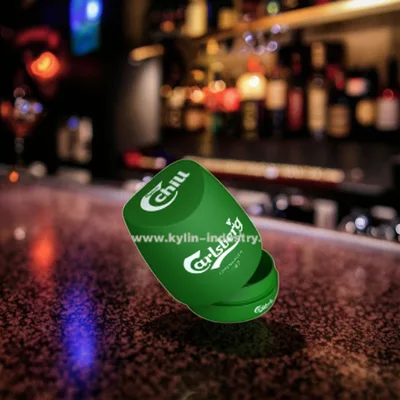
Beer Promotional Leather Dice Cup with Lid Logo Custom Dice Shaker Dice Cup
$0.41 - $0.69
MOQ: 500 Pieces

- Manufacturer, Trading Company
- Guangdong, China
- Lead time20 days
- Avg. response≤ 2h
Main productsBoard Game,Playing Cards,poker accssories,dices,pub games
Main marketsNorth America(35.00%), Domestic Market(20.00%), Mid East(10.00%), Northern Europe(8.00%), Western Europe(5.00%), Eastern Europe(5.00%), Southern Europe(5.00%), Southeast Asia(4.00%), Central America(2.00%), South America(2.00%), Oceania(1.00%), South Asia(1.00%), Africa(1.00%), Eastern Asia(1.00%)
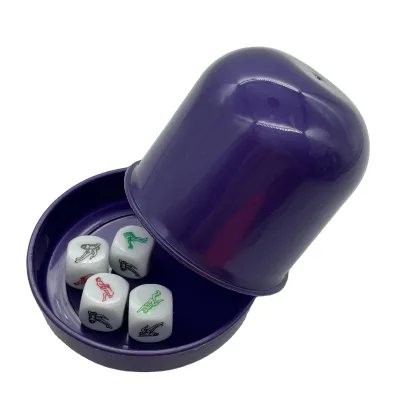
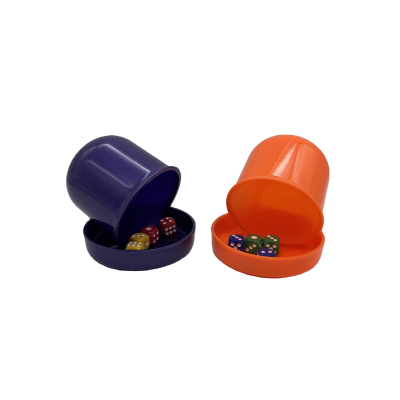
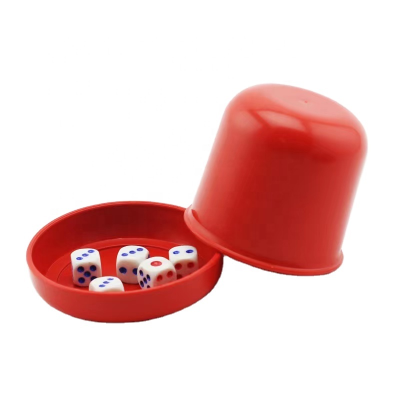
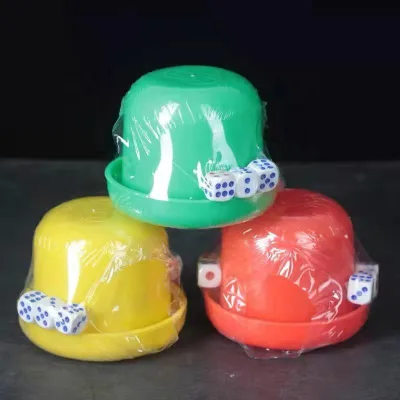
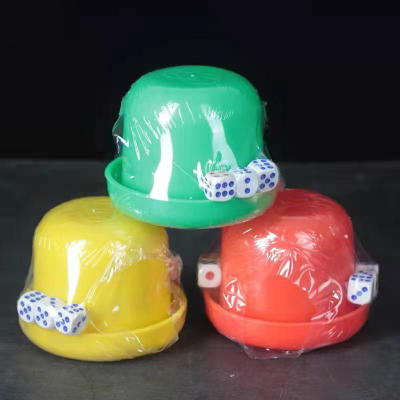
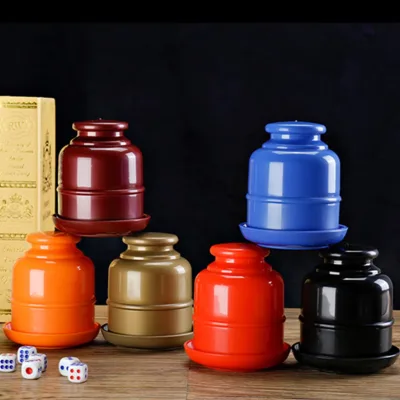
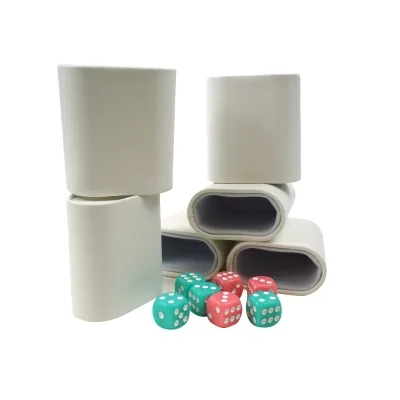
Wholesale Custom Logo Multi-Color Dice Cup Dice Plastic Shaker Cup With Dice for Gambling on Bar
$0.24 - $0.28
MOQ: 100 sets
Guilin Kangrui Culture Communication Co., Ltd.
- Verified by SGS Group
- Trading Company
- Lead time10 days
- Avg. response≤ 3h
Main productsDice, Coin, Medal, Embroidered patch, Pin
Main marketsNorth America(50%), Western Europe(30%), Eastern Europe(10%)
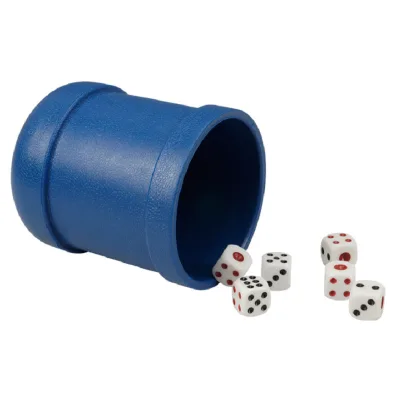
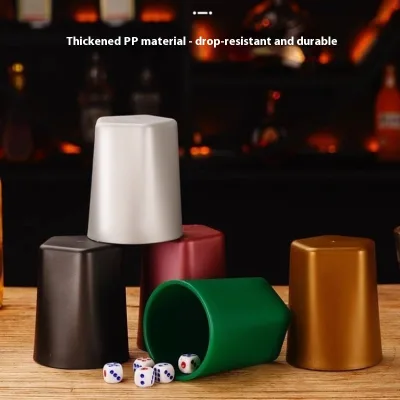
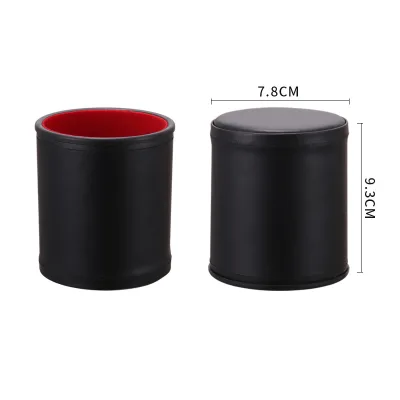
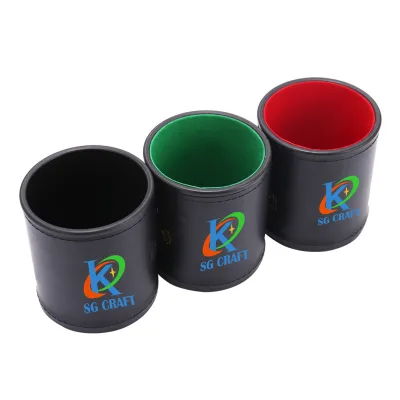
Wholesale Board Game Components Custom Logo Gambling Funny Plastic Dice Shaker Cup
$0.65 - $0.85
MOQ: 100
Changsha Xinchuangle Plastic Products Co., Ltd.
- Trading Company
- Hunan, China
- Lead time7 days
- Avg. response≤ 6h
Main productsDice,Mahjong,chess,Backgammon,Poker cards
Main marketsNorth America(30.00%), Eastern Europe(20.00%), South America(10.00%), South Asia(5.00%), Southern Europe(5.00%), Northern Europe(5.00%), Central America(5.00%), Western Europe(5.00%), Eastern Asia(5.00%), Africa(5.00%), Southeast Asia(5.00%)
Shenzhen Lionstar Technology Co., Ltd.
- Verified by SGS Group
- Manufacturer, Trading Company
- Lead time1 days
- Avg. response≤ 2h
Main productsPU Tray, Backgammon, Phone Card Holder, Luggage Tag, Dice Cup
Main marketsNorth America(31%), Eastern Europe(18%), Domestic Market(12%)
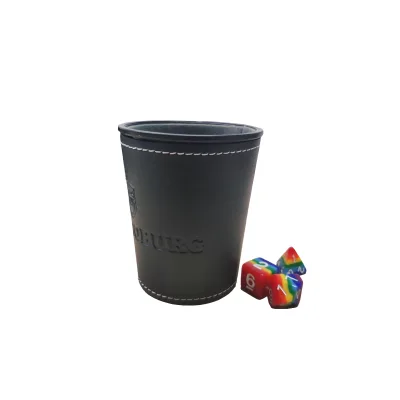
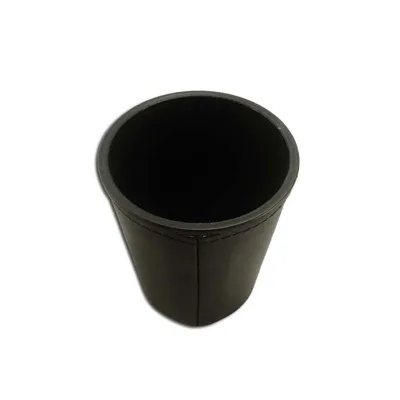
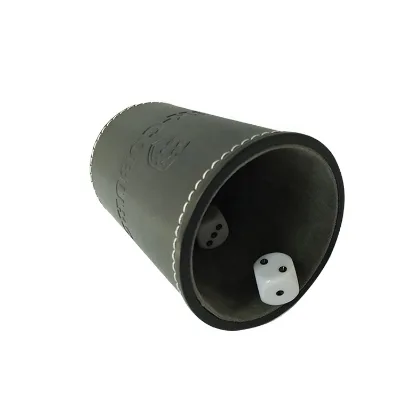
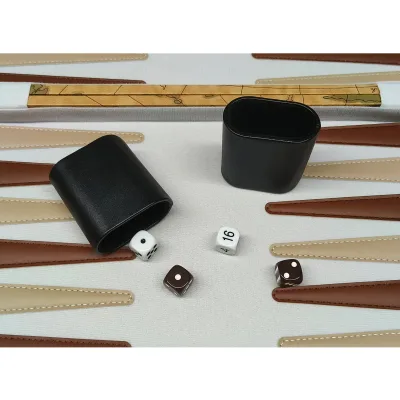
$0.8183 - $3.0967
MOQ: 100 pieces
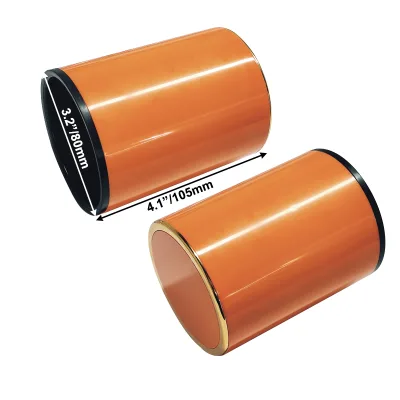
Professional Manufacture Dice Cup Colorful Dice Cup Increase the Design Plastic Dice Cup
$0.7271 - $0.8198
MOQ: 1000 pieces
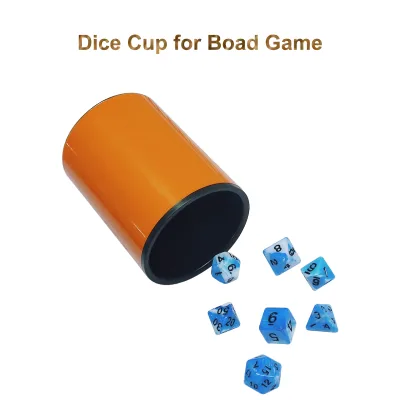
Support Customer Logo Customization Enlarged Double Anti Slip Electroplating Dice Cup With Dices
$0.73 - $0.8228
MOQ: 1000 pieces

Zhongshan Kongzhong Huayuan Hotel Supplies Co., Ltd.
- Manufacturer
- Guangdong, China
- Lead time10 days
- Avg. response≤ 1h
Main productsIce bucket, Luminous ware, Luminous clothing, Glassware, Party supplies
Main marketsNorth America(27.00%), South Asia(9.00%), Southeast Asia(9.00%), Mid East(8.00%), Eastern Europe(7.00%), Eastern Asia(6.00%), Western Europe(6.00%), Central America(6.00%), South America(5.00%), Southern Europe(5.00%), Northern Europe(5.00%), Africa(5.00%), Oceania(2.00%)
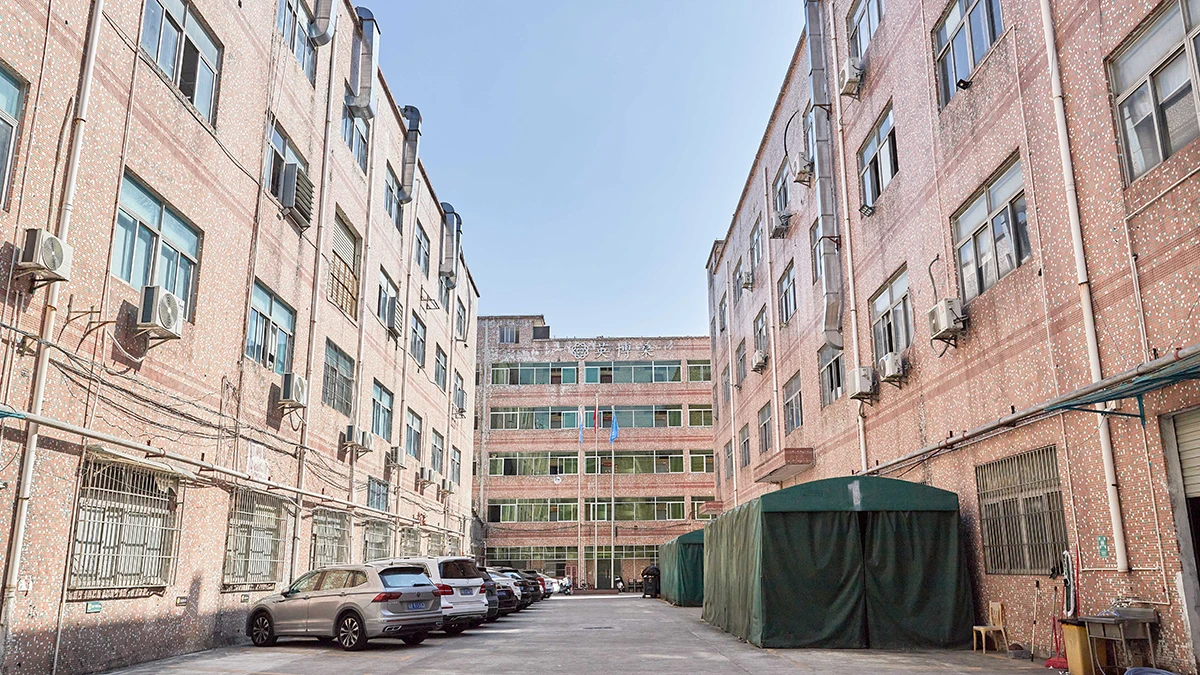
Shenzhen Maxjoy Game Supplies Co., Ltd.
- Manufacturer, Trading Company
- Guangdong, China
- Lead time20 days
- Avg. response≤ 4h
Main productsBackgammon,Chess,Dice Game Series,Card Game Series,Golf Accessories Series
Main marketsNorth America(30.00%), Western Europe(20.00%), Southern Europe(10.00%), Eastern Europe(10.00%), Northern Europe(5.00%), Domestic Market(5.00%), Eastern Asia(5.00%), Mid East(5.00%), Southeast Asia(5.00%), South Asia(2.00%), Oceania(2.00%), South America(1.00%)
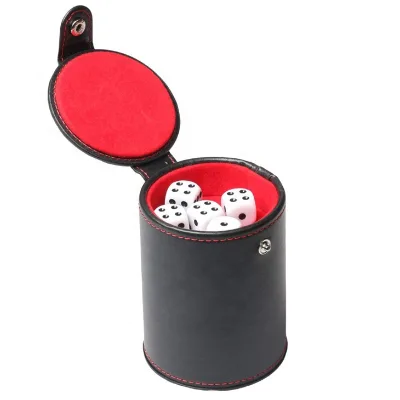
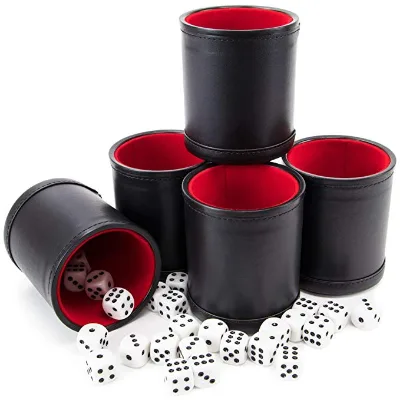
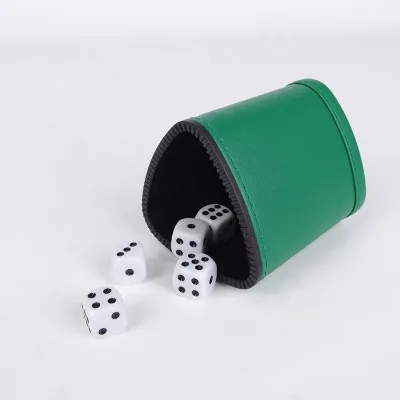
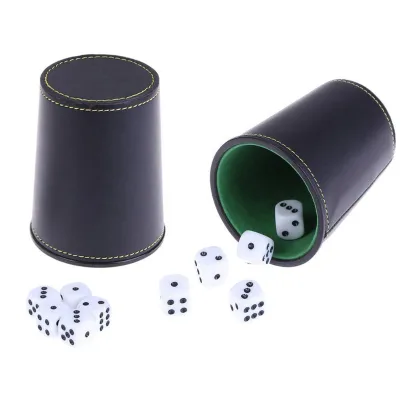
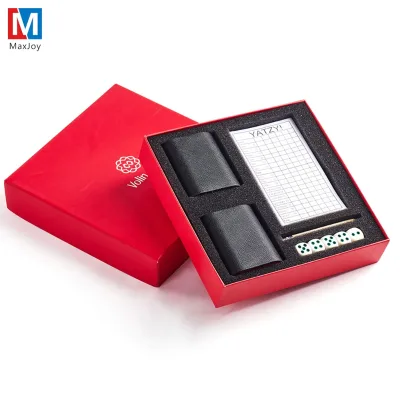
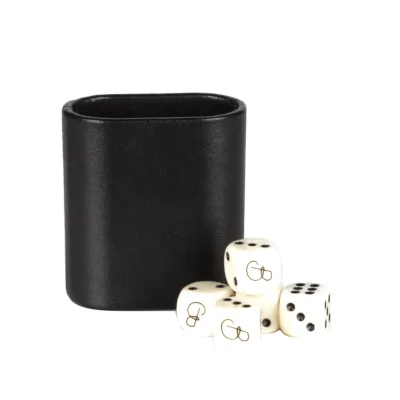
Customized Flared Dice Cup Set Luxury Cylindrical Dice Cups Dice Cups for Gambling Games
$0.73 - $0.82
MOQ: 1000 pieces

Dongguan Glory Plastic Products Co., Ltd.
- Verified by SGS
- Combined
- China Guangdong
- Lead time30 days
- Avg. response≤ 10h
Main productsBoardgame Accessories, Plastic Injection PVC Miniature, Plastic Dice, Products Design & Mould, Game Components, Print and Painting and Packing, Plastic Products Custom Packing, Poly Resin Craft Gift and Toy, Freight and Shipping, Creative Consultation
Main marketsEast Asia(Japan/ South Korea),Domestic

Linhai Muxin Crafts Manufactory
- Manufacturer
- Zhejiang, China
- Lead time30 days
- Avg. response≤ 7h
Main productsWooden bits,board game,metal bits,plastic bits,dice
Main marketsNorthern Europe(60.00%), North America(40.00%)

TAIZHOU HARSOUL IMP. & EXP. CO., LTD.
- Trading Company
- China Zhejiang
- Lead time30 days
- Avg. response≤ 16h
Main productsPromotion Gifts, Promotional Bag, Promotional Jewelry, Promotional Toys, Promotional Stationery, Promotional Plastic Goods
Main marketsOthers(foreignTradeCapacity.exportBusinessCapacityMarketOther),Europe,North America


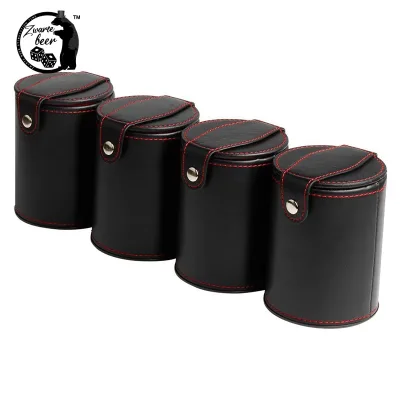
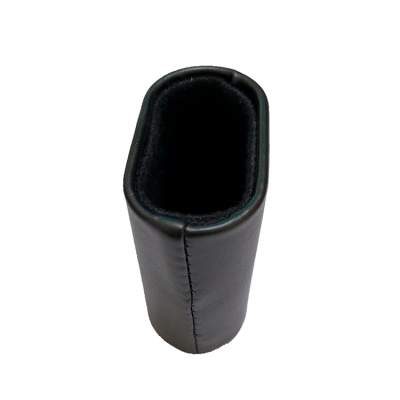
Custom Free Logo Service Black Leather Dice Cups Durable Dice Shaker Cup
$1.60 - $2.00
MOQ: 3000 Pieces


Shengzhou Kaile Recreation Co., Ltd.
- Verified by Intertek
- Manufacturer, Trading Company
- Lead time30 days
- Avg. response≤ 3h
Main productsDomino, Rummy, Poker Chips, Casino Table, Dice
Main marketsDomestic Market(69%), North America(14%), South America(8%)
Shaoxing Huagu Imp. & Exp. Co., Ltd.
- Verified by TüVRheinland
- Trading Company
- Lead time0 days
- Avg. response≤ 3h
Main productsDomino, Poker Chips, Dice, Mahjong, Rummy
Main marketsNorth America(45%), South America(20%), Western Europe(10%)

Guangzhou Yangming Entertainment Products Co., LTD
- Verified by SGS
- Trading Company
- China Guangdong
- Lead time15 days
- Avg. response≤ 1h
Main productsCasino Table, Poker Chip, Gambling Table, Casino Playing Cards, Card Shuffler, Dealer Shoe, Casino Table Layout, RFID Casino Chips, Casino System Software, Chips Tray
Main marketsSoutheast Asia/ Mideast,Australia,North America
Foshan Kylin Trading Company Limited.
- Trading Company
- Guangdong, China
- Lead time30 days
- Avg. response≤ 2h
Main productsnapkin dispenser,bottle opener,ice bucket,tray,can carrier
Main marketsWestern Europe(30.00%), Southern Europe(10.00%), Mid East(10.00%), Eastern Europe(8.00%), Africa(7.00%), North America(5.00%), Northern Europe(5.00%), South America(5.00%), Central America(5.00%), Eastern Asia(4.00%), South Asia(4.00%), Southeast Asia(3.00%), Domestic Market(2.00%), Oceania(2.00%)
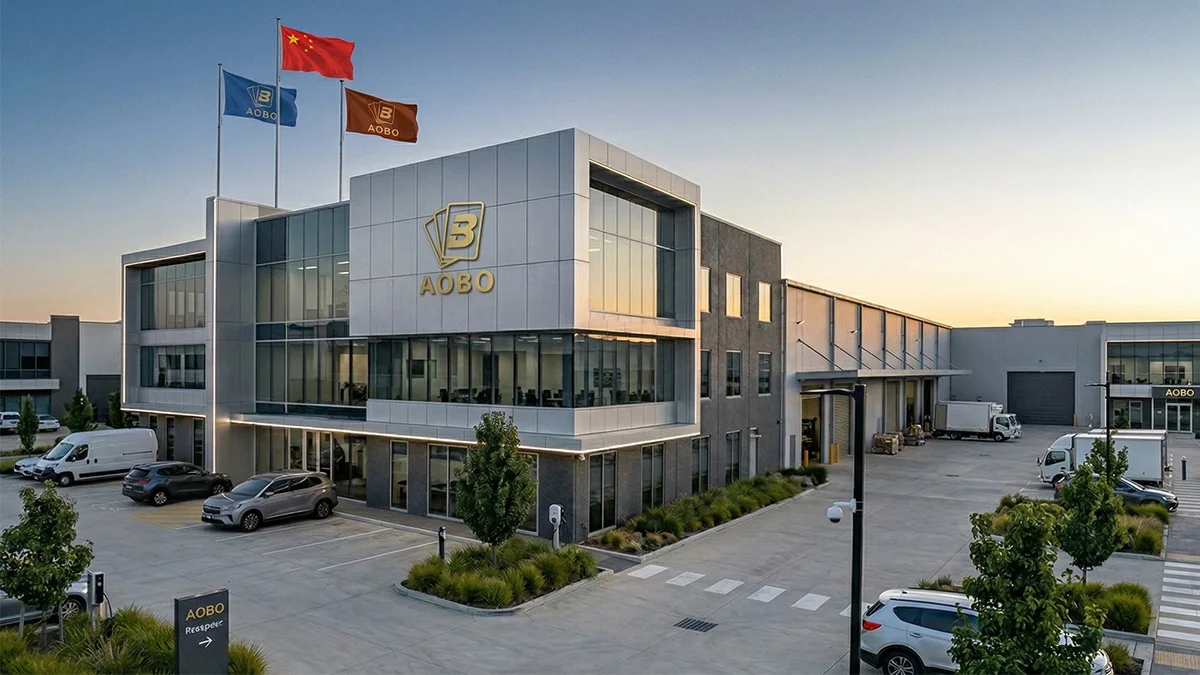
Guangzhou Aobo Technology Industry Co., Ltd.
- Trading Company
- Guangdong, China
- Lead time10 days
- Avg. response≤ 1h
Main productsPoker Card/Casino Table /Poker Chip/Card Shoe/ Casino Chair
Main marketsNorth America(50.00%), Southeast Asia(35.00%), Mid East(10.00%), Africa(5.00%)
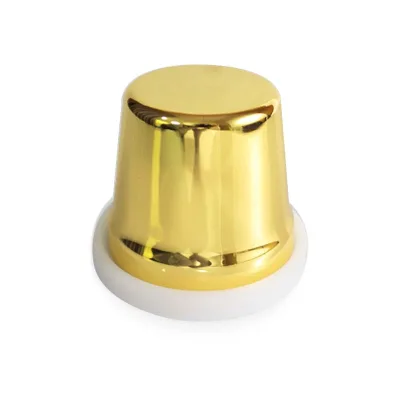
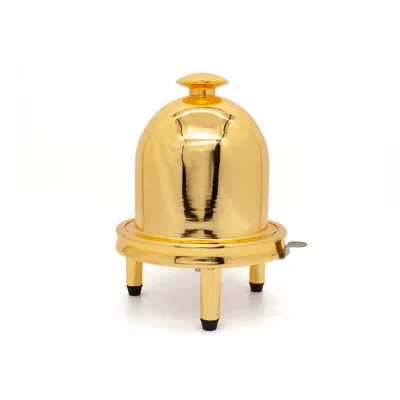
High Quality Casino Supply Gold Sic Bo Manual Dice Cup with Plastic Dice for Entertainment
$754.2862 - $796.1906
MOQ: 1 sets
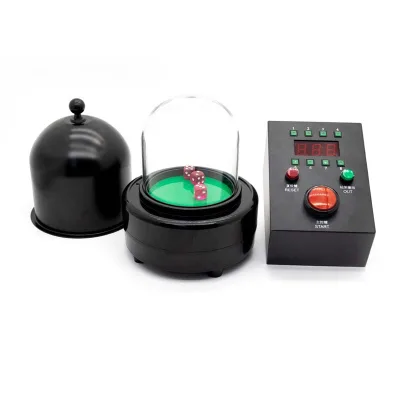
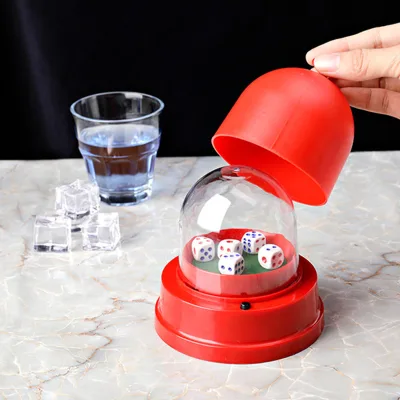
Deluxe Black Electric Dice Cup Set Suitable for Casino Entertainment Automatic Dice Gaming Shaker
$1280.00 - $1355.00
MOQ: 1
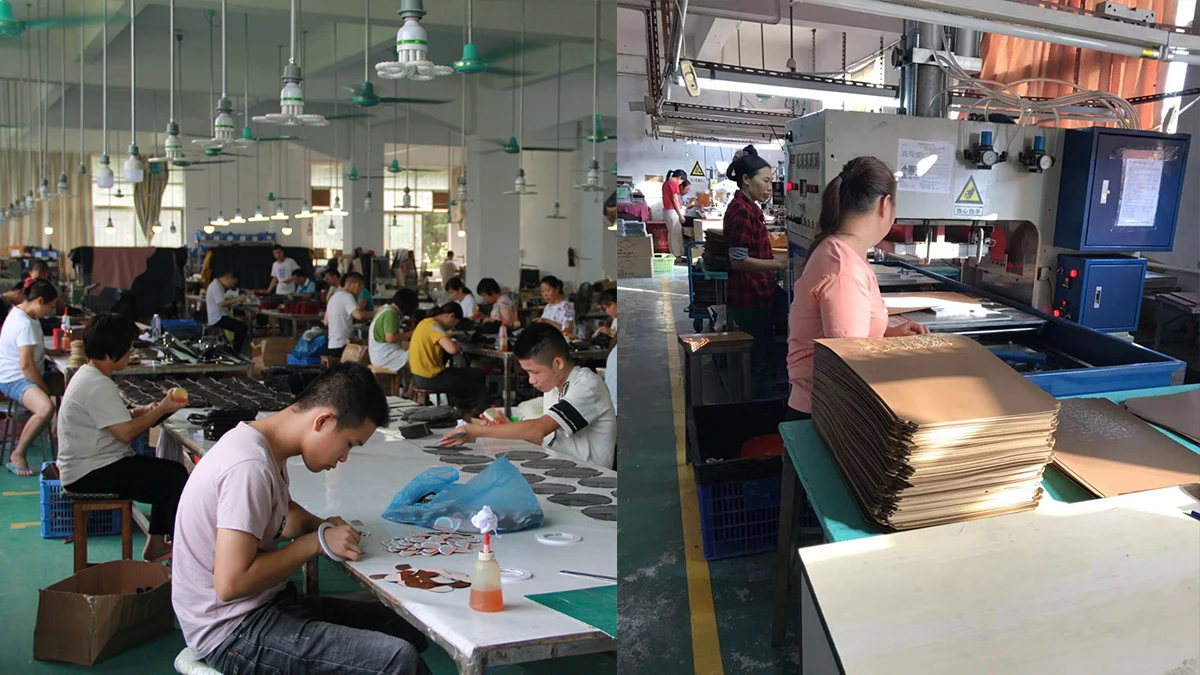
Shenzhen Luomen Crafts Co., Ltd.
- Manufacturer, Trading Company
- Guangdong, China
- Lead time0 days
- Avg. response≤ 8h
Main productsdice,dice tray,dice tower,dice cup,dice roller
Main marketsNorth America(40.00%), Eastern Europe(20.00%), Western Europe(15.00%), Northern Europe(10.00%), Southeast Asia(10.00%), Southern Europe(5.00%)
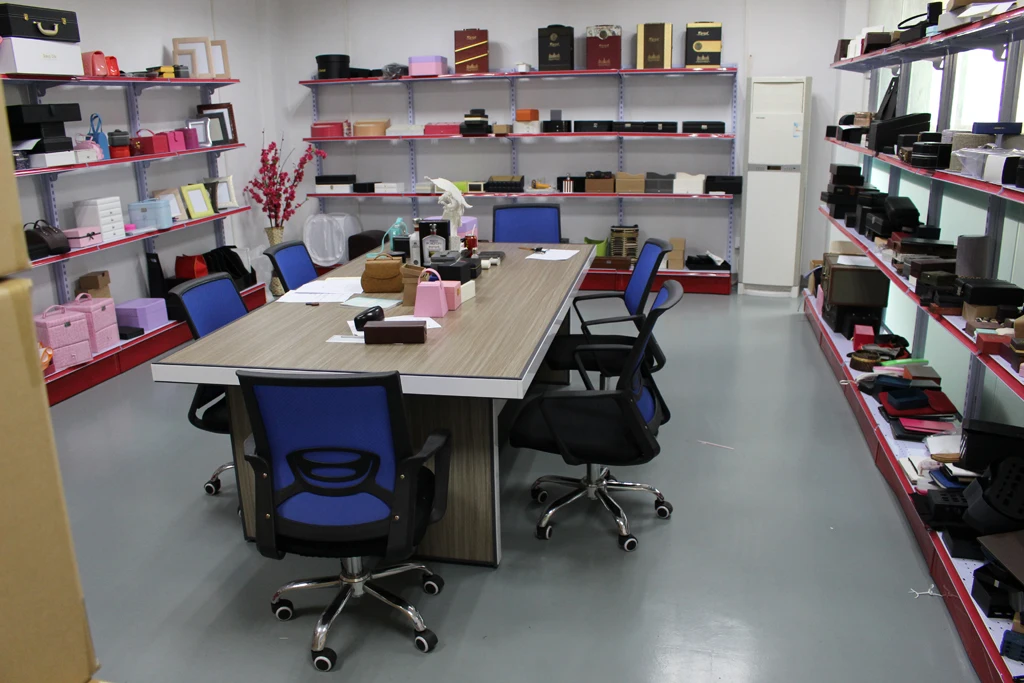
Dongguan Dalingshan Xiangyu Packaging Store
- Trading Company
- Guangdong, China
- Lead time35 days
- Avg. response≤ 3h
Main productsGame Set,Gift Packaging Box,Jewelry Box,Hotel&Houseware,Office Supplies
Main marketsSouth America(30.00%), North America(20.00%), Western Europe(10.00%), Mid East(10.00%), Central America(10.00%), Eastern Europe(10.00%), Domestic Market(5.00%), Africa(5.00%)
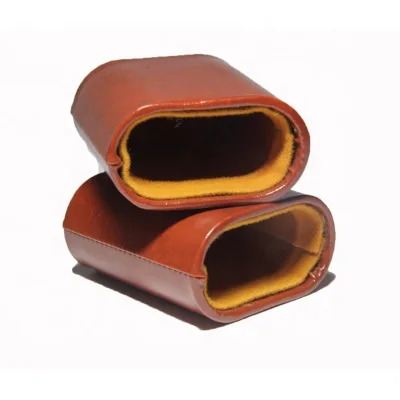
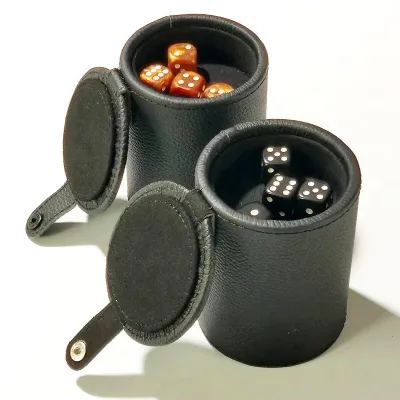
Customized Genuine Leather Dice Cup with Dices
$0.60 - $0.90
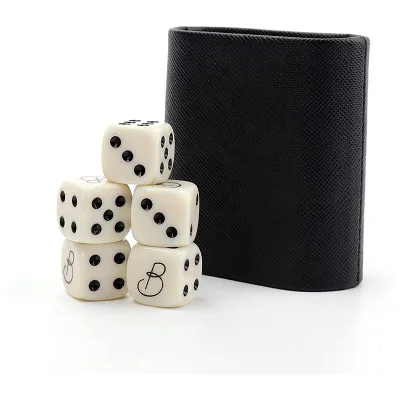
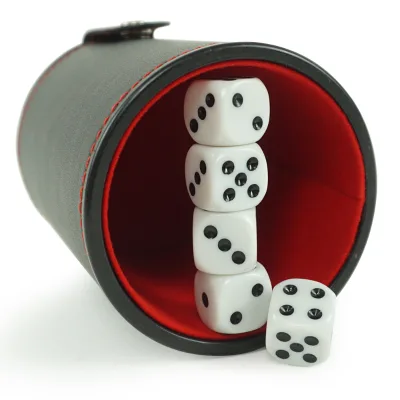
Red Lining Black Mini Oval Backgammon Dice Cup with 5 Dice Rummy Game Dice Cup
$0.60 - $0.70
MOQ: 500 sets

Taizhou Goddess Playingcards Co., Ltd.
- Verified by CTI
- Combined
- China Jiangsu
- Lead time30 days
- Avg. response≤ 12h
Main productsPlaying Card, Playing Cards, Plastic Playingcards, Jumbo Playingcards, Giant Playingcards, Tarot, Skat, Jeu De Cartes, Paper Playing Card, OEM Playing Card
Main marketsEast Asia(Japan/ South Korea),Domestic,Europe,North America

Guangzhou Yinghang Electronic Technology Co., Ltd.
- Verified by TUVRHEINLAND
- Trading Company
- China Guangdong
- Lead time15 days
- Avg. response≤ 11h
Main productsPoker Table, Poker Chip, Casino Table, Gambing Layout, Casino Shuffler Machine, Casino Roulette Wheel, Poker Shoes, Casion Chair
Main marketsOthers(foreignTradeCapacity.exportBusinessCapacityMarketOther),East Asia(Japan/ South Korea),Europe,North America

Yh New Material Acrylic Transparent Dice Cup Multi-Usage Casino Dice Shaker
$10.00 - $11.90
MOQ: 30 Pieces

Yh Casino Sic Bo Table Auto Electronic Dice Cup Gambling Accessories
$1999.00 - $2050.00
MOQ: 1 Pieces

Yh Cheap Price Niuniu Game Plastic Dice Shaker Cup Casino Quality Bronze Dice Cup Set
$12.00 - $14.00
MOQ: 2 Pieces
NINGBO JUXING TOY INSTRUMENT MANUFACTURING CO.,LTD.
- Verified by SGS Group
- Manufacturer, Trading Company
- Lead time30 days
- Avg. response≤ 22h
Main productsDomino, Bingo Set, Dice, Poker Chips
Main marketsNorth America(50%), Central America(20%), Domestic Market(20%)

LION PROMOTIONAL GIFT CO., LIMITED
- Verified by TUVRHEINLAND
- Trading Company
- China Zhejiang
- Lead time30 days
- Avg. response≤ 25h
Main productsPromotional Gifts, Giveaways, Advertising Gift, Premium Items, Publicity Material, Freebie Items, Marketing Gifts, Campaign Gifts, Promotional Products, China Gifts Supplier
Main marketsAfrica,Europe,North America
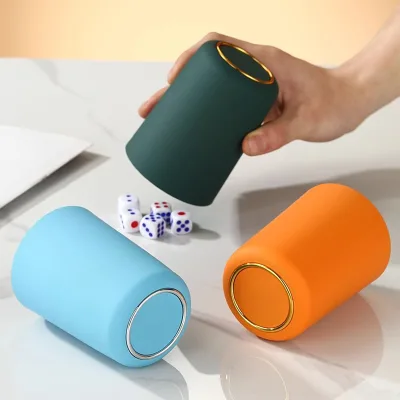


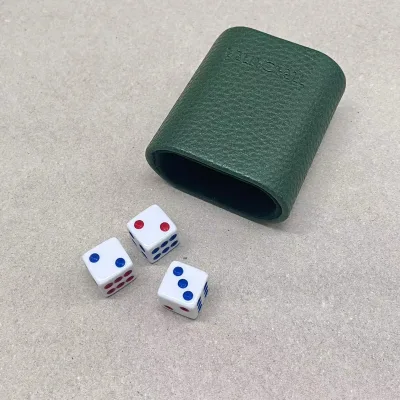
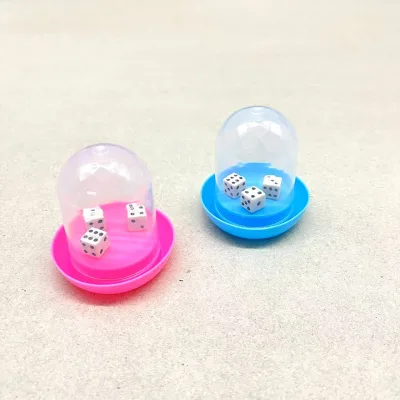
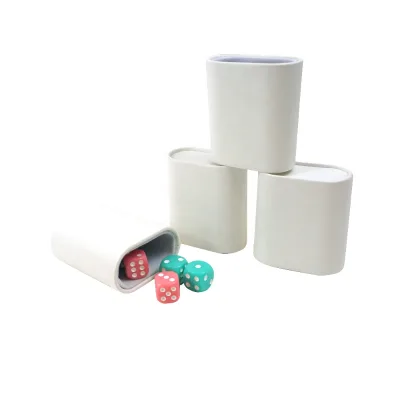




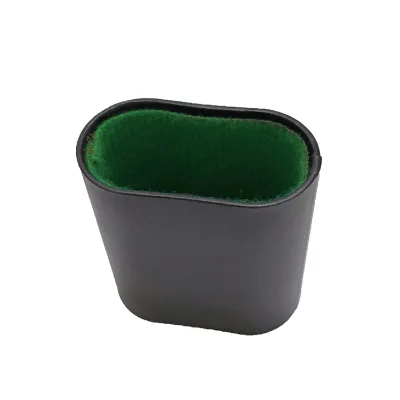


Comprehensive Sourcing Guide
Custom Logo Dice Cup Supplier Concentration and Factory Types
The current supplier landscape for custom logo dice cups reveals a distinct concentration of manufacturing and trading entities located in Guangdong, China. This regional clustering is significant because Guangdong serves as a major hub for both plastic injection molding and leather goods processing, which are the primary materials used in dice cup production. Buyers evaluating these suppliers will find that the available options include a mix of pure manufacturers and combined entities that handle both production and trading operations. This diversity in company types allows for different procurement strategies, depending on whether the buyer prioritizes direct factory pricing or the flexibility of a trading company that might offer broader product ranges. The presence of these combined suppliers suggests that many factories in this region have adapted to serve both domestic and international markets by offering dual-service models. This setup can be advantageous for buyers who need customized solutions but also require the logistical support that trading companies often provide. Understanding this concentration helps buyers narrow their search to regions with established supply chains for the specific materials required, such as PU leather, genuine leather, and quality PP plastic. The geographic proximity of these suppliers facilitates faster communication and potentially lower shipping costs for bulk orders, making the Guangdong region a critical area for sourcing these specific entertainment accessories.
Within this concentrated market, the types of suppliers vary in their core competencies and service offerings. Some suppliers specialize in high-volume production of plastic dice cups, leveraging advanced injection molding techniques to create durable and cost-effective products. Others focus on premium leather or PU leather options, emphasizing customization and aesthetic appeal for board games and promotional events. The main products listed by these suppliers often include not just the dice cups themselves but also related accessories like dice, playing cards, and other board game components. This indicates that many suppliers operate as comprehensive providers for board game entertainment needs rather than single-product specialists. Buyers should note that while some suppliers are verified by third-party inspection agencies like SGS, the system certifications displayed may vary or be listed as NIL, requiring additional due diligence. The ability to offer both OEM and ODM services is a common trait among these combined suppliers, allowing for significant customization in terms of logo printing, color schemes, and packaging designs. This flexibility is crucial for buyers looking to create branded merchandise or unique game sets. By understanding the mix of manufacturer and trading company types in this region, buyers can better assess which supplier model aligns with their specific volume requirements and customization needs.
How to Verify Custom Logo Dice Cup Suppliers
Verifying the legitimacy and capability of Custom Logo Dice Cup suppliers requires a multi-layered approach that goes beyond simple profile reviews. One of the primary steps is to check for third-party verification badges, such as SGS verification, which indicates that a supplier has undergone some level of external audit. However, buyers should be aware that the absence of a specific system certification, such as ISO standards, does not necessarily imply a lack of quality but rather that the supplier may not have pursued that specific accreditation. It is essential to request and review recent factory audit reports or production capability statements to confirm that the supplier has the actual machinery and workforce to handle the order volume. For custom logo dice cups, verifying the supplier’s experience with logo printing techniques is critical, as the quality of the print can significantly impact the final product’s appearance and durability. Buyers should ask for samples of previous custom work to assess the precision of the logo application, whether it involves screen printing, embossing, or other methods. Additionally, checking the supplier’s response time can provide insights into their operational efficiency and customer service quality. A faster response time, such as under four hours, often correlates with a more responsive and organized procurement process, which is vital for resolving issues quickly during the production phase.
Another crucial aspect of verification is assessing the supplier’s track record and product consistency. Buyers should examine the product attributes and specifications listed for various dice cup models to ensure they align with the buyer’s requirements. For instance, checking the material composition, such as whether the cup is made from quality PP plastic or genuine leather, is essential for determining durability and safety. Suppliers that provide detailed product attributes, such as age ranges, customization options, and packaging standards, are generally more transparent and reliable. It is also important to verify the supplier’s ability to handle custom orders by inquiring about their OEM/ODM support and minimum order quantities. Some suppliers may offer low MOQs for custom logo printing, which is beneficial for smaller buyers, while others may require higher volumes. Buyers should also look for evidence of past successful projects, such as case studies or testimonials, although these may not always be readily available. Furthermore, verifying the supplier’s location and ensuring it matches the claimed manufacturing base can help prevent fraud. For suppliers located in Guangdong, buyers can cross-reference their addresses with known industrial zones to confirm their legitimacy. By combining these verification steps, buyers can build a more accurate picture of each supplier’s capabilities and reliability, reducing the risk of sourcing from unqualified vendors.
What to Compare Across Custom Logo Dice Cup Suppliers
When evaluating multiple suppliers for custom logo dice cups, buyers must systematically compare key operational metrics to identify the most suitable partner. One of the most critical factors is the lead time, which can vary significantly between suppliers. For example, some suppliers may offer a lead time of fifteen days, while others might require twenty days or more. This difference can impact the buyer’s inventory planning and ability to meet market demand, especially for time-sensitive promotional campaigns. Buyers should also compare the minimum order quantities (MOQs) required for custom orders, as these can range from as low as one hundred pieces to five hundred pieces or more. Lower MOQs are advantageous for buyers who want to test the market or produce smaller batches, while higher MOQs may offer better unit pricing for large-scale productions. Additionally, the response time of the supplier is a vital indicator of their communication efficiency. Suppliers with faster response times, such as those under three hours, are likely to be more responsive to inquiries and changes during the production process. Buyers should also consider the price range for different product models, as costs can vary based on material quality, customization complexity, and order volume. Comparing these financial aspects helps buyers determine the overall cost-effectiveness of each supplier.
Beyond operational metrics, buyers should compare the specific product features and customization options offered by each supplier. For instance, some suppliers may offer dice cups with lids, while others might provide standard open cups. The material options, such as PU leather, genuine leather, or plastic, also vary and should be compared based on the buyer’s target market and quality expectations. Buyers should also look at the packaging options, as some suppliers offer individual boxes, while others might use bulk cartons. The availability of custom logo printing services is another key differentiator, with some suppliers offering custom printing on the cup itself, while others might provide custom packaging with the logo. Additionally, buyers should compare the supplier’s ability to handle different order sizes and complexities, as some may specialize in simple, high-volume orders, while others might excel in complex, low-volume custom projects. The supplier’s main products and broader catalog can also provide insights into their expertise and versatility. For example, suppliers that also produce playing cards and other board game accessories may offer better integration for complete game sets. By carefully comparing these diverse factors, buyers can make informed decisions that balance cost, quality, and service, ensuring they select a supplier that best meets their specific business needs.
Common Custom Logo Dice Cup Sourcing Risks
Sourcing custom logo dice cups from international suppliers, particularly those in regions like Guangdong, China, involves several inherent risks that buyers must proactively manage. One significant risk is the potential for quality inconsistencies, especially when dealing with custom logo printing. The durability and clarity of the logo can vary based on the printing technique and the material of the cup, leading to discrepancies between the sample and the final bulk production. Buyers may encounter issues where the logo fades, peels, or misaligns after repeated use, which can damage their brand reputation. Another risk is the delay in production or shipping, which can disrupt the buyer’s supply chain and lead to missed market opportunities. Suppliers may face unforeseen challenges, such as raw material shortages or labor issues, that extend the lead time beyond the initially quoted period. This is particularly relevant given that lead times can range from fifteen to twenty days or more, leaving little room for error. Additionally, there is a risk of miscommunication regarding product specifications, such as size, color, or packaging requirements. If the supplier misunderstands the buyer’s instructions, the final product may not meet the expected standards, resulting in costly rework or rejection.
Another critical risk is the potential for fraud or non-delivery, although this is less common with verified suppliers. Buyers should be cautious of suppliers who request upfront payments without offering secure payment methods or escrow services. The absence of system certifications, such as ISO standards, may also indicate a lack of standardized quality control processes, increasing the risk of defective products. Furthermore, buyers may face challenges in enforcing warranties or resolving disputes, especially if the supplier is located in a different legal jurisdiction. The service life of the product, which some suppliers claim to be eighteen months, may not be accurately reflected in the actual durability of the dice cup, leading to customer complaints and returns. Buyers should also be aware of the risk of intellectual property infringement, particularly when dealing with custom logo designs. If the supplier uses the buyer’s logo without proper authorization or shares it with competitors, it can lead to legal issues and brand dilution. To mitigate these risks, buyers should conduct thorough due diligence, request detailed contracts, and maintain clear communication throughout the sourcing process. By anticipating these potential pitfalls, buyers can implement strategies to protect their interests and ensure a smoother sourcing experience.
Custom Logo Dice Cup Regional Sourcing and Logistics
The regional concentration of Custom Logo Dice Cup suppliers in Guangdong, China, offers distinct logistical advantages and challenges for international buyers. Guangdong is a well-established manufacturing hub with robust infrastructure, including major ports and efficient transportation networks, which facilitates the export of goods. This proximity to shipping hubs can reduce transit times and lower freight costs, making it an attractive region for sourcing. However, buyers must also consider the complexities of international logistics, such as customs clearance, import duties, and documentation requirements. The origin of the products, clearly stated as China or Guangdong, means that buyers need to comply with the import regulations of their respective countries. This includes ensuring that the products meet local safety and quality standards, which may require additional testing or certification. Buyers should also factor in the potential for currency fluctuations and exchange rate risks when calculating the total cost of ownership. The lead time for production, which can range from fifteen to twenty days, must be combined with the shipping duration to determine the total time to market. For buyers in distant regions, this combined lead time can be significant, requiring careful inventory planning to avoid stockouts.
Logistics planning also involves selecting the appropriate shipping method, whether by sea, air, or express courier, depending on the urgency and volume of the order. Sea freight is cost-effective for large shipments but has longer transit times, while air freight is faster but more expensive. Buyers should work with their suppliers to determine the most efficient shipping strategy, considering factors such as package dimensions and weight. The packaging standards provided by suppliers, such as individual boxes or bulk cartons, can impact the shipping volume and cost. For example, suppliers that offer compact packaging can help reduce shipping costs by maximizing container space. Additionally, buyers should consider the environmental impact of their shipping choices, as sustainable logistics practices are becoming increasingly important. Some suppliers may offer eco-friendly packaging options, which can be a selling point for environmentally conscious consumers. By understanding the logistical implications of sourcing from Guangdong, buyers can optimize their supply chain, reduce costs, and ensure timely delivery of their custom logo dice cups
FAQs
What is the price range for custom logo dice cups?
Prices for custom logo dice cups typically range from $0.18 to $1.80 per unit depending on material and customization level. Basic plastic options start around $0.18, while premium leather or PU leather versions cost between $0.41 and $1.80. Buyers should expect higher costs for complex logo printing or specialized packaging requirements.
What is the minimum order quantity for custom dice cups?
Minimum order quantities vary by supplier and product type. Some manufacturers accept orders as low as 100 pieces for custom logo options, while others require a minimum of 500 units. Buyers should verify specific MOQ requirements with suppliers before placing orders, as bulk discounts often apply to larger quantities exceeding these thresholds.
How long does production take for custom dice cups?
Production lead times generally range from 15 to 20 days after order confirmation. This timeframe allows for material sourcing, manufacturing, and quality control processes. Buyers should account for additional shipping time when planning inventory. Expedited production may be available for urgent orders, though this often incurs additional costs.
Can I get samples before placing a bulk order?
Samples are available for most custom dice cup products to verify quality and customization options. Buyers should contact suppliers directly to request samples, as sample fees and shipping costs may apply. Reviewing samples ensures the final product meets expectations for material, logo printing, and overall durability before committing to large-scale production runs.
What materials are used for custom dice cups?
Custom dice cups are commonly made from PU leather, genuine leather, or high-quality PP plastic. Leather options offer a premium feel and durability, while plastic versions provide cost-effective solutions. Some products feature gel interiors for noise reduction. Buyers can choose materials based on budget, aesthetic preferences, and intended usage scenarios.
Are these dice cups suitable for board games?
Yes, custom dice cups are designed for board games, entertainment, and gambling activities. They feature manual operation modes and are suitable for all ages or specific age groups like 14 years and up. The cups help shuffle and conceal dice, enhancing gameplay experience for various indoor recreational sports and party games.