CE RoHS FCC LED Bulb Suppliers and Manufacturers
Source CE RoHS FCC LED Bulb from 29 verified suppliers in China. Compare response times, lead times, MOQs, and certifications like BSCI and ISO 9001. Contact suppliers directly to request quotes and verify production capabilities; review the available evidence before requesting comparable quotations from suitable candidates.
Updated
Suppliers List

Fuzhou Colshine Electric Co., Ltd.
- Verified by SGS
- Trading Company,Manufacturer/Factory
- China Fujian
- Lead time23 days
- Avg. response≤ 14h
Main productsLED Corn Light, LED Street Light, LED Yard Light, LED Dusk to Dawn Light, Sauna Lamp, Pendant Light, Porcelain Lampholder, Metal Lampholder, Halogen Lampholder, Retro Switch & Socket
Main marketsSouth America,Eastern Europe,Mid East,North America,Southeast Asia,Eastern Asia,Oceania,Western Europe,Africa

Hangzhou Sunlux Electric Co., Ltd.
- Verified by BV
- Trading Company
- China Zhejiang
- Lead time30 days
- Avg. response≤ 7h
Main productsT8 LED Tube Light, LED Emergency Bulb, LED Floodlight, LED Panel Light, LED Spotlight, Energy Saving Lamp, LED Downlight, Asphalt Shingle, LED Sofa, LED Chair
Main marketsAfrica,Southeast Asia/ Mideast,Europe,North America

Fuzhou Colmate Electric Co., Ltd.
- Trading Company,Manufacturer/Factory
- China Fujian
- Lead time38 days
- Avg. response≤ 4h
Main productsInsulators, Overhead Line Fitting, Fuse Cutout & Surge Arrester, Cable & Conductor, Power Hardware, Lampholder & Luminaires, Electric Fittings
Main marketsSouth America,Eastern Europe,Mid East,North America,Southeast Asia,Eastern Asia,Oceania,Western Europe,Africa
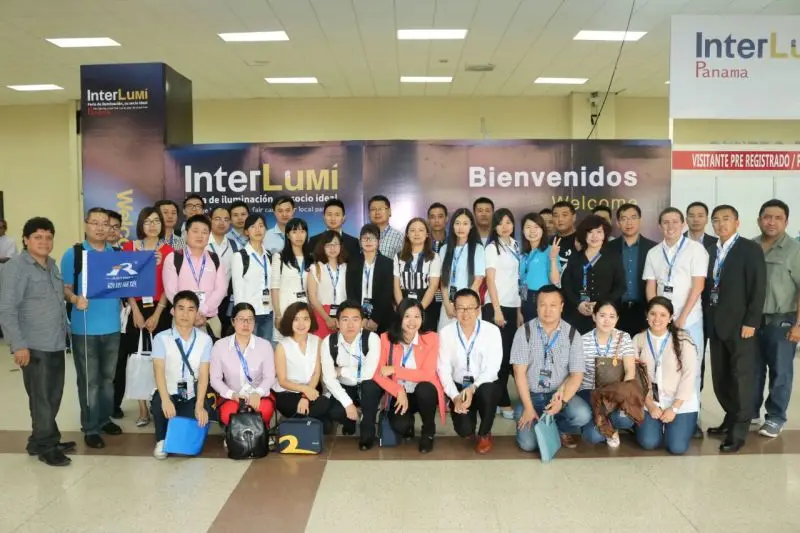
Yiwu Jiehui Lighting Electrical Appliance Co., Ltd.
- Manufacturer, Trading Company
- Zhejiang, China
- Lead time3 days
- Avg. response≤ 7h
Main productsLED Bulb, LED Purification Lights, Emergency Bulb , Panels, Solar Floodlight
Main marketsAfrica(30.00%), Mid East(30.00%), Africa(30.00%), Mid East(30.00%), Domestic Market(20.00%), Domestic Market(20.00%), Eastern Asia(5.00%), Eastern Europe(5.00%), North America(5.00%), Western Europe(5.00%), Eastern Asia(5.00%), Eastern Europe(5.00%)
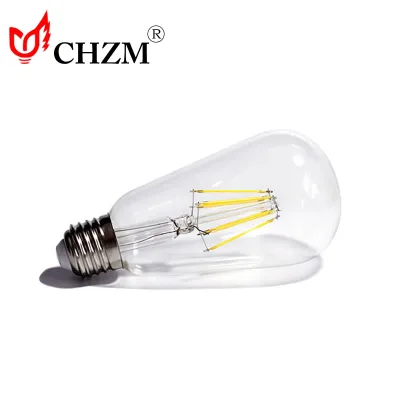
High Lumen CE ROHS Approved A64 E27 LED Filament Bulb Light ,indoor LED Lighting Bulb
$1.5858 - $1.6381
MOQ: 4000 pieces
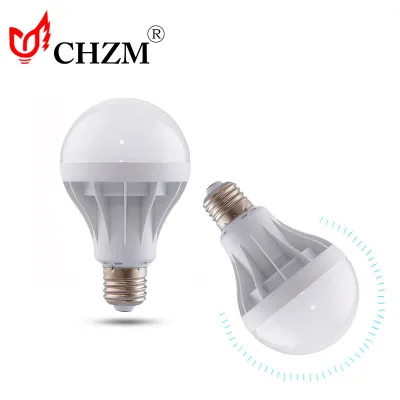
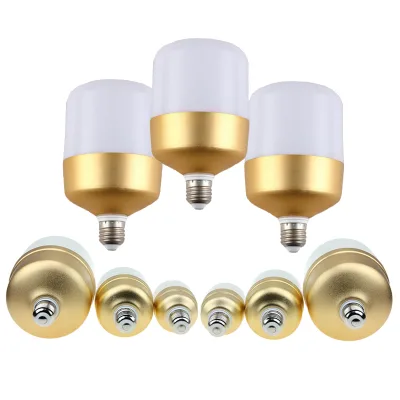
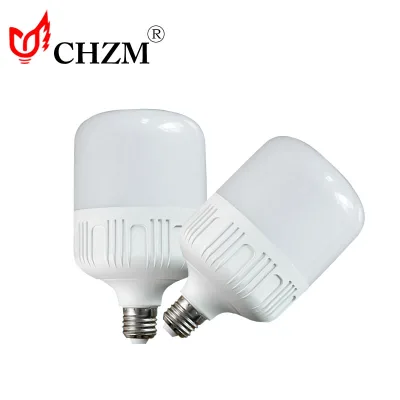
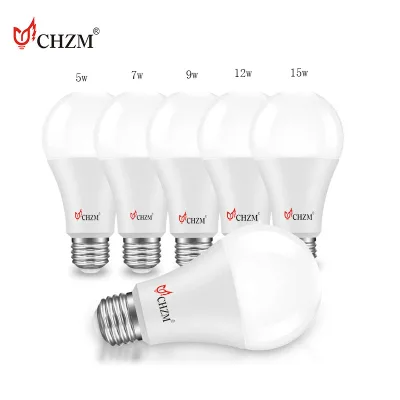
Jiehui CHZM Led Bulb E27 B22 3W AC 220V-240V Cheap Plastic Led Light Bulb
$0.15 - $0.18
MOQ: 5000 pieces

Changzhou Forever Lighting Co., Ltd.
- Manufacturer/Factory
- China Jiangsu
- Lead time30 days
- Avg. response≤ 16h
Main productsLED Downlight, LED Track Light, LED Floodlight, LED Panel Light, LED Bulkhead Light, LED Tri-Proof Light, LED Street Lamp, LED Ceiling Light, LED Down Light, LED Linear Light
Main marketsEastern Europe,North America,Western Europe
- Manufacturer, Trading Company, Buying Office
- GuangDong, China
- Lead time12 days
- Avg. response≤ 3h
Main productsCFL retrofit LED,HID retrofit LED,UFO & Highbay,Balloon & work light,Street light
Main marketsWestern Europe(35.00%), Eastern Asia(25.00%), North America(15.00%), Northern Europe(10.00%), Domestic Market(5.00%), South America(5.00%), Africa(5.00%)
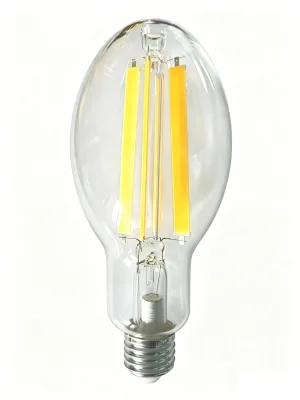
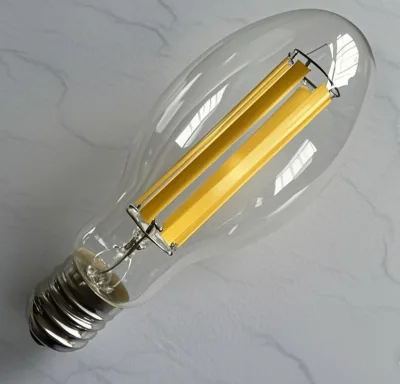
Filament Style LED Bulb: 360° Beam Angle, CE ROHS Certified for High Bay Lighting
$5.6369
MOQ: 50 Minimum
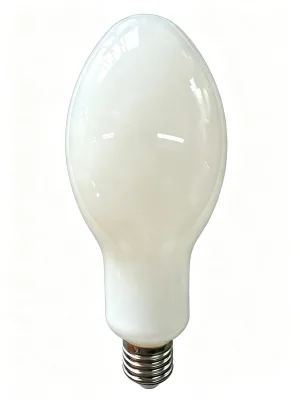
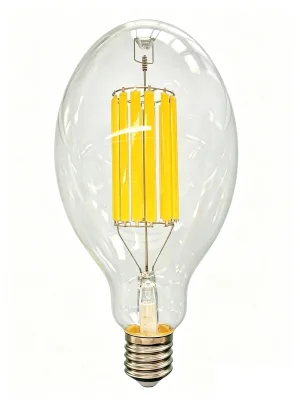
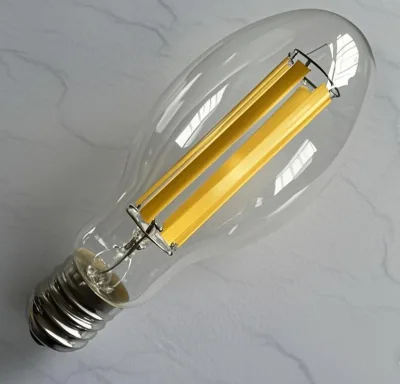
Filament Style LED Bulb: Stable Quality LED Chip, Ideal for Street & Flood Lighting
$5.6369
MOQ: 50 Minimum

Jiangmen Gepsen Lighting Electric Co., Ltd.
- Combined
- China Guangdong
- Lead time30 days
- Avg. response≤ 3h
Main productsLED Bulb, LED Panel Lamp, LED Strip Light, LED Tube, LED Flood Lamp, LED Ceiling Light, LED Filament /Candle Light, LED Down Light, Energy Saving Light
Main marketsSouth America,Africa,Southeast Asia/ Mideast

Huzhou Lindal Lighting & Electrical Co., Ltd.
- Verified by CTI
- Trading Company,Manufacturer/Factory
- China Zhejiang
- Lead time45 days
- Avg. response≤ 4h
Main productsLED Tri-Proof Light, LED Waterproof Lighting Fixture, LED Panel Light, LED Ceiling Light, LED Bulkhead, LED Emergency Light, LED Tube, LED Bulb, LED Highbay Light
Main marketsSouth America,Eastern Europe,Mid East,North America,Southeast Asia,Eastern Asia,Oceania,Western Europe,Africa
Anhui Lanyou Lighting Technology Co., Ltd.
- Manufacturer, Trading Company
- Anhui Province, China
- Lead time30 days
- Avg. response≤ 4h
Main productsLED floodlight,LED panel light,LED downlight,LED corn light,LED light
Main marketsEastern Asia(25.00%), Africa(16.00%), Southern Europe(8.00%), Mid East(6.00%), South Asia(6.00%), South America(6.00%), Central America(6.00%), Northern Europe(5.00%), Southeast Asia(5.00%), Domestic Market(5.00%), North America(5.00%), Oceania(2.50%), Eastern Europe(2.50%), Western Europe(2.00%)

Shanghai Huaqi Industrial Co., Ltd.
- Verified by TUVRHEINLAND
- Trading Company
- China Shanghai
- Lead time15 days
- Avg. response≤ 5h
Main productsCar Mats, Seat Cover, Car Cover, Wiper Blade, Air Compressor, Steering Wheel Cover, Car Lock, Baby Mirror, Car Jack, Racing Seat
Main marketsSouth America,Africa,Southeast Asia/ Mideast,Europe,Australia,North America

NANJING ADA IMPORT AND EXPORT CO., LTD.
- Trading Company
- China Jiangsu
- Lead time30 days
- Avg. response≤ 12h
Main productsIndicator Light, Signal Light, Pilot Lamp, Neon Indicators, Indicator Lamp, Signal Lamp, Pilot Light, Thermometer, Panel Indicator, Magnesium Anodes
Main marketsSouth America,Africa,Southeast Asia/ Mideast,East Asia(Japan/ South Korea),Europe,Australia,North America
Lianyungang Huayao Lighting Equipment Co., Ltd.
- Manufacturer
- Jiangsu, China
- Lead time20 days
- Avg. response≤ 2h
Main productsLed Bulb, Led Filament Bulb, LED Strip Light With Controller & Plug
Main marketsWestern Europe(20.00%), Eastern Europe(20.00%), South America(15.00%), South Asia(5.00%), North America(5.00%), Eastern Asia(5.00%), Central America(5.00%), Northern Europe(5.00%), Mid East(5.00%), Southeast Asia(5.00%), Africa(4.00%), Domestic Market(1.00%)
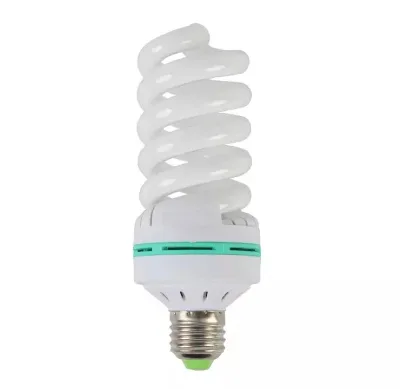
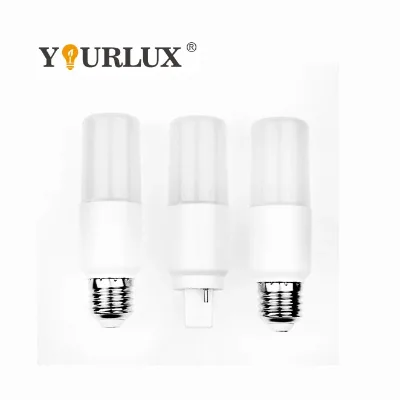
Hot Sale Lmparas High Brightness Easy Installation 5w 7w 9w 12w T37 Led Light Bulb
$0.31 - $0.65
MOQ: 300000
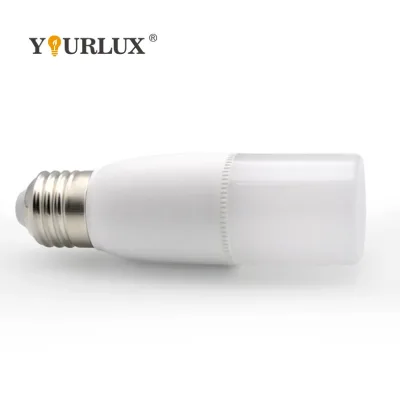

NINGBO SELLWELL LIGHTING APPLIANCE CO., LTD.
- Trading Company,Manufacturer/Factory
- China Zhejiang
- Lead time30 days
- Avg. response≤ 6h
Main productsSmart LED Light, LED Bulb, LED Filament Lamp Bulb, LED Flood Light, LED Panel Light, LED T5 T8 Tube, LED Wall Light, LED Decorative Bulb, LED Street Light, LED ceiling Light
Main marketsEastern Europe,Western Europe
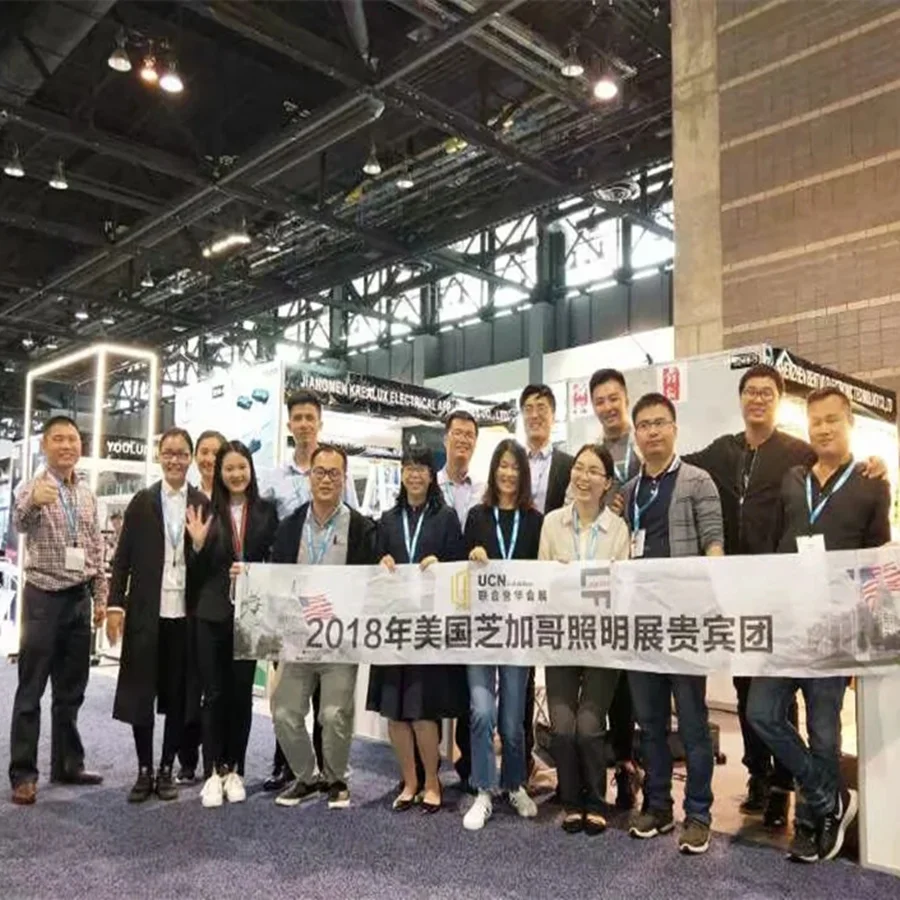
Shenzhen Seven Magic Technology Co., Ltd.
- Manufacturer
- Guangdong, China
- Lead time15 days
- Avg. response≤ 1h
Main productsLED Light,Hydroponics system,Technical product,Accessories
Main marketsNorth America(30.00%), Oceania(15.00%), Domestic Market(10.00%), Northern Europe(10.00%), Eastern Europe(10.00%), Western Europe(5.00%), South Asia(5.00%), Southern Europe(5.00%), South America(5.00%), Central America(5.00%)
Heyuan Boyi Lighting Technology CO.,Limited
- Manufacturer, Trading Company
- Guangdong, China
- Lead time7 days
- Avg. response≤ 5h
Main productsLED Bulb,Decoration Light,LED E14 E12 Bulbs,LED G4 G9 Bulbs,LED Filament Bulbs
Main marketsWestern Europe(50.00%), North America(30.00%), South America(10.00%), Northern Europe(5.00%), Eastern Europe(5.00%)

Hangzhou Pumpkin Electric Appliance Co., Ltd.
- Trading Company,Manufacturer/Factory
- China Zhejiang
- Lead time150 days
- Avg. response≤ 14h
Main productsLED Bulb, LED Lamp, Energy Saving Lamp, LED Panel Light, LED Tube Light, LED Flood Light, LED Street Light, LED Solar Light, LED Filament, LED Batten Light
Main marketsSouth America,Eastern Europe,Mid East,Southeast Asia,Eastern Asia,Western Europe,Africa
Dongguan Nuokadi Electronic Co., Ltd.
- Trading Company
- Guandong, China
- Lead time0 days
- Avg. response≤ 8h
Main productsautomotive lighting,Miniature lamps,holiday lighting,motorcycle led,Halogen bulb
Main marketsEastern Europe(95.00%), Northern Europe(90.00%), Central America(90.00%), Southern Europe(90.00%), South America(90.00%), North America(80.00%)
Zhongshan Ollso Electrical Co., Ltd.
- Verified by SGS Group
- Trading Company
- Lead time15 days
- Avg. response≤ 2h
Main productsLED Bulbs, LED Tubes, LED Panel Lights, LED Floodlights, LED Spotlights
Main marketsMid East(45%), Africa(18%), Eastern Europe(10%)
Hubei Derun Lighting Appliance Co., Ltd.
- Verified by TüVRheinland
- Manufacturer, Trading Company
- Lead time30 days
- Avg. response≤ 2h
Main productsLED Flood Light, LED Bulb, LED Tube Light, Halogen Bulb, Incandescent Bulb
Main marketsAfrica(17%), South America(15%), Eastern Europe(15%)
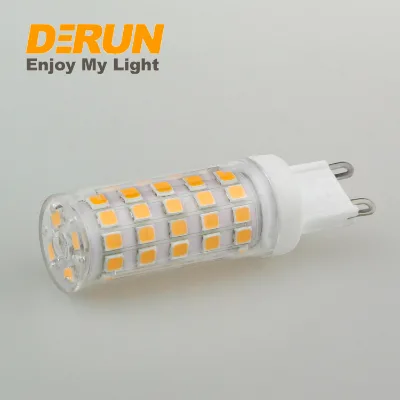
$0.61 - $0.70
MOQ: 500 pieces
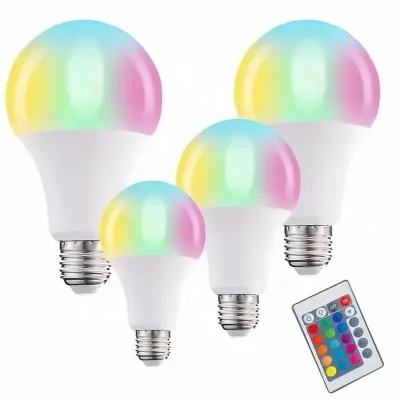
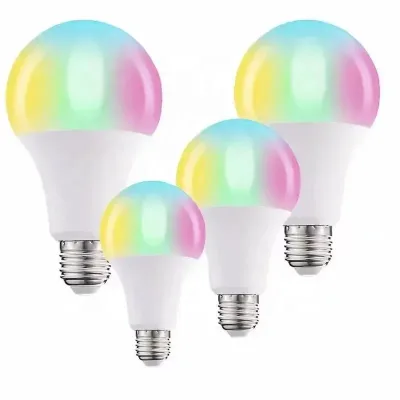
$0.85 - $1.00
MOQ: 1000 pieces

Jiaxing Sinolamp Electronic Technology Co., Ltd.
- Verified by CTI
- Trading Company,Manufacturer/Factory,Group Corporation
- China Zhejiang
- Lead time23 days
- Avg. response≤ 8h
Main productsLED Bulb Light, LED Panel Light, LED Tube Light, Decorative Lamps, Rechargeable LED Bulb, Smart LED Bulb, Outdoor LED Light, Energy Saving Bulb
Main marketsSouth America,Eastern Europe,Mid East,North America,Southeast Asia,Eastern Asia,Oceania,Western Europe,Africa

Yangzhou Yihang Photoelectric Technology Co., Ltd.
- Verified by TUVRHEINLAND
- Trading Company
- China Jiangsu
- Lead time30 days
- Avg. response≤ 9h
Main productsLighting, Lamp, Germicidal Lamp, LED, LED Bulb, Commercial Light, Specialty Lighting, Solar Cell, Solar Panel, Solar Light
Main marketsSouth America,Africa,Others(foreignTradeCapacity.exportBusinessCapacityMarketOther),Southeast Asia/ Mideast,Domestic,Europe,Australia

Shanghai Lanyou Lighting Co., Ltd.
- Verified by CTI
- Trading Company
- China Anhui
- Lead time15 days
- Avg. response≤ 6h
Main productsLED Channel Letters, Acrylic Signs, Metal Sign Letters, Wayfinding Signs, Outdoor Signage
Main marketsSouth America,Africa,Southeast Asia/ Mideast,East Asia(Japan/ South Korea),Europe,Australia,North America

LED Bulb Light 12 Watt Energy Saving LED Bulb Aluminum Coated A65 E27 B22 12W LED Bulb
$0.50 - $0.69
MOQ: 40 Pieces


Jinggoal International Limited
- Verified by BV
- Manufacturer/Factory
- China Guangdong
- Lead time23 days
- Avg. response≤ 12h
Main productsGift, Pen, Wall Clock, Travel Adapters, Book Wire Binding & Machine, Lock, Table Lamp, LED, Keychain, Alarm
Main marketsSouth America,Eastern Europe,North America,Southeast Asia,Eastern Asia,Oceania,Western Europe,Africa
Liaoning Kaisenlux Industry Co., Ltd.
- Trading Company
- Liaoning, China
- Lead time30 days
- Avg. response≤ 1h
Main productsLED Bulb,LED Filament Bulb,LED Panel Light,Incandescent Lamp
Main marketsMid East(20.00%), North America(15.00%), Southeast Asia(15.00%), Central America(15.00%), Africa(10.00%), South Asia(5.00%), Southern Europe(5.00%), South America(5.00%)
Haining Shengming Illuminate Wiring Co., Ltd.
- Manufacturer
- Zhejiang, China
- Lead time15 days
- Avg. response≤ 2h
Main productsEdison Bulb,LED light bulb,C7 night light,LED Article lamp,C7 night light lamb
Main marketsWestern Europe(12.50%), Eastern Asia(12.50%), Mid East(12.50%), Africa(12.50%), Southeast Asia(12.50%), Eastern Europe(12.50%), South America(12.50%), North America(12.50%)
Shenzhen Etenda Lighting Co., Ltd.
- Verified by Intertek
- Manufacturer, Trading Company
- Lead time5 days
- Avg. response≤ 3h
Main productsLED Flood Light, LED Street Light, LED Garden Light, LED Wall Light, LED Solar Light
Main marketsSouth America(50%), Southeast Asia(20%), North America(10%)
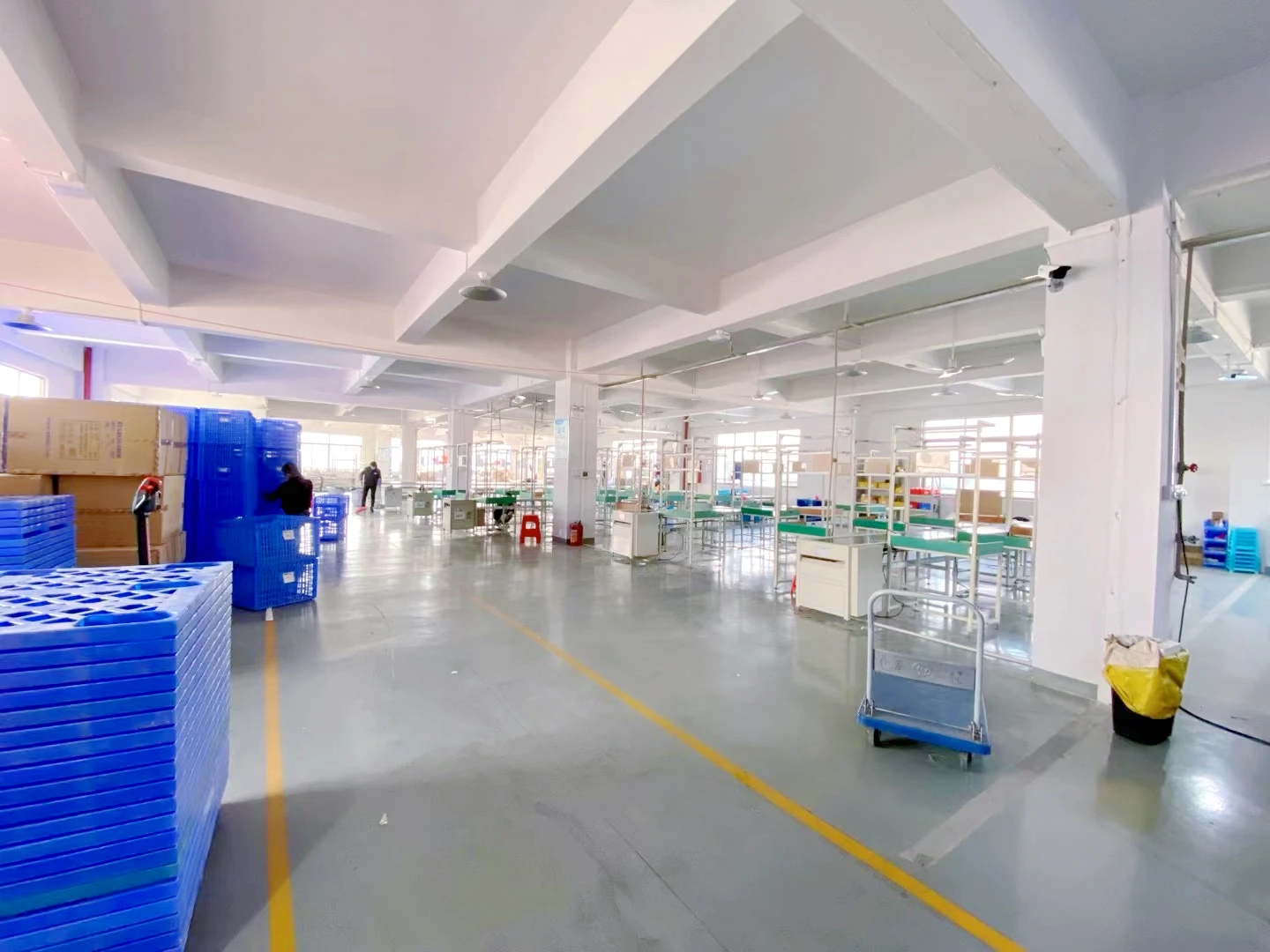
Zhongshan Heyuan Lighting Technology Co., Ltd.
- Manufacturer, Trading Company
- Guangdong, China
- Lead time25 days
- Avg. response≤ 2h
Main productsCamping Lamps, LED Bulbs, Solar Flood Lights, Solar Street Lights, Solar Garden Lights
Main marketsAfrica(40.00%), South America(20.00%), North America(10.00%), Northern Europe(10.00%), Mid East(10.00%), Southeast Asia(10.00%)

Zhongshan SIBOJING Lighting Co. ,Ltd.
- Verified by SGS
- Combined
- China Guangdong
- Lead time15 days
- Avg. response≤ 5h
Main productsLED Bulb, LED Lamp, LED Spot Light, LED Wall Light, LED G9 Bulb, MR16 Bulb, Outdoor Wall Lamp, LED Lighting
Main marketsNorth America
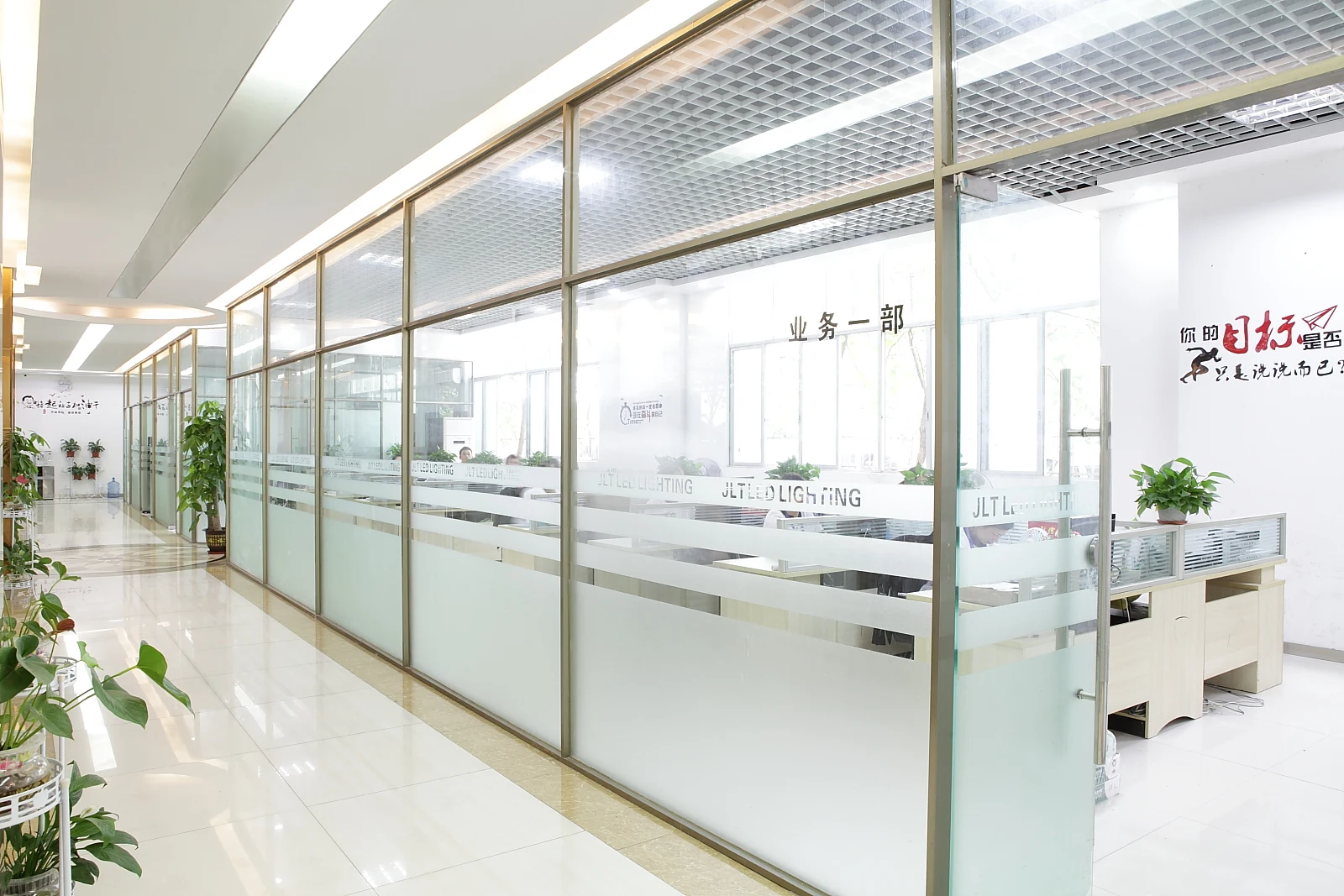
Shenzhen Ledmi Lighting Co., Ltd.
- Manufacturer
- Guangdong, China
- Lead time25 days
- Avg. response≤ 1h
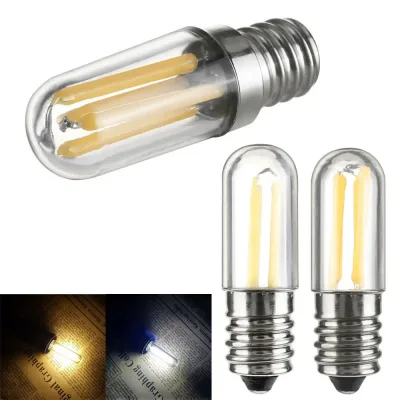
Main productsled bulb,led flood light,led track light,led power supply,led strip
Main marketsSoutheast Asia(20.00%), Eastern Europe(20.00%), South Asia(10.00%), Eastern Asia(10.00%), Mid East(10.00%), Africa(10.00%), Western Europe(5.00%), Southern Europe(5.00%), Northern Europe(5.00%)










Comprehensive Sourcing Guide
CE RoHS FCC LED Bulb Supplier Concentration and Factory Types
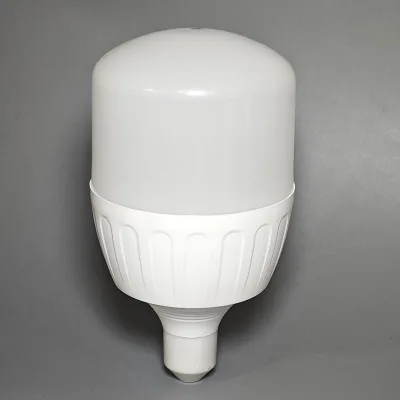
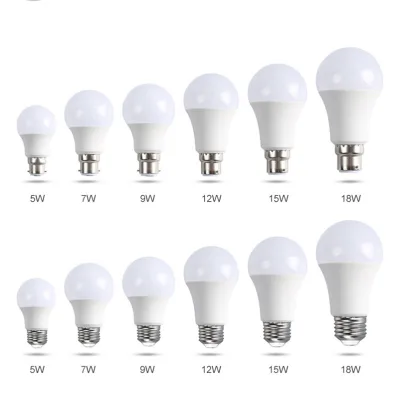
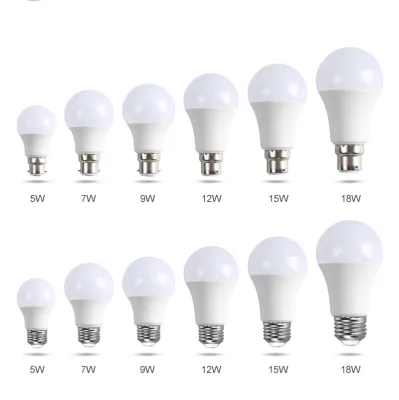
The current supplier landscape for LED lighting components reveals a distinct geographic concentration in China, with specific manufacturing hubs identified in Fujian and Zhejiang provinces. These regions serve as critical nodes for the production of various LED bulb formats, ranging from high-power corn lights to standard A60 filament bulbs. Suppliers operating in these areas often leverage established local supply chains for aluminum housings, plastic components, and electronic drivers, which directly influences their production capabilities and cost structures. The presence of both trading companies and manufacturer/factory entities in these locations indicates a diverse ecosystem where some suppliers focus on direct production while others act as intermediaries managing quality control and logistics for multiple factories. This dual structure allows buyers to access a wider range of product specifications, from basic energy-saving lamps to complex, customizable lighting solutions with specific color temperatures and IP ratings.
Company types vary significantly across the available results, with some entities explicitly identifying as trading companies while others claim manufacturing capabilities. This distinction is crucial for buyers evaluating the source of their products, as it impacts lead times, customization options, and direct communication with production lines. Many suppliers offer OEM and ODM services, allowing for brand customization and specific technical adjustments to meet regional standards. The main products listed often include LED corn lights, street lights, and various bulb types, suggesting that many suppliers have diversified portfolios rather than specializing in a single SKU. This breadth of product range can be advantageous for buyers seeking a single source for multiple lighting needs, but it also requires careful verification of the supplier’s actual manufacturing capacity versus their trading role. Understanding this composition helps in assessing the reliability and scalability of potential partners for large-volume orders.
How to Verify CE RoHS FCC LED Bulb Suppliers
Verification of suppliers requires a multi-layered approach that goes beyond simple profile reviews, focusing on tangible evidence of compliance and operational stability. Buyers should prioritize suppliers who display third-party verification badges, such as SGS or BV, which indicate that an independent agency has audited the company’s business legitimacy and operational practices. These verifications provide a baseline of trust, confirming that the entity exists and operates within legal frameworks. Additionally, system certifications like ISO 9001, ISO 14001, and BSCI are critical indicators of a supplier’s commitment to quality management, environmental responsibility, and social compliance. These certifications are not merely decorative; they reflect structured internal processes that reduce the risk of production errors and ensure consistent product quality across batches. Buyers must actively request and review these certificates to ensure they are current and relevant to the specific products being sourced.
Product-specific certifications are equally important, particularly for LED bulbs intended for markets with strict regulatory requirements. Evidence of CE, RoHS, ETL, cETL, LVD, and SAA certifications should be cross-referenced with the product models being ordered. Buyers should verify that the certification documents match the exact specifications of the bulbs, including wattage, voltage range, and material composition. For instance, some suppliers list CE and RoHS for standard bulbs, while others provide ETL and cETL for North American markets. It is essential to confirm that the supplier can provide valid test reports from accredited laboratories, as these documents serve as proof of compliance with safety and electromagnetic compatibility standards. Furthermore, buyers should inquire about the supplier’s process for maintaining these certifications, including regular audits and updates, to ensure ongoing compliance. This diligence helps mitigate the risk of receiving non-compliant products that could face customs delays or market rejection.
What to Compare Across CE RoHS FCC LED Bulb Suppliers
When evaluating multiple suppliers, buyers must compare key operational metrics such as lead times, minimum order quantities, and response speeds to determine the best fit for their supply chain needs. Lead times vary significantly, with some suppliers offering production cycles of around 23 days, while others may require up to 30 days. This difference can impact inventory planning and market responsiveness, making it crucial to align supplier capabilities with sales forecasts. Minimum order quantities also differ, ranging from small batches of 200 units for specialized or higher-wattage bulbs to larger MOQs of 1000 units for standard LED filaments. Buyers should assess whether these MOQs align with their initial order volumes and storage capacities, considering the trade-offs between unit price and inventory holding costs. Response times, measured in hours, provide insight into the supplier’s customer service efficiency, with faster responses indicating a more agile and communicative partner.
Price ranges and product specifications are another critical dimension for comparison, as they directly affect profitability and product performance. Prices for LED bulbs can vary widely, from under $1 for basic 5W-12W bulbs to over $35 for high-power 80W corn lights. Buyers should analyze these prices in the context of the included certifications, warranty periods, and packaging quality. For example, some suppliers offer a 5-year warranty and aluminum housing for higher-priced models, while others provide plastic housings with shorter warranties at lower price points. Additionally, customization availability should be evaluated, as some suppliers offer flexible options for color temperature, CCT, and packaging, while others may have limited customization capabilities. By comparing these factors across suppliers, buyers can identify the optimal balance between cost, quality, and service, ensuring that their sourcing decisions support their business objectives and customer expectations.
Common CE RoHS FCC LED Bulb Sourcing Risks
One of the primary risks in sourcing LED bulbs is the discrepancy between claimed certifications and actual product compliance, which can lead to severe legal and financial consequences. Suppliers may list multiple certifications, such as CE, RoHS, and ETL, but fail to provide valid test reports or may use outdated certificates that do not cover the specific product model. This mismatch can result in products being rejected at customs or failing to meet local safety standards, leading to costly recalls and reputational damage. Buyers must be vigilant in verifying the authenticity and relevance of all certifications, ensuring that they are issued by recognized bodies and cover the exact specifications of the ordered bulbs. Additionally, the risk of intellectual property infringement exists, particularly when dealing with suppliers offering OEM services, as they may use unauthorized designs or components.
Another significant risk is the variability in product quality and performance, which can arise from differences in manufacturing processes and component sourcing. LED bulbs rely on critical components such as drivers, LEDs, and heat sinks, the quality of which directly impacts lifespan and efficiency. Suppliers may use lower-grade components to reduce costs, resulting in products with shorter lifespans, flickering, or premature failure. This risk is exacerbated by the lack of standardized testing protocols across different suppliers, making it difficult for buyers to assess product reliability without independent testing. Furthermore, the risk of supply chain disruptions, such as raw material shortages or production delays, can impact order fulfillment and lead times. Buyers should mitigate these risks by establishing clear quality control agreements, conducting pre-shipment inspections, and maintaining open communication with suppliers to monitor production progress and address any issues promptly.
CE RoHS FCC LED Bulb Regional Sourcing and Logistics
Sourcing LED bulbs from specific regions in China, such as Fujian and Zhejiang, offers logistical advantages due to the concentration of manufacturing infrastructure and export facilities. These regions are well-connected to major ports, facilitating efficient shipping to global markets. Buyers should consider the impact of regional logistics on lead times and shipping costs, as proximity to ports can reduce transit times and handling fees. Additionally, the local supply chain ecosystem in these areas supports rapid prototyping and production scaling, which is beneficial for buyers requiring quick turnaround times or large volumes. However, buyers must also account for potential regional disruptions, such as weather events or local policy changes, which could impact production and shipping schedules. Understanding the logistical landscape helps in planning inventory levels and selecting suppliers with robust logistics capabilities.
Logistics planning also involves selecting appropriate shipping methods and packaging solutions to ensure product safety during transit. LED bulbs, particularly those with glass or fragile components, require careful packaging to prevent damage. Suppliers often use carton boxes or inner box packing to protect products, but buyers should verify the packaging standards to ensure they meet their requirements. For international shipments, buyers should consider the impact of packaging on container utilization and shipping costs, as efficient packing can reduce freight expenses. Additionally, buyers should be aware of import regulations in their target markets, including labeling requirements and safety standards, to ensure smooth customs clearance. By aligning logistics strategies with supplier capabilities and market requirements, buyers can optimize their supply chain efficiency and reduce the risk of transit-related issues.
CE RoHS FCC LED Bulb Commercial Terms and Order Planning
Commercial terms, including payment methods, warranty policies, and after-sales support, are critical factors in establishing a sustainable supplier relationship. Buyers should negotiate clear terms regarding payment schedules, such as deposits and balance payments, to manage cash flow and mitigate financial risk. Warranty policies vary among suppliers, with some offering 3-year warranties and others providing 5-year coverage. Buyers should evaluate these warranties in the context of the product’s expected lifespan and their own customer service capabilities, ensuring that they can honor warranty claims if necessary. Additionally, after-sales support, including technical assistance and replacement parts, should be discussed to ensure that any post-sale issues are resolved efficiently. Clear commercial terms help in building trust and ensuring that both parties have aligned expectations regarding product performance and support.
Order planning requires careful consideration of MOQs, lead times, and production capacity to ensure timely delivery and inventory management. Buyers should align their order volumes with supplier MOQs to avoid excess inventory or stockouts, considering the seasonal demand fluctuations for LED lighting products. Lead times should be factored into production schedules, allowing for buffer periods to handle potential delays. Buyers should also assess the supplier’s production capacity to ensure they can meet large orders without compromising quality or delivery schedules. By integrating these factors into their order planning, buyers can optimize their supply chain efficiency, reduce costs, and maintain consistent product availability. Regular communication with suppliers regarding order status and production updates is essential to proactively manage any issues and ensure smooth order fulfillment.
FAQs
What certifications do the LED bulbs have?
The LED bulbs carry CE, RoHS, ETL, cETL, LVD, and EMC certifications. Some models also include BSCI and ISO 9001 system certifications. Verify specific product labels for exact compliance details before ordering.
Where are these LED bulb suppliers located?
Suppliers are located in China, specifically in Fujian and Zhejiang provinces. Fujian suppliers offer LED corn lights and filament bulbs, while Zhejiang suppliers provide T8 tubes and emergency bulbs. Confirm exact factory addresses during negotiation.
What is the minimum order quantity for LED bulbs?
Minimum order quantities vary by product type. Some LED corn bulbs require 1000 units, while others like 80W models need only 200 units. Check specific product listings for accurate MOQ requirements before placing bulk orders.
How long does it take to receive the LED bulbs?
Lead times range from 23 to 30 days depending on the supplier and product. Some suppliers in Fujian offer 23-day delivery, while Zhejiang suppliers may take up to 30 days. Confirm exact timelines with the seller.
What is the price range for these LED bulbs?
Prices range from 0.10 to 5.50 USD per unit for standard bulbs. High-power corn bulbs cost between 12.00 and 35.00 USD. Prices depend on wattage, certification, and customization options requested by the buyer.
Do suppliers offer customization for LED bulbs?
Yes, customization is available for many LED bulb models. Buyers can request specific wattages, color temperatures, and packaging options. Verify customization capabilities and additional costs directly with the supplier before finalizing the order.
What is the response time for supplier inquiries?
Supplier response times vary, with some responding within 6.39 hours and others taking 13.55 hours. Faster response times are often associated with verified suppliers. Check individual supplier profiles for current response speed metrics.