Source Crazy Plane Kiddy Ride Machine for parks, malls, and arcades
Find 30 Crazy Plane Kiddy Ride Machine options from Guangdong suppliers. Compare models like RT-A0103 and RT-DK60, featuring fiberglass or metal construction, 220V power, and CE/RoHS certifications for indoor commercial use; compare the available evidence and request quotations based on your requirements.
Updated
Key considerations
Products List
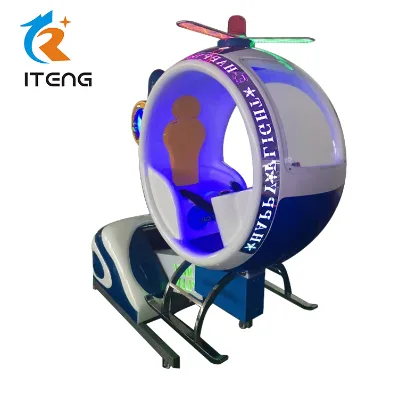
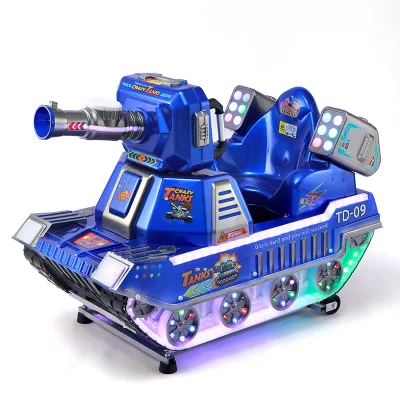


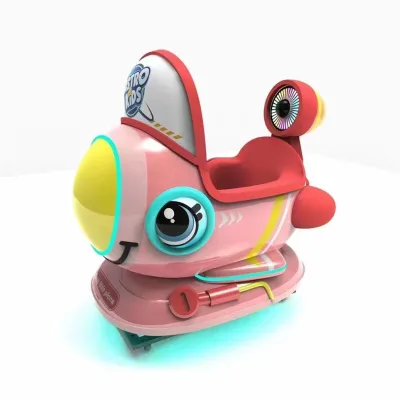
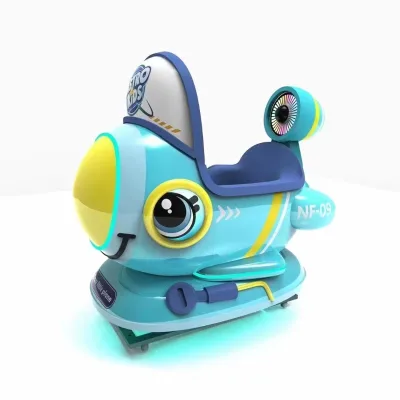
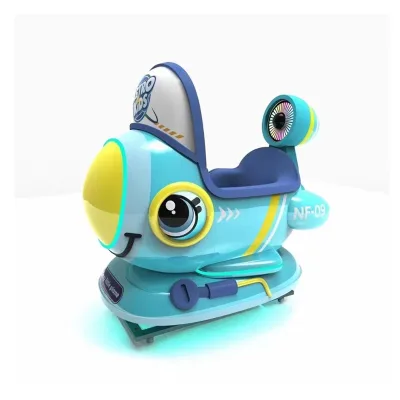
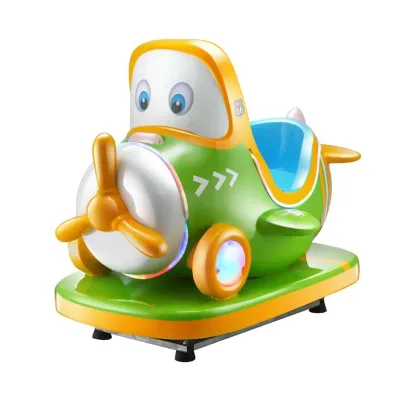
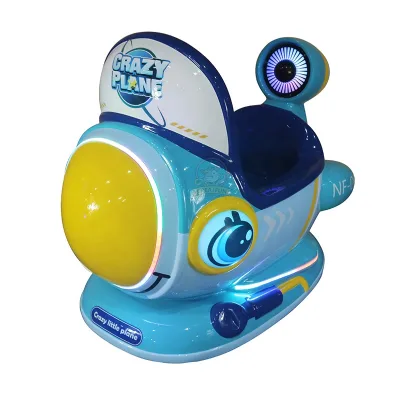
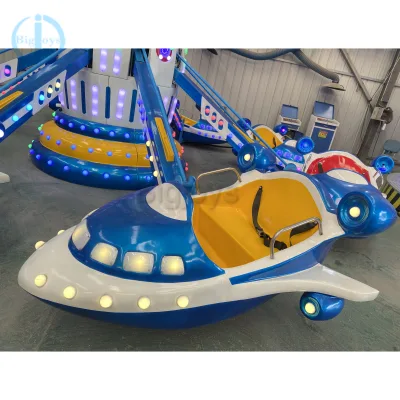
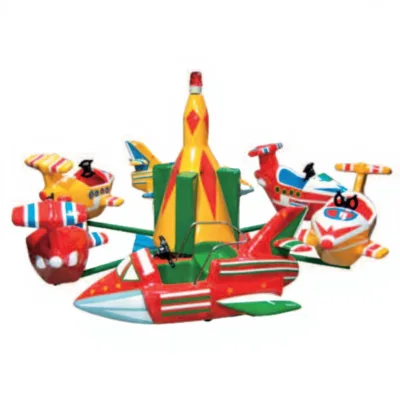
High Quality Kids Flying Plane Kiddie Rides Shopping Mall Rides Amusement Park Rides for Sale
$8174.8621 - $20437.1552
MOQ: 1 Minimum




Comprehensive Sourcing Guide
Crazy Plane Kiddy Ride Machine Sourcing Guide
Procuring coin-operated amusement equipment requires precise alignment between technical specifications and operational safety standards. Buyers must distinguish between generic kiddie rides and specialized units like the Crazy Plane Kiddy Ride Machine, which often feature distinct mechanical designs and power requirements. The market offers varied models, such as the RT-A0103 and RT-DK60, each presenting unique physical dimensions and material compositions that directly impact installation logistics and venue fit.
Sourcing decisions should prioritize verified supplier capabilities over superficial marketing claims. Observations indicate that products may be constructed from fiberglass, metal, or plastic composites, with weights ranging significantly from 28kg to 80kg. These variations influence shipping costs and floor load requirements. Buyers must verify the exact model number and single package dimensions to ensure compatibility with their facility’s space constraints and electrical infrastructure before committing to purchase orders.
Product Scope and Observed Listing Signals
The observed product range includes indoor commercial amusement park equipment designed for specific age groups, typically targeting children aged two to six years. Listings frequently describe these units as coin pushers or kiddie rides with MP3 capabilities, emphasizing high-return potential for operators. The scope extends to game zones, shopping malls, and theme parks, where the equipment’s attractive and fashionable appearance serves as a primary draw for young players and their guardians.
Physical attributes vary across listings, with some units featuring anti-rollover designs and weight capacities up to 50kg. Materials cited include fiberglass with hardware, or combinations of metal, acrylic, and plastic. Buyers should note that while some products are labeled as customized, others are standard single items. The presence of dry-cell batteries in some models suggests portable or backup power options, whereas others rely on standard electrical connections, requiring careful verification of power needs for each specific unit type.
Technical Specifications to Verify
Voltage and power consumption are critical technical parameters that must be confirmed for each procurement batch. Observed data points to a standard voltage of 220V and a power rating of 250W for certain models, but buyers must verify these figures against their local electrical standards. The plug type is listed as "ALL," which may indicate adaptability, yet specific connector types and wiring diagrams should be requested to ensure safe integration into existing venue power grids without requiring extensive electrical modifications.
Dimensional and weight specifications directly affect installation and maintenance logistics. Models such as the RT-A0103 measure 180x96x130cm and weigh approximately 80kg, while others like the RT-DK60 are smaller at 127x74x95cm and weigh 28kg. Buyers must confirm the single gross weight and packing details, such as carton box specifications, to calculate accurate freight costs and determine if specialized handling equipment is needed for unloading and positioning within the amusement area.
Compliance and Safety Documentation
Safety certifications are non-negotiable for indoor amusement equipment, particularly for products targeting young children. Listings frequently mention RoHS and CE certifications, which indicate compliance with European environmental and safety directives. Buyers must request valid, current certification documents for each specific model, as these credentials verify that materials and electrical components meet rigorous safety standards, reducing liability risks and ensuring the equipment is suitable for commercial deployment in regulated markets.
Design features such as anti-rollover mechanisms and age-appropriate sizing contribute to operational safety. Products are often described as having a "Safety: Anti-rollover Design" and are suitable for ages 2+ or 3-6 years. Buyers should verify that the physical design prevents tipping during operation and that the weight capacity limits are clearly marked and structurally sound. Additionally, confirming that the product is new and not refurbished ensures that all safety mechanisms are intact and functioning as intended from the point of manufacture.
Cost Drivers and Commercial Terms
Pricing for these amusement machines varies widely, with observed ranges spanning from approximately $200 to over $20,000 USD, driven by material quality, complexity, and brand reputation. The model number and specific features, such as MP3 integration or customized casings, significantly influence the final cost. Buyers should expect higher prices for units with advanced electronics or durable materials like fiberglass, while simpler metal or plastic models may offer more budget-friendly options for high-volume deployments.
Commercial terms often include a 30% T/T deposit, with the balance due before shipment. Minimum order quantities (MOQ) are typically low, starting at one set, which facilitates trial orders for new venues. Buyers must clarify warranty terms, which are commonly listed as 12 months or one year, and understand what components are covered. Payment terms and warranty conditions should be explicitly stated in the contract to protect against defects and ensure long-term operational support from the supplier.
Supplier Qualification and Quality Control
Verifying the supplier’s origin and manufacturing capability is essential for ensuring product consistency. Many listed products originate from Guangdong, China, a major hub for amusement equipment manufacturing. Buyers should assess the supplier’s ability to provide customized options, as indicated by "is_customized: Yes" attributes, and confirm their capacity to maintain quality control across production batches. Requesting factory audits or third-party inspection reports can provide additional assurance of manufacturing standards and reliability.
Quality control should extend to packaging and pre-shipment checks. Products are typically packed in carton boxes, but buyers must verify that internal packaging protects fragile components like acrylic or fiberglass casings during transit. Confirming the condition as "New" and checking for any visible defects in product images or samples is crucial. Establishing clear communication channels for addressing potential issues during production and shipping helps mitigate risks and ensures that the delivered equipment meets the specified technical and aesthetic requirements.
Long-Term Procurement Checks
After-sales support and warranty fulfillment are critical for maintaining operational uptime in commercial settings. Buyers should verify the supplier’s responsiveness to warranty claims, which typically cover one year, and understand the process for obtaining replacement parts or technical assistance. Clear documentation of the warranty scope, including exclusions for wear and tear or misuse, helps prevent disputes and ensures that the investment is protected over the long term.
Regular maintenance and spare parts availability should be considered during the sourcing phase. Products with complex electronics or moving parts may require specific maintenance schedules and replacement components. Buyers should inquire about the availability of spare parts and the supplier’s policy on providing technical manuals in Chinese or English. Establishing a long-term relationship with a reliable supplier can facilitate easier procurement of replacements and ensure consistent quality for future expansion projects.
FAQs
What is the voltage requirement for the ride machine?
The ride machine operates on 220V voltage. This specification ensures compatibility with standard commercial power supplies found in indoor amusement parks and shopping malls where the equipment is typically installed for safe operation.
Which materials are used to construct the cabinet?
The cabinet is constructed from fiberglass and hardware components. This durable material combination provides a robust structure suitable for high-traffic environments like theme parks and game zones while maintaining a fashionable appearance.
Can the product be customized for specific needs?
Yes, the product is available for customization. Buyers can request specific modifications to meet unique requirements, ensuring the machine fits perfectly into their existing amusement center layout or specific operational needs.
What is the minimum order quantity for this item?
The minimum order quantity is one set. This low threshold allows buyers to test the market or start small without committing to large inventory volumes, making it accessible for various business sizes.
How much does the single package weigh?
The single gross weight is 68 kilograms. This weight includes the machine and its packaging, which is essential for calculating shipping costs and ensuring proper handling during transport to the destination location.
What certifications does the machine hold for safety?
The machine holds RoHS and CE certifications. These certifications indicate compliance with specific safety and environmental standards, ensuring the product meets regulatory requirements for sale and operation in various international markets.
Where is the place of origin for this product?
The place of origin is Guangdong, China. This location is a known manufacturing hub, providing access to established supply chains and production capabilities for this specific type of commercial amusement equipment.