Custom Logo PU Foam Dice Suppliers and Manufacturers
Compare 29 suppliers of Custom Logo PU Foam Dice by supplier type, certifications, response time, lead time, MOQ and pricing, with molded PU foam dice in customized sizes and logos. Filter and shortlist verified trading companies and manufacturers to request quotes today.
Updated
Suppliers List
Shenzhen Coinus Trading Co., ltd
- Verified by TüVRheinland
- Trading Company
- Lead time45 days
- Avg. response≤ 2h
Main productsSoccer Ball, Basketball, Volleyball, Football, Training Accessories
Main marketsNorth America(55%), South America(20%), Western Europe(6%)
Shenzhen Hengmingjia Sponge Product Co., Ltd.
- Manufacturer
- Guangdong, China
- Lead time20 days
- Avg. response≤ 7h
Main productsPU Polyurethane foam,memory pillow,seat cushion,car seat,EVA lining
Main marketsDomestic Market(60.00%), Southeast Asia(15.00%), North America(15.00%), Africa(5.00%), Eastern Europe(5.00%)
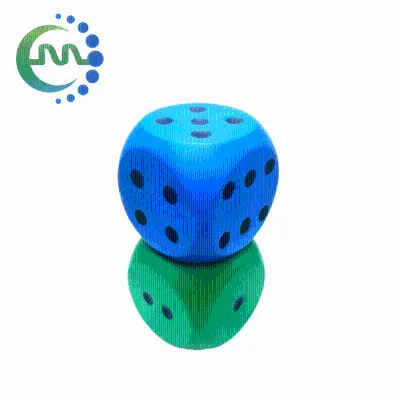
$2.00 - $3.00
MOQ: 1000 Minimum
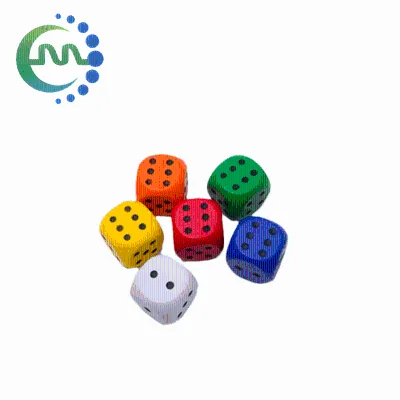
$2.00 - $3.00
MOQ: 50 Minimum
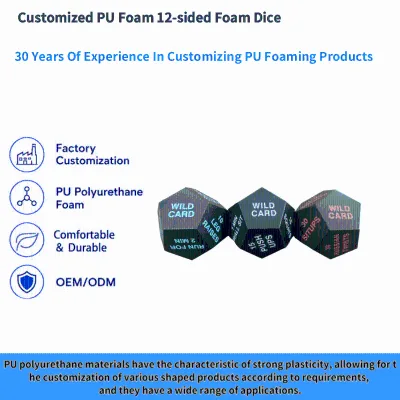
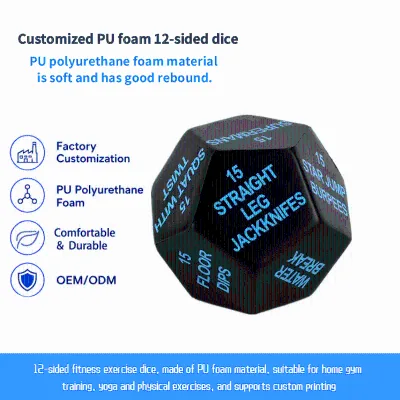
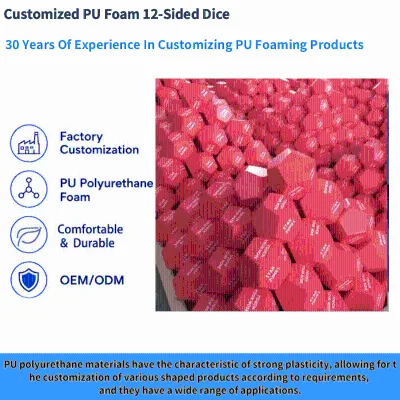
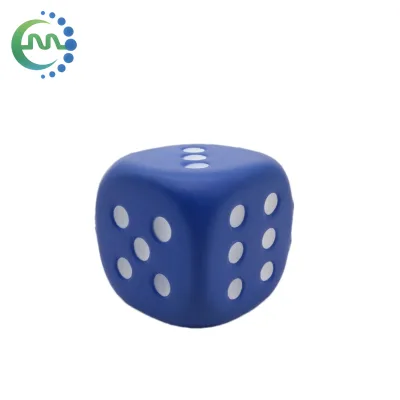
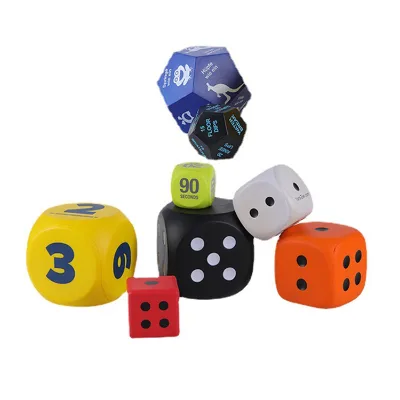
Cute Shape Stress Relief Toy PU Foam Stress Toy Throw the Dice Good Smell Hot Sale Fashion Design
$2.00 - $3.00
MOQ: 50 Minimum

Ningbo Hangzhou Bay Best Century Crafts Co., Ltd.
- Verified by BV
- Trading Company,Manufacturer/Factory,Other
- China Zhejiang
- Lead time23 days
- Avg. response≤ 1h
Main productsPU Squishy Toys, Squishies, Stress Toys, Stress Balls, Sleep Eye Masks and Sleeping Eye Patches, TPR Massage Ball Toys, Stress Relievers, Kids Toys, Children Toys, Antistress Toys
Main marketsSouth America,Eastern Europe,Mid East,North America,Southeast Asia,Oceania,Western Europe,Africa


Wholesale Toys Dices (with Dots) Shape PU Foam Stress Reliever Assorted Various Colors
$0.20 - $1.00
MOQ: 1000 Pieces

Ningbo Yinzhou Hines Rubber and Plastic Co., Ltd.
- Verified by TüVRheinland
- Trading Company
- Zhejiang, China
- Lead time20 days
- Avg. response≤ 5h
Main productsStress Ball, Foam Mat, Foam Craft And Gift, Squeeze Toys, Outdoor Interactive Toys
Main marketsNorth America(23%), Domestic Market(13%), Eastern Europe(11%)

QUANZHOU VEKEDUO SUPPLY CHAIN MANAGEMENT CO.,LTD
- Verified by SGS
- Trading Company
- China Fujian
- Lead time30 days
- Avg. response≤ 6h
Main productsNon-Woven Bags, Apparel, Stationery, Resin Crafts, Stuffed Toys, Sport Products, Textile, Inflatable Toy
Main marketsSoutheast Asia/ Mideast,East Asia(Japan/ South Korea),Europe,North America

- Verified by SGS
- Manufacturer
- China Guangdong
- Lead time15 days
- Avg. response≤ 4h
Main productsDice, Enamel Pin, Medal, Trophy, Challenge Coin, Keychain, Lanyard, Embroidery Patch, Bracelet, Clothes Hanger
Main marketsEurope,Australia,North America


Acrylic Dice Custom Logo by Printed Dice Cubes D6 Dice for Board Games Rpg Dnd
$0.05 - $1.50
MOQ: 1000 Pieces


Dongguan Glory Plastic Products Co., Ltd.
- Verified by SGS
- Combined
- China Guangdong
- Lead time30 days
- Avg. response≤ 10h
Main productsBoardgame Accessories, Plastic Injection PVC Miniature, Plastic Dice, Products Design & Mould, Game Components, Print and Painting and Packing, Plastic Products Custom Packing, Poly Resin Craft Gift and Toy, Freight and Shipping, Creative Consultation
Main marketsEast Asia(Japan/ South Korea),Domestic

Shenzhen Lionstar Technology Co., Ltd.
- Verified by SGS
- Combined
- China Guangdong
- Lead time15 days
- Avg. response≤ 4h
Main productsFace Mask, KN95, 3ply Disposable Face Mask, Protective Face Cover, FFP2 KN95 CE FDA Face Mask, Protective Goggle, Face Shield, Gloves, Gowns, Thermometer
Main marketsAfrica,Europe,North America
NINGBO JUXING TOY INSTRUMENT MANUFACTURING CO.,LTD.
- Verified by SGS Group
- Manufacturer, Trading Company
- Lead time30 days
- Avg. response≤ 21h
Main productsDomino, Bingo Set, Dice, Poker Chips
Main marketsNorth America(50%), Central America(20%), Domestic Market(20%)

Ningbo Eleroyal Import & Export Co., Ltd.
- Trading Company
- Zhejiang, China
- Lead time20 days
- Avg. response≤ 5h
Main productsoptical instrument,Camping,sport,chess and card,LIGHT
Main marketsNorth America(30.00%), Eastern Europe(20.00%), Western Europe(20.00%), South America(10.00%), Northern Europe(5.00%), Southeast Asia(5.00%), Oceania(5.00%), Africa(5.00%)
Shenzhen Hairan Digital Co. Ltd
- Verified by Intertek
- Trading Company
- Lead time0 days
- Avg. response≤ 1h
Main productsDice, Dice Accessories, Mahjong
Main marketsNorth America(51%), Western Europe(24%), Eastern Europe(10%)
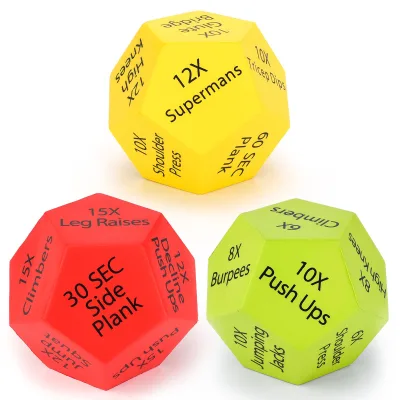
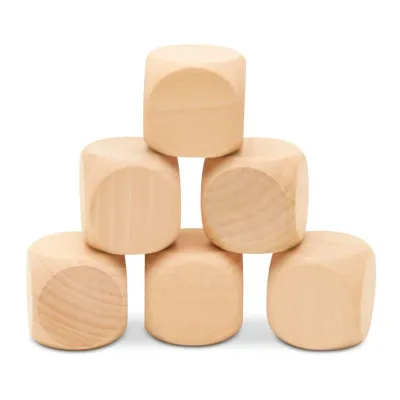
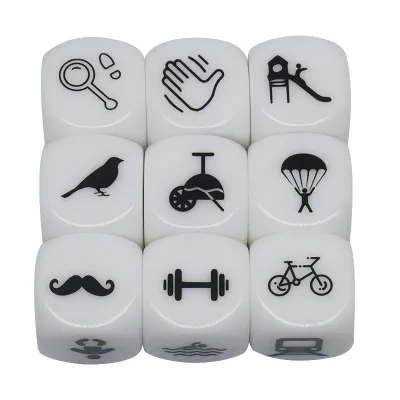
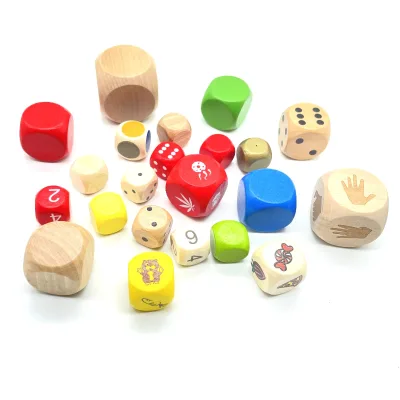
$0.515 - $1.2844
MOQ: 1000 Minimum
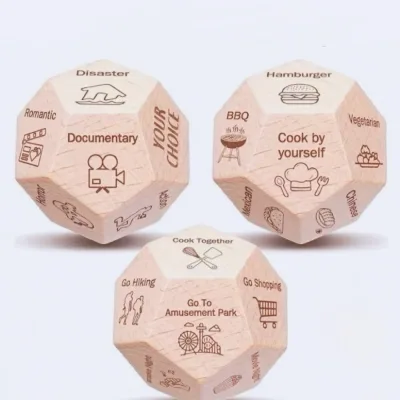
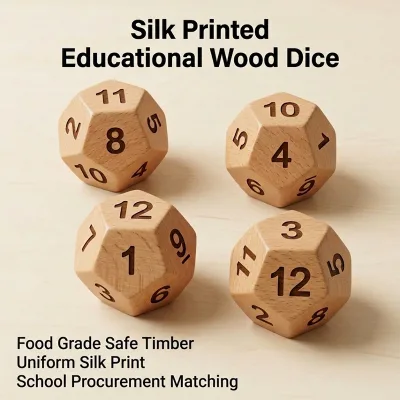
30mm Customizable Beech Wood D12 Dice - Handcrafted 12-Sided Die for Tabletop RPGs & Unique Gifts
$0.9251 - $1.2844
MOQ: 200 Minimum

- Manufacturer/Factory
- China Fujian
- Lead time38 days
- Avg. response≤ 1h
Main productsKeychains, Bags, Caps, Balls
Main marketsSouth America,Eastern Europe,Mid East,North America,Southeast Asia,Eastern Asia,Oceania,Western Europe,Africa

D6 Story Dice Manufacturers 6 Sides Promotional Custom Printed Branded Logo Plastic Dice
$0.79 - $0.99
MOQ: 500 Pieces


- Verified by BV
- Trading Company,Manufacturer/Factory
- China Zhejiang
- Lead time0 days
- Avg. response≤ 7h
Main productsWooden Game, Toy, Outdoor Game, Gareden Game, Racket, Tent, Soccer Ball, Sports
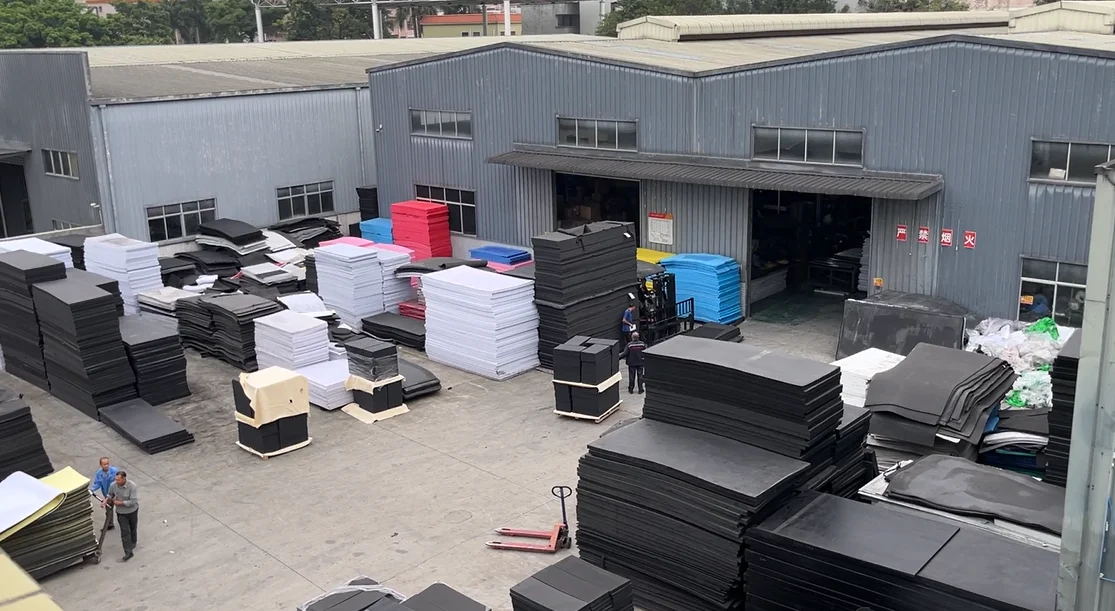
Dongguan Renda Packaging Materials Co., Ltd.
- Manufacturer
- Guangdong, China
- Lead time15 days
- Avg. response≤ 2h
Main productsEVA foam,sponge,Velvet bag,EVA toys,EVA block
Main marketsDomestic Market(42.00%), North America(15.00%), Northern Europe(5.00%), Southern Europe(5.00%), Southeast Asia(5.00%), Eastern Europe(5.00%), Eastern Asia(4.00%), Western Europe(4.00%), Oceania(3.00%), Central America(3.00%), Africa(3.00%), South America(2.00%), South Asia(2.00%), Mid East(2.00%)
Guilin Kangrui Culture Communication Co., Ltd.
- Verified by SGS Group
- Trading Company
- Lead time10 days
- Avg. response≤ 3h
Main productsDice, Coin, Medal, Embroidered patch, Pin
Main marketsNorth America(50%), Western Europe(30%), Eastern Europe(10%)
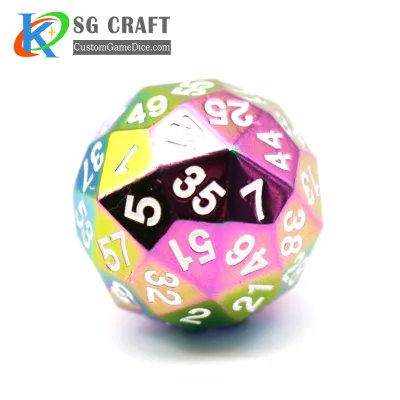
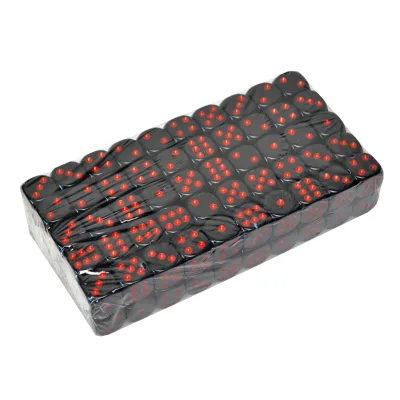
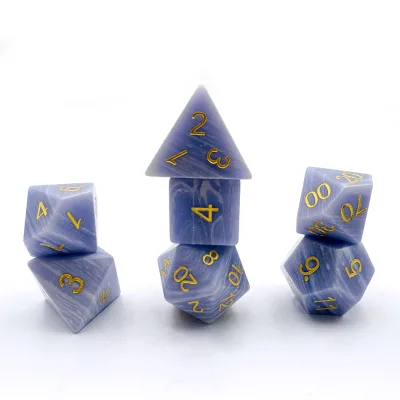
Popular Orignal Stone Dice Customized Polyhedral Gaming Dice No Mold Cost Good Quality
$21.5328 - $76.9009
MOQ: 1 Minimum

Taizhou Goddess Playingcards Co., Ltd.
- Verified by CTI
- Combined
- China Jiangsu
- Lead time30 days
- Avg. response≤ 13h
Main productsPlaying Card, Playing Cards, Plastic Playingcards, Jumbo Playingcards, Giant Playingcards, Tarot, Skat, Jeu De Cartes, Paper Playing Card, OEM Playing Card
Main marketsEast Asia(Japan/ South Korea),Domestic,Europe,North America


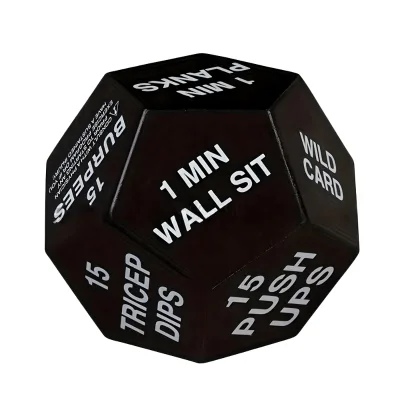
Custom 6 Sided Enamel Game Exercise Dice Fitness Foam Dice Fitness Dice
$0.03 - $10.00
MOQ: 1000 Pieces


Logo Customized Dice D&D Game Adult Gift Zinc Alloy Dice Colorful Design Feature
$0.03 - $10.00
MOQ: 1000 Pieces

Factory Supply Design Custom 12 to 60mm Colorful Cube Wooden Dice for Game
$0.03 - $10.00
MOQ: 1000 Pieces

Foshan Haofan Trading Co., Ltd.
- Manufacturer, Trading Company, Distributor/Wholesaler, Association
- Guangdong, China
- Lead time15 days
- Avg. response≤ 3h
Main productsdice,chess,metal dice,Dice accessories,resin dice
Main marketsNorth America(80.00%), Eastern Europe(20.00%)
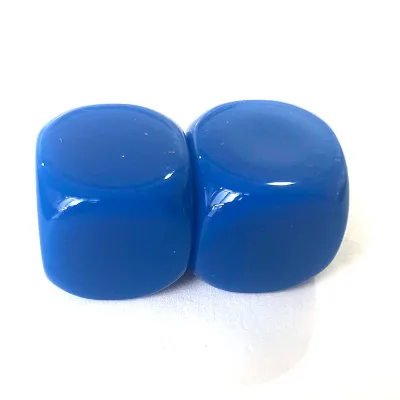
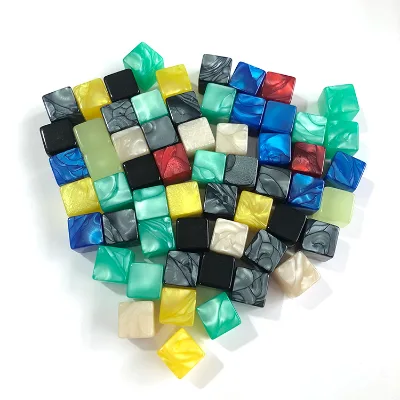
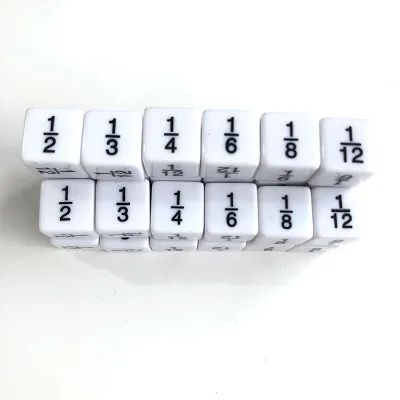
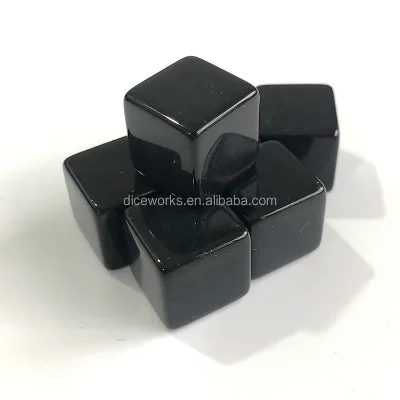
Custom Number Font Logo Acrylic Polyhedral Blank D6 Dice 12mm/14mm/16mm
$0.0735 - $0.105
MOQ: 1000 pieces

Jinjiang Lingyuan Suiquan Crafts Firm
- Verified by BV
- Trading Company
- China Fujian
- Lead time23 days
- Avg. response≤ 5h
Main productsPromotional Gift Products, Timing Belt, Diamond Tools
Main marketsSouth America,Eastern Europe,Mid East,North America,Southeast Asia,Eastern Asia,Oceania,Western Europe,Africa
Zhongshan Wanjun Crafts Manufactuer Co., Ltd.
- Manufacturer, Trading Company
- Lead time旺季: "1 - 100":15,"101 - 1000":20,"1001 - 10000":25,"> 10000":"To be negotiated", 淡季: "1 - 100":15,"101 - 1000":20,"1001 - 10000":25,"> 10000":"To be negotiated"
- Avg. response≤ 3h
Main productsMedal, Lapel Pin, Keychain, Bottle Opener, Coin

- Verified by SGS
- Trading Company
- China Fujian
- Lead time15 days
- Avg. response≤ 5h
Main productsPromotion Gift, Keychain, Timing Belt, Sport Gift, Worm, Reducer, Pulley, Tennis Gift, Pickleball Gift
Main marketsEast Asia(Japan/ South Korea),Europe,Australia,North America
G-Rainbow Technology (shenzhen) Co., Ltd.
- Verified by TüVRheinland
- Manufacturer, Trading Company
- Lead time15 days
- Avg. response≤ 7h
Main productsMould Injection Products, PMMA Products, Packaging Supplies, Gifts & Crafts, Plastic Display
Main marketsNorth America(32%), Western Europe(18%), Mid East(10%)

- Trading Company,Manufacturer/Factory
- Hongkong_China Hongkong
- Lead time23 days
- Avg. response≤ 8h
Main productsCustom Paper Puzzle, Packaging Box, Books/Magazine, PU Album, Plastic Ziplock Bag, Paper Bag, Photo Frame, Board Game
Main marketsSouth America,Eastern Europe,North America,Southeast Asia,Eastern Asia,Oceania,Western Europe,Africa


Hot Selling Custom Made D6 Wooden Dice, Engraved Wooden Dice, Printing Wooden Dice with Designs
$0.01 - $0.05
MOQ: 1000 Pieces


Linhai Muxin Crafts Manufactory
- Manufacturer
- Zhejiang, China
- Lead time30 days
- Avg. response≤ 6h
Main productsWooden bits,board game,metal bits,plastic bits,dice
Main marketsNorthern Europe(60.00%), North America(40.00%)

$0.10 - $0.20
MOQ: 500 pieces
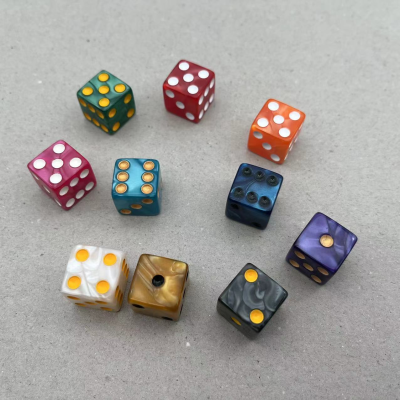
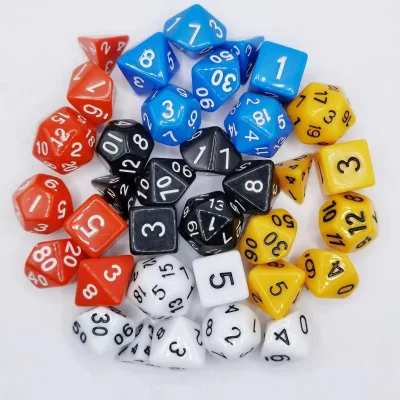

Wood Dice Blank Faces Printed Engraving Game 6 Sided Custom Dice for Kid Entertainment
$0.10 - $0.20
MOQ: 500 pieces

Changsha Xinchuangle Electronic Commerce Co., Ltd.
- Manufacturer, Trading Company
- Hunan, China
- Lead time7 days
- Avg. response≤ 7h
Main productsMahjong,Dice,Domino,Chess,Poker chips
Main marketsNorth America(45.00%), South America(15.00%), Southern Europe(10.00%), Northern Europe(10.00%), Western Europe(10.00%), Oceania(10.00%)

Shanxi Fuding International Trade Co.,Ltd.
- Manufacturer/Factory
- China Shanxi
- Lead time23 days
- Avg. response≤ 3h
Main productsCNC Parts, Fabrication Assembly, Stamped Parts, Mold Injection, Forging, Hydraulic Components, Bollard, Dice
Main marketsSouth America,Eastern Europe,Mid East,North America,Southeast Asia,Eastern Asia,Oceania,Western Europe,Africa
Ji'an Zhicai Packing Products Co., Ltd.
- Manufacturer
- Jiangxi, China
- Lead time15 days
- Avg. response≤ 4h
Main productsBuilding Block Set,DIY Block,Play Mat,Foam Toy,Yoga Item
Main marketsDomestic Market(40.00%), North America(10.00%), South Asia(10.00%), Southern Europe(10.00%), Western Europe(10.00%), Southeast Asia(10.00%), Eastern Europe(10.00%)
Yunhe County Jiemu Toys Co., Ltd.
- Verified by Intertek
- Manufacturer, Trading Company
- Lead time0 days
- Avg. response≤ 2h
Main productsChess Set, Board Game, Wooden Dice, Busy Board, Montessori Toys
Main marketsNorth America(45%), Eastern Europe(15%), South America(10%)
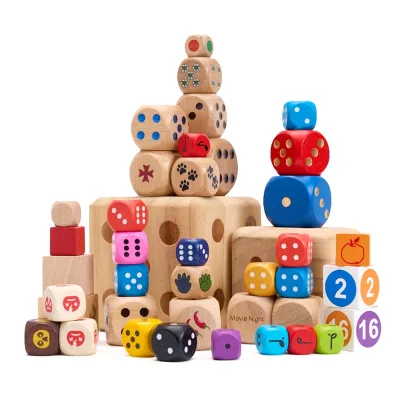
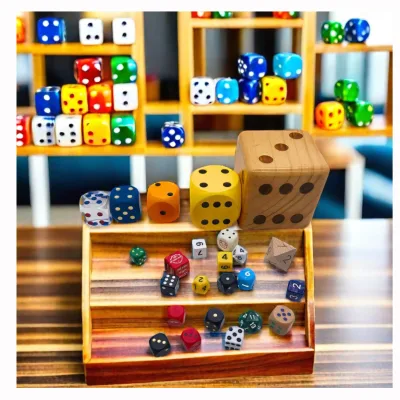
$0.4147 - $1.0344
MOQ: 500 sets

Zhongshan Keychain Gifts & Crafts Co., Ltd.
- Combined
- China Guangdong
- Lead time15 days
- Avg. response≤ 6h
Main productsKey Ring, Key Chain, Metal Key Chain, Bag Hanger, Compact Mirror, Medal, Key Chain with Bottle Opener, Promotional Gift, Souvenir, Badge
Main marketsSouth America,Europe,Australia,North America
Zhongshan Wanjun Crafts Manufactuer Co., Ltd.
- Verified by SGS Group
- Manufacturer, Trading Company
- Lead time15 days
- Avg. response≤ 3h
Main productsMedal, Lapel Pin, Keychain, Bottle Opener, Coin
Main marketsNorth America(20%), South America(10%), Eastern Europe(10%)
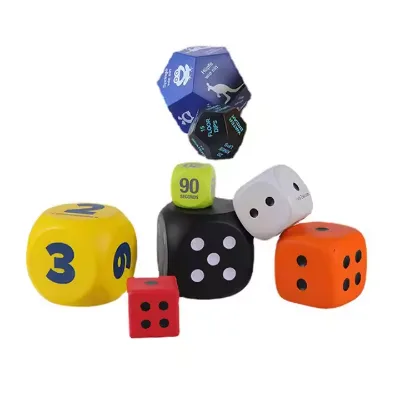
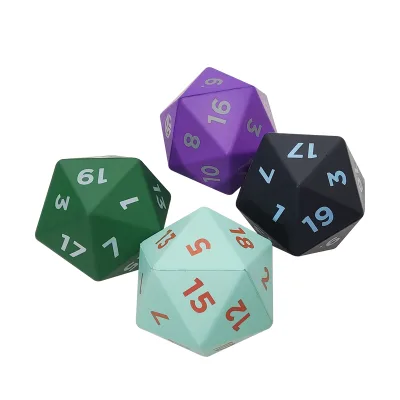
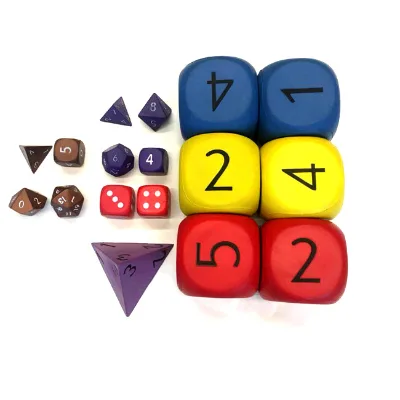
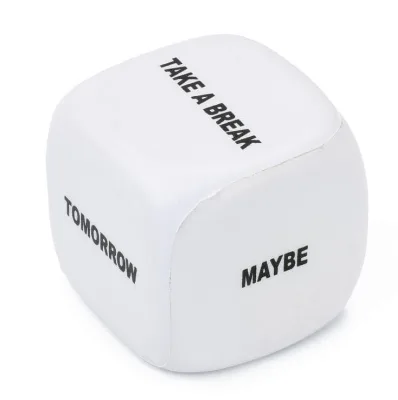













Comprehensive Sourcing Guide
Custom Logo PU Foam Dice Supplier Concentration and Factory Types
Supplier results for Custom Logo PU Foam Dice show a clear geographic concentration: listings in this category identify Guangdong, China as the place of origin, which suggests an established cluster for molded PU foam products in that province. When a sourcing page does not disclose origins, buyers should identify clusters by filtering results by the location attribute, by checking where repeated product evidence points, and by confirming that a claimed base matches the factory address on business documents. Because PU foam dice are produced through molding, clusters tend to form where polyurethane foam compounding, mold-making, and promotional gift decoration already exist.
The supplier base splits into two company types visible in the results: trading companies and manufacturers. A trading company listing may carry a broad main-product range such as soccer balls, basketballs, volleyballs, and training accessories, with dice appearing as a related promotional item. A manufacturer listing may focus on PU polyurethane foam, memory pillows, seat cushions, and EVA lining, indicating in-house foam molding capability that transfers directly to dice production. Neither type is automatically better: trading companies can consolidate promotional items into one shipment, while manufacturers may control tooling and foam formulation. Buyers should ask each candidate whether molding happens in-house or is subcontracted, and request evidence of the molding service, since both listing types describe moulding as the processing method.
How to Verify Custom Logo PU Foam Dice Suppliers
Verification should start with third-party verification status. Some listings in this category display verification by TÜV Rheinland, which is stronger evidence than an unverifiable self-description. Buyers should confirm what the verification badge actually covers—company identity, site audit, or product testing—because a verified badge on a profile does not certify every product in a catalog. Next, check system certifications shown on the listing. Observed credentials in this category include EN 71, REACH, and CE, which are relevant for foam toys sold into European markets and for items used by children. Ask for certificate copies with scope, validity dates, and the exact product models covered, and cross-check certificate numbers with the issuing body rather than accepting PDFs at face value.
Product-level evidence provides a second verification layer. Listings in this category disclose concrete attributes—material listed as PU foam, processing by molding, customized logo support, single package sizes, gross weights, and MOQs ranging from as low as 2 pieces on one listing to 1,000 pieces on another. Use these details as a consistency test: request a spec sheet for the exact model number shown, and confirm the declared place of origin, package dimensions, and weight match what the factory confirms on its official quotation. Response speed is also a verification signal. One supplier profile shows a 2-hour response time and another shows 7 hours; test this yourself with a detailed technical question, since slow or templated replies before ordering usually worsen after payment.
What to Compare Across Custom Logo PU Foam Dice Suppliers
Build a comparison sheet using the attributes actually displayed on supplier profiles, while remembering that not every supplier publishes every field. Key dimensions include company type (trading company versus manufacturer), verified status, system certifications, location, response time, lead time, and main products. In the current results, lead times differ noticeably: one supplier shows 45 days and another shows 20 days, a gap large enough to decide a seasonal order. Response times likewise range from 2 to 7 hours across profiles. Establish years are sometimes shown on B2B profiles; when absent, ask directly and corroborate with business license registration dates, since longevity matters for repeat promotional orders.
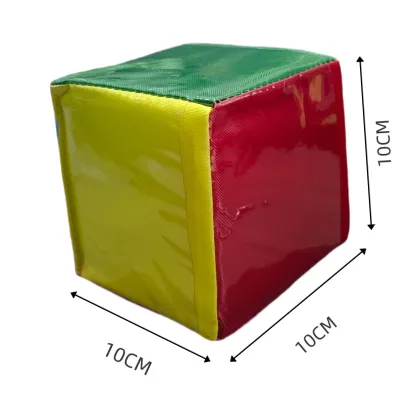
Product-side comparisons matter as much as company-side ones. Observed listings vary in MOQ from 2 pieces to 1,000 pieces, in price bands roughly from under one dollar to several dollars per piece, and in specifications such as package size (8 cm versus 12 cm cubes in some listings), gross weight (0.3 kg versus 1.0 kg), color options, and whether patterns, words, or six-sided configurations are offered. Compare like with like: a jumbo dice with printed words is not comparable to a small plain stress die. Also compare capability claims—sample processing, graphic processing, and customization on demand appear on one profile, and custom logo plus customized size and color appear across several listings. Score each supplier on proof quality, not just on attractive numbers.
Common Custom Logo PU Foam Dice Sourcing Risks
The most common risk is specification drift. PU foam dice are sold with attributes such as customized size, customized color, and customized logo, which means the shipped product depends entirely on an agreed drawing. Risks include foam density softer or firmer than sampled, logo printing that cracks because the foam is squeezable, and corner rounding that differs from the sample. One listing highlights round-corner construction and squeezable features; if softness is part of your product intent, write a density tolerance and a firmness description into the specification, and confirm that the logo method (print, heat transfer, or molded-in) survives squeezing.
A second risk cluster involves compliance and low-MOQ temptation. Listings advertising 2-piece minimums are convenient for sampling but may indicate a stock or small-batch operation that cannot scale to a full promotional run at consistent quality. Meanwhile, foam dice marketed for kids and teenagers must meet the toy safety expectations of the destination market; a listing showing EN 71, REACH, and CE is encouraging, but buyers must verify that those certificates cover the specific dice model, not just the company. Additional risks include confusingly similar listings (PU foam versus EVA foam wording appears in some titles), packaging promises that are vague ("Packaging: Yes" on some listings), and mismatched package weights suggesting different actual sizes. Mitigate all of these with a pre-production sample, a written spec, and a golden sample retained by both sides before mass production begins.
Custom Logo PU Foam Dice Regional Sourcing and Logistics
The supplied results point to Guangdong, China as the origin for this product category, and the region's export infrastructure is a practical advantage for buyers shipping promotional dice internationally. Confirm the actual dispatch point with each supplier, because a Guangdong-registered company may produce in a nearby city or inland; the declared place of origin on the product listing is not always the factory's shipping address. Ask which port would be used and how inland freight to that port is handled, since foam products are bulky relative to value and freight efficiency shapes landed cost.
Logistics planning should account for the product's physical profile. Observed listings show single package sizes of 8×8×8 cm and 12×12×12 cm with gross weights of 0.3 kg and 1.0 kg respectively—foam dice are light but voluminous, so carton cube-out can occur before weight limits are reached. Request a packing plan stating pieces per carton, carton dimensions, and total CBM for your quantity, then compare air versus sea versus express accordingly. Lead time interacts with logistics: with displayed lead times of 20 and 45 days across suppliers, add molding and printing time for custom logos, plus holiday-season congestion, when working backward from a campaign launch date. Buyers sourcing outside Guangdong-based supply should request evidence that the alternative supplier genuinely molds PU foam in-house, since outsourcing adds an uncontrolled leg to the lead time and to quality accountability.
Custom Logo PU Foam Dice Commercial Terms and Order Planning
Commercial terms should be anchored to the ranges visible in real listings, then negotiated from there. Observed price bands run from roughly $0.65 to $0.81 on basic foam dice listings, up to several dollars for jumbo dice with printed patterns and words, and a separate listing at $2.00–$3.00 for a round-corner promotional cube with a 1,000-piece MOQ. Price correlates with size, weight, printing complexity, and order volume, so quote your exact size, logo artwork, and quantity rather than asking for a catalog price. Confirm what the quoted price includes: packaging, printing plate or mold fees, and whether the MOQ applies per color, per size, or across the order.
Order planning should reconcile MOQ, lead time, and verification findings before committing funds. If a supplier's lead time is 20 days but your logo requires new tooling or multi-color printing, expect the quoted lead time to reset after sample approval. If a supplier requires 1,000 pieces but you need a 2-piece trial first, check whether the supplier offers both tiers or whether low-MOQ sampling and bulk production run on different lines. Protect payment with escrow or a comparable trade-assurance mechanism where available, and tie final payment to a passed inspection against the golden sample. Finally, schedule one reorder cycle ahead of need; foam dice for seasonal events, classroom programs, and promotional campaigns date quickly, and a 20-to-45-day production window plus shipping can consume an entire quarter.
FAQs
What is the minimum order quantity for custom PU foam dice?
The minimum order quantity is 2 pieces for many suppliers, allowing small trial orders. Some manufacturers require a higher MOQ of 50 or 1000 pieces for bulk production. Buyers should verify the specific MOQ with the supplier before placing an order to ensure it meets their volume needs.
How long does production take for custom foam dice?
Production lead times vary significantly between suppliers. Some trading companies require up to 45 days for processing, while manufacturers may complete orders in 20 days. Buyers should confirm the exact lead time with the supplier to plan their inventory and shipping schedules effectively.
What certifications do PU foam dice suppliers hold?
Suppliers often hold EN 71, REACH, and CE certifications for their products. These certifications ensure the foam dice meet specific safety and quality standards. Buyers should request proof of these certifications to verify compliance with international regulations before finalizing their purchase.
What is the price range for custom PU foam dice?
Prices for custom PU foam dice typically range from $0.65 to $5.15 per piece. The cost depends on factors like size, material, and order quantity. Buyers should compare quotes from multiple suppliers to find the best price that fits their budget and quality requirements.
Where are PU foam dice manufactured?
Most PU foam dice are manufactured in Guangdong, China. This region is known for its strong manufacturing capabilities in rubber and plastic products. Buyers can expect efficient logistics and a wide variety of suppliers located in this area for sourcing custom dice.
How quickly do suppliers respond to inquiries?
Supplier response times vary, with some responding within 2 hours and others taking up to 7 hours. Faster response times indicate better customer service and operational efficiency. Buyers should prioritize suppliers with quick response times to ensure smooth communication throughout the sourcing process.