Customizable PVC Automotive Cable Harness Suppliers and Manufacturers
Source Customizable PVC Automotive Cable Harness from 25 verified suppliers in China. Compare ISO 9001 certified factories with lead times of 15-38 days and MOQs starting at 1 unit. Request quotes to evaluate pricing and OEM capabilities; review the available evidence before requesting comparable quotations from suitable candidates.
Updated
Suppliers List

- Verified by TUVRHEINLAND
- Trading Company,Manufacturer/Factory
- China Jiangsu
- Lead time15 days
- Avg. response≤ 25h
Main productsIndustrial Wire Harness, Automotive Wire Harness, Wire Harness, Metal Parts, CNC Machining Parts, Sheet Metal Fabrication, Metal Bracket, Stamping Part, Heat Sink, Turned Part

- Verified by BV
- Trading Company,Manufacturer/Factory
- China Zhejiang
- Lead time38 days
- Avg. response≤ 25h
Main productsAuto Connector, Terminal, Wire Harness, Car Modification Parts, Mold Development, Rubber Seals
Main marketsSouth America,Eastern Europe,Mid East,North America,Southeast Asia,Eastern Asia,Oceania,Western Europe,Africa


Versatile Automotive Wiring Harness for Customized Vehicle Connectivity Options
$8.00 - $15.00
MOQ: 200 Sets


Custom Automotive Wiring Harness with Flexible Packaging Options Available
$8.00 - $15.00
MOQ: 200 Sets

Custom Cable Harness for Superior Automotive Electrical Integration Needs
$8.00 - $15.00
MOQ: 200 Sets


DONGGUAN YIXIAN ELECTRONIC TECHNOLOGY CO., LTD.
- Verified by BV
- Combined
- China Guangdong
- Lead time15 days
- Avg. response≤ 2h
Main productsWire Harness
Main marketsAustralia,North America

Customizable Flexible Twin Cable Wire Harness for Automotive Applications
$3.50 - $4.50
MOQ: 1000 Pieces


Customized Universal Automotive Connection Wiring Harness for Electric Vehicles
$0.30 - $0.50
MOQ: 500 Pieces
Dongguan Jiafu Automobile Accessories Co., Ltd.
- Verified by Intertek
- Manufacturer, Trading Company
- Lead time7 days
- Avg. response≤ 3h
Main productsEngine Wire Harness, Amplifier wire harness, Automotive Lighting Wire Harness, Auto-driving Vehicle Wire Harness, Industrial Overmolded Cable
Main marketsNorth America(45%), Domestic Market(40%), Oceania(3%)
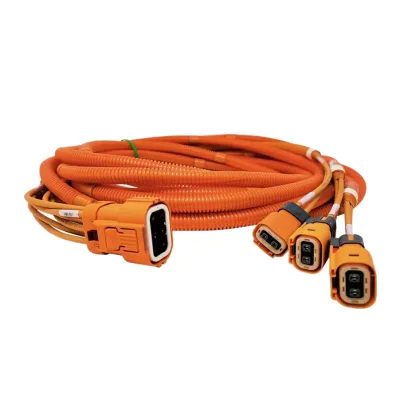
Customizable Automotive Wiring Harnesses for New Energy Vehicles Free of Customs Duty
$3.7849 - $10.9417
MOQ: 50 Minimum
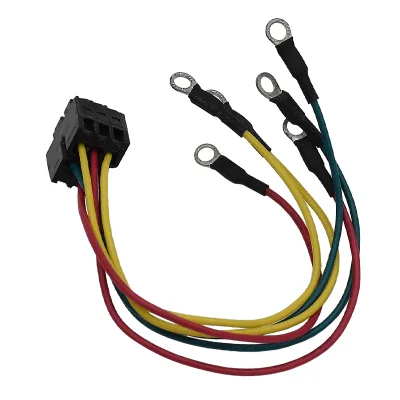
Universal Custom Wire Harness OEM Factory Plug Cable with 6 Pin Connector for Automotive Truck Bus
$0.4114 - $0.7181
MOQ: 100 pieces
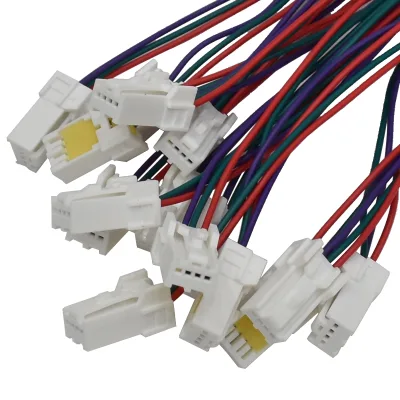
$0.205 - $0.5101
MOQ: 100 pieces
DONGGUAN KAWEEI ELECTRONIC CO.,LTD
- Manufacturer
- Guangdong, China
- Lead time0 days
- Avg. response≤ 3h
Main productsCable Assembly, Wire Harness, USB Cable, Auto Cable, Pcb Connector
Main marketsNorth America(40.00%), Northern Europe(25.00%), Domestic Market(20.00%), Eastern Asia(10.00%), Oceania(5.00%)
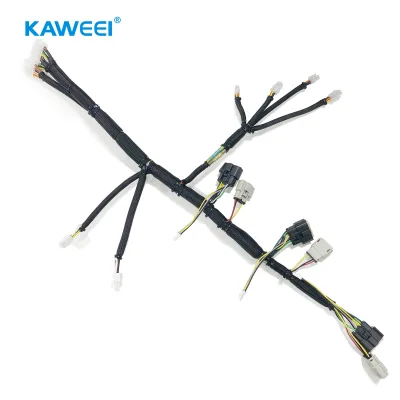
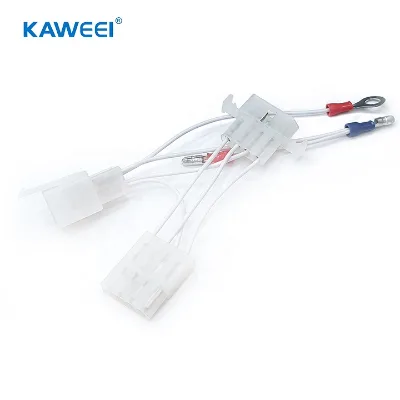
Durable Custom Wire Harness with Housing and Ring Terminal M6 for Automotive Applications
$0.45 - $0.52
MOQ: 10 pieces
Hangzhou Hengxianlong Technology Co., Ltd.
- Verified by Intertek
- Manufacturer, Trading Company
- Lead time30 days
- Avg. response≤ 2h
Main productsLithium Ion Battery, Forklift Lithium Battery, Solar Street Light Lithium lon Battery, Battery Management System, Wiring Harness
Main marketsDomestic Market(40%), Eastern Europe(30%), Southeast Asia(10%)
$3.60 - $9.60
MOQ: 20 pieces
$4.0183 - $6.183
MOQ: 50 pieces
$1.50 - $2.30
MOQ: 100 pieces
$0.6941 - $0.8811
MOQ: 100 pieces

Shenzhen Grandtop Electronics Co., Ltd.
- Trading Company,Manufacturer/Factory
- China Guangdong
- Lead time30 days
- Avg. response≤ 3h
Main productsPCB Assembly, Robotic Control PCB Assembly, Industrial Control PCBA, Medical PCBA, Financial PCBA, Contract Manufacturer, Automatic Control PCB Assembly, OEM &ODM PCBA, Turnkey Service PCBA, One Stop PCB Assembly
Main marketsSouth America,Eastern Europe,Mid East,North America,Southeast Asia,Eastern Asia,Western Europe,Africa

Shenzhen Sinph U-Life Technology Co., Ltd.
- Combined
- China Guangdong
- Lead time15 days
- Avg. response≤ 8h
Main productsKeyboard Switch, Storage Connector, Auto Electrical Cables
Main marketsSouth America,Africa,Southeast Asia/ Mideast,East Asia(Japan/ South Korea),Domestic,Europe,Australia,North America
Xiamen Ever-Precise Electronics Co., Ltd.
- Manufacturer
- Fujian, China
- Lead time15 days
- Avg. response≤ 8h
Main productsWire Harness,Spiral Cable,USB Cable,AC/DC Cable,waterproof connector
Main marketsSouthern Europe(8.33%), Northern Europe(8.33%), Central America(8.33%), Western Europe(8.33%), Eastern Asia(8.33%), Mid East(8.33%), Oceania(8.33%), Africa(8.33%), Southeast Asia(8.33%), Eastern Europe(8.33%), South America(8.33%), North America(8.33%)
Huizhou Kaige Auto Parts Co., Ltd.
- Verified by SGS Group
- Manufacturer, Trading Company
- Lead time7 days
- Avg. response≤ 3h
Main productsWiring Harness, Car/auto Harness, Car DSP Wire Harness, ISO Harness & Car Antenna, Connectors & Sockets
Main marketsNorth America(20%), Eastern Asia(15%), Eastern Europe(10%)
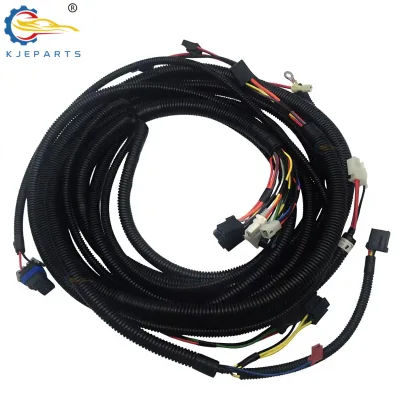
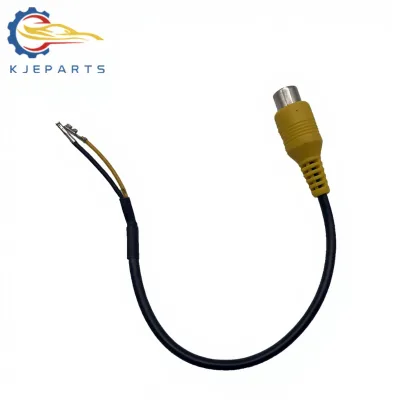
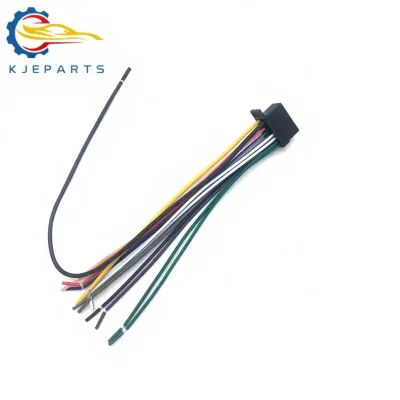
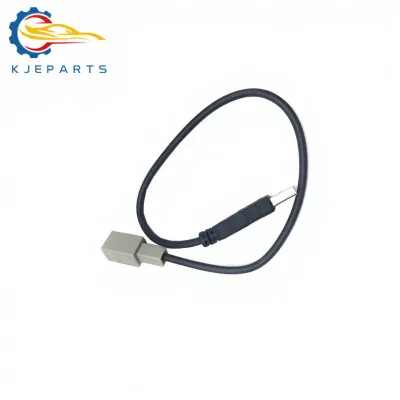
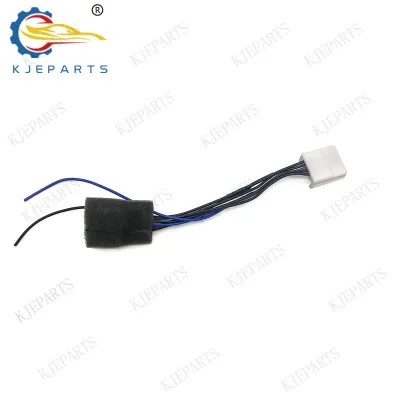
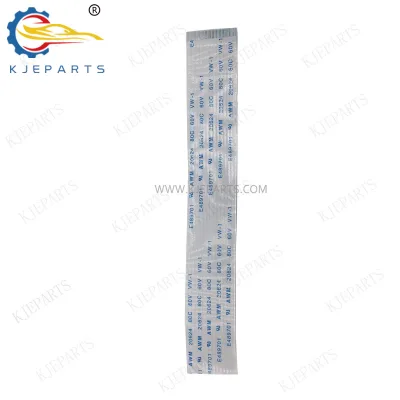
Automotive Complete Wiring Harness 8 Pin Adapter Cable with Foam Protective Sleeve for Car Radio
$2.0301 - $2.5417
MOQ: 100 pieces

Changsha Sibel Electronic Technology Co., Ltd.
- Trading Company
- China Hunan
- Lead time15 days
- Avg. response≤ 8h
Main productsWiring Harness, Automotive Connectors, Collaborative Robots, Electronic Controller, Wire Harness, Automobile Connectors, Car Wiring Harness, Cable Harness, Electronic Wire Harness, Te Molex Jst Hirose Jae Connectors
Main marketsDomestic,Europe,North America


Automotive Wire Harness with Customized Waterproof Wiring Harness Connector
$2.00 - $5.00
MOQ: 1000 Pieces
Karve Electronics Enterprise Co., Limited
- Verified by TüVRheinland
- Trading Company
- Lead time15 days
- Avg. response≤ 1h
Main productsCable Assembly, Wire Harness, Power Adapter, Connector, Consumer Electronic Accessories
Main marketsOceania(30%), Southeast Asia(20%), North America(10%)
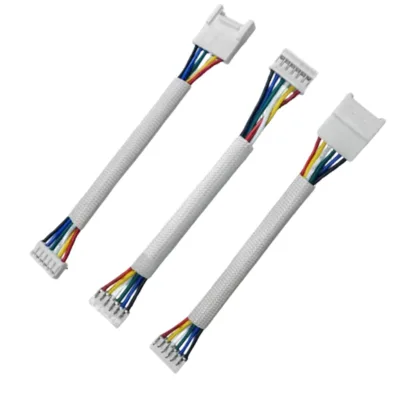
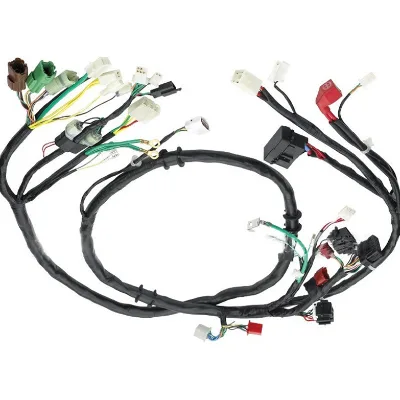
$43.29 - $50.00
MOQ: 1000 Minimum
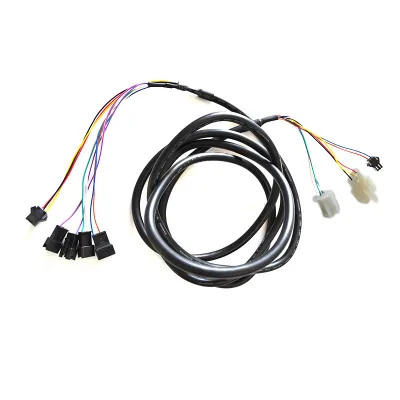
Multi-Core Waterproof Automotive Wiring Harness Wires Cables Cable Assemblies
$0.03 - $0.22
MOQ: 100 Minimum
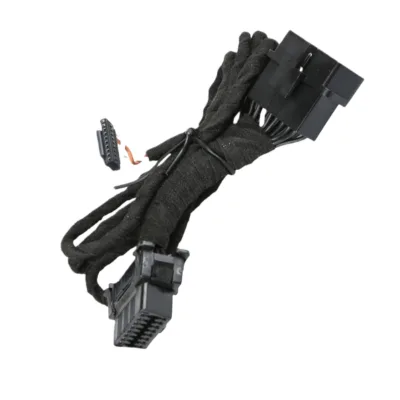
$2.9292 - $3.6667
MOQ: 100 Minimum
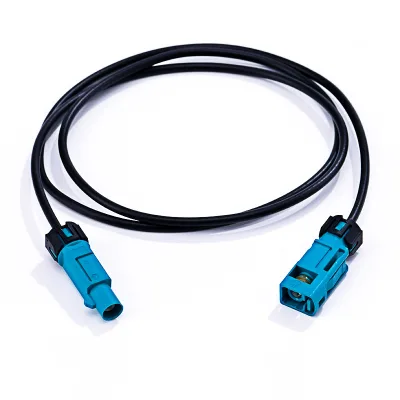
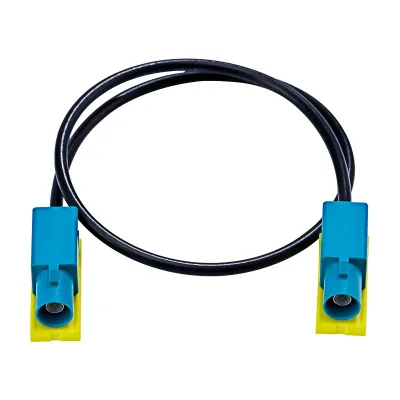
Long Straight Male-Female Automotive Wiring Harness with RF Connector Terminals Multi-Specification
$2.20 - $8.43
MOQ: 100 Minimum
Zhejiang Liandi Electronics Co., Ltd.
- Manufacturer
- Zhejiang, China
- Lead time0 days
- Avg. response≤ 2h
Main productswiring harness
Main marketsDomestic Market(100.00%)
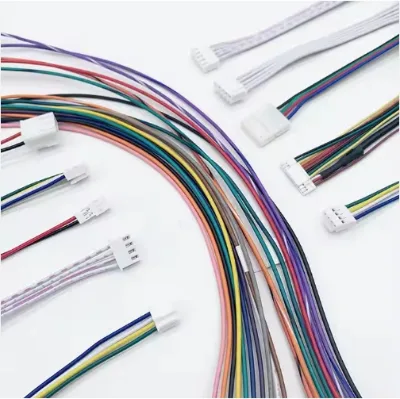
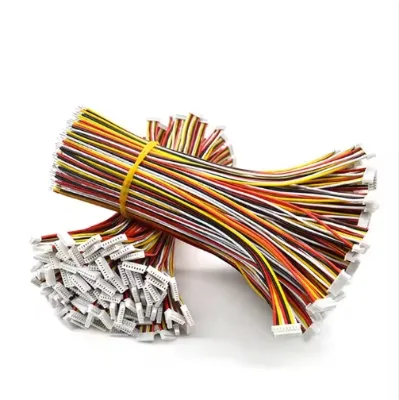
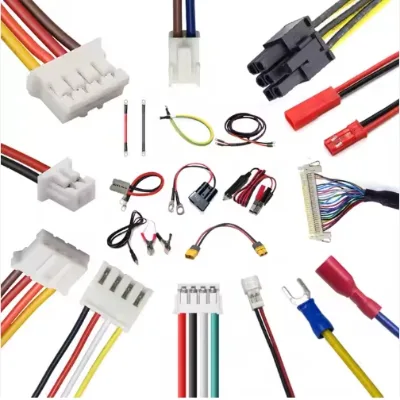
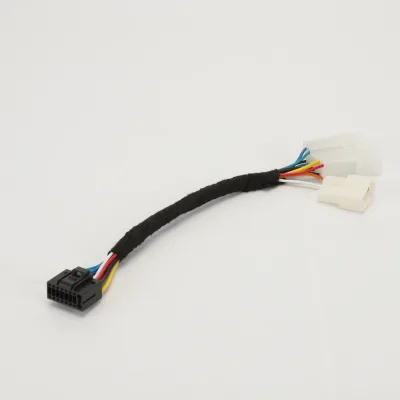
Custom OEM Cable 16P Automobile Application Wiring Harness High Performance Speaker Cable for Autos
$5.00 - $10.00
MOQ: 1000 Minimum
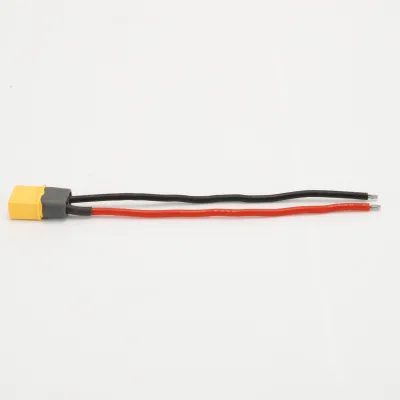
Automobile Wiring Harness PVC Insulated Battery Charging Connection Cable for Vehicle Electronics
$0.85 - $0.98
MOQ: 100 bags
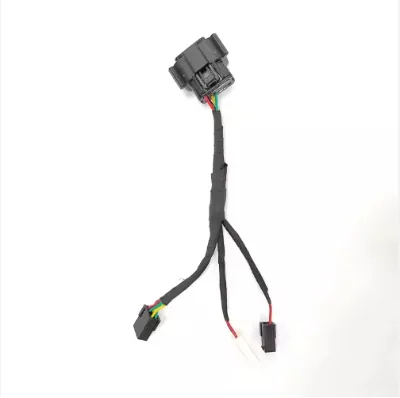

Shanghai Star Electronic Technology Co., Ltd.
- Verified by SGS
- Combined
- China Shanghai
- Lead time15 days
- Avg. response≤ 6h
Main productsWire Harness, Terminal Block, Connector, Auto Connector, Female Header, Male Header, ISO Harness, Car Connector, Automotive Connector, Cable Assembly
Main marketsSouth America,Southeast Asia/ Mideast,East Asia(Japan/ South Korea),Europe,North America


Automotive Wire Harness Custom Waterproof Car Connector Wiring Harness Manufacturer
$1.00 - $10.00
MOQ: 100 Pieces


Shenzhen Jia Cheng Electric Co., Ltd.
- Verified by SGS
- Combined
- China Guangdong
- Lead time15 days
- Avg. response≤ 12h
Main productsIndustrial Wire Harness, Automatic Wire Harness, Medical Wire Harness, Electrical Cabinet-Group, PCBA-Group, Mechanical Fabrication-Group, Smart POS Terminal-Group, Table POS, Ice Maker-Group, Kiosk-Group
Main marketsDomestic,Europe,Australia,North America

Automotive Wiring Harness Wire Custom Design PVC Pipe Low Voltage Cable Assembly
$1.01 - $2.09
MOQ: 10 Pieces


- Verified by TüVRheinland
- Manufacturer, Trading Company
- Lead time15 days
- Avg. response≤ 2h
Main productsPCBA, Cable, Connector
Main marketsNorth America(25%), Domestic Market(23%), South America(15%)
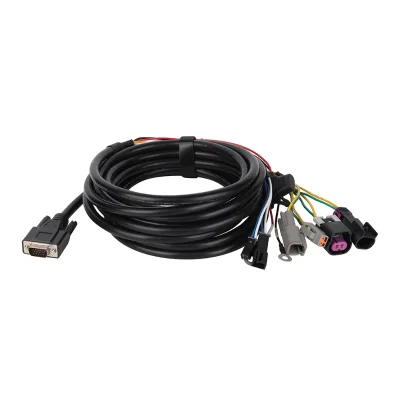
Manufacturer OEM Custom Car Truck Automotive Auto Cable Assembly Wire Harness
$9.7345 - $15.3699
MOQ: 100 pieces
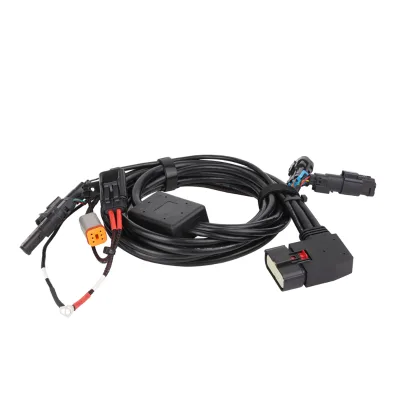

Guangdong Huazheng Electronic Technology Co., Ltd.
- Verified by BV
- Trading Company,Manufacturer/Factory
- China Guangdong
- Lead time0 days
- Avg. response≤ 17h
Main productsWire Harness, Cable Assembly, Electric Wire Cables, Insulated Cables, Electrical Cables, Electrical Wires, Power Cables, Data Cables, Cable Parts and Terminals

Ningbo A-Line Cable & Wire Co., Ltd.
- Verified by TUVRHEINLAND
- Combined
- China Zhejiang
- Lead time23 days
- Avg. response≤ 3h
Main productsPower Cord, Power Plug, Work Light, Wire Harness, Plug Insert, Electric Wire, Extension Cord, Wiring Harness, Power Cable
Main marketsEast Asia(Japan/ South Korea),Domestic,Europe,North America

Guangzhou City Youye Electronics Co., Ltd
- Combined
- China Guangdong
- Lead time15 days
- Avg. response≤ 3h
Main productsWiring Harness, Connector, Terminals, Auto Wire Harness, Automotive Wire Harness, Cable Assembly, Wire Harness Assmbly, Auto Connector, Custom Cable Assembly, Wire Loom
Main marketsSoutheast Asia/ Mideast

Jiangsu Huikun Technology Co., Ltd.
- Manufacturer
- Jiangsu, China
- Lead time30 days
- Avg. response≤ 12h
Main productsMetal enclosure,Wire harness,control panel
Main marketsDomestic Market(80.00%), Oceania(10.00%), North America(5.00%), Western Europe(5.00%)

Dongguan Access Star Co., Ltd.
- Verified by SGS
- Combined
- China Guangdong
- Lead time30 days
- Avg. response≤ 6h
Main productsWire Harness, Cable Assembly, PCB Assembly, Box Build, USB Cable, Power Cable, Charging Cable, Plastic Parts, Die Casting Parts, Stamping Parts
Main marketsOthers(foreignTradeCapacity.exportBusinessCapacityMarketOther),East Asia(Japan/ South Korea),Domestic,Europe,Australia,North America
Dongguan City Antmade Technology Co., Ltd.
- Manufacturer, Trading Company
- Guandong, China
- Lead time0 days
- Avg. response≤ 1h
Main productsautomobile wire harness,Machine harness,Flat Wire,New energy harness,photovoltaic connector
Main marketsDomestic Market(33.00%), North America(25.00%), South America(12.00%), Oceania(6.00%), Northern Europe(5.00%), Southern Europe(5.00%), Central America(3.00%), Eastern Europe(3.00%), Eastern Asia(3.00%), Western Europe(2.00%), Southeast Asia(1.00%), South Asia(1.00%), Africa(1.00%)
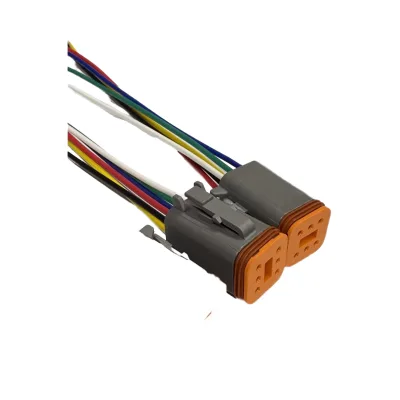
Premium Automotive 0.75 Square 20CM Waterproof PVC Wiring Harness for Electronic Applications
$0.205 - $1.2267
MOQ: 10 pieces
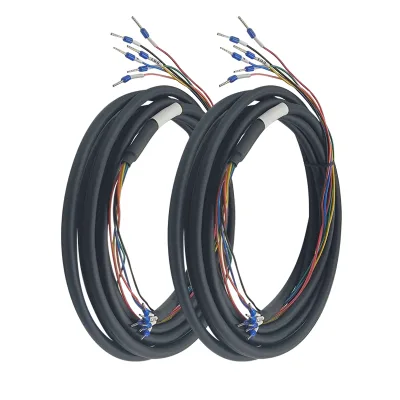
$0.09 - $0.68
MOQ: 100 pieces

- Verified by SGS
- Combined
- China Guangdong
- Lead time15 days
- Avg. response≤ 1h
Main productsWire Harness, Wireharness, Wiring Harness, Harness Assemlby, Cable Harness, Cable Assembly, Gasket Harness, Harness Kits, Edgarcn, Wire Harnesses
Main marketsSoutheast Asia/ Mideast,East Asia(Japan/ South Korea),Europe,Australia,North America


Universal Automotive Wiring Harness with Versatile 2-Pin and 3-Pin Connectors
$6.00 - $16.00
MOQ: 50 Pieces

High-Quality Automotive Wire Harness for Reliable Electrical Connections
$19.90 - $20.00
MOQ: 5000 Pieces


Durable Automotive Wire Harness with Easy Switch Control for All Vehicles
$8.88 - $10.00
MOQ: 10000 Pieces
Shenzhen Jye Technology Co., Ltd.
- Manufacturer, Trading Company
- Guangdong, China
- Lead time25 days
- Avg. response≤ 3h
Main productswire harness,connector,cable assembly,wiring harness,custom wire harness
Main marketsDomestic Market(61.00%), Western Europe(15.00%), North America(5.00%), Southern Europe(4.00%), Eastern Europe(3.00%), South America(2.00%), Southeast Asia(2.00%), Mid East(2.00%), Northern Europe(2.00%), South Asia(1.00%), Africa(1.00%), Central America(1.00%), Eastern Asia(1.00%)
Hubei Brave Electronic Technology Co., LTD.
- Verified by SGS Group
- Manufacturer, Trading Company
- Lead time19 days
- Avg. response≤ 2h
Main productsAutomotive Wiring Harness, Connector, Terminal
Main marketsNorth America(45%), Eastern Europe(15%), Mid East(15%)
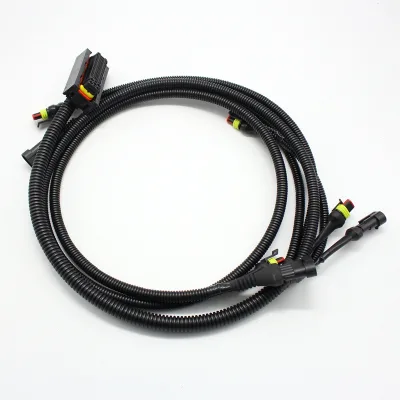
$1.60 - $3.90
MOQ: 100 pieces
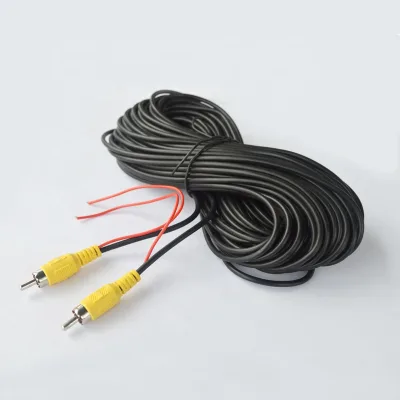
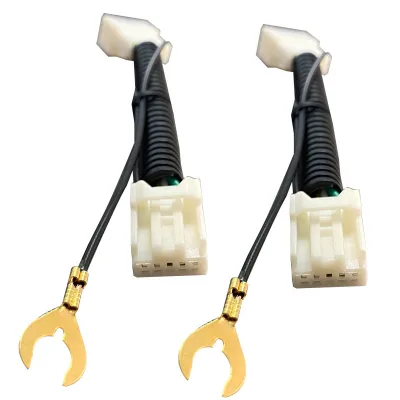
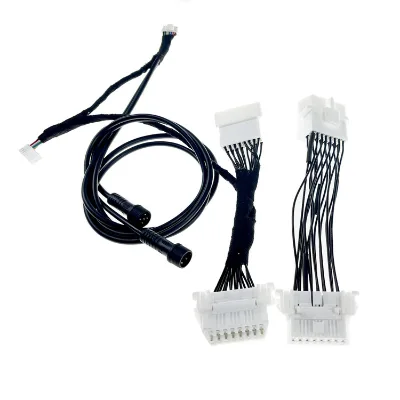
Manufacturer of New Car OBD Harness Low Loss Car Connection Modification Harness
$3.7774 - $4.0916
MOQ: 100 pieces






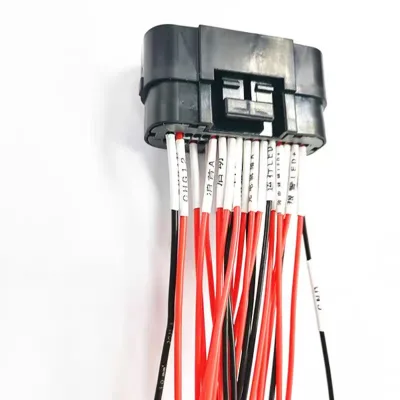
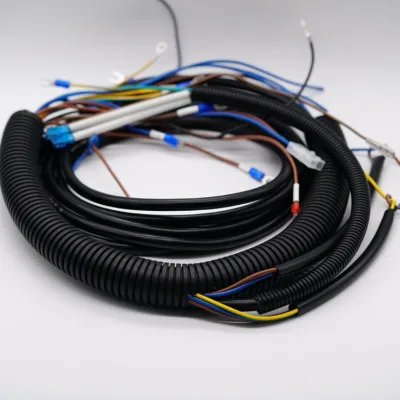
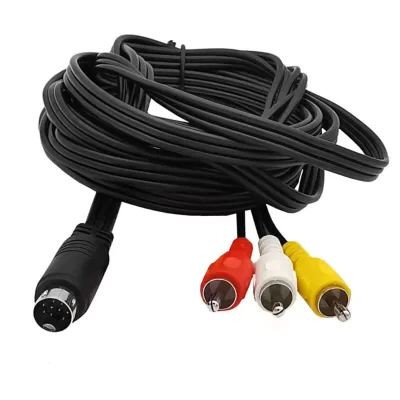
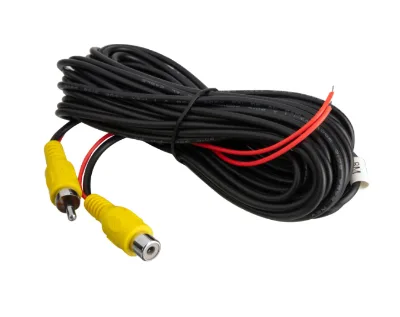
Comprehensive Sourcing Guide
Customizable PVC Automotive Cable Harness Supplier Concentration and Factory Types
The current supplier landscape for customizable PVC automotive cable harnesses reveals a distinct geographic concentration within China, specifically highlighting manufacturing hubs in Jiangsu, Zhejiang, and Guangdong provinces. These regions serve as critical nodes for industrial wire harness production, offering buyers access to established supply chains that support both OEM and ODM requirements. Factories in these areas typically specialize in a broad range of metal parts, CNC machining, and sheet metal fabrication alongside their primary focus on wire harness assembly. This diversification allows suppliers to offer comprehensive solutions that integrate mechanical components with electrical wiring, which is often necessary for complex automotive applications. The presence of these specific locations indicates a mature ecosystem where raw material sourcing, such as copper wire and PVC bandaging materials, is readily available, reducing logistical friction for large-scale production runs.
Supplier types in this sector vary between pure manufacturers, trading companies, and combined entities that bridge the gap between factory output and international trade services. Many listed suppliers identify as manufacturers or factories with verified capabilities in OEM and ODM services, indicating they possess the internal R&D capacity to tailor harness designs to specific client needs. Others operate as trading companies or combined firms, leveraging their network to aggregate products from multiple factories. This distinction is crucial for buyers evaluating their supply chain strategy, as factory-direct suppliers may offer better pricing on high-volume orders, while trading companies might provide greater flexibility for smaller, customized batches. The verified status of these entities, often confirmed by third-party inspection agencies, provides an additional layer of assurance regarding their operational legitimacy and capacity to deliver on contractual obligations.
How to Verify Customizable PVC Automotive Cable Harness Suppliers
Verification of suppliers requires a multi-layered approach that goes beyond basic company registration checks, focusing heavily on technical certifications and independent audit results. Buyers should prioritize suppliers who hold recognized system certifications such as ISO 9001, which indicates a standardized quality management system, or industry-specific standards like ISO 50001 for energy management. Additionally, product-level certifications are critical for automotive applications; look for evidence of CCC, UL, and RoHS compliance, which ensure the materials meet safety and environmental regulations in key markets. Some suppliers may also display VDE certification, particularly those based in regions with strong export ties to Europe. These certifications are not merely decorative; they represent rigorous testing of the wire harness components, including the copper conductor purity, connector material integrity, and the durability of the PVC bandaging under various environmental conditions.
Beyond certifications, the verification process should include assessing the supplier’s response time and their history of independent verification by reputable agencies. A rapid response time, such as under two hours, often correlates with a dedicated sales and technical support team that can quickly address custom design queries or production issues. Buyers should also look for verification badges from recognized third-party inspection firms like TÜV Rheinland or Bureau Veritas, which provide objective evidence of the supplier’s operational capabilities. These audits typically cover factory floor conditions, quality control procedures, and production capacity. For instance, a supplier claiming a manufacturing capacity of 200,000 units per year should be able to provide evidence of this scale through their verification reports. Cross-referencing these verified attributes with the supplier’s stated main products ensures that their expertise aligns with the specific requirements of automotive wiring harnesses, rather than general electrical supplies.
What to Compare Across Customizable PVC Automotive Cable Harness Suppliers
When evaluating multiple suppliers, buyers must compare key operational metrics such as lead time, minimum order quantity (MOQ), and pricing structures to determine the best fit for their production schedule and budget. Lead times can vary significantly, ranging from as short as 15 days to over 38 days, depending on the complexity of the customization and the supplier’s current production load. A shorter lead time is advantageous for just-in-time manufacturing, but it may come at a premium or require higher inventory commitments. Similarly, MOQs can range from as low as one unit for prototyping to 1,000 units for standard production runs. Understanding these thresholds is essential for aligning supplier capabilities with order volumes, especially for businesses that require frequent small-batch adjustments or large-scale deployment.
Price comparison should also consider the total cost of ownership, including packaging and shipping implications, rather than just the unit price. Unit prices for customizable automotive cable harnesses can range from $0.50 to $15.00, influenced by factors such as the length of the harness, the type of connectors used, and the complexity of the assembly. Suppliers offering lower prices may have higher MOQs or longer lead times, while those with higher prices might offer faster response times or more flexible customization options. Additionally, buyers should compare the specific attributes of the products, such as the interface type (AC/DC or DC/DC), signal type (low voltage), and bandaging materials (PVC pipe or adhesive tape). These technical specifications directly impact the performance and durability of the harness in automotive applications, making them critical factors in the selection process.
Common Customizable PVC Automotive Cable Harness Sourcing Risks
One of the primary risks in sourcing customizable PVC automotive cable harnesses is the potential mismatch between the supplier’s stated capabilities and their actual production capacity. Suppliers may claim high manufacturing capacities, such as 200,000 units per year, but fail to deliver on time during peak seasons or when faced with unexpected demand spikes. This risk is exacerbated by the complexity of custom orders, which require precise engineering and quality control. If a supplier lacks robust R&D capabilities or fails to conduct thorough pre-shipment inspections, the final product may not meet the specified standards for conductivity, insulation, or mechanical strength. Buyers must be vigilant in verifying these claims through independent audits and by requesting detailed production schedules and quality control reports before committing to large orders.
Another significant risk involves the variability in material quality and certification compliance. While many suppliers list certifications like CCC, UL, and RoHS, there is a risk that these certifications may not apply to the specific batch of materials used in the custom harness. For example, the copper wire core material or the connector material (PP, PVC, ABS) must meet strict purity and durability standards. If a supplier substitutes materials to reduce costs, the harness may fail in automotive applications due to overheating, corrosion, or mechanical failure. Additionally, the customization process itself can introduce risks if the supplier’s engineering team does not fully understand the client’s requirements. Miscommunication regarding interface types, signal specifications, or packaging requirements can lead to costly rework or delays. Buyers should mitigate these risks by establishing clear technical specifications and maintaining open communication channels with the supplier’s technical team.
Customizable PVC Automotive Cable Harness Regional Sourcing and Logistics
Sourcing from specific regions in China, such as Jiangsu, Zhejiang, and Guangdong, offers distinct logistical advantages and challenges that buyers must consider. Jiangsu, particularly Suzhou, is known for its advanced manufacturing infrastructure and proximity to major ports, facilitating efficient export logistics. Suppliers in this region often benefit from a well-developed supply chain for electronic components and metal parts, which can streamline the production of complex wire harnesses. Zhejiang, another key hub, is renowned for its flexibility in small-batch customization and rapid prototyping, making it ideal for buyers who require frequent design iterations. Guangdong, with its strong electronics manufacturing base, offers access to a wide range of connectors and cables, supporting diverse automotive applications. Understanding these regional strengths allows buyers to select suppliers that align with their specific production needs and logistical preferences.
Logistical planning must also account for the packaging and shipping requirements of the wire harnesses. Suppliers typically use PE bags, PP bags, or boxes for packaging, which must be chosen to protect the harnesses from damage during transit. The length and shape of the harness, whether round or custom-shaped, can impact packaging efficiency and shipping costs. Buyers should work with suppliers to optimize packaging solutions that minimize void space and prevent tangling or kinking of the wires. Additionally, considering the origin of the products, such as Suzhou or Zhejiang, can help in estimating transit times to major global markets. Proximity to ports like Shanghai or Shenzhen can reduce shipping costs and lead times, providing a competitive advantage in terms of delivery speed. Buyers should collaborate with their suppliers to develop a logistics strategy that balances cost, speed, and product integrity.
Customizable PVC Automotive Cable Harness Commercial Terms and Order Planning
Commercial terms and order planning are critical components of a successful sourcing strategy for customizable PVC automotive cable harnesses. Buyers should negotiate clear terms regarding payment schedules, warranty policies, and liability for defects. Given the customizable nature of the products, it is essential to define the scope of work and the approval process for prototypes before mass production begins. This helps prevent misunderstandings and ensures that the final product meets the client’s specifications. Additionally, buyers should consider the supplier’s response time and their ability to handle urgent orders or changes in design. A supplier with a rapid response time, such as under two hours, can be more agile in addressing issues that arise during production, reducing the risk of delays.
Order planning should also take into account the supplier’s production capacity and lead times to ensure timely delivery. Buyers should align their order volumes with the supplier’s capacity, avoiding overcommitment during peak seasons. For example, if a supplier has a lead time of 15 days, buyers should plan their orders accordingly to maintain a steady supply of inventory. Additionally, considering the MOQs and pricing tiers can help in optimizing order quantities to achieve the best unit prices. Buyers should also evaluate the supplier’s service offerings, such as OEM/ODM support, to ensure they can meet their long-term needs. By carefully planning orders and negotiating favorable commercial terms, buyers can build a resilient and cost-effective supply chain for their automotive cable harness requirements.
FAQs
What certifications are available for automotive wire harnesses?
Suppliers offer CCC, UL, ISO RoHS, VDE, and BS 25999-2 certifications for automotive wiring harnesses. These standards ensure compliance with international safety and quality requirements. Buyers should verify specific certificates match their regional regulations before placing orders. ISO 9001 and ISO 50001 indicate robust management systems. Always request valid documentation to confirm product safety and reliability for automotive applications.
What is the typical lead time for custom harnesses?
Lead times vary by supplier, ranging from 15 to 38 days for custom automotive wiring harnesses. Faster production is often available for standard configurations. Buyers should confirm delivery schedules during negotiation. Some factories maintain enough stock for immediate shipment. Always verify current capacity and production schedules to ensure timely delivery for your specific project requirements and deadlines.
What are the minimum order quantities for wire harnesses?
Minimum order quantities range from 1 unit to 1000 units depending on the supplier and customization level. Some manufacturers accept single units for prototyping. Others require bulk orders for cost efficiency. Buyers should check specific MOQs for each product model. Flexible packaging options exist for various quantities. Confirm MOQs early to align with your inventory and budget planning strategies.
Where are these automotive wire harness suppliers located?
Suppliers are primarily located in China, specifically in Jiangsu, Zhejiang, and Guangdong provinces. These regions are known for strong manufacturing capabilities in electrical equipment. Buyers can source from trading companies or direct factories. Location impacts shipping costs and logistics. Verify supplier addresses for accurate freight calculations and delivery timelines when planning your supply chain operations.
What is the price range for custom automotive harnesses?
Prices for customizable automotive wire harnesses range from $0.50 to $15.00 per unit. Costs depend on materials, length, and connector types. Copper wire and specific certifications affect pricing. Buyers should request detailed quotes for exact specifications. Volume discounts may apply for larger orders. Compare multiple suppliers to find the best value for your specific technical requirements and budget constraints.
Do suppliers offer OEM and ODM services?
Yes, many suppliers provide both OEM and ODM services for automotive wiring harnesses. Manufacturers can customize designs according to buyer requirements. R&D capabilities support tailored solutions. Buyers can specify materials, lengths, and connectors. Flexible packaging options are available. Confirm service availability and technical support during initial inquiries to ensure the supplier meets your specific engineering and branding needs.