Customized Chocolate Polycarbonate Mold Suppliers and Manufacturers
Source 18 verified suppliers for Customized Chocolate Polycarbonate Mold solutions. Compare key dimensions including ISO 9001 certification, CE and FDA compliance, response times, and lead times. Review OEM capabilities and pricing to identify the right manufacturing partner for your production needs.
Updated
Suppliers List

Chengdu LST Science and Technology Co., Ltd.
- Verified by TUVRHEINLAND
- Manufacturer/Factory
- China Sichuan
- Lead time90 days
- Avg. response≤ 5h
Main productsChocolate Machine, Chocolate Making Machine, Chocolate Equipment, Chocolate Production Line, Silicone Mold, Chocolate Mold, Chocolate Tempering Machine, Gummy Candy Making Machine, Silicone Mould, Jelly Candy Making Machine
Main marketsSouth America,Eastern Europe,Mid East,North America,Southeast Asia,Eastern Asia,Oceania,Western Europe,Africa


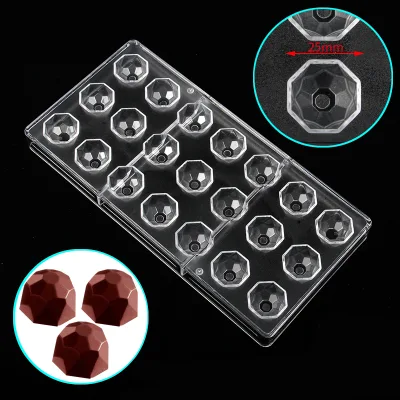
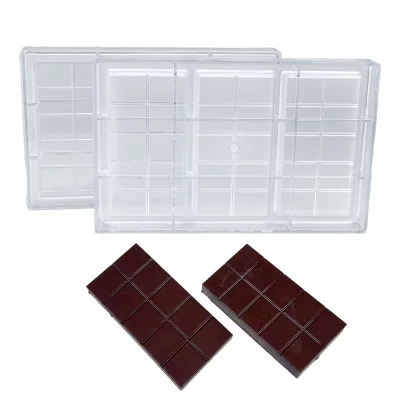
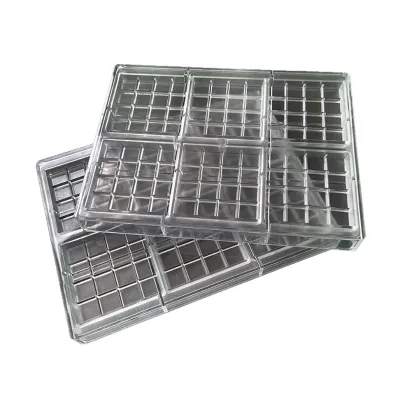
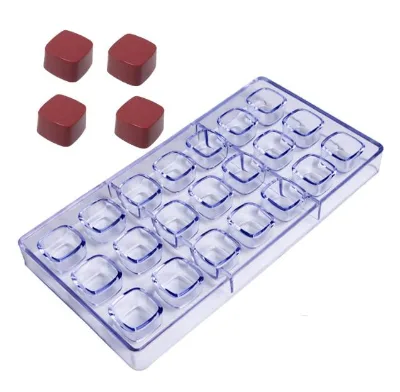
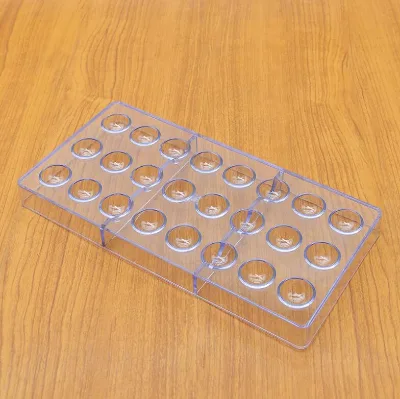
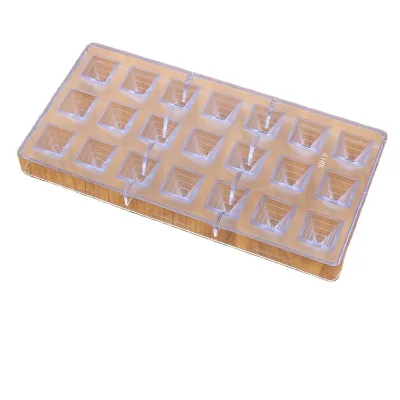
Food Grade High Quantity Polycarbonate Candy Molds Customized Chocolate Mold
$7.50 - $10.00
MOQ: 10 Pieces

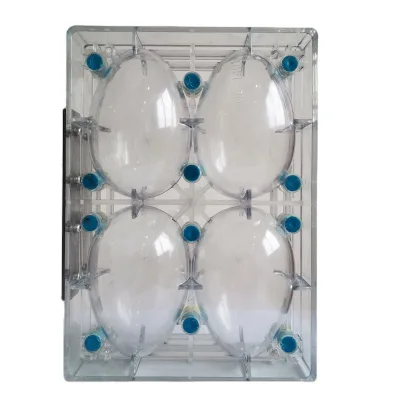
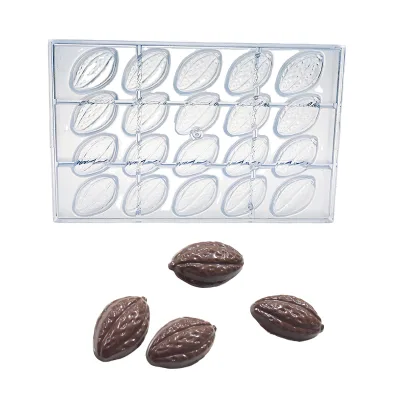
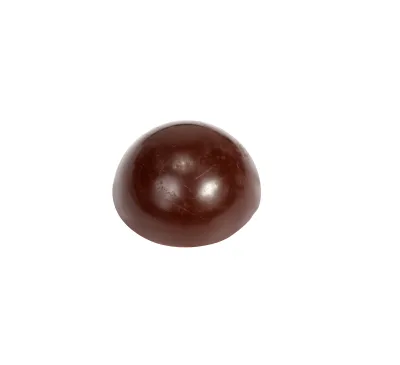
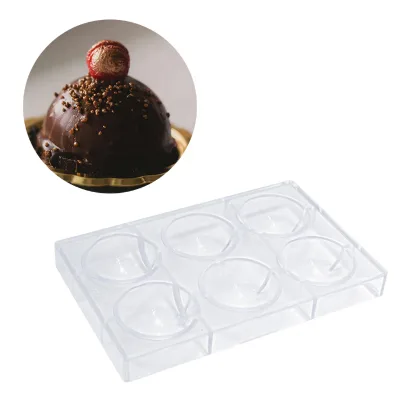
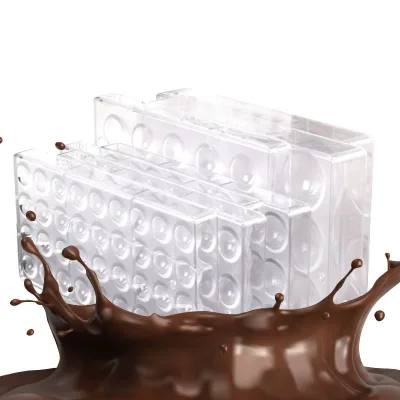
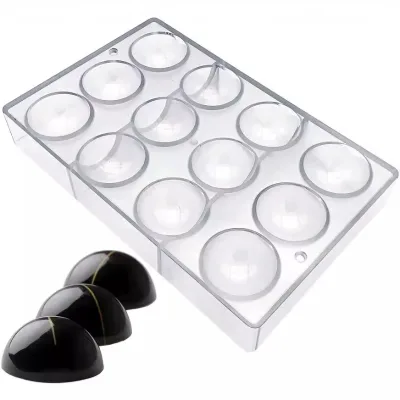
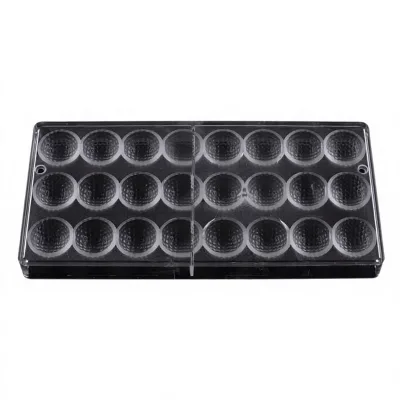
Food Grade High Quantity Polycarbonate Half Sphere Customized Chocolate Mold
$7.50 - $10.00
MOQ: 10 Pieces

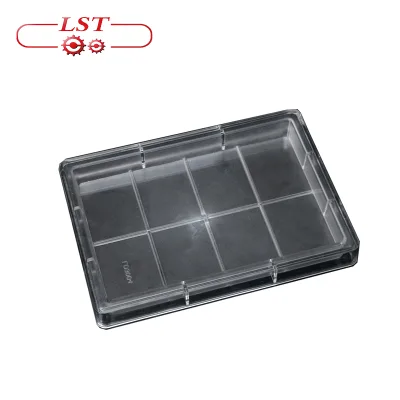
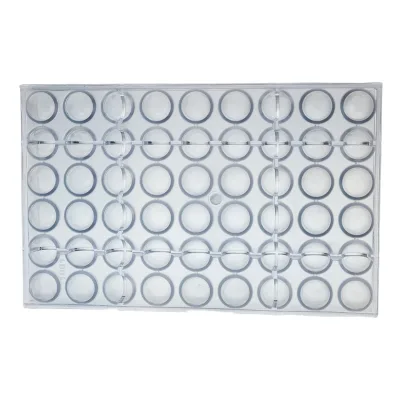
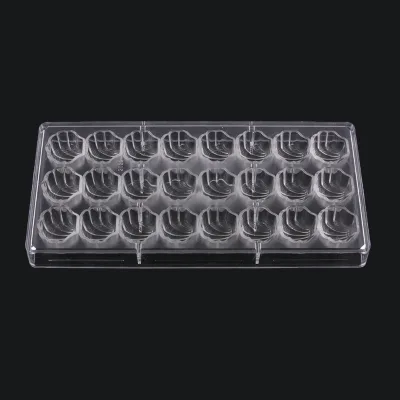
Food Grade High Quantity Polycarbonate Dome Mould Customized Chocolate Mold
$7.50 - $10.00
MOQ: 10 Pieces

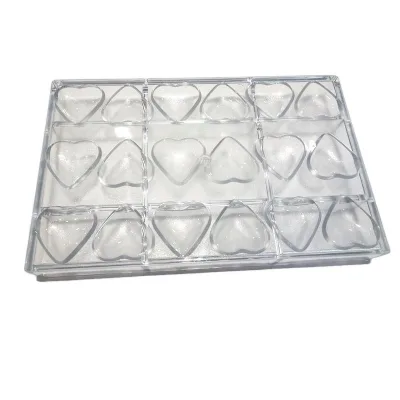
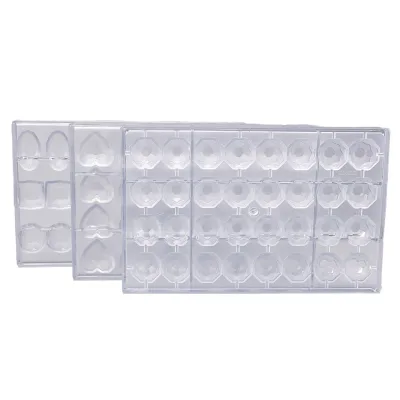
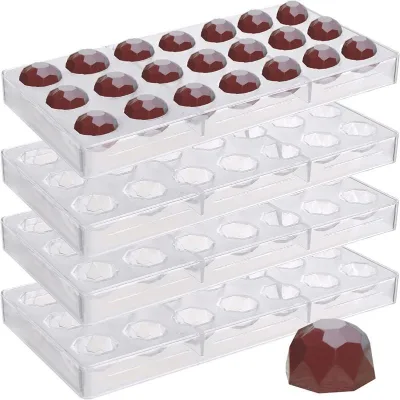
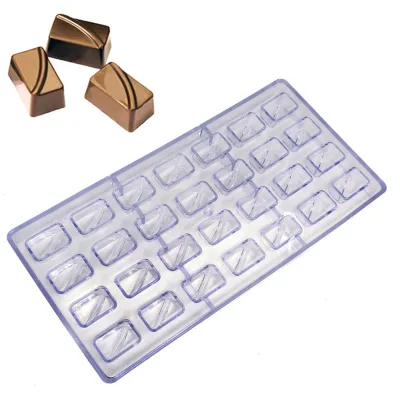
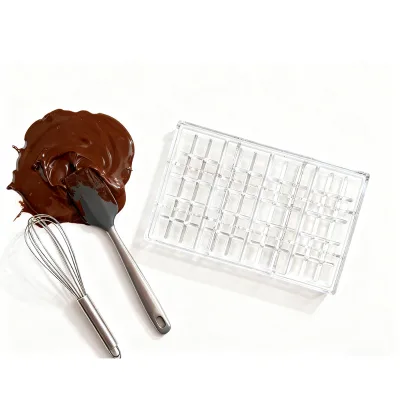
FDA Certificate Custom Polycarbonate Chocolate Molds Plastic Chocolate Molds
$7.50 - $10.00
MOQ: 10 Pieces

Jinjiang Mo Li Jiang Xin Technology Co., Ltd.
- Trading Company
- Fujian, China
- Lead time0 days
- Avg. response≤ 2h
Main productschocolate mold,candy mold,Silicone mold,Pouring aluminum,cake mold
Main marketsSouth Asia(10.00%), Africa(10.00%), Southeast Asia(10.00%), Central America(10.00%), South America(10.00%), North America(10.00%), Domestic Market(5.00%), Oceania(5.00%), Southern Europe(5.00%), Northern Europe(5.00%), Eastern Europe(5.00%), Western Europe(5.00%), Eastern Asia(5.00%), Mid East(5.00%)
Yangjiang Echoes Industrial Co., Ltd.
- Trading Company
- Guangdong, China
- Lead time25 days
- Avg. response≤ 3h
Main productsKitchen Utensils,Nylon Kitchen utensils,Silicone Kitchen Utensils,Silicone Kitchen Gadgets,Nylon Kitchen Gadgets
Main marketsNorth America(30.00%), Northern Europe(12.00%), Southern Europe(9.00%), Southeast Asia(9.00%), Western Europe(8.00%), Africa(8.00%), Oceania(6.00%), Eastern Europe(6.00%), Mid East(5.00%), South America(3.00%), Eastern Asia(2.00%), South Asia(1.00%), Central America(1.00%)
Fujian Lifade Machinery Mould Co., Ltd.
- Manufacturer, Trading Company
- Fujian, China
- Lead time30 days
- Avg. response≤ 7h
Main productschocolate mould,candy mould,gummy mould
Main marketsSoutheast Asia(50.00%), South Asia(30.00%)
Guangdong Beigu Paper Products Co., Ltd.
- Manufacturer, Trading Company
- Guangdong, China
- Lead time0 days
- Avg. response≤ 4h
Main productsPaper Cake Cup; Cake Pads; Baking Paper; Air Fryer Paper; Cake Package
Main marketsDomestic Market(48.00%), Southeast Asia(15.00%), Oceania(10.00%), North America(8.00%), Africa(5.00%), Western Europe(5.00%), South America(3.00%), Eastern Europe(3.00%), Central America(3.00%)
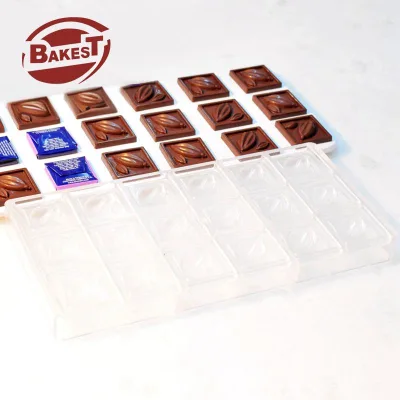
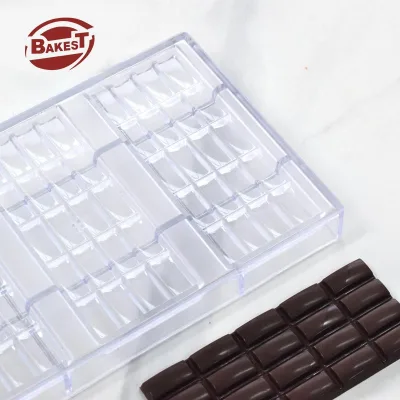
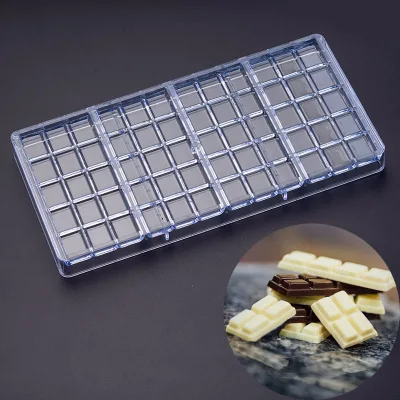
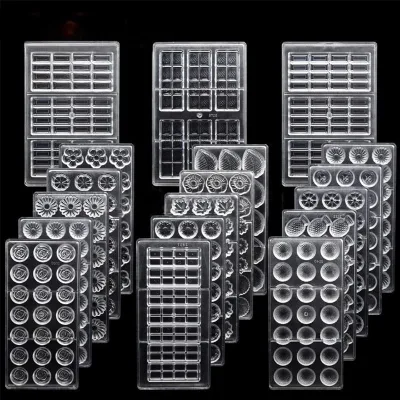
OEM Multiple Styles Polycarbonate Molds for Chocolate Custom Plastic Chocolate Mold
$9.43 - $10.68
MOQ: 60 Minimum
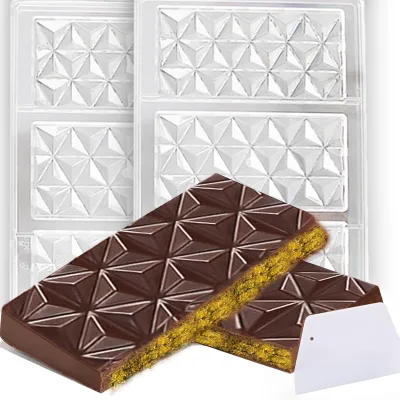
$2.46 - $3.23
MOQ: 60 pieces
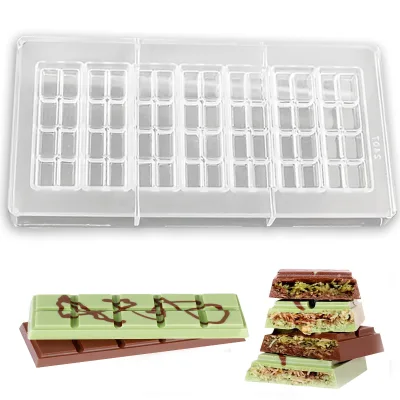
$2.5241 - $3.3151
MOQ: 60 pieces

Ningbo Lufeng Mould Mechanical Co., Ltd.
- Manufacturer, Trading Company
- Zhejiang, China
- Lead time20 days
- Avg. response≤ 3h
Main productsCandy mould,Aluminum die casting,Alcohol furnace,Chocolate molds,Candy production line
Main marketsSouth America(12.50%), Northern Europe(12.30%), Southern Europe(12.00%), North America(11.80%), Southeast Asia(10.00%), Domestic Market(10.00%), Eastern Europe(8.60%), Eastern Asia(6.50%), Oceania(5.20%), Western Europe(2.80%), South Asia(2.80%), Central America(2.50%), Africa(2.00%), Mid East(1.00%)
Chengdu Lst Science And Technology Co., Ltd
- Verified by Intertek
- Manufacturer, Trading Company
- Lead time40 days
- Avg. response≤ 3h
Main productsChocolate Ball Mill, Chocolate Tempering Machine, Chocolate Depositing Machine, Chocolate Coating Machine, Chocolate Holding Tank
Main marketsNorth America(20%), Southeast Asia(20%), South America(15%)
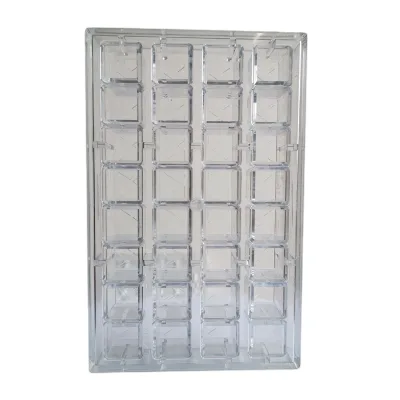
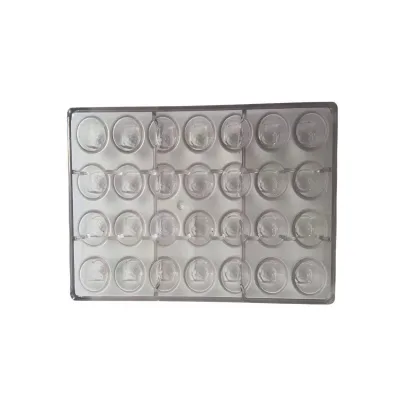
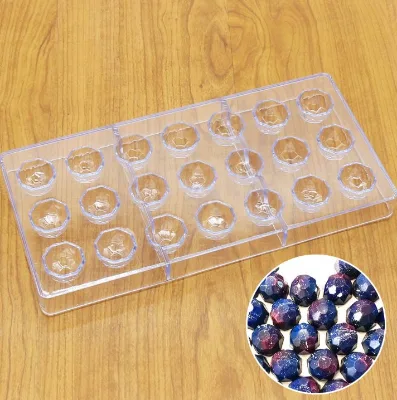
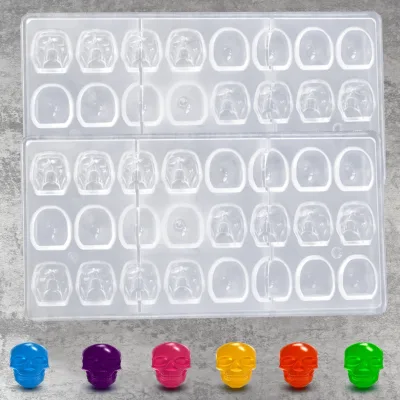
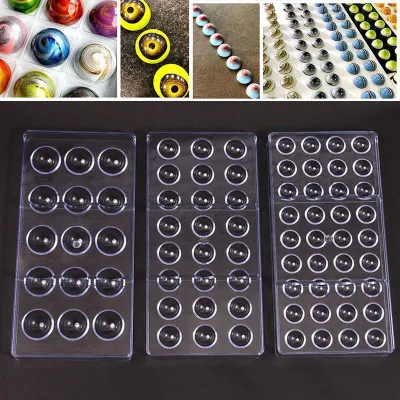
2021 Unique 3D Customized Polycarbonate Chocolate Mold Popular Plastic Candy Chocolate Ice Molds
$7.00 - $8.00
MOQ: 5 pieces
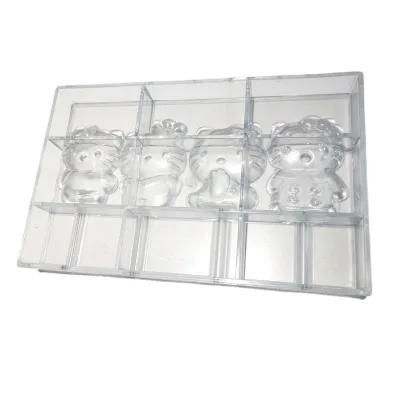
$7.00 - $8.00
MOQ: 5 pieces
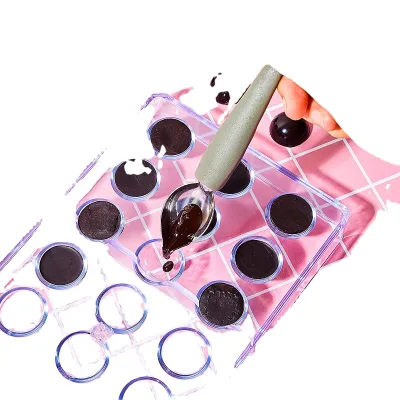
Customized Chocolate Bar Mold Rose Shape for Candy Making Polycarbonate Molds
$8.00 - $8.50
MOQ: 100 pieces
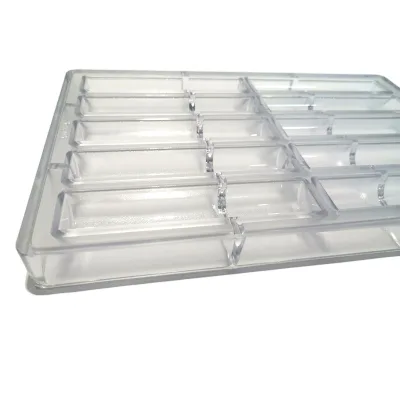
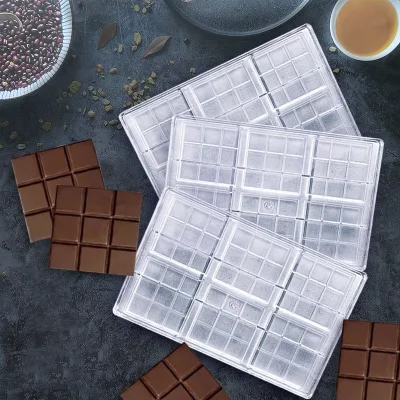
Hot Sale 3D Polycarbonate Chocolate Mold Chocolate Bar Maker Injection Hard PC Candy Molds
$17.00 - $18.00
MOQ: 100
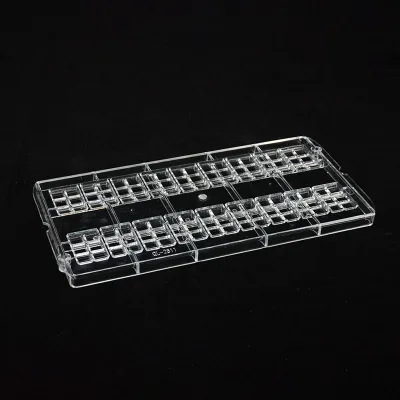
Certificate High Quality Cheap Chocolate Mould Polycarbonate Chocolalte Moulds
$18.00 - $19.00
MOQ: 100
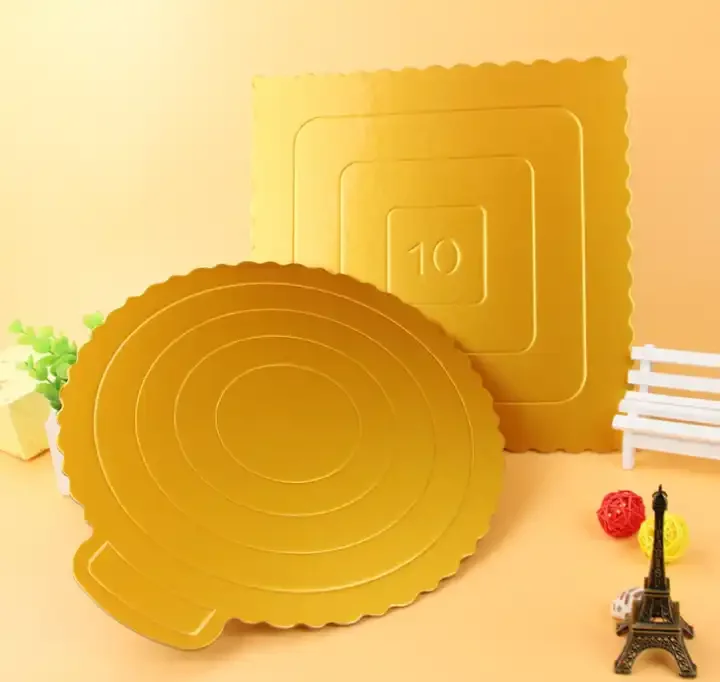
Yiwu Riyuan Goods Trading Co.,Ltd.
- Trading Company
- Zhejiang, China
- Lead time15 days
- Avg. response≤ 6h
Main productsCake Decorating Supplies,cake board,Cake topper,Cake Tools,Baking & Pastry Tools
Main marketsNorth America(20.00%), Southeast Asia(19.00%), South America(16.00%), Western Europe(12.00%), Northern Europe(5.00%), Southern Europe(5.00%), Oceania(5.00%), Eastern Europe(5.00%), Eastern Asia(3.00%), South Asia(3.00%), Africa(3.00%), Central America(2.00%), Mid East(2.00%)
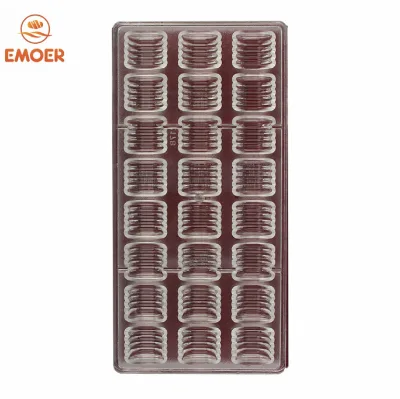
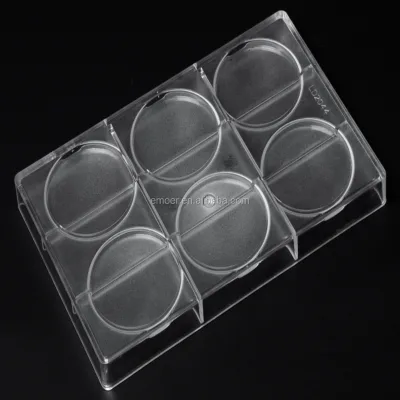
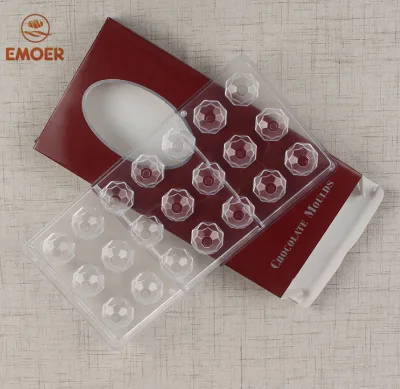
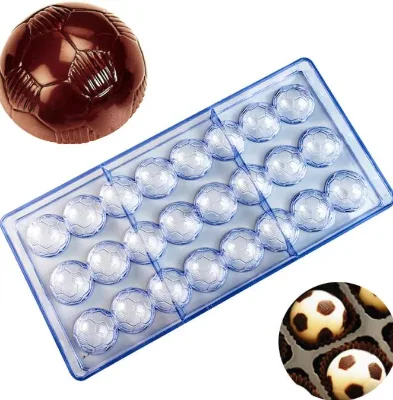
DIY Chocolate Molds Clear Hard Plastic Polycarbonate PC Mould Football Shaped
$1.6044 - $1.6253
MOQ: 200 boxes

Dg Haohong Plastic Hardware Co., Ltd.
- Manufacturer
- Guangdong, China
- Lead time20 days
- Avg. response≤ 3h
Main productsPet Product,Pet Slow feeder,Dog lick mat,Toys and crafts,Art & crafts sets
Main marketsSouth America(20.00%), North America(20.00%), Domestic Market(15.00%), Southern Europe(15.00%), Western Europe(15.00%), Eastern Europe(15.00%)
Guangzhou Chenghi Technology Co., Ltd.
- Manufacturer, Trading Company
- Guangdong, China
- Lead time7 days
- Avg. response≤ 3h
Main productsCake decorating tools,baking tools,Kitchen supplies,cake tools
Main marketsDomestic Market(26.00%), North America(15.00%), Western Europe(8.00%), Africa(8.00%), Mid East(8.00%), Eastern Europe(8.00%), Southern Europe(6.00%), Northern Europe(5.00%), South America(5.00%), Southeast Asia(5.00%), South Asia(4.00%), Oceania(1.00%), Eastern Asia(1.00%)

Ningbo D & R Machinery Co., Ltd.
- Verified by BV
- Combined
- China Zhejiang
- Lead time120 days
- Avg. response≤ 22h
Main productsCandy Machine, Candy Making Machine, Chocolate Machine, Layer Cake and Swiss Roll Plant, Starch Mogul Plant, Lollipop Machine, Hard Candy Machine, Candy Packing Machine, Candy Bar Production Line, Jelly Candy Depositing Machine
Main marketsAfrica,Southeast Asia/ Mideast,Europe,North America


Polycarbonate Chocolate Mould Custom Shape Size Food Grade Easy Demould
$12.00 - $15.00
MOQ: 100 Pieces

Chengdu LST Science and Technology Co.,Ltd
- Verified by Intertek
- Manufacturer, Trading Company
- Lead time60 days
- Avg. response≤ 2h
Main productsChocolate Ball Mill, Chocolate Tempering Machine, Chocolate Depositing Machine, Chocolate Coating Machine, Chocolate Mould
Main marketsNorth America(20%), Southeast Asia(20%), South America(15%)
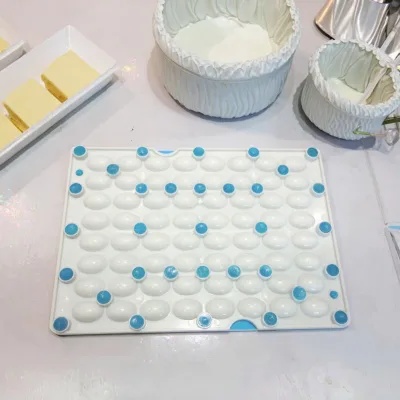
Custom Polycarbonate PC Moulds for Chocolate Cookie Bar Star Chocolate Mold for Cake Tools
$39.00 - $42.00
MOQ: 100
Guangzhou Maisijia Hotel Supplies Co., Ltd.
- Verified by SGS Group
- Trading Company
- Lead time30 days
- Avg. response≤ 5h
Main productsBaking Pan, Cake Stand, Baking Decoration Tools, Baking Paper Products
Main marketsDomestic Market(50%), Southeast Asia(20%), North America(10%)

Guangzhou HY Plastic Co., Ltd.
- Manufacturer, Trading Company, Distributor/Wholesaler
- Guangdong, China
- Lead time5 days
- Avg. response≤ 3h
Main productschocolate mold,cake mold,soap mold,candle mold,cake tools
Main marketsNorth America(30.00%), Eastern Europe(25.00%), Oceania(10.00%), Africa(5.00%), Southeast Asia(5.00%), Northern Europe(5.00%), South America(5.00%), Western Europe(4.00%), South Asia(3.00%), Southern Europe(3.00%), Mid East(3.00%), Domestic Market(1.00%), Eastern Asia(1.00%)

Shenzhen Jasmine Import& Export Ltd.
- Manufacturer, Trading Company
- Guangdong, China
- Lead time20 days
- Avg. response≤ 7h
Main productssilicone kitchenware,silicone promotion gifts,Plastic bottles,stainless steel kitchen tools,silicone kitchen utensils
Main marketsWestern Europe(20.00%), North America(15.00%), Domestic Market(10.00%), South America(10.00%), Northern Europe(10.00%), Eastern Asia(10.00%), Oceania(5.00%), Central America(5.00%), Eastern Europe(5.00%), Southern Europe(3.00%), Southeast Asia(3.00%), Africa(2.00%), South Asia(2.00%)
Guangzhou Yabei Hotel Supplies Co., Ltd.
- Verified by Intertek
- Trading Company
- Lead time30 days
- Avg. response≤ 2h
Main productsCake Mould, Nozzle Tips
Main marketsNorth America(26%), Eastern Europe(26%), South America(25%)
Dongguan Mhc Industrial Co., Ltd.
- Verified by TüVRheinland
- Manufacturer, Trading Company
- Lead time15 days
- Avg. response≤ 2h
Main productsSilicone Kitchenware, Silicone Pet Products, Silicone Baby Products, Silicone Chocolate Mold, Silicone Candle Mold
Main marketsNorth America(30%), Western Europe(20%), Domestic Market(10%)

Guangdong Tangshihoa Industry and Trade Co., Ltd.
- Verified by TUVRHEINLAND
- Combined
- China Guangdong
- Lead time23 days
- Avg. response≤ 8h
Main productsCake Decoration
Main marketsSoutheast Asia/ Mideast



Comprehensive Sourcing Guide
Customized Chocolate Polycarbonate Mold Supplier Concentration and Factory Types
The sourcing landscape for customized chocolate polycarbonate molds reveals a distinct concentration of manufacturing capabilities within specific Chinese industrial hubs. Current supplier result facts indicate that production entities are located in regions such as Sichuan and Fujian, China. These geographic clusters suggest established supply chains for plastic molding and kitchenware manufacturing. Buyers evaluating potential partners should recognize that location data is a primary indicator of logistical efficiency and regional expertise. Suppliers in Sichuan are identified as Manufacturer/Factory entities, which typically implies direct control over the production process, from raw material procurement to final assembly. This factory-type designation is crucial for buyers seeking transparency in manufacturing standards and quality control protocols. In contrast, other results point to Trading Companies located in Fujian, China. Trading entities often aggregate products from multiple factories, which can simplify communication but may introduce layers of markup and reduced visibility into the actual production environment. Understanding this distinction between direct manufacturers and trading intermediaries is essential for determining the appropriate engagement strategy. The presence of both types in the search results highlights the diversity of sourcing options available. Buyers must assess whether they prioritize direct factory access for cost and customization control or the convenience of a trading partner for consolidated logistics. The geographic spread across Sichuan and Fujian also suggests that buyers are not limited to a single regional supplier base, allowing for comparative evaluation of local industrial strengths. This geographic diversity provides flexibility in selecting partners based on proximity to ports or specific manufacturing specializations.
Furthermore, the main products listed by these suppliers offer insight into their operational focus and technical capacity. Suppliers in Sichuan list a broad range of equipment including Chocolate Machines, Chocolate Making Machines, and Chocolate Production Lines, alongside the molds themselves. This suggests a comprehensive capability in chocolate processing technology, which may be beneficial for buyers looking for integrated solutions. The inclusion of Silicone Mold and Chocolate Tempering Machine in their portfolio indicates versatility in material handling and processing equipment. Meanwhile, suppliers in Fujian focus more narrowly on chocolate mold, candy mold, and silicone mold products, with some mentioning pouring aluminum and cake mold capabilities. This specialization in molds and baking tools suggests a deep expertise in the specific geometry and material requirements of confectionery production. The variation in main products between the Sichuan manufacturers and Fujian trading companies reflects different business models and market positions. Buyers should align their sourcing needs with the specific product focus of the supplier type they choose. For instance, a buyer requiring extensive production line integration might prefer the Sichuan-based manufacturer, while one seeking only molds might find the Fujian-based trading company sufficient. This alignment ensures that the supplier’s core competencies match the buyer’s specific operational requirements.
How to Verify Customized Chocolate Polycarbonate Mold Suppliers
Verifying the legitimacy and capability of Customized Chocolate Polycarbonate Mold suppliers requires a multi-layered approach that leverages available verification data and certification evidence. One critical step is to examine the verification status provided by third-party inspection bodies. Current facts indicate that at least one supplier has undergone verification by TUVRHEINLAND, a globally recognized testing and certification organization. This verification status serves as a strong indicator of the supplier’s operational integrity and compliance with international standards. Buyers should prioritize suppliers with such third-party verifications, as they have undergone rigorous audits of their business licenses, factory conditions, and quality management systems. In addition to verification badges, buyers must scrutinize the system certifications held by the supplier. The presence of ISO 9001 certification is a key indicator of a standardized quality management system. This certification implies that the supplier has established processes for consistent product quality, which is vital for customized molds where precision is paramount. Buyers should request copies of these certificates and verify their validity through the issuing body. The combination of TUVRHEINLAND verification and ISO 9001 certification provides a robust foundation for trusting a supplier’s operational reliability. However, buyers should not rely solely on these badges; they should also cross-reference the supplier’s claims with product-level evidence.
Product-level evidence offers another layer of verification, particularly regarding material safety and technical specifications. For customized chocolate molds, food safety is a non-negotiable requirement. Current product facts show that some molds carry CE certification, while others are explicitly labeled with FDA certification. These certifications indicate compliance with specific regulatory standards for materials that come into contact with food. Buyers must ensure that the specific mold they intend to purchase holds the relevant certification for their target market. For example, if selling in the United States, FDA certification is essential, whereas CE is more relevant for European markets. Additionally, buyers should verify the material composition claimed by the supplier. Product attributes list Polycarbonate as the primary material, which is a standard choice for its durability and clarity. However, buyers should confirm that the polycarbonate used is food-grade and free from harmful additives like BPA. The presence of "Food Grade" in product names is a positive signal, but it should be backed by material test reports. Furthermore, buyers should assess the supplier’s response time as an indicator of their customer service quality. A response time of 4.20 hours for one supplier and 2 hours for another suggests varying levels of operational efficiency. Faster response times often correlate with better communication and quicker problem resolution, which is crucial for custom orders. Buyers should use these metrics to gauge the supplier’s readiness to support their specific needs.
What to Compare Across Customized Chocolate Polycarbonate Mold Suppliers
When evaluating multiple suppliers for customized chocolate polycarbonate molds, buyers must systematically compare key operational and commercial dimensions to identify the most suitable partner. One of the most critical factors is the minimum order quantity (MOQ), which directly impacts inventory costs and cash flow. Current data reveals a significant variance in MOQs, with some suppliers requiring a minimum of 100 units, while others accept orders as low as 10 pieces. This disparity allows buyers with smaller budgets or testing needs to engage with suppliers offering lower MOQs, such as the 10-piece threshold. Conversely, buyers planning large-scale production runs might benefit from suppliers with higher MOQs, which often correlate with lower per-unit prices due to economies of scale. Another essential comparison point is the lead time, which determines how quickly orders can be fulfilled. While one supplier lists a lead time of 90 days, another indicates a lead time of 0, which may imply ready-stock availability or a different production model. Buyers must clarify what these lead times entail, whether they include customization time or just shipping. Response time is also a vital metric for assessing supplier responsiveness. A response time of 2 hours versus 4.20 hours can significantly affect the speed of negotiation and issue resolution. Buyers should prioritize suppliers with faster response times, especially for custom projects that require frequent communication and design iterations.
Price and customization capabilities are equally important factors in the comparison process. The price range for polycarbonate molds varies, with some products listed between $7.00 and $8.00, while others range from $7.50 to $10.00. Buyers should analyze these prices in the context of the MOQ and lead time to determine the true cost of ownership. Additionally, the availability of customization services is a key differentiator. Product attributes indicate that customization is available for many molds, with options for custom sizes, designs, and even magnet molds. Buyers should verify the extent of customization offered, including the use of design software like UG for precise engineering. The ability to customize runner types, such as hot runners, and surface finishes, like polishing or mirror polishing, adds value for specific production needs. Furthermore, buyers should compare the after-sales service provided. Some suppliers offer online support and engineer assistance, which can be crucial for troubleshooting production issues. The presence of OEM, ODM, and own brand capabilities, such as LST, indicates the supplier’s flexibility in branding and manufacturing arrangements. By systematically comparing these dimensions, buyers can make informed decisions that align with their operational requirements and budget constraints. This comparative analysis ensures that the selected supplier offers the best balance of cost, quality, and service.
Common Customized Chocolate Polycarbonate Mold Sourcing Risks
Sourcing customized chocolate polycarbonate molds involves several inherent risks that buyers must proactively manage to ensure successful procurement. One significant risk is the discrepancy between claimed certifications and actual product compliance. While suppliers may list FDA or CE certifications, buyers must verify that these apply to the specific mold material and design being purchased. There is a risk that a supplier might hold a general certification but fail to apply it to custom variants, potentially leading to regulatory non-compliance in the buyer’s market. Another risk is the variability in material quality. Although polycarbonate is specified, the grade and purity can vary between suppliers. Low-quality polycarbonate may degrade under high temperatures or release harmful substances, compromising food safety. Buyers should request material safety data sheets and conduct independent testing if necessary. Additionally, the risk of communication breakdowns is heightened in custom orders. Misinterpretation of design specifications can lead to molds that do not meet production needs, resulting in wasted time and resources. This risk is exacerbated when dealing with trading companies that may act as intermediaries, potentially distorting technical details between the buyer and the actual factory.
Logistical and lead time risks are also prevalent in this category. Suppliers may quote optimistic lead times that do not account for customization complexity or production bottlenecks. For instance, a lead time of 90 days might be standard for complex custom molds, but buyers might underestimate the time required for design approval and tooling. Conversely, a lead time of 0 might imply limited stock or generic designs, which may not meet specific customization needs. Buyers must clarify the components of the lead time to avoid production delays. Another risk is the lack of transparency in pricing structures. While unit prices are listed, additional costs for customization, tooling, and shipping may not be immediately apparent. Buyers should seek detailed quotations that break down all costs to avoid unexpected expenses. Furthermore, the risk of intellectual property infringement exists when sharing custom designs with suppliers. Buyers must ensure that confidentiality agreements are in place to protect their proprietary mold designs. Finally, the risk of after-sales service inadequacy cannot be overlooked. If a mold fails or requires modification, the availability of engineer support and warranty terms becomes critical. Buyers should verify the scope of after-sales services, such as online support or on-site assistance, to ensure they have adequate support in case of issues. Mitigating these risks requires diligent due diligence and clear contractual terms.
Customized Chocolate Polycarbonate Mold Regional Sourcing and Logistics
The geographic distribution of suppliers significantly influences logistics strategies and cost structures for customized chocolate polycarbonate molds. Current facts identify manufacturing clusters in Sichuan and Fujian, China, each offering distinct logistical advantages. Sichuan, located in the southwest, is a major industrial hub with access to inland transportation networks. Suppliers in this region may benefit from lower labor and operational costs, which can translate to competitive pricing. However, buyers must consider the distance to major seaports, which may increase shipping times and costs for international orders. In contrast, Fujian, situated on the southeast coast, offers direct access to major shipping routes. This geographic advantage can result in faster transit times and potentially lower freight costs for buyers in North America and Europe. Suppliers in Fujian, often operating as trading companies, may leverage this location to facilitate efficient export logistics. Buyers should evaluate the proximity of the supplier to their target market to optimize shipping routes and reduce lead times. The choice between Sichuan and Fujian suppliers should be based on a holistic assessment of total landed cost, including manufacturing, shipping, and handling fees.
Additionally, the type of supplier entity affects logistical coordination. Manufacturer/Factory entities in Sichuan may have more control over production scheduling,
FAQs
What is the typical MOQ for customized chocolate polycarbonate molds?
Minimum order quantities vary by supplier and mold complexity, with some manufacturers accepting as few as 10 pieces for customized designs and others requiring 100 pieces or more. Custom cavity layouts, dome shapes, and bar formats may carry different thresholds. Always confirm the exact MOQ for your specific design before requesting a quote, since low-volume options often come at a higher per-unit price.
What price range should buyers expect for polycarbonate chocolate molds?
Listed prices for polycarbonate chocolate molds commonly fall between roughly 7 and 10 US dollars per piece, depending on mold size, cavity count, and customization level. Simple bar or candy designs sit near the lower end, while multi-cavity or dome designs cost more. Request itemized quotes that separate tooling, polishing, and packaging costs to compare suppliers fairly.
Which certifications matter for food-contact chocolate molds?
Look for FDA compliance or CE certification on polycarbonate molds intended for food contact, since these indicate the material meets relevant safety standards. Some manufacturers also hold ISO 9001 system certification covering their production quality management. Verify which certification applies to the specific mold model you are buying, because a factory-level certificate does not always cover every listed product.
How long does production and delivery usually take?
Lead times differ significantly between suppliers, ranging from short dispatch for stocked designs to around 90 days for certain manufacturers, so confirm timing early. Custom molds may add design and sampling stages before mass production. Ask whether the quoted lead time covers sample approval, tooling, and shipping separately, and factor in your deadline buffer for reorders during peak seasons.
Can polycarbonate molds be customized to my own design?
Yes, customization is widely offered, with many suppliers designing molds using software such as UG and supporting bar, dome, sphere, egg, and coffee bean shapes. You typically provide drawings or a physical sample, and the supplier confirms feasibility and tooling cost. Clarify whether design files, mold ownership, and future reorder rights belong to you before approving the final sample.
Are these molds suitable for handmade DIY use or only for machines?
Both uses exist among listed products. Some polycarbonate molds are marketed for handmade DIY cooking and baking, while others are designed for machine use with standard sizes like 275 by 175 millimeters or 510 by 225 millimeters. Check the mold dimensions, cavity style, and installation type, then match them to your tempering machine's compatible mold format or your manual filling process.
How durable are polycarbonate chocolate molds compared with silicone?
Polycarbonate molds are rigid, durable to impact and high temperature, and deliver a polished, glossy surface on finished chocolates, which silicone often cannot match. They resist deformation during repeated demolding but can crack if dropped. Mirror-polished surfaces help release chocolate cleanly, so inspect surface finish quality and confirm the polishing process when evaluating samples from any supplier.
Do suppliers offer after-sales support for custom mold orders?
Support varies by supplier. Some manufacturers state they provide engineers and online support after the warranty period, which matters for machine-compatible molds needing fit adjustments. Before ordering, ask what after-sales service applies to your customized mold, whether replacements are available for defective cavities, and how design revisions are handled once the first production sample has been approved.