Source Nitrided Ball Guide Column and Post for Car, Machinery, Hardware
Compare 30 listings for Nitrided Ball Guide Column and Post designed for automotive, machinery, and hardware applications. Buyers can evaluate materials like SKD11 and SUJ2, hardness ratings, and customization options from verified Chinese manufacturers; compare the available evidence and request quotations based on your requirements.
Updated
Key considerations
Products List


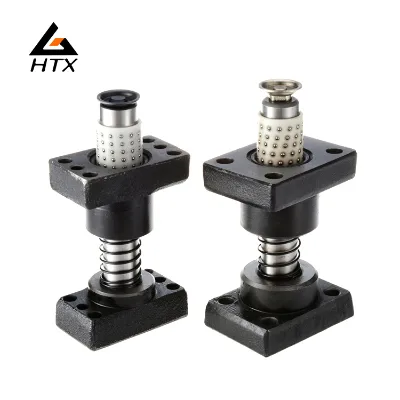
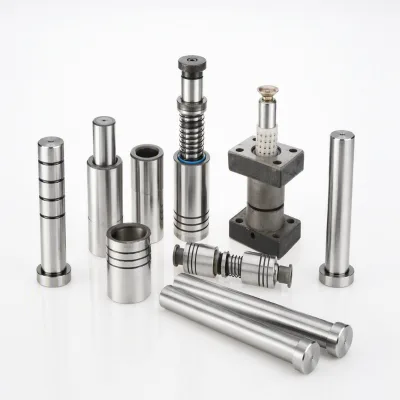
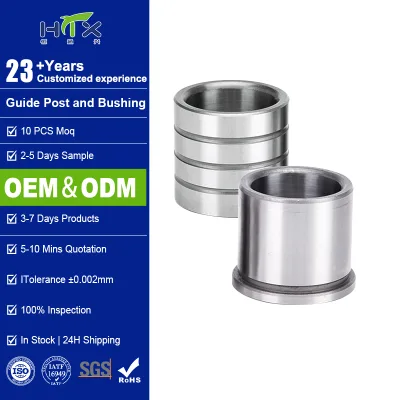
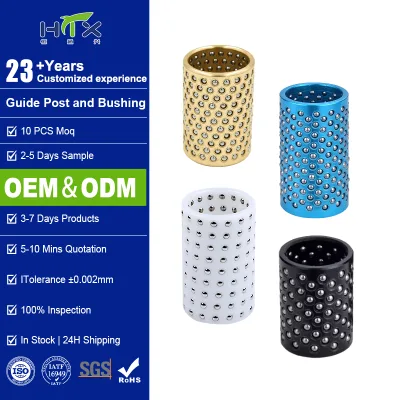


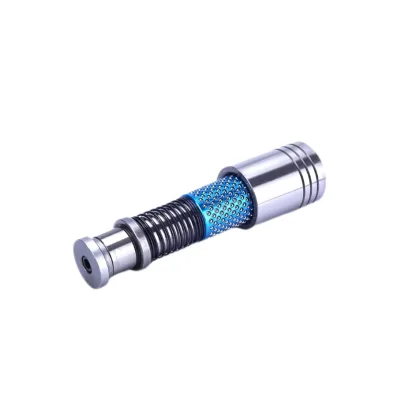
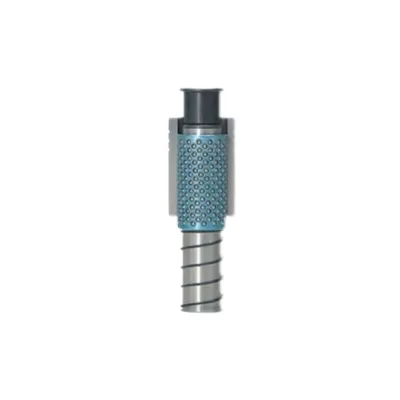
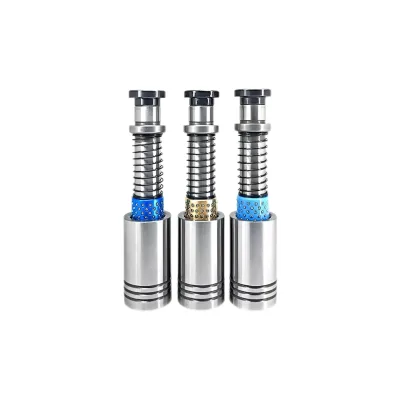
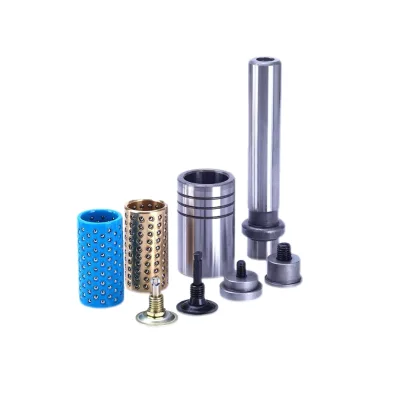
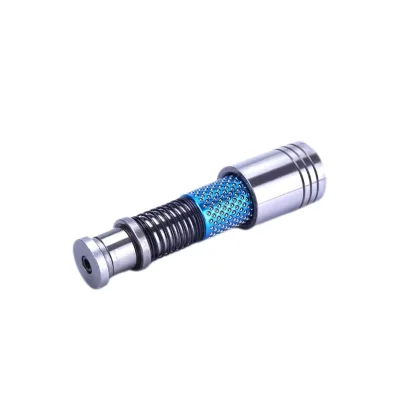
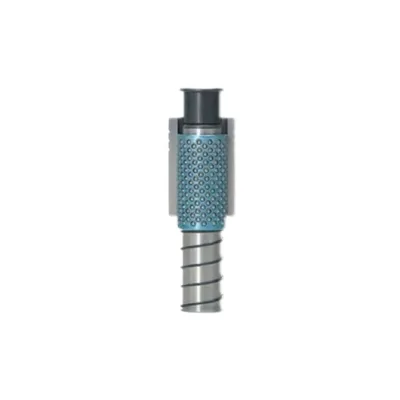
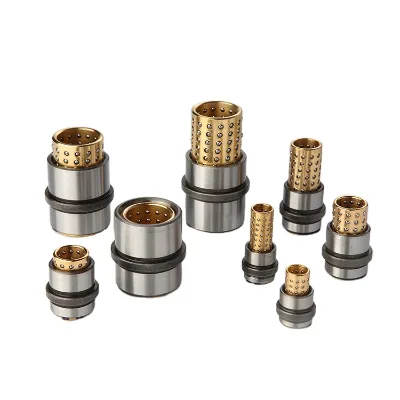
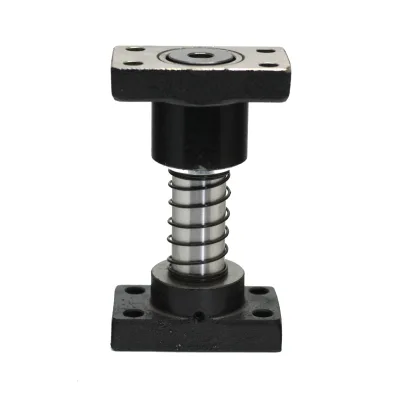
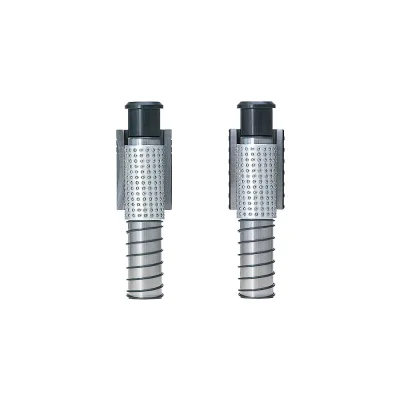
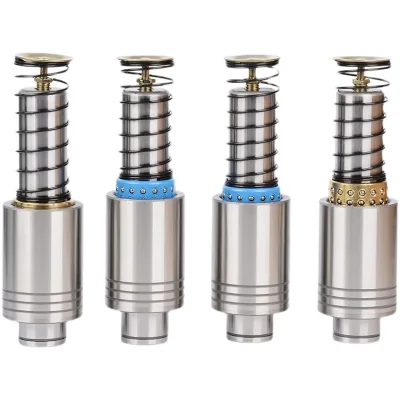
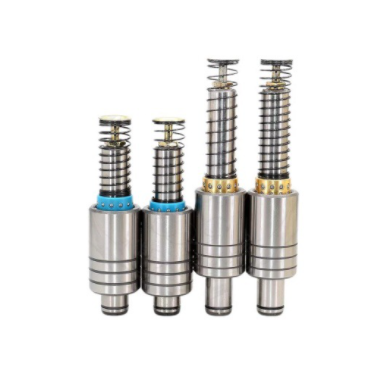
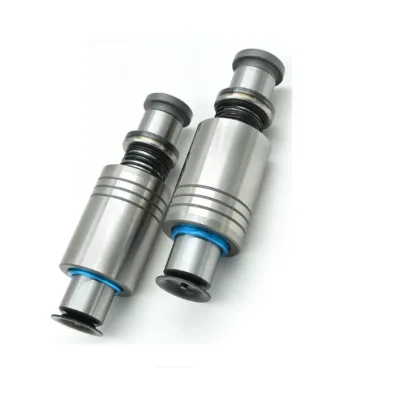

Comprehensive Sourcing Guide
Nitrided Ball Guide Column and Post Sourcing Guide
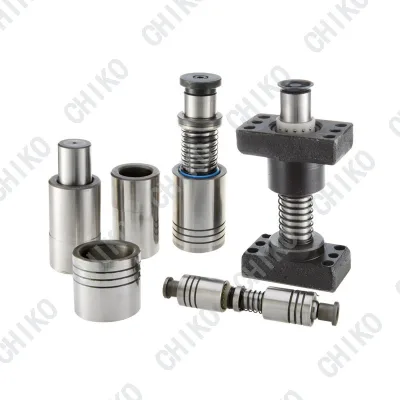
Procuring nitrided ball guide columns and posts requires a precise understanding of the component’s role in maintaining alignment within high-precision stamping and plastic injection molds. These components serve as critical linear motion elements, ensuring that moving mold halves remain perfectly parallel during operation. Buyers must recognize that while the core keyword emphasizes nitrided surfaces, the supplied product data indicates a broader category including plain ball-bearing guide posts and standard guide pillar sets. The distinction between nitrided, plated, and plain finishes is vital, as surface treatment directly impacts friction, wear resistance, and lubrication requirements. Sourcing decisions should begin by clarifying whether the specific application demands the low-friction characteristics of ball-bearing designs or the robust simplicity of plain guide posts.
The observed market signals reveal a diverse range of product attributes, from SKD11 and D2 steel variants to high carbon chrome bearing steel like SUJ2. This variety suggests that buyers cannot assume a single material or finish meets all needs. Nitrided surfaces are often sought for their enhanced hardness and corrosion resistance, but the data also lists TiN and TiCN plating options, which offer different performance profiles. Procurement teams must evaluate the specific wear conditions of their molding processes to determine if nitriding is the optimal choice or if alternative surface treatments provide better cost-performance ratios. Understanding these material distinctions prevents over-specification and ensures that the selected guide columns align with the mechanical demands of the mold.
Product Scope and Observed Listing Signals
The product scope encompasses a wide array of mold components, including vehicle molds, household appliance parts, and hardware stamping dies. Observed listings highlight specific model numbers such as MYKP/MYZP and RBSH/RMSH/RKSH, indicating standardized series that buyers can reference for compatibility. These models often correspond to specific diameter and length combinations, allowing for easier cross-referencing with existing mold designs. The presence of customization options suggests that while standard sizes are available, many buyers require tailored dimensions to fit unique mold cavities. Procurement specialists should verify if the supplier can accommodate custom lengths within the observed range of 50mm to 800mm, ensuring that non-standard requirements do not incur excessive lead times or costs.
Listing signals also reveal significant variation in packaging and shipping methods, ranging from bubble bag and carton combinations to palletizing for larger orders. This diversity impacts logistics planning, as improper packaging can lead to damage during transit, especially for precision-ground components. The observed single package size of 20x15x10 cm and a gross weight of 2.0 kg provide a baseline for freight calculations, but buyers must confirm if these metrics apply to their specific order quantity. Additionally, the mention of various shipping carriers like FedEx, DHL, and UPS indicates that expedited shipping is often available, which can be crucial for urgent mold maintenance or replacement needs. Evaluating these logistical details helps in estimating total landed costs and delivery reliability.
Technical Specifications to Verify
Technical verification must focus on dimensional accuracy and surface finish quality, as these factors directly influence mold performance and longevity. The observed diameter tolerance of G6/H7 (±0.002mm) and straightness of ≤0.003mm/100mm represent high-precision standards that buyers should demand for critical applications. These tight tolerances ensure smooth linear motion and prevent binding or excessive wear in high-speed stamping operations. Procurement teams should request certification or test reports confirming that the guide columns meet these specific geometric tolerances, particularly for nitrided surfaces where heat treatment can induce slight distortions. Verifying these specifications upfront reduces the risk of receiving components that fail to fit properly in the mold bushings.
Hardness and material composition are equally critical technical parameters that require strict verification. The observed hardness range of HRC 60±1 or HRC 60-62, achieved through vacuum heat treatment, indicates a high level of durability suitable for heavy-duty use. Buyers must confirm that the material, whether it be 20CR, 40CR, SUJ2, or SKD11, matches the application’s load and corrosion requirements. For nitrided components, the depth and uniformity of the nitride layer are not explicitly stated in the general data but should be a key point of inquiry. Ensuring that the surface finish is precision ground and polished to Ra 0.2μm or optional mirror polish is essential for reducing friction and preventing galling during operation.
Compliance and Safety Documentation
Compliance documentation serves as a foundational requirement for sourcing guide columns, particularly when they are used in molds that produce consumer goods or automotive parts. The observed certifications, including ISOType:Plastic Mould Parts, ISOCE, and RoHS, indicate that suppliers may adhere to international quality and environmental standards. Buyers should verify the validity and scope of these certifications to ensure they cover the specific manufacturing processes for nitrided and ball-bearing components. RoHS compliance is particularly important for products destined for markets with strict hazardous substance regulations, ensuring that the nitriding process and any associated platings do not introduce prohibited materials.
Safety and operational documentation should also include material test reports and surface treatment specifications. While the data mentions certifications, it does not detail specific safety standards for handling or installation. Buyers should request documentation that confirms the guide columns are free from defects such as cracks or uneven nitriding, which could lead to premature failure. Additionally, understanding the standard lengths and customization options helps in ensuring that the components meet industry norms for mold assembly. Procurement teams should maintain a record of all compliance documents to facilitate audits and ensure that the supplied parts meet the regulatory requirements of the end-user’s industry.
Cost Drivers and Commercial Terms
Cost drivers for nitrided ball guide columns and posts are influenced by material selection, surface treatment complexity, and order volume. The observed price range of $0.1 to $21.67 USD reflects significant variation based on size, material grade, and finish. Nitriding and specialized plating processes like TiN or TiCN add to the manufacturing cost compared to plain guide posts. Buyers should analyze the cost-benefit ratio of these treatments, considering that higher initial costs may be offset by longer service life and reduced maintenance frequency. Understanding these cost drivers allows for more accurate budgeting and prevents unexpected expenses due to over-specification or unnecessary premium features.
Commercial terms, including MOQ and lead times, play a crucial role in procurement planning. The observed MOQ range of 1 to 50 sets offers flexibility for both small repair orders and larger production runs. Buyers should negotiate terms that align with their inventory strategy, considering that custom sizes may have longer lead times than standard models. The availability of customization suggests that suppliers can accommodate unique requirements, but this may impact pricing and delivery schedules. Procurement teams should clarify payment terms, shipping responsibilities, and return policies to mitigate financial risks. Clear communication of these commercial terms ensures a smooth transaction process and aligns expectations between buyer and supplier.
Supplier Qualification and Quality Control
Supplier qualification is essential to ensure that the guide columns meet the required technical and compliance standards. Buyers should verify the supplier’s manufacturing capabilities, particularly their ability to perform precision grinding, polishing, and nitriding processes. The observed origin locations in China, Zhejiang, and Guangdong indicate a concentration of manufacturing expertise in these regions. Procurement teams should assess the supplier’s quality control systems, including their use of CAD design software and adherence to standards like JIS, AISI, ASTM, GB, DIN, and EN. A robust quality control process minimizes the risk of receiving defective components and ensures consistency across batches.
Quality control checks should include dimensional verification, surface finish inspection, and hardness testing. Buyers should request sample inspections or third-party testing reports to validate the supplier’s claims regarding tolerance and material properties. The observed straightness and diameter tolerance specifications provide clear benchmarks for these checks. Additionally, evaluating the supplier’s packaging methods, such as bubble bag and carton or palletizing, helps ensure that components arrive in pristine condition. Establishing a strong relationship with a qualified supplier facilitates better communication and quicker resolution of any quality issues that may arise during production.
Long-Term Procurement Checks
Long-term procurement checks involve monitoring supplier performance and product reliability over time. Buyers should track key performance indicators such as delivery accuracy, defect rates, and responsiveness to issues. The observed customization availability and various model numbers suggest that suppliers can adapt to changing needs, but consistency in quality must be maintained. Regular audits of the supplier’s quality control processes and certification status help ensure ongoing compliance with industry standards. Procurement teams should also evaluate the supplier’s ability to provide technical support and after-sales service, which are crucial for resolving any operational issues related to the guide columns.
Continuous improvement in procurement practices requires staying informed about industry trends and technological advancements in mold components. Buyers should periodically review their specifications to ensure they align with the latest best practices in mold design and manufacturing. The observed range of materials and finishes offers opportunities to optimize performance and cost. By maintaining a proactive approach to supplier management and quality assurance, buyers can ensure that their nitrided ball guide columns and posts continue to meet the demanding requirements of their molding operations. This long-term perspective helps in building a resilient supply chain that supports sustained production efficiency.
FAQs
What materials are used for nitrided ball guide columns?
They are typically made from high carbon chrome bearing steel such as SUJ2 or Gcr15, or alloy steels like 20Cr and 40Cr. These materials are selected for their ability to withstand high hardness levels and provide the necessary structural integrity for precision stamping and plastic injection mold applications.
What is the hardness rating for these guide posts?
The hardness is generally rated at HRC 60±1 or HRC 60-62 after vacuum heat treatment. This high hardness ensures durability and resistance to wear during continuous operation in stamping dies and other high-precision mold components, maintaining accuracy over extended usage periods.
Can these guide posts be customized for specific molds?
Yes, customization is available for model numbers, sizes, and standard lengths ranging from 50mm to 800mm with tight tolerances. Buyers can specify custom dimensions to fit unique mold requirements, ensuring precise alignment and fit within various stamping die or plastic injection mold setups.
What certifications do these mold components hold?
These components typically hold ISO, CE, and RoHS certifications, indicating compliance with international quality and safety standards. The certifications often specify the product type, such as plastic mould parts or stamping die parts, ensuring reliability for industrial applications in automotive and hardware sectors.
What is the minimum order quantity for these items?
The minimum order quantity is usually one set, allowing for flexible procurement for small batches or specific mold repairs. This low MOQ supports buyers who need precise guide post replacements without committing to large inventory volumes, facilitating efficient maintenance and production scheduling.
How are these guide posts packaged for shipping?
They are packaged using bubble bags and cartons, or palletized for larger orders to ensure safe transit. This protective packaging prevents surface damage during shipping, preserving the precision grinding and polishing finish required for accurate guide post performance in high-tolerance mold applications.