Injection Molded Plastic Pillar Column Suppliers and Manufacturers
Explore 16 verified suppliers offering Injection Molded Plastic Pillar Column molds with varying lead times, certifications, and locations. Compare response times, MOQs, and standards to find the right partner for your project needs today; review the available evidence before requesting comparable quotations from suitable candidates.
Suppliers List
Jiaxing Wangzu Industrial Co., Ltd.
- Verified by TUVRHEINLAND
- Combined
- China Zhejiang
- Lead time15 days
- Avg. response≤ 1h
Main productsplastic formwork
Main marketsDomestic

Henan Kejie Industrial Co., Ltd.
- Trading Company
- Henan, China
- Lead time10 days
- Avg. response≤ 3h
Main productsconcrete stamp mold,flower pot planter pot mold,3D block mold,interlock paver mold,column pillar mold
Main marketsAfrica(40.00%), Southeast Asia(20.00%), Mid East(15.00%), South America(4.00%), Western Europe(3.00%), North America(3.00%)

YANCHENG LIANGGONG FORMWORK CO., LTD.
- Verified by TUVRHEINLAND
- Combined
- China Jiangsu
- Lead time30 days
- Avg. response≤ 4h
Main productsHydraulic Auto-Climbing Formwork, Cantilever Climbing Formwork, Timber Beam Formwork, Single-Side Bracket, Tunnel Formwork, Table Formwork, Road and Bridge Steel Formwork, Formwork Accessory, Scaffolding, Slab and Wall Formwork
Main marketsSouth America,Africa,Others(foreignTradeCapacity.exportBusinessCapacityMarketOther),Southeast Asia/ Mideast,Domestic,Europe,Australia,North America


Adjustable Plastic Column Formwork Adjustable Plastic Column Formwork
$10.00 - $100.00
MOQ: 1000 Pieces
Henan Cekly Building Material Co., Ltd.
- Trading Company
- Henan, China
- Lead time10 days
- Avg. response≤ 3h
Main productsMould,Building material,Commodity,Mechanical Parts,Decorative material
Main marketsAfrica(20.00%), Eastern Europe(20.00%), Central America(15.00%), North America(15.00%), Western Europe(10.00%), Oceania(5.00%), Eastern Asia(5.00%), Southern Europe(5.00%), Northern Europe(2.00%), South Asia(1.00%), Mid East(1.00%), South America(1.00%)

QINGDAO BOYUDE MOULD AND PLASTIC CO., LTD
- Verified by SGS
- Combined
- China Shandong
- Lead time45 days
- Avg. response≤ 7h
Main productsPlastic Parts, Plastic Products, Injection Molded Parts, Plastic Injection Mould, Plastic Fittings, Plastic Component, Plastic Corner, Plastic Buckle, Injection Molding
Main marketsEast Asia(Japan/ South Korea),Europe


Plastic Enclosure Injection Moulded Plastic Mold Injection Moulding Plastic Mould
$500.00 - $800.00
MOQ: 1 Pieces

Dongguan Riteng Industrial Co., Ltd.
- Trading Company,Manufacturer/Factory
- China Guangdong
- Lead time15 days
- Avg. response≤ 25h
Main productsPlastic Extrusion Profiles, Plastic Injection Profiles, Aluminum Extrusion Profiles, Nft Hydroponic System, Low-Smoke Halogen-Free Trunking
Main marketsSouth America,Eastern Europe,Mid East,North America,Southeast Asia,Eastern Asia,Oceania,Western Europe,Africa
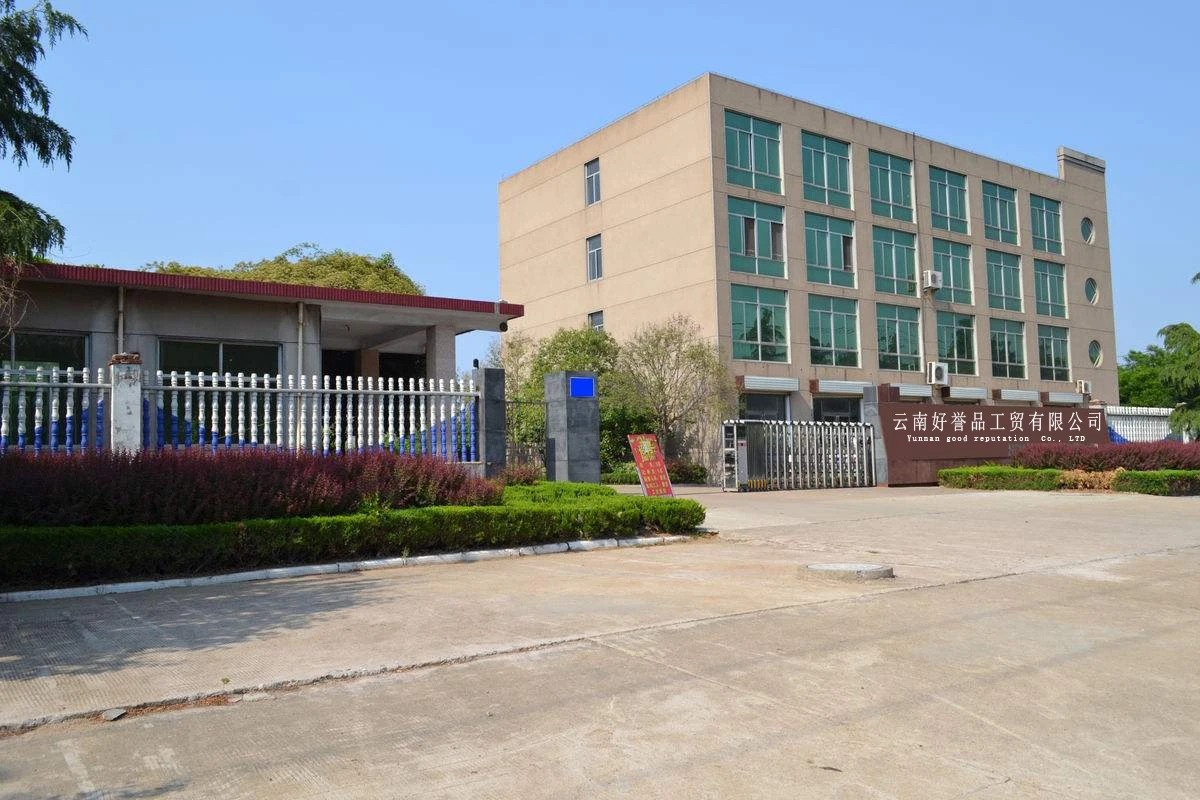
Yunnan Good Reputation Products Industry And Trade Co., Ltd.
- Manufacturer, Trading Company
- Yunnan, China
- Lead time7 days
- Avg. response≤ 2h
Main productsConcrete Molds Mould,High Precision Moulds,Abs Injection Mould,resin molds,plastic mold
Main marketsNorth America(30.00%), Africa(10.00%), Mid East(10.00%), Southeast Asia(9.00%), South Asia(8.00%), Western Europe(8.00%), Eastern Asia(8.00%), Eastern Europe(8.00%), Domestic Market(6.00%), Northern Europe(2.00%), Southern Europe(1.00%)
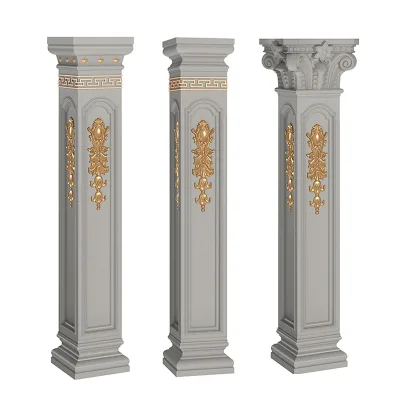
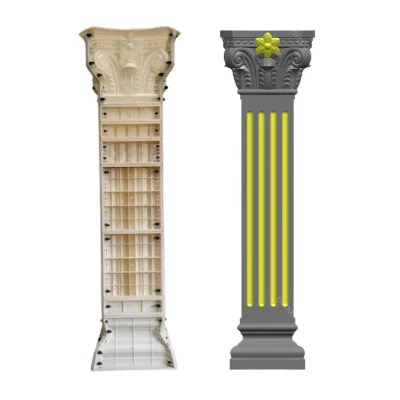
New Design Classic Strip Plastic European Pillar Mould Column Injection Concrete Cement Mold
$152.90 - $308.90
MOQ: 1 Minimum
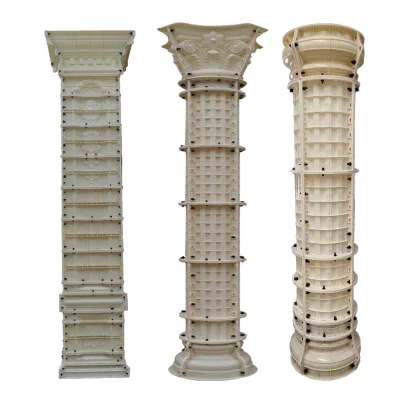
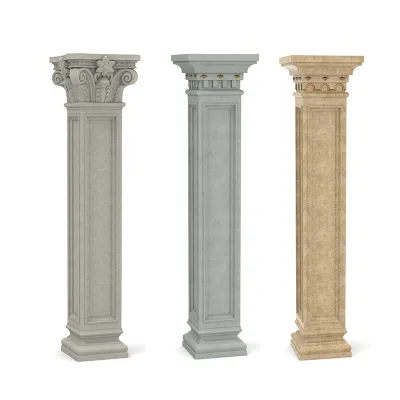
Square Shape Elephant Capital Pattern Column Pillar Mould for Precast Concrete Pillar
$94.91 - $188.81
MOQ: 2 Minimum
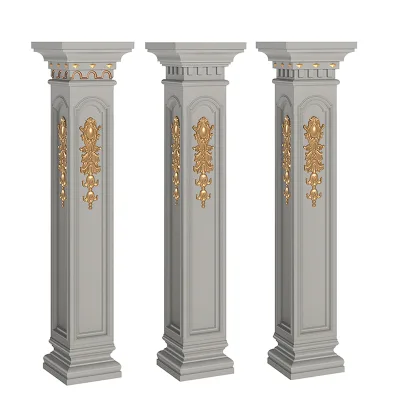
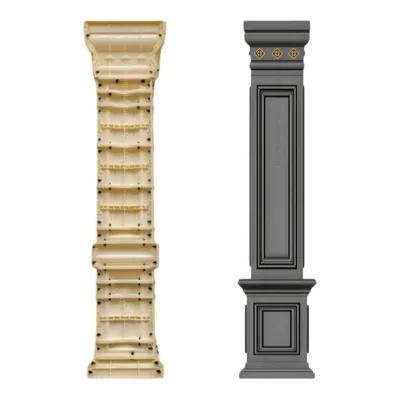
$156.05 - $315.26
MOQ: 1 Minimum
$157.45 - $318.09
MOQ: 1 Minimum
$152.90 - $308.90
MOQ: 1 Minimum

Taizhou City Huangyan Beiwei Mould Industry Co., Ltd.
- Verified by SGS
- Combined
- China Zhejiang
- Lead time30 days
- Avg. response≤ 5h
Main productsPlastic Mold, Plastic Mould, BMC/SMC/DMC/Gmt Compression Mould, Glass Fiber Mould, Automotive Mould, Motorcycle Mould, Household Plastic Mould, Home Appliance Mould, Injection Mould, Injection Molding
Main marketsAfrica,Others(foreignTradeCapacity.exportBusinessCapacityMarketOther),Southeast Asia/ Mideast,East Asia(Japan/ South Korea),Europe,Australia,North America

MTM BUILDING MATERIALS CO., LTD.
- Verified by BV
- Trading Company
- China Hebei
- Lead time15 days
- Avg. response≤ 4h
Main productsPP Formwork, Formwork System, Scaffold, Steel Prop, Formwork, Plastic Formwork, Scaffoldingg, Base Jack, PVC Formwork, Coupler
Main marketsSouth America,Africa,Southeast Asia/ Mideast,Europe,Australia,North America

Yuyao Xianghao Mold Technology Company Limited
- Verified by BV
- Trading Company
- China Zhejiang
- Lead time30 days
- Avg. response≤ 10h
Main productsInjection Mold, Plastic Mold, Injection Molding, Rapid Prototyping, 3D Pritting, Manhole Cover Mold, Silicone Rubber Mould, Wire Rack, Car Air Compressor, LED Light
Main marketsNorth America


MOQ: 1 Pieces

Zhengzhou Songmao Building Materials Co., Ltd.
- Verified by TUVRHEINLAND
- Combined
- China Henan
- Lead time30 days
- Avg. response≤ 4h
Main productsPlastic Formwork, Frame Formwork, Steel Prop, Mobile Frame Scaffolding, Electric Lifting Scaffold
Main marketsAfrica,Southeast Asia/ Mideast,Europe,North America

China Green Versatile Use Plastic Pillar Column Mold Construction Templates for Concrete
$8.90 - $12.00
MOQ: 100 Pieces

High Quality Concrete Pillar Mold Plastic Column Wall Formwork for Concrete
$8.90 - $15.00
MOQ: 100 Pieces

$8.90 - $15.00
MOQ: 100 Pieces

$8.90 - $15.00
MOQ: 100 Pieces

Reinforced Construction Shuttering Plastic Concrete Pillar Mould for Column with Accessory
$8.90 - $15.00
MOQ: 100 Pieces

Songmao 60s Reusable Adjustable Plastic Concrete Column Mold Pillar Mold Formwork
$8.90 - $15.00
MOQ: 100 Pieces

Ningbo Moldor Plastic Co., Ltd.
- Combined
- China Zhejiang
- Lead time23 days
- Avg. response≤ 2h
Main productsInjection Mold, Plastic Products, Plastic Toys, Warning Household Lights, OEM Products Design, Household Article, Household Electronic Products, Auto Parts, Plastic Jar, Plastic Sprayer
Main marketsSoutheast Asia/ Mideast,Europe,North America
Zhengzhou Renfa Machinery & Equipment Co., Ltd.
- Trading Company
- Lead time旺季: "1 - 5":20,"> 5":"To be negotiated", 淡季: "1 - 5":20,"> 5":"To be negotiated"
- Avg. response≤ 1h
Main productsartificial stone molds,Concrete Stamp Mold,plastic paver mold,European building mold

Kangde Electronic Technology (Guangdong) Co., LTD
- Verified by TUVRHEINLAND
- Combined
- China Guangdong
- Lead time30 days
- Avg. response≤ 4h
Main productsPlastic Injection Mould, Auto Plastic Parts, Electronic Plastic Parts, Mobile Phone Housing, Camera Housing, Remoter Housing, Loudspeaker Housing, Plastic Sheets, Smart Sweeper, Hardware
Main marketsEurope
Chengdu Donglu Shunhe Trading Co., Ltd.
- Trading Company
- China Sichuan
- Lead time0 days
- Avg. response≤ 1h
Main productsScaffolding Formwork Roman Columns Steel Supp


Plastic Column Formwork Modern Concrete Pillar Mould Plastic Formwork System ABS PP
$2.00 - $7.00
MOQ: 100 Square Meters

Jiangxi Ayrtter Mass Transfer Technology Co., Ltd.
- Verified by SGS
- Combined
- China Jiangxi
- Lead time15 days
- Avg. response≤ 3h
Main productsPall Ring, Imtp, Tri Pack, Snowflake Ring, Multi Layer Filter, Structured Packing, Demister, Ceramic Ball, Distributor, Mbbr Media
Main marketsSouth America,Africa,Southeast Asia/ Mideast,East Asia(Japan/ South Korea),Domestic,Europe,Australia,North America


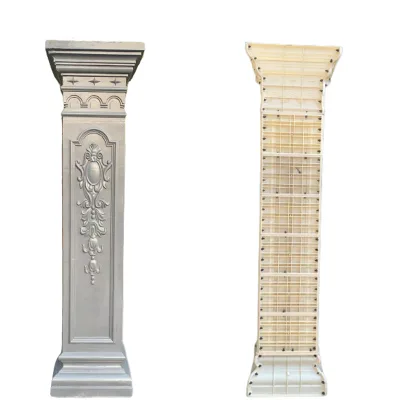


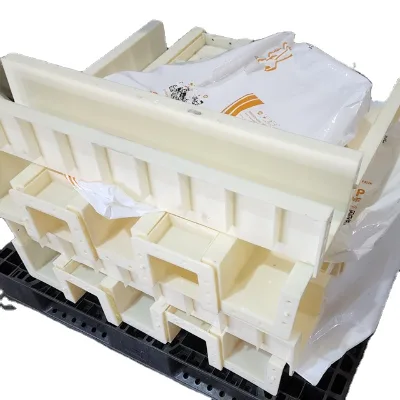
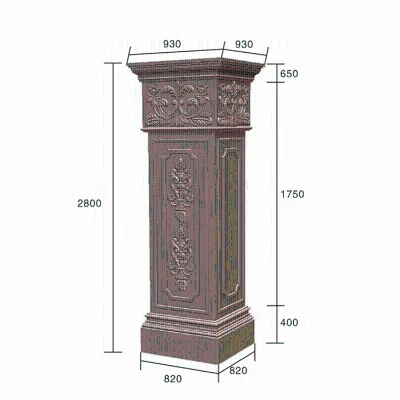


Comprehensive Sourcing Guide
Injection Molded Plastic Pillar Column Supplier Concentration and Factory Types
Current data indicates a concentration of suppliers in China, specifically within the Zhejiang, Henan, and Jiangsu provinces. Factories in Zhejiang are identified as combined entities offering ODM, OEM, and own-brand services, while those in Henan appear as trading companies specializing in concrete stamp molds and column pillar molds. Jiangsu-based suppliers focus on hydraulic auto-climbing formwork and tunnel formwork, suggesting a regional specialization in larger structural systems rather than individual pillar molds. Buyers should verify if a supplier's primary product list aligns with their specific need for injection molded plastic pillars, as some entities may list related construction molds without specializing in the exact injection molding process required for high-volume pillar production.
When assessing factory types, the distinction between combined manufacturers and trading companies is critical for supply chain stability. Combined suppliers in Zhejiang often possess direct control over the injection molding process, evidenced by their capability to handle custom designs and own-brand production. In contrast, trading companies in Henan may aggregate products from various factories, offering a wider variety of mold types like flower pot planters or interlock pavers alongside pillar molds. Buyers must confirm whether the supplier owns the production facility or acts as an intermediary, as this impacts the ability to customize mold cavities, adjust material specifications, and manage quality control directly during the manufacturing phase.
How to Verify Injection Molded Plastic Pillar Column Suppliers
Verification of supplier credibility relies heavily on third-party audit reports and system certifications found in the product data. Several suppliers display ISO9001:2015 certificates, and specific entities hold TUVRHEINLAND verification status, which serves as a tangible indicator of operational compliance and quality management systems. Buyers should request the actual certificate documents to confirm the scope of certification covers plastic injection molding and pillar production. The presence of an ISO certification alone is insufficient; the verification badge from a recognized body like TÜV Rheinland provides a higher confidence level regarding the supplier's adherence to international standards for manufacturing processes and product safety.
Response time and online service availability are also key metrics for verifying supplier reliability and communication efficiency. Data shows response times ranging from 0.83 to 3 hours, with some suppliers offering 21-hour online service windows. A rapid response time suggests a dedicated sales team and active inventory management, which is essential for resolving technical queries about mold dimensions or material properties quickly. Buyers should test the communication channel by asking specific questions about customization capabilities, such as the availability of Pro-E design software or hot runner systems, to gauge the technical depth of the support team before committing to an order.
What to Compare Across Injection Molded Plastic Pillar Column Suppliers
Comparing suppliers requires a detailed analysis of lead times, minimum order quantities, and pricing structures to ensure alignment with project schedules and budget constraints. Lead times vary significantly, with some suppliers offering a 10-day turnaround while others require 15 days. Minimum order quantities (MOQ) also differ, ranging from a single piece for certain custom molds to 300 units for standard production runs. Buyers must calculate the total cost of ownership by factoring in these MOQs, as a lower unit price might be offset by the need to purchase a larger volume than initially required, potentially leading to excess inventory or storage costs.
Product specifications and material properties provide another critical dimension for comparison across different supplier offerings. Available data highlights variations in plastic materials, including ABS, PP, and rubber, as well as differences in mold standards like HASCO and specific dimensions such as 230x12x12 or 250x15x15. Some suppliers offer customization for hole shapes, colors, and surface finishes, while others provide fixed standard products. Buyers should compare the technical attributes, such as the number of mold cavities, runner types, and surface finish processes like polishing, to ensure the selected supplier can meet the precise engineering requirements of the concrete pillar application.
Common Injection Molded Plastic Pillar Column Sourcing Risks
One significant risk involves the discrepancy between advertised capabilities and actual production capacity, particularly regarding customization and material consistency. While some suppliers claim "Environmental Protection" material properties and "High Quality" standards, the specific plastic composition and durability under load may vary between batches. Buyers face the risk of receiving molds that do not match the specified thickness or weight, such as the 7mm-16mm range or 2.5kg/pc weight mentioned in some listings. Without rigorous pre-shipment inspection or sample verification, there is a potential for receiving molds that fail to produce consistent concrete pillars, leading to project delays and material waste on the construction site.
Another risk pertains to the reliability of delivery timelines and the complexity of logistics for heavy or oversized molds. Although some suppliers list a 10-day delivery time, the actual shipping duration depends on the port of dispatch, which can vary from Qingdao to Shenzhen. The risk of delays increases if the supplier is a trading company rather than a direct manufacturer, as they may face bottlenecks in coordinating with multiple factories. Additionally, the packaging details, which may range from cartons to woven bags, must be sufficient to protect the molds during transit. Buyers should verify the packaging standards and insurance coverage to mitigate the risk of damage during international shipping.
Injection Molded Plastic Pillar Column Regional Sourcing and Logistics
Sourcing from China offers access to established manufacturing clusters in Zhejiang, Henan, and Jiangsu, each with distinct logistical advantages. Zhejiang suppliers often utilize major ports like Ningbo and Shanghai, facilitating efficient export for large orders. Henan-based suppliers may dispatch from inland ports like Zhengzhou or nearby coastal hubs, potentially affecting transit times to international destinations. Buyers should evaluate the proximity of the supplier's factory to the port of dispatch to minimize inland transportation costs and reduce the risk of logistical delays. The specific port listed, such as Qingdao, Tianjin, or Guangzhou, will directly influence the freight cost and the estimated time of arrival for the goods.
Logistics planning must also account for the specific dimensions and weight of the injection molded pillar columns to optimize container loading. Products like the 250x15x15 molds or the 150*H700mm baluster molds require careful stacking and securing to prevent damage during transit. Buyers should confirm the packaging details, such as whether the molds are packed in cartons or woven bags, and whether custom packaging is available for fragile components. Understanding the supply ability, such as the 10,000 pieces per month capacity mentioned by some suppliers, helps in planning bulk shipments to maximize container utilization and reduce per-unit shipping costs.
Injection Molded Plastic Pillar Column Commercial Terms and Order Planning
Commercial terms regarding pricing and payment structures vary widely among suppliers, with unit prices ranging from approximately 29.68 to 40.00 USD depending on the model and customization level. Buyers must clarify whether the quoted price includes tooling costs, especially for custom molds, and if there are additional fees for design software usage like Pro-E. The minimum order quantity is a critical factor in order planning, as some suppliers require a minimum of 100 or 300 units, while others accept single-piece orders for prototyping. Understanding these thresholds is essential for determining the most cost-effective order size that balances inventory needs with cash flow constraints.
Order planning should also incorporate the warranty and service terms provided by the supplier to ensure long-term operational reliability. Some suppliers offer warranties based on usage cycles, such as 1000 times, and provide 21-hour online service for technical support. Buyers should verify the specific terms of the warranty, including what constitutes a defect versus normal wear and tear, and the process for claiming replacements or repairs. Additionally, the availability of after-sales service, such as the ability to provide replacement parts or technical assistance for mold maintenance, is crucial for maintaining production efficiency and minimizing downtime in the concrete pillar manufacturing process.
FAQs
Where are these plastic pillar molds manufactured?
Manufacturers are located in China, specifically in Zhejiang, Henan, and Jiangsu provinces. These regions host suppliers offering combined services and trading companies. Buyers should verify the specific factory address for each order to ensure accurate logistics planning and shipping costs.
What is the typical lead time for delivery?
Lead times vary between 10 and 15 days depending on the supplier and order volume. Some manufacturers in Henan offer faster turnaround within 10 days, while others in Zhejiang may require up to 15 days. Confirm the exact schedule before placing an order to avoid delays.
What are the minimum order quantities for these molds?
Minimum order quantities range from 1 piece to 300 pieces based on the specific product model. Some suppliers accept single-piece orders for custom designs, while standard molds often require a batch of 100 or 300 units. Check the specific listing for the exact MOQ requirement.
Are these molds certified for quality standards?
Many suppliers hold ISO9001:2015 certification and verify their systems through TUVRHEINLAND. Products also meet specific standards like HASCO and feature environmental protection materials. Buyers should request the current certificate copy to confirm compliance with their local safety and quality regulations.
How quickly do suppliers respond to inquiries?
Response times vary, with some suppliers replying within 0.83 hours and others taking up to 3 hours. Fast response is common for manufacturers offering 21-hour online service. Prompt communication helps clarify customization needs and ensures timely project scheduling for your construction requirements.
What materials are used to make these molds?
Molds are primarily constructed from ABS, PP, and rubber materials to ensure durability. Some high-quality options use specific plastic grades for injection molding processes. The material choice affects the mold lifespan and the surface finish of the resulting concrete pillars, so verify the specification list.
What is the price range for these plastic molds?
Prices typically range from 29.68 to 40.00 per unit depending on size and customization. Specific models like square pillar molds may cost around 35.00, while larger or custom designs can reach nearly 300.00. Always check the current price list for the exact model you need.