Injection Plastic Mould Sprue Bushing Suppliers and Manufacturers
Source 16 verified Injection Plastic Mould Sprue Bushing suppliers from China. Compare key dimensions including ISO 9001 certification, response times, lead times, and pricing. Review product specifications and request quotes directly to streamline your procurement process; review the available evidence before requesting comparable quotations from suitable candidates.
Suppliers List

Shenzhen Godo Precision Parts Co., Ltd.
- Trading Company,Manufacturer/Factory
- China Guangdong
- Lead time15 days
- Avg. response≤ 14h
Main productsMould Standard Part, Mould Non-Standard Part, Mold Part, Multi-Cavity Mold Core, Mold Parts Processing
Main marketsSouth America,Eastern Europe,Mid East,North America,Southeast Asia,Eastern Asia,Oceania,Western Europe,Africa


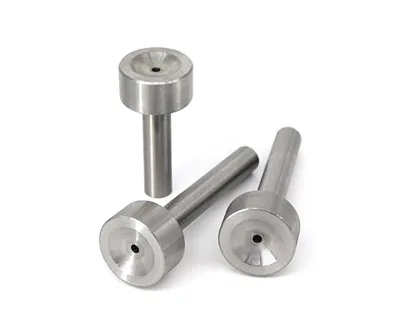
Mould Injection Stepped Type Sprue Bushing
MOQ: 1 Pieces

Sprue Bushing Standard Plastic Mould
MOQ: 1 Pieces

Cungang Mold Fittings Co., Ltd.
- Verified by SGS
- Combined
- China Zhejiang
- Lead time23 days
- Avg. response≤ 9h
Main productsGuiding Compnents Mold Part, Series Mold Parts with Guide Bush Punch, Excellent Aluminium Ballbearing Guide Post Ste
Main marketsAfrica,Southeast Asia/ Mideast,Europe,North America


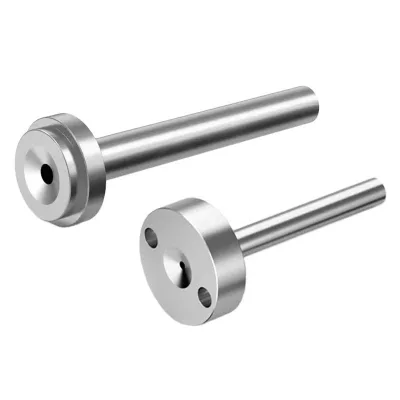
Mould Parts Round Plastic Runner Waterway Tunnel Bushing Sprue Guide Bushing
$0.54 - $1.80
MOQ: 10 Pieces


General Mold Cumsa Components Heated Injection Mould Sprue Bush Bushing for Mold
$0.54 - $1.80
MOQ: 10 Pieces

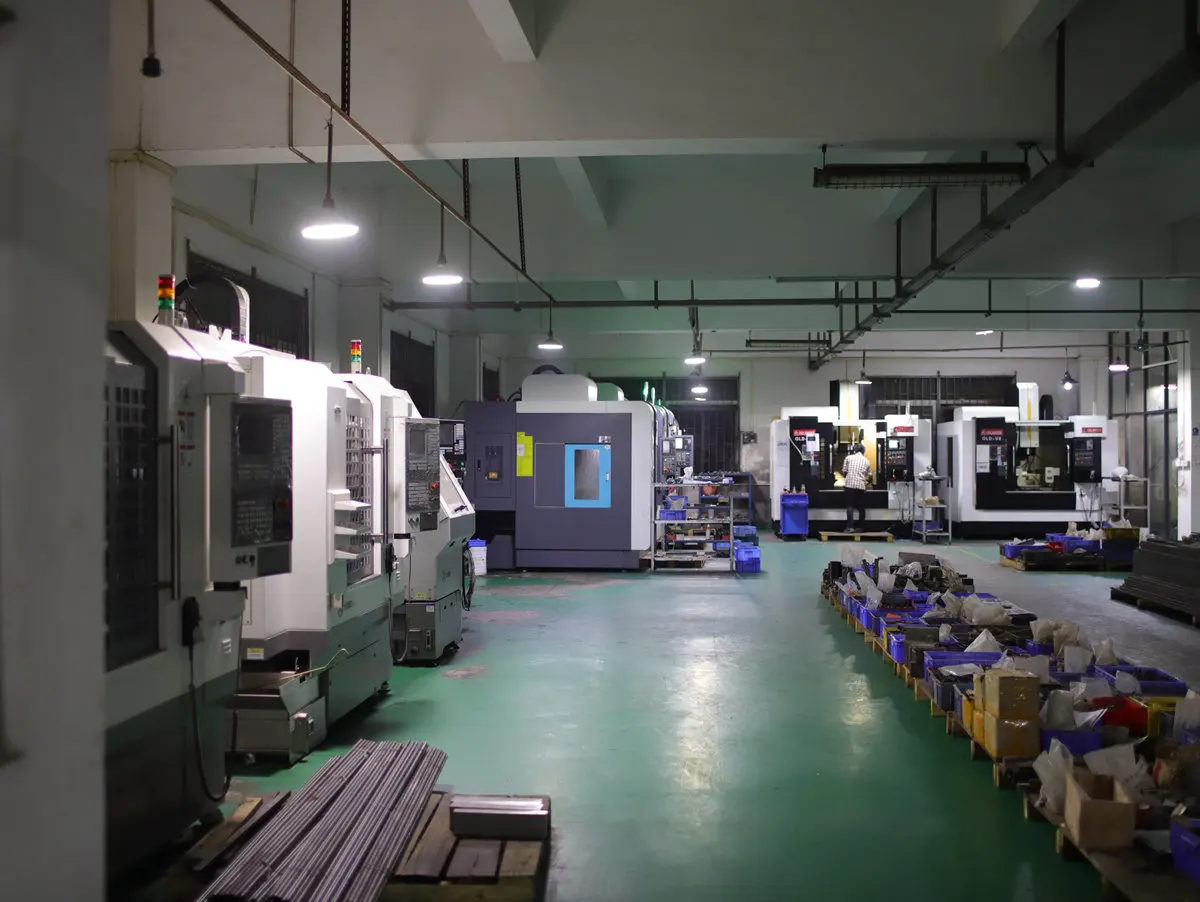
Dongguan Baitong Precision Mould Manufacturing Co., Ltd.
- Manufacturer, Trading Company
- Guangdong, China
- Lead time10 days
- Avg. response≤ 4h
Main productsMold Accessories
Main marketsDomestic Market(50.00%), Western Europe(10.00%), Southern Europe(10.00%), Eastern Europe(10.00%), North America(5.00%), South America(5.00%), Northern Europe(5.00%), Africa(5.00%)
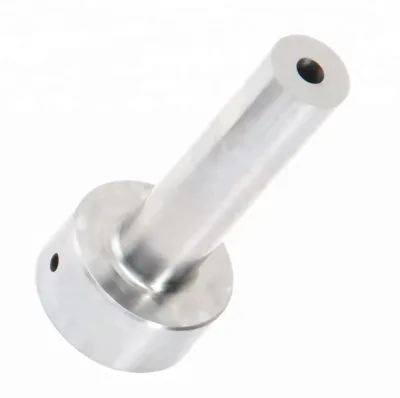
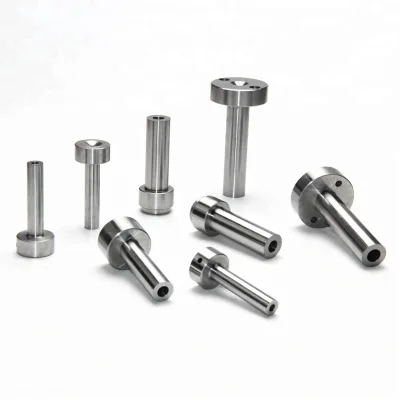
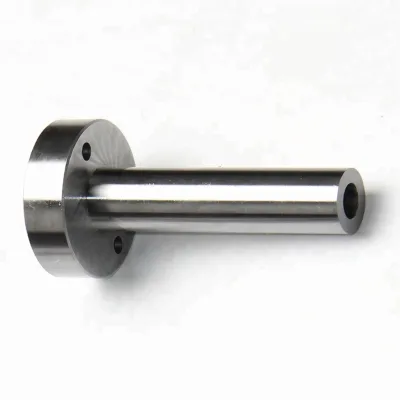
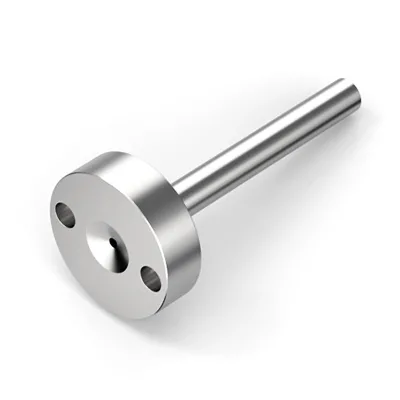
Hot selling Manufacturer Directory a Type Sprue Bush for Injection Mould parts Sprue Buhsing
$0.50 - $9.00
MOQ: 1 Minimum

zhejiang Ningguang Mould Co., Ltd.
- Combined
- China Zhejiang
- Lead time45 days
- Avg. response≤ 22h
Main productsMold, Mould, Plastic Mold, Plastic Mould, Plastic Injection Mold, SMC Mould, BMC Mould, Commodity Mould, Houseware Mould, Home Appliance Mould
Main marketsSoutheast Asia/ Mideast,Europe,North America
Wenzhou Cungang Precision Technology Co., Ltd.
- Verified by TüVRheinland
- Manufacturer, Trading Company
- Lead time15 days
- Avg. response≤ 3h
Main productsGas Spring, Die Spring, Punch, Guide Pillar And Bush, Ejector Pin
Main marketsDomestic Market(45%), Southeast Asia(15%), North America(5%)

Shenzhen Lantong Precision Technology Co., Ltd
- Verified by TUVRHEINLAND
- Manufacturer/Factory
- China Guangdong
- Lead time23 days
- Avg. response≤ 9h
Main productsMould Parts, Springs, Guide Pins and Guide Bushings, Guide Strips and Wear Plates, Date Stamps and Air Valves, Latch Locks, Slide Retainters, Locating Parts, Ejector Series, Ejector Pins and Ejector Sleeves
Main marketsSouth America,Eastern Europe,Mid East,North America,Southeast Asia,Eastern Asia,Western Europe


Wmould Sprue Bushing for Toolings
MOQ: 1 Pieces

QINGDAO BOYUDE MOULD AND PLASTIC CO., LTD
- Verified by SGS
- Combined
- China Shandong
- Lead time45 days
- Avg. response≤ 7h
Main productsPlastic Parts, Plastic Products, Injection Molded Parts, Plastic Injection Mould, Plastic Fittings, Plastic Component, Plastic Corner, Plastic Buckle, Injection Molding
Main marketsEast Asia(Japan/ South Korea),Europe


Customized Plastic Components Injection Molding Parts Plastic Injection Mould
$0.10 - $9.90
MOQ: 1000 Pieces


Ningbo Inunion Import and Export Co., Ltd.
- Verified by SGS
- Trading Company
- China Zhejiang
- Lead time30 days
- Avg. response≤ 1h
Main productsMachining Part, Plastic Injection Part, Stamping Parts, Casting Parts, Forging Parts, Weldments, Profile, Metal Parts
Main marketsSoutheast Asia/ Mideast,East Asia(Japan/ South Korea),Europe,Australia,North America

Kangde Electronic Technology (Guangdong) Co., LTD
- Verified by TUVRHEINLAND
- Combined
- China Guangdong
- Lead time30 days
- Avg. response≤ 4h
Main productsPlastic Injection Mould, Auto Plastic Parts, Electronic Plastic Parts, Mobile Phone Housing, Camera Housing, Remoter Housing, Loudspeaker Housing, Plastic Sheets, Smart Sweeper, Hardware
Main marketsEurope

Win Win Industrial (Shenzhen) CO., LTD.
- Verified by BV
- Combined
- China Guangdong
- Lead time23 days
- Avg. response≤ 2h
Main productsMould, Plastic Injection Mold, Plastic Molding, Prototype, Automotive Checking Fixture, Car Checking Fixture, Automotive Plastic Mold, Die Casting Mold, Large Die Casting Mold Base, Machined Plastic and Metal Parts
Main marketsDomestic,North America

Yuyao Xianghao Mold Technology Company Limited
- Verified by BV
- Trading Company
- China Zhejiang
- Lead time30 days
- Avg. response≤ 10h
Main productsInjection Mold, Plastic Mold, Injection Molding, Rapid Prototyping, 3D Pritting, Manhole Cover Mold, Silicone Rubber Mould, Wire Rack, Car Air Compressor, LED Light
Main marketsNorth America

Xiamen Steady Plastic Mold Co.,Ltd
- Verified by CTI
- Combined
- China Fujian
- Lead time30 days
- Avg. response≤ 2h
Main productsPlastic injection mold design, plastic injection products, silicone rubber parts, metal fabrication
Main marketsDomestic

Custom Plastic Injection Mould for Durable and Precision Plastic Parts
$1000.00 - $3000.00
MOQ: 1 Pieces


Taizhou Ruijie Plastic Mould Co., Ltd.
- Verified by TUVRHEINLAND
- Combined
- China Zhejiang
- Lead time30 days
- Avg. response≤ 8h
Main productsPlastic Injection Mould, Plastic Mol
Main marketsAfrica,Southeast Asia/ Mideast,Domestic,Europe

- Verified by SGS
- Trading Company
- China Zhejiang
- Lead time60 days
- Avg. response≤ 4h
Main productsPlastic Injection Mold, Plastic Mold, Plastic Mould, Injection Mold, Injection Mould, Plastic Injection Mould
Main marketsSoutheast Asia/ Mideast

Ningbo Yombo Rubber & Plastic Products Co., Ltd.
- Combined
- China Zhejiang
- Lead time30 days
- Avg. response≤ 17h
Main productsPlastic Products, Rubber Products, Silicon Rubber Products, Rubber Roof Flashing, Roof Flashing, Rubber Seal, Master Flash, Rubber Auto Parts, Rubber Parts, Plastic Parts
Main marketsDomestic,Europe,Australia,North America


MOQ: 100 Pieces

Guangzhou Sunland Enterprise Co., Ltd
- Verified by BV
- Trading Company
- China Guangdong
- Lead time30 days
- Avg. response≤ 3h
Main productsMold, Mould, Insert, Lifter, Slide, Base Plate, Ejector, 3D, Titanium Alloy, Injection Mold
Main marketsEurope,North America




Comprehensive Sourcing Guide
Injection Plastic Mould Sprue Bushing Supplier Concentration and Factory Types
Current data indicates a concentration of suppliers in China Guangdong and China Zhejiang, where manufacturers and trading companies operate within the injection moulding component sector. These regions host facilities specializing in mould standard parts, non-standard parts, and multi-cavity mold cores, often offering OEM and ODM capabilities. Buyers should verify if a supplier's primary output aligns with specific needs like sprue bushings or broader mould part processing. The presence of both trading companies and manufacturers suggests a mixed market where some entities source from factories while others produce in-house.
When assessing factory types, look for explicit labels indicating whether the entity is a Manufacturer/Factory, Trading Company, or a Combined operation. Some suppliers list capabilities such as Own brand development alongside OEM and ODM services, which may indicate deeper engineering involvement. Verify the specific main products listed, such as Guiding Components or Series Mold Parts, to ensure the supplier focuses on the Injection Plastic Mould Sprue Bushing category rather than general fabrication. This distinction helps identify whether a supplier has dedicated production lines for high-precision components or acts primarily as an intermediary.
How to Verify Injection Plastic Mould Sprue Bushing Suppliers
Verification begins by checking for system certifications like ISO 9001 or ISO9001:2015, which are explicitly listed for several suppliers in the current results. Some entries also reference specific product certifications such as TSCE, ISO, or FDA, which are critical for applications in automotive, household appliances, or electronic hardware. Buyers must confirm that these certifications are current and applicable to the specific sprue bushing models being ordered, rather than assuming general company compliance covers all product lines. Additionally, look for third-party verification badges like SGS, which provide an external layer of trust regarding the supplier's operational standards.
Response time and lead time data offer practical metrics for assessing supplier reliability and communication efficiency. Current observations show response times ranging from 4 to 13.62 hours, with lead times varying between 10 and 23 days. A faster response time often correlates with better communication channels, while shorter lead times may indicate higher production capacity or efficient logistics. Buyers should request specific lead time estimates for their order volume and verify if the quoted time includes packaging and shipping. Always cross-reference these figures with the supplier's stated capacity for OEM and ODM projects to ensure they can meet urgent production schedules without compromising quality.
What to Compare Across Injection Plastic Mould Sprue Bushing Suppliers
Comparing suppliers requires a detailed analysis of product attributes, including material specifications, hardness levels, and precision ratings. Available data highlights materials like S45c, SKD11, and SKD61, with hardness values ranging from HRC58 to HRC64. Precision is frequently listed as High Precision, and design software such as UG is commonly used for customization. Buyers should compare these technical specifications against their own mould requirements to ensure compatibility. Additionally, check the standard compliance, noting references to Misumi, Hasco, Dme, or custom specifications, as these dictate interchangeability and fit within existing mould systems.
Commercial terms and minimum order quantities (MOQ) vary significantly across the supplier pool, influencing total cost and inventory planning. Current listings show MOQs as low as 1 piece for some items, while others require a minimum of 10 units. Prices range from $0.54 to $10.00 per unit, depending on the specific model and customization level. Buyers must calculate the total cost of ownership, including shipping and potential tooling fees, rather than focusing solely on the unit price. Comparing packaging methods, such as plastic bags, cartons, or wooden boxes, is also essential to prevent damage during transit, especially for high-precision components.
Common Injection Plastic Mould Sprue Bushing Sourcing Risks
One significant risk involves the discrepancy between advertised capabilities and actual production capacity, particularly when suppliers claim both OEM and ODM services. While some suppliers list extensive design software capabilities and customization options, the actual ability to deliver complex, non-standard parts may vary. Buyers should verify the supplier's experience with specific mould cavity types, such as single cavity or hot runner systems, to avoid receiving components that do not fit their mould design. Relying solely on product keywords without confirming technical details can lead to mismatches in application areas like automotive or household appliances.
Another risk lies in the variability of lead times and response speeds, which can disrupt production schedules. A supplier with a 23-day lead time may not be suitable for urgent orders compared to one offering a 10-day turnaround. Inconsistent response times, ranging from 4 to over 13 hours, can delay critical communication regarding design changes or quality issues. Buyers should establish clear communication protocols and request written confirmation of delivery dates before placing orders. Failure to account for these logistical variables can result in production delays, increased costs, and potential project failures if the supplier cannot meet the required timeline.
Injection Plastic Mould Sprue Bushing Regional Sourcing and Logistics
Sourcing from China Guangdong and China Zhejiang offers access to established manufacturing clusters with specialized expertise in plastic injection moulding components. These regions benefit from a dense network of suppliers providing everything from standard sprue bushings to custom-machined parts. Buyers should verify the specific origin of the product, as some listings specify Guangdong while others indicate Zhejiang, which can impact shipping routes and customs procedures. Understanding the regional strengths helps in selecting suppliers who are geographically optimized for specific logistics needs, potentially reducing transit times and costs.
Logistics planning must account for packaging standards and shipping methods to ensure the integrity of high-precision components. Current data shows packaging options ranging from simple plastic bags to robust wooden boxes, with some suppliers offering customized bags and boxes. Buyers should request detailed packaging specifications to prevent damage during international transit, especially for delicate parts like sprue bushings with high hardness ratings. Additionally, verify the supplier's experience with export documentation and customs clearance to avoid delays. Proper logistics planning ensures that the components arrive on time and in perfect condition, ready for immediate installation in moulds.
Injection Plastic Mould Sprue Bushing Commercial Terms and Order Planning
Order planning should begin with a clear understanding of pricing structures and minimum order requirements. Current data indicates a wide price range, with some items priced as low as $0.54 and others up to $10.00, depending on the model and customization. Buyers must clarify whether the quoted price includes all necessary components, such as installation hardware or specific surface finishes like heat treatment. Understanding the full scope of the price helps in budgeting accurately and avoiding unexpected costs that could arise from additional customization or material upgrades.
Commercial terms also include payment methods, escrow services, and warranty policies, which are critical for protecting the buyer's investment. While specific escrow details are not always listed, buyers should insist on secure payment channels that offer protection against non-delivery or quality issues. Verify the supplier's policy on returns and replacements for defective parts, especially given the high precision required for injection moulding applications. Establishing clear terms regarding quality assurance and after-sales support ensures a smoother transaction and reduces the risk of disputes. Always document all agreed-upon terms in writing before finalizing the order to ensure mutual understanding and accountability.
FAQs
What materials are commonly used for injection plastic mould sprue bushings?
Sprue bushings are typically made from S45C, SKD11, or SKD61 tool steels, with bearing steel also used for precision applications. Heat treatment brings hardness to around HRC58-64 depending on the grade. Confirm the material and hardness range with suppliers before ordering, since requirements vary with resin type, injection pressure, and expected tool life.
Can sprue bushings be customized to non-standard sizes?
Yes, customization is widely available, and many listed products support non-standard sizes alongside MISUMI, Hasco, DME, or Meusburger standards. Suppliers commonly use UG design software and accept drawings or samples. Provide your mold interface dimensions, nozzle radius, and runner type so the supplier can confirm feasibility and quote accurately before production.
What is the typical minimum order quantity for sprue bushings?
Minimum order quantities are generally low for this category, with some products accepting single-piece orders and others starting at around ten pieces. MOQ often depends on whether the bushing is a standard catalog item or a custom machined part. Always confirm the MOQ for your specific specification before requesting a formal quotation.
How long does production usually take for sprue bushing orders?
Lead times reported by suppliers in this category range from roughly 10 to 23 days, depending on customization and order volume. Standard catalog items usually ship faster than custom machined bushings requiring heat treatment. Ask the supplier to confirm the lead time for your exact specification, and factor in shipping time to your destination.
Which standards should I specify when ordering sprue bushings?
Common standards include MISUMI, Hasco, DME, and Meusburger, and many suppliers also produce fully customized versions. Specify your mold base standard, nozzle radius, and mounting type, such as A-type, C-type, or stepped designs. Matching the standard simplifies replacement and interchangeability, so state it clearly in your inquiry or drawing package.
What quality certifications should sprue bushing suppliers have?
ISO 9001 certification is the most common system certification in this category, with some suppliers holding ISO 9001:2015 specifically. A few listings also reference ISO and FDA certifications on individual products. Verify the certificate scope and validity directly with the supplier, since certification at company level and product level can differ.
What surface treatments and hardness levels are available?
Heat treatment is the standard surface finish process for these bushings, producing hardness values around HRC58-60, HRC59-61, or HRC61-64 depending on material. Higher hardness improves wear resistance for abrasive or glass-filled resins. Discuss your resin abrasiveness and production volume with the supplier to select the right hardness and treatment combination.
How should I package and ship sprue bushings internationally?
Typical packing includes plastic bags, cartons, and wooden boxes for larger orders, and some suppliers offer customized packaging. Wooden boxes protect machined surfaces from corrosion and impact during long transit. Confirm packing preferences at order time, and ask whether the supplier supports your preferred freight terms and export documentation requirements.