CVT Transmission Valve Body Suppliers and Manufacturers
Explore 15 verified options for CVT Transmission Valve Body from trading companies and factories in China. Compare response times, lead times, certifications, and prices to find the right partner. Contact suppliers directly to request quotes; review the available evidence before requesting comparable quotations from suitable candidates.
Suppliers List
Guangzhou Xinzhirong Automotive Parts Remanufacturing Co., Ltd.
- Verified by Intertek
- Trading Company
- Lead time7 days
- Avg. response≤ 6h
Main productsUsed Gearboxes, Remanufactured Gearboxes, Gearboxes
Main marketsSoutheast Asia(23%), North America(22%), South America(18%)
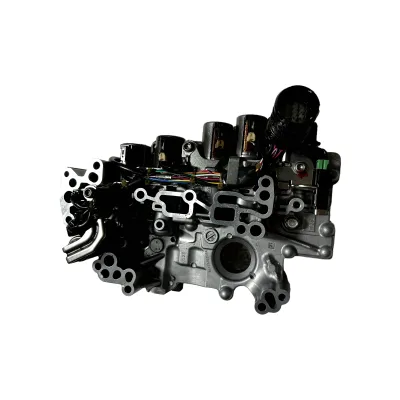
$98.51 - $103.70
MOQ: 1 pieces
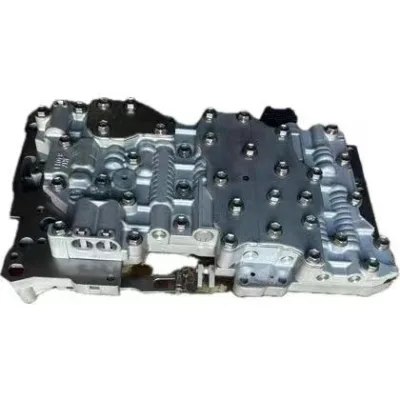
New Transmission Valve Body Solenoids Kit Auto Parts Compatible Gearbox and Valve Body
$310.43 - $315.52
MOQ: 1 pieces
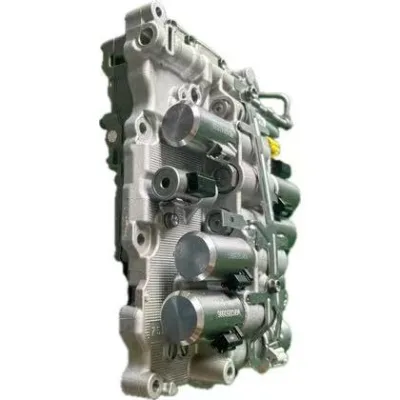
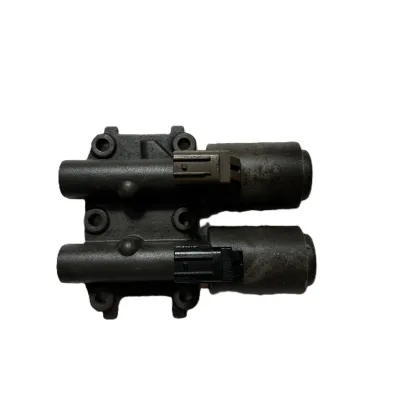
Hot Selling New Condition Solenoid Oil Valve Body for Transmission Top-Rated Performance
$40.71 - $45.80
MOQ: 1 pieces

Qingdao Fluido Industrial Co., Ltd.
- Verified by SGS
- Manufacturer/Factory
- China Shandong
- Lead time23 days
- Avg. response≤ 3h
Main productsCast Iron Valve, Cast Steel Valve, Ball Valve, Ductile Iron Pipe Fitting, Forged Flange, Pipe Clamp Fittings, OEM Metal Pipe Fittings, OEM Valve and Pump Parts, OEM Stamping Parts
Main marketsSouth America,Eastern Europe,Mid East,North America,Southeast Asia,Eastern Asia,Oceania,Western Europe,Africa

Automatic Transmission Valve Body Transmission Valve Reverse Manual Valve Body
$5.00 - $200.00
MOQ: 100 Pieces



Guangzhou Zhongxin Brothers Trading Co., Ltd.
- Trading Company, Distributor/Wholesaler
- Guangdong, China
- Lead time0 days
- Avg. response≤ 3h
Main productsoverhaul kit,Transmission,volve body,solenoid,Chain
Main marketsNorth America(30.00%), Southeast Asia(20.00%), Mid East(5.00%), Central America(2.00%)
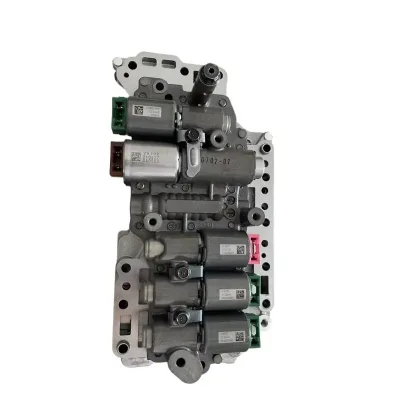
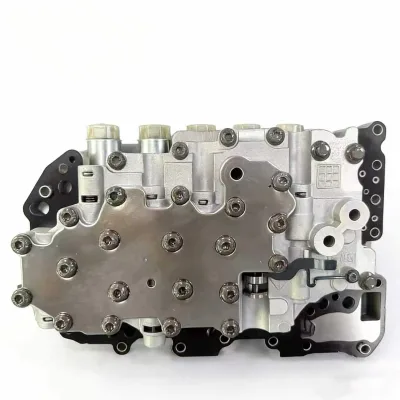
Hot Sale CVT Valve Body Automatic Transmission Valve Body 48800-2h000Valve Body
$360.00 - $390.00
MOQ: 1 pieces

Hangzhou Meisu Automotive Parts Co., Ltd
- Verified by SGS
- Trading Company
- China Zhejiang
- Lead time30 days
- Avg. response≤ 2h
Main productsTransmission Parts, Automatic Transmission, Transmission Clutch, Transmission Tcu, Transmission Flywheel, Transmission Valve Body, Transmission Mechatronics Unit, Gearbox, Transmission Actuator, Transmission Line Board
Main marketsDomestic
Guangzhou Shanhai Auto Parts Co., Ltd
- Verified by SGS
- Trading Company
- China Guangdong
- Lead time15 days
- Avg. response≤ 3h
Main productsAutomatic Transmission, Valve Body, Clutch, Transmission Computer, Ransmission Solenoid Valve
Main marketsAustralia

Remanufactured K114 CVT Transmission Valve Body for Automatic Gearbox System
$95.00 - $100.00
MOQ: 1 Pieces


5-Speed Wet Dual Clutch Transmission Control Unit Df515 DCT150 Valve Body
$263.00 - $268.00
MOQ: 1 Pieces

Jf015e Re0f11A CVT Transmission Valve Body for Automatic Gearbox Repair
$155.00 - $160.00
MOQ: 1 Pieces

High Standard Brand New 6t40 Transmission Valve Body - 6t40 New Model Valve Body
$97.00 - $110.00
MOQ: 1 Pieces

Guangzhou Gangji Auto Parts Company Limited
- Verified by SGS Group
- Trading Company
- Lead time30 days
- Avg. response≤ 5h
Main productsTransmission Parts, Engine Parts, Car Sensors
Main marketsMid East(30%), North America(20%), South America(20%)
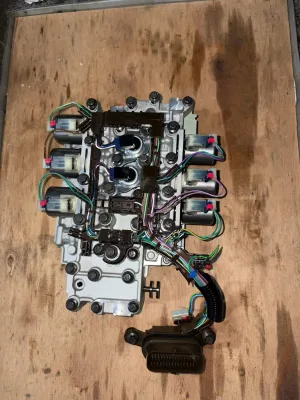
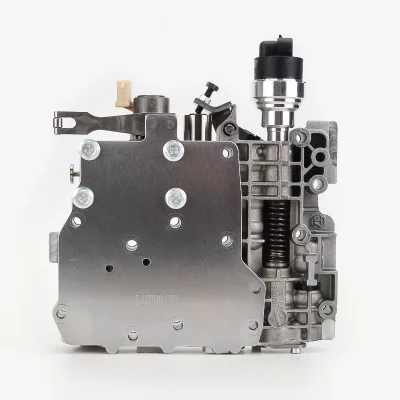
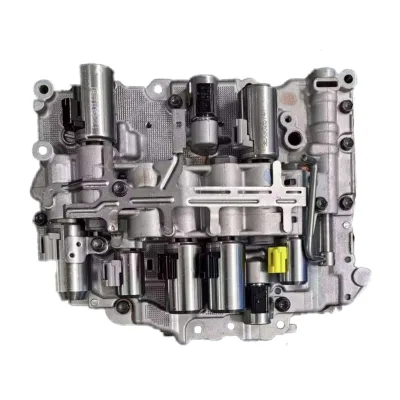
Wholesale Auto Transmission Systems Genuine VT1 CVT Transmission Valve Body for Mini Cooper VT1 CVT
$80.00 - $85.00
MOQ: 1 pieces
Guangzhou Hengfu Tengfei Auto Parts Co., Ltd.
- Verified by SGS Group
- Trading Company
- Lead time30 days
- Avg. response≤ 3h
Main productsGearbox Accessories
Main marketsNorth America(20%), Southeast Asia(10%), Mid East(10%)

Dalian Sif Auto Parts Manufacturing Co., Ltd.
- Verified by TUVRHEINLAND
- Combined
- China Liaoning
- Lead time15 days
- Avg. response≤ 1h
Main productsAuto Part
Main marketsDomestic

Anti-Oxidation Surface Treatment DCT250 Transmission Valve Body for DCT250 Transmission
$160.00 - $180.00
MOQ: 1 Pieces

Matched Various Engine Configurations DCT250 Transmission Valve Body for DCT250 Transmission
$160.00 - $180.00
MOQ: 1 Pieces

Support Fault Code Clearing DCT250 Transmission Valve Body for DCT250 Transmission
$160.00 - $180.00
MOQ: 1 Pieces

Low Vibration Operating State DCT250 Transmission Valve Body for DCT250 Transmission
$160.00 - $180.00
MOQ: 1 Pieces

Multi-Vehicle Model Compatible DCT250 Transmission Valve Body for DCT250 Transmission
$160.00 - $180.00
MOQ: 1 Pieces

Joint Leakage Sealed DCT250 Transmission Valve Body for DCT250 Transmission
$160.00 - $180.00
MOQ: 1 Pieces
Guangzhou Transpeed Auto Technology Co., Ltd.
- Verified by SGS Group
- Manufacturer, Trading Company
- Lead time5 days
- Avg. response≤ 4h
Main productsAutomatic Transmission Parts, Transmission Piston, Transmission Master Kit, Transmission Oil Filter, Transmission Valve Body
Main marketsSouth America(15%), Eastern Europe(15%), Southeast Asia(15%)
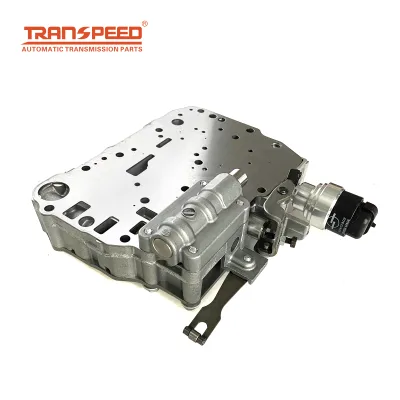
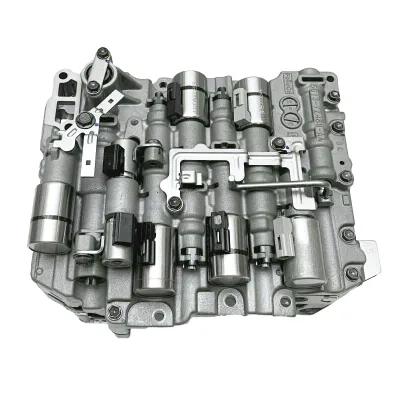
Transpeed High Quality TF80-SC Valve Body for Automatic Transmission Parts
$560.00 - $600.00
MOQ: 2 pieces
Guangzhou Yuexiu District Wangteng Auto Supplies Firm
- Manufacturer, Trading Company
- Guangdong, China
- Lead time0 days
- Avg. response≤ 4h
Main productsTransmission Accessories,Tesla Accessories,Honda Accessories
Main marketsSouth America(50.00%), North America(30.00%), Western Europe(20.00%)
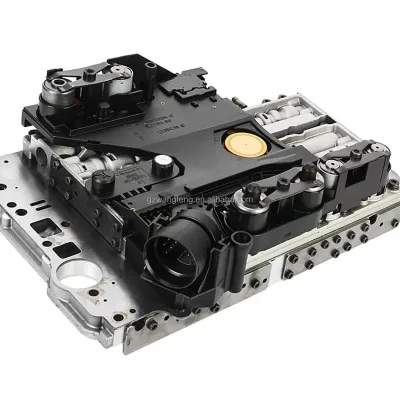
$130.27 - $167.77
MOQ: 10 sets
Guangzhou Yousheng Auto Parts Trade Co., Ltd.
- Verified by SGS Group
- Manufacturer, Trading Company
- Lead time7 days
- Avg. response≤ 5h
Main productsMechatronics, Valve Body, CVT Series Components, TCU, Clutch
Main marketsDomestic Market(59%), Western Europe(18%), Africa(10%)
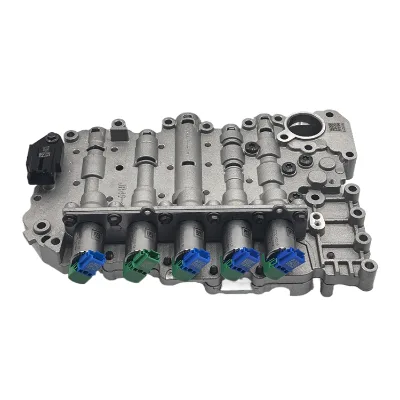
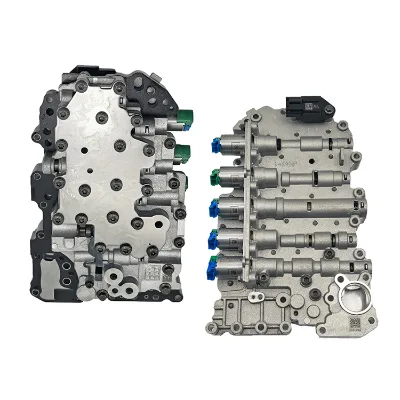
$208.00 - $225.00
MOQ: 1 pieces
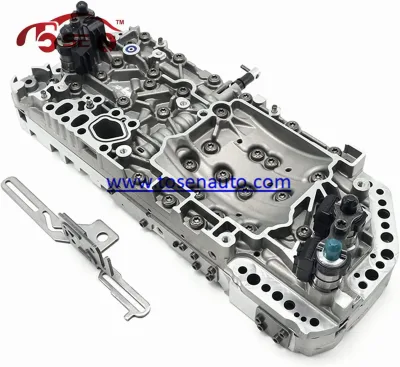
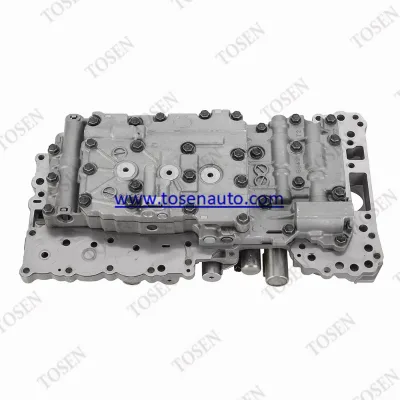
Shaoxing Tosen Auto Part Co., Ltd.
- Trading Company
- Lead time旺季: "1 - 100":9,"> 100":"To be negotiated", 淡季: "1 - 100":9,"> 100":"To be negotiated"
- Avg. response≤ 5h
Main productsEngine, Trasmission, Gearbox, Differential
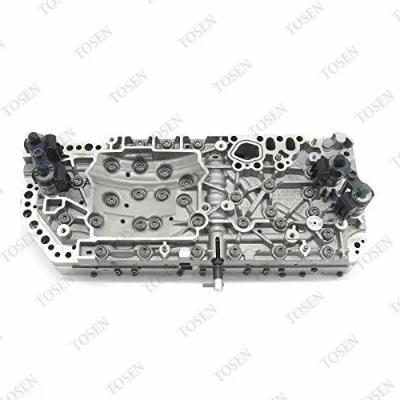
$150.00 - $180.00
MOQ: 10 pieces
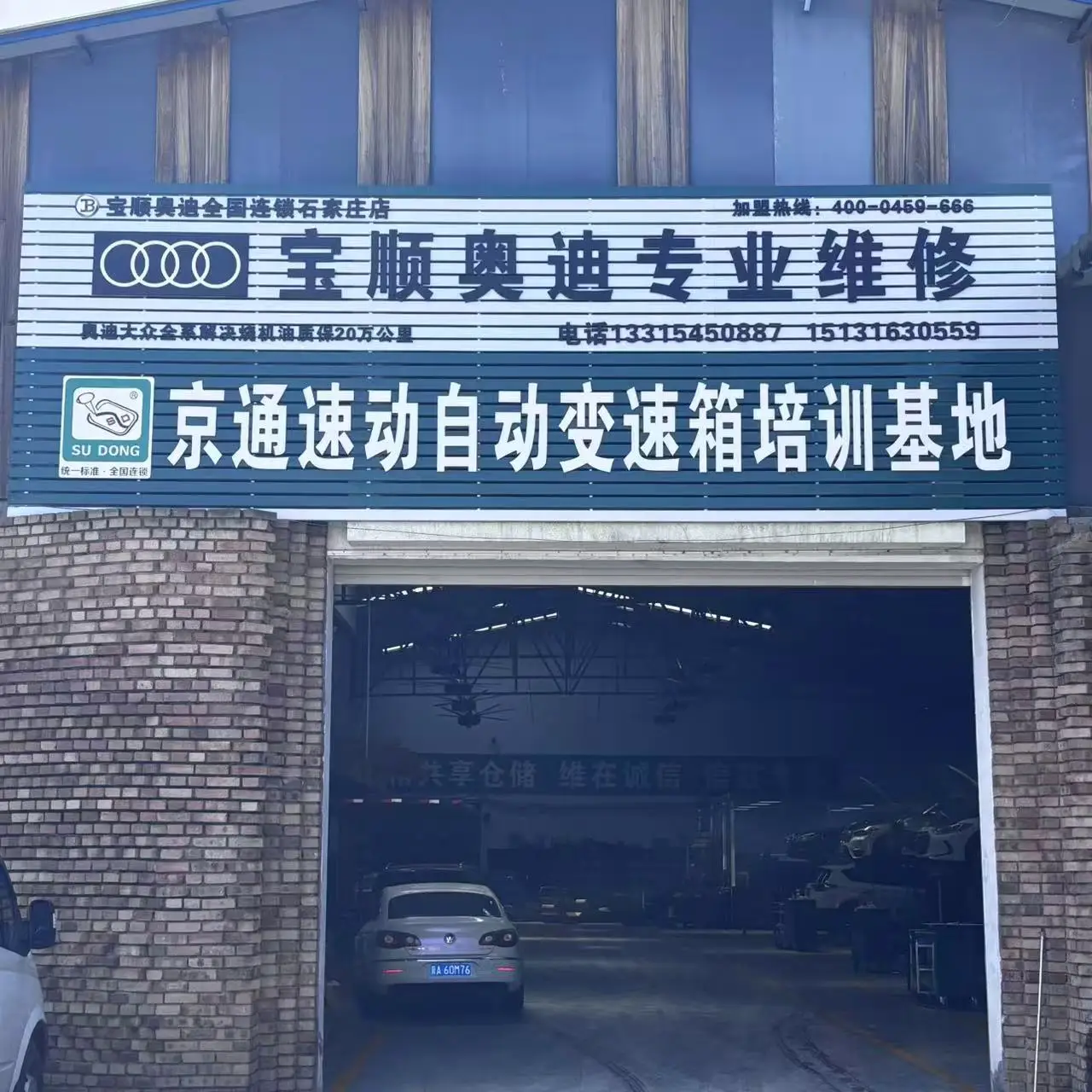
Hebei Jingtong Automotive Service Co., Ltd.
- Trading Company
- Hebei, China
- Lead time5 days
- Avg. response≤ 2h
Main productsTransmission,automatic transmission,transmission oil,Transmission parts,The repair kit
Main marketsSouth America(8.00%), North America(8.00%), Domestic Market(7.00%), South Asia(7.00%), Southern Europe(7.00%), Northern Europe(7.00%), Central America(7.00%), Western Europe(7.00%), Eastern Asia(7.00%), Mid East(7.00%), Oceania(7.00%), Africa(7.00%), Southeast Asia(7.00%), Eastern Europe(7.00%)
Guangzhou Gaoshenglian Import And Export Co., Ltd.
- Guangdong, China
- Lead time0 days
- Avg. response≤ 1h
Hangzhou Bob Electromechanical Equipment Co., Ltd.
- Trading Company
- Zhejiang, China
- Lead time12 days
- Avg. response≤ 2h
Main productsfuel injector,turbocharger,fuel pump,starter,solenoid
Main marketsCentral America(80.00%), South Asia(69.00%), North America(59.00%), Southeast Asia(28.00%), Mid East(15.00%)
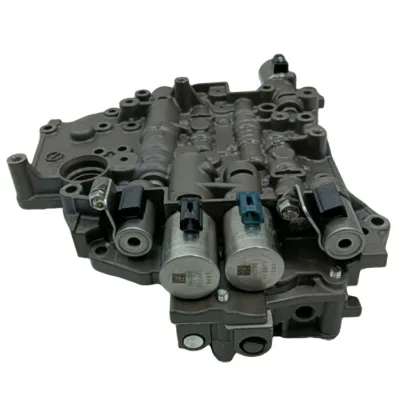
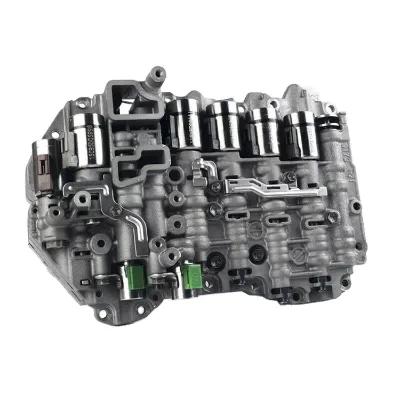
Transmission Valve Body 09G325039 for Engine TT 2005-2012
$128.00 - $152.00


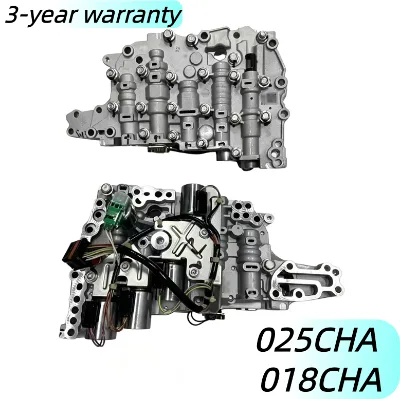
Comprehensive Sourcing Guide
CVT Transmission Valve Body Supplier Concentration and Factory Types
The current supplier landscape for CVT Transmission Valve Body components reveals a distinct split between trading companies and direct manufacturers, each serving different procurement needs. Trading companies often aggregate products like remanufactured gearboxes and new valve bodies, offering a consolidated catalog that simplifies sourcing for buyers seeking variety. These entities typically list main products such as used gearboxes alongside new transmission parts, acting as intermediaries that connect buyers with multiple production sources. Their presence suggests a market where specialized manufacturing is often outsourced or distributed through a network of partners rather than held in-house by a single factory.
In contrast, direct manufacturers focus on specific production capabilities like precision investment casting and CNC machining for metal components. These factories often hold certifications such as ISO 9001 and ISO 14001, indicating a structured approach to quality management and environmental compliance. Their product evidence highlights capabilities in thermal gravity casting and sand core molding, which are critical for producing durable valve body assemblies. Buyers should verify if a supplier is a manufacturer by checking for specific production equipment details and factory-level certifications rather than relying solely on product descriptions. This distinction helps in identifying whether the supplier can handle custom engineering requests or if they are primarily reselling standardized inventory.
How to Verify CVT Transmission Valve Body Suppliers
Verification of supplier credibility relies heavily on third-party audit reports and specific credential checks rather than self-reported claims. Some suppliers in the current results display verification badges from recognized agencies like Intertek or SGS, which provide an external layer of trust regarding their business operations and product quality. These verifications are essential for confirming that the company exists and meets baseline operational standards before a transaction is initiated. Buyers must look for these specific verification markers in the supplier profile to ensure that the entity is not merely a virtual trading desk without physical oversight.
Beyond general verification, buyers should scrutinize the specific certifications listed for the manufacturing process, such as ISO 9001 for quality management or ISO 14001 for environmental standards. These certifications are often tied to the factory's ability to maintain consistent product quality and adhere to regulatory requirements. For instance, a supplier claiming to produce precision castings should ideally have documentation proving their adherence to these standards. If a supplier lacks these specific credentials, buyers should request proof of compliance directly. Relying on unverified claims about quality or production capacity introduces significant risk, making third-party validation a non-negotiable step in the sourcing process for critical automotive components like valve bodies.
What to Compare Across CVT Transmission Valve Body Suppliers
When evaluating potential partners, buyers must compare key operational metrics such as lead time, minimum order quantity, and response speed to determine fit for their specific supply chain requirements. Current data indicates that response times can vary significantly, with some suppliers responding within hours while others take longer, directly impacting project timelines. Lead times also differ, ranging from rapid delivery windows to extended periods required for custom manufacturing or casting processes. Understanding these variances allows buyers to align their inventory planning with the supplier's actual capacity and speed, preventing delays in production schedules.
Minimum order quantities and pricing structures represent another critical comparison point that varies widely across the supplier base. Some suppliers offer low MOQs, allowing for smaller trial orders, while others require substantial volume commitments, such as 100 kilograms for casting services. Price ranges for similar components can also fluctuate based on the supplier's business model, with trading companies potentially offering different pricing tiers compared to direct manufacturers. Buyers should analyze these commercial terms alongside the product specifications, such as condition (new vs. remanufactured) and origin, to ensure the total cost of ownership aligns with their budget. A comprehensive comparison of these factors ensures that the selected supplier can meet both technical and commercial expectations without compromising on delivery schedules.
Common CVT Transmission Valve Body Sourcing Risks
One of the primary risks in sourcing CVT Transmission Valve Body components involves the discrepancy between product descriptions and actual manufacturing capabilities. Buyers may encounter listings that promise new condition parts but deliver remanufactured units or vice versa, leading to compatibility issues in vehicle repairs. The product evidence shows a mix of new and remanufactured items, which requires careful verification of the specific condition listed for each order. Without clear confirmation, buyers risk receiving parts that do not meet the required performance standards or fit specifications for their specific vehicle models.
Another significant risk is the potential mismatch between claimed certifications and the actual production environment. While some suppliers list ISO certifications, others may not have verified these standards, leaving the quality of the casting or machining processes unconfirmed. This uncertainty is particularly dangerous for critical transmission components where failure can lead to costly vehicle damage. Additionally, the reliance on trading companies can obscure the true origin of the product, making it difficult to trace quality issues back to the original factory. Buyers must mitigate these risks by demanding detailed product specifications and proof of origin before finalizing any purchase agreement.
CVT Transmission Valve Body Regional Sourcing and Logistics
Geographic location plays a pivotal role in determining shipping costs and delivery timelines for CVT Transmission Valve Body components. Current supplier data indicates that many manufacturers and trading companies are based in specific regions of China, such as Guangdong and Shandong, which influences the logistics strategy for international buyers. Suppliers in these regions often have established shipping routes and experience handling automotive parts exports, which can streamline the delivery process. However, buyers should verify the exact location of the factory to estimate transit times accurately, as distance from the port of loading can impact overall lead times.
Logistics planning must also account for the packaging and weight specifications provided by the supplier, as these factors directly affect freight costs. Product attributes often include single package sizes and gross weights, which are essential for calculating shipping fees and selecting appropriate transport methods. For instance, heavier casting components may require different freight arrangements compared to lighter valve body assemblies. Buyers should request detailed packing lists and weight data to ensure that the logistics provider can handle the specific dimensions and weight of the shipment. Proper planning in this area prevents unexpected costs and ensures that the goods arrive in good condition, ready for immediate installation or further processing.
CVT Transmission Valve Body Commercial Terms and Order Planning
Commercial terms such as payment methods and warranty provisions are critical elements that define the financial security of the transaction. Current supplier profiles indicate that payment terms like TT (Telegraphic Transfer) are common, but buyers should confirm if escrow services are available to protect funds until the goods are received and verified. The presence of warranty periods, such as a one-year guarantee on specific valve body models, offers additional protection against defects. Buyers must ensure that these terms are clearly documented in the purchase agreement to avoid disputes regarding product performance or delivery failures.
Order planning requires a clear understanding of the supplier's capacity to handle volume fluctuations and custom requests. Some suppliers offer customization services, allowing buyers to specify dimensions or materials based on their engineering drawings. However, this flexibility often comes with higher minimum order quantities and longer lead times. Buyers should assess their own demand forecasts against the supplier's capacity to determine if they can meet the required volume without incurring excessive costs. Additionally, understanding the supplier's ability to handle urgent requests or expedited shipping is vital for maintaining a resilient supply chain. Careful planning of these commercial and operational aspects ensures a smooth procurement process and minimizes the risk of supply disruptions.
FAQs
What is the typical lead time for valve body orders?
Lead times vary by supplier, with some offering 7 days and others up to 23 days. Buyers should verify specific delivery windows before placing orders to ensure timely project completion and avoid production delays.
Are these valve bodies available with low minimum order quantities?
Yes, some suppliers offer a minimum order quantity of just one unit for specific models. Other manufacturers may require larger bulk purchases, such as 100 kilograms, depending on the product type and customization needs.
What certifications do the valve body suppliers hold?
Verified suppliers often hold ISO 9001 and ISO 14001 certifications for quality and environmental management. Some listings also mention CE certification, ensuring the products meet international safety and performance standards for automotive applications.
Where are the valve bodies manufactured and shipped from?
Products originate from manufacturing hubs in Guangdong and Shandong provinces in China. Buyers should confirm the specific place of origin for each item to understand shipping routes and potential logistics costs involved in delivery.
How quickly do suppliers typically respond to inquiries?
Response times range from approximately 2.66 hours to 6 hours depending on the supplier. Fast response rates indicate active engagement, allowing buyers to clarify technical details and negotiate terms more efficiently during the sourcing process.
What is the price range for new transmission valve bodies?
Prices vary significantly based on the model, ranging from roughly 40 dollars to over 315 dollars per unit. Buyers should compare specific product listings to find the best value for their required transmission system specifications.
Do suppliers offer warranty coverage for these parts?
Some listings include a one-year warranty for new transmission valve bodies to ensure product reliability. Buyers must check individual product details to confirm warranty terms and understand the coverage scope for potential defects or failures.