DDR5 Memory Suppliers and Manufacturers in China
Compare 20 verified DDR5 Memory suppliers by location, response time, and lead time. Review product specifications like frequency and capacity, then request quotes to proceed with sourcing. Check certifications and MOQ requirements before placing orders; review the available evidence before requesting comparable quotations from suitable candidates.
Updated
Suppliers List

Sumax New Materials (Shandong) Co., Ltd
- Verified by SGS
- Trading Company
- China Shandong
- Lead time15 days
- Avg. response≤ 2h
Main productsSSD, RAM, CPU
Main marketsEast Asia(Japan/ South Korea)

Beijing Baixing Zhidao Technology Co., Ltd
- Verified by SGS
- Trading Company
- China Beijing
- Lead time15 days
- Avg. response≤ 3h
Main productsServer, GPU, SSD, Computer Server, Memory, Rack Server, Computer Part, RAM
Main marketsDomestic

- Verified by TUVRHEINLAND
- Manufacturer/Factory
- China Guangdong
- Lead time15 days
- Avg. response≤ 3h
Main productsUSB Flash Drive, SSD, USB Components Including UDP PCBA, USB Flash Drive 3.0, OTG-USB 2.0, OTG-USB 3.0, Type C USB, Memor Stick, Memory Card, DRAM
Main marketsSouth America,Eastern Europe,Mid East,North America,Southeast Asia,Eastern Asia,Oceania,Western Europe,Africa
Shenzhen Macroway Technology Co., Ltd.
- Verified by TüVRheinland
- Trading Company
- Lead time2 days
- Avg. response≤ 5h
Main productsCPU, SSD, Motherboard, RAM, Graphic Card
Main marketsSouth America(45%), Mid East(15%), North America(10%)
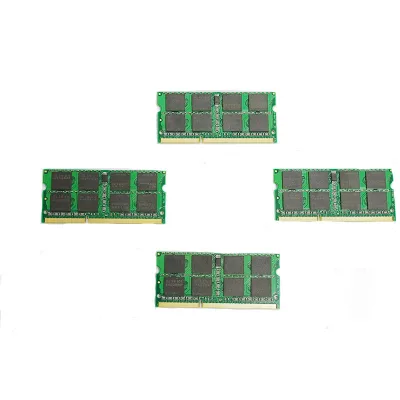
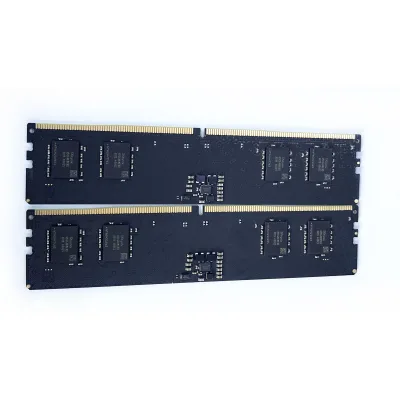
$3.1087 - $46.6213
MOQ: 10 Minimum
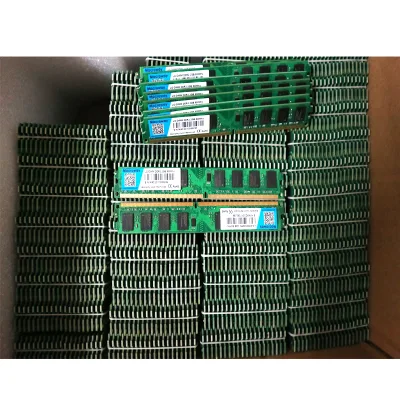

Beijing Boqiang Mingtai Technology Co., Ltd.
- Verified by TUVRHEINLAND
- Trading Company
- China Beijing
- Lead time15 days
- Avg. response≤ 3h
Main marketsSoutheast Asia/ Mideast,East Asia(Japan/ South Korea)

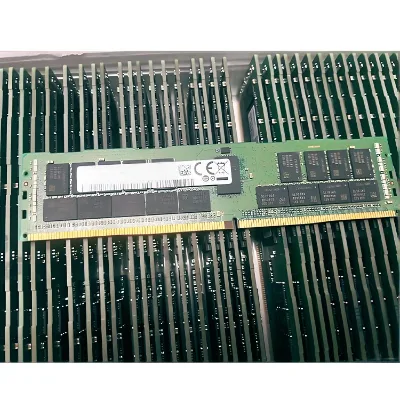
Brand New Original DDR4 DDR5 Ecc Rdimm Server RAM Memory 32GB 64GB 128GB Enterprise Server Memory
$160.00 - $1999.00
MOQ: 2 Sets


Shenzhen Xingshidi Technology Co., Ltd.
- Verified by SGS
- Trading Company
- China Guangdong
- Lead time15 days
- Avg. response≤ 7h
Main productsUSB Flash Drive, Drone Jammer, Handheld Signal Jammer, SSD, RAM, SD Card, Uav Jammer, Uav Defense System, Micro SD Crd, Pendrive
Main marketsDomestic


Desktop Memory RGB DDR5 32GB 6000MHz 5600MHz DIMM High Speed Memoria RAM
$399.00 - $450.00
MOQ: 10 Pieces

RAM DDR5 32GB (16GBX2) 6000MHz 6400MHz DDR5 6400MHz Desktop Computer Memoria RAM
$399.00 - $455.00
MOQ: 1 Pieces

Desktop Memory RGB DDR5 16gbx2 6000MHz 5600MHz DIMM High Speed Memoria RAM
$399.00 - $499.00
MOQ: 1 Pieces


Shenzhen Vitek Electronics Co., Ltd.
- Verified by BV
- Manufacturer/Factory
- China Guangdong
- Lead time23 days
- Avg. response≤ 6h
Main productsLaptop, Tablet PC, Digital Signage, Mini PC, LCD Monitor, All in One PC, Interactive Flat Panel, Advertising Screen, Self Payment Kiosk, POS Tablet
Main marketsSouth America,Eastern Europe,Mid East,North America,Southeast Asia,Oceania,Western Europe,Africa

Beijing Qingyi Technology Co., Ltd.
- Verified by TUVRHEINLAND
- Trading Company
- China Beijing
- Lead time15 days
- Avg. response≤ 6h
Main productsServer, Server Memory, Network Switch, Storage, Server HDD, San Switch, Server Network Card, Server CPU
Main marketsDomestic
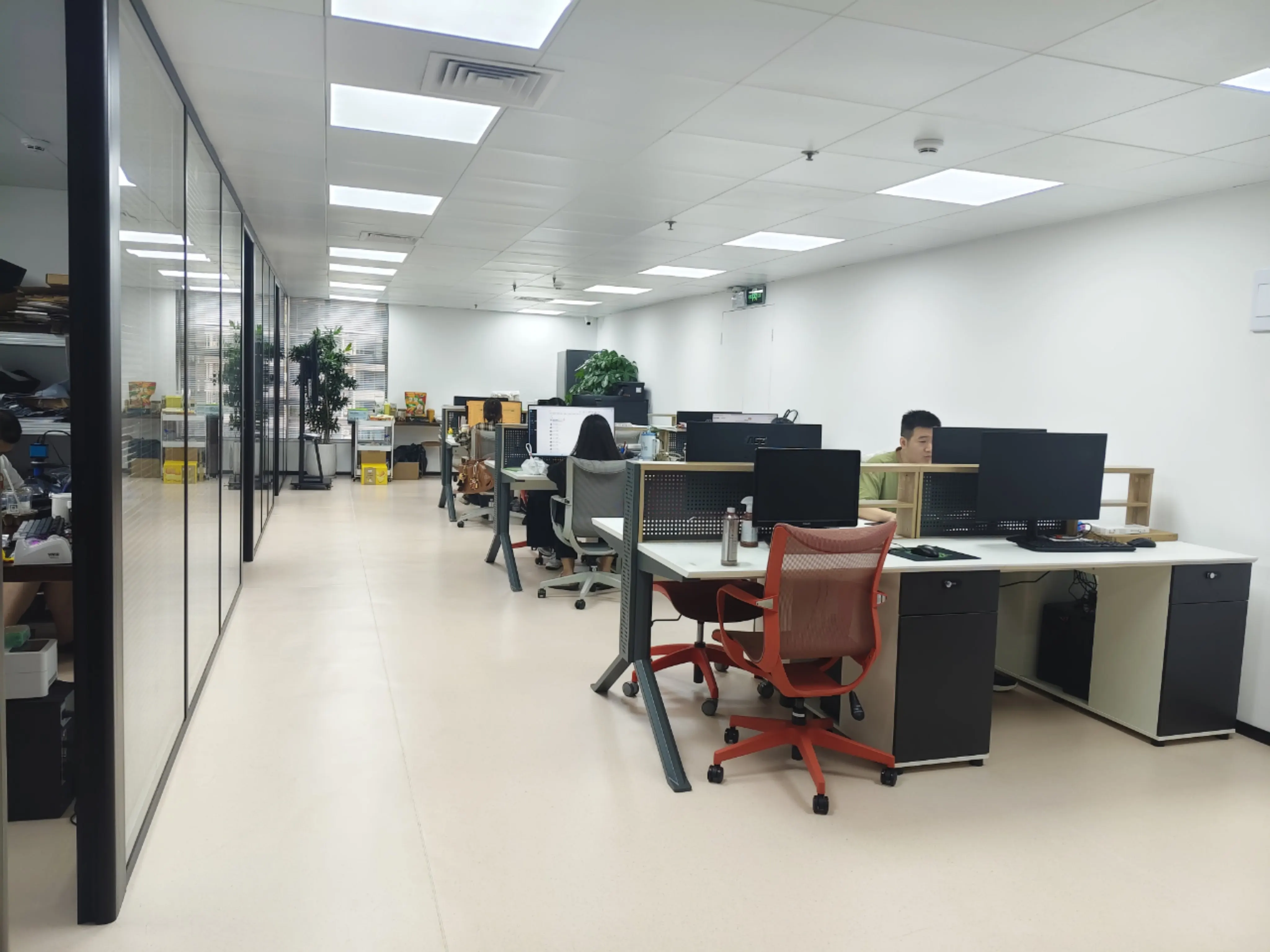
Shenzhen Kezhan Weite Electronics Co., Ltd.
- Trading Company
- Guangdong, China
- Lead time0 days
- Avg. response≤ 4h
Main productsIntegrated Circuit
Main marketsNorth America(40.00%), Southeast Asia(30.00%), Eastern Asia(20.00%), Northern Europe(10.00%)
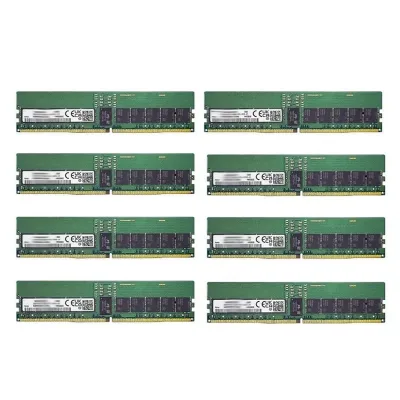
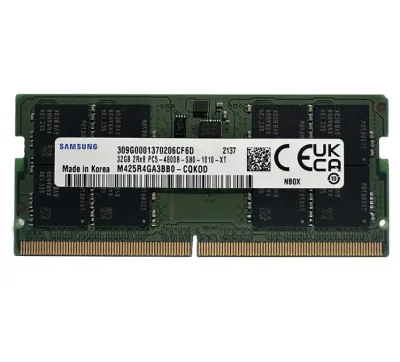
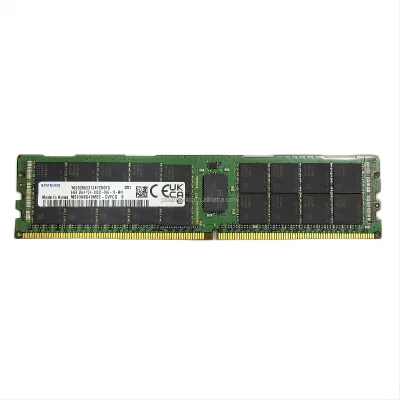
32GB DDR5-4800 ECC UDIMM PC5-38400E Dual Rank X8 32gb ram Ddr5 Server Memory
$438.1814 - $441.2751
MOQ: 1 units
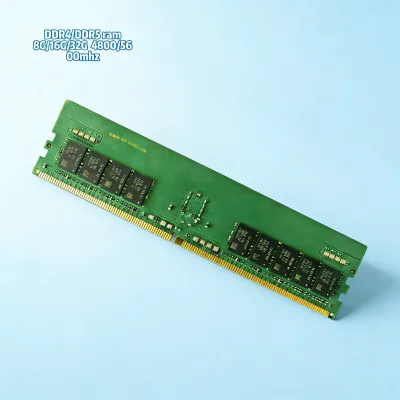
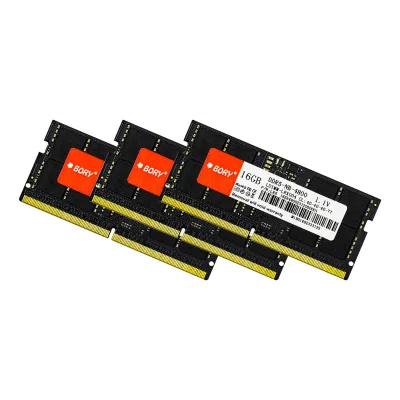
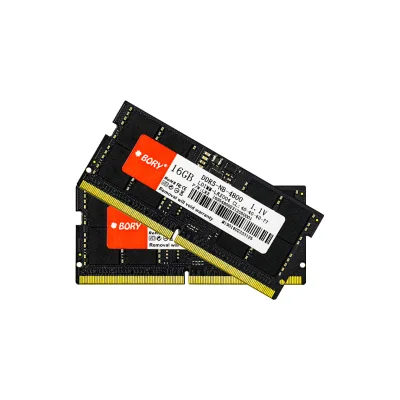
DDR5 Memory Modules 16GB/32GB 4800MHz/5600MHz for Laptops Ddr5 ram 32gb
$41.4123 - $158.401
MOQ: 1 Minimum
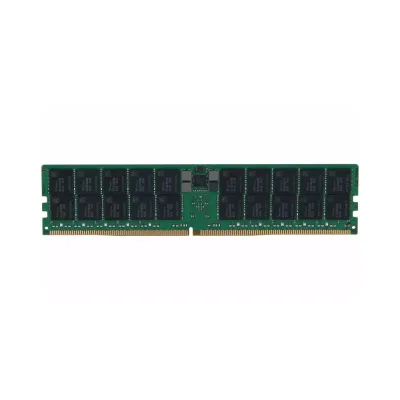

Guangzhou Samqing Trading Co., Ltd
- Verified by BV
- Trading Company
- China Guangdong
- Lead time15 days
- Avg. response≤ 6h
Main productsServer&Workstation, Server Accessories, Network Switch, Network Router, Network Security, Network Cable, Desktop Computer, Laptop
Main marketsEastern Europe,Mid East,Southeast Asia,Eastern Asia,Oceania,Western Europe,Africa
Beijing Wisdom Creative Information Technology Co., Ltd.
- Verified by TüVRheinland
- Trading Company
- Lead time2 days
- Avg. response≤ 2h
Main productsServers, Storage, Firewall, Hard Drive, Network Switches
Main marketsEastern Europe(15%), Mid East(15%), North America(10%)
Century Huaxiang (shenzhen) Trading Co., Ltd.
- Trading Company
- Guangdong, China
- Lead time5 days
- Avg. response≤ 5h
Main productsCPU,RAM,hard disk,Solid State Drive,Main Borad
Main marketsMid East(18.00%), Central America(16.00%), Southeast Asia(12.00%), Domestic Market(10.00%), Eastern Asia(10.00%), Africa(6.00%), South America(5.00%), Eastern Europe(5.00%), North America(5.00%), Northern Europe(4.00%), South Asia(3.00%), Oceania(2.00%), Western Europe(2.00%), Southern Europe(2.00%)
Shenzhen Changliu Global Trading Co., Ltd.
- Verified by TüVRheinland
- Trading Company
- Lead time4 days
- Avg. response≤ 5h
Main productsCPU, RAM, HDD, Server, Audio
Main marketsNorth America(30%), Domestic Market(20%), South America(10%)

Beijing Borui Communication System Integration Co., Ltd.
- Verified by TUVRHEINLAND
- Trading Company
- China Beijing
- Lead time45 days
- Avg. response≤ 13h
Main productsNetwork Switches, Server, Storage, Laptop, HDD, Optical Transceiver, Workstation, Rack Server, Tower Server, Switches
Main marketsSouth America,Eastern Europe,Mid East,North America,Southeast Asia,Eastern Asia,Oceania,Western Europe,Africa


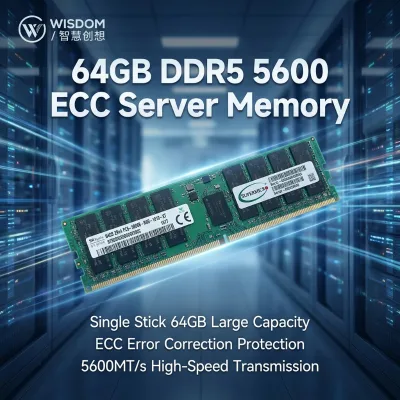
64GB DDR5 5600MHz Ecc Reg DIMM Server Memory DDR5 5600MHz Udimm Desktop RAM
$30.00 - $80.00
MOQ: 10 Pieces

Hangzhou XSF Holding Co., Ltd.
- Verified by TUVRHEINLAND
- Trading Company
- China Zhejiang
- Lead time15 days
- Avg. response≤ 3h
Main marketsOthers(foreignTradeCapacity.exportBusinessCapacityMarketOther),Southeast Asia/ Mideast,East Asia(Japan/ South Korea),Europe

Gaming Notebook Memory 5600MHz Memoria SODIMM RAM Laptop 16GB 32GB DDR5 RAM
$50.00 - $66.00
MOQ: 100 Pieces

DDR5 Gaming Desktop Memory Module 8GB/16GB/32GB: 4800/5600MHz, Factory Wholesale OEM Available
$125.36 - $130.65
MOQ: 100 Pieces

DDR5 Memory RAM 8GB 16GB 32GB 4800MHz 5600MHz Gaming Desktop Memory RAM Moudle
$32.00 - $66.00
MOQ: 100 Pieces

DDR5 16GB/32GB/64GB 6000MHz PC5-48000 So-DIMM Memory RAM Compatible with Laptop
$128.00 - $137.00
MOQ: 100 Pieces

Global Hightech Import & Export Company Limited
- Verified by TüVRheinland
- Manufacturer, Trading Company
- Lead time2 days
- Avg. response≤ 2h
Main productsRAM, SSD, Motherboard, Graphics Cards
Main marketsSouth America(30%), Western Europe(20%), North America(15%)
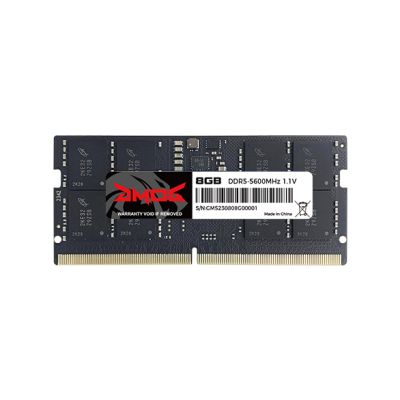
Ddr5 Memory 16gb Laptop Professional Large Gaming Pc Computer Ddr5 Motherboard Ram 5200mhz
$36.20 - $80.83
MOQ: 10 Minimum
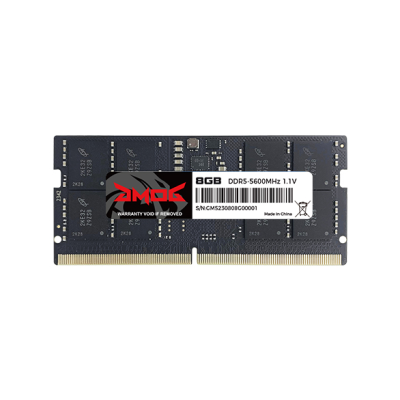
Memory Ram 5200mhz 16gb 32gb Ddr5 Ram for Stock Laptop Original Oem Logo Work Brands Rohs
$36.20 - $80.83
MOQ: 10 Minimum
Guangzhou Jiufang Technology Co., Ltd.
- Verified by SGS Group
- Trading Company
- Lead time4 days
- Avg. response≤ 2h
Main productsSSD, Ram, Server, Optical Transceiver, Power Supply
Main marketsNorth America(27%), Eastern Europe(15%), Southeast Asia(12%)

- Verified by TUVRHEINLAND
- Manufacturer/Factory
- China Guangdong
- Lead time15 days
- Avg. response≤ 2h
Main productsSSD, Hard Disk, USB Flash Drive, Mudp 2.0/3.0, Type-C USB 2.0/3.0, OTG USB 2.0/3.0, PCBA 2.0 3.0, Memory Card, DDR RAM, UDP 2.0/3.0
Main marketsSouth America,Eastern Europe,Mid East,North America,Southeast Asia,Eastern Asia,Oceania,Western Europe,Africa


DDR5 8GB 16GB 32GB 4800MHz 5200MHz 5600MHz Wholesale DDR RAM Desktop Computer
$98.00 - $200.00
MOQ: 50 Pieces

DDR5 16GB/32GB/64GB 6000MHz PC5-48000 So-DIMM Memory RAM Compatible with Laptop
$58.00 - $66.00
MOQ: 50 Pieces


SHENZHEN RUNXUNDA TECHNOLOGY CO.,LTD
- Verified by TUVRHEINLAND
- Trading Company
- China Guangdong
- Lead time15 days
- Avg. response≤ 5h
Main productsIC Chips, Lithium Battary, Lithium Battary Cells
Main marketsSouth America,Eastern Europe,Mid East,North America,Southeast Asia,Eastern Asia,Oceania,Western Europe,Africa

Shenzhen Huaxing Technology Co., Ltd.
- Verified by SGS
- Trading Company
- China Guangdong
- Lead time15 days
- Avg. response≤ 5h
Main productsHard Disk, RAM Server, Motherboard, Storage, SSD, Computer Case, Network Switch, Gaming Card, Gaming PC
Main marketsSoutheast Asia/ Mideast




Comprehensive Sourcing Guide
DDR5 Memory Supplier Concentration and Factory Types
Current data indicates a concentration of DDR5 Memory suppliers in specific Chinese provinces, with Shandong and Beijing emerging as notable hubs for trading companies and manufacturers. In Shandong, suppliers often operate as trading entities dealing in SSDs, CPUs, and various RAM modules, while Beijing-based vendors frequently list server components and rack servers alongside memory products. Guangdong hosts a distinct cluster of manufacturers and factories that emphasize OEM and ODM capabilities, often producing USB components and memory cards alongside DDR5 modules. These regional clusters suggest that buyers should prioritize suppliers located in these areas when seeking established supply chains, though the specific factory type—whether a direct manufacturer or a trading intermediary—varies significantly within each zone.
Buyers must distinguish between trading companies and manufacturers when evaluating these regional clusters, as the operational model impacts customization and pricing. Trading companies in Shandong and Beijing may offer broader product ranges including server-grade RAM and database memory, whereas manufacturers in Guangdong often provide specific customization options like branded memory with cooling fins or specific frequency ratings. The presence of ISO 9000 and ISO 9001 certifications in Guangdong suggests a higher likelihood of standardized manufacturing processes, but this is not universal across all regions. To identify the correct factory type, buyers should examine the company type field and verify if the supplier offers OEM services or simply resells existing inventory, as this distinction determines the level of control over production timelines and product specifications.
How to Verify DDR5 Memory Suppliers
Verification of DDR5 Memory suppliers relies heavily on third-party audit results and specific credential checks rather than self-reported claims. Some suppliers in the current dataset display verification badges from recognized bodies like SGS or TÜV Rheinland, which serve as a baseline indicator of operational legitimacy. For instance, a supplier in Guangdong may hold TÜV Rheinland verification alongside ISO certifications, suggesting a robust quality management system. However, not all suppliers display these credentials, and the absence of a visible badge does not automatically disqualify a vendor. Buyers should explicitly request current verification reports and cross-reference them with the supplier's stated company type to ensure the entity is not merely a reseller claiming manufacturing capabilities without the necessary infrastructure.
Beyond external verification, buyers must scrutinize the specific product attributes and technical specifications provided in the supplier's catalog to confirm authenticity. DDR5 modules often list detailed parameters such as memory frequency (4800MHz to 6400MHz), rank configurations (1rx4, 2rx8), and compatible brands like Samsung or Hynix. A legitimate supplier will provide consistent data across product names, keywords, and attribute lists, such as specifying "With Cooling Fin" or "Automatic Error Correction" where applicable. If a supplier claims to offer high-performance DDR5 Memory but lists inconsistent pin counts or operating modes, this discrepancy warrants further investigation. Buyers should verify that the listed chip brands and frequencies align with industry standards for DDR5, ensuring the supplier is not offering outdated or incompatible components under the guise of new technology.
What to Compare Across DDR5 Memory Suppliers
When comparing DDR5 Memory suppliers, key performance indicators include lead times, minimum order quantities, and response speeds, which vary significantly across the market. Some suppliers offer a lead time of 15 days with a low minimum order quantity of one unit, catering to small-scale testing or immediate deployment needs. In contrast, other vendors may require a minimum order of 20 units with a lead time that is not explicitly stated but implied to be longer due to bulk manufacturing requirements. Response times also differ, with some suppliers replying within 1.54 hours while others take over 2.77 hours, indicating potential differences in customer service capacity or operational efficiency. Buyers should prioritize suppliers whose response times and lead times align with their project schedules to avoid delays in critical system integrations.
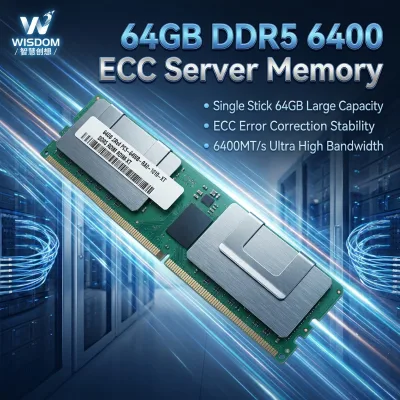
Price ranges and customization capabilities form another critical dimension for comparison, as they directly impact the total cost of ownership. The market shows a wide price spectrum, with some DDR5 modules listed between $50 and $1,000, while specialized server memory kits can range from $2,300 to $2,400. Customization options, such as specific cooling fin designs or branded packaging, are available from certain manufacturers but may not be offered by trading companies. Buyers must evaluate whether the price difference justifies the added value of customization or if standard specifications suffice for their application. Additionally, the availability of specific memory capacities, such as 64GB or 128GB modules, and frequencies like 5600MHz or 6400MHz, should be matched against the supplier's inventory to ensure they can meet the exact technical requirements of the intended deployment.
Common DDR5 Memory Sourcing Risks
One significant risk in sourcing DDR5 Memory involves the potential mismatch between advertised specifications and actual product performance, particularly regarding frequency and compatibility. Suppliers may list DDR5 modules with frequencies up to 6400MHz, but the actual performance can vary based on the specific motherboard or server architecture used. If a supplier does not provide detailed compatibility lists or test results for specific system integrations, buyers risk purchasing memory that fails to operate at the advertised speeds or causes system instability. This is especially critical for enterprise applications where data integrity and continuous operation are paramount, making it essential to verify that the memory modules are tested for the specific application environment, such as cloud deployment or virtualization.
Another risk arises from inconsistent packaging and shipping standards, which can lead to physical damage during transit or logistical delays. While some suppliers offer customized packing solutions like wooden cases, others rely on standard shipping packaging that may not provide adequate protection for high-value memory modules. The lack of standardized packaging protocols can result in damaged goods upon arrival, leading to additional costs for replacements and project delays. Furthermore, suppliers with longer lead times or those located in regions with complex logistics networks may face unforeseen delays that disrupt the supply chain. Buyers should explicitly confirm packaging requirements and shipping protocols before placing an order to mitigate the risk of physical damage and ensure timely delivery of critical components.
DDR5 Memory Regional Sourcing and Logistics
Regional sourcing strategies for DDR5 Memory must account for the specific logistical advantages and challenges associated with different Chinese provinces. Suppliers in Shandong and Beijing often operate as trading companies, which can streamline the procurement process by aggregating products from multiple manufacturers. However, this model may introduce additional layers of coordination that could affect lead times and communication efficiency. In contrast, manufacturers in Guangdong offer direct production capabilities, potentially reducing lead times for customized orders but requiring more rigorous quality control measures to ensure consistency. Buyers should evaluate the proximity of the supplier to major shipping ports and their experience with international logistics to determine the most efficient sourcing route for their specific needs.
Logistics planning also involves understanding the impact of regional infrastructure on shipping costs and delivery reliability. Suppliers in Guangdong, for example, may benefit from proximity to major ports like Shenzhen, facilitating faster export times for international orders. Conversely, suppliers in inland regions like Beijing or Shandong might face longer transit times to reach coastal shipping hubs, potentially increasing overall delivery durations. Buyers should request detailed shipping estimates and confirm the supplier's ability to handle customs documentation and export regulations for their target market. Additionally, the choice of packaging, such as wooden cases versus standard trays, can influence shipping costs and the risk of damage during transit, making it a critical factor in the overall logistics strategy for DDR5 Memory procurement.
DDR5 Memory Commercial Terms and Order Planning
Commercial terms for DDR5 Memory orders are heavily influenced by minimum order quantities and pricing structures, which vary widely across suppliers. Some vendors offer flexible terms with a minimum order quantity of just one unit, allowing buyers to test products before committing to larger volumes. Others require bulk purchases, such as 10 or 20 units, to qualify for specific pricing tiers or to access specialized server-grade memory modules. Buyers must carefully review these terms to ensure they align with their budget and inventory requirements, as failing to meet minimum order thresholds can result in higher per-unit costs or the inability to secure the desired product. Additionally, payment terms and escrow options should be evaluated to protect against financial risks associated with large orders.
Order planning for DDR5 Memory requires a strategic approach to managing lead times and production schedules, especially for customized or high-volume orders. Suppliers with lead times of 15 days may be suitable for urgent projects, while those with longer production cycles require advance planning to avoid supply chain disruptions. Buyers should also consider the availability of specific memory configurations, such as 64GB or 128GB modules with specific frequencies, and ensure that the supplier can meet these requirements within the desired timeframe. Establishing a clear communication channel with the supplier to track order progress and address any potential issues promptly is essential for successful order execution. By carefully planning commercial terms and order timelines, buyers can optimize their procurement process and ensure a steady supply of high-quality DDR5 Memory for their operations.
FAQs
What is the price range for DDR5 Memory modules?
Prices for DDR5 Memory modules typically range from $50 to $1000 per unit depending on capacity and specifications. High-capacity server-grade options can reach up to $2400. Buyers should verify specific pricing for their required configuration before placing orders.
What are the minimum order quantities for DDR5 RAM?
Minimum order quantities vary by supplier and product type. Some suppliers accept orders as low as one unit, while others require a minimum of two or ten units. Bulk server memory kits may have higher MOQs, such as twenty units.
How long does it take to ship DDR5 Memory?
Standard lead times for DDR5 Memory are approximately 15 days. Buyers should confirm exact delivery schedules with suppliers, as production and shipping times can vary based on stock availability and specific customization requirements for enterprise or cloud deployment systems.
Where are DDR5 Memory suppliers located?
DDR5 Memory suppliers are primarily located in China, including regions such as Shandong, Beijing, and Guangdong. These areas host both trading companies and manufacturers offering various memory solutions for desktops, laptops, and servers with different certification standards.
What certifications do DDR5 Memory suppliers have?
Suppliers often hold ISO 9001 and ISO 9000 certifications for quality management. Product verification may include SGS or TÜV Rheinland checks. Buyers should request specific certification documents to ensure compliance with international standards for electronic components and memory modules.
What response times can buyers expect from suppliers?
Supplier response times generally range from 1.5 to 2.8 hours. Faster responses indicate active customer support teams. Buyers should prioritize suppliers with quick reply rates to ensure efficient communication regarding technical specifications, pricing, and order status updates.