Archery Targets Suppliers and Manufacturers in Henan, China
Compare 18 verified suppliers of Archery Targets based on location, lead times, and minimum order quantities. Review product specifications like material and dimensions to source durable targets for hunting or training. Contact suppliers directly to confirm response times and pricing.
Updated
Suppliers List
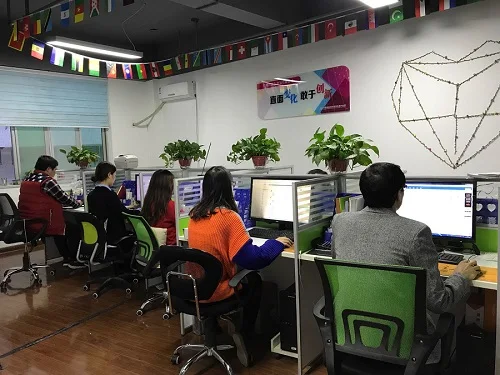
Zhengzhou Amir Trading Co., Ltd.
- Trading Company
- Henan, China
- Lead time5 days
- Avg. response≤ 5h
Main productsBow, Arrow, Bow and Arrow Accessories
Main marketsNorth America(71.00%), Western Europe(15.00%), Oceania(3.00%), Southeast Asia(3.00%), South America(2.00%), Southern Europe(2.00%), Eastern Asia(2.00%), Eastern Europe(2.00%)
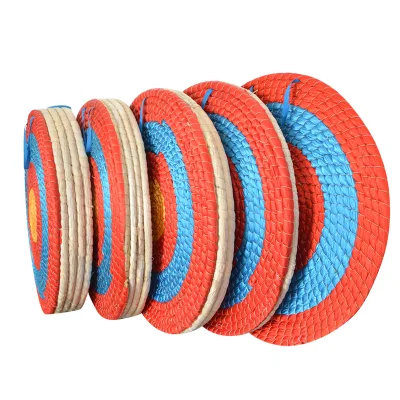

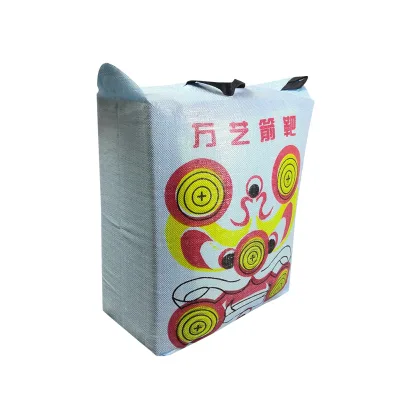
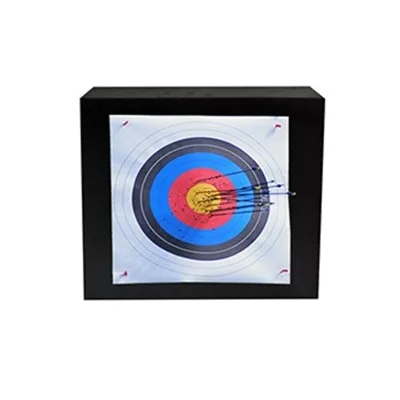
Compound Bow and Arrow Target Outdoor Reinforced Durable Polymer Fiber Type Archery Target
$61.2093 - $102.7346
MOQ: 1 Minimum
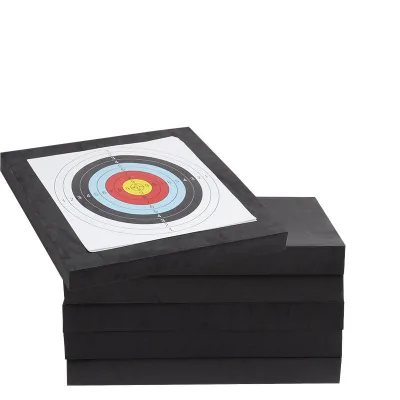
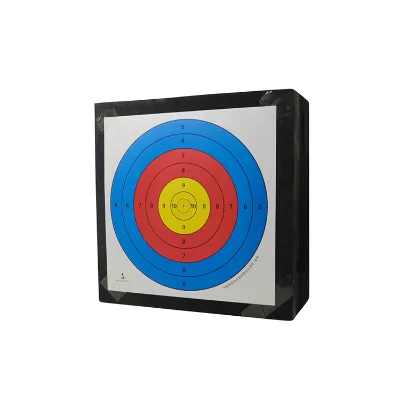
Archery EVA Foam Target Indoor/Outdoor Practice Archery Target Shooting Sports Accessories
$6.56 - $30.56
MOQ: 1 Minimum


Zhengzhou Wanku Sport Equipment Co., ltd
- Trading Company
- Henan, China
- Lead time0 days
- Avg. response≤ 10h
Main productsArchery Bow; Archery Arrow; Archery Shooting Accessories
Main marketsNorth America(33.00%), Domestic Market(32.00%), Southeast Asia(11.00%), Western Europe(8.00%), Eastern Europe(6.00%), Eastern Asia(4.00%), Oceania(3.00%), Mid East(2.00%), South America(1.00%), South Asia(0.00%), Southern Europe(0.00%), Central America(0.00%), Northern Europe(0.00%), Africa(0.00%)

Shandong Fangsheng Imports And Exports Co., Ltd.
- Manufacturer, Trading Company
- Shandong, China
- Lead time15 days
- Avg. response≤ 5h
Main productsSports And Entertainment Mat and Roller (Floating Mat,Taekwondo Mat,Puzzle Mat,Foam Roller,PE Foam)
Main marketsNorth America(50.00%), Oceania(10.00%), South America(10.00%), Southern Europe(5.00%), Northern Europe(5.00%), Western Europe(5.00%), Eastern Asia(5.00%), Eastern Europe(5.00%), Southeast Asia(5.00%)
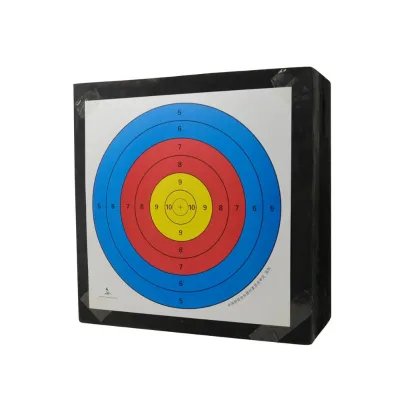
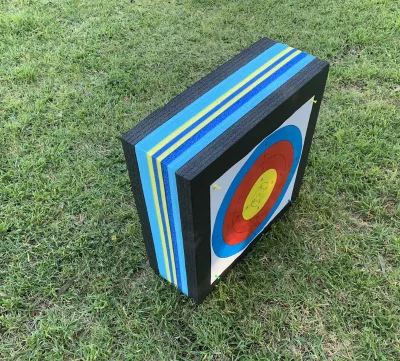
Wholesale Target Stock Self Healing Archery Foam Targets for Archery Shooting Games Targets
$8.2036 - $8.8188
MOQ: 200 pieces

Huizhou Elong Outdoor Product Ltd.
- Manufacturer, Trading Company
- Guangdng, China
- Lead time10 days
- Avg. response≤ 5h
Main productsBows,Arrows,Broadheads,Archery Accessories,Archery Equipment
Main marketsDomestic Market(32.00%), Western Europe(20.00%), Southeast Asia(20.00%), North America(10.00%), Mid East(5.00%), Eastern Europe(5.00%), Oceania(2.00%), South Asia(2.00%), Southern Europe(1.00%), Northern Europe(1.00%), South America(1.00%), Central America(0.50%), Eastern Asia(0.50%)

- Manufacturer, Trading Company
- Anhui, China
- Lead time0 days
- Avg. response≤ 15h
Main productstraditional bow,recurve bow,youth archery,arrows,archery accessories
Main marketsDomestic Market(40.00%), North America(25.00%), Western Europe(15.00%), Eastern Europe(8.00%), Oceania(5.00%), Africa(2.00%), Eastern Asia(1.50%), South Asia(1.50%), South America(1.00%), Mid East(1.00%)
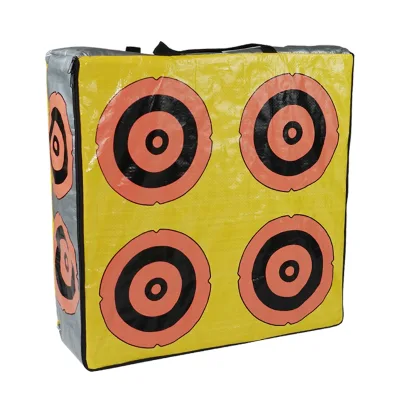
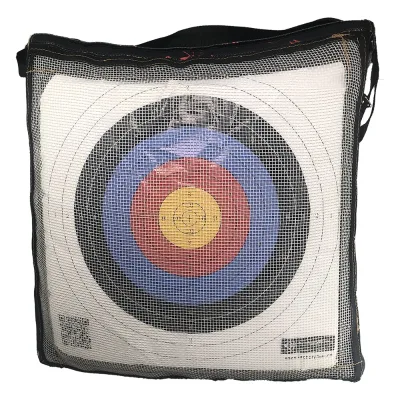
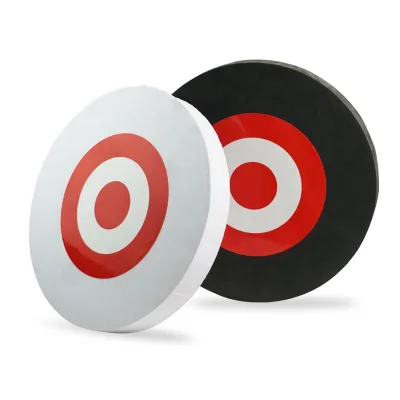
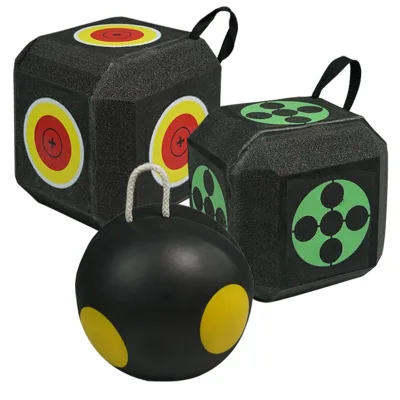
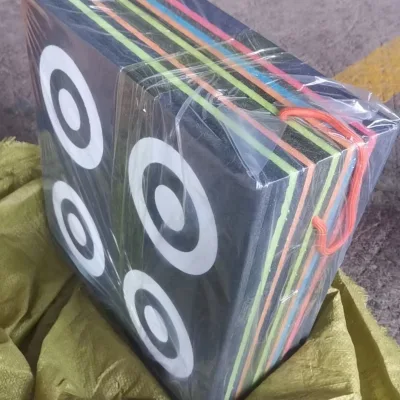
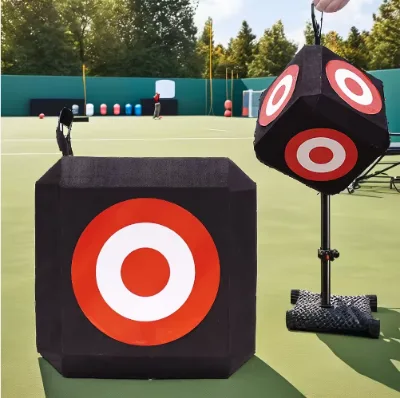
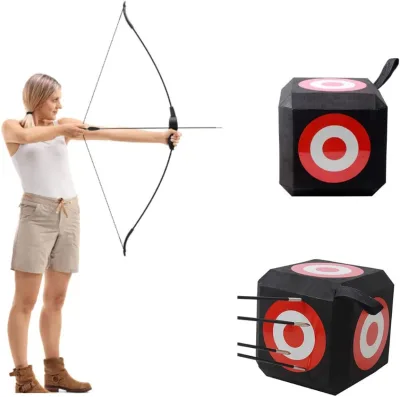
Archery Outdoor Cube 3D Hunting Shooting Target EVA XPE Target for Entertainment Sports
$12.00 - $21.00
MOQ: 10
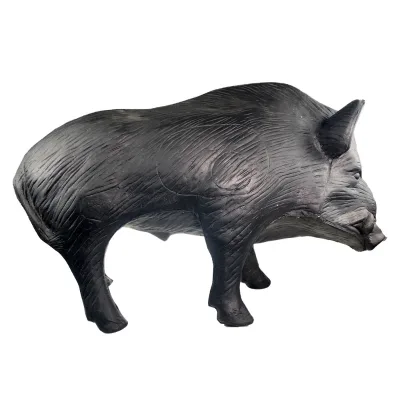
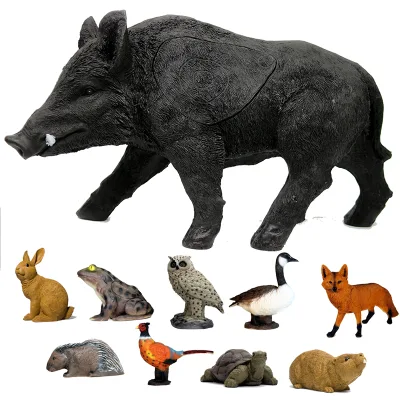
Alibow High Quality 3D Pig Archery Target Animal Shooting Target for Hunting Training-OEM
$100.00 - $115.00
MOQ: 20

Jamma Amusement Technology Co., Ltd
- Combined
- China Guangdong
- Lead time23 days
- Avg. response≤ 6h
Main productsVr Simulator
Main marketsAfrica,Southeast Asia/ Mideast,North America


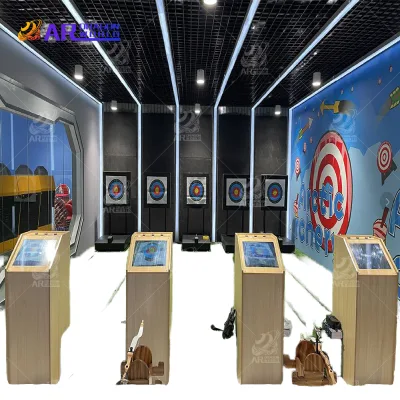
Ar Indoor Interactive Archery Mobile Target Archery Hall Shooting Game Equipment
$2200.00 - $2400.00
MOQ: 1 lane
Yongkang Jujian Brush Co., Ltd.
- Verified by TüVRheinland
- Manufacturer, Trading Company
- Lead time25 days
- Avg. response≤ 2h
Main productsGun Cleaning Kit, Hunting Accessories, Chimney Brush
Main marketsNorth America(45%), Western Europe(15%), Eastern Europe(10%)
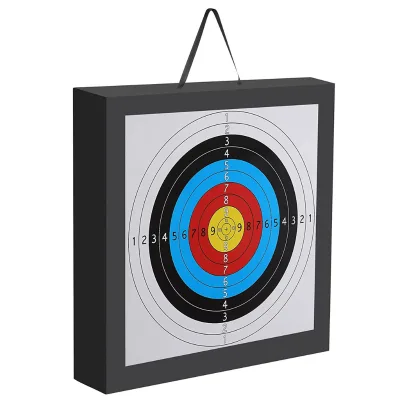
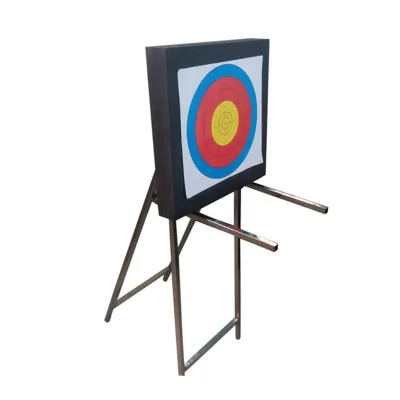
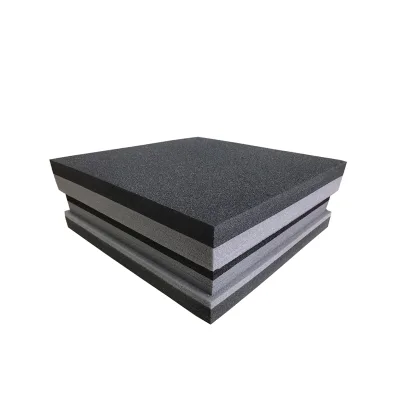
Hight Quality 20'' Durable Practice Shooting Target Archery Target EVA Foam Targets
$4.50 - $5.30
MOQ: 100
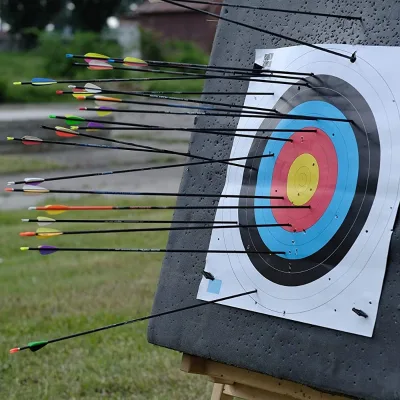
Hight Quality Eva 50x50x5cm Foam Target Layered Hunting Shooting Practice Targets
$4.50 - $5.30
MOQ: 100

Beijing Red Sun Bowling Technology Co., Ltd.
- Verified by BV
- Combined
- China Beijing
- Lead time15 days
- Avg. response≤ 1h
Main productsBowling Equipment, String Bowling Equipment, Mini Bowling Equipment, Duckpin Bowling Equipment, Bowling Machine, Bowling Lane
Main marketsOthers(foreignTradeCapacity.exportBusinessCapacityMarketOther),Southeast Asia/ Mideast,Europe


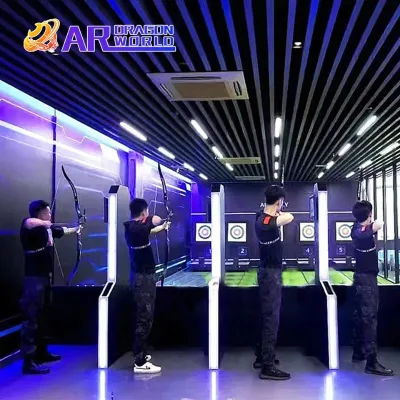
Interactive Archery Target Simulator for Realistic Indoor Shooting Fun
$2200.00 - $2400.00
MOQ: 2 Sets
Huizhou Gongchuang Precision Parts Co., Ltd.
- Verified by SGS Group
- Manufacturer
- Lead time7 days
- Avg. response≤ 1h
Main productsEPE Foam,Toenail Patches,Metatarsal Foot Pads,EVA Foot Pads,Silicone Pad

Guangzhou Nerch Intelligent Technology Co., Ltd.
- Combined
- China Guangdong
- Lead time30 days
- Avg. response≤ 5h
Main productsGo Kart, Go Cart, Electric Go Kart, Agv Vehicle, Smart Golf Follow Cart
Main marketsSouth America,Southeast Asia/ Mideast,Domestic,Europe,Australia,North America


Automatic Scoring System, Track-Free Moving Target for Amusement Park Portable Archery
$7000.00 - $7500.00
MOQ: 1 Sets


Guangzhou Funspace Technology Co., Ltd.
- Verified by SGS
- Combined
- China Guangdong
- Lead time30 days
- Avg. response≤ 6h
Main productsArcade Game Machine, Boxing Game Machine, Virtual Reality, Video Game, Gaming, Game Machine, Claw Machine, Arcade Machine, Coin Operated Kiddie Ride, Photo Booth
Main marketsSouth America,Africa,Southeast Asia/ Mideast,East Asia(Japan/ South Korea),Europe,Australia,North America

Interactive Motion Shooting Simulator Archery Real Experience Equipment Sports Game Facilities
$2400.00 - $2800.00
MOQ: 1 pieces

$2390.00 - $2800.00
MOQ: 1 pieces

$2500.00 - $2800.00
MOQ: 1 pieces
Dongguan City Xingweicheng Packaging Materials Co., Ltd.
- Verified by SGS Group
- Manufacturer, Trading Company
- Lead time3 days
- Avg. response≤ 1h
Main productsFoam Sheet, Foam Insert, Packaging Material, Foam Roll, Box
Main marketsNorth America(15%), Eastern Asia(15%), Eastern Europe(11%)
Shandong Taisheng Sports Industry Co., Ltd.
- Manufacturer, Trading Company
- Shandong, China
- Lead time15 days
- Avg. response≤ 4h
Main productsfloating mat,roll mats,archery target,tatami mat,swimming product
Main marketsNorth America(65.00%), Northern Europe(10.00%), South America(10.00%), Domestic Market(5.00%), Eastern Europe(5.00%), Southeast Asia(2.00%), Oceania(1.00%), South Asia(1.00%), Mid East(1.00%)
Guangzhou Jinchuang Health Technology CO., LTD
- Verified by SGS Group
- Manufacturer, Trading Company
- Lead time15 days
- Avg. response≤ 3h
Main productsGo-Kart, Bumper Cars, Carnival Games Booth, Outdoor amusement equipment, Flying Cinema
Main marketsMid East(20%), North America(10%), Southeast Asia(10%)

Guangzhou U-Rides attraction Co.,Ltd
- Trading Company,Manufacturer/Factory
- China Guangdong
- Lead time23 days
- Avg. response≤ 9h
Main productsMechanical Bull, Inflatables, Inflatable Water Park, Inflatable Castle, Inflatable Slide, Amusement Park, Trampoline, Inflatable Tent, Inflatable Game, Inflatable Products
Main marketsSouth America,Eastern Europe,Mid East,North America,Southeast Asia,Eastern Asia,Oceania,Western Europe,Africa

Dongguan Fenghetong Packing Co., Ltd.
- Verified by SGS
- Combined
- China Guangdong
- Lead time15 days
- Avg. response≤ 3h
Main productsShooting Category, Package Printing
Main marketsSouth America,East Asia(Japan/ South Korea),Europe,Australia,North America

Tianjin Guoyu Technology Co., Ltd.
- Trading Company
- TIANJIN, China
- Lead time15 days
- Avg. response≤ 2h
Main productsMartial Art & MMA Mat,Heat Insulation Box,Floating mat,Heat insulation foam,Tatami jigsaw floor mat
Main marketsDomestic Market(91.50%), Oceania(5.00%), North America(2.35%), Western Europe(0.50%), Eastern Asia(0.50%), Southeast Asia(0.15%)
Shenzhen Dongtai Sponge Product Co., Ltd.
- Verified by Intertek
- Manufacturer, Trading Company
- Lead time20 days
- Avg. response≤ 3h
Main productsPackaging Foam, EVA Foam, Foam Mat, Kneeling Foam, Foam Toys
Main marketsNorth America(43%), Western Europe(22%), Eastern Asia(20%)
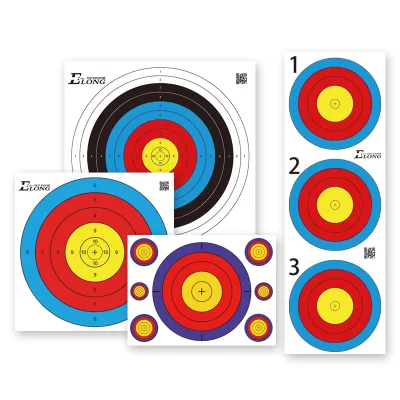
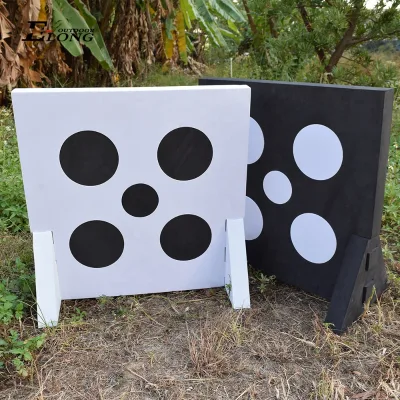
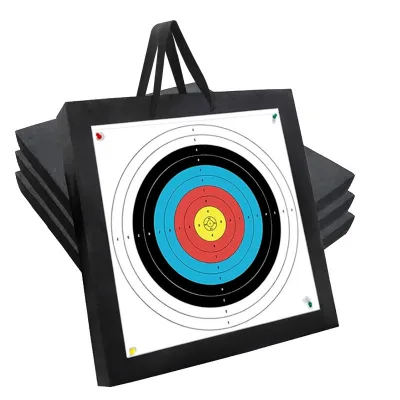
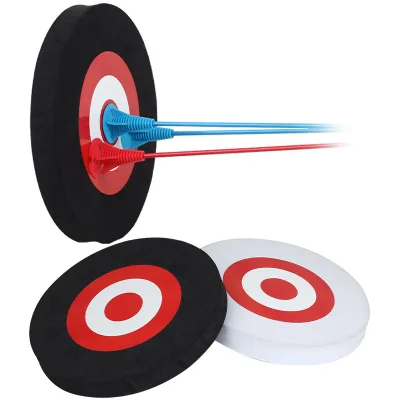



Comprehensive Sourcing Guide
Archery Targets Supplier Concentration and Factory Types
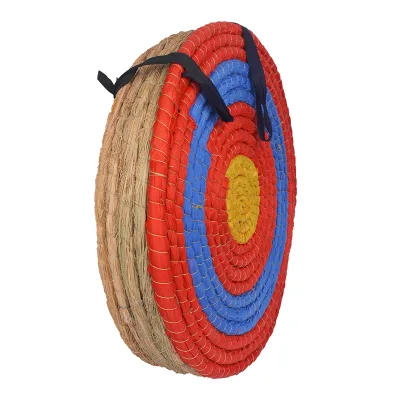
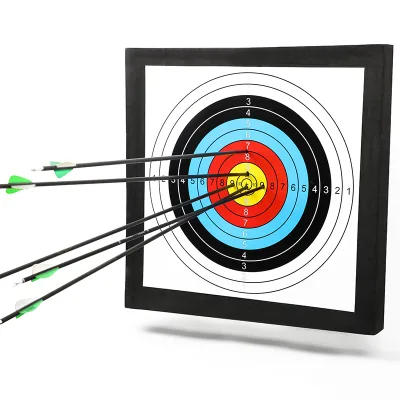
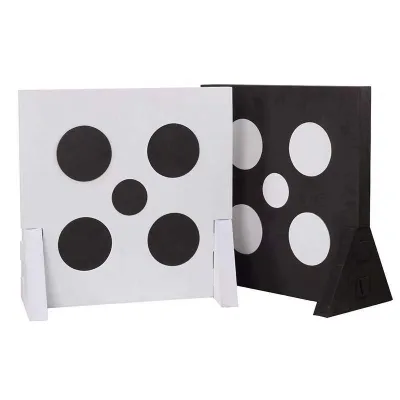
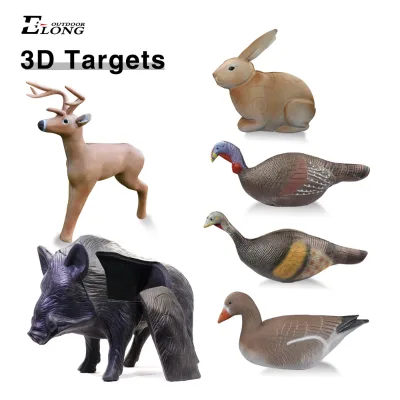
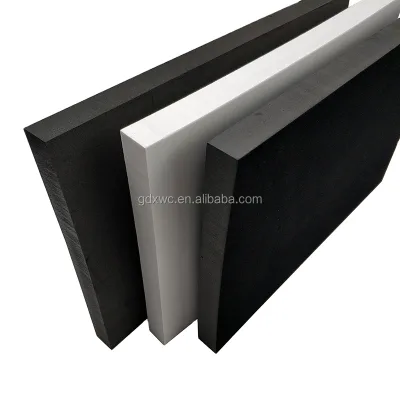
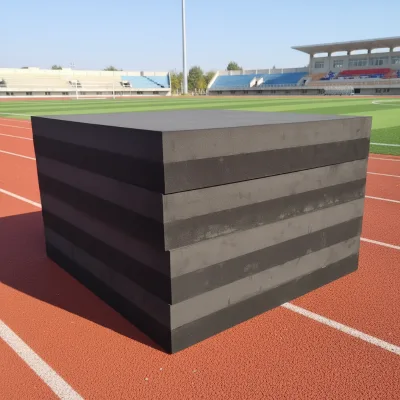
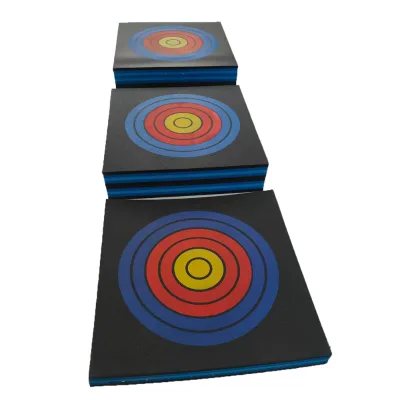
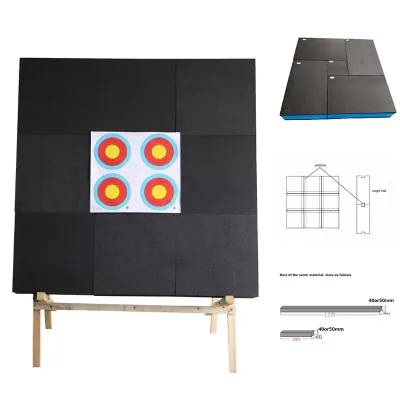
Current search results indicate a specific concentration of suppliers located in Henan, China, offering a range of Archery Targets including grass targets, EVA foam blocks, and polymer fiber options. These suppliers are identified as trading companies rather than direct manufacturers, which suggests they aggregate products from various production facilities to fulfill diverse order requirements. The presence of multiple product lines, such as 3D animal targets and flat shooting targets, within this single region points to a specialized cluster focused on outdoor sports equipment. Buyers should note that while the location is confirmed, the specific factory names behind these trading entities are not disclosed in the current data, requiring further verification to understand the actual manufacturing base.
When evaluating the factory types in this region, it is crucial to distinguish between the trading company structure and the underlying production capabilities. Trading companies often provide flexibility in sourcing different materials like XPE, polymer fiber, or coated paper, but they may not control the entire production process. Buyers must verify if these entities have direct relationships with factories or if they act as intermediaries, as this impacts quality control and communication efficiency. The data shows a mix of product types from the same location, indicating that the Henan cluster supports a broad spectrum of archery accessories. However, without explicit factory certifications or establishment years, buyers should treat the trading company status as a starting point for deeper due diligence regarding production capacity and quality assurance protocols.
How to Verify Archery Targets Suppliers
Verification begins with confirming the stated location of Henan, China, and cross-referencing it with the specific product attributes provided, such as the use of grass, nylon rope, or EVA materials. Buyers should request detailed product specifications that match the observed data, including model numbers like 10201-CBJB-1-1 or 2012190401, to ensure the supplier can deliver the exact items described. It is essential to ask for proof of origin and manufacturing processes, as the trading company model may obscure the actual production site. Checking the consistency of product details, such as the weight of a 50x50 cm target or the dimensions of a 3D animal target, helps validate the supplier's ability to provide accurate information and maintain product integrity.
Response time and communication reliability are critical verification metrics, with current data indicating a five-day response window for inquiries. Buyers should test this responsiveness by sending specific technical questions about material composition, such as the difference between XPE and polymer fiber targets, to gauge the supplier's expertise and speed. Additionally, verifying the Minimum Order Quantity (MOQ) requirements, which range from one piece for polymer targets to ten pieces for target pasters, ensures the supplier can accommodate the buyer's scale. Establishing a clear communication channel and confirming the supplier's ability to provide samples or detailed photos of the actual products is necessary before committing to larger orders, ensuring that the trading company can effectively bridge the gap between the buyer and the manufacturing source.
What to Compare Across Archery Targets Suppliers
Comparing suppliers requires a detailed analysis of key operational metrics such as lead time, MOQ, and pricing structures, which vary significantly across the available product range. For instance, some suppliers offer a minimum order of just one piece for polymer fiber targets, while others require ten pieces for target pasters or five pieces for 3D animal targets. Lead times are noted as five days in the current data, but this should be confirmed for specific order volumes and shipping methods. Buyers must also compare the price ranges, which span from $0.05 for small target pasters to over $100 for large polymer targets, to determine the best value proposition for their specific needs.
Material composition and product features are another vital comparison point, with options ranging from durable grass and nylon rope to high-density EVA foam and polymer fiber. The data highlights specific attributes like thickness options for EVA targets, which vary from 2 cm to 20 cm, and color choices for target pasters, including orange, purple, green, and red. Buyers should evaluate which materials best suit their intended use, whether for indoor training, outdoor hunting, or competitive shooting. Additionally, comparing the single package sizes and weights, such as the 60x60x30 cm package for grass targets versus the 25x25x3 cm package for small EVA targets, helps in planning logistics and storage. These comparisons ensure that the selected supplier aligns with the buyer's technical requirements and budget constraints.
Common Archery Targets Sourcing Risks
One significant risk in sourcing Archery Targets is the potential mismatch between the trading company's representation and the actual product quality or specifications. Since the suppliers are identified as trading companies, there is a possibility that the materials described, such as XPE or polymer fiber, may not meet the expected durability standards if the underlying factory lacks proper quality control. Buyers must be cautious of discrepancies in product dimensions or weights, as the data shows variations like a 990 g weight for a grass target versus a 6 kg weight for a polymer target. Without direct factory oversight, ensuring that the final product matches the advertised features, such as the "durable" claim or specific thickness levels, requires rigorous sample testing and clear contractual agreements.
Another risk involves the variability in Minimum Order Quantities and lead times, which can disrupt supply chain planning. While some products have an MOQ of one piece, others require ten or five pieces, creating complexity for buyers with mixed product needs. The five-day lead time mentioned in the data may not apply to all scenarios, especially for custom orders or large batch productions. Buyers should also consider the risk of inconsistent response times, as the current data indicates a five-day window, which might be too slow for urgent orders. To mitigate these risks, buyers should establish clear communication protocols, request detailed production schedules, and verify the supplier's ability to handle different order sizes and timelines without compromising on product quality or delivery speed.
Archery Targets Regional Sourcing and Logistics
Sourcing from Henan, China, offers logistical advantages due to the region's established infrastructure for sports equipment, but buyers must account for specific shipping considerations. The data indicates various package sizes, ranging from compact 13x10x9 cm boxes for target pasters to larger 112x32x77 cm packages for 3D animal targets, which directly impacts freight costs and container utilization. Buyers should calculate shipping expenses based on the total volume and weight of their order, as the single gross weights vary significantly, from 0.005 kg for small items to 9.0 kg for larger targets. Understanding these logistics parameters is essential for accurate cost estimation and efficient inventory management.
The location in Henan also implies specific customs and import regulations that buyers must navigate when importing Archery Targets. While the region is a known hub for this type of equipment, buyers should verify the specific export documentation required for materials like EVA foam or polymer fiber, which may have different classification codes. Additionally, the lead time of five days for production must be combined with transit times to the buyer's location to determine the total delivery window. Buyers should work with freight forwarders who have experience with sports equipment from this region to ensure smooth customs clearance and timely delivery. Proper planning of regional logistics helps avoid delays and unexpected costs, ensuring a seamless supply chain from the Henan cluster to the final destination.
Archery Targets Commercial Terms and Order Planning
Commercial terms for Archery Targets vary based on the product type, with MOQs ranging from one piece to ten pieces and price points spanning from $0.05 to over $100. Buyers must carefully review these terms to align their order planning with their budget and inventory needs. For example, ordering a single polymer fiber target is feasible for small-scale testing, while larger orders of grass targets or 3D animals may require bulk purchasing to achieve cost efficiency. The data also highlights specific model numbers and product names, which should be included in purchase orders to prevent confusion and ensure the correct items are delivered. Clear communication of these commercial terms is vital for avoiding disputes and ensuring that both parties have a shared understanding of the order requirements.
Order planning should also consider the response time and lead time, which are currently noted as five days for both inquiry response and production. Buyers should factor this into their overall timeline, especially if they have tight deadlines or seasonal demand. It is advisable to place orders well in advance to accommodate any potential delays or additional production requirements. Additionally, buyers should verify the payment terms and escrow options available, as these can provide security for both parties during the transaction. By carefully planning the order process and understanding the commercial terms, buyers can minimize risks and ensure a smooth procurement experience for their archery target needs.
FAQs
Where are these Archery Targets manufactured?
All listed Archery Targets originate from Henan, China. This location is consistent across the product listings for grass targets, foam blocks, and polymer fiber options. Buyers should verify specific factory details during direct communication with suppliers.
What is the minimum order quantity for targets?
Minimum order quantities vary by product type. Some items like polymer fiber targets require only one piece, while others such as target pasters need ten pieces. Animal-shaped targets typically start at five units. Always check the specific listing for exact requirements.
How long does it take to receive an order?
The standard lead time for these products is five days. This duration applies to the manufacturing and preparation phase before shipping. Buyers should confirm final delivery dates with the supplier based on their specific shipping method and destination country.
What materials are used for Archery Targets?
Targets are made from various materials including grass, nylon rope, EVA foam, polymer fiber, and coated paper. Specific products like the 3D animal targets use XPE material. The choice depends on whether the target is for indoor practice or outdoor hunting.
What is the price range for Archery Targets?
Prices range from approximately 0.05 to 102.73 depending on the product. Small target pasters cost very little, while larger polymer fiber targets are significantly more expensive. The final price depends on the selected thickness, size, and quantity ordered from the supplier.
Are these targets suitable for hunting and training?
Yes, the products are designed for shooting, hunting, and training purposes. Many listings explicitly state usage for archery lovers and outdoor activities. The durable materials ensure they can withstand repeated use for both recreational practice and serious hunting training sessions.
How quickly do suppliers respond to inquiries?
Suppliers typically respond within five hours to buyer inquiries. This response time helps facilitate quick negotiations regarding product specifications and shipping arrangements. Buyers can expect timely communication when contacting these trading companies for archery equipment sourcing needs.