anti-slip quick drying equestrian breeches Suppliers and Manufacturers
Compare 23 verified suppliers offering anti-slip quick drying equestrian breeches with details on location, lead times, certifications, and pricing. Review product attributes like material and customization options to select the right factory for your order; review the available evidence before requesting comparable quotations from suitable candidates.
Updated
Suppliers List

Dongguan Ope Equestrian Co., Ltd.
- Trading Company,Manufacturer/Factory
- China Guangdong
- Lead time23 days
- Avg. response≤ 9h
Main productsBreeches, Saddle Pad, Horse Riding Wear, Equestrian, Fly Mask, Horse Wraps, Rugs, Leggings, Horse Protective Vest, Riding Pants
Main marketsSouth America,Eastern Europe,North America,Southeast Asia,Eastern Asia,Oceania,Western Europe

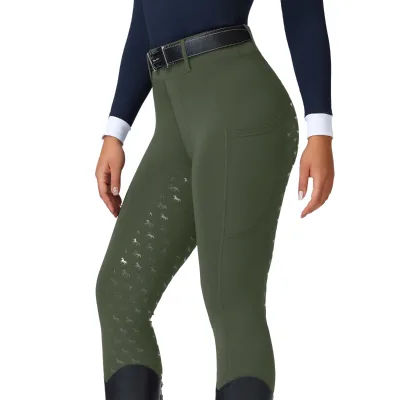
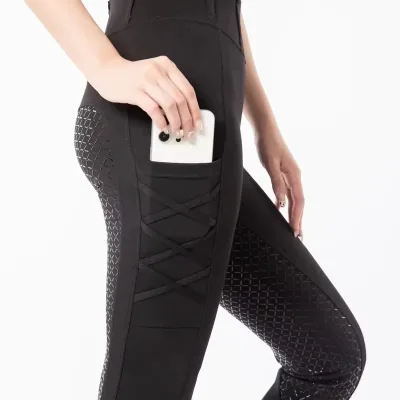
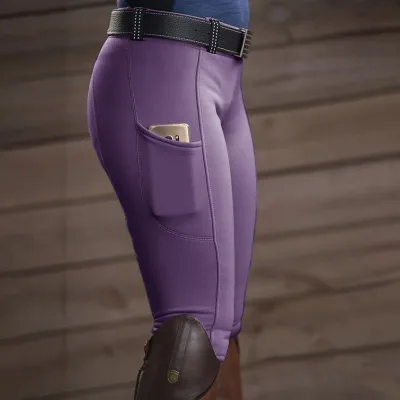
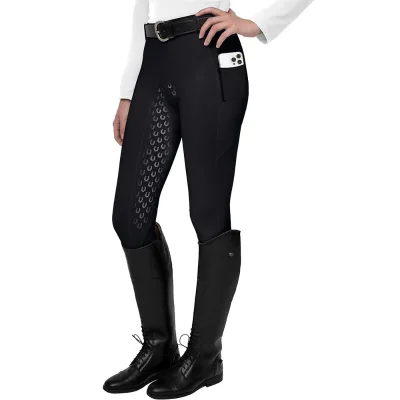
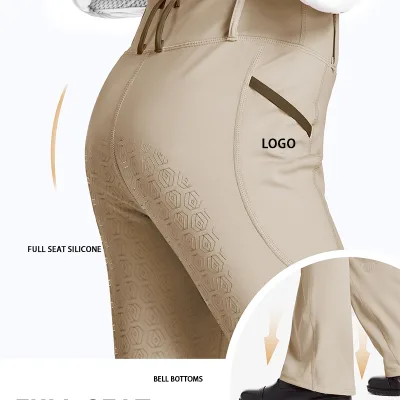
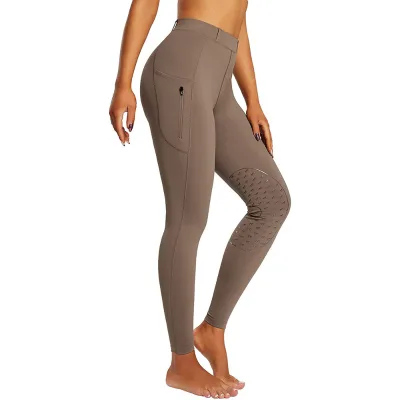
Anti-Slip Silicone Equestrian Breeches Equestrian Pants Pocket Horse Riding Breeches
$16.00 - $18.00
MOQ: 200 Pieces


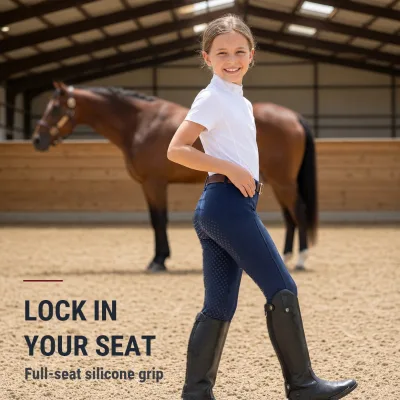
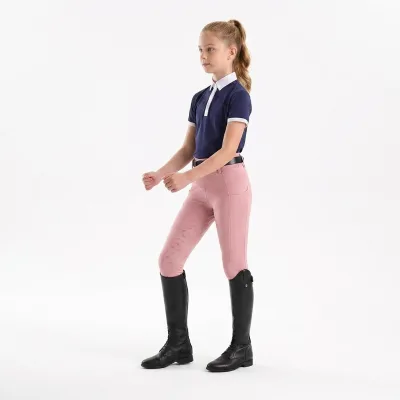
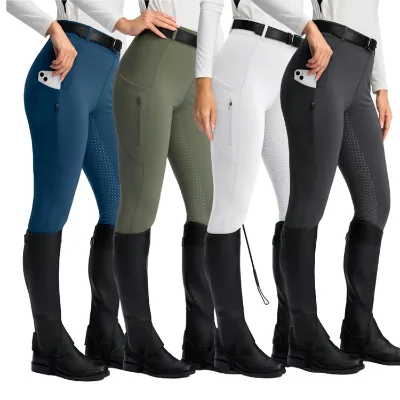
Customized Children Adult Horse Riding Tights Equestrian Navy Breeches
$13.99 - $18.99
MOQ: 200 Pieces

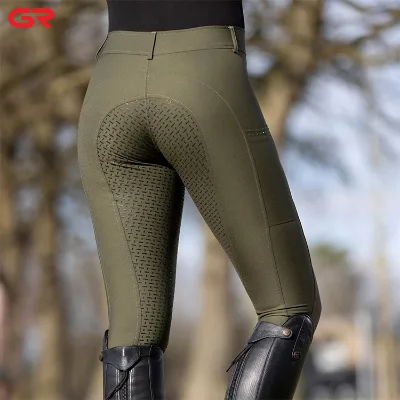
Custom Skin-Friendly Soft and Comfortable Fabric Riding Pants Equestrian Breeches
$13.99 - $18.99
MOQ: 100 Pieces

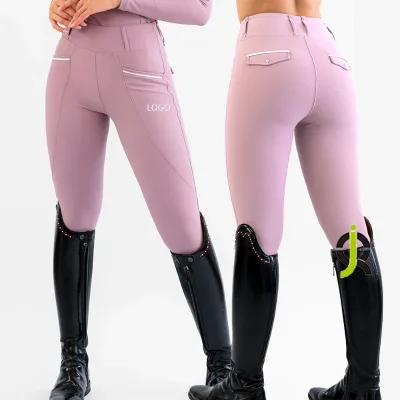
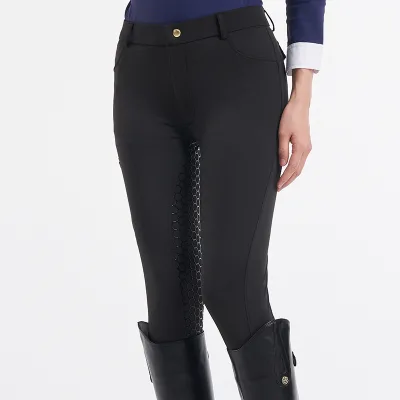
Equestrian Breeches Horse Riding Tights Women Riding Pant Equestrian Clothes Breeches
$16.00 - $18.00
MOQ: 200 Pieces

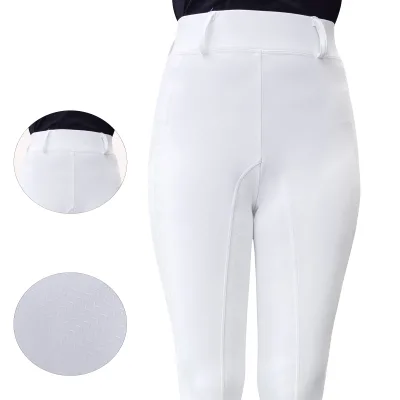
Factory Price Competition Equestrian Quick Dry Equestrian Jodhpurs Women Horse Riding Breeches
$16.00 - $18.00
MOQ: 200 Pieces
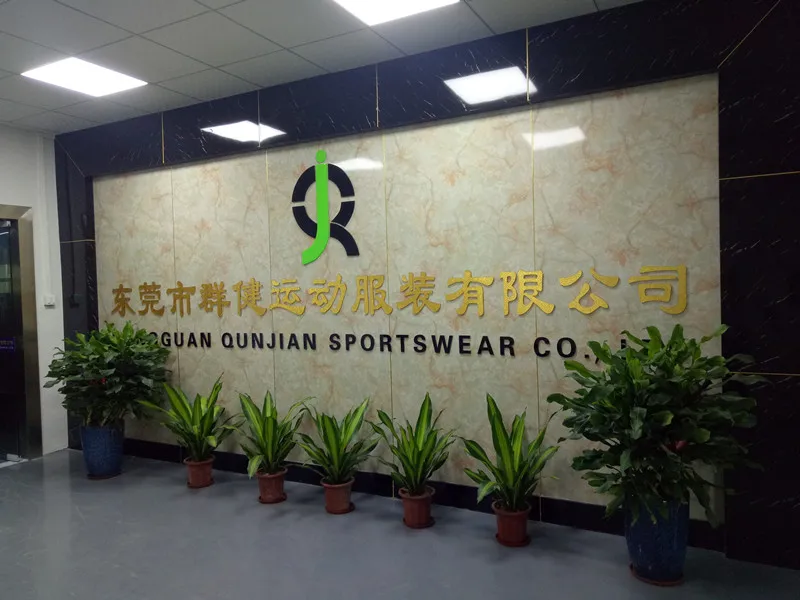
Dongguan Qunjian Sportswear Co., Ltd.
- Manufacturer, Trading Company
- Guangdong, China
- Lead time20 days
- Avg. response≤ 2h
Main productsFitness Gym Wear/Yoga Wear/Hoods/Jogging,Soccer Wear,Basketball Wear,equestrian clothing,sauna suit
Main marketsDomestic Market(60.00%), North America(15.00%), Eastern Europe(7.00%), Eastern Asia(5.00%), Oceania(5.00%), Southeast Asia(2.00%), South Asia(1.00%), Southern Europe(1.00%), Northern Europe(1.00%), Central America(1.00%), Africa(1.00%), Western Europe(1.00%)

Henan Joinwell Industrial Co., Ltd.
- Verified by BV
- Trading Company
- China Henan
- Lead time15 days
- Avg. response≤ 4h
Main productsPlastic Collasible Container, Steel Bulk IBC Container, 210L Steel Drum, Plastic Pallet Container, Thermal Roll Cage Cover, Steel Roll Container, Pallet Wrap, Cooler Box, Aseptic Bag, Plastic IBC Tank
Main marketsSouth America,Others(foreignTradeCapacity.exportBusinessCapacityMarketOther),East Asia(Japan/ South Korea),Europe,North America

Equestrian Men's and Women's All-Season Elastic Tight Quick-Drying Breeches
$21.80 - $27.80
MOQ: 20 Pieces

Custom-Made Equestrian Clothing Is Wear-Resistant and Anti-Slip Riding Breeches
$21.80 - $27.80
MOQ: 20 Pieces

for Equestrian Competitions Breathable and Wear-Resistant Riding Breeches
$17.80 - $18.80
MOQ: 20 Pieces

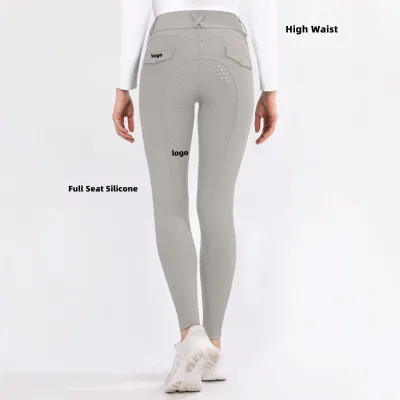
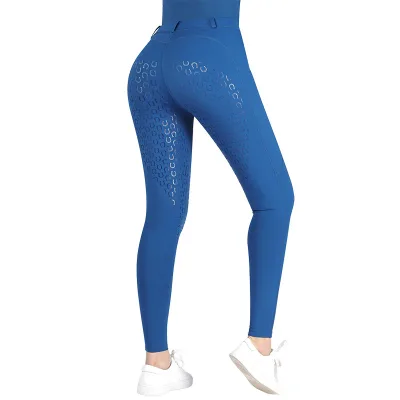
Equestrian Clothing Full Seat Silicone Anti-Slip Durable Horse Riding Pants Breeches
$17.80 - $18.80
MOQ: 20 Pieces

Equestrian Clothing Full Seat Silicone Anti-Slip Durable Riding Leggings Jodhpurs Breeches
$17.80 - $18.80
MOQ: 20 Pieces

Essential for Equestrian Enthusiasts Rider Training Competition Breeches
$15.80 - $16.80
MOQ: 20 Pieces

- Verified by CTI
- Trading Company,Manufacturer/Factory
- China Fujian
- Lead time90 days
- Avg. response≤ 16h
Main productsOutdoor Jackets, Swimwear, Gym Wear, Sport Pants, Beach Shorts, Puffer Jackets, Workwear, Yoga Wear, Kid's Clothes, Sweater
Main marketsSouth America,Eastern Europe,Mid East,North America,Southeast Asia,Eastern Asia,Western Europe,Africa


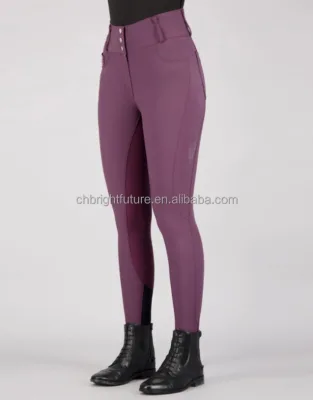
Women's Silicone Full-Seat Breeches - Double Pocket Equestrian Riding Pants
$13.00 - $14.00
MOQ: 300 Pieces
JiangXi Fanfaree Light Industry Co.,Ltd
- Manufacturer, Trading Company
- JiangXi, China
- Lead time30 days
- Avg. response≤ 4h
Main productsHorse Rugs,Sport Bags,Pet Bags,Sadle Padds
Main marketsDomestic Market(100.00%)
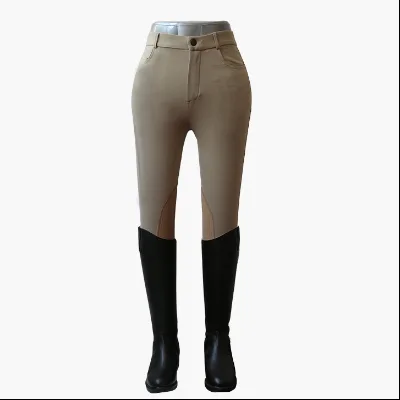
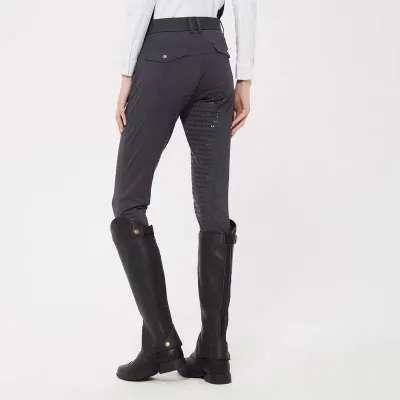
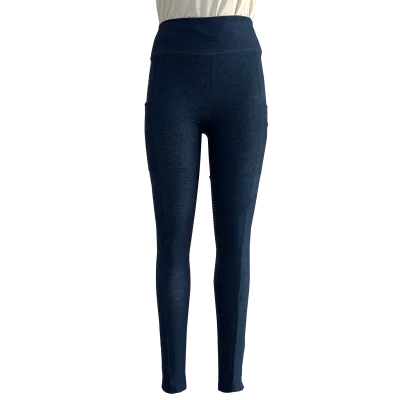
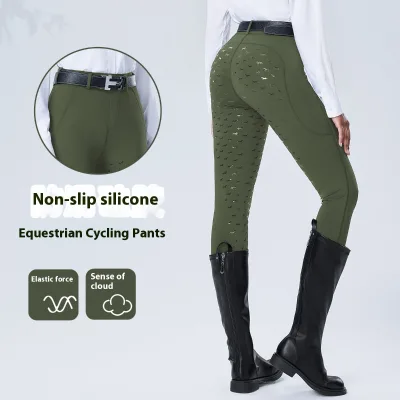
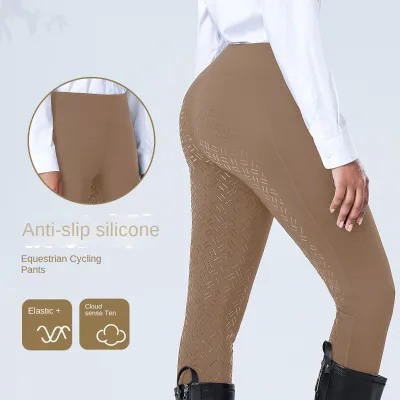
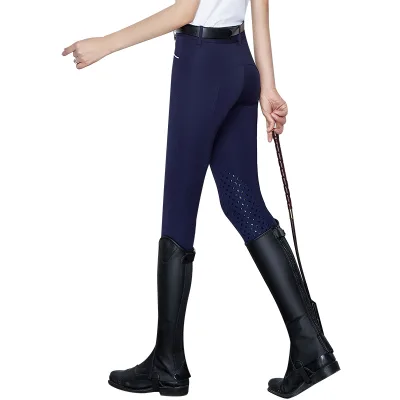
Factory Direct Sales Custom Women's Breeches Equestrian Pants Horse Rid at Cheap Price
$31.68 - $34.98
MOQ: 100
Ch Bright Future Clothing Co., Ltd.
- Manufacturer, Trading Company
- Fujian, China
- Lead time0 days
- Avg. response≤ 5h
Main productsHorse Riding Jacket/Horse Riding Tshirt/Horse Riding Breeches/Horse Saddle Pad/Horse Rug
Main marketsNorth America(50.00%), Oceania(30.00%), Western Europe(10.00%), Southern Europe(2.00%), Eastern Europe(2.00%), South America(1.00%), Eastern Asia(1.00%), Northern Europe(1.00%), Africa(1.00%), Mid East(1.00%), Southeast Asia(1.00%)
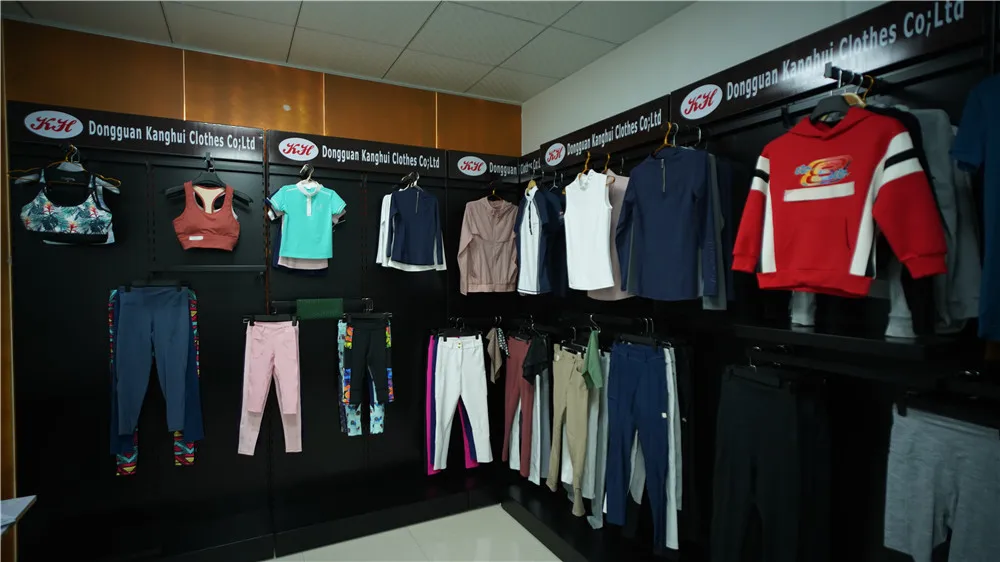
Dongguan Kanghui Clothes Co., Ltd.
- Manufacturer, Trading Company
- guangdong, China
- Lead time10 days
- Avg. response≤ 10h
Main productsEquestrian clothing,maternity clothing,women yoga wear,men active wear,swimwear
Main marketsSouth Asia(10.00%), Western Europe(10.00%), Southeast Asia(10.00%), Eastern Asia(10.00%), South America(10.00%), North America(10.00%), Domestic Market(5.00%), Oceania(5.00%), Southern Europe(5.00%), Northern Europe(5.00%), Central America(5.00%), Africa(5.00%), Eastern Europe(5.00%), Mid East(5.00%)
Dongguan Muchen Sporting Goods Co., Ltd.
- Verified by SGS Group
- Trading Company
- Lead time30 days
- Avg. response≤ 4h
Main productsYoga Pants, Sports Bra, Horse Riding Pants, Fishing Clothing, Men Sports Wear
Main marketsNorth America(60%), Western Europe(20%), Oceania(10%)
Dongguan City Eation Garment Co., Ltd.
- Verified by SGS Group
- Manufacturer, Trading Company
- Lead time30 days
- Avg. response≤ 5h
Main productsYoga Wears
Main marketsNorth America(50%), Oceania(23%), Western Europe(10%)

- Verified by TUVRHEINLAND
- Manufacturer/Factory
- China Guangdong
- Lead time15 days
- Avg. response≤ 4h
Main productsPatches, Badges, Woven Labels, Hang Tag, Lanyard, Gift Pouch, Promotional Caps, Promotonal Bracelet, Keychain, Bracelet
Main marketsSouth America,Eastern Europe,Mid East,North America,Southeast Asia,Eastern Asia,Oceania,Western Europe,Africa
Xiamen Bella Fitness Co., Ltd.
- Verified by Intertek
- Manufacturer, Trading Company
- Lead time60 days
- Avg. response≤ 2h
Main productsSports Bra, Leggings, Jacket, Hoodies, Tank Tops
Main marketsNorth America(65%), Oceania(20%), Western Europe(10%)

Dongguan Shuyu Activewear Co., Ltd.
- Verified by SGS
- Trading Company,Manufacturer/Factory
- China Guangdong
- Lead time120 days
- Avg. response≤ 6h
Main productsActivewear, Yoga Wear, Equestrian Clothing, Sportswear, Athleisure Wear, Lounge Wear, Fitness Wear, Horse Riding Wear
Main marketsSouth America,Eastern Europe,Mid East,North America,Southeast Asia,Eastern Asia,Oceania,Western Europe


Wholesales Silicone Horse Riding Breeches Horse Equestrian Jodhpurs Women Breeches
$8.35 - $11.56
MOQ: 100 Pieces

$15.55 - $18.55
MOQ: 100 Pieces

Hot Sale Equestrian Clothing Full Grip Horse Riding Pants Women Breeches Equestrian Products
$8.35 - $11.56
MOQ: 100 Pieces

High Performance Horse Riding Breeches for Women Jodhpurs Equestrian Pants
$14.50 - $17.50
MOQ: 100 Pieces

$11.50 - $14.50
MOQ: 100 Pieces
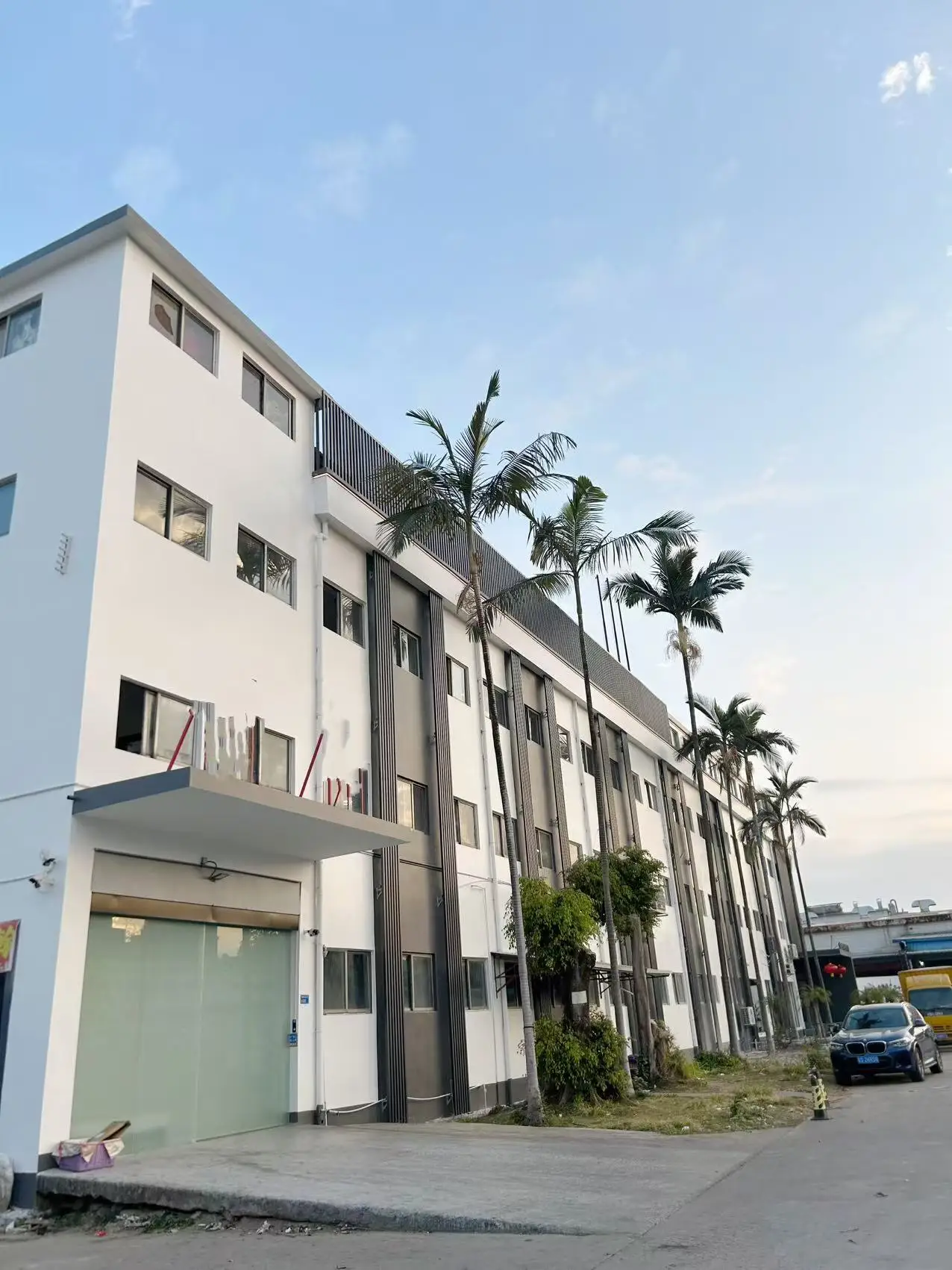
- Trading Company
- Guangdong Province, China
- Lead time30 days
- Avg. response≤ 11h
Main productsEquestrian clothing,Lounge wear,Maternity Clothing,active wear,sports wear
Main marketsNorth America(28.00%), Western Europe(20.00%), Northern Europe(20.00%), Oceania(10.00%), Southern Europe(10.00%), Central America(5.00%), Southeast Asia(3.00%), Eastern Europe(2.00%), South America(2.00%)
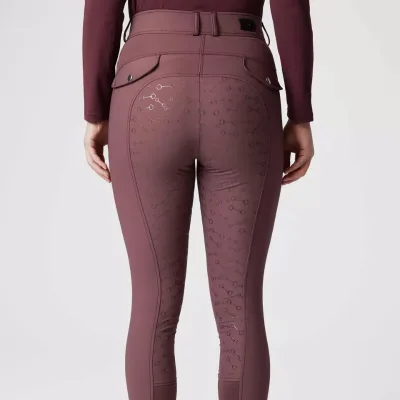
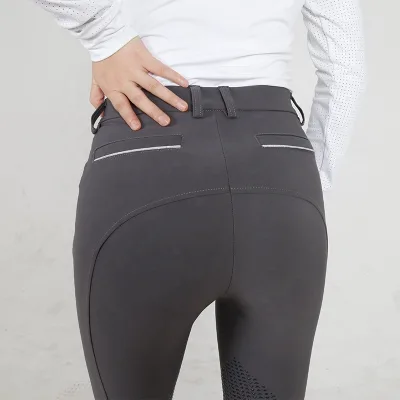
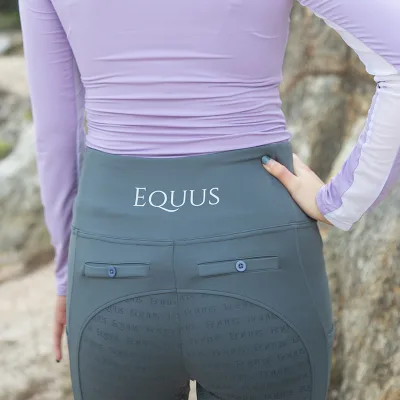
High Waist Winter Equestrian Breeches Pants
$15.99 - $22.99
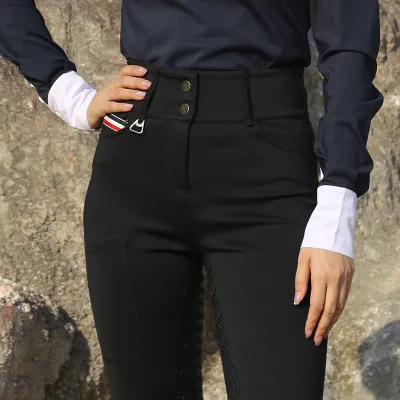
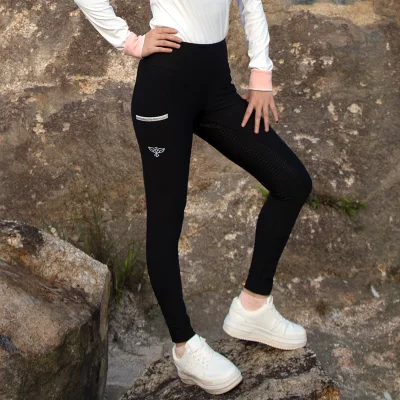

- Verified by SGS
- Manufacturer/Factory
- China Guangdong
- Lead time45 days
- Avg. response≤ 10h
Main productsEquestrian Clothes, Horse Riding Breeches, Tops for Horse Riding, Saddle Pads, Horse Riding Socks, Horse Riding Jackets, Waterproof Jackets, Winter Puffers for Horse Riding, Base Layers for Equestrian, Equestrian Jodhpurs
Main marketsSouth America,Eastern Europe,North America,Western Europe


Trendy Equestrian Jodhpur Breeches with Sparkle for Horse Riding Breeches
$19.50 - $23.00
MOQ: 100 Pieces


Men's Stylish Equestrian Breeches with Breathable Fabric Horse Riding Breeches
$25.00 - $27.00
MOQ: 100 Pieces


High-Quality Silicone Equestrian Clothes Non-Slip Women's Outdoor Riding Pants Equestrian Breeches
$20.00 - $22.00
MOQ: 100 Pieces
Dongguan Eaglevision Technology Co., Ltd.
- Verified by TüVRheinland
- Trading Company
- Lead time10 days
- Avg. response≤ 2h
Main productsEquestrian Shirt, Breeches, Horse Riding Jacket, Yoga Leggings, T Shirt And Sweatshirt
Main marketsEastern Europe(27%), North America(20%), South Asia(18%)
Guangzhou Muxin Sporting Goods Co., Ltd.
- Verified by SGS Group
- Trading Company
- Lead time20 days
- Avg. response≤ 4h
Main productsYoga Pants, Sports Bra, Equestrian Breeches, Equestrian Clothing, Show Jacket
Main marketsNorth America(40%), Western Europe(40%), South America(10%)
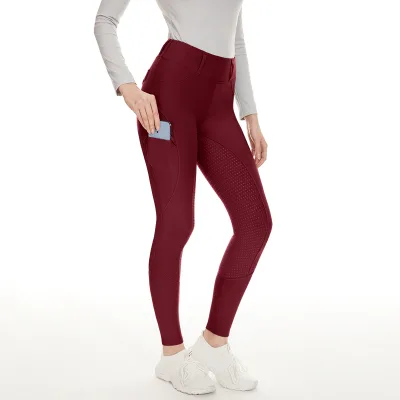
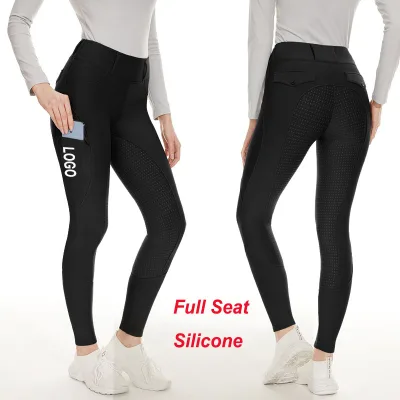
$16.4056 - $22.5583
MOQ: 100 pieces
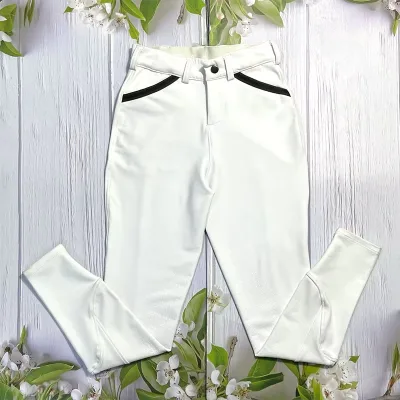
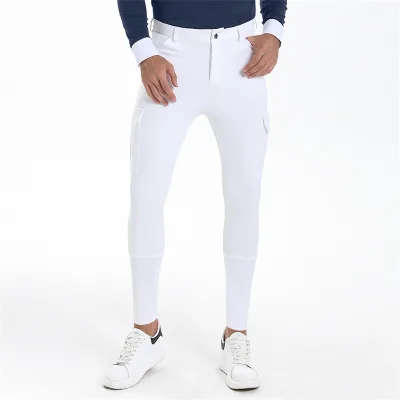
$22.8083 - $25.9176
MOQ: 10 pieces
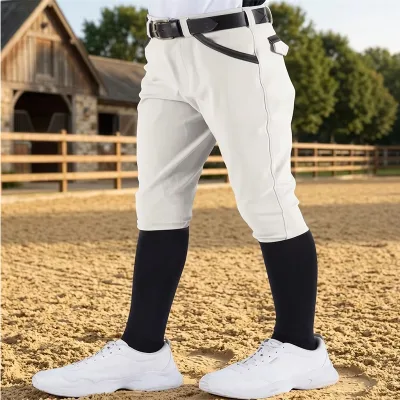
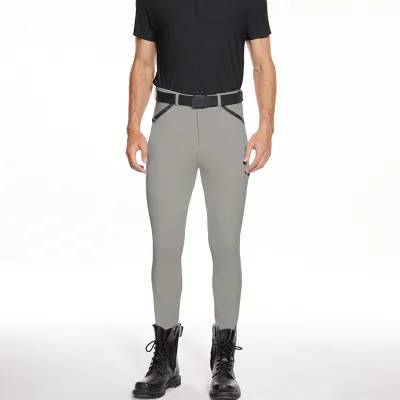
$19.946 - $26.2454
MOQ: 10 pieces

Xiamen Ruliron Trading Co., Ltd.
- Verified by SGS
- Trading Company
- China Fujian
- Lead time60 days
- Avg. response≤ 3h
Main productsOutdoor Wear, Sports Wear, Jacket, Pants, Sweaters, Hoodies, T-Shirt, Jersey, Trousers, Coat
Main marketsEurope,North America

Women's Equestrian Breeches High Waist Skinny Riding Breeches with Silicone Grip Horse Pants
$16.00 - $30.00
MOQ: 1 Pieces

Men's Riding Horse Equestrian Breeches with Full Seat Silicone Grip High Stretch
$27.00 - $38.00
MOQ: 1 Pieces


Dongguan Great Sportswear Co., Ltd.
- Verified by SGS Group
- Manufacturer, Trading Company
- Lead time25 days
- Avg. response≤ 8h
Main productsYoga Leggings, Sports Bra , Yoga Tops, Yoga Sets, Tracksuits
Main marketsNorth America(55%), Oceania(25%), Eastern Europe(10%)
Shijiazhuang Aofeite Imp & Exp Co., Ltd.
- Manufacturer, Trading Company
- Lead time旺季: "1 - 100":31,"> 100":"To be negotiated", 淡季: "1 - 100":31,"> 100":"To be negotiated"
- Avg. response≤ 2h
Main productsKnee Brace, Lumbar Support Belt

Xiamen Crownway Apparel Co., Ltd.
- Verified by TUVRHEINLAND
- Trading Company
- China Fujian
- Lead time30 days
- Avg. response≤ 4h
Main productsOutdoor/Ski/Waterproof/Down Jackets, Hiking/ Camping/Waterproof/Ski Pants, Yoga/Gym/Fitness Wear, Active Pants&Shorts, Hoody&Sweatshirt, Beachwear, Underwear, Cycling Wear/Running Wear, Equestrian Clothing/Breeches, Safety/Security Workwear
Main marketsSoutheast Asia/ Mideast,Europe,North America

Custom Women Silicone Grip Equestrian Horse Riding Jodhpurs Seat Equestrian Breeches
$5.80 - $7.20
MOQ: 500 Pieces

Custom Black Horse Riding Pants High Waist Jodhpurs Seat Equestrian Breeches
$8.50 - $17.80
MOQ: 500 Pieces
Wuhan Bizarre Sports Co., Ltd.
- Manufacturer, Trading Company
- Hubei, China
- Lead time20 days
- Avg. response≤ 1h
Main productsMen's T-Shirts,Equestrian Clothing,Basketball Wear,Rugby Polo,GYM Wear
Main marketsNorth America(23.00%), Oceania(20.00%), Northern Europe(18.00%), Western Europe(6.00%), Eastern Europe(6.00%), Central America(5.00%), Eastern Asia(5.00%), South America(4.00%), Africa(4.00%), Southern Europe(4.00%), Southeast Asia(2.00%), Domestic Market(1.00%), Mid East(1.00%), South Asia(1.00%)
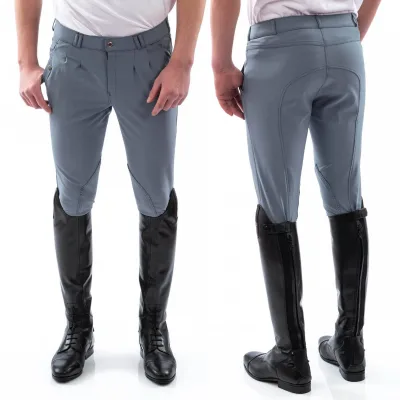
$9.497 - $16.4221
MOQ: 100 pieces
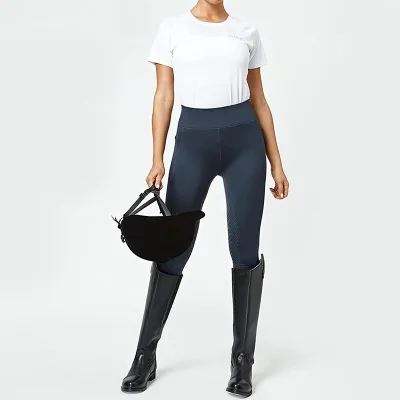
$10.2155 - $14.6122
MOQ: 100 pieces
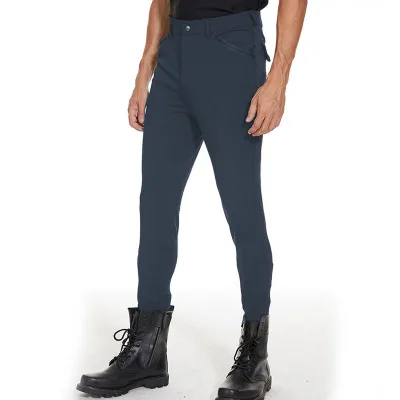
Xiamen Dongmeng Import And Export Co., Ltd.
- Trading Company, Distributor/Wholesaler
- Jimei District, China
- Lead time30 days
- Avg. response≤ 4h
Main productsHoodie,T-shirts,Workwear,Underpants,Outdoor jacket
Main marketsNorth America(35.00%), Southeast Asia(15.00%), Mid East(15.00%), South America(15.00%), Central America(10.00%), Eastern Europe(10.00%)
Hunan Junzhen Sports Co., Ltd.
- Verified by SGS Group
- Trading Company
- Lead time30 days
- Avg. response≤ 6h
Main productsWaterproof Change Robe, Waterproof Jacket, Waterproof Dry Bag, Inflatable Ice Bath Tub, Wetsuit
Main marketsWestern Europe(70%), North America(20%), Eastern Asia(2%)
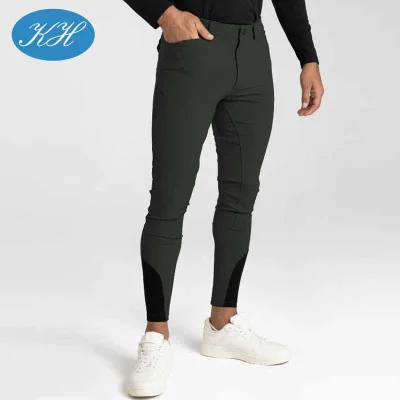
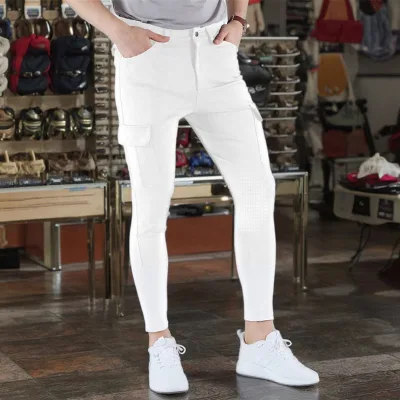
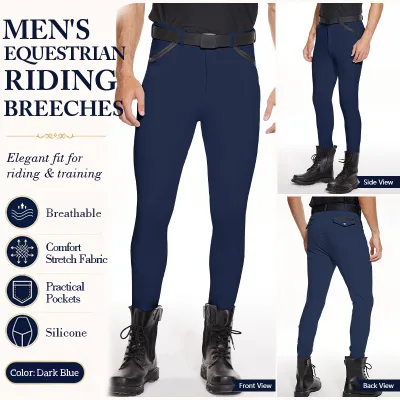
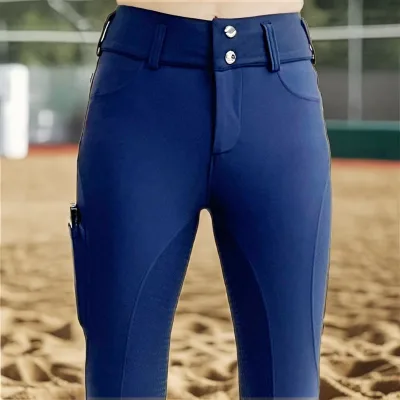
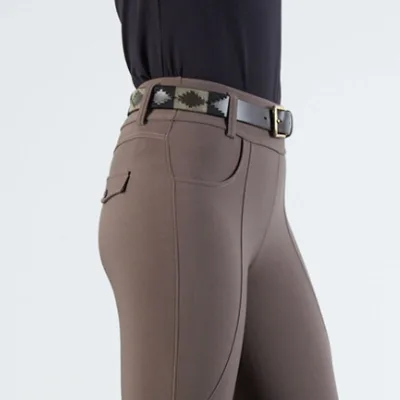
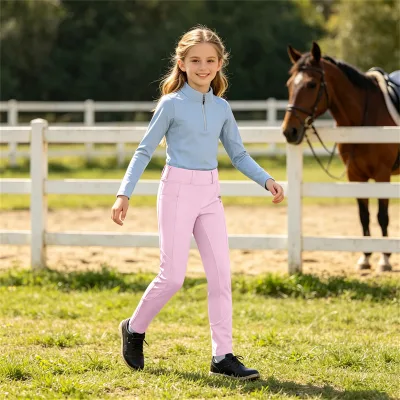
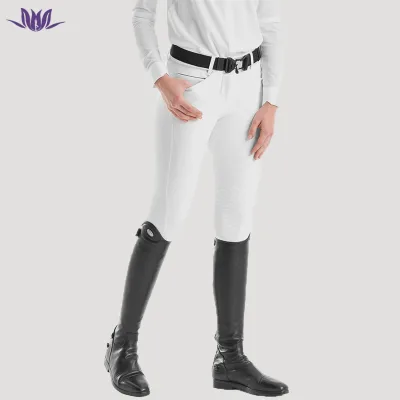
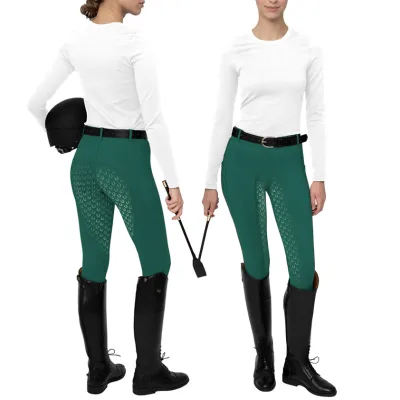
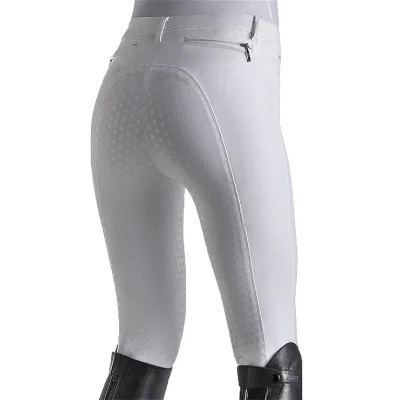


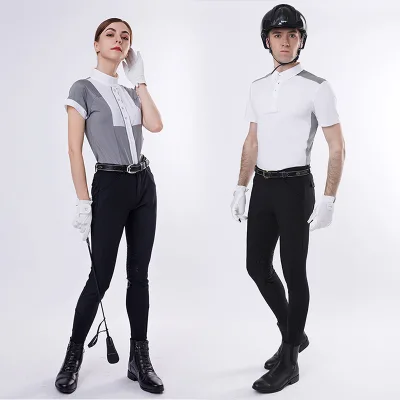
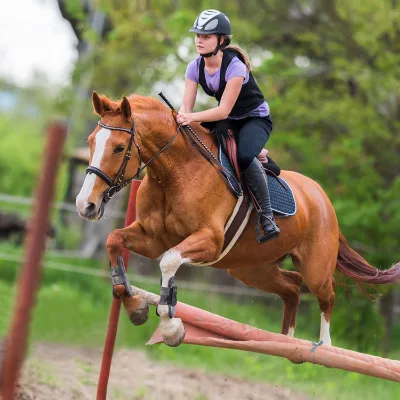
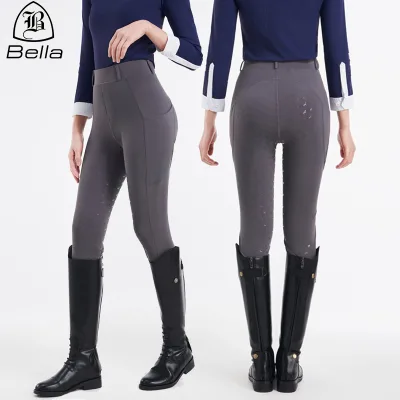
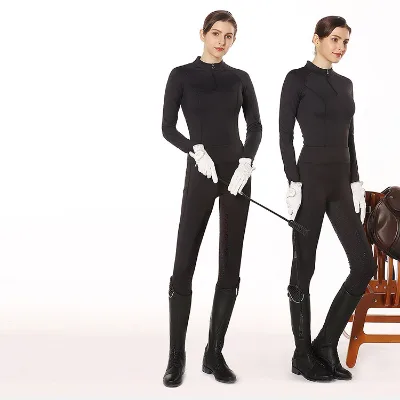
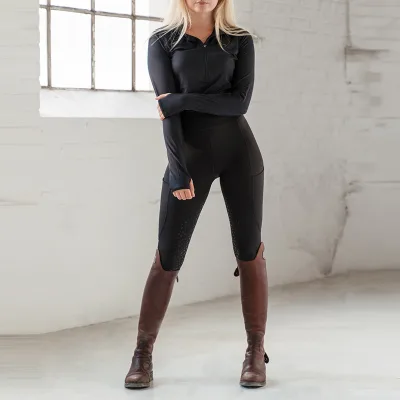
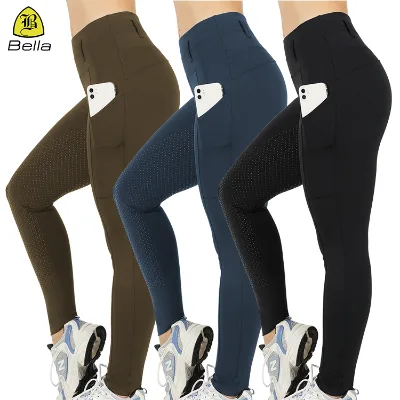
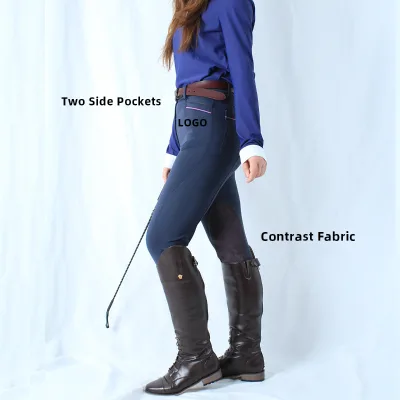
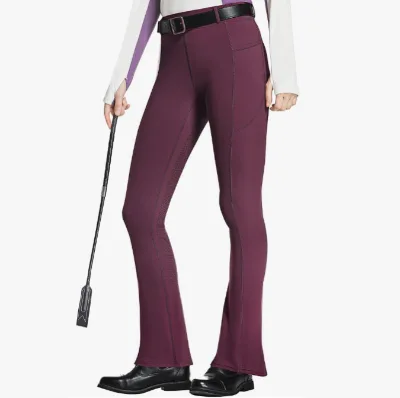
Comprehensive Sourcing Guide
Anti-Slip Quick Drying Equestrian Breeches Supplier Concentration and Factory Types
Suppliers of anti-slip quick drying equestrian breeches on B2B platforms cluster heavily in Guangdong, China, with Dongguan repeatedly appearing as the place of origin on individual product listings in this category. That concentration reflects a broader sportswear ecosystem: many of the manufacturers and trading companies listing breeches also produce fitness gym wear, yoga wear, soccer wear, and basketball wear, which means the stitching, sublimation, and silicone-printing capabilities needed for full-seat or silicone-grip riding tights already exist in these factories. When you filter results, expect to see product catalogs that span equestrian sets and accessories alongside general athletic apparel rather than pure equestrian specialists.
The supplier base splits into two types you must distinguish before quoting. Manufacturer or factory listings typically support OEM and ODM work, offer custom logos, colors, prints, and sizes, and advertise free design services. Trading company listings may combine factory output from multiple sources, which can broaden the product range—breeches, saddle pads, fly masks, horse wraps, rugs, protective vests—but can add a layer between you and the actual production line. Neither type is automatically better; a factory gives you direct control over fabric and silicone grip application, while a trader can consolidate a full equestrian apparel program. Verify which type each supplier declares on its profile and confirm whether the declared role matches what the salesperson tells you in early correspondence.
How to Verify Anti-Slip Quick Drying Equestrian Breeches Suppliers
Begin verification with the profile-level facts a platform displays, then test each one independently. System certifications visible on supplier profiles in this category include BSCI, ISO 9001, OHSAS/OHSMS 18001, QC 080000, and a General Certificate of Conformity (GCC). Do not treat a listed badge as proof of current validity: ask the supplier for the certificate number, the issuing body, and the latest audit date, and confirm scope covers the producing facility rather than only a head office. If social compliance matters to your retail channel, BSCI claims deserve particular scrutiny because audits expire and scope can be narrow.
Next, verify manufacturing capability with evidence tied to this product specifically. Request recent photos or samples of silicone-printed full-seat panels, check whether the supplier's own listings show attributes such as four-needle six-thread or flatlock seaming, and ask which printing methods they run in-house—screen printing, sublimation, and embroidery are all advertised within current breeches listings. A factory that outsources silicone application should disclose that openly. Confirm company type (manufacturer versus trading company) against the business license, and ask for the registered address so you can compare it to the stated Guangdong or Dongguan origin. Finally, test responsiveness and honesty together: send a technical question about fabric composition—listings in this category cite Supplex, cotton, polyester, and spandex/polyester blends—and see whether the reply is precise or evasive. A supplier that answers fabric, gripper, and stitch questions accurately is far more likely to hold production quality than one that only sends a catalog.
What to Compare Across Anti-Slip Quick Drying Equestrian Breeches Suppliers
Build a comparison sheet using the dimensions platforms actually display, without assuming every supplier shows every field. Lead time is one anchor: current category listings show quoted production lead times around 20 and 23 days, which gives you a benchmark for a normal custom run; anything significantly longer should come with an explanation such as fabric sourcing or peak season. Response time is a second anchor—observed averages in these results range from roughly 2 hours to about 8 hours—so log each supplier's figure and also measure your own reply speed during a week of inquiries. MOQ differences matter sharply here: comparable breeches listings show minimums of 100 and 200 pieces, so a supplier's MOQ can decide whether a trial order is affordable.
Compare product breadth against your needs. Some suppliers list anti-slip silicone breeches, riding tights, jodhpurs, and leggings in adult and children's sizes spanning XS to XXL, with sizing and color customization available; others focus narrowly on one garment type. Check whether listings declare in-stock supply versus made-to-order—in-stock items with declared available quantities can support fast trial orders, while customized runs require sample stages. Quoted unit price ranges in this category cluster roughly between the high teens, so treat any quote far below that band as a prompt to interrogate fabric weight (one listing declares a 280-gram fabric) and gripper durability. Finally, compare establishment year where displayed, main products, and whether OEM/ODM capacity is declared.
Common Anti-Slip Quick Drying Equestrian Breeches Sourcing Risks
The most frequent risk in this category is grip failure: the anti-slip silicone print is the product's core feature, yet it is applied last, often by a subcontracted process, and it degrades fastest if the curing is wrong. Mitigate this by requiring a sample that you wash repeatedly—five to ten cycles—and by asking which silicone printing method is used and whether needle detection is performed, since one listing in this category declares needle detection as a controlled attribute. A second risk is performance-fabric exaggeration. Listings advertise 100% breathability, quick-drying, moisture-wicking, anti-static, and rip-stop properties; these are marketing declarations, not lab reports. If those properties matter to your brand, commission independent fabric testing rather than relying on listing claims.
A third risk is scope drift between factory type and order reality. A trading company may quote like a factory, then place your order with an undisclosed workshop, which complicates social-compliance audits and quality control. Confirm the producing entity by name and address before paying. Fourth, watch size-run and specification errors: breeches span XS to XXL across adults and children, and a mislabeled grade rule on a fitted garment with four-way stretch produces costly returns. Finally, beware lead-time optimism. Quoted figures around 20–23 days assume fabric availability; a custom-dyed Supplex or cotton-blend fabric adds weeks. Put milestones—fabric approval, gripper sample, pre-production sample, shipment—into the contract with dates, not just a single delivery promise.
Anti-Slip Quick Drying Equestrian Breeches Regional Sourcing and Logistics
The evidence for this category points clearly to one region: Guangdong, China, with Dongguan named as the origin on multiple breeches and riding-tights listings. This concentration matters practically. A single province hosts the knit fabric mills, silicone-print houses, embroidery and sublimation shops, and garment sewing lines the product requires, so a Dongguan-based supplier can iterate a gripper sample quickly without long internal transfers. If your shortlist contains suppliers outside a documented cluster, apply extra diligence: ask where fabric is knitted and dyed, where silicone printing occurs, and how many days each step adds.
Because cluster geography compresses the supply chain, sample logistics are usually straightforward—courier shipments of a single pair of breeches (one listing declares a gross weight of 0.350 kg per piece) move quickly and cheaply. For production orders, plan around the packing and carton details suppliers declare: individual pieces in PE bags or transparent poly bags, cartons for bulk, with single-package dimensions around 30×24×3 cm. Ask each supplier for the carton count, gross weight, and dimensions of a typical 500- or 1,000-piece run so you can obtain accurate freight quotes rather than estimates. Guangdong's major ports give you frequent sailings to North America, Europe, and Australia, which current listings identify as the main markets, but confirm Incoterms and export-document responsibility in writing before confirming any order.
Anti-Slip Quick Drying Equestrian Breeches Commercial Terms and Order Planning
Structure commercial terms around a staged order plan. Start with a sample order—several listings in this category support a seven-day sample lead time, and in-stock items with declared available quantities make sampling fast—then a trial production run sized just above the MOQ. Observed MOQs of 100 and 200 pieces mean a trial run need not be large; confirm whether the MOQ applies per color, per size mix, or per order, since that changes your cash commitment materially. Quoted unit prices in current listings cluster roughly from the high teens downward, with customization available on logo, colors, prints, and sizes; expect custom work to price above the lowest advertised figure.
On payment, use mechanisms that tie money to verified milestones—deposit on order, balance after pre-shipment inspection—rather than paying large sums before a gripper sample is approved. Where a platform offers escrow-style protection, understand what documentation it requires before funds release, but do not assume every supplier accepts the same terms. Put packaging (PE bag per piece, carton, any custom package), labeling, and needle detection into the order specification, since suppliers declare these attributes and will follow them only if written. Finally, plan timing backward from your selling season: with lead times around 20–23 days plus sampling and fabric procurement, a custom program realistically needs several months, so order for spring and autumn riding seasons well ahead of retail deadlines.
Anti-Slip Quick Drying Equestrian Breeches Supplier Concentration and Factory Types
Suppliers of anti-slip quick drying equestrian breeches on B2B platforms cluster heavily in Guangdong, China, with Dongguan repeatedly appearing as the place of origin on individual product listings in this category. That concentration reflects a broader sportswear ecosystem: many of the manufacturers and trading companies listing breeches also produce fitness gym wear, yoga wear, soccer wear, and basketball wear, which means the stitching, sublimation, and silicone-printing capabilities needed for full-seat or silicone-grip riding tights already exist in these factories. When you filter results, expect to see product catalogs that span equestrian sets and accessories alongside general athletic apparel rather than pure equestrian specialists.
The supplier base splits into two types you must distinguish before quoting. Manufacturer or factory listings typically support OEM and ODM work, offer custom logos, colors, prints, and sizes, and advertise free design services. Trading company listings may combine factory output from multiple sources, which can broaden the product range—breeches, saddle pads, fly masks, horse wraps, rugs, protective vests—but can add a layer between you and the actual production line. Neither type is automatically better; a factory gives you direct control over fabric and silicone grip application, while a trader can consolidate a full equestrian apparel program. Verify which type each supplier declares on its profile and confirm whether the declared role matches what the salesperson tells you in early correspondence.
How to Verify Anti-Slip Quick Drying Equestrian Breeches Suppliers
Begin verification with the profile-level facts a platform displays, then test each one independently. System certifications visible on supplier profiles in this category include BSCI, ISO 9001, OHSAS/OHSMS 18001, QC 080000, and a General Certificate of Conformity (
FAQs
What is the price range for anti-slip equestrian breeches?
Prices typically range from $13.99 to $18.99 per pair depending on customization and material specifications. Buyers should expect costs to vary based on order volume and specific fabric requirements like nylon or polyester blends. Confirm exact pricing with suppliers before placing orders to ensure budget alignment.
What is the minimum order quantity for these breeches?
Minimum order quantities generally start at 100 pieces for standard items and 200 pieces for customized options. Some suppliers offer lower MOQs for in-stock items, while others require higher volumes for custom designs. Always verify the specific MOQ with the supplier to avoid order rejection or extra fees.
How long does production take for custom orders?
Standard lead times are approximately 20 to 23 days for production. Sample orders may be supported within seven days for quick evaluation. Delays can occur due to customization complexity or material availability. Confirm the exact timeline with your chosen supplier to plan your inventory and shipping schedule effectively.
Are these breeches available in custom designs and logos?
Yes, most suppliers offer full customization including custom logos, colors, prints, and sizes. Options include screen printing, sublimation, and embroidery. Free design services are often available for new patterns. Ensure your design files meet supplier requirements to avoid production delays or additional modification charges during the manufacturing process.
What certifications do these equestrian suppliers hold?
Suppliers commonly hold ISO 9001, BSCI, and OHSAS 18001 certifications. Some may also possess GCC certificates for specific markets. These certifications ensure quality management and safety standards. Verify current certification status directly with the supplier to confirm compliance with your regional import regulations and corporate social responsibility requirements.
Where are these equestrian breeches manufactured?
Manufacturing primarily occurs in Guangdong, China, with specific origins in Dongguan. This region is known for its robust textile and apparel supply chains. Buyers should confirm the exact factory location to assess logistics costs and shipping times. Origin details are crucial for determining tariff implications and supply chain transparency.
What materials are used for quick-drying breeches?
Common materials include nylon, polyester, spandex, and Supplex blends. These fabrics offer moisture-wicking, quick-drying, and four-way stretch properties. Some products feature silicone printing for anti-slip grip. Select materials based on your target market's climate and performance needs to ensure customer satisfaction and product durability during equestrian activities.