Eco Friendly Cork Coaster and Placemat Set Suppliers and Manufacturers
Source an Eco Friendly Cork Coaster and Placemat Set from 28 verified suppliers in China. Compare key dimensions including lead times, MOQs, certifications, and response rates. Contact suppliers directly to request samples and confirm pricing details; review the available evidence before requesting comparable quotations from suitable candidates.
Suppliers List
- Verified by SGS
- Trading Company,Manufacturer/Factory
- China Shaanxi
- Lead time23 days
- Avg. response≤ 8h
Main productsCork Sheets, Cork Rolls, Cork Granules, Yoga Cork, Cork Stoppers, Cork Placemats, Cork Coasters, Cork Sticks, Cork Mats, Cork Wall Panels


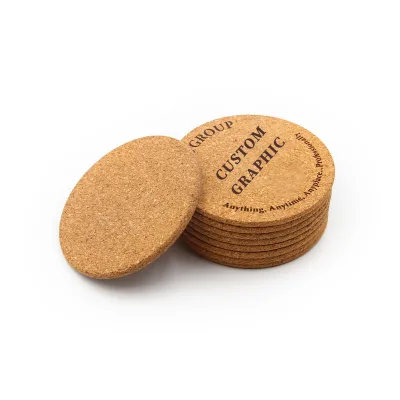
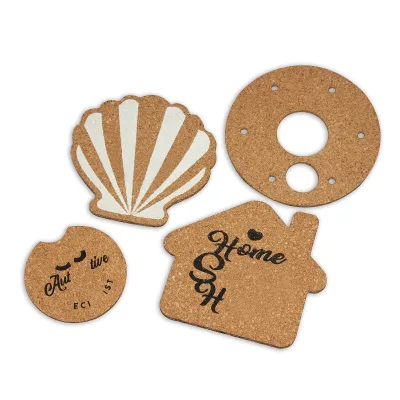
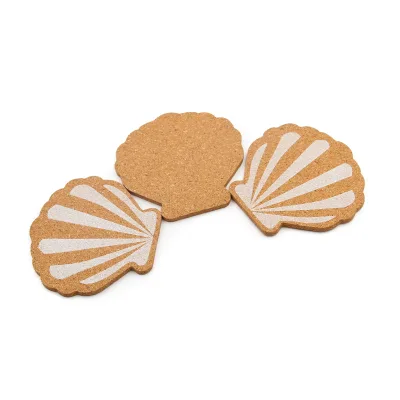
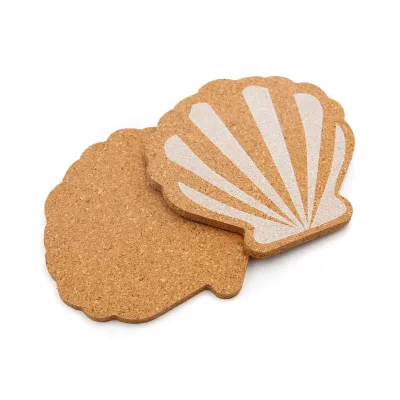
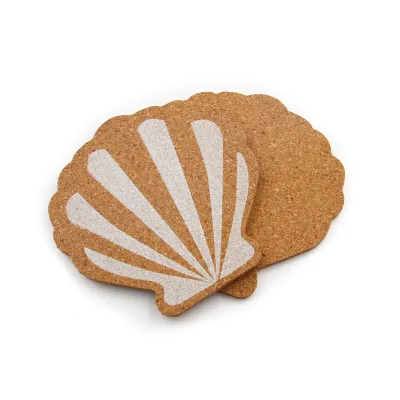
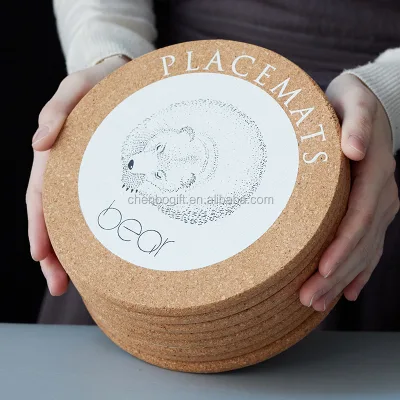
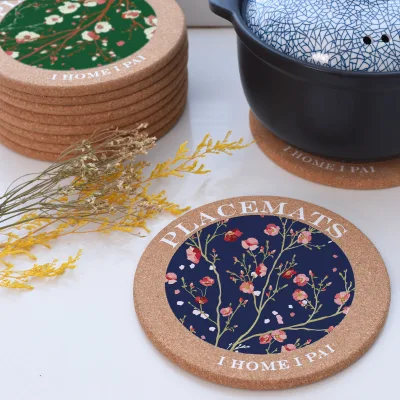
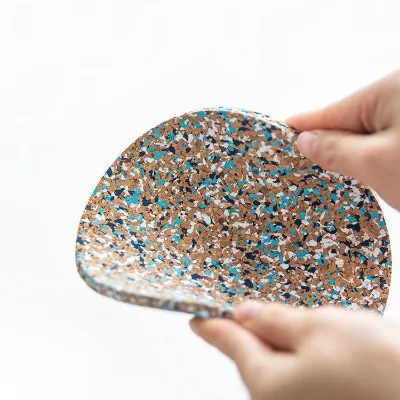
Wholesale Cork Placemats and Coasters Natural Eco Friendly Custom Logo Dining Table Set
$0.55 - $0.60
Moq: 5000

Longgang Juxian Crafts Gifts Co., Ltd.
- Manufacturer, Trading Company
- Zhejiang, China
- Lead time7 days
- Avg. response≤ 2h
Main productspaper coaster,cork coaster,soft pvc coaster,acrylic coaster,metal coaster
Main marketsNorth America(20.0%), Northern Europe(15.0%), Southeast Asia(10.0%), Eastern Asia(10.0%), Domestic Market(5.0%), South Asia(5.0%), Southern Europe(5.0%), South America(5.0%), Western Europe(5.0%), Eastern Europe(5.0%), Mid East(5.0%), Oceania(5.0%), Africa(5.0%)

- Verified by TUVRHEINLAND
- Combined
- China Fujian
- Lead time15 days
- Avg. response≤ 20h
Main productsFridge Magnet, Decorative Hook, Metal Plaque, Wood Plaque, Wooden Photo Frame, Wood Chalkboard, Book Mark, Linen Painting, Canvas Box, Cup Coasters
Main marketsSouth America,Africa,Southeast Asia/ Mideast,East Asia(Japan/ South Korea),Europe,Australia,North America
Changsha Coloring Gifts Co., Ltd.
- Verified by Intertek
- Trading Company
- Lead time15 days
- Avg. response≤ 3h
Main productsFridge Magnet, Playing Card, Card Game, Button Badge
Main marketsNorth America(25%), Eastern Europe(15%), Northern Europe(12%)
Zhejiang Tangwind Crafts Co., Ltd.
- Verified by SGS Group
- Manufacturer, Trading Company
- Lead time30 days
- Avg. response≤ 4h
Main productsCoaster, Placemat, Tazo, Puzzle, Bag
Main marketsWestern Europe(25%), Domestic Market(16%), Eastern Europe(10%)

- Verified by BV
- Manufacturer/Factory
- China Fujian
- Lead time15 days
- Avg. response≤ 25h
Main productsWater Bottle, Kitchen Ware, Shoes, Plastic Product, Bag, Toy
Main marketsSouth America,Eastern Europe,Mid East,North America,Southeast Asia,Eastern Asia,Oceania,Western Europe,Africa
Changsha Besty Gifts Co., Ltd.
- Verified by SGS Group
- Trading Company
- Lead time30 days
- Avg. response≤ 2h
Main productsGame Card/Playing Card, Fridge Maganet, Silicone Bracelet, Coaster
Main marketsMid East(30%), North America(20%), Domestic Market(12%)
Nangong Huizhong Felt Products Co., Ltd.
- Verified by SGS Group
- Manufacturer, Trading Company
- Lead time30 days
- Avg. response≤ 2h
Main productsFelt, Felt Bags, Wool Felt, Felt Pads, Industrial Felt
Main marketsNorth America(30%), Central America(10%), Domestic Market(10%)
Fu Zhou Sheng Leaf Import And Export Co., Ltd.
- Verified by SGS Group
- Manufacturer, Trading Company
- Lead time30 days
- Avg. response≤ 3h
Main productsPVC Rubber Products, Silicone Products, Coaster, Keychain, Promotional Gift Products

Xiamen Le Young Imp. & Exp. Co., Ltd
- Verified by BV
- Trading Company,Manufacturer/Factory
- China Fujian
- Lead time23 days
- Avg. response≤ 3h
Main productsLeather Folder, Trave Wallet, Leather Notebook, Leather Compendium, Leather Portfolio, Leather Diary, Leather Journal, Hotel Supply, Leather Card Holder, Leather Wallet
Main marketsSouth America,Eastern Europe,Mid East,North America,Southeast Asia,Eastern Asia,Oceania,Western Europe,Africa
Caoxian Fengdan Wood Industry Co., Ltd.
- Verified by SGS Group
- Manufacturer, Trading Company
- Lead time45 days
- Avg. response≤ 1h
Main productsWooden Cutting & Serving Board, Wooden Trays, Wooden Box, Wooden Bowl, Wooden Rack
Dongguan Kukesi Cork Co., Ltd.
- Manufacturer, Trading Company
- Guangdong, China
- Lead time15 days
- Avg. response≤ 4h
Main productsMolding Cork Products,Cork Placemat & Coaster/ Cork Flowerpot/Cork Material,Cork Packaging,Cork Stationery,Cork Household Products
Main marketsWestern Europe(21.0%), North America(16.0%), Eastern Europe(15.0%), Oceania(12.0%), Domestic Market(10.0%), Eastern Asia(7.000000000000001%), Northern Europe(5.0%), Southern Europe(5.0%), Mid East(5.0%), South America(2.0%), Southeast Asia(2.0%)
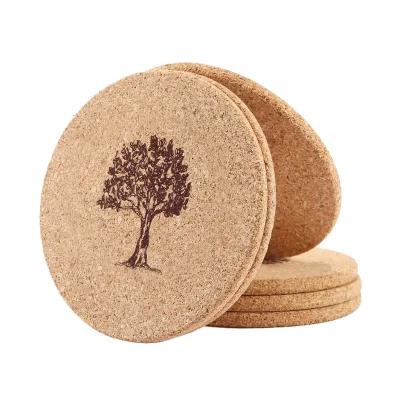
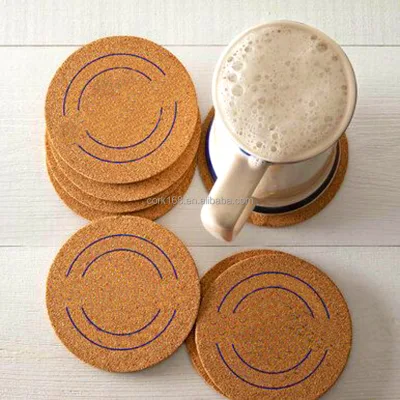
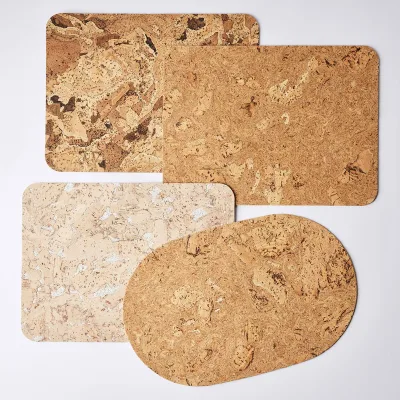
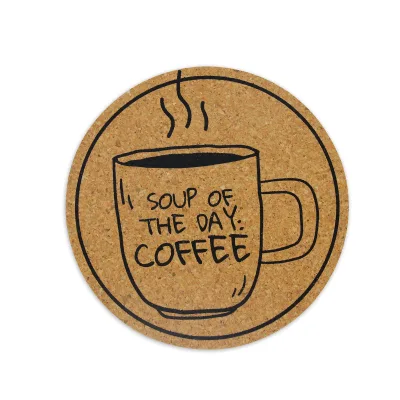
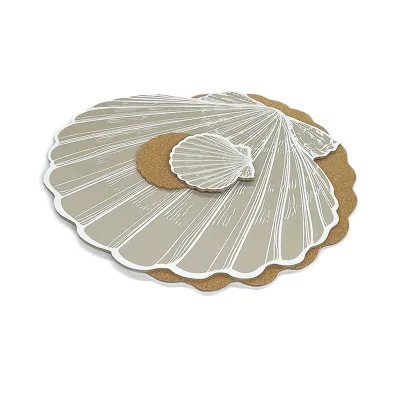
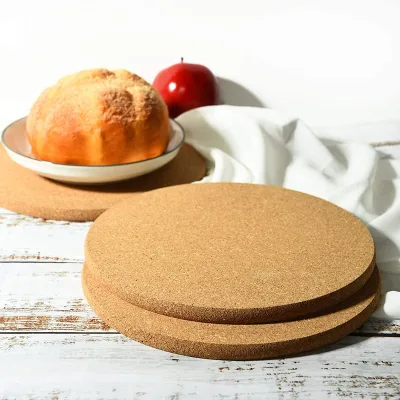
Christmas Cork Collection Placemats Custom Shape Natural Eco Friendly Large Cork Coasters
Contact supplier
Moq: 10000
Guangzhou Chenbo Art & Craft Company Limited
- Verified by Intertek
- Manufacturer, Trading Company
- Lead time15 days
Main productsFridge Magnet, Photo Frame, Button Badge, Coaster, Keychain
Main marketsNorth America(50%), Western Europe(20%), Domestic Market(20%)

Dongguan Tengjia Plastic & Hardware Co., Ltd.
- Verified by TUVRHEINLAND
- Manufacturer
- China Guangdong
- Lead time30 days
- Avg. response≤ 14h
Main productsPVC Tablecloth, PVC Table Cloth, Tablecloth, Nonwoven Tablecloth, Flannel Tablecloth, PEVA Tablecloth, Placemat, Place Mat, PVC Placemat, Polyester Tablecloth
Main marketsDomestic
- Verified by TüVRheinland
- Manufacturer, Trading Company
- Lead time15 days
- Avg. response≤ 5h
Main productsCork Product
Main marketsDomestic Market(60%), North America(10%), Eastern Europe(10%)

Beijing Ulike Technology Co., Ltd.
- Trading Company,Manufacturer/Factory
- China Beijing
- Lead time23 days
- Avg. response≤ 7h
Main productsHome Storage, Laundry and Kitchen Products
Main marketsSouth America,Mid East,North America,Southeast Asia,Eastern Asia,Western Europe

Xiamen Folover Import &Export Co., Ltd.
- Verified by TUVRHEINLAND
- Trading Company
- China Fujian
- Lead time23 days
- Avg. response≤ 4h
Main productsCoaster, Cork Bulletin Board, Cork Furniture, Cork Toys, Cork Houseware, Cork Fitness, Cork Package, Cork Coasters
Main marketsEurope
- Manufacturer, Trading Company
- Zhejiang, China
- Lead time10 days
- Avg. response≤ 7h
Main productsCork Yoga Equipment,Cork Coaster,Cork Roll,Cork Memo/Notice Board,Other Other Cork Products
Main marketsSouth America(17.0%), Eastern Europe(15.0%), Western Europe(10.0%), Eastern Asia(10.0%), North America(10.0%)
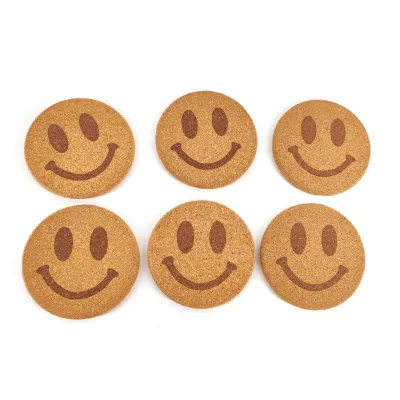
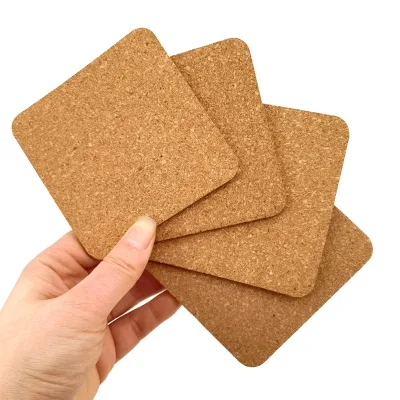
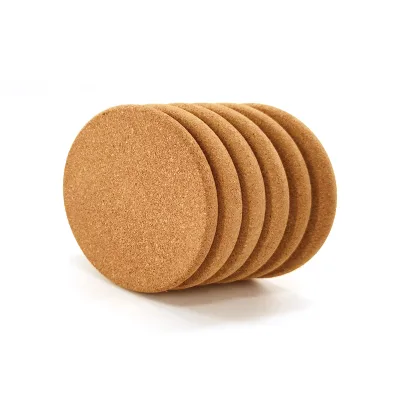
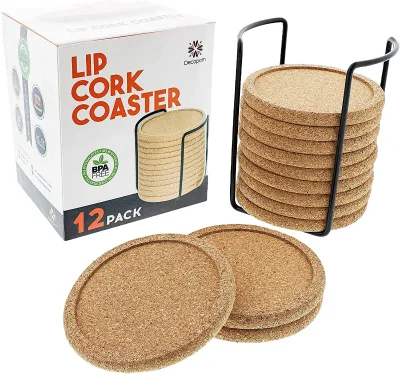
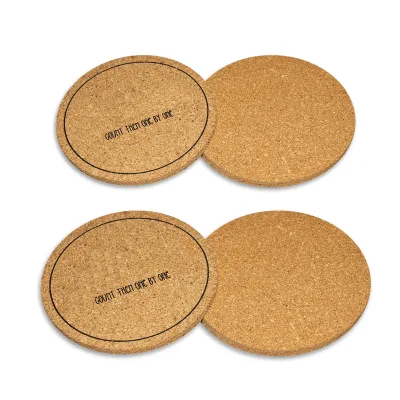
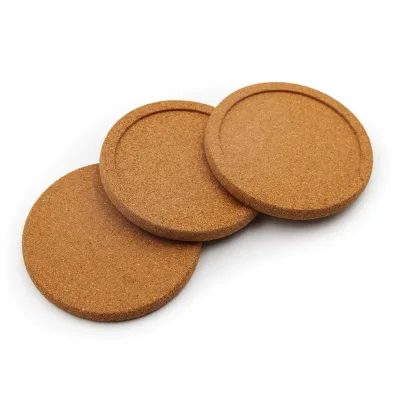
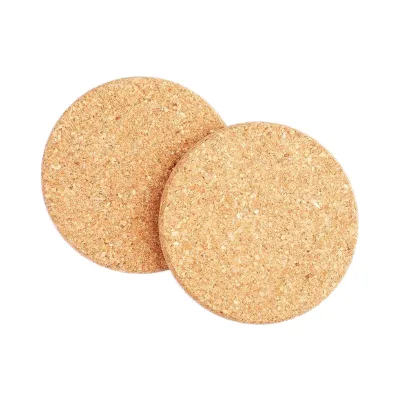
2022 Most Popular Square Blank Cork coaster 10 X 10 Cork coaster square Set of 6pcs
$0.35 - $0.45
Moq: 100
- Manufacturer
- Guangdong, China
- Lead time0 days
- Avg. response≤ 3h
Main productsbamboo steamer basket,proofing basket,straw handbag,home decor,coconut bowl
Main marketsNorth America(35.0%), Western Europe(21.0%), Eastern Europe(11.0%), Northern Europe(7.5%), Africa(7.000000000000001%), Southeast Asia(6.0%), South America(6.0%), Central America(4.4%), Southern Europe(2.1%)

Quanzhou Changyi Crafts Gifts Limited
- Verified by TUVRHEINLAND
- Manufacturer/Factory
- China Fujian
- Lead time23 days
- Avg. response≤ 6h
Main productsBallpoint Pen, Silicone Bracelet, Name Card Holder, Luggage Tag, Gift Set, Mobile Phone Accessory, Passport Cover, Ceramic Coaster, Gift Bag, Gift Box
Main marketsSouth America,Mid East,North America,Southeast Asia,Eastern Asia,Oceania,Western Europe,Africa


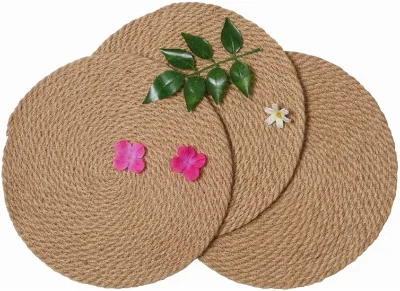
Hot Sale Creative Ceramic Pot Mats Waterproof Placemats Ceramic Pot Holder with Rope
$0.35 - $0.46
Moq: 100
Yiwu Jiesiming E-Commerce Co., Ltd.
- Trading Company
- Jinhua, China
- Lead time0 days
- Avg. response≤ 3h
Main productsDaily provisions
Main marketsCentral America(30.0%), North America(30.0%), Mid East(20.0%), South Asia(10.0%), Southeast Asia(10.0%)

Zhongshan Artigifts Premium Metal & Plastic Co., Ltd.
- Verified by BV
- Combined
- China Guangdong
- Lead time15 days
- Avg. response≤ 3h
Main productsPin, Key Chain, Label, Coin, Lanyard, Purse Hanger, PVC Key Holder, Button Badge, Trolley Coin, Medal
Main marketsSouth America,Africa,Others(foreignTradeCapacity.exportBusinessCapacityMarketOther),Southeast Asia/ Mideast,East Asia(Japan/ South Korea),Europe,Australia,North America

- Trading Company
- China Guangdong
- Lead time15 days
- Avg. response≤ 4h
Main productsHouseware, Bathroom Set, Bathroom Accessory, Kitchenware, Tableware, Wine Accessory, Bath Set, Home Decoration, Soap Dispenser, Bath Ensembles
Main marketsDomestic,North America
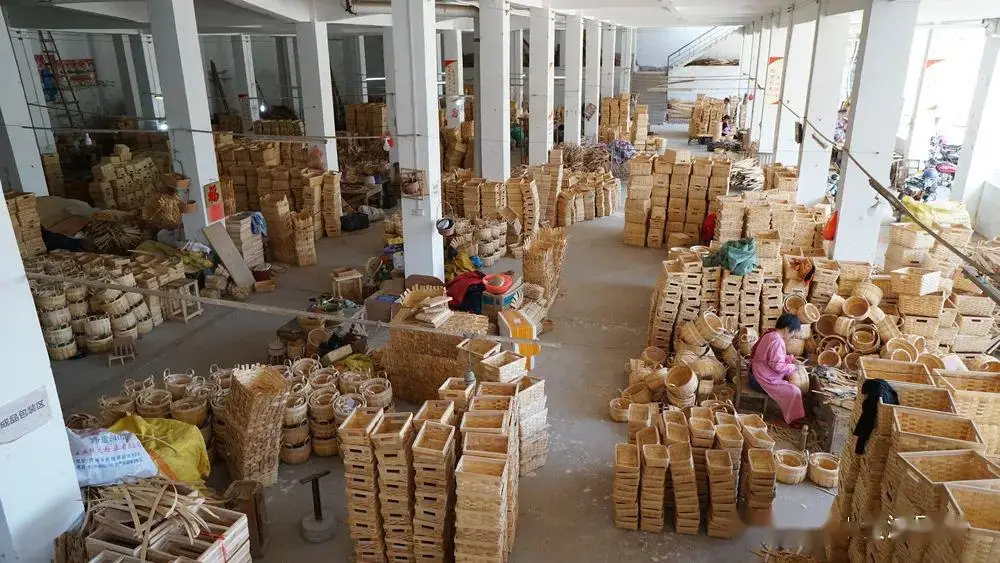
Nanning Lanshige Home Furnishing Technology Co., Ltd.
- Trading Company
- Guangxi, China
- Lead time7 days
- Avg. response≤ 4h
Main productsStorage Box,seaweed basket,woodchip basket,bamboo basket,storage basket
Main marketsNorth America(35.0%), Western Europe(30.0%), Eastern Europe(20.0%), Domestic Market(5.0%), Mid East(5.0%), South America(2.0%), Southeast Asia(2.0%), Africa(1.0%)

- Verified by TUVRHEINLAND
- Trading Company
- China Zhejiang
- Lead time15 days
- Avg. response≤ 3h
Main productsLanyard, Promotional Gift, Baseball Cap, Bags, T-Shirt, Ceramic Mug, Sport Water Bottle, PU Toys
Main marketsEurope,Australia,North America

Shaoxing City Xinlan Textile CO., LTD.
- Verified by TUVRHEINLAND
- Combined
- China Zhejiang
- Lead time23 days
- Avg. response≤ 2h
Main productsHome Textile, Curtain, Cushion Cover, Shower Curtain, Macrame Handmade Products, Curtain Fabric, Tablecloth, Placemat, Blankets, Bedding
Main marketsNorth America

Bei Mei Ti Home Supplies (Shenzhen) Co., Ltd
- Verified by BV
- Manufacturer/Factory
- China Guangdong
- Lead time38 days
- Avg. response≤ 6h
Main productsLeather Mat, Baby Play Mats, Dogs Mats, Home Mats, Placemats, Mouse Pads, Kitchen Mats
Main marketsSouth America,Eastern Europe,Mid East,North America,Southeast Asia,Eastern Asia,Oceania,Western Europe,Africa
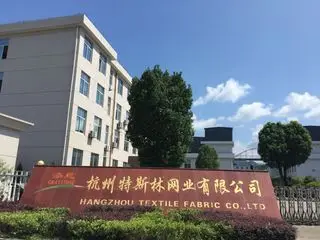
Hangzhou Textile Fabric Co., Ltd.
- Manufacturer
- Zhejiang, China
- Lead time45 days
- Avg. response≤ 1h
Main productswoven vinyl placemat,pvc rug,pvc curtains,textile fabrics,table runner
Main marketsDomestic Market(40.0%), North America(40.0%), Eastern Europe(20.0%)















Comprehensive Sourcing Guide
Eco Friendly Cork Coaster and Placemat Set Supplier Concentration and Factory Types
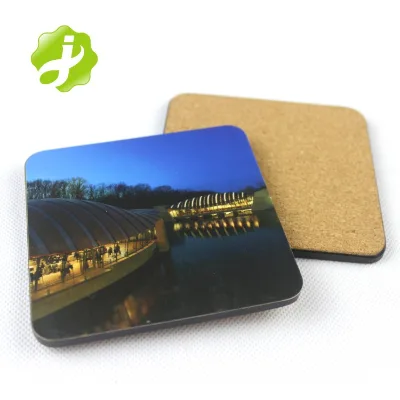
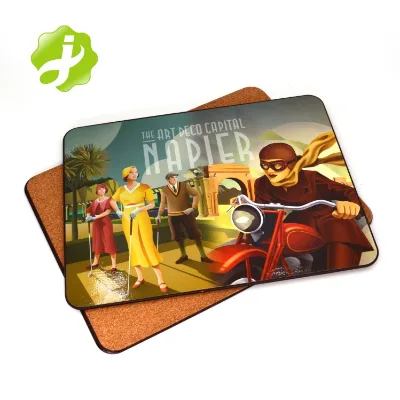
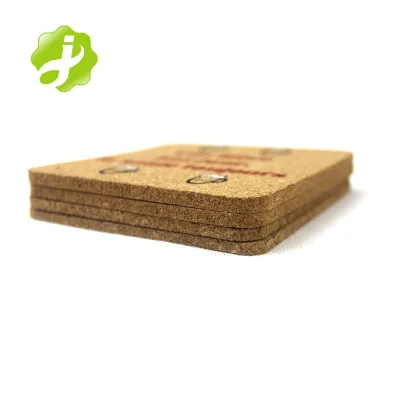
The current supplier landscape for eco-friendly cork coasters and placemat sets reveals a concentration of manufacturing activity primarily within China, specifically in the Shaanxi and Zhejiang provinces. These regions host a mix of trading companies and manufacturer-factories that specialize in processing natural cork into various forms, including sheets, rolls, granules, and finished goods like yoga mats and kitchen accessories. The presence of these facilities indicates established supply chains capable of handling the specific requirements of cork processing, which involves harvesting, cutting, and finishing natural materials. Buyers should note that while some suppliers list their origin as Shandong or Zhejiang, the core processing capabilities for cork products are often centralized in these specific industrial zones.
When evaluating the type of entity, it is crucial to distinguish between pure trading companies and those that operate as manufacturer-factories. The available data indicates that many suppliers in this category function as both, offering OEM and ODM services alongside their own brand production. This dual capability allows for greater flexibility in customization, such as altering the diameter, shape, or thickness of the cork products to meet specific design needs. However, the distinction matters for quality control and direct communication regarding production processes. A manufacturer-factory typically has more direct oversight over the raw material sourcing and the cutting machinery, whereas a trading company might rely on external partners for the actual fabrication.
How to Verify Eco Friendly Cork Coaster and Placemat Set Suppliers
Verification of suppliers in the cork sector requires a rigorous check of their system certifications and third-party audit results. The current data shows that many suppliers hold BSCI, ISO 9001, and SEDEX certifications, which are critical indicators of ethical labor practices and quality management systems. Additionally, some suppliers have undergone verification by SGS, a globally recognized inspection and certification body. Buyers must confirm that these certifications are current and specifically cover the production of cork goods, as general manufacturing certifications may not address the unique environmental and safety standards required for food-contact materials like coasters and placemats.
Beyond certifications, the response time and verification status of the supplier provide immediate insights into their operational reliability. Data indicates response times ranging from two to over seven hours, with some suppliers marked as verified. A faster response time often correlates with a more active sales team and better communication channels, which is essential for resolving issues regarding custom logos or specific product dimensions. Buyers should prioritize suppliers who demonstrate a verified status and maintain a rapid response capability, as this suggests a commitment to customer service and a streamlined order processing workflow. It is also important to check if the supplier offers free samples, as this allows for physical inspection of the cork quality before committing to a larger order.
What to Compare Across Eco Friendly Cork Coaster and Placemat Set Suppliers
Comparing suppliers requires a detailed analysis of their lead times, minimum order quantities (MOQ), and pricing structures. The observed data reveals significant variation in lead times, with some suppliers offering a seven-day turnaround while others require up to twenty-three days. Similarly, MOQs can range from five hundred units to five thousand units, depending on the specific product model and customization level. Buyers must align these constraints with their inventory needs and budget, as lower MOQs may come with higher per-unit costs, while larger orders often secure better pricing tiers. The price range for these items varies from approximately $0.20 to $1.50 per unit, influenced by factors such as size, thickness, and the inclusion of custom branding.
In addition to logistical metrics, the product attributes and customization options are vital comparison points. Suppliers offer a wide array of shapes, including round and square designs, with diameters ranging from standard 95mm to fully customized dimensions. Features such as heat insulation, waterproofing, and eco-friendly status are standard, but the specific thickness and packaging details can differ significantly between vendors. Some suppliers provide heat shrinkable film packaging, while others use polybags or cartons. Buyers should compare the specific product models, such as those with model numbers like SMK-CRK-PLT-025 or SMH-KJ-K118, to ensure the physical specifications match their design requirements. The availability of logo printing and the style of the product, whether simple or contemporary, also play a crucial role in the final selection.
Common Eco Friendly Cork Coaster and Placemat Set Sourcing Risks
One of the primary risks in sourcing cork products is the inconsistency in raw material quality and the potential for variation in natural cork characteristics. Since cork is a natural material, differences in density, color, and texture can occur between batches, which may affect the final appearance and performance of the coasters and placemats. Buyers must verify that the supplier has strict quality control measures in place to minimize these variations, especially for orders requiring uniformity across large quantities. The lack of standardized testing results for specific batches in the public data suggests that buyers should request detailed quality reports or conduct their own inspections upon receipt of the goods.
Another significant risk involves the accuracy of the stated origin and the potential for mislabeling regarding the manufacturing location. While some data points to specific provinces like Shaanxi or Zhejiang, other product attributes list origins as Shandong or generic China. This discrepancy can impact shipping costs, import duties, and the perceived authenticity of the eco-friendly claims. Buyers should ensure that the supplier provides clear documentation regarding the origin of the cork and the manufacturing process to avoid compliance issues. Furthermore, the reliance on third-party logistics and the variability in packaging standards can lead to damage during transit, necessitating clear agreements on packaging requirements and insurance coverage for the shipment.
Eco Friendly Cork Coaster and Placemat Set Regional Sourcing and Logistics
Regional sourcing strategies must account for the specific geographic locations of the suppliers, which are predominantly in China, including Shaanxi, Zhejiang, and Shandong provinces. These regions offer distinct logistical advantages, with Zhejiang being a major hub for export-oriented manufacturing and Shaanxi providing access to raw materials. The distance from these manufacturing centers to major ports influences the overall lead time and shipping costs. Buyers should consider the proximity of the supplier to the port of loading to minimize inland transportation expenses and reduce the risk of delays. The data indicates that some suppliers have a lead time of seven days, while others take up to twenty-three days, which can be heavily influenced by the regional logistics infrastructure.
Logistics planning also involves understanding the packaging standards and the handling of the products during transit. The observed packaging details vary from heat shrinkable film to polybags and cartons, each offering different levels of protection. For eco-friendly cork products, which can be susceptible to moisture and physical damage, selecting a supplier with robust packaging solutions is essential. Buyers should verify the single package size and weight, as these factors affect the total shipping volume and cost. Additionally, the availability of stock versus made-to-order items can impact the speed of delivery, with stocked items potentially offering faster dispatch times compared to custom orders that require production lead time.
Eco Friendly Cork Coaster and Placemat Set Commercial Terms and Order Planning
Commercial terms for eco-friendly cork coasters and placemats often include specific requirements for customization, such as logo printing and size adjustments. The data shows that customization is widely available, with options for round or square shapes and various diameters. However, buyers must confirm the specific terms regarding logo printing, as some suppliers may offer it without additional cost while others charge extra. The minimum order quantities for customized items can be higher, ranging from five hundred to five thousand units, which requires careful planning to balance inventory costs with the need for branding. Buyers should also verify the payment terms and the availability of escrow services to ensure financial security during the transaction.
Order planning must also consider the production capacity and the ability of the supplier to handle large volumes without compromising quality. The data indicates that suppliers offer OEM and ODM services, allowing for significant flexibility in product design and branding. However, the lead times can vary, with some suppliers requiring up to twenty-three days for production. Buyers should plan their orders well in advance to accommodate these timelines, especially if they are targeting specific seasonal events or product launches. It is also important to establish clear communication channels for tracking the order status and addressing any potential issues that may arise during the production process. By understanding these commercial terms and planning accordingly, buyers can ensure a smooth and successful sourcing experience.
FAQs
What certifications do these cork suppliers hold?
Suppliers in the results hold BSCI, ISO 9001, and SEDEX certifications. Some are also verified by SGS. These credentials indicate adherence to international management and ethical standards for manufacturing and trading operations.
What is the typical lead time for orders?
Lead times vary by supplier location and order specifics. One supplier in Zhejiang reports a seven-day lead time, while another in Shaanxi indicates a twenty-three-day production window. Buyers should confirm exact timelines before ordering.
What are the minimum order quantities for cork coasters?
Minimum order quantities range from 500 pieces to 5000 pieces depending on the specific product model. Some standard round coasters require 500 units, while custom square options may require 5000 units. Check specific product listings for exact thresholds.
Are custom logos and sizes available for these products?
Customization is available for many items, including logo printing and size adjustments. Products like round placemats and square coasters support custom dimensions. However, some listings specify no logo printing, so verify the customization option on each product page.
Where are these cork products manufactured?
Manufacturing locations include Shaanxi, Zhejiang, and Shandong provinces in China. Specific product origins are listed as Shandong or Zhejiang. Buyers should check the product attributes section to confirm the exact place of origin for their selected items.
What is the price range for eco-friendly cork coasters?
Prices for cork coasters range from 0.20 to 1.50 per unit based on size and customization. Basic round coasters start at 0.20, while larger placemats or trivets can cost up to 1.50. Final pricing depends on the specific model and order volume.
How quickly do suppliers typically respond to inquiries?
Response times vary among suppliers, with some reporting a response time of two hours and others around 7.36 hours. Faster response times are observed in Zhejiang-based suppliers. Buyers should expect varying reply speeds depending on the specific vendor selected.