eco-friendly cotton cargo pants Suppliers and Manufacturers
Find 32 verified suppliers offering eco-friendly cotton cargo pants with OEM capabilities and customizable features. Compare locations in China, response times, lead times, and pricing to source durable workwear. Contact suppliers directly to request samples and verify certifications; review the available evidence before requesting comparable quotations from suitable candidates.
Updated
Suppliers List

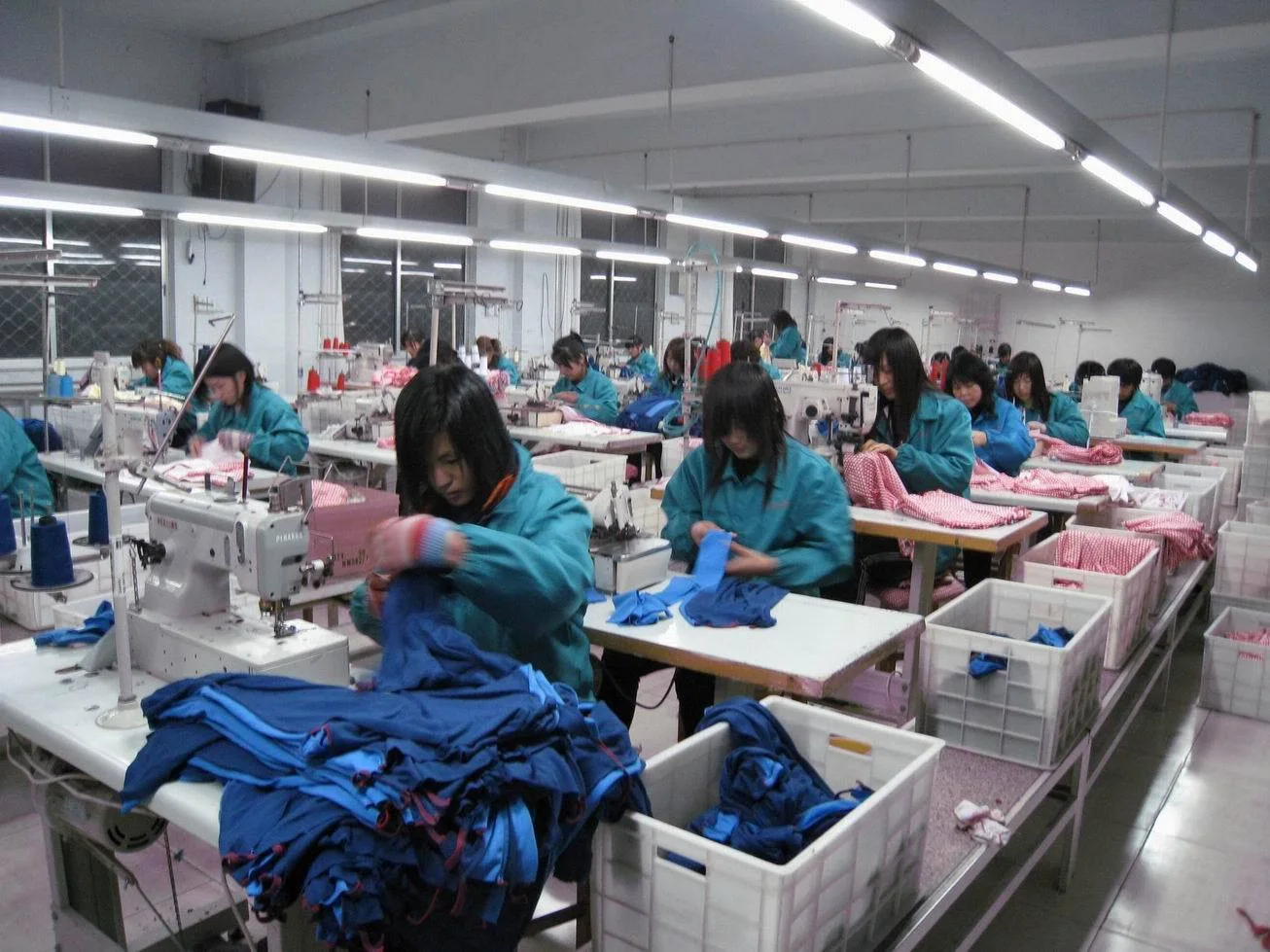
Shenyang Sunnytex Apparel Co., Ltd.
- Verified by BV
- Trading Company
- China Liaoning
- Lead time30 days
- Avg. response≤ 4h
Main productsPants, Jackets, Workwear, Cargo Pants, Swimwear, Uniform, Vest, Coverall, Reflective Clothes, Work Clothes
Main marketsEast Asia(Japan/ South Korea),Europe,Australia
Dongguan Baola Clothing Co., Ltd.
- Manufacturer, Trading Company
- Guangdong, China
- Lead time20 days
- Avg. response≤ 15h
Main productsDRESSES,SHIRTS,SKIRTS,PANTS,SWEATHERS
Main marketsCentral America(60.00%), North America(10.00%), Southern Europe(8.00%), Eastern Europe(8.00%), Northern Europe(7.00%), Western Europe(4.00%), South America(3.00%)
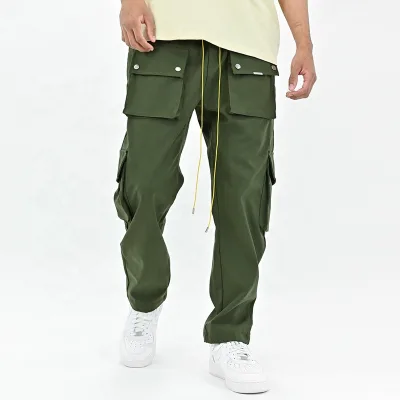
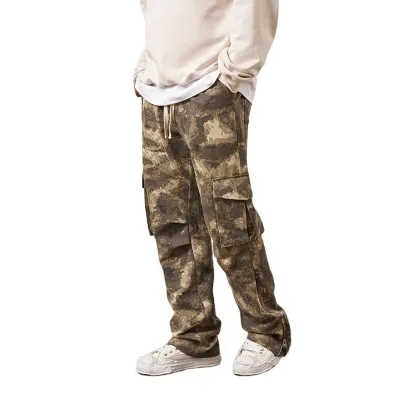
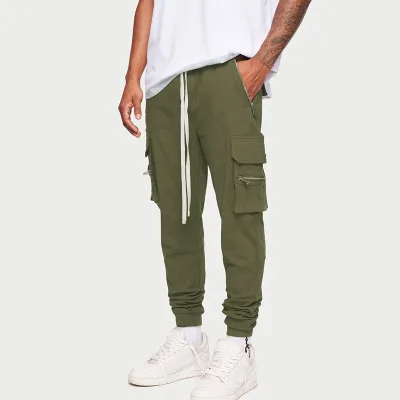
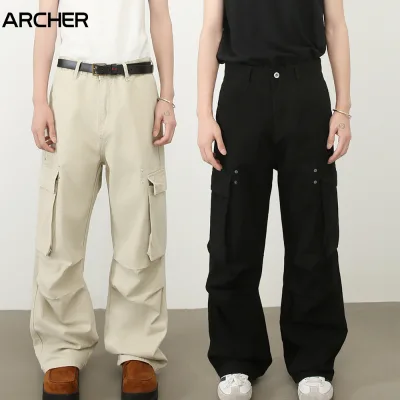
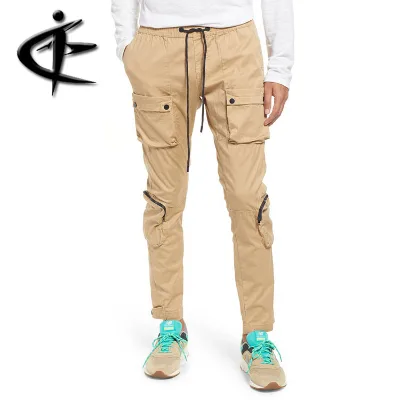
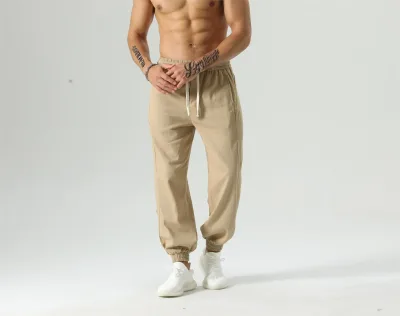
OEM Wholesale Multi Pockets Khaki Slim Fit 3 Quarter Streetwear Casual Men's Cargo Pants
$9.00 - $11.00
MOQ: 100

Power Ascent (Xiamen) International Ltd.
- Verified by BV
- Trading Company,Manufacturer/Factory
- China Fujian
- Lead time90 days
- Avg. response≤ 25h
Main productsMen's Suit, Business Suit, Shirt, Trousers, Casual Jacket, Ski Wears, Softshell Jacket, Function Garments, Office Uniform, Worker Uniform
Main marketsSouth America,Eastern Europe,Mid East,North America,Oceania,Western Europe
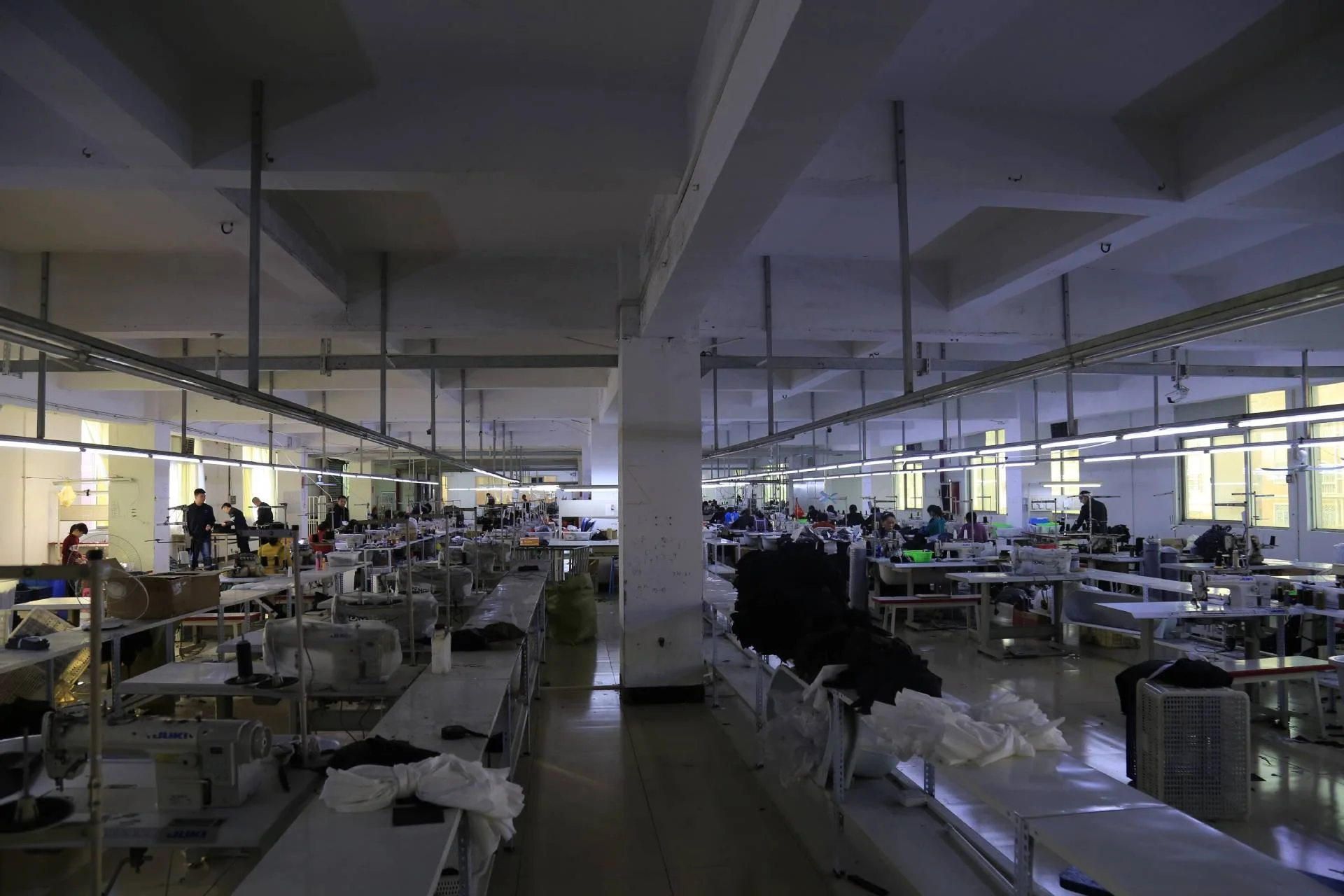
Shishi Hopeford Trade Co., Ltd.
- Trading Company
- Fujian, China
- Lead time0 days
- Avg. response≤ 2h
Main productsmens shorts,mens pants,mens beach shorts,mens sweatshirts,mens T shirt
Main marketsNorth America(40.00%), Western Europe(20.00%), South America(20.00%), South Asia(10.00%), Eastern Europe(10.00%)
Archer Clothing International Trade Co., Ltd.
- Verified by SGS Group
- Manufacturer, Trading Company
- Lead time0 days
- Avg. response≤ 3h
Main productsMen's T Shirts, Men's Hoodies, Men's Denim, Men's Pants
Main marketsNorth America(70%), Oceania(20%), Southern Europe(6%)

Kinglong Protective Products (Hubei) Co., Ltd.
- Verified by TUVRHEINLAND
- Combined
- China Hubei
- Lead time60 days
- Avg. response≤ 1h
Main productsWork Clothes, Workwear, Coveralls, Work Garment, Uniforms, Pants, Cargo Pants, Leisure Pants, Outdoor Wear
Main marketsSouth America,Southeast Asia/ Mideast,Europe


Construction Multi Pockets Work Pants Cotton Canvas Unisex Men Cargo Pants
$5.56 - $6.89
MOQ: 3000 piece


Fuzhou Rongyuanda Garment Co., Ltd.
- Combined
- China Fujian
- Lead time45 days
- Avg. response≤ 6h
Main productsReflective Jacket, Workwear, Parka, Hi Vis Jacket, Softshell Jacket, Fleece Jacket, Body Warmer, Windbreaker, Rainsuit, Bomber Jacket
Main marketsSouth America,Africa,Southeast Asia/ Mideast,East Asia(Japan/ South Korea),Europe,Australia,North America


Customized Cotton Work Trousers Workwear Pants Multi Pockets Men's Work Cargo Pants
$13.00
MOQ: 500 Pieces

Shenzhen Fairy Tale Kingdom Technology Co., Ltd.
- Manufacturer, Trading Company
- Guangdong, China
- Lead time18 days
- Avg. response≤ 2h
Main productsHoodie,Jacket,Jeans,T-shirts,Sweatpants
Main marketsNorth America(28.00%), Oceania(21.00%), Western Europe(17.00%), South America(5.00%), Northern Europe(5.00%), Eastern Europe(5.00%), Central America(4.00%), Mid East(3.00%), Domestic Market(3.00%), Eastern Asia(3.00%), Southern Europe(2.00%), Africa(2.00%), Southeast Asia(1.00%), South Asia(1.00%)

Henan Eastman Protection Technology Co., Ltd.
- Verified by TUVRHEINLAND
- Combined
- China Henan
- Lead time30 days
- Avg. response≤ 6h
Main productsFr Garments, Workwear, Anti Acid & Static, Scrubs, Trousers, Coverall, Working Clothes, Overall, Welding, Chaleco
Main marketsNorth America
Dongguan Yueweier Apparel Co., Ltd.
- Verified by Intertek
- Trading Company
- Lead time15 days
- Avg. response≤ 2h
Main productsJackets, Pants, Hoodies Sweatshirt, Dresses, Shirts
Main marketsNorth America(70%), Western Europe(15%), Oceania(15%)

Fuzhou Changtai Textile Co., Ltd.
- Manufacturer
- China Fujian
- Lead time60 days
- Avg. response≤ 14h
Main productsJacket, Softshell Jacket, Padding Jacket, Wind Jacket, Safety Jacket, Reflective Jacket, Down Jacket, Rain Wear, Sports Wear, Outdoor Wear
Main marketsEurope,Australia
Dongguan Lianyishang Clothing Co., Ltd.
- Manufacturer
- Guangdong, China
- Lead time20 days
- Avg. response≤ 24h
Main productsT-shirt,Hoodie,Tracksuit,Jacket,Shorts
Main marketsNorth America(50.00%), Southern Europe(30.00%), Oceania(20.00%)
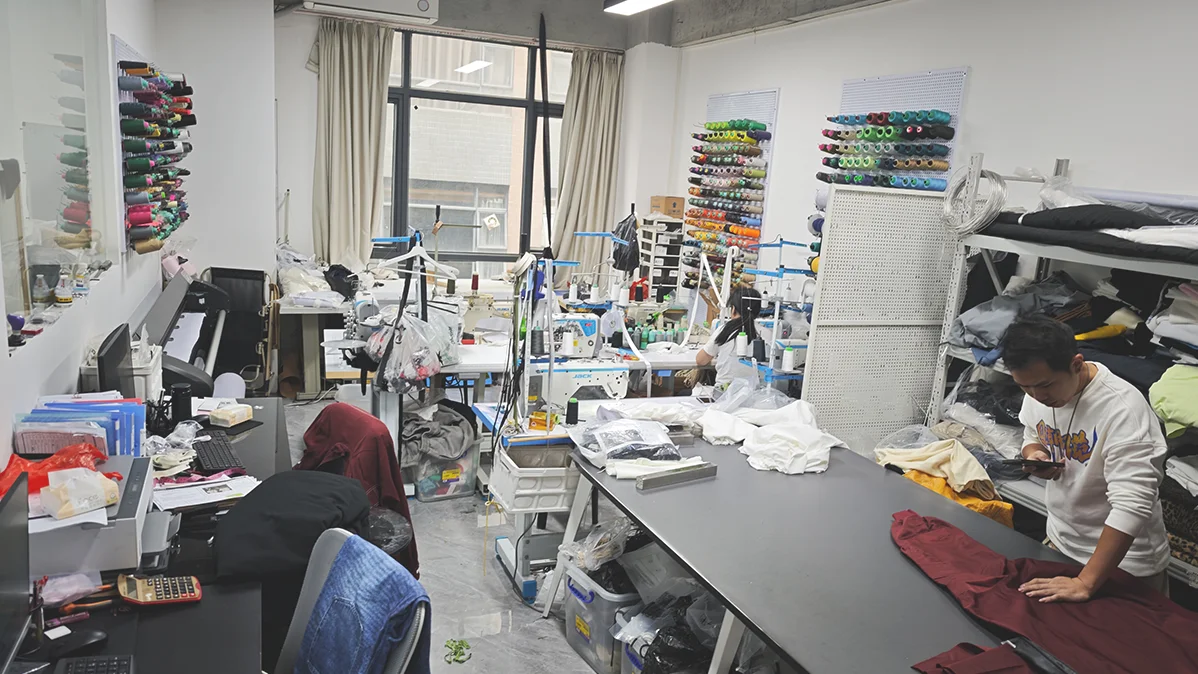
Foshan Bige Brothers Clothing Co., Ltd.
- Manufacturer, Trading Company, Distributor/Wholesaler
- Guangdong, China
- Lead time14 days
- Avg. response≤ 6h
Main productsHoodie&Sweatshirt,T-shirt,Polo Shirt,Men Shirt,Trousers&Pants
Main marketsNorth America(50.00%), Western Europe(30.00%), Eastern Europe(20.00%)
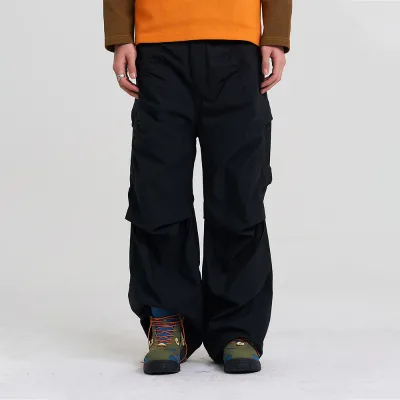
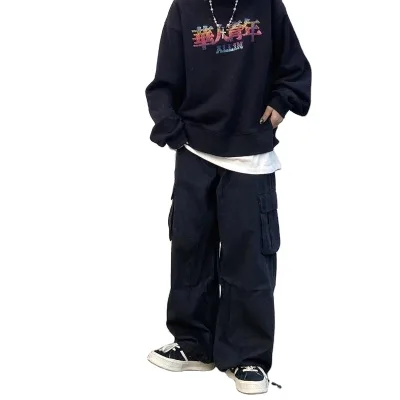
Wholesale Casual High Waist Men Cotton Knee Folds Streetwear Black Woven Cargo Pants
$18.0927 - $23.2619
MOQ: 100 pieces
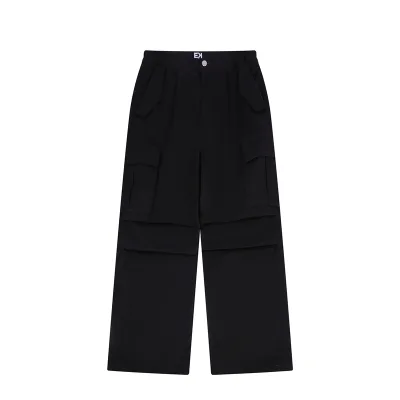
High Quality Oversize Multiple Pockets Black 100% Cotton Men's Loose Cargo Pants
$15.50 - $19.50
MOQ: 100 pieces
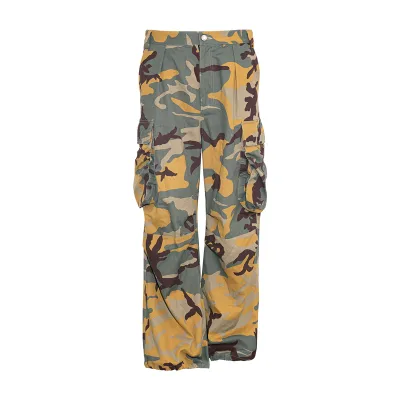
$16.5419 - $20.1601
MOQ: 100 pieces

- Manufacturer, Trading Company
- Fujian, China
- Lead time30 days
- Avg. response≤ 5h
Main productsOutdoor Jackets,Men's Tracksuit,Yoga Sets,Short Sets,Sport Jersey
Main marketsNorth America(33.00%), Northern Europe(32.00%), Southern Europe(18.00%), Oceania(10.00%), Mid East(7.00%)
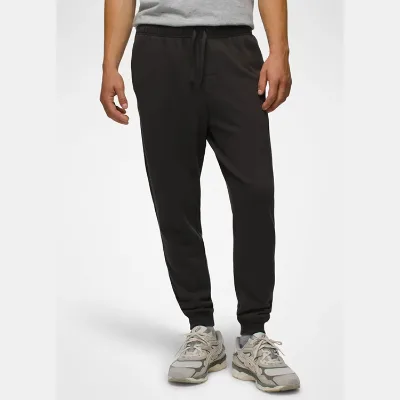
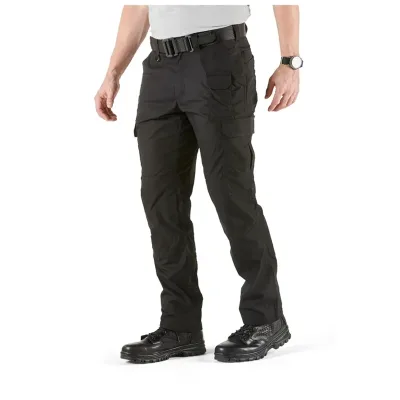
$4.0883 - $14.6736
MOQ: 100 pieces
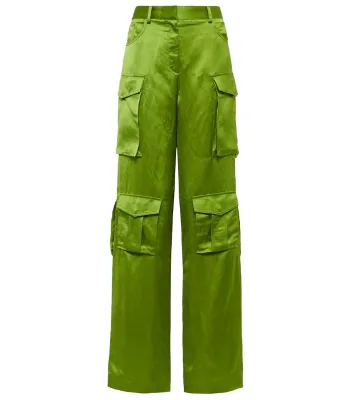
$10.244 - $13.3203
MOQ: 100 pieces

Isaiah Trading (Linyi) Co., Ltd.
- Verified by SGS
- Trading Company
- China Shandong
- Lead time60 days
- Avg. response≤ 2h
Main productsDenim Coat, Denim Jacket, Jeans, Western Shirt, Casual Coat, Denim Shirts, Trucker Jacket, Windbreaker Coat, Trench Coat, Women Jeans
Main marketsNorth America


Men's Custom Casual Cotton Trousers Elastic Waist Loose Fit Straight Work Cargo Pants
$9.20 - $15.00
MOQ: 100 PC

Men's Wholesale Casual Cotton 4 Pockets Elastic Waist Loose Straight Cargo Pants
$9.20 - $15.00
MOQ: 100 PC

Shenzhen Hi Vis Garment Co., Limited
- Manufacturer/Factory
- China Guangdong
- Lead time45 days
- Avg. response≤ 2h
Main productsWorkwear, Work Shirt, Work Clothes, Safety Clothes, Reflective Hoodies, Safety Reflective Jackets, Cargo Pants, Flame Resistant Coverall, Flame Resistant Clothes, Fr Shirt
Main marketsSouth America,Eastern Europe,Mid East,North America,Southeast Asia,Eastern Asia,Oceania,Western Europe,Africa

Mens Cargo Pants Classics Pants Cargo Mens Cargo Pants with Side Pockets
$9.50 - $14.60
MOQ: 200 Pieces

Durable Stretch Multi-Pocket Cargo Pants for Outdoor Work with ISO 9001 Certification
$9.50 - $14.90
MOQ: 200 Pieces

Nanchang Ketai Safety Protective Articles Co., Ltd.
- Verified by TUVRHEINLAND
- Trading Company
- China Jiangxi
- Lead time30 days
- Avg. response≤ 11h
Main productsWorkwear, Uniform, Work Clothing, Work Pants, Work Shirts, Coveralls, Jackets, Salon Uniform, Lab Coat, Hospital Uniform
Main marketsSouth America,Africa,Southeast Asia/ Mideast,East Asia(Japan/ South Korea),Europe,Australia,North America
Dongguan Boxin Garment Co., Ltd.
- Verified by SGS Group
- Manufacturer, Trading Company
- Lead time25 days
- Avg. response≤ 2h
Main productsFitness & Yoga Wear, Casual & Street Wear
Main marketsNorth America(80%), Oceania(10%), Western Europe(5%)
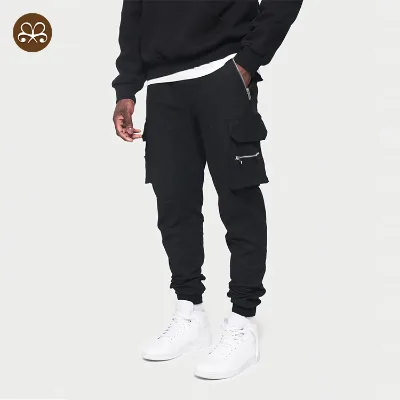
Black 3D Cargo Pockets Elasticated Ribbed Cuff Relaxed Fit Custom Cargo Pants
$16.50 - $17.30
MOQ: 100
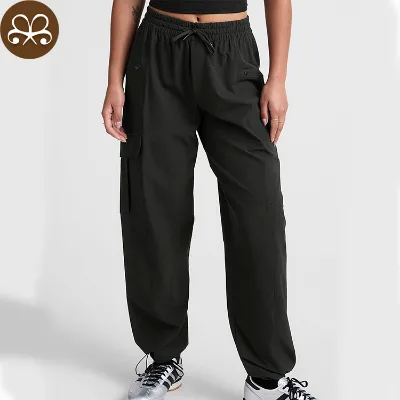
Men's Outdoor Peak Cargo Pants - Lightweight Relaxed Fit with Zipper Pockets & Adjustable Bungee Hem
$12.2874 - $13.2919
MOQ: 100 pieces
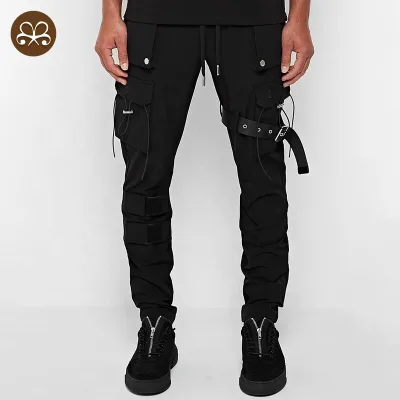
Guangzhou Disai Garment Co., Ltd.
- Verified by TüVRheinland
- Manufacturer, Trading Company
- Lead time0 days
- Avg. response≤ 2h
Main productsDenim Jeans, Denim Jackets, Denim Shorts, Hoodie, T-shirt
Main marketsNorth America(50%), Eastern Europe(25%), Oceania(13%)
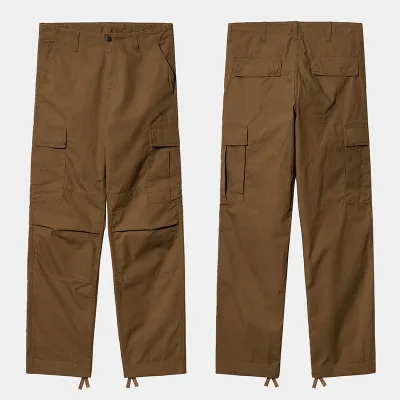
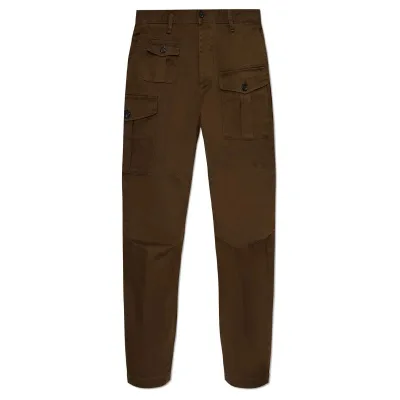
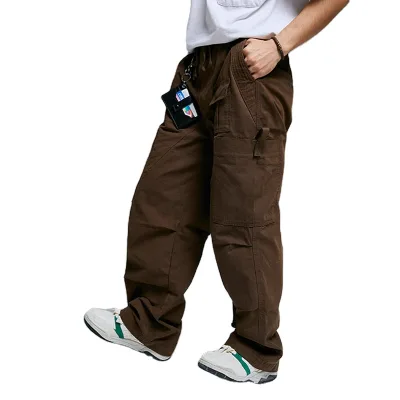
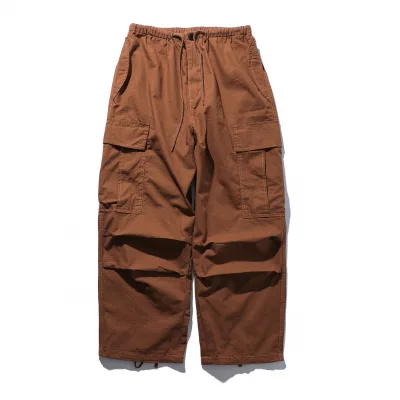
Custom 6-pockets Men's Brown Cargo Pants Baggy Ripstop Cargo Pants Cotton Twill Canvas Pant
$15.4131 - $23.6316
MOQ: 100 pieces
Dongguan Hongguan Garment Co., Ltd.
- Verified by TüVRheinland
- Manufacturer, Trading Company
- Lead time20 days
- Avg. response≤ 4h
Main productsHoodies, T-Shirts, Sweatpants, Jackets
Main marketsNorth America(45%), Domestic Market(20%), Western Europe(10%)

Shenzhen Feiny Clothing Co., Ltd.
- Manufacturer
- Guangdong, China
- Lead time30 days
- Avg. response≤ 2h
Main productsHospital uniforms,Workwear,Scurb Uniforms,Work shirts,Work pants
Main marketsNorth America(40.00%), South America(20.00%), Africa(10.00%), Southern Europe(5.00%), Northern Europe(5.00%), Western Europe(5.00%), Eastern Asia(5.00%), Mid East(5.00%), Eastern Europe(5.00%)

- Verified by CTI
- Manufacturer/Factory
- China Hebei
- Lead time0 days
- Avg. response≤ 21h
Main productsWork Clothes, Men's Clothes, Women's Clothes, Children's Clothes, Ski Suit, High Visibility Workwear Jacket, Winter Jacket, Beach Pants, High Visibility Workwear Pants, Fashion Shirt

Guangzhou Ouzun Clothing Co., Ltd.
- Verified by CTI
- Combined
- China Guangdong
- Lead time23 days
- Avg. response≤ 3h
Main productsUniforms, Pants, Suits&Blazer, T Shirt, Polo Shirt, Sportswear, Jacket, Hoodies&Sweatshirts
Main marketsDomestic

Comfortable Wear Easy Match Cotton Men Cargo Pant for Outdoor Activities
$5.99 - $9.99
MOQ: 100 Pieces


Xiamen Sunrise Trading Co., Ltd.
- Manufacturer, Distributor/Wholesaler
- Fujian, China
- Lead time45 days
- Avg. response≤ 8h
Main productsCustom cotton and linen shirts,Custom t-shirts,Custom men's hoodies,Custom men's jackets,Custom jeans
Main marketsWestern Europe(30.00%), Central America(20.00%), South America(15.00%), North America(10.00%), Southeast Asia(5.00%), Eastern Asia(5.00%), Eastern Europe(5.00%), Northern Europe(4.00%), South Asia(3.00%), Mid East(3.00%)

- Verified by CTI
- Trading Company
- China Anhui
- Lead time23 days
- Avg. response≤ 1h
Main productsFurniture, Home Furniture
Main marketsSoutheast Asia/ Mideast
Dongguan Senzhou Garment Co., Ltd.
- Verified by TüVRheinland
- Manufacturer, Trading Company
- Lead time15 days
- Avg. response≤ 2h
Main productsTracksuit, T-Shirts, Hoodie, Shorts, Jacket
Main marketsNorth America(28%), Western Europe(22%), Domestic Market(20%)
Hengshui Hareselection Trading Co., Ltd.
- Trading Company
- Hebei, China
- Lead time0 days
- Avg. response≤ 1h
Main productsMen's Clothes,Sports Safety Goods,Yoga Wear,Sports Shoes
Main marketsNorthern Europe(20.00%), Africa(20.00%), North America(20.00%), South Asia(5.00%), Southern Europe(5.00%), Eastern Europe(5.00%), Central America(5.00%), Western Europe(5.00%), Mid East(5.00%), South America(5.00%), Southeast Asia(5.00%)
$5.1272 - $8.2036
MOQ: 10 pieces
Dongguan Dali Clothing Co., Ltd.
- Manufacturer, Trading Company
- Guangdong, China
- Lead time30 days
- Avg. response≤ 6h
Main productsMen's Clothing
Main marketsNorth America(40.00%), Oceania(30.00%), Western Europe(15.00%), South Asia(5.00%), Northern Europe(5.00%), Southeast Asia(5.00%)
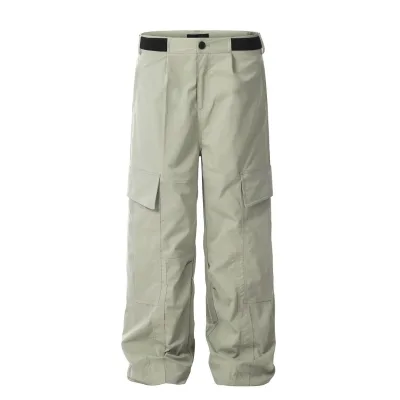
Spring Solid Color Straight Loose Fashion Comfortable Work Pants Design Sense Men's Cargo Pants
$17.60 - $19.80
MOQ: 100 pieces
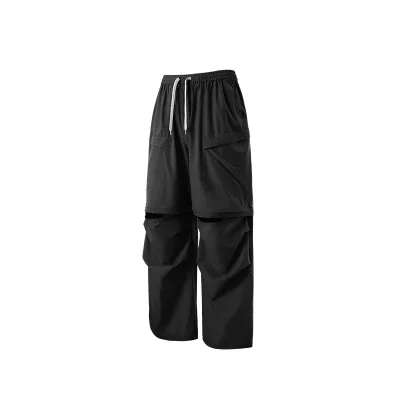
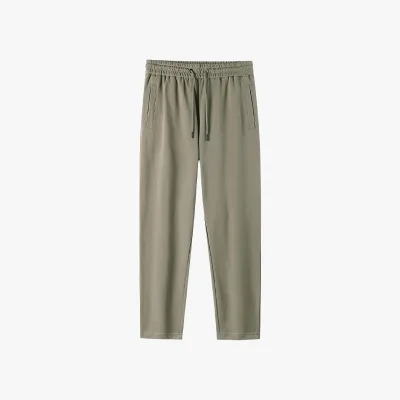
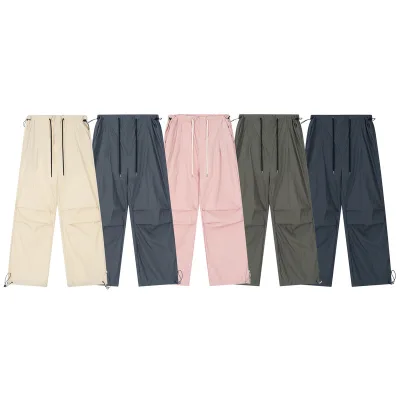

Shijiazhuang Beiduoyin International Trade Co., Ltd.
- Verified by SGS
- Combined
- China Hebei
- Lead time15 days
- Avg. response≤ 4h
Main productsWork Wear, Work Vest, Polo Shirts, Outdoor Jackets, Uniforms, Work T Shirts, Safety Shoes, Hoodie, Vest
Main marketsSoutheast Asia/ Mideast,Europe,Australia,North America
Jianyang Huayu Clothing Co., Ltd.
- Manufacturer
- Sichuan, China
- Lead time25 days
- Avg. response≤ 4h
Main productsWorking Clothes,Labor Protection,T-Shirt,Suits,Shirt
Main marketsDomestic Market(100.00%)
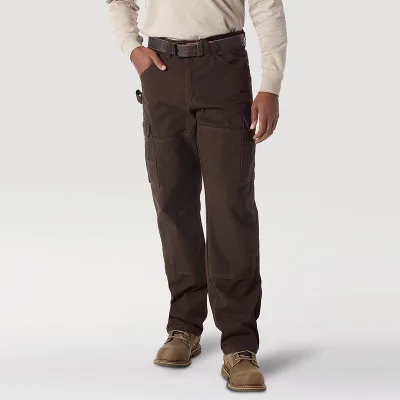
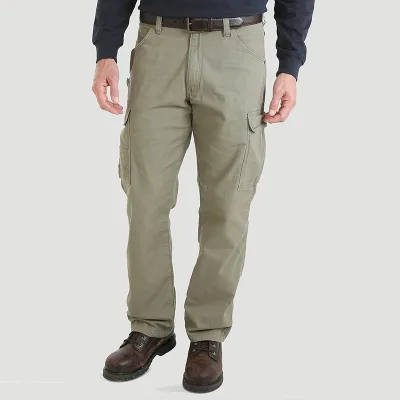
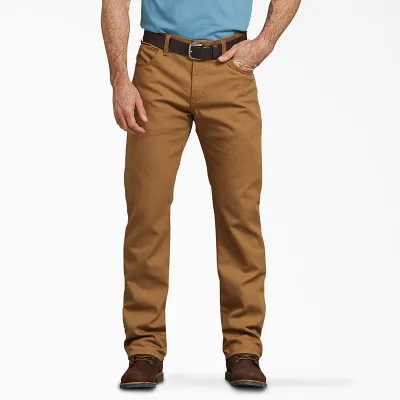
$11.60 - $12.90
MOQ: 100 pieces
Guangzhou Huiteng Clothing Co., Ltd.
- Verified by TüVRheinland
- Manufacturer, Trading Company
- Lead time0 days
- Avg. response≤ 2h
Main productsMens Hoodies, Mens Sweatpants, Mens T-Shirts, Mens Sweatshirts, Mens Tracksuits
Main marketsDomestic Market(30%), North America(25%), Eastern Europe(25%)
Dongguan Yunmei Clothing Co., Ltd.
- Verified by SGS Group
- Manufacturer, Trading Company
- Lead time20 days
- Avg. response≤ 2h
Main productsHoodies, T-shirt, Tracksuit, Jacket, Men's Pants
Main marketsNorth America(45%), Domestic Market(40%), South America(5%)
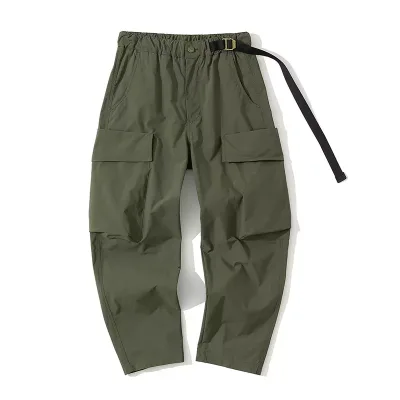
OEM Men's Customize Nylon 5 Pockets Adjustable Waist Streetwear Cargo Pants
$12.10 - $17.60
MOQ: 50 pieces
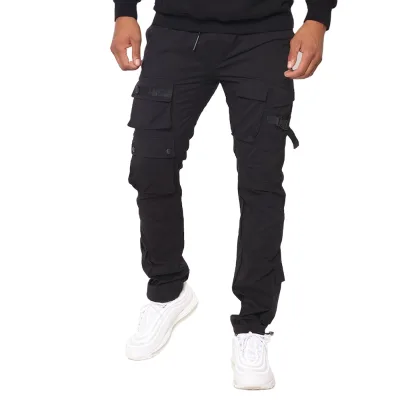
2022 New Coming Multiple Pocket Pantalon Cargo Homme 100% Nylon Men's Cargo Pants
$9.90 - $15.90
MOQ: 50 pieces


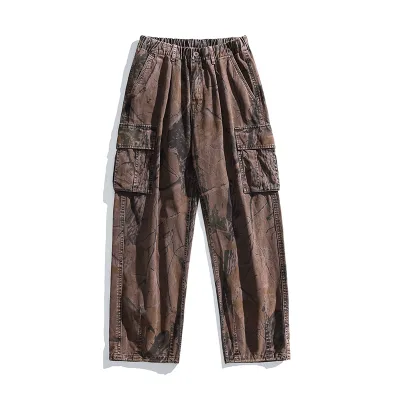
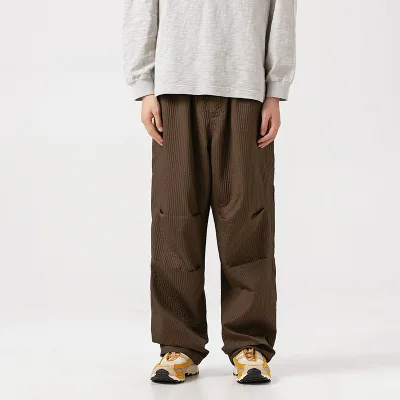
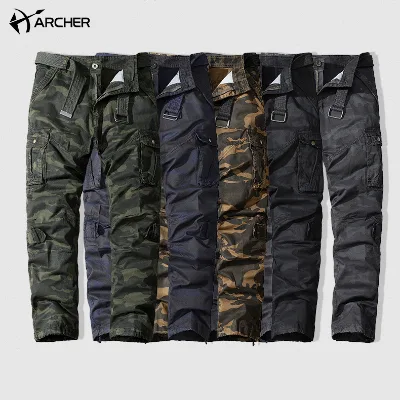


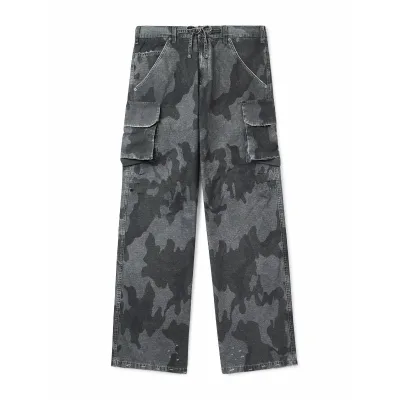
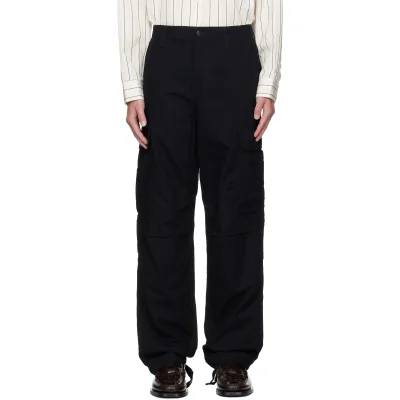


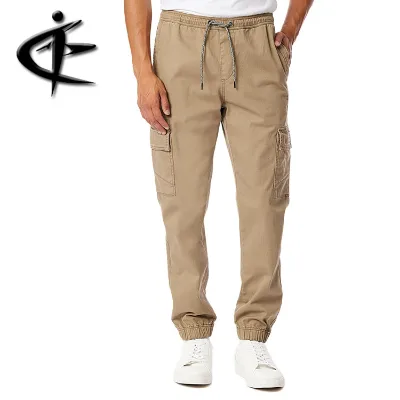
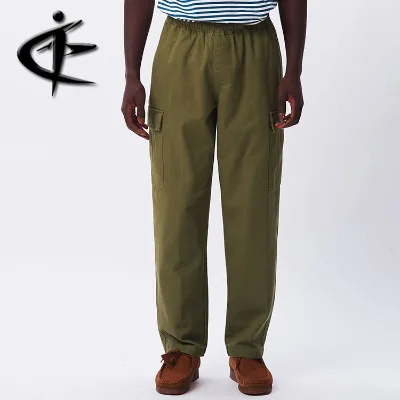




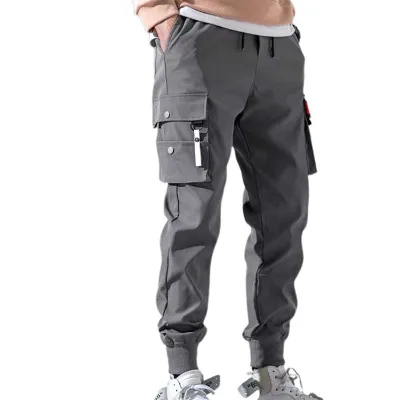


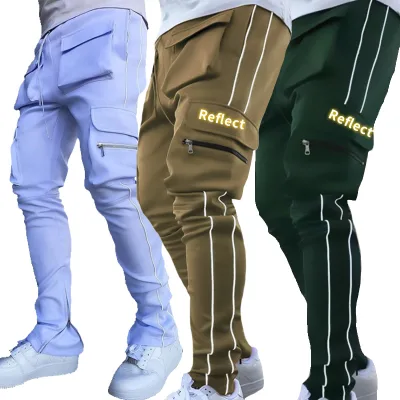
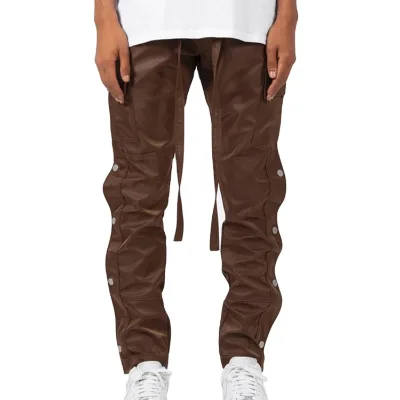
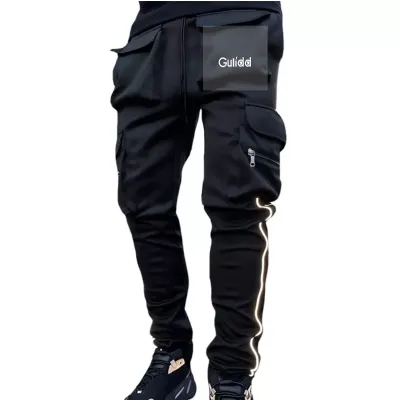


Comprehensive Sourcing Guide
Eco-Friendly Cotton Cargo Pants Supplier Concentration and Factory Types
Current data indicates a concentration of suppliers in China, specifically within the Liaoning and Guangdong provinces. These regions host a mix of trading companies and manufacturers capable of producing workwear and cargo pants. Some entities list their primary output as pants, jackets, and workwear, while others focus on dresses, shirts, and sweaters alongside trousers. This diversity suggests that buyers may encounter both specialized factories and general trading firms within these geographic clusters. The presence of OEM capabilities is noted across several listings, indicating that customization is a standard offering in these areas.
When evaluating the factory type, buyers should distinguish between pure manufacturers and trading companies. The available records show some suppliers operating as trading companies, while others are listed as both manufacturers and trading companies. This distinction impacts the directness of communication and the potential for factory audits. A trading company might offer a broader range of products but could have less control over the production line compared to a dedicated manufacturer. Buyers must verify the actual production capacity and facility ownership rather than relying solely on the company type label provided in the search results.
How to Verify Eco-Friendly Cotton Cargo Pants Suppliers
Verification is a critical step when sourcing eco-friendly cotton cargo pants, as the market contains various levels of supplier legitimacy. Some suppliers in the current results display BV verification status, which serves as a third-party validation of their business credentials. However, not all suppliers may have this specific badge visible in the initial search results. Buyers should prioritize suppliers with clear verification marks and request additional documentation to confirm their operational status. Relying on a single verification badge is insufficient; a comprehensive check involves cross-referencing business licenses and production capabilities.
Beyond basic verification, buyers must assess the supplier's responsiveness and history. The data shows response times varying significantly, with some suppliers responding within three hours while others take up to fifteen hours. A faster response time often correlates with better communication channels and more active account management. Additionally, buyers should look for evidence of past performance, such as sample times and established production standards. While specific establishment years are not always listed, the consistency of product attributes and the availability of customization options can serve as proxies for operational maturity. Always request proof of these claims before proceeding with a large order.
What to Compare Across Eco-Friendly Cotton Cargo Pants Suppliers
Comparing suppliers requires a focus on tangible metrics like lead time, minimum order quantity, and pricing structures. The observed data reveals lead times ranging from twenty to thirty days, which is a significant factor for inventory planning. Minimum order quantities also vary, with some listings requiring as few as five hundred pieces while others demand one thousand units. Buyers must align these constraints with their own demand forecasts to avoid overstocking or stockouts. Pricing is another critical variable, with unit costs fluctuating based on material composition and order volume, ranging from approximately four to twelve dollars per piece in the current dataset.
Response speed and customization capabilities are equally important comparison points. Suppliers offering OEM services and customization options provide greater flexibility for branding and design adjustments. The records indicate that customization is generally available, but the specific terms, such as sample lead times of five to ten days, differ by vendor. Buyers should compare the total cost of ownership, including the cost of samples and the time required to finalize designs. Additionally, the main products listed by each supplier can indicate their expertise; a company specializing in workwear may offer better quality control for cargo pants than a general apparel trader.
Common Eco-Friendly Cotton Cargo Pants Sourcing Risks
One primary risk involves the discrepancy between claimed materials and actual product composition. While the keyword focuses on eco-friendly cotton, some product attributes in the results list materials like polyester or polyester-cotton blends. This mismatch can lead to receiving goods that do not meet the buyer's sustainability requirements. Buyers must explicitly request material test reports and fiber content certificates to verify the cotton percentage and the eco-friendly nature of the dyes and treatments used. Relying on product titles or keywords alone is insufficient for confirming material authenticity.
Another significant risk is the variability in production standards and quality control. The data shows different product standards, such as CE certification for some items, but this is not universal across all listings. Without a standardized quality assurance process, buyers risk receiving inconsistent batches of cargo pants. Furthermore, the lack of detailed establishment years in the search results makes it difficult to assess the long-term stability of a supplier. Buyers should mitigate these risks by requesting pre-shipment inspections and establishing clear quality benchmarks in the purchase agreement before any production begins.
Eco-Friendly Cotton Cargo Pants Regional Sourcing and Logistics
Geographic location plays a pivotal role in determining shipping costs and delivery timelines. The current supplier pool is concentrated in Liaoning and Guangdong, two major manufacturing hubs in China. Liaoning is known for its industrial base, while Guangdong is a global center for apparel and accessories. Sourcing from these regions generally offers access to established logistics networks, but buyers must account for the specific port of origin to estimate freight charges accurately. The distance from the factory to the shipping port can vary, impacting the overall lead time and cost structure of the shipment.
Logistics planning must also consider the packaging specifications provided by the supplier. Some listings detail specific packing methods, such as one piece per polybag with twenty pieces per carton, while others offer fold packing for forty pieces per carton. These variations affect the volume of the shipment and the number of containers required. Buyers should calculate the cubic meterage based on the supplier's packing details to optimize container utilization. Additionally, the seasonal nature of the products, often listed for spring and autumn, may influence production scheduling and the availability of shipping slots during peak seasons.
Eco-Friendly Cotton Cargo Pants Commercial Terms and Order Planning
Commercial terms regarding payment and order planning are essential for managing cash flow and risk. The data indicates minimum order quantities that can range from one hundred to one thousand pieces, requiring buyers to plan their inventory carefully. Some suppliers support sample orders with a lead time of seven days, which allows for product validation before committing to a full production run. Buyers should negotiate clear terms for sample costs and whether these costs are deductible from the final bulk order. Understanding the payment structure and deposit requirements is crucial for securing the production slot.
Lead time management is another critical aspect of order planning. With lead times observed between twenty and thirty days, buyers must factor in production time, quality checks, and shipping duration. Delays in sample approval or material sourcing can extend these timelines significantly. Buyers should establish a detailed production schedule that includes buffer time for potential delays. Furthermore, the availability of customization services means that design changes can impact the lead time. Clear communication regarding the finalization of designs and materials is necessary to ensure the order is completed within the agreed-upon timeframe.
FAQs
What is the price range for cotton cargo pants?
Prices for cotton cargo pants typically range from $4.50 to $12.30 per unit depending on material composition and customization. Basic polyester blends start lower, while 100% cotton options with specific features like flame retardancy or multi-pocket designs command higher rates. Buyers should verify exact pricing based on order volume and specific fabric requirements.
What is the minimum order quantity for these pants?
Minimum order quantities vary significantly by supplier and product type. Some manufacturers accept orders as low as 100 pieces for custom designs, while others require 500 or 1000 units for standard stock items. Buyers seeking smaller batches should specifically look for suppliers offering low MOQs, whereas large-scale procurement benefits from suppliers with higher volume thresholds.
How long does production take for cargo pants?
Standard lead times for cargo pants generally range from 20 to 30 days after order confirmation. Some suppliers offer faster turnaround times for specific items, while others may require longer periods for complex customizations. Sample production typically takes 5 to 10 days. Buyers should confirm exact timelines with suppliers before finalizing purchase agreements to ensure timely delivery.
Are these pants suitable for industrial work environments?
Yes, many available cargo pants are designed for industrial and security applications. Features include flame retardancy, quick-dry fabrics, and durable construction suitable for factory or outdoor work. Options are available in unisex sizes with loose or straight fits. Buyers should verify specific safety certifications and material properties to ensure compliance with their workplace safety standards and requirements.
Can I customize the design and branding of these pants?
Customization is widely available, including OEM services for branding, labels, and specific design elements. Suppliers offer options for custom colors, pocket configurations, and fabric blends. Buyers can request specific sizes ranging from S to 4XL and choose between various waist types and closure mechanisms. It is essential to confirm customization capabilities and associated costs with the supplier directly.
Where are these cargo pants manufactured?
These cargo pants are primarily manufactured in China, with specific production hubs located in Liaoning and Guangdong provinces. Suppliers in these regions offer a range of options from trading companies to direct manufacturers. Buyers can filter results by location to prioritize suppliers based on geographic preferences or logistical considerations for shipping and import duties.