eco-friendly coated elastic waist band Suppliers and Manufacturers
Compare 23 verified suppliers offering eco-friendly coated elastic waist band with ISO 13485, GMP, Oeko-Tex 100, and GRS certifications. Review response times, lead times, and MOQs to select a partner for custom webbing or medical device components; review the available evidence before requesting comparable quotations from suitable candidates.
Updated
Suppliers List

Yangzhou Goldenwell Import&Export Co., Ltd.
- Verified by BV
- Trading Company,Manufacturer/Factory
- China Jiangsu
- Lead time23 days
- Avg. response≤ 6h
Main productsMedical Devices, Syringe, Medical Tape, Medical Bandage
Main marketsSouth America,Eastern Europe,Mid East,North America,Southeast Asia,Eastern Asia,Oceania,Western Europe,Africa
Dongguan Yusen Industrial Co., Ltd.
- Verified by SGS Group
- Manufacturer, Trading Company
- Lead time20 days
- Avg. response≤ 3h
Main productsWebbing, Cord, Braided Belt, Hook And Loop, Headband
Main marketsNorth America(37%), Domestic Market(37%), South America(6%)
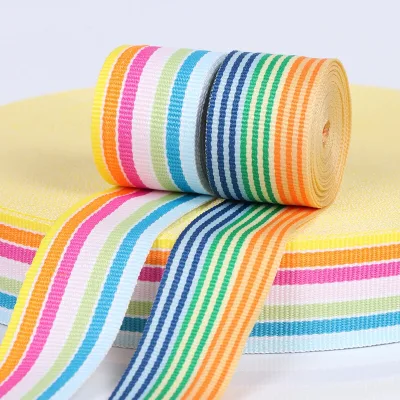
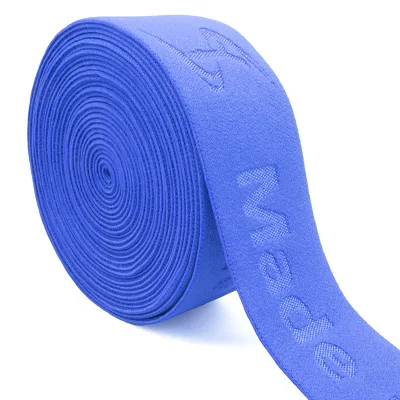
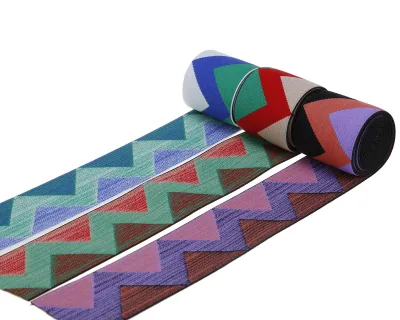
Manufacturer of Elastic Bands for Sportswear Large Adjustable Elastics Bands Fitness
$0.21 - $0.40
MOQ: 1000
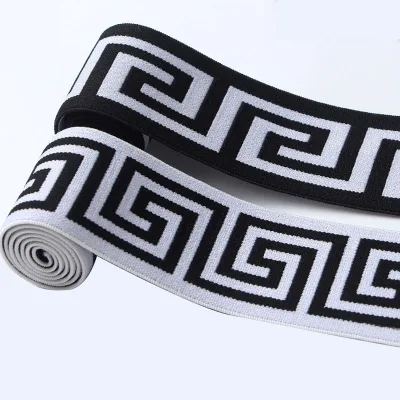
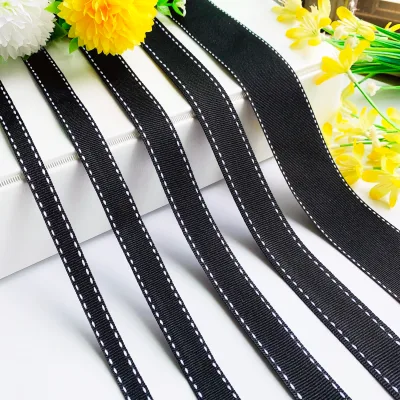
Soft Nylon Elastic Band Cotton Elastic Band Tape 25mm logo Elastic Band to Exercise
$0.25 - $0.31
MOQ: 500 yards

- Verified by BV
- Trading Company,Manufacturer/Factory
- China Zhejiang
- Lead time23 days
- Avg. response≤ 7h
Main productsGarment Accessories, Zipper, Button, Lace Trim, Metal Zipper, Nylon Zipper, Plastic Zipper, Metal Button, Snap Button, Cotton Lace
Main marketsNorth America,Africa

Shantou City Jiancheng Weaving Co., Ltd
- Verified by SGS
- Combined
- China Guangdong
- Lead time15 days
- Avg. response≤ 8h
Main productsWebbing, Elastic Band, Jacquard Webbing, Nylon Elastic Band, Polyester Webbing, Fabric Webbing, Knitted Elastic Band, Flame Retardant Webbing, Nylon Fabric, Spandex Fabric
Main marketsSoutheast Asia/ Mideast,East Asia(Japan/ South Korea),Domestic,Europe,Australia,North America


Woven Elastic Band Wholesale Polyester Medical Elastic Strap for Exercise Abdominal Band
$0.13 - $0.98
MOQ: 20 Meters

Custom Jacquard Printed Elastic Band Wide Elastic Waistband for Abdominal Band
$0.10 - $0.98
MOQ: 100 Meters


Underwear Waistband Soft Durable Jacquard Ribbon Customized Pattern Color Elastic Band
$0.13 - $1.43
MOQ: 20 Meters

Free Sample Custom Elastic Abdominal Band Wide Elastic Waistband for Orthopedic Back Brace
$0.10 - $0.98
MOQ: 100 Meters

Yichanglong Garment Accessories Limited
- Verified by SGS
- Manufacturer/Factory
- China Guangdong
- Lead time15 days
- Avg. response≤ 6h
Main productsHang Tag String, Elastic Tape, Perfume Metal Label, Nail File, Backpack, Lanyard, Lvds Screen Cable, Paper Tag, Drawcord, Silk Scarf
Main marketsSouth America,Eastern Europe,Mid East,North America,Southeast Asia,Eastern Asia,Oceania,Western Europe,Africa


Factory Supply Jacquard Elastic Band Customized High Quality Elastic Waistband for Underwear
$0.20 - $0.30
MOQ: 1000 Meters


Suzhou D. Y. Apparels Accessory Co., Ltd.
- Verified by SGS
- Trading Company,Manufacturer/Factory
- China Jiangsu
- Lead time15 days
- Avg. response≤ 5h
Main productsWebbing, Elastic, Cord, Bungee Cord, Paracord, Belt, Rope, Pets Leash Strap, Medical Band, Sports Band
Main marketsSouth America,Eastern Europe,Mid East,North America,Southeast Asia,Eastern Asia,Oceania,Western Europe,Africa


Custom Logo Smooth Nylon Elastic Shiny Elastic Band Jacquard Elastic Waistband Elastic
$0.36 - $0.39
MOQ: 1000 Meters


Sustainable Custom Pattern Polyester Jacquard Waistband Suspender Elastic Jacquard Band
$0.20 - $0.40
MOQ: 1000 Meters

Custom Embossed Debossed Logo Jacquard Nylon Elastic Band for Garment Underwear Pants Waistband
$0.18 - $0.30
MOQ: 1000 Meters

Henan Great Long Textile Co., Ltd.
- Verified by Intertek
- Manufacturer, Trading Company
- Lead time0 days
- Avg. response≤ 4h
Main productsBungee Elastic Cord, Knitted Elastic Band, Jacquard Elastic Band, Fold Over Elastic Band
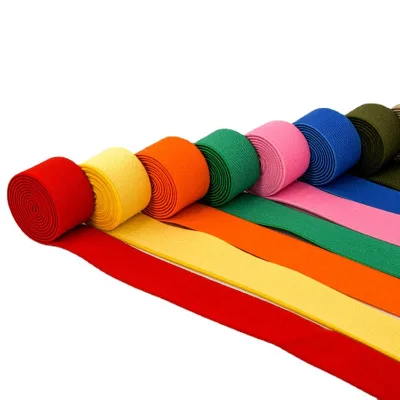
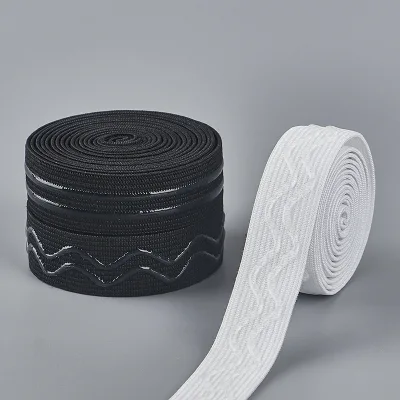
High Quality Elastic Waist Band with 4 Colors Elastic Webbing for Garments
$0.24 - $0.34
MOQ: 44 meters

Quanzhou Newbusi Import & Export Co., Ltd.
- Verified by TUVRHEINLAND
- Trading Company,Manufacturer/Factory
- China Fujian
- Lead time98 days
- Avg. response≤ 9h
Main productsSpunbond Nonwoven, Hot Air Nonwoven, Embossed Nonwoven, Perforated Nonwoven, Breathable PE Film/Casting Film/Composite Film, Sap Paper/Release Paper/Airlaid Paper, Peforated PE Film, Spunalce Nonwoven, Hook/Side Tape/ Loop/Elastic Fabric, Agent Sap/ Hot Melt Adhesive/Spandex/Fluff Pulp
Main marketsSouth America,Eastern Europe,Mid East,North America,Southeast Asia,Eastern Asia,Oceania,Western Europe,Africa
Dongguan Haode Packing Material Co., Ltd.
- Manufacturer, Trading Company
- Guangdong, China
- Lead time0 days
- Avg. response≤ 5h
Main productsSandpaper,sponge sand,sand tray,sand belt,cleaning cloth
Main marketsDomestic Market(75.00%), North America(10.00%), South America(5.00%), Eastern Asia(5.00%), Mid East(5.00%)
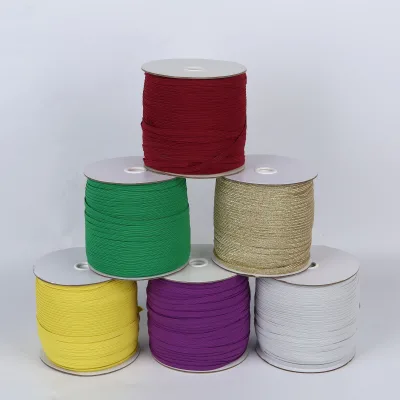
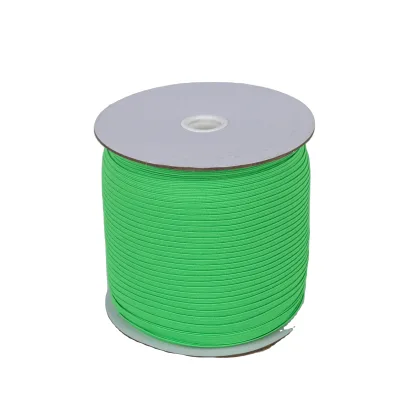
$9.2604 - $10.8038
MOQ: 1 Minimum
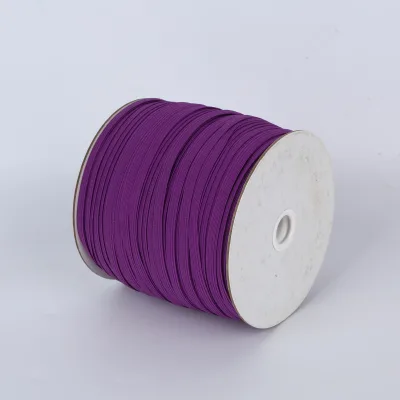
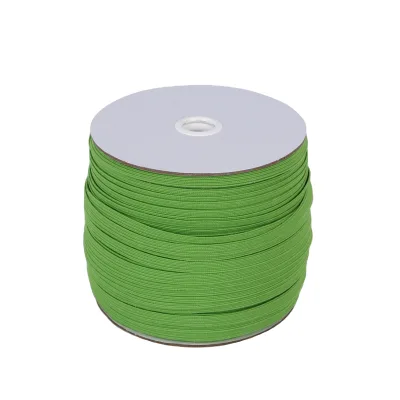
$9.2485 - $10.7889
MOQ: 1 Minimum

Zhejiang Changxing Changrui Interlining Manufacture Co., Ltd.
- Combined
- China Zhejiang
- Lead time23 days
- Avg. response≤ 15h
Main productsWoven Interlining, Nonwoven Interlining, Fusible Interlining, Tricot Knitted Interlining, Shirt Collar Interlining, Woven Twill Interlining, Horse Hair Interlining, Brushed Interlining, Double Dotted Interlining, Embroidery Interlining
Main marketsDomestic


Men Elastic Waist Band for Trousers for Jeans Wholesale Customized Waistband
Negotiable
MOQ: 10000 Meters
Suzhou D.y. Apparels Accessory Co., Ltd.
- Verified by Intertek
- Trading Company
- Lead time15 days
- Avg. response≤ 2h
Main productsWebbing, Elastic Webbing, Cord, Yarns, Thread
Main marketsDomestic Market(30%), North America(20%), Western Europe(20%)
Xiamen Koonong Outdoor Products Co., Ltd.
- Manufacturer, Trading Company
- Fujian, China
- Lead time10 days
- Avg. response≤ 4h
Main productsWebbing,PP Rope,Elastic Rope
Main marketsSouth Asia(100.00%), Mid East(100.00%), Southern Europe(100.00%), Oceania(100.00%), Northern Europe(100.00%), Africa(100.00%), Eastern Asia(100.00%), Domestic Market(30.00%), Southeast Asia(15.00%), North America(15.00%), Eastern Europe(10.00%), Central America(10.00%), Western Europe(10.00%), South America(10.00%)

XIAMEN POPTRIMS TEXTILE CO.,LTD.
- Verified by BV
- Trading Company
- China Fujian
- Lead time15 days
- Avg. response≤ 7h
Main productsElastic Webbing, Elastic Suspender, Custom Lanyard, Garment Label, Rubber Patch, Shoelace, Strings & Drawcords, Fancy Satin Grosgrain Ribbon, Jacquard Ribbon, Custom Print Ribbon
Main marketsSouth America,Africa,Southeast Asia/ Mideast,East Asia(Japan/ South Korea),Europe,Australia,North America

Nylon Elastic Webbing Band Woven Elastic Band Weight Lifting Elastic Bands
$0.29 - $0.40
MOQ: 2000 Meters

Factory Wholesale 38mm Eco-Friendly Elastic Webbing Elastic Straps Rubber Bands
$0.13 - $0.17
MOQ: 1000 Meters

High Quality Knitted Elastic Tape Wide Elastic Bands Elastic Waistband for Sportswear Sport Trousers
$0.09 - $0.10
MOQ: 2000 Meters

Custom Designs Woven Elastic Webbing Waistband Soft Printing Band for Underwear
$0.13 - $0.17
MOQ: 1000 Meters

2022 Custom Logo Waistband Embossed and Debossed Pretty Elastic Band Webbing
$0.78 - $1.00
MOQ: 2000 Meters

Custom Soft Sublimation Printed Tape Elastic Waistband Webbing Bands for Underpants Underwear
$0.18 - $0.26
MOQ: 2000 Meters

Phoenix Flame Holdings Limited
- Verified by BV
- Manufacturer/Factory,Group Corporation
- China Guangdong
- Lead time15 days
- Avg. response≤ 8h
Main productsWebbing Cords Buttons Zipper Drawcord & Shoelace, Label Lace Lanyard Wristband, Embroidery Patches Beaded Applique Belt, Underwear Accessories TPU Rubber Tape
Main marketsSouth America,Eastern Europe,North America,Southeast Asia,Oceania,Western Europe,Africa


Wholesale Customized Logo Elastic Waistband Decorative Elastic Band for Underwear Shorts
$0.06 - $0.35
MOQ: 1000 Yards

$0.06 - $0.35
MOQ: 1000 Yards


Ningbo Alatex Textiles Co., Limited
- Trading Company
- China Zhejiang
- Lead time15 days
- Avg. response≤ 20h
Main productsTag Pin, Tag Gun, String Hang Tag, String Seal, String Tag, Seal Tag, Tag Fastener, Plastic Staple Pin Roll, Garment Accessories, Sewing Accessories
Main marketsSouth America,Africa,Southeast Asia/ Mideast,East Asia(Japan/ South Korea),Europe,Australia,North America

Xiamen Ewonlong Webbing Co., Ltd.
- Verified by SGS
- Combined
- China Fujian
- Lead time15 days
- Avg. response≤ 2h
Main productsWebbing
Main marketsDomestic
T&K Garment Accessories Co., Ltd.
- Verified by TüVRheinland
- Manufacturer, Trading Company
- Lead time10 days
- Avg. response≤ 3h
Main productsSilk Screen Printing Badge, TPU Heat Transfer Labels, High Frequency Badge, Laser Label, Transfer Label
Main marketsDomestic Market(26%), North America(10%), Southeast Asia(10%)

Ningbo Yinzhou Xindew Textile Co., Ltd.
- Trading Company
- China Zhejiang
- Lead time15 days
- Avg. response≤ 10h
Main productsKnitting Needles, Knitting Looms, Knitting Crochet Hook Set, Acrylic Yarn, Elastic Tape, Zipper, Thread, Hook and Loop, Baby Blankets, Baby Bibs
Main marketsSouth America,Africa,Southeast Asia/ Mideast,East Asia(Japan/ South Korea),Domestic,Europe,Australia,North America
Dongguan City Chang'an Houson Apparel Factory
- Manufacturer, Trading Company
- Guangdong, China
- Lead time15 days
- Avg. response≤ 3h
Main productsApparel,Underwear,Pajamas,Elastic Band,Fabric
Main marketsNorth America(20.00%), South America(18.00%), Eastern Europe(17.00%), Northern Europe(15.00%), Western Europe(15.00%), South Asia(5.00%), Mid East(3.00%), Southern Europe(3.00%), Africa(2.00%), Southeast Asia(2.00%)
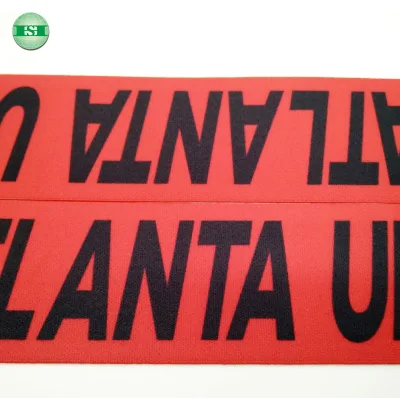
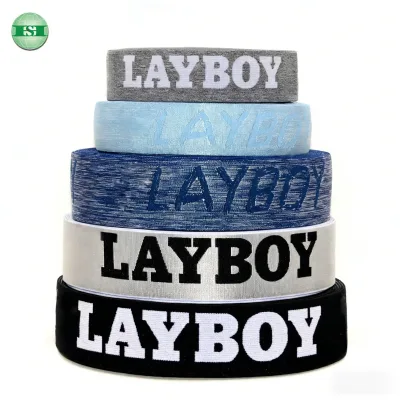
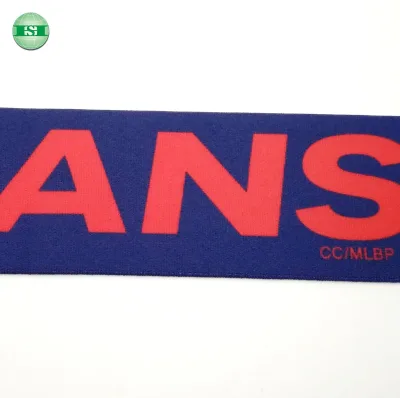
$0.55 - $1.20
MOQ: 500 yards
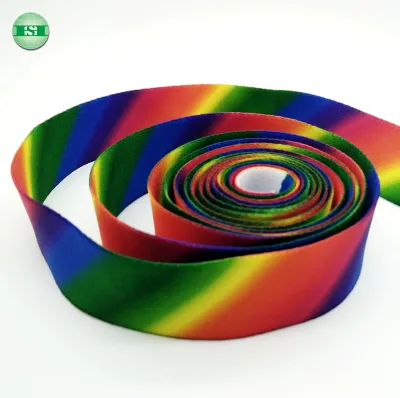
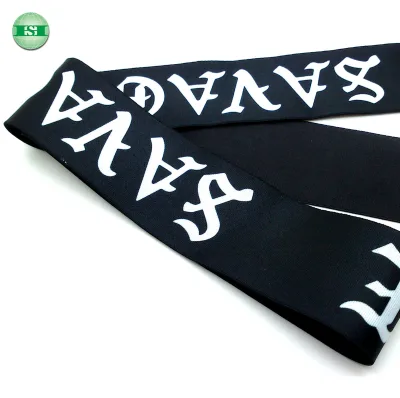
$0.35 - $0.75
MOQ: 500 yards
Hebei Guanglian Textile Co., Ltd.
- Verified by TüVRheinland
- Manufacturer, Trading Company
- Lead time15 days
- Avg. response≤ 2h
Main productsElastic Band, Shoelace, Webbing, Belt, Strap
Main marketsDomestic Market(100%)

Huizhou Fantasty Textile Co., Ltd
- Manufacturer
- Guangdong, China
- Lead time15 days
- Avg. response≤ 2h
Main productsWebbing,Elastic band,Stretch band,Runinng belt,Outdoor belt
Main marketsWestern Europe(12.00%), Eastern Europe(10.00%), Oceania(10.00%), Southern Europe(8.00%), Northern Europe(8.00%), North America(8.00%), Eastern Asia(8.00%), Mid East(6.00%), South America(6.00%), Central America(6.00%), South Asia(6.00%), Southeast Asia(6.00%), Africa(4.00%), Domestic Market(2.00%)
Dongguan Baicaihui Webbing Ltd.
- Verified by SGS Group
- Manufacturer, Trading Company
- Lead time10 days
- Avg. response≤ 3h
Main productsWebbing, Fabric Belts, Wrist Support, Musical Instrument Accessories, Straps
Main marketsNorth America(35%), Northern Europe(15%), Western Europe(10%)

Quanzhou Xingyuan Supply Chain Management Co., Ltd.
- Verified by TUVRHEINLAND
- Trading Company
- China Fujian
- Lead time30 days
- Avg. response≤ 9h
Main productsBaby Diaper Raw Materials, Adult Diaper Raw Materials, Sanitary Napkin Raw Materials, All Raw Materials for Diaper and Sanitary Napkin, Nonwovens, Sap Absorbent Paper, Airlaid Paper, PE Film
Main marketsOthers(foreignTradeCapacity.exportBusinessCapacityMarketOther),Southeast Asia/ Mideast,East Asia(Japan/ South Korea)


China Factory Direct Sale Elastic Waistband for Make Diaper Cheap Elastic Waistband
$2.50 - $2.70
MOQ: 1000 kg


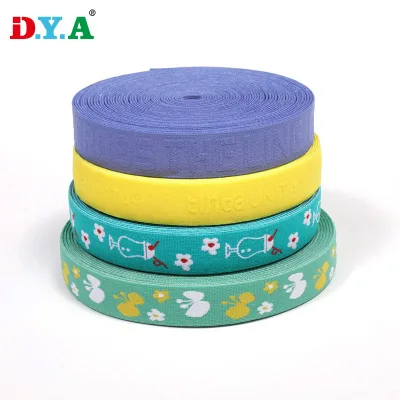
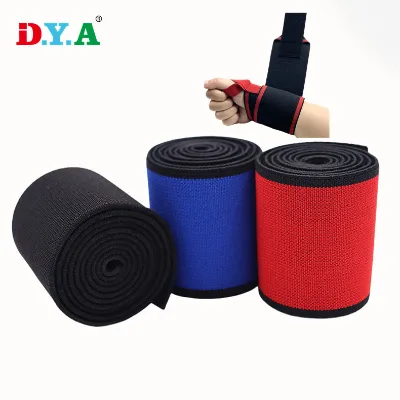
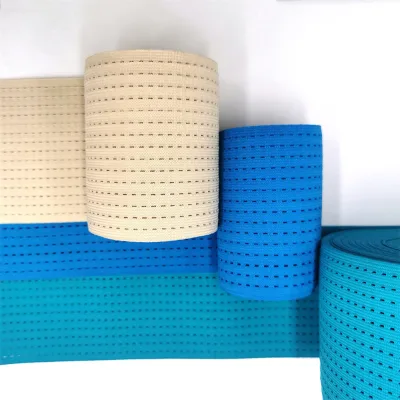
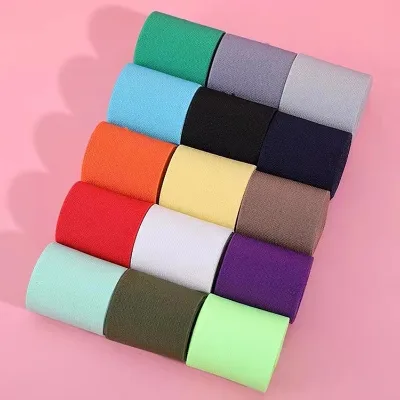
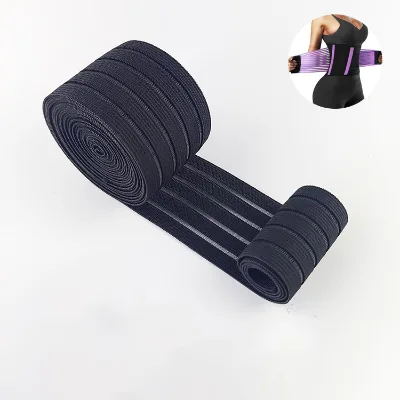
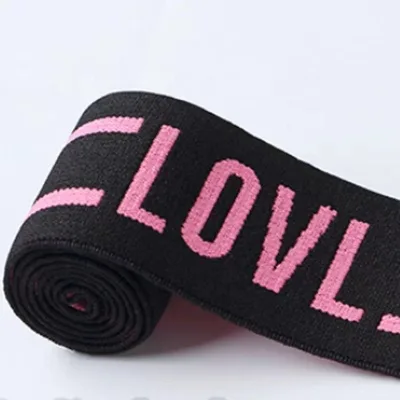
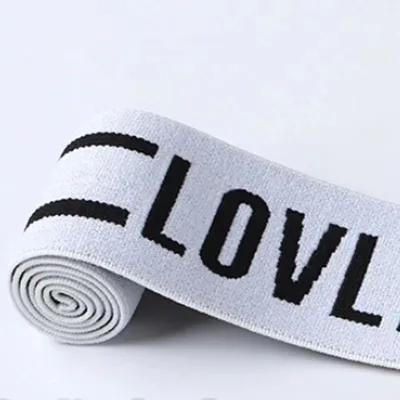
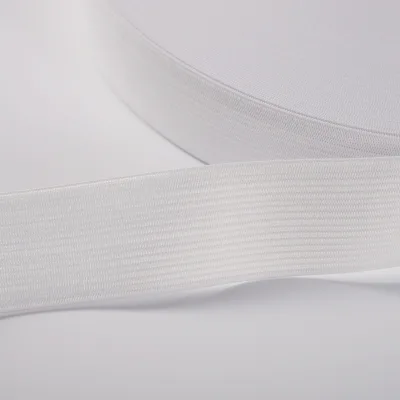
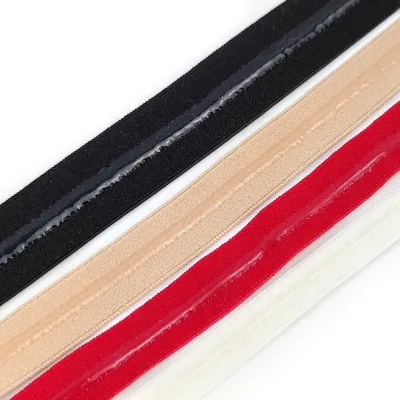


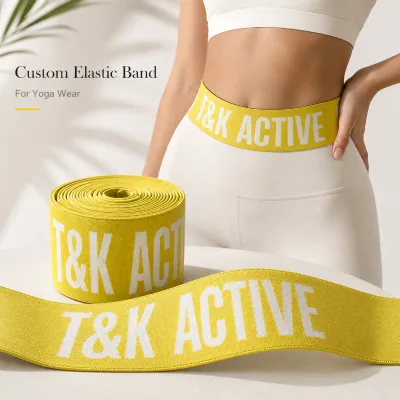
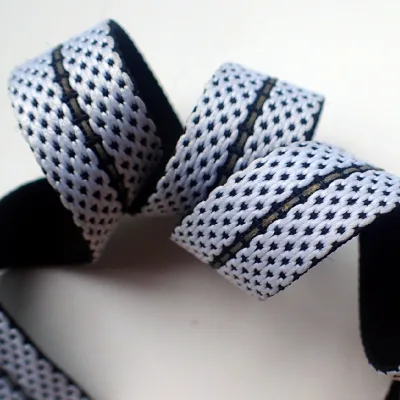


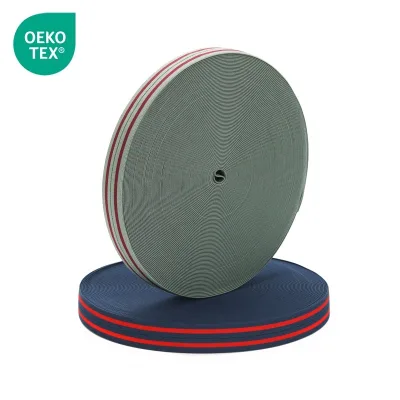
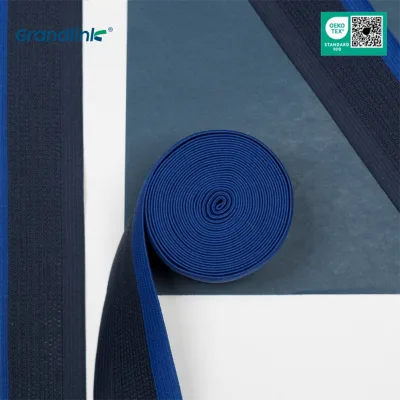
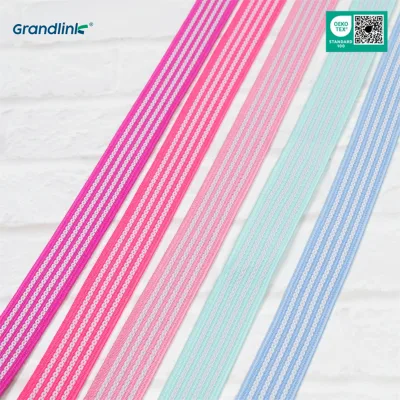
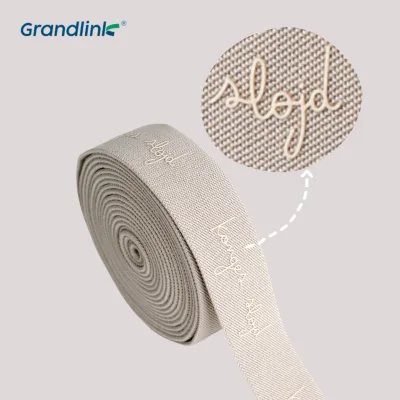
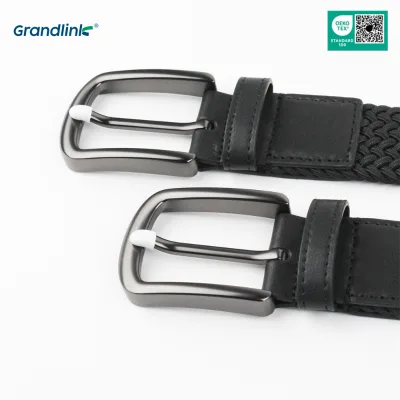
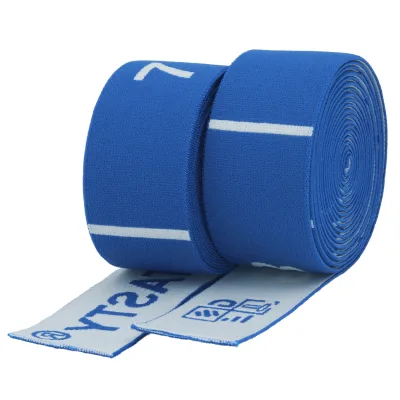
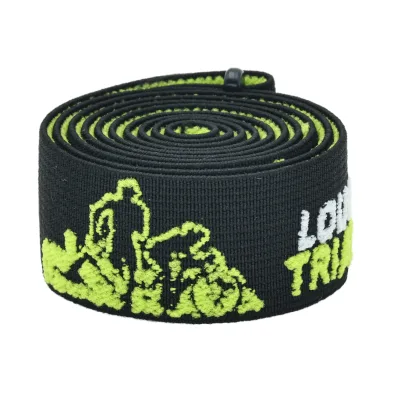
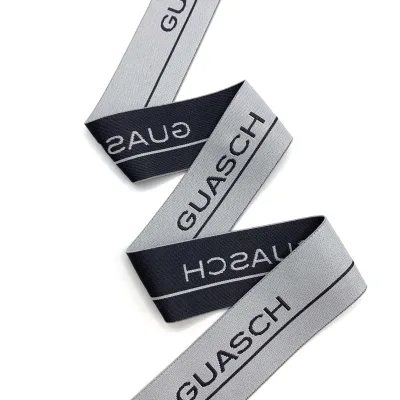
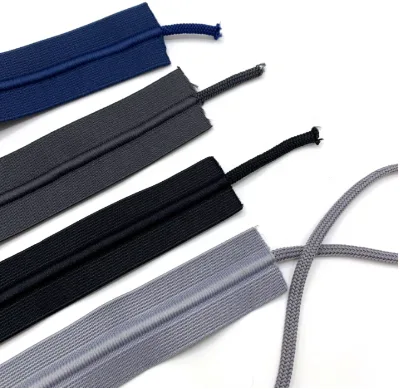
Comprehensive Sourcing Guide
Eco-Friendly Coated Elastic Waist Band Supplier Concentration and Factory Types
The sourcing landscape for elastic waist bands reveals a distinct concentration of manufacturing capabilities within specific industrial regions, with Jiangsu, China, emerging as a notable hub for these specialized textile components. Suppliers located in this area often operate as a hybrid of trading companies and direct manufacturers, allowing them to offer both proprietary brands and flexible OEM/ODM services. This dual operational model is particularly relevant for buyers seeking custom solutions, as it bridges the gap between standardized production efficiency and bespoke design requirements. The presence of established brands such as Goldenwell in this region indicates a mature ecosystem where technical expertise in webbing and elastic materials is readily available. Buyers evaluating suppliers in this cluster should recognize that the local infrastructure supports rapid prototyping and large-scale production runs, which are critical for maintaining consistent quality in coated elastic products. The concentration of these facilities suggests that logistics and supply chain integration are optimized for this specific product category, potentially reducing transit times for finished goods destined for global markets.
In addition to the Jiangsu cluster, other manufacturing centers like Guangdong, China, also contribute significantly to the supply of elastic bands, often focusing on different material compositions and certification standards. Suppliers in these varied locations may specialize in specific types of webbing, such as jacquard or nylon-polyester blends, which are essential for different applications ranging from sportswear to underwear. The diversity in factory types means that buyers must carefully assess whether a supplier is primarily a trading entity or a true manufacturer, as this distinction impacts pricing structures and communication efficiency. Trading companies may offer broader product ranges and easier communication, while manufacturers provide deeper technical control over the coating and weaving processes. Understanding this distinction is crucial for determining the level of customization available and the reliability of production schedules. Buyers should look for suppliers that explicitly state their capacity for light customization, sample processing, and graphic processing, as these capabilities indicate a flexible manufacturing environment capable of meeting specific eco-friendly coating requirements.
How to Verify Eco-Friendly Coated Elastic Waist Band Suppliers
Verifying the legitimacy and capability of suppliers requires a multi-layered approach that goes beyond basic company profiles, focusing heavily on third-party certifications and verification badges. Buyers should prioritize suppliers that display recognized verification marks such as BV or SGS Group, as these indicate that an independent agency has audited the company’s operations and financial stability. These verification badges serve as a foundational trust signal, confirming that the supplier exists and operates within legal frameworks. However, verification alone is insufficient for assessing product quality, particularly when eco-friendly coatings are involved. Buyers must scrutinize the specific system certifications listed, such as ISO 13485, GMP, Oeko-Tex 100, or GRS, to ensure that the supplier adheres to strict quality and environmental standards. The presence of Oeko-Tex 100 certification, for instance, is a strong indicator that the materials used in the elastic bands are free from harmful substances, which is a critical requirement for eco-friendly products. Buyers should request copies of these certificates and verify their validity through the issuing bodies to prevent the use of forged documents.
Beyond certifications, buyers should evaluate the supplier’s response time and historical performance metrics to gauge their operational reliability. A response time of under five hours, such as the 3-hour or 5.18-hour averages observed among top suppliers, suggests a responsive and organized sales team capable of addressing urgent inquiries and technical questions promptly. This responsiveness is often correlated with better project management and fewer communication errors during the production phase. Additionally, buyers should look for evidence of past product performance, such as specific product attributes and certifications listed in product details, including CE or ISO marks for individual items. These product-level certifications provide additional assurance that the specific elastic bands meet regulatory requirements for their intended use. Buyers should also verify the supplier’s ability to provide samples, as many reputable suppliers offer free stocked samples or support sample orders within a few days. This allows buyers to physically inspect the coating quality, elasticity, and material composition before committing to a larger order, ensuring that the supplier’s claims align with the actual product received.
What to Compare Across Eco-Friendly Coated Elastic Waist Band Suppliers
When evaluating multiple suppliers, buyers must systematically compare key operational metrics such as lead times, minimum order quantities (MOQs), and pricing structures to determine the best fit for their business needs. Lead times vary significantly among suppliers, with some offering production cycles as short as 20 to 23 days, while others may have longer turnaround times depending on customization requirements. Buyers should prioritize suppliers with shorter and more predictable lead times, especially if they have tight inventory constraints or seasonal demand peaks. Similarly, MOQs can range from as low as one piece for sample orders to 1000 yards for bulk production, depending on the supplier’s flexibility and the complexity of the coating process. Suppliers with lower MOQs are advantageous for testing new designs or small-batch production, while those with higher MOQs may offer better unit economics for large-scale orders. Buyers should also compare the pricing ranges, which can vary from fractional costs per yard to higher prices for specialized coated products, to ensure alignment with their budget and margin targets.
In addition to operational metrics, buyers should assess the breadth of customization options and technical specifications offered by each supplier. Key attributes to compare include material composition, such as nylon-polyester blends or coarse mesh, and specific features like elasticity, width customization, and logo printing capabilities. Suppliers that offer extensive customization options, including custom colors, sizes, and branded packaging, provide greater flexibility for brand differentiation. Buyers should also evaluate the supplier’s capacity for OEM and ODM services, as this indicates their ability to develop unique products tailored to specific market needs. The presence of advanced technical capabilities, such as jacquard weaving or embossed designs, can add value to the final product and justify higher price points. Furthermore, buyers should compare the supplier’s main product focus, as those specializing in webbing and elastic bands may offer deeper expertise and better quality control than generalist traders. By systematically comparing these dimensions, buyers can identify suppliers that not only meet their technical requirements but also offer competitive advantages in terms of cost, speed, and customization.
Common Eco-Friendly Coated Elastic Waist Band Sourcing Risks
One of the primary risks in sourcing eco-friendly coated elastic waist bands is the potential discrepancy between claimed environmental standards and actual product composition. Buyers must be vigilant against suppliers who make vague or unsubstantiated claims about eco-friendly materials without providing verifiable certifications. The absence of recognized standards like Oeko-Tex 100 or GRS can indicate that the coatings may contain harmful chemicals or that the materials are not sustainably sourced. This risk is compounded by the complexity of the supply chain, where raw materials may be sourced from multiple locations, making it difficult to trace the origin and environmental impact of each component. Buyers should request detailed material safety data sheets and third-party test reports to verify the safety and sustainability of the coatings. Additionally, buyers should be cautious of suppliers who do not provide clear information about their manufacturing processes, as this lack of transparency can hide potential environmental violations or quality control issues.
Another significant risk is the variability in product quality and consistency across different production batches. Elastic bands are subject to wear and tear, and inconsistencies in coating thickness or material elasticity can lead to product failures in the final garment. Buyers should be aware that suppliers with high response times or long lead times may have less rigorous quality control processes, increasing the risk of defects. Furthermore, the risk of intellectual property infringement is present when working with suppliers that offer extensive customization options, as designs and logos may be copied or shared with competitors. Buyers should implement strict confidentiality agreements and monitor the market for unauthorized use of their designs. Additionally, buyers should be cautious of suppliers who do not offer clear return or replacement policies for defective products, as this can lead to financial losses and supply chain disruptions. By identifying and mitigating these risks through thorough due diligence and clear contractual terms, buyers can protect their interests and ensure a successful sourcing experience.
Eco-Friendly Coated Elastic Waist Band Regional Sourcing and Logistics
Sourcing elastic waist bands from regional hubs like Jiangsu and Guangdong offers logistical advantages due to the proximity of these areas to major shipping ports and established supply chain networks. Jiangsu, in particular, is known for its robust manufacturing infrastructure and efficient logistics, which can reduce transit times and shipping costs for buyers targeting global markets. The concentration of suppliers in these regions facilitates easier coordination of sample shipments and production runs, as many suppliers are located within close proximity to each other. This clustering effect also enables buyers to visit multiple suppliers in a single trip, saving time and travel expenses while conducting comprehensive factory audits. Buyers should consider the impact of regional logistics on their overall supply chain strategy, as shorter transit times can improve inventory turnover and reduce the need for large safety stocks. Additionally, the availability of local freight forwarders and customs brokers in these regions can simplify the export process, ensuring that goods are shipped efficiently and in compliance with international regulations.
However, buyers must also account for potential logistical challenges, such as seasonal congestion at ports or fluctuations in shipping rates, which can impact delivery schedules and costs. It is advisable to work with suppliers who have experience in international shipping and can provide accurate estimates of transit times and costs. Buyers should also consider the environmental impact of their logistics choices, as eco-friendly sourcing extends beyond the product itself to include sustainable transportation methods. Some suppliers may offer carbon-neutral shipping options or use eco-friendly packaging materials, which can enhance the overall sustainability profile of the product. Buyers should inquire about these options and factor them into their decision-making process. Additionally, buyers should be aware of any regional trade restrictions or tariffs that may affect the cost of importing elastic waist bands from China. By understanding the logistical landscape and planning accordingly, buyers can optimize their supply chain and minimize disruptions while maintaining the integrity of their eco-friendly sourcing goals.
Eco-Friendly Coated Elastic Waist Band Commercial Terms and Order Planning
Effective order planning for eco-friendly coated elastic waist bands requires careful attention to commercial terms, including payment methods, pricing structures, and delivery schedules. Buyers should negotiate clear payment terms that align with their cash flow needs, such as support for monthly settlement or milestone-based payments, to reduce financial risk. It is also important to establish a transparent pricing model that accounts for raw material costs, manufacturing expenses, and logistics fees, ensuring that there are no hidden charges. Buyers should request detailed quotations that break down these costs, allowing for accurate budgeting and comparison across suppliers. Additionally, buyers should clarify the terms for sample orders, including whether samples are free or charged, and the lead time for sample production. This information is crucial for planning the product development timeline and ensuring that samples are received in time for evaluation and approval.
Delivery schedules and lead times are critical components of order planning, as delays can disrupt production and sales cycles. Buyers should confirm the supplier’s standard lead times and any potential delays due to customization or material availability. It is advisable to include buffer time in the production schedule to account for unforeseen issues, such as quality control failures or shipping delays. Buyers should also establish clear communication protocols with the supplier, including regular updates on production progress and any changes to the schedule. This proactive approach helps to manage expectations and address issues promptly. Furthermore, buyers should review the supplier’s return and warranty policies to ensure that they are protected in case of product defects or non-conformance. By carefully planning commercial terms and order logistics, buyers can minimize risks and ensure a smooth and efficient sourcing process for eco-friendly coated elastic waist bands.
FAQs
What certifications do these elastic waist bands have?
Suppliers offer ISO 13485, GMP, OEKO-TEX 100, and GRS certifications. These standards ensure material safety and quality management. Buyers should verify specific certificates for their target market requirements before placing orders.
What is the typical lead time for production?
Production lead times range from 20 to 23 days. This duration applies to standard manufacturing runs. Buyers requiring faster delivery should contact suppliers directly to discuss expedited options or check stock availability.
What is the minimum order quantity for these bands?
MOQs vary significantly, starting from just one piece for some items. Other suppliers require a minimum of 1000 yards. Buyers should specify their volume needs to find a supplier with a compatible MOQ.
Where are these elastic bands manufactured?
Manufacturing locations include Jiangsu and Guangdong in China. These regions are known for textile and medical device production. Buyers can filter results by these specific provinces to align with logistics preferences.
What is the price range for elastic waist bands?
Prices range from $0.11 to $25.00 per unit depending on specifications. Lower costs apply to basic webbing, while higher prices cover specialized medical or custom branded bands. Volume discounts may apply.
Do suppliers offer customization services?
Yes, customization is widely available including logos, colors, and sizes. Suppliers support OEM and ODM services. Buyers can request custom packaging or specific material blends to meet their brand identity requirements.