Eco-Friendly Commercial Fish Tank Suppliers and Manufacturers
Source 25 verified suppliers for Eco-Friendly Commercial Fish Tank solutions. Compare dimensions like fiberglass or PP materials, ISO certifications, and lead times. Review product specs and request quotes directly from these Guangdong-based factories; review the available evidence before requesting comparable quotations from suitable candidates.
Suppliers List

Guangdong ZKAQUA Aquaculture Equipment Co., Ltd.
- Verified by TUVRHEINLAND
- Combined
- China Guangdong
- Lead time30 days
- Avg. response≤ 5h
Main productsFish Hatchery Equipment, Drum Filter, Live Fish Transport Container, Integrated Recirculating  System, Degassing Filter, Protein Skimmer, Bio Filter, UV Sterilizer, Oxygen Generator, Fish Tank
Main marketsSoutheast Asia/ Mideast,Domestic


Pisciculture Fishery Fish Pond Customized Design Aquaculture Big Fish Tank
$153.00 - $989.00
MOQ: 1 Pieces


Jiangmen Bolipai Glass Products Co., Ltd.
- Verified by BV
- Manufacturer/Factory
- China Guangdong
- Lead time23 days
- Avg. response≤ 13h
Main productsTempered Glass, Glass Basketball Backboard, Laminated Glass, Glass Switch Panel, Borosilicate Glass, Mirror Glass, Basketball Stand, Smart Glass Film, Low-E Glass, Reflective Glass
Main marketsSouth America,Eastern Europe,Mid East,North America,Southeast Asia,Eastern Asia,Oceania,Western Europe,Africa
Guangzhou City Weierma Electrical Co., Ltd.
- Verified by TüVRheinland
- Trading Company
- Lead time20 days
- Avg. response≤ 2h
Main productsAquarium Filter, Aquarium Water Pump, Aquarium Air Pump, Aquarium & Accessories, Fish Tank
Main marketsSouth America(40%), Western Europe(10%), North America(8%)

Zhangjiagang City Leyu Plexiglass Product Factory
- Combined
- China Jiangsu
- Lead time30 days
- Avg. response≤ 2h
Main productsClear Acrylic Sheet, Acrylic Fish Tank, Plexiglass, Custom Acrylic Tanks, Big Acrylic Tank, Acrylic Cylinder, Acrylic Tunnel, Custom Acrylic Product, Glass Fish Tanks, Aquarium
Main marketsSoutheast Asia/ Mideast,Domestic,Europe,North America


Factory Direct Supply New Style Big Fish Tank Fish Tank Aquarium Large Acrylic Professional
$9.00 - $13.00
MOQ: 100 KGS


Inborn Plastic Industrial (Ningbo) Ltd.
- Verified by CTI
- Trading Company
- China Zhejiang
- Lead time15 days
- Avg. response≤ 21h
Main productsRotational Moulding, Roto Mould, Kayak Roto Mould, Ice Box Roto Mould, Cooler Roto Mould, Water Storage Tank, Plastic Safety Barrier, Plastic Tank, Roto Mould Tank
Main marketsSouth America,Africa,Southeast Asia/ Mideast,East Asia(Japan/ South Korea),Europe,Australia,North America
- Manufacturer
- Zhejiang, China
- Lead time30 days
- Avg. response≤ 4h
Main productsWatersports product,Marine product,Aquaculture product,entertainment product
Main marketsNorth America(30.00%), Domestic Market(10.00%), Southern Europe(10.00%), Northern Europe(10.00%), Southeast Asia(5.00%), South Asia(5.00%), Eastern Europe(5.00%), South America(5.00%), Western Europe(5.00%), Eastern Asia(5.00%), Mid East(5.00%), Oceania(5.00%)
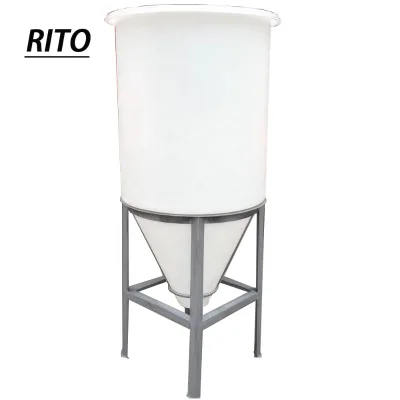
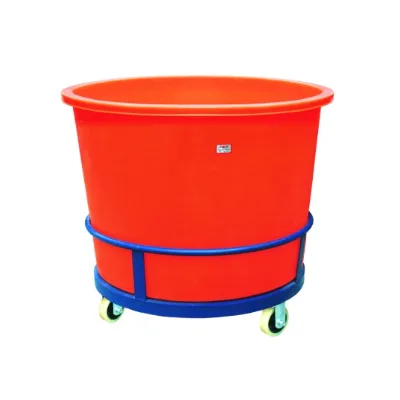
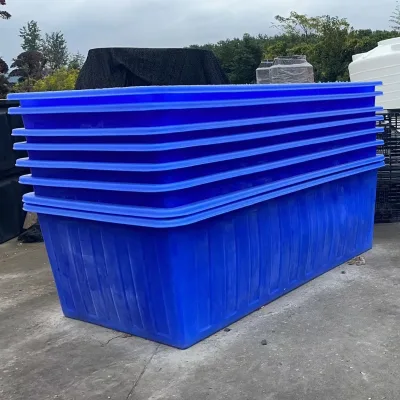
$20.43 - $285.96
MOQ: 20 Minimum
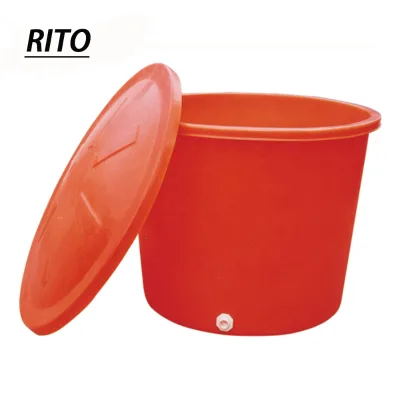
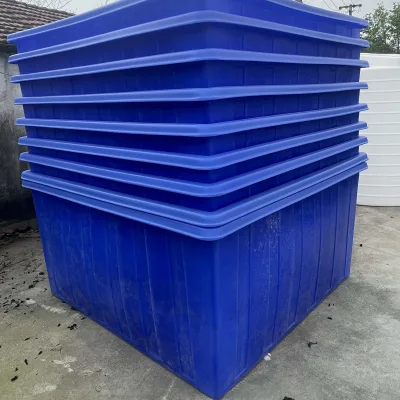
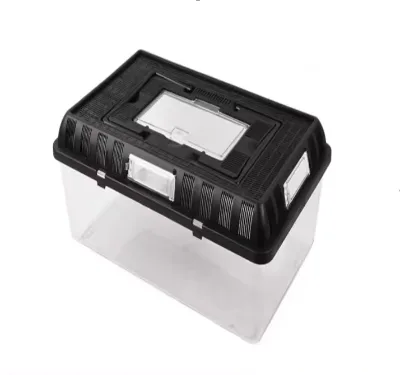
Customized logo Rectangular Shape Live Fish Transport Container tank with Bottom Price
$20.43 - $255.32
MOQ: 20
Chicopet Pet Products Company Limited
- Manufacturer, Trading Company
- Guangdong, China
- Lead time30 days
- Avg. response≤ 2h
Main productsPet Cage,Pet Toy,Pet leash and collar,Aquarium tank,Aquarium Appliance
Main marketsWestern Europe(30.00%), Central America(15.00%), South America(10.00%), Eastern Europe(10.00%), Mid East(8.00%), Southeast Asia(5.00%), North America(5.00%), Eastern Asia(5.00%), Africa(5.00%), Oceania(5.00%), Northern Europe(2.00%)

Ningbo Hongwei International Trade Co., Ltd.
- Trading Company
- China Zhejiang
- Lead time30 days
- Avg. response≤ 11h
Main productsPVC Tarpaulin, Banner Stand, PVC Foam Board, Acrylic Sheet, PVC Tarpaulin for Tent, PVC Tarpaulin for Truck Cover, Display Stand, PVC Foam Panel, Acrylic Panel, PVC Coated Tarpaulin
Main marketsSouth America,Africa,Southeast Asia/ Mideast,East Asia(Japan/ South Korea),Europe,Australia,North America

Shengyibao Music & Light Technology Co., Ltd.
- Verified by SGS
- Combined
- China Guangdong
- Lead time30 days
- Avg. response≤ 3h
Main productsRock Speaker, Garden Speaker
Main marketsDomestic

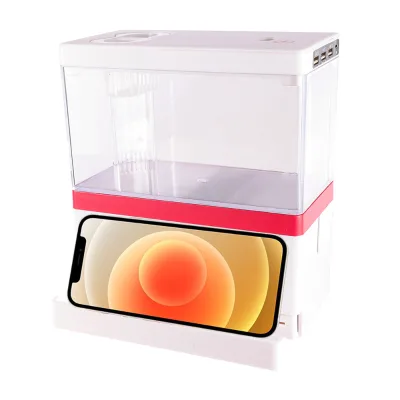
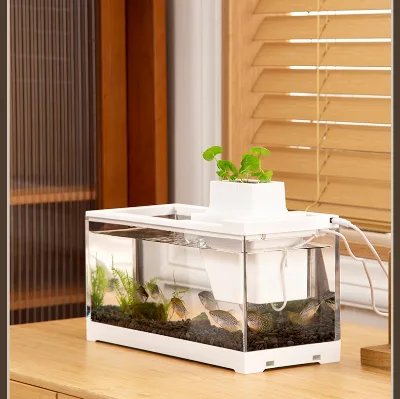
Sleek Square Desktop Aquarium Ultra Quiet & Eco-Friendly Resin Fish Tank
$90.00 - $95.00
MOQ: 50 Pieces

Modern Ecological Landscape Aquarium Silent Square Resin Fish Tank for Home & Office
$75.00 - $79.00
MOQ: 50 Pieces
Weifang Xuelong Trading Co., Ltd.
- Trading Company
- Shandong, China
- Lead time7 days
- Avg. response≤ 3h
Main productsAquarium landscape decoration,driftwood,Aquarium equipment and equipment,aquarium,Aquarium rocks and sand
Main marketsNorth America(20.00%), Domestic Market(10.00%), South Asia(10.00%), Southern Europe(10.00%), Northern Europe(10.00%), Central America(10.00%), Western Europe(10.00%), Eastern Asia(10.00%), Mid East(10.00%), Oceania(10.00%), Africa(10.00%), Southeast Asia(10.00%), Eastern Europe(10.00%), South America(10.00%)

Shijiazhuang Zhengzhong Technology Co., Ltd
- Verified by CTI
- Combined
- China Hebei
- Lead time23 days
- Avg. response≤ 3h
Main productsGfs Tanks
Main marketsAfrica,Southeast Asia/ Mideast,East Asia(Japan/ South Korea),Domestic,Europe,Australia

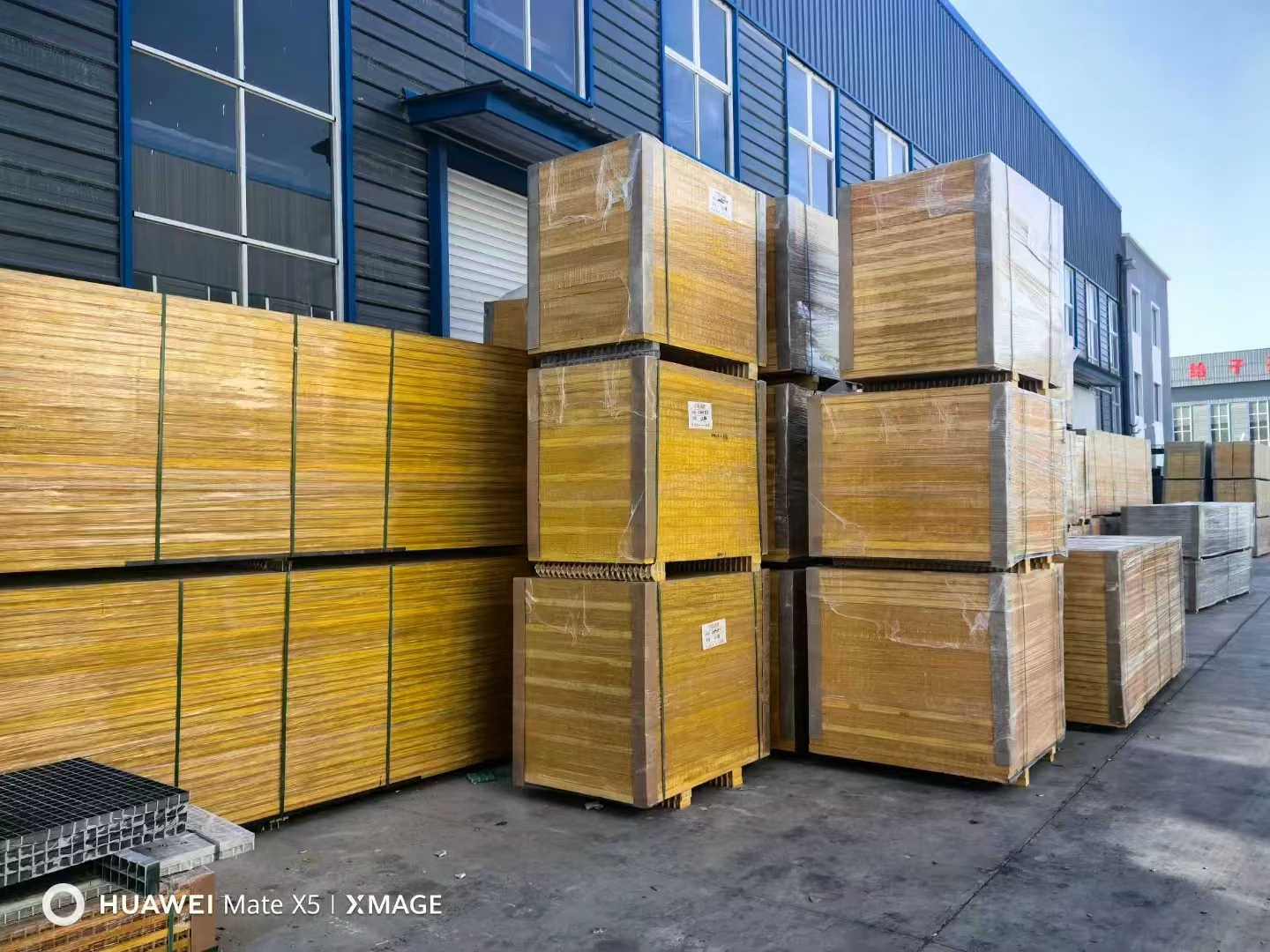
Fish Farming Tanks Aquaculture Tanks Aquaponics Tank Systems Fish Breeding Tanks
$50000.00
MOQ: 1 Pieces

Hebei JW Commercial And Trading Co., Ltd.
- Trading Company
- Hebei, China
- Lead time10 days
- Avg. response≤ 2h
Main productsFRP Machines,Fiberglass Profiles,Fiberglass Fish Tanks,Chemicals,Coolants
Main marketsSouth Asia(30.00%), Mid East(30.00%), Eastern Asia(20.00%), Africa(10.00%), Southeast Asia(10.00%)

Shanghai BGO Import & Export Co., Ltd.
- Manufacturer/Factory,Group Corporation
- China Shanghai
- Lead time23 days
- Avg. response≤ 16h
Main productsTarpaulin Water Bladder, Aquaculture Tank, Gasoline Fuel Bladder, Dome Tent, PVC Non-Slip Mat, PVC Coated Mesh, Boat Buoy, Tree Watering Bags, Marina Salvage Airbag /Weight Test Bag, Swimming Pool and Pool Cover
Main marketsSouth America,Eastern Europe,Mid East,North America,Southeast Asia,Eastern Asia,Oceania,Western Europe,Africa

Dongguan Shenglong Environmental Protection Technology Co.Ltd
- Verified by CTI
- Trading Company
- China Guangdong
- Lead time30 days
- Avg. response≤ 2h
Main marketsDomestic

Zhongshan Laswim Lss Equipment Ltd
- Verified by SGS
- Combined
- China Guangdong
- Lead time45 days
- Avg. response≤ 2h
Main productsProtein Skimmer, Rotary Drum Filter, Pump, Sand Filter, Fish Farming, Aquarium, Water Treatment Equipment, Hatchery, Aquaculture Equipment, Shrimp Farming
Main marketsDomestic
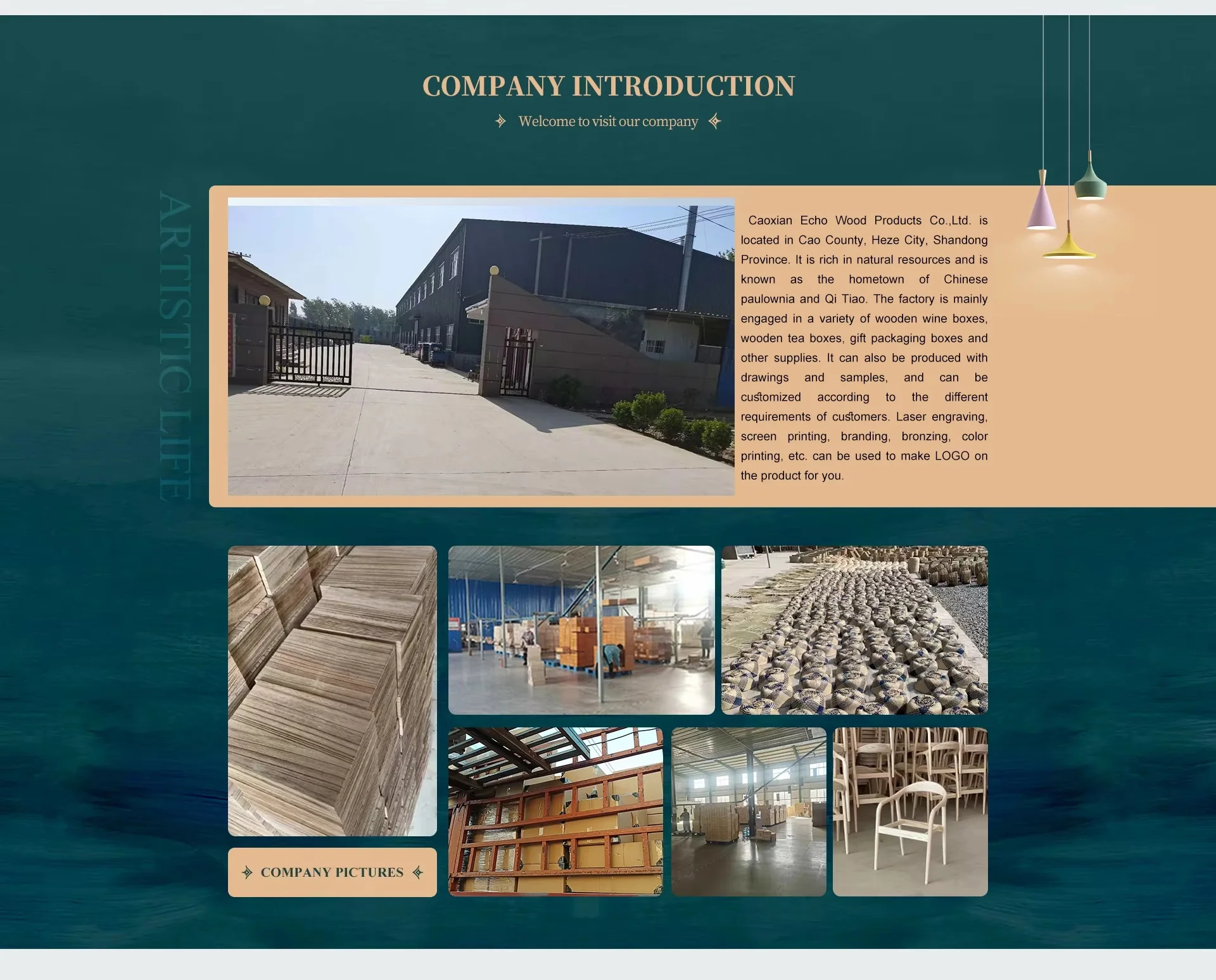
Caoxian Echo Wood Products Co., Ltd.
- Manufacturer, Trading Company
- Shandong, China
- Lead time15 days
- Avg. response≤ 1h
Main productsBird Houses,Pet products,Home Decoration,Office Supplies,Outdoor products
Main marketsNorth America(30.00%), Western Europe(25.00%), Mid East(20.00%), Eastern Asia(10.00%), South America(5.00%), Africa(5.00%), Eastern Europe(5.00%)

Rizhao Spring Trading Co., Ltd.
- Verified by CTI
- Manufacturer/Factory
- China Shandong
- Lead time15 days
- Avg. response≤ 3h
Main productsWalnut, Pet House, Peanut, Cat Litter, Pet Products, Pet Food, Cat Food, Pet Treats, Dog Food, Pet Toys
Main marketsMid East,North America,Western Europe

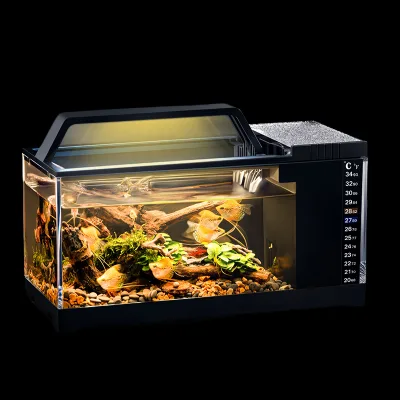
Small Ecological Fish Aquarium with Lights Simple Goldfish Tank Beautiful Desktop Small Fish Tank
$3.39 - $5.49
MOQ: 500 Pieces


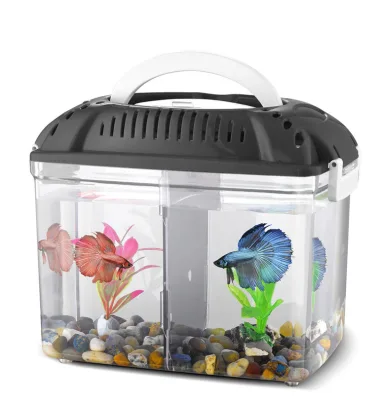
Hot Sale Mini Plastic Fish Tank for Home Decor Eco Friendly Aquarium Tank for Office Desktop
$2.89 - $4.00
MOQ: 10 Pieces


Acrylic Fish Tank with LED Light Small Ecological Fish Aquarium with Lights Simple Goldfish Tank
$3.39 - $5.49
MOQ: 500 Pieces

Ultra-Clear Modern Acrylic Small Rectangular Desktop Fish Tank Open-Style Eco-Friendly Plastic
$13.10 - $14.20
MOQ: 10 Pieces
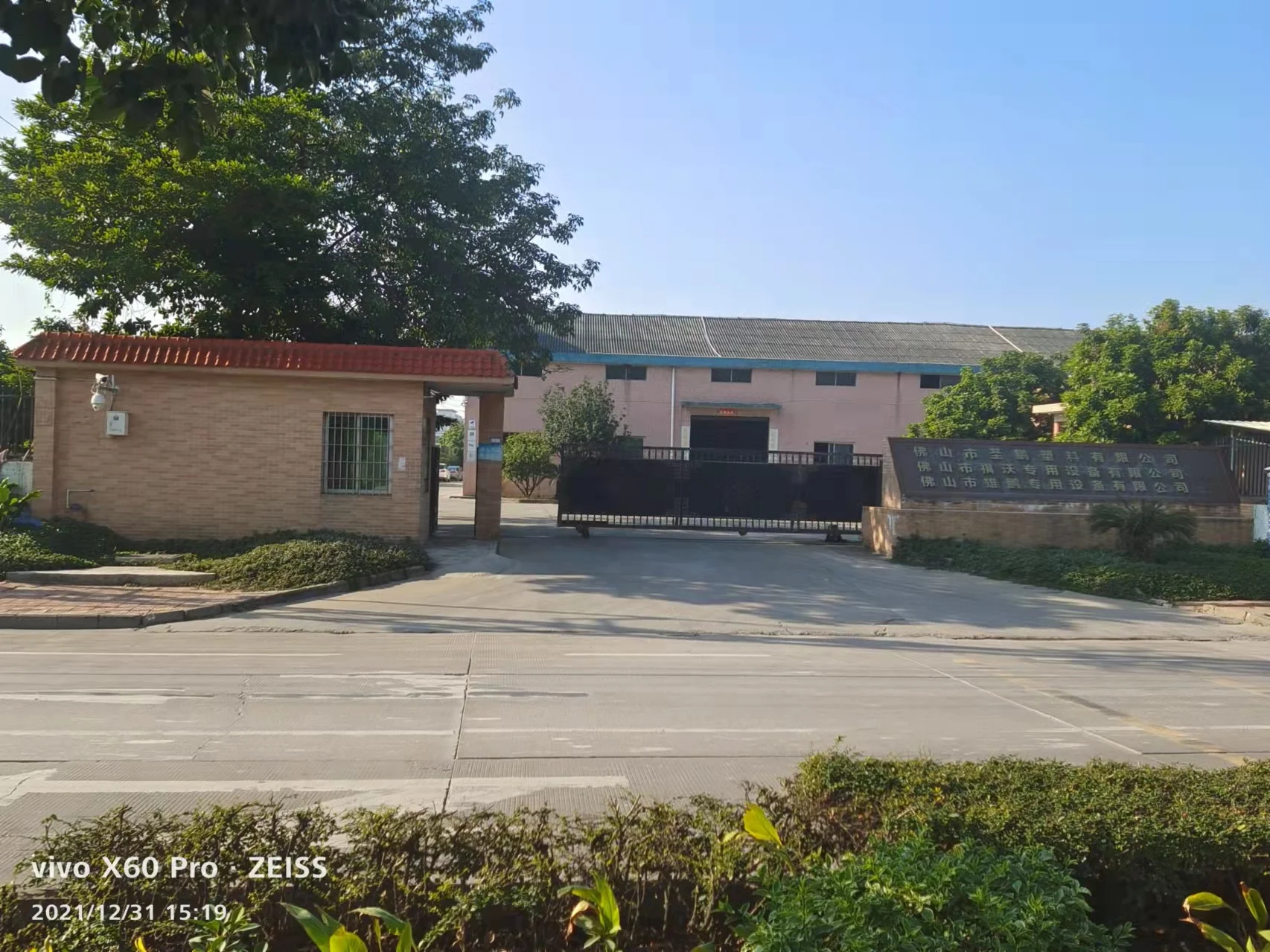
Foshan Shengpeng Plastic Co., Ltd.
- Manufacturer, Trading Company
- Guangdong, China
- Lead time35 days
- Avg. response≤ 4h
Main productsFish Tank,Turtle Tank,Air Pump,Filter,Aquarium Light
Main marketsDomestic Market(50.00%), Southeast Asia(10.00%), Mid East(10.00%), South America(10.00%), Africa(6.00%), North America(5.00%), Eastern Europe(3.00%), Western Europe(2.00%), Oceania(1.00%), Eastern Asia(1.00%), South Asia(1.00%), Southern Europe(0.50%), Central America(0.30%), Northern Europe(0.20%)

Ningbo Megu Import and Export Co., Ltd.
- Trading Company
- China Zhejiang
- Lead time45 days
- Avg. response≤ 3h
Main productsPet Ice Pad, Fish Tank, Pet Swimming Pool, Pet Ice Nest, Pet Fountain, Pet Knot Toy, Pet Car Seat Cover, Pet Carrier Bag
Main marketsEastern Europe,North America,Southeast Asia

$12.60 - $15.80
MOQ: 10 Pieces

Relaxlines Small Water-Free Ecological Glass Fish Tank with LED Light and Filter Ecological Aquarium
$12.60 - $15.80
MOQ: 10 Pieces
Guangzhou Fischer Chemical Co., Ltd.
- Trading Company
- Guangdong, China
- Lead time30 days
- Avg. response≤ 10h
Main productsAquarium Plant Tank,Aquarium Koi Products,Fish Farm Products,Electronics & Electrical Appliances,Alco-free fountain solution
Main marketsOceania(20.00%), Mid East(15.00%), North America(10.00%), Northern Europe(10.00%), Southeast Asia(10.00%), Western Europe(10.00%), South Asia(5.00%), Africa(5.00%), Eastern Europe(5.00%), Eastern Asia(5.00%), South America(5.00%)

TIANJIN JIASHENGYILONG TRADING CO., LTD.
- Verified by TUVRHEINLAND
- Trading Company
- China Hebei
- Lead time23 days
- Avg. response≤ 4h
Main productsCarport Tent, Garage Tent, Retractable Garage, Folding Carport, Car Canopy, Canvas Car Port, Portable Tent, Movable Garage, Portable Garage
Main marketsSouth America,Eastern Europe,North America
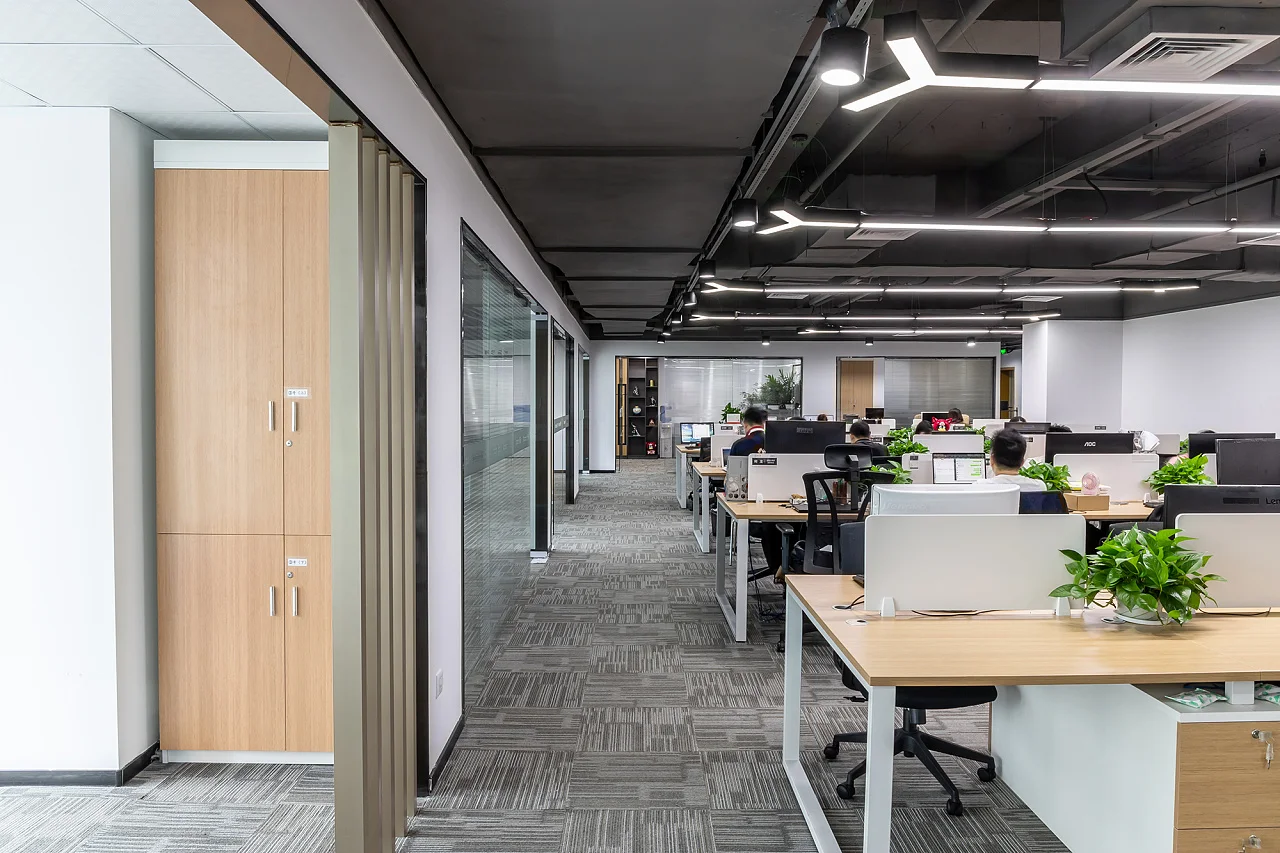
- Manufacturer, Trading Company
- Guangdong, China
- Lead time45 days
- Avg. response≤ 6h
Main productsAutomatic Feeder,Acrylic Aquarium
Main marketsWestern Europe(25.00%), North America(25.00%), Domestic Market(24.00%), Southeast Asia(15.00%), South America(5.00%), Africa(5.00%), Eastern Europe(1.00%)
Jiangxi Ruibit Intelligent Technology Co., Ltd.
- Verified by TüVRheinland
- Trading Company
- Lead time0 days
- Avg. response≤ 1h
Main productsFish Tank, Ocean Tank, Fish Pump, Fish Decorations, Pet Supplies
Main marketsNorth America(36%), South America(10%), Mid East(10%)
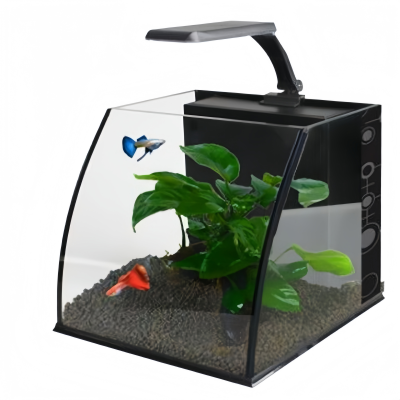
Aquarium Fish Tank Table Aquarium Curvedcurved Fish Tank Saltwater Marine Fish Tank Aquarium
$63.60 - $171.99
MOQ: 2 Minimum

Guangzhou Grandview Material Limited
- Verified by TUVRHEINLAND
- Combined
- China Guangdong
- Lead time23 days
- Avg. response≤ 10h
Main productsAcrylic Sheet, Sneeze Guard, Advertising Light Box, Advertising Sign, Channel Letter Sign, Gas Station Sign, Pylon Sign, Acrylic Swimming Pool, Acrylic Aquarium, Acrylic Mirror Sheet
Main marketsSoutheast Asia/ Mideast


Customized Size Fish Tank Acrylic Aquarium Acrylic Aquarium Fish Tank Acrylic
$5.00 - $10.00
MOQ: 200 kg
Zhongshan City Nanlang Town Haohai Aquatic Equipment Products Factory
- Manufacturer
- Guangdong, China
- Lead time15 days
- Avg. response≤ 5h
Main productsAquarium Tank,Fish Tank Cleaning Tool,Aquarium Lamp,Oxygenation Pump,Fish tank & Accessories
Main marketsDomestic Market(60.00%), Central America(20.00%), North America(6.00%), South America(2.00%), Eastern Europe(2.00%), Oceania(2.00%), Western Europe(2.00%), Northern Europe(2.00%), Southeast Asia(1.00%), Mid East(1.00%), Eastern Asia(1.00%), South Asia(1.00%)










Comprehensive Sourcing Guide
Eco-Friendly Commercial Fish Tank Supplier Concentration and Factory Types
The current supplier landscape for eco-friendly commercial fish tanks reveals a distinct concentration of manufacturing activity within China, specifically in the Guangdong region. This geographic clustering is significant for buyers seeking to establish direct relationships with production facilities, as it indicates a mature industrial ecosystem capable of supporting large-scale aquaculture infrastructure projects. The presence of suppliers in this specific location suggests that logistics networks and raw material supply chains for materials like fiberglass and polypropylene are well-established, potentially offering efficiencies in both production speed and shipping coordination. Buyers evaluating these options should recognize that this regional focus does not imply exclusivity, but rather highlights a hub where specialized knowledge in aquaculture equipment is densely populated. Understanding this concentration allows procurement teams to streamline their due diligence by focusing on suppliers who have demonstrated a physical presence and operational history in this verified manufacturing zone.
Supplier types in this category vary significantly, ranging from combined trading entities to dedicated manufacturers and factories. Some suppliers identify as combined entities, which may offer a broader range of integrated solutions such as drum filters, bio filters, and UV sterilizers alongside the tanks themselves. Others are strictly manufacturer/factory types, focusing on the production of specific items like tempered glass tanks or fiberglass structures. This distinction is crucial for buyers who need to determine whether they are dealing with a direct production source or an intermediary. Combined suppliers might provide more comprehensive system integration services, while factory-type suppliers may offer greater control over raw material selection and custom fabrication processes. Buyers must carefully review the company type designation to align their procurement strategy with their need for either integrated system solutions or specialized component manufacturing, ensuring that the supplier’s operational model matches their project requirements.
How to Verify Eco-Friendly Commercial Fish Tank Suppliers
Verification is a critical step in mitigating risk when sourcing commercial fish tanks, and buyers should prioritize suppliers who have undergone third-party validation processes. Several suppliers in the current results display verification badges from recognized entities such as TÜV Rheinland and Bureau Veritas (BV). These certifications indicate that the supplier has met specific standards regarding business legitimacy and operational capabilities. For instance, one supplier is verified by TÜV Rheinland, while another holds a BV verification, signaling a level of trustworthiness that can reduce the uncertainty associated with international trade. Buyers should actively look for these verification marks as a primary filter in their supplier selection process, as they provide an external layer of assurance that the company exists and operates as claimed. It is important to note that verification status can change, so buyers should confirm the current validity of these badges during their engagement with the supplier.
Beyond verification badges, buyers should assess the supplier’s response time and communication efficiency as indicators of their operational reliability. Response times vary among suppliers, with some demonstrating a rapid response capability of approximately 4.15 hours, while others may take up to 12.42 hours. A faster response time often correlates with a more agile customer service team and a higher likelihood of timely project updates. Additionally, buyers should examine the supplier’s stated capabilities, such as their ability to handle OEM or ODM requests. Some suppliers offer ODM capabilities, allowing for custom design modifications, while others focus on OEM production based on buyer specifications. Understanding these capabilities helps buyers determine if the supplier can adapt to specific project needs. Buyers should also verify the supplier’s main product focus to ensure they specialize in fish tanks rather than unrelated goods, confirming that their expertise aligns with the technical demands of aquaculture infrastructure.
What to Compare Across Eco-Friendly Commercial Fish Tank Suppliers
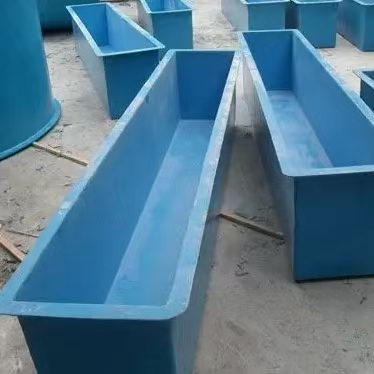
When comparing suppliers, buyers must evaluate a range of technical and commercial attributes to ensure the selected partner meets their specific project requirements. One key differentiator is the material composition of the tanks, with options ranging from fiberglass to polypropylene and tempered glass. Fiberglass tanks often offer durability and customization for large-scale applications, while polypropylene tanks may provide lightweight and corrosion-resistant solutions for transport or smaller setups. Buyers should compare the specific material specifications provided by each supplier, such as wall thickness or capacity limits, to ensure compatibility with their intended use case. Additionally, the customization options available, such as size, shape, and internal features, vary significantly. Some suppliers offer fully customized designs with specific dimensions, while others provide standard models with limited modification options. Understanding these variations is essential for aligning the product with the buyer’s operational constraints.
Lead times and minimum order quantities (MOQ) are also critical factors in supplier comparison. Lead times can range from approximately 23 to 30 days, depending on the complexity of the order and the supplier’s current production schedule. Buyers with tight project deadlines should prioritize suppliers with shorter lead times or those who indicate that items are in stock. MOQs also vary, with some suppliers requiring a minimum order of one unit, which is ideal for small-scale or trial purchases, while others may have higher thresholds for bulk orders. Additionally, buyers should compare the pricing structures, which can range from low-cost entry-level tanks to high-end, heavily customized systems. It is important to note that prices are often indicative and subject to change based on customization and volume. Buyers should request detailed quotes that break down costs for materials, customization, and shipping to make accurate comparisons across different suppliers.
Common Eco-Friendly Commercial Fish Tank Sourcing Risks
One significant risk in sourcing commercial fish tanks is the potential mismatch between advertised specifications and actual product quality. Buyers must be cautious of suppliers who provide vague or incomplete product details, as this can lead to receiving tanks that do not meet the required structural integrity or capacity standards. For example, while some suppliers list specific dimensions and materials, others may offer only general descriptions. This lack of detail can make it difficult to assess whether the tank will withstand the pressures of commercial aquaculture operations. Additionally, the risk of receiving products that do not align with the buyer’s customization requirements is heightened when dealing with suppliers who have limited ODM or OEM capabilities. Buyers should insist on detailed technical drawings and material certifications before placing orders to mitigate this risk. Verifying the supplier’s ability to deliver on specific customization requests is crucial to avoiding costly delays and rework.
Another common risk is the variability in after-sales support and warranty terms, which can significantly impact the long-term viability of the investment. While some suppliers provide comprehensive support, including installation guidance and maintenance advice, others may offer minimal assistance after the sale. This disparity can lead to operational challenges if issues arise with the tank’s performance or if repairs are needed. Buyers should carefully review the supplier’s warranty policies and support offerings to ensure they are adequately protected. Additionally, the risk of logistical delays or damage during shipping is a concern, particularly for large and heavy tanks. Buyers should verify the supplier’s packaging standards and shipping methods to ensure that the products are protected during transit. Understanding the supplier’s track record in handling logistics and their willingness to collaborate on shipping solutions can help mitigate these risks. Buyers should also consider the supplier’s location and its impact on shipping costs and delivery times.
Eco-Friendly Commercial Fish Tank Regional Sourcing and Logistics
Sourcing from the Guangdong region in China offers distinct logistical advantages, including access to well-developed port infrastructure and a robust network of freight forwarders. This geographic concentration facilitates efficient export processes, reducing the time and cost associated with international shipping. Buyers should leverage this advantage by working with suppliers who have experience in exporting similar products, as they are likely to have established relationships with reliable logistics partners. The proximity to manufacturing hubs also allows for easier quality control inspections and faster resolution of any production issues. However, buyers must also consider the potential for increased shipping costs due to global freight fluctuations. It is advisable to obtain multiple shipping quotes and compare them against the supplier’s suggested logistics solutions to ensure competitive pricing. Additionally, buyers should verify the supplier’s ability to handle customs documentation and compliance requirements to avoid delays at the destination port.
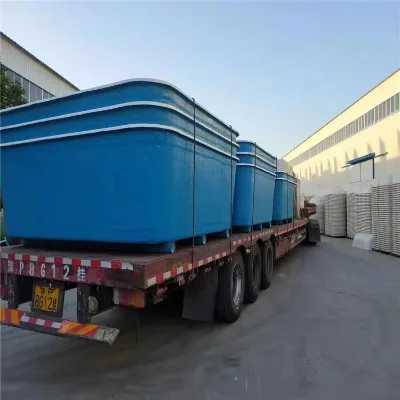
The choice of material also influences logistical considerations, as different materials have varying weights and dimensions that affect shipping costs. Fiberglass tanks, for instance, may be heavier and require more robust packaging, while polypropylene tanks might be lighter and easier to transport. Buyers should discuss packaging options with their suppliers to ensure that the products are protected without incurring unnecessary shipping costs. Standard export packing, often wrapped with cotton or film, is commonly used, but buyers should confirm that this meets their specific protection needs. Additionally, the size of the tanks can impact shipping efficiency, with larger tanks potentially requiring special handling or containerization. Buyers should work closely with their suppliers to optimize the shipping configuration, ensuring that the products are loaded efficiently to maximize space and minimize costs. Understanding these logistical nuances is essential for managing the total cost of ownership.
Eco-Friendly Commercial Fish Tank Commercial Terms and Order Planning
Effective order planning requires a clear understanding of the commercial terms offered by suppliers, including payment methods, delivery schedules, and return policies. Buyers should prioritize suppliers who offer flexible payment terms, such as partial upfront payments and balance upon shipment, to manage cash flow effectively. Additionally, it is important to verify the supplier’s lead times and ensure they align with the buyer’s project timeline. Some suppliers may offer expedited production for an additional fee, which can be beneficial for urgent projects. Buyers should also clarify the terms for customization, including any additional costs or extended lead times associated with custom designs. Understanding these commercial terms helps buyers avoid unexpected expenses and ensures that the project stays on schedule. It is advisable to document all agreed-upon terms in a formal contract to protect both parties.
Buyers should also consider the long-term commercial relationship with their suppliers, focusing on factors such as reliability, communication, and after-sales support. A supplier with a strong track record of delivering high-quality products on time is more likely to be a valuable long-term partner. Buyers should evaluate the supplier’s responsiveness and willingness to address concerns, as these factors can significantly impact the success of the procurement process. Additionally, buyers should explore opportunities for volume discounts or long-term agreements, which can provide cost savings and greater stability. It is important to maintain open communication with the supplier throughout the order process to ensure that any issues are resolved promptly. By focusing on building a strong commercial relationship, buyers can secure a reliable supply of eco-friendly commercial fish tanks and support their business growth.
FAQs
What materials are used for commercial fish tanks?
Suppliers offer tanks made from fiberglass, polypropylene, and tempered glass. Fiberglass models provide high durability and are suitable for large-scale aquaculture. Polypropylene options are lightweight and customizable for various capacities. Glass tanks are ideal for decorative or smaller commercial setups. Buyers should verify material specifications to ensure suitability for their specific farming or transport needs.
What is the typical lead time for these tanks?
Manufacturers generally require 23 to 30 days to produce and deliver commercial fish tanks. This timeframe allows for proper fabrication, quality checks, and standard export packing. Customized sizes or specific installation types may influence the exact duration. Buyers should confirm the lead time with the supplier before placing orders to align with their project schedules and operational requirements.
Are these tanks customizable for specific capacities?
Yes, many suppliers offer customization for capacity, size, and installation types. Fiberglass tanks can be tailored to specific diameters and heights, while polypropylene options allow for volume adjustments. Some models support sitting-type installations and feature sustainable designs. Buyers should specify their required dimensions and application details to ensure the tank meets their aquaculture or breeding standards.
What certifications do these tanks have?
Tanks often carry ISO 9001, CE, SGS, and CCC certifications. These standards verify quality management systems and product safety for commercial use. Some manufacturers also hold ISO 20000 certification for service management. Buyers should request valid certificates to ensure compliance with international standards and to verify that the tanks meet the necessary safety and performance requirements for their operations.
What is the minimum order quantity for tanks?
The minimum order quantity is typically one set or unit for most commercial fish tanks. This low MOQ allows buyers to test quality or purchase small batches. Suppliers often accept single-unit orders for both fiberglass and polypropylene models. Buyers can negotiate pricing and shipping terms for single units, making it accessible for small-scale farms or initial procurement needs.
Where are these fish tanks manufactured?
These tanks are primarily manufactured in Guangdong, China. This region is known for its robust manufacturing infrastructure for aquaculture equipment. Suppliers in this area offer various materials, including fiberglass and polypropylene. Buyers should verify the specific origin of each product to ensure it aligns with their sourcing preferences and to understand the logistics involved in importing the equipment.