Eco-Friendly Dinosaur Excavation Kit Suppliers and Manufacturers
Compare 30 verified suppliers offering eco friendly dinosaur excavation kits with varying lead times, MOQs, and certifications like EN71 and ASTM. Review response times and origin details to select a partner, then request quotes for specific models; review the available evidence before requesting comparable quotations from suitable candidates.
Suppliers List
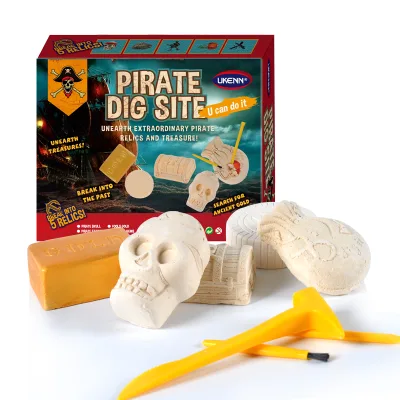
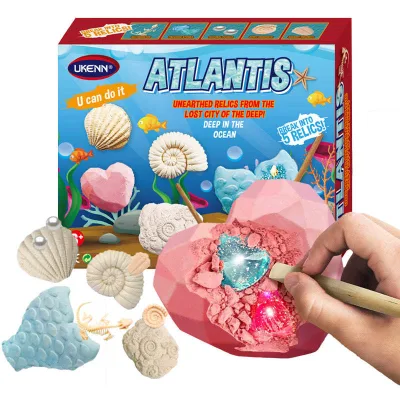
Shenzhen Ukenn Culture Development Co., Ltd.
- Manufacturer, Trading Company
- Guangdong, China
- Lead time25 days
- Avg. response≤ 4h
Main productsArtkal Perler Beads, Dinosaur Toys, Water Fuse Beads, 3D Animal Puzzles, Animal Models
Main marketsDomestic Market(46.00%), Eastern Asia(18.00%), North America(11.00%), Northern Europe(10.00%), South America(5.00%), Eastern Europe(5.00%), Oceania(3.00%), Southeast Asia(2.00%)
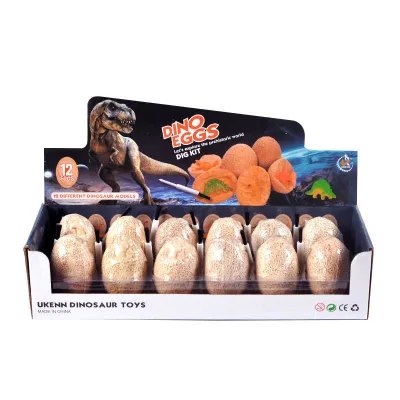
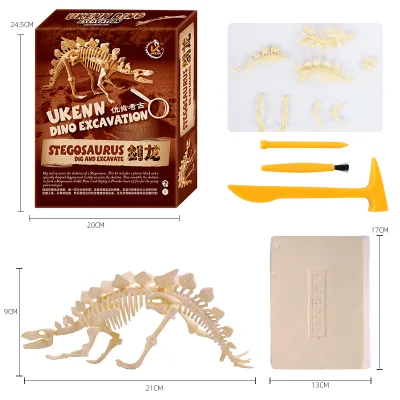
$2.86 - $3.37
MOQ: 50 pieces
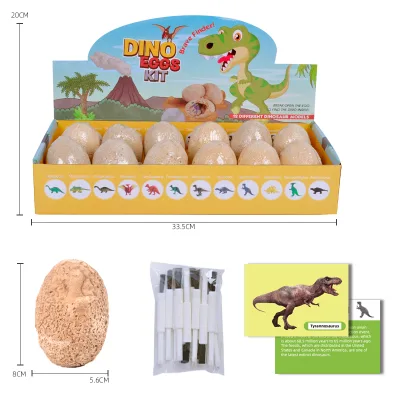
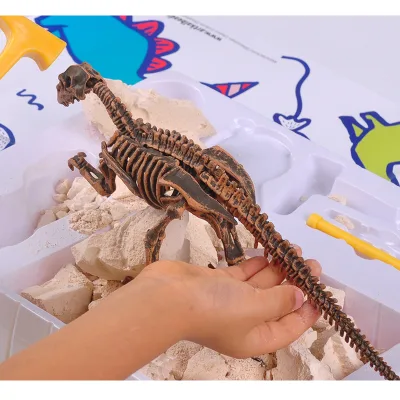

Yiwu Jegreat Trading Co., Ltd.
- Trading Company
- Zhejiang, China
- Lead time2 days
- Avg. response≤ 2h
Main productsTactical vest kit for Nerf gun,wooden puzzle toy,magnet building blocks,slime and putty,IQ METAL WIRE PUZZLE
Main marketsNorth America(15.00%), South America(10.00%), Western Europe(5.00%), Southern Europe(5.00%), Northern Europe(5.00%), Southeast Asia(5.00%), Eastern Europe(5.00%), Central America(4.00%), Mid East(3.00%), Oceania(2.00%), South Asia(2.00%), Eastern Asia(2.00%), Africa(1.00%)
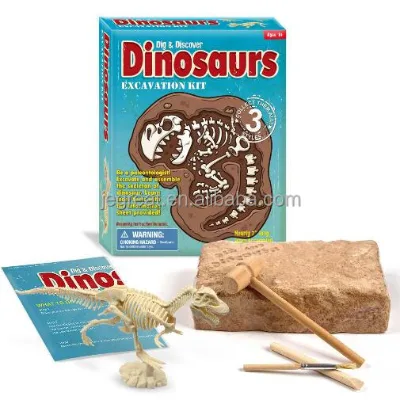
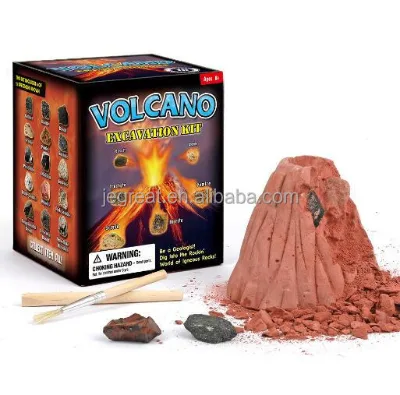
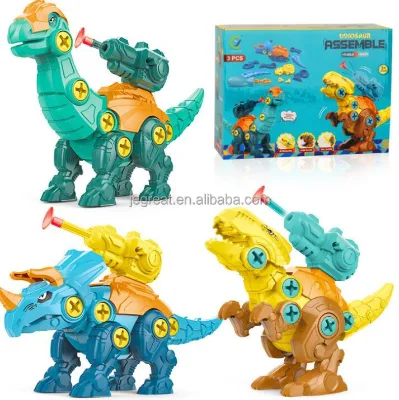
$2.75 - $3.10
MOQ: 180 sets
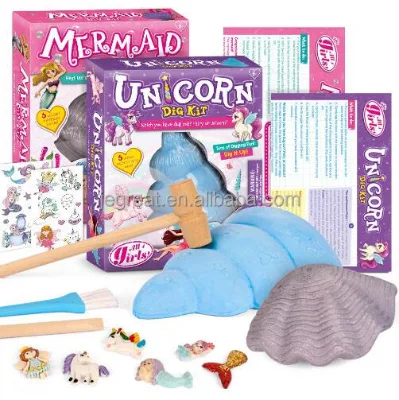
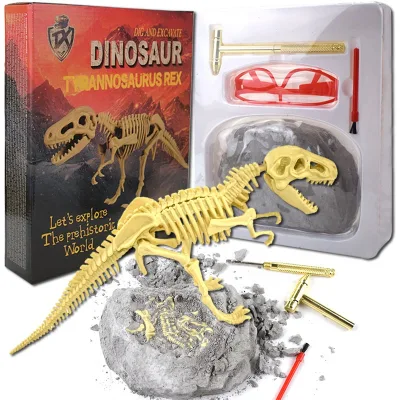
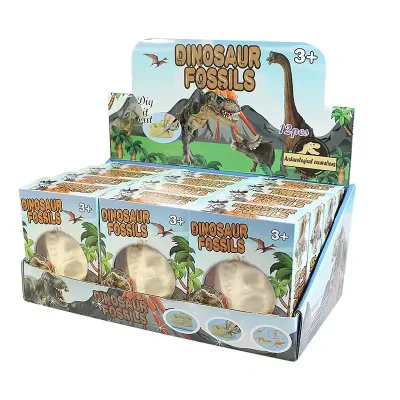
DIG and Excavate Dinosaur Fossil Kit for Kids
$1.40 - $3.42

QUANZHOU LUCKY STAR LIGHT INDUSTRIAL ARTCRAFTS CO., LTD.
- Verified by SGS
- Trading Company
- China Fujian
- Lead time30 days
- Avg. response≤ 10h
Main productsPromotion Gifts, Toys, Stationery, Water Bottle, Wristband, Badge, Fridge Magnet, Electronic Toys, Eraser, Notebook
Main marketsEurope


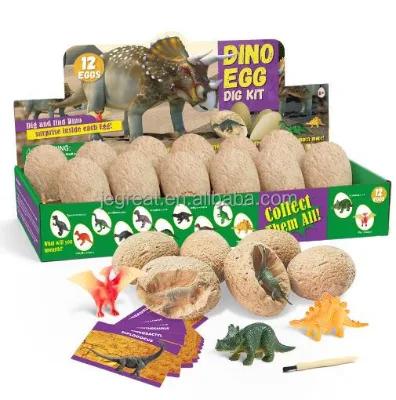
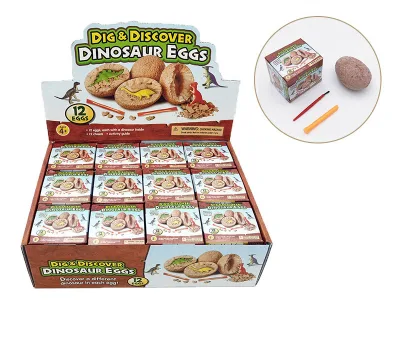
Hot Selling Dinosaur Digging and Discover Eggs Kit Educational Toys for Kids
$0.50 - $2.50
MOQ: 20000 Pieces


Ultimate Dinosaur Fossil Digging Kit for Young Explorers
MOQ: 3000 Pieces
Shantou Jacko Toys Trading Co., Ltd.
- Verified by TüVRheinland
- Trading Company
- Lead time15 days
- Avg. response≤ 2h
Main productsR/C Toys, Educational Toys, Baby Toys, Track Car & Train, Pretend Play Toys
Main marketsWestern Europe(60%), North America(20%), Eastern Europe(20%)
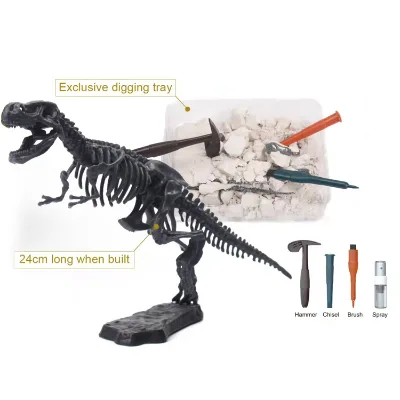
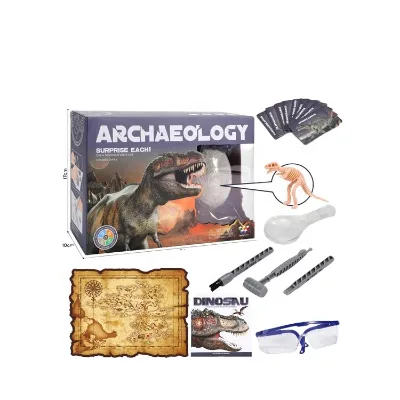
Discover Dinosaur Archaeology Paleontology Excavation Toy Science STEM Crafts Dinosaur Dig Kit Toys
$1.46 - $1.77
MOQ: 144 boxes
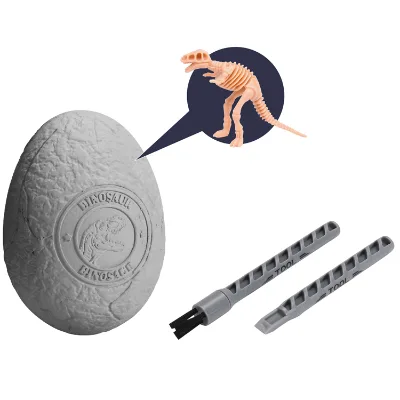
$0.82 - $1.01
MOQ: 108 boxes
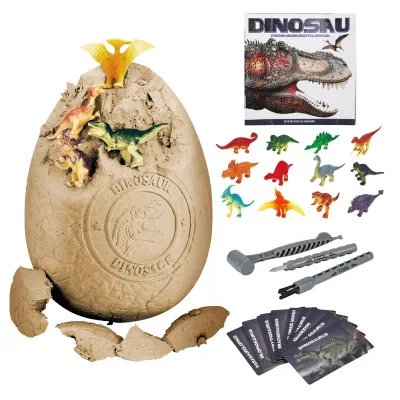
Ningbo Hardwork Art & Craft Co., Ltd.
- Verified by BV
- Combined
- China Zhejiang
- Lead time15 days
- Avg. response≤ 10h
Main productsDIY Kit, Stamp, Wooden Craft, Book
Main marketsEurope

Dinosaur Fossil Bones Excavation Dig DIY Preschool Learning Educational Stem Science Kit
$1.72 - $1.98
MOQ: 500 pieces

Hot Sale DIY Archaeological Research Game Toy Set Dinosaur Fossil Bones Mold Digging Toy Kit for Kid
$1.12 - $1.98
MOQ: 500 pieces
- Manufacturer, Trading Company
- Lead time旺季: "1 - 10000":15,"10001 - 50000":30,"50001 - 500000":40,"> 500000":"To be negotiated", 淡季: "1 - 10000":15,"10001 - 50000":30,"50001 - 500000":40,"> 500000":"To be negotiated"
- Avg. response≤ 6h
Main productsSquishy Toys, Capsule Toys, Promotional Toys, Toy Balls, Educational Toys
Jinming Toys & Crafts Imp. & Exp. Co., Ltd.
- Trading Company
- Guangdong, China
- Lead time15 days
- Avg. response≤ 7h
Main productsEducational Toys,Learning Machine,Musical Instrument,Pretend Play & Preschool,R/C Toy
Main marketsSoutheast Asia(25.00%), North America(22.00%), South America(18.00%), Mid East(8.00%), Western Europe(8.00%), Eastern Asia(8.00%), Eastern Europe(6.00%), Africa(5.00%)
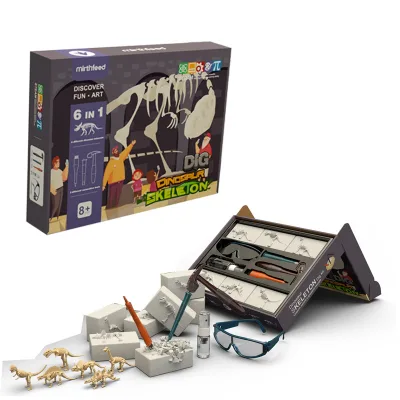
Jinming Dinosaur Discover Digging Dinosaurs Toys Easter Kit for Kid Stem Science Excavation Toy
$3.22 - $3.80
MOQ: 120 pieces
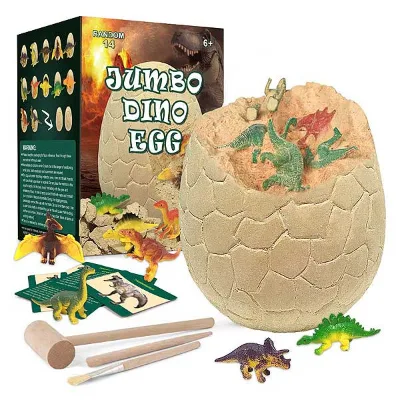
Jinming Kids Educational Gift Giant Dino Egg Digging Set Toy Mini Dinosaur Fossil Digging Kit Toys
$3.06 - $3.33
MOQ: 60 units
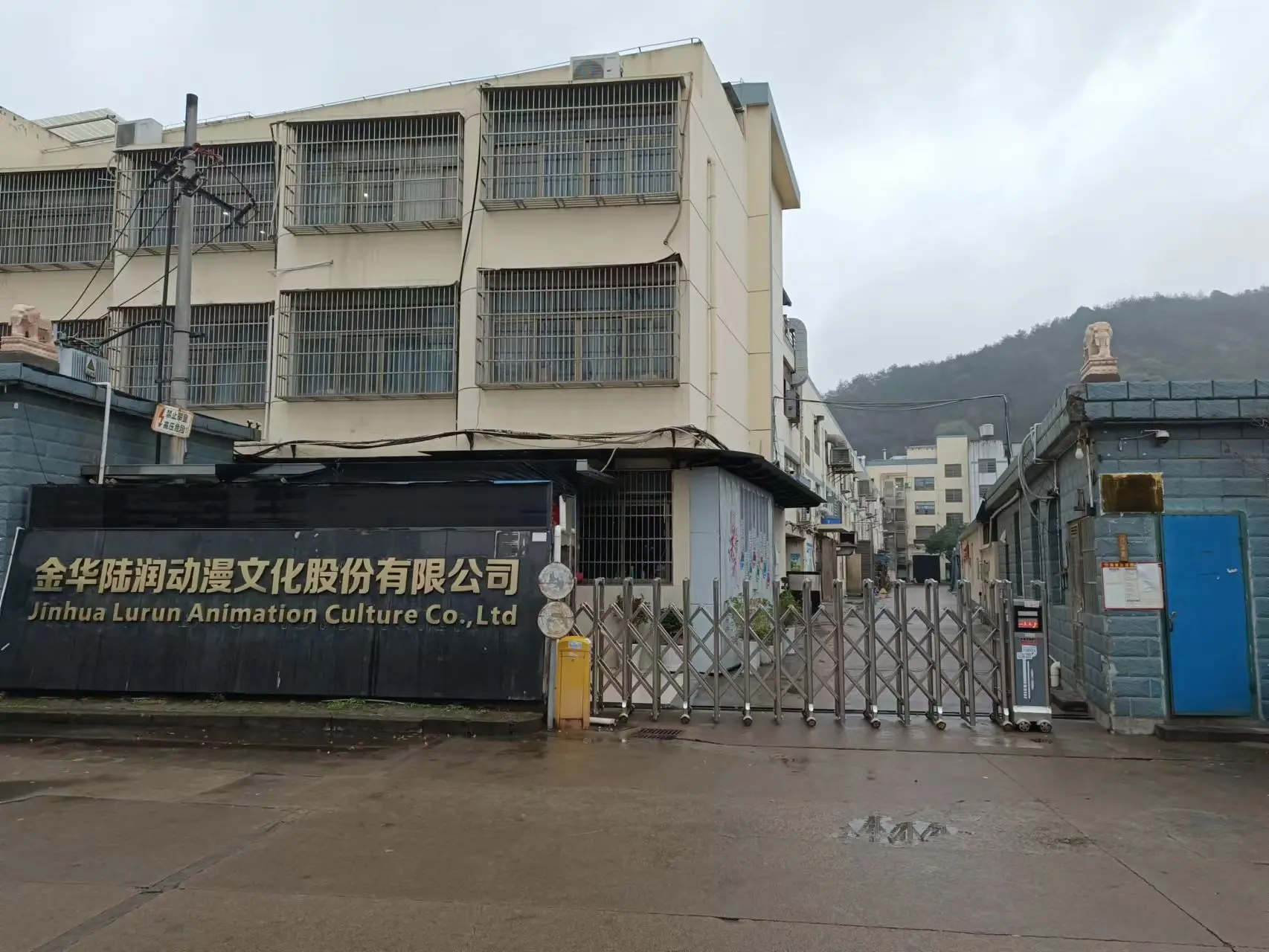
Jinhua Lurun Animation&culture Co., Ltd.
- Manufacturer, Trading Company
- Zhejiang, China
- Lead time30 days
- Avg. response≤ 4h
Main productsPutty,slime,growing items,TPR,PVC
Main marketsNorth America(65.00%), Western Europe(20.00%), Domestic Market(5.00%), Eastern Europe(5.00%), South America(3.00%), Southern Europe(2.00%)
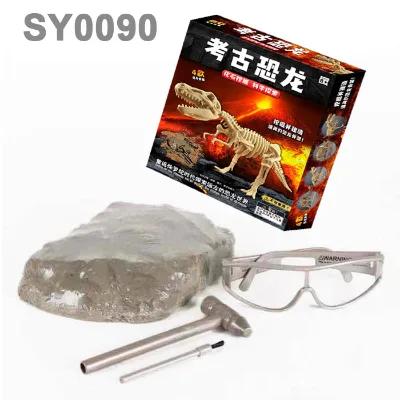
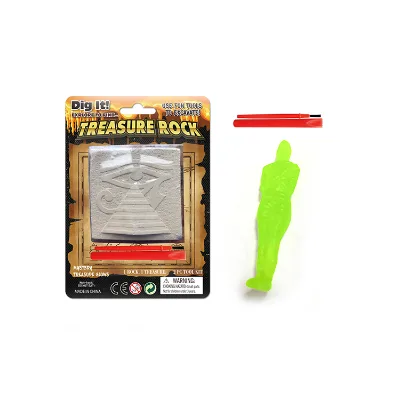
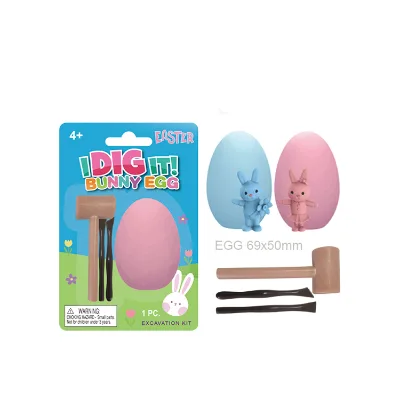
New Arrival Educational Eco Friendly Fossil Dino Excavation Kit Dig Dino Fossils Skeleton Kit
$1.80 - $1.85
MOQ: 10000 sets
Shenzhen Huanouya Technology Co., Ltd.
- Manufacturer, Trading Company, Distributor/Wholesaler
- Guangdong, China
- Lead time3 days
- Avg. response≤ 2h
Main products3D Pen,Educational Toys,Board Games,Drawing Toys,Party Mask
Main marketsDomestic Market(30.00%), North America(30.00%), Western Europe(20.00%), Eastern Europe(10.00%), Southeast Asia(5.00%), Central America(5.00%)
K&M Import and Export (GZ) Limited
- Verified by TüVRheinland
- Manufacturer, Trading Company
- Lead time30 days
- Avg. response≤ 4h
Main productsEducational Toys, Dig Kit, Science Toys, Art & Craft DIY Toys, Rock Collection
Main marketsNorth America(50%), Western Europe(10%), Northern Europe(10%)
- Verified by SGS
- Trading Company
- China Zhejiang
- Lead time15 days
- Avg. response≤ 24h
Main productsFitness Equipment, Trampoline, Treadmill, Dumbbell, Yoga Mat, Spinning Bike, Jump Rope, Pull up Bar, Gym Rack, Leg Press
Main marketsEurope,Australia

Wholesale Dinosaur Egg Excavation Kit Educational Archaeology Dinosaurs Dig Kits Toys
$1.98 - $2.00
MOQ: 500 Pieces


Wholesale Dinosaur Excavation Fossil Dino Skeletons Archaeology Science Dig Kits Toys
$1.98 - $2.00
MOQ: 500 Pieces

Wholesale Giant Planets Excavation Kit Solar System Digging Tools Dig Kits Toys
$1.98 - $2.00
MOQ: 500 Pieces
Xinxiang Alpha Manufacturing Ltd.
- Verified by SGS Group
- Manufacturer, Trading Company
- Henan, China
- Lead time30 days
- Avg. response≤ 6h
Main productsScience Toy/Slime Toy/Educational Toy/STEM Kits/Experiment Kits
Main marketsNorth America(80%), Oceania(10%), Eastern Europe(5%)
Guangdong Banatoys Co., Limited
- Verified by SGS Group
- Manufacturer, Trading Company
- Lead time20 days
- Avg. response≤ 5h
Main productsBeach Toy, Educational Toys, Science Toys, Pretend Toys, Building Block
Main marketsNorth America(25%), Western Europe(19%), Southeast Asia(10%)
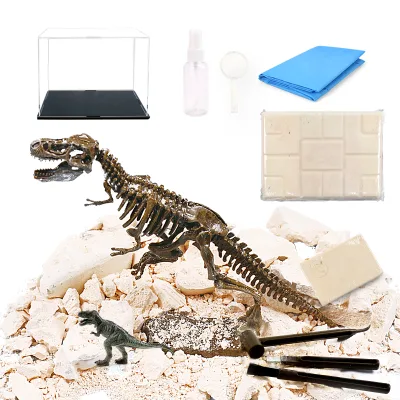
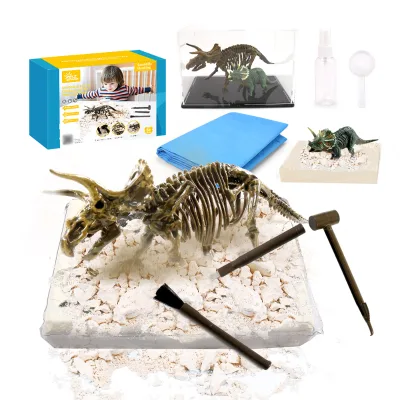
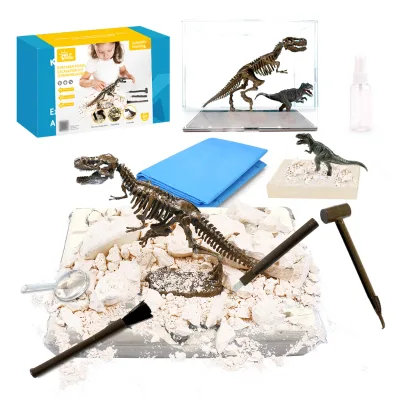
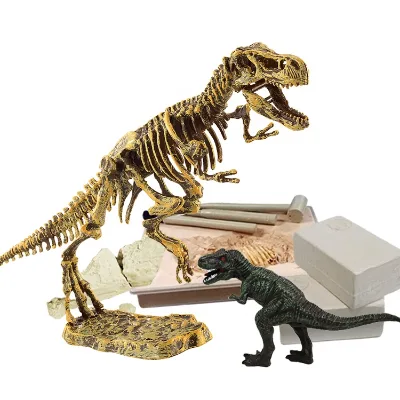
ODM Realistic Mainan Anak Dinosaur Fossil Excavation Kit Educational Dinosaur Toys for Children
$4.26 - $4.70
MOQ: 24 pieces
Shantou Jinyu Trading Co., Ltd.
- Verified by SGS Group
- Manufacturer, Trading Company
- Lead time7 days
- Avg. response≤ 4h
Main productsEducational Toys, Baby Toys, Toy Car, Outdoor Toys, Pretend Play
Main marketsNorth America(40%), Eastern Europe(20%), Southeast Asia(20%)
- Verified by TUVRHEINLAND
- Combined
- China Guangdong
- Lead time23 days
- Avg. response≤ 5h
Main marketsSouth America
Xinxiang Alpha Manufacturing Ltd.
- Manufacturer, Trading Company
- Lead time旺季: "1 - 2000":7,"> 2000":"To be negotiated", 淡季: "1 - 2000":7,"> 2000":"To be negotiated"
- Avg. response≤ 6h
Main productsScience Toy/Slime Toy/Educational Toy/STEM Kits/Experiment Kits
Shantou Maxland Trading Co., Ltd.
- Verified by SGS Group
- Trading Company
- Lead time15 days
- Avg. response≤ 3h
Main productsPlayhouse Toys, Remote Control Toys, Baby Toys, Educational Toys, Sport Toys
Main marketsMid East(30%), South America(10%), Eastern Europe(10%)
Ningbo Tombo Outdoors Co., Ltd.
- Trading Company
- Zhejiang, China
- Lead time25 days
- Avg. response≤ 6h
Main productsOutdoor Goods,Head Lamp,Optical Binocular,Magnifier,Compass
Main marketsNorth America(30.00%), Western Europe(10.00%), Central America(5.00%), South America(5.00%), Southern Europe(5.00%), Mid East(5.00%), South Asia(5.00%), Northern Europe(5.00%), Eastern Europe(5.00%), Southeast Asia(4.00%), Eastern Asia(2.00%), Domestic Market(1.00%), Africa(1.00%)

Qingdao Relong Technology Co., Ltd.
- Verified by TUVRHEINLAND
- Combined
- China Shandong
- Lead time30 days
- Avg. response≤ 2h
Main productsDredger, Amphibious Excavator, Cutter Suction Dredger, Aquatic Weed Harvester, Amphibious Muti-Purpose Dredger, Sand Dredger, Swamp Excavator, Workboat Barge, Amphibious Harvester, Undercarrage Pontoon
Main marketsAfrica,Others(foreignTradeCapacity.exportBusinessCapacityMarketOther),Southeast Asia/ Mideast,North America


MID-Size Amphibious Excavator/Offer Super Long Reach Front Kit Heavy Duty
$10000.00 - $100000.00
MOQ: 1 Sets


Shantou Chenghai Ebayro Toys Factory
- Trading Company
- Guangdong, China
- Lead time10 days
- Avg. response≤ 5h
Main productsEducational Toys,DIY Toys,Drawing Toys,Discover Toys,Diamond Painting Toys
Main marketsDomestic Market(30.00%), Southeast Asia(25.00%), Eastern Europe(25.00%), Western Europe(5.00%), Mid East(5.00%), North America(5.00%), Oceania(5.00%)

JIAXING JACKSTAR TOOLS CO., LTD.
- Verified by BV
- Trading Company,Manufacturer/Factory
- China Zhejiang
- Lead time45 days
- Avg. response≤ 7h
Main productsTransmission Jack, Hydraulic Press, Air Hydraulic Jack, Moto Lift Jack, Shop Crane, Shop Press, Hydraulic Bottle Jack, Floor Jack, Hydraulic Log Splitter, Farm Jack
Main marketsSouth America,Eastern Europe,Mid East,North America,Southeast Asia,Eastern Asia,Oceania,Western Europe,Africa
Binzhou Jinyi Equipment Co., Ltd.
- Verified by TUVRHEINLAND
- Combined
- China Shandong
- Lead time30 days
- Avg. response≤ 4h
Main marketsSoutheast Asia/ Mideast
Shantou Cypress Toys Co., Ltd.
- Verified by TüVRheinland
- Trading Company
- Lead time25 days
- Avg. response≤ 2h
Main productsRole Play Toys, Educational Toys, Dinosaur Toys
Main marketsWestern Europe(35%), North America(20%), Southeast Asia(20%)
Ningbo Jeanny Import And Export Co., Ltd.
- Trading Company
- Zhejiang, China
- Lead time30 days
- Avg. response≤ 19h
Main productsEducational Toys,Excavation Toys,Craft Toys,STEM Toys,DIY toys
Main marketsWestern Europe(32.00%), North America(25.00%), Oceania(5.00%), Southern Europe(5.00%), Southeast Asia(5.00%), Northern Europe(5.00%), Eastern Europe(4.00%), Central America(4.00%), South Asia(3.00%), Africa(3.00%), Eastern Asia(3.00%), Mid East(3.00%), South America(3.00%)
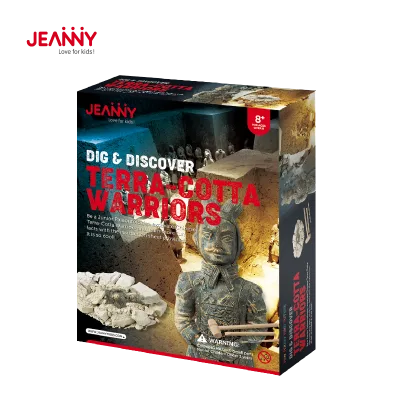
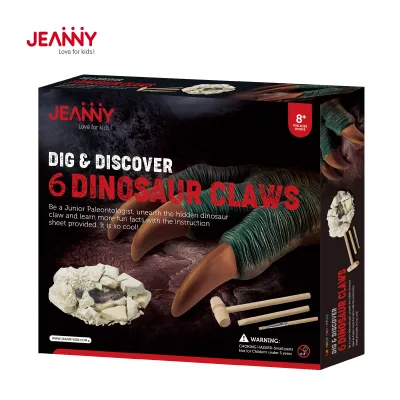
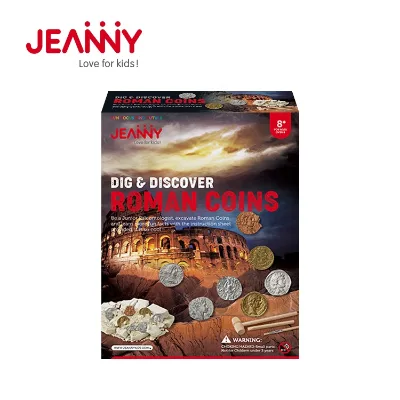
Educational Archeology Dig and Discover Toys Roman Coins Dig Kit Diy Excavation Kits
$1.80 - $2.50
MOQ: 500

Shantou Kaixin Trading Co., Ltd
- Verified by BV
- Manufacturer
- China Guangdong
- Lead time23 days
- Avg. response≤ 7h
Main productsToy, Educational Toy, Remote Control Toy, Pretend Play Toy Set, Summer Toy, Vehicle Toy, Doll, Promotion Toy, Baby Toy, Game Toy

Kids Toys Educational Wholesale Science Experiment Toy Archeology Toy Fossil Excavation Kit
$5.00 - $10.00
MOQ: 120 Sets


SHANTOU BHX TECHNOLOGY CO., LTD.
- Manufacturer, Trading Company
- Lead time旺季: "1 - 90":12,"> 90":"To be negotiated", 淡季: "1 - 90":12,"> 90":"To be negotiated"
- Avg. response≤ 5h
Main productsGun Toy, Educational Toy, Outdoor Toy, Baby Toy, Remote Control Toy
Yantai Shengxin Construction Machinery Co., Ltd
- Verified by SGS
- Combined
- China Shandong
- Lead time23 days
- Avg. response≤ 3h
Main productsHydraulic Breaker, Hydraulic Plate Compactor, Swing Quick Connector, Hammer Back Clamp, Field Mower, Hydraulic Power Shear, Ripper
Main marketsEast Asia(Japan/ South Korea)

Qingdao Vold Machinery Manufacturer Co., Ltd.
- Combined
- China Shandong
- Lead time30 days
- Avg. response≤ 6h
Main productsPedal Go Kart, Kids Balance Bike, Kids Tricycle, Kids Mini Digger, Fire Ring, BBQ
Main marketsEurope,North America
Shenzhen Jiumai E-Commerce Co., Ltd.
- Manufacturer, Trading Company
- Lead time旺季: "1 - 10":3,"11 - 500":7,"> 500":"To be negotiated", 淡季: "1 - 10":3,"11 - 500":7,"> 500":"To be negotiated"
- Avg. response≤ 3h
Main productsPlush toys,Keychain toys,Remote control car toys,Educational toys,fidget toys
Weifang Shining Machinery Co.,Ltd.
- Verified by TUVRHEINLAND
- Combined
- China Shandong
- Lead time15 days
- Avg. response≤ 3h
Main productsDredgers, Cutter Suction Dredger, Amphibious Dredger, Gold Dredger, Suction Dredger, Amphibious Excavator, Tug Boat, Aquatic Weed Harvester, Sand Dredgers, Gold Mining Dredge
Main marketsEurope

Eco Friendly Amphibious Excavator Low Ground Pressure for Environmental River Cleanup
$65000.00 - $80000.00
MOQ: 1 Pieces


Professional Amphibious Excavator for Government Dredging Projects and Environmental Engineering
$65000.00 - $80000.00
MOQ: 1 Pieces



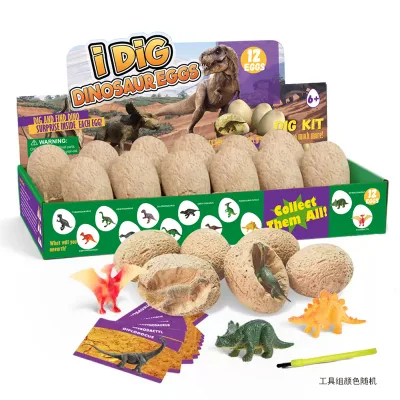
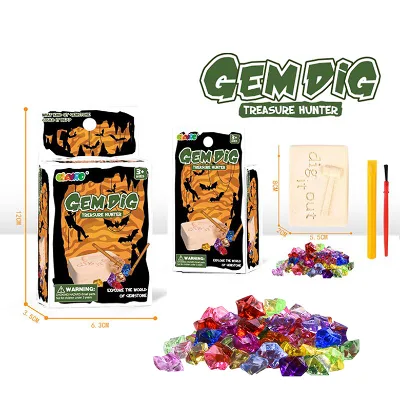


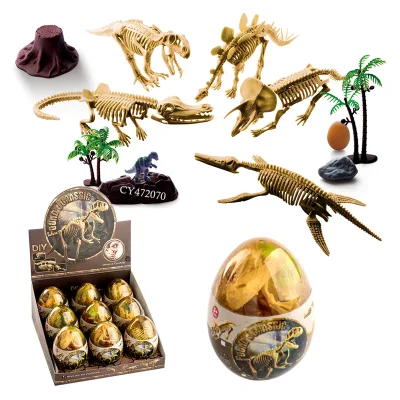
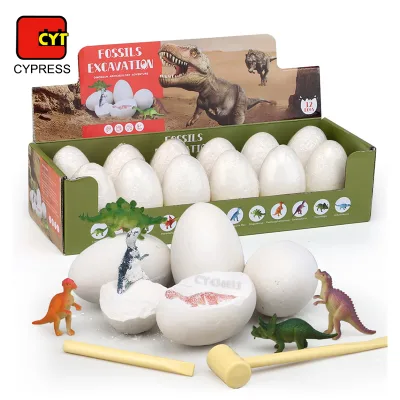


Comprehensive Sourcing Guide
Eco-Friendly Dinosaur Excavation Kit Supplier Concentration and Factory Types
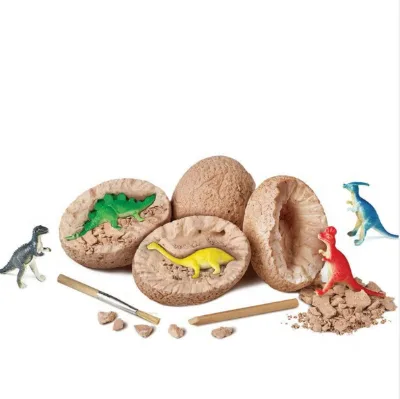
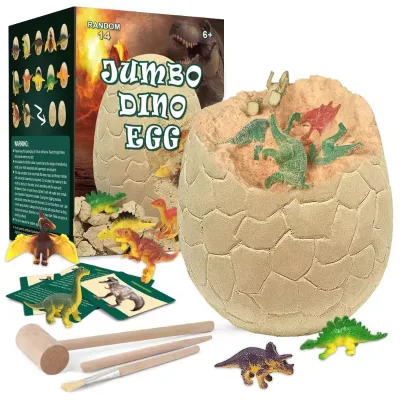
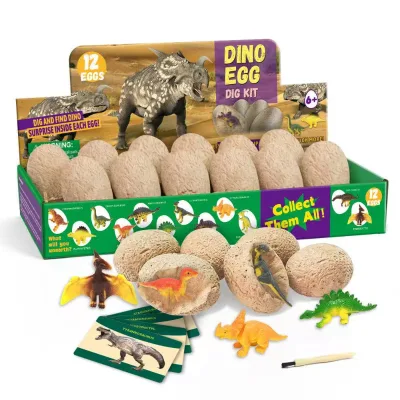
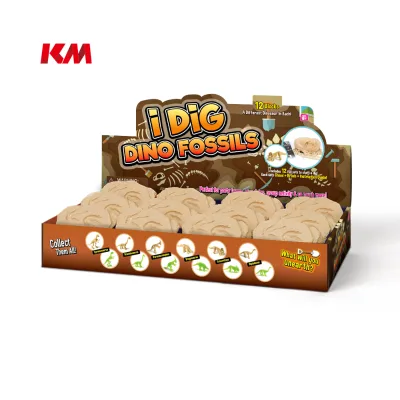
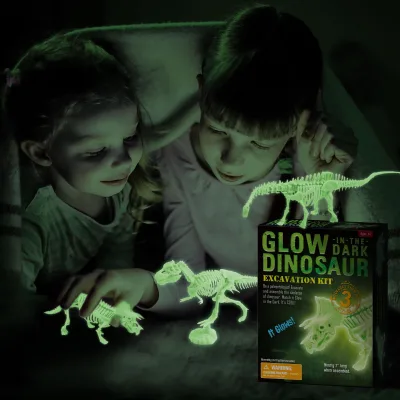
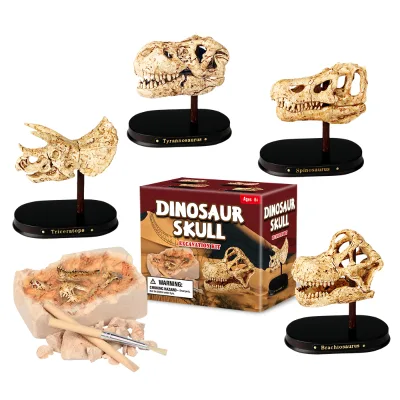
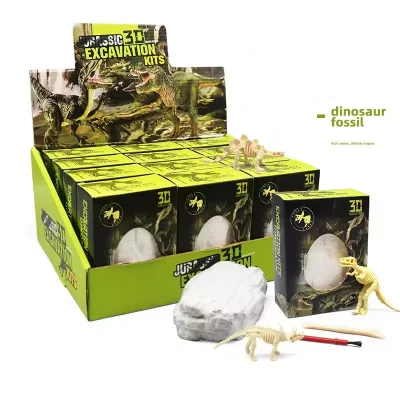
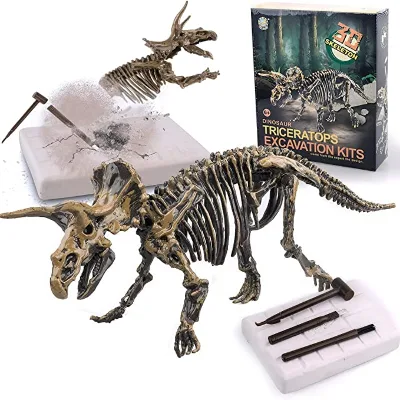
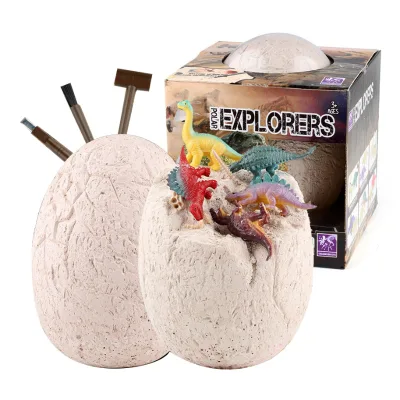
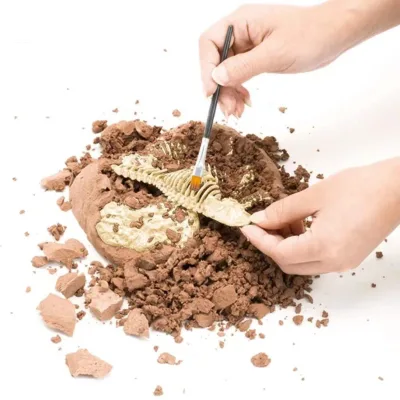
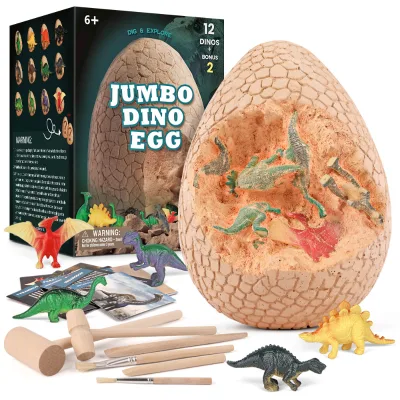
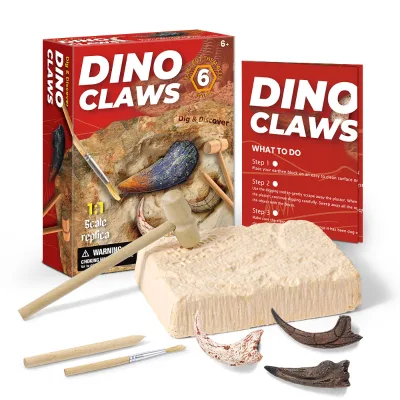
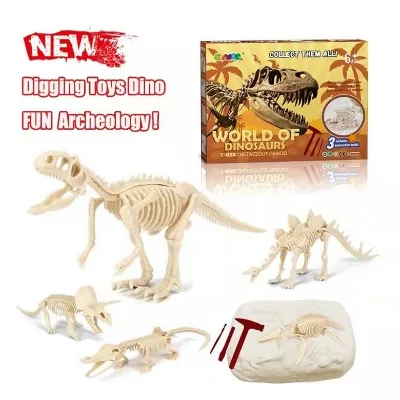
The current search results indicate a specific concentration of manufacturing activity in Guangdong, China, for eco-friendly dinosaur excavation kits. This region serves as a primary hub where both manufacturers and trading companies operate to produce items like non-toxic dinosaur fossils and educational dig kits. Buyers observing this data should recognize that the presence of these entities in Guangdong suggests a mature supply chain capable of handling the specific material requirements, such as environmentally friendly plaster and PVC, often cited in product attributes. The concentration allows for efficient logistics within the province, though buyers must verify if a specific factory is the actual producer or merely a trading intermediary.
Supplier types in this category vary between direct manufacturers and trading companies, a distinction critical for understanding pricing and communication flow. The available data shows companies listing themselves as both manufacturers and trading entities, which can sometimes blur the lines of accountability. When evaluating these suppliers, buyers should look for evidence of direct production capabilities, such as specific model numbers like G8605 or K737, which often indicate a manufacturing origin. If a supplier claims to be a manufacturer but lacks detailed production specifications, they may be acting as a middleman. Understanding this dynamic helps buyers anticipate potential markups and communication delays inherent in trading company structures versus direct factory interactions.
How to Verify Eco-Friendly Dinosaur Excavation Kit Suppliers
Verification of suppliers for eco-friendly dinosaur excavation kits requires a rigorous check of certification documents and product attributes against the claims made in the listing. The search results highlight specific certifications such as CPC, CE, EN71, ASTM, and CPSC, which are essential for toys intended for children in various age ranges. Buyers must request physical copies of these certificates to ensure they are valid and cover the specific product models being ordered, such as the DIY educational toys or the excavation kits with specific item numbers. Relying solely on the text displayed in a search result is insufficient; direct confirmation from the supplier is necessary to validate that the materials used, like environmentally friendly plaster, meet the stated safety standards.
Response time and communication speed are also vital indicators of supplier reliability and operational efficiency. The data indicates a response time metric of 4, which serves as a benchmark for how quickly a supplier engages with potential buyers. A slow response time can signal poor management or a lack of dedicated sales staff, which may lead to delays in resolving issues regarding product customization or quality control. Buyers should test this metric by initiating contact and measuring the actual time taken to receive a reply. Additionally, verifying the establishment year and checking for escrow services can provide further assurance of the supplier's longevity and financial stability. These steps collectively build a profile of a trustworthy partner capable of delivering safe, high-quality excavation kits.
What to Compare Across Eco-Friendly Dinosaur Excavation Kit Suppliers
When comparing suppliers, the minimum order quantity (MOQ) is a primary differentiator that significantly impacts inventory planning and cash flow. The observed data reveals a wide range of MOQs, from as low as 50 pieces for certain excavation kits to 300 pieces for others. This variation allows buyers to select partners that align with their specific order volume needs, whether they are testing the market with small batches or preparing for large-scale distribution. Buyers should carefully calculate the total cost per unit, considering that lower MOQs might come with higher per-unit prices, while larger orders often secure better pricing tiers. It is crucial to match the MOQ with the supplier's capacity to ensure they can fulfill the order without excessive delays.
Lead times and pricing structures are equally critical factors in the comparison process. The available information shows lead times of up to 25 days, which buyers must factor into their supply chain planning to avoid stockouts. Pricing data indicates a range from approximately $0.47 to over $6.00 per unit, depending on the complexity of the kit, the number of dinosaur figures included, and the packaging details. Buyers should compare these prices against the specific product attributes, such as the inclusion of accessories like plastic brushes or shovels, to determine the true value proposition. A comprehensive comparison involves weighing the cost against the lead time and the specific features offered, ensuring the selected supplier provides the best balance of affordability and speed for the specific eco-friendly dinosaur excavation kit requirements.
Common Eco-Friendly Dinosaur Excavation Kit Sourcing Risks
One significant risk in sourcing these kits involves the discrepancy between claimed eco-friendly materials and actual product composition. While many listings advertise the use of environmentally friendly plaster or non-toxic materials, buyers must verify these claims through independent testing or detailed material safety data sheets. The potential for mislabeling exists, especially when suppliers offer a wide array of products ranging from simple plastic figures to complex excavation sets. Without rigorous verification, a buyer might receive products that do not meet the environmental standards they promised to their customers, leading to reputational damage and potential regulatory issues. This risk is particularly acute when dealing with suppliers who do not provide clear documentation on the specific chemical composition of their materials.
Another prevalent risk is the inconsistency in product quality and packaging across different batches or suppliers. The search results show variations in packaging details, such as box sizes and the number of units per carton, which can affect shipping costs and product protection. Inconsistent quality in the excavation kits, such as fragile dinosaur skeletons or incomplete fossil sets, can lead to high return rates and customer dissatisfaction. Buyers should request pre-shipment samples to inspect the physical quality of the items, including the durability of the plastic accessories and the accuracy of the fossil molds. Establishing clear quality control protocols and agreeing on inspection standards before production begins is essential to mitigate these risks and ensure a consistent product experience for the end consumer.
Eco-Friendly Dinosaur Excavation Kit Regional Sourcing and Logistics
Sourcing from Guangdong, China, offers logistical advantages due to the region's established infrastructure and proximity to major shipping ports. The concentration of manufacturers in this area facilitates efficient coordination between production and logistics, potentially reducing lead times for international shipments. Buyers should leverage this regional advantage by selecting suppliers who have experience exporting to their target markets, as they will be familiar with the necessary documentation and shipping procedures. However, the distance from the factory to the final destination remains a factor that influences overall delivery timelines and freight costs. Understanding the specific logistics capabilities of the supplier, including their experience with air and sea freight, is crucial for planning a reliable supply chain.
Logistics planning must also account for the specific packaging dimensions and weights of the excavation kits, which vary significantly across different product models. The data indicates that some kits have a single gross weight of 0.6 kg, while others weigh up to 1.3 kg, with box sizes ranging from compact dimensions to larger cartons. These variations impact the number of units that can be shipped per container, directly affecting the cost per unit for freight. Buyers should work closely with their suppliers to optimize packaging for shipping efficiency, ensuring that the products are protected during transit while maximizing container space. Accurate calculation of shipping volumes based on the specific product attributes is necessary to avoid unexpected costs and delays in the delivery of eco-friendly dinosaur excavation kits.
Eco-Friendly Dinosaur Excavation Kit Commercial Terms and Order Planning
Commercial terms regarding payment and customization options play a pivotal role in the finalization of orders for these educational toys. The search results indicate that many suppliers accept OEM and ODM orders, allowing buyers to customize branding, packaging, and even the specific dinosaur models included in the kits. This flexibility is valuable for buyers looking to create a unique product line, but it requires clear communication of specifications and timelines. Buyers should negotiate terms that protect their interests, such as milestone payments or escrow services, to ensure that the supplier adheres to the agreed-upon design and quality standards before final payment is released. Understanding the customization capabilities and associated costs is essential for effective order planning.
Order planning must also consider the minimum order quantities and the potential for volume discounts to optimize profitability. The observed MOQs range from 50 to 300 pieces, and buyers should align their order sizes with their sales forecasts to avoid overstocking or stockouts. Additionally, the lead time of 25 days noted in the data suggests that buyers need to place orders well in advance of their expected sales peaks. Planning for seasonal demand, such as holiday seasons or back-to-school periods, requires a strategic approach to inventory management. By carefully analyzing the MOQ, lead time, and pricing tiers, buyers can structure their orders to maximize efficiency and ensure a steady supply of eco-friendly dinosaur excavation kits to meet market demand.
FAQs
Where are these kits manufactured?
The products originate from Guangdong, China. This location is confirmed for the listed suppliers offering these educational toys. Buyers should verify specific factory addresses during direct communication to ensure accurate logistics planning and shipping costs.
What certifications do the toys hold?
Many items carry EN71, ASTM, CE, and CPSC certifications. Some listings also mention CCC compliance. These standards indicate safety for children. Buyers must request valid test reports from the supplier to confirm current certification status for their specific order.
What is the minimum order quantity?
Minimum order quantities vary by product type. Some kits require 300 pieces, while others start at 50 pieces. A few specialized sets may have a minimum of just two sets. Always check the specific product page for the exact MOQ before placing an order.
How long does production take?
The standard lead time observed is 25 days. This duration applies to manufacturing and preparation before shipment. Buyers should confirm if this timeline includes packaging customization or if expedited options are available for urgent orders with the specific supplier.
Are these toys eco-friendly?
Yes, many kits use environmentally friendly materials like clay and plastic. Some descriptions explicitly state eco-friendly plaster or non-toxic safe materials. Buyers should verify the specific material composition listed for each item to ensure it meets their sustainability requirements.
What is the price range per unit?
Unit prices range from approximately 0.47 to 6.63 dollars depending on the kit complexity. Lower prices apply to smaller excavation eggs, while larger sets cost more. Final pricing depends on the order quantity and specific supplier negotiation terms.
Do suppliers accept custom branding?
Yes, OEM and ODM services are available for many products. Suppliers accept customized logos and packaging details. Buyers should discuss specific branding requirements and any associated costs directly with the manufacturer to ensure their brand identity is correctly applied.