Eco Friendly Handmade Wood Tray Suppliers and Manufacturers
Source 18 verified suppliers for Eco Friendly Handmade Wood Tray products. Compare key dimensions including lead times, MOQs, certifications, and response rates. Review product specifications and request quotes directly from manufacturers in China; review the available evidence before requesting comparable quotations from suitable candidates.
Suppliers List

CAO COUNTY DAWANG ARTS AND CRAFTS CO., LTD.
- Verified by TUVRHEINLAND
- Manufacturer/Factory
- China Shandong
- Lead time23 days
- Avg. response≤ 23h
Main productsWooden Cabinet, Iron Furniture, Wall Shelf
Main marketsEastern Europe,North America,Western Europe

Forever Standing Stationery Co., Ltd.
- Combined
- China Guangdong
- Lead time30 days
- Avg. response≤ 25h
Main productsCosmetic Box, Jewelry Box, Make up Box, Wine Box, Wine Bags, Wine Rack, Storage Box, Gift Packing Box, Photo Albums, Stationery and Office Supply
Main marketsSouth America,Africa,Southeast Asia/ Mideast,East Asia(Japan/ South Korea),Domestic,Europe,Australia,North America

Shuifu Huiyang Agricultural Technology Co., Ltd.
- Verified by SGS
- Trading Company
- China Yunnan
- Lead time23 days
- Avg. response≤ 2h
Main productsBamboo Products, Bamboo Crafts, Bamboo Chopsticks, Bamboo Skewers, Bamboo Weaving, Bamboo Tray, Bamboo Box, Bamboo Placemat, Bamboo Fruit Bowl, Lamp Shades
Main marketsDomestic

Fujian Hoyee Household Items Co., Ltd.
- Verified by BV
- Manufacturer/Factory
- China Fujian
- Lead time0 days
- Avg. response≤ 9h
Main productsBamboo Products, Cutting Board, Bathtub Caddy, Bath Mat, Bath Towel Rack, Shoes Rack, Office Organizer, Desk Organizer, Cheese Board, Serving Tray
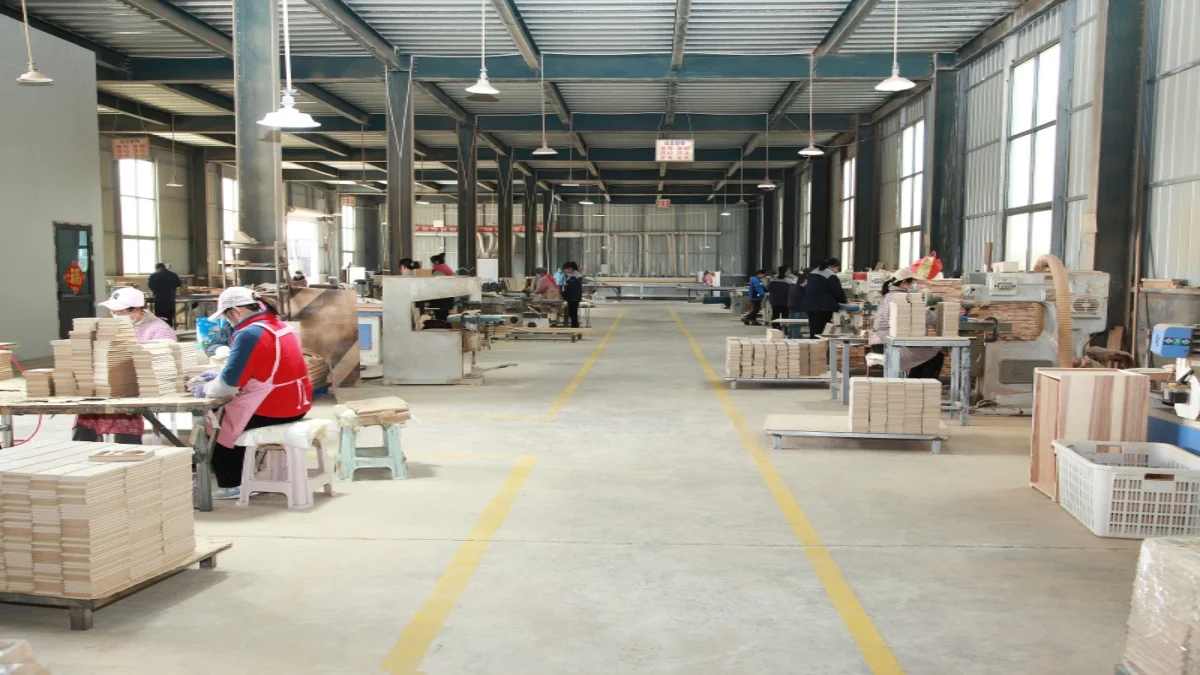
Caoxian Dongxing Arts And Crafts Co., Ltd.
- Manufacturer, Trading Company
- Shandong, China
- Lead time30 days
- Avg. response≤ 5h
Main productswooden craft,wooden tray,wooden box,wooden home decor,wooden shelf
Main marketsNorth America(50.0%), Eastern Asia(30.0%), Western Europe(20.0%)
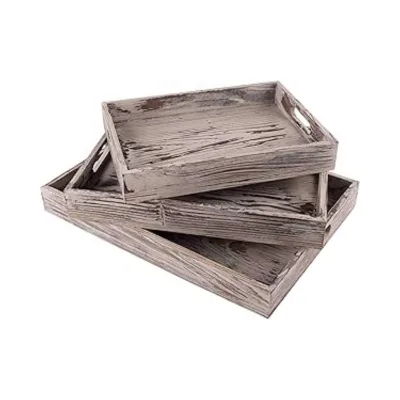
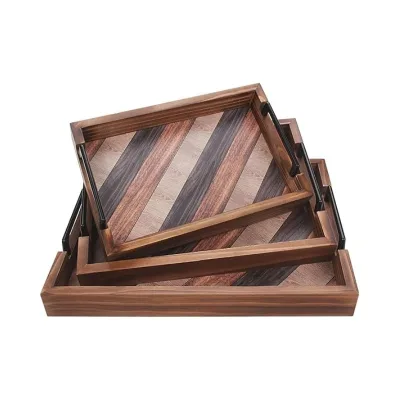
Solid Custom-made Dinner Food Kitchen Craftsmanship Wood Serving Tray with Handles
$1.10 - $1.50
Moq: 500
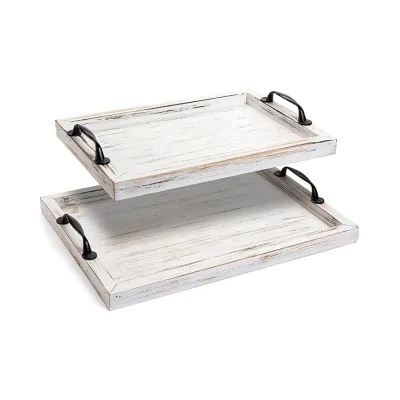
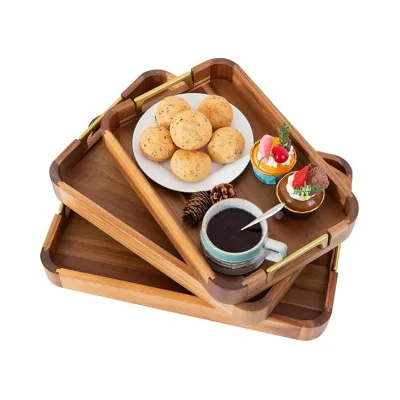
Solid Custom-made Acacia Nested Decorative Trays Wood Serving Trays with Handles
$1.10 - $1.50
Moq: 500
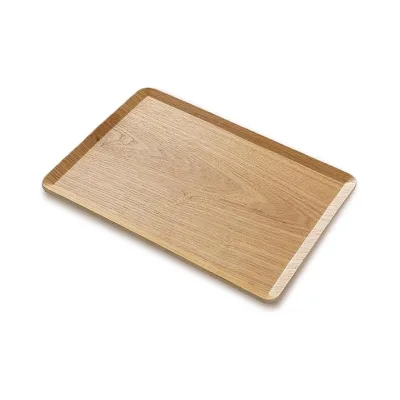
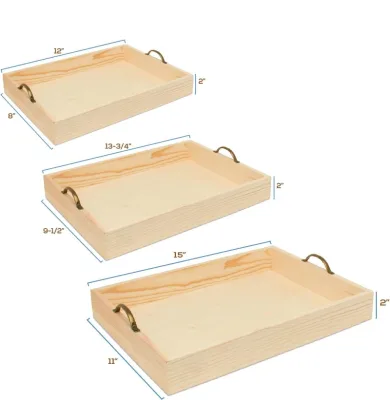
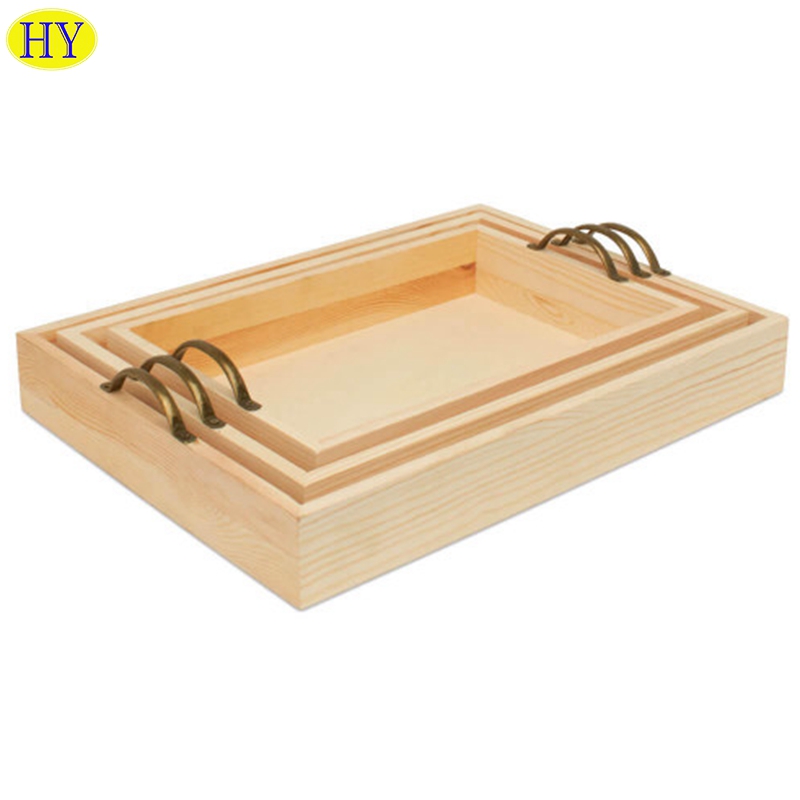
Unfinished Wood Nesting Serving Trays with Handles Wooden Tray Set Cheap Wood Tray
$2.59 - $3.99
Moq: 500
Caoxian Fengdan Wood Industry Co., Ltd.
- Verified by SGS Group
- Manufacturer, Trading Company
- Lead time45 days
- Avg. response≤ 1h
Main productsWooden Cutting & Serving Board, Wooden Trays, Wooden Box, Wooden Bowl, Wooden Rack

Shandong Huiyang Industry Co., Ltd.
- Trading Company
- Shandong, China
- Lead time40 days
- Avg. response≤ 4h
Main productsWood Storage,Wooden Crate,Wooden Wall Shelf,Wooden Tray,Wooden Furniture
Main marketsWestern Europe(28.000000000000004%), Northern Europe(25.0%), North America(15.0%), Mid East(10.0%), Eastern Asia(7.000000000000001%), Eastern Europe(5.0%), Oceania(5.0%), Africa(3.0%), Domestic Market(2.0%)

Ningbo Lanfon Homeware Co.,Ltd
- Verified by SGS
- Combined
- China Zhejiang
- Lead time30 days
- Avg. response≤ 2h
Main productsTable Top, Bath & SPA, Placemats, Kitchenware, Personal Care, Cleaning, Table Mat, Kitchen Organizer, Organizer
Main marketsEurope,North America

Fenghua Technology Development Co Ltd
- Verified by TUVRHEINLAND
- Combined
- China Zhejiang
- Lead time23 days
- Avg. response≤ 2h
Main productsAdhesive Paper, Lint Roller, Glue Trap, Serving Tray
Main marketsSouth America,Africa,Southeast Asia/ Mideast,East Asia(Japan/ South Korea),Domestic,Europe,North America

Tonglin Wood Industry (Dalian) Co., Ltd
- Verified by BV
- Trading Company
- China Liaoning
- Lead time30 days
- Avg. response≤ 4h
Main productsWooden Stair Product, Wooden Skirting Line, Wooden Baseball Bat, Wooden Pet Product, Wooden Knob, Wooden Handle, Wood Wine Box, Wooden Balusters, Wooden Cutting Board, Wooden Door Jamb
Main marketsNorth America

- Manufacturer/Factory
- China Fujian
- Lead time45 days
- Avg. response≤ 13h
Main productsBamboo Chopping Board, Bamboo Box, Bamboo Tray, Bamboo Bottle, Bamboo Products, Bamboo Cutlery, Bamboo Plywood, Bamboo Furniture, Bamboo Plate, Bamboo Broom
Main marketsSouth America,Eastern Europe,Mid East,North America,Southeast Asia,Oceania,Western Europe,Africa
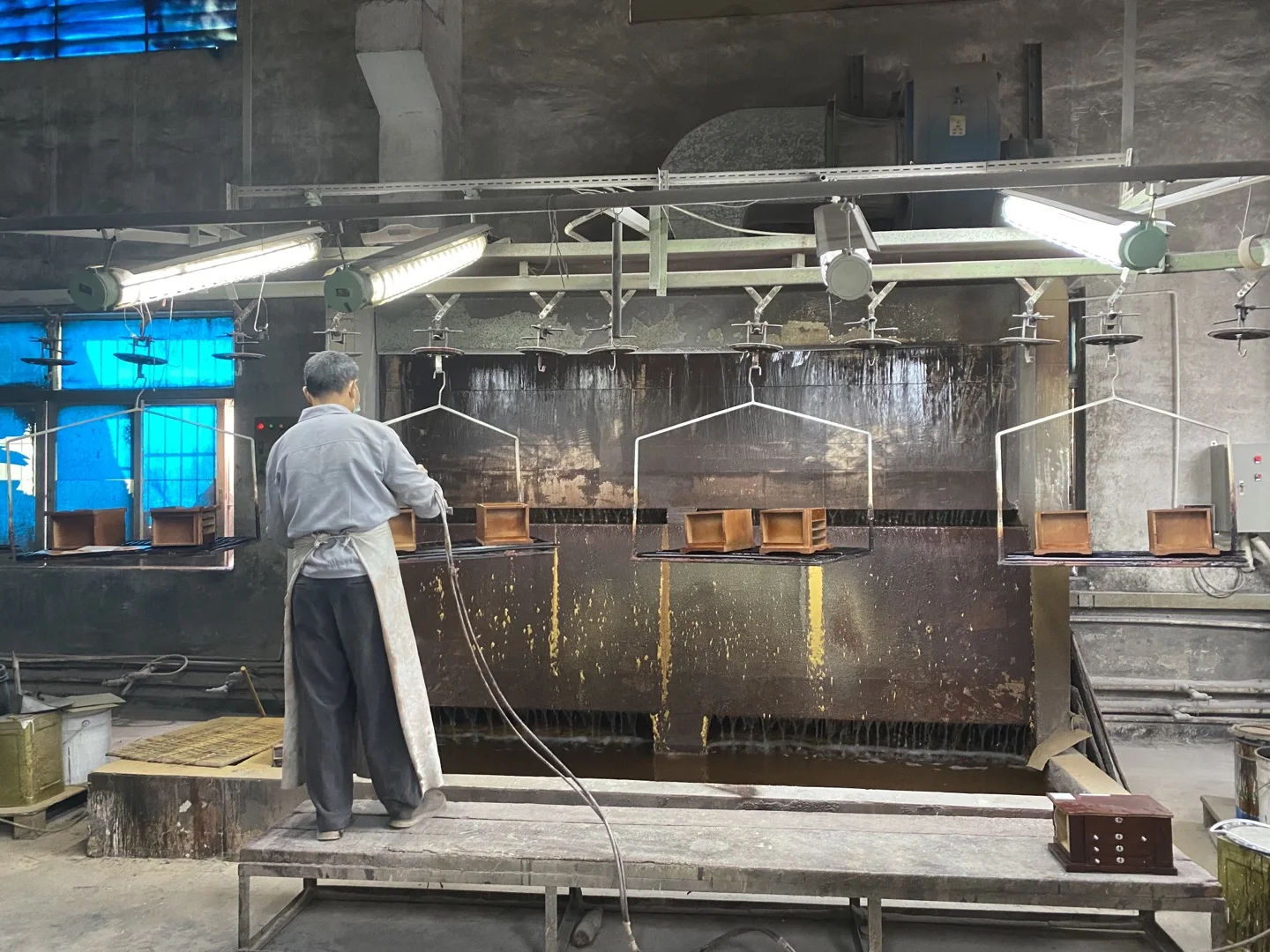
Dongguan Duoxi Gifts Co., Ltd.
- Trading Company
- Guangdong, China
- Lead time30 days
- Avg. response≤ 11h
Main productsBackgammon,Boardgame,Chess Set,Checkers,dices
Main marketsSouth America(28.499999999999996%), Western Europe(26.5%), Northern Europe(5.75%), Southeast Asia(5.5%), Mid East(5.0%), Oceania(4.88%), Eastern Asia(4.55%), Eastern Europe(3.85%), North America(3.8%), Southern Europe(3.5000000000000004%), Domestic Market(3.42%), South Asia(3.0%), Central America(1.2%), Africa(0.55%)

Shaowu City Nafu Bamboo and Wood Industry Co., Ltd.
- Manufacturer
- China Fujian
- Lead time15 days
- Avg. response≤ 18h
Main productsBamboo and Wood Cutting Board Cheese Board, Bamboo and Wood Storage Box, Bamboo and Wood Plate, Bamboo and Wood Tray, Marble Wood Cheese Board, Bamboo and Wood Table, Bamboo and Wood Bathroom Products, Bamboo and Wood Shelf, Bamboo and Wood Kitchen Utensil, Bamboo and Wood Bowl
Main marketsEast Asia(Japan/ South Korea),Domestic,Europe,Australia,North America

Hand Crafted Solid Rubber Wood Christmas Tree Tray, Holiday Serving Tray and Plate
$1.00 - $4.00
Moq: 300


Xiamen Ebei Import & Export Co., Ltd.
- Verified by CTI
- Trading Company,Manufacturer/Factory
- China Fujian
- Lead time45 days
- Avg. response≤ 2h
Main productsEco-Friendly Products, Bamboo Tableware, Bamboo Furniture, Bamboo Kitchenware, Bamboo Office Supply, Bamboo Fibre Products, Biodegradable Products, Bamboo Towel, Solar Energy Products, Bamboo Garden Products
Main marketsSouth America,Eastern Europe,Mid East,North America,Southeast Asia,Eastern Asia,Oceania,Western Europe,Africa

Shaowu Han Well Import and Export Trade Co., Ltd.
- Trading Company
- China Fujian
- Lead time23 days
- Avg. response≤ 9h
Main productsChopping Boards, Serving Boards, Bamboo Skewer, Bamboo Stick, Tray, Cutting Board, Box, Utensil Tool, Bamboo Chopsticks, Coffee Stirrers
Main marketsEast Asia(Japan/ South Korea),Europe,Australia,North America
Caoxian Shuanglong Arts & Crafts Plant
- Verified by SGS Group
- Manufacturer, Trading Company
- Lead time30 days
- Avg. response≤ 1h
Main productsWooden packaging, Wooden pet products, Wooden holiday decoration, Wooden home decoration, Wooden box
Main marketsDomestic Market(45%), North America(8%), Southeast Asia(8%)
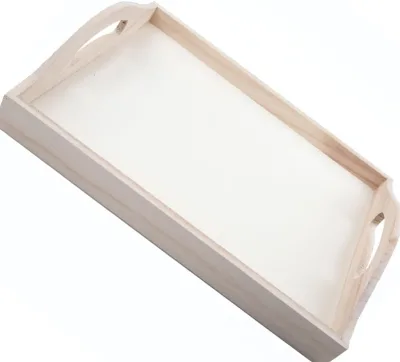
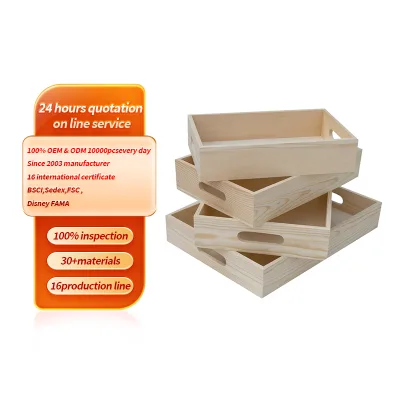
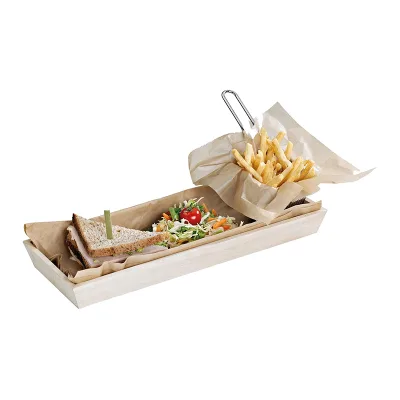
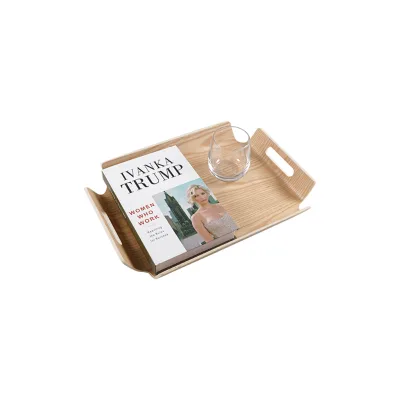
Natural Wood Serving Trays Long Wood Tray for Snacks
$1.90 - $2.90

Caoxian Zhongyi Wooden Co.,Ltd
- Verified by BV
- Combined
- China Shandong
- Lead time30 days
- Avg. response≤ 10h
Main productsWoodwork
Main marketsEurope


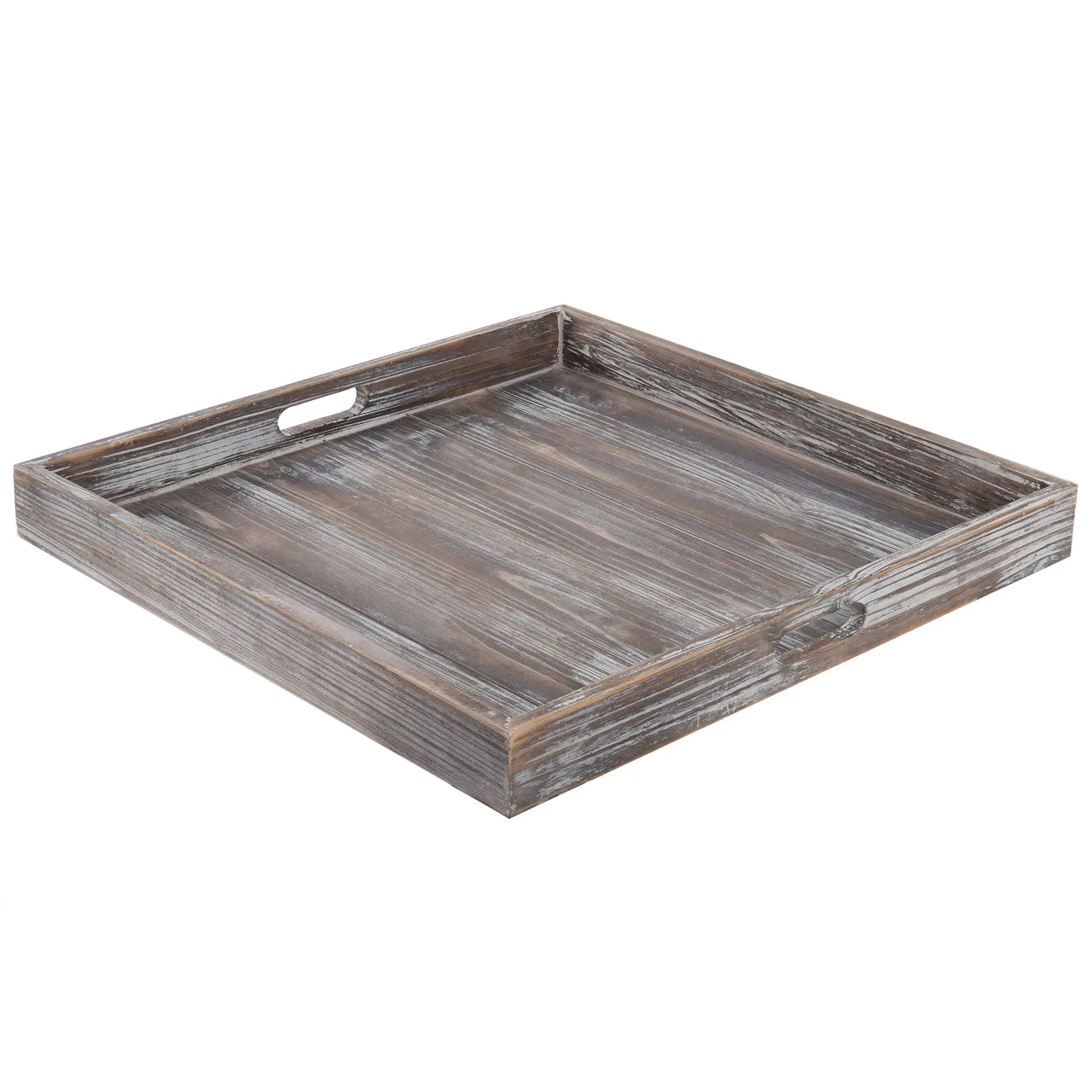
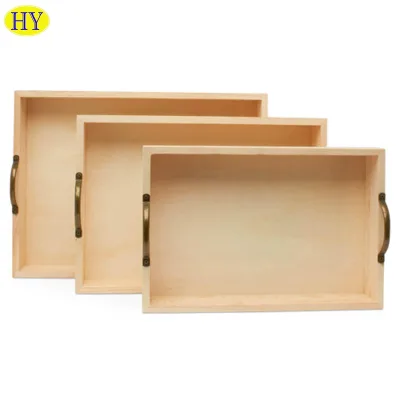
Rustic Wooden Serving Trays with Handle Large, Medium and Small Nested Serving Tray
$3.75 - $5.65
Moq: 500


Ningbo Youlu Machinery Technology Co., Ltd.
- Verified by BV
- Combined
- China Zhejiang
- Lead time30 days
- Avg. response≤ 20h
Main productsCandy Machine, Chocolate Machine, Candy Packing Machine, Chocolate Packing Machine, Hard Candy Machine, Toffee Candy Making Machine, Candy Production Line, Lollipop Production Line
Main marketsNorth America






Comprehensive Sourcing Guide
Eco Friendly Handmade Wood Tray Supplier Concentration and Factory Types
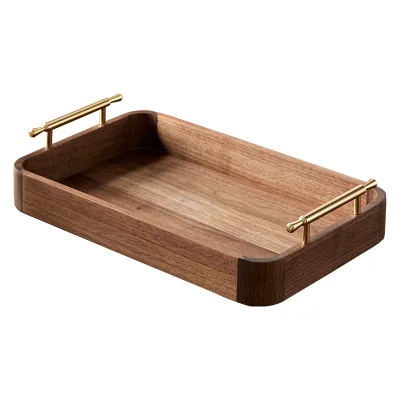
Current data indicates a concentration of manufacturers in China's Shandong province, where facilities produce wooden cabinets, iron furniture, and wall shelves alongside serving trays. These suppliers often operate as manufacturers or factories with capabilities for own-brand, OEM, and ODM services. The product evidence confirms that specific items like bamboo handmade wood rectangular serving trays originate from this region, utilizing solid wood materials and polishing processes. Buyers should look for these specific geographic markers when searching for suppliers who specialize in wooden crafts and home decoration items.
In contrast, other results point to suppliers in Guangdong, specifically Dongguan, which focus on cosmetic boxes, jewelry boxes, and wine packaging while also offering wooden trays. These entities are sometimes classified as combined companies rather than pure manufacturers, yet they maintain significant export experience spanning twenty years. Their product lines include eco-friendly bamboo and wood trays with features like non-disposable construction and custom logo acceptance. When evaluating potential partners, buyers must distinguish between pure manufacturing hubs in Shandong and mixed-service trading or combined entities in Guangdong to align with their specific sourcing needs.
How to Verify Eco Friendly Handmade Wood Tray Suppliers
Verification processes should prioritize checking for recognized system certifications such as BSCI, ISO 9001, Sedex, and Reach, which appear in the product attributes of verified suppliers. Some manufacturers hold TUVRHEINLAND verification status, providing an additional layer of trust regarding their operational standards and compliance. Buyers must confirm that these certifications are current and directly linked to the specific factory producing the eco-friendly wood trays, rather than being generic claims on a trading company profile. The presence of these credentials often correlates with the supplier's ability to meet international safety and environmental standards.
Response time and lead time are critical metrics for assessing supplier reliability and operational efficiency. Data shows response times ranging from approximately 22 to 25 hours, with lead times varying between 23 and 30 days depending on the order complexity and location. A supplier with a 22.73-hour response time may indicate a more agile communication channel compared to those with longer delays. Buyers should request sample times, which can range from 5 to 7 days, to gauge how quickly a factory can produce a prototype for quality inspection before committing to a larger production run.
What to Compare Across Eco Friendly Handmade Wood Tray Suppliers
When comparing suppliers, buyers must analyze the minimum order quantity (MOQ) requirements, which are consistently listed as 1000 pieces or 1000 PCS across multiple product listings. This threshold is a significant factor for small to medium-sized businesses entering the market, as it dictates the initial capital investment required. Additionally, price ranges vary significantly, with some solid wood trays listed between $2.50 and $3.50, while more complex designs with handles or specific dimensions can range from $8.50 to $17.50. Understanding these price bands helps buyers budget accurately for different product tiers.
Material composition and customization options are equally vital comparison points. Evidence shows materials ranging from solid wood to bamboo and wood blends, with customization availability being a standard feature across most listings. Buyers should compare specific product attributes such as processing methods like polishing, styles ranging from simple to fashion, and usage scenarios including home decoration, daily use, or gift purposes. The ability to accept custom logos and designs, along with the availability of free design services, allows buyers to differentiate their products in the market while ensuring the final output meets their specific branding requirements.
Common Eco Friendly Handmade Wood Tray Sourcing Risks
One primary risk involves the variability in product dimensions and standard specifications, which can lead to fulfillment errors if not meticulously verified. Product standards listed include measurements like 33173.5cm, 40306.5cm, and 35.522.95.1cm, indicating that a single supplier may offer multiple sizes with different packing configurations. Without clear communication, buyers risk receiving trays that do not fit their intended packaging or display requirements. It is essential to confirm the exact prod_standard and prod_packing details before finalizing any order to avoid logistical complications.
Another significant risk relates to the discrepancy between claimed capabilities and actual production capacity, particularly regarding lead times and delivery schedules. While some suppliers state a lead time of 23 days, others indicate a delivery time of 4-5 weeks, creating potential bottlenecks in the supply chain. If a buyer relies on a supplier with a longer lead time without accounting for buffer periods, they may face stockouts or missed market windows. Verifying the actual production capacity and ensuring the supplier can meet the required timeline is crucial for maintaining inventory stability and customer satisfaction.
Eco Friendly Handmade Wood Tray Regional Sourcing and Logistics
Sourcing from Shandong offers access to manufacturers specializing in wooden products with established export channels, though buyers must verify the specific origin of each item. The product evidence confirms origins in Shandong China for certain wooden serving trays, suggesting a localized supply chain for raw materials and finished goods. Logistics from this region may involve different shipping routes and transit times compared to suppliers in Guangdong, where Dongguan is a known hub for export-oriented manufacturing. Buyers should calculate the total landed cost, including freight and insurance, based on the specific port of origin to ensure accurate pricing.
Logistics planning must also account for the diverse commercial terms offered by suppliers, such as EXW, FOB, CNF, CIF, and Door to Door. These terms dictate who bears the responsibility for shipping costs and risks at various stages of the journey. For instance, an EXW term places the burden of transport on the buyer from the factory gate, while CIF includes costs up to the destination port. Understanding these terms is essential for managing the supply chain effectively, especially when dealing with suppliers in different provinces like Shandong and Guangdong, as each may have distinct logistical advantages and constraints.
Eco Friendly Handmade Wood Tray Commercial Terms and Order Planning
Payment terms vary widely among suppliers, with options including T/T, L/C, Paypal, Alipay, and Western Union, requiring buyers to select methods that align with their financial policies and risk tolerance. Some suppliers may require a deposit before production begins, while others might offer more flexible terms for established relationships. Buyers should carefully review the payment schedule and ensure it matches their cash flow capabilities to avoid disruptions in the ordering process. Additionally, the availability of escrow services or trade assurance can provide an extra layer of security for the transaction.
Order planning must consider the specific packaging requirements, such as 1 set per carton or 1 PC per polybag, which impact shipping volume and costs. The product attributes indicate that packing can vary significantly, from simple polybagging to cartonized sets, affecting the number of units per container. Buyers need to calculate the optimal container load to minimize shipping expenses while ensuring the products arrive without damage. Furthermore, the availability of custom packaging and the ability to accept specific logo placements should be integrated into the initial order planning to streamline the supply chain and reduce post-production adjustments.
FAQs
What is the price range for handmade wood trays?
Prices for handmade wood trays typically range from $2.50 to $17.50 per unit. The final cost depends on the material, such as solid wood or bamboo, and the complexity of the polishing process. Buyers should expect higher prices for custom designs or specific dimensions like 40x30cm compared to standard sizes.
What is the minimum order quantity for these trays?
The minimum order quantity is generally 1000 pieces for most suppliers. This standard MOQ applies to both solid wood and bamboo options. Buyers seeking smaller quantities may need to negotiate directly or look for suppliers offering sample orders, though standard wholesale pricing usually requires meeting this baseline volume.
How long does production take for custom orders?
Production lead times typically range from 23 to 30 days after order confirmation. Some suppliers offer a sample time of 5-7 days before bulk production begins. Delivery times are often estimated at 4-5 weeks. Buyers should confirm specific timelines with the supplier to ensure alignment with their launch schedule.
Are these trays made from eco-friendly materials?
Yes, many suppliers offer trays made from solid wood or bamboo, which are considered eco-friendly materials. Products are often labeled as non-disposable and feature natural colors. Certifications like BSCI and ISO 9001 indicate adherence to environmental and quality standards, ensuring the materials meet sustainable sourcing requirements for global markets.
Can I customize the logo and design on the tray?
Customization is available for logos, designs, and specific dimensions. Suppliers offer OEM and ODM services to tailor the product to your brand. You can request specific sizes, such as 33x17cm or 45x30cm, and choose between simple or fashion styles. Free design services may be provided by experienced manufacturers.
Where are these wooden trays manufactured?
Manufacturing locations include Shandong and Guangdong provinces in China. Suppliers in these regions specialize in wooden cabinets, furniture, and decorative trays. Yunnan is also listed as a location, indicating diverse sourcing options. Buyers can verify specific factory locations to assess logistics costs and supply chain reliability for their target markets.
What certifications do the suppliers hold?
Suppliers commonly hold BSCI, ISO 9001, Sedex, and Reach certifications. These credentials verify compliance with social responsibility, quality management, and chemical safety standards. Some suppliers are verified by TUV Rheinland, adding an extra layer of trust. Buyers should request current certificates to ensure the products meet their specific market regulations.